
Level 1 sweep and inspection to the NFPA 211 annual standard - flue, crown, cap, and flashing checked and photographed
Chimney sweep logs do not sweep chimneys. They loosen some creosote - which then falls where a brush and vacuum still have to collect it.
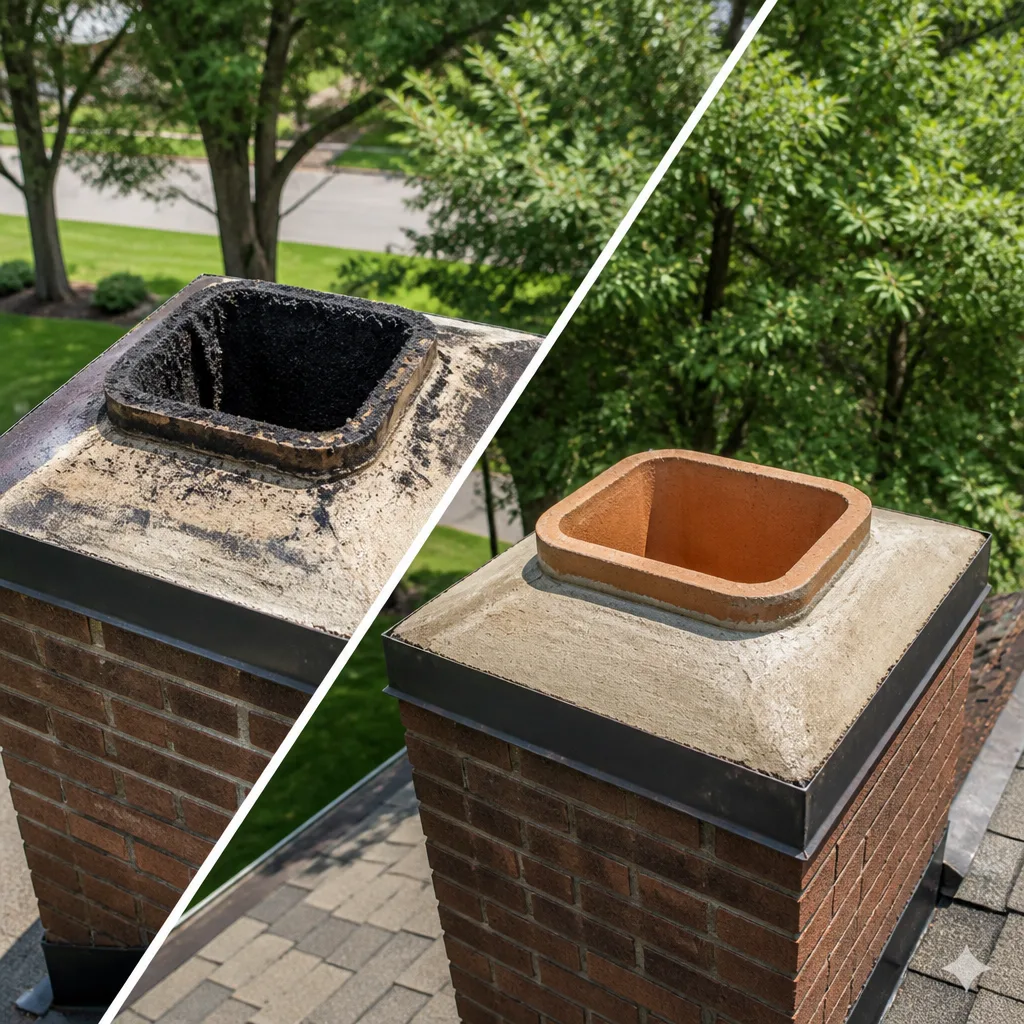
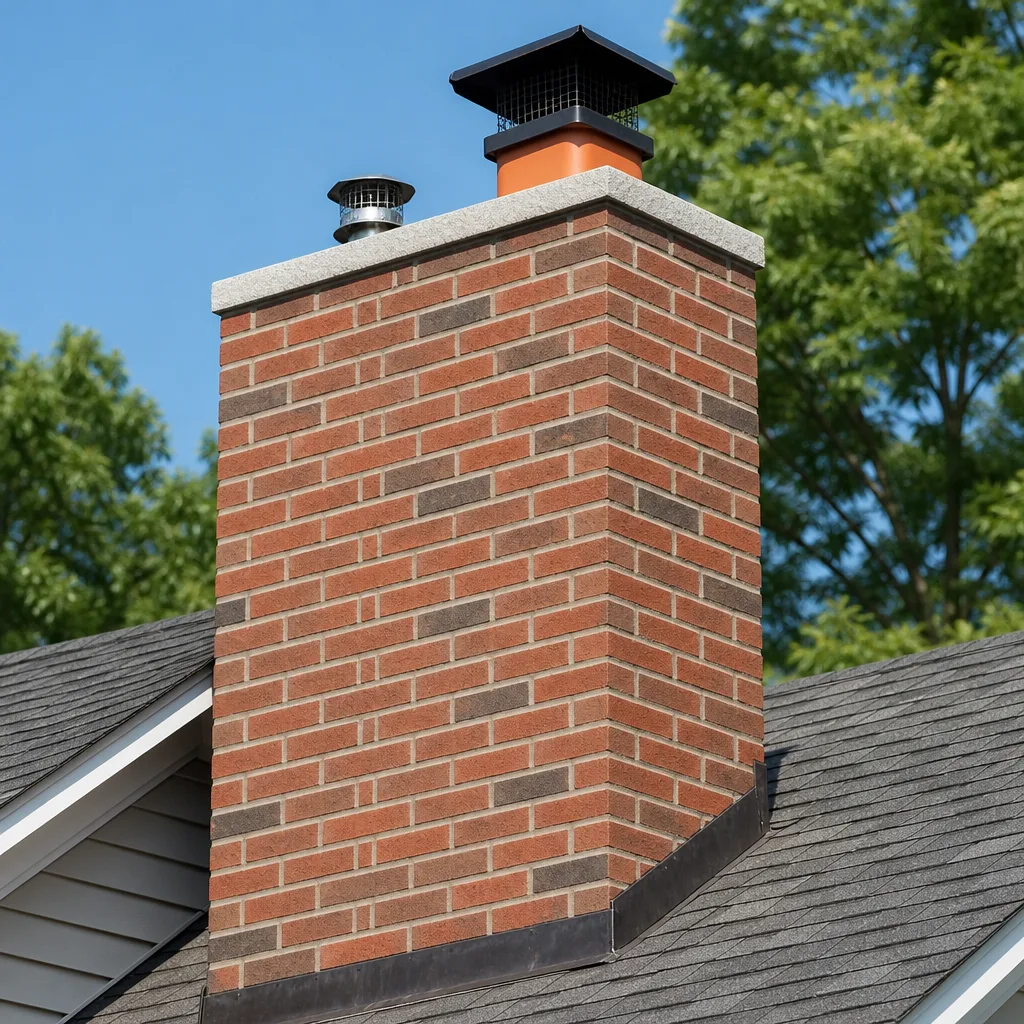
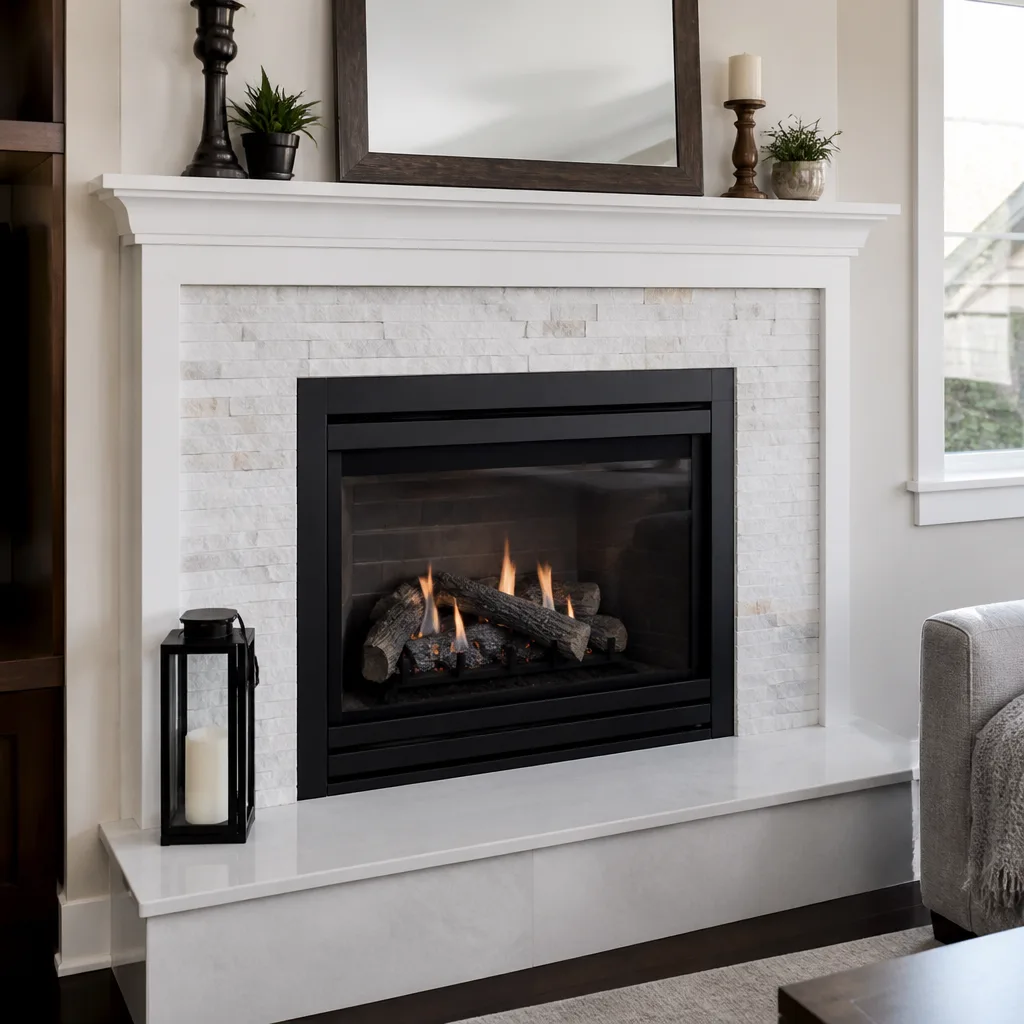
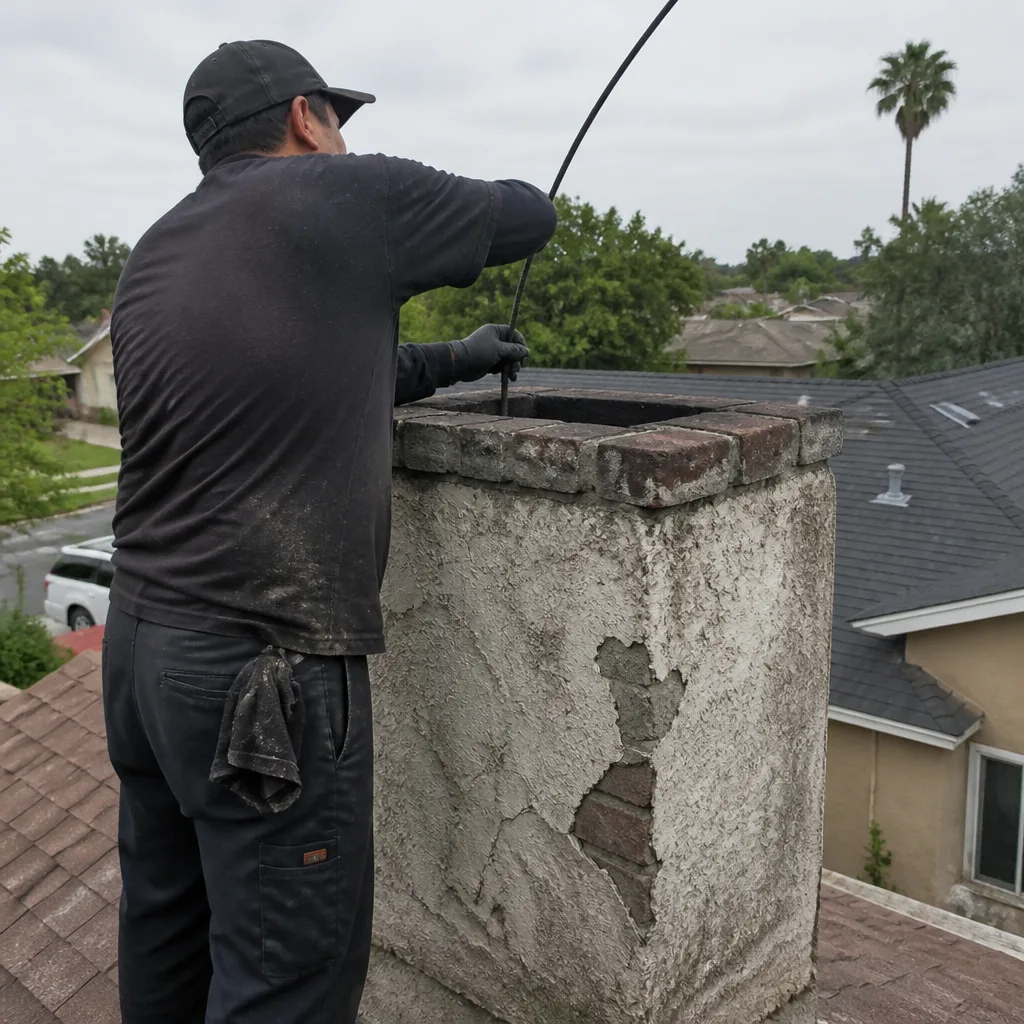 Before
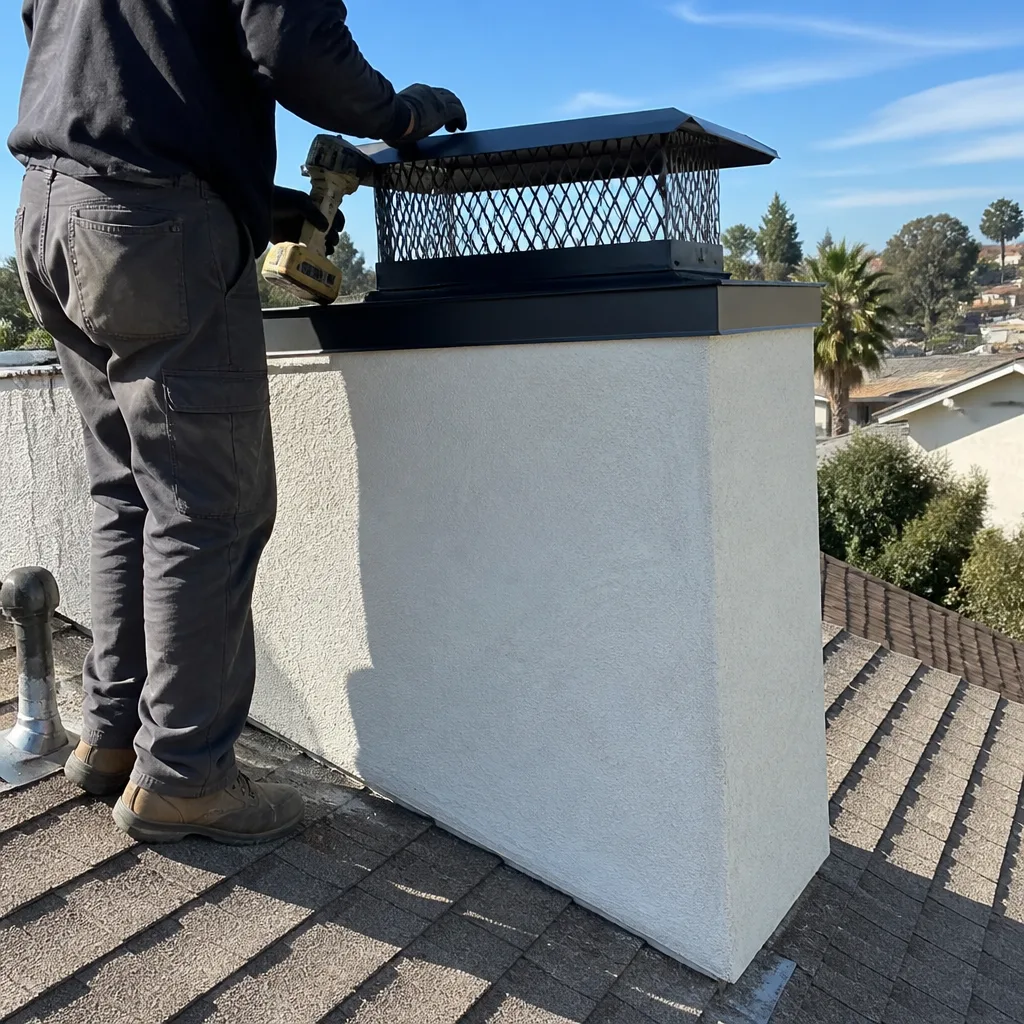 After
After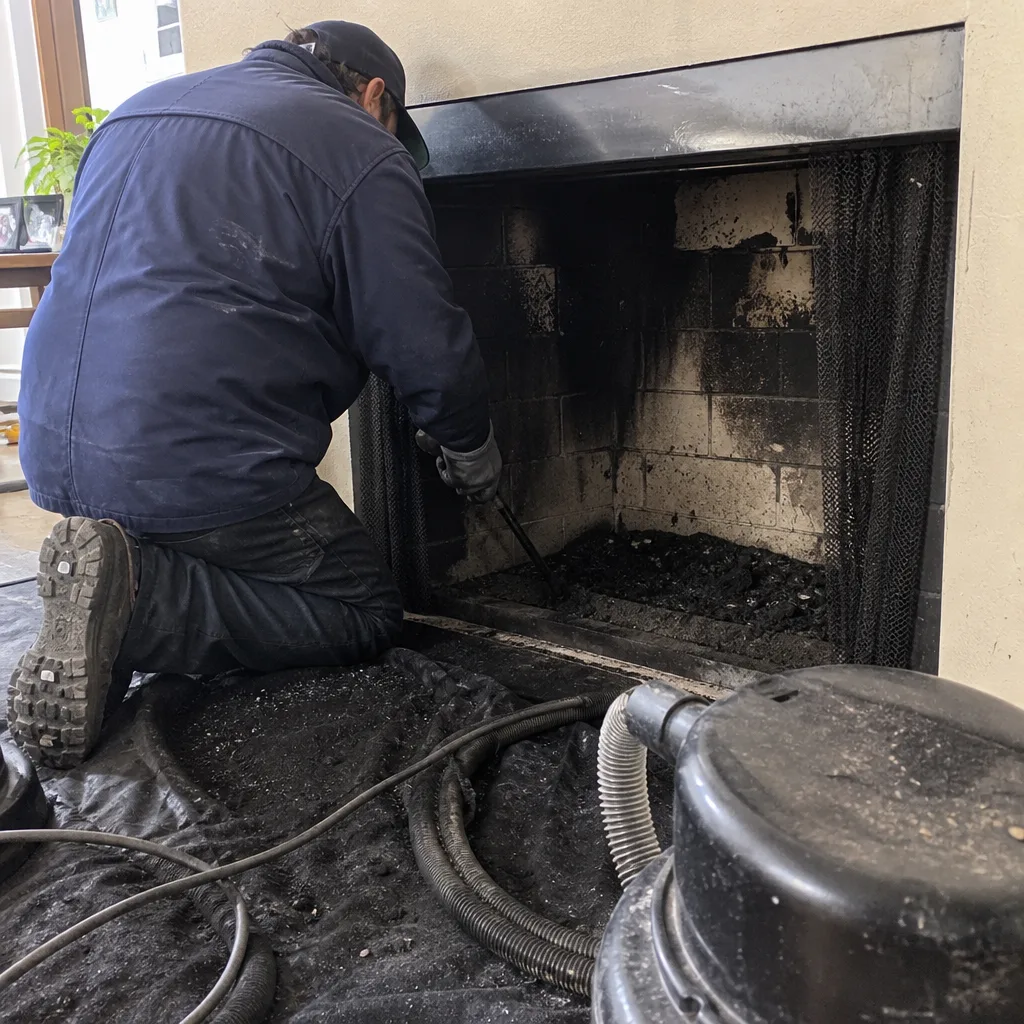 Before
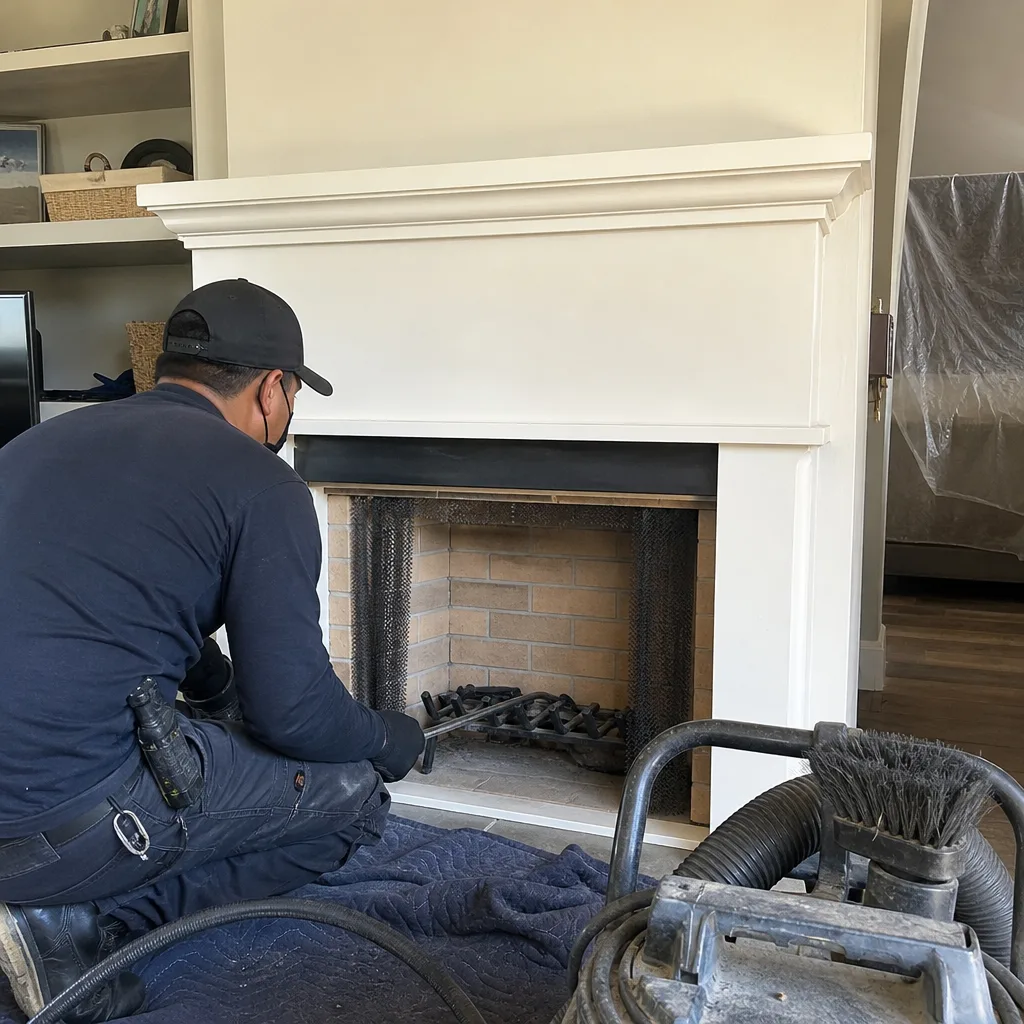 After
After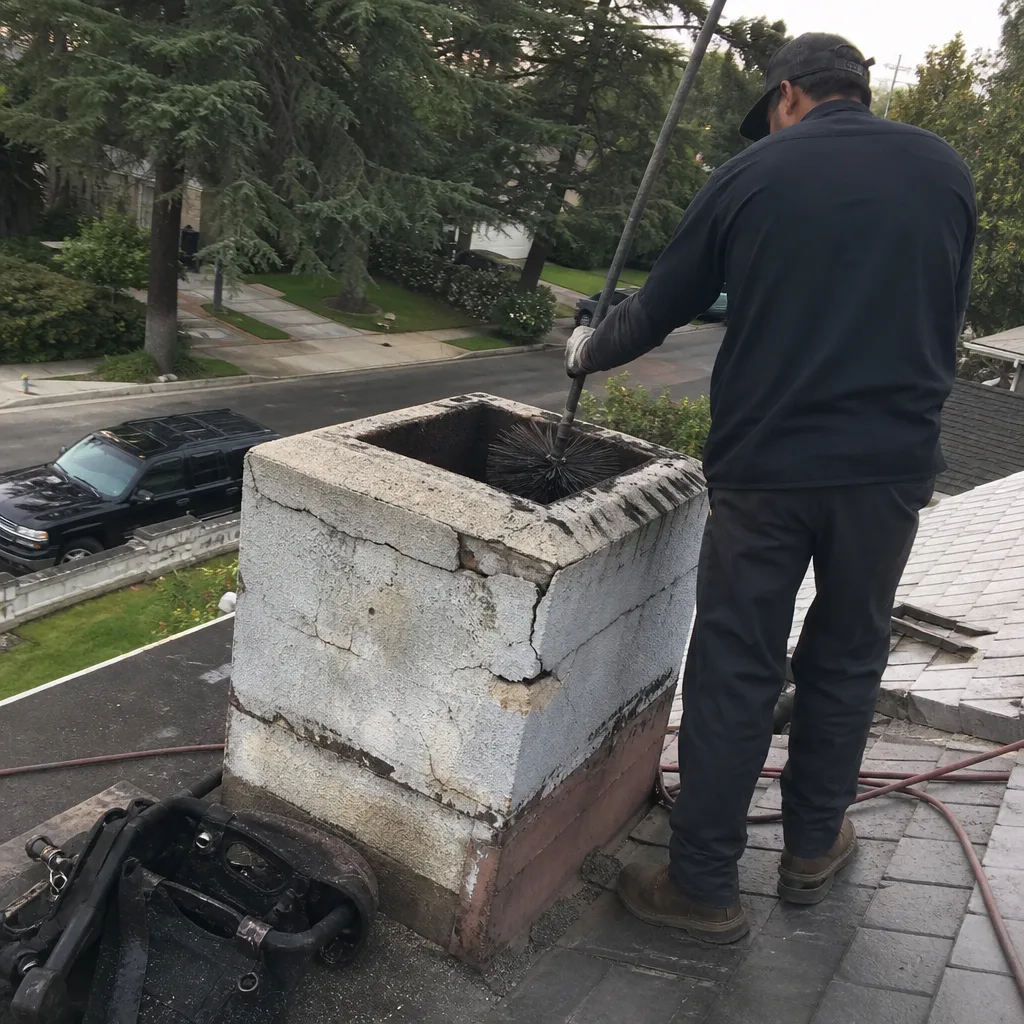 Before
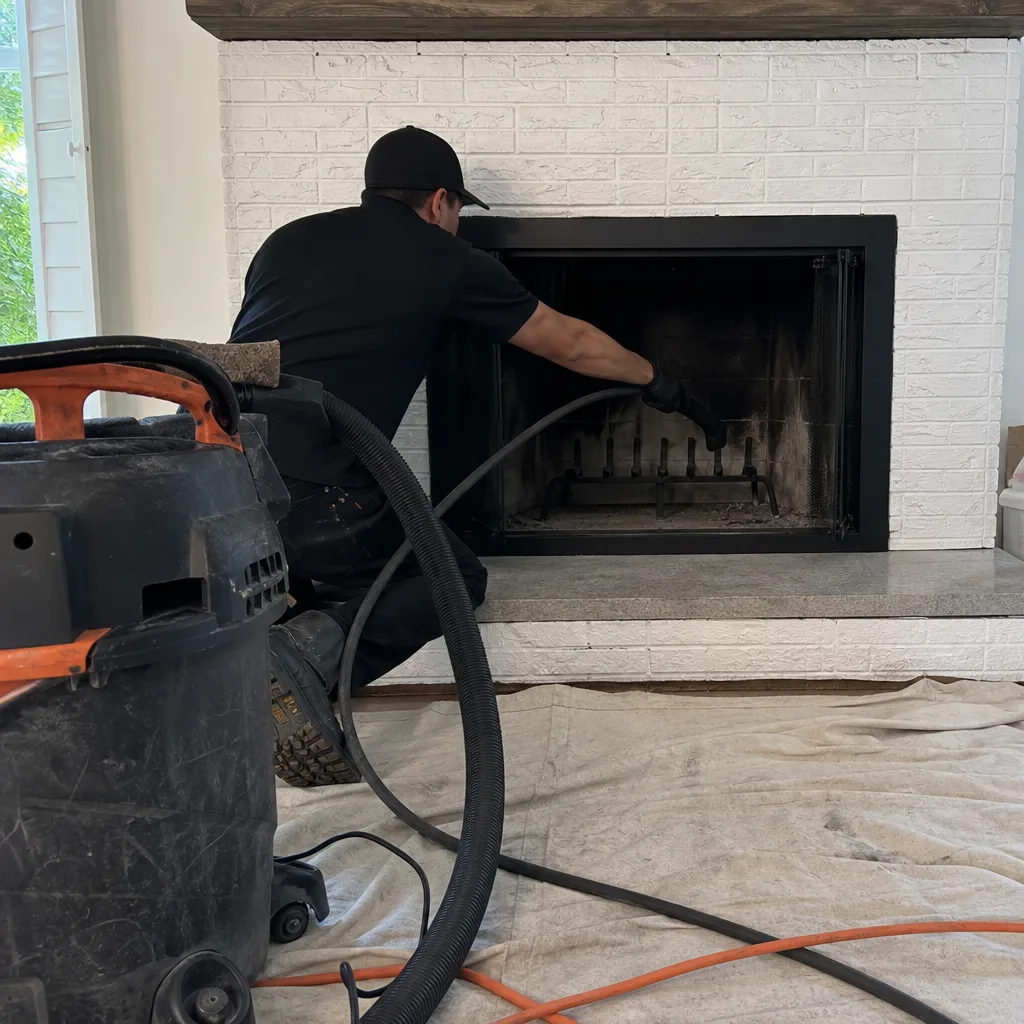 After
AfterFast, Reliable Chimney Inspection Across Bainbridge Island
A chimney inspection on Bainbridge Island typically runs $189 – $449 depending on the level, with Level 1 sweeps starting around $189 and Level 2 camera inspections landing between $349 – $449 for most single-flue homes. We know the island’s ferry reality better than any mainland shop, which is why our Chimney Inspection team blocks out full island runs so you’re not waiting a week and a half when a storm front is already parked over Puget Sound. If you need an inspection before burning season, call (336) 863-3889 and a live person answers, day or night.
Why Alcott Chimney Sweep Is Bainbridge Island’s Preferred Chimney Inspection Company
Bainbridge Island homeowners deal with a problem most mainland inspectors never think about: shared masonry stacks on the old craftsman and cottage homes clustered around Winslow and Eagle Harbor. When two homes vent into one flue, a standard single-flue inspection misses half the story. We look at the whole stack, not just your side of it. That means checking whether a neighbour’s oil appliance or wood stove is pushing exhaust back through your damper and coating your smoke chamber with creosote that isn’t yours.
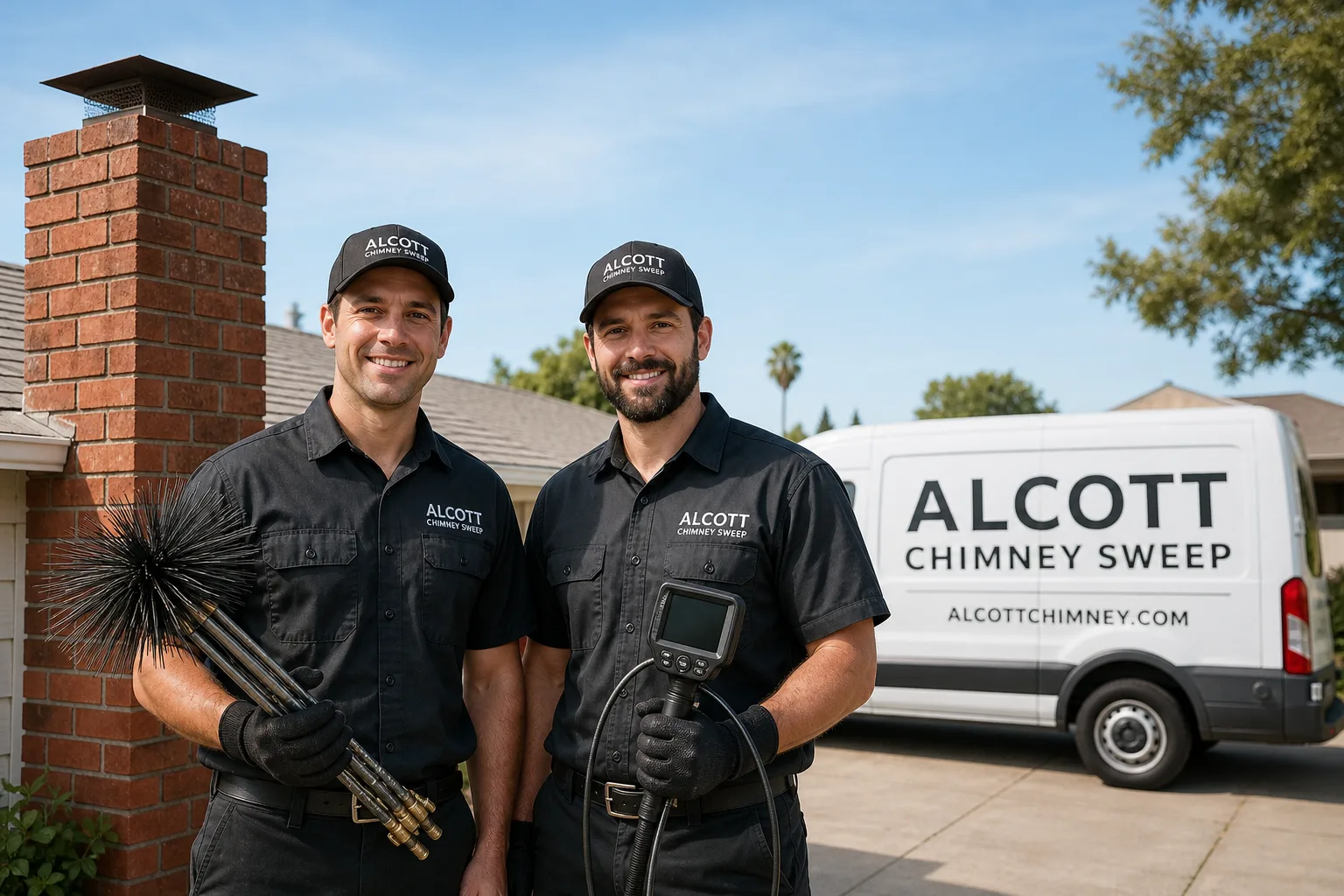
You’ll know who’s coming before we arrive. Every technician is background-checked and identity-verified under the Threshold Standard, then sent to you by name and photo ahead of the visit. The tech who steps onto your property will show a photo ID badge at the door. No exceptions, no substitutes. That matters on an island where you’re often home alone, or the kids are napping, or you simply don’t want to open the door to a stranger you weren’t expecting.
Ruben Castellano has built Alcott Chimney Sweep on this principle since 2002: written pricing before any work begins, a written guarantee on every repair, and a free second visit if a repair fails within the coverage period. For Bainbridge Island specifically, that guarantee carries extra weight, because salt-air corrosion failures show up here faster than almost anywhere else in Kitsap County.
Chimney Fire in Bainbridge Island
Chimney Fire prevention on Bainbridge Island starts with understanding what the island’s damp, marine air does to a flue. When locals burn fir and alder that fell in their own yard, that wood is often still holding half its moisture. It smolders at low temperature, and the unburned smoke condenses into creosote, the tar-like buildup that causes chimney fires. After one damp, rainy island winter, a flue that started clean in October can be carrying Stage 2 or Stage 3 creosote by March. A Level 1 inspection with sweeping runs $189 – $249 on Bainbridge Island, depending on flue height and roof access around the tree canopy.
What an inspection actually checks
We inspect the flue liner, smoke chamber, damper, firebox, crown, cap, and flashing, looking for creosote thickness, spalled tile, cracked mortar, and any animal nesting. On island homes with wood stoves, we pay particular attention to the connector pipe and the thimble where it enters the masonry, because under-seasoned wood produces wet, sticky first-degree creosote that glues itself to every surface in a single season.
Creosote that becomes a firewall
Third-degree creosote, the hardened, glazed kind that looks like black glass, ignites at roughly 2,000°F and can crack a flue liner in seconds. A standard chimney fire burns hot enough to split clay tile, and when that happens, the next fire has a direct path into your framing. On Bainbridge Island, where many homes are older craftsman builds with original brick, a small chimney fire can turn into a structural problem fast.
Level 2 Chimney Inspection in Bainbridge Island
A Level 2 Chimney Inspection on Bainbridge Island runs $349 – $449 and includes camera inspection throughout the flue, the smoke chamber, and the accessible portions of the firebox. You need this level when a property is changing hands, after a chimney fire or seismic event, when you’re switching fuel types, or when something feels off but a basic sweep hasn’t found the answer. Given the island’s shared-stack housing and salt-air corrosion, we recommend a Level 2 for any home in the Winslow or Eagle Harbor area that hasn’t had one in the last three years.
What the camera sees
We run a professional-grade camera down the full length of the flue, photographing cracked tile, gaps in the mortar, spalling, and hidden creosote accumulation that a mirror and flashlight can’t reach. You see the photos. Nothing gets recommended without visual evidence you can look at yourself. That’s the difference between being told you need a new liner and seeing why you need a new liner.
Real estate inspections and ferry timing
Real estate transactions on Bainbridge Island have tight timelines, and buyers can’t wait out a ferry-constrained scheduling backlog. We prioritize Level 2 inspections for closing windows and coordinate with your agent so the report lands before the contingency deadline. If you’re selling a home on the island, having a recent camera inspection on hand answers buyer questions before they derail the deal.
Trusted Brands We Service in Bainbridge Island
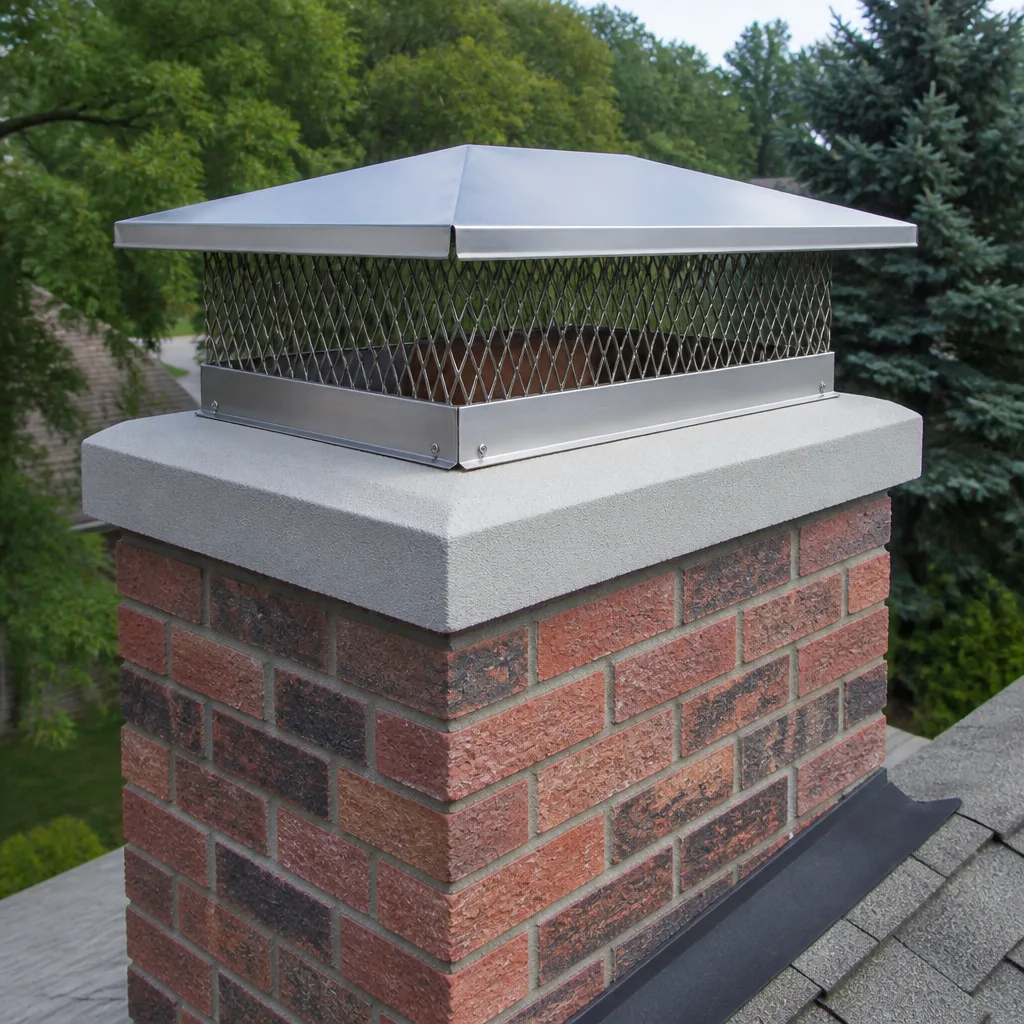
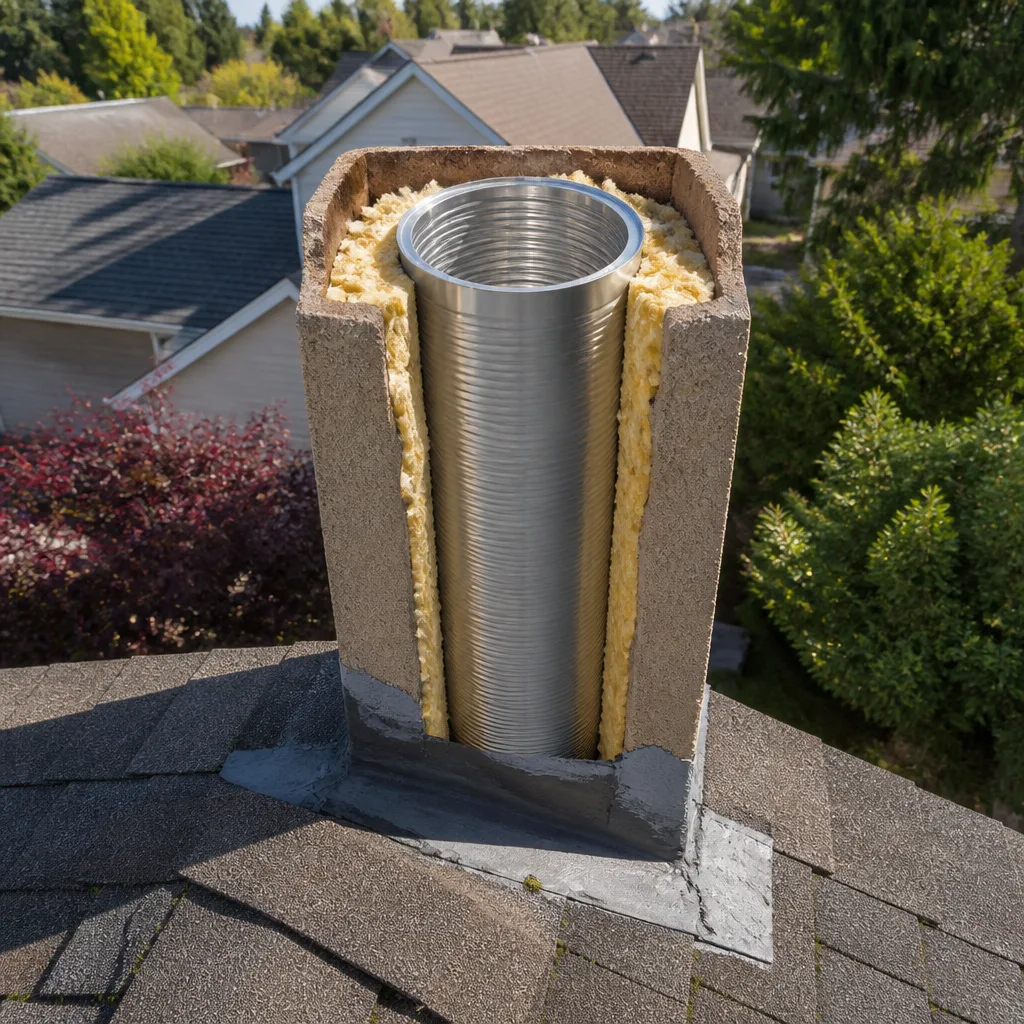
We carry and install professional trade materials the same brands chimney professionals specify, including DuraFlex liner systems, HeatShield resurfacing, Famco caps, and Copperfield dampers. We stock common parts in our service vehicles so most island calls don’t require a second trip across the water. If your inspection turns up a rusted Copperfield cap or a cracked flue liner, we can typically quote the fix on the spot with a written price before any work begins, then complete the repair without another ferry crossing.
Common Chimney Inspection Problems We See in Bainbridge Island Homes
- Shared-stack cross-contamination. Homes clustered around Winslow and Eagle Harbor often vent two appliances into one masonry stack. When a neighbour’s oil burner or wood stove fires up, exhaust can push into your flue and leave creosote odor coming through your damper. A single-flue inspection never catches this.
- Salt-air crown and cap corrosion. Marine air off Puget Sound carries salt that settles on chimney crowns and eats mortar joints. Caps rust through, crowns crack, and water intrusion starts years before the same failure shows up in Poulsbo or Silverdale.
- Heavy first-degree creosote from island firewood. Dense Douglas fir and alder canopy means a lot of homeowners burn what falls in the yard. That wood is often under-seasoned, and a single damp heating season can coat the flue in wet, sticky creosote that hardens into a serious fire hazard by spring.
- Moss and lichen on crowns and flashing. Fifty-seven inches of rain a year and persistent high humidity grow moss on chimney crowns and flashing. Moss holds moisture against brick and caulk joints, and moisture is what accelerates freeze-thaw spalling and mortar breakdown during the island’s occasional winter cold snaps.
Pricing for Chimney Inspection in Bainbridge Island, WA
A Level 1 inspection with sweep runs $189 – $249 for most single-flue homes on Bainbridge Island. A Level 2 camera inspection runs $349 – $449, and Level 3 inspections, which involve opening portions of the chimney structure, are quoted after a visual assessment and are rare. What moves your price: flue height, roof pitch and tree access, whether you have a shared stack requiring a neighbour’s coordination, and the level of creosote or structural damage found. We give you a written price before any work begins, always included, never negotiable. Call (336) 863-3889 for a free estimate, and we’ll tell you exactly what an inspection on your home will cost.
We Also Serve Cities Near Bainbridge Island
Beyond Bainbridge Island, our crews serve Bremerton, Manchester, Tracyton, and Port Orchard. If you’re just across the water on the Kitsap Peninsula, we can often bundle island and mainland stops into the same week. Call (336) 863-3889 and we’ll find the next available slot for your area.
Serving Bainbridge Island, WA - Our Local Coverage Area
We’re based in the Bainbridge Island area and know this community well. Use the map below to see our service coverage - if you’re nearby, we can almost certainly help.
FAQs About Chimney Inspection in Bainbridge Island
A Level 1 is enough if you burn the same fuel in the same appliance you’ve always used and nothing has changed. You need a Level 2 when you’re buying or selling a home, after a chimney fire, after an earthquake, when switching fuels like converting from oil to wood, or when a neighbour shares your stack and something smells off. On Bainbridge Island, we recommend a Level 2 for any Winslow or Eagle Harbor attached or clustered home that hasn’t had a camera inspection in the last three years. Call (336) 863-3889 and we’ll help you figure out which level fits your situation without overselling you.
Salt-laden marine air is the reason. Your brother’s chimney in Silverdale sits inland enough that rain and fog are the main moisture sources. Your Bainbridge Island crown gets hit with wind-driven salt spray from Puget Sound on multiple sides year-round, and salt crystals work into hairline cracks, then expand with freeze-thaw cycles and eat whatever mortar is already weakened. A properly rebuilt crown with the right flashing and a good cap lasts, but the original mortar in island homes was never specified for salt-air exposure. Call (336) 863-3889 for an inspection and we’ll show you what’s failing and what’s still sound.
Yes, and it happens more often than you’d think in the older clustered cottages and ramblers around Winslow and Eagle Harbor. When two appliances share a masonry stack but the internal flues were never properly separated, a neighbour’s appliance can push exhaust, creosote odor, and even carbon monoxide back through your damper, especially on calm, foggy Sound mornings when draft is already weak. A standard single-flue inspection won’t catch this because it only looks at your side. We inspect the whole stack and document any cross-connection. Call (336) 863-3889 and we’ll walk you through what we’d check.
You usually can’t tell from the firebox alone. Third-degree creosote forms higher in the flue where the smoke has cooled, and by the time it’s visible from below, it’s already been coating the liner for months. The signs are a strong, acrid creosote smell when the fire is going, reduced draft with smoke spilling into the room, and a fire that’s harder to start than it was last season. The only way to know for sure is a camera inspection, which is included in our Level 2 service. If we find it, we’ll show you the photos and explain what it costs to remove it before you burn again. Call (336) 863-3889 to schedule.
Not usually. Mainland sweeps who serve the island often block out full-day island runs clustered around ferry departures, and a mid-week call before an incoming storm can easily mean a 7 – 10 day wait if they’re booked. That’s the ferry-constrained scheduling reality the Kitsap Peninsula towns don’t have to deal with. We keep on-island capacity and schedule our Bainbridge stops so storm-season inspections don’t leave you waiting a week with an unburned fire and a cold house. Call (336) 863-3889 and ask about the next Bainbridge Island run.
Written by Ruben Castellano, Owner at Alcott Chimney Sweep, serving Bainbridge Island since 2002.