
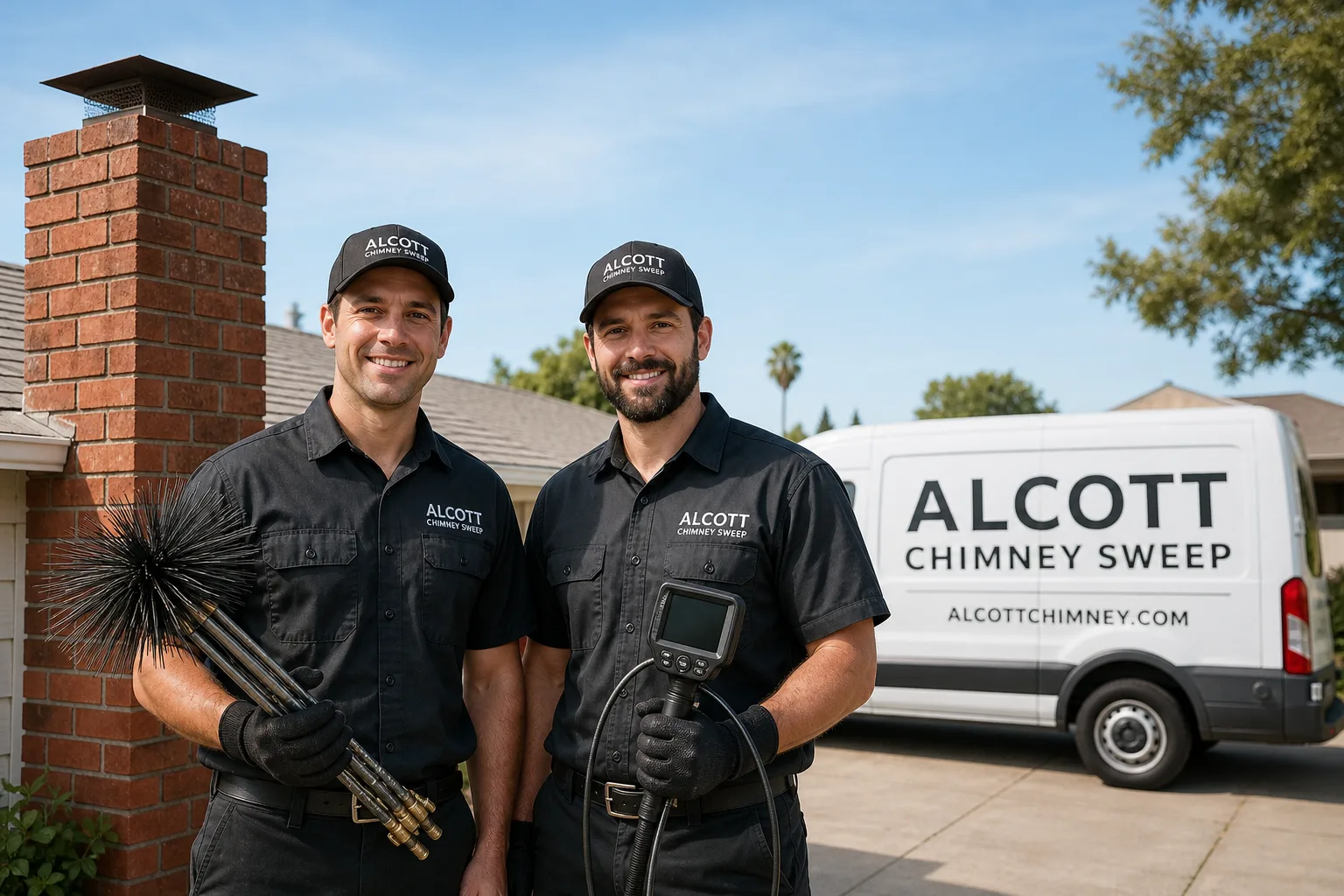
Level 1 sweep and inspection to the NFPA 211 annual standard - flue, crown, cap, and flashing checked and photographed
Chimney sweep logs do not sweep chimneys. They loosen some creosote - which then falls where a brush and vacuum still have to collect it.
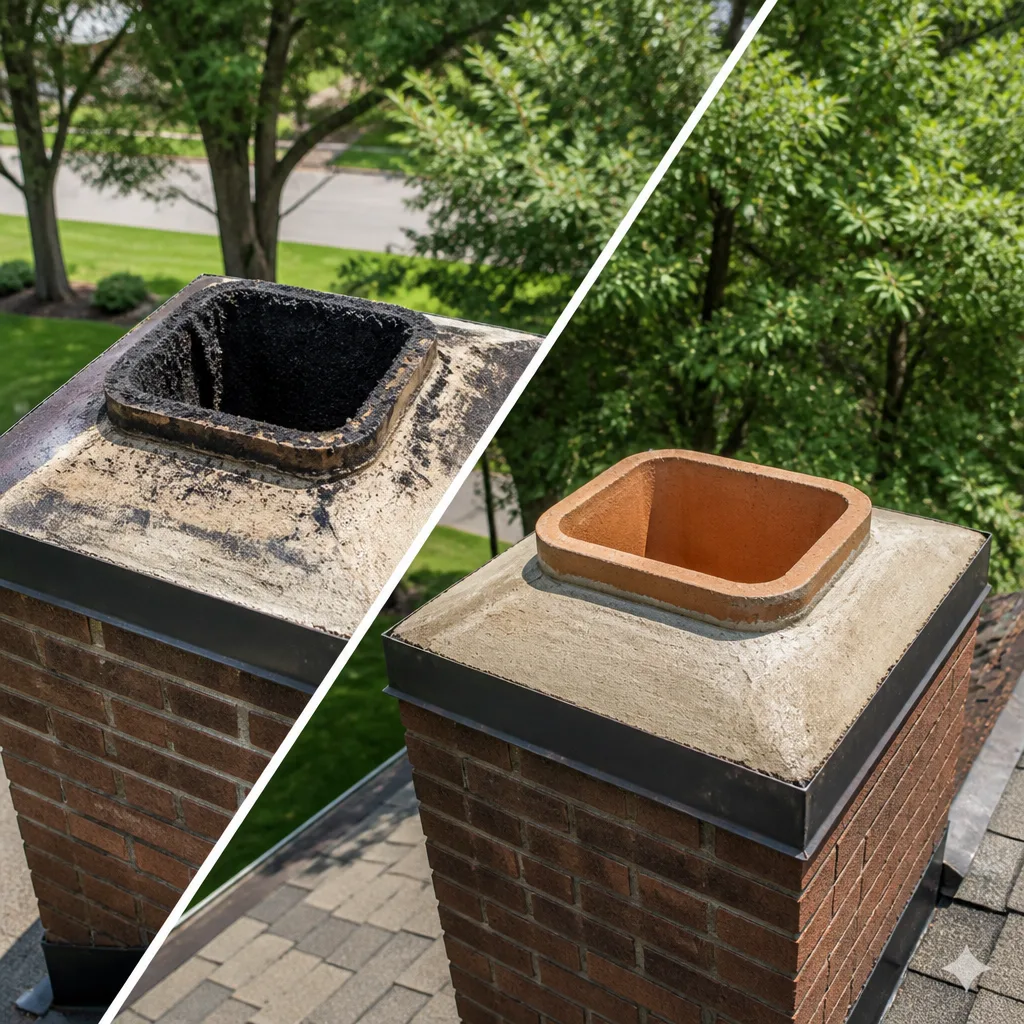
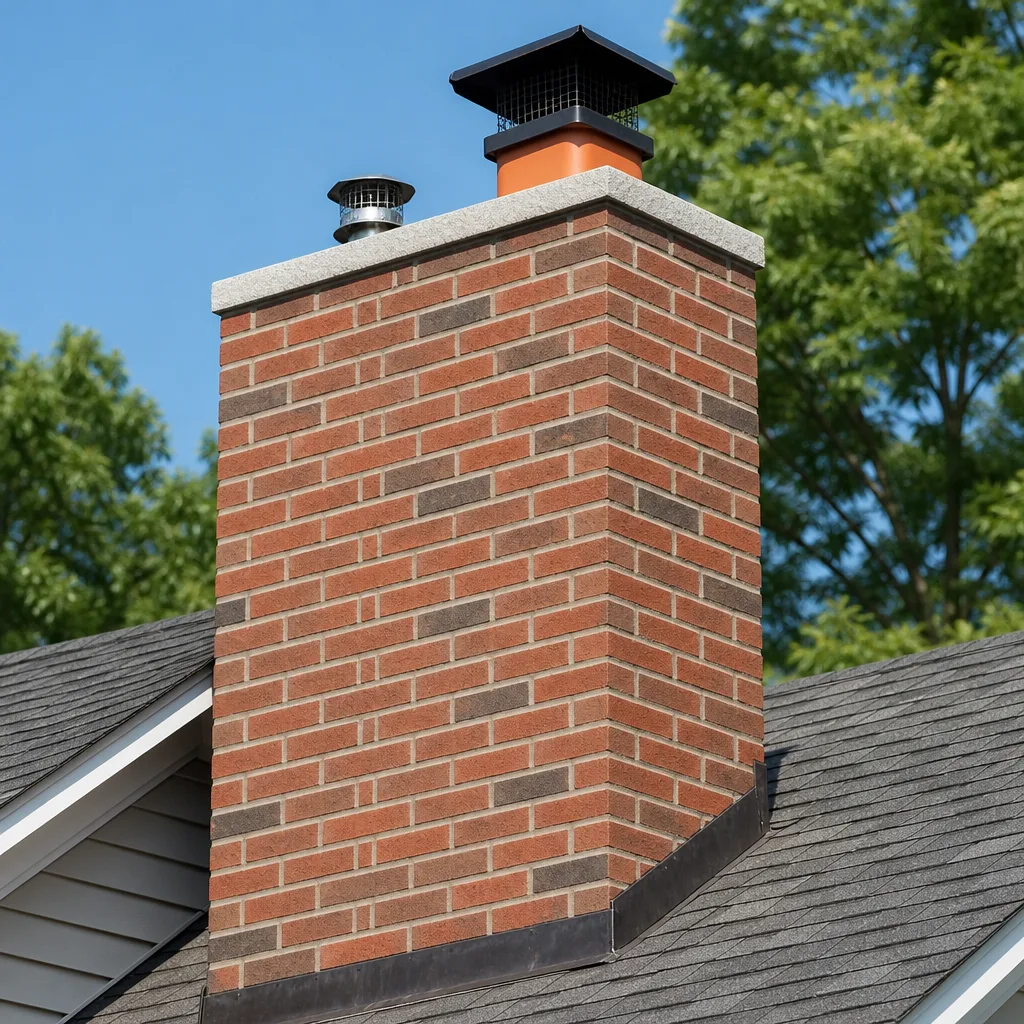
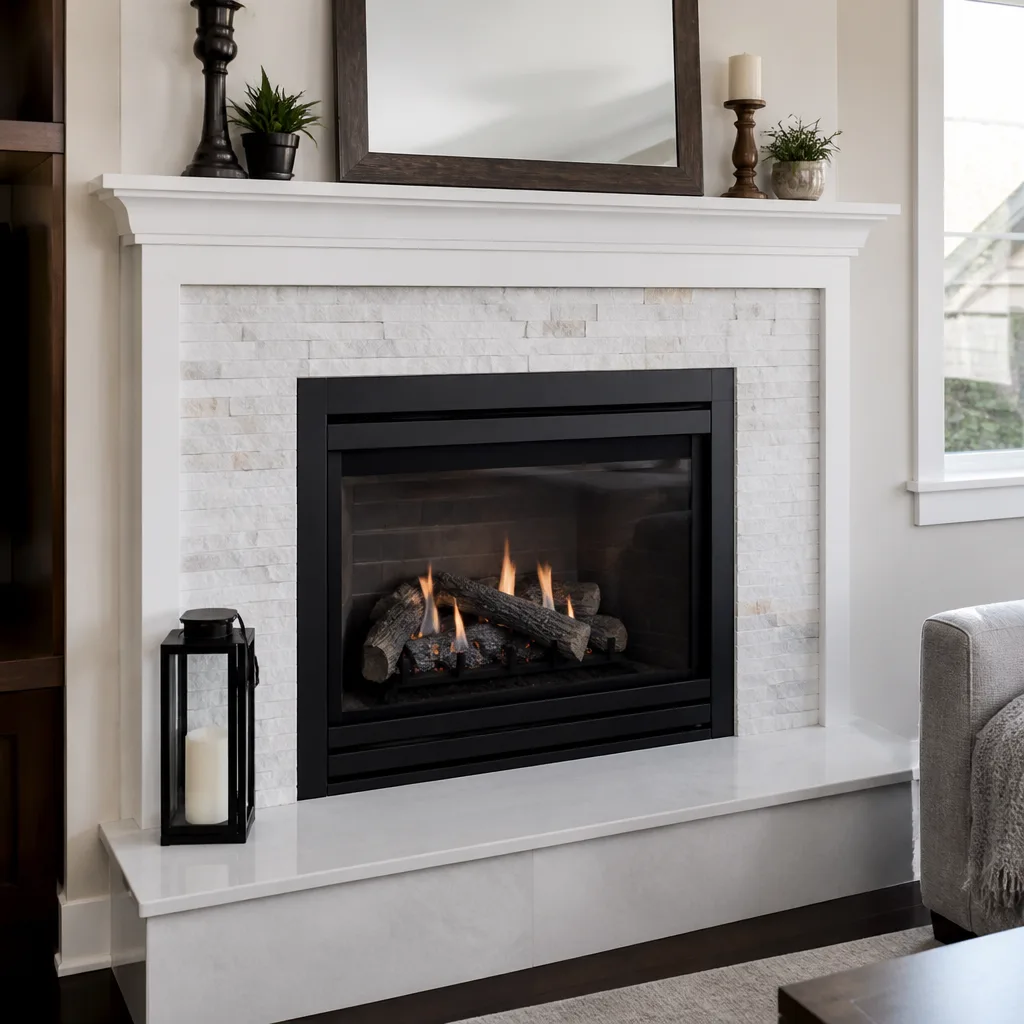
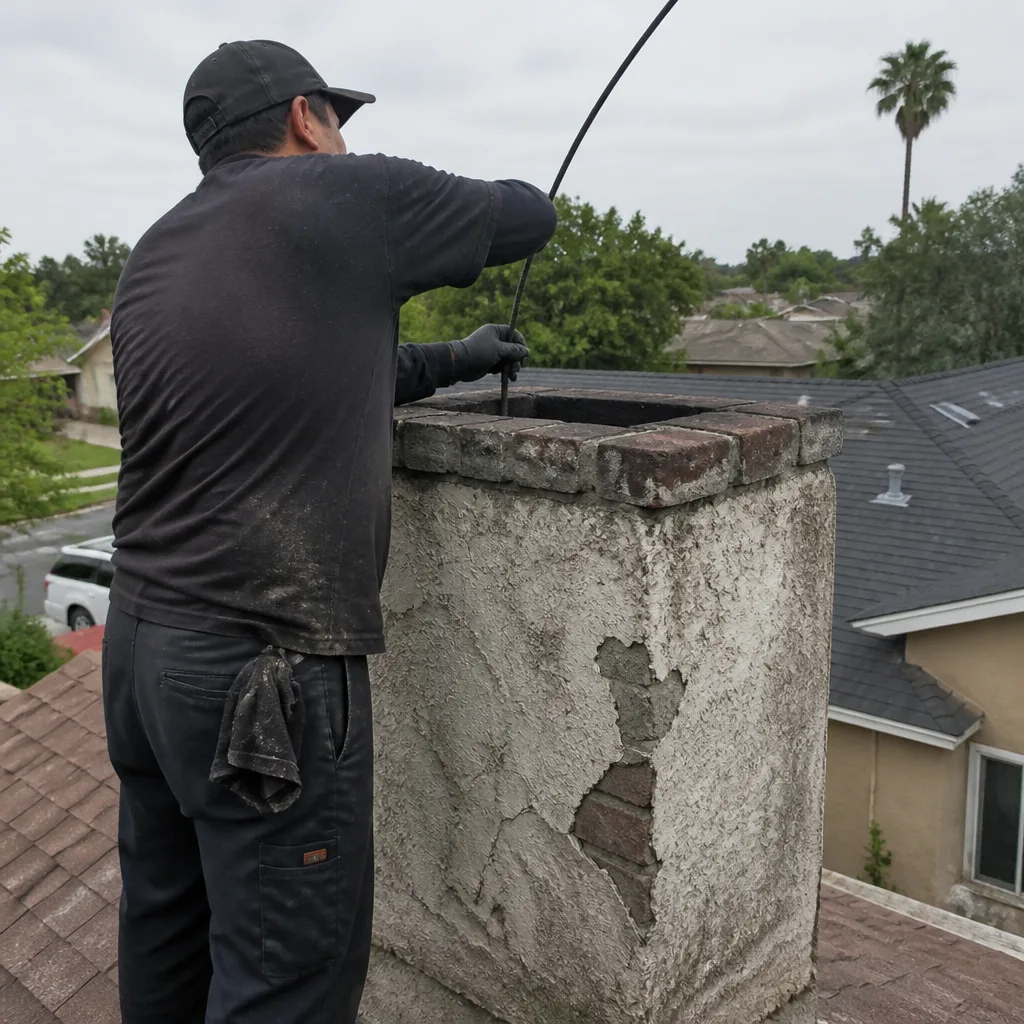 Before
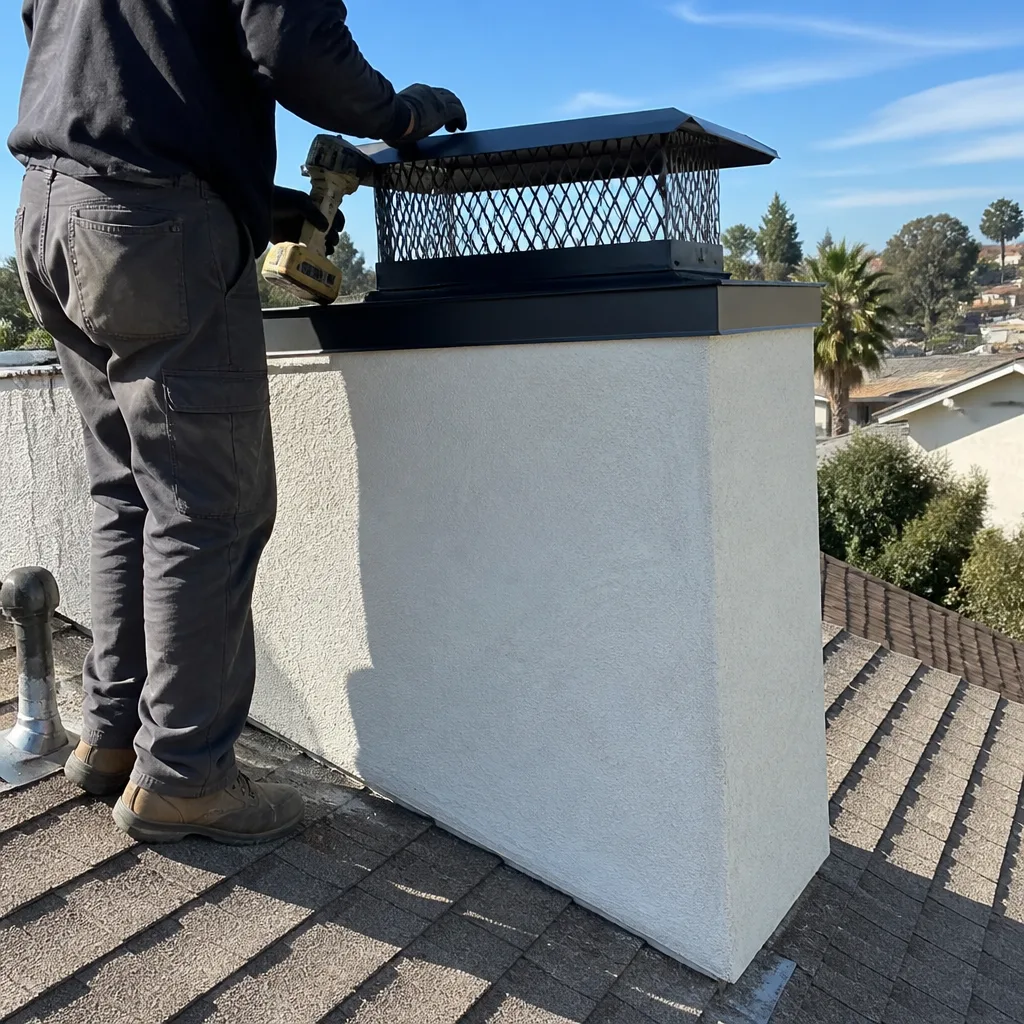 After
After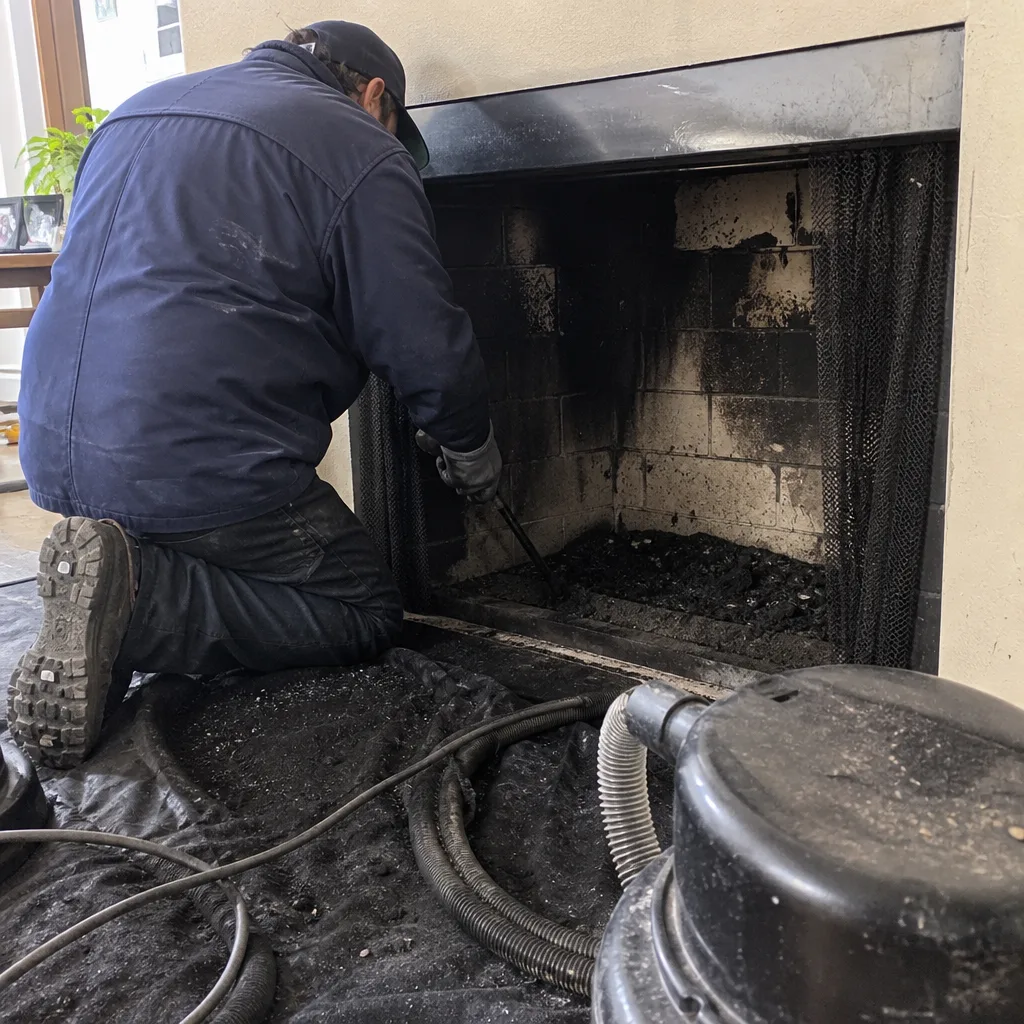 Before
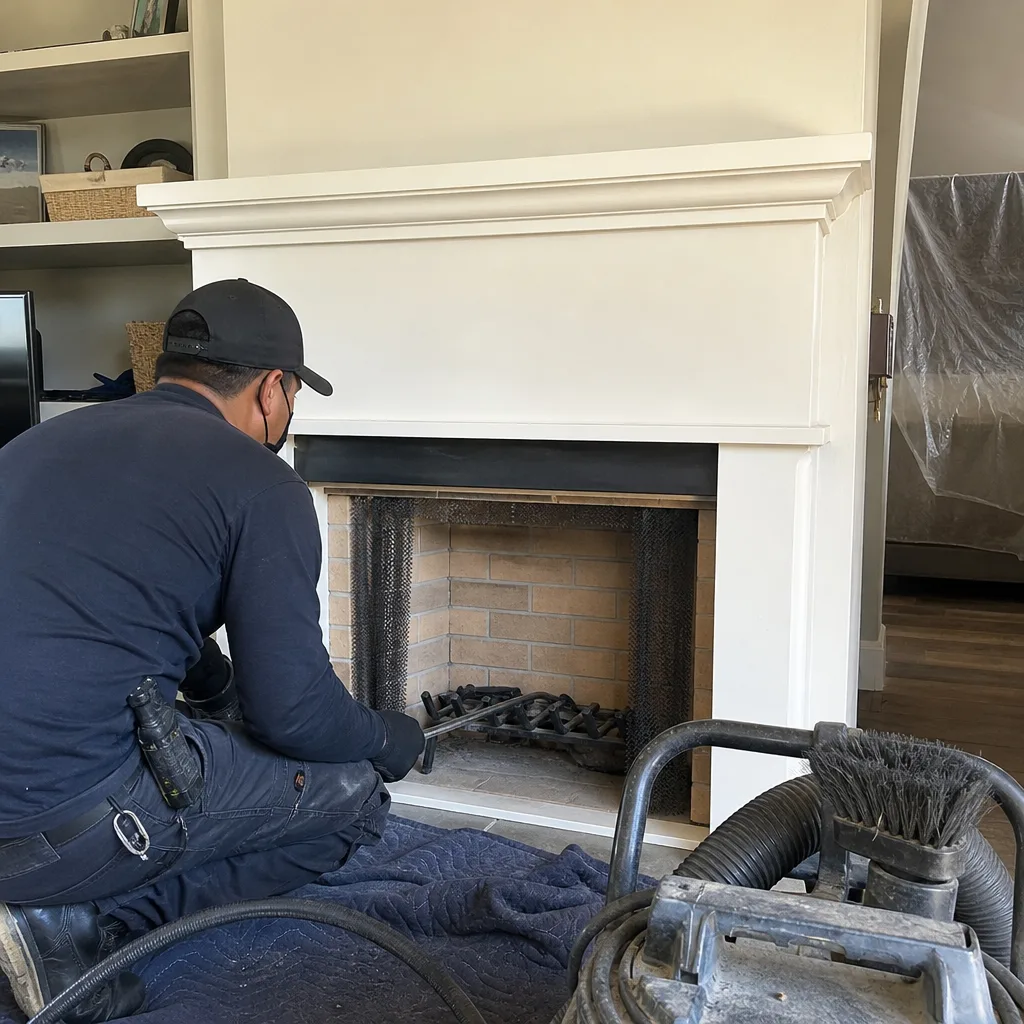 After
After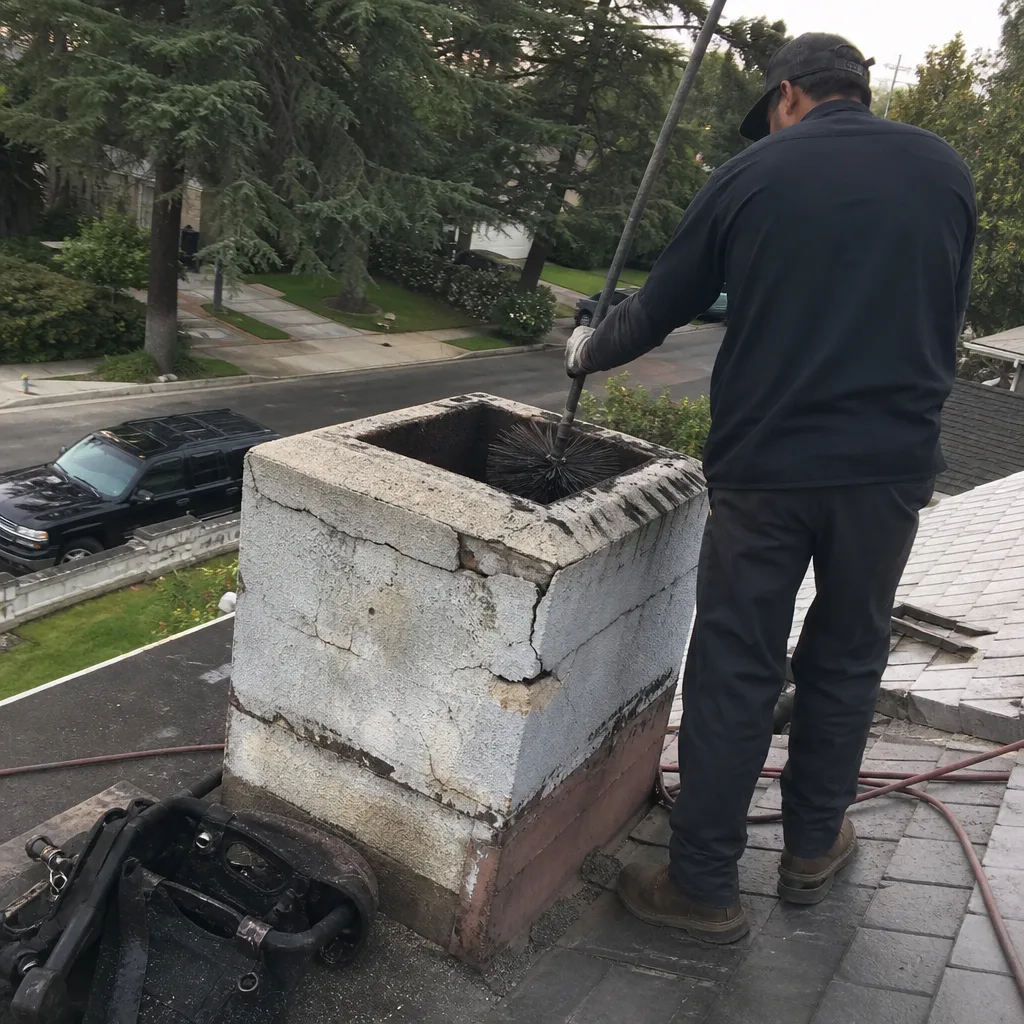 Before
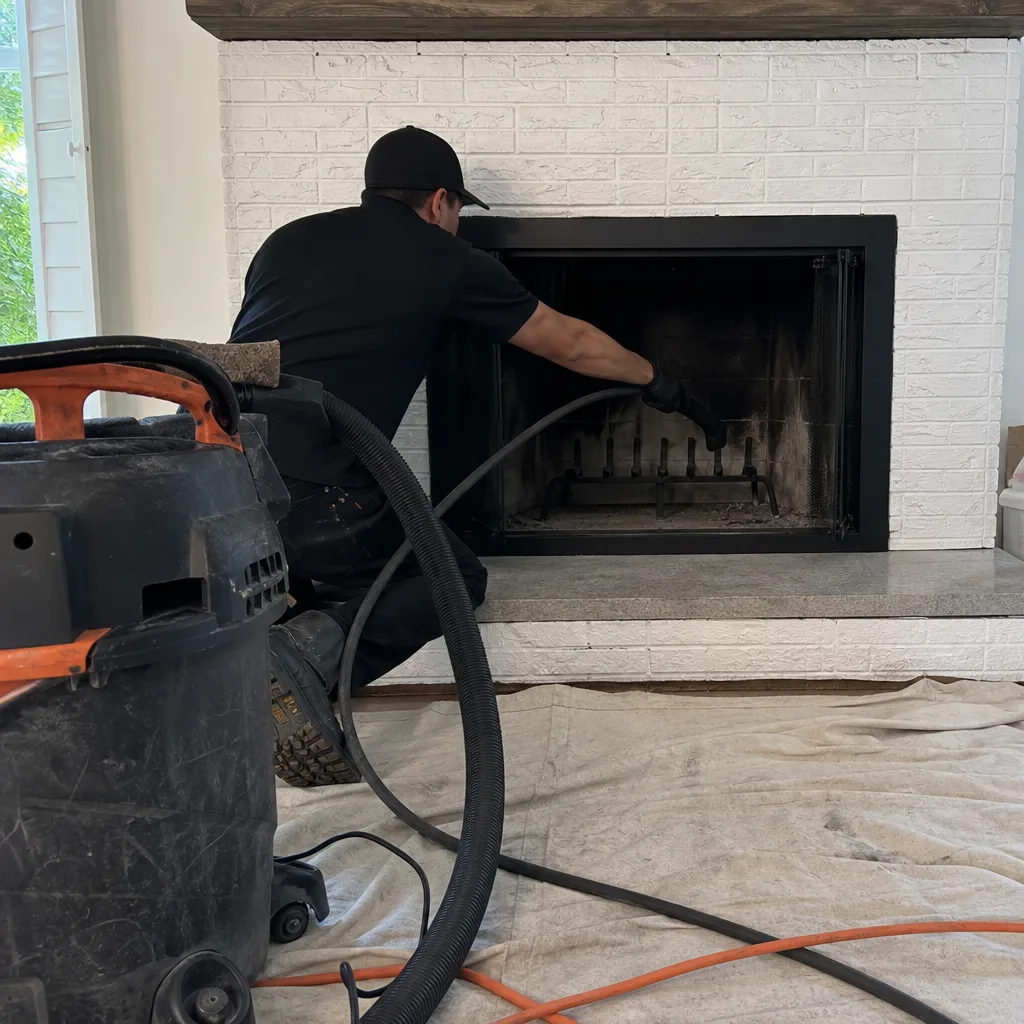 After
AfterFast, Reliable Chimney Inspection Across Freeport
A chimney inspection in Freeport typically costs $189 for a Level 1 visual check, $299 – $449 for a Level 2 camera inspection depending on flue access and home size, and $500+ for a Level 3 when masonry or liner damage requires partial disassembly. Most Freeport homes we inspect are postwar Capes and colonials with oil-fired heating systems, which changes what a thorough inspection actually looks for. We dispatch crews directly to Freeport from our Dallas-Fort Worth coordination office, with scheduling by phone at (336) 863-3889. You’ll know exactly who is coming before we arrive; every technician’s name and photo are sent ahead of the visit.
Why Alcott Chimney Sweep Is Freeport’s Preferred Chimney Inspection Company
Freeport homeowners deal with something most chimney companies in Texas never plan for: salt. The village sits directly on Reynolds Channel with residential canals feeding into Great South Bay, and that geography means onshore winds carry corrosive salt-laden moisture across chimney masonry year-round. We’ve inspected enough canal-side properties along streets like South Grove and Guy Lombardo Avenue to know the difference between normal wear and salt-driven deterioration. Homeowners here don’t need a generic chimney company; they need inspectors who understand why a crown fails three times faster on a waterfront block than it does ten miles inland.
Ruben Castellano runs Alcott Chimney Sweep, and since 2002 the company has operated under one rule: prove the work before asking anyone to pay for it. That means written pricing before anything starts, a written guarantee on every repair, and a 365-Day Done Right Promise that covers every completed job. If a repair fails within the coverage period, the second visit is free. No exceptions, no fine print. Freeport customers call us because they want certainty, not a sales pitch. Call (336) 863-3889 and you’ll get a live person, not voicemail.
Level 2 Chimney Inspection in Freeport
A Level 2 Chimney Inspection in Freeport runs $299 – $449 and is what we recommend for most homes here, because it includes a camera scan of the full flue interior, not just a visual check from the firebox and roof. Freeport’s oil-fired heating systems produce sulfurous soot that deposits differently from wood creosote, and a camera is the only way to see whether that soot is hiding liner cracks or moisture damage behind it. You need this inspection if you’re buying a home, if you’ve recently had flooding, or if your chimney has gone more than three years without a close look.
What the camera actually sees
We run a video scan from the cleanout up through the flue, looking for separated clay tile joints, rusted metal liners, and the white staining that signals water intrusion. In Freeport’s waterfront homes, we’re also checking for salt crystallization in the mortar; that residue tells us moisture has been cycling through the chimney body, not just running down the outside. Every inspection comes with a photo report you keep, so you can see exactly what we saw before deciding on any repair.
When Freeport homeowners should book this
If you live within a quarter mile of Reynolds Channel or the canal network, we recommend a Level 2 inspection every two years, not the three-to-five-year interval inland homes can get away with. Salt air shortens the usable life of mortar, flashing, and crown sealant. A $349 camera inspection that catches a failing crown early is a lot cheaper than a $1,800 crown rebuild after freeze-thaw cycling has spalled brick into the flue.
Chimney Leak in Freeport
A chimney leak in Freeport typically costs $200 – $600 to repair when it’s flashing or crown sealant, and $1,200 – $1,800 when spalled masonry at the crown requires partial rebuilding. The single biggest cause of chimney leaks here is not age; it’s galvanized flashing corroded by salt air that has separated from the roofline, letting water track behind brick and into the smoke chamber. We find this constantly on canal-side blocks, and it’s almost always something a homeowner has patched once or twice before with a bucket of tar or caulk.
Flashing failure near the roofline
Freeport’s salt-laden onshore winds attack the thin galvanized metal where the chimney meets the roof. Once the zinc coating is gone, the steel rusts through in a matter of seasons, and the flashing pulls away from the brick. Water then runs down into the chimney body during every rain and nor’easter. A proper fix means new flashing, usually stainless steel in Freeport, set into the mortar joint and sealed against the roof deck with a continuous membrane. We don’t patch over corroded metal; it always returns.
Spalled crowns on waterfront chimneys
The flat concrete crown that caps a typical postwar masonry chimney absorbs salt moisture and then spalls, meaning the surface crumbles and opens cracks that widen with every freeze-thaw cycle. On canal-side homes, we see crowns that look fine from the ground but sound hollow under a hammer; that’s salt damage working from the inside. Repair means grinding down the failed surface and recapping with a proper wash-and-drip edge so water sheds instead of pooling. The work comes with a written guarantee covering the repair for a full year.
Trusted Brands We Service in Freeport
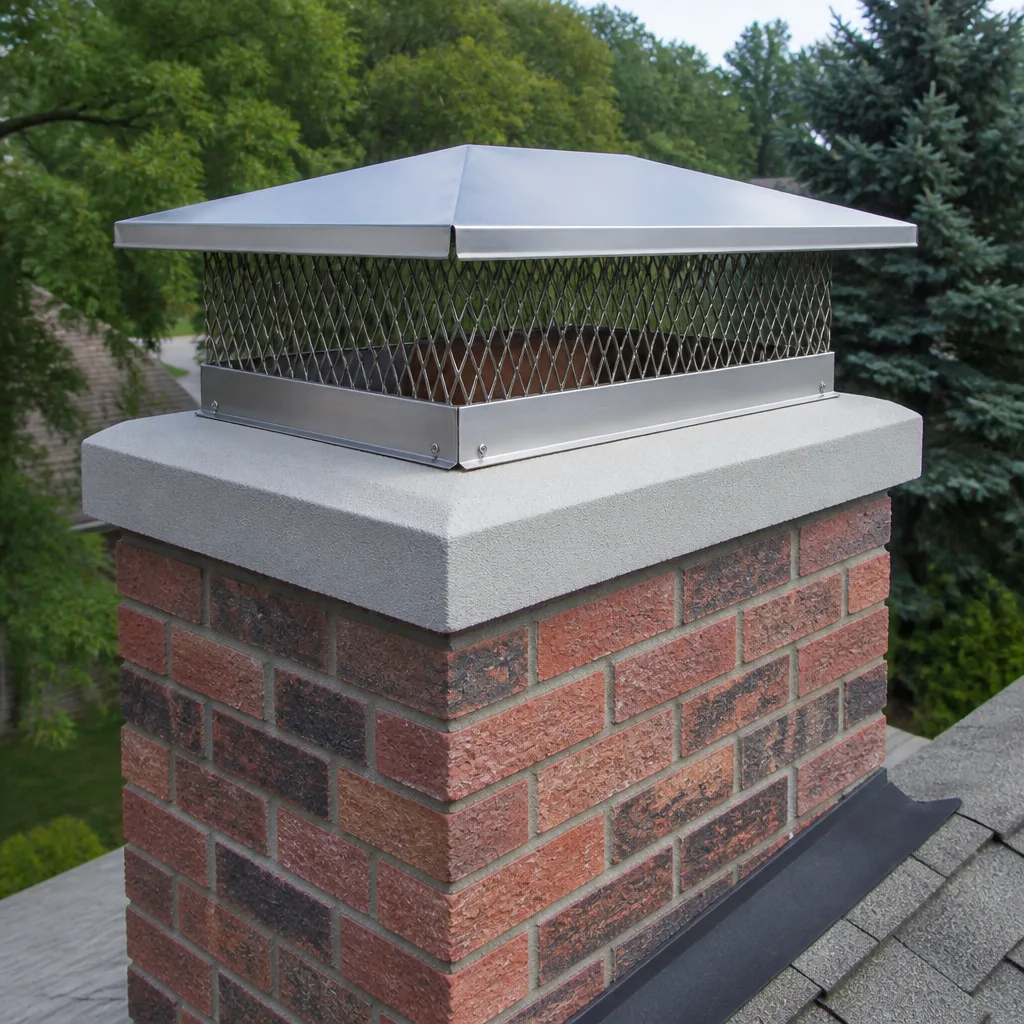
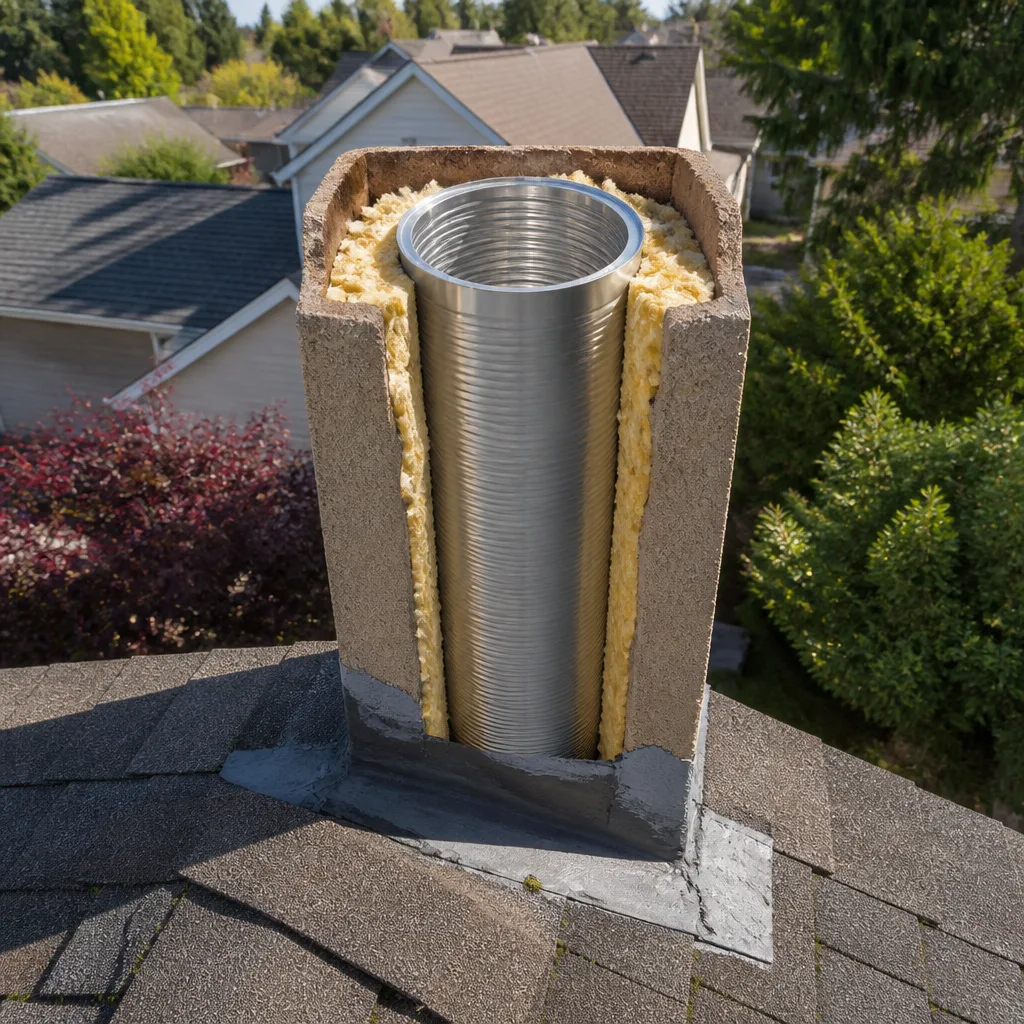
We install and service the brands chimney professionals actually specify, including DuraFlex liner systems, HeatShield resurfacing, and Gelco waterproofing products. These are not box-store substitutes; they’re the same materials masons and chimney technicians order from supply houses. When a Freeport homeowner needs a new stainless-steel cap or a replacement flashing kit sized for vintage Nassau County masonry, we source trade-grade components through our supply network so there’s no waiting for an online shipment. The result is faster turnaround on repairs that actually hold up to salt air.
Common Chimney Inspection Problems We See in Freeport Homes
- Salt-eaten chimney crowns and cap seams. The constant onshore moisture from Reynolds Channel corrodes the crown surface and the galvanized cap hardware in a third of the time inland chimneys take to show similar wear. We check for this on every inspection, even if the homeowner called about something else entirely.
- Rusted or separated flashing at the roofline. Galvanized metal fails in Freeport’s salt air on a 3 – 5 year cycle, pulling away from the brick and opening a path for water. This is the number one cause of chimney leaks on the canal-side blocks.
- Sulfurous oil soot, not wood creosote. Most Freeport homes run oil-fired boilers or furnaces, so the flue accumulates acidic sulfur deposits that eat at mortar joints differently than wood tar does. This changes cleaning chemistry and inspection priorities; a wood-chimney checklist will miss it.
- Liner deterioration from Hurricane Sandy moisture. Homes that took floodwater in 2012 often have masonry that never fully dried out. Years later, that trapped moisture is still spalling liner surfaces and opening hairline cracks that would otherwise have taken decades to appear.
Pricing for Chimney Inspection in Freeport, TX
We Also Serve Cities Near Freeport
Our Chimney Inspection team covers Freeport and the surrounding Brazoria County communities, including Clute, Lake Jackson, Angleton, and Danbury. Homeowners across these areas call us for Level 2 inspections, leak diagnostics, and oil-flue cleanings backed by a written guarantee. If you’re just outside Freeport, ask about scheduling a visit when our crews are already in the area; it often shortens lead times.
Serving Freeport, TX - Our Local Coverage Area
We’re based in the Freeport area and know this community well. Use the map below to see our service coverage - if you’re nearby, we can almost certainly help.
FAQs About Chimney Inspection in Freeport
If you’re within a quarter mile of Reynolds Channel or the canal network, get a Level 2 inspection every two years. Inland Nassau County homes can safely follow a three-to-five-year cycle. The difference is salt air: it corrodes crowns, flashing, and cap hardware on a 3 – 5 year cycle in Freeport, versus the 10 – 15 years typical just a few miles north in Rockville Centre or Baldwin. Call (336) 863-3889 to book an inspection and we’ll tell you plainly whether your chimney can wait or needs attention now.
No. Oil flues accumulate sulfurous soot, not wood creosote, and it behaves differently inside the liner. It’s acidic, it’s finer-grained, and it corrodes mortar joints and metal liners in ways wood tar doesn’t. A proper oil-flue cleaning uses different brushes and a different inspection checklist than a wood chimney cleaning. If a company shows up with a standard wood-chimney kit and no plan for sulfur deposits, they’re doing the wrong job. Our crews are trained specifically on oil-flue systems, and we’ll show you the camera footage to prove what came out.
Salt air corrodes galvanized steel in Freeport at roughly three times the rate seen inland, which means cap housings rust through and flashing pulls away from the brick on a 3 – 5 year cycle. Once the zinc coating fails, the underlying steel is unprotected, and salt-laden moisture finishes the job quickly. Stainless steel components last far longer on waterfront homes. If your cap or flashing is galvanized and more than four years old on a canal-side block, it’s worth having us look at it before the next nor’easter opens a leak.
Look for white efflorescence staining on the brick, hollow-sounding masonry when tapped, or hairline cracks in the smoke chamber or flue liner. Those are signs of trapped moisture working outward years after the storm. Sandy pushed water into chimney bodies that were never fully remediated, and that moisture continues to degrade mortar from the inside. A Level 2 camera inspection will show what’s happening inside the flue, and we’ll give you a photo report so you can make a repair decision based on evidence, not guesswork.
Because nor’easters drive wind-driven rain horizontally against the chimney, and that’s when flashing, crown sealant, or cap failures reveal themselves. A vertical rain won’t find those entry points, but a nor’easter pushes water sideways into every crack and separated seam. We were called to a canal-front Cape on South Grove Street where the homeowner kept patching a weeping chimney crown every couple of years. Our tech found the galvanized cap rusted through, the flashing separated from the brick, and second-degree soot packed into the flue. We replaced the cap with a stainless model, reset the flashing, and swept the oil flue; no more leaks through the next nor’easter.
Written by Ruben Castellano, Owner at Alcott Chimney Sweep, serving Freeport since 2002.