
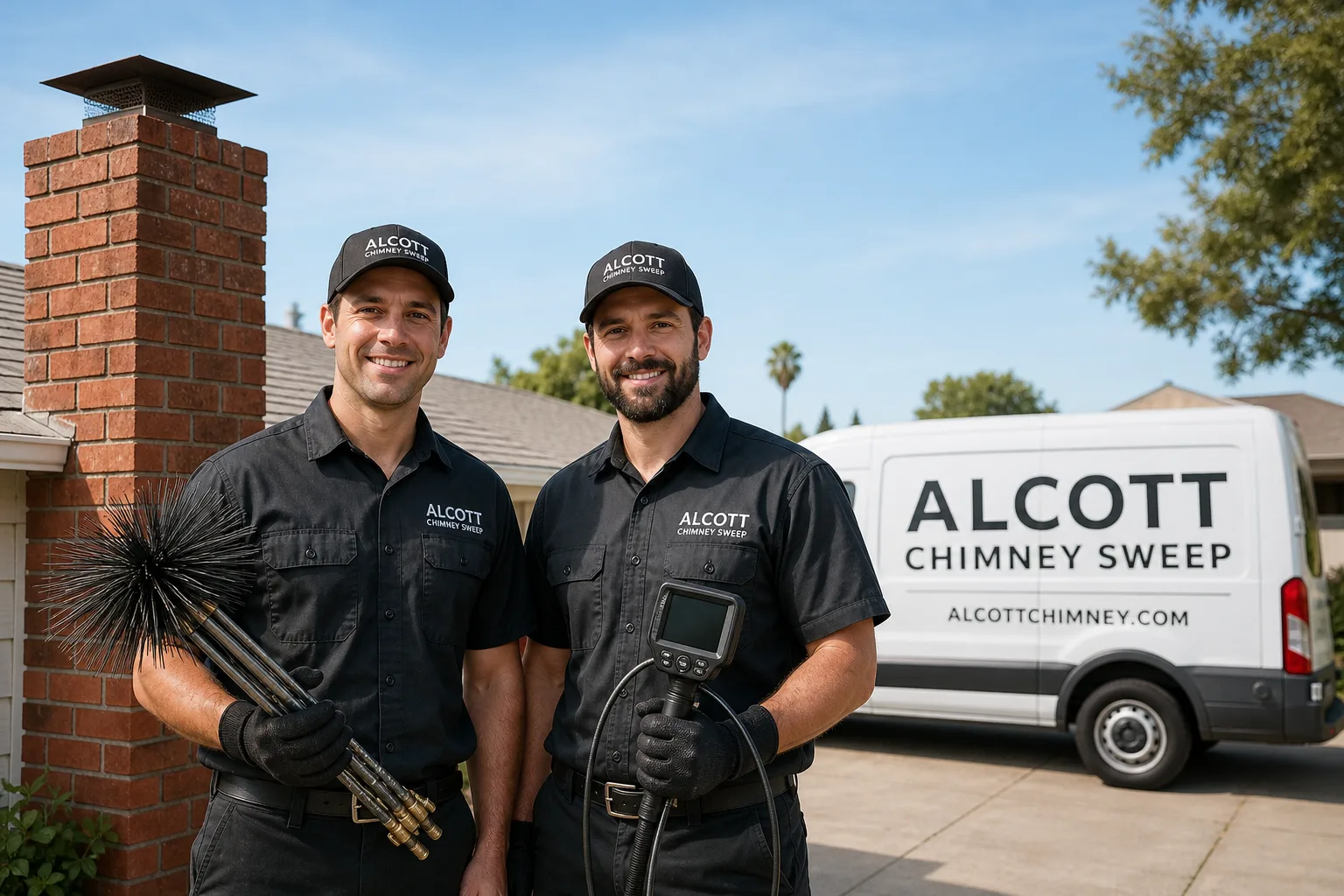
Level 1 sweep and inspection to the NFPA 211 annual standard - flue, crown, cap, and flashing checked and photographed
Chimney sweep logs do not sweep chimneys. They loosen some creosote - which then falls where a brush and vacuum still have to collect it.
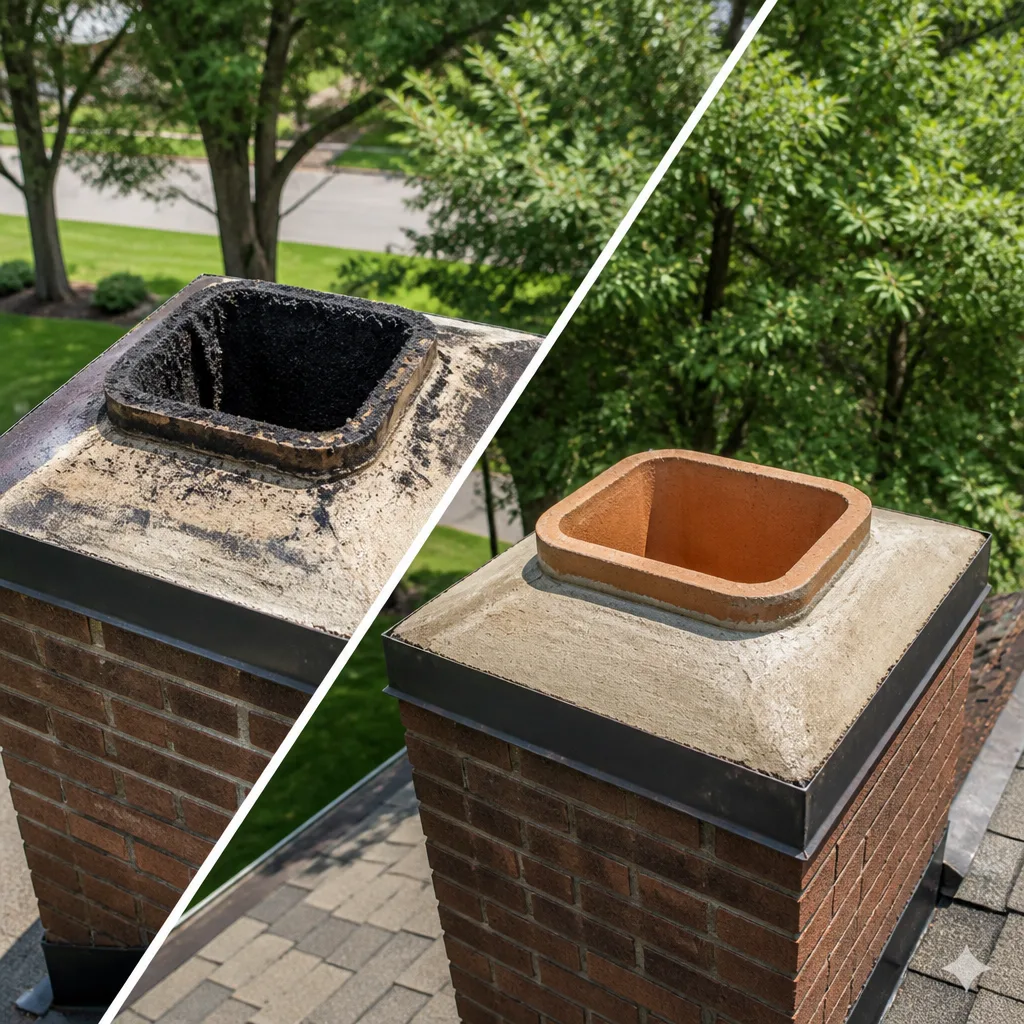
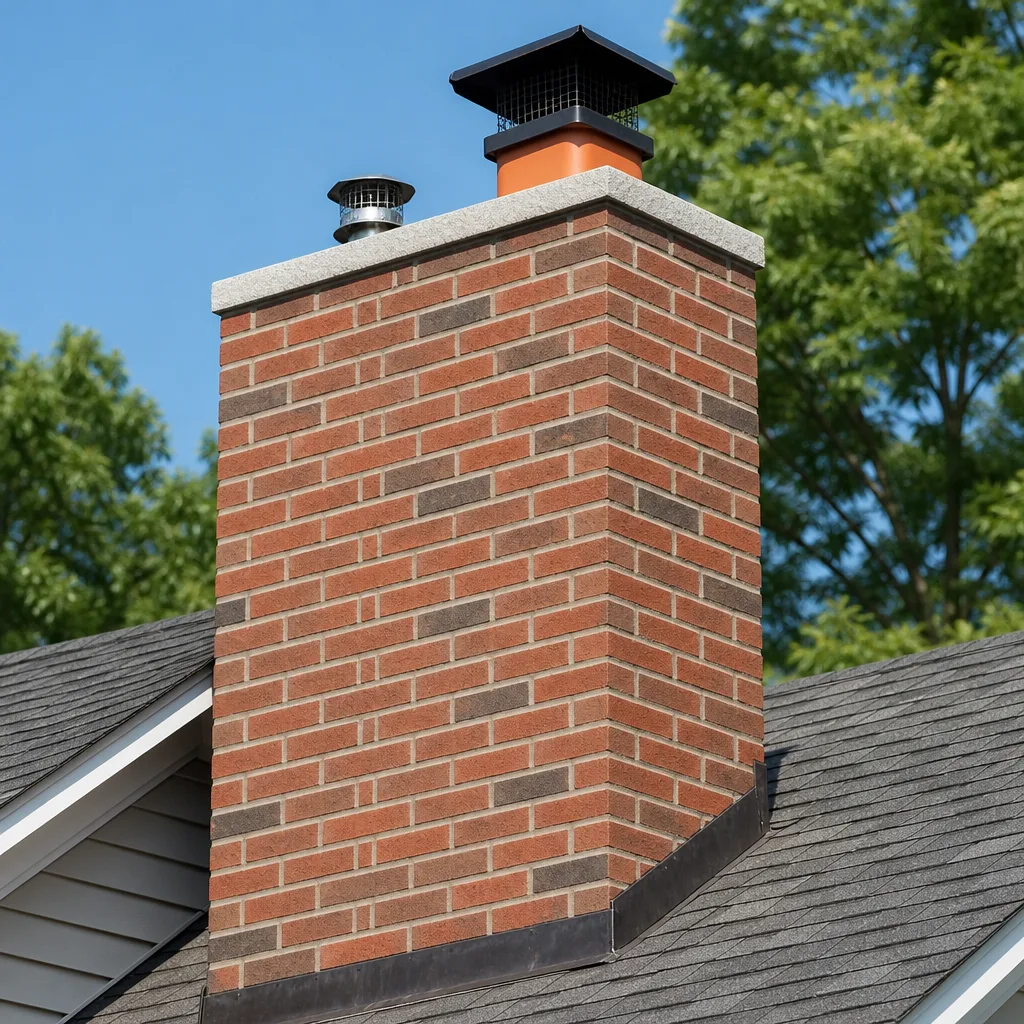
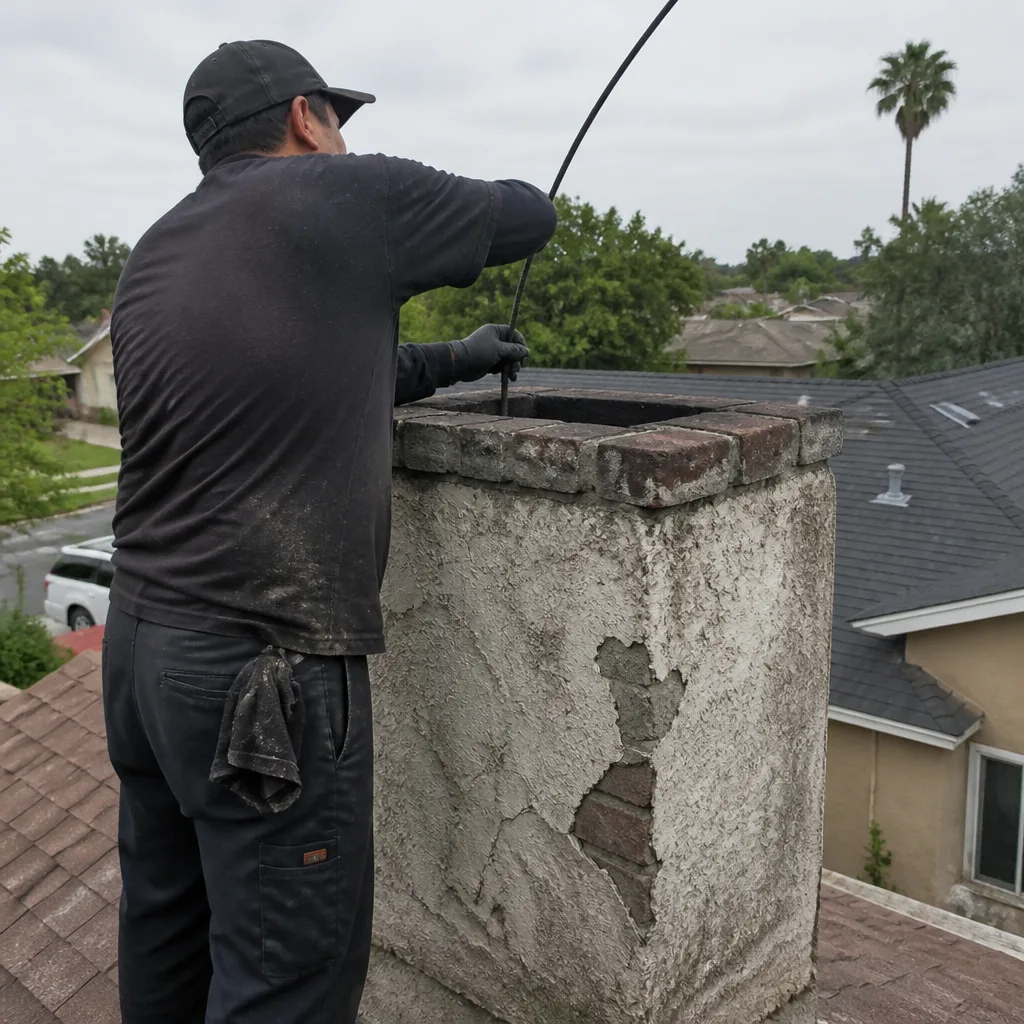 Before
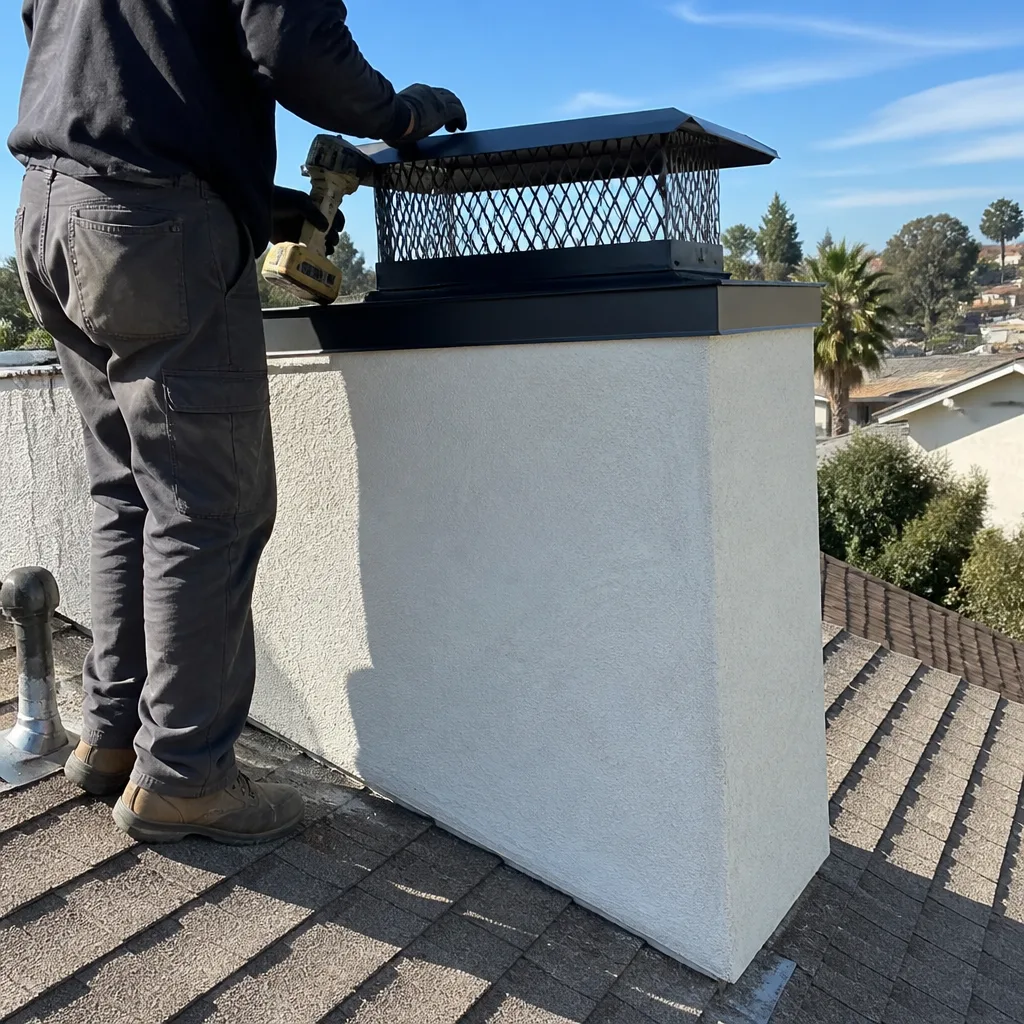 After
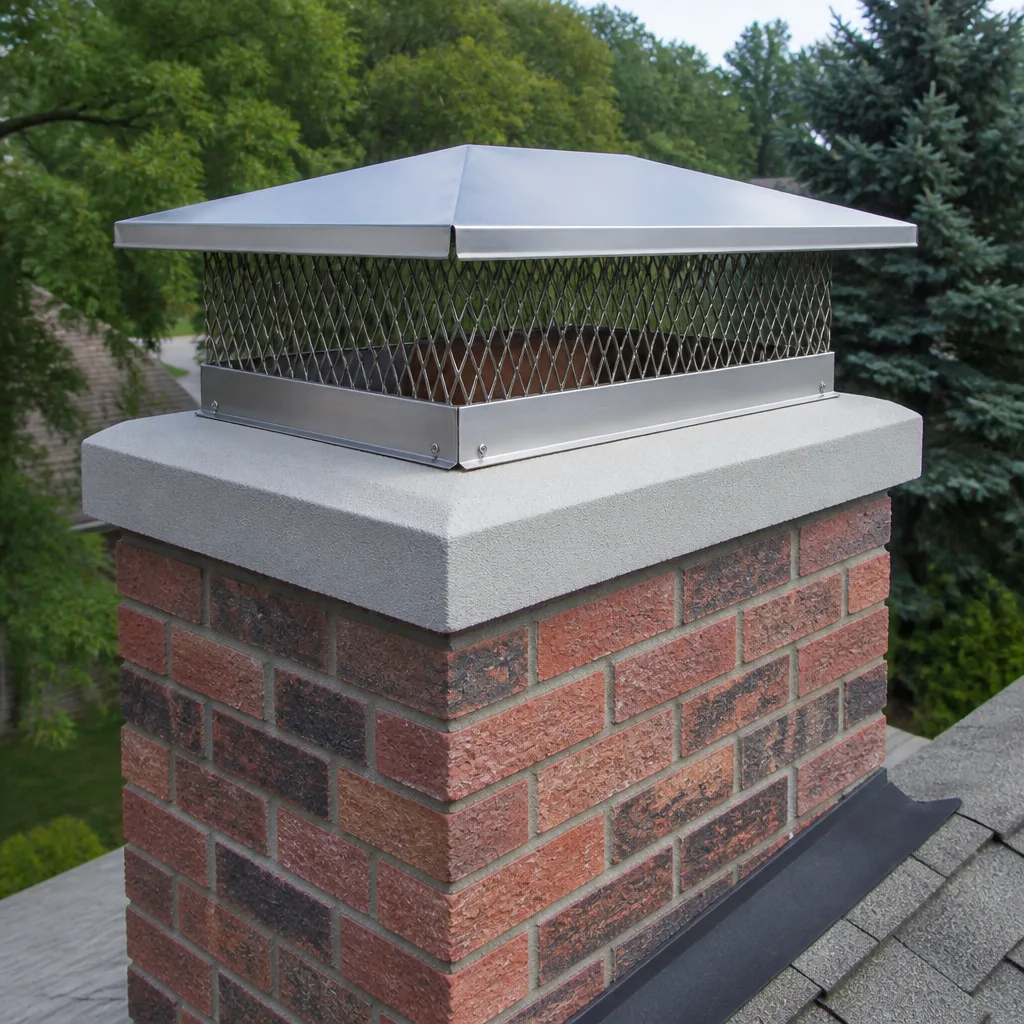
After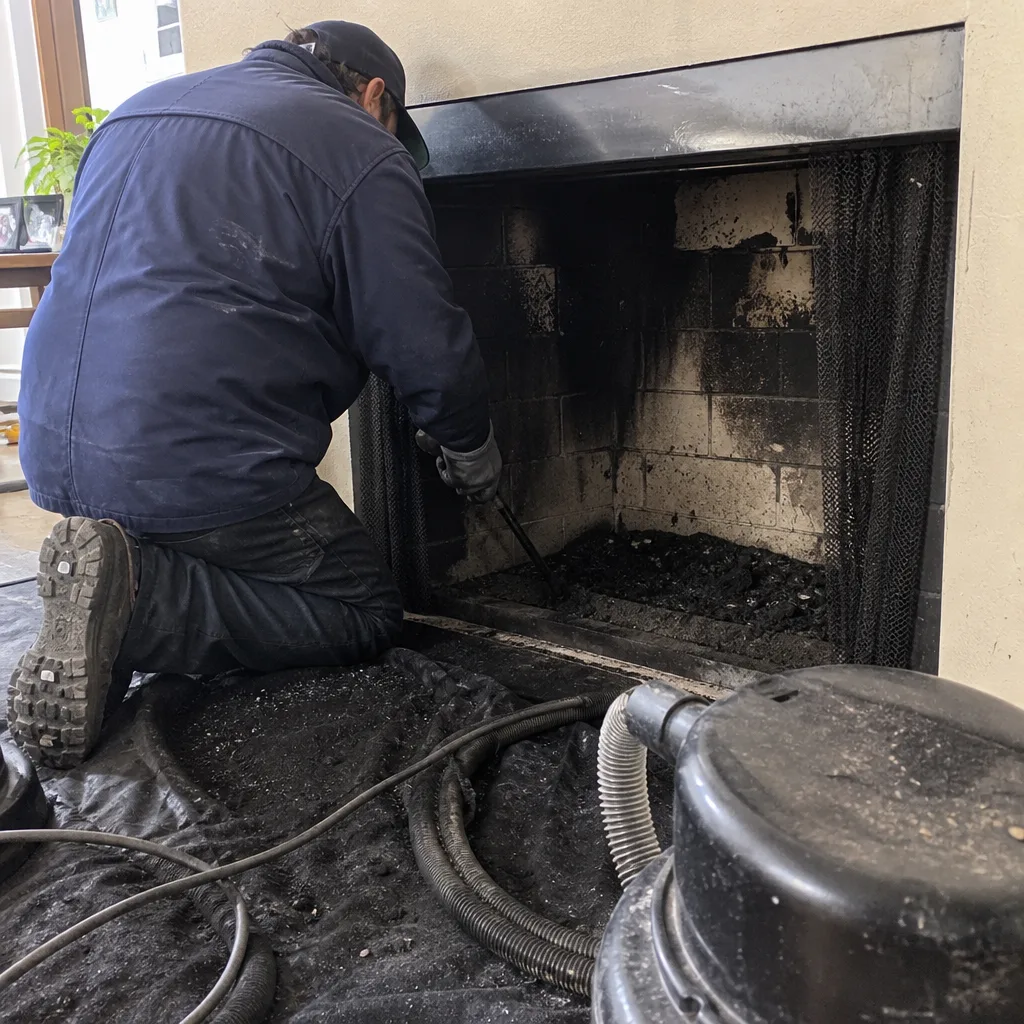 Before
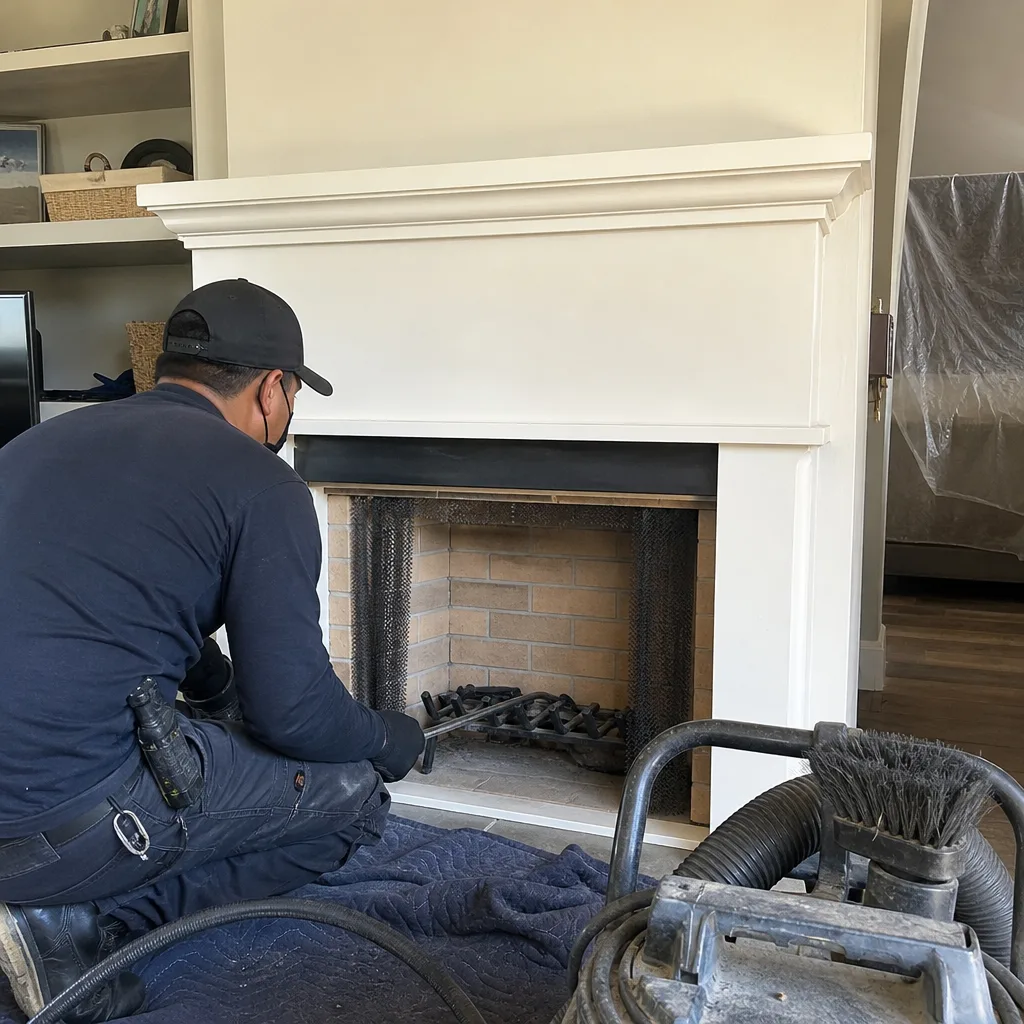 After
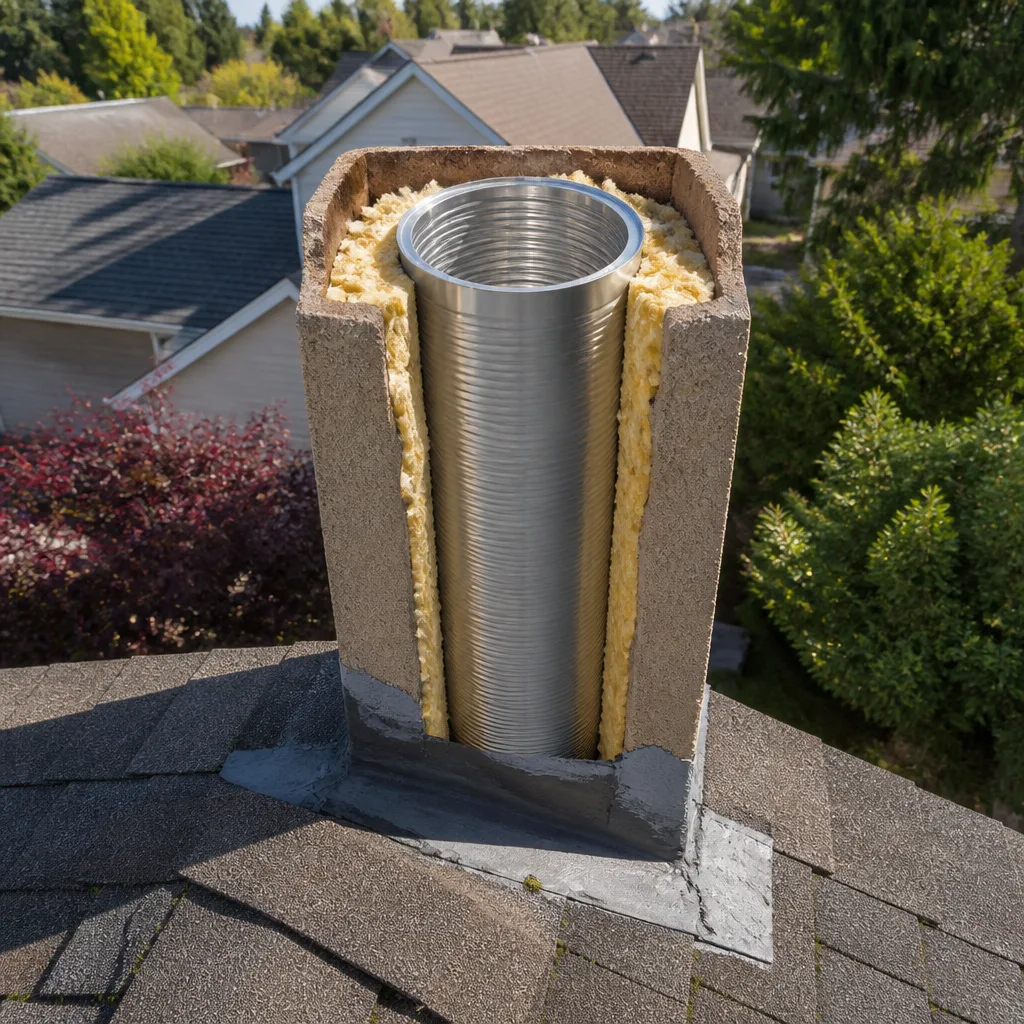
After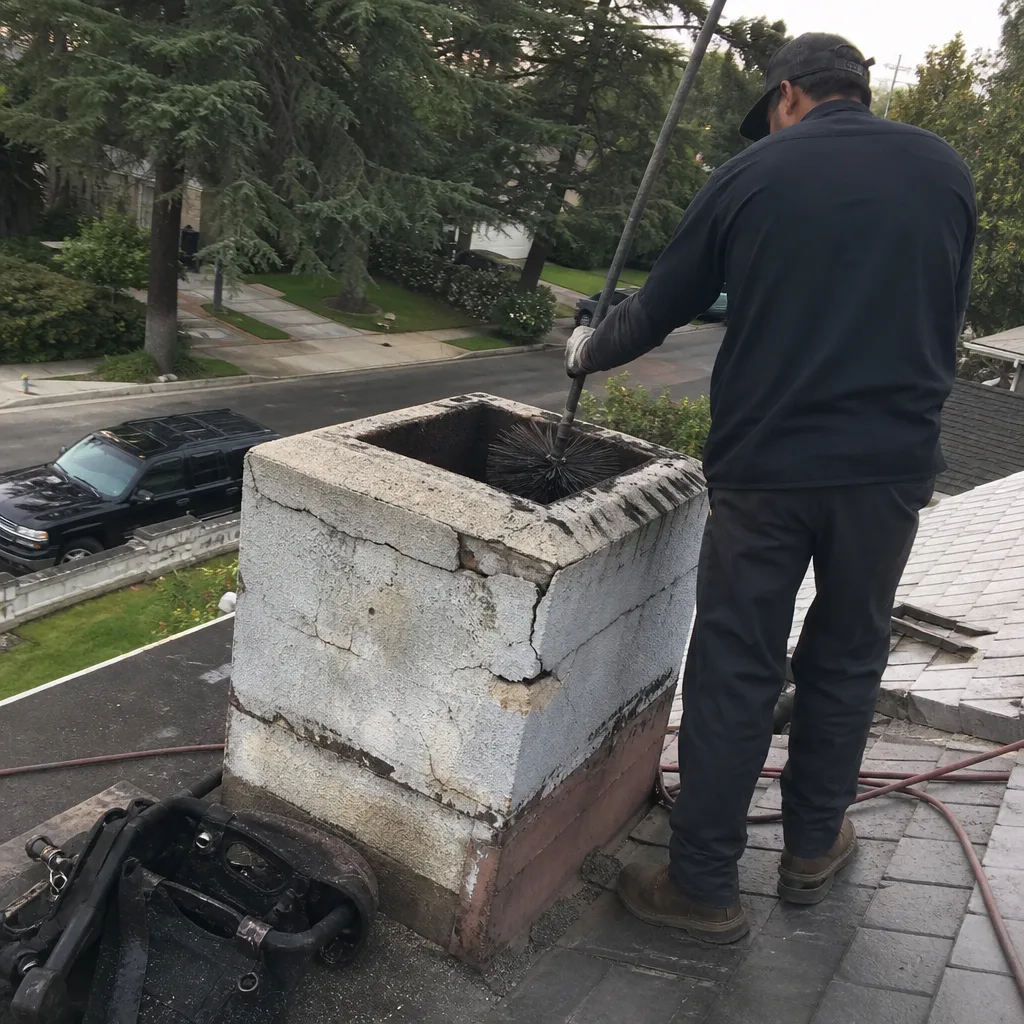 Before
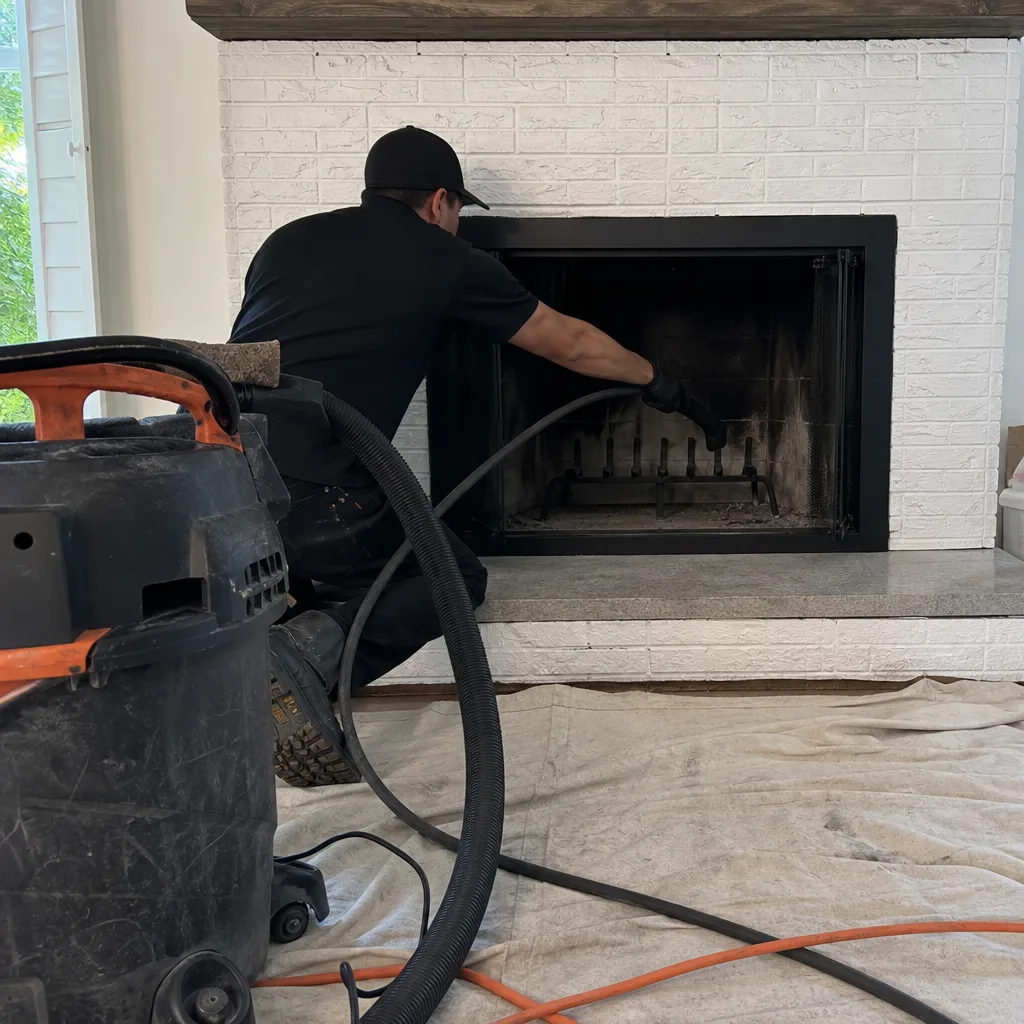 After
AfterFast, Reliable Chimney Inspection Across Graham
A chimney inspection in Graham typically runs $149 – $289 depending on the level, and most homes we serve around Orting-Kapowsin Highway and 304th Street East get a Level 2 inspection with camera work in under two hours. If your home sits in unincorporated Pierce County where wood heat is the main event all winter, you’re not burning the same way a Tacoma homeowner does. Neither is your flue. Call us at (336) 863-3889 and you’ll get a real person, not a queue.
We know the difference between a factory-built zero-clearance fireplace in a 2003 Meridian-area subdivision home and a full masonry chimney on a 1970s farmhouse off 8th Avenue South. That local familiarity means we show up with the right tools and the right expectations. And before the truck arrives, you’ll know exactly who’s coming: name, photo, and background check done under what we call the Threshold Standard.
Written by Ruben Castellano, Owner at Alcott Chimney Sweep, serving Graham since 2002.
Why Alcott Chimney Sweep Is Graham’s Preferred Chimney Inspection Company
Our reputation across Pierce County is built on one simple habit: we show our work. When we inspect a flue in Graham, you see the camera footage. We don’t ask you to trust a verbal summary; we walk you through what the scope found, what it means, and what can safely wait. That transparency matters more here than in the lowland cities because Graham flues carry a heavier workload. Wood stoves and inserts run as primary heat, not ambiance, which changes how fast creosote builds and how often inspections actually need to happen.
Response time to Graham matters when a chimney cap starts rusting in January and snow is on the way. Our crews serve Graham regularly from our Seattle scheduling office, and we route jobs by neighborhood clusters, not by whoever’s closest that day. That means a homeowner off Kapowsin Highway and a homeowner near Spanaway Lake get the same vetted technician, the same written price before work starts, and the same 365-day guarantee on any repair we do. No exceptions.
Every Alcott technician in Graham is background-checked and identity-verified before they ever knock on your door. You’ll know the technician’s name and see their photo before we arrive, and they’ll show a photo ID badge at the door. Ruben Castellano built this company on that certainty. It’s the reason a parent home alone with young kids chooses us, and it’s the reason we don’t waver on it, ever.
Chimney Inspection Services in Graham
Chimney Inspection Services in Graham cover three levels defined by the NFPA 211 standard: Level 1 is the accessible-areas check, Level 2 adds camera scoping and is what we recommend for most Graham homes, and Level 3 involves opening walls or removing components when hidden damage is suspected. A Level 1 inspection in Graham typically runs $149 – $189, and a Level 2 with full camera work runs $249 – $289. If we’re sweeping the same chimney, the inspection is often bundled into the same appointment for about $100 – $130 more than the sweep alone.
Level 1 Inspection for Routine Maintenance
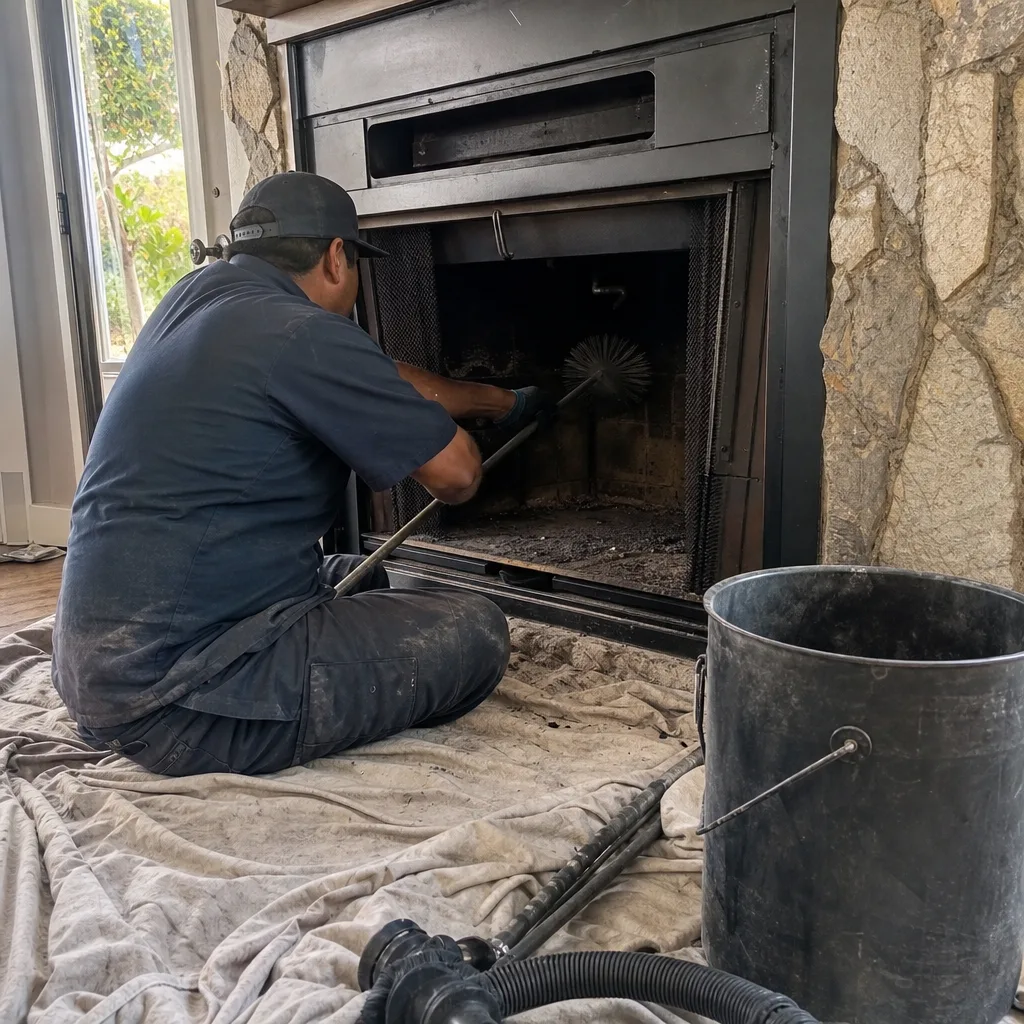
A Level 1 inspection confirms the chimney is safe for continued use under unchanged conditions. We check the accessible flue, damper, firebox, and exterior. In Graham, where many homes burn 2 – 3 cords a season, we rarely recommend Level 1 alone because it can’t see what’s happening mid-flue. But for a lightly used gas fireplace or a seasonal cabin chimney, it’s the right call and the most affordable option.
Level 2 Inspection with Camera
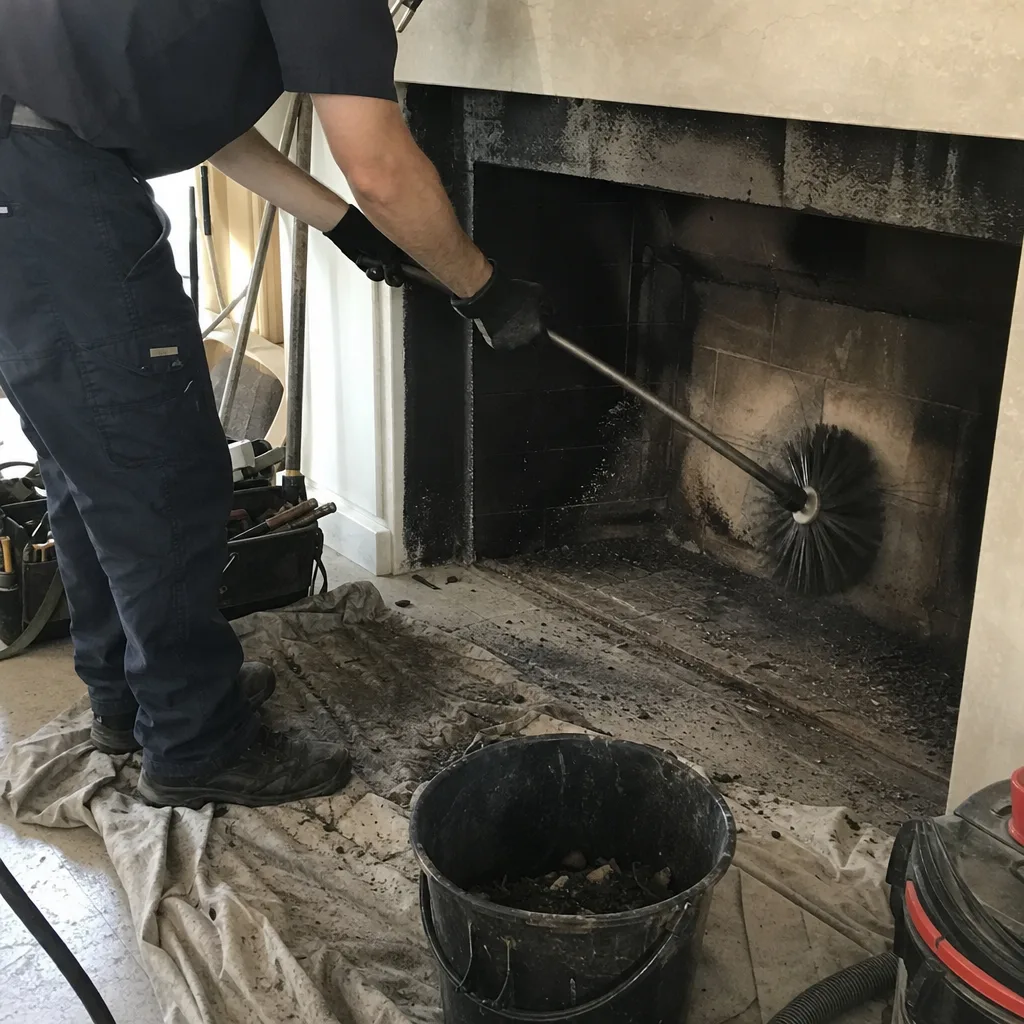
This is the default for Graham wood-burners. We run a camera from the firebox to the cap and back, documenting creosote stage, liner condition, and water intrusion. For a home near Graham-Bethel Middle School or a rural property off 46th Avenue East, the Level 2 catches what a visual check can’t: undersized flex liners from a 1990s DIY install, cracked flue tiles behind a closed damper, or spalled crown sections letting foothill moisture into the masonry.
What happens when you call
- 1
A real person answersNo phone trees - you reach a local pro.
- 2
You get an upfront price rangeHonest numbers before anyone is dispatched.
- 3
A background-checked tech heads outLicensed & insured, dispatched right away.
- 4
You approve before work beginsNothing starts until you say go.
Chimney Flue Inspection in Graham
Chimney Flue Inspection in Graham is the part of the job that actually keeps a wood stove safe: the camera run through the flue itself, looking for glazed creosote, liner separation, and blockage. The flue is the exhaust pathway for everything your fire produces. If it’s narrowing, draft slows, smoke pushes back, and carbon monoxide risk climbs. In Graham’s wood-primary homes, a flue inspection should happen at least once a year, and twice if you’re burning soft woods like pine and fir that layer creosote faster.
Liner Condition Assessment
Many Graham flues have metal liners, and metal liners fail in specific ways: buckling, rust-through, detached seams. Our camera spots those failures before they become house fires. When a liner is undersized for the appliance, which is a pattern we see in homes built during the 1990s and 2000s buildout era, the draft never fully develops. That’s a data point, not a feeling: the camera shows the creosote accumulation pattern that tells us the stove has been fighting its own exhaust for years.
Creosote Stage Documentation
Creosote exists in three stages. First-degree is dusty and brushes off. Second-degree is tar-like and flaked, starting to harden. Third-degree is glazed, hard as roofing tar, and a fuel source waiting for a hot fire. In Graham, where stoves run for months without a break, second-degree buildup in under one season is common. We photograph what we find, show it to you, and explain what it means in plain English. If it needs sweeping or chemical treatment first, that happens before the inspection can be completed, not as a surprise upsell later.
Trusted Brands We Service in Graham
We stock and install professional-grade materials for Graham homeowners because a flue that works is a flue built from parts made for the job. That means DuraFlex liner systems when a liner needs replacement, HeatShield resurfacing when masonry flue tiles are cracked but the structure is still sound, and Olympia Chimney components for caps and flashings. We don’t substitute box-store parts. A Graham homeowner off 234th Street East who needs a new cap or a liner section gets the same brand a chimney profession selects, and we keep common parts on the truck so the job doesn’t stall waiting for a shipment.
Common Chimney Inspection Problems We See in Graham Homes
- Glazed second-degree creosote in wood-primary flues. When a stove runs as the main heat source, creosote shifts from dusty to tar-like much faster than manufacturers’ annual sweep guidance assumes. We see flues in Graham loaded with glazed creosote after a single cold winter. That’s a fire hazard, and it’s why we tell Graham customers the safe interval is often per cord burned, not per calendar year.
- Undersized flex liners from the 1990s – 2000s DIY era. During the rural buildout boom around Graham, a lot of homeowners installed wood stove inserts or relining kits themselves. Many used liner diameters too small for the stove’s BTU output, which restricts draft and quietly accelerates creosote loading. Only a camera inspection catches it, because the fire looks fine from the living room.
- Freeze-thaw spalling on masonry crowns. Graham’s foothill elevation brings snow and repeated freeze-thaw cycles that crack mortar and spall the concrete crown. Water seeps in, freezes, expands, and each spring the damage is worse. Pacific moisture adds moss growth that holds water against the brick. A Level 2 inspection separates crown damage from interior flue problems, and the fix is usually straightforward if caught early.
- Failed thimble clearances and single-wall stovepipe runs in manufactured homes. Many Graham double-wides and manufactured homes were later fitted with add-on wood stove inserts. The stovepipe venting often passes through wall or ceiling thimbles that were never installed to code, or the clearances have shifted over time. A full vent-run inspection, not just the firebox check, catches these before they become wall fires.
Pricing for Chimney Inspection in Graham, WA
A Level 1 chimney inspection in Graham runs $149 – $189. A Level 2 inspection, which includes the full camera scope we recommend for wood-burning Graham homes, runs $249 – $289. If the inspection is bundled with a standard chimney sweep, most Graham customers pay $100 – $130 for the inspection portion on top of the sweep, which itself typically starts at $179. What moves the price within those ranges: chimney height, roof pitch and access safety, the number of flues, and whether the flue needs pre-cleaning before the camera can see anything. Every quote is written, delivered before work starts, and signed. There are no surprise charges at the end. Call (336) 863-3889 for an exact quote, free.
We Also Serve Cities Near Graham
Our crews work throughout the surrounding Pierce County communities: Spanaway, Orting, Sumner, and Bonney Lake. If you’re just outside Graham proper or splitting time between properties, we can schedule accordingly. Learn more about our service area by visiting our Graham page or reviewing the full scope of our Chimney Inspection work. One team, one standard, wherever you are.
Serving Graham, WA - Our Local Coverage Area
We’re based in the Graham area and know this community well. Use the map below to see our service coverage - if you’re nearby, we can almost certainly help.
FAQs About Chimney Inspection in Graham
Every year at minimum, and we recommend a Level 2 inspection with camera for any home in Graham burning more than two cords a season as a primary heat source. In unincorporated Pierce County where natural gas lines don’t reach, wood stoves run for months, and creosote stages advance faster than the annual sweep interval most national guidance assumes. In practice, many of our Graham customers burn three to four cords between October and April, and we see glazed second-degree creosote develop in a single season. If that describes your home, ask us about a per-cord schedule with a Level 2 camera check each fall before burn season starts. Call (336) 863-3889 and we’ll help you set the right interval for your actual burn load.
Yes, we inspect factory-built zero-clearance fireplaces in Graham regularly because much of the 1990s – 2000s suburban housing stock here was built with them. These systems use double-walled metal flues that are different from masonry chimneys, which means the inspection focuses on the pipe joints, the pipe’s support structure, the chase top, and the firebox refractory panels. Our camera equipment is sized for these narrower metal flues. The same Level 1/Level 2 framework applies, and a Level 2 with camera is what we recommend for any prefab unit that has not been inspected in over three years or has been used heavily.
On a Graham manufactured or double-wide home with a resident-installed wood stove, we inspect the entire vent run, not just the firebox and first few feet of stovepipe. That means checking the wall or ceiling thimble clearances, the condition of the single-wall stovepipe, the transition to the exterior flue, and the termination cap. Many of these installs used liner diameters undersized for the stove’s BTU output, which restricts draft and builds creosote even when the fire looks okay. We also verify the liner is rated for solid fuel. If the clearance has failed or the liner is undersized, we’ll show you the camera evidence and give you a written price for the correction. Call (336) 863-3889 to schedule.
Yes. Graham’s Cascade foothill location means more precipitation than the lowland Sound cities and periodic snow with freeze-thaw cycles. That accelerates mortar joint cracking, chimney cap rust, and crown spalling. The persistent moisture also promotes moss growth on exterior masonry, which traps water against the brick and worsens deterioration between cleanings. A Level 2 inspection in Graham should explicitly look for water intrusion and masonry damage, not just creosote. We check the crown, the flashing, the cap, and the exterior mortar joints every time. Water damage left alone becomes structural, and structural repairs cost several times what a crown reseal costs.
Yes, and it’s one of the most useful things we tell our Graham customers at every inspection. Burn seasoned hardwood cut and split for at least 12 months, avoid smoldering fires with the damper choked down, and build smaller hot fires rather than one big stuff-the-box fire. Those habits produce less creosote per cord. But in Graham’s wood-primary homes, even good habits don’t stretch the interval past one good cleaning and inspection per burn season. The creosote still accrues, just slower. If you’re unsure whether your burning practices are creating a problem, our inspection report includes photos and straightforward guidance. Call (336) 863-3889 for a free estimate on a Level 2 inspection.
Contact Alcott Chimney Sweep in Graham
When you’re ready to have your chimney and flue looked at by a technician who’ll show you exactly what they found, call us at (336) 863-3889. You’ll get a live person, a written price before any work starts, and a technician whose name and photo you’ll know before the truck reaches your driveway. Alcott Chimney Sweep has served Graham since 2002 with the same standard: show the work, guarantee the work, and never leave a homeowner guessing.
Written by Ruben Castellano, Owner at Alcott Chimney Sweep, serving Graham since 2002.