
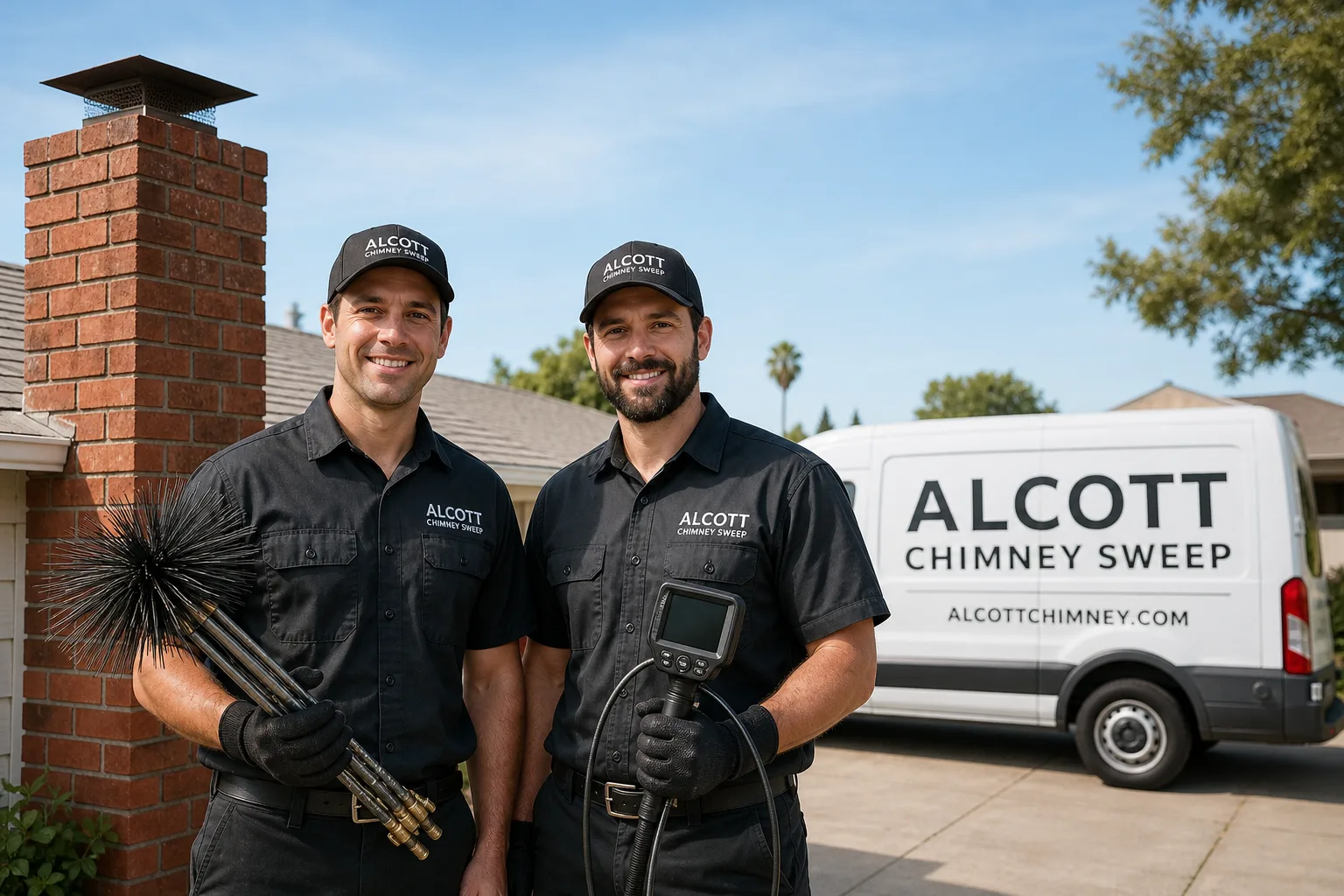
Level 1 sweep and inspection to the NFPA 211 annual standard - flue, crown, cap, and flashing checked and photographed
Chimney sweep logs do not sweep chimneys. They loosen some creosote - which then falls where a brush and vacuum still have to collect it.
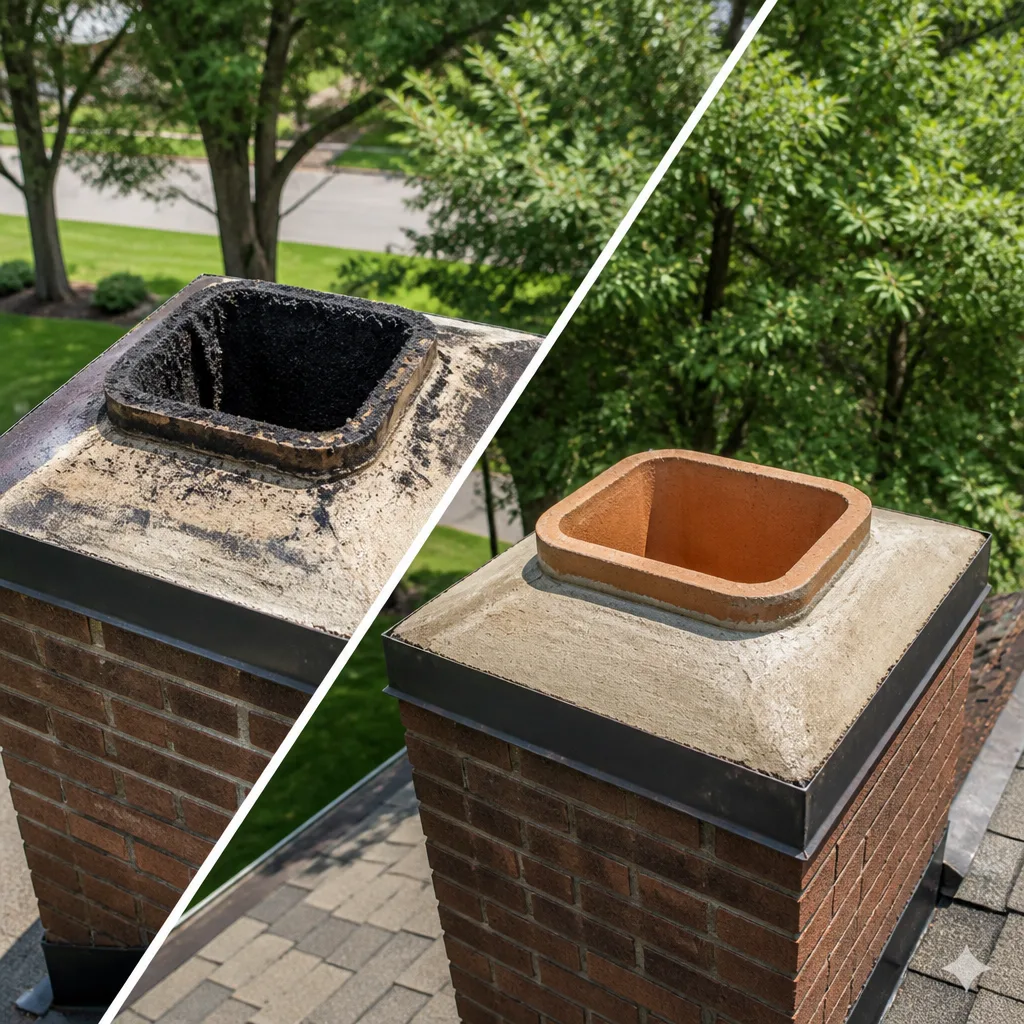
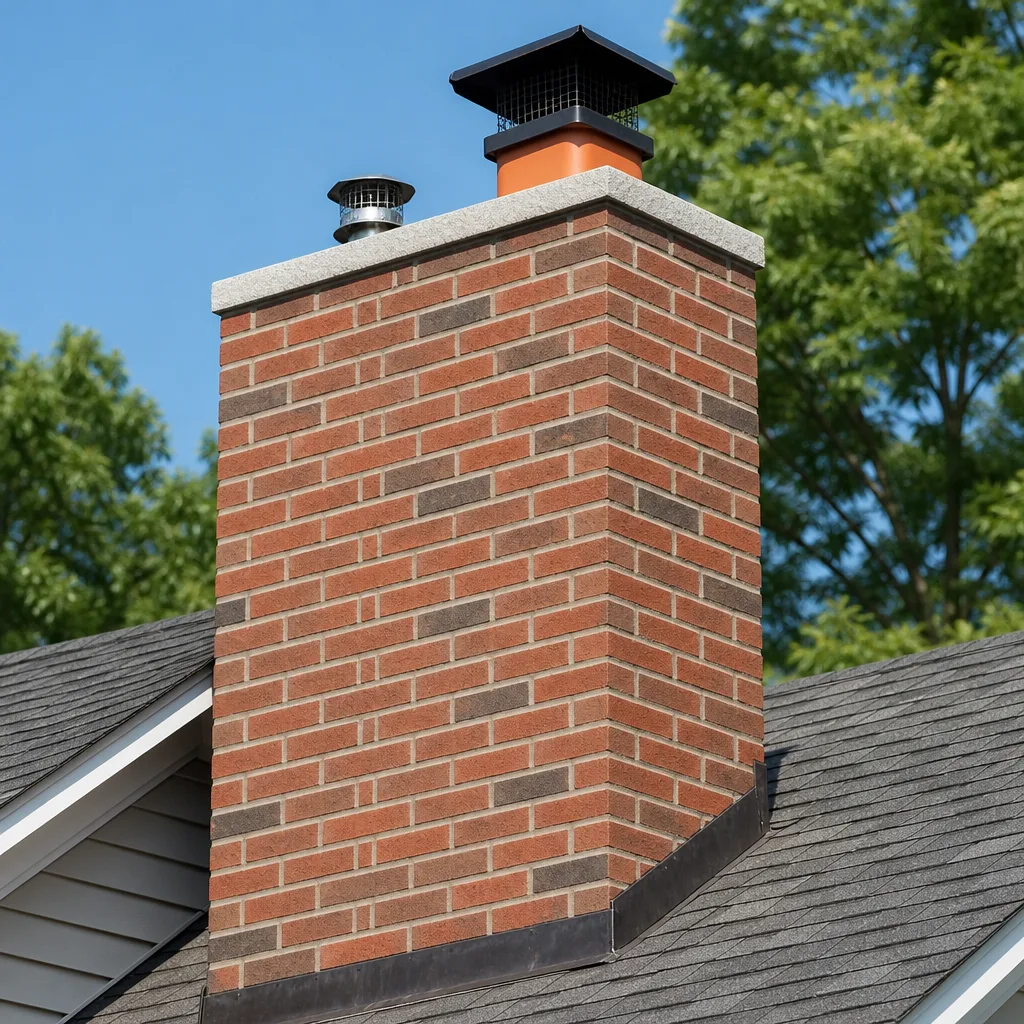
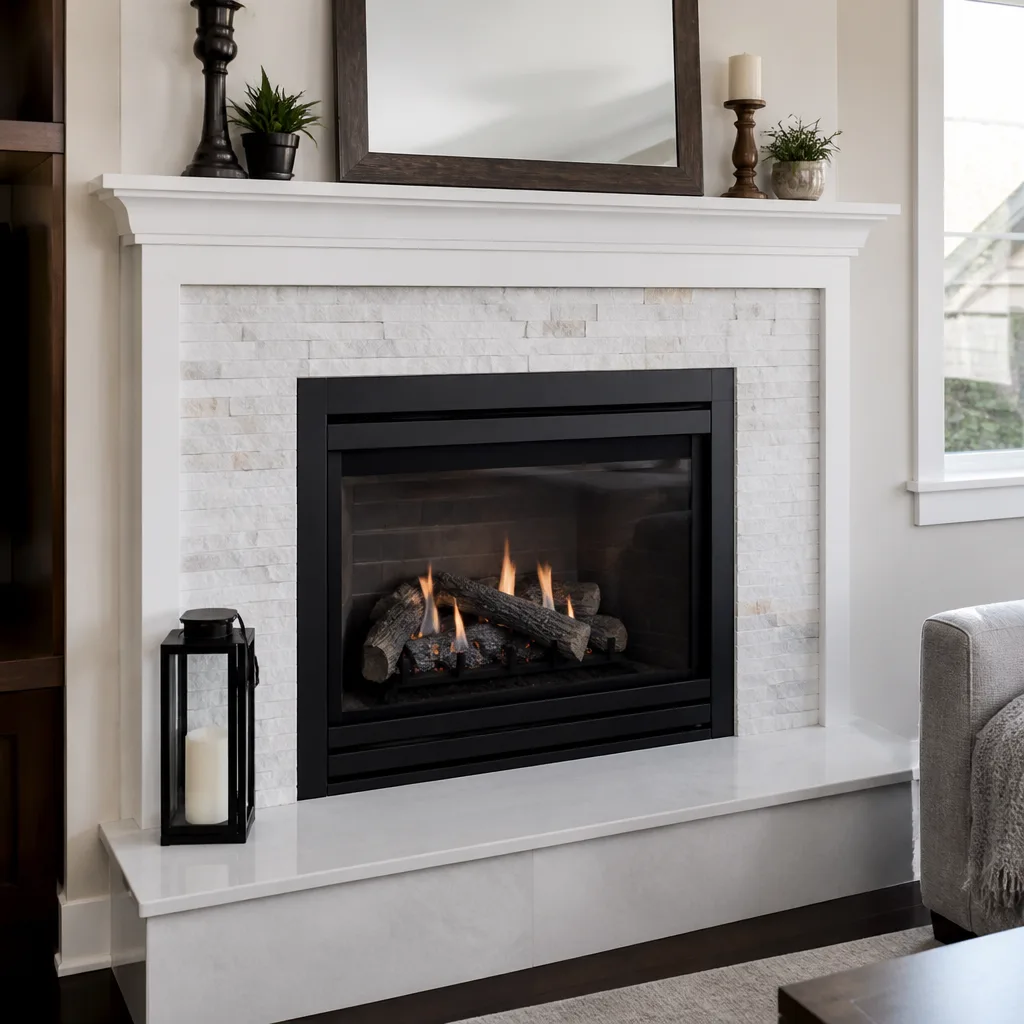
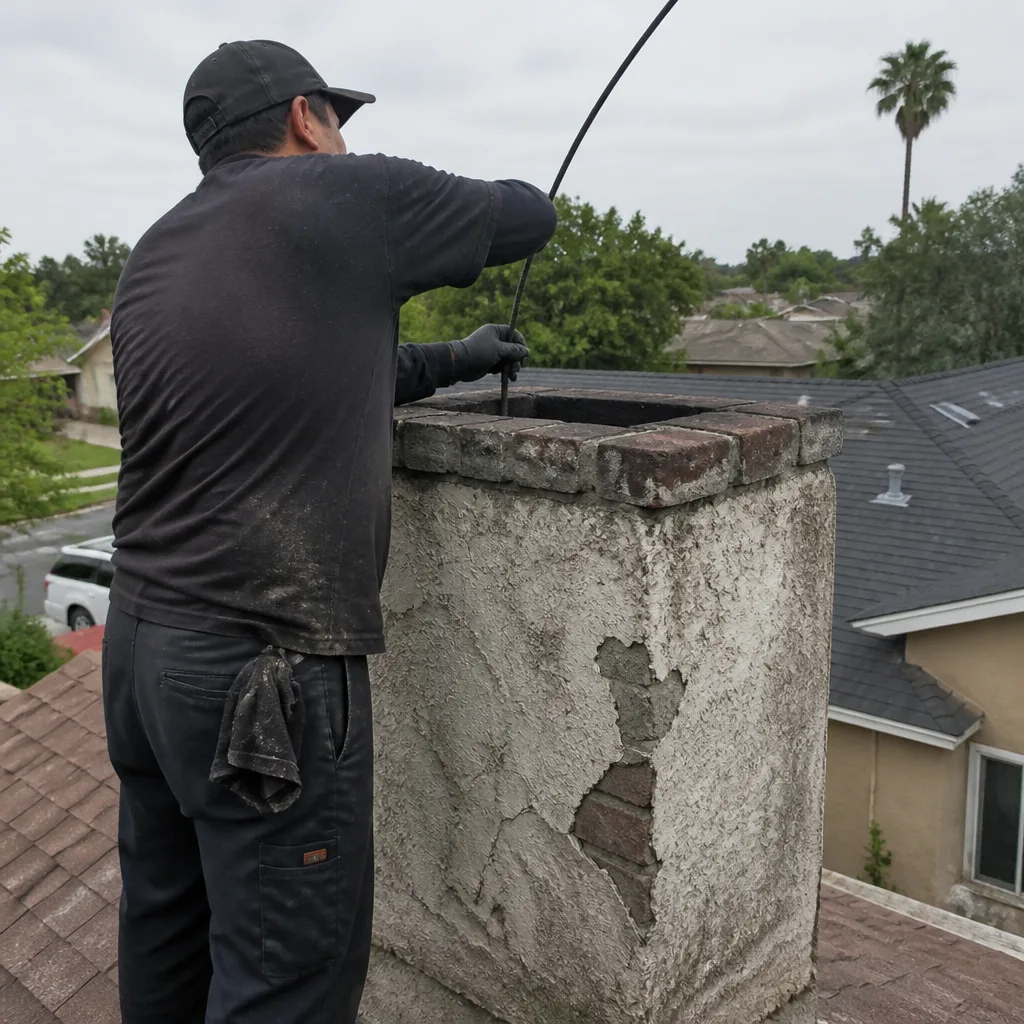 Before
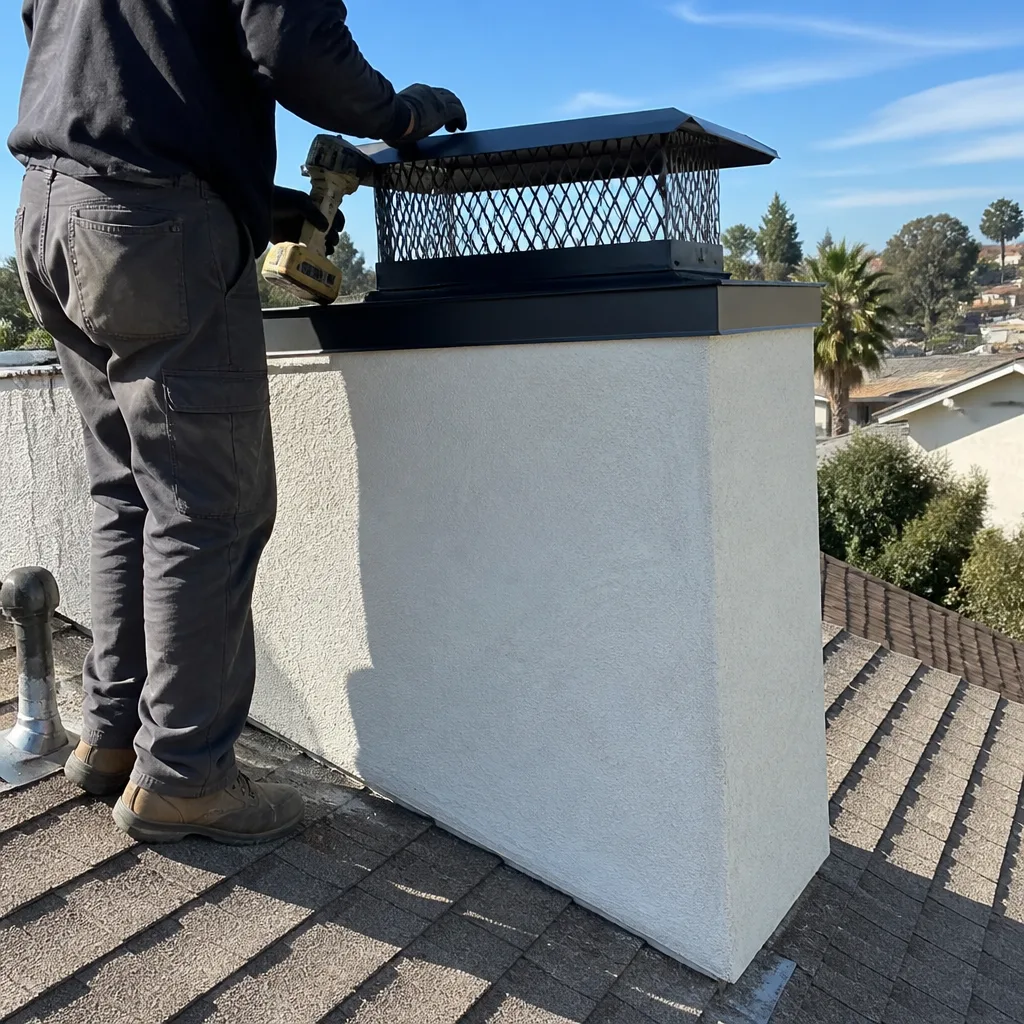 After
After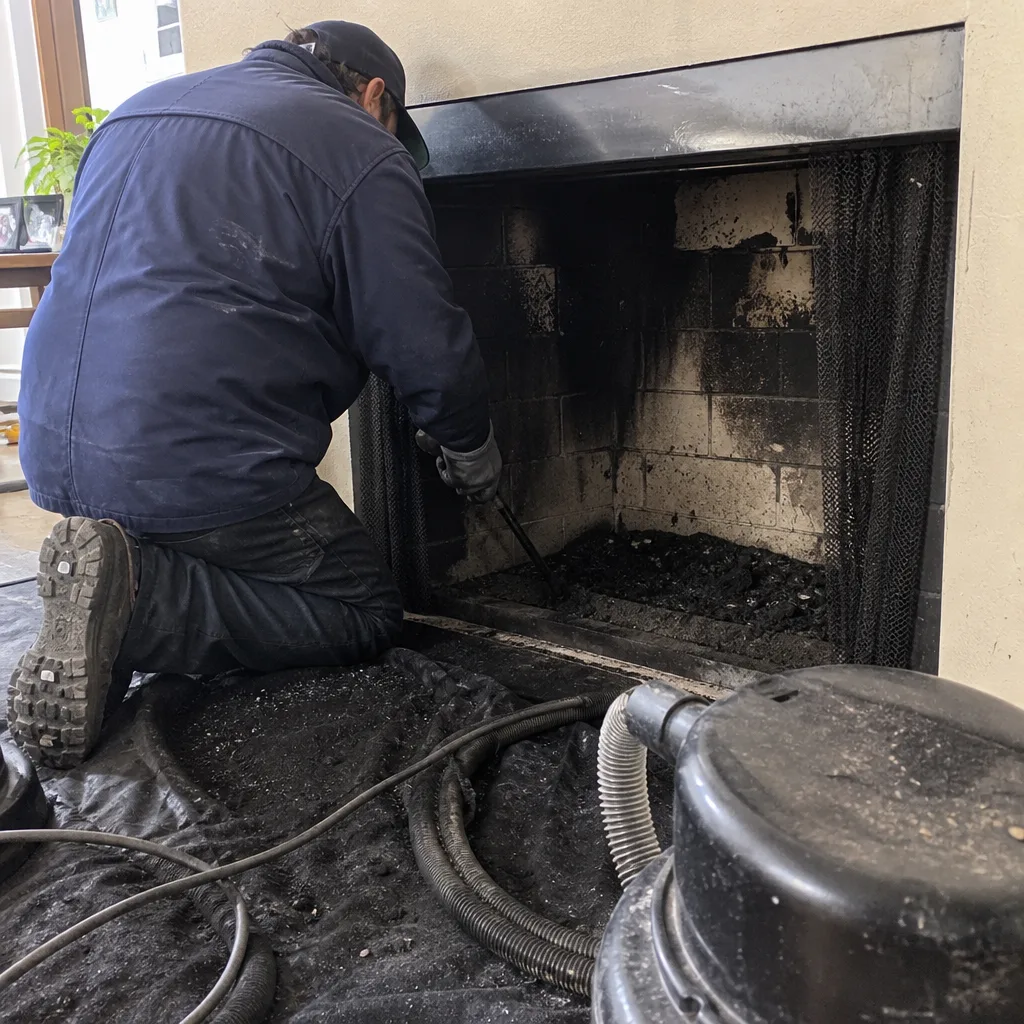 Before
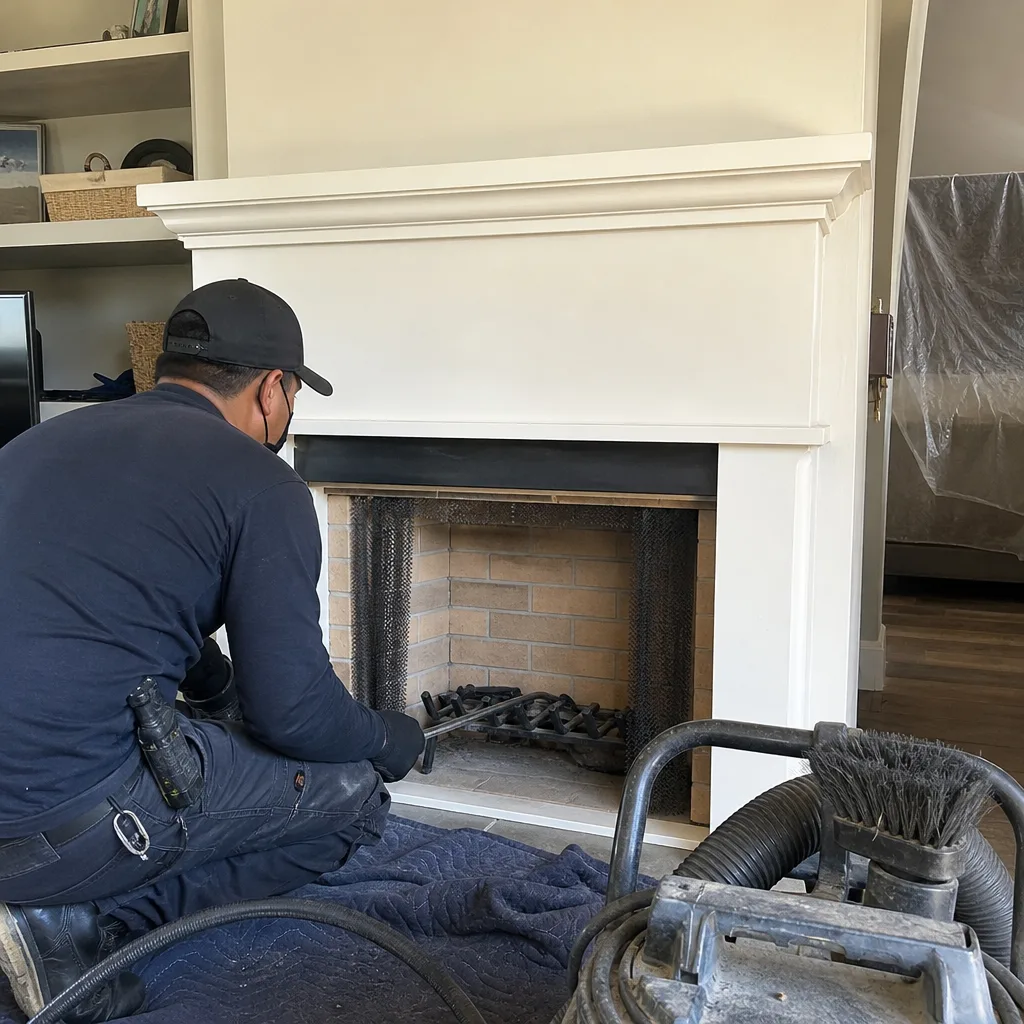 After
After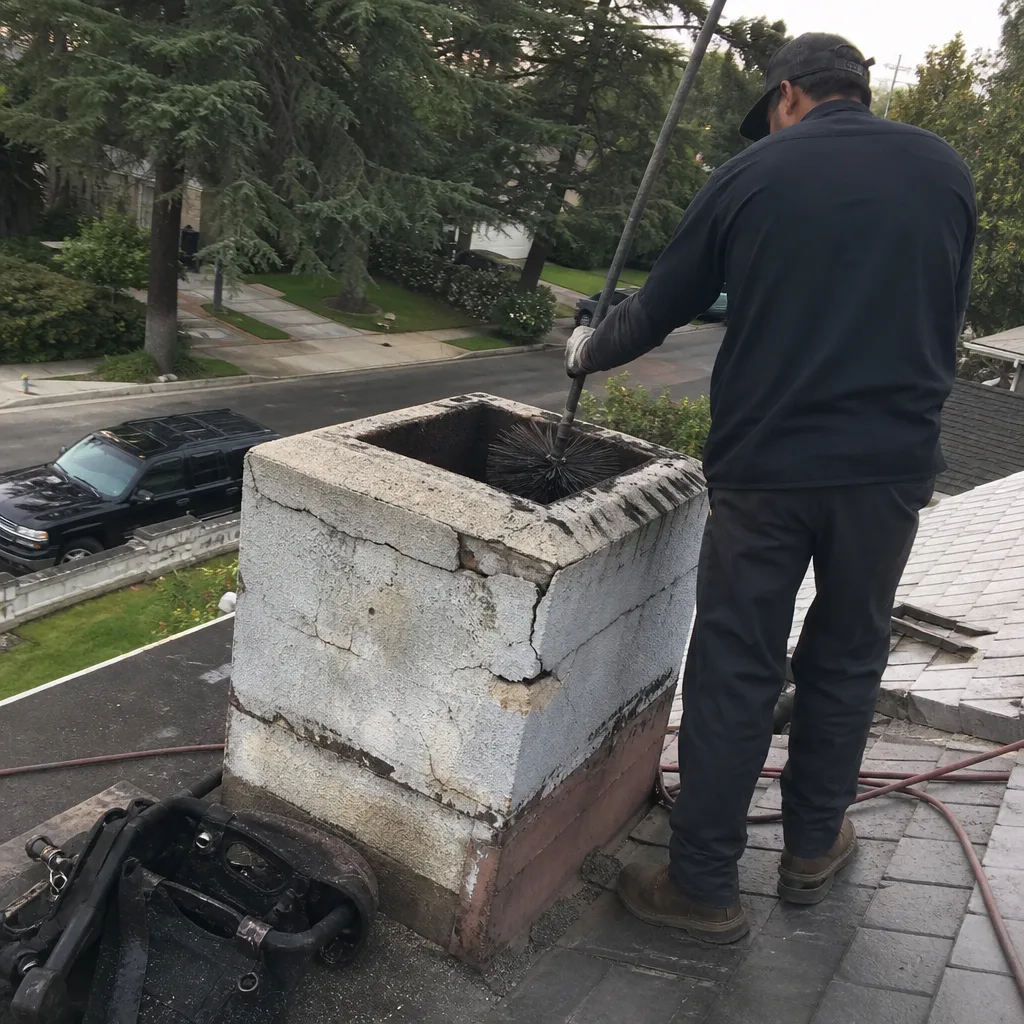 Before
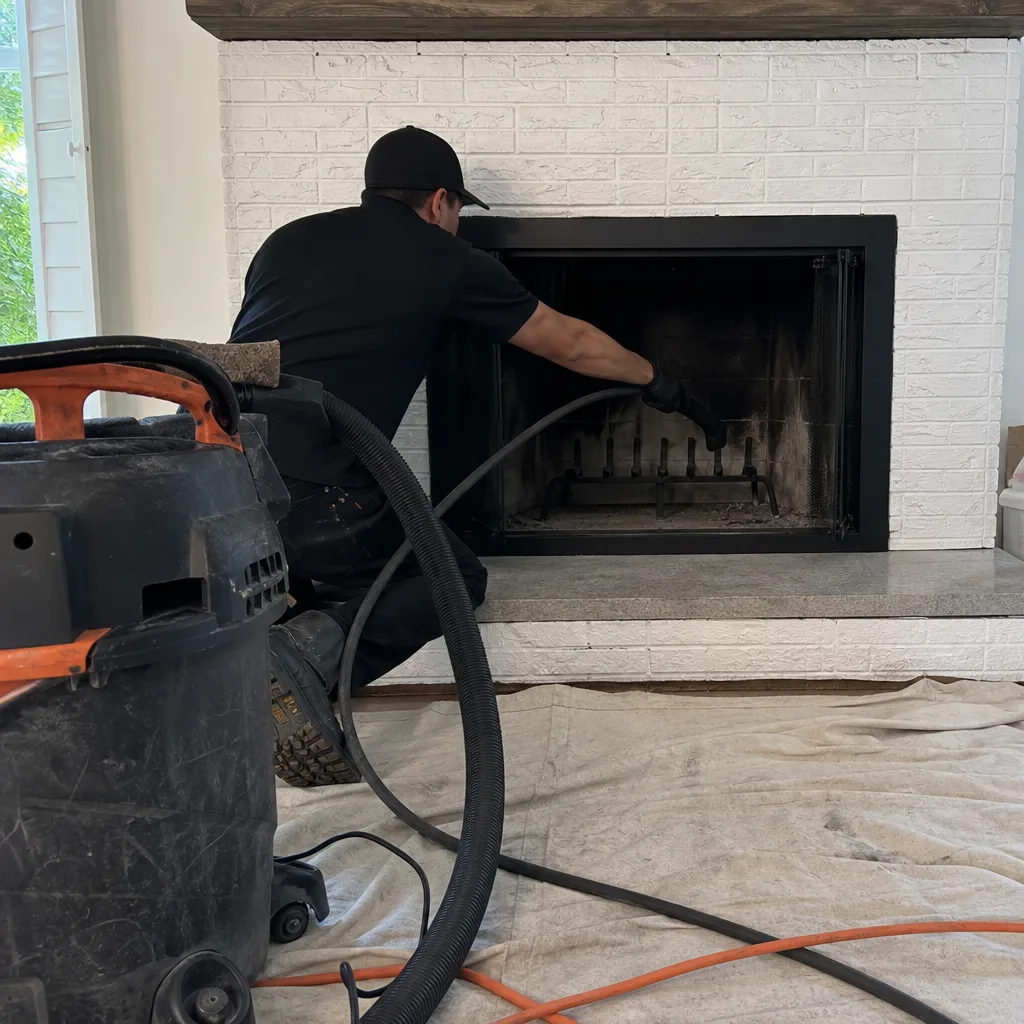 After
AfterFast, Reliable Chimney Inspection Across Hastings
A chimney inspection in Hastings costs $149 to $279 for a standard Level 1 or Level 2 check, depending on whether we run a camera through the flue. If you’re off County Road 13, State Road 207, or any of the farm roads threading through St. Johns County’s potato country, we’ll be at your door within 24 to 48 hours in most cases. We know these rural properties well: mid-century brick farmhouses, wood stoves that only fire up during January cold snaps, and masonry that stays damp nine months out of the year. Alcott Chimney Sweep has inspected hundreds of Hastings flues since 2002, and every job starts with a written price before we touch anything. If you want to know who’s coming to your farmhouse before they arrive, call (336) 863-3889 and a live person will answer.
Why Alcott Chimney Sweep Is Hastings’s Preferred Chimney Inspection Company
Hastings homeowners ask for us by name because we treat a chimney inspection the way a rural property demands: as a real investigation, not a thirty-second glance. Our crews know that a brick chimney on an old farmhouse off Deep Creek Road can look fine from the outside while the smoke chamber inside is packed with creosote. We also know that most Hastings fireplaces sit idle from April through November, which means moisture and wildlife move in long before you ever strike a match. That’s why we default to camera inspections on older homes here. You see every crack, every glaze line, every inch of flue tile on the screen before we write a single recommendation.
Every technician we send to Hastings has passed a background check and identity verification under the Threshold Standard. You’ll know the technician’s name and see their photo before we arrive, and they’ll show you a photo ID at the door. That’s not an upgrade. It’s how we’ve operated since day one under Ruben Castellano’s leadership. Our Hastings customers also know that a written guarantee comes with every repair we recommend. If a repair fails within the coverage period, the second visit is free. That’s the 365-Day Done Right Promise, and it applies to every completed inspection and repair in St. Johns County.
Chimney Camera Inspection in Hastings
A Chimney Camera Inspection in Hastings runs $199 to $279 and is the single most useful diagnostic we perform on the older brick chimneys that dominate this town’s housing stock. When we thread a high-resolution camera down your flue, we’re looking for the specific failure patterns this climate creates: spalled brick faces, crumbling mortar joints, moisture staining, and glazed creosote deposits left behind by cold-snap fires in a flue that never fully dried out. On a standard one-story farmhouse, the scan takes 45 minutes to an hour, and you watch the feed live. We document everything with photos and put them in a written report you keep. If you’re buying or selling a rural property in Hastings, this is the inspection your lender or home inspector should be ordering, not just a visual glance up the firebox.
What the Camera Shows Us
The camera catches things a flashlight never will. Hairline cracks in clay flue tiles, separated mortar joints, and animal nesting debris lodged mid-flue all show up immediately. In Hastings specifically, we regularly find chimney swift nests built during the April-to-October breeding season still blocking portions of an uncapped flue come winter. If the camera finds active nesting material during the protected season, we’ll tell you plainly: we can’t disturb it until the birds migrate, and here’s what to do until then.
When a Camera Inspection Is Non-Negotiable
If your Hastings home has an uncapped chimney, a wood stove connected to an unlined masonry flue, or visible brick spalling on the exterior, skip the Level 1 and go straight to a camera inspection. These are the exact conditions on most mid-century farmhouses in this area, and guessing wrong about flue integrity on a rural property means a chimney fire with a longer emergency response time. We also require a camera inspection before recommending any liner repair or HeatShield resurfacing. We won’t quote a repair we haven’t seen from the inside.
Fireplace Inspection in Hastings
A Fireplace Inspection in Hastings starts at $149 for a Level 1 visual check and runs up to $349 for a full Level 2 inspection with camera documentation. The right level depends on how your home is built and how it burns. Most Hastings farmhouses fall into two camps: decorative brick fireplaces that get used five or six times a season, or wood stoves that become primary heat during a January freeze. Both need different things from an inspection. Decorative fireplaces usually need moisture and wildlife checks more than creosote removal. Wood stoves need a close read on creosote loading and flue temperature performance. We’ll tell you which inspection level fits your situation and why, in plain English, before you pay for anything.
The Farmhouse Fireplace Check
On a mid-century brick fireplace in Hastings, we spend most of our time on the smoke chamber and the flue above the damper. That’s where glazed creosote hides on homes where the fireplace only fires during a handful of cold snaps. We hand-scrape the smoke chamber when we find second-degree buildup, then run the camera to confirm the flue is clear to the top. If your damper plate is rusted through or warped, we’ll show you the photo before we quote a replacement.
Wood Stove Flue Inspection
Wood stoves on rural Hastings properties build creosote faster than fireplaces because they burn low and slow during freeze events on flues that spent nine months wet and cold. We measure creosote thickness, check connector pipe joints, and verify the flue is sized correctly for the stove. If you’re running a stove as your main heat source, you need an inspection every year, no exceptions. We’ll also check for the specific issue of sticky first-degree creosote, which is common here because flues rarely get hot enough to burn it off during short cold-snap fires.
Trusted Brands We Service in Hastings
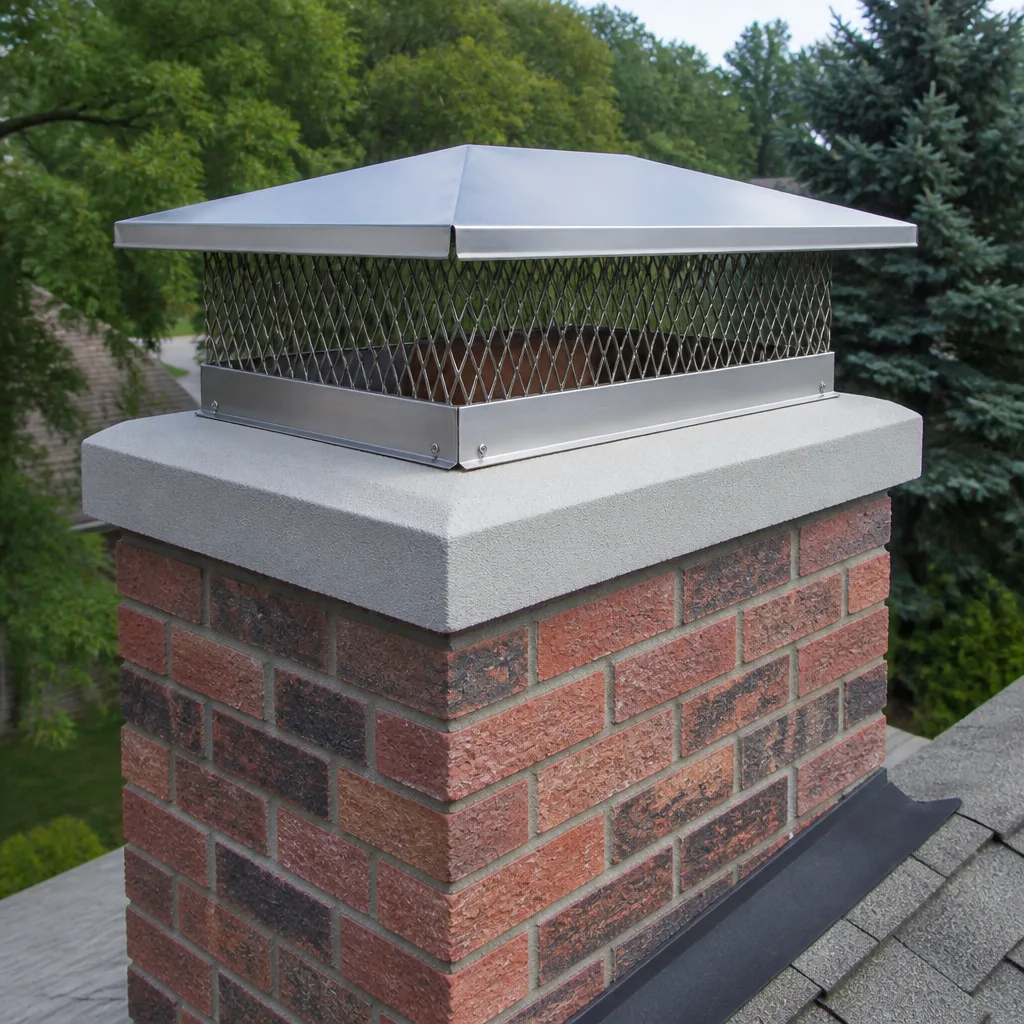
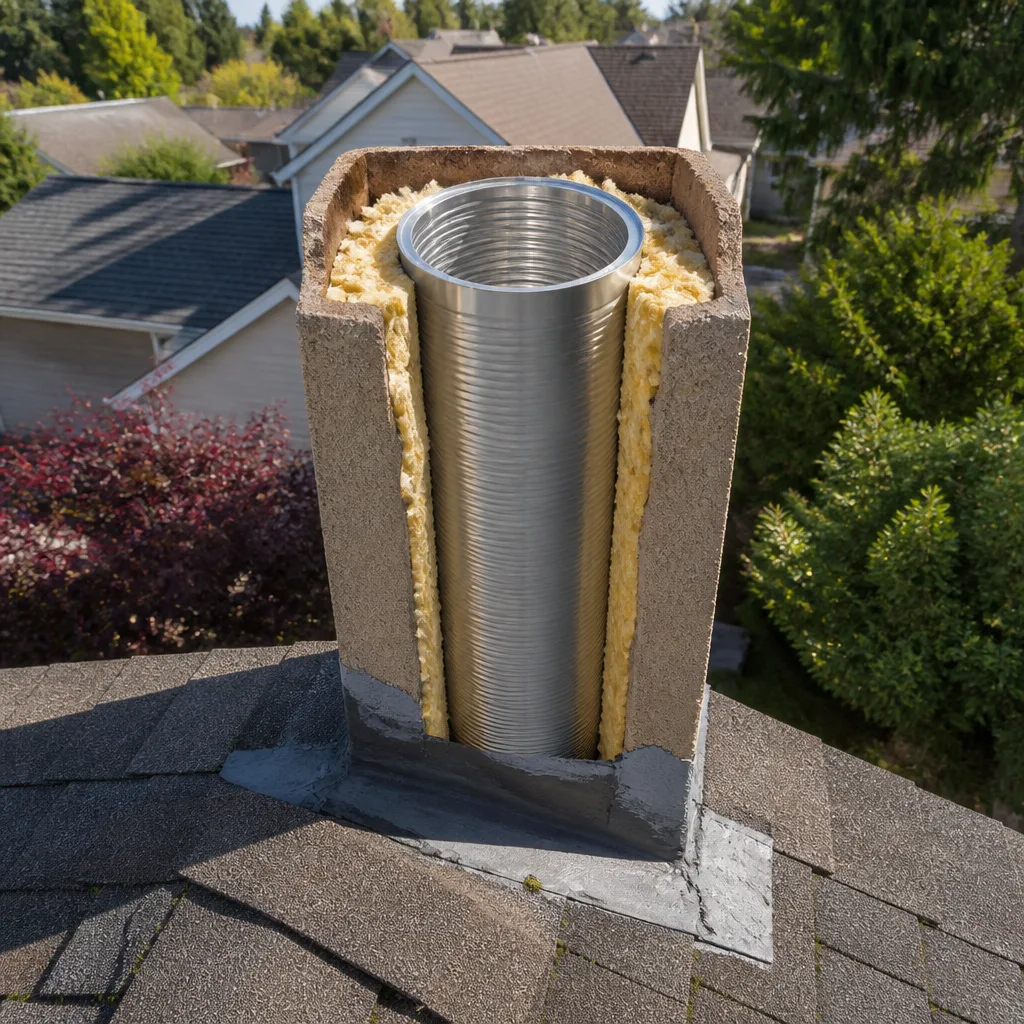
We install and service professional-grade chimney products from HeatShield, Gelco, and Olympia Chimney. These are the materials chimney professionals specify for moisture-resistant repair, not whatever happens to be on the shelf at a box store. When a Hastings inspection turns up a cracked flue tile or a deteriorating mortar joint, we can quote a HeatShield resurfacing job or a Gelco stainless cap without ordering anything sight-unseen. Our crews stock the most common cap sizes and liner components for the older brick chimneys in this area, which means one visit instead of two for many Hastings repairs. If your farmhouse chimney needs a custom cap fabricated for an odd-size flue, we handle that through our supply network with a clear lead time on the quote.
Common Chimney Inspection Problems We See in Hastings Homes
- Uncapped, unlined mid-century brick flues. Homes built during Hastings’s potato-farming era often have no chimney cap and no clay flue liner. These chimneys stay wet for most of the year, and the masonry spalls and crumbles at a rate that surprises homeowners who assume their rarely-used fireplace doesn’t need attention.
- Chimney swift nesting from April through October. These federally protected birds colonize uncapped flues across rural northeast Florida every spring. If you smell something foul in summer, it’s often a swift nest. Disturbing an active nest is illegal, so the only reliable fix is an inspection and cap installation in late winter.
- Glazed creosote from cold-snap burning. Fires built in a flue that’s been cold and damp for months produce creosote that hardens into a shiny, tar-like glaze. This is second-degree buildup, and it’s a fire hazard that can’t be removed with a standard brush sweep. We find it regularly on Hastings farmhouse chimneys after a handful of winter fires.
- Moisture-saturated masonry mistaken for cosmetic wear. Spalling brick faces and efflorescence on Hastings chimneys are often written off as an old house’s character. What they actually signal is long-term water intrusion that’s working its way into the flue. An inspection catches this before a freeze cycle pops a brick off the chase.
Pricing for Chimney Inspection in Hastings, FL
Here are the real numbers for Hastings. A Level 1 inspection runs $149 to $179. A Level 2 inspection with camera documentation runs $199 to $279. A Level 3 inspection, which involves partial demolition to access hidden flue sections and is rare outside major structural concerns, starts at $500 and is quoted per job. What changes the price: roof pitch and access difficulty, whether you have one flue or two, and whether we need to remove heavy creosote or nesting debris just to run the camera. We give you a written price before any work starts, and it includes the camera documentation, the written report, and the photos. Call (336) 863-3889 for a free estimate over the phone and a confirmed appointment time.
We Also Serve Cities Near Hastings
Alcott Chimney Sweep serves Hastings and the surrounding rural communities of St. Johns and Clay counties. Our crews regularly schedule inspection routes through Chimney Inspection in Hastings and neighboring Green Cove Springs, Fleming Island, Middleburg, and Orange Park. If you’re on the county line or your property sits between towns, call us. We’ll tell you honestly when we can be there and which crew is closest to you that week.
Serving Hastings, FL - Our Local Coverage Area
We’re based in the Hastings area and know this community well. Use the map below to see our service coverage - if you’re nearby, we can almost certainly help.
FAQs About Chimney Inspection in Hastings
Once a year, even if you burn less than ten fires a season. The issue in Hastings isn’t overuse; it’s moisture and wildlife. A dormant flue is prime real estate for chimney swifts from April through October, and a damp flue is slowly deteriorating whether you light fires or not. An annual inspection catches swift nests, crumbling mortar, and water intrusion before they become expensive problems. If you burn more than a cord of wood per winter in a wood stove, we recommend inspecting every fall and again at the end of the burn season. Call (336) 863-3889 to schedule, and we’ll confirm the right interval for your specific setup.
Because late winter is the only reliable window before chimney swifts return from their migration. These federally protected birds arrive in northeast Florida around April and stay through October. If your flue is uncapped, they will colonize it. Once a nest is active, we legally cannot disturb it, which means inspections and cap installations get pushed to fall, right when everyone else is scrambling before burn season. February and March let us inspect, document, and install a Gelco stainless cap while the flue is empty. That puts you ahead of the swifts, ahead of the summer moisture cycle, and ahead of the fall rush. Call (336) 863-3889 in February and you’ll be scheduled within days, not weeks.
A Level 1 inspection is a visual check of the accessible parts of your chimney: firebox, damper, and the flue we can see from the roof or firebox opening. It’s the right starting point for a well-maintained chimney that hasn’t changed use. A Level 2 inspection adds a camera scan of the full flue interior and is what we recommend for any Hastings farmhouse with an uncapped chimney, a wood stove, a recent property purchase, or no inspection history. A Level 3 inspection involves opening up a section of the chimney or surrounding masonry to access hidden flue areas. We only recommend Level 3 when a camera inspection reveals damage we need to see directly before quoting a repair. For most Hastings homes, a Level 2 with camera documentation gives you everything you need to make an informed decision.
Your wood stove burns low and slow during freeze events, which produces cooler flue gases and more condensation. In Hastings, the problem compounds because your flue spent nine months cold and damp before you lit your first fire. That cold, wet flue causes creosote to condense and stick almost immediately, often as sticky first-degree buildup that hardens into glaze after just a few burns. Your neighbor’s open fireplace burns hotter and faster, which drives more heat up the flue and burns off some of that condensation. A stove on a rural Hastings property is working against the local climate, which is why we recommend an inspection every fall regardless of how many cords you burn. Call (336) 863-3889 and we’ll tell you exactly what your creosote buildup looks like and how to adjust your burning practice.
If you find chimney swifts or a foul smell in an active flue between April and October, do not try to remove the nest yourself. Chimney swifts are protected under the Migratory Bird Treaty Act, and disturbing an active nest can carry federal penalties. Call us, and we’ll confirm whether the nest is active. If it is, we’ll document what we can without disturbing it, explain what to do until the swifts migrate in late October, and schedule your inspection and cap installation for the next available late-winter window. If the smell is from a dead animal or decayed nesting material and the flue is not active with live birds, we can often remove it on the same visit. Call (336) 863-3889 and describe what you’re seeing and smelling, and a live person will help you sort out the right next step.
Written by Ruben Castellano, Owner at Alcott Chimney Sweep, serving Hastings since 2002.