
Level 1 sweep and inspection to the NFPA 211 annual standard - flue, crown, cap, and flashing checked and photographed
Chimney sweep logs do not sweep chimneys. They loosen some creosote - which then falls where a brush and vacuum still have to collect it.
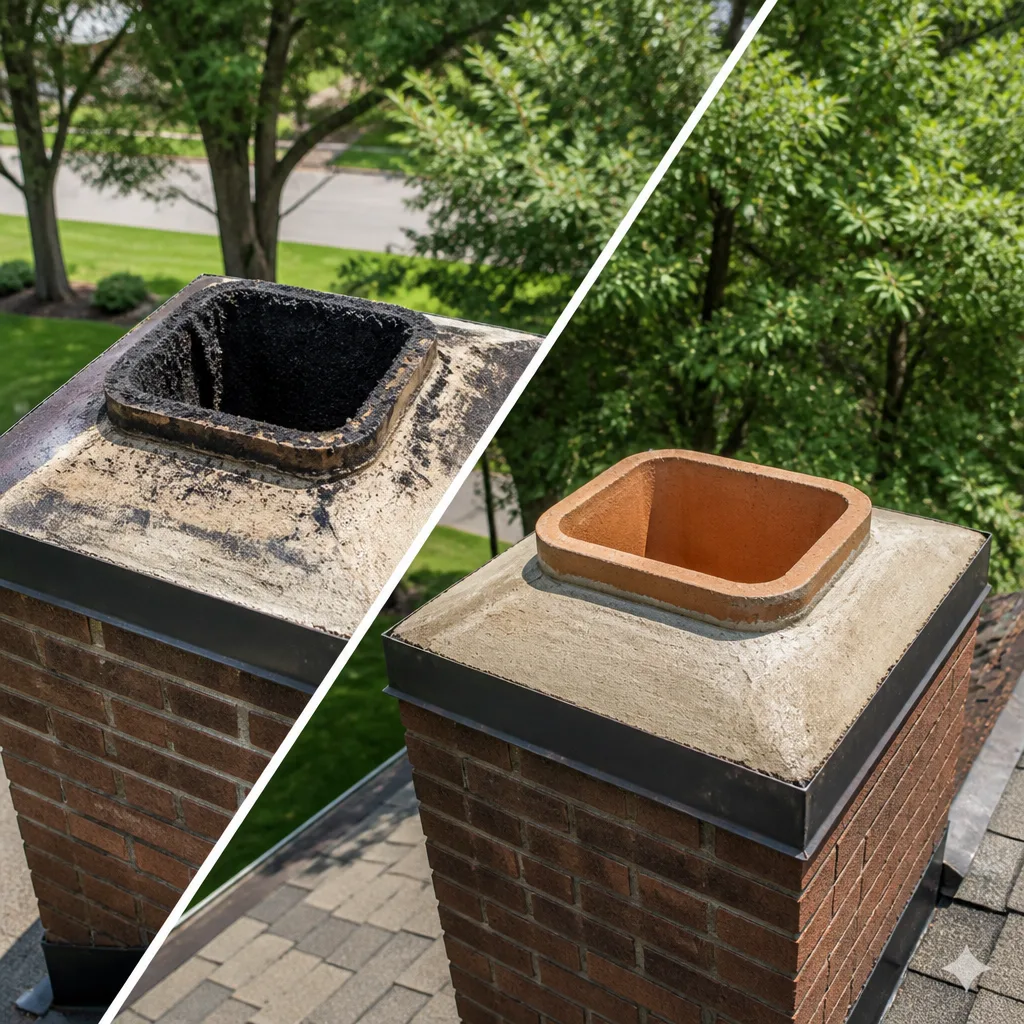
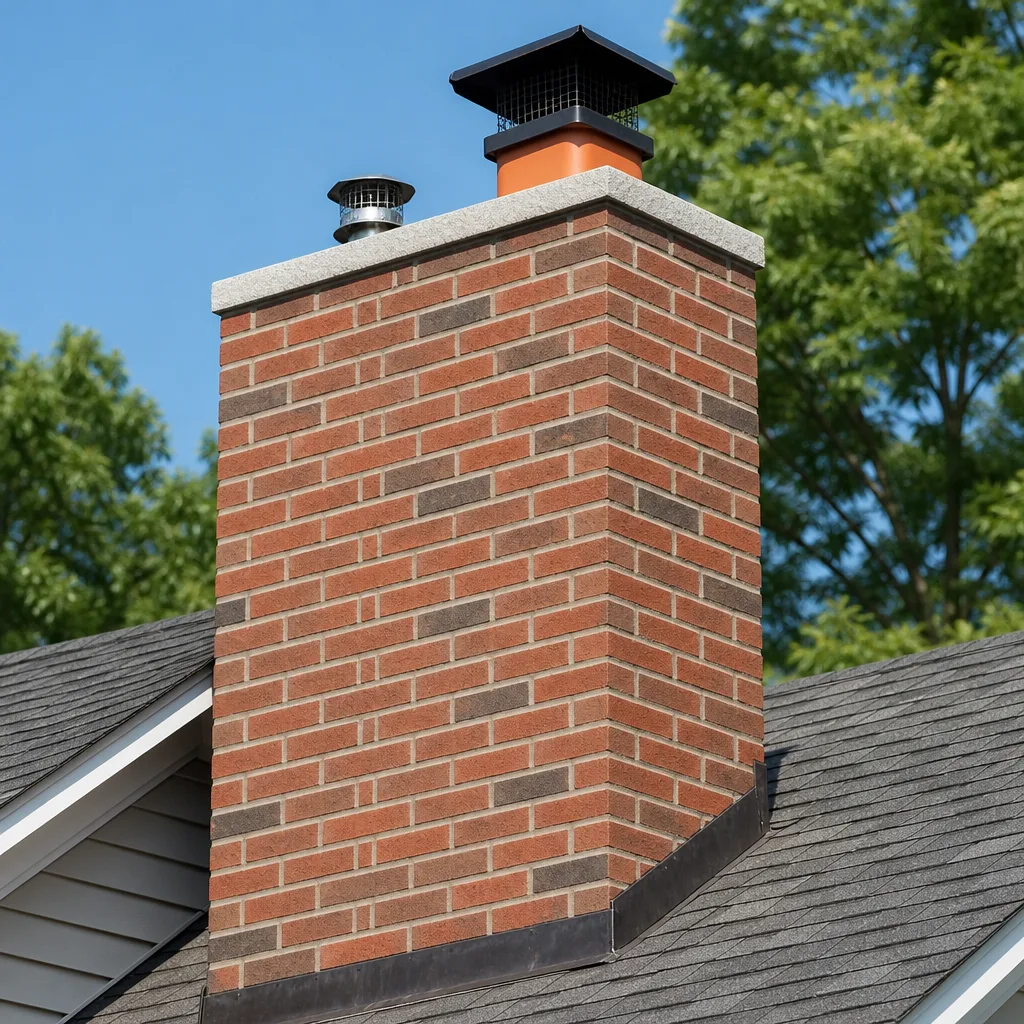
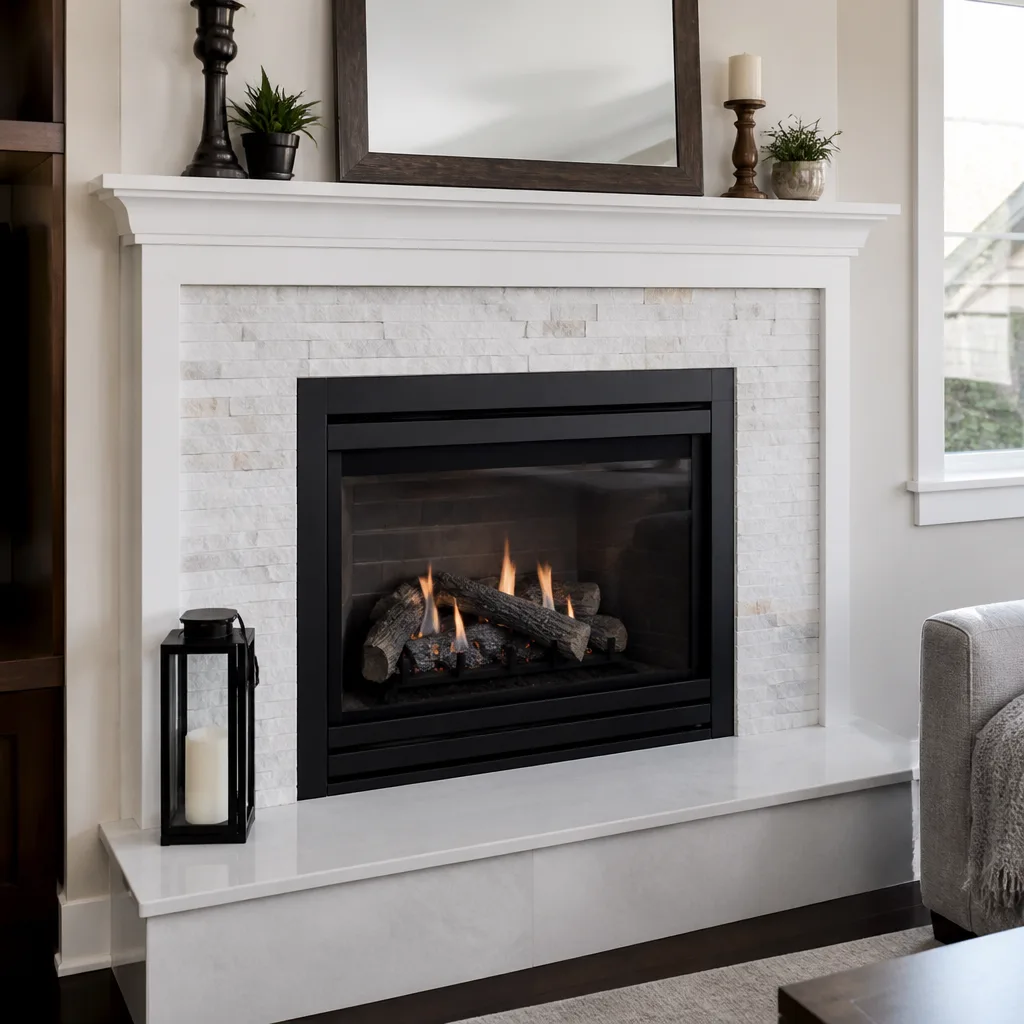
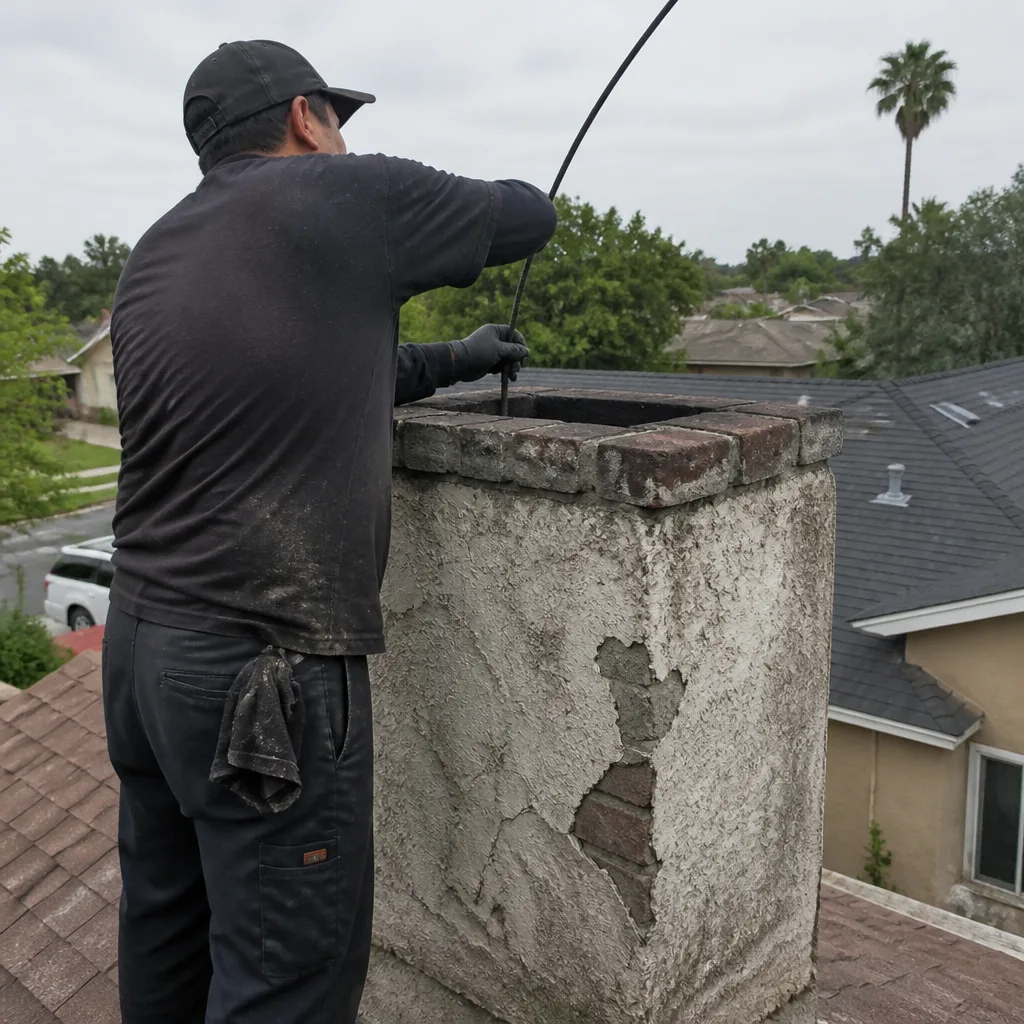 Before
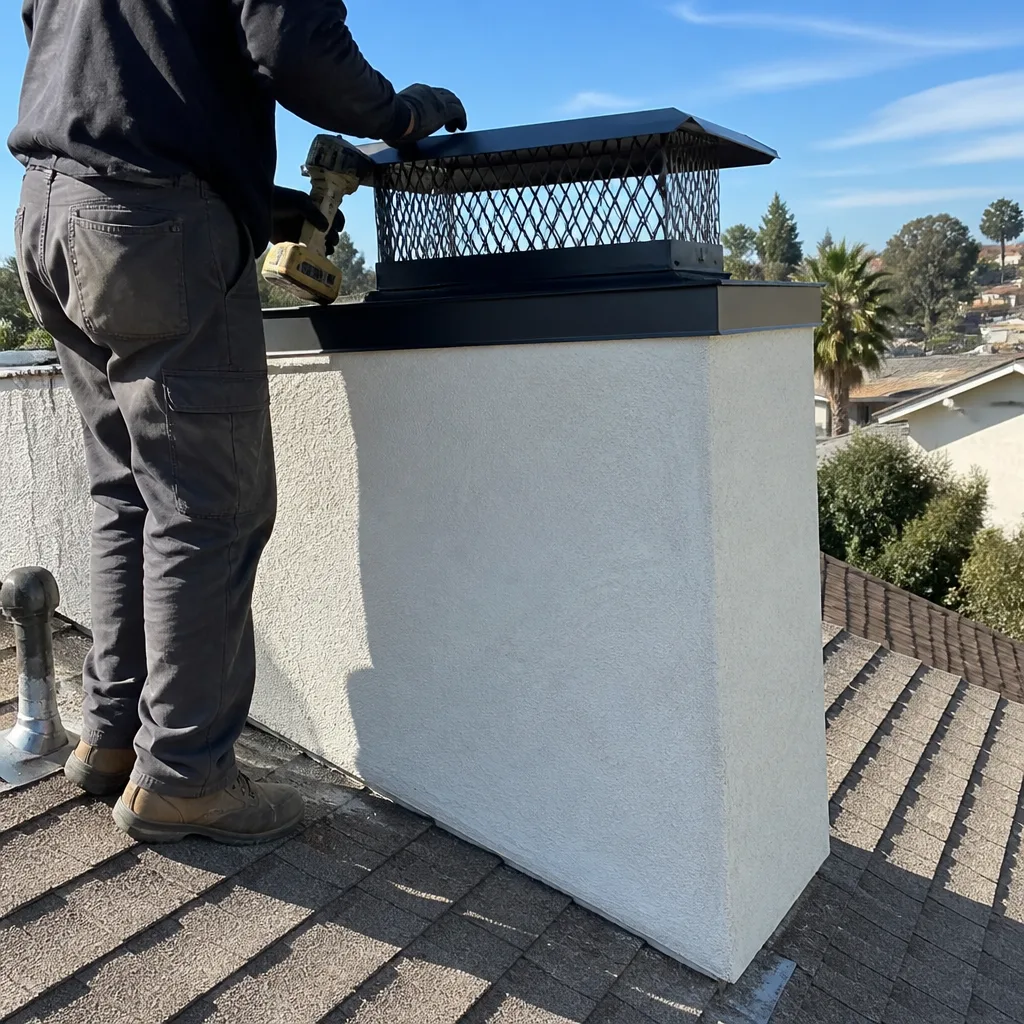 After
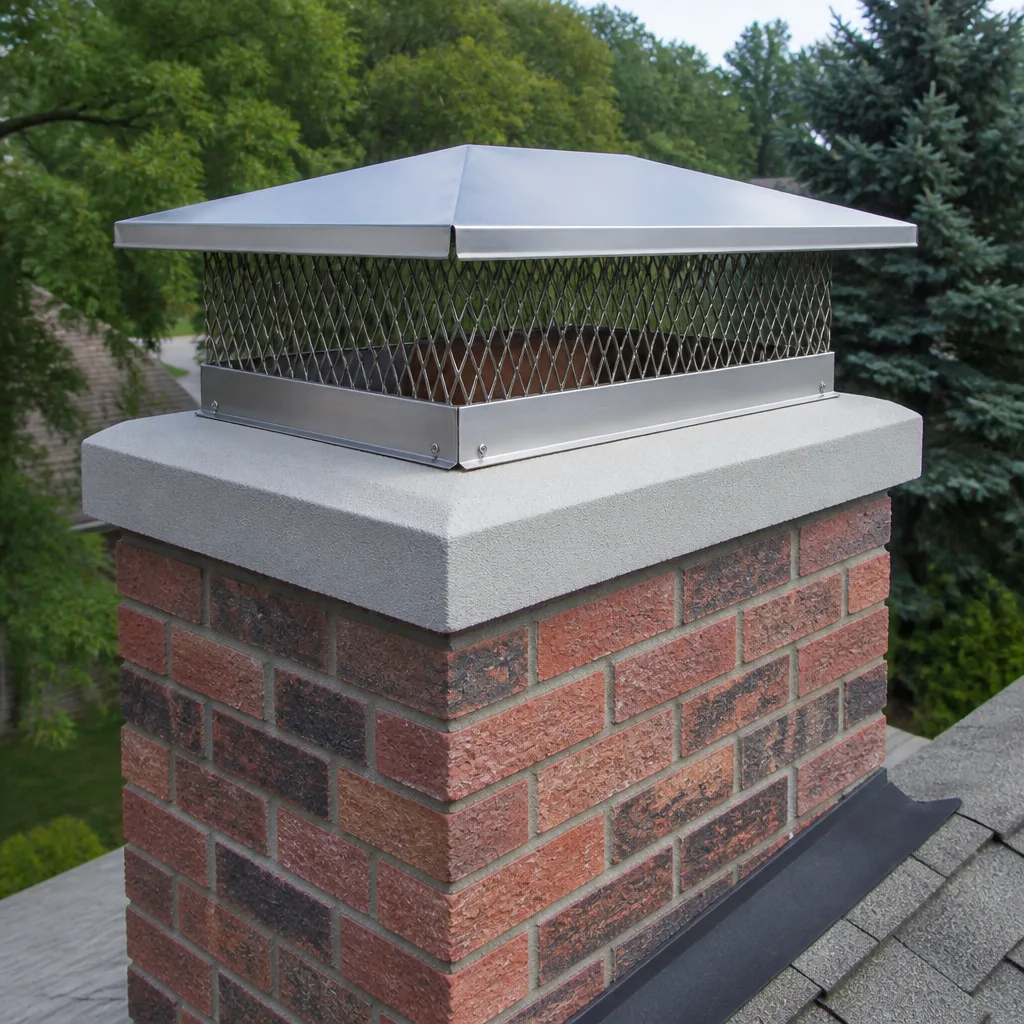
After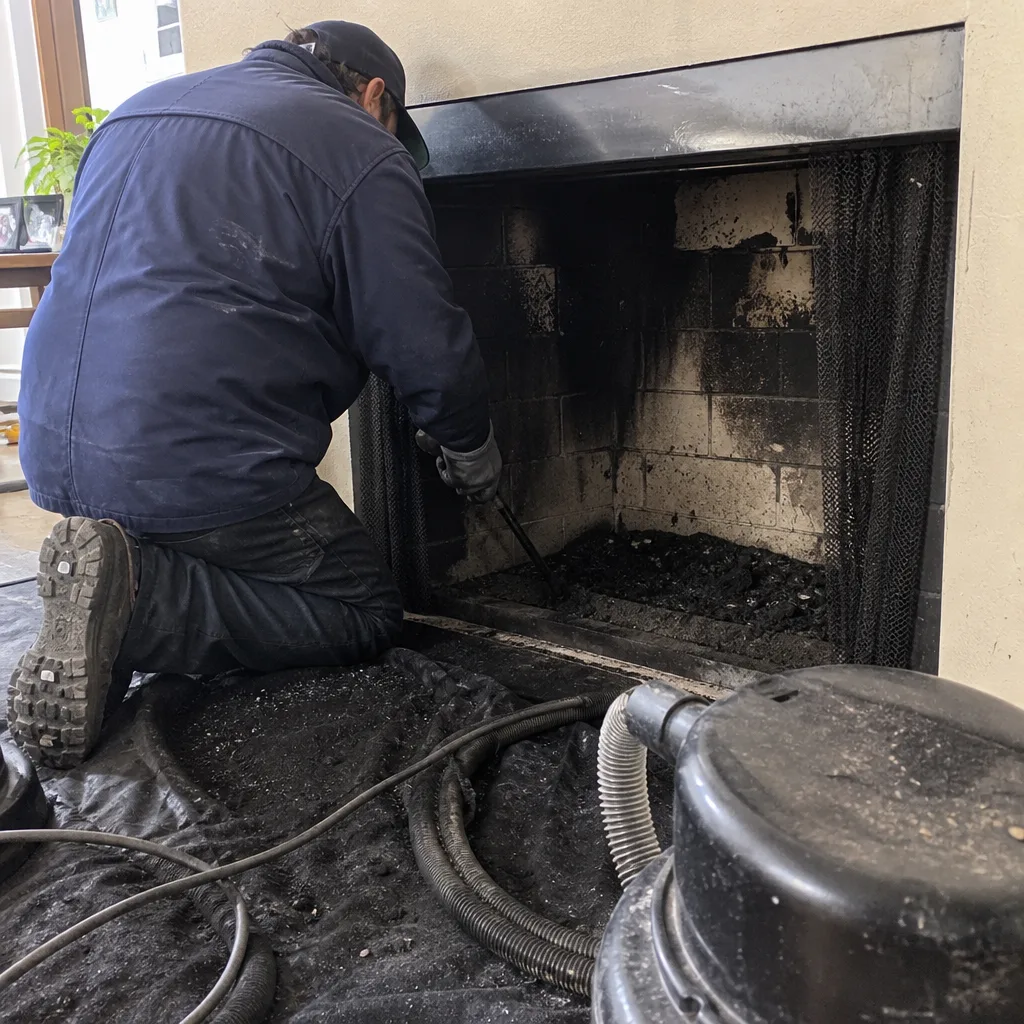 Before
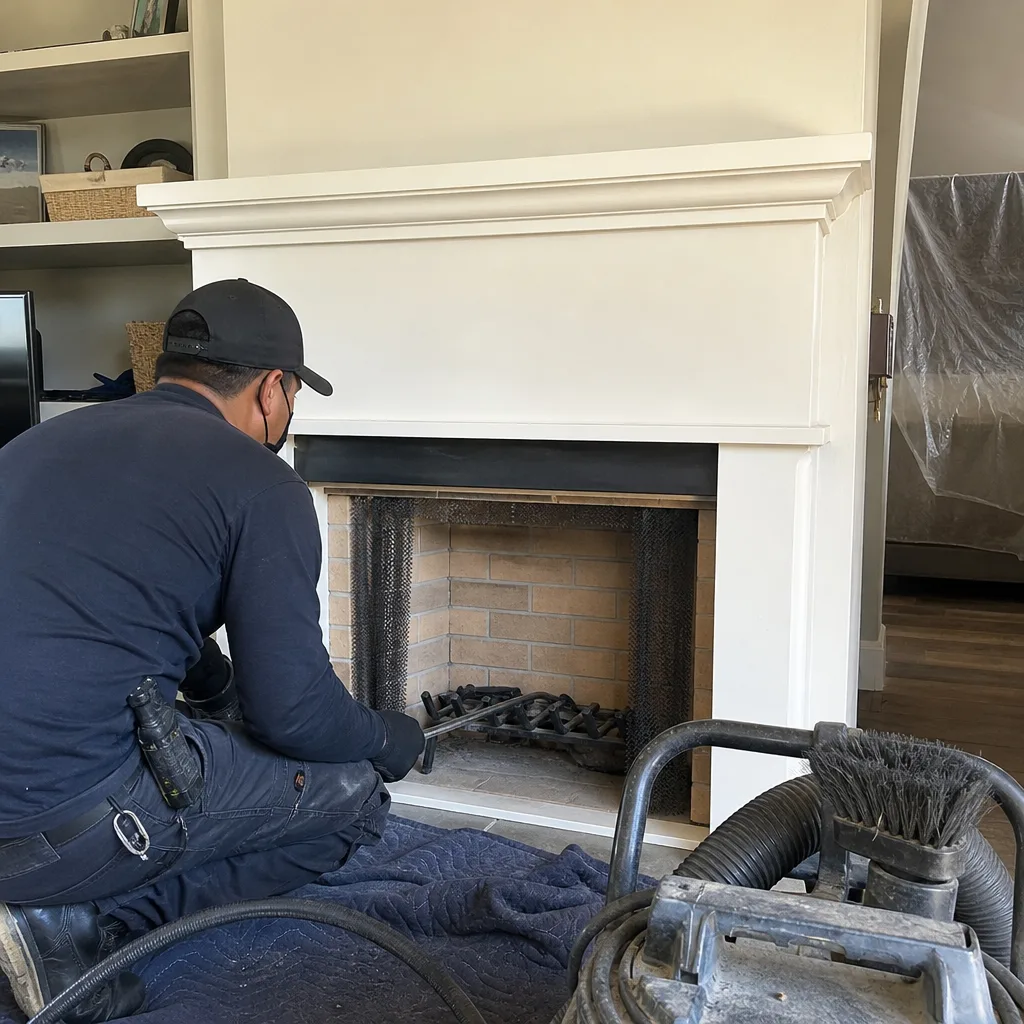 After
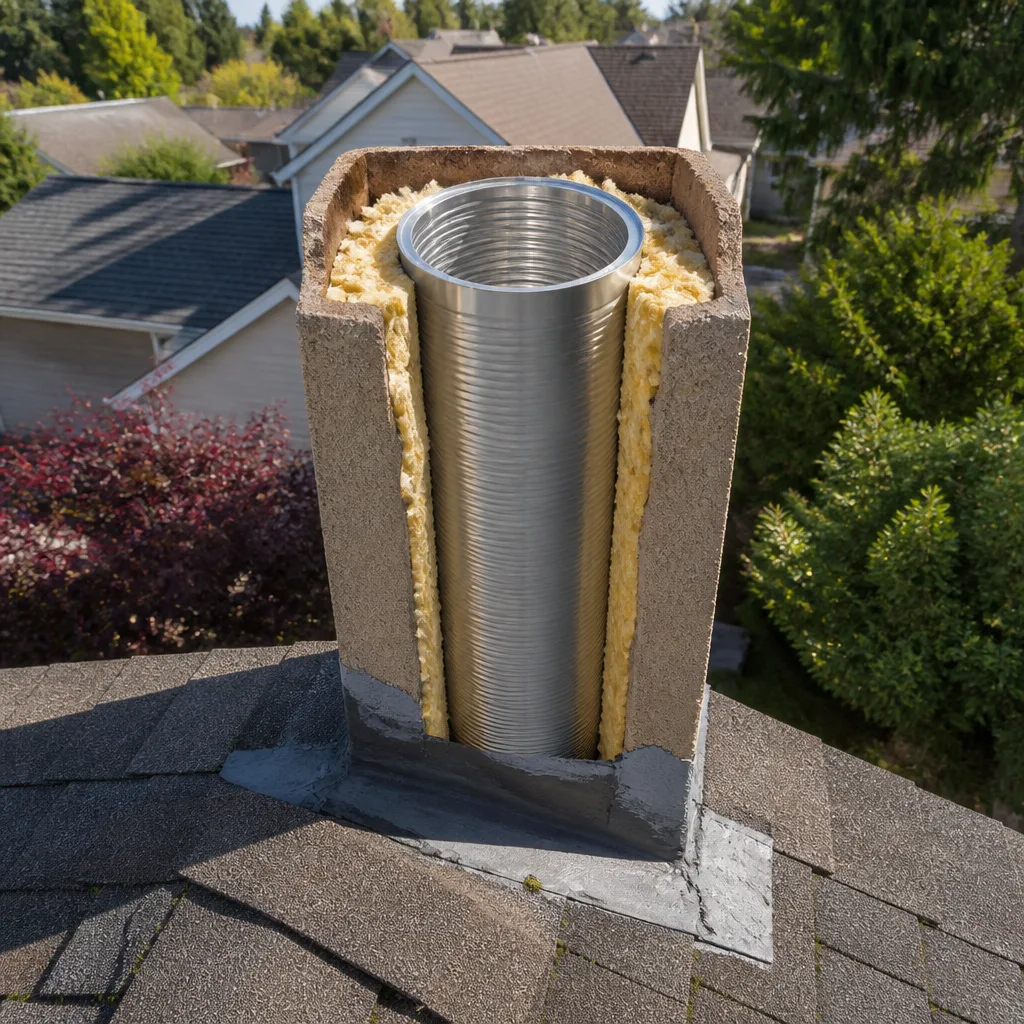
After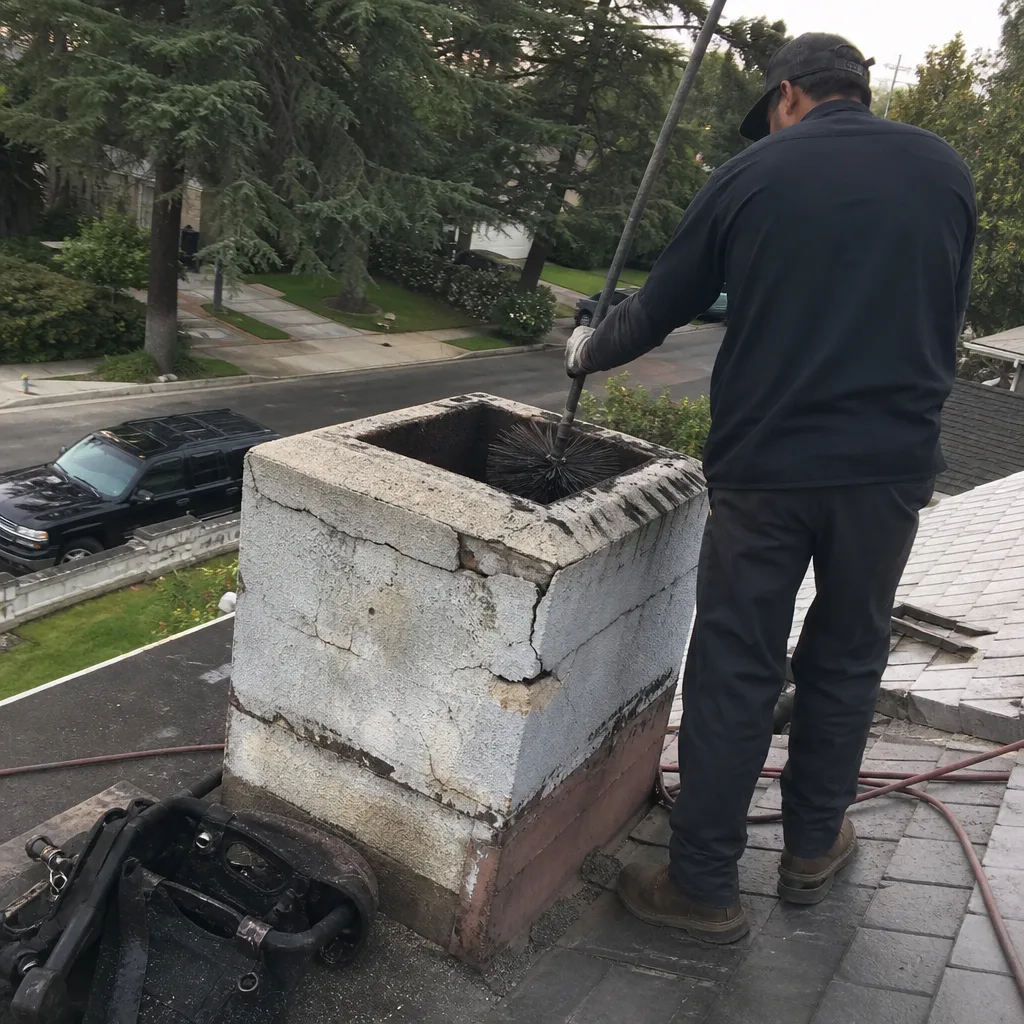 Before
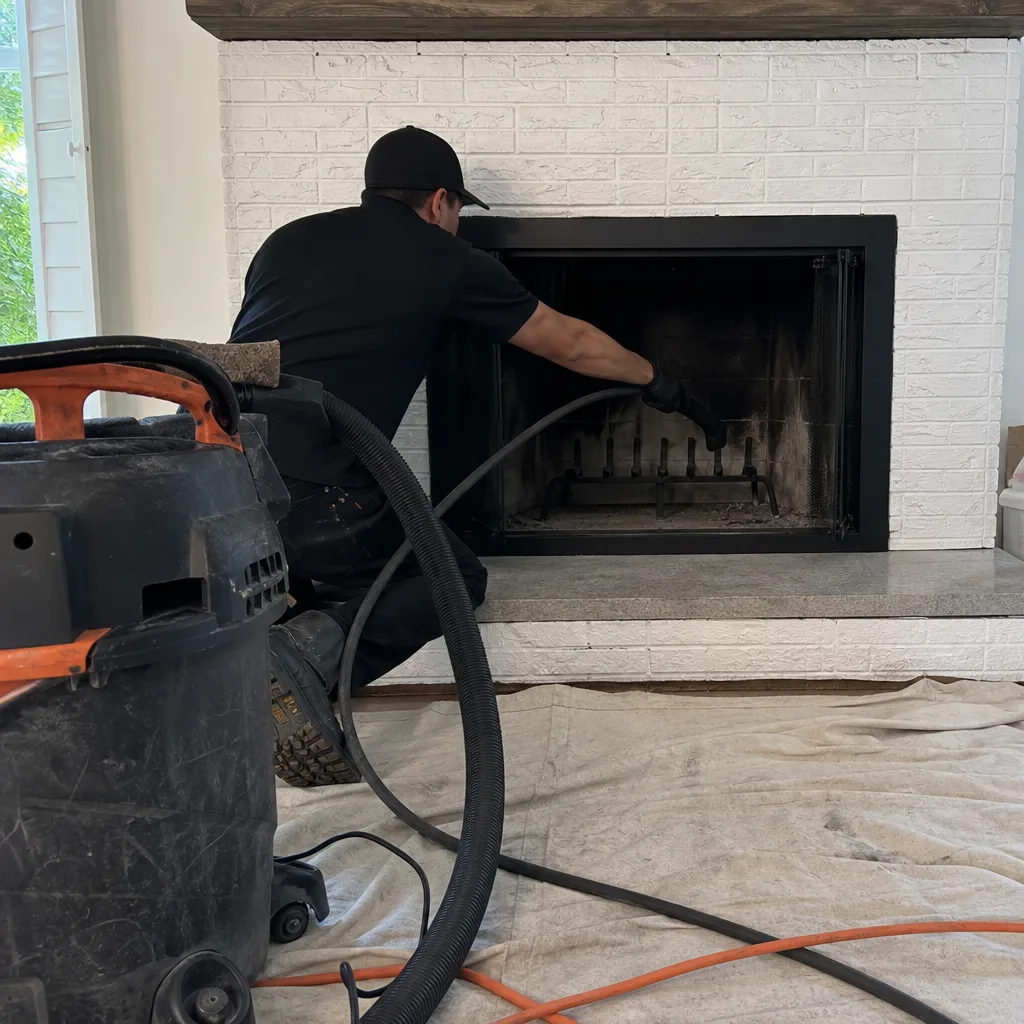 After
AfterFast, Reliable Chimney Inspection Across Kensington
A chimney inspection in Kensington typically costs $189 – $349 for a Level 1, and $289 – $549 for a Level 2 with camera documentation. Most inspections take 45 – 90 minutes on site, and we schedule Kensington jobs within 3 – 5 business days. If you’re smelling smoke backing into the house off Kensington Road or seeing water stains near the chimney, call (336) 863-3889 and we’ll walk you through what you’re seeing before we ever book the truck.
Kensington’s mid-century housing stock has a specific chimney profile: one masonry chimney, two flues, and fifty to seventy years of Connecticut uplands weather working against the mortar. We know these houses. We know what fails first on a 1962 split-level versus a 1970s ranch, and we know what can wait versus what needs attention before the next freeze-thaw cycle.
Our Chimney Inspection team serves the full Kensington area, from the residential streets off Chamberlain Highway up through the hills. We carry the right equipment for inland masonry chimneys, and we show you photo and video evidence before we recommend anything. If we tell you a liner is failing, you’ll see the cracks yourself.
Why Alcott Chimney Sweep Is Kensington’s Preferred Chimney Inspection Company
We’ve been doing this since 2002 under the Threshold Group family of home-service brands, and Kensington homeowners call us for the same reason they call anyone: they want a straight answer about whether their chimney is safe. Ruben Castellano built this company around a simple standard: every technician is background-checked, identity-verified, and announced to you by name and photo before the truck rolls. You’ll know exactly who’s walking up the driveway, and they’ll show a photo ID badge at the door. That’s the Threshold Standard, and it’s not optional here.
Kensington’s housing stock leans heavily on mid-century single-family construction, mostly 1950s through 1980s, and those chimneys have predictable failure patterns. Our techs see them daily. That local repetition means faster diagnoses, fewer exploratory hours, and a written price before any work starts. No surprises at the end.
Our responsiveness to Kensington comes from infrastructure that matters to homeowners: a live person answers every call, day or night. If you have smoke backing into the house at 11 p.m., you talk to a human, not a voicemail. And if scheduling works for you, our crews can usually reach Kensington the same week you call.
We’re the Kensington chimney inspection team homeowners use when they want certainty, not a sales pitch. Written guarantee on every repair. If that repair fails within 365 days, the second visit is free. That’s our 365-Day Done Right Promise, and it’s included on every job, no negotiation required.
Level 2 Chimney Inspection in Kensington
A Level 2 Chimney Inspection in Kensington is the standard we recommend for most homes here, because the freeze-thaw cycling in the Hartford County uplands stresses mortar and liners in ways a visual-only check misses. The job involves running a camera down each flue, checking the crown and flashing from the roof when safe access allows, and documenting every finding with photos you’ll see. In Kensington, a Level 2 inspection runs $289 – $549 depending on roof access and the number of flues.
You need a Level 2 when something has changed: you’ve bought or sold the house, you’ve switched heating appliances, you’ve had a chimney fire, or you’ve never had the flues camera-scoped on a home built before 1980. Kensington’s original oil-burner chimneys were sized for hot exhaust. Today’s high-efficiency boilers run cooler, and that temperature drop causes chronic condensation inside the clay tile. A Level 2 shows whether that condensation has already started cracking your liner.
Camera inspection with photo documentation
We run a camera through both flues on Kensington’s typical dual-flue chimneys. You see the liner condition in real time, and we save the footage so you have a record. If we flag a crack, you’ll see the crack, not just take our word for it.
For real estate transactions in Kensington, this documentation matters. Buyers and sellers both want proof of flue condition before closing, and we format our reports for exactly that purpose.
What the report covers
Our Level 2 report covers the crown, cap, flashing, mortar joints, liner condition, creosote stage, and clearances. We also check for the 1970s energy-crisis stovepipe installs that show up in Kensington’s ranch and split-level stock, correctly flagged under Connecticut’s liner enforcement requirements. You’ll get a written summary with photos and a plain-English walkthrough of what’s urgent and what can wait.
Chimney Leak in Kensington
A Chimney Leak in Kensington usually traces to one of two inland-specific failures: hairline cracks in the chimney crown from freeze-thaw cycling, or failed flashing where the chimney meets the roofline. Meltwater seeps into the masonry during the day, freezes overnight, and pops open mortar joints a little more each winter. Our leak inspections run $189 – $349 for the diagnostic visit, with repair pricing quoted separately after we’ve found the actual source.
In Kensington’s sharper freeze-thaw uplands climate, we see crown cracking and spalling brick far more often than the salt-air cap corrosion you’d find closer to the Connecticut shore. The crown sits on top of the chimney, exposed, and it takes the brunt of every freeze cycle. Once water gets in, it works down through the mortar and shows up as a ceiling stain near the fireplace, often months after the original damage.
Flashing and crown evaluation
We start on the roof when it’s safe to access, checking the flashing first. Failed flashing is common on Kensington’s 1960s and 1970s homes, where the original aluminum or galvanized steel has corroded or pulled away from the masonry. If the flashing is intact, we move to the crown, looking for the hairline cracks that let water in during thaw cycles.
The fix is specific: a new cast crown or properly replaced flashing, not caulk smeared over the crack. We use professional trade materials like Famco and Copperfield, the same products chimney professionals specify, not box-store substitutes.
When a leak means liner damage
Water inside the flue accelerates clay tile spalling. If your ceiling stain comes with a musty smell near the fireplace, we’ll camera the flue to see whether the leak has already caused liner damage. In Kensington homes where the original clay tile is already compromised by condensation from modern appliances, a leak can push a marginal liner into failure within one season. We’ll show you exactly what we find before recommending any liner work.
Trusted Brands We Service in Kensington
When repairs are needed, we carry and install professional trade materials specified by chimney professionals: DuraFlex liner systems, HeatShield resurfacing, Gelco, Olympia Chimney, Famco, and Copperfield. We keep the most common Kensington parts in local stock, which means faster turnaround for relining and crown work on mid-century masonry chimneys. If your home still has a 1970s freestanding stovepipe running up an unlined flue, we correct it with a properly sized stainless liner from DuraFlex, right-sizing the system for current use and Connecticut code. We never improvise with materials that were never rated for the job.
Common Chimney Inspection Problems We See in Kensington Homes
- Clay-tile flue liners spalling from chronic condensation. Kensington’s 1950s – 1980s homes were built for hot-burning oil furnaces. Today’s high-efficiency boilers exhaust cooler, condensing inside the flue and eating the mortar joints between clay tiles. By the time we camera the flue, the damage often looks like missing chunks of tile and mortar sand at the bottom of the cleanout.
- Hairline crown cracks letting meltwater into the masonry. The inland uplands give Kensington more aggressive freeze-thaw cycling than coastal Connecticut towns. Crowns crack, water gets in, and another winter pops open the mortar joints as the trapped moisture freezes and expands. The telltale is spalling brick face near the top of the chimney, not corroded caps.
- Unlined 1970s energy-crisis stovepipe installs still in use. During the oil embargo, Kensington homeowners put freestanding wood stoves into existing fireplace openings and ran the pipe straight up the open flue, no liner, no proper sizing. Decades later, many of those uncorrected installs are still burning, with creosote approaching second- and third-degree glaze that a brush alone cannot remove. Connecticut’s liner enforcement now flags these, and they show up constantly in our Kensington inspection reports.
- Failed flashing at the roofline on original mid-century builds. The original flashing on Kensington’s 1960s and 1970s homes has reached the end of its service life. We see pulled-away step flashing and corroded counterflashing on almost every second inspection. The repair is straightforward when caught early, but a leak left for two or three freeze-thaw seasons turns into a masonry rebuild.
Pricing for Chimney Inspection in Kensington, CA
A Level 1 chimney inspection in Kensington runs $189 – $349, covering a visual check of the firebox, damper, accessible flue, and exterior masonry where reachable. A Level 2 inspection with camera documentation runs $289 – $549, with the price depending on roof access, chimney height, and the number of flues. A diagnostic leak inspection runs $189 – $349, and that includes the roof work to find the actual source, not a guess from the ground. Most Kensington homes have two flues, which puts them toward the upper end of the range simply because we’re inspecting two separate systems. You’ll get a written price before we start, and a written guarantee on any repair we do. Call (336) 863-3889 for a free estimate and we’ll tell you exactly what your house needs and what it costs.
We Also Serve Cities Near Kensington
If you live outside Kensington but nearby, we extend the same inspection service to Los Angeles, San Diego, San Jose, and San Francisco. Scheduling and dispatch are coordinated from our San Francisco Bay Area office, with crews serving Kensington and the surrounding region. Call (336) 863-3889 and we’ll confirm coverage for your address.
Serving Kensington, CA - Our Local Coverage Area
We’re based in the Kensington area and know this community well. Use the map below to see our service coverage - if you’re nearby, we can almost certainly help.
FAQs About Chimney Inspection in Kensington
Every 12 months for a Level 1 inspection, and every 18 – 24 months for a Level 2 if you burn wood regularly or have switched to a high-efficiency heating appliance. Kensington’s sharper freeze-thaw cycling in the Hartford County uplands means crowns and mortar joints erode faster here than in coastal Connecticut towns, so the annual check catches developing cracks before they open up. If you’ve never had a camera inspection on a pre-1980 home, schedule a Level 2 as your baseline. For exact scheduling and a free quote, call (336) 863-3889.
Because Kensington’s 1950s – 1970s homes were typically built with one masonry chimney serving two separate flues: one for the fireplace and one for the central heating appliance, originally an oil burner. Today’s high-efficiency boilers run cooler than those original oil furnaces, causing condensation inside the heating flue that accelerates clay tile deterioration. We inspect both flues as separate systems during every visit, and we’ll show you the condition of each with camera footage. Call (336) 863-3889 to schedule both flues inspected together.
A Level 1 inspection is a visual check of the accessible chimney components, while a Level 2 adds camera scanning of the flue, roof access, and photo documentation of liner condition. In Kensington, most homeowners need a Level 2 at least once, because the dual-flue mid-century chimneys here have original clay liners that may already be compromised by condensation or unlined 1970s stove installs. If you’re buying, selling, switching appliances, or haven’t had a scope in years, Level 2 is the right call. Call (336) 863-3889 and tell us about your house; we’ll tell you which inspection fits.
It could be either, and in Kensington both are common: failed flashing at the roofline or hairline cracks in the chimney crown letting meltwater into the masonry. The difference matters because the fix is entirely different, and guessing wrong means the leak continues through another freeze-thaw cycle. We inspect both during a leak diagnostic visit, and we’ll show you photos of the actual source before quoting a repair. Call (336) 863-3889 to schedule a leak inspection, and don’t wait for the next thaw, because every cycle makes the damage worse.
Yes, in most cases a camera inspection of the flue tells us whether the stovepipe was properly lined and sized, and we can see the condition of the surrounding masonry from the firebox and roof sides. Kensington has a large number of unlined energy-crisis-era installs where a freestanding stovepipe was run straight up the open fireplace flue, and those are now flagged under Connecticut’s liner enforcement requirements. If we find that condition, we’ll correct it with a properly sized stainless liner from DuraFlex rather than patching the problem. Call (336) 863-3889 and we’ll tell you what’s actually inside your flue before recommending anything.
Written by Ruben Castellano, Owner at Alcott Chimney Sweep, serving Kensington since 2002.