
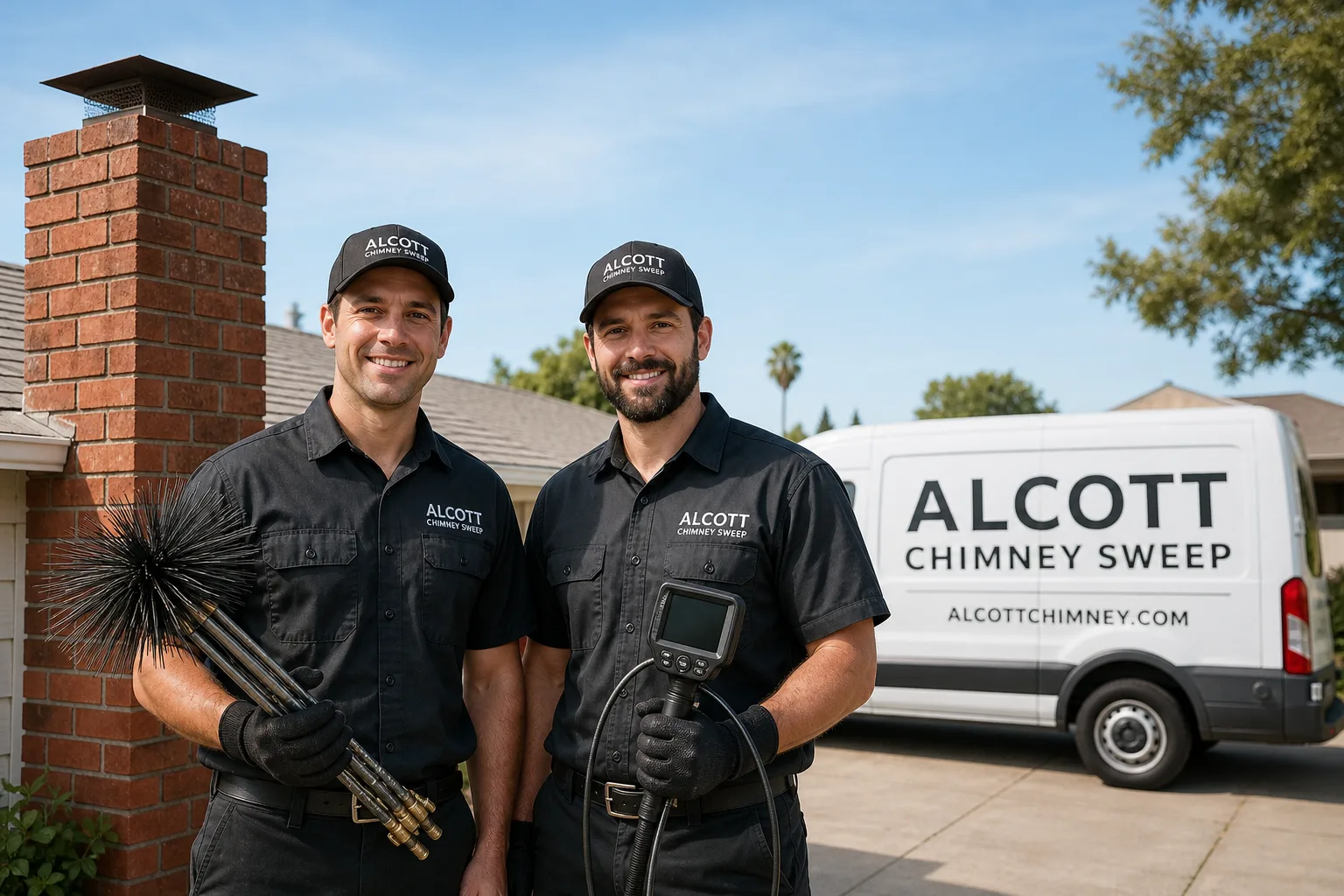
Level 1 sweep and inspection to the NFPA 211 annual standard - flue, crown, cap, and flashing checked and photographed
Chimney sweep logs do not sweep chimneys. They loosen some creosote - which then falls where a brush and vacuum still have to collect it.
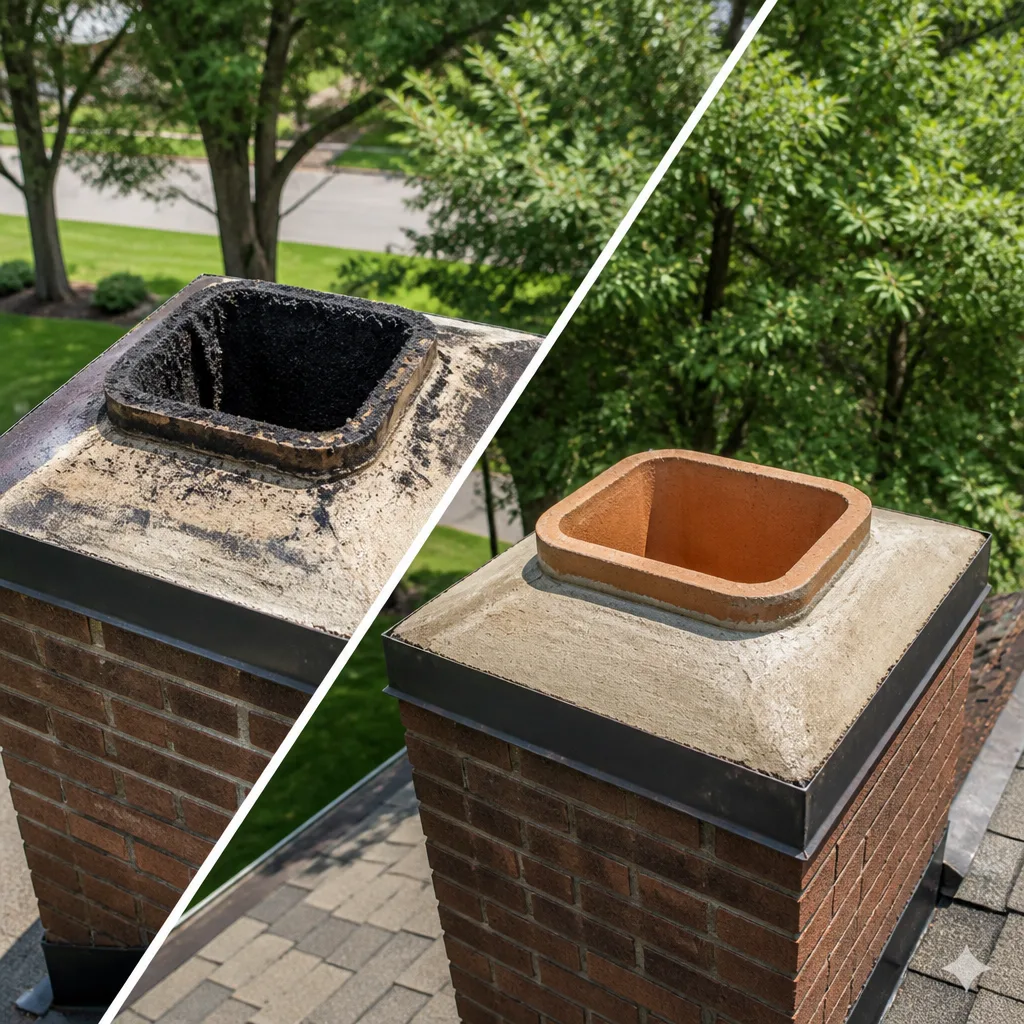
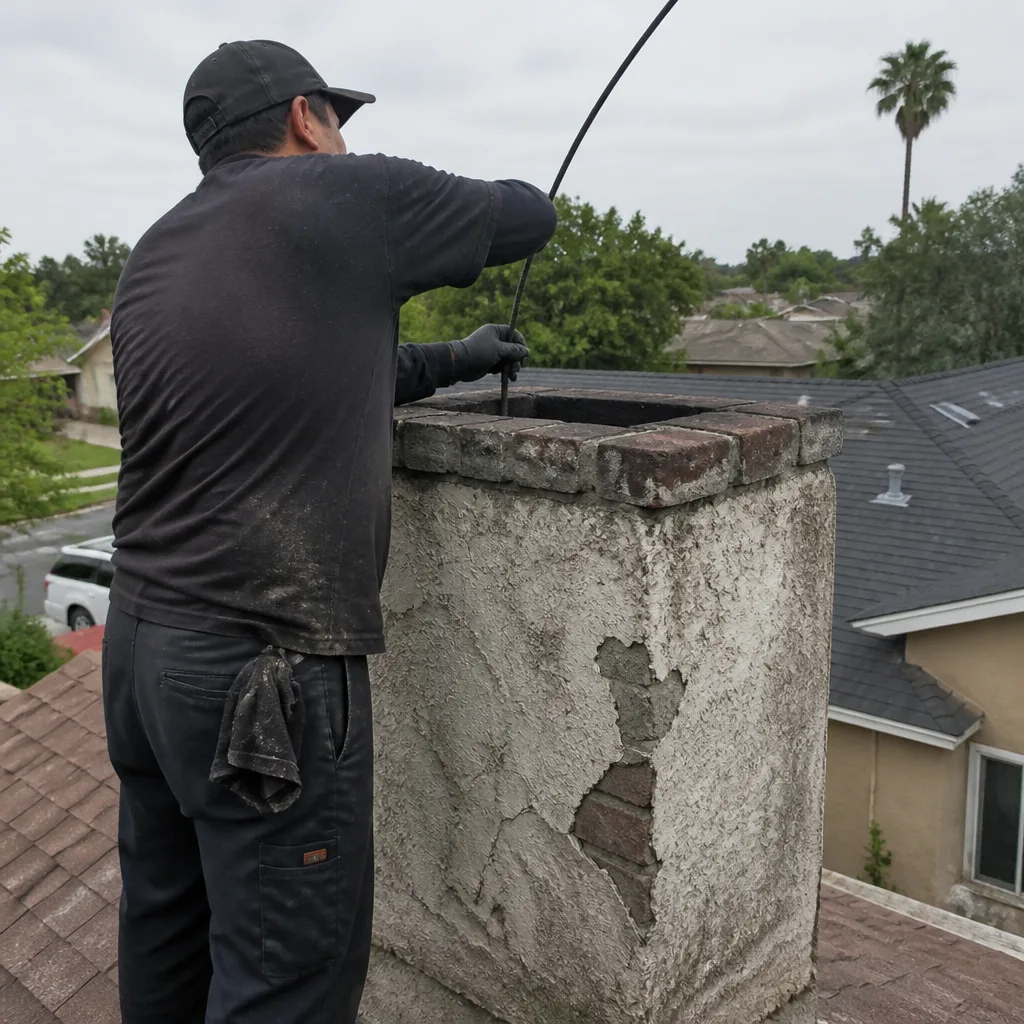 Before
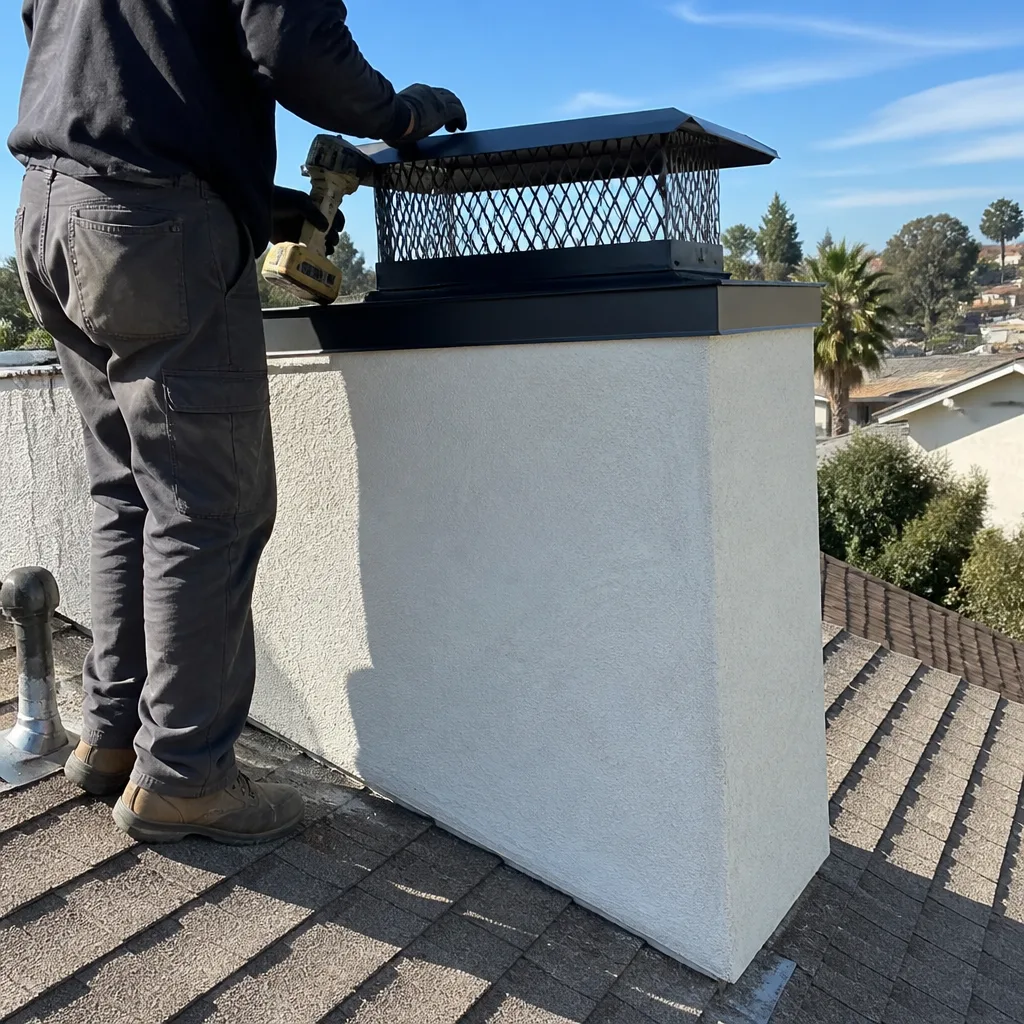 After
After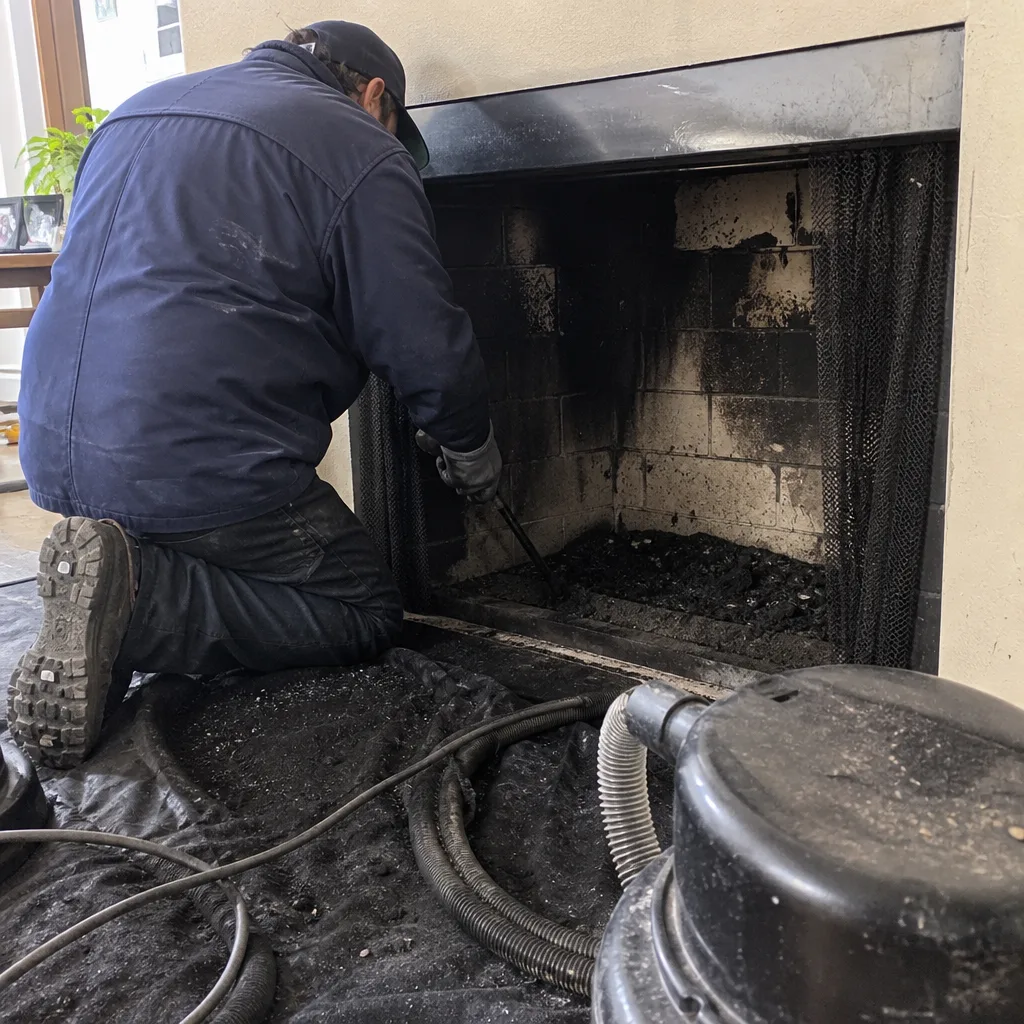 Before
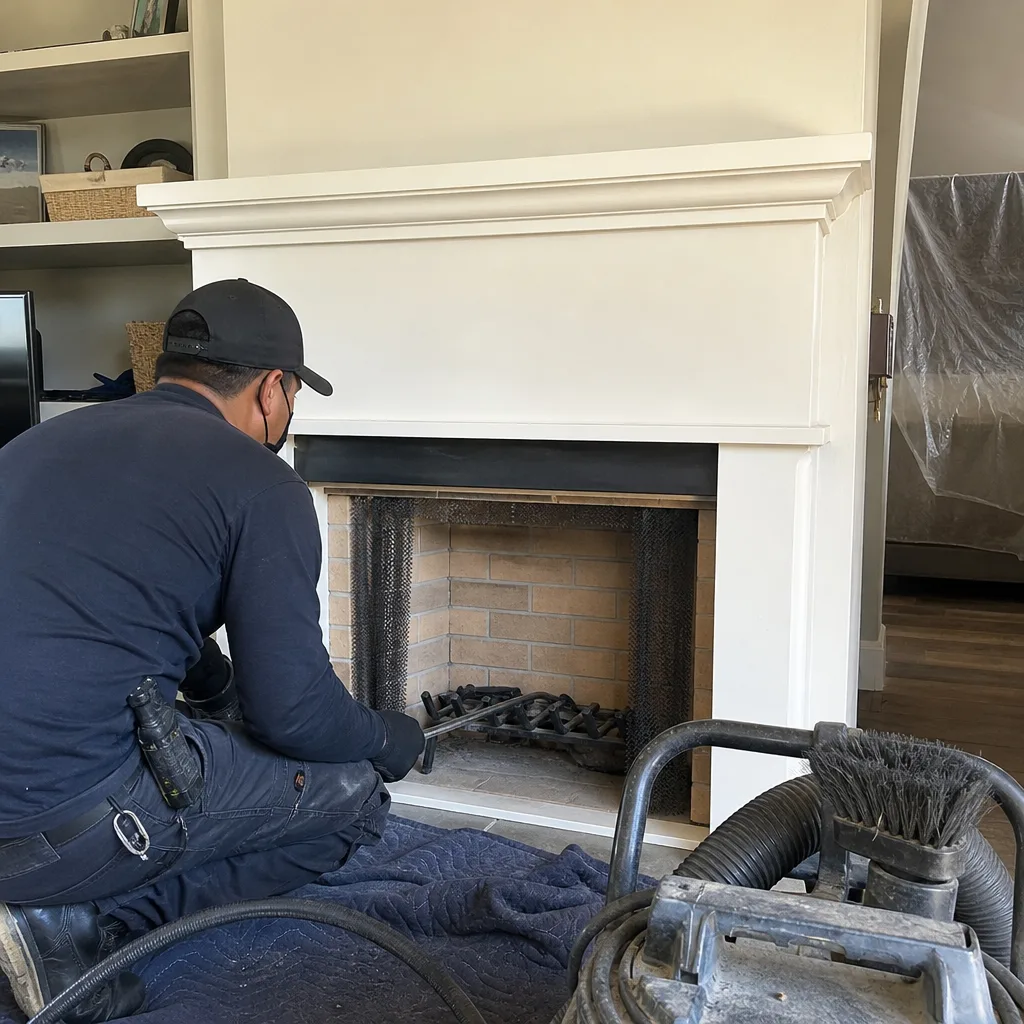 After
After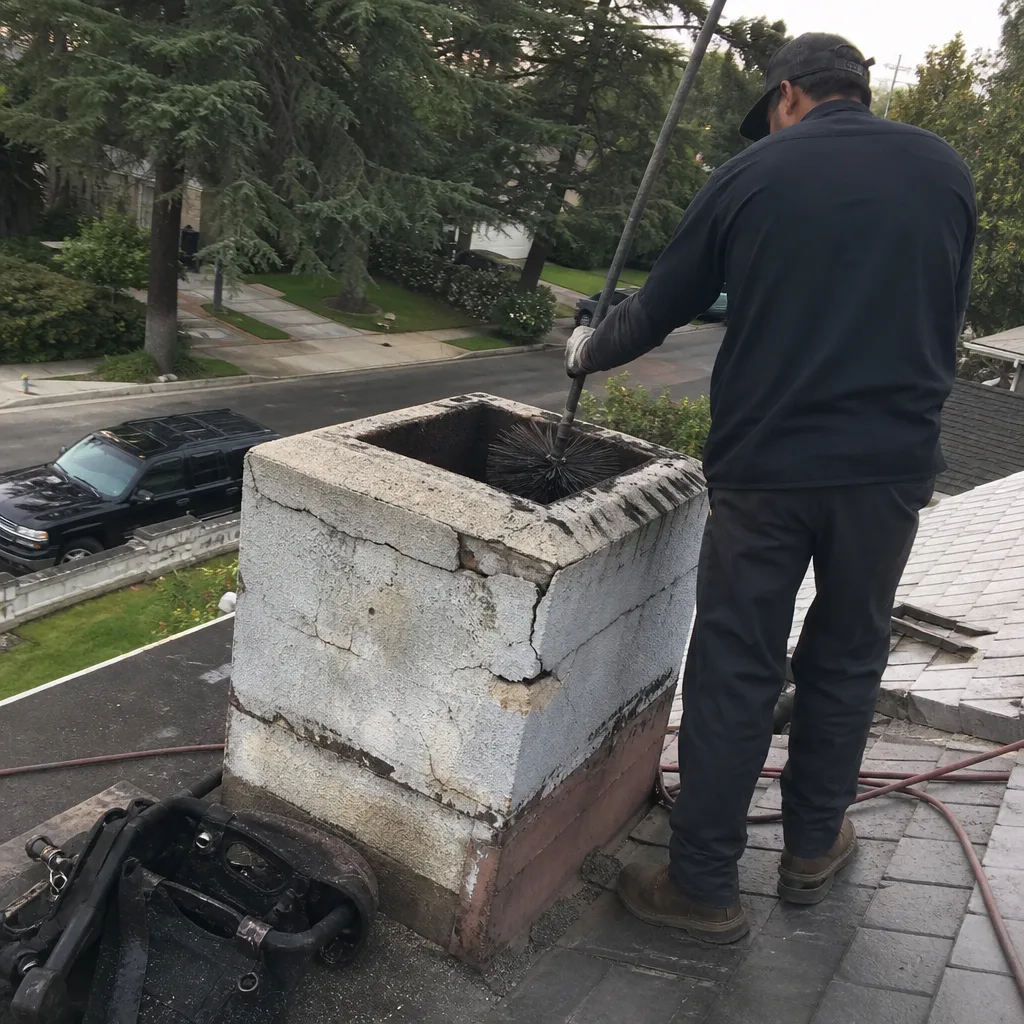 Before
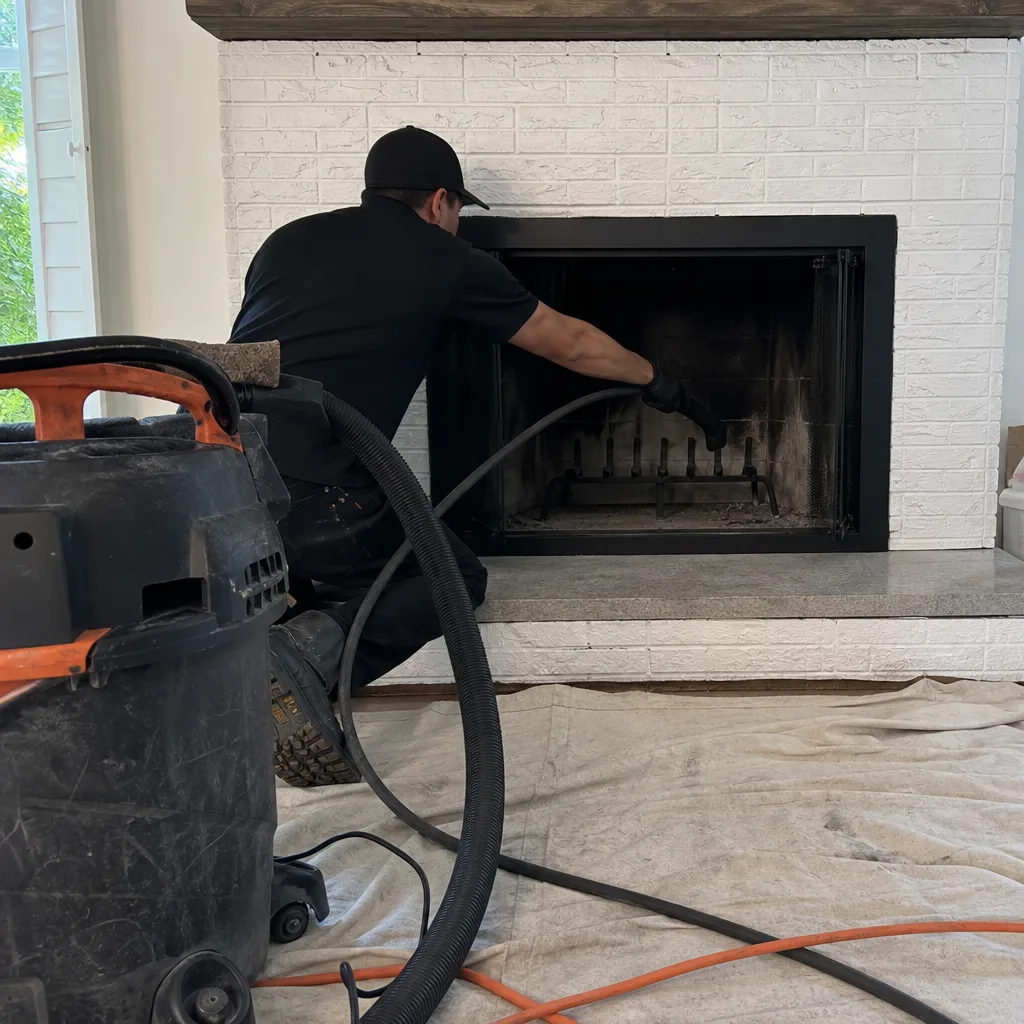 After
AfterFast, Reliable Chimney Inspection Across New Albany
A chimney inspection in New Albany typically runs $189 to $489 depending on the level, with most standard Level 1 inspections landing around $229 for the first flue and $89 for each additional fireplace in the same visit. We’re the crew that shows up when we say we will, with a technician whose name and photo you already have. If you’re seeing staining around a fireplace chase, smelling smoke after a burn, or buying a home built in the 1990s with an original prefab fireplace, call (336) 863-3889 and we’ll get you scheduled.
New Albany’s housing stock is not like the rest of central Ohio, and neither is the inspection work we do here. Most homes are master-planned builds from The New Albany Company, which means brick-veneer chases wrapped around factory-built zero-clearance units. That changes what an inspection should actually look for, and it’s why generic checklists miss what matters. We’re in New Albany routinely, and our Level 2 camera work is built around exactly what this housing stock reveals when it starts to age.
Why Alcott Chimney Sweep Is New Albany’s Preferred Chimney Inspection Company
We’ve been inspecting chimneys in New Albany long enough to know that the real story is almost never visible from the hearth. A fireplace surround can look perfectly Colonial and traditional while the sheet-metal chase behind it is rusting through and the refractory panels inside the factory firebox are spalling. Homeowners call us after another company quoted a full masonry rebuild on a chimney that has no masonry flue to rebuild. When we show the camera footage, the confusion disappears.
Every Alcott technician passes a background check and identity verification before they ever step onto a New Albany driveway. That’s the Threshold Standard, and it’s not an upgrade or an add-on. You get the technician’s name and photo before we arrive, and they’re required to show a photo ID badge at the door, every time. For homeowners in Fenway, Hampsted Village, or the Windsor area who are often home alone or with young kids, that’s the difference between dreading the doorbell and being ready for it.
We don’t run a voicemail maze. Someone answers the phone around the clock, including at 11 p.m. when smoke backs into the house and you need to know whether it’s safe to keep burning. Scheduling and dispatch for our New Albany work is coordinated from our Cleveland-area office, but the crews on your street are local and routed for fast response across New Albany and the surrounding suburbs.
Chimney Flue Inspection in New Albany
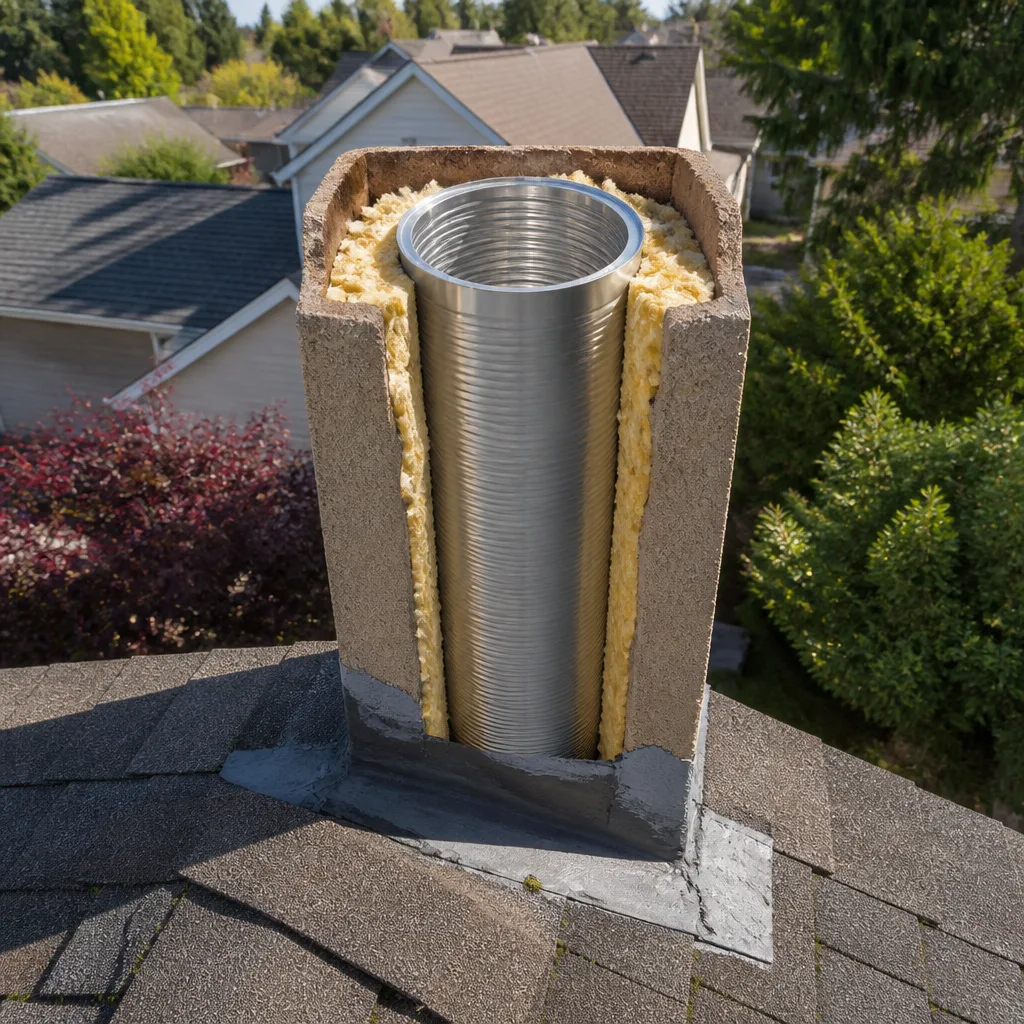
A Chimney Flue Inspection in New Albany homes means running a camera through the actual passage your smoke and exhaust travel through, not just glancing up from the firebox with a flashlight. In this housing stock, that passage is usually a round or rectangular sheet-metal flue inside a prefab system, and the camera shows us things no mirror ever will: hairline panel cracks, separated flue sections, rust perforations, and creosote glaze that looks harmless from below. We inspect the flue because the flue is where the fire risk lives.
What the Camera Actually Shows You
We document everything we see and then walk through the footage with you on-site. When we find damage, you see it. When we find nothing, you see the absence of it. After the inspection, you get a written report with photos or stills and a plain-English explanation of what each finding means. If a repair is needed, you get a written price before any work starts. If we recommend something, it’s because the footage supports it, never because a sales target says so.
When a Flue Inspection Becomes Urgent
If you notice water staining on the ceiling near a chase, rust flakes in the firebox, or a smell that’s musty after rain, schedule a flue inspection rather than waiting for the next sweep. The freeze-thaw cycle between November and March pushes New Albany’s metal chase covers through repeated expansion and contraction, and water entry is the most common thing our camera finds in those situations. Once moisture gets into the chase, it accelerates panel and flue corrosion fast.
Chimney Fire in New Albany
A Chimney Fire in New Albany usually starts with creosote, the tar-like buildup that forms when wood smoke cools and condenses on the flue wall. First-degree creosote is a flaky soot. Second-degree is a granular glaze. Third-degree is a hardened, shiny tar that a standard brush often can’t remove and that burns hot enough to crack flue liners and ignite surrounding structure. New Albany’s large-footprint homes often have longer flue runs and multiple fireplaces, which means more surface area for creosote to build and more places for a fire to start without being noticed until it’s loud.
What We Check After Any Fire Event
After a chimney fire, even a small one, the flue must be inspected before the fireplace is used again. We look for cracked panels, warped metal, separated flue joints, and heat damage to the chase. This is not a quick visual check. It’s a camera-based Level 2 or Level 3 inspection, depending on what we find and the fire’s severity. If damage is confirmed, we tell you plainly, show you the footage, and give you a written repair price before anything gets scheduled.
Preventing the Fire That Never Happens
The simplest prevention in New Albany is an annual inspection paired with sweeping as needed. It’s not about rigid calendars; it’s about knowing what your specific system has accumulated since the last visit. If your prefab unit is over 25 years old, we also check the firebox refractory panels and the chase cover, because aging factory components fail even when the flue is clean. A chimney fire isn’t a sign of bad luck. It’s almost always a sign of unaddressed buildup or a component that aged out.
Trusted Brands We Service in New Albany
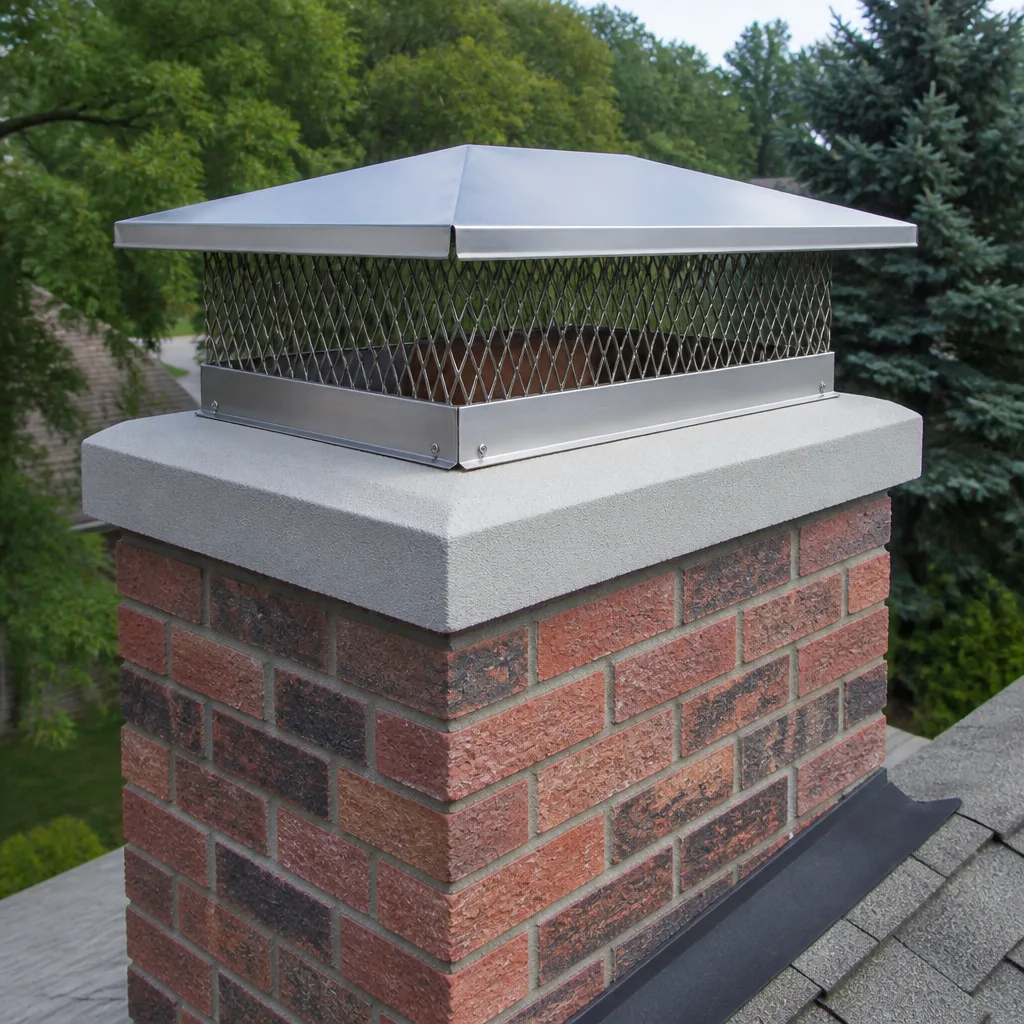
When a New Albany inspection turns up a failed component, we install and stand behind professional trade brands, not box-store substitutes. That means HeatShield for resurfacing deteriorated flue walls, Gelco and Olympia Chimney for chase covers and caps, and Famco for the ventilation components these systems depend on. Because New Albany’s prefab-heavy housing stock keeps a narrow range of factory-built parts in cycle, we stock the most common replacement components locally, which means faster turnaround when a repair follows an inspection. You won’t wait weeks for a part that’s already on a shelf in the metro.
Common Chimney Inspection Problems We See in New Albany Homes
- Cracked zero-clearance firebox panels and refractory brick. The factory-built units installed across The New Albany Company’s post-1993 builds are now reaching 25 to 30 years old, and the refractory panels inside them crack from decades of thermal cycling. A cracked panel is a safety issue, not a cosmetic one, and it’s usually invisible if you don’t know what you’re looking at.
- Rusted and warped metal chase covers. Central Ohio’s freeze-thaw cycle crosses the freezing line dozens of times each winter, and those swings push New Albany’s metal chase covers through relentless expansion and contraction that eventually rusts out seams and corners. Water gets into the chase, then into the firebox, and the damage compounds quietly.
- Appliances vented into flues never designed for them. Furnace and water heater flue connections that were done in the 1990s don’t always match the current appliance run inside the chase. This shows up as moisture, corrosion, and draft problems, and it’s exactly the kind of thing a camera inspection documents in minutes rather than guesses at.
- First-degree creosote that gets left to advance. Light, flaky creosote feels low-risk the first year, but it builds season after season. Left alone, it turns into the hardened glaze a standard brush can’t remove, which then requires mechanical removal or chemical treatment. Catching it early in New Albany’s multi-fireplace homes is cheaper and simpler than chasing it later.
Pricing for Chimney Inspection in New Albany, OH
A Level 1 inspection in New Albany runs $189 to $259 when the fireplace has been regularly maintained and nothing has changed about how it’s used. A Level 2 inspection, which includes a full camera run through the flue and is what most real estate transactions and post-fire situations require, runs $289 to $489 for the first flue. Additional fireplaces in the same home typically add $79 to $129 each within the same visit. What affects the final number: the system’s age, access difficulty, the number of flues, and whether previous inspection notes exist. We provide a written price before any inspection work begins, and estimates are free. Call (336) 863-3889 for an exact quote on your New Albany home.
We Also Serve Cities Near New Albany
Beyond New Albany, our Chimney Inspection team sees homes in Westerville, Johnstown, Reynoldsburg, and Pataskala. The work in each varies, Westerville skews toward older masonry, Johnstown runs a mix of farmhouses and modern builds, and New Albany is our prefab-heavy specialty. If you’re just outside New Albany proper, give us a call and we’ll let you know our schedule in your area. And if you want to read more about how we work in your specific suburb, start with Chimney Inspection in New Albany or call (336) 863-3889.
Serving New Albany, OH - Our Local Coverage Area
We’re based in the New Albany area and know this community well. Use the map below to see our service coverage - if you’re nearby, we can almost certainly help.
FAQs About Chimney Inspection in New Albany
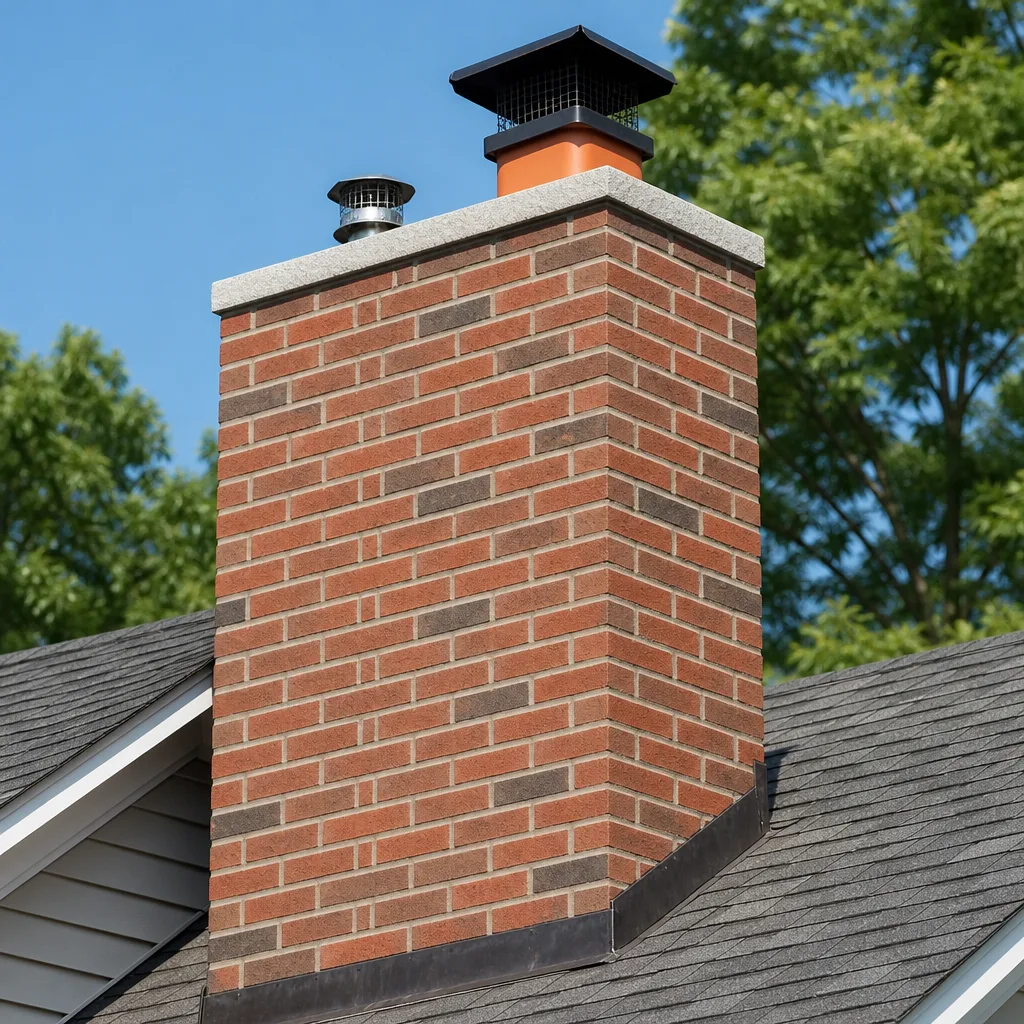
Because The New Albany Company’s architectural code required Colonial and Georgian aesthetics, almost every chimney chase in the area is wrapped in brick veneer with corbeled caps, which makes a factory-built zero-clearance unit look like full masonry from the curb. Behind that veneer is a metal chase containing a sheet-metal flue and a prefab firebox. The visual disguise is convincing, which is why so many New Albany homeowners are surprised to learn they own a prefab system, and why an inspection has to look behind the veneer rather than at it. Call (336) 863-3889 if you want to know which system your home actually has, we’ll show you the camera footage that answers it definitively.
Yes, but not because of creosote volume; you need it because New Albany’s 25-to-30-year-old prefab systems are aging whether you burn or not. The metal chase covers rust from the outside through decades of freeze-thaw cycles, and the refractory panels inside the firebox crack from temperature swings even with infrequent use. Water entry and component fatigue don’t care how many fires you’ve had. An annual Level 1 inspection catches these early, often before the damage spreads beyond a simple chase-cover replacement. We’ll give you an honest assessment and a written price if anything needs work, and the estimate is free.
A Level 1 is a visual check of the readily accessible parts of the fireplace, flue, and chase, recommended for annual maintenance on systems that haven’t changed. A Level 2 adds a camera run through the entire flue and is what we recommend for real estate transactions, after any chimney fire, after a major weather event, or when the system’s function has changed. A Level 3 is a Level 2 plus partial demolition of a component to access concealed damage, and we only recommend it when the camera evidence points to a hidden failure that requires opening a wall or chase. Most New Albany homes with original 1990s prefab systems benefit most from a Level 2, because the components that fail on these units are hidden exactly where the camera looks. Call (336) 863-3889 and we’ll help you figure out which level matches your situation, with no upsell pressure.
You should have it inspected, because 28 years is right at the tail end of the rated service life for a zero-clearance unit built in the mid-1990s, and the firebox panels are the component most likely to fail at that age. The panels crack from decades of thermal cycling, and once they crack, they can expose the metal firebox shell to direct flame. In the Fenway area, our tech pulled a camera through a HeatShield-lined flue and found the original prefab firebox panel cracked from exactly this kind of 30-year-old factory unit behind a brick-veneer chase. We documented the spalling on the chase cover and the rusted crown, then walked the homeowner through the video frame-by-frame so they could see the failing refractory brick themselves. The repair was a panel and chase-cover replacement rather than the full masonry rebuild another company had quoted. Let us put a camera in yours before you trust that the unit is fine, because what you can’t see from the hearth is where the failure happens.
Central Ohio’s temperature crosses freezing dozens of times between November and March, and each crossing forces the metal chase cover and cap to expand and contract by just enough to eventually fatigue seams, corners, and fasteners. On New Albany’s predominantly prefab systems, that means rust, warping, and water infiltration into the chase enclosure and firebox, and the problem compounds every winter it’s left alone. The damage shows up as staining near the chase, rust flakes inside the firebox, or a damp smell after rain. A camera inspection during the winter or early spring catches this before the water rots through the firebox shell. If you’re seeing any of those signs, call (336) 863-3889 and we’ll get the camera in before the next freeze-thaw cycle does more damage.
Written by Ruben Castellano, Owner at Alcott Chimney Sweep, serving New Albany since the company’s founding in 2002.