
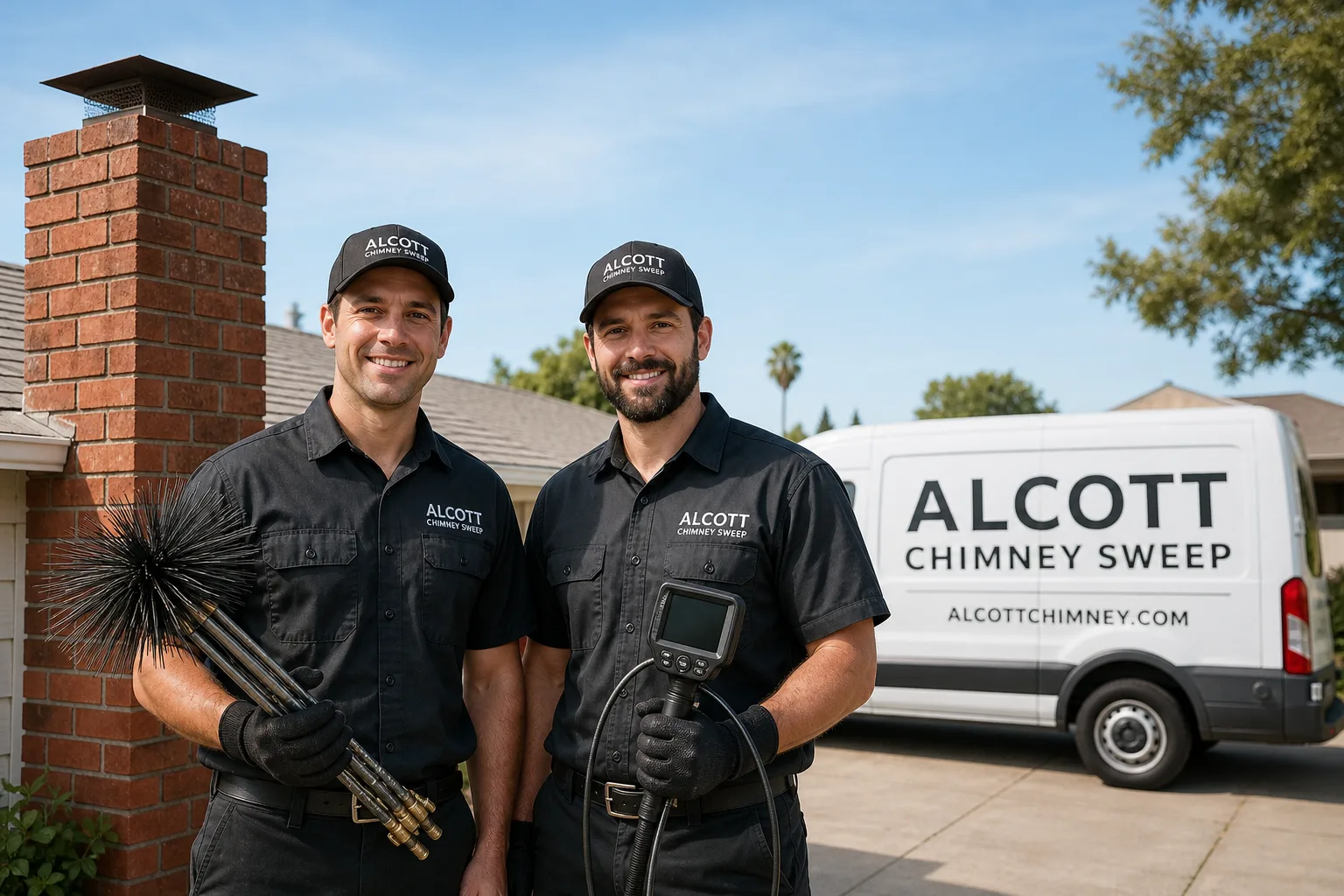
Level 1 sweep and inspection to the NFPA 211 annual standard - flue, crown, cap, and flashing checked and photographed
Chimney sweep logs do not sweep chimneys. They loosen some creosote - which then falls where a brush and vacuum still have to collect it.
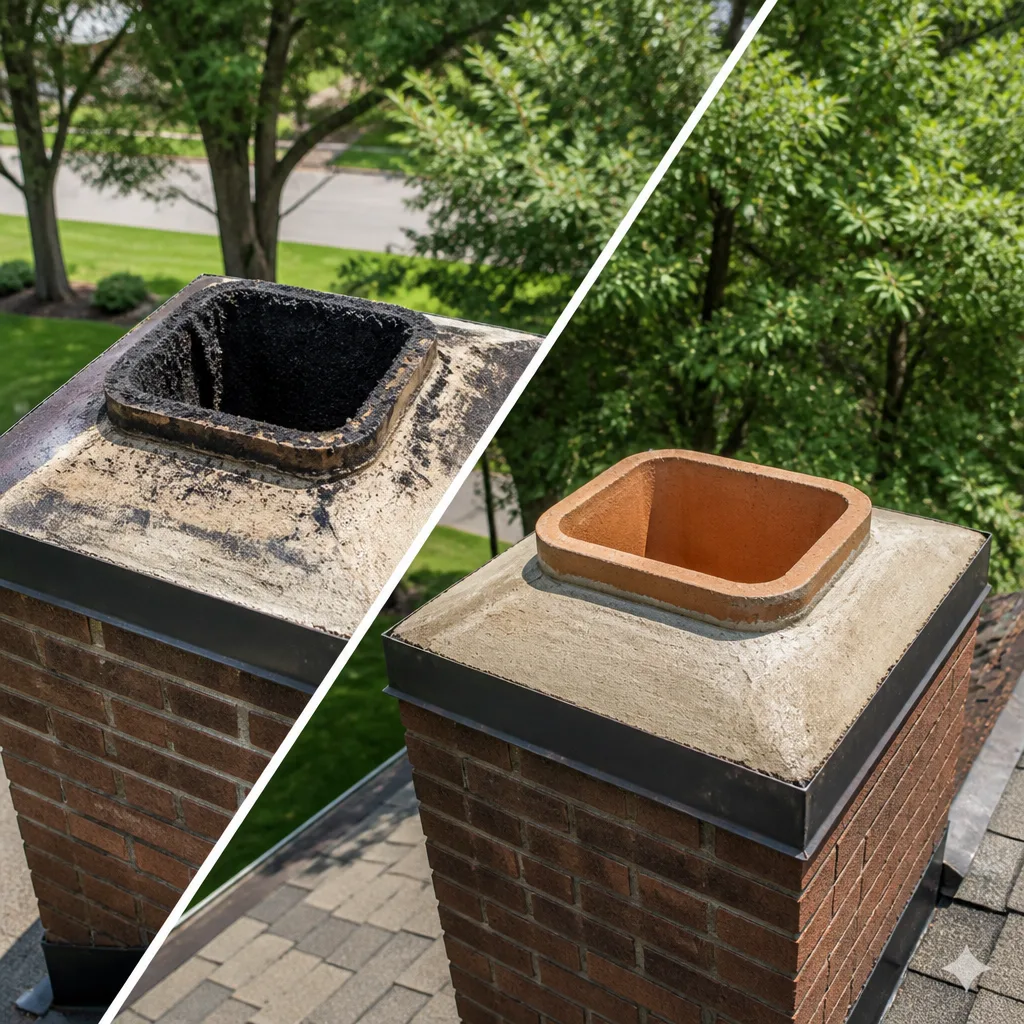
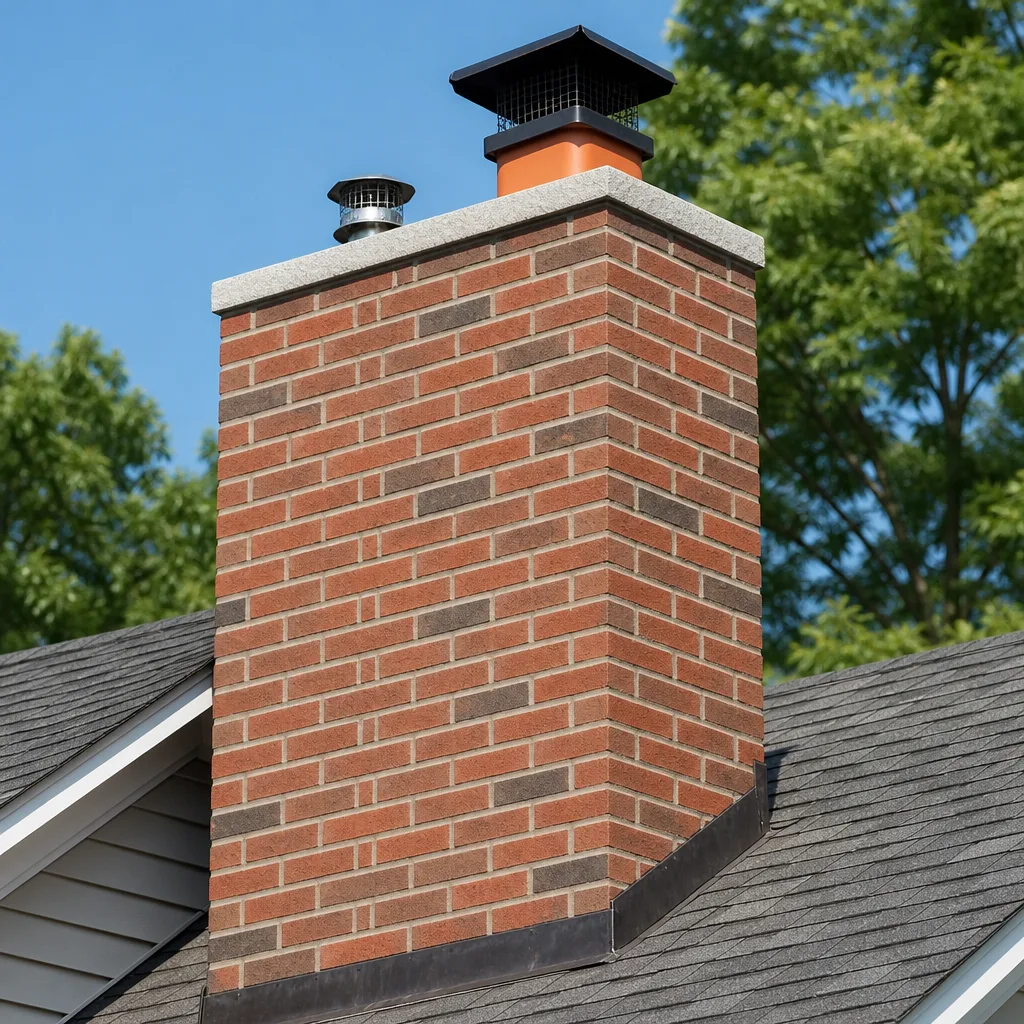
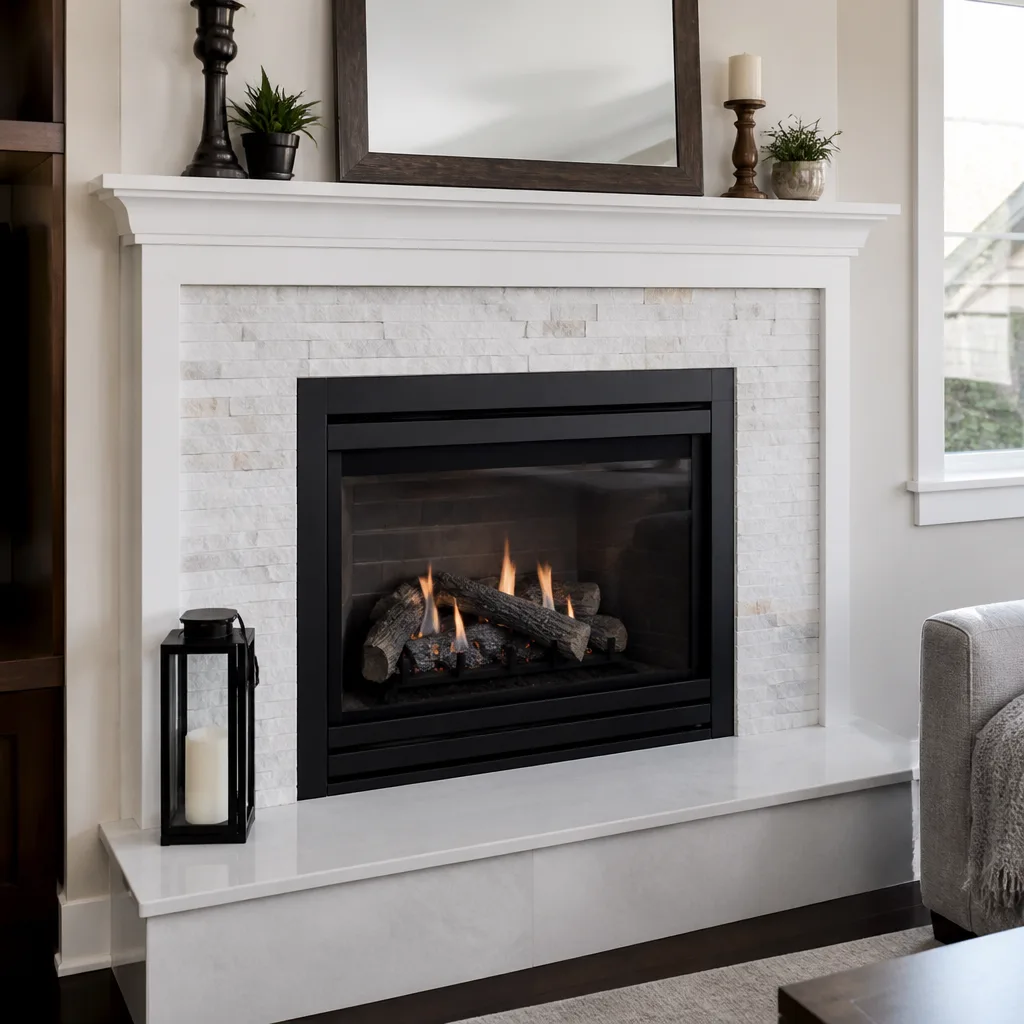
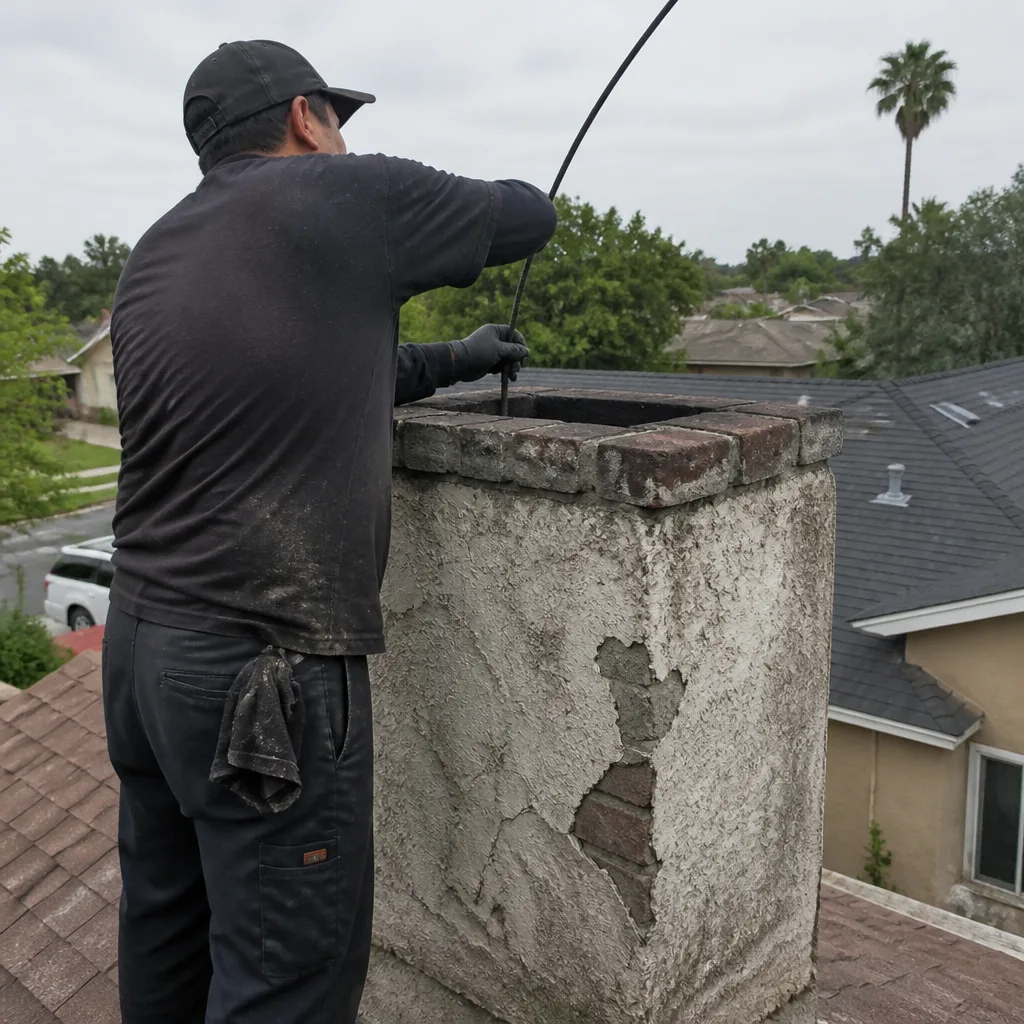 Before
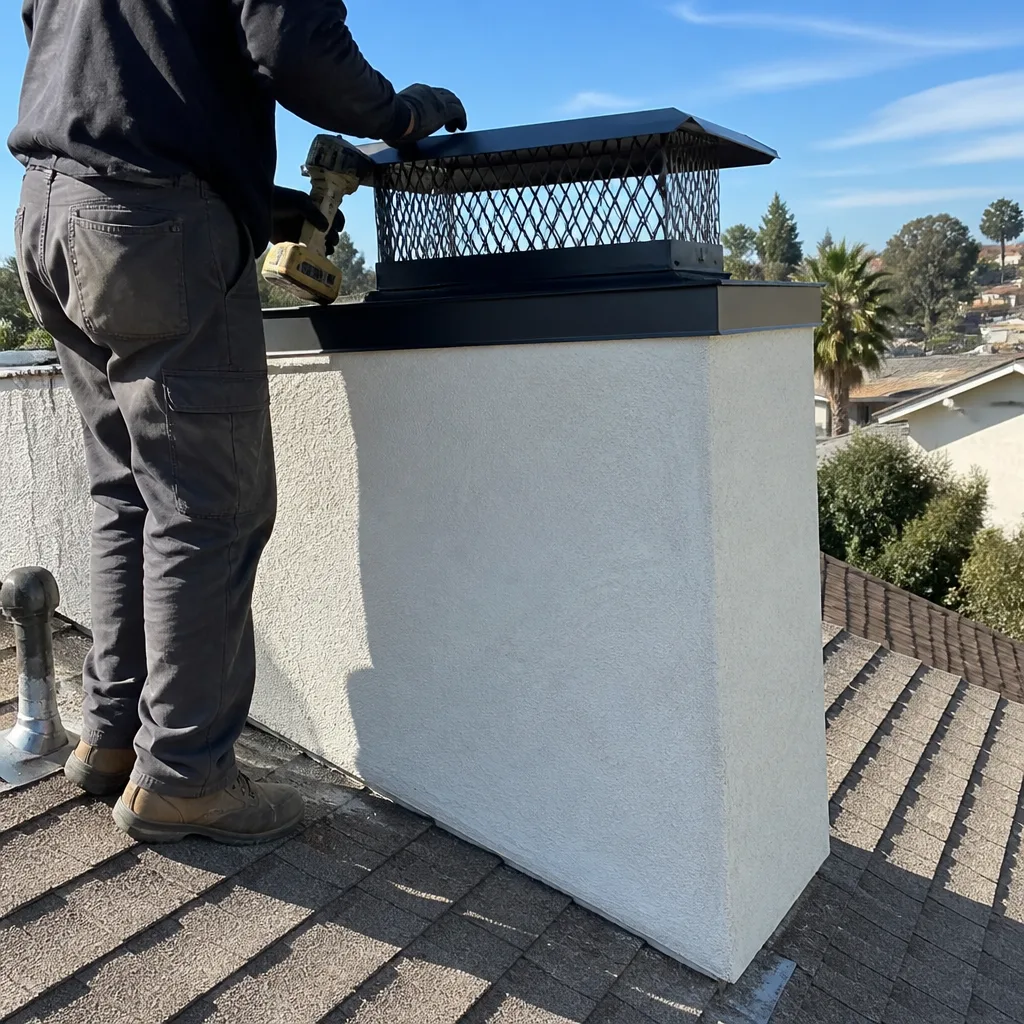 After
After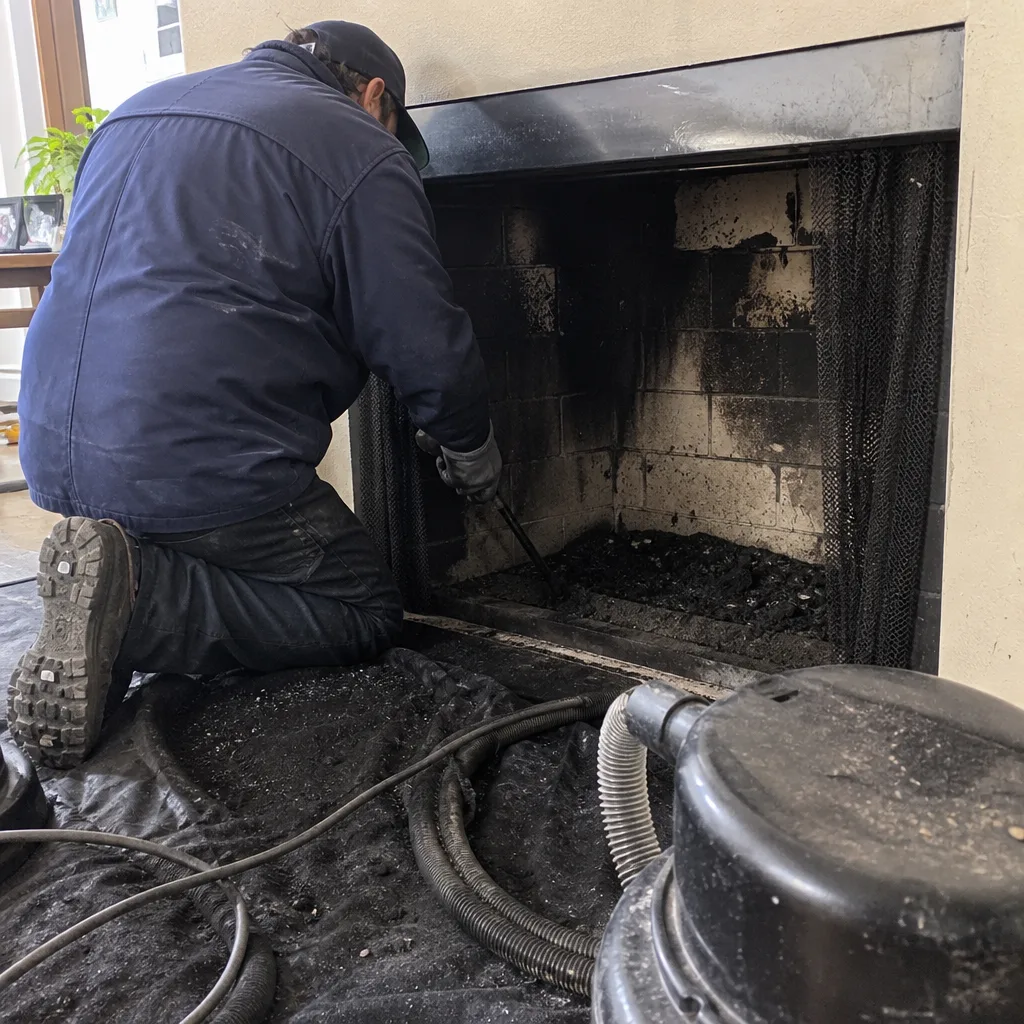 Before
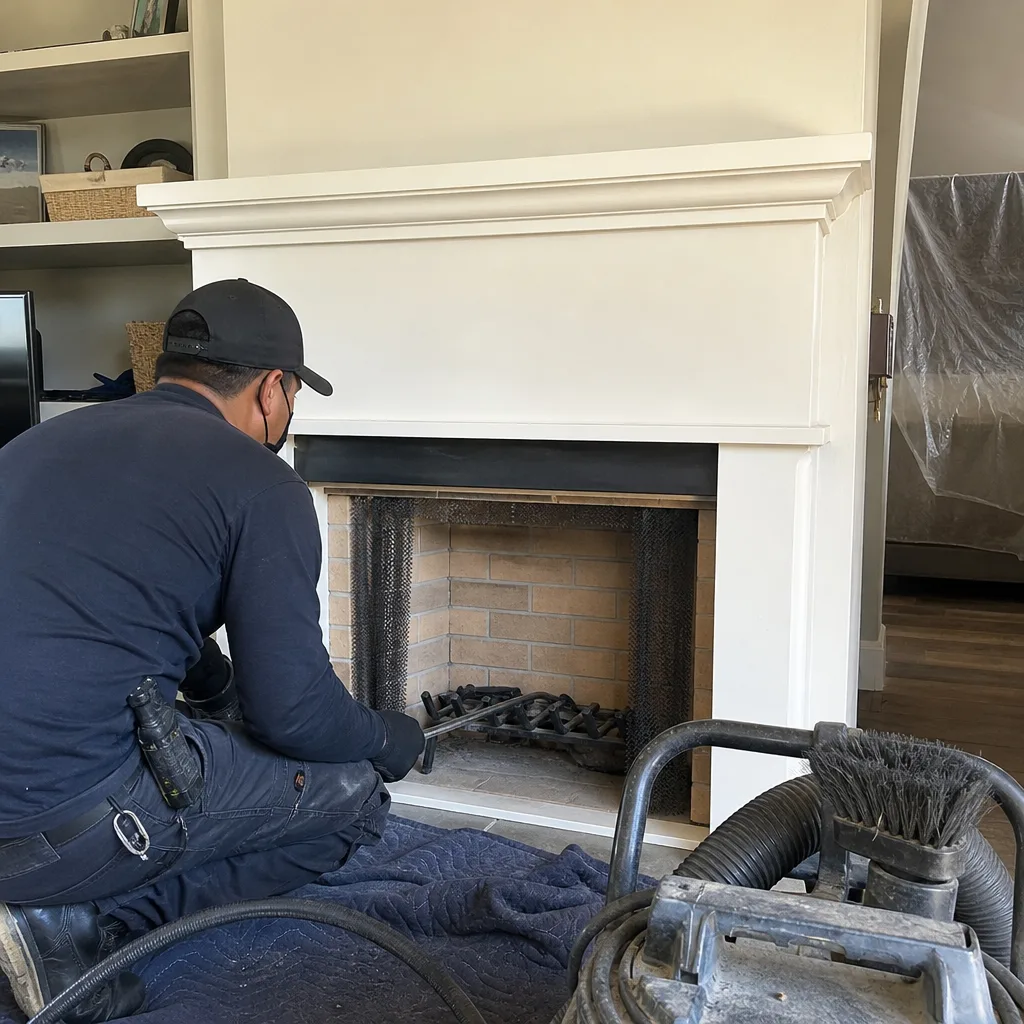 After
After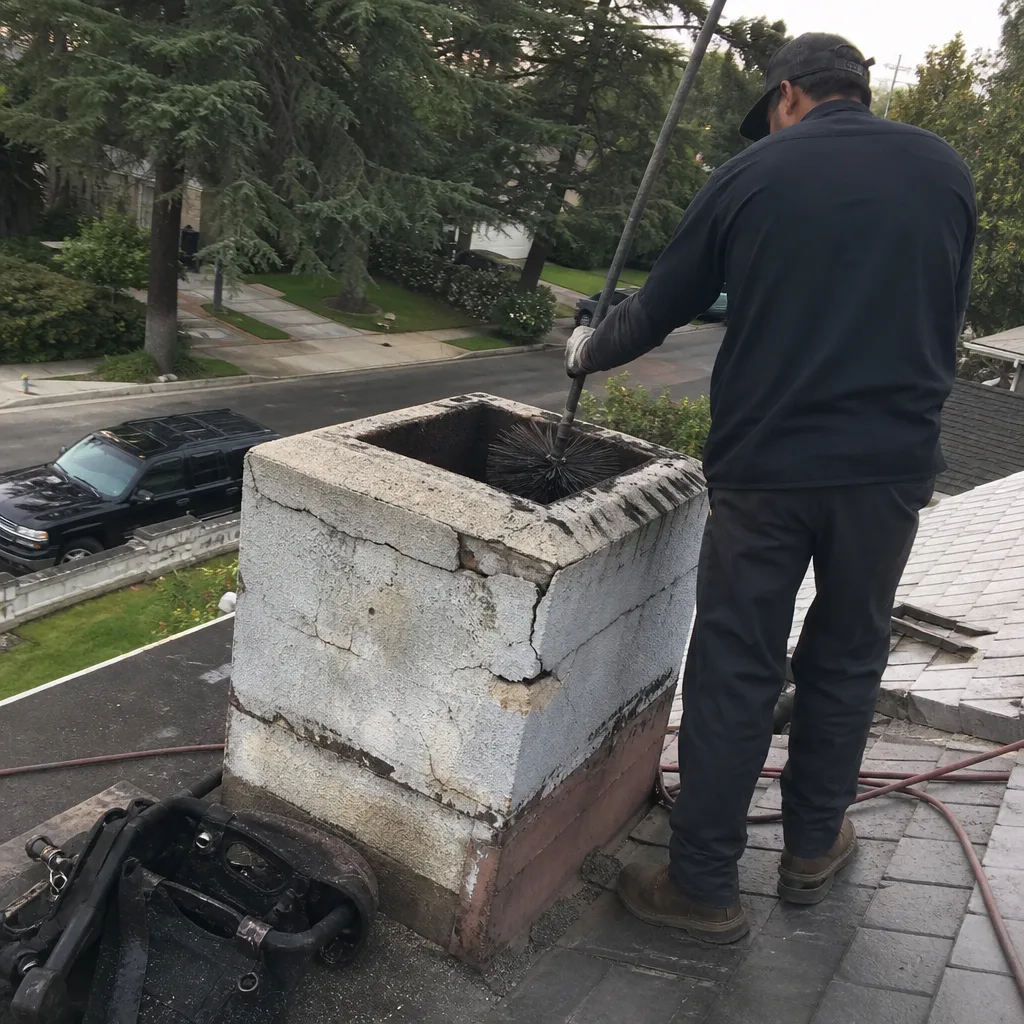 Before
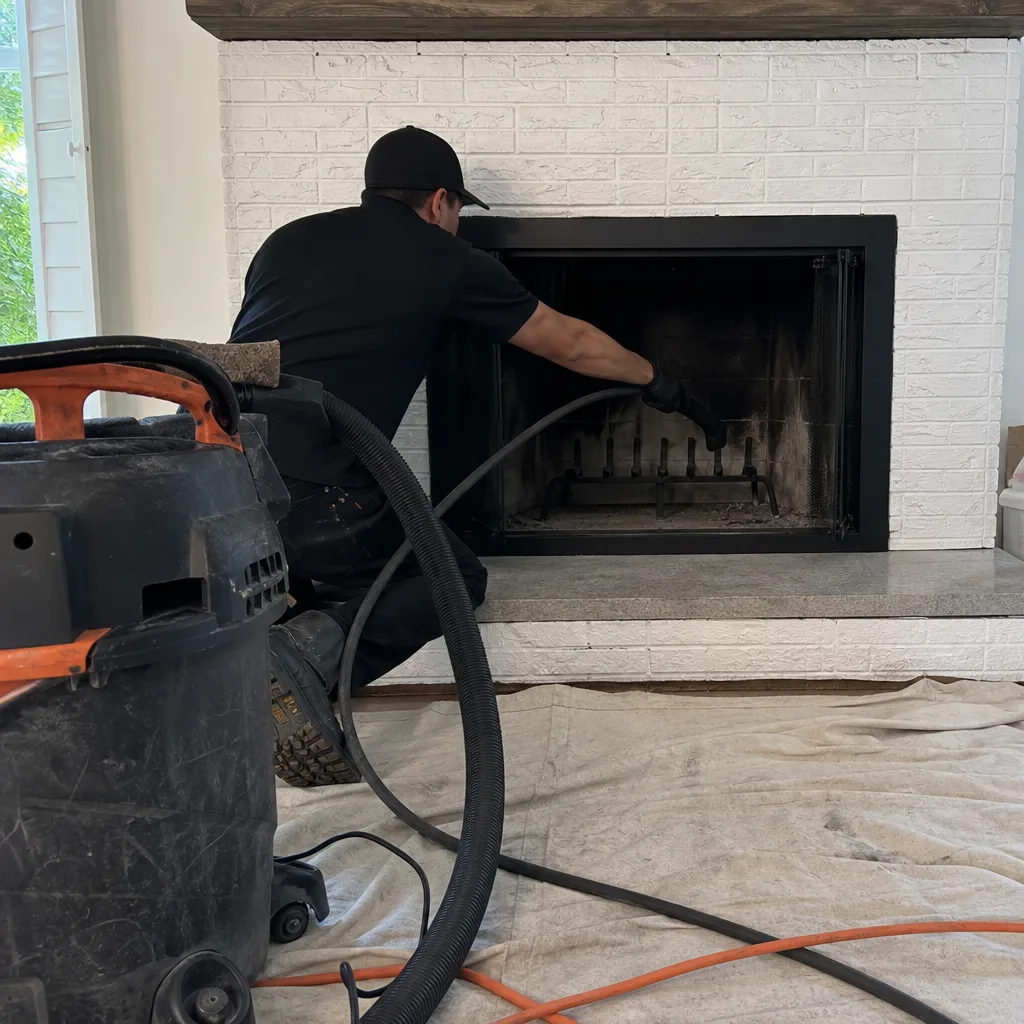 After
AfterFast, Reliable Chimney Inspection Across San Leon
Chimney inspection in San Leon runs $149 – $289 for a standard Level 1 or camera-equipped visual, and most appointments are completed in under two hours. That’s the direct answer. What actually matters on a bay-front chimney here isn’t creosote, it’s rust, salt, and what’s been living inside a flue nobody’s lit since last winter. If you’re in San Leon and haven’t had your fireplace or chimney looked at in the last year, schedule our Chimney Sweep in San Leon and we’ll give you a written price before any work starts.
Our Chimney Inspection crew knows what a Galveston Bay salt environment does to flashing, caps, and dampers. We don’t drive down from Dallas-Fort Worth guessing at coastal corrosion patterns. We see them every week on post-Hurricane Ike rebuilds, older fishing cottages, and elevated pilings homes from 25th Street to Bayshore Drive.
Why Alcott Chimney Sweep Is San Leon’s Preferred Chimney Inspection Company
San Leon homeowners deal with a specific headache: a chimney that never gets used but still rots from the outside in. Most inspection companies treat San Leon like any other Texas suburb. We don’t. The salt air off Galveston Bay oxidizes galvanized steel faster than anywhere in the Houston metro. A cap installed in 2011 that looks passable from the street can be rusted through at the seams, and you won’t know until water shows up on your ceiling or a raccoon sets up housekeeping inside your chase.
We’ve built our reputation in San Leon on showing homeowners exactly what we find. Every inspection includes camera documentation, and if you want to watch the scope feed, you can. Ruben Castellano set the standard when he founded Alcott Chimney Sweep in 2002: no recommendation without visual proof. No vague “you probably need a new liner.” If we recommend work, we’ll show you the footage that justifies it.
Every technician who arrives at your San Leon door is background-checked and identity-verified under the Threshold Standard. You’ll get the technician’s name and photo before the visit, and they’ll show a photo ID badge when they arrive. No exceptions. That matters in a bayside community where you might be home alone or with young kids when the truck pulls up.
Chimney Leak in San Leon
A Chimney Leak in San Leon is rarely a masonry problem. It’s almost always a failed cap, corroded flashing, or a rusted chase cover on a post-Ike prefab fireplace. We’re called out to bay-front homes every month where water has been tracking down the flue for a full season before anyone realized something was wrong.
Because San Leon’s chimneys often sit unused for a year or more, a leak doesn’t announce itself with smoke or smell. It announces itself with a brown stain on the ceiling, peeling paint near the chase, or a musty odor that gets worse after heavy rain. By the time you see the stain, water has likely been moving through the flue for months.
A chimney leak inspection in San Leon typically runs $189 – $289 depending on whether we’re pulling the cap, scoping the flue, and checking flashing up close. If we find a rusted galvanized cap or chase cover, replacement with stainless from Copperfield or Famco is more durable in salt air. Written quote before any repair, always.
What fails first on a bay-front chimney
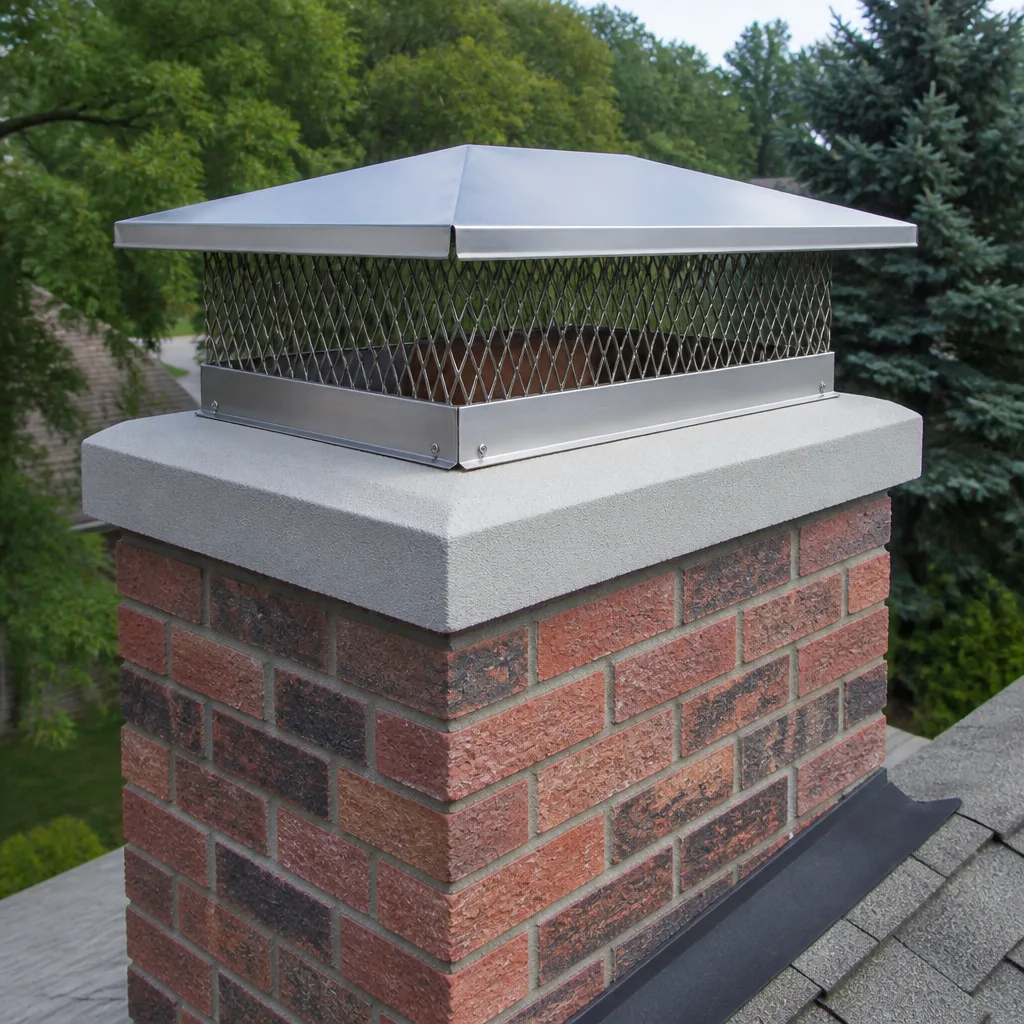
Galvanized steel caps and chase covers rust through in 5 – 7 years off Galveston Bay. The seams go first, then pinholes open up, then water finds its way down. Stainless lasts significantly longer but costs about 40 – 50% more up front.
Flashing is the second failure point. Salt-laden air eats at the thin metal where the chimney meets the roofline, and once a caulk joint fails, water follows the flue down through the chase. On elevated piling-supported homes in San Leon, we also see wind-driven rain entering at odd angles that inland houses never experience.
What a leak inspection covers
We pull the cap, inspect the chase cover seams, check flashing with the roof in view, run our San Leon camera scope down the flue, and document everything in photos and video. You’ll know exactly what leaked, how bad the damage is, and what can wait. If the flue is dry and sound, we’ll tell you that plainly and not recommend work you don’t need.
Chimney Camera Inspection in San Leon
A Chimney Camera Inspection in San Leon is the only way to know whether a flue that’s been sitting cold for a year is actually sound on the inside. Surface-level looks don’t cut it on Galveston Bay. We feed a professional-grade camera down your flue and record everything: corroded dampers, cracked panels, water tracks, mold, and the occasional raccoon or osprey nest.
If you bought a post-Ike rebuild in San Leon and have never scoped the fireplace, you should. Homes rebuilt after 2008 typically got prefabricated fireplaces with thin galvanized components, and those have been baking in salt air for over a decade now. A camera inspection catches rust perforation before it becomes water damage in your firebox or chase framing.
Camera inspection in San Leon costs $179 – $249 as a standalone service and is included with every Level 2 inspection we perform. We record the footage and walk you through it on-site. You see what we see.
Why we scope every San Leon inspection
Coastal moisture hides problems. A flue that looks fine from the top can have a damper rusted shut or a liner seam opening up six feet down. The scope doesn’t guess. It documents. If something needs attention, you’ll have the video to prove it before any repair is recommended.
This is the Alcott standard Ruben Castellano has held since 2002: never tell a homeowner to spend money on a repair without visual evidence. For San Leon’s salt-air flues, that evidence has to come from inside.
Osprey and raccoon entry points
San Leon’s location directly on the bay means we’re not just looking for rust. We’re looking for what got in. Ospreys perch on corroded caps, raccoons work open the corners of thin galvanized chase covers, and both leave behind nests that block drafting and hold moisture against the flue. A camera inspection spots the entry point in minutes.
Trusted Brands We Service in San Leon
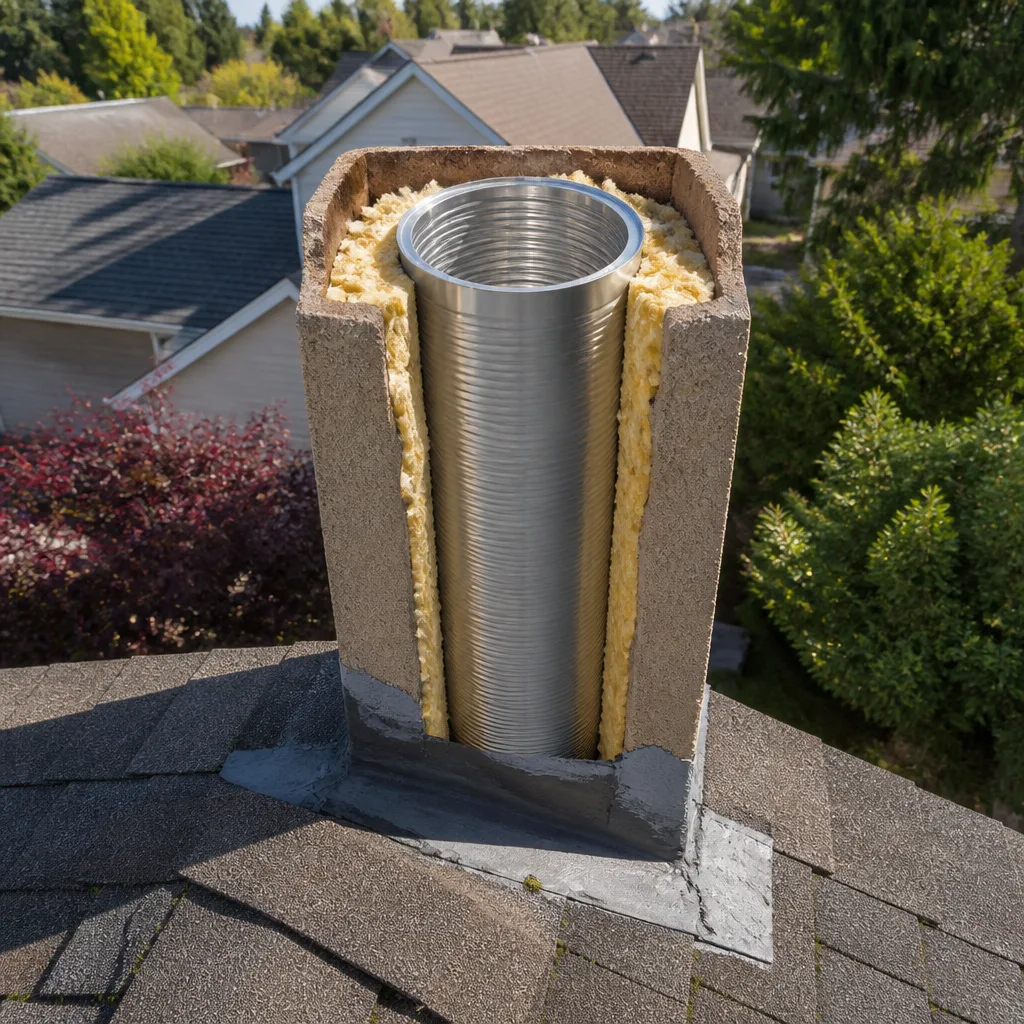
We install and service components from the trade brands chimney professionals specify: Copperfield caps and dampers, Famco flashings and terminations, and Olympia Chimney liner components. These aren’t box-store substitutes. Copperfield stainless caps hold up far better in San Leon’s salt air than the thin galvanized originals most post-Ike rebuilds got. We keep common replacement parts stocked for San Leon jobs, so a rusted cap or failed damper often gets fixed days sooner than if we had to order from a regional warehouse. If we identify a failed component during your inspection, you’ll get a written price and a brand-specific recommendation.
Common Chimney Inspection Problems We See in San Leon Homes
- Rusted-through galvanized caps and chase covers. On a bay-front street near 25th Street in San Leon, we opened the chase on a 2011 post-Ike rebuild and found the original thin galvanized cap rusted completely through, water tracking down the flue liner into a black-stained firebox the homeowners had never lit. We installed a stainless cap and new flashing kit over the galvanized chase cover, camera-scoped the dry flue, and reset the damper. No creosote to speak of, just salt-air oxidation and a raccoon entry we capped off before it became a nest.
- Damper seizure from salt corrosion. A damper that hasn’t been operated in a year or more can seize solid in San Leon’s salt-laden air. We regularly find dampers on bay-front homes that won’t open or won’t seal, and the repair is a straightforward replacement with a stainless component, not a mystery. This is the most common “my fireplace doesn’t work” call we get in late November.
- Water intrusion through failed flashing. Wind-driven rain off Galveston Bay pushes water through flashing gaps that inland homes would never notice. We document the entry point, determine whether the flue liner is still sound, and price the flashing repair separately from any cosmetic work. No package deals. You pay for what’s actually wrong.
- Nesting animals in unused flues. Osprey and raccoon entry is a San Leon signature. A flue that sits cold for six months becomes prime real estate. We remove the nest, identify the entry point, and recommend the cap or damper upgrade that will actually keep them out. Bird and animal intrusion is one of the few things we’ll flag as urgent even when the flue itself is in decent shape.
Pricing for Chimney Inspection in San Leon, TX
A standard Level 1 Chimney Inspection in San Leon runs $149 – $189, and that covers a visual check of the cap, chase, damper, and accessible flue interior. A Level 2 inspection, which includes our Chimney Inspection camera scope and is the one we recommend for any post-Ike rebuild or home you haven’t inspected before, runs $249 – $289. If real estate is involved, a Level 2 with written documentation is standard for a San Leon home sale. A Level 3 inspection, which may involve opening walls or chase panels to access concealed flue sections, starts at $499 and is quoted in writing before we begin.
What affects cost: whether the chase requires opening, how accessible the roof is (many San Leon homes are elevated, which adds ladder work), and whether you need documented video for a property transaction. All inspections include a written report. All repairs come with a written guarantee, and if a repair fails within the coverage period, the second visit is free under our 365-Day Done Right Promise. Call (336) 863-3889 for a free estimate, and you’ll get a live person on the other end.
We Also Serve Cities Near San Leon
Beyond our regular work here on Galveston Bay, Alcott Chimney Sweep provides Chimney Inspection in San Leon for neighboring homeowners and serves the wider Texas market from Houston through San Antonio, Dallas, and Fort Worth. Dispatch runs through our Dallas-Fort Worth office, but our crews work San Leon locally and know this bayside community. If you’re anywhere in the Houston metro area, we’ll get to you.
Serving San Leon, TX - Our Local Coverage Area
We’re based in the San Leon area and know this community well. Use the map below to see our service coverage - if you’re nearby, we can almost certainly help.
FAQs About Chimney Inspection in San Leon
If you rarely burn, inspection every 18 – 24 months is still warranted in San Leon because the risks here come from salt-air oxidation and moisture intrusion, not creosote. A chimney that sits unused is exactly the one that rusts through its cap, welcomes nesting animals, and hides water damage until it reaches the ceiling. For post-Ike prefabs with galvanized components, 18 months is our recommended interval. Call (336) 863-3889 to schedule yours. Estimates are free.
The thin galvanized caps installed on post-Hurricane Ike rebuilds in San Leon were never designed to hold up against constant salt-laden Gulf air. Galveston Bay humidity drives airborne chlorides into every seam, and the zinc coating breaks down within a few years. Stainless replacement, like what Copperfield manufactures, survives far longer. If yours is over five years old and you haven’t looked at it closely, we should.
A Level 2 inspection is the right choice for any San Leon rebuild you haven’t inspected before or haven’t had scoped in more than 18 months. It includes the full camera scope that a Level 1 visual can’t provide. If you’re buying or selling a post-Ike home, a Level 2 with documentation is what you want. A Level 1 visual is fine as an annual check once a baseline has been established.
Inside a San Leon home, a chimney leak usually shows as a brown stain on the ceiling near the chase, musty odors after rain, peeling paint around the fireplace, or dark staining in the firebox itself. By the time you notice any of these, water has likely been moving through the flue for months. That’s the pattern we see all over the bay front. Don’t wait for the stain to spread. Call for a leak inspection. Free estimate at (336) 863-3889.
Almost never, and that’s a key difference between San Leon and inland Texas. Third-degree creosote, the thick tar-like glaze that chimneys develop from heavy wood-burning, is rare here because San Leon’s mild winters mean fireplaces go unused for long stretches. Instead, our inspections document oxidation, rust perforation, flashing failures, and animal intrusion. If we do find creosote, we’ll show it to you on camera, but in over twenty years of work along this coast, rust and moisture are the dominant findings by a wide margin.
Written by Ruben Castellano, Owner at Alcott Chimney Sweep, serving San Leon since the company’s founding in 2002.