
Level 1 sweep and inspection to the NFPA 211 annual standard - flue, crown, cap, and flashing checked and photographed
Chimney sweep logs do not sweep chimneys. They loosen some creosote - which then falls where a brush and vacuum still have to collect it.
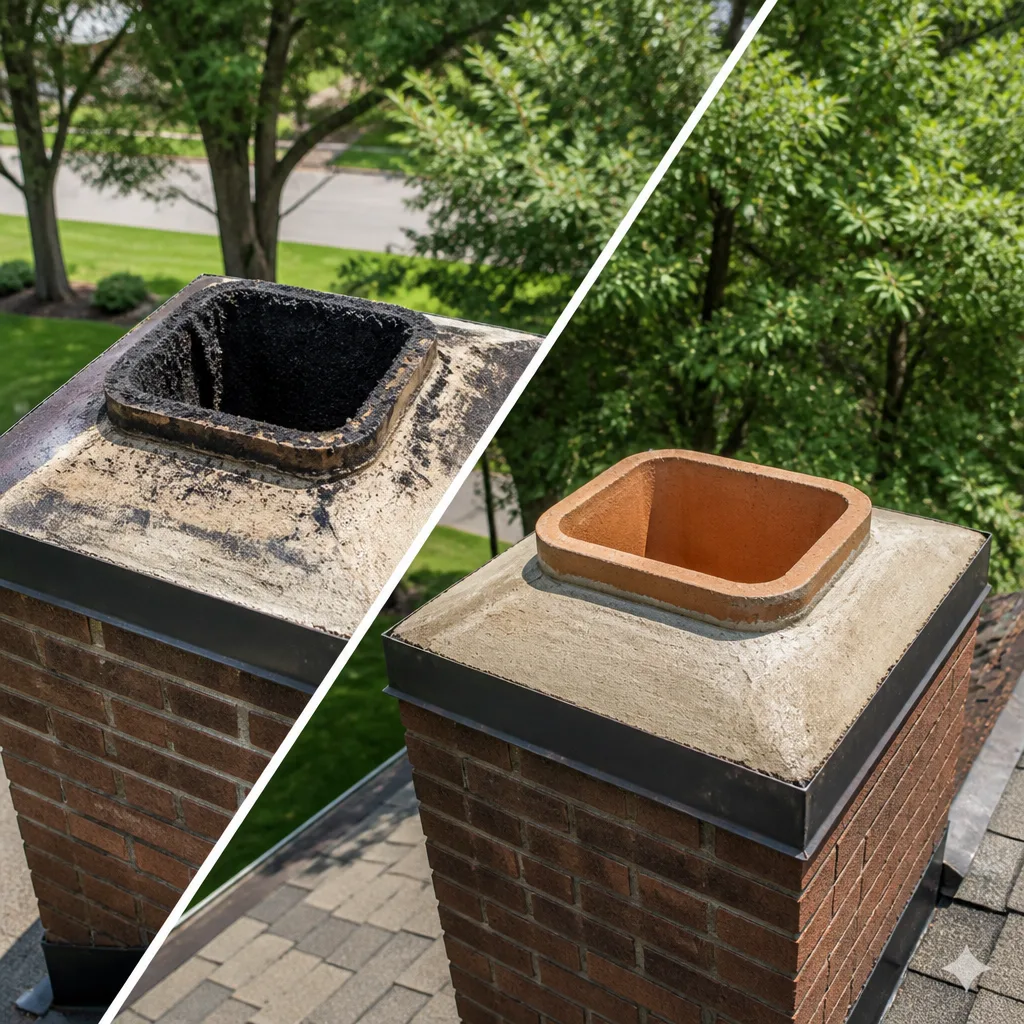
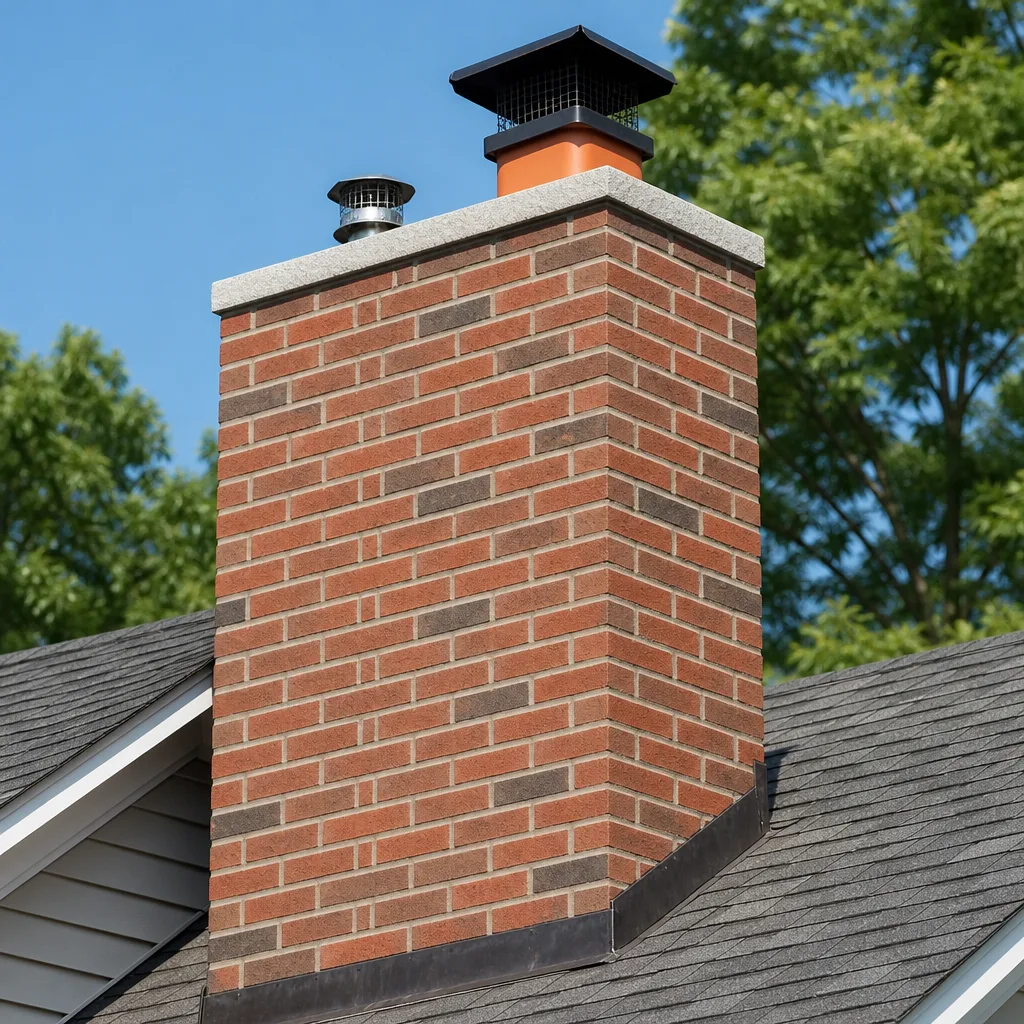
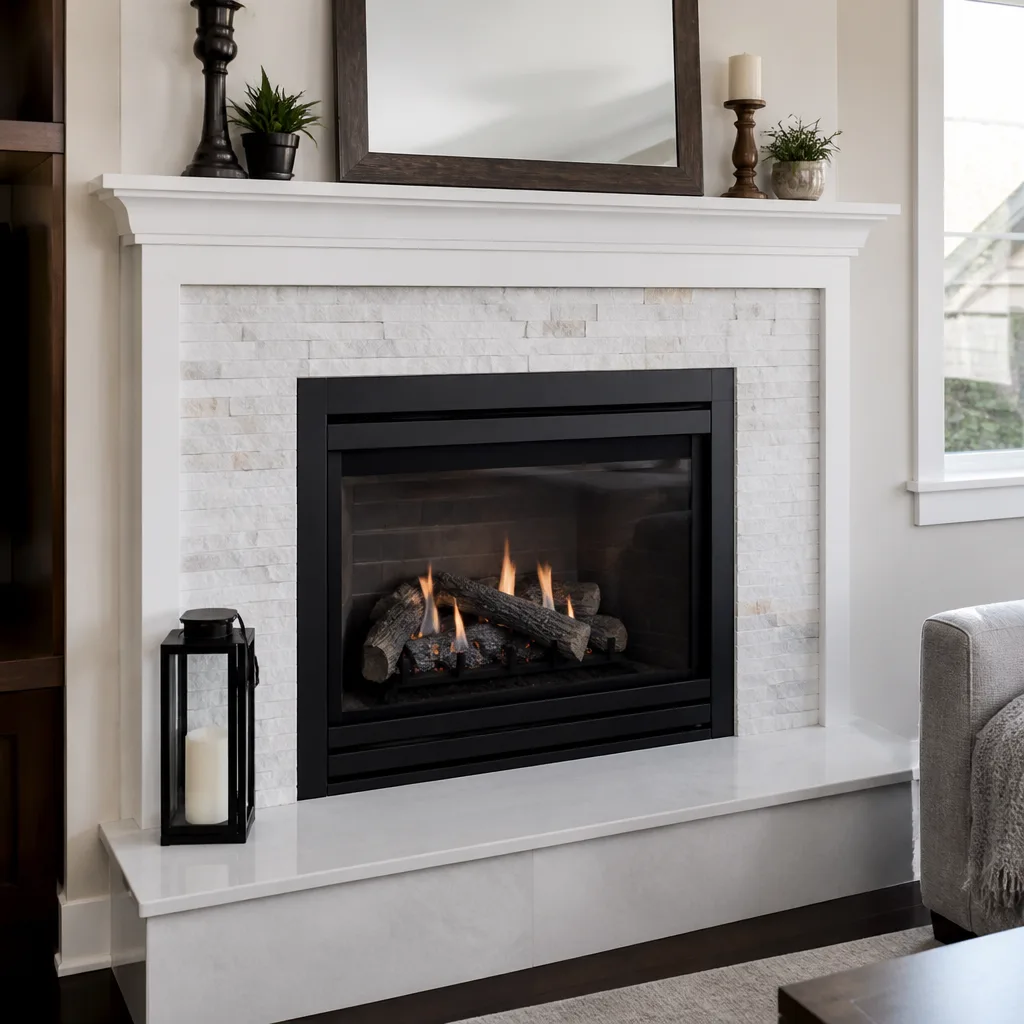
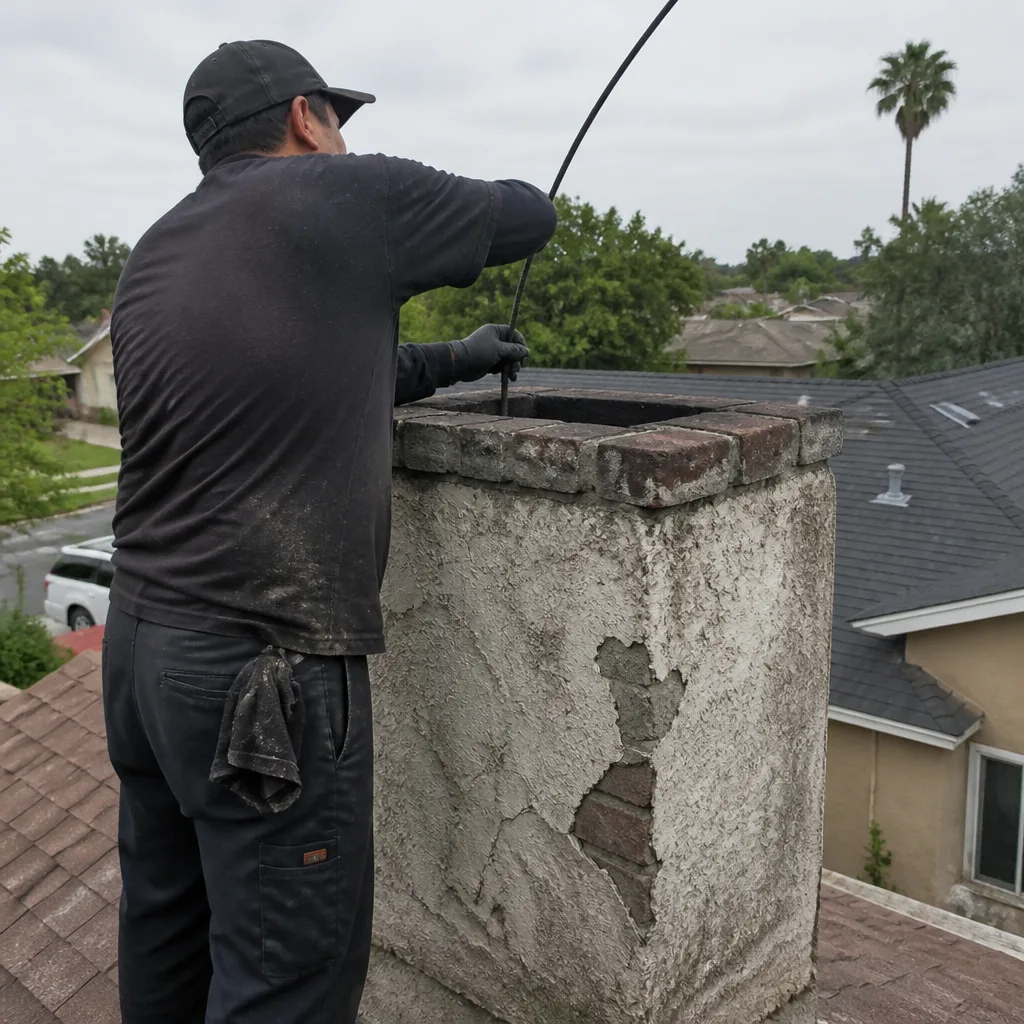 Before
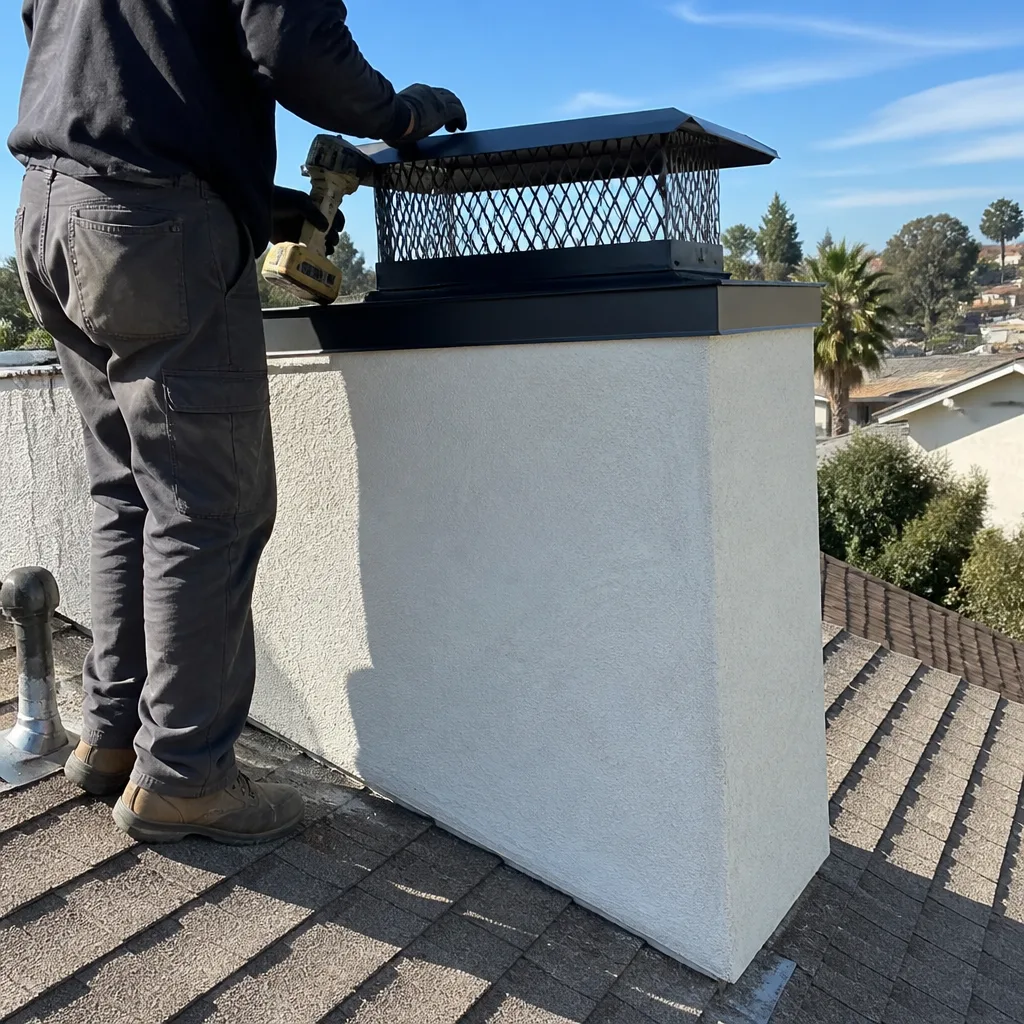 After
After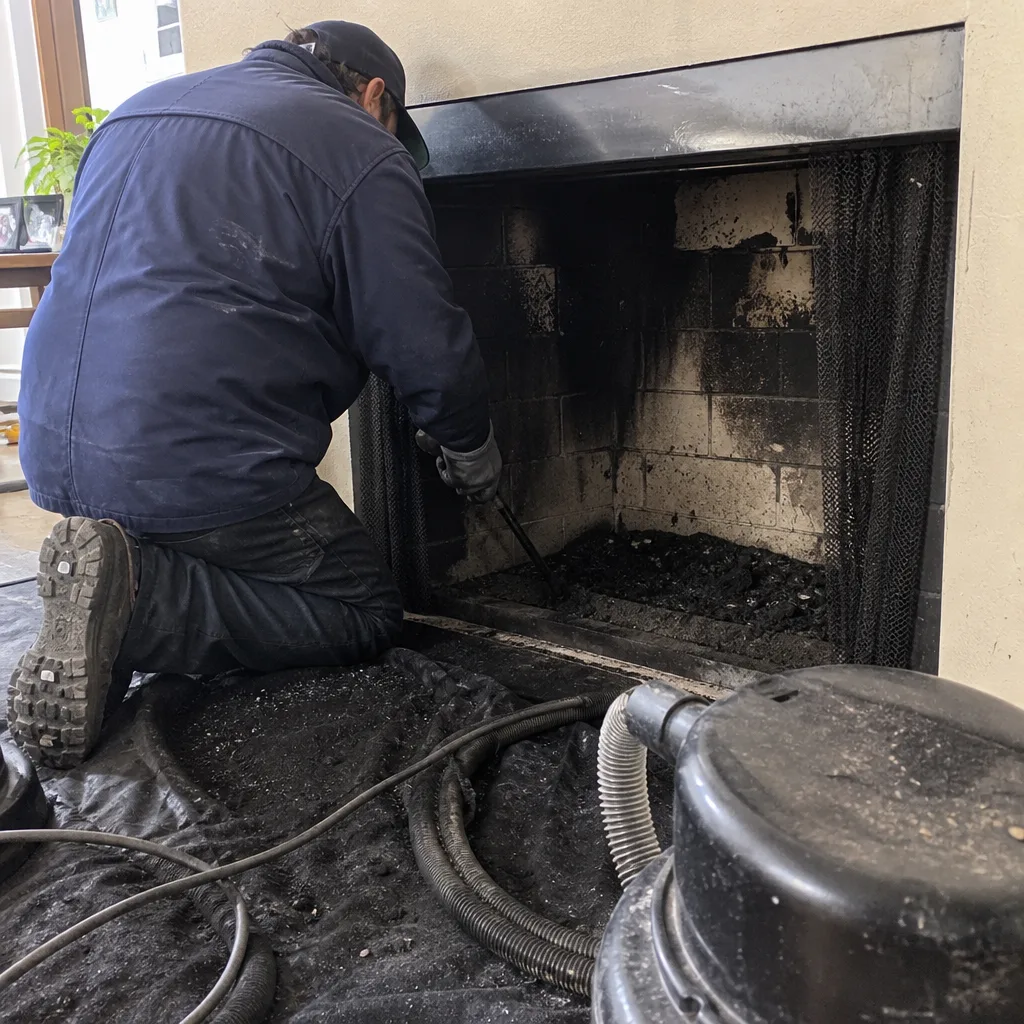 Before
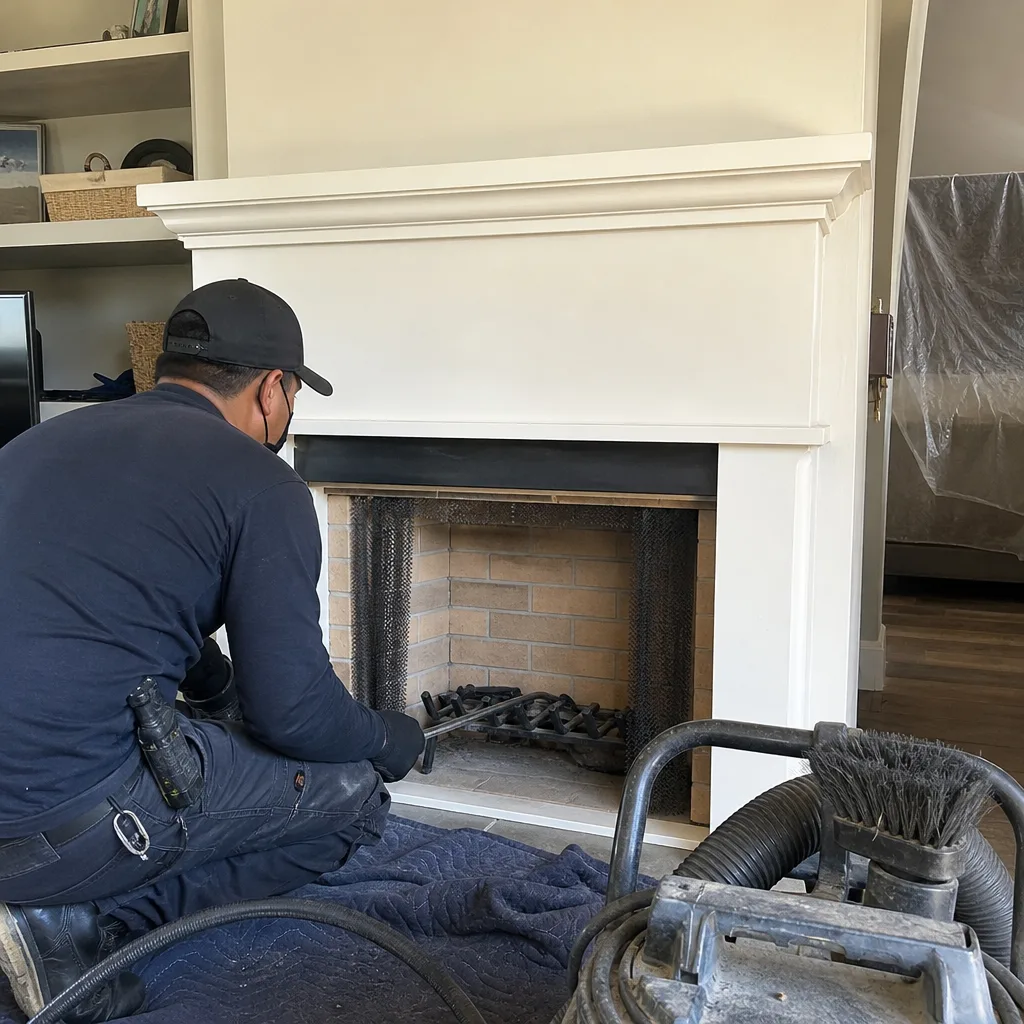 After
After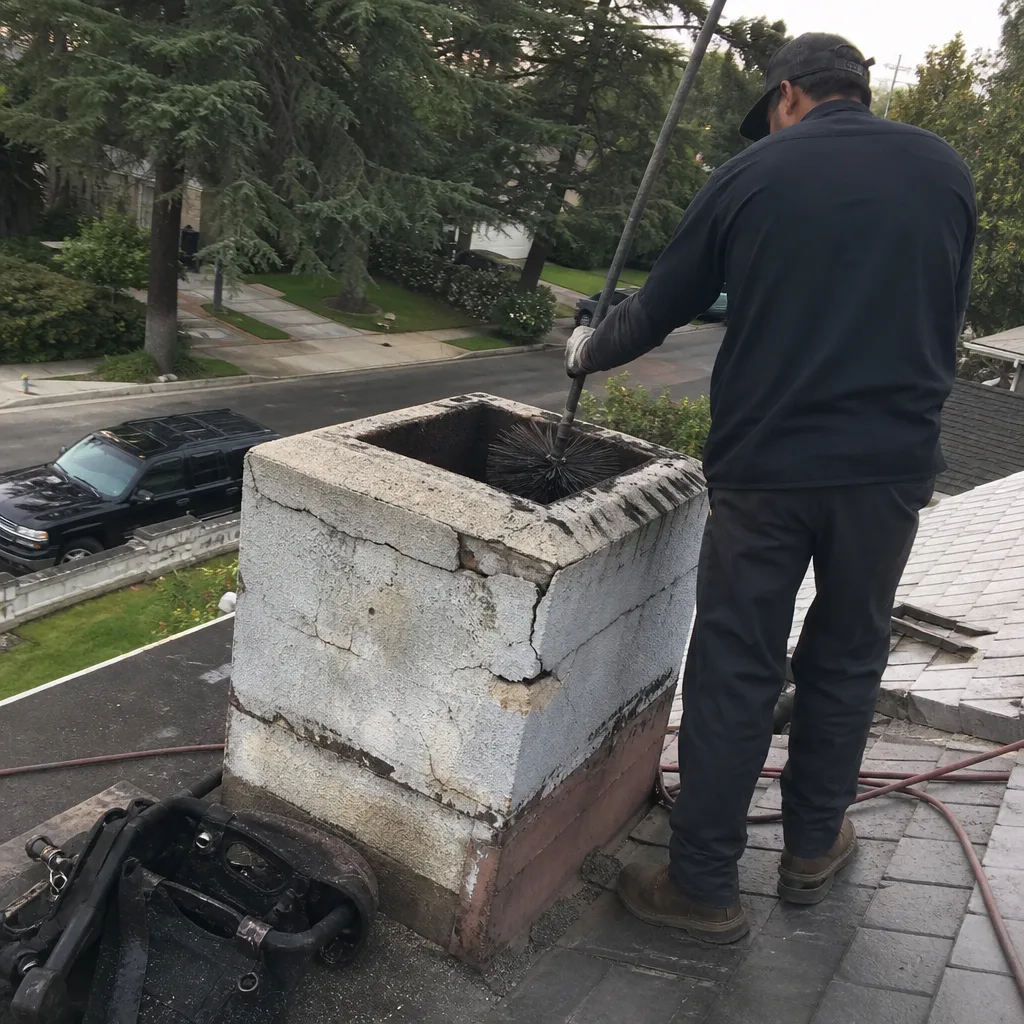 Before
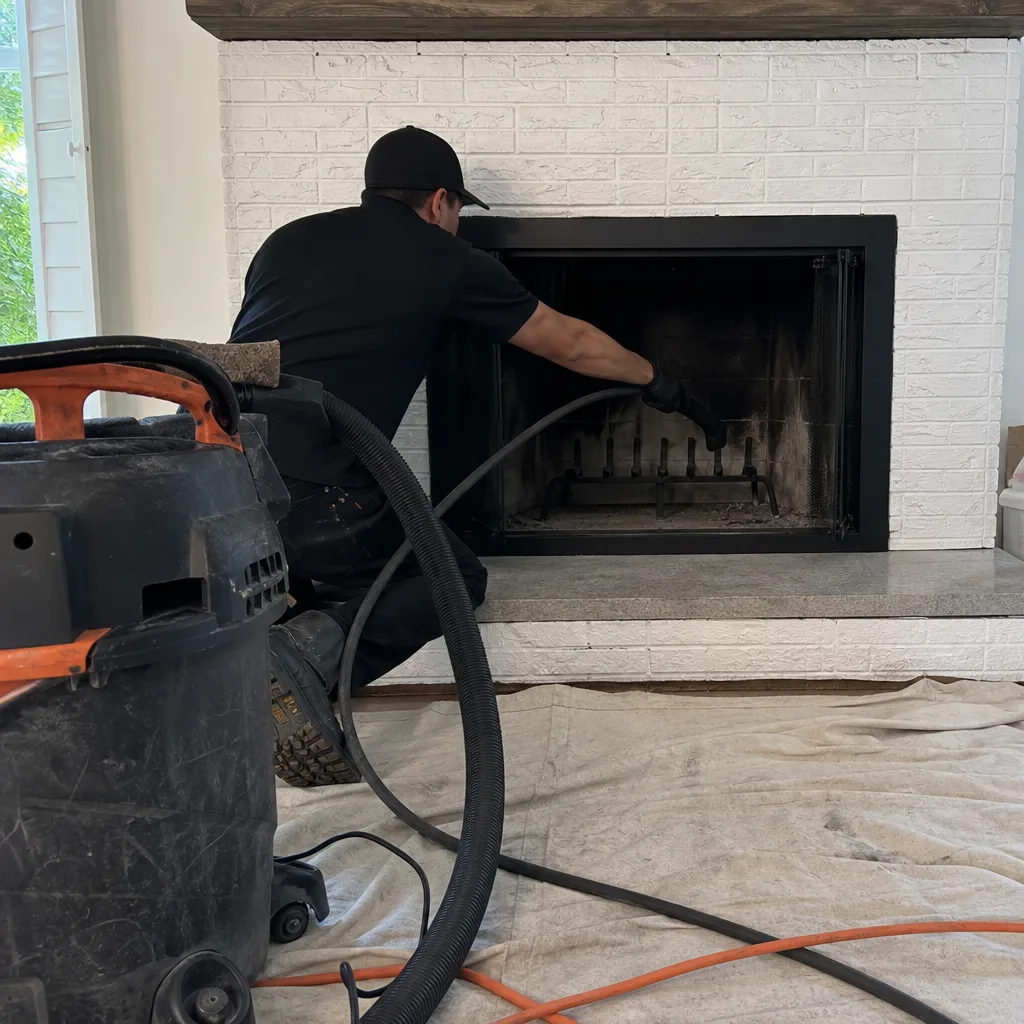 After
AfterFast, Reliable Chimney Inspection Across Santa Fe
A chimney inspection in Santa Fe, TX typically costs between $189 and $429, depending on the level of inspection your fireplace or flue needs. Most Level 1 inspections run $189 to $249, while a camera-verified Level 2 inspection in Santa Fe runs $329 to $429 and is what we recommend for most older ranch homes in this area. If you’re smelling smoke inside on the first cool night of the season, or you haven’t had the flue looked at in years, call us at (336) 863-3889 and we’ll send a technician you know by name before the truck rolls.
We’re Alcott Chimney Sweep, and we’ve been inspecting chimneys like yours since 2002. Santa Fe has a specific problem that most national inspection checklists miss entirely, and it’s worth understanding before you light your first fire this year. Our Chimney Inspection team works throughout Galveston County, and we schedule Santa Fe appointments every week.
Why Alcott Chimney Sweep Is Santa Fe’s Preferred Chimney Inspection Company
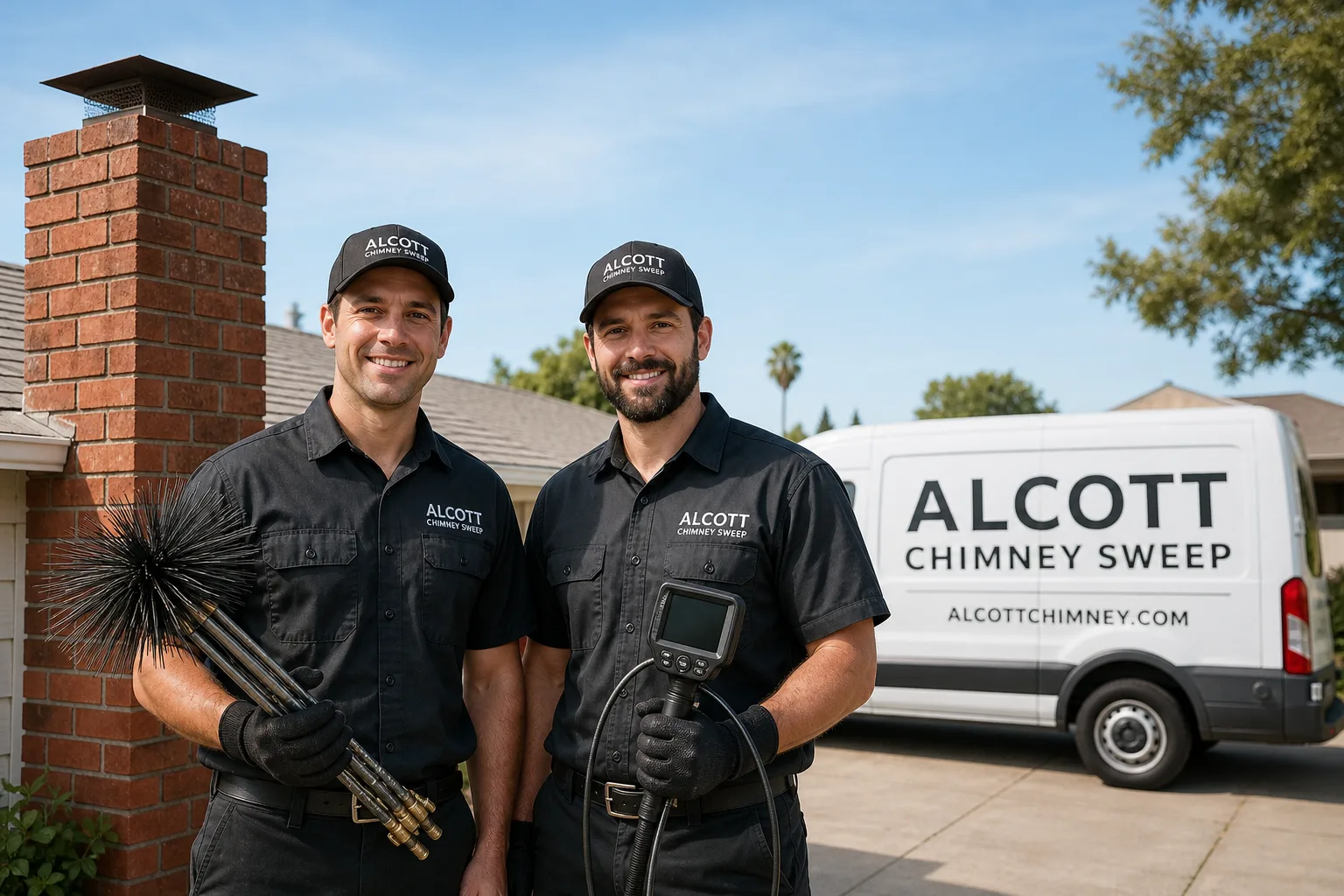
Ruben Castellano leads our inspection crews, and he’s built the company around a simple idea that matters more in Santa Fe than almost anywhere else: you should know exactly who’s coming to your door, and you should see the evidence before anyone asks you to spend money on repairs.
Every technician we send to Santa Fe is background-checked, identity-verified, and announced to you by name and photo before the visit. That’s our Threshold Standard, not an optional upgrade. When the technician arrives at your door near FM 1764 or off Highway 6, they’re wearing a uniform and carrying a photo ID badge. You’ll already know their name. For homeowners who are alone during the day, parents with young kids, or older residents who want certainty before opening the door, that changes the entire experience.
We also put our recommendations in writing, with a written price before any work begins. If a repair fails within the coverage period, the second visit is free. That’s our 365-Day Done Right Promise, and it’s in writing on every job we complete in Santa Fe.
Chimney Fire in Santa Fe
Chimney fire risk in Santa Fe is higher than most residents assume, because the chimneys here spend eight to ten months a year idle and saturated with Gulf moisture before homeowners light their first fire of the brief cool season. That damp dormancy followed by sudden intense use creates a faster creosote buildup problem than you’d see in drier, colder climates where fireplaces burn more consistently all winter.
A proper chimney inspection in Santa Fe looks for the conditions that make a chimney fire possible: creosote, the tar-like buildup that ignites and burns at over 2,000 degrees, plus obstructions, cracked flue tiles, and damaged caps. When we inspect a chimney here, we’re not just looking at whether it’s dirty. We’re looking at whether the system can safely contain a fire on the first cold night when you actually use it.
What Encourages Creosote Buildup in Santa Fe
Santa Fe’s coastal humidity means flues rarely dry out completely, even during the off-season. That moisture combines with smoke residue to form a dense, tar-like creosote that a standard brush often can’t remove. In drier climates, you get flaky creosote that sweeps out easily. Here, we regularly find the glazed, hardened type that requires mechanical removal or chemical treatment. Left alone, it becomes the fuel load for a chimney fire.
If you burn unseasoned wood, close the damper too soon, or run your fireplace rarely at low temperatures, creosote builds faster. Most Santa Fe homes with a fireplace fall into at least one of those patterns without realizing it.
Smoke Smell and Draft Failure on the First Cold Night
We get calls every November from Santa Fe homeowners who light their fireplace for the first time and get smoke rolling into the living room instead of up the flue. It’s almost never a simple fix like opening the damper. In most cases, it’s a draft failure caused by a blocked flue, a corroded damper, or a liner that’s separated. A chimney inspection with a camera is the only way to see which one you’re dealing with. Call (336) 863-3889 and we’ll schedule a camera inspection at your convenience.
Level 2 Chimney Inspection in Santa Fe
A Level 2 chimney inspection in Santa Fe is the full camera-verified evaluation of the flue interior, the firebox, the liner, and the exterior masonry that we recommend for most homes in this area. It includes everything in a Level 1 inspection, plus a video camera run through the entire flue length, an examination of the attic and crawl space where the chimney passes through, and a check of the clearances to combustibles.
In Santa Fe, a Level 2 inspection isn’t an upsell. It’s the only way to see inside a 35-to-40-year-old metal prefab firebox or an unlined clay-tile flue that’s been soaking in coastal humidity for decades. Without camera evidence, any recommendation about liner condition is a guess. With the camera, you see the rust, the cracks, the separation, and the water intrusion with your own eyes on our tablet before we recommend anything.
What the Camera Tells Us (and You)
The camera footage we capture during a Level 2 inspection in Santa Fe shows the condition of your flue interior in real time. We don’t rely on a visual look from the roofline and call it done. You’ll see glazed creosote, cracked tiles, rust-through in a prefab metal firebox, or a separated liner section. You’ll also see when things look fine and no work is needed. That last part matters because we won’t recommend repairs the camera doesn’t justify.
When Santa Fe Homeowners Need a Level 2 Inspection
You need a Level 2 inspection if you’re buying or selling a home in Santa Fe, if you’ve had a chimney fire, if you’ve made changes to your heating system, or if your home went through Hurricane Harvey repairs that touched the chimney or roof. You should also get one if you’ve owned the home for several years and have never had a camera inspection. Most of the Santa Fe homes we inspect are original 1980s ranch builds, and “it’s been fine so far” isn’t the same as verified safe.
Trusted Brands We Service in Santa Fe
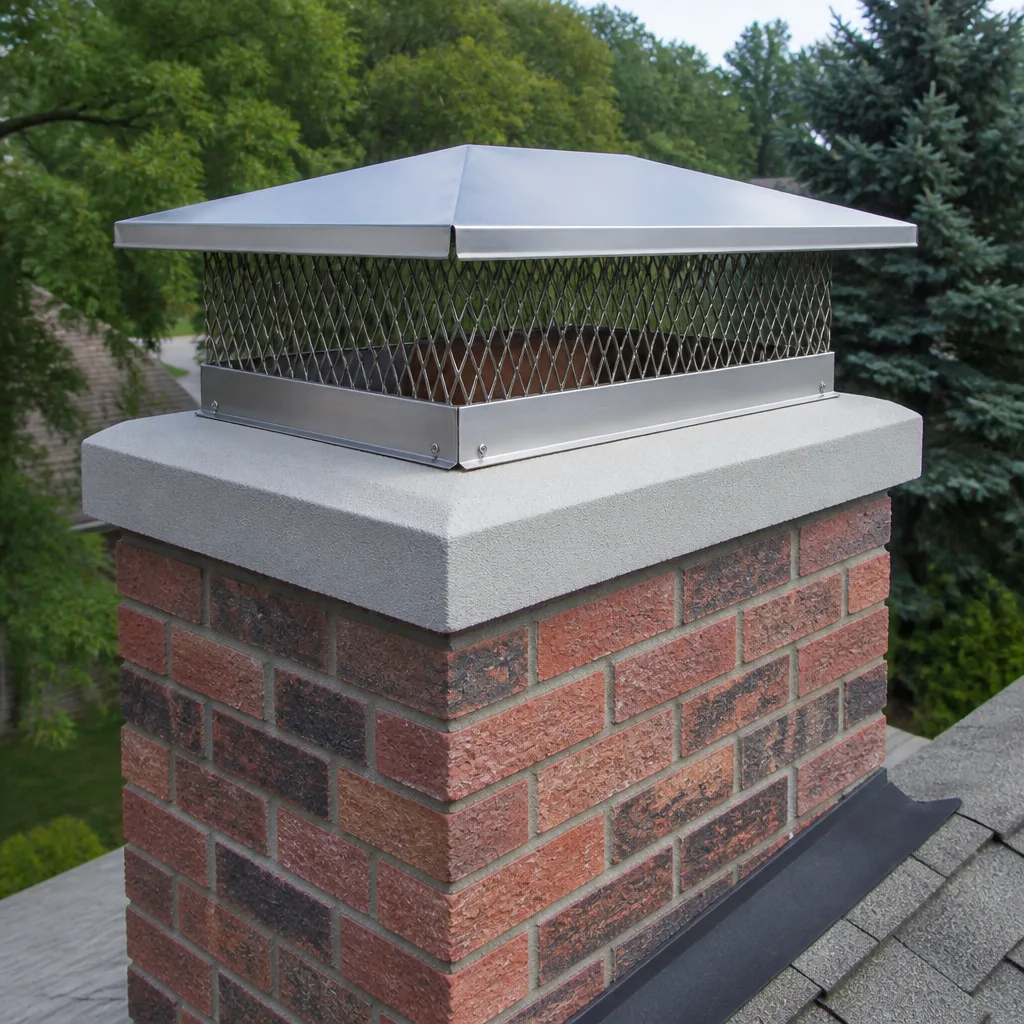
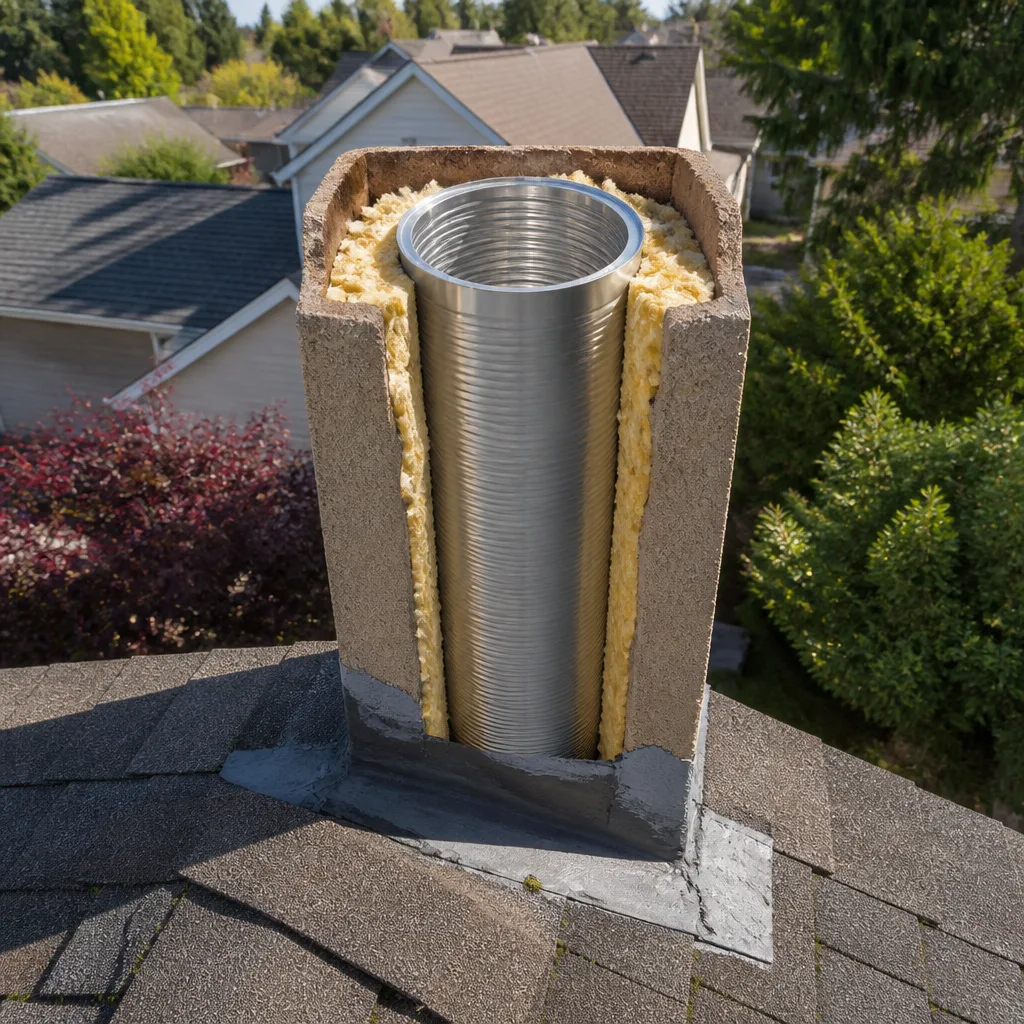
When a Santa Fe inspection turns up a damaged liner or a rusted prefab firebox, we work with the trade brands professionals specify, not box-store substitutes. That means Famco and Copperfield caps and dampers, DuraFlex liner systems, and HeatShield resurfacing when the damage calls for it. We keep our installation crews trained on these systems and we can source the right parts for Santa Fe’s specific housing stock, whether that’s an unlined older masonry chimney or a 1980s zero-clearance prefab unit. You’ll see the brand names on your written estimate, and you’ll know exactly what’s going into your home and why.
Common Chimney Inspection Problems We See in Santa Fe Homes
- Rusted and warped prefab fireboxes. The factory-built zero-clearance fireplaces installed in so many 1980s Santa Fe ranch homes have been marinating in coastal humidity for 35 to 40 years. By the time we inspect them, the metal fireboxes often show rust-through, warped panels, or failed seals that nobody noticed because the fireplace sat idle for most of the year.
- Spalling mortar and crown cracking from salt air. Galveston Bay’s salt-laden air accelerates corrosion on chimney caps, dampers, and flashing faster than in inland areas. Masonry chimneys in Santa Fe show spalling brick faces, crumbling mortar joints, and cracked crowns that let water in and turn minor creosote into a glazed mess a brush can’t remove.
- Unlined or clay-tile flues in older homes. Homes built before the 1980s in Santa Fe often have chimneys with clay tile liners or no liner at all. Decades of thermal cycling and moisture have left tiles cracked and shifted, creating gaps where heat and flue gases can escape into the surrounding structure.
- Post-Harvey systems that don’t match the appliance. The Hurricane Harvey rebuild wave forced a lot of fireplace and heating system modifications across Galveston County. Some of those modifications left appliances vented into stacks never designed for them, and the only way to find that is a Level 2 chimney inspection with camera evidence.
Pricing for Chimney Inspection in Santa Fe, TX
A Level 1 chimney inspection in Santa Fe runs $189 to $249, and a Level 2 camera inspection runs $329 to $429. A Level 3 inspection, which is required only when hidden damage is suspected and access requires removing parts of the structure, runs higher and we quote it case by case. What affects your price: whether the chimney has been used heavily, whether it’s an older masonry unit with an unlined flue, and whether you’re adding a sweeping to the same visit. Every quote is written before any work starts, so you’ll never get a surprise total at the end. Call (336) 863-3889 for a free estimate. We schedule chimney inspections across Santa Fe every week, and our live answer line means a person picks up when you call, day or night.
We Also Serve Cities Near Santa Fe
Our Santa Fe crews also cover Dickinson, La Marque, Hitchcock, and League City. If you live in one of these nearby communities, we can schedule your Chimney Inspection in Santa Fe at the same time we’re working in the area, and you’ll get the same background-checked technician preview and written pricing. Call (336) 863-3889 and we’ll confirm coverage for your address.
Serving Santa Fe, TX - Our Local Coverage Area
We’re based in the Santa Fe area and know this community well. Use the map below to see our service coverage - if you’re nearby, we can almost certainly help.
FAQs About Chimney Inspection in Santa Fe
Yes, and in Santa Fe the light-use patterns are exactly why inspections matter. A fireplace that sits idle for eight to ten months in coastal humidity develops moisture-driven creosote and rust problems that a heavily used fireplace in a dry climate doesn’t. The damage accumulates during the off-season, not during use. A camera inspection shows you what’s actually inside before that first November fire. Call (336) 863-3889 and we’ll schedule one.
A Level 2 inspection adds a video camera run through the entire flue, an examination of the attic and crawl space where the chimney passes through, and a clearance check to combustibles. In Santa Fe’s older ranch homes, this is the difference between seeing the actual condition of a 35-year-old metal firebox and making a guess from the roofline. We show you the camera footage before we recommend any work.
No. A smoke smell on the first use of the season usually means a draft failure caused by a blocked flue, a corroded damper, or a separated liner section. In Santa Fe’s 1980s ranch homes, we often find rust-through in the original prefab firebox as the cause. The fix starts with a camera inspection so you can see the actual problem, not a guess. Call (336) 863-3889 and describe the smell. We’ll tell you what to check before we ever schedule a visit.
Yes. A Level 2 chimney inspection includes a check of the crown, flashing, and masonry for water intrusion points, plus a camera view of the flue interior where moisture damage shows up as rust, spalling, or glazed creosote. Santa Fe’s near-constant humidity and salt-laden air mean water damage often develops long before you see a stain on the ceiling. The camera catches it early.
You’ll see it on the camera footage before we quote anything. Third-degree creosote, the glazed tar-like buildup that most commonly causes chimney fires, requires mechanical removal and possibly a chemical treatment. A damaged flue liner usually means a DuraFlex liner installation or HeatShield resurfacing, depending on the condition of the existing structure. Your written quote will show exactly what’s needed, what it costs, and what the 365-Day Done Right Promise covers. Call (336) 863-3889 for a free estimate.
Written by Ruben Castellano, Owner at Alcott Chimney Sweep, serving Santa Fe and surrounding Galveston County communities since 2002.