
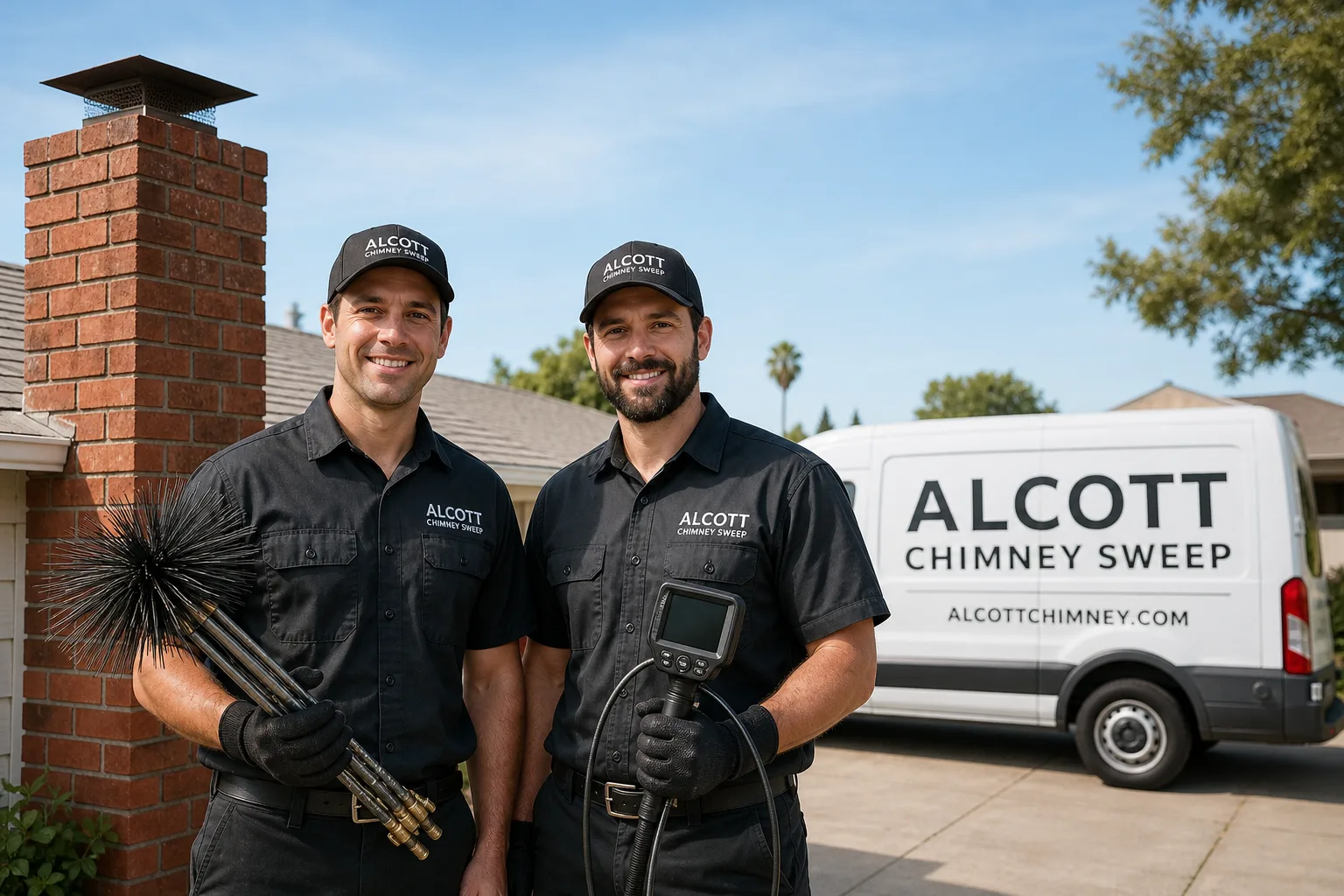
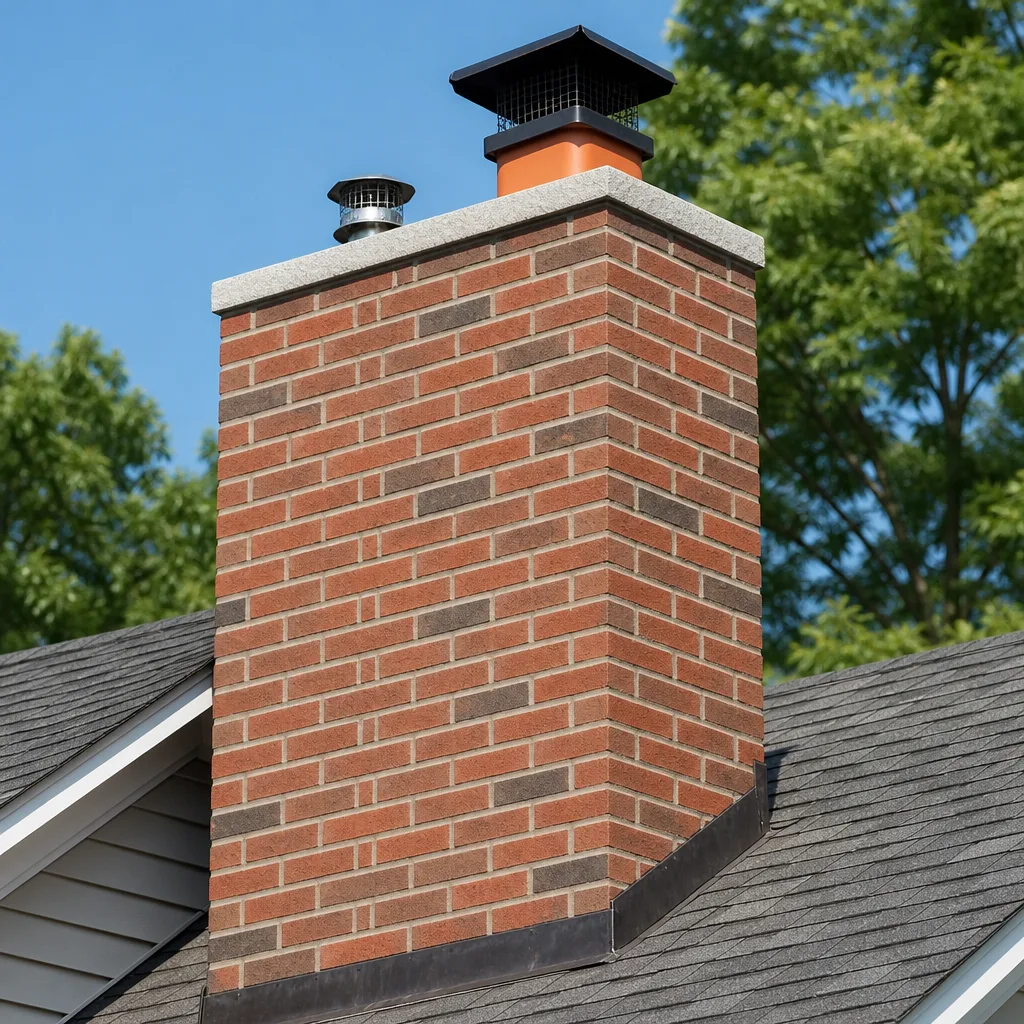
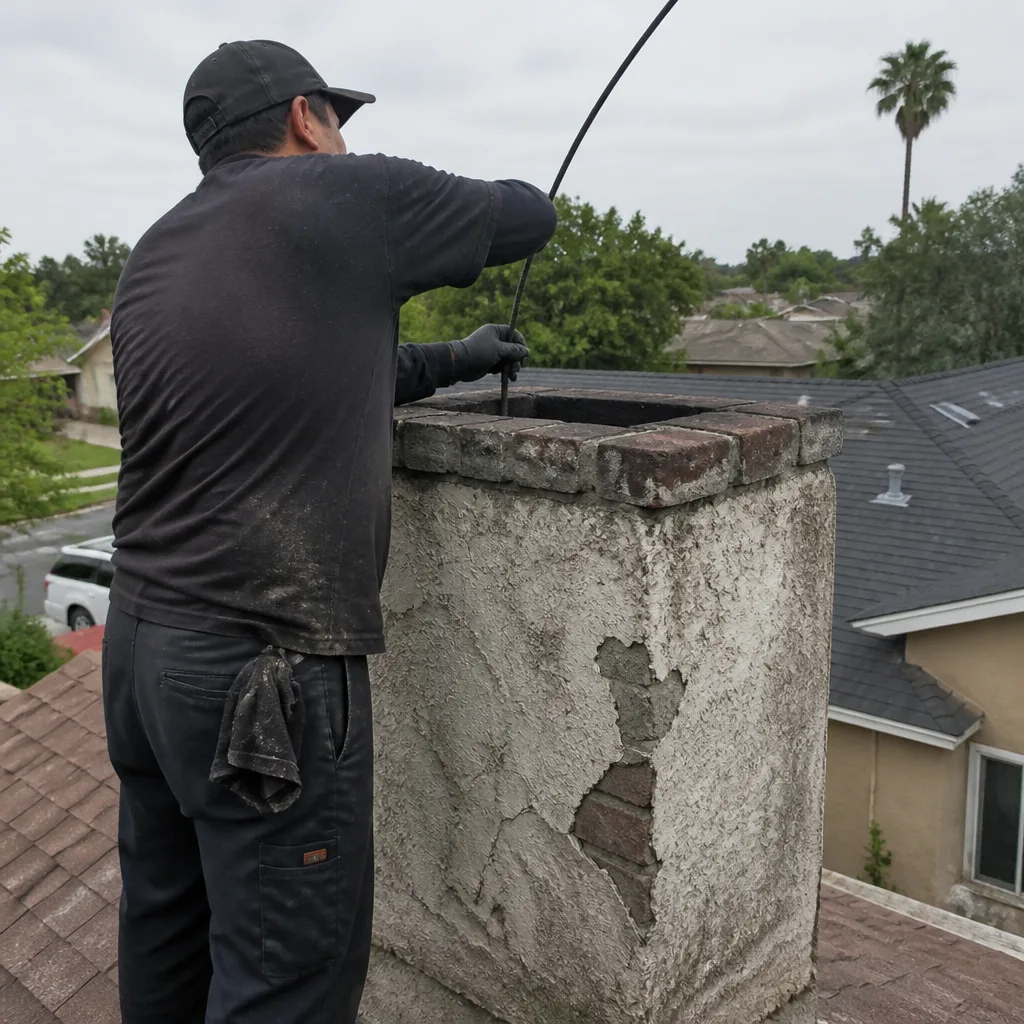
Level 1 sweep and inspection to the NFPA 211 annual standard - flue, crown, cap, and flashing checked and photographed
Chimney sweep logs do not sweep chimneys. They loosen some creosote - which then falls where a brush and vacuum still have to collect it.
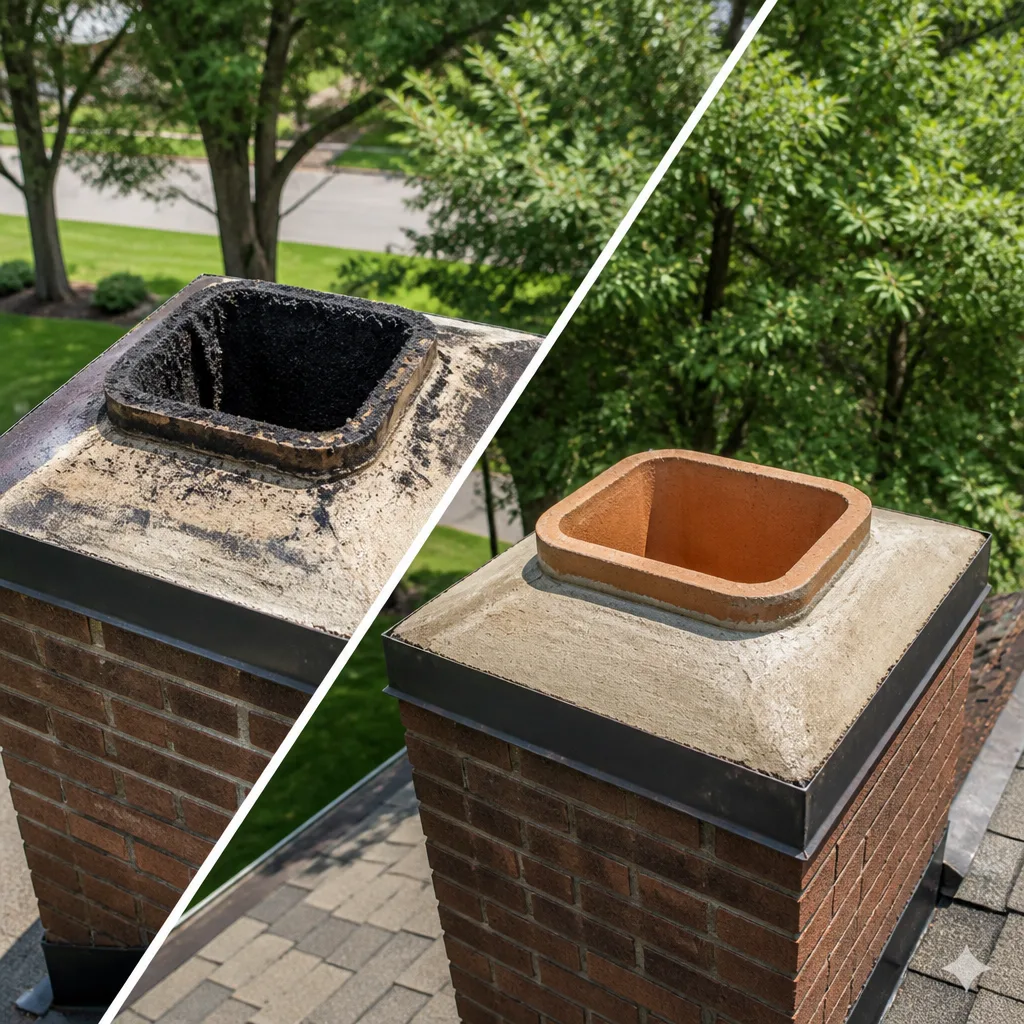
 Before
 After
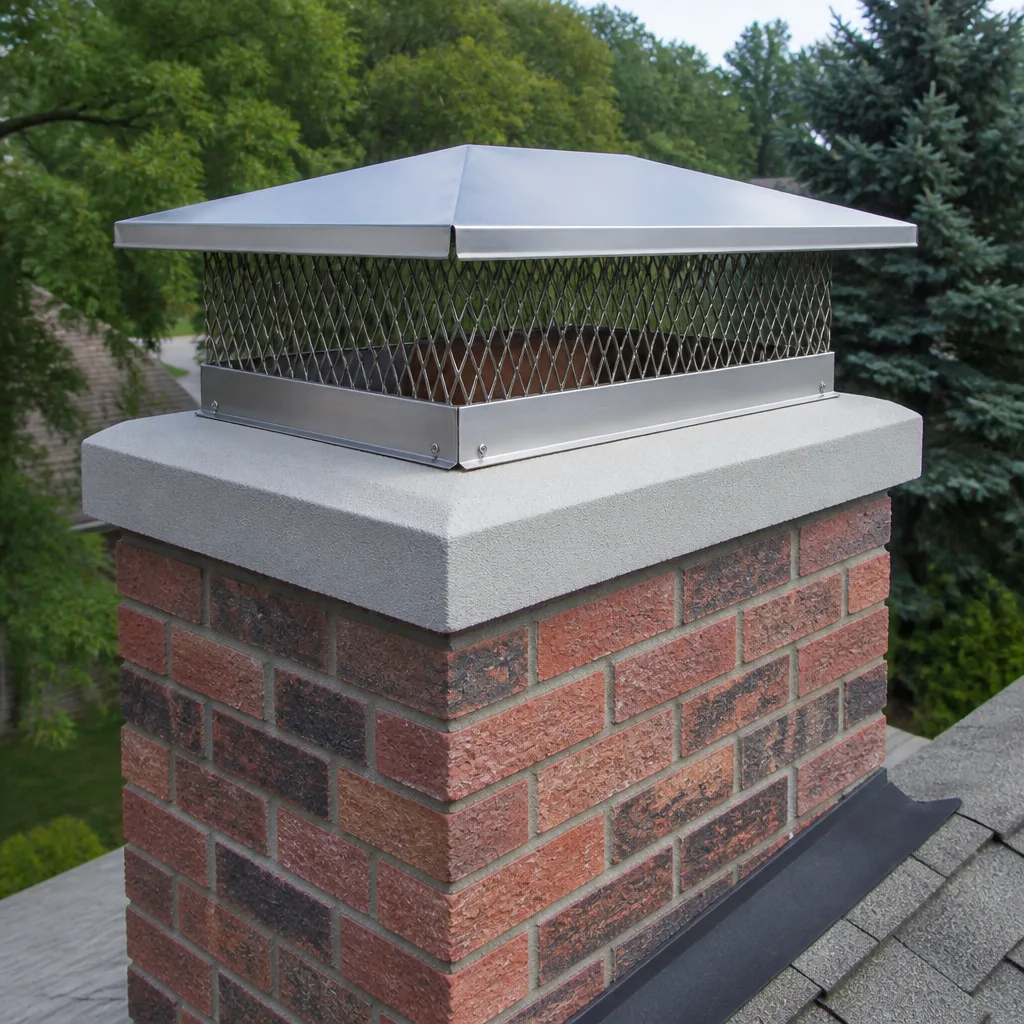
After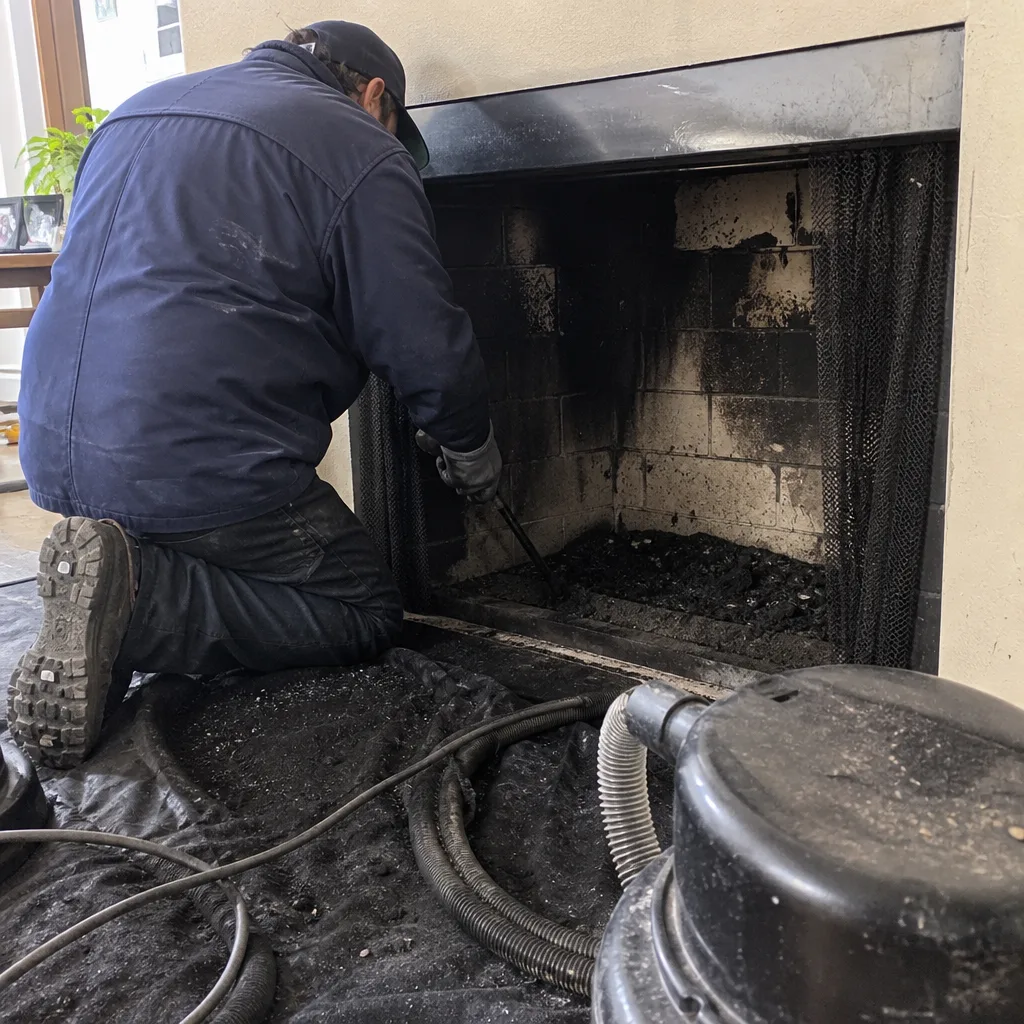 Before
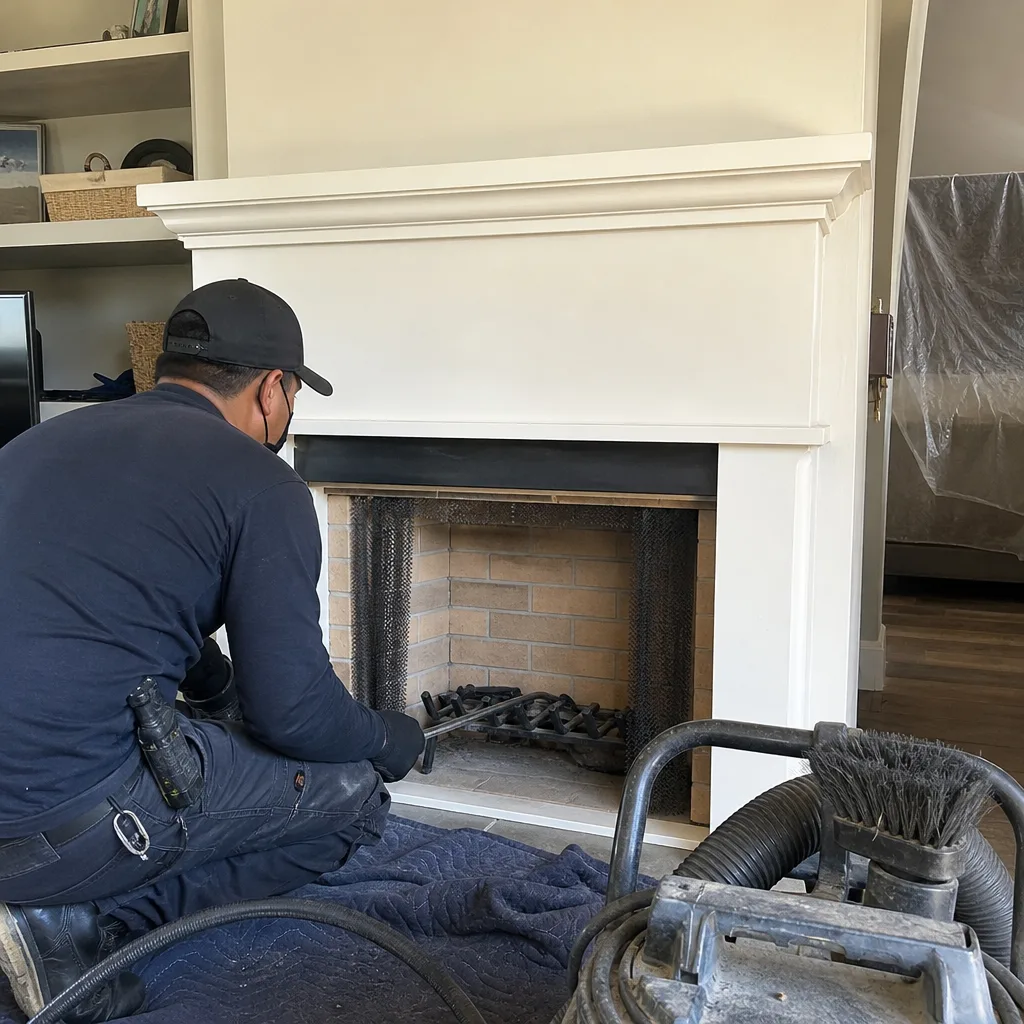 After
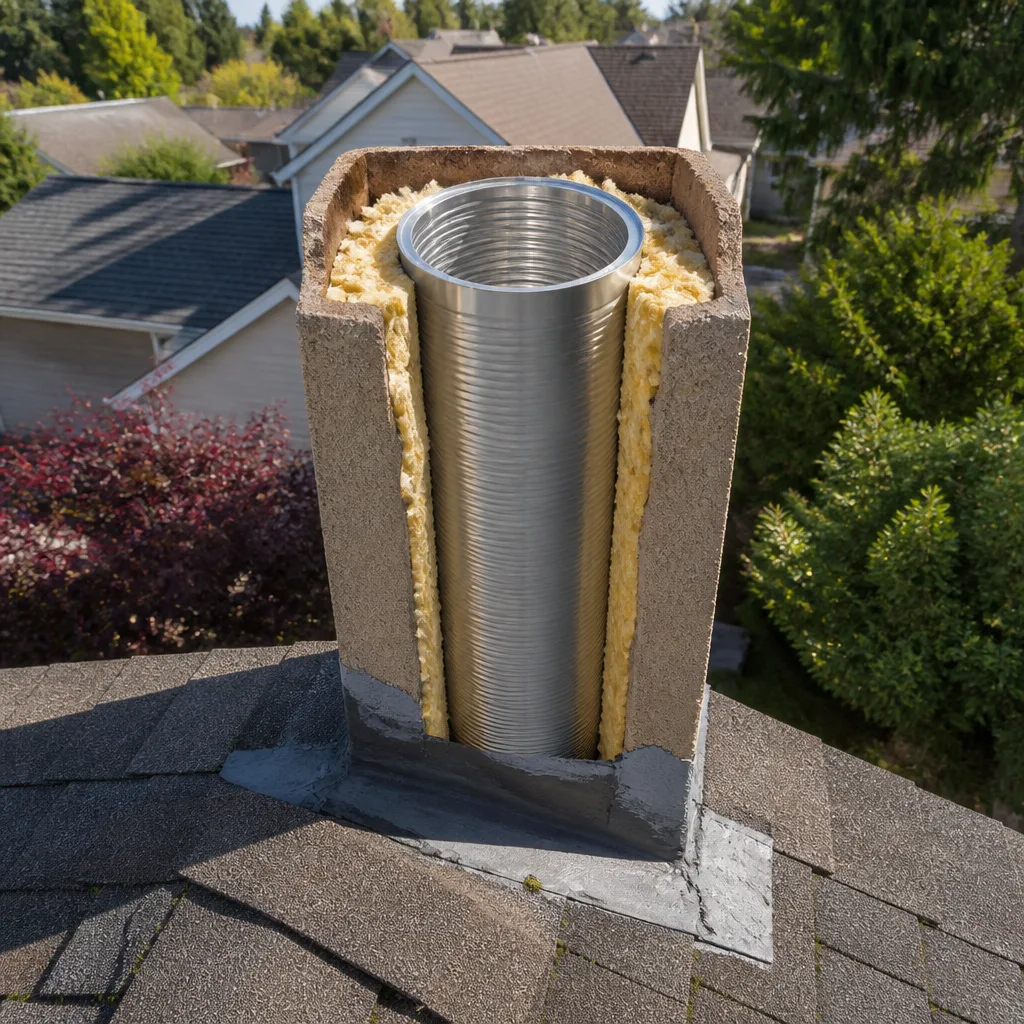
After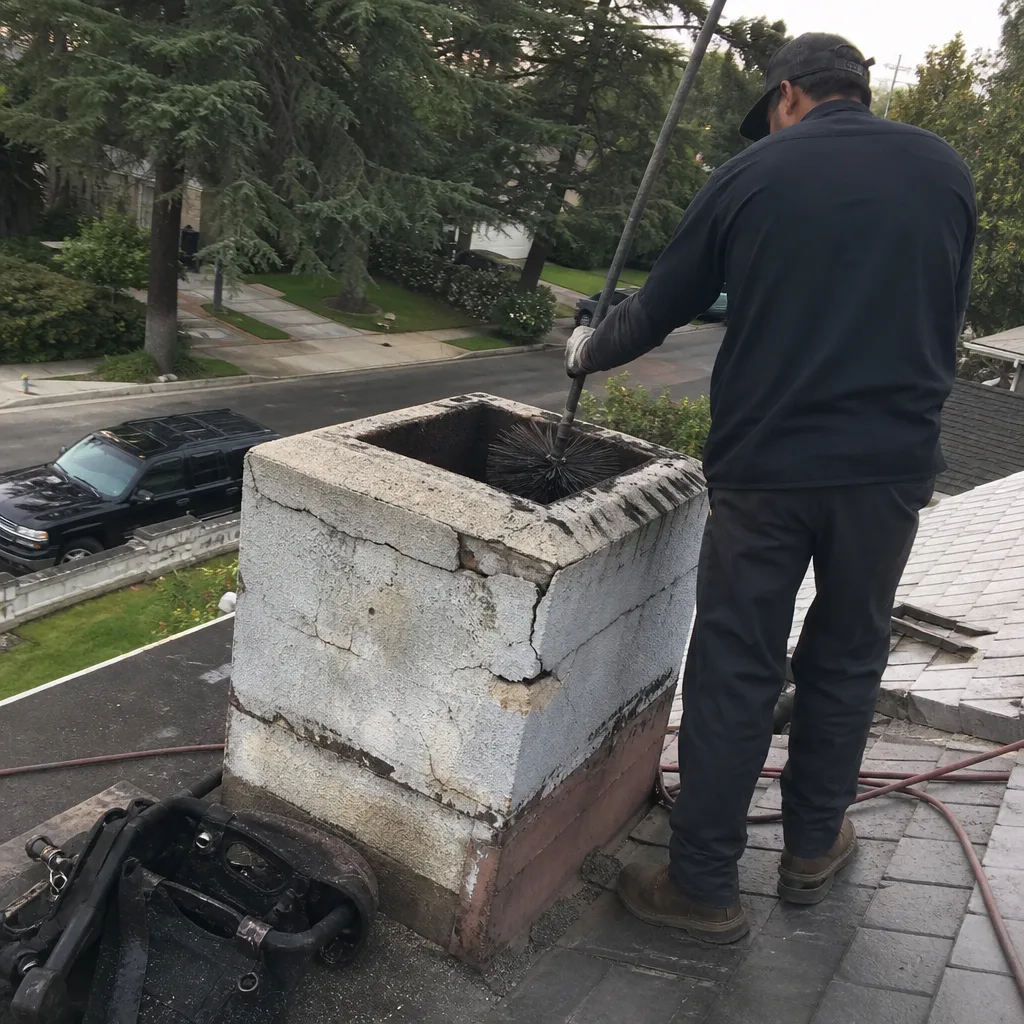 Before
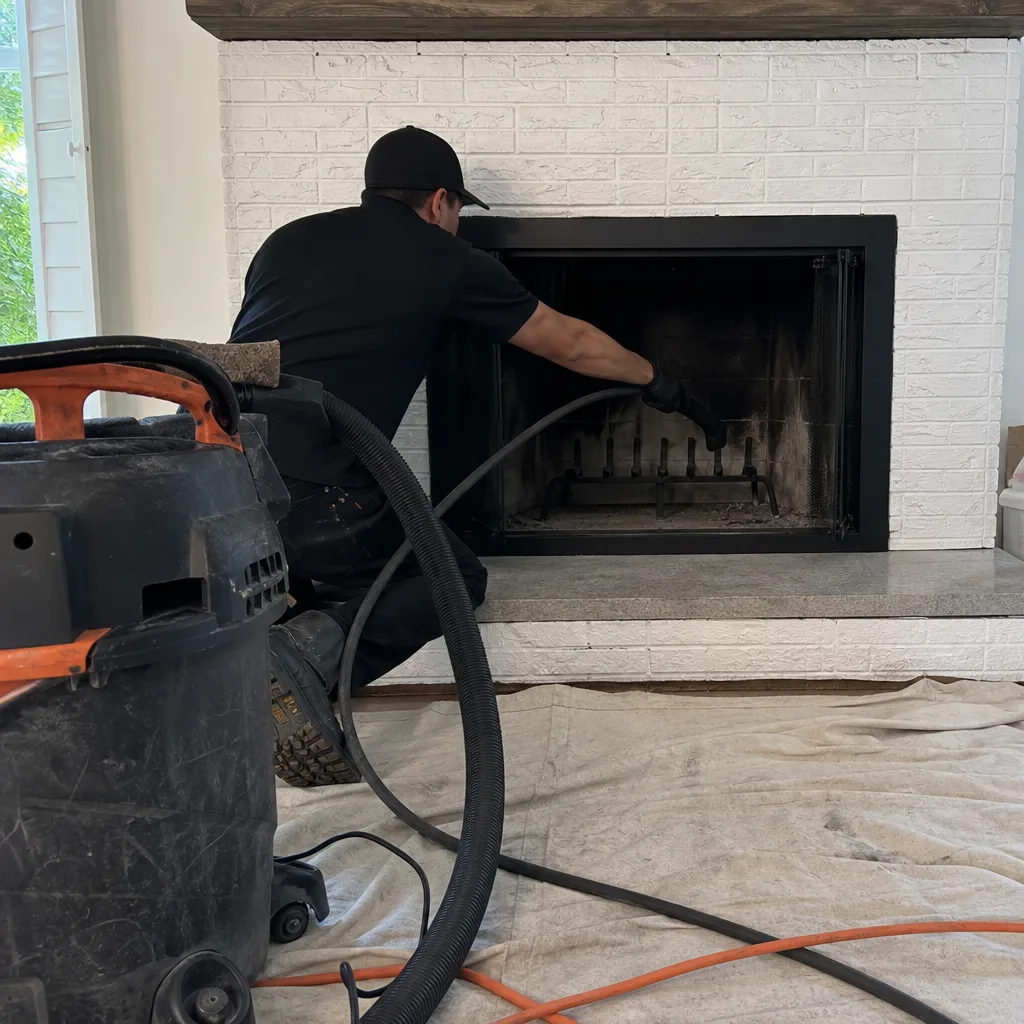 After
AfterFast, Reliable Chimney Inspection Across Seminole
A chimney inspection in Seminole, FL typically costs $180 – $380 for a Level 1, with Level 2 camera inspections running $350 – $650 depending on flue length and access. If you own a 1950s – 1970s ranch home here, the odds are good your fireplace hasn’t been lit in years, but the salt air from the Gulf has been working on your cap, damper, and flashing every single day. We know Seminole chimneys because we inspect them year-round, from the concrete-block neighborhoods off Park Boulevard to the streets west of Seminole Boulevard near Lake Seminole. Call (336) 863-3889 and you’ll get a real person, a straight price, and a technician whose name and photo you’ll see before they ever knock on your door.
Why Alcott Chimney Sweep Is Seminole’s Preferred Chimney Inspection Company
Ruben Castellano founded Alcott Chimney Sweep in 2002, and the way we run inspections in Seminole is deliberate: every technician is background-checked and identity-verified under the Threshold Standard before they ever step onto a Seminole driveway, and we send their name and photo ahead of the visit. When that technician arrives, they’ll show a photo ID badge at the door, every time, no exceptions. That matters here, because Seminole has a lot of homeowners who open the door alone, parents with young kids, and older snowbirds who want certainty about who’s coming inside. We don’t think that’s a nice-to-have. It’s the baseline.
Our reputation in Seminole is built on written prices before any work starts, and a 365-Day Done Right Promise that backs every repair with a free second visit if the work fails within the year. Homeowners around Lake Seminole and the Park Street corridor have told us the same thing for years: they called us because they were tired of guessing. We answer that with specifics: written quote, written guarantee, and no recommendation you can’t see for yourself on a camera screen.
Chimney Flue Inspection in Seminole
Chimney Flue Inspection in Seminole is where we spend most of our time, because the flue is the part you can’t see and the part that fails silently in coastal air. A flue inspection means running a camera or dropping a light down the clay tile or metal liner to check for cracks, gaps, moisture damage, and blockages like a rusted damper plate or a chimney swift nest. In Seminole, we almost always find salt corrosion on metal components long before we find creosote. A standard flue inspection here runs $180 – $380, and if you haven’t looked at the flue in five years or more, that’s the number to plan for.
What a Camera Finds Behind the Wall
On a Seminole ranch home, the chimney is usually a masonry chase with a clay tile liner hiding behind drywall. Our camera sees spalled tile, failed mortar between tile sections, and stains from decades of humid coastal air sitting inside the flue. Seldom-fired chimneys pull that moisture in and hold it, which is why flue inspections in Seminole matter even when the fireplace is decorative.
When a Flue Inspection Becomes a Repair
If the camera shows a cracked tile at the smoke chamber or a liner section that’s shifted, we’ll show you that image on the spot. You never have to take our word for it. Repair recommendations always come with a written price, and if we can safely say the flue can wait another season, we’ll say that plainly rather than push a liner you don’t need yet.
Chimney Fire in Seminole
Chimney Fire in Seminole is a real risk even in homes where the fireplace is mostly for show, because the failure that leads to a fire here isn’t usually creosote buildup. It’s a blocked flue from a nest built during the months a snowbird home sat empty, or a failed damper that collapsed and lodged in the smoke chamber. When the first cold snap arrives in Pinellas County, a family lights a fire they haven’t lit in years, and the blockage turns their living room into a smoke trap. A pre-season inspection costs $180 – $380, which is a fraction of what even a contained chimney fire costs to repair.
What a Chimney Fire Actually Does to Firebrick
Chimney fires burn at over 2,000 degrees, and they crack firebrick, warp dampers, and can separate clay tile at the joints. After a chimney fire, you’re looking at a Level 2 inspection at minimum, often with camera verification that the liner held. If it didn’t hold, the fix is usually a DuraFlex stainless liner, installed with a written quote and covered by our guarantee.
The Damage a Blocked Flue Hides
A quiet chimney in a Seminole snowbird home is not a safe chimney. Chimney swifts and raccoons don’t clear out on their own, and a nest packed against a hot flue is exactly how chimney fires start. If you’re back in Seminole for the season and haven’t checked the flue since spring, call (336) 863-3889 before you light anything.
Trusted Brands We Service in Seminole
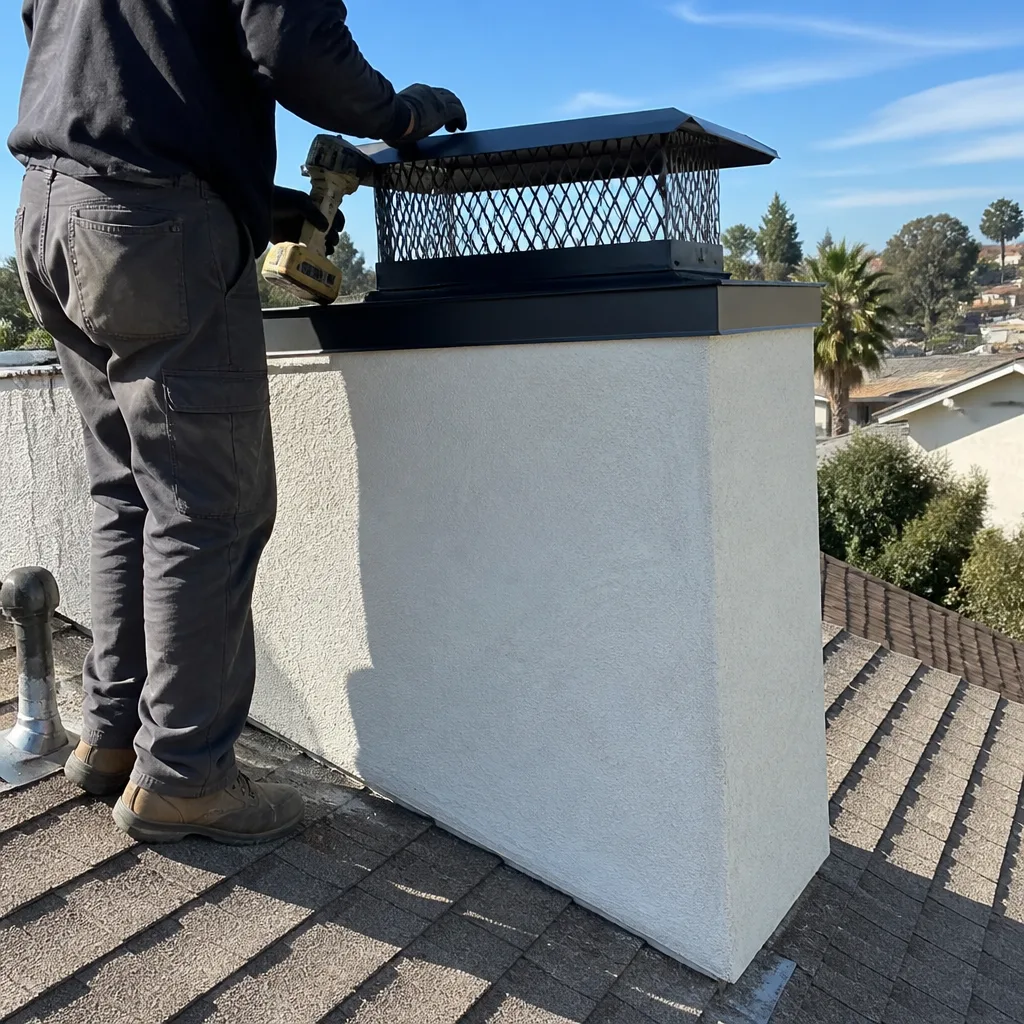
We install and service the professional trade brands that chimney specialists in Seminole actually specify: DuraFlex liner systems, Olympia Chimney caps, Gelco dampers, Famco, and Copperfield components. When we replace a corroded galvanized cap on a Seminole ranch, we usually reach for Olympia or Copperfield stainless, because galvanized steel in this coastal air is a repeat failure waiting to happen. We stock common parts for the 1950s – 1970s masonry chimneys that make up most of Seminole’s housing stock, which means less waiting on a second visit. Written pricing applies to every brand we install.
Common Chimney Inspection Problems We See in Seminole Homes
- Rusted-through galvanized caps. Original caps on 1950s – 1970s ranch homes were often galvanized steel, and after 50 years of salt air from Indian Rocks and Redington, many have holes you can see from the ground. A stainless replacement caps the problem for good.
- Seized original dampers. The damper plate rusts in place from humid coastal air, leaving the fireplace stuck half-open, drafting cold air into the house year-round. We free and replace these regularly in Seminole.
- Spalling crowns and flashing failures. Salt-driven moisture gets into the crown and flashing, then the thermal cycling of Florida’s summer heat and seasonal cool snaps cracks it from the inside. Water follows, and mold follows the water.
- Wildlife nests in unoccupied homes. Seminole’s large snowbird population means many chimneys sit silent from spring to fall. Swifts build nests that block flues, and the discovery usually happens after a smoky fire, not before it.
Pricing for Chimney Inspection in Seminole, FL
A Level 1 chimney inspection in Seminole runs $180 – $380 for most single-story ranch homes, which is the standard for a visual check of the firebox, damper, and readily accessible flue. A Level 2 inspection with a camera, the kind we recommend after 50+ years of coastal exposure or before buying a Seminole home, runs $350 – $650 and includes the full video documentation. If the inspection finds a seized damper, failed cap, or spalled crown, repairs are quoted separately with a written price before we touch a thing. Estimates are free, and calling (336) 863-3889 costs you nothing but five minutes.
We Also Serve Cities Near Seminole
While Seminole is where most of our salt-corrosion inspections happen, we also serve Largo, Dunedin, Pinellas Park, and Clearwater. If you’re in a neighboring city and want the same name-and-photo technician protocol, the same written pricing, and the same 365-day guarantee, call (336) 863-3889. You can learn more about our overall approach on our Chimney Inspection page, or see how we serve the broader area at Chimney Inspection in Seminole.
Serving Seminole, FL - Our Local Coverage Area
We’re based in the Seminole area and know this community well. Use the map below to see our service coverage - if you’re nearby, we can almost certainly help.
FAQs About Chimney Inspection in Seminole
Yes, and in Seminole the reason is salt air, not creosote. A chimney that never sees fire still pulls in humid coastal air that rusts damper plates, corrodes caps, and spalls masonry crowns. Water intrusion into a seldom-fired chimney is exactly how you end up with mold in the firebox and a backdraft problem when you finally do light a fire. We inspect decorative chimneys all the time, usually finding issues that are cheaper to fix now than after a wet Florida summer. Call (336) 863-3889 and we’ll tell you what yours actually needs.
Galvanized steel rusts through in this coastal air, often within a few years of installation. Stainless holds up to salt exposure for decades, which is why we specify stainless caps from Olympia or Copperfield on Seminole homes rather than the galvanized parts that came with the house. The price difference is modest compared to replacing a galvanized cap twice.
A Level 1 is a visual check of the firebox, damper, and accessible flue, and it’s appropriate when nothing about the system has changed and you use it regularly. A Level 2 adds a camera scan and is required before a sale, after a chimney fire, or after decades of coastal exposure like most Seminole ranches have seen. A Level 3 involves opening a wall to inspect hidden sections and is only recommended when a Level 2 finds damage we can’t see clearly enough. We’ll recommend the right level for your chimney, not the most expensive one.
Creosote is a tar-like buildup that only forms from wood burning, so if your Seminole fireplace hasn’t been used in years, you almost certainly don’t have a creosote problem. Salt corrosion shows up as rust on the damper plate, holes in the cap, and flaking masonry at the crown. Both are visible on a camera inspection, and we’ll show you the images, not just describe them.
Do not light a fire. A swift nest packed into the flue is a fire hazard and a smoke hazard, and the birds may be protected under federal law while actively nesting. Call (336) 863-3889 for an inspection; once the birds have left and the nest is confirmed inactive, we can remove it and restore the flue safely. A blocked flue turns a first fire of the season into a smoke-filled room, so check before you light.
Written by Ruben Castellano, Owner at Alcott Chimney Sweep, serving Seminole since 2002.