
Level 1 sweep and inspection to the NFPA 211 annual standard - flue, crown, cap, and flashing checked and photographed
Chimney sweep logs do not sweep chimneys. They loosen some creosote - which then falls where a brush and vacuum still have to collect it.
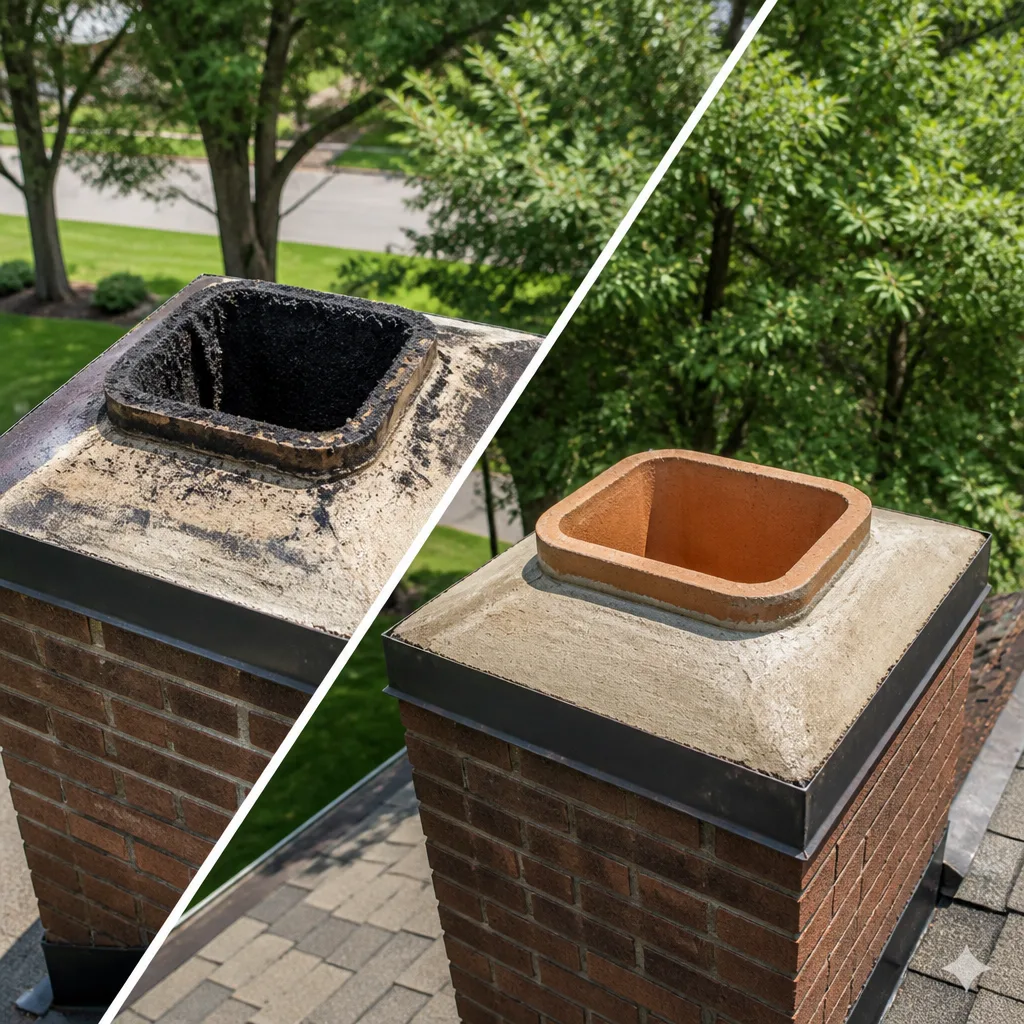
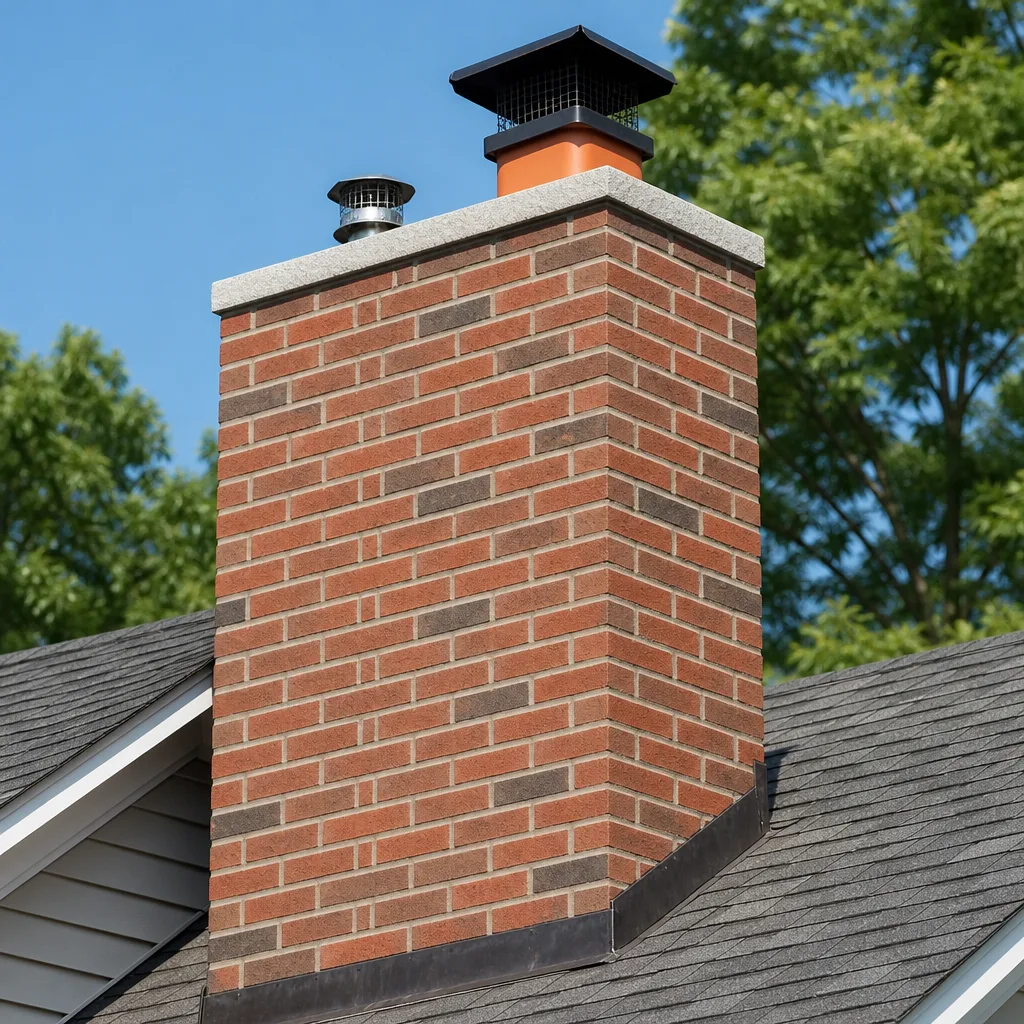
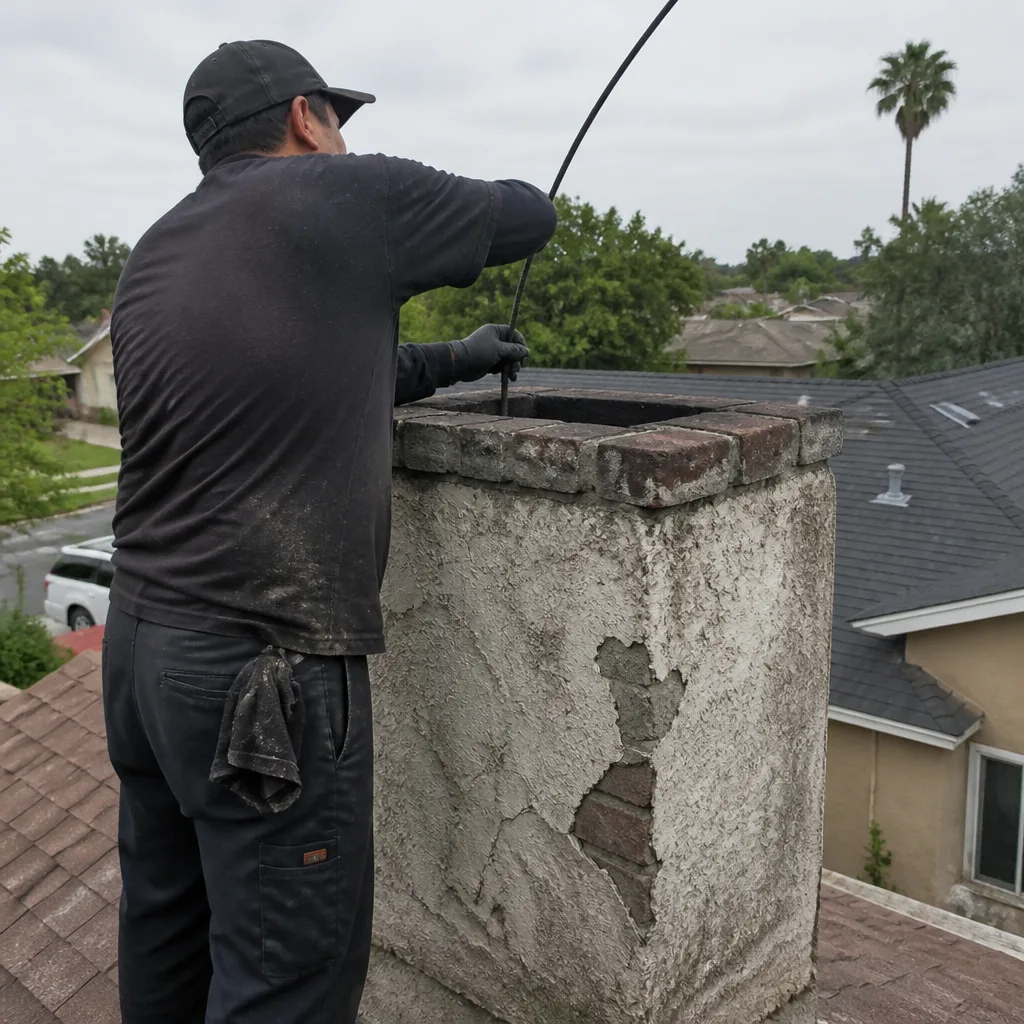 Before
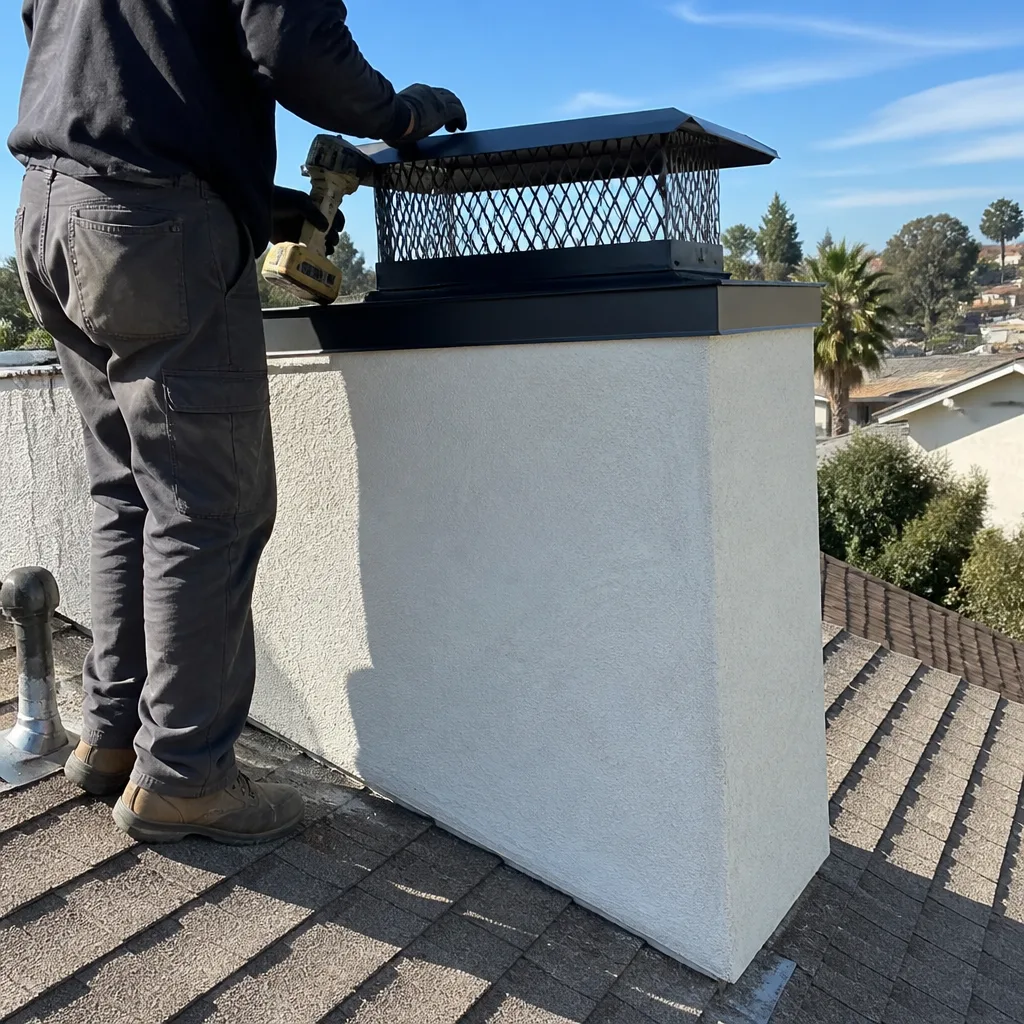 After
After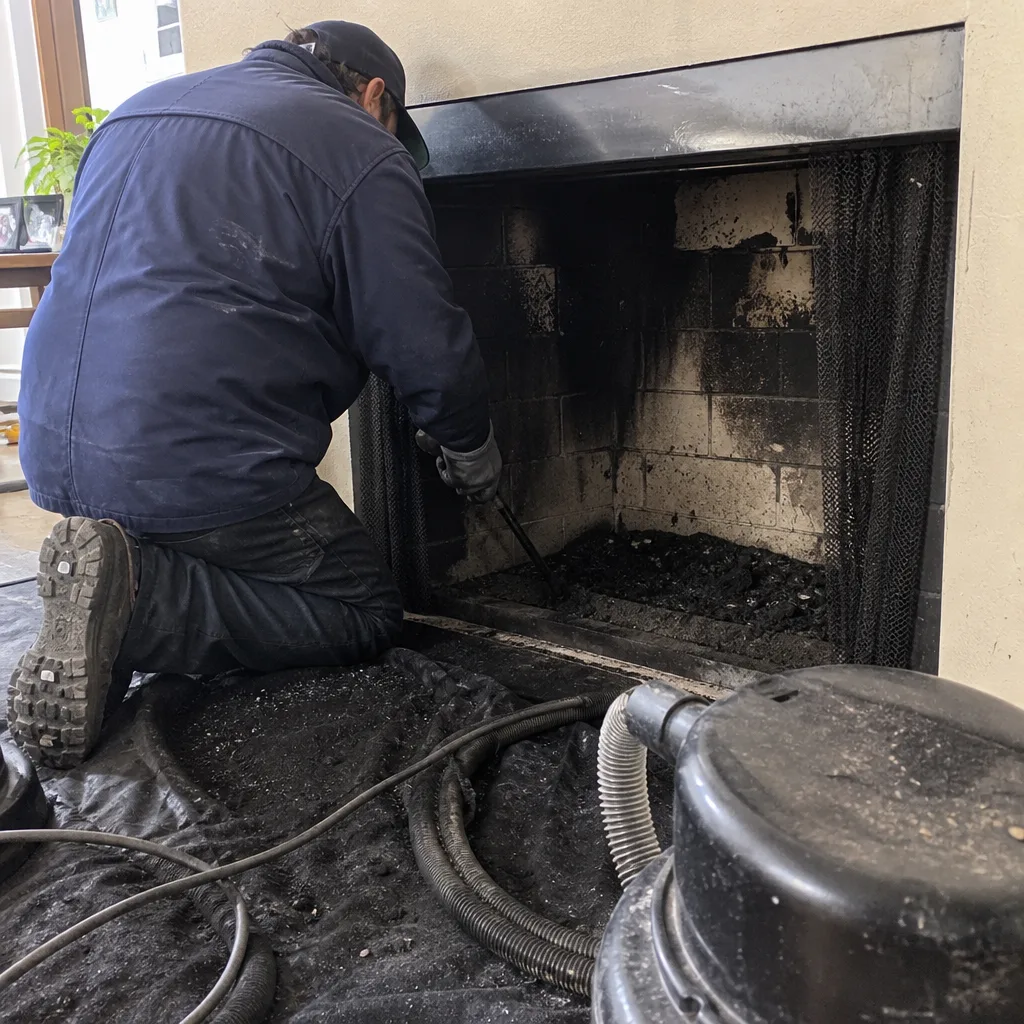 Before
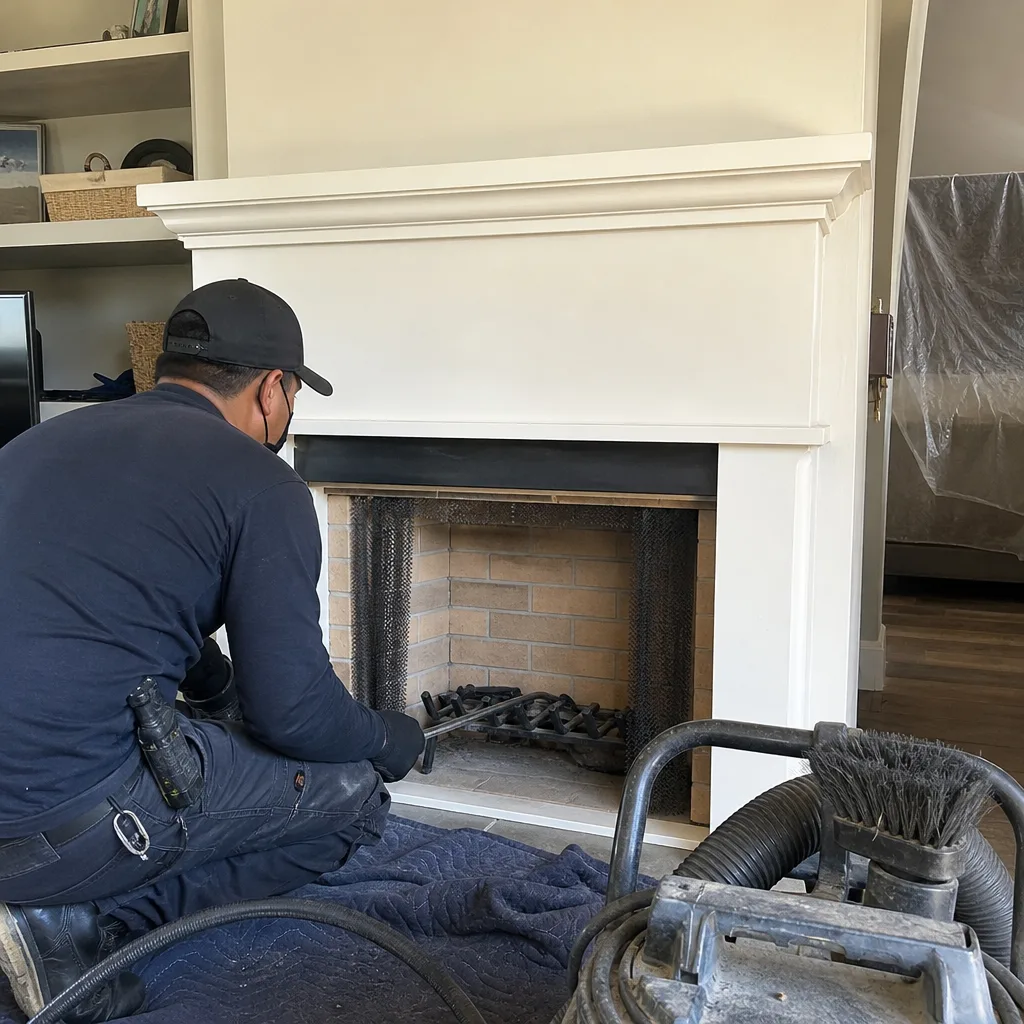 After
After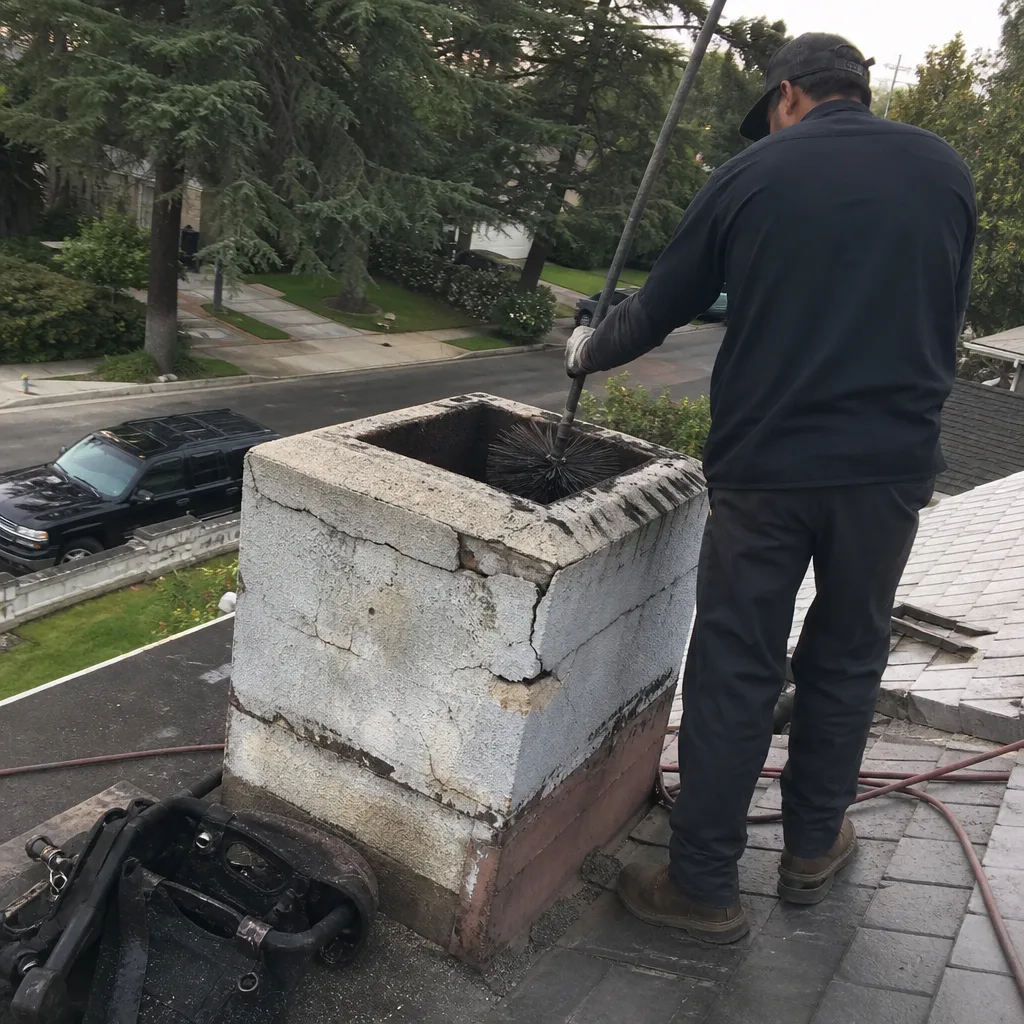 Before
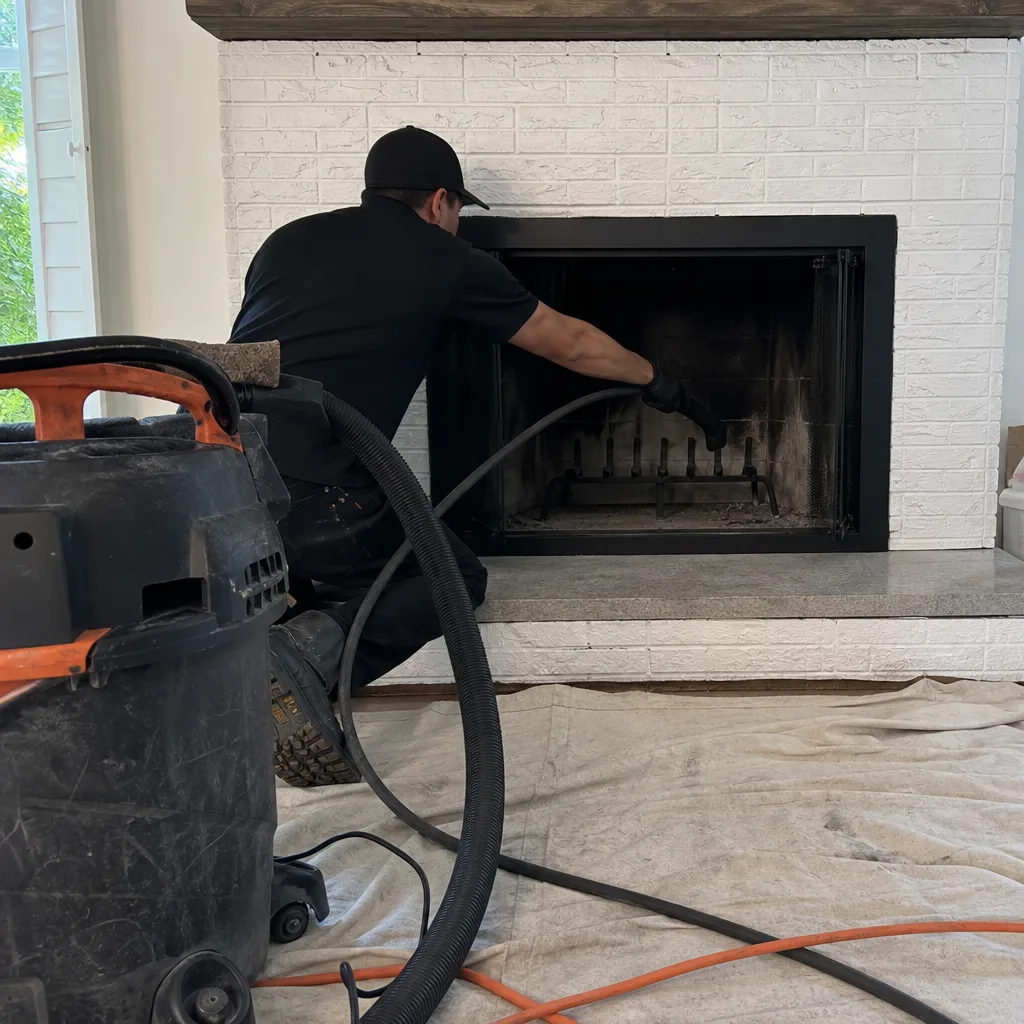 After
AfterFast, Reliable Chimney Inspection Across Temple City
Temple City homeowners call us most often for one of two reasons: they’re buying or selling a 1950s ranch, or they lit a fire last winter and smelled something that wasn’t just woodsmoke. In both cases, the answer is the same. A proper Chimney Inspection with camera footage tells you exactly what’s happening inside that masonry stack before anyone quotes you a dollar of repair work. Our crews serve Temple City blocks from Oak Avenue through the neighborhoods around Temple City Park, and Ruben Castellano’s team doesn’t recommend a liner, a cap, or a repair unless the camera shows you why it’s needed. Call (336) 863-3889 for a free estimate, and you’ll get a written price before any work starts.
Why Alcott Chimney Sweep Is Temple City’s Preferred Chimney Inspection Company
We’ve been doing chimney work since 2002, and a lot of what we see in Temple City is the same pattern over and over: original clay tile flues from houses built between 1945 and 1965, decades of Santa Ana wind exposure, and gas log retrofits that were never done right in the first place. That consistency matters. It means when we pull up to a house off Live Oak Avenue or near Emperor Elementary, we already know what we’re probably going to find behind the damper.
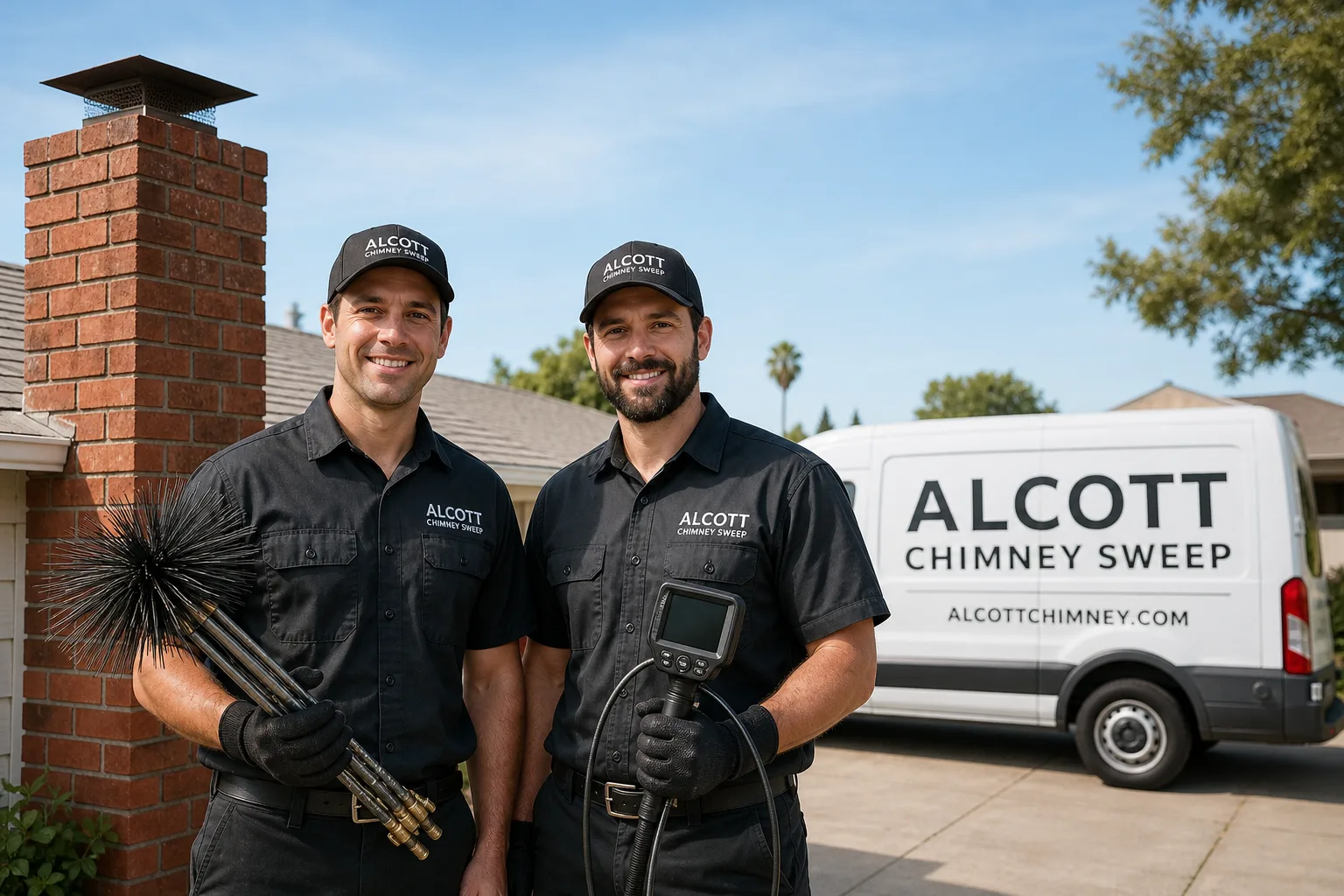
Every technician you’ll meet at your door in Temple City is background-checked, identity-verified, and announced by name and photo before arrival, so there’s no mystery about who’s stepping onto your property. It’s called the Threshold Standard, and it’s not an upgrade. You’ll see a photo ID badge when we arrive. No exceptions. The 365-Day Done Right Promise backs every repair we complete in writing: if it fails within a year, the second visit is free.
And when you call, a live person answers. Not a voicemail, not a callback queue. If you smell smoke at 11 p.m. on a cold Temple City night the week before Christmas, you reach a human who can help you figure out what to do next.
Chimney Flue Inspection in Temple City
Chimney Flue Inspection in Temple City is the work of running a camera up through the full length of the flue to see cracks, gaps, blockages, and liner damage that no visual check from the fireplace opening can catch. In this city specifically, that camera work is almost never optional. The original clay tile liners in Temple City’s 1945 – 1965 ranch homes are now 60 to 80 years old. That’s past most manufacturers’ expected service life by a wide margin, and cracked tiles are how heat and carbon monoxide reach the wood framing around the chimney chase.
When the flue is dormant most of winter
Temple City sits in the San Gabriel Valley air basin, where SCAQMD Rule 445 restricts wood burning on many of the cold nights between November and February. That means your chimney isn’t getting a monthly burn season. It’s sitting. Moisture collects. Birds get in. The crown spalls. None of this fixes itself before the next allowed burn night.
What you’ll watch on the screen
When our tech runs the inspection, you can watch the feed live. You’ll see the creosote scale, the cracked tile section, the nest debris, the damper that’s rusted through. That footage is yours. It’s the evidence for every recommendation that follows, and it’s how we avoid the exact situation Temple City homeowners understandably dread: being told they need a $6,000 reline by someone who never showed them a single frame of proof.
Chimney Fire in Temple City
Chimney Fire in Temple City doesn’t announce itself with flames on the roof. It usually starts as a low rumble, like a freight train passing, or a popping sound from the flue. What’s burning is creosote, the tar-like buildup from wood combustion, and the fire inside the chimney can reach temperatures that crack masonry, warp metal, and ignite framing. The fire itself is often over before the fire department arrives. The structural damage it leaves is not.
After the fire goes out
A chimney that has survived a flue fire needs a Level 2 inspection at minimum before another fire is lit. We photograph and camera-scan the entire system and document what cracked, what shifted, and what needs to be repaired before the chimney is safe to use again. In Temple City, this work is often covered by homeowner’s insurance after a documented chimney fire, and our written report supports that claim.
Sparrow nests and the unseen risk
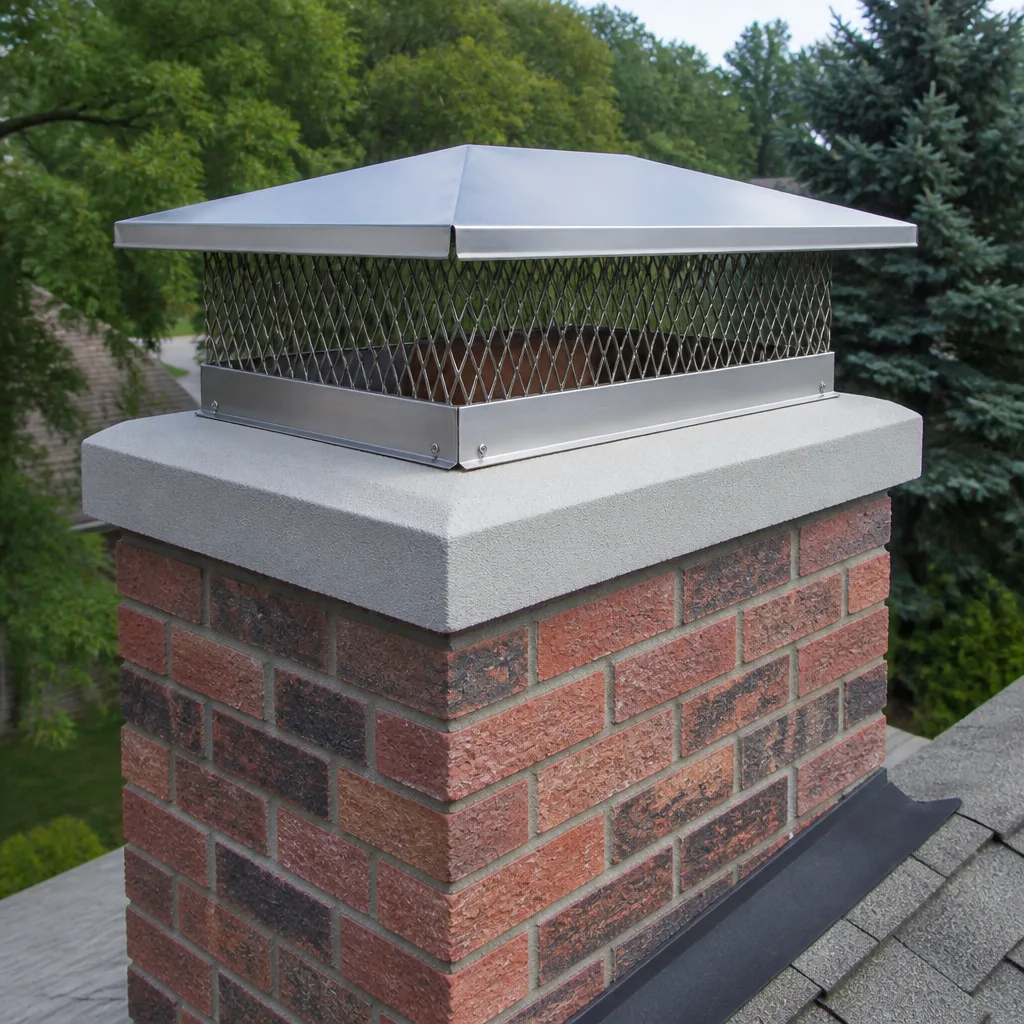
Uncapped flues on Temple City’s older homes become starling and house sparrow nesting sites in spring. Nest debris is dry, twiggy, and sits directly above the firebox. It can ignite even when the homeowner has never burned more than an occasional DuraFlame log. This is one of the reasons we recommend a properly fitted copper or steel cap on every uncapped Temple City chimney we inspect.
Trusted Brands We Service in Temple City
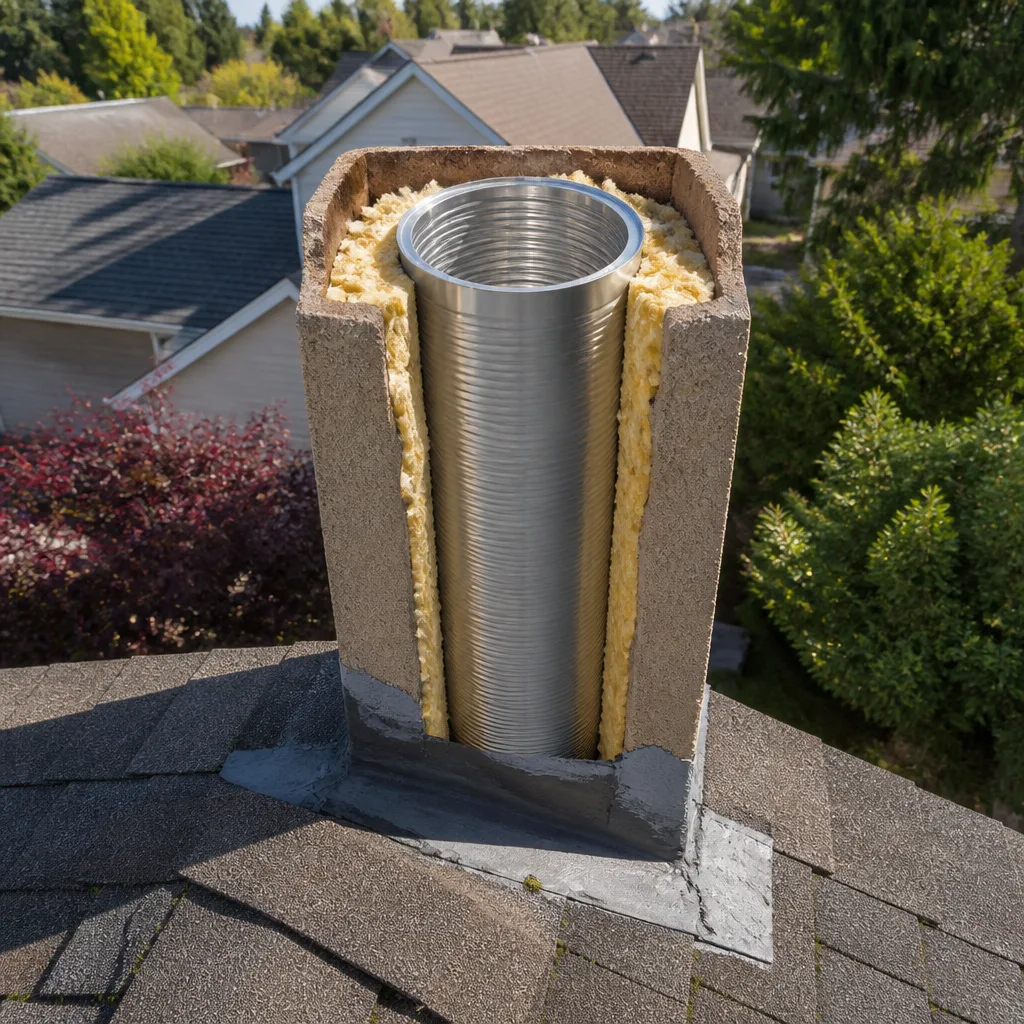
When repairs are needed, we specify materials by brand name and only install what chimney professionals actually use. That includes Famco caps, Copperfield dampers, and HeatShield resurfacing systems for compromised liners. We work with DuraFlex when a full reline is called for. Temple City homeowners don’t get a box-store substitute and we don’t improvise. If a part is needed that we don’t have on the truck, our Los Angeles-based dispatch coordinates delivery locally so the second visit is scheduled promptly.
Common Chimney Inspection Problems We See in Temple City Homes
- Cracked clay tile liners from the original build. The flue tiles in 1945 – 1965 ranch homes have been thermal cycling for 60 to 80 years. The cracks let heat and carbon monoxide into the masonry, and the camera shows them plainly.
- Gas log retrofits that were never properly relined. A lot of Temple City fireplaces got gas log sets in the 1980s and 1990s without a matching liner. The flue-gas chemistry is different from wood smoke, and it accelerates tile breakdown. We see this frequently on camera inspections in the older blocks.
- Bird nesting and debris in uncapped flues. Starlings and house sparrows build in flues without caps. The nests block draft, trap moisture, and are a fire hazard. The moisture rots the damper and spalls the crown above.
- Failed dampers from years of Santa Ana wind and disuse. Temple City chimneys often sit unused for most of the year. Out of sight, dampers rust through and flue tiles absorb moisture, so the first burn surprise is usually a damper that won’t open or a smoke smell that won’t clear.
Pricing for Chimney Inspection in Temple City, CA
A Level 1 chimney inspection in Temple City typically runs $149 to $199. That’s the visual check when nothing has changed and you’re using the fireplace the way you always have. A Level 2 inspection, which includes the full camera scan of the flue interior, typically runs $249 to $399 in this market. That’s the standard for real estate transactions, after a chimney fire, or when a gas log set has been added or removed. A Level 3 inspection, which involves opening a section of the chimney structure, is the rarest and starts around $500 to $900 depending on access.
Nothing is quoted without the camera. If we find a cracked liner that needs a HeatShield reline or a full DuraFlex replacement, you’ll see the footage first, then get a written price. Estimates are free. Call (336) 863-3889 and a live person will schedule the visit.
We Also Serve Cities Near Temple City
Our Temple City crews regularly serve El Monte, San Gabriel, Arcadia, and Rosemead. If you’re in one of those neighborhoods with an older masonry chimney and you want the same camera-first, written-price inspection, call the same number: (336) 863-3889.
Serving Temple City, CA - Our Local Coverage Area
We’re based in the Temple City area and know this community well. Use the map below to see our service coverage - if you’re nearby, we can almost certainly help.
FAQs About Chimney Inspection in Temple City
Yes, and in Temple City, the infrequent burning is exactly why inspections matter. SCAQMD Rule 445 means most wood-burning nights are curtailed between November and February. The chimney sits dormant for months. Birds nest, moisture collects, and tile liners crack without anyone noticing. A camera inspection before the season starts costs far less than a chimney fire or carbon monoxide leak.
It shows you the inside of the flue from firebox to cap in real-time video. You’ll see cracks in the clay tile, creosote scale, missing mortar, bird nesting, and damper condition. The camera doesn’t guess and neither do we. You watch it, we point things out, and then we hand you a written report. Call (336) 863-3889 for a free inspection estimate.
Because the housing stock was largely built between 1945 and 1965, and those original clay tile liners are now beyond their typical 50 to 75 year service life. Add in the gas log retrofits from the 1980s and 1990s that changed the thermal cycling pattern, plus the long dormant stretches under SCAQMD burn restrictions, and the tile breakdown compounds. It’s a Temple City pattern, not a random one.
Not necessarily, and this is one of the most common findings on our Temple City inspections. Gas log sets burn differently than wood fires. The flue-gas chemistry isn’t the same, and it can accelerate liner failure in old clay tile flues that were never relined for gas service. A camera inspection will show whether that liner is intact or needs attention before you burn another season. Don’t take the seller’s word for it; look at the footage.
You’ll notice one or more of these: a smoke smell that lingers after the fire is out, visible cracks in the mortar crown or brick around the chimney, water stains on the ceiling near the fireplace, birds or nests you can hear or see around the flue, or a damper that won’t open or close. Any of them is reason enough to have the chimney inspected and camerad before the SCAQMD-approved burn nights arrive. Call (336) 863-3889 and we’ll get you scheduled.
Written by Ruben Castellano, Owner at Alcott Chimney Sweep, serving Temple City since 2002.