
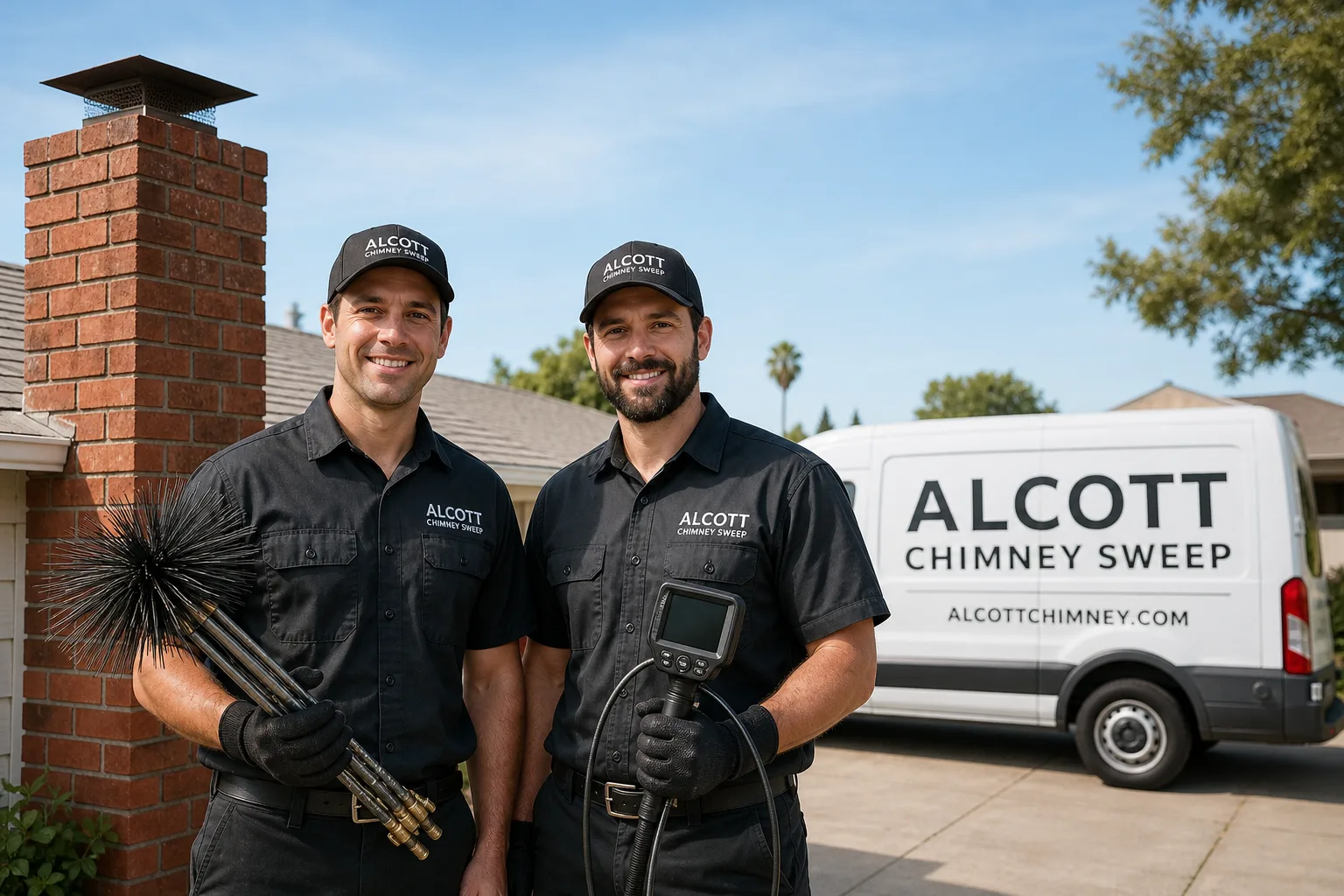
Level 1 sweep and inspection to the NFPA 211 annual standard - flue, crown, cap, and flashing checked and photographed
Chimney sweep logs do not sweep chimneys. They loosen some creosote - which then falls where a brush and vacuum still have to collect it.
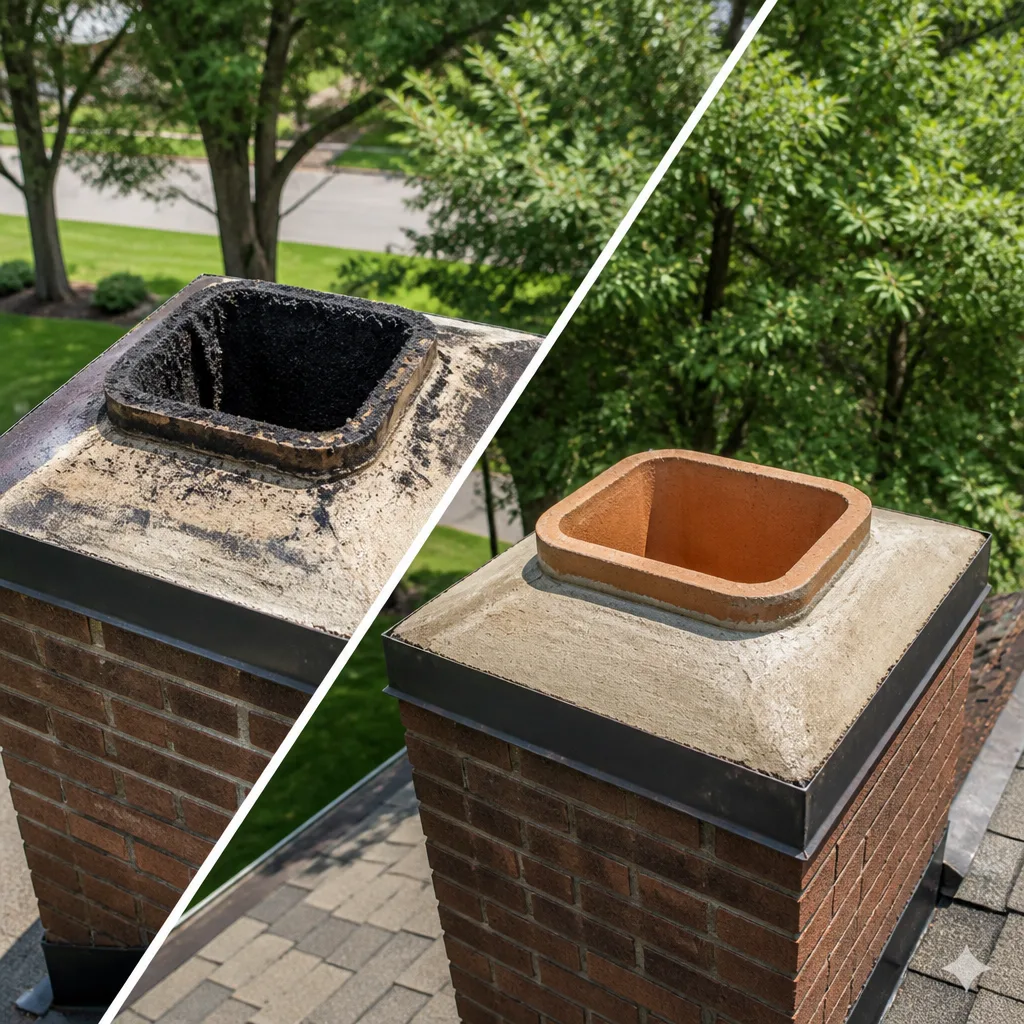
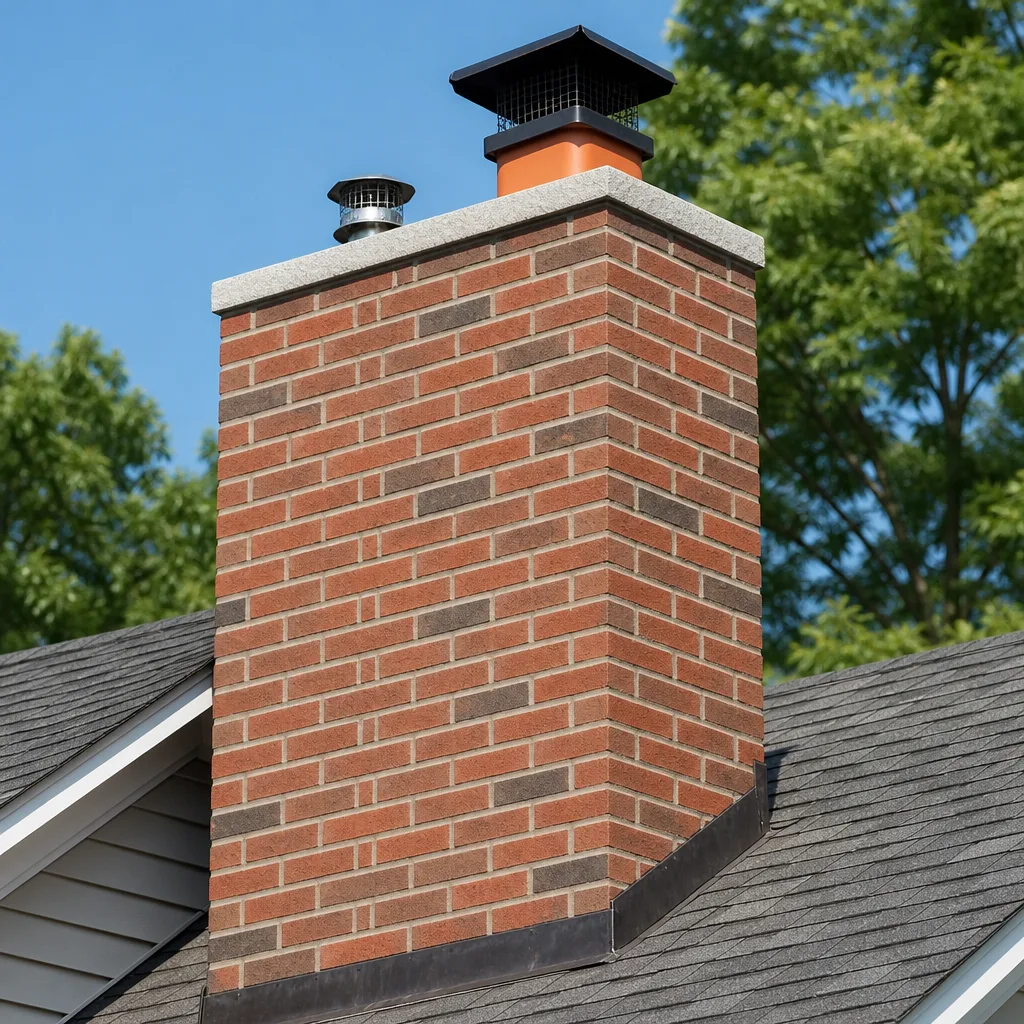
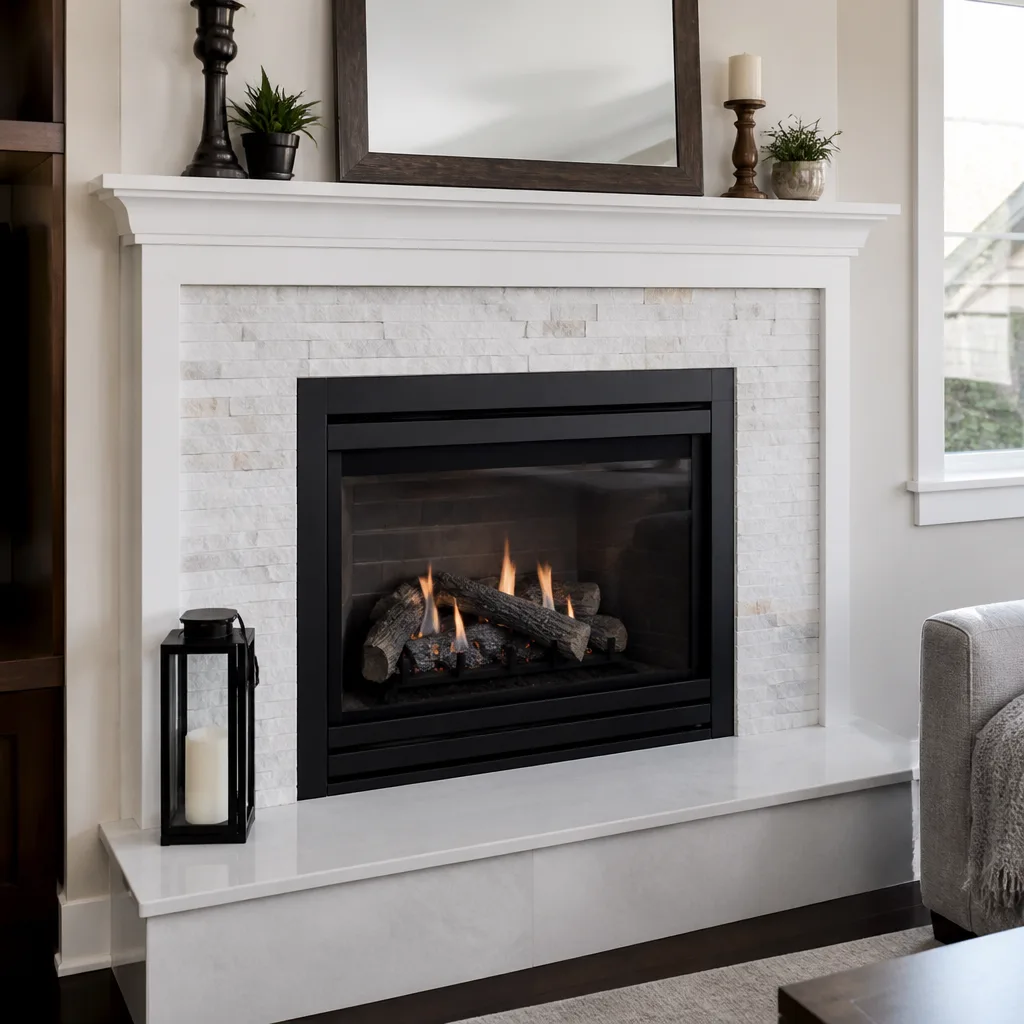
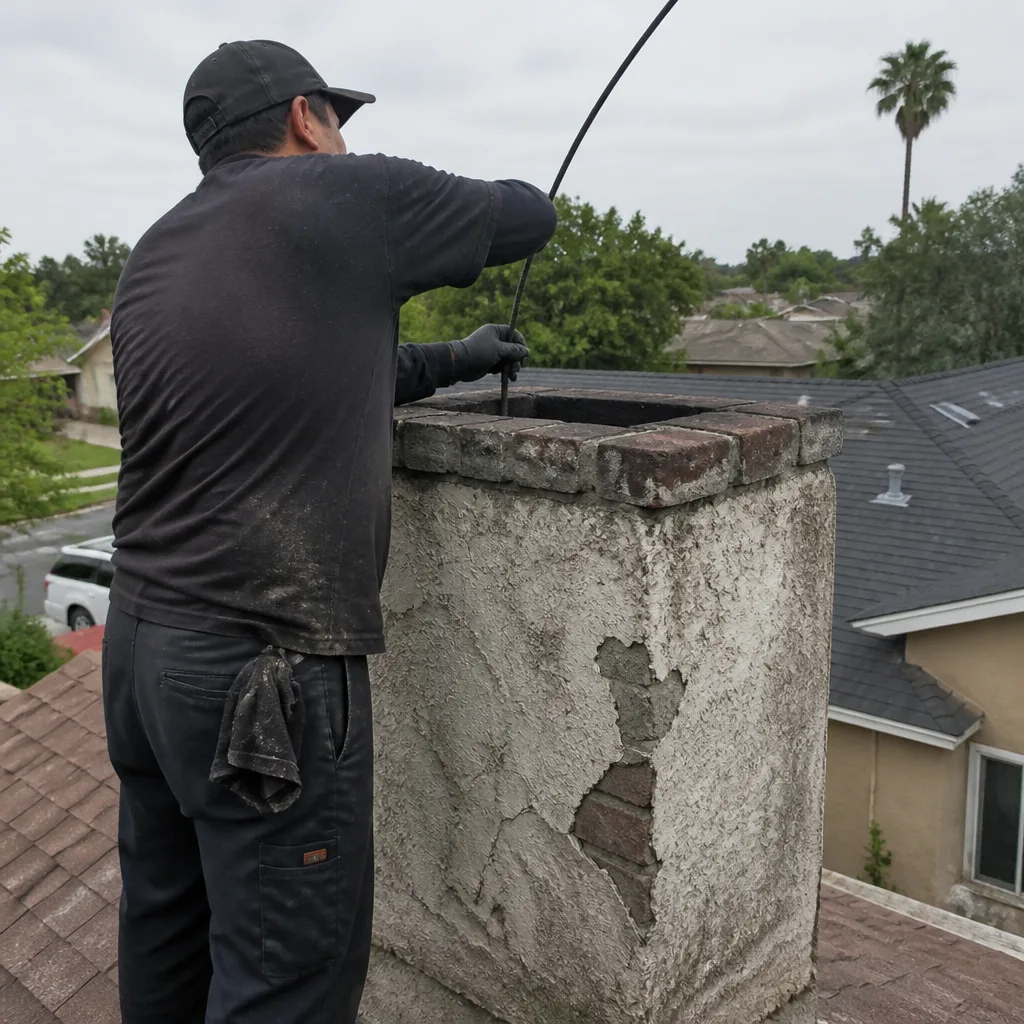 Before
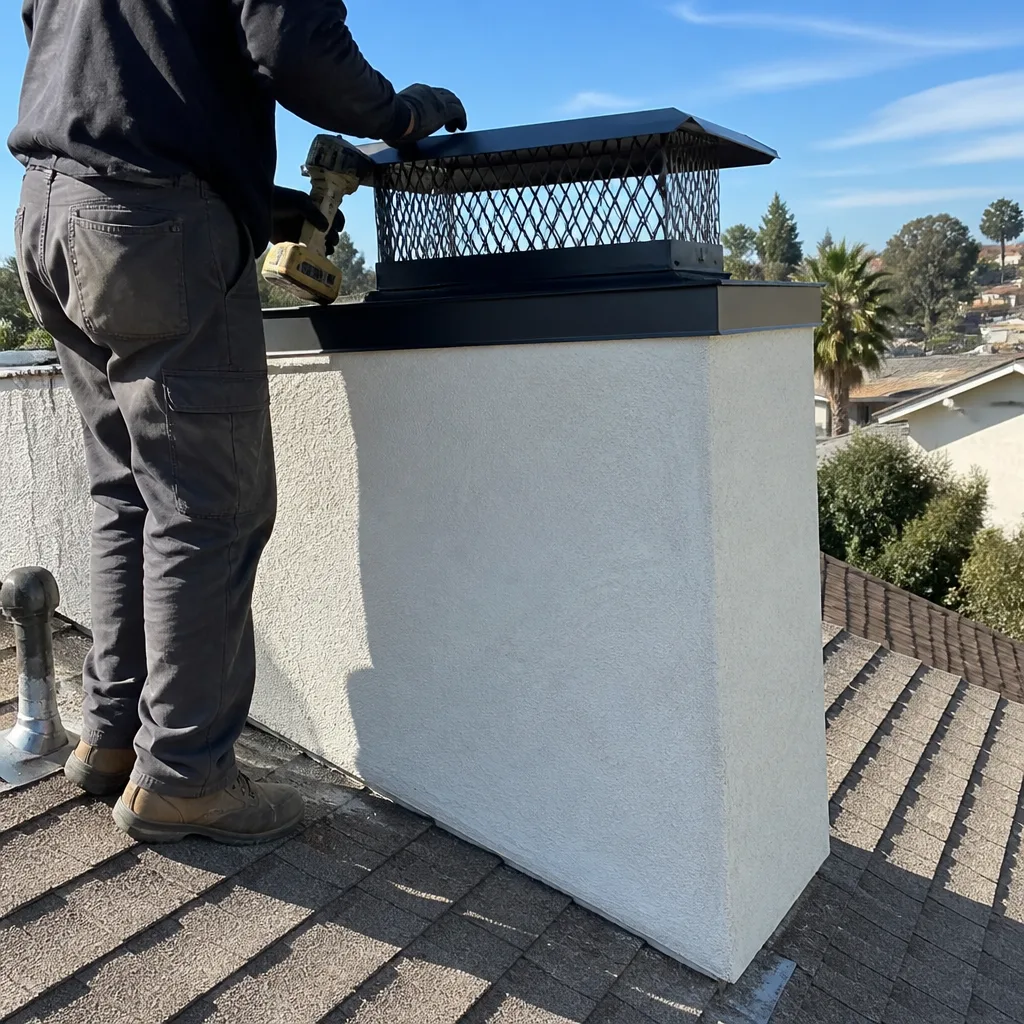 After
After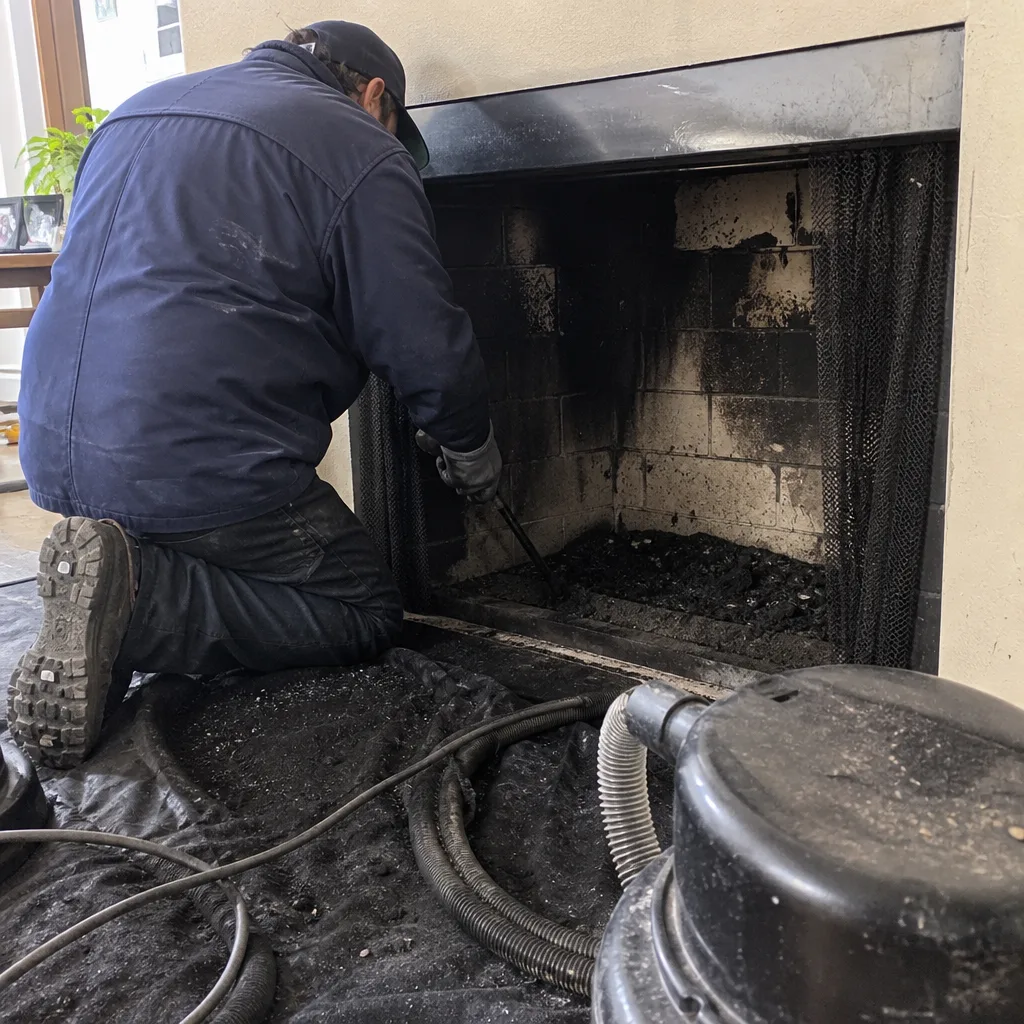 Before
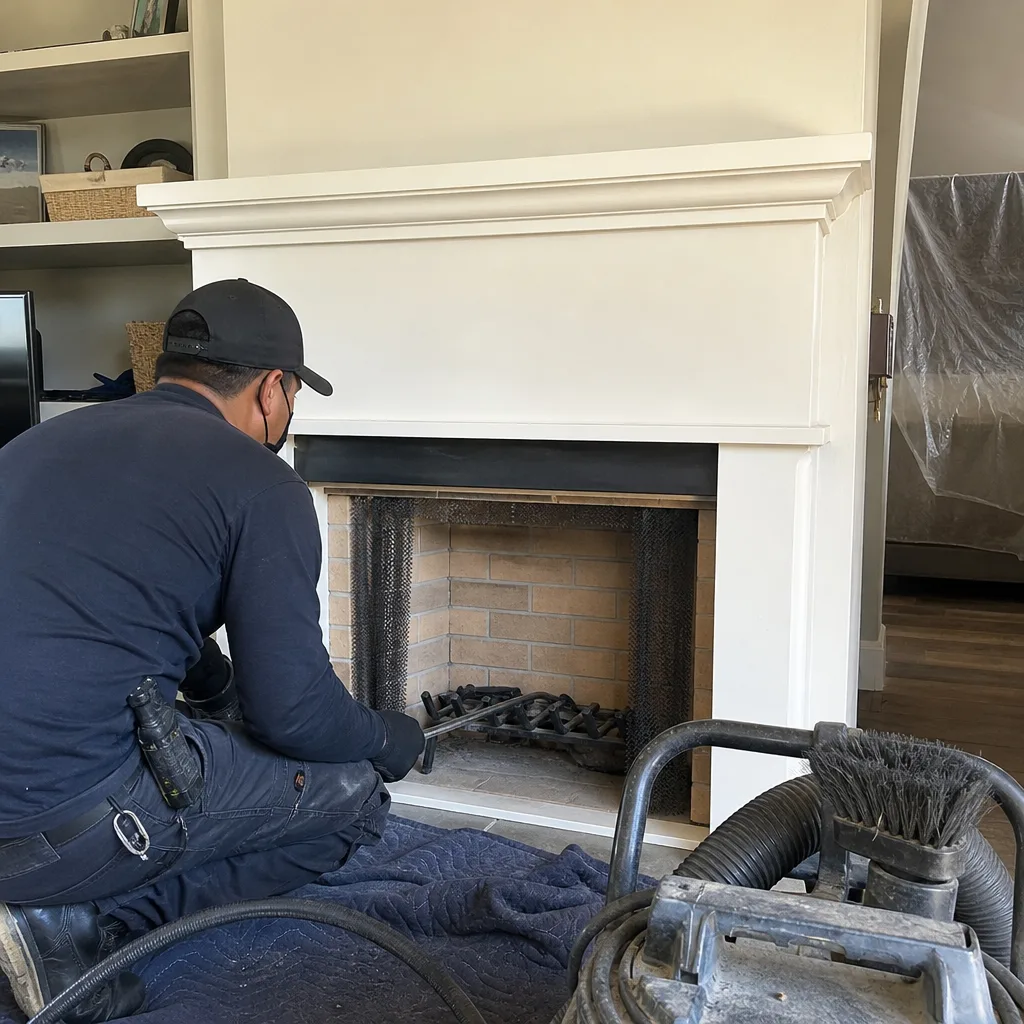 After
After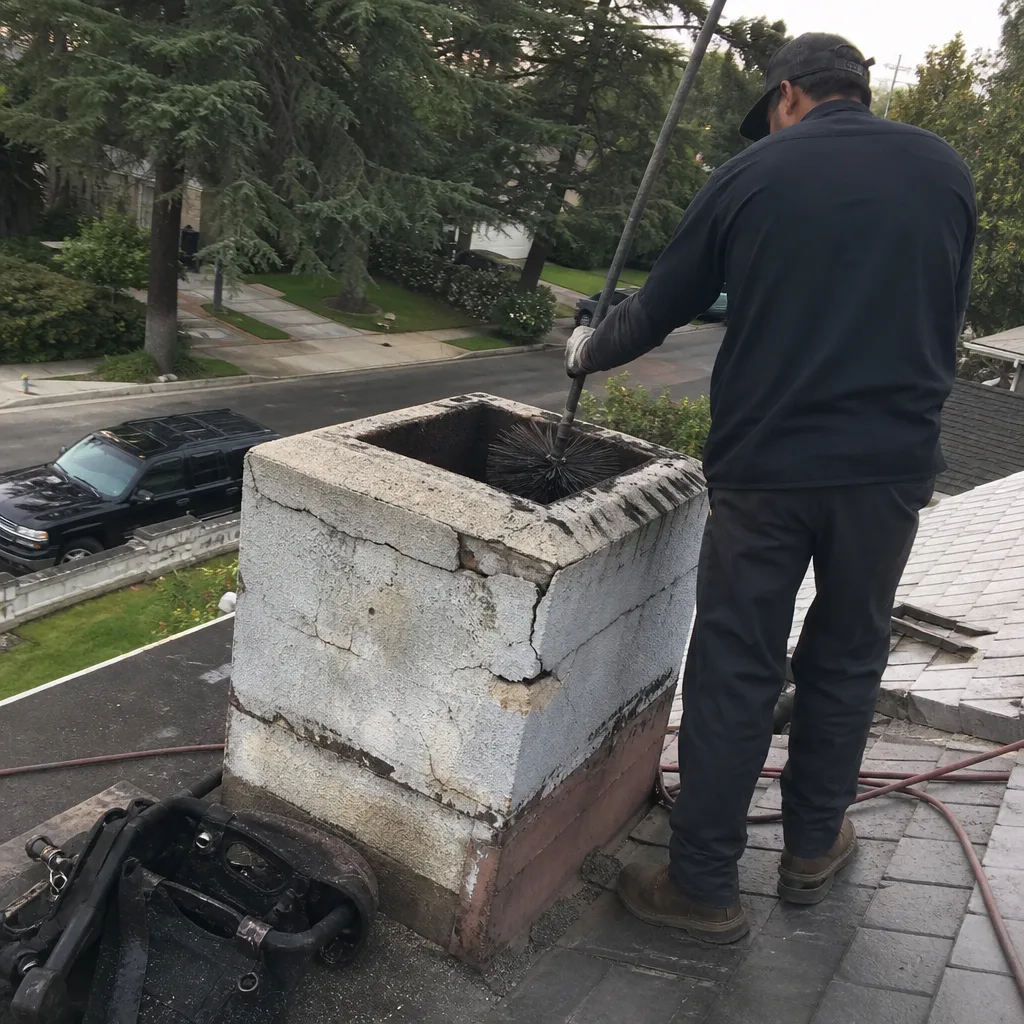 Before
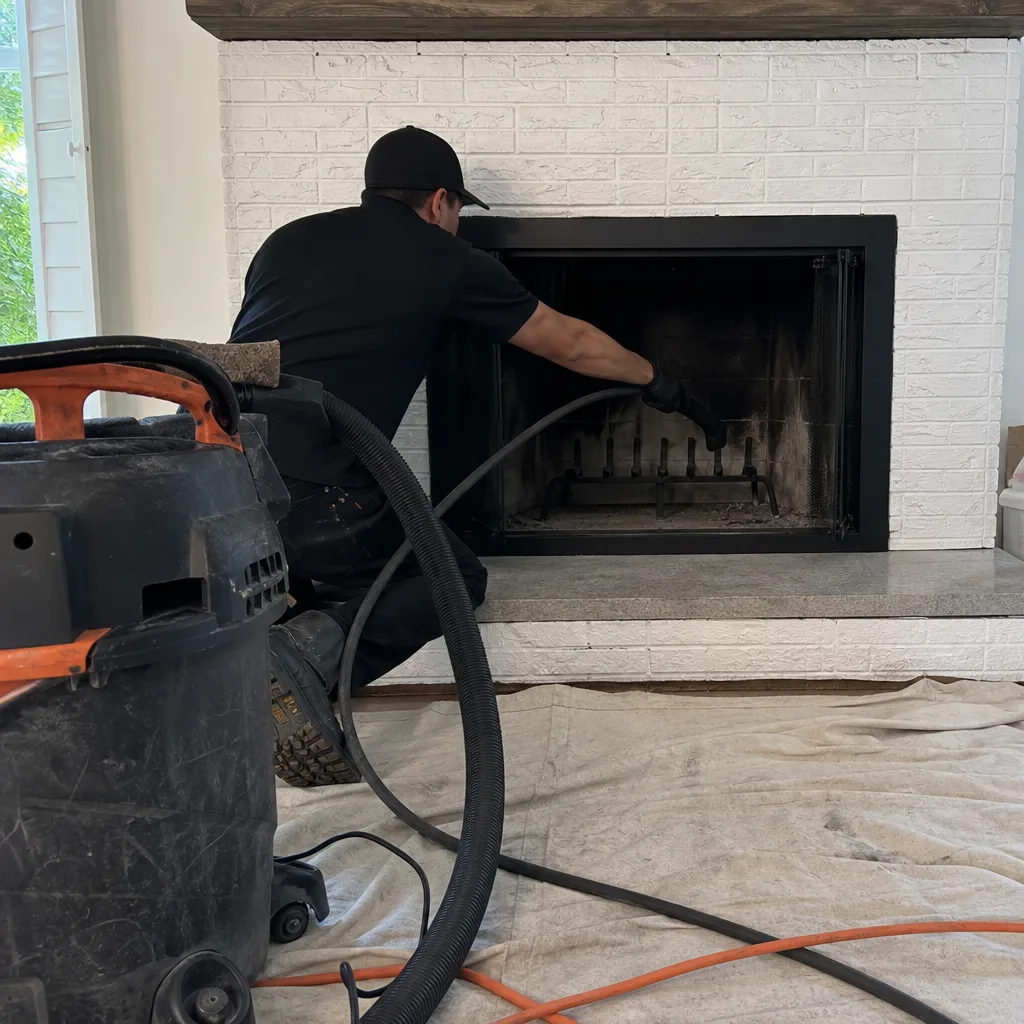 After
AfterFast, Reliable Chimney Sweep Across Denver
A chimney sweep in Denver typically runs $179 to $329 for a standard wood-burning fireplace, and $229 to $429 when third-degree glazed creosote requires chemical treatment first. Most sweeps in the metro take 60 to 90 minutes once our technician arrives, and we book within the same week, not the same month. We work neighborhoods from Park Hill to the Highlands, Wheat Ridge to Aurora, and we know what a century-old Denver Square chimney tells you about itself once you’re on the roof. If you need a sweep or just want to know whether you need one, call (336) 863-3889 and a live person answers, any hour.
Why Alcott Chimney Sweep Is Denver’s Preferred Chimney Sweep Company
Homeowners around Denver call us because we show our work before we ask for the job. Ruben Castellano has led Alcott Chimney Sweep since 2002, and the standard he set then still holds: every technician who walks up your driveway has passed a background check and identity verification under the Threshold Standard. Not some of them. All of them. You get the technician’s name and photo before the truck leaves our Denver dispatch office, and that person shows a photo ID badge at your door. No exceptions.
We also put the price in writing before anything starts. A sweep is a flat quote. A repair is a written line-item quote. And every repair carries the 365-Day Done Right Promise. If it fails within a year, we come back and fix it free. That’s not a warranty buried in fine print; it’s a single sentence we’ve honored since before Denver had a no-burn calendar to worry about.
Fireplace Cleaning in Denver
Fireplace Cleaning in Denver means more than vacuuming ash from the firebox. At 5,280 feet, a wood fire burns oxygen-starved compared to sea level. Incomplete combustion leaves a heavier tar residue on flue walls, even in fireplaces used only on weekends. Our Chimney Sweep technicians remove that residue by hand-brushing the full flue length, then vacuuming the firebox, smokeshelf, and damper assembly with a HEPA-filtered collector so soot doesn’t drift through your living room.
What a Full Cleaning Covers
We clean the flue from the firebox to the cap, scrape the smokeshelf, remove creosote deposits from the damper housing, and inspect the firebox refractory panels for cracking. If we find a glaze layer a brush won’t take, we tell you before we reach for a chemical treatment. You’ll see photos from the camera inspection, not just our word.
When Denver Fireplaces Need It
The honest answer: after every cord of wood burned, or once a year, whichever comes first. If you only light a fire four or five nights a winter, a thin first-degree creosote layer may still form, and it becomes third-degree glaze faster at altitude than in a wetter, lower market. We recommend an annual sweep even for occasional burners; the cost is small compared to a flue liner replacement.
Chimney Services in Denver
Chimney Services in Denver goes beyond the brush. We inspect and repair the entire system: flue liners, crowns, caps, dampers, and masonry. Most Denver homeowners call us expecting a sweep and leave with a written report on crown condition and a recommendation that either matters now or can safely wait. Nothing gets recommended without camera evidence you can see yourself.
Level 1 and Level 2 Inspections
A Level 1 inspection is the standard companion to every sweep, and in Denver it’s the minimum sensible for a working fireplace. A Level 2 goes further, with video scanning of the full flue interior. We recommend it after a chimney fire, before buying or selling a Denver home, or any time a real estate transaction in Cherry Creek or Wash Park requires a certified flue condition report.
Creosote and Soot Removal
First- and second-degree creosote come off with rotary brush work. Third-degree glaze, the hard, glassy tar, will not yield to a brush alone. We use Gelco chemical treatments to break the glaze down over one or two visits, then sweep the softened residue. This is the single most common extra step for wood stoves and fireplaces in the Denver metro, and atmospheric burn conditions here make it more likely than in most of the country.
What happens when you call
- 1
A real person answersNo phone trees - you reach a local pro.
- 2
You get an upfront price rangeHonest numbers before anyone is dispatched.
- 3
A background-checked tech heads outLicensed & insured, dispatched right away.
- 4
You approve before work beginsNothing starts until you say go.
Trusted Brands We Service in Denver
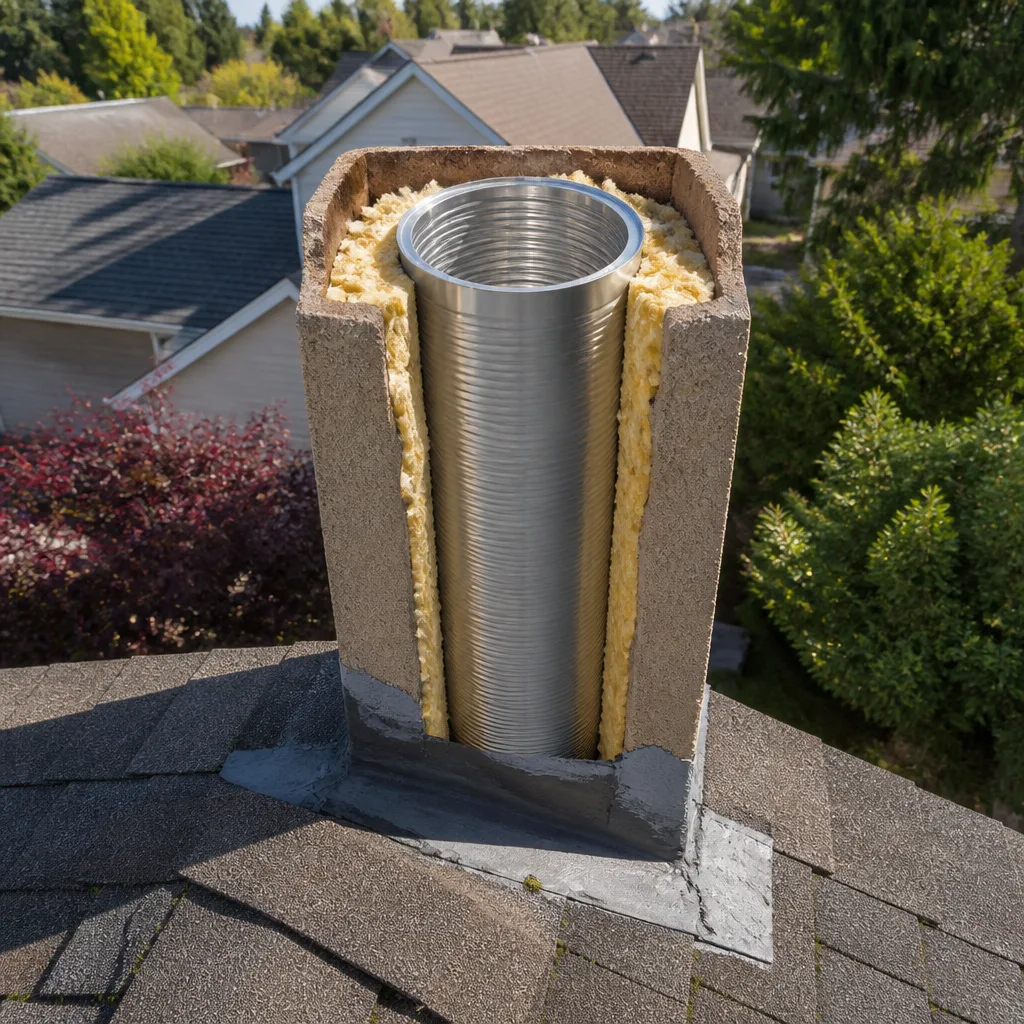
We stock and install the brands chimney professionals actually specify. DuraFlex liner systems, HeatShield resurfacing, and Copperfield caps and dampers are on our trucks and in our Denver shop, not special-ordered from a catalog after you pay. If your unlined 1920s Denver Square chimney needs a stainless liner, we fit DuraFlex, not a box-store substitute. If your crown is cracked beyond patching, we use HeatShield to resurface rather than tear down and rebuild. And because we keep local parts on hand, turnarounds on common repairs stay short even during the autumn rush.
Common Chimney Sweep Problems We See in Denver Homes
- Third-degree glazed creosote from short, cool burns. The RAQC no-burn calendar means many Denver fireplaces sit cold for weeks, then get fired the first legal night, often with mediocre wood and a cold flue. That combination produces a hard glaze in a single evening that lower-altitude metros rarely see in the same time frame.
- Crumbling crowns and mortar joints on prewar masonry. Capitol Hill, Congress Park, and Park Hill are dense with Denver Squares and bungalows built between 1890 and 1940. Over 300 freeze-thaw cycles a year work those unreinforced brick chimneys hard, and a cracked crown is usually the first thing we flag from the roof.
- Marginal draft on ranches and split-levels. Homes along the Aurora and Wheat Ridge corridors often have shorter chimneys with less vertical run. At altitude, draft is already weaker, and a short flue makes smoke rollout and sluggish ignition more common than owners expect.
- Heavy spring snow damage to uncapped flues. Denver’s wet, heavy spring snow loads displace uncapped flue tiles on older chimneys. A missing or damaged cap is the cheapest repair we recommend, and the most expensive one to skip.
Pricing for Chimney Sweep in Denver, CO
We Also Serve Cities Near Denver
Our crews run daily routes across Chimney Sweep in Denver and beyond, including Boulder, Greeley, Fort Collins, and Colorado Springs. Schedule from our Denver office and the same background-checked, identity-verified technician standard applies no matter which town the truck ends up in. Drive time never changes the written price you approved before we dispatched.
Serving Denver, CO - Our Local Coverage Area
We’re based in the Denver area and know this community well. Use the map below to see our service coverage - if you’re nearby, we can almost certainly help.
FAQs About Chimney Sweep in Denver
At 5,280 feet, the air is thinner and combustion is less complete, so wood stoves here throw more unburned tar particles up the flue. Add short burn cycles driven by RAQC no-burn days, and the creosote loading in a Denver flue after one cord of wood often looks like a season and a half of buildup at 1,200 feet. That is not a maintenance failure; it’s local combustion physics. Annual sweeping is the floor, not the ceiling, for a primary wood stove here. Call (336) 863-3889 and we’ll tell you honestly what your flue needs based on what we see.
Every cord of wood, no exceptions, and at least once mid-burning-season if you burn two cords or more. Rural and foothills properties around Denver that rely on wood stoves as a primary heat source build far heavier creosote loading than an occasional fireplace in Highlands Ranch or Littleton. The safe interval is shorter than generic advice suggests. If you cannot remember your last sweep, call (336) 863-3889 for a free estimate and we’ll get you on the schedule.
Third-degree creosote is a hard, glossy, tar-like glaze, often black and shiny, that forms when creosote bakes under repeated heat. A standard brush will not remove it; it just polishes the surface. We remove looser first- and second-degree layers, then apply a Gelco chemical treatment that breaks the glaze down over one or two visits, then sweep again. We’ll show you the camera photos before and after. Call (336) 863-3889 to book an inspection and get a written price.
Yes. Water entry through a cracked crown and deteriorated joints erodes the mortar inside the flue, which can loosen bricks, compromise the liner, and make creosote adhere to damaged surfaces. In Denver, with 300-plus freeze-thaw cycles a year, cracked crowns worsen quickly. We’ll document the crown condition during the sweep and give you a written repair quote with HeatShield resurfacing if the damage qualifies; nothing gets sold without camera evidence. Call (336) 863-3889 for an exact estimate.
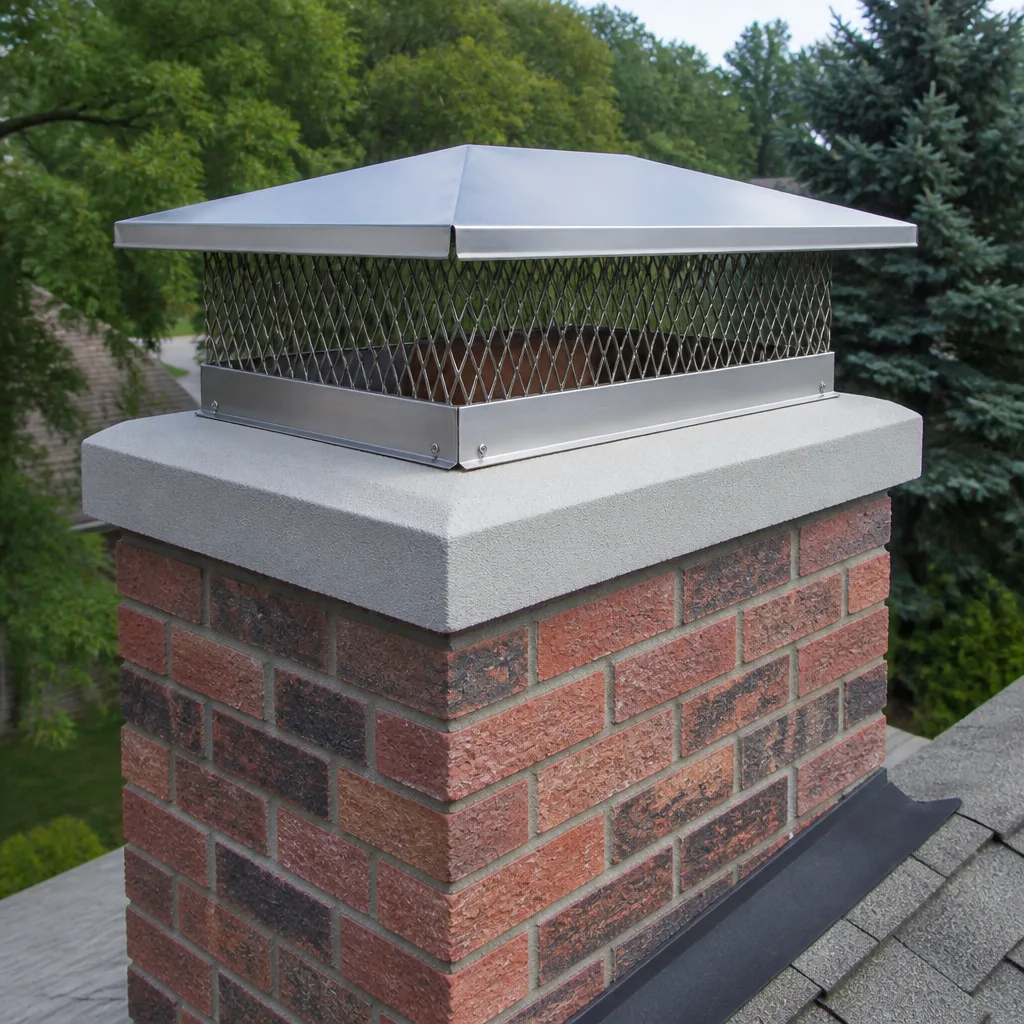
Yes, and for two reasons specific to Denver. Wet, heavy spring snow piles onto uncapped flues and displaces older clay tiles, and the same freeze-thaw cycles that crack crowns work through uncapped mortar quickly. A $200 to $400 Copperfield or Famco cap with a spark arrestor prevents both water damage and ember escape, which matters during dry stretches and Red Flag days. If your cap is missing or rusted through, we stock replacements locally. Call (336) 863-3889 for a written quote.
Written by Ruben Castellano, Owner at Alcott Chimney Sweep, serving Denver since 2002.