
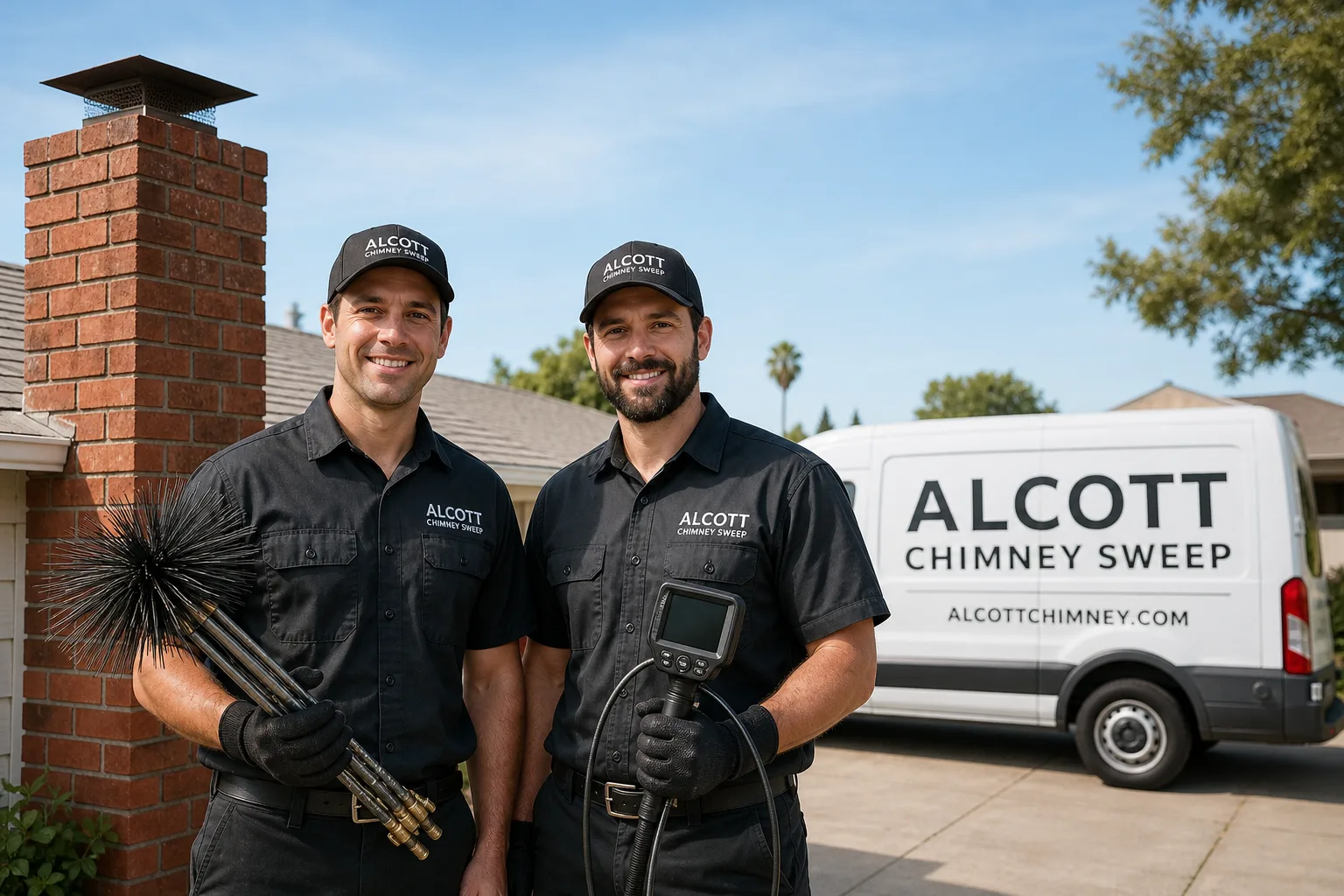
Level 1 sweep and inspection to the NFPA 211 annual standard - flue, crown, cap, and flashing checked and photographed
Chimney sweep logs do not sweep chimneys. They loosen some creosote - which then falls where a brush and vacuum still have to collect it.
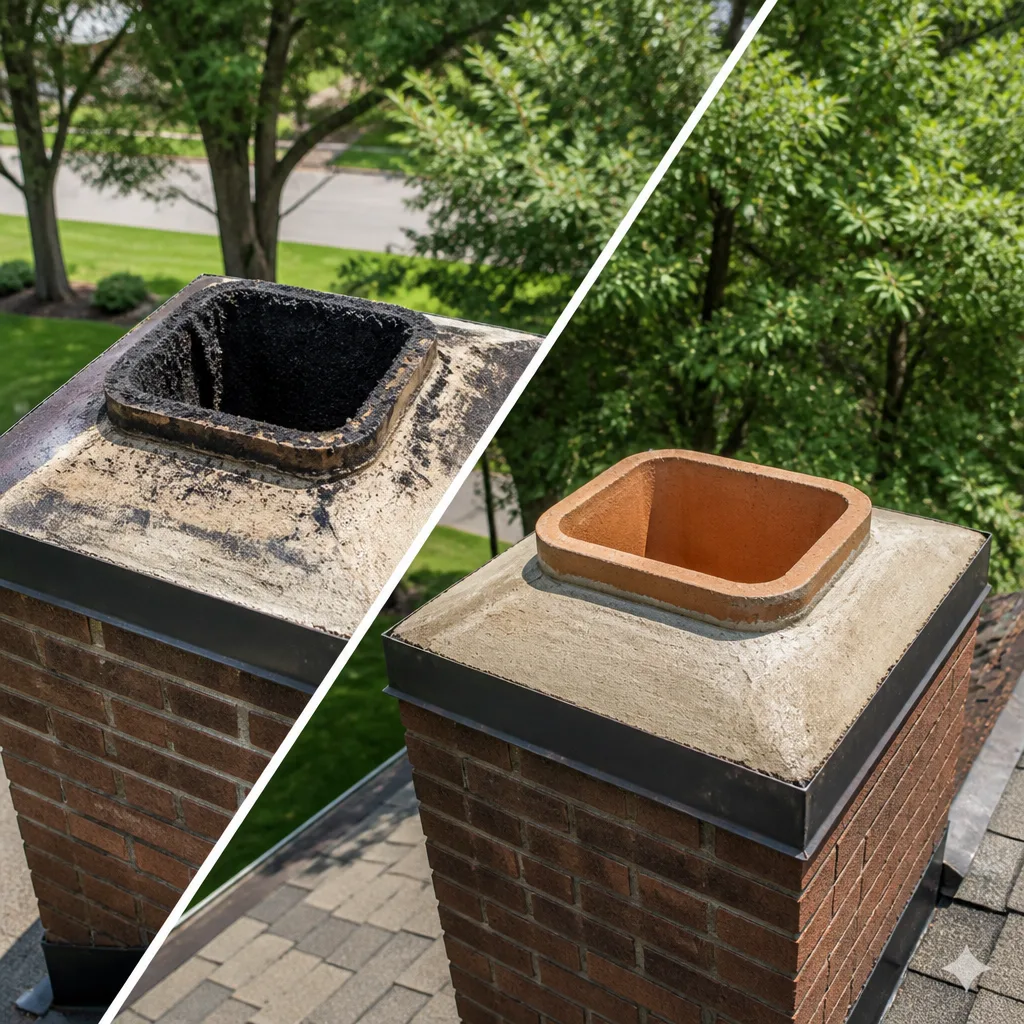
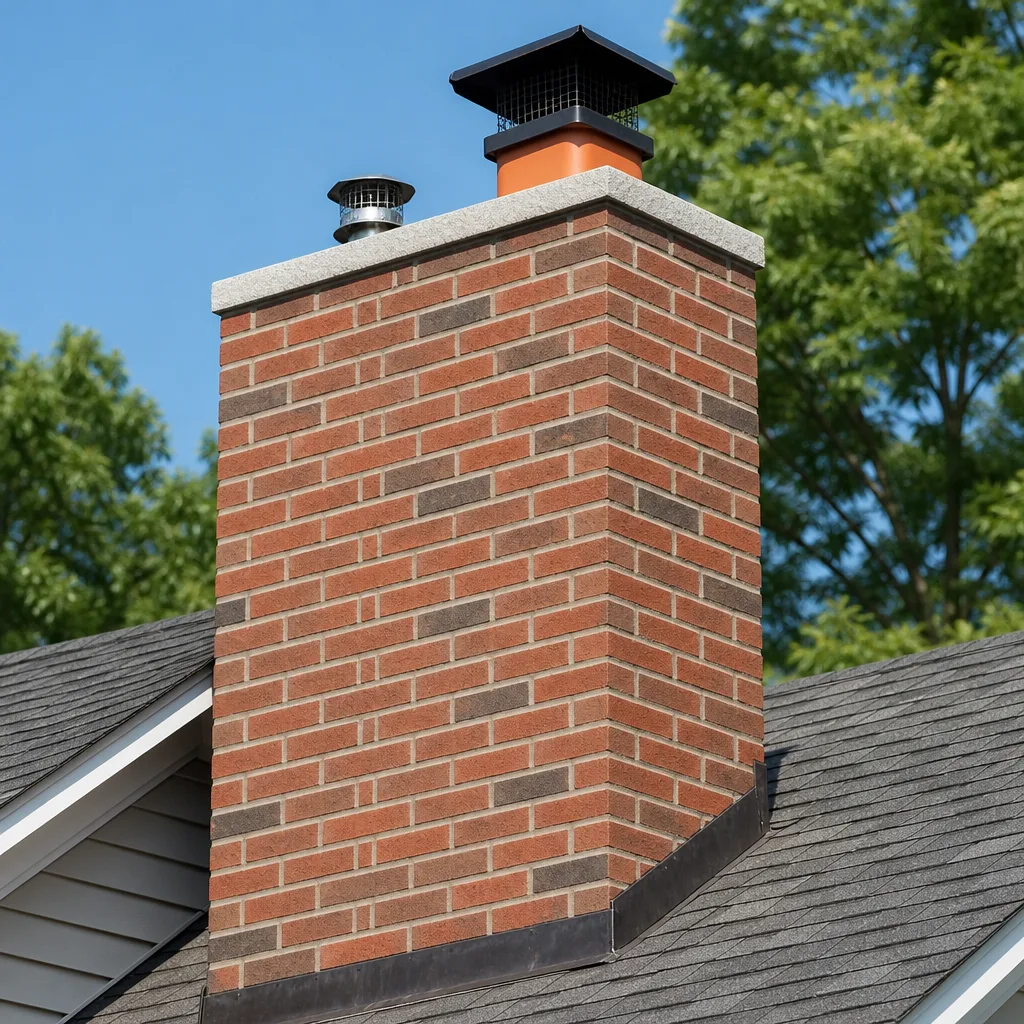
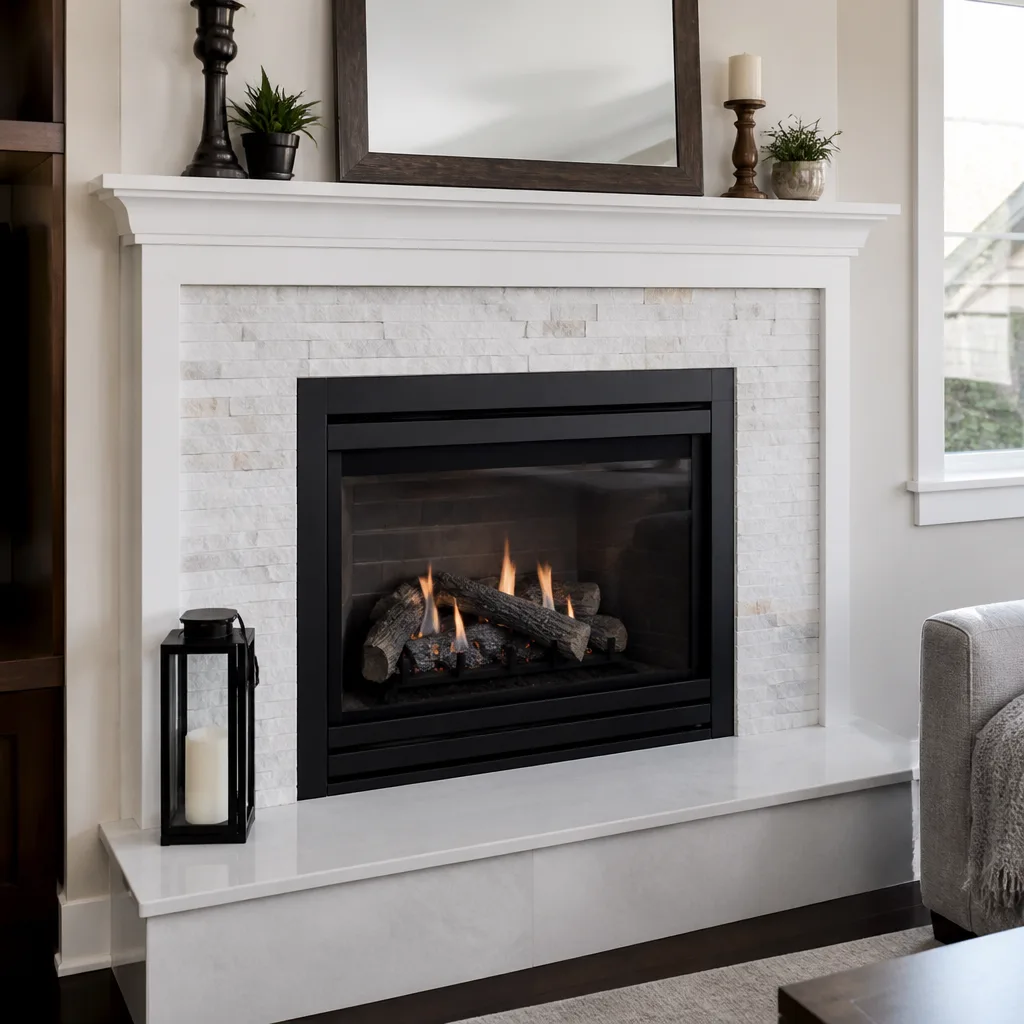
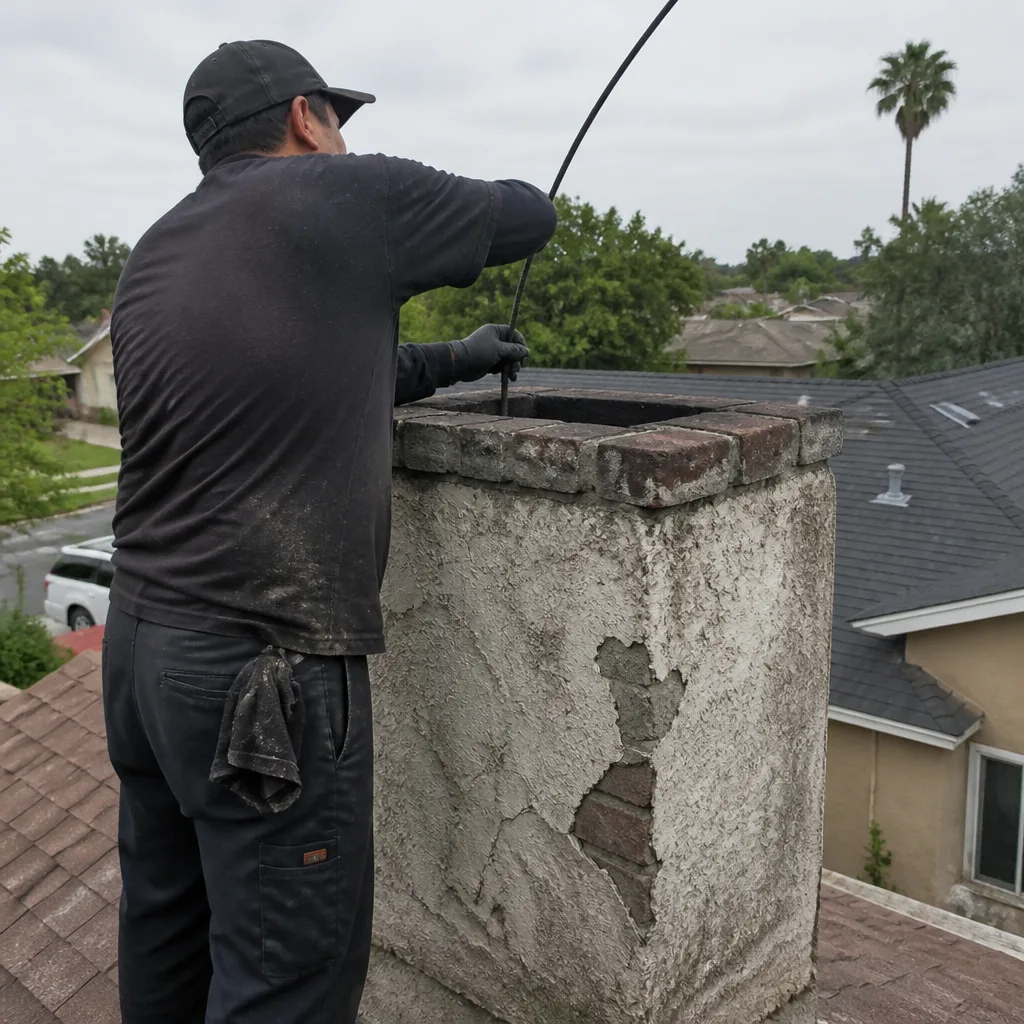 Before
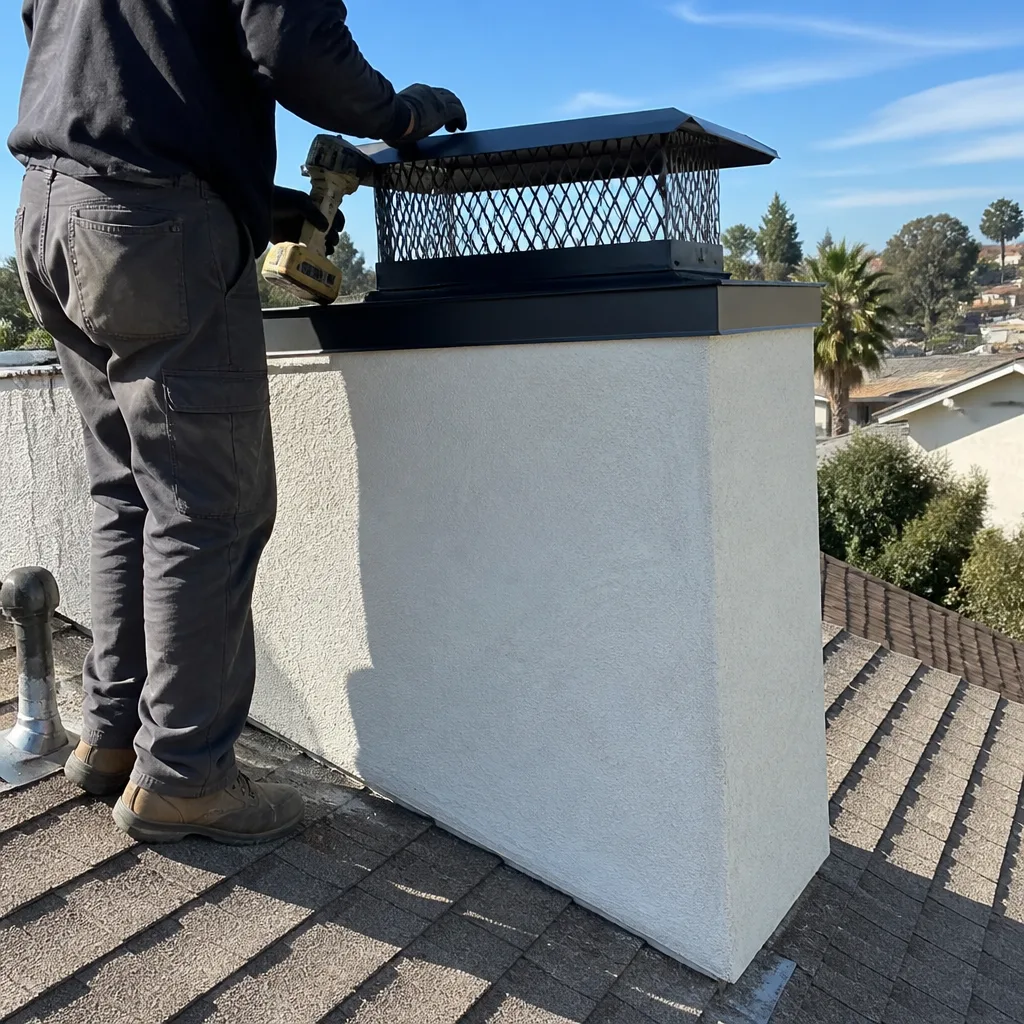 After
After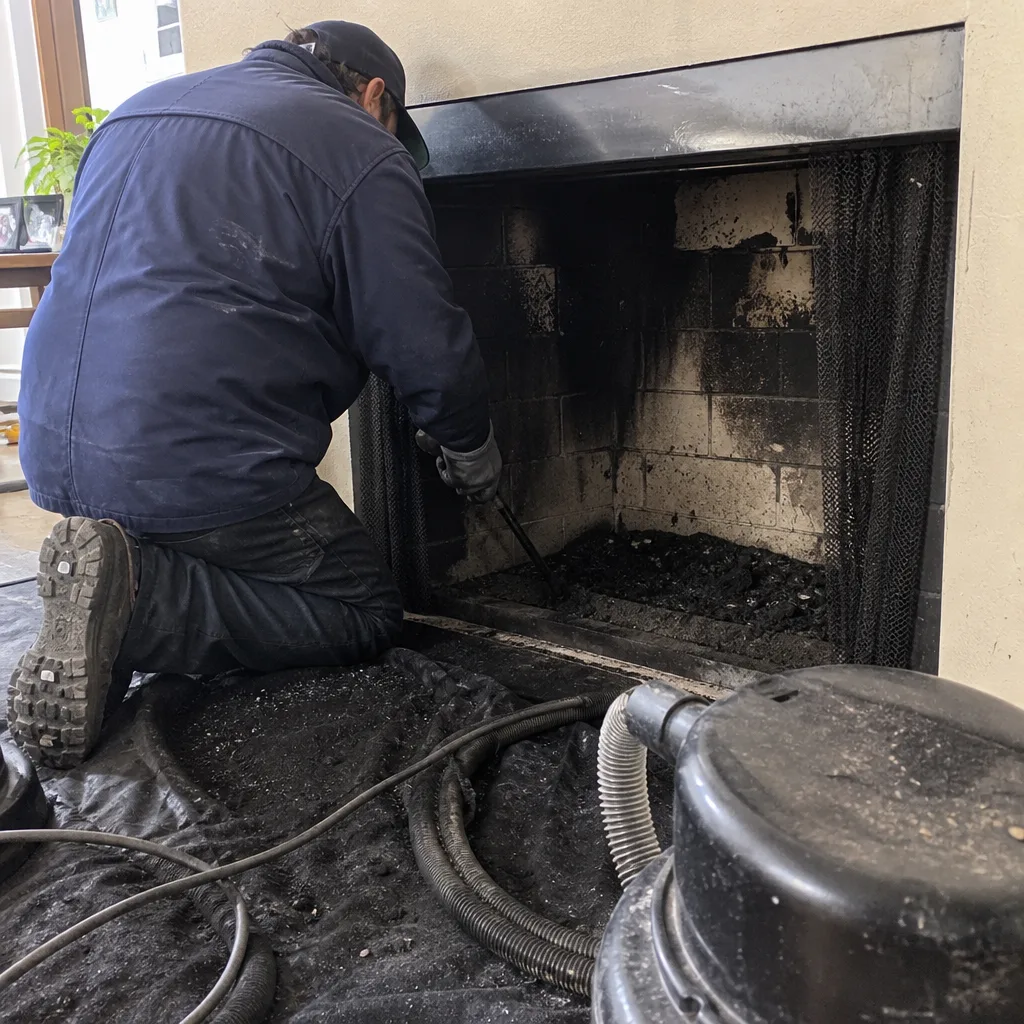 Before
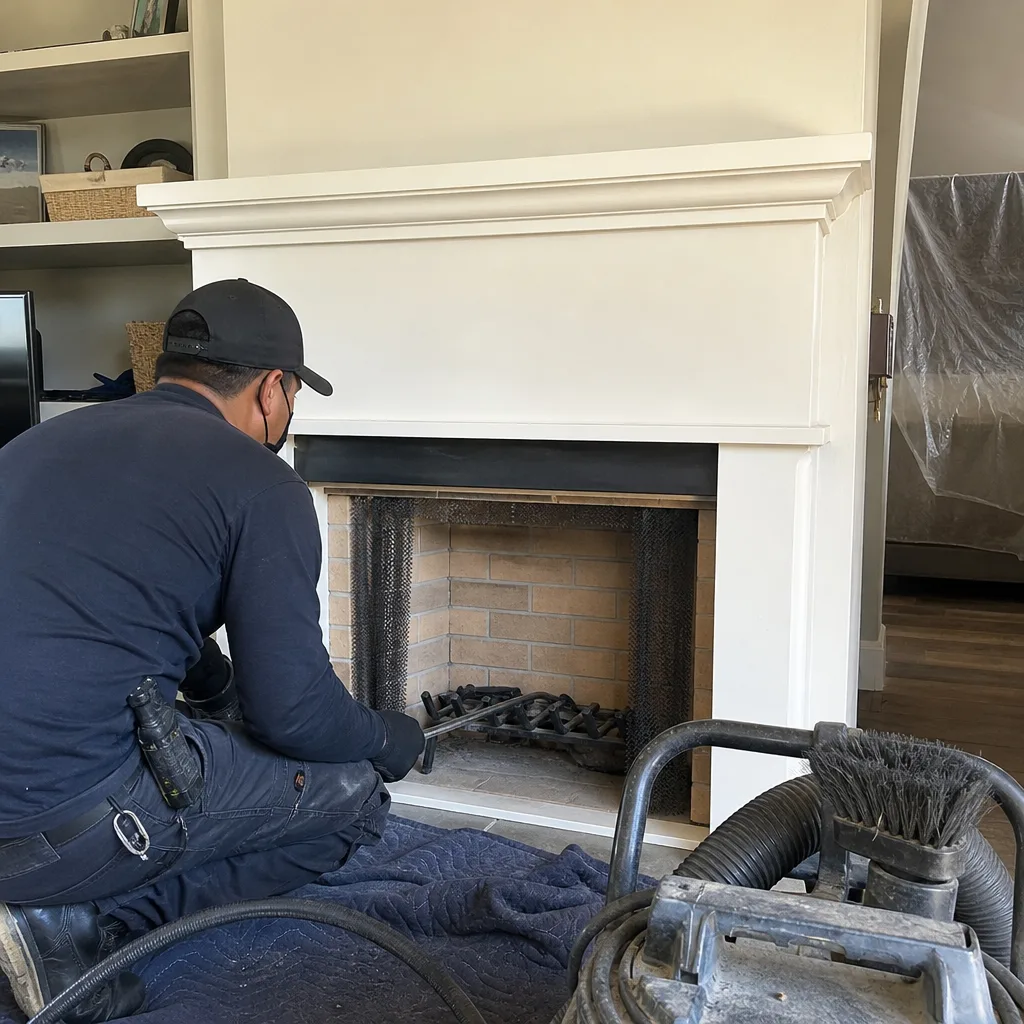 After
After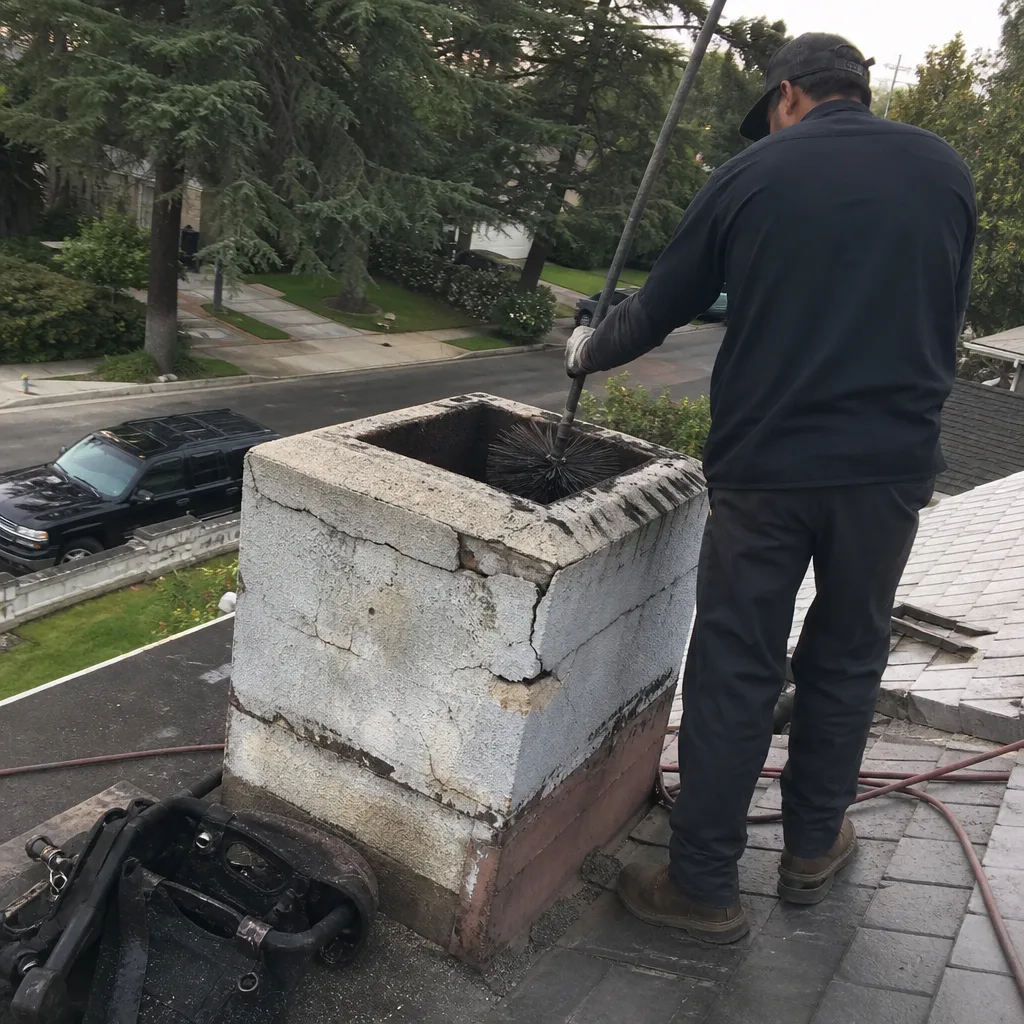 Before
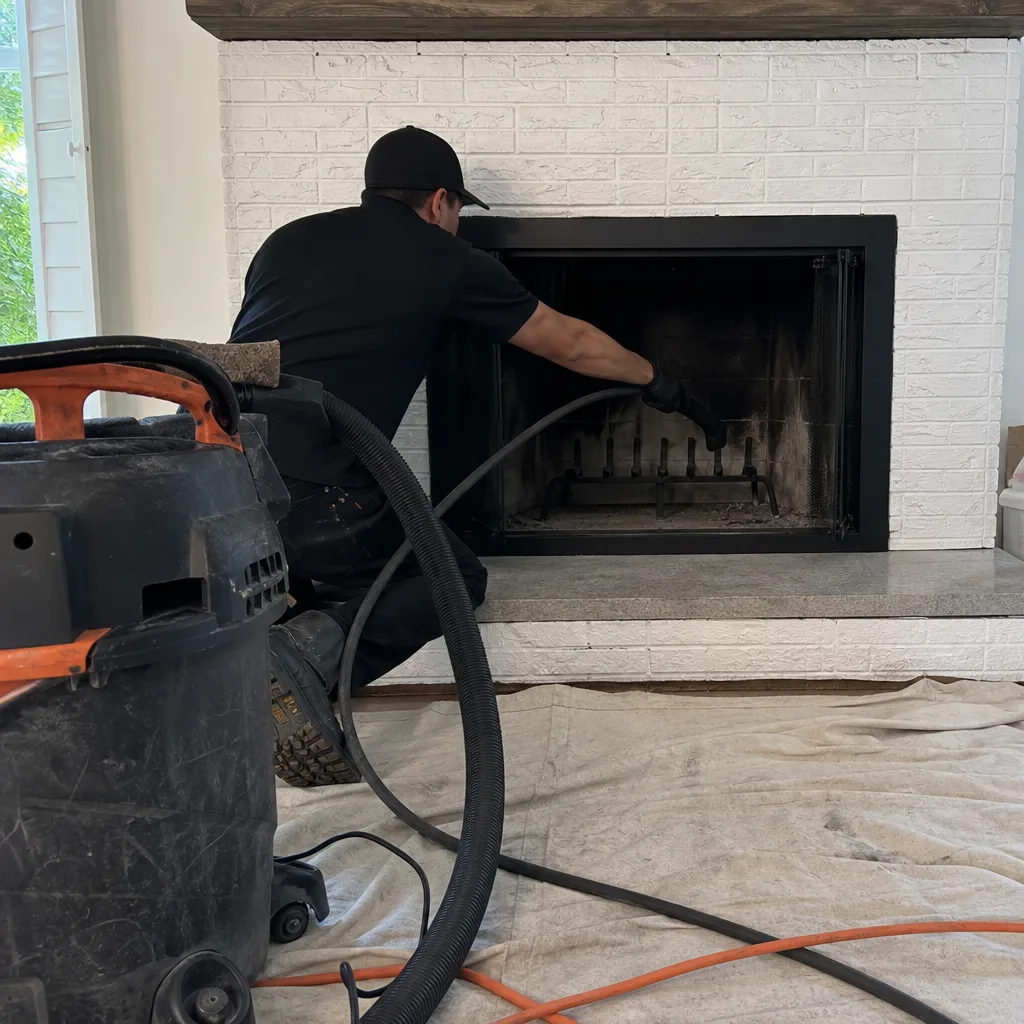 After
AfterFast, Reliable Chimney Sweep Across Fort Lewis
Getting a chimney sweep at Fort Lewis works differently than in the surrounding Pierce County towns, and we want you to know that before you pick up the phone. On-post work flows through the privatized military housing office, and our technicians carry the base access credentials and screening clearances needed to get through the gate without delays. If you live in on-post family housing and your flue hasn’t been touched since the last PCS, call us at (336) 863-3889 and we’ll coordinate the work through the right channels from the first call.
Why Alcott Chimney Sweep Is Fort Lewis’s Preferred Chimney Sweep Company
Ruben Castellano founded Alcott Chimney Sweep in 2002 on a simple rule: a homeowner should know exactly who is coming to the door and exactly what the job will cost before the truck arrives. That matters even more on Fort Lewis, where housing-office coordination means the occupant often isn’t the person who booked the service. We send every technician’s name and photo ahead of the visit, and that technician carries a photo ID badge and clears identity verification before stepping onto the property. It’s the Threshold Standard, and we’ve applied it on every single job since day one.
Our crews work on-post regularly. We know the 1950s brick housing near the Joint Base Lewis-McChord main cantonment, the post-2000 privatized developments, and the access protocols for each. When a housing manager calls us about a flue that hasn’t been touched across two PCS turnovers, we don’t have to learn the base from scratch. We already know where the problem spots are.
Fort Lewis homeowners don’t need another company that promises “quality” and then sends whoever’s available. They need a Chimney Sweep crew that can actually get on base, prove who they are at the door, and back the repair with a written guarantee. That’s what we do.
Chimney Sweep Services in Fort Lewis
Chimney Sweep Services at Fort Lewis mean removing the creosote and soot that build up whenever you burn wood in this climate, then verifying the flue is safe to keep using. A standard sweep on post typically runs between $189 and $289 for a single-story flue, and between $249 and $389 for a two-story home or a flue with heavy buildup. Every job begins with a written price before work starts, so you and the housing office both know the number going in.
The On-Post Sweep
We coordinate directly with the privatized housing office, not just the occupant. That means scheduling around housing inspections, clearance days, and the fact that many residents can’t authorize work on their own. If a flue has sat uncleaned across multiple tenancies, our crew documents what’s in there so the occupancy record is accurate for the next family.
When a Sweep Isn’t Enough
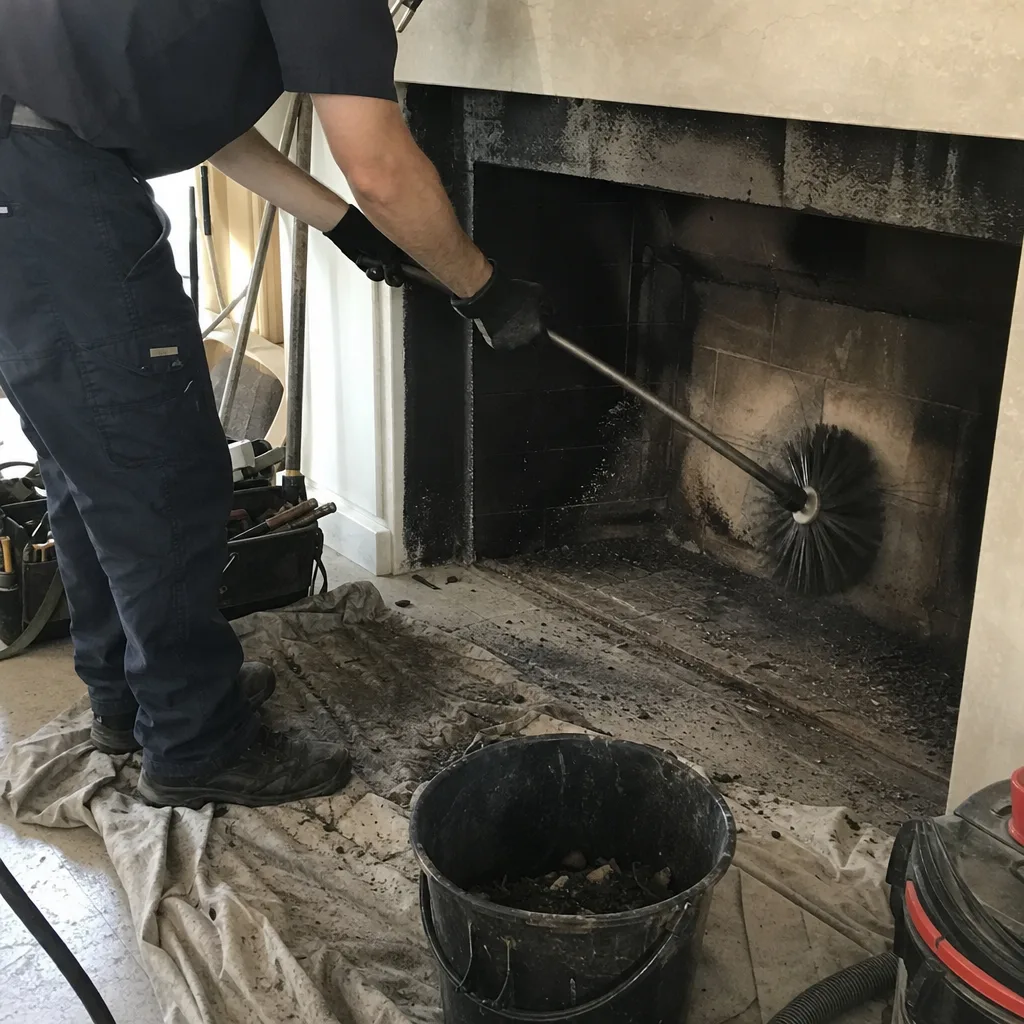
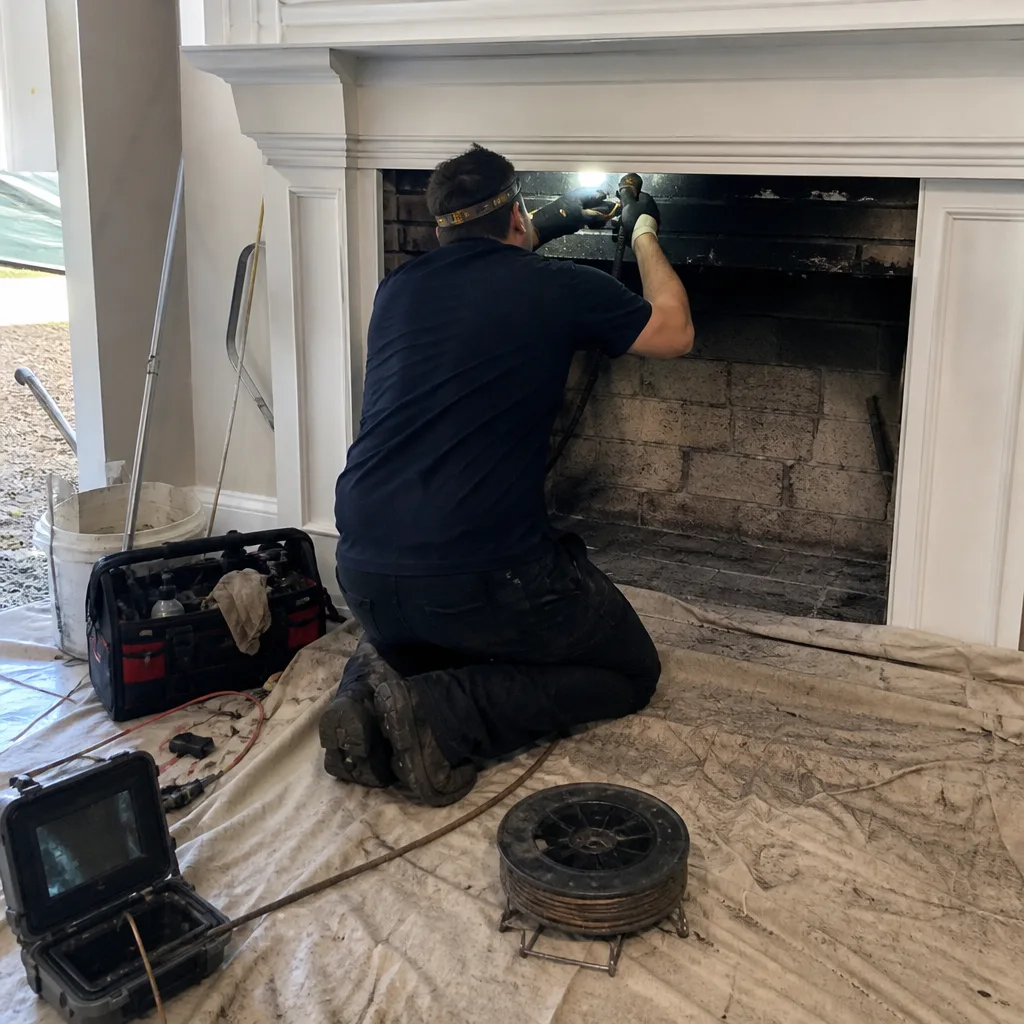
Sometimes the brush comes back and the flue walls are still glazed with second- or third-degree creosote, the hard, tar-like residue that a standard sweep can’t fully remove. In Fort Lewis’s older on-post chimneys, we also see clay tile liners that have spalled from decades of trapped moisture. We’ll tell you plainly whether the flue needs a deeper cleaning, a Level 2 inspection, or a repair, and we’ll show you the photos so you’re not taking it on faith.
What happens when you call
- 1
A real person answersNo phone trees - you reach a local pro.
- 2
You get an upfront price rangeHonest numbers before anyone is dispatched.
- 3
A background-checked tech heads outLicensed & insured, dispatched right away.
- 4
You approve before work beginsNothing starts until you say go.
Chimney Cleaning in Fort Lewis
Chimney Cleaning in Fort Lewis is a heavier job than it sounds, because this climate loads flues faster than most of the country. Douglas fir and alder, the two softwoods everyone burns here, produce thick creosote when burned through the long, damp October-to-April season. A chimney that would stay passable for two years in a hardwood-burning region often needs attention every 12 to 18 months here. Our standard cleaning includes full soot and creosote removal, a visual check of the liner and mortar joints, and a written condition report you can file with the housing office.
The Damp-Climate Cleaning
Fort Lewis gets 45 to 50 inches of rain a year, and that moisture doesn’t stay outside. It works into the brick and mortar from above, keeping the flue interior damp even in summer. Wet creosote is stickier and more flammable than dry creosote, and wet clay liners deteriorate faster. Our cleaning includes checking for moisture intrusion in the mortar joints, because that’s where Pierce County’s damp air does the most damage.
Wood Stove Flues on Post
Many Fort Lewis residents in older housing units use a wood stove as a primary or backup heat source. Those stove flues collect creosote faster than open fireplaces because the burn is steady and the flue runs cooler. We clean wood stove connectors and stovepipe runs, checking for the tar-like second-degree creosote that hardens against the walls. If we find it, we’ll explain what it means and what needs to happen next, with photos in hand.
Trusted Brands We Service in Fort Lewis
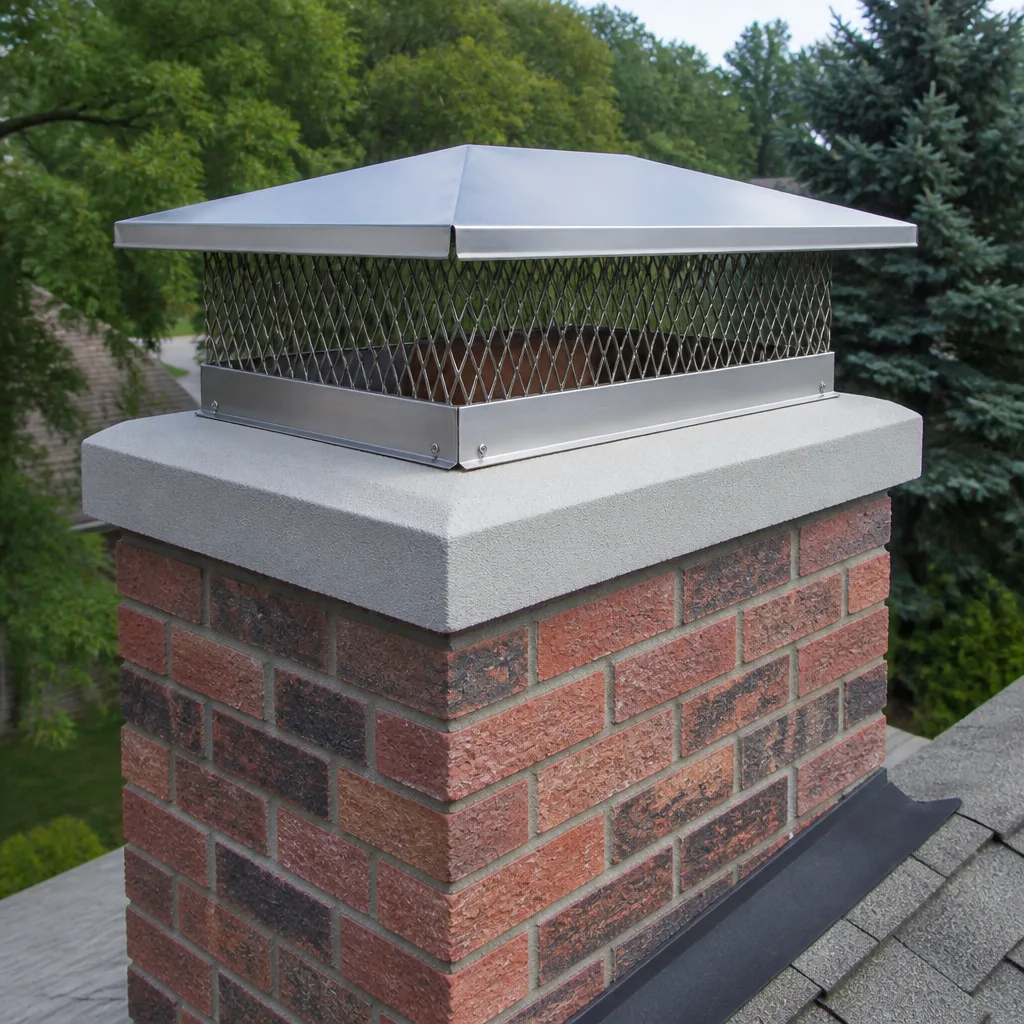
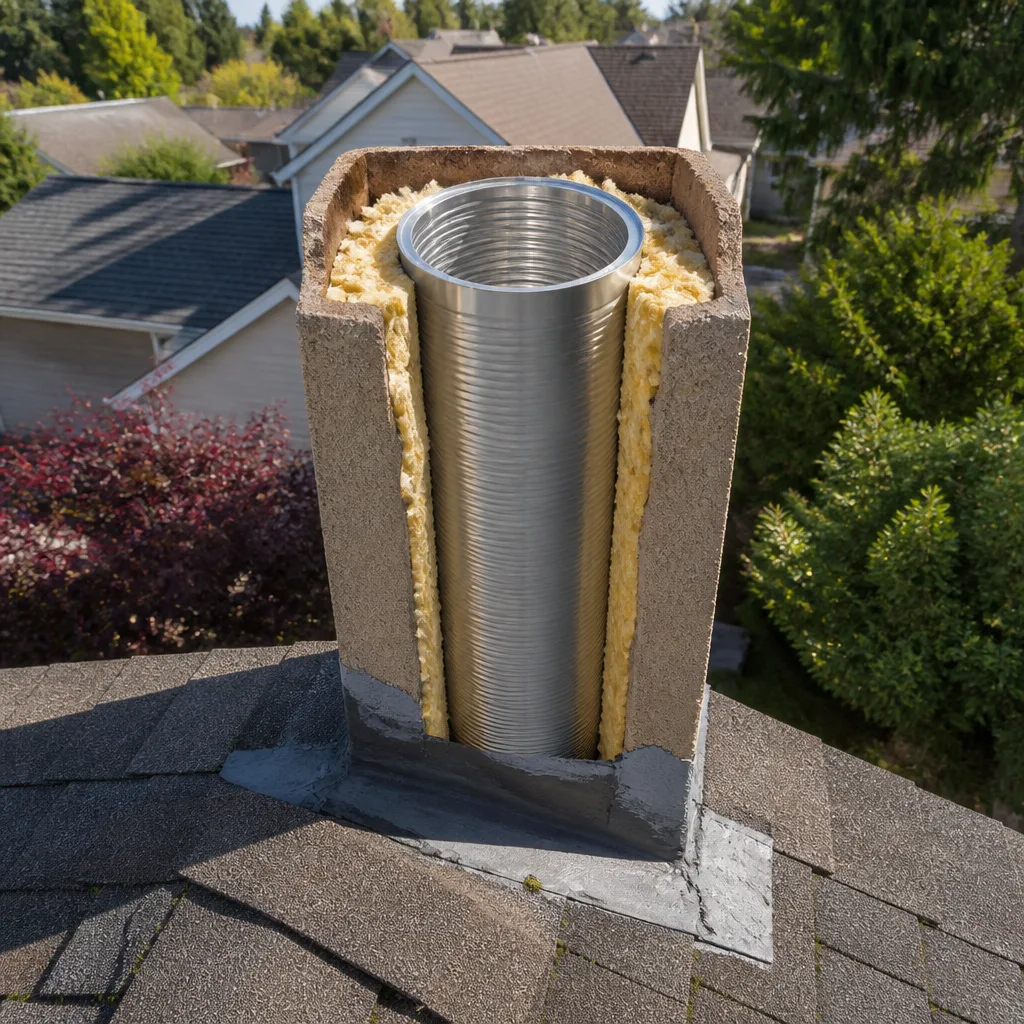
We install and service the brands chimney professionals actually specify, and we keep the ones most relevant to Fort Lewis jobs in regular rotation. For on-post liner work, that means DuraFlex liner systems, the stainless steel solution we fit when an aging clay tile liner has spalled past safe use. For flue resurfacing on brick chimneys that are still structurally sound, we use HeatShield, which lets us restore the inside of the flue without tearing out the brick. We also work with Copperfield components for wood stove installations and Famco fittings on Gas Fireplace Repair in Fort Lewis service calls. Same materials a spec writer would call for, not box-store substitutes.
Common Chimney Sweep Problems We See in Fort Lewis Homes
- Multi-tenancy creosote buildup: Active-duty families rotate on PCS orders every 2 to 3 years, and chimney records rarely follow the keys. We routinely open flues on post that haven’t been cleaned in five or six years, through two or three different occupants. The current family has no way to know what’s in there, and the standard brush pass isn’t always enough to clear it.
- Spalled clay tile liners: The 1950s-through-1970s military housing stock features brick chimneys built with clay tile liners that have absorbed decades of western Washington moisture. We see flaking and cracking on almost every inspection of these older units, sometimes to the point where the liner is no longer safe to use and needs a full stainless steel replacement.
- Softwood-driven heavy creosote: Douglas fir and alder produce more creosote per cord than oak or maple. Burned through the long damp season, they load a Fort Lewis flue significantly faster than the same burning habits would in a hardwood region. The safe sweeping interval here is shorter, and we tell people that plainly.
- Moisture-damaged mortar joints: Rain and humidity work into the brick from the top down, eroding the mortar between courses and letting water reach the flue interior. On older on-post chimneys, we commonly find mortar joints that have crumbled enough to compromise the chimney’s structural integrity, not just its draft.
Pricing for Chimney Sweep in Fort Lewis, WA
A standard chimney sweep in Fort Lewis runs between $189 and $289 for a one-story home and between $249 and $389 for a two-story or heavy-buildup flue. If the chimney needs a Level 2 inspection (the deeper camera-based look we recommend after a PCS turnover or when a liner issue is suspected), that adds $150 to $250. Liner repairs, HeatShield resurfacing, or a DuraFlex stainless steel liner install are quoted separately after we’ve put the camera down the flue and shown you what we’re seeing. No work begins without a written price, and every repair carries a written guarantee, plus a free second visit if the repair fails within the coverage period. Call (336) 863-3889 for an exact quote. Estimates are free, and we’ll explain exactly what’s included before you commit.
We Also Serve Cities Near Fort Lewis
Our crews work throughout the Tacoma and Olympia corridors, including Fort Lewis, Tacoma, Seattle, Spokane, and Vancouver. If you live off post or you’re stationed at JBLM and looking for a Chimney Sweep in Fort Lewis, one call covers the whole service area, and our Seattle office handles dispatch and scheduling for every job without routing your call through a call center.
Serving Fort Lewis, WA - Our Local Coverage Area
We’re based in the Fort Lewis area and know this community well. Use the map below to see our service coverage - if you’re nearby, we can almost certainly help.
FAQs About Chimney Sweep in Fort Lewis
On-post work at Fort Lewis runs through the privatized military housing office, not directly between the homeowner and the contractor. Our technicians must hold current base access credentials and pass security screening before they can pass the gate. When you call us at (336) 863-3889, we’ll coordinate the scheduling and authorization through the housing office so the appointment is approved before we arrive.
In Fort Lewis, a wood stove flue should be swept every 12 to 18 months if you burn Douglas fir or alder as your primary heat source through the October-to-April season. Those softwoods produce heavier creosote than hardwoods, and the damp air keeps the creosote in a sticky, fast-building state. If you’re burning daily from fall through spring, a 12-month interval is safer than the once-every-two-years guideline common in drier, hardwood-burning regions. Call (336) 863-3889 and tell us what you burn and how often; we’ll give you a straight answer for your setup.
The first thing to do is book a Level 2 inspection, not just a sweep. On-post flues routinely go uncleaned across two or three PCS turnovers, and a Level 2 inspection uses a camera to document exactly what’s been left behind. We’ll photograph the inside of the flue, show you the creosote and any liner deterioration, and give you a written report you can file with the housing office. That report is your starting point, and it’s the only way to know whether you’re lighting a fire in a safe flue or one that’s been cooking creosote for six years.
The wet climate damages the chimney itself. Fort Lewis receives 45 to 50 inches of rain a year, and that moisture works into the brick and mortar from the top, eroding mortar joints and keeping the flue interior chronically damp. Damp clay tile liners spall faster, and wet creosote is both stickier and more flammable than dry creosote. The moisture isn’t just a drafting nuisance. It’s actively shortening the life of the chimney, and we see the evidence on older on-post units every week.
Burn seasoned Douglas fir or alder that’s been split and stacked for at least a year, never green wood, and avoid smoldering, low-air fires that cool the flue and condense creosote onto the walls. Hot, bright fires with good airflow produce less creosote than slow, smoky burns. If you’re burning daily, sweep every 12 months, and if you see any sign of a slow-burn smolder or hear a dull thud when you tap the flue, call us at (336) 863-3889 before your next fire. The estimate is free, and we’ll tell you exactly what the fire has been leaving behind.
Written by Ruben Castellano, Owner at Alcott Chimney Sweep. Serving Fort Lewis and the South Sound since 2002, through every PCS season, with background-checked technicians who show up on time and on record.