
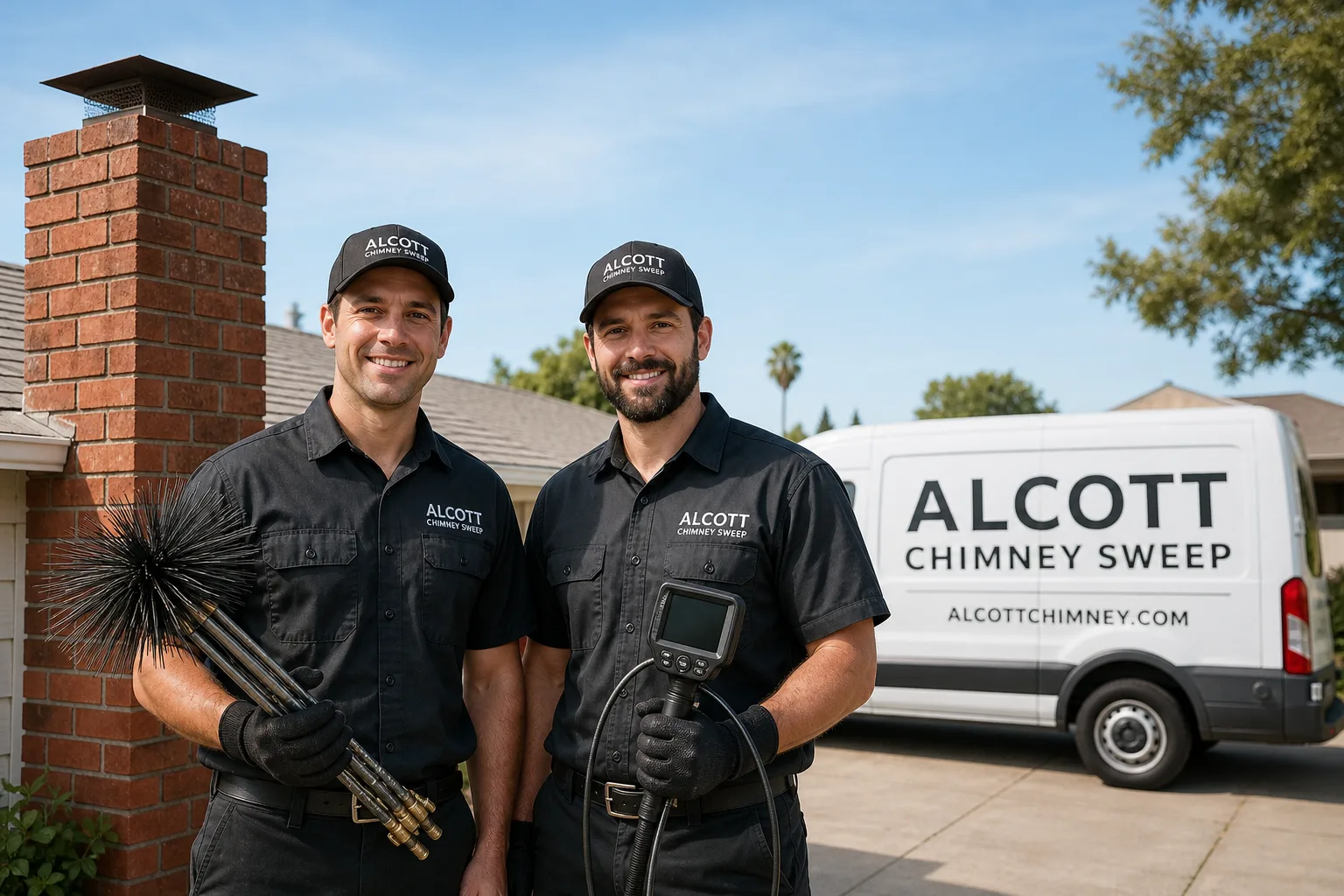
Level 1 sweep and inspection to the NFPA 211 annual standard - flue, crown, cap, and flashing checked and photographed
Chimney sweep logs do not sweep chimneys. They loosen some creosote - which then falls where a brush and vacuum still have to collect it.
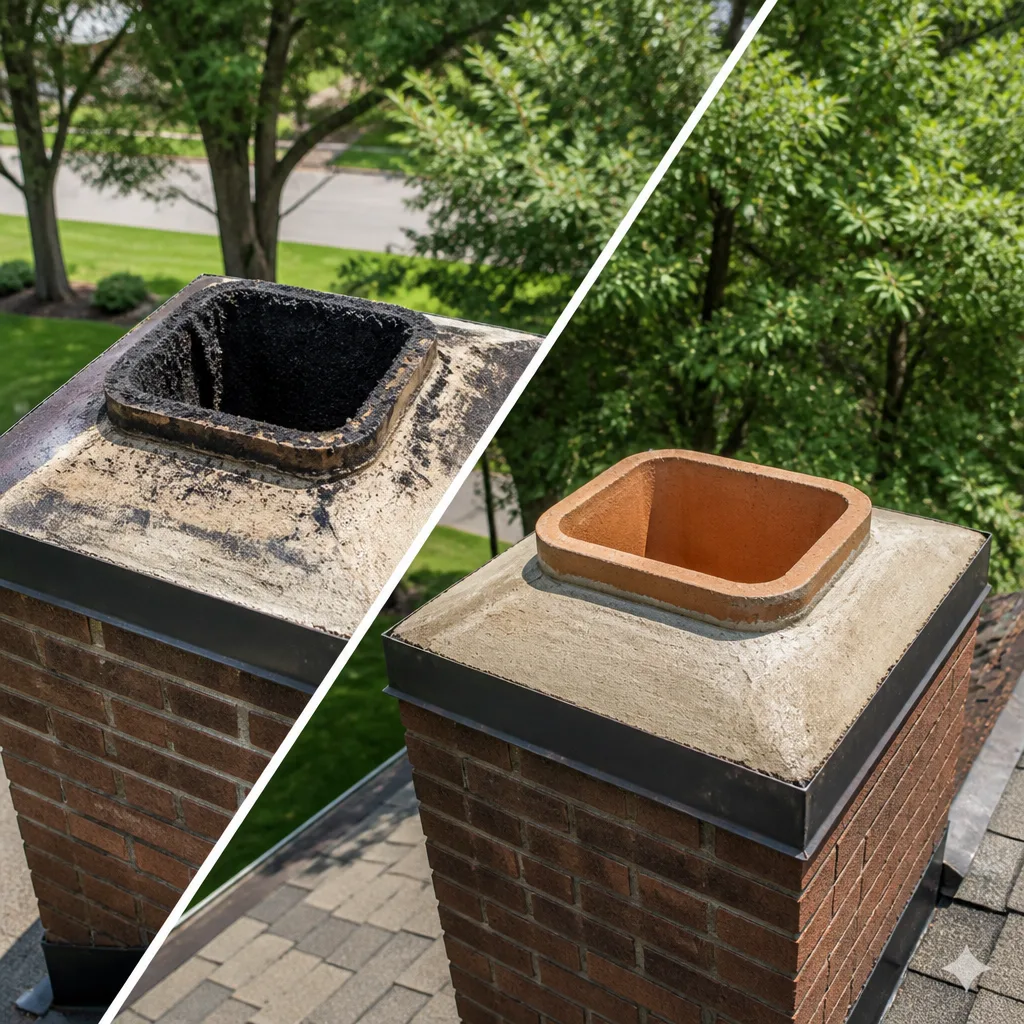
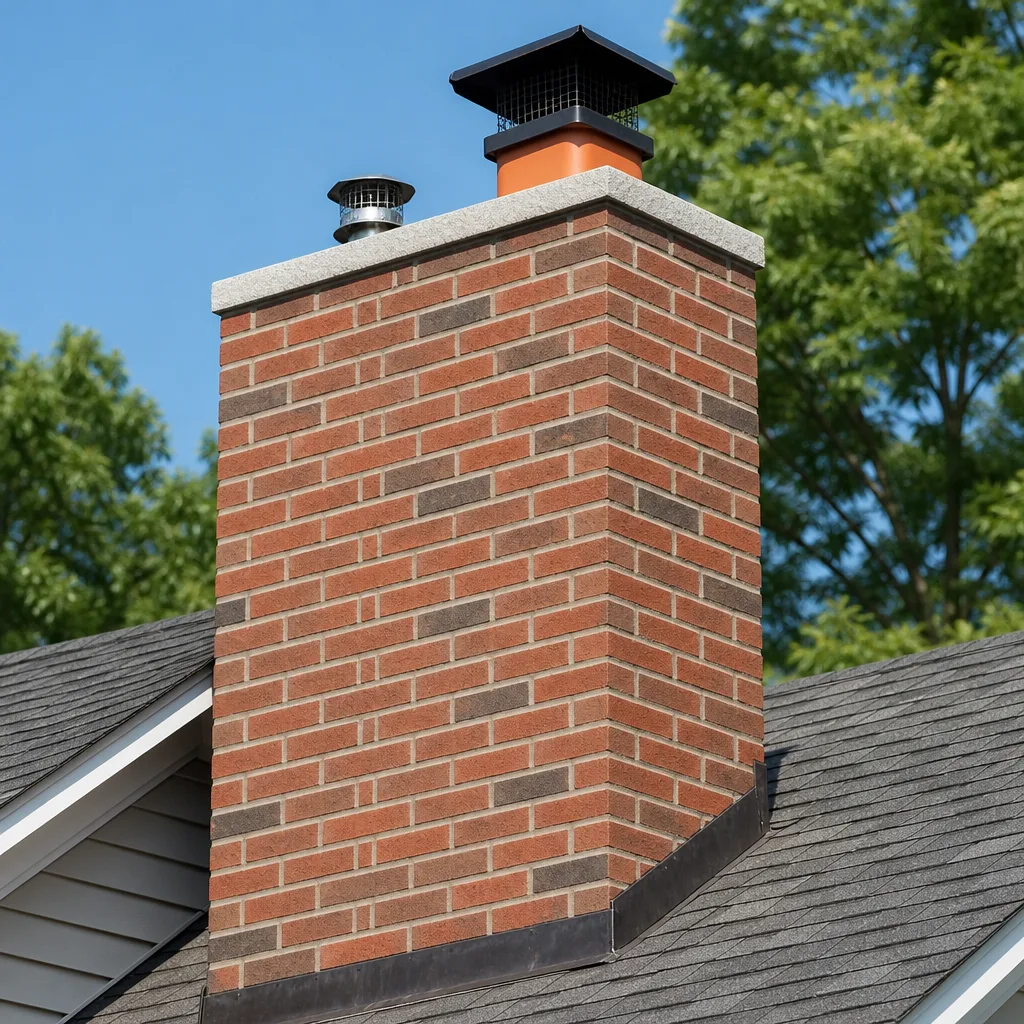
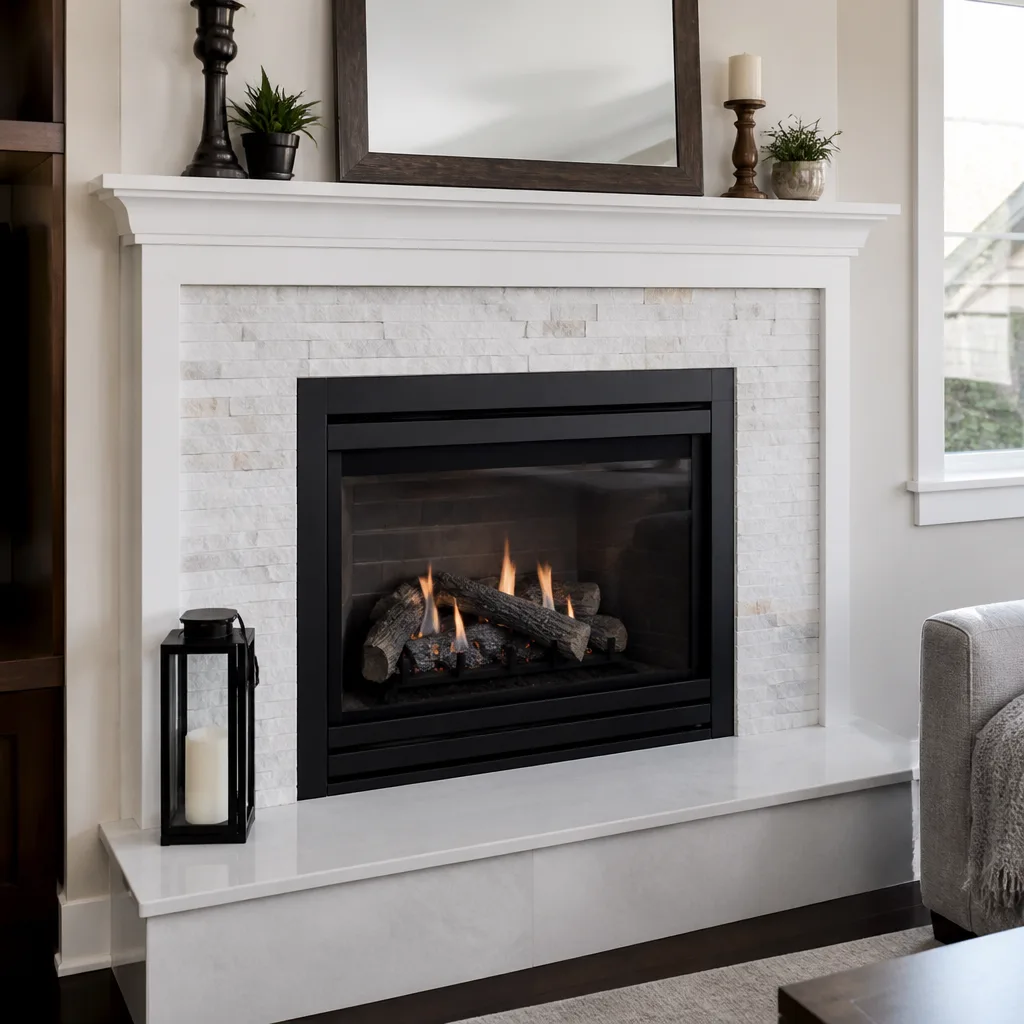
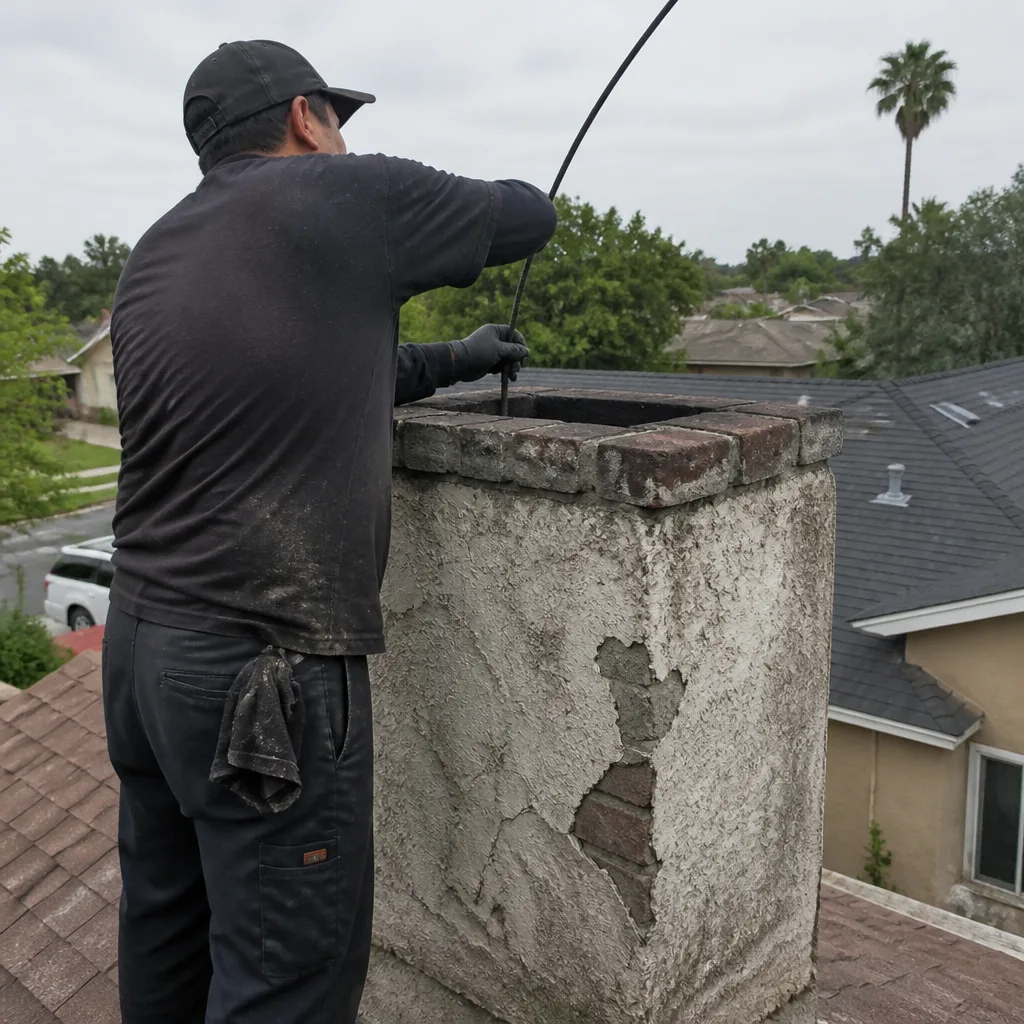 Before
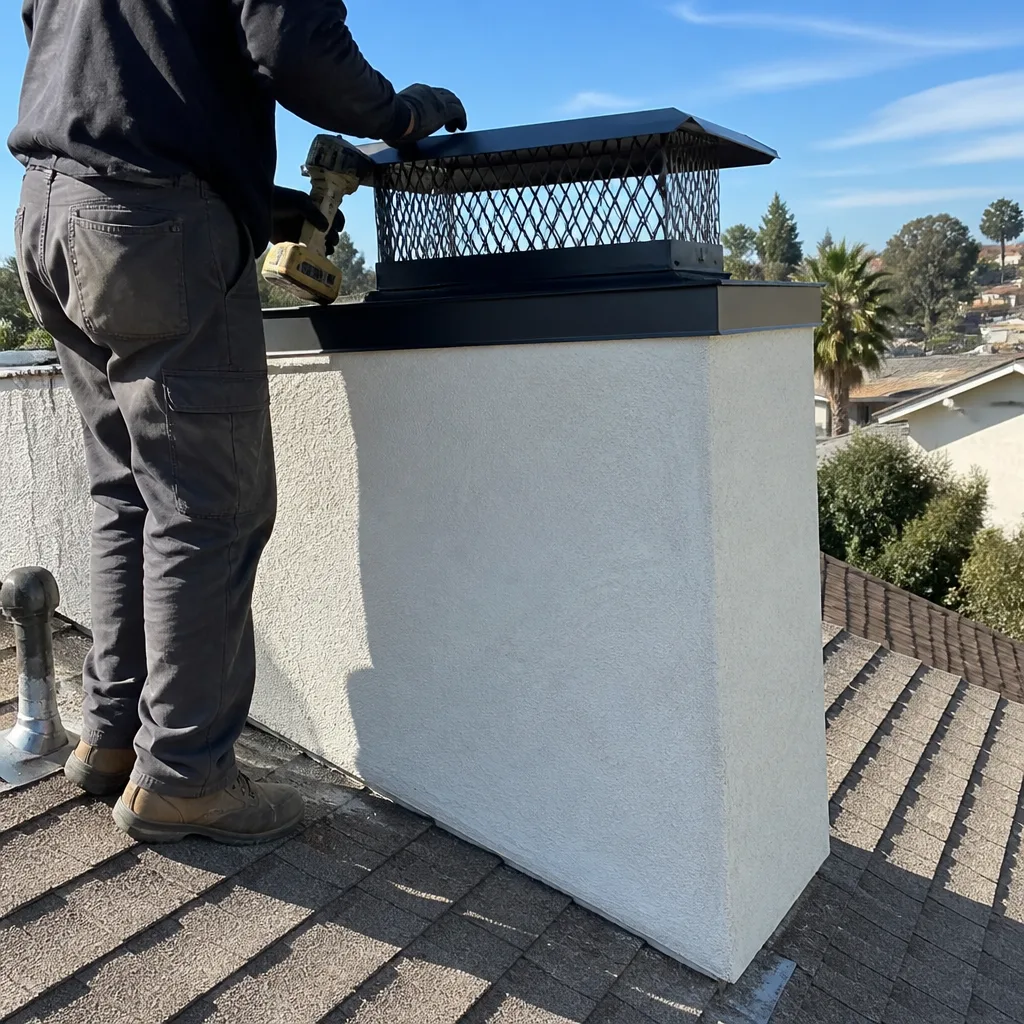 After
After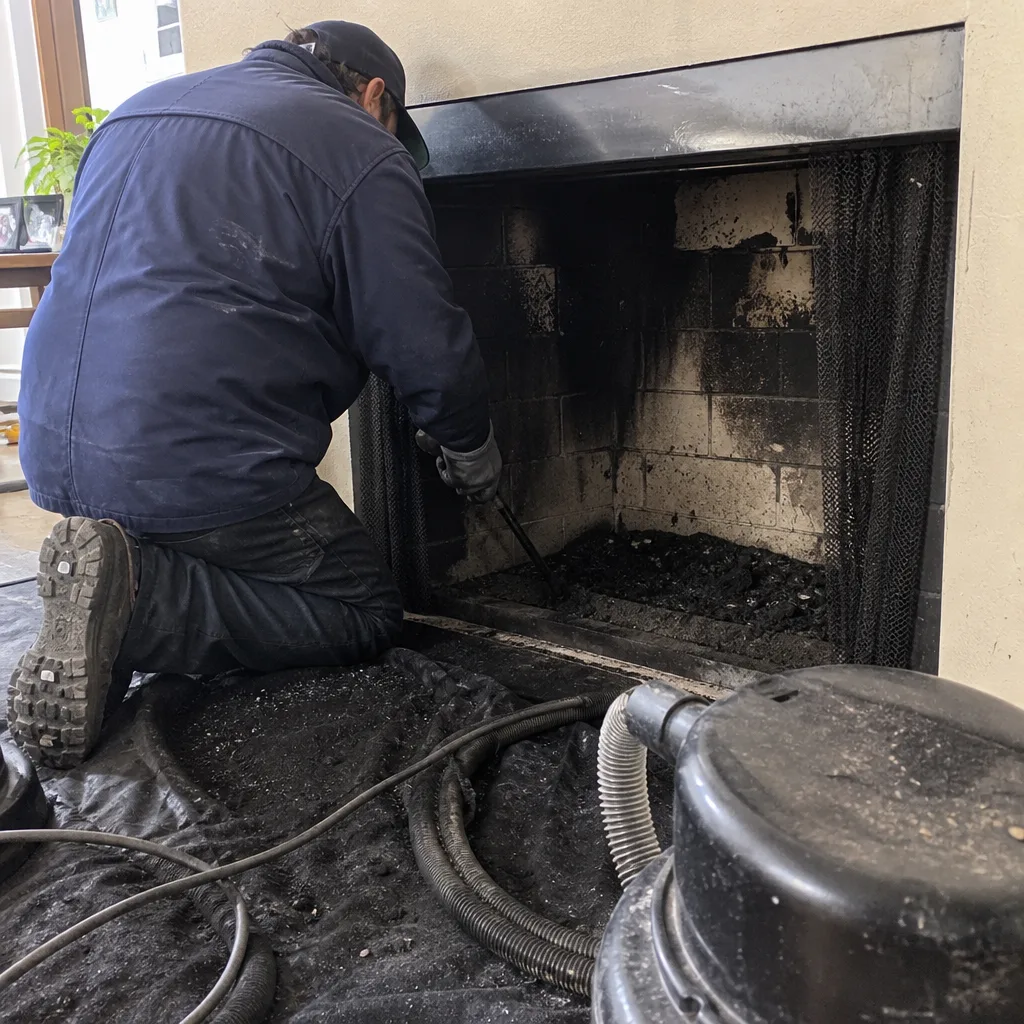 Before
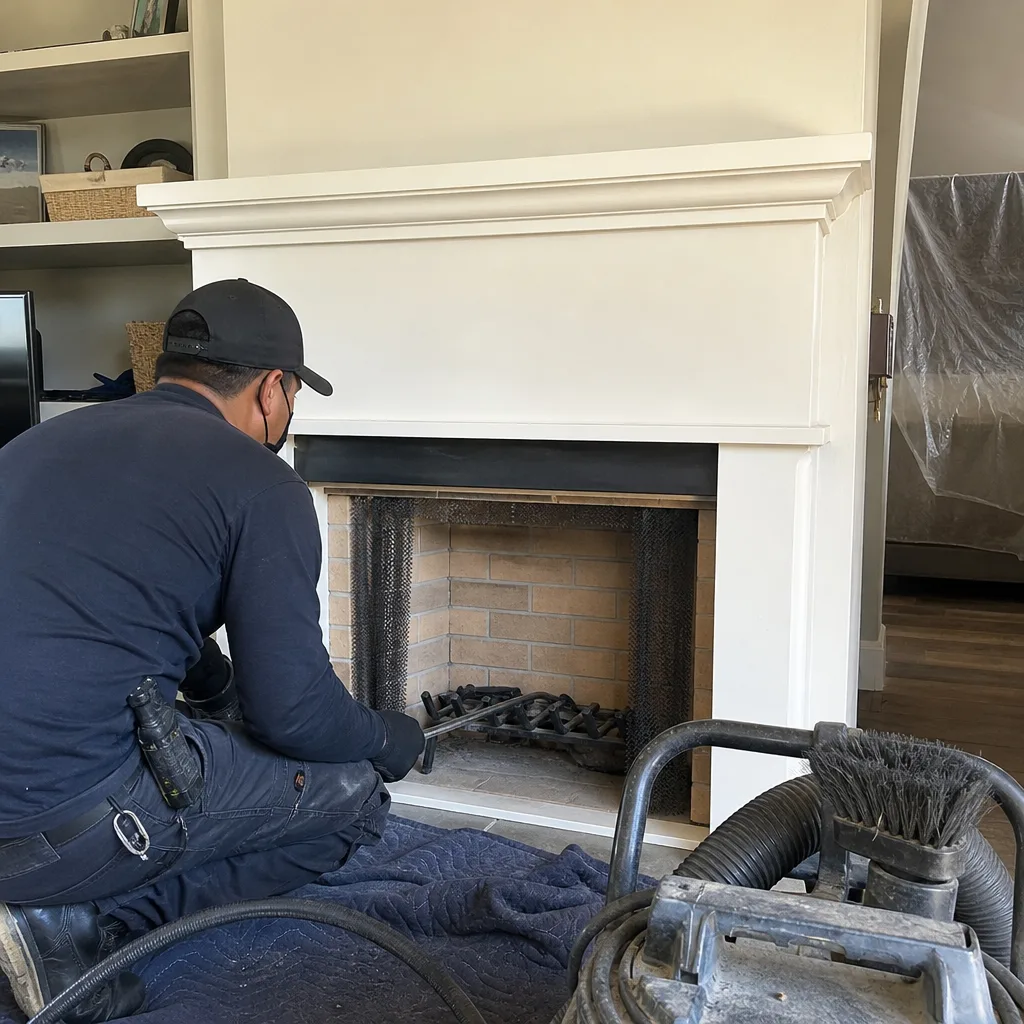 After
After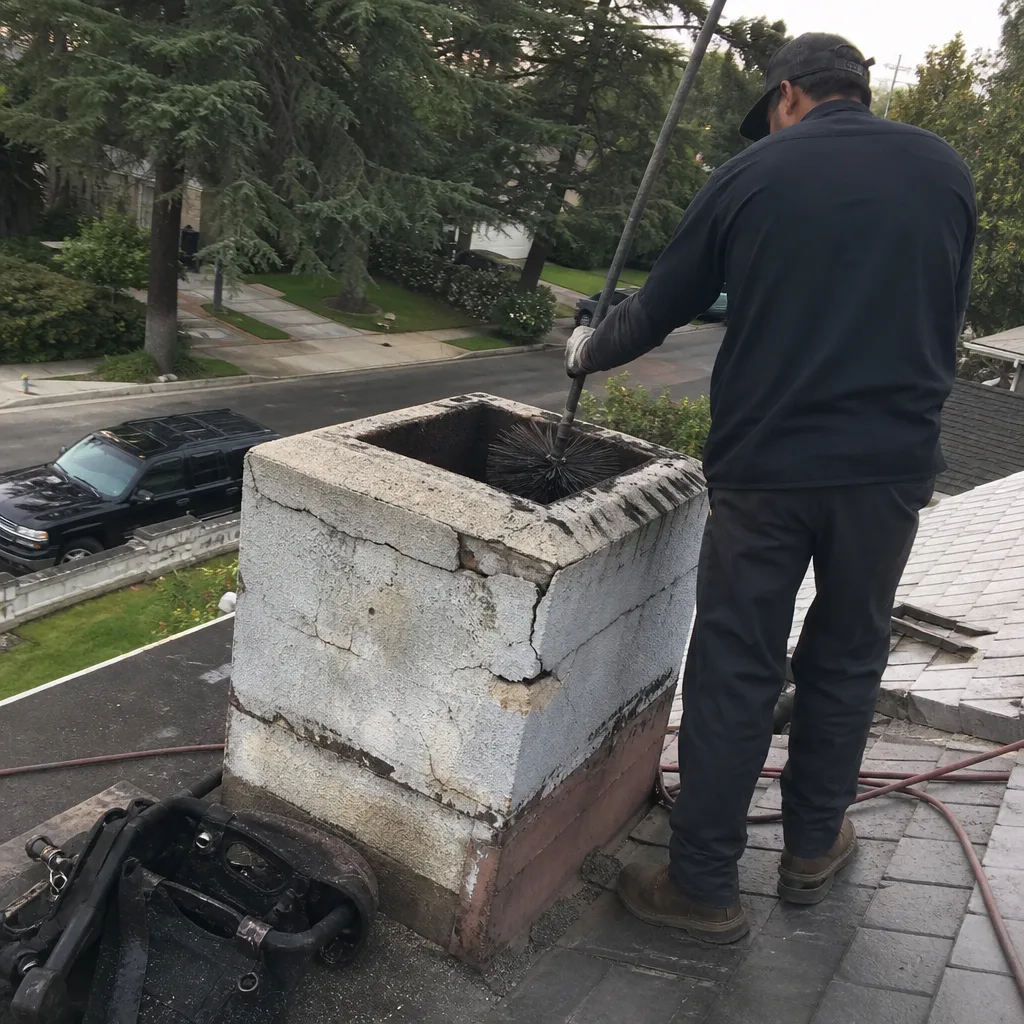 Before
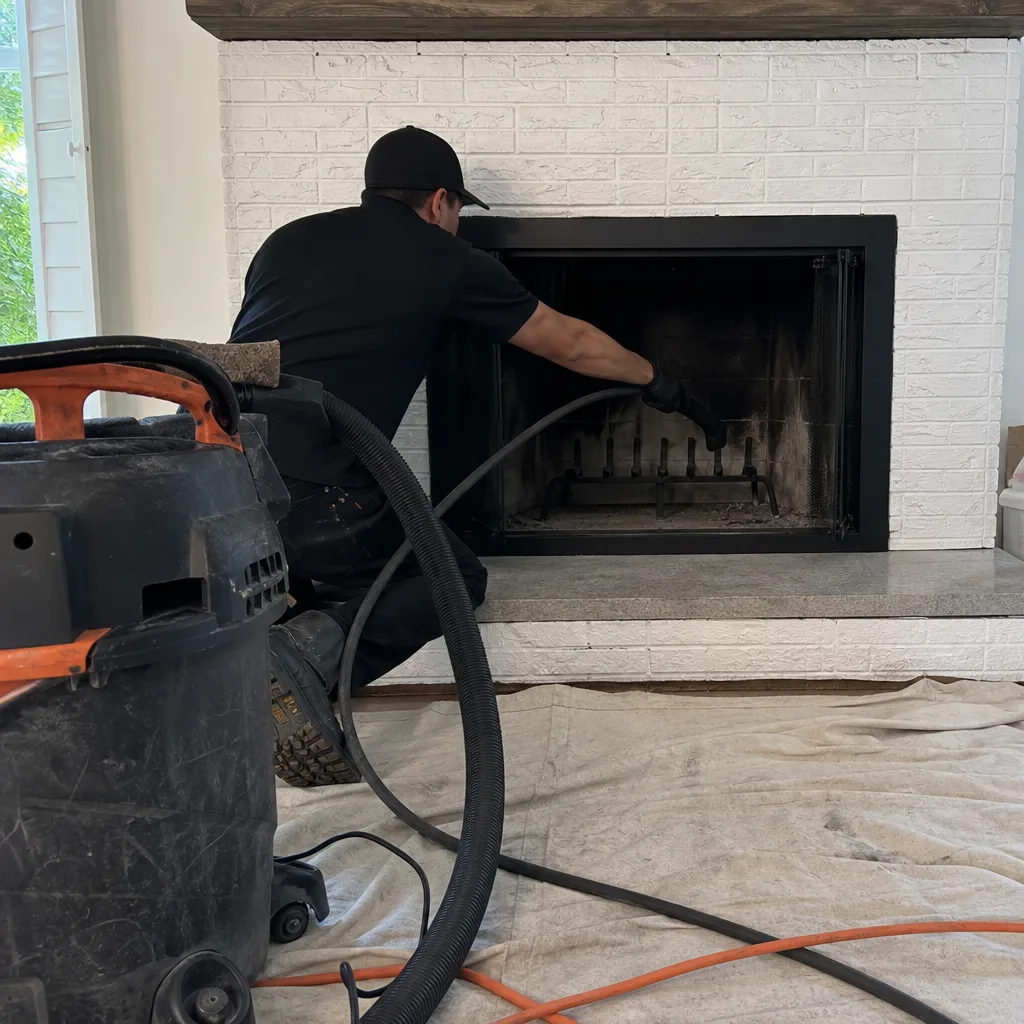 After
AfterFast, Reliable Chimney Sweep Across Fort Washington
A chimney sweep in Fort Washington, PA typically runs $189 – $329 for a standard open-flue fireplace, and most crews can get to homes along Bethlehem Pike, Pinetown Road, and the Sandy Run corridor within a day or two of your call. Fort Washington’s mix of 18th-century fieldstone homes and 1960s colonials means two chimneys on the same street can need very different work, which is why we book a full camera inspection alongside every sweep, not just a brush pass. If you’re seeing dark staining above the firebox, your damper won’t seat, or you just can’t remember the last time anyone looked at the flue, call (336) 863-3889 for a free estimate, and we’ll tell you honestly what you do and don’t need.
Why Alcott Chimney Sweep Is Fort Washington’s Preferred Chimney Sweep Company
Fort Washington homeowners call us because we show our work. Before any sweep or repair is recommended, our technician runs a camera up the flue and shows you the footage on a tablet, right there at the fireplace. If a liner is intact and just dirty, that’s what you hear. If it’s spalling, you see the chips and cracks for yourself. No one in Fort Washington should ever be talked into a multi-thousand-dollar reline based on a technician’s word alone, and we’ve built our reputation by refusing to operate that way.
Our crews work throughout Fort Washington weekly, from the neighborhoods off Camp Hill Road down to the Sandy Run valley, and we know what the Wissahickon Creek’s persistent ground fog does to mortar joints over time. That local reading of moisture, freeze-thaw cycles, and oversized gas flues is the difference between a sweep that lasts one season and one that keeps your chimney safe for years. Ruben Castellano’s technicians follow the Threshold Standard: background-checked, identity-verified, uniformed, and sent to you by name and photo before the truck ever leaves for your address. You’ll know who is walking up your driveway before they ring the bell.
Chimney Sweep Certified in Fort Washington
Chimney Sweep Certified work in Fort Washington means more than running a brush up the flue. It means the technician understands what your specific chimney was built to do and whether it’s still doing that safely. For a 1960s split-level off Susquehanna Road, that’s checking that the clay tile liner isn’t cracking under decades of acidic gas condensation. For a pre-1850 fieldstone stack near the Sandy Run corridor, it’s inspecting soft lime mortar joints that Montgomery County freeze-thaw cycles erode faster than modern Portland cement. The sweep itself covers creosote removal, soot removal, and a firebox cleanup, then we scope the flue and document everything.
What a Certified Sweep Includes
Every Fort Washington certified sweep ends with a camera inspection and a written condition report, not just a receipt. We remove creosote, the tar-like buildup that ignites during chimney fires, and we check clearances, the damper, the crown, and the flue surface. The written price comes to you before any work starts, so there are never surprise line items after the fact.
When Fort Washington Homes Need One
If you burn more than a half-cord of wood a season, the National Fire Protection Association standard is an annual sweep. Gas and oil flues are also supposed to be checked yearly, and in Fort Washington the 1980s and 1990s oil-to-gas conversions make these checks more urgent, not less. The oversized clay flues left over from those conversions condense acidic moisture that eats liners from the inside out, and a brush-only sweep misses the damage every time.
Gas Fireplace Cleaning in Fort Washington
Gas Fireplace Cleaning in Fort Washington carries a different standard than most homeowners assume. Gas burns cleaner than wood, but it is not maintenance-free: the venting still collects soot, mineral scale, and in many Fort Washington homes, the acidic condensation that accumulates inside oversized clay flues that were sized for oil, not gas. A thorough cleaning here means disassembling the log set, cleaning the burner and pilot assembly, checking the thermocouple and thermopile, vacuuming the firebox, and scoping the flue for liner damage. It is the inspection part that keeps your family safe, because a failed liner on a gas fireplace vents carbon monoxide into living space, not out the stack.
Why Annual Cleaning Still Matters
Even if the flames look fine, a gas fireplace that vents into a compromised flue is doing its real damage where you cannot see it. In Fort Washington’s older homes, the gas log set is often tied into a chimney that originally burned wood or coal, which changes everything about how the flue was meant to perform. Annual cleaning and a camera check catch the problems while they are still cheap to fix.
What Fort Washington Gas Owners Should Watch For
White chalky staining on the exterior masonry, a musty or acrid smell when the fire first lights, or soot accumulating on the glass faster than it used to all point to venting trouble. If your gas fireplace has not been scoped in two years or more, call (336) 863-3889 and we’ll schedule a cleaning and camera inspection before the heating season is in full swing.
Trusted Brands We Service in Fort Washington
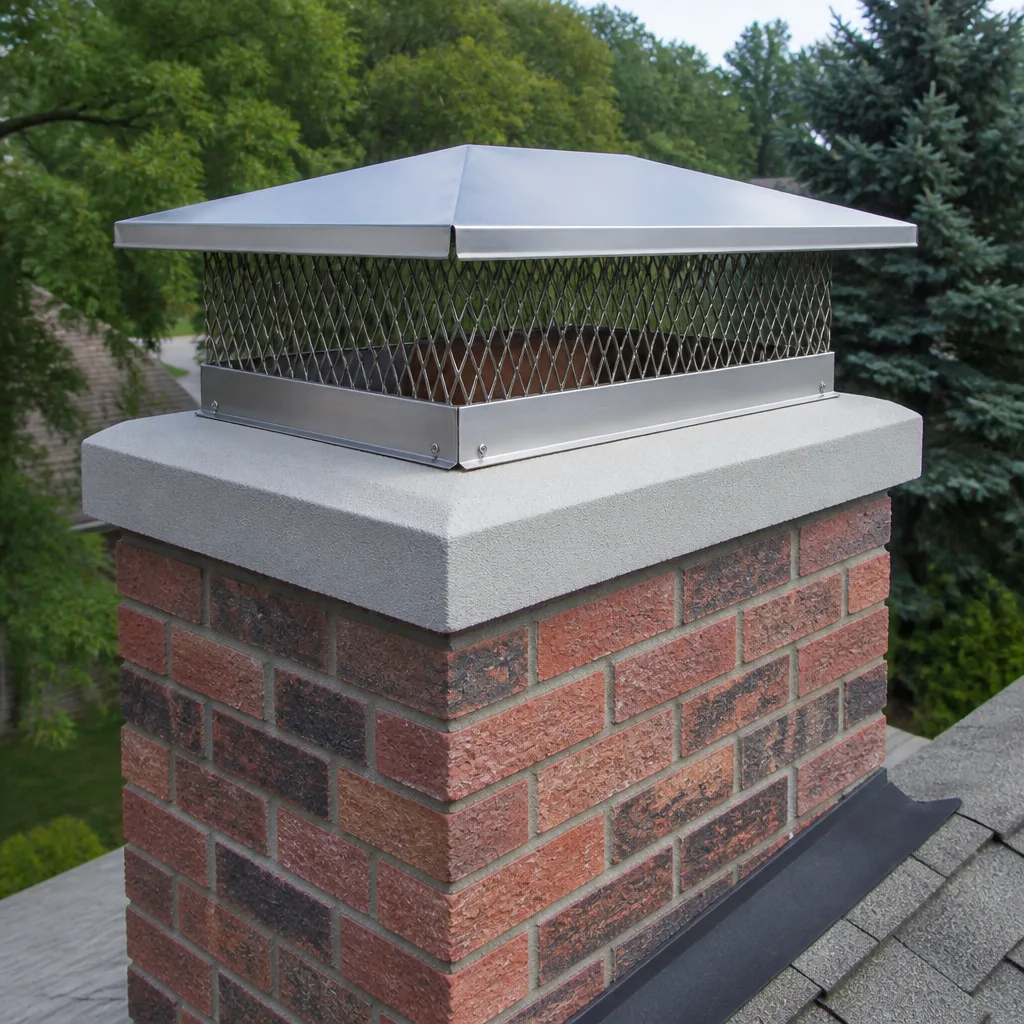
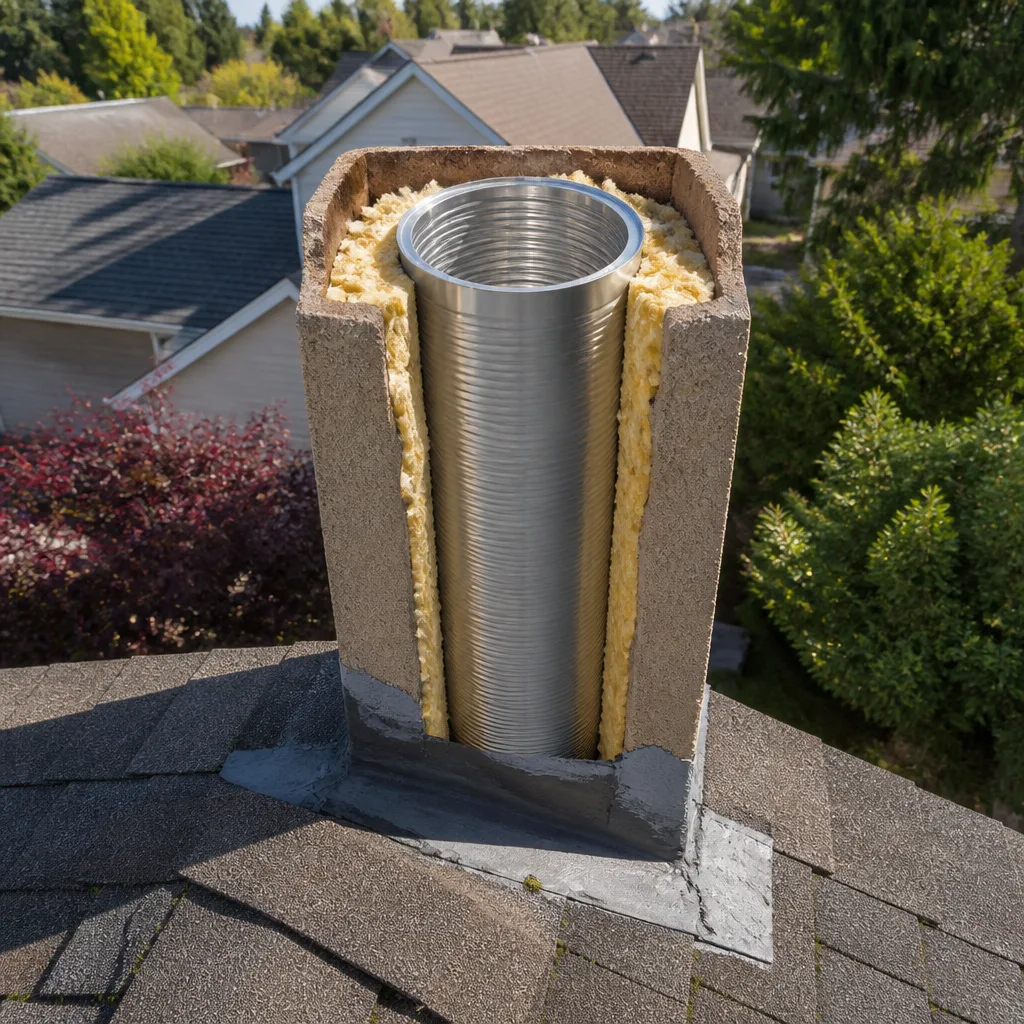
We carry and install HeatShield, Gelco, and Olympia Chimney products because these are the materials professional chimney technicians specify, not box-store substitutes. When a Fort Washington homeowner needs a liner resurfaced, we often use HeatShield rather than recommending a full rip-and-replace tear-out, and we keep local parts stock for common Fort Washington fireplaces so a repair usually does not mean waiting a week for a shipment. Gelco and Olympia components cover the rebuild side, when a crown or cap has to be remade to match the home’s age and profile. The point is that you are never forced into a budget number for materials a pro would not actually install.
Common Chimney Sweep Problems We See in Fort Washington Homes
- Oversized flue condensation from oil-to-gas conversions. Homes converted in the 1980s and 1990s often kept their 8-inch or larger clay tile liners, and the smaller gas appliances now venting into them produce cool flue gases that condense and eat the clay from the inside. Brush-only sweeps miss this pattern; our camera catches it every time.
- Spalling and crown cracking from Wissahickon valley moisture. The creek valley traps lingering fog and ground-level dampness along Bethlehem Pike and the Sandy Run corridor, and that moisture works into masonry pores before every freeze-thaw cycle splits them wider. Efflorescence blooms and flaking brick faces are the visible sign something worse is happening inside the flue.
- Soft lime mortar on historic fieldstone chimneys. Fort Washington’s pre-1850 homes were built with lime-based mortar, which breathes differently than modern Portland mixes and erodes far faster under Montgomery County winters. Repointing with the wrong material traps moisture inside and accelerates the damage.
- Unlined flues on retrofitted gas appliances. Many Fort Washington homes have gas log sets or gas inserts venting into chimneys never designed for them, including unlined flues on the oldest homes. Without a proper liner, carbon monoxide and acidic moisture both find their way into the house, not just up the stack.
Pricing for Chimney Sweep in Fort Washington, PA
A standard open-flue chimney sweep in Fort Washington runs $189 – $289, depending on creosote load and access. Gas fireplace cleaning with a camera inspection typically lands between $149 and $229. If we find spalling, a cracked crown, or liner damage during the scope, we give you a separate written quote before any repair work starts, and you can see the damage yourself on the camera feed. For older fieldstone chimneys that need repointing along with the sweep, expect to add $12 – $18 per square foot of masonry repointed, depending on height and access. Every job includes the written price before work begins, the camera evidence, and a free return visit if any repair we make fails within the 365-Day Done Right Promise. Call (336) 863-3889 for an exact number on your chimney, not a guess.
We Also Serve Cities Near Fort Washington
Our crews cover the whole Montgomery County corridor, so if you are searching for Chimney Sweep in Fort Washington, you likely know a neighbor in Oreland, Flourtown, Ambler, or Glenside who needs the same work. The same camera-first, written-price process applies across every one of these towns, and we schedule Fort Washington and surrounding jobs on the same route so you are not waiting extra days for a repair just because you live a mile off the main road.
Serving Fort Washington, PA - Our Local Coverage Area
We’re based in the Fort Washington area and know this community well. Use the map below to see our service coverage - if you’re nearby, we can almost certainly help.
FAQs About Chimney Sweep in Fort Washington
Yes, your flue should be camera-scoped, not just brushed. The original oil flue was likely 8 inches or larger in clay tile, and your gas appliance now vents into a space far bigger than it needs, so the cooler gases condense and the acidic moisture eats the clay liner from inside. The fix is often a correctly sized HeatShield liner resurfacing, not a full rebuild, but you need the camera footage to know which one applies to your chimney. Call (336) 863-3889 and we’ll show you what the flue looks like before we recommend anything.
They do, and skipping that distinction is how homeowners get hurt. Fieldstone and early brick chimneys from before 1850 were built with soft lime-based mortar that breathes and erodes under Fort Washington’s repeated freeze-thaw cycles, so annual inspection of the mortar joints and crown is not optional. A 1960s colonial typically needs attention to the clay tile liner and the crown, not the masonry body. The two homes need different work, and a technician who treats them the same is doing one of them wrong.
Once a year, at minimum. The National Fire Protection Association standard is an annual inspection for any chimney in use, and Fort Washington’s valley moisture and freeze-thaw cycles push that from a recommendation to a real safety necessity. Homes burning wood more than a half-cord a season should also be swept annually, and gas fireplaces need an annual camera check for liner and venting integrity. Fall is the right time to book, before the first sustained freeze.
Third-degree creosote is the hard, glossy, tar-like glaze that forms when a chimney burns hot and fast, then cools with unburned residue still inside. A standard brush sweep cannot remove it because the glaze is too hard for steel bristles, and trying anyway just smooths the surface and gives a false sense of security. We use a rotary chain system and then scope the flue to confirm it is clean, and we document all of it on camera so you are not taking anyone’s word.
It can be safe, but only if the flue has been properly lined and sized for the gas appliance it now serves. The original wood and coal chimney was built for high-temperature, high-volume exhaust, and a small gas fireplace produces cooler, wetter exhaust that condenses and attacks the old masonry. A correctly sized liner plus an annual camera check is the baseline for safe operation, and if your home has never had one, call (336) 863-3889 for a free estimate on inspection and lining options.
Written by Ruben Castellano, Owner at Alcott Chimney Sweep, serving Fort Washington homeowners with camera-verified sweeps and written quotes since 2002.