
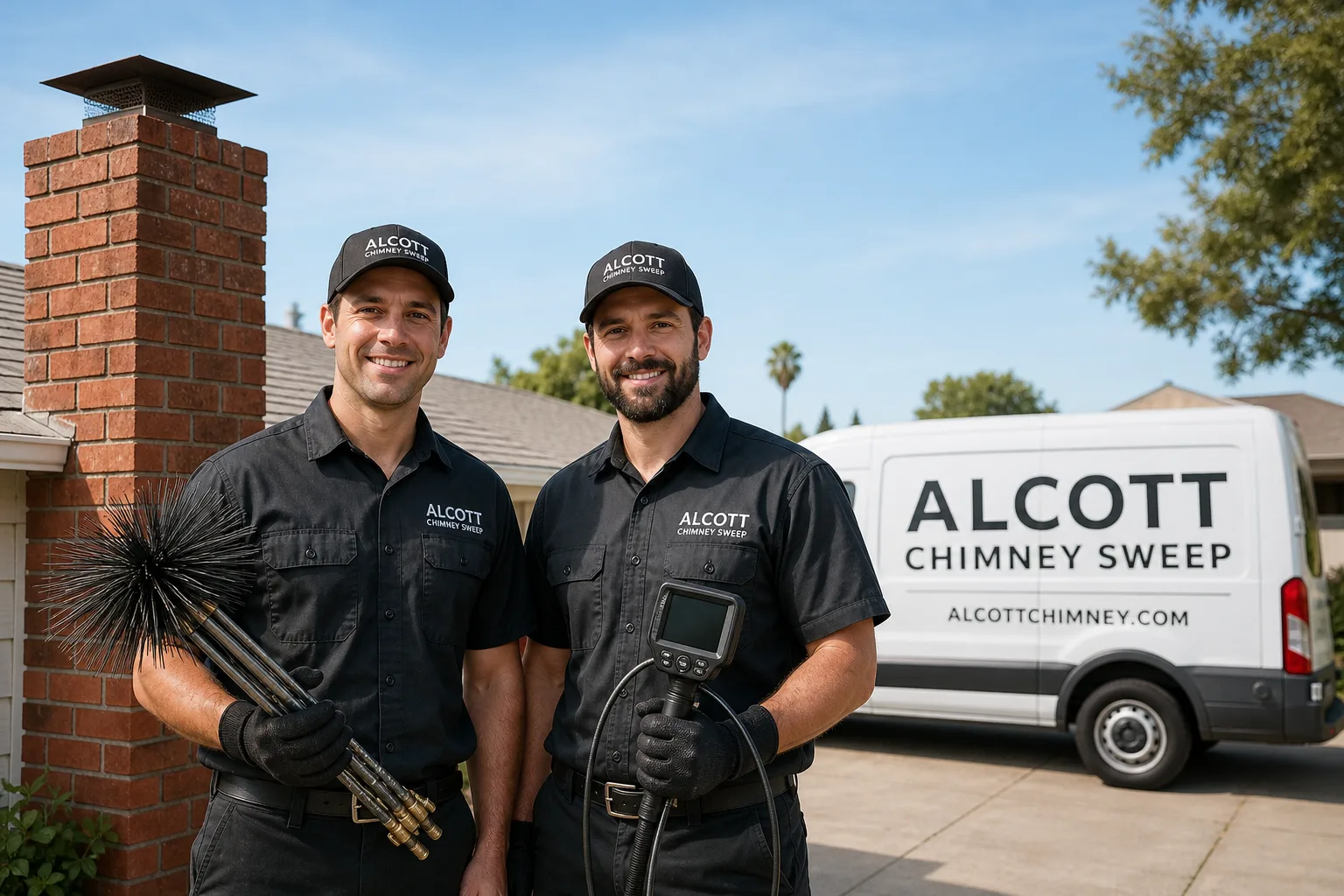
Level 1 sweep and inspection to the NFPA 211 annual standard - flue, crown, cap, and flashing checked and photographed
Chimney sweep logs do not sweep chimneys. They loosen some creosote - which then falls where a brush and vacuum still have to collect it.
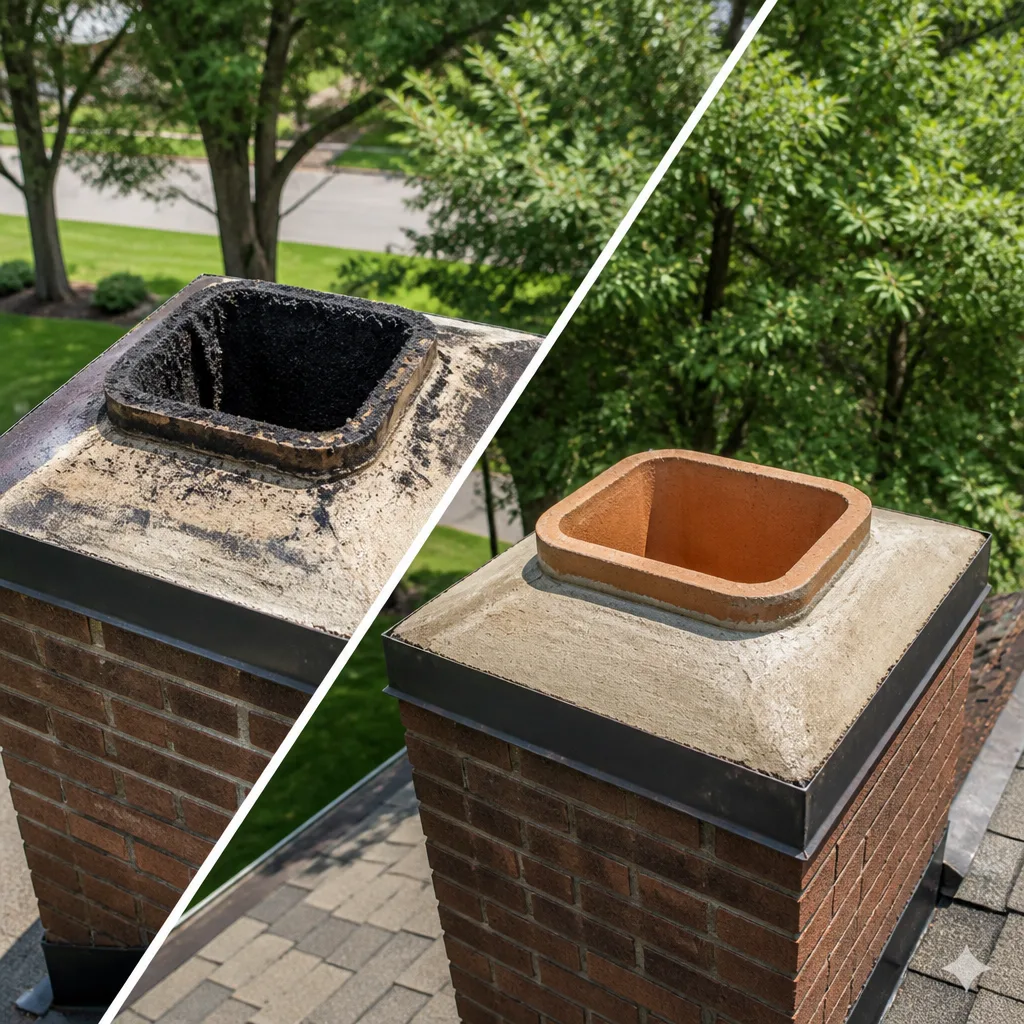
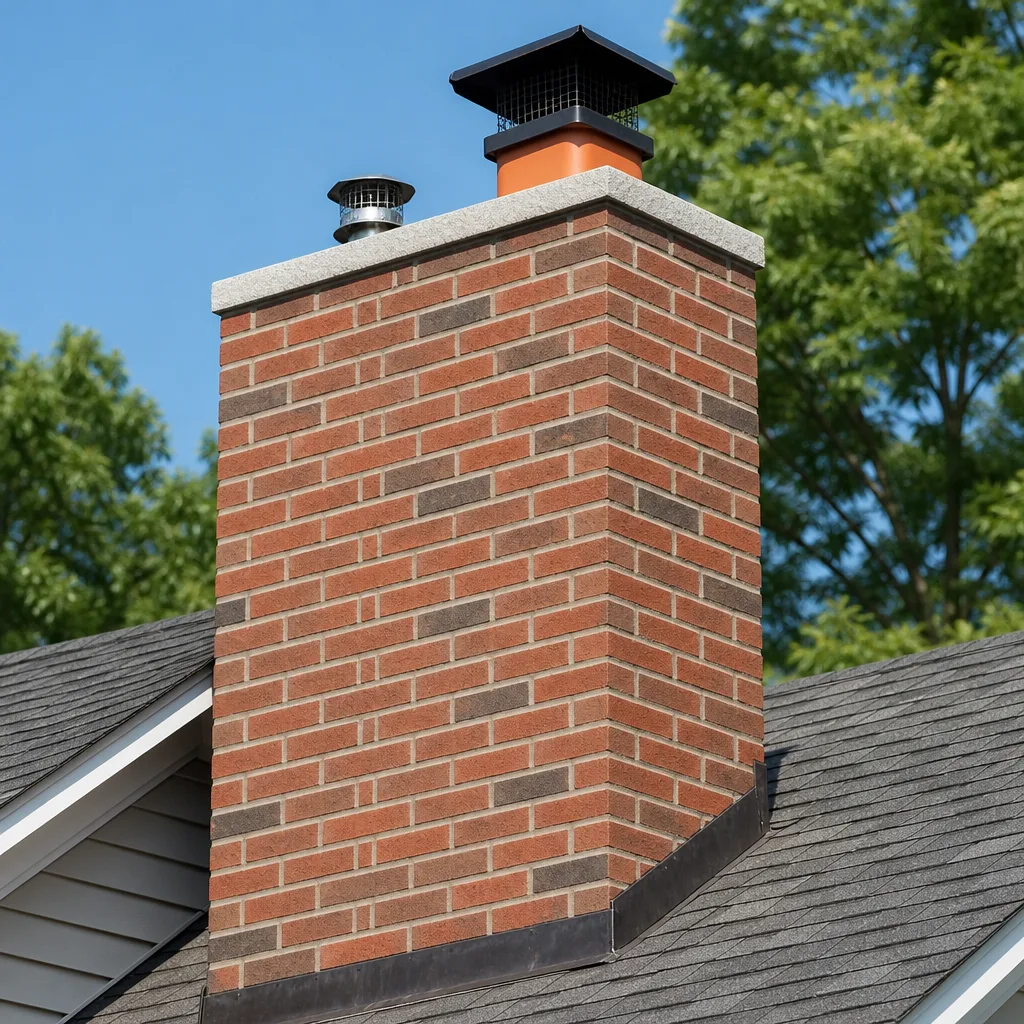
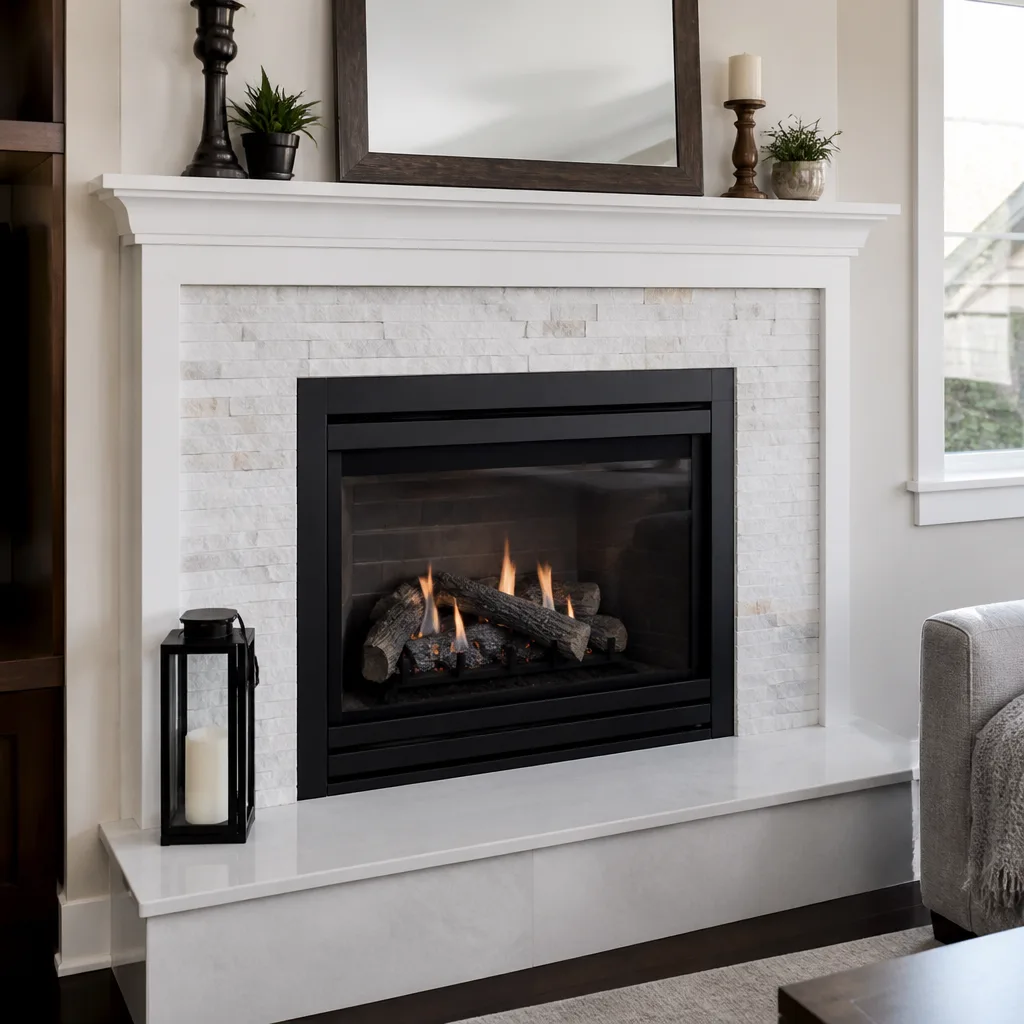
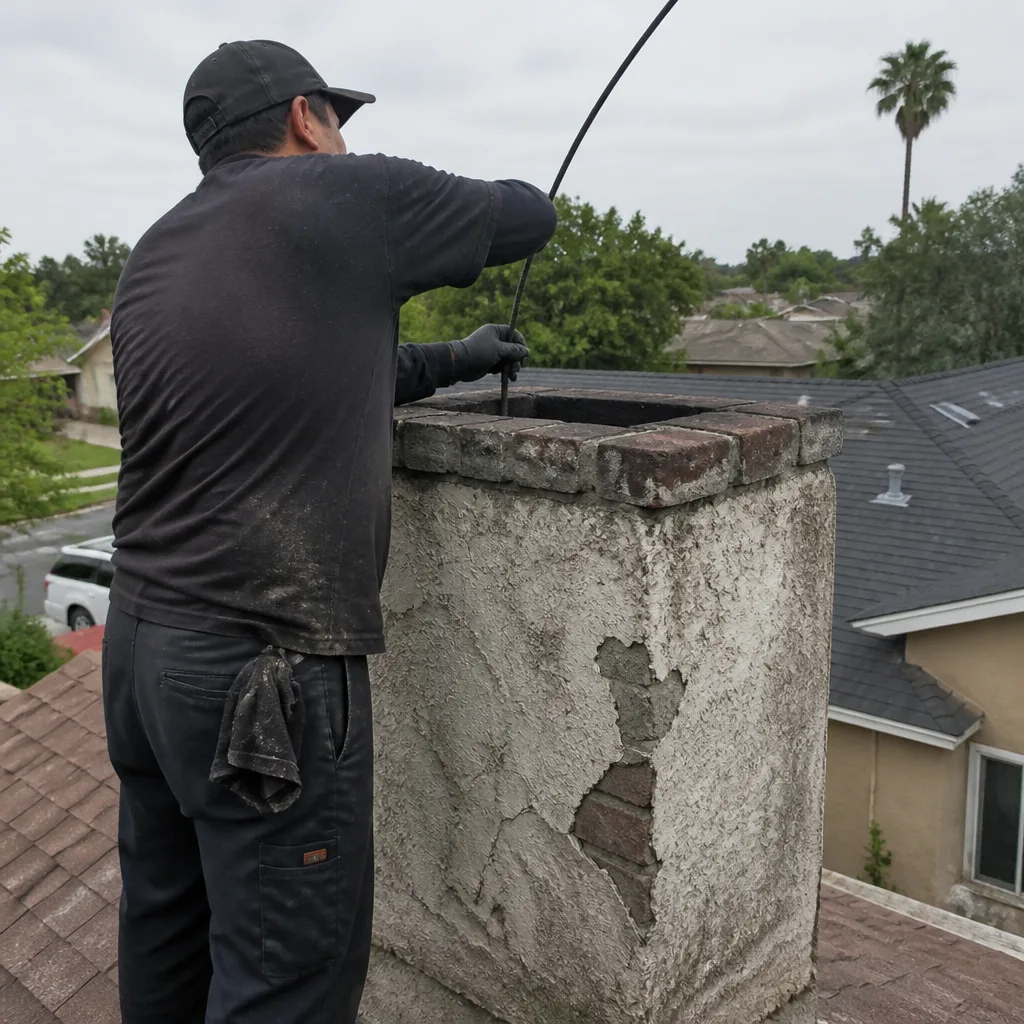 Before
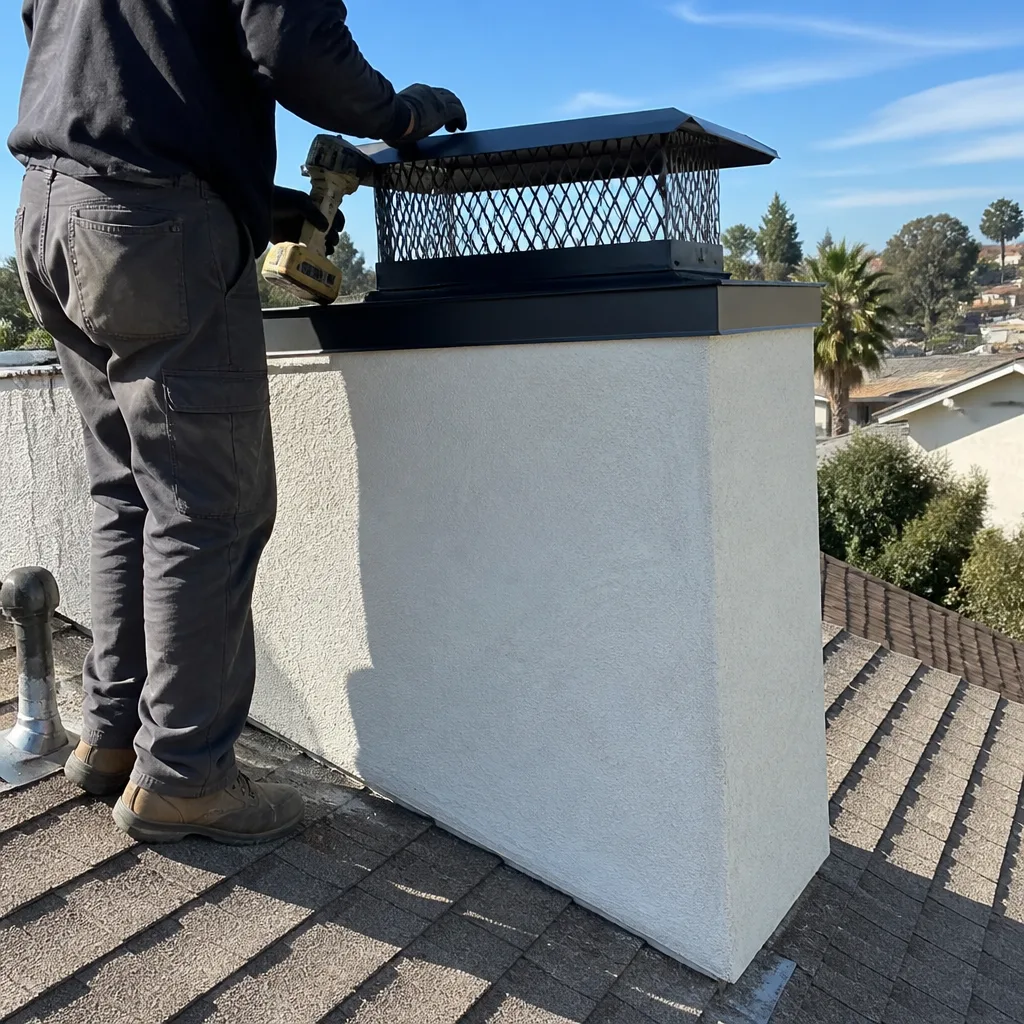 After
After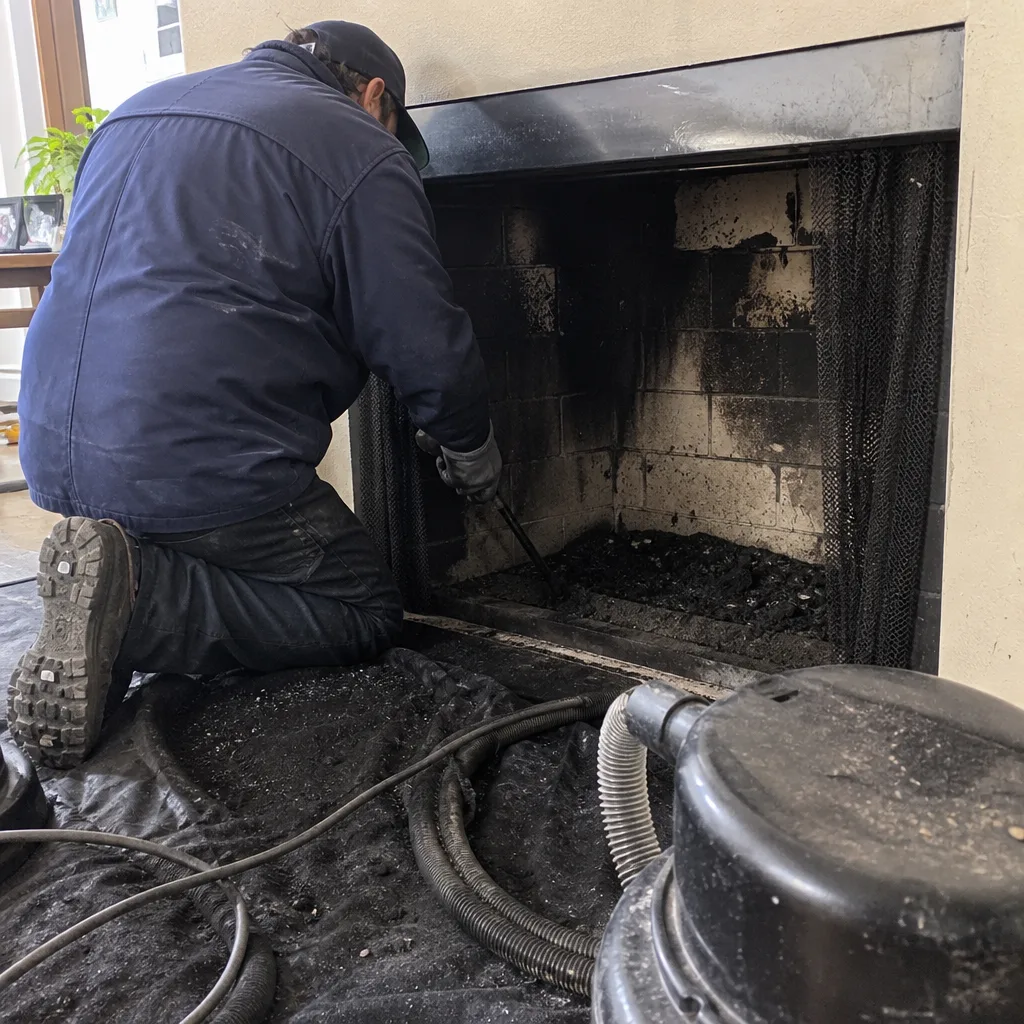 Before
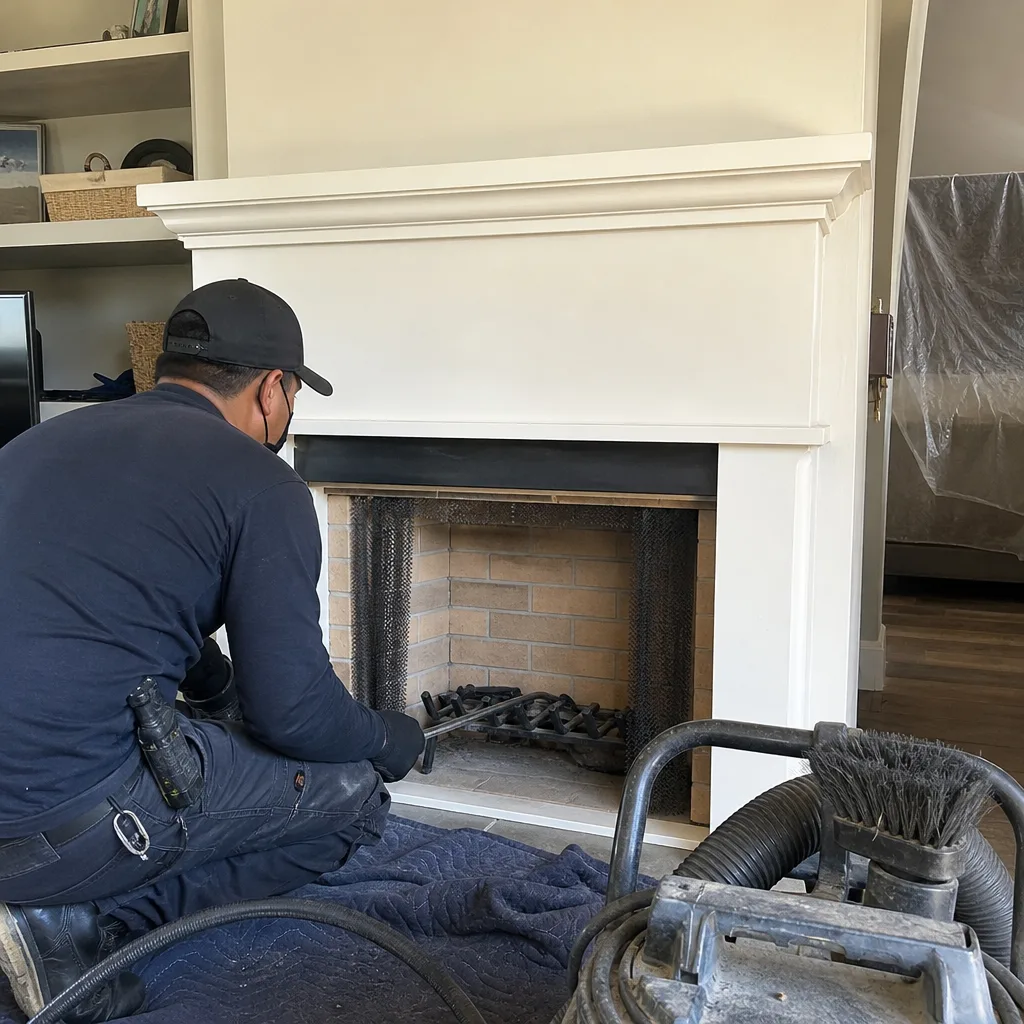 After
After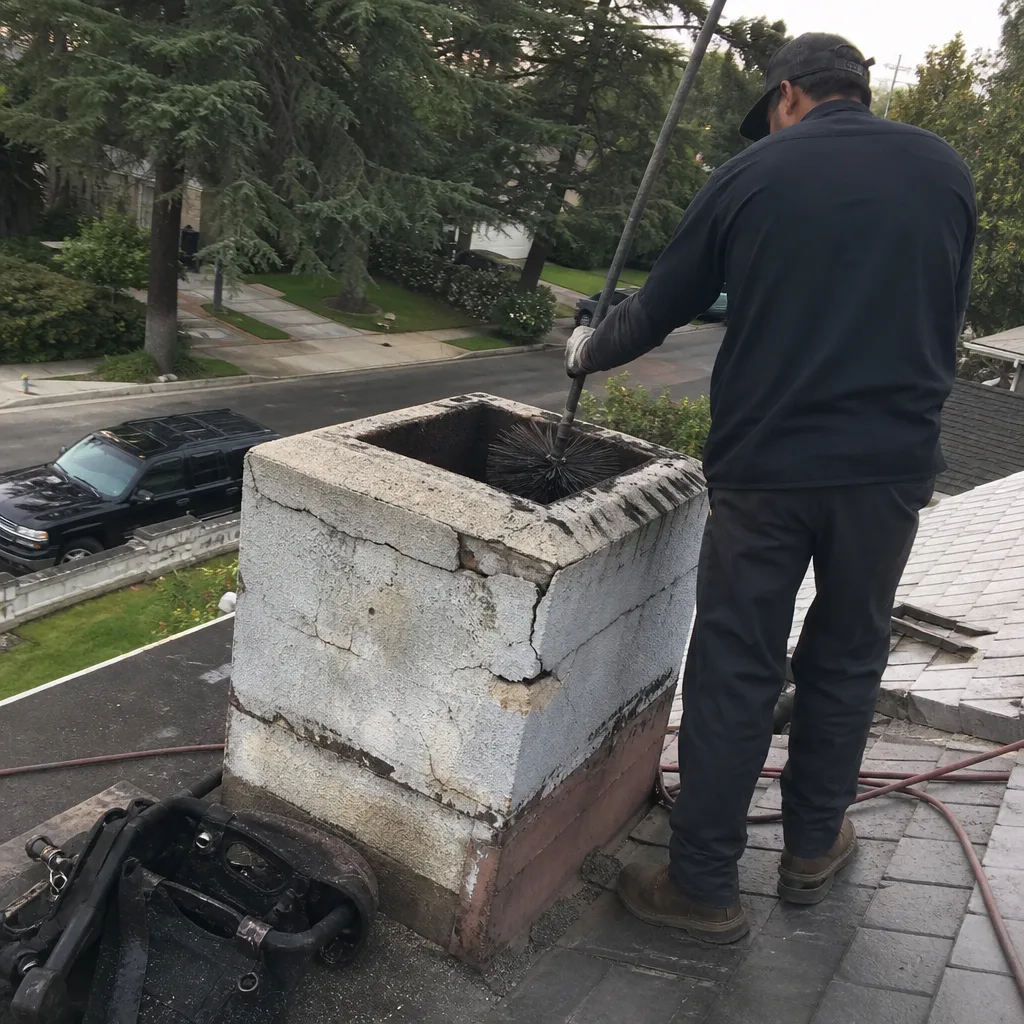 Before
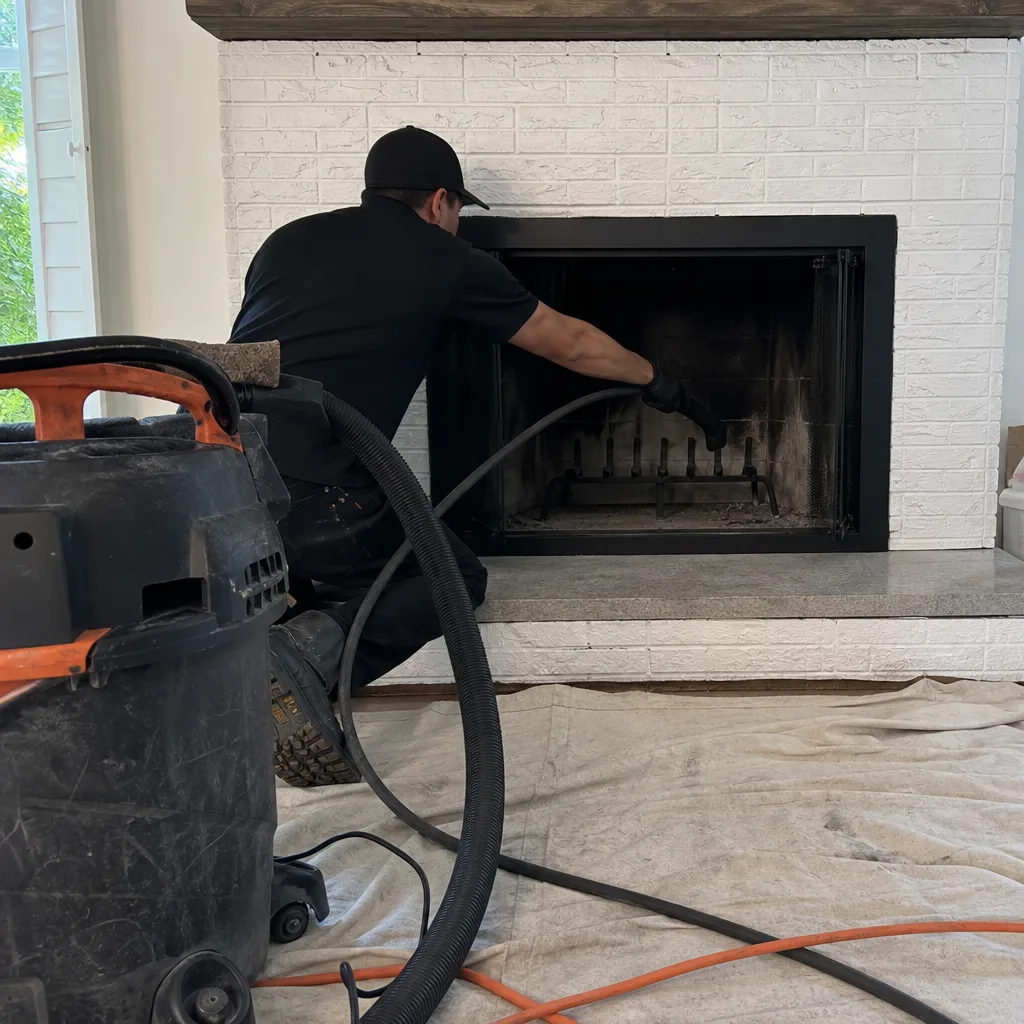 After
AfterFast, Reliable Chimney Sweep Across Running Springs
A chimney sweep in Running Springs runs $189 to $329 for a standard cleaning of one fireplace or wood stove, with Level 2 camera inspections running $249 to $399 depending on home size and flue configuration. We schedule sweeps across Running Springs neighborhoods including Upper Rowco, Lower Rowco, and the Rim of the World Drive corridor with a live person answering our phones at (336) 863-3889 around the clock. If you own one of the hundreds of post-WWII cabins or A-frames tucked into this 6,000-foot forested ridge, your chimney needs different care than a San Bernardino valley home. We know because we work these flues every week.
Why does elevation matter for a sweep? It’s not just the cold. Running Springs gets some of the heaviest snowfall in the San Bernardino Mountains, and the hard freeze-thaw cycles crack mortar joints season after season. That means a sweep here isn’t just about clearing soot. It is about catching the cracks that let water into the flue before the first snow loads the roof and freezes into the chimney crown. A 1968 cabin with its original clay-tile liner is not a repair-free system. It’s a system that needs to be looked at with a camera, not just a brush.
Why Alcott Chimney Sweep Is Running Springs’s Preferred Chimney Sweep Company
Ruben Castellano started Alcott in 2002, and the company has been part of the Threshold Group family since then. That detail matters more in Running Springs than almost anywhere else. Many homes here are second homes or vacation cabins, owned by people who live down the hill and are not home when the sweep truck shows up. Our technicians are background-checked and identity-verified before they ever step on your property. Every customer gets the technician’s name and photo before arrival, and every technician carries a photo ID badge they are required to show at the door. That is the Threshold Standard, and it is not optional anywhere we work.
Local real estate agents and full-time residents know what a chimney fire can do up here. Running Springs sits inside the San Bernardino National Forest. A chimney fire isn’t just a house fire. It is a potential ignition point for the forest itself. That’s a specific kind of risk that our sweeps, our inspections, and our repair recommendations are built around. We don’t treat Running Springs like a mild-weather suburb. We treat it like what it is: a high-elevation mountain community with older cabins, seasonal burn patterns, and a wildfire corridor that does not forgive neglect.
You will also get a written price before any work starts. Not an estimate over the phone that changes when the technician arrives. A written price, delivered before we put a brush in your flue. That’s how we’ve operated since 2002, and Ruben Castellano has never made an exception.
Chimney Maintenance in Running Springs
Chimney Maintenance in Running Springs means treating your flue, crown, and damper as a single system that takes a beating from both fire and weather. A standard maintenance visit includes a sweep, a visual check of the firebox and damper assembly, and a close look at the exterior masonry and crown for freeze-thaw cracking. On a typical Running Springs cabin, this runs $189 to $329 before repairs. If you burn only on holiday weekends and ski trips, you are not off the hook. You are actually in the group most likely to have dangerous glazed creosote, because short, hot burns deposit the stickiest form of creosote faster than long, low fires.
Firebox and Damper Maintenance
The firebox is the cast-iron or masonry chamber where your fire burns. In older Running Springs cabins, the firebox often has hairline cracks that let heat reach combustible framing behind the masonry. We inspect the firebox walls, the damper plate, and the smoke shelf during every sweep. If a damper is warped or stuck, we tell you before it turns into an $800 repair.
Crown and Flashing Sealing
The chimney crown is the concrete slab on top of the chimney. Running Springs freezes hard at night and warms fast in the day all winter long. That cycle opens hairline cracks in the crown within a few seasons. Water gets in, freezes, and spalls the mortar joints below. During a maintenance visit, we check the crown and the flashing where the chimney meets the roof. A crack we seal now is a HeatShield or DuraFlex liner job we don’t have to do in three years. Related: Chimney Sweep work is part of our core service, but maintenance is what keeps a mountain cabin livable decade after decade.
Chimney Sweep Services in Running Springs
Chimney Sweep Services in Running Springs cover every type of solid-fuel appliance common in the San Bernardino Mountains: open fireplaces, fireplace inserts, freestanding wood stoves, and older cook stoves that still sit in a few of the original cabins. A standard sweep removes creosote, soot, and any debris that has fallen into the flue from the crown or the rain cap. In Running Springs, this runs $189 to $329 for a single flue. A second flue on the same visit adds $80 to $120, depending on access and roof pitch.
Creosote and Soot Removal
Creosote is the tar-like residue that condenses inside your flue when wood smoke cools before it exits the chimney. Running Springs cabins that burn short, hot fires over a holiday weekend produce stage-three glazed creosote faster than almost any other burn pattern we see in Southern California. Glazed creosote is shiny, hard, and extremely flammable. It does not brush off with a standard wire brush. It has to be removed with rotary tools and chemical treatments, which is why we do not quote a sweep price until we know what is actually in the flue.
Annual Sweep and Fireplace Cleaning
The National Fire Protection Association recommends an annual inspection and cleaning for any chimney that sees regular use. In Running Springs, where the burn season runs from November through April and many cabins burn every weekend, an annual sweep is the baseline. Fireplace cleaning includes the firebox, the hearth, and the interior of the firebox walls. We finish by setting the damper and making sure the flue is fully open. If you are a seasonal owner at Running Springs, schedule your sweep for late fall before the first heavy snow. Our schedule fills quickly after the first hard freeze.
What happens when you call
- 1
A real person answersNo phone trees - you reach a local pro.
- 2
You get an upfront price rangeHonest numbers before anyone is dispatched.
- 3
A background-checked tech heads outLicensed & insured, dispatched right away.
- 4
You approve before work beginsNothing starts until you say go.
Trusted Brands We Service in Running Springs
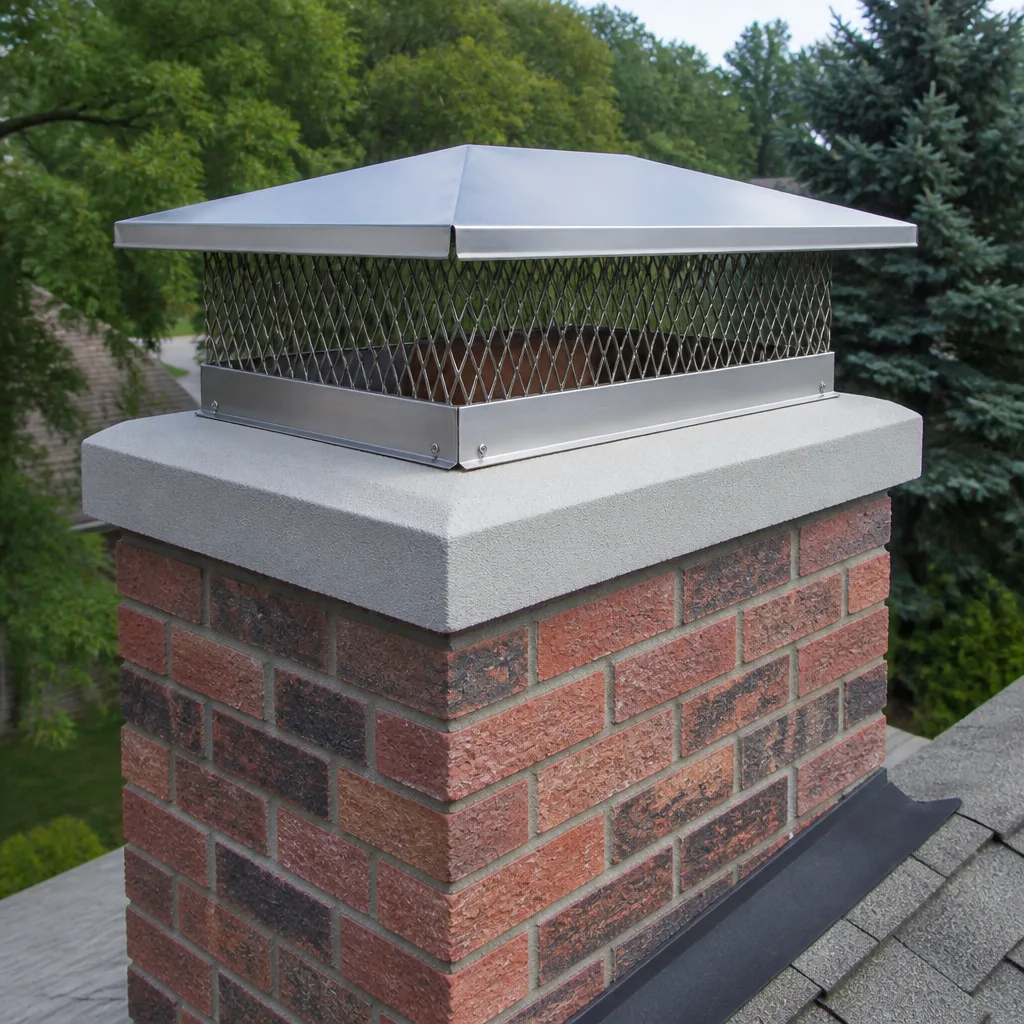
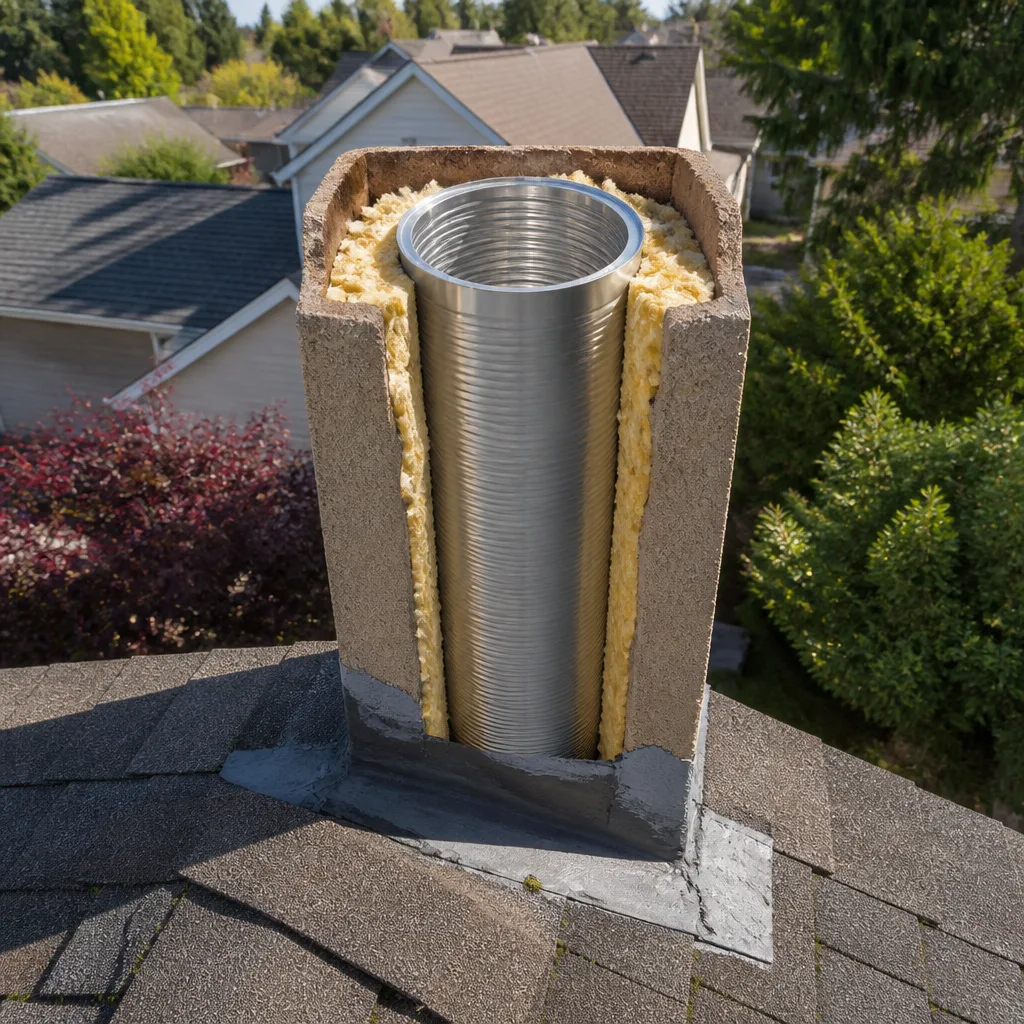
Alcott Chimney Sweep carries and installs the trade brands that professional chimney technicians actually specify. That means Famco caps and dampers, Copperfield chase covers and flashing, DuraFlex stainless steel flexible liners, and HeatShield Cerfractory flue sealant for repairing damaged clay-tile flues. When a Running Springs cabin needs a liner repair or a crown reseal, we are not driving down the hill to a big-box store for a generic substitute. We stock what we need on the truck. If a part isn’t on hand, we can usually get it to the mountain within a day or two, and we will tell you that timeline before any work starts.
Common Chimney Sweep Problems We See in Running Springs Homes
- Glazed stage-three creosote from short, hot holiday burns. Owners think “we barely use it” means the chimney is clean. The opposite is true. A handful of intense fires in a cold cabin produces the hardest, stickiest creosote we see anywhere in the region.
- Freeze-thaw cracked crowns and mortar joints. Running Springs cycles between hard freeze at night and daytime thaw from November through March. That cycle opens cracks in the crown and the mortar joints, letting water into the flue and spalling the clay-tile liner.
- 1970s wood stoves vented into undersized flues. Many cabins added freestanding wood stoves during the 1970s energy crisis. Those stoves were often connected to existing fireplace flues that were never sized for them. The result is poor draft, smoke spillage, and creosote buildup that a standard sweep alone will not fix.
- Open damper assemblies and animal entry into unused flues. Seasonal homes sit empty for months. Birds, squirrels, and raccoons find their way into uncapped flues. We remove nests during sweeps, but we also recommend proper caps, and we install Famco caps when the existing chase cover has rusted through.
Pricing for Chimney Sweep in Running Springs, CA
We Also Serve Cities Near Running Springs
Our mountain service area covers Chimney Sweep in Running Springs plus Lake Arrowhead for lakefront cabins with masonry fireplaces, Highland for valley-condition flues that behave differently from mountain systems, Mentone for older ranch-style homes with wood stoves, and Crestline for A-frames and cabins at similar elevation and with similar freeze-thaw damage patterns.
Serving Running Springs, CA - Our Local Coverage Area
We’re based in the Running Springs area and know this community well - from Gas Fireplace Repair in Running Springs to chimney sweeping. Use the map below to see our service coverage - if you’re nearby, we can almost certainly help.
FAQs About Chimney Sweep in Running Springs
Every year, even if you only burn a few weekends. Short, hot burns in a cold cabin produce glazed creosote faster than steady daily burning, so a “barely used” chimney can actually be the most dangerous one on the street. Call (336) 863-3889 to schedule a sweep and visual inspection before the burn season starts.
Because short, intense fires in a cold flue create exactly the conditions that condense creosote into a hard, shiny layer. The flue never gets hot enough long enough to burn off the residue, so it builds into stage-three glazing in just a handful of burn events. This is the most common pattern we see in seasonal cabins, and it requires rotary removal rather than a standard brush sweep.
Yes, and that is a real concern for the entire community. A chimney fire that breaches the flue or cracks the masonry can eject burning creosote onto the roof, and in a high-wind mountain corridor with dry fuels all around, that becomes a wildfire risk. This is why annual sweeping and camera inspection matter more in Running Springs than they do in the valley.
A Level 2 inspection adds a full camera scan of the flue interior, which is the only way to see whether the clay-tile liner is spalled, cracked, or separated at the joints. In a cabin with a 1970s stove connected to an undersized flue, that camera footage tells us if the liner is safe or if it needs a HeatShield repair or a DuraFlex liner. Call (336) 863-3889 and ask for the Level 2 camera option when you book.
It matters a lot. Freeze-thaw cracking opens the crown and mortar joints, letting water into the flue where it spalls the liner and accelerates creosote adhesion. A standard sweep clears the flue, but if we find freeze-thaw cracking on the crown, sealing it is the difference between a $300 maintenance job and a $2,500 liner replacement in three years.
Call Alcott Chimney Sweep for Your Running Springs Home
Running Springs cabins were built for fire, but not all of them were built for the way we burn them now. A chimney fire in this part of the San Bernardino National Forest is a risk to your home and to the forest around it. We show up with a camera, a name badge, and a written price before we do anything else. Every repair carries a written guarantee. If the repair fails within the coverage period, the second visit is free. That is the 365-Day Done Right Promise, and it applies to every sweep and repair we complete in Running Springs. Call (336) 863-3889 for a free estimate. A live person answers every call, and you will know exactly who is coming to your door before we arrive.
Written by Ruben Castellano, Owner at Alcott Chimney Sweep, serving Running Springs and the San Bernardino Mountains since 2002.