
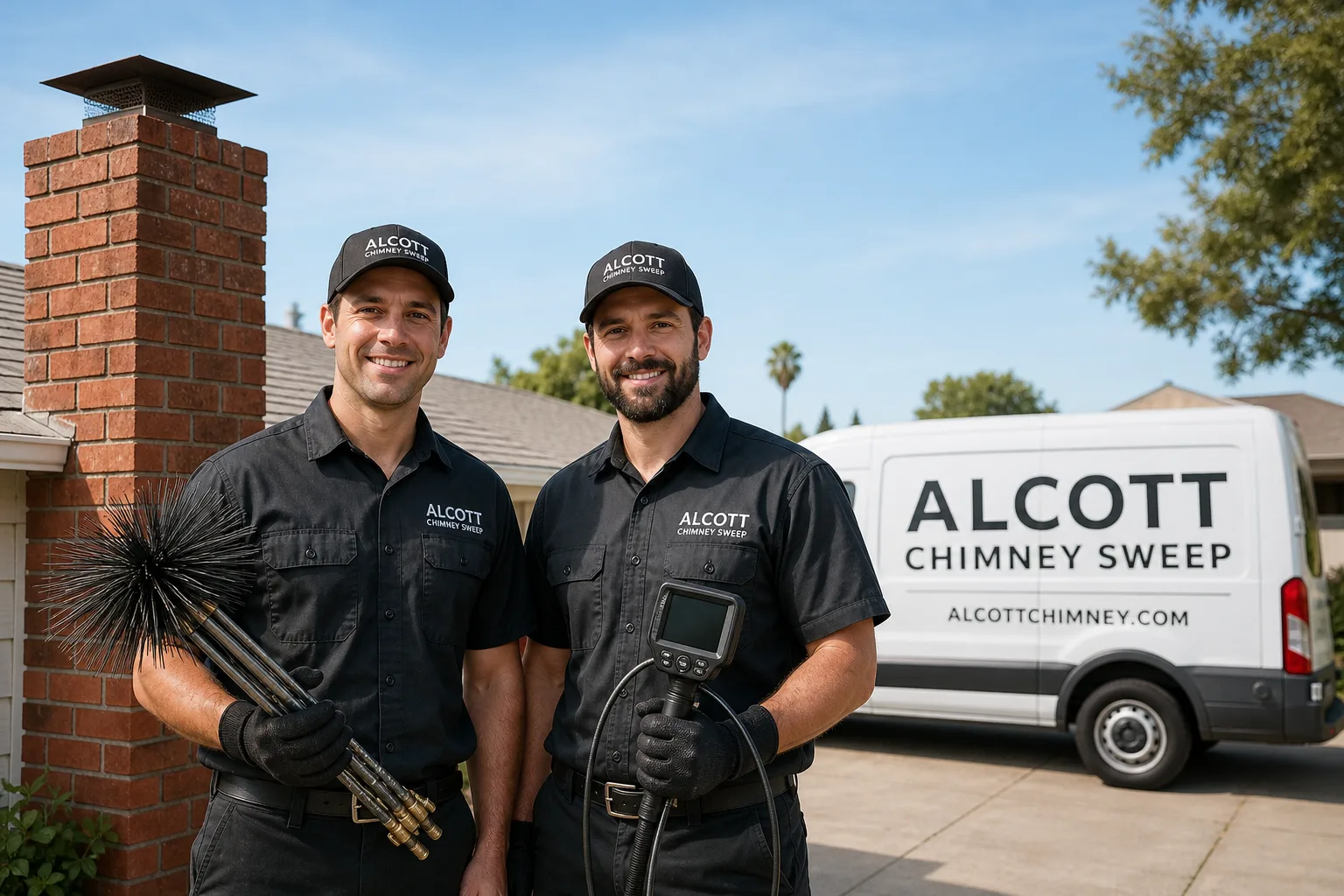
Level 1 sweep and inspection to the NFPA 211 annual standard - flue, crown, cap, and flashing checked and photographed
Chimney sweep logs do not sweep chimneys. They loosen some creosote - which then falls where a brush and vacuum still have to collect it.
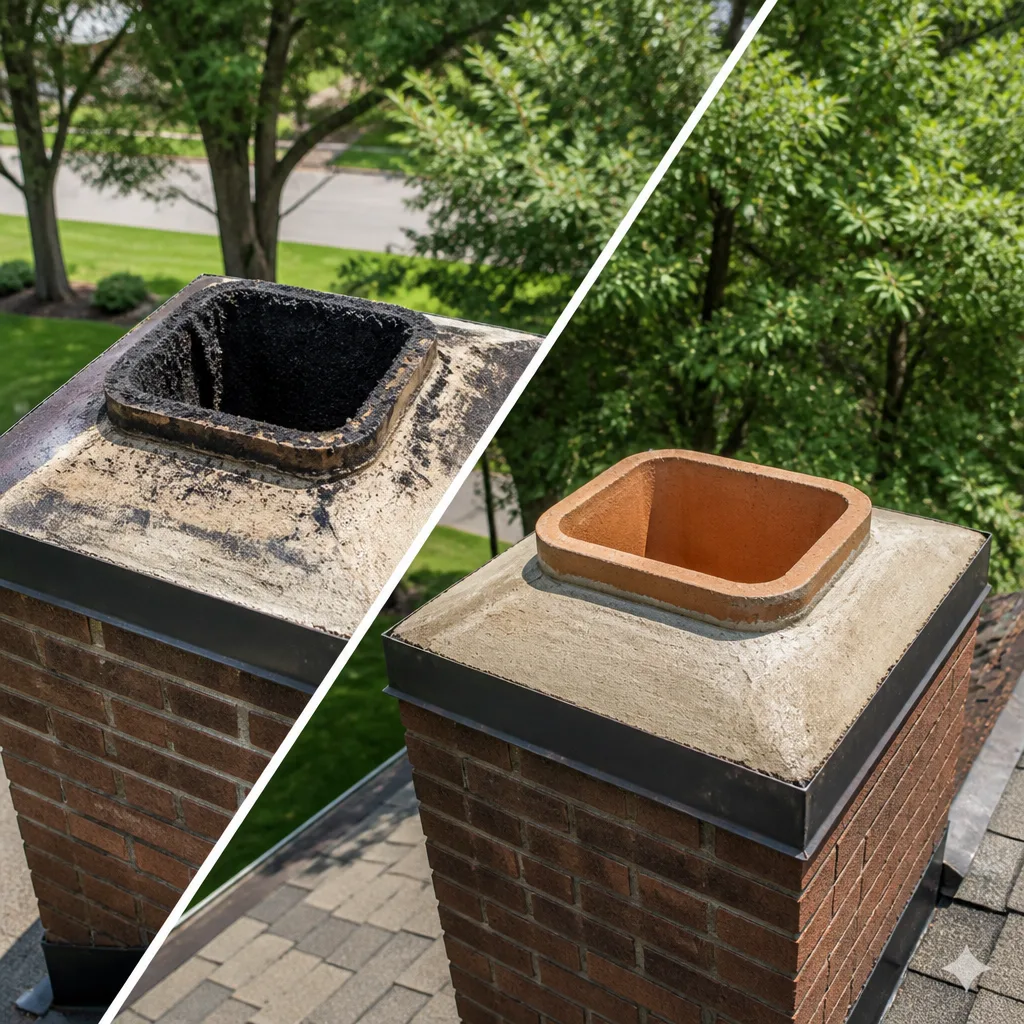
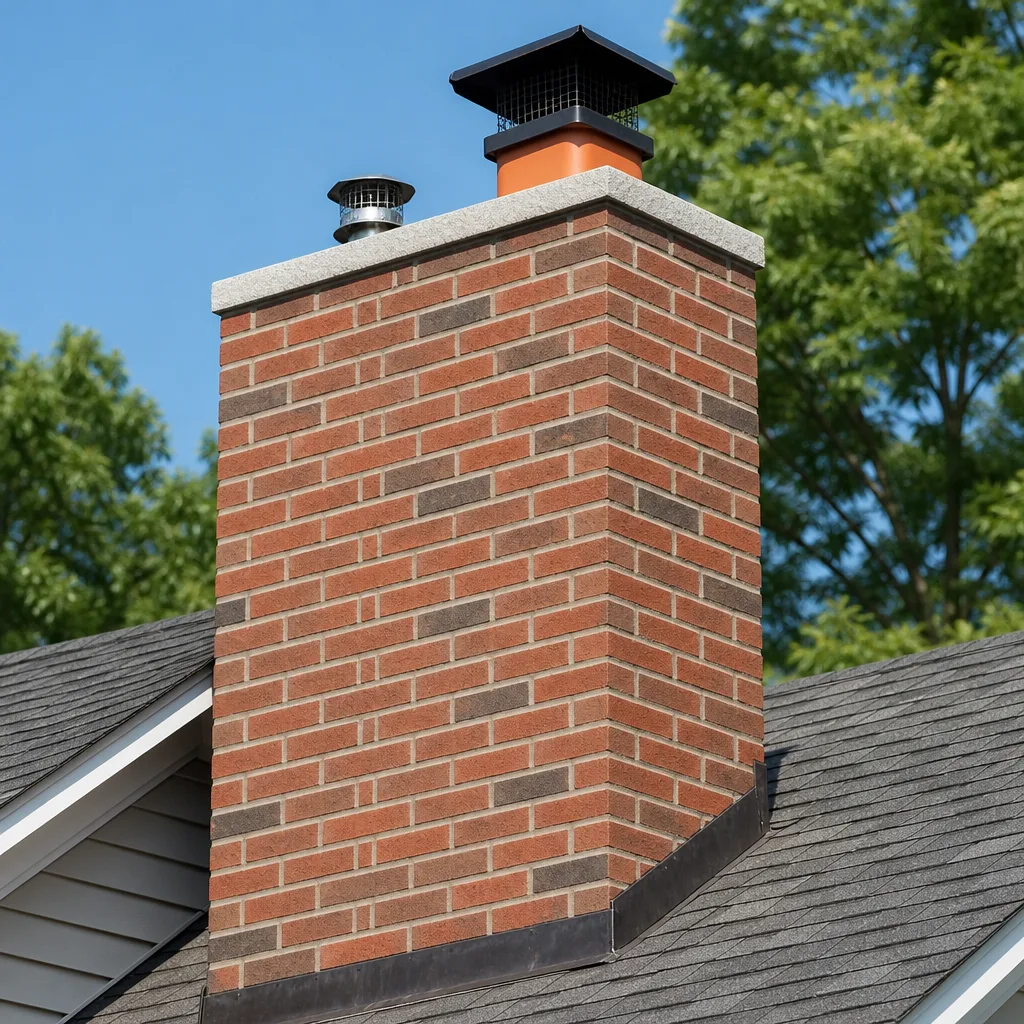
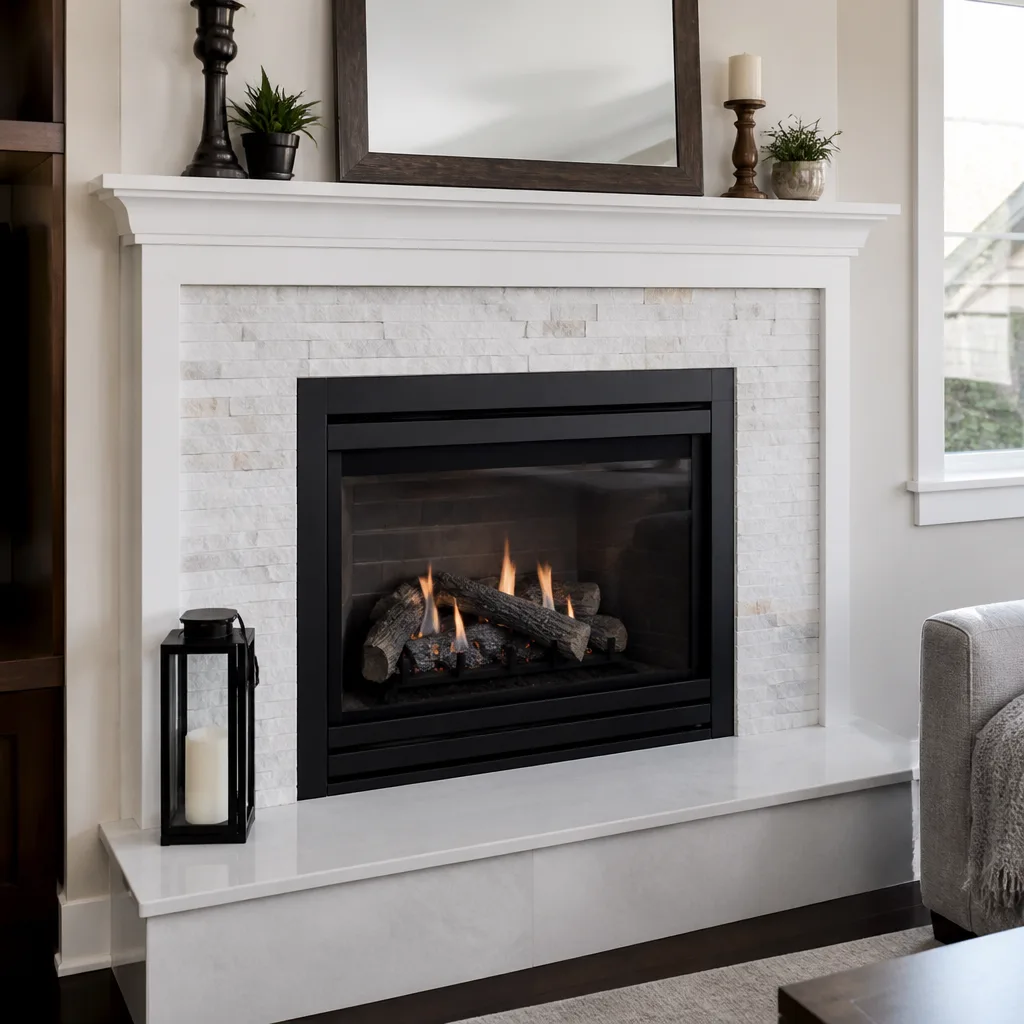
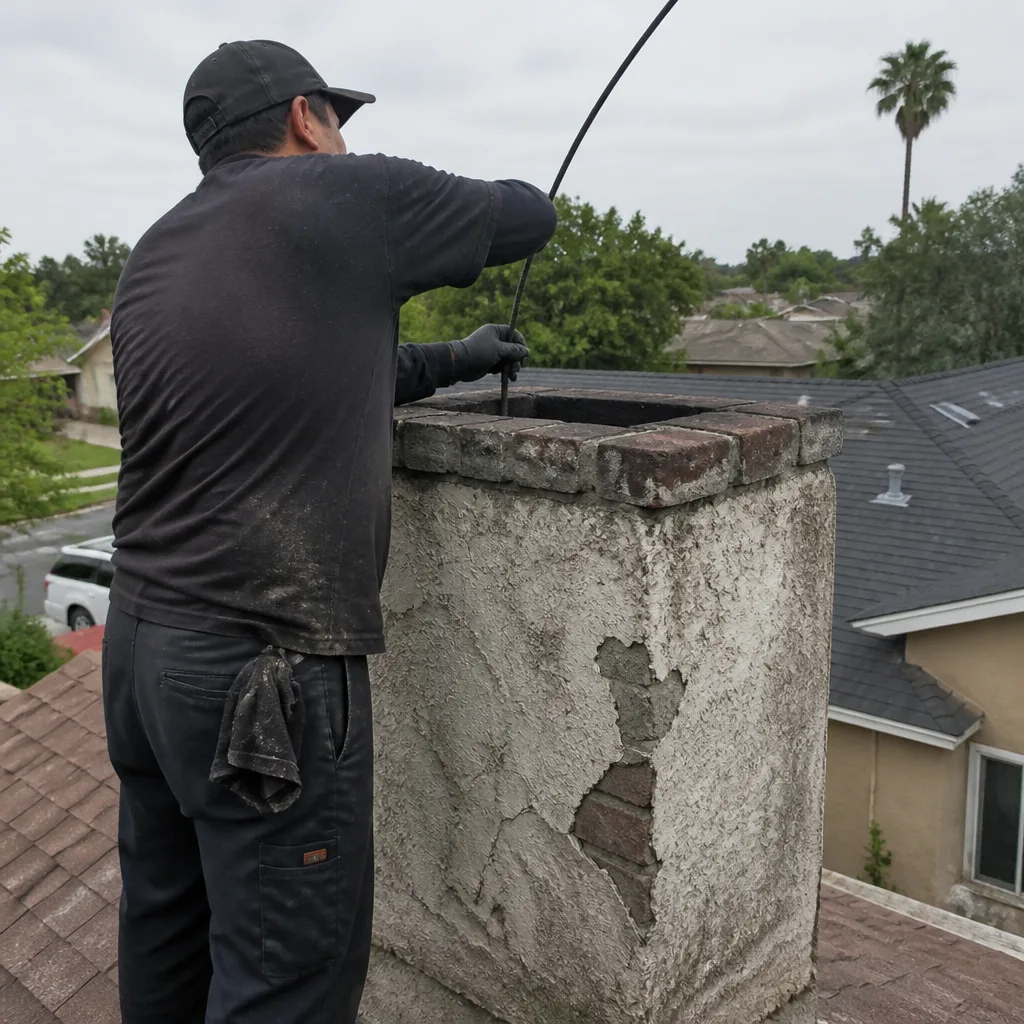 Before
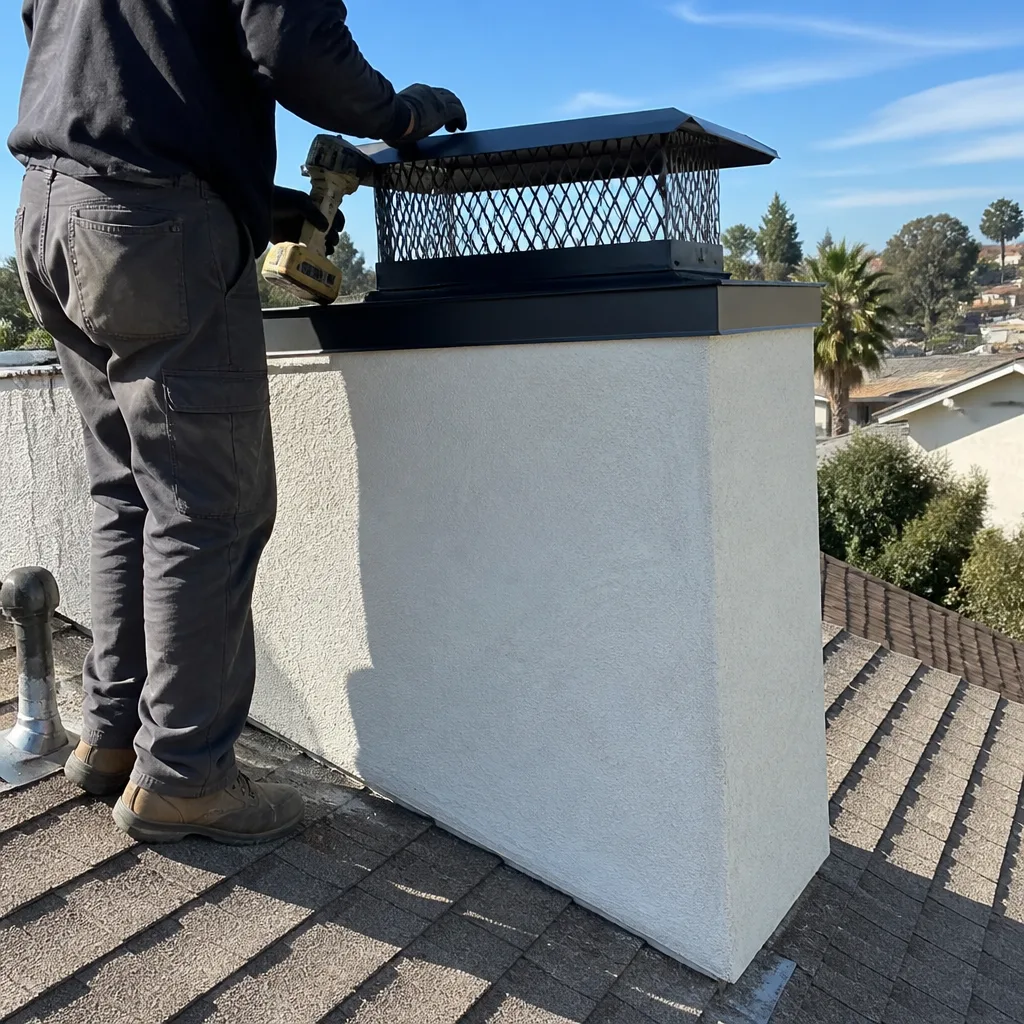 After
After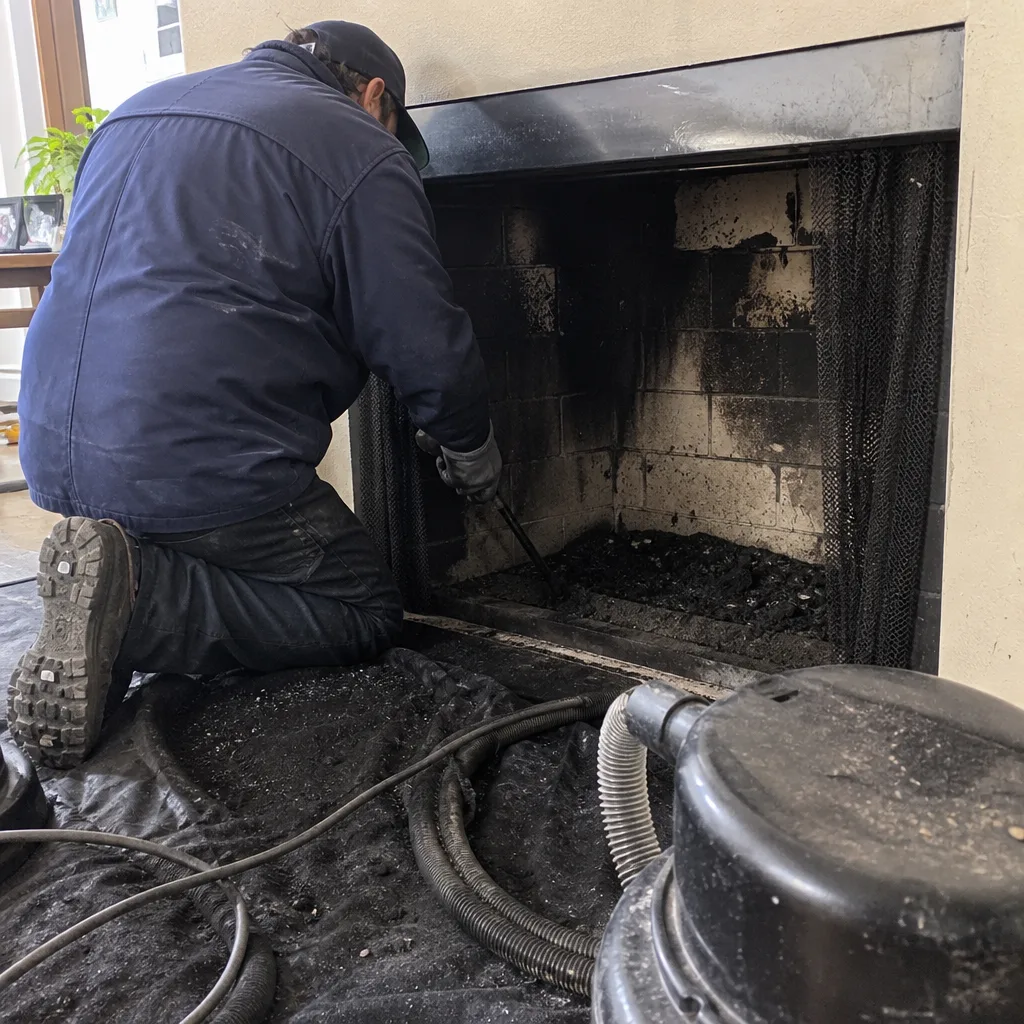 Before
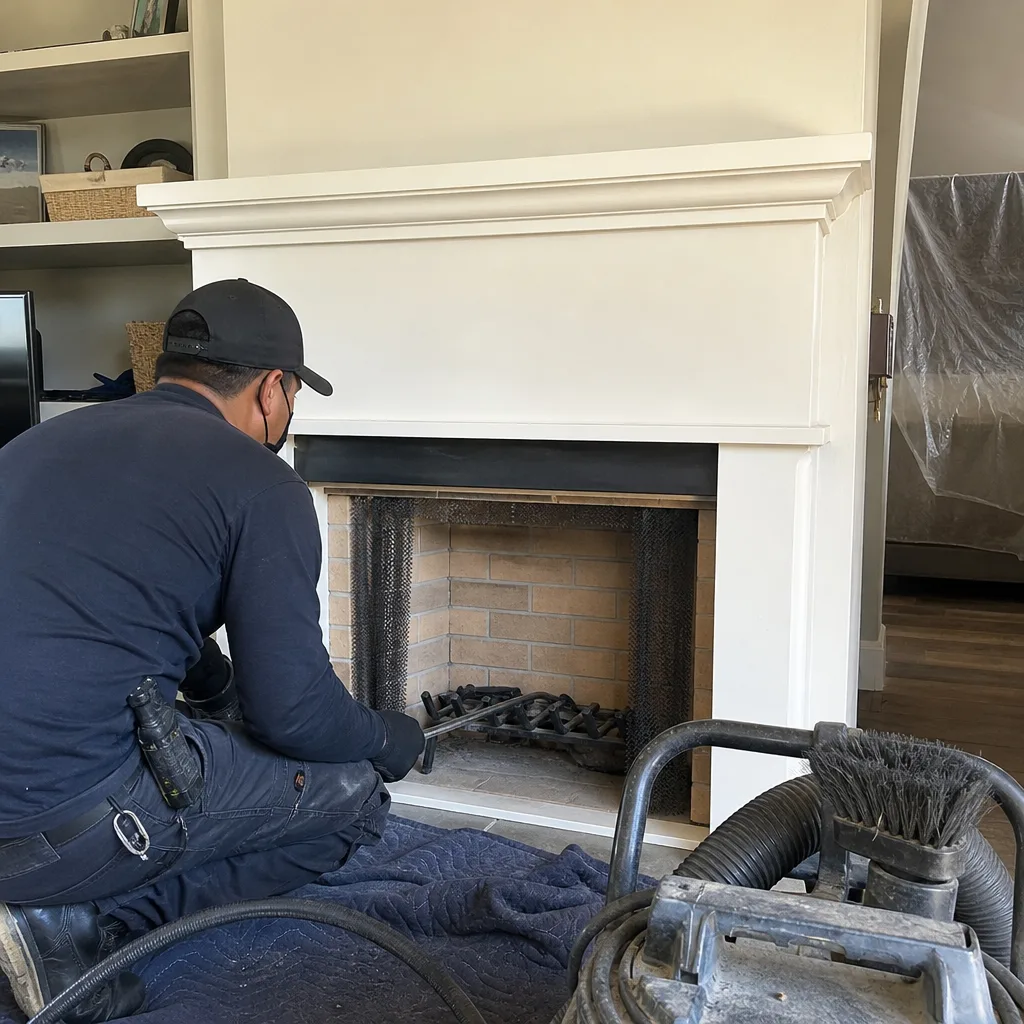 After
After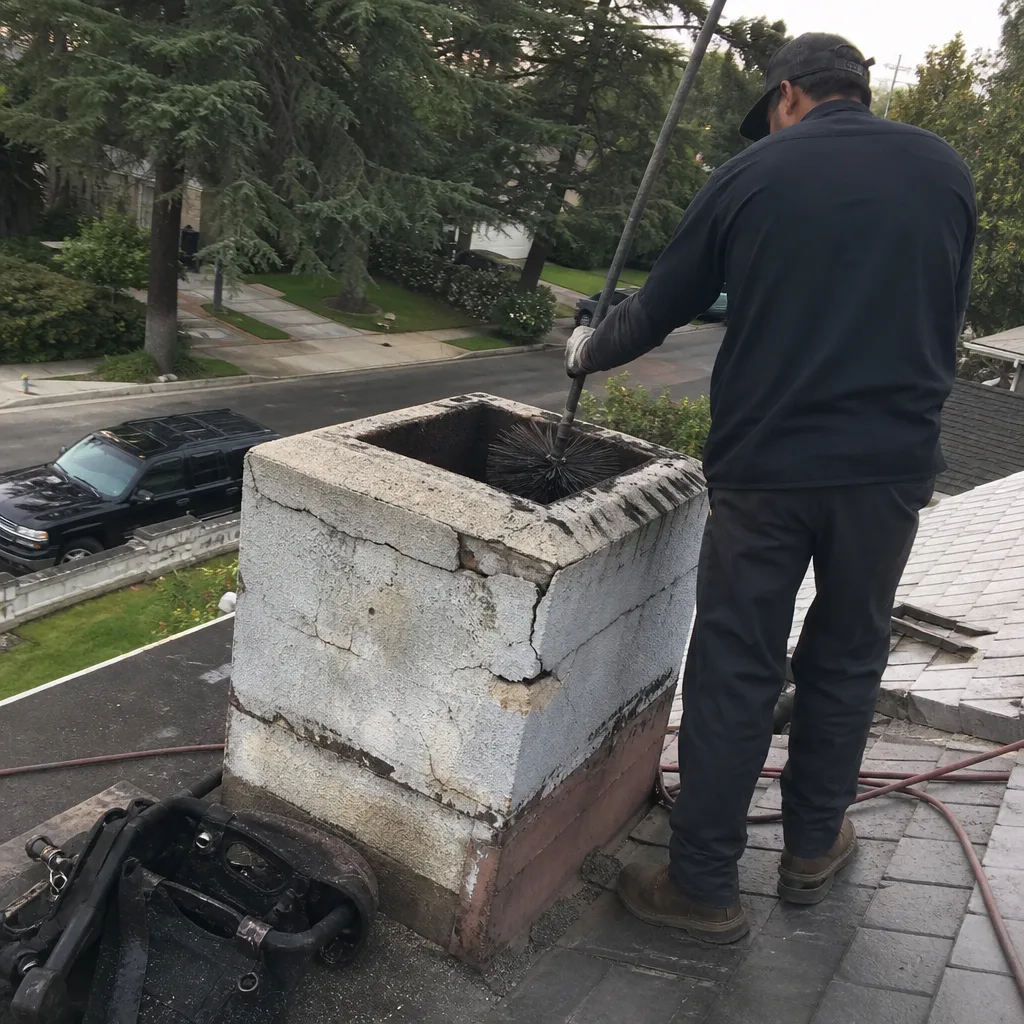 Before
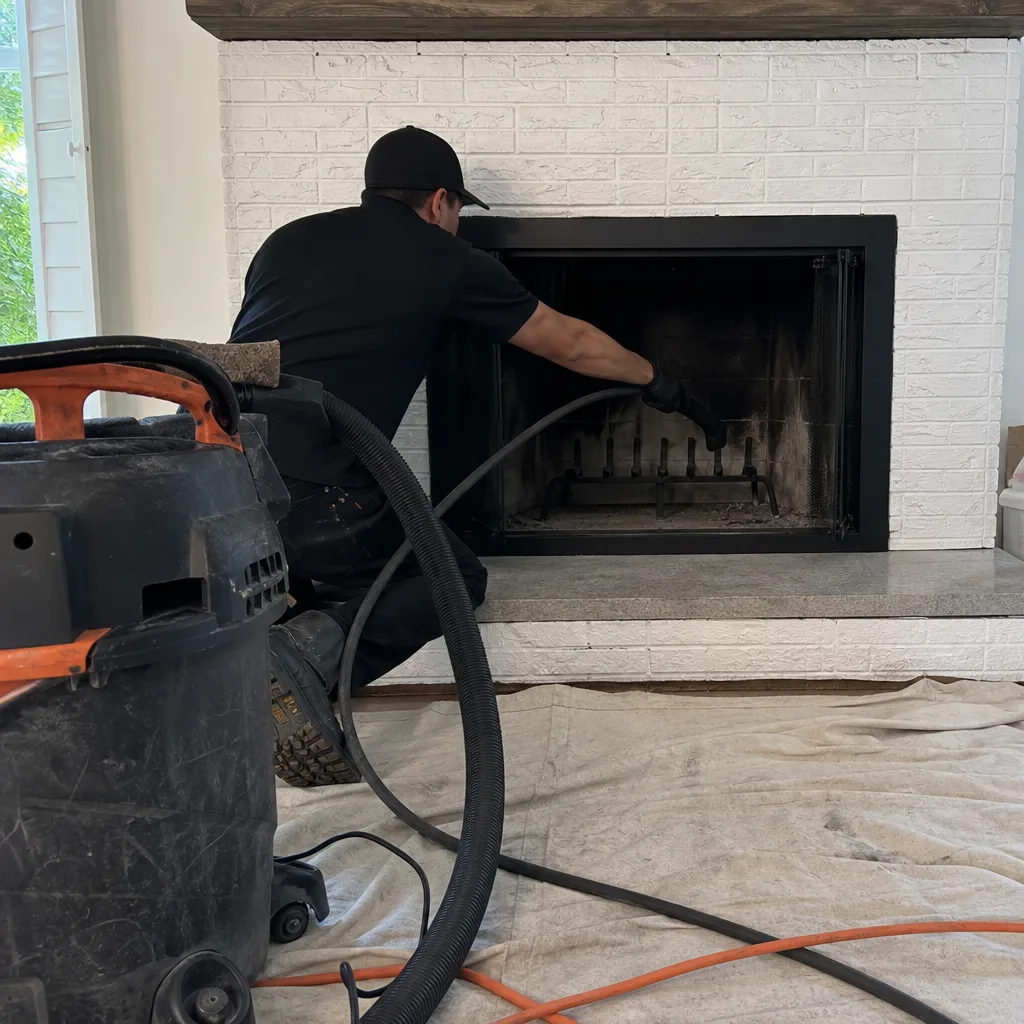 After
AfterFast, Reliable Chimney Sweep Across Sandy Hook
A chimney sweep in Sandy Hook, CT typically runs $180 – $295 for a standard cleaning of an open-hearth fireplace, before any repairs. If you heat with a wood stove, expect $215 – $340 because those flues run dirtier and often need chemical treatment for glazed creosote, not just brushing. We serve every neighborhood in Sandy Hook, from the village core along Glen Road up to the hillsides off Berkshire Road, and we answer our phones with a live person around the clock. Call (336) 863-3889 for a written quote before anyone steps onto your property.
Sandy Hook isn’t like the open towns on the Fairfield County ridges. The Pootatuck River valley holds cold air and humidity against your chimney all year, and that changes how often you need a sweep, what the technician finds, and what it costs to put it right. Our Chimney Sweep team works this hollow every week, and we know what the storm-driven wind and valley moisture do to the crowns, caps, and flashing on the older homes that make up so much of Sandy Hook.
Why Alcott Chimney Sweep Is Sandy Hook’s Preferred Chimney Sweep Company
Sandy Hook homeowners call us because they want to know exactly who is walking up the driveway before the truck parks. Every Alcott technician is background-checked and identity-verified to what we call the Threshold Standard, and you receive the technician’s name and photo before the appointment. When they arrive, they carry a photo ID badge and will show it at the door. No exceptions, no “the regular guy was sick,” no surprises. Ruben Castellano runs our operation on that rule, and it’s not negotiable.
Our reputation in Sandy Hook is built on the written guarantee that follows every repair. We don’t ask you to take our word for anything. If a crown repour or flashing reseal fails within the coverage period, the second visit is free. That guarantee is printed on your quote, not buried in fine print. And your quote is always delivered in writing before work starts, so the number you approve is the number you pay. Sandy Hook homeowners who have been burned by vague estimates and mystery add-ons tend to notice that.
We coordinate dispatch from our Hartford office, but the crews who show up in Sandy Hook are the same technicians who have been working this valley for years. They know the Riverside Road capes with original masonry chimneys, the newer construction off Walnut Tree Hill Road, and the wood-stove installs from the 1970s that still haven’t been relined. That local pattern recognition means the sweep doesn’t just clean; it spots the Sandy Hook failures before they hit your ceiling.
Gas Fireplace Cleaning in Sandy Hook
Gas fireplace cleaning in Sandy Hook costs $145 – $210 for a standard service call with a full cleaning, and it’s a job we recommend every two years, or annually if the fireplace is your primary heat source through a cold valley winter. Direct-vent and vented gas log sets accumulate fine soot on the logs, glass, and burner ports, and in Sandy Hook’s humidity that residue holds moisture against the ceramic and metal components, accelerating pitting and dulling the flame presentation. A thorough cleaning also involves checking the thermopile and thermocouple, the ignition assembly, and the gasket seals that keep exhaust from leaking into the room.
Log Set and Glass Cleaning
We remove the log set, clean each piece with the right material, and wash the interior glass with a ceramic-safe cleaner. Sandy Hook’s softer water means mineral spotting on the glass is less of an issue than in limestone-heavy towns, but the fine soot from propane and natural gas still films the surface and cuts down the radiant heat you want off that stove. It’s a half-day job when we’re in the neighborhood.
Burner and Pilot Inspection
A gas fireplace that’s been sitting dormant since March can build dust and spider debris in the burner ports. When you light the first fire in Sandy Hook in late September or October, that debris burns off unevenly, causing a lazy yellow flame and sometimes a gas smell. We blow out the ports, check the pilot assembly, and verify the manifold gas pressure so the flame burns clean and blue instead of sooty orange.
Chimney Maintenance in Sandy Hook
Chimney maintenance in Sandy Hook goes beyond an annual sweep, and the valley climate makes it a more active job here than in the nearby ridge towns. Most Sandy Hook chimneys need two things the open towns can postpone: crown sealing before winter and a visual check of the flashing after every severe storm. A maintenance visit runs $160 – $250 for the inspection and minor upkeep, and it’s the cheapest way to avoid a $2,000+ repair down the line. We recommend a maintenance visit every spring for Sandy Hook homes, after the freeze-thaw season has finished working on your mortar.
Crown Sealing and Cap Reset
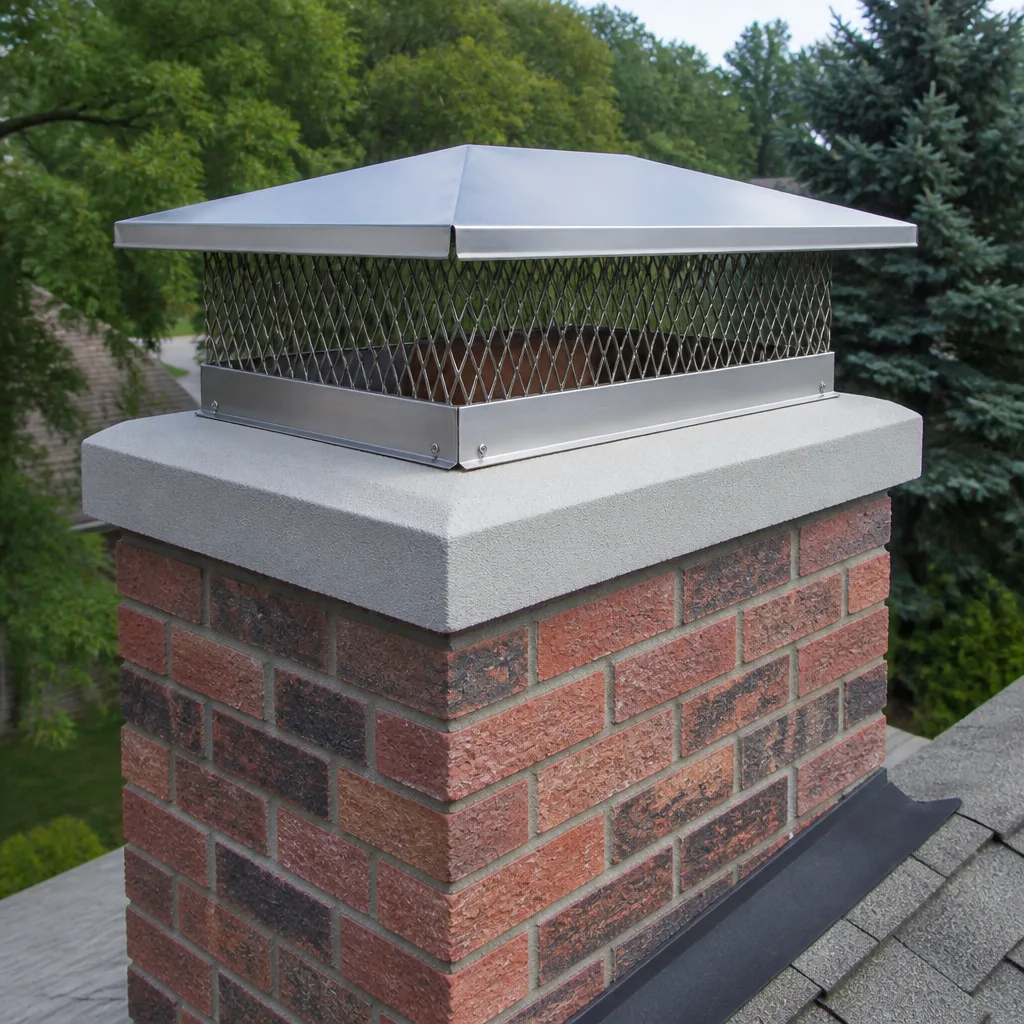
The chimney crown is the concrete slab on top of the masonry, and in the Pootatuck valley it takes a beating every March when the temperature swings above and below freezing for weeks. Cracks let water into the brick, and that water freezes and widens the crack. We seal small crown cracks with a flexible elastomeric compound, and when the crown has failed structurally, we grind it out and repour it with a proper overhang so water drips off instead of down the brick face.
Mortar Repointing and Flue Tile Check
Sandy Hook’s vintage colonials and capes have original brick chimneys with mortar joints that erode faster in valley humidity. Repointing, the process of grinding out loose mortar and packing in fresh material, stops water intrusion before the brick itself starts to spall. On every maintenance visit we also drop a camera down the flue to check the terra cotta tiles for cracks and spalling, which matters doubly here because so many local chimneys were never relined for the wood-stove’s interior diameter.
Trusted Brands We Service in Sandy Hook
We install and service the trade brands that chimney professionals actually specify, not box-store substitutes. In Sandy Hook we routinely work with HeatShield for resurfacing deteriorated flue liners, Olympia Chimney caps and dampers, and Famco termination caps and flashings. When your Sandy Hook home needs a reline after a 1970s wood-stove install, we pull in DuraFlex liner systems sized correctly for the stove’s BTU output. Because we stock these parts for our Connecticut routes, a cap replacement or damper repair in Sandy Hook often happens on the first visit, not after a two-week wait for shipping.
Common Chimney Sweep Problems We See in Sandy Hook Homes
- Displaced caps and cracked crowns after valley storms. The Pootatuck valley funnels wind up from the southeast, and when a nor’easter pushes rain sideways, a cap that’s even slightly askew lets water pour straight into the flue. We find these leaking by the first October cold snap, when the homeowner sees water staining around the firebox or a ceiling spot two feet out from the hearth.
- Glazed creosote from self-cut, under-seasoned firewood. A lot of Sandy Hook lots are heavily wooded, and residents burn wood they cut themselves from oak and maple that hasn’t dried a full year. That dense, moist wood smolders, and the valley’s already high humidity makes the creosote cling and harden into a glaze that standard brushing won’t remove without a chemical treatment first.
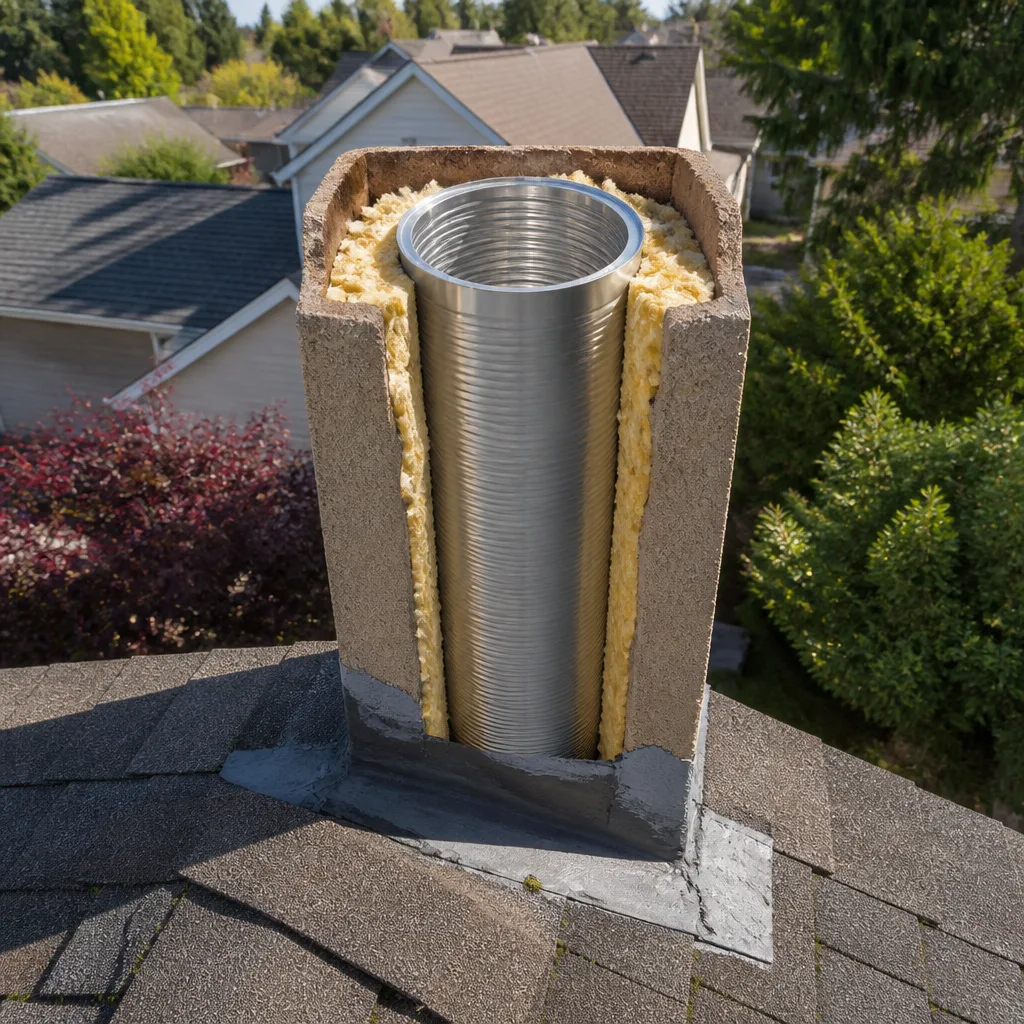
- Flue tiles that don’t match the wood stove. Chimneys serving stoves installed after the 1970s energy crisis often kept their original terra cotta liner, sized for an open hearth. A modern wood stove with a six-inch outlet venting into an eight-inch by twelve-inch clay tile never gets proper draft, and the slow, cool exhaust deposits heavy creosote in the oversized flue. We see this repeatedly on Sandy Hook’s Riverside Road and the streets running off Berkshire Road.
- Flashing failures at the roof-to-chimney junction. Sandy Hook’s freeze-thaw cycles flex the step flashing where masonry meets the roof deck, and the valley’s humidity keeps the seam damp. The first sign is usually not on the chimney at all. It’s a brown stain spreading across the bedroom ceiling, appearing weeks after the water first got in.
Pricing for Chimney Sweep in Sandy Hook, CT
A standard open-hearth chimney sweep in Sandy Hook runs $180 – $295. A wood-stove flue runs $215 – $340, and if the creosote has glazed over, expect the higher end because we apply a chemical treatment and then brush. Gas fireplace cleaning adds $145 – $210, and a maintenance visit with a crown check and camera inspection runs $160 – $250. A Level 2 inspection, which we recommend after any major storm or before buying a Sandy Hook home, runs $250 – $450. Every quote is written before work begins, and every repair carries the written guarantee, so the price you approve is what you pay. Call (336) 863-3889 for a free estimate.
What moves the number? The height and pitch of your roof, how long it’s been since the last sweep, and whether the flue needs a chemical treatment before brushing. Sandy Hook’s steep hillside lots off Walnut Tree Hill Road sometimes require roof brackets and a safety line, which adds a modest access charge we explain before the job.
We Also Serve Cities Near Sandy Hook
Our crews regularly run from Sandy Hook down into Sandy Hook and the neighboring towns of Newtown, Bethel, Shelton, and Ansonia. If you’re in the village center or up on the hill, the same background-checked technicians and written-guarantee standards apply. We coordinate from the Hartford office, so scheduling for any of these towns is one call.
Serving Sandy Hook, CT - Our Local Coverage Area
We’re based in the Sandy Hook area and know this community well. Use the map below to see our service coverage - if you’re nearby, we can almost certainly help.
FAQs About Chimney Sweep in Sandy Hook
Because your chimney sits in the Pootatuck River valley’s frost pocket, where cold air pools and temperatures stay below freezing longer than on the surrounding ridges. Every freeze-thaw cycle swells the water that has soaked into your crown’s small cracks, and over years that spalling fractures the crown and loosens the cap. Homes in Sandy Hook’s valley floor experience more of these cycles per winter than homes in Newtown or Bethel on the open ridges, so the same crown material fails faster here. If your crown is visibly cracked, call (336) 863-3889 and schedule a crown seal before the next hard freeze.
Check the cap first, with binoculars from the yard. If it’s tilted or missing, do not light a fire until the flue has been inspected, because a displaced cap lets rain into the flue, and that water can soak into creosote and cause a chimney fire on the first hot burn. Then look at the ceiling near the chimney for brown stains, which signal a flashing failure long before the chimney itself shows damage. In Sandy Hook’s valley humidity, a small flashing leak becomes a ceiling stain in weeks, not months. If you find either, call us for a Level 2 inspection at (336) 863-3889.
It might, and Sandy Hook has more chimneys in this condition than almost any town we serve. Many 1970s wood-stove installs reused the original terra cotta flue tile sized for an open hearth, and a modern stove venting into an oversized clay liner drafts poorly and glazes with creosote quickly. The fix is a properly sized stainless liner, often a DuraFlex system, and the cost in Sandy Hook runs $1,800 – $3,400 depending on the height and accessibility. We tell you this only after a camera inspection shows the mismatch, and we hand you the footage to see for yourself. Call (336) 863-3889 to schedule the camera run.
Sandy Hook’s valley humidity keeps moisture inside cracked mortar and flue tiles long after the rain has stopped, which means water has more time to wick into the brick and dissolve the lime in the mortar. That’s why chimneys here develop spalling brick and eroded joints faster than chimneys in dry, open towns. During a humid Sandy Hook summer, a chimney that was damp in April is still damp in June, and by October the freeze-thaw cycle starts on masonry that never fully dried. A spring maintenance visit, $160 – $250, catches this before it becomes a structural repair.
Yes, but only if the wood is actually seasoned, meaning split, stacked, and dried for at least a full year. Sandy Hook’s wooded lots produce a lot of self-cut oak and maple, and the valley’s humidity slows the drying process, so wood that “felt dry” in September was often still at 25 – 30% moisture content. Burn that and you’ll get heavy, sticky creosote deposits that need chemical treatment, not just brushing. A creosote-laden flue is a chimney fire risk, plain and simple. If you’re unsure whether your wood is ready, call us at (336) 863-3889 and we’ll sweep and inspect the flue before your firing season starts.
We were called to a cape on Riverside Road in Sandy Hook after a nor’easter drove rain sideways into a chimney with a cracked crown and a cap that had been pushed askew. The homeowner had a ceiling stain about two feet out from the hearth, right up against the wall. Our tech pulled the cap, ground out and repoured the crown with a proper overhang, reset the cap, and then found failing flashing where the masonry met the roof, resealed it with new step and counter-flashing. A Level 2 inspection also revealed first-degree creosote and spalling mortar in the smoke chamber from previous seasons of unseasoned firewood, which we brushed and treated before the first fire.
When you’re ready to book, call (336) 863-3889. A live person answers, day or night. You’ll get a written price before any work starts, the name and photo of your technician before they arrive, and a written guarantee on every repair. That’s the deal in Sandy Hook.
Written by Ruben Castellano, Owner at Alcott Chimney Sweep, serving Sandy Hook and the surrounding Connecticut communities since 2002.