
Level 1 sweep and inspection to the NFPA 211 annual standard - flue, crown, cap, and flashing checked and photographed
Chimney sweep logs do not sweep chimneys. They loosen some creosote - which then falls where a brush and vacuum still have to collect it.
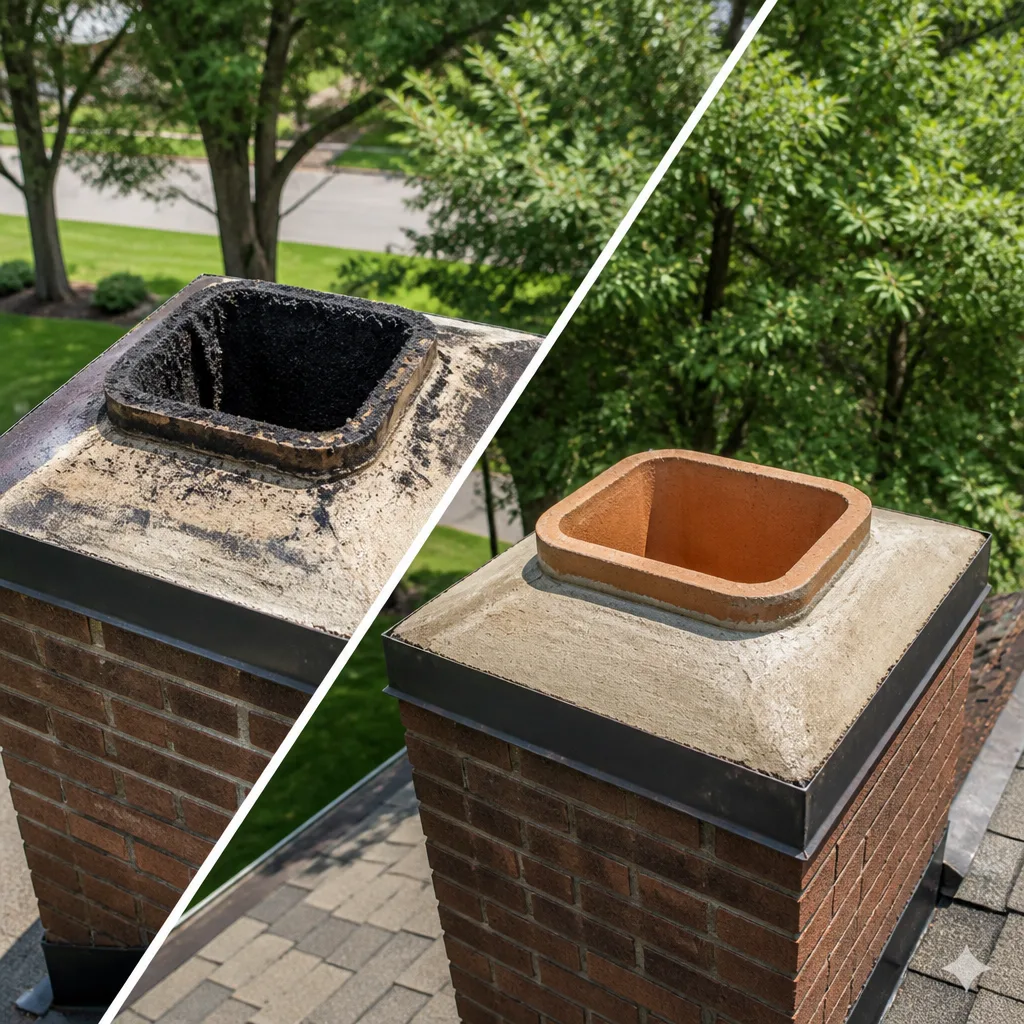
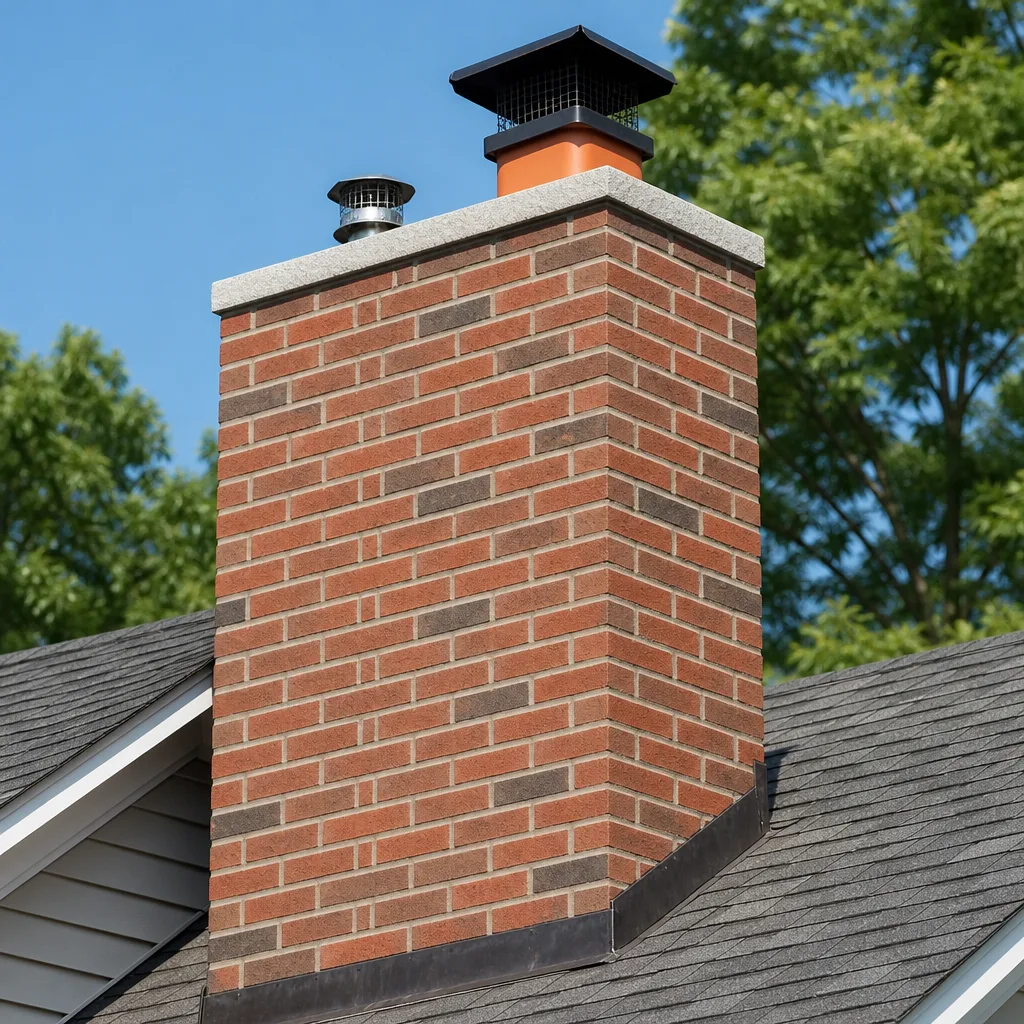
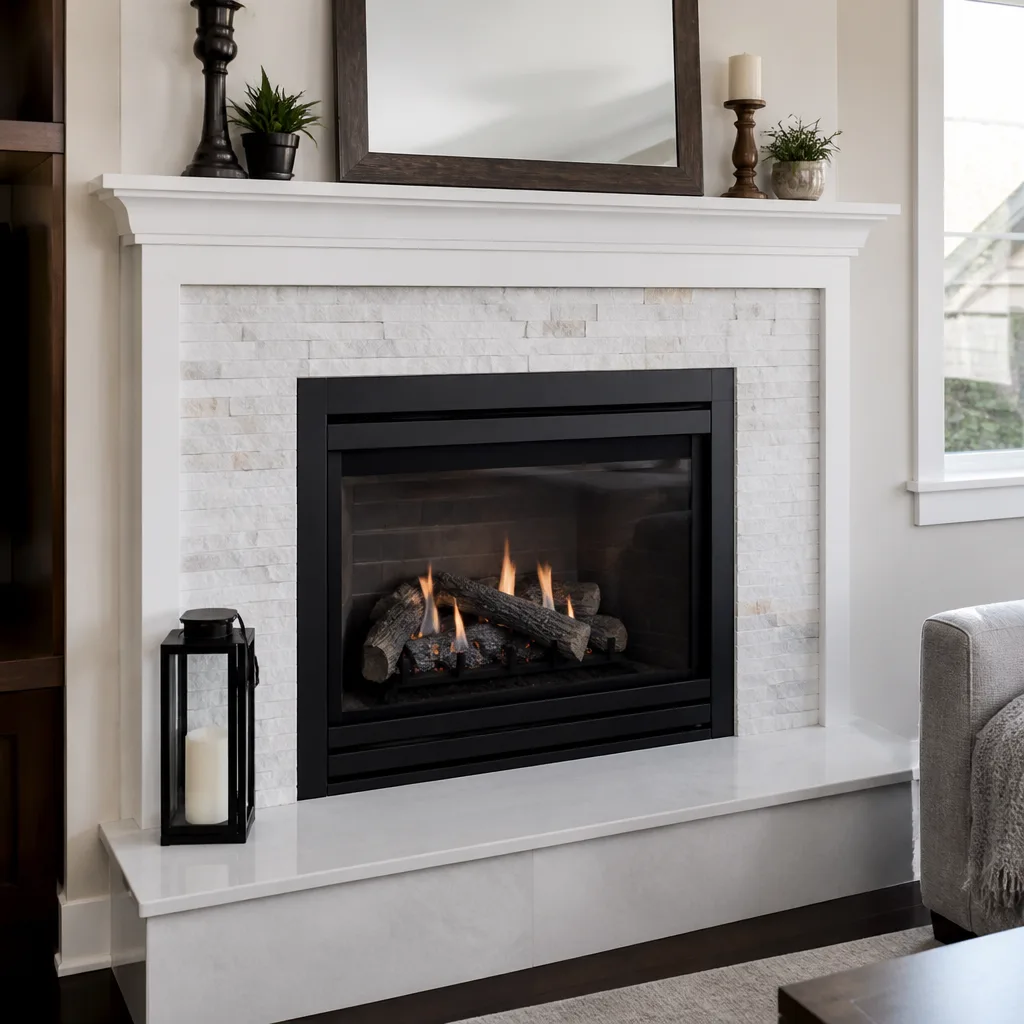
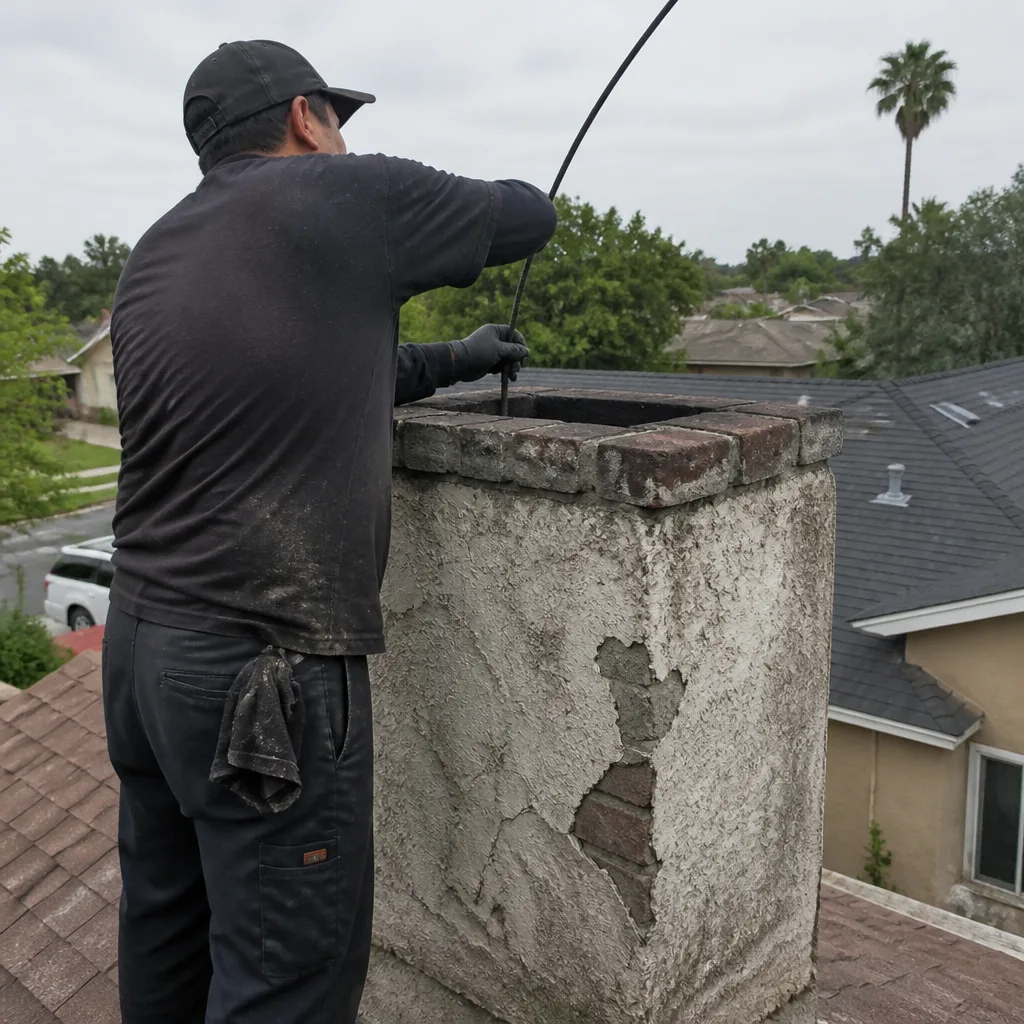 Before
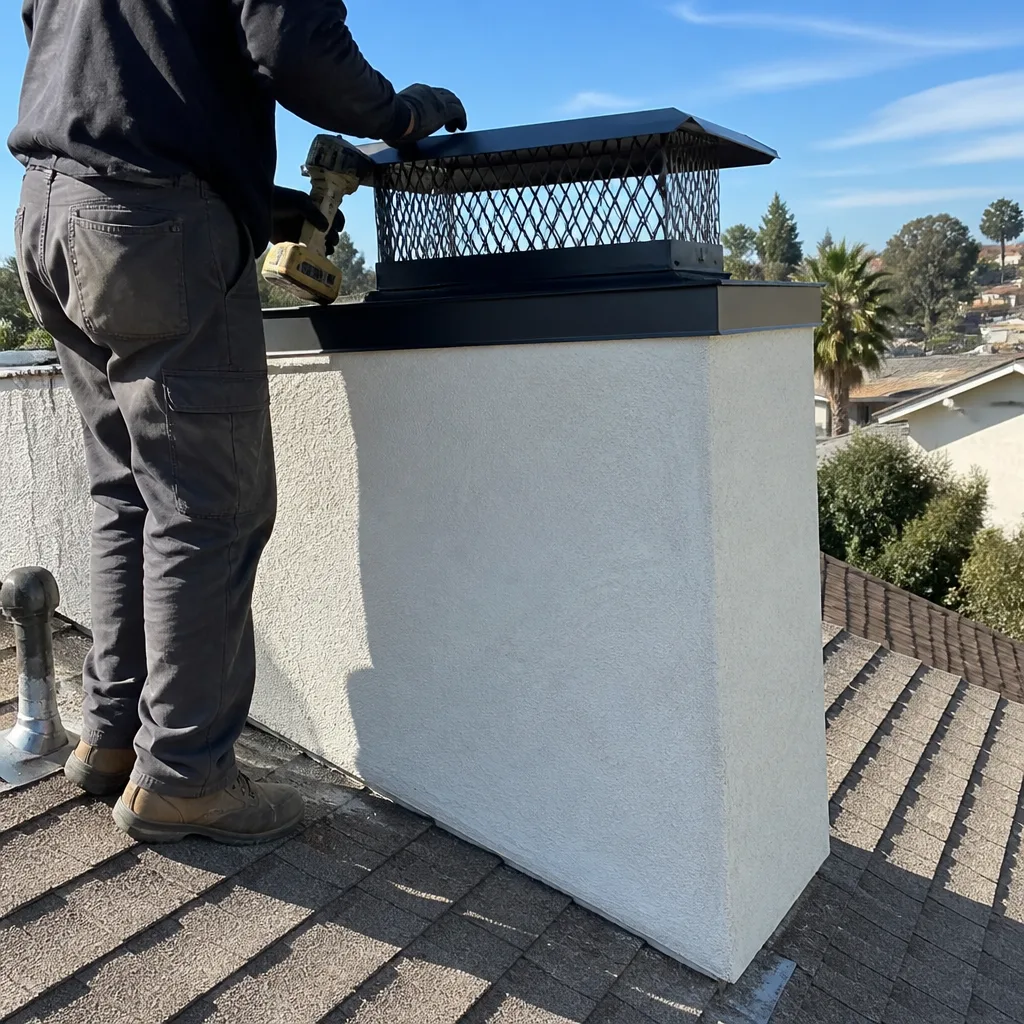 After
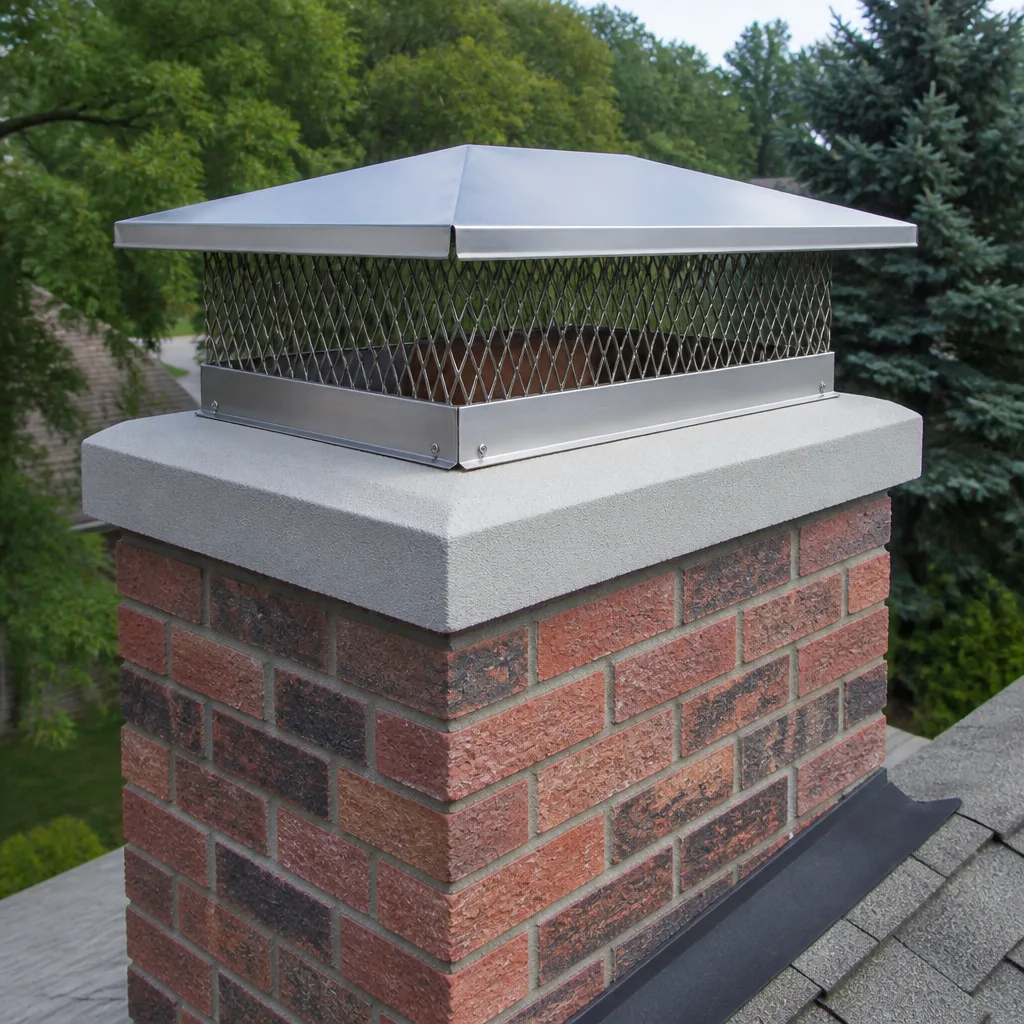
After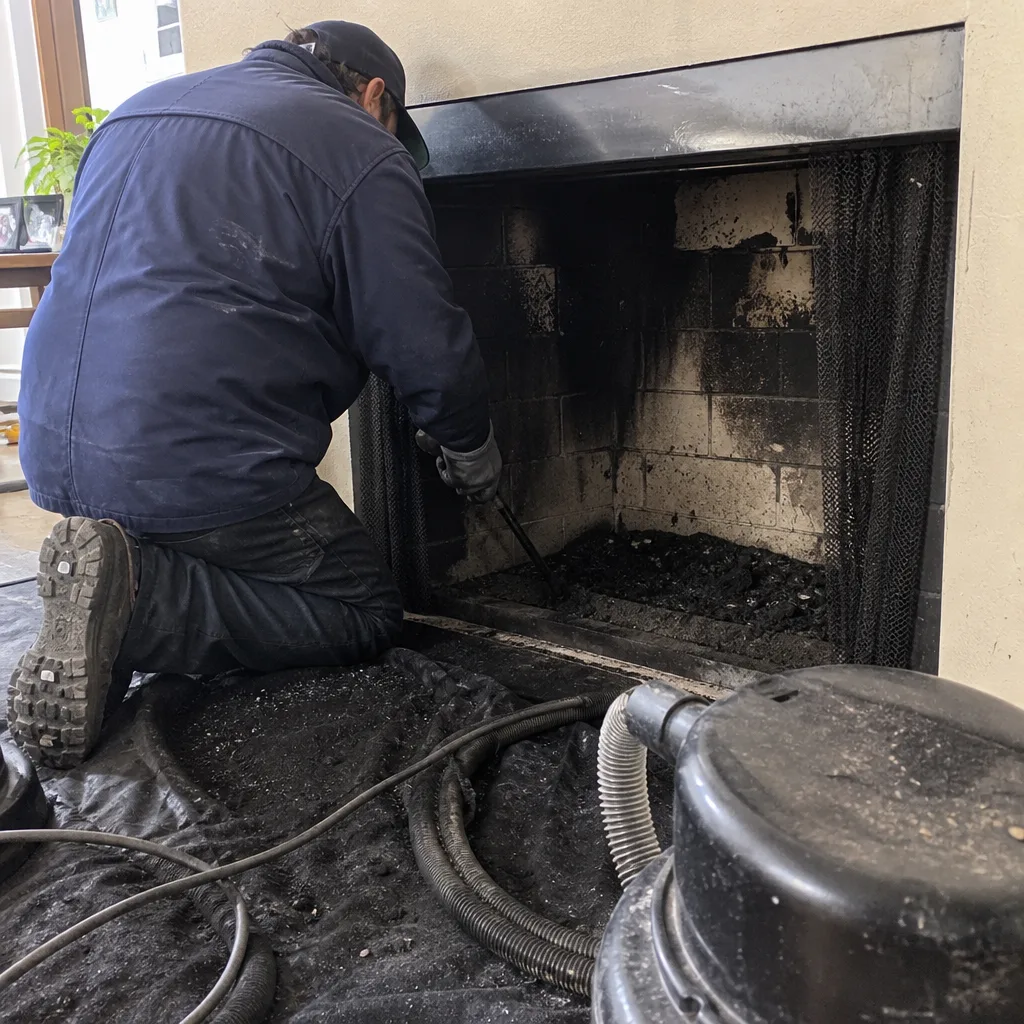 Before
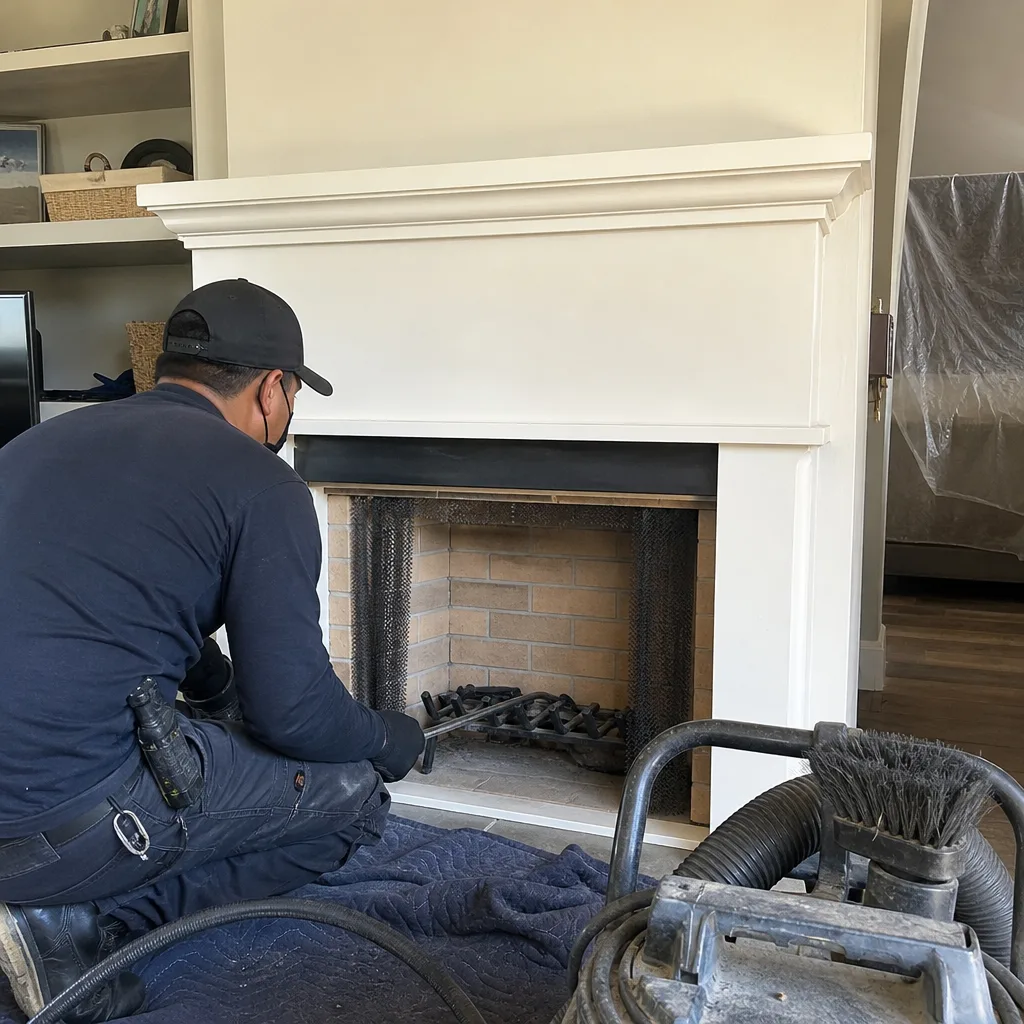 After
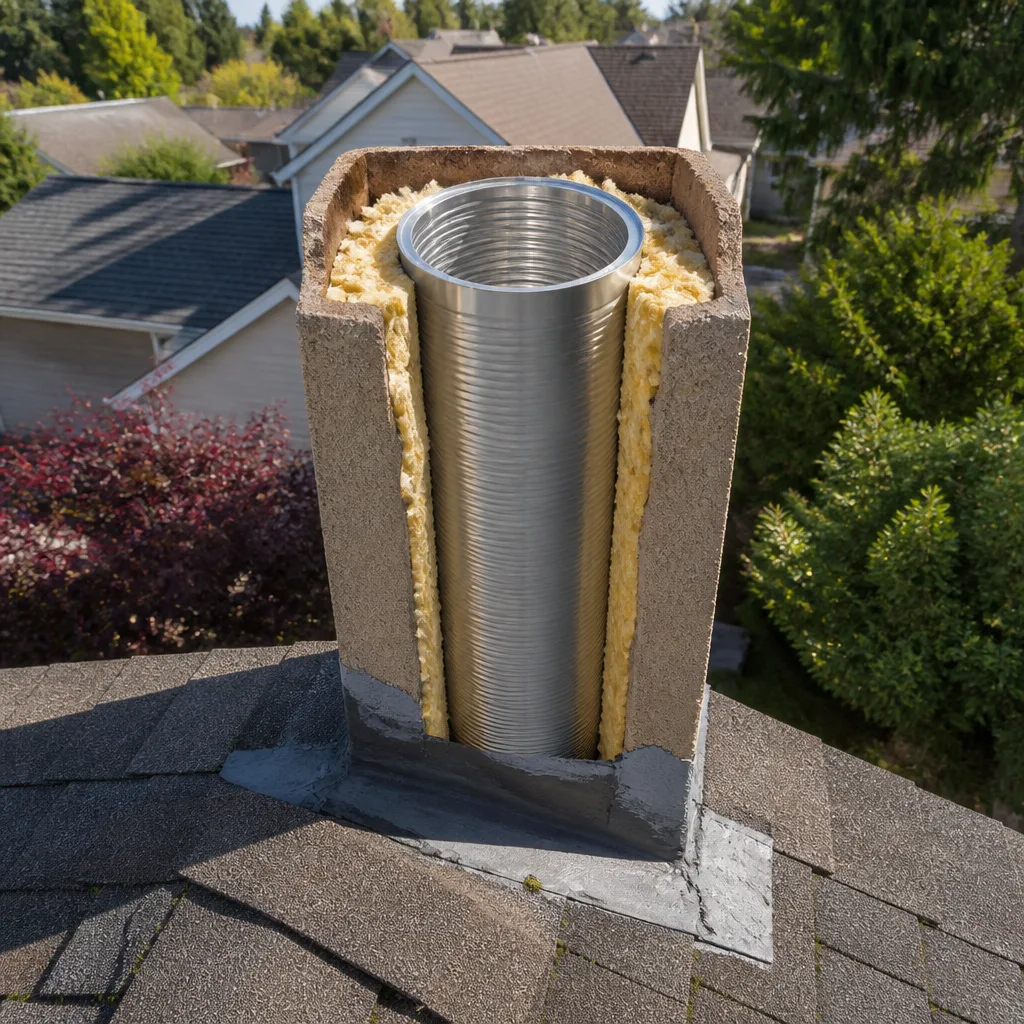
After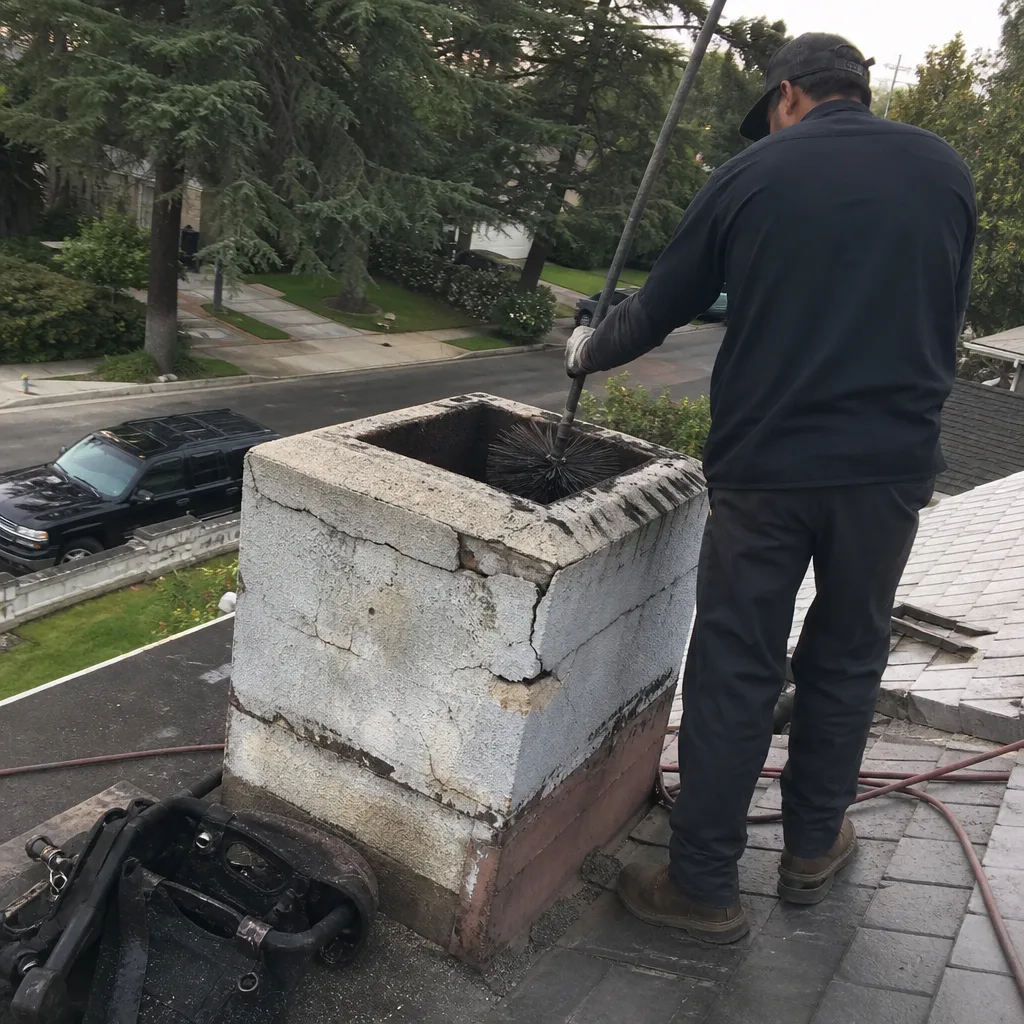 Before
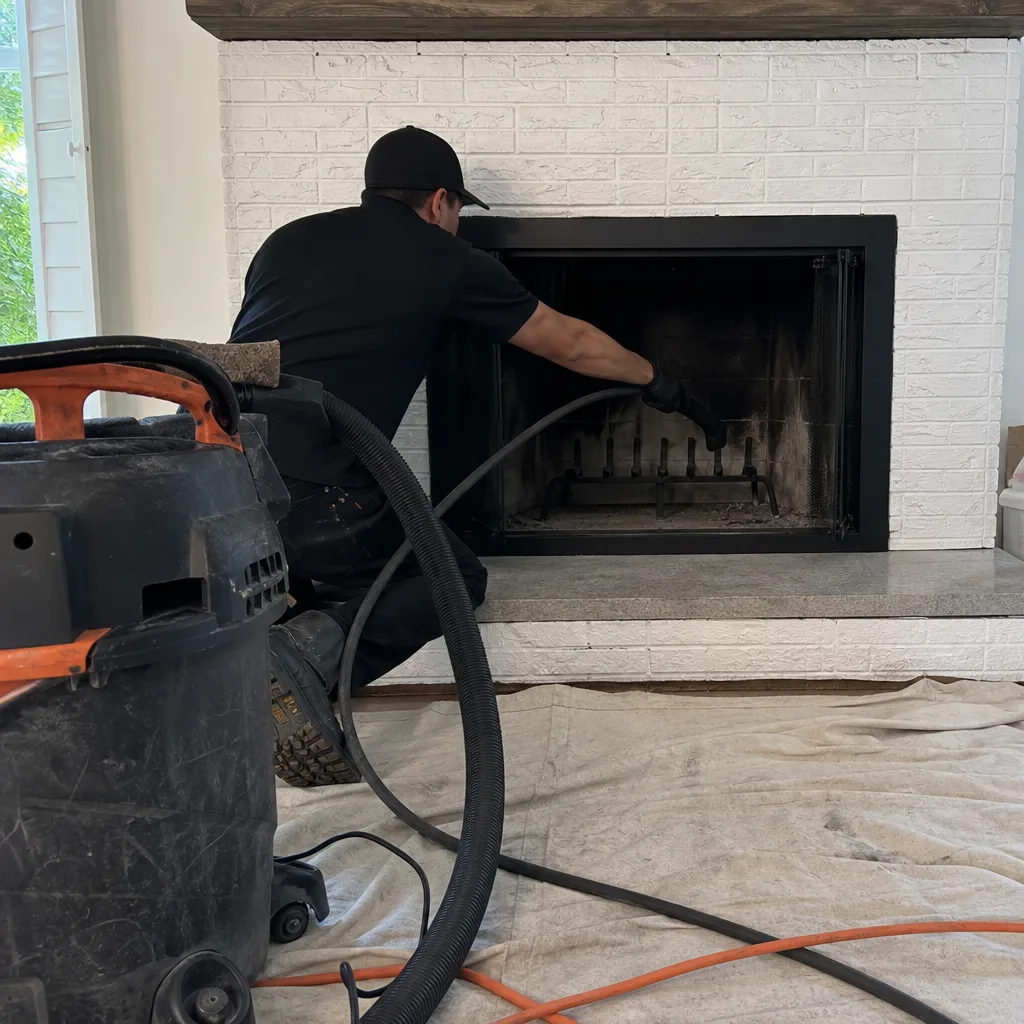 After
AfterFast, Reliable Gas Fireplace Repair Across Denver
Gas fireplace repair in Denver usually costs between $145 and $390 for common issues like thermocouple replacement, gas valve adjustment, or pilot assembly work, while full log set replacement or burner pan repair runs $250 to $650 depending on your unit. Most Denver service calls take 60 to 90 minutes once our tech arrives. If your gas fireplace is acting up, call (336) 863-3889 and a live person will pick up, day or night.
We’ve worked on gas fireplaces in every corner of Denver, from Capitol Hill’s 1920s brick Denver Squares to the ranch conversions out in the Wheat Ridge corridor. Living and working at 5,280 feet changes how gas appliances burn, how flues draft, and how quickly creosote forms even in a “clean” gas fireplace. Local knowledge isn’t a buzzword here. It’s the difference between fixing the real problem and guessing at it.
Why Alcott Chimney Sweep Is Denver’s Preferred Gas Fireplace Repair Company
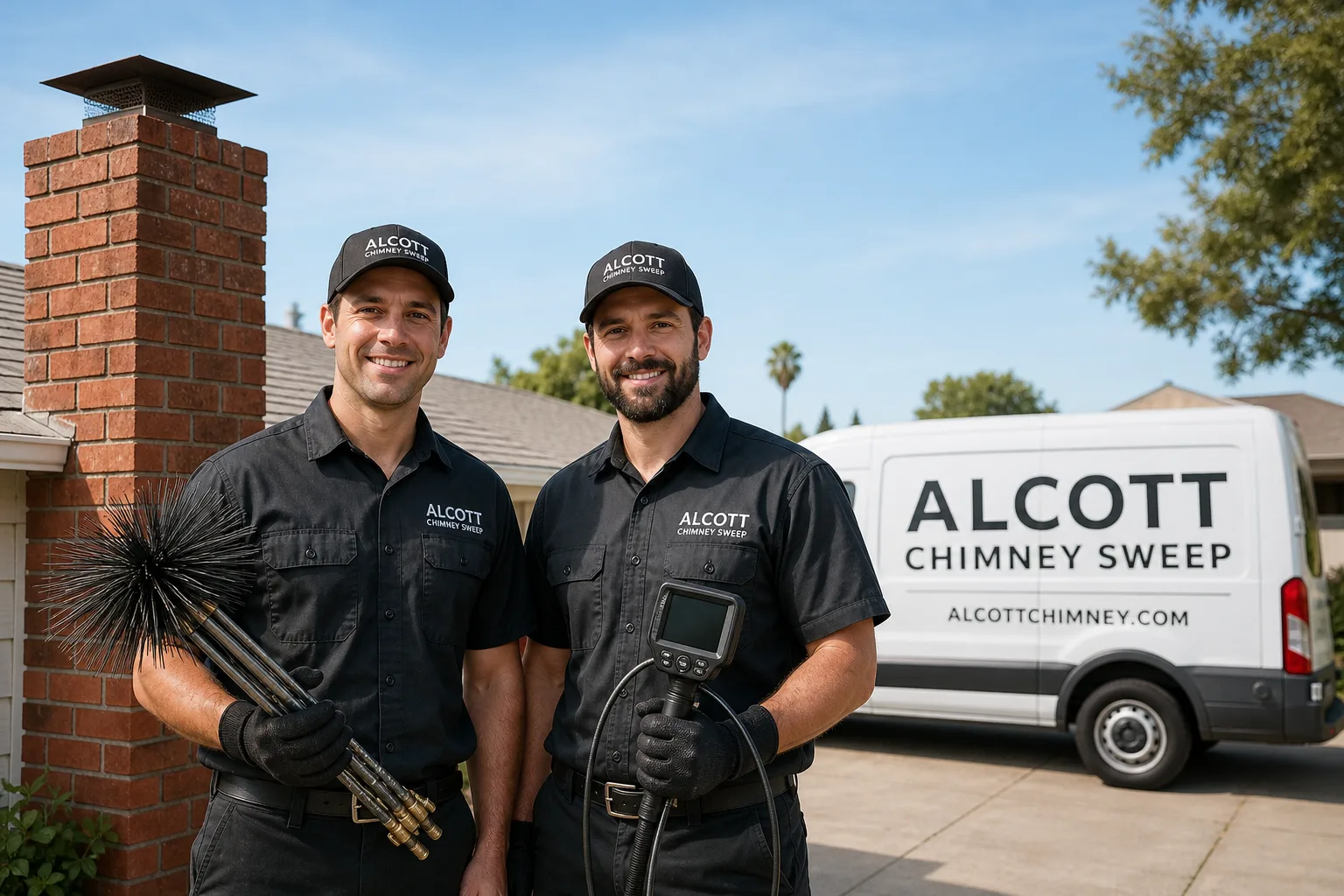
Alcott Chimney Sweep has been serving homeowners since 2002, and Ruben Castellano runs this operation with a simple rule: prove who you are before you knock on the door. Every technician we send to a Denver home has passed a background check and identity verification through the Threshold Standard. You’ll know your tech’s name and see their photo before we arrive. When they show up, they’ll have a photo ID badge you can check at the door. Every time. No exceptions.
We work on the brands Denver homeowners actually have, including Olympia Chimney, Famco, and Copperfield components. That matters because a no-name replacement part from a big-box store fails faster in Denver’s altitude and temperature swings. We carry or can quickly source professional-grade parts for most major gas fireplace and insert lines, and we install them with the same written guarantee we put on every repair. If a repair fails within the coverage period, the second visit is free.
Denver customers told us years ago that what they hate most is the surprise at the end of the job. So we made that impossible. You get a written price before any work starts. Not an estimate you have to fight for, not a range that balloons after the fireplace is in pieces. A number, on paper, before we turn a single screw.
Our Gas Fireplace Repair Services in Denver
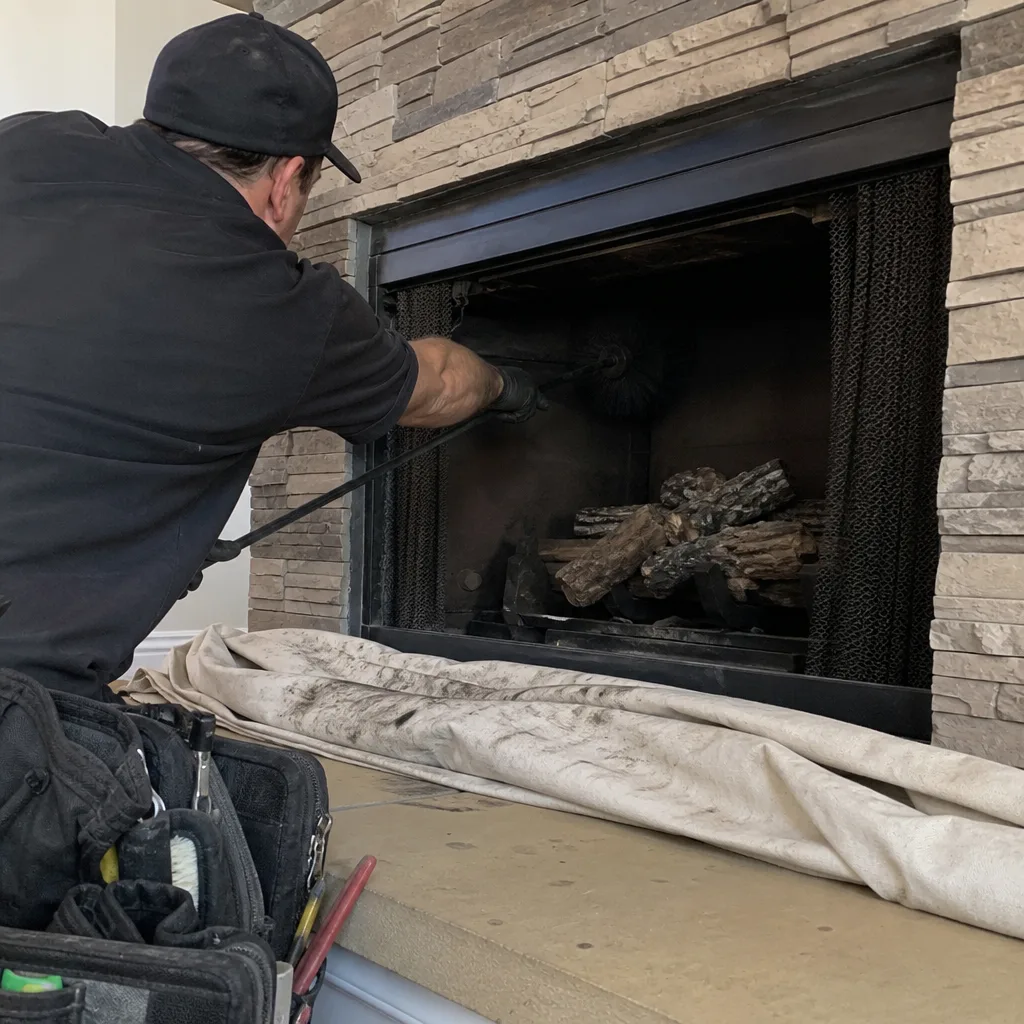
Gas Fireplace Repair
When a gas fireplace in Denver won’t light, lights then dies, or throws a weak orange flame instead of a strong blue one, the cause is usually altitude-related pressure imbalance, a failing thermocouple, or burner ports clogged with dust and fine Colorado particulates. We diagnose the entire system, not just the part that’s visibly broken. A thermocouple replacement that ignores a dirty pilot orifice will fail again in six months. We’d rather fix it once.
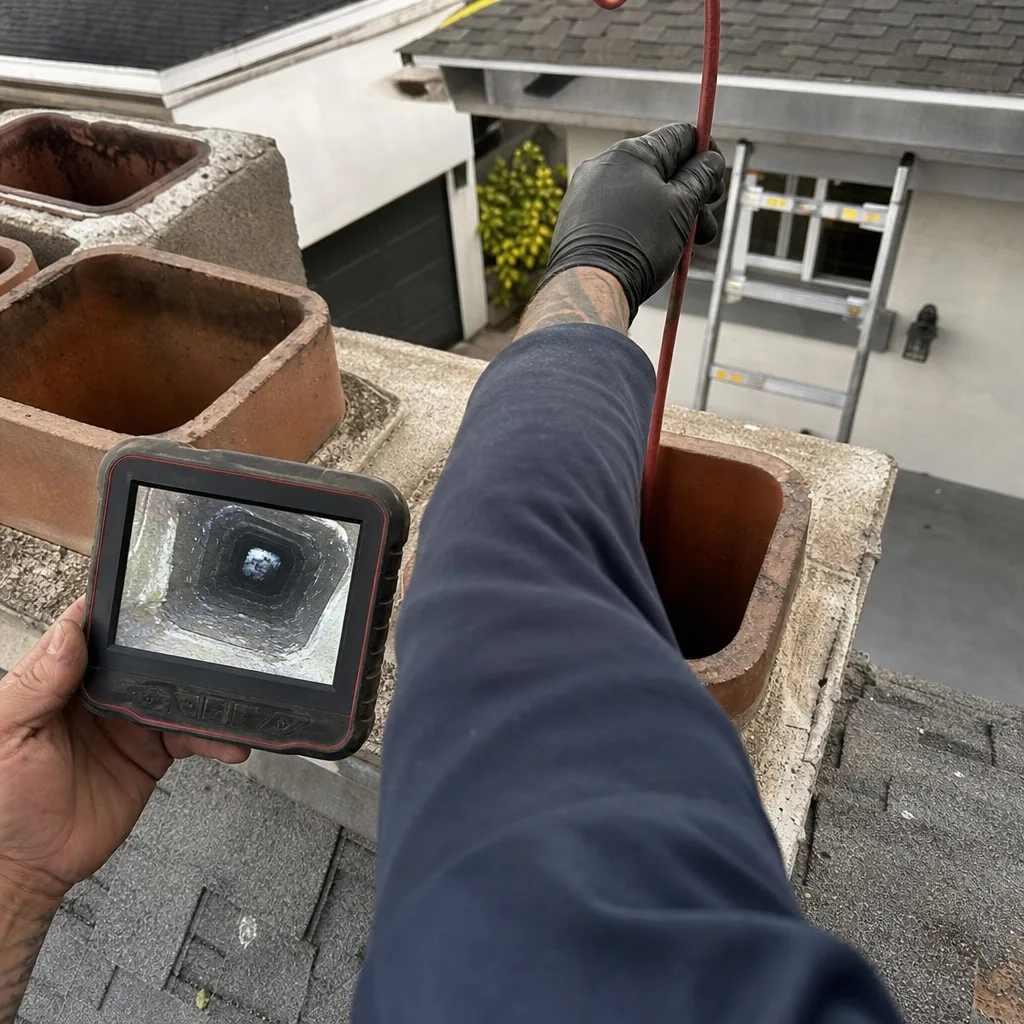
Level 2 Chimney Inspection
A Level 2 inspection is the camera-in-the-flue evaluation we recommend for any Denver home with a century-old masonry chimney, a recent conversion from wood to gas, or a gas fireplace that’s been acting strange after an RAQC no-burn stretch. You see exactly what we see, and nothing gets recommended without picture evidence. In Denver’s freeze-thaw environment, what looks like a minor crown crack from the ground often hides spalled mortar and hidden flue damage where the walls meet the roof.
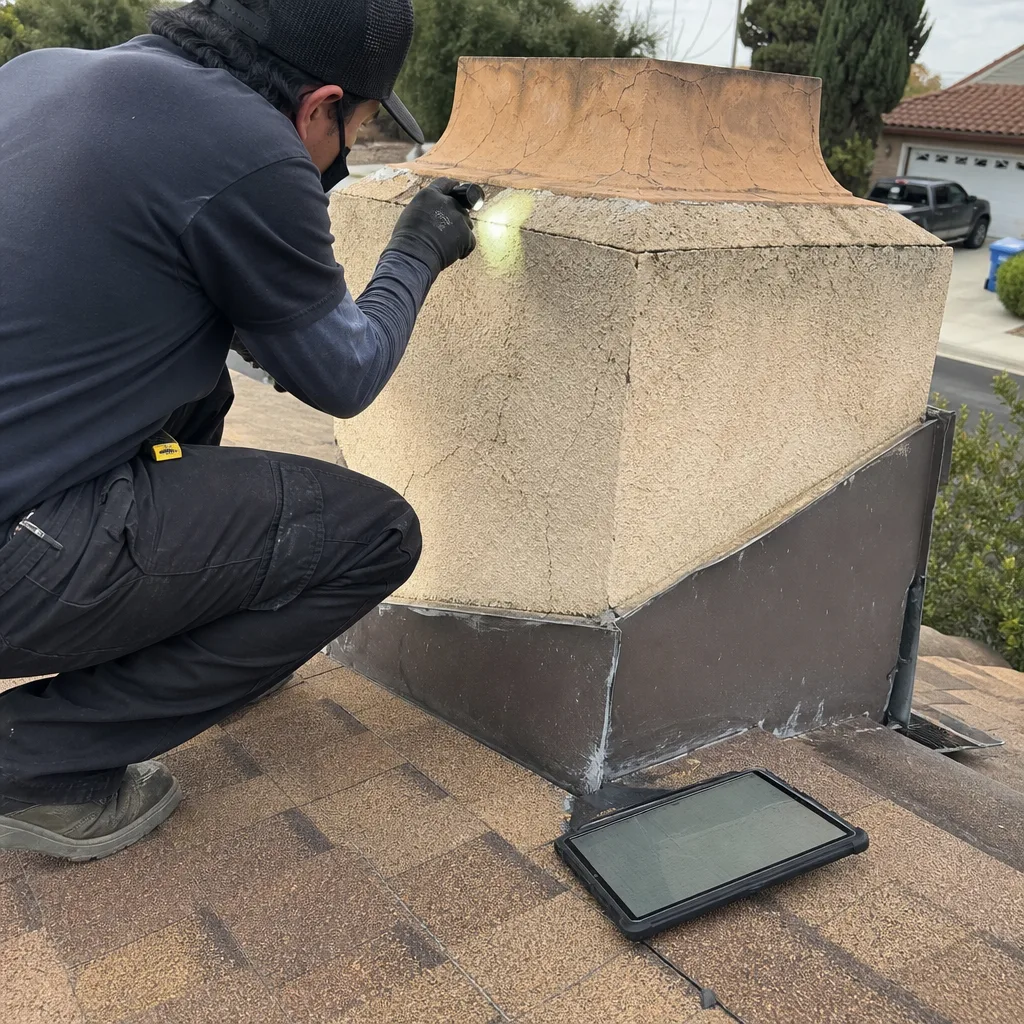
Chimney Crown and Flashing Repair
Denver’s 300-plus freeze-thaw cycles a year crack chimney crowns faster than anywhere we’ve worked. When the crown fails, moisture gets into the brick and the flue, and your gas fireplace suddenly drafts poorly or smells like wet soot. We repair crowns with proper overhang and slope, seal flashing at the roofline, and keep water out of the firebox. It’s the least glamorous work in the trade, and the work that keeps your gas fireplace alive through another Colorado winter.
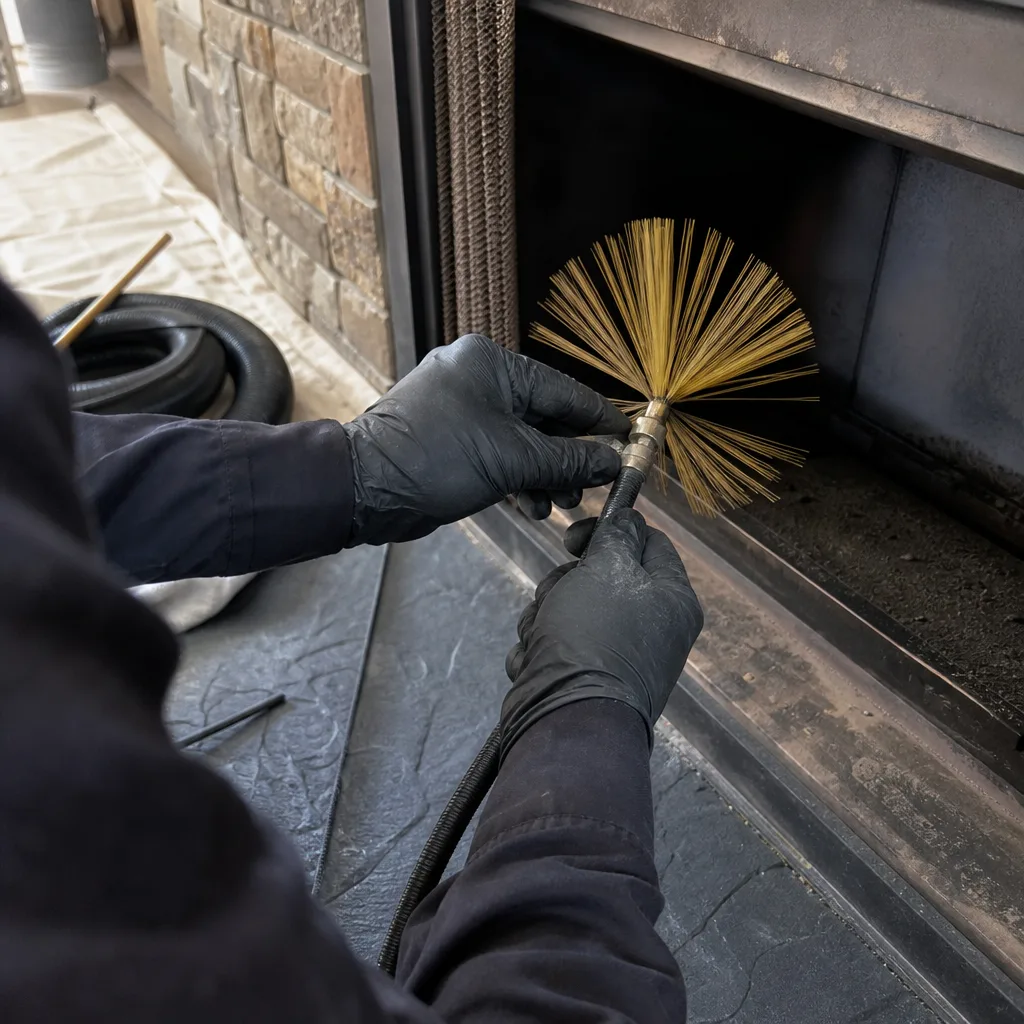
Gas Insert and Log Set Installation
Older Denver Square homes in Park Hill and the Highlands frequently replace failing wood setups with gas inserts. The mistake we see repeatedly is installing a gas insert without a properly sized flue liner, then wondering why the living room smells like exhaust. We size the liner to the appliance and the chimney, not to what’s easiest to shove down the flue. A gas insert is only as safe as the venting behind it.
What happens when you call
- 1
A real person answersNo phone trees - you reach a local pro.
- 2
You get an upfront price rangeHonest numbers before anyone is dispatched.
- 3
A background-checked tech heads outLicensed & insured, dispatched right away.
- 4
You approve before work beginsNothing starts until you say go.
Trusted Brands We Service in Denver
Denver homes have all kinds of gas fireplaces, but the ones we service most use Olympia Chimney venting components, Famco caps and dampers, or Copperfield gas log sets. We stock common replacement parts locally for these brands, which means most Denver repairs don’t wait on a week of shipping. A Famco damper blade that warped after years of wood-burning in a Congress Park foursquare is replaceable same-week, not next month. When your fireplace is dead in January, that matters.
Common Gas Fireplace Repair Problems We See in Denver Homes
- Smoke rolling into the room when the first legal fire of the season gets lit. The RAQC no-burn calendar means lots of Denver fireplaces sit cold for weeks, then get fired up in a cold flue that hasn’t drawn air all season. First-degree creosote from prior use goes sticky, the damper sticks, and smoke backs up into the living room.
- Glazed third-degree creosote in gas fireplaces used infrequently after burn bans. At 5,280 feet, a short, oxygen-starved burn leaves volatiles that condense on a cold flue wall and harden into the gummy, shiny glaze that’s notoriously hard to remove. It happens faster in Denver than in Boulder or Fort Collins because of the altitude combined with the ban-relief burn pattern.
- Spalled mortar and failed crowns on century-old brick chimneys around Capitol Hill and Park Hill. Single-wythe brick chimneys built between 1890 and 1940 weren’t designed for a hundred years of Denver freeze-thaw. When mortar joints fail, cold air and moisture seep into the flue, killing gas fireplace draft and letting creosote set harder between uses.
- Back-drafting and exhaust odors in post-war ranch conversions in Aurora and Wheat Ridge. Those shorter chimneys often lack a liner entirely. A gas insert needs a correctly sized flue liner to vent properly. Without one, combustion gases don’t rise fast enough, and the fireplace pushes exhaust into the house instead of up the chimney.
Pricing for Gas Fireplace Repair in Denver, CO
A standard gas fireplace service call in Denver runs $95 to $140 for the visit and diagnosis. Common repairs fall into predictable bands: thermocouple replacement $145 to $225, gas valve adjustment or replacement $190 to $320, pilot assembly rebuild $175 to $260, and full burner pan or log set replacement $325 to $650 depending on brand and model. Chimney crown repair typically lands between $350 and $900 depending on access and damage extent. You always get a written price before any work begins, and every repair carries our written guarantee with a free return visit if it fails.
Call (336) 863-3889 for a free estimate. We’ll give you real numbers over the phone, not a range so wide it’s meaningless.
We Also Serve Cities Near Denver
Our techs regularly run calls up to Boulder, east to Greeley, north to Fort Collins, and down the I-25 corridor to Colorado Springs. If you’re anywhere in the Front Range, call us and we’ll get you on the schedule. You can also see our full service area on our Gas Fireplace Repair page or check local coverage details at Gas Fireplace Repair in Denver.
Serving Denver, CO - Our Local Coverage Area
We’re based in the Denver area and know this community well. Use the map below to see our service coverage - if you’re nearby, we can almost certainly help.
FAQs – Gas Fireplace Repair in Denver
The smell comes from first-degree creosote that formed during a short, oxygen-starved burn on the first legal night after an RAQC burn ban, then hardened and glazed as the flue cooled. At Denver’s 5,280 feet, incomplete combustion leaves more sticky residue than at sea level, and a cold unlined flue turns it into odor-producing glaze faster. The fix is a proper cleaning plus a draft check on the damper and flue. Call (336) 863-3889 and we’ll get your fireplace smelling right before the next cold snap.
Yes, though less often than a wood burner. Gas fires don’t produce solid creosote like wood, but they do release fine soot and sulfur compounds that coat flue walls, especially in Denver’s altitude where gas burns with less complete combustion. More importantly, your chimney still faces nesting animals, crumbling mortar shedding into the flue, and crown leaks. Schedule an inspection every 2 to 3 years for gas-only use, and ask us about a Level 2 camera check if you’ve converted from wood. We’ll show you the photos so you know exactly what you’re dealing with.
Every 30 to 60 days of continuous burn, which for most rural Denver-area homes using a wood stove as primary heat means twice per heating season, minimum. Heavy creosote loading builds fast when you’re burning daily through the whole winter, and Denver’s thinner air makes incomplete combustion more likely, which means more creosote per cord of wood. If you’re burning green pine or unseasoned wood, that interval shortens. We’ll inspect what comes out of your flue and give you an honest sweep schedule based on how you actually burn, not a generic calendar.
Yes. We recently worked on a 1920s Denver Square near 12th and Clayton in Congress Park where smoke rolled into the room every time the homeowner lit the gas log set after a burn ban. Our tech found the firebox mortar joint spalled, the damper blade warped from a prior wood fire cycle, and the smoke chamber coated in tacky first-degree creosote that was catching on the gas log’s reduced draft. After a Level 2 inspection, we reset the damper, sealed the smoke chamber with HeatShield, and retested the gas insert. The draft pulled clean and the room stayed smoke-free.
We service and install Olympia Chimney venting, Famco caps and dampers, Copperfield gas log sets, and DuraFlex liner systems. These are the brands chimney professionals specify, not box-store substitutes. We also work with HeatShield and Gelco for resurfacing and sealing applications. If you have a different brand, call (336) 863-3889 and we’ll tell you honestly whether we can source parts or should point you to a specialist.
Written by Ruben Castellano, Owner at Alcott Chimney Sweep, serving Denver furnace-to-flue since 2002.