
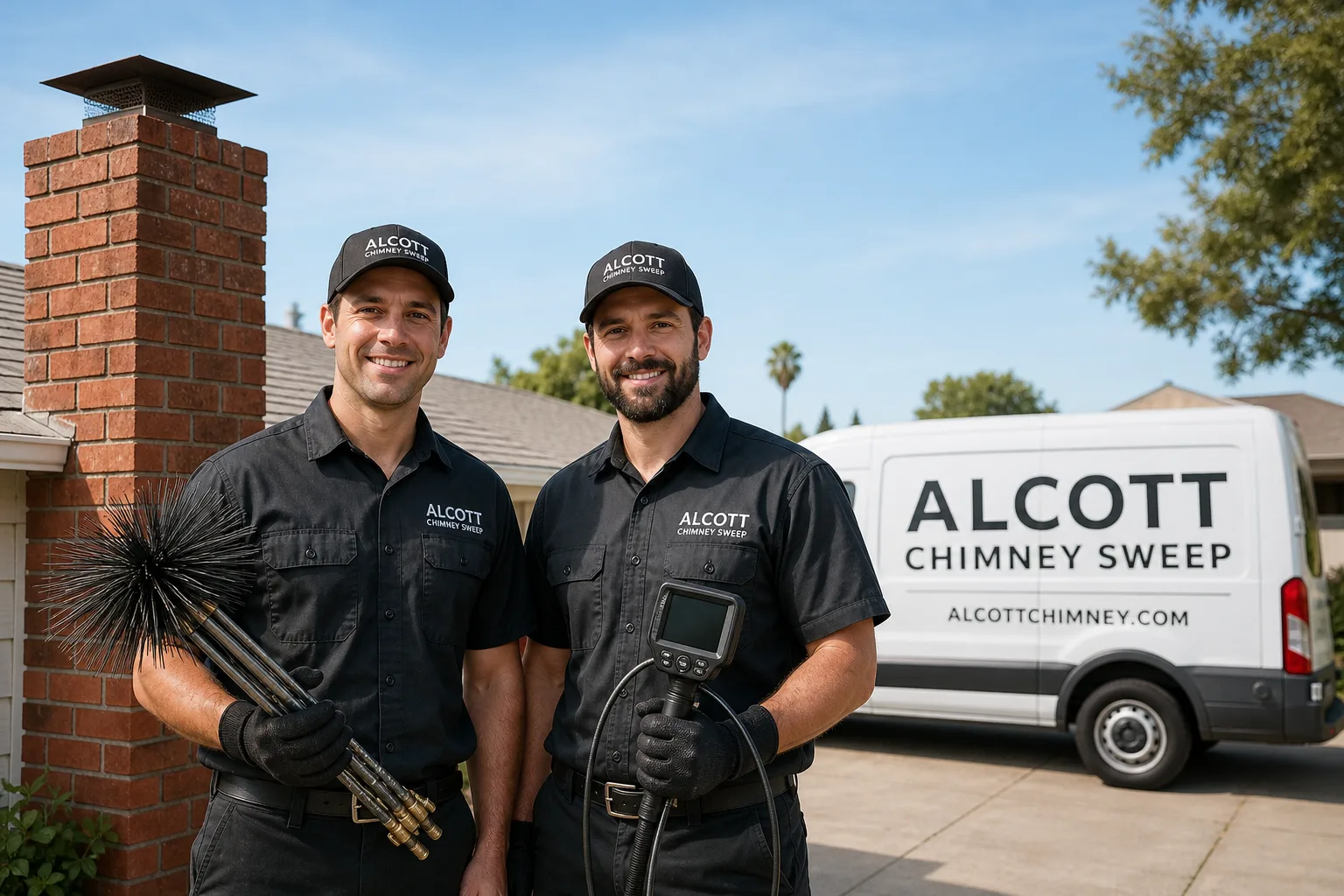
Level 1 sweep and inspection to the NFPA 211 annual standard - flue, crown, cap, and flashing checked and photographed
Chimney sweep logs do not sweep chimneys. They loosen some creosote - which then falls where a brush and vacuum still have to collect it.
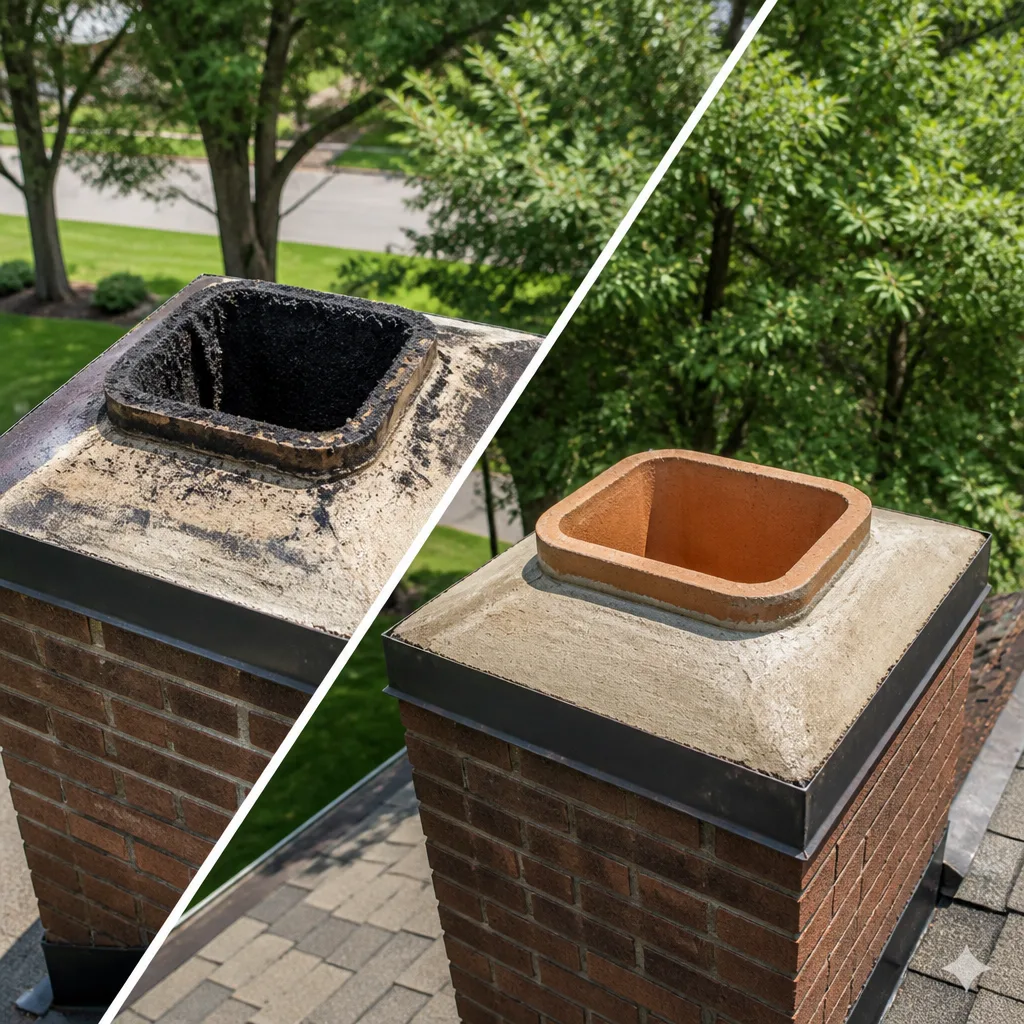
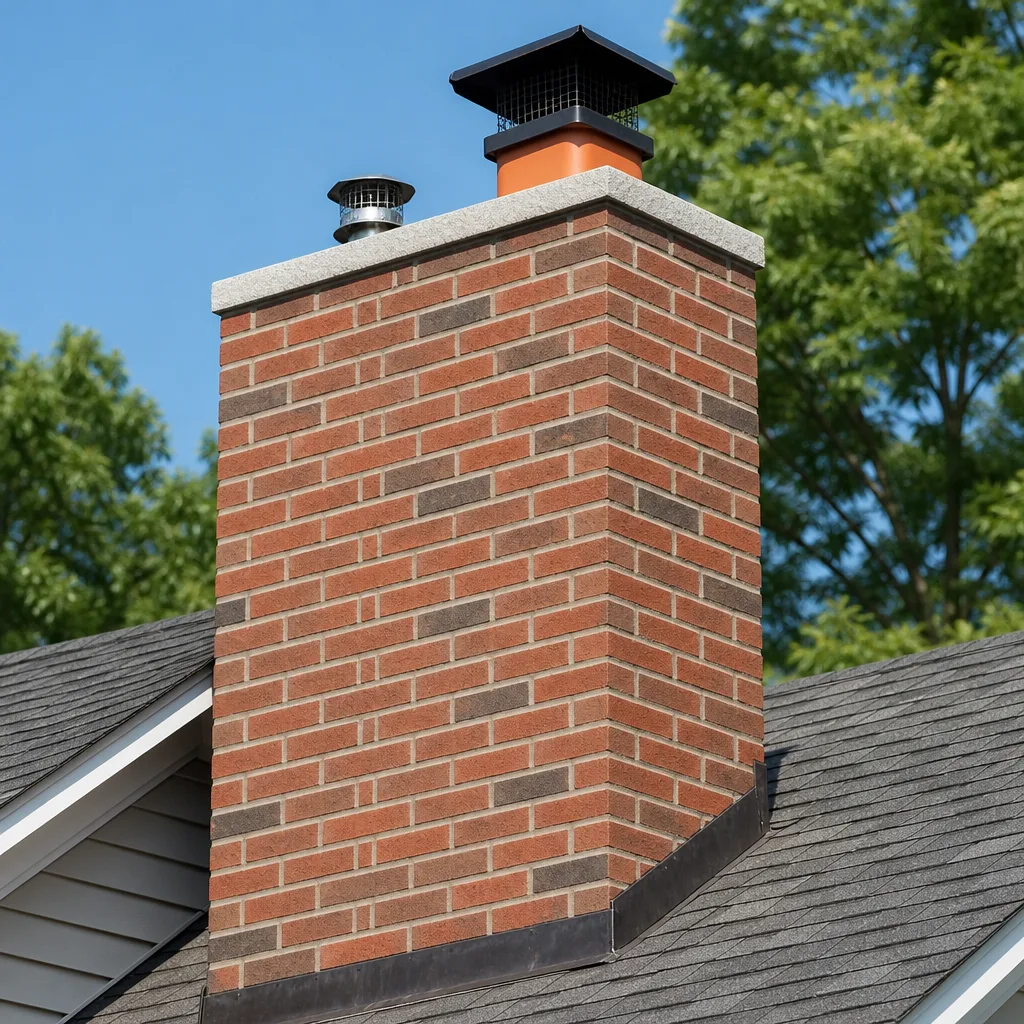
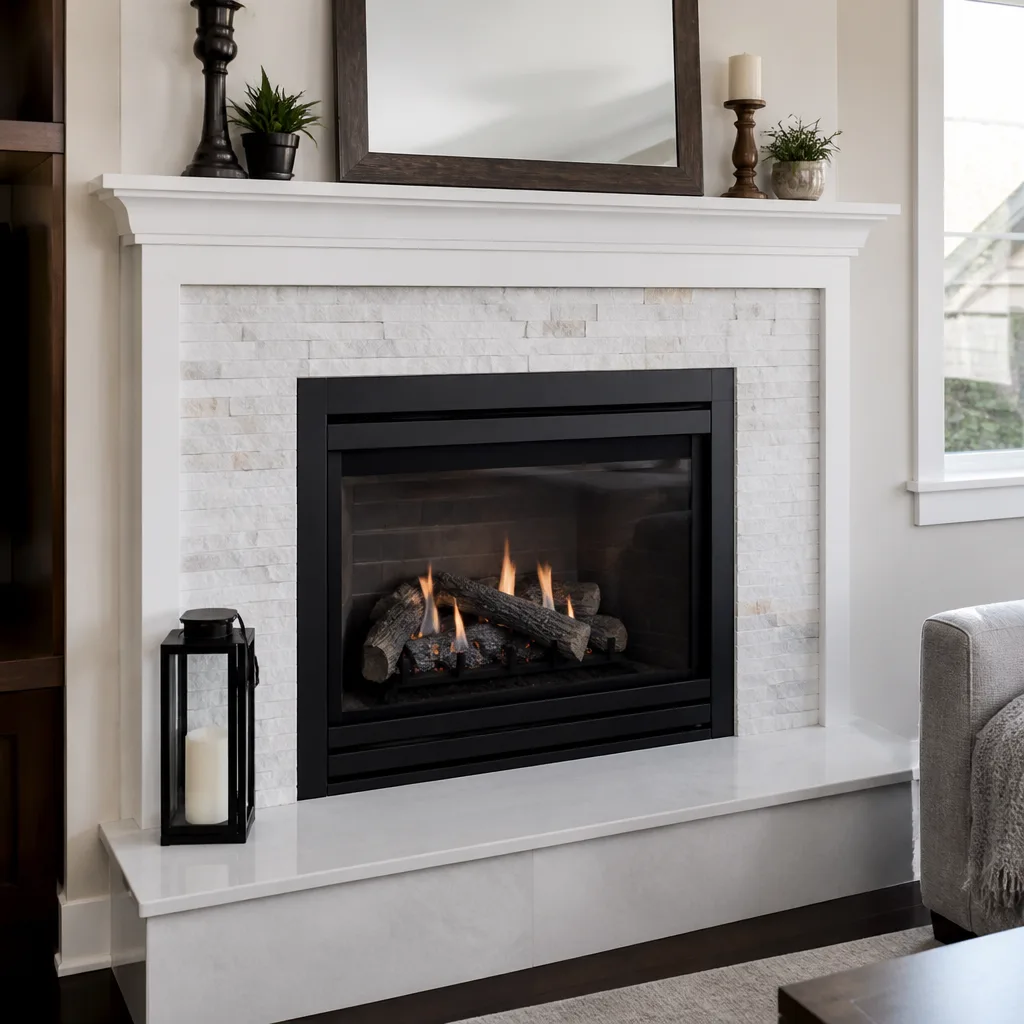
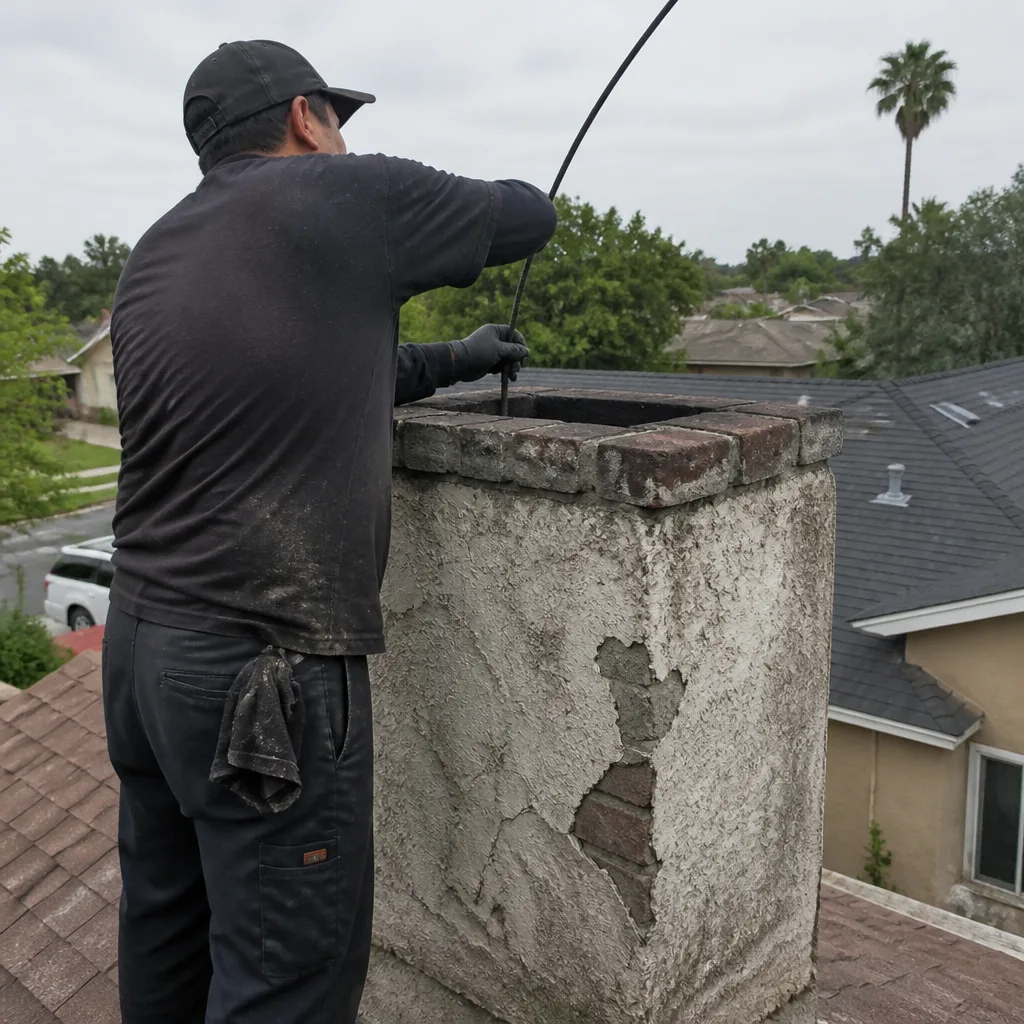 Before
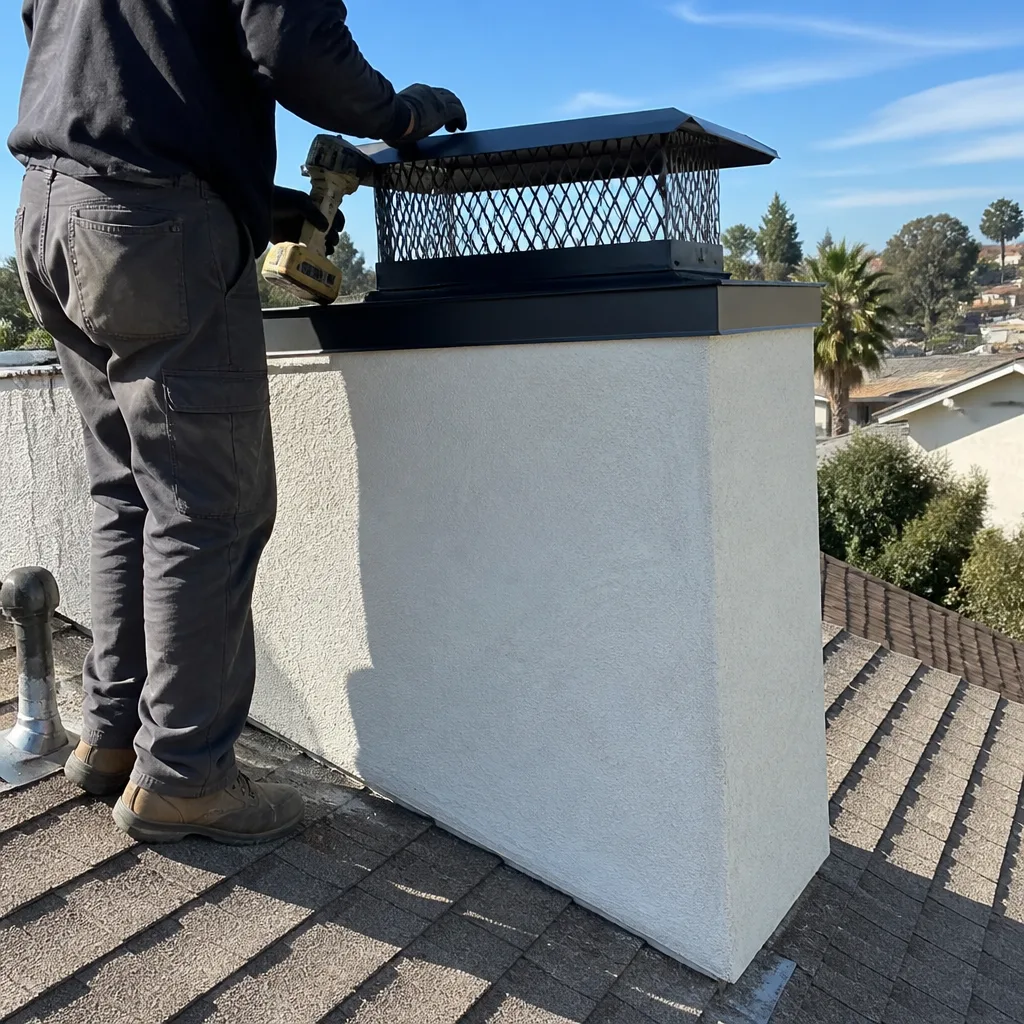 After
After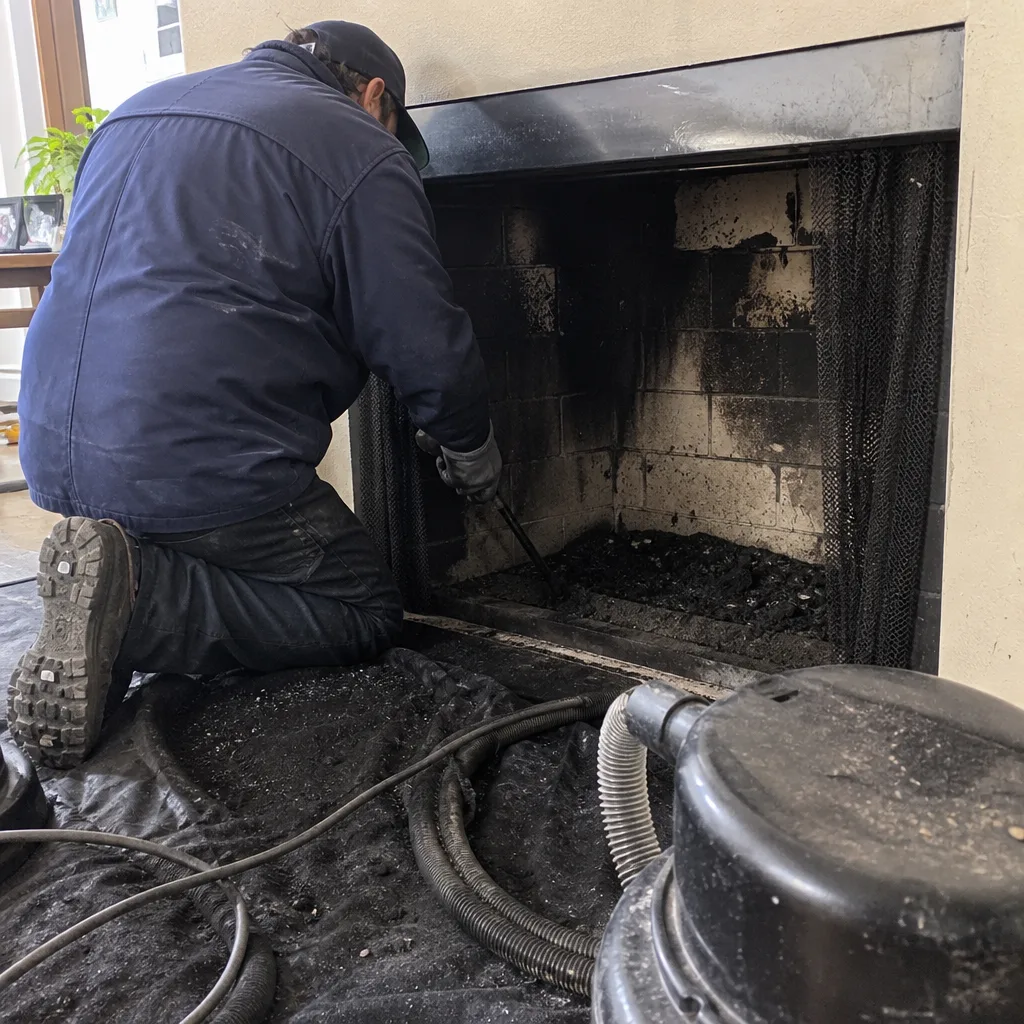 Before
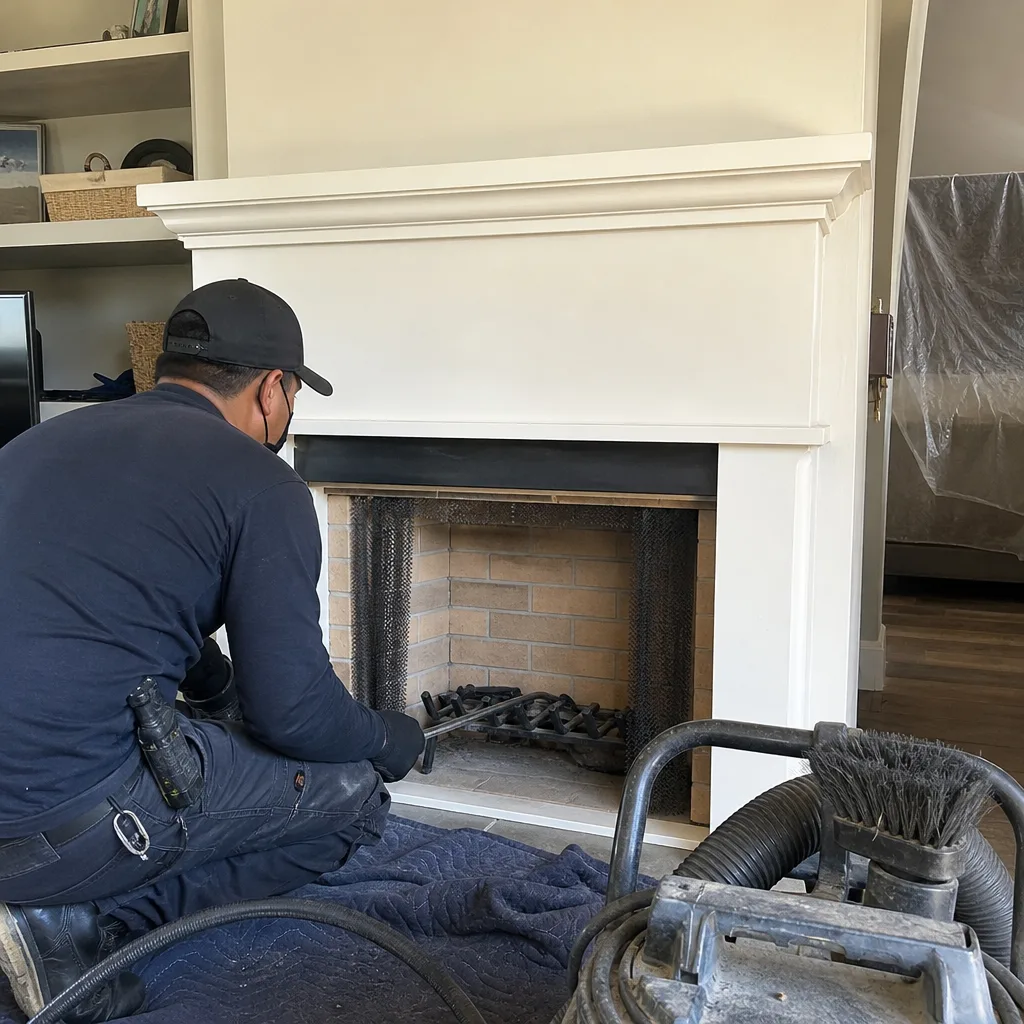 After
After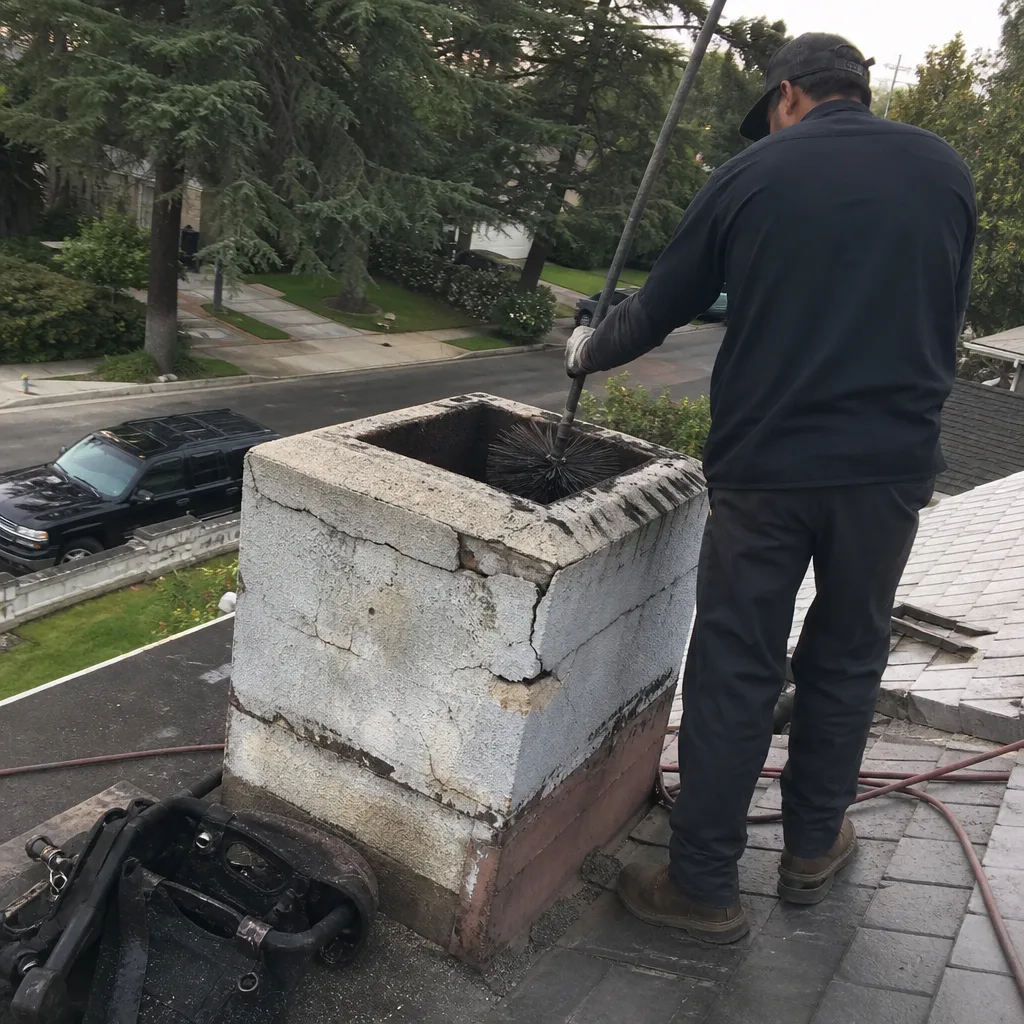 Before
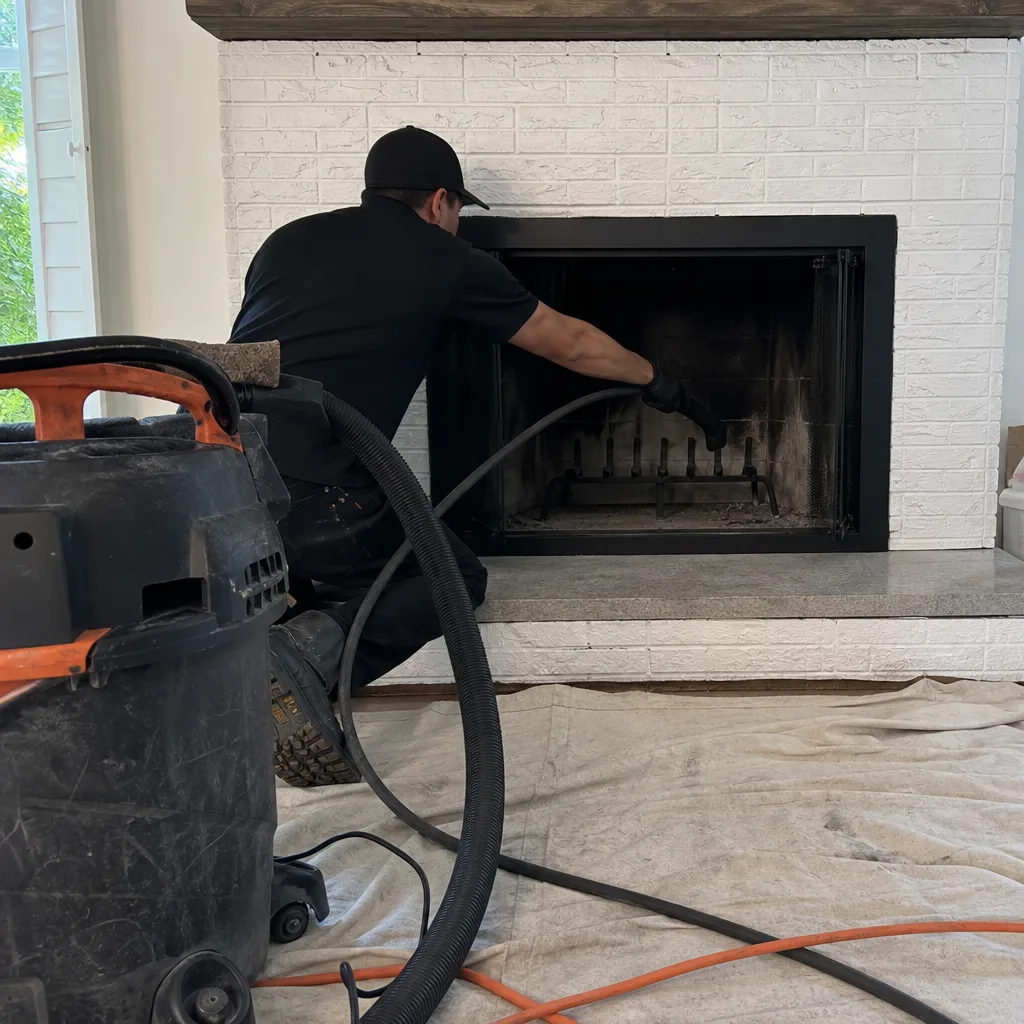 After
AfterFast, Reliable Gas Fireplace Repair Across Washington
If your gas fireplace is shutting itself off, leaving a metallic smell, or just won’t stay lit in your Washington rowhouse, the fix may not be the insert at all. It’s usually the flue behind it. In Washington, most gas fireplaces are vented into brick chimney stacks built between 1880 and 1930 for coal furnaces, not gas. That mismatch causes draft failures, nuisance shutdowns, and in the worst cases, carbon monoxide spillage into living spaces. Alcott Chimney Sweep diagnoses these systems from firebox to cap, shows you the camera footage, and gives you a written price before any work starts. Call (336) 863-3889 for an honest assessment.
Key Takeaways:
- Gas fireplace repair in Washington typically runs $180 – $340 for diagnosis and minor component fixes; flue liner installation runs $1,200 – $3,800 depending on stack height and condition.
- In Washington’s rowhouse stacks, the real problem is rarely the gas valve. It’s usually an unlined flue, a deteriorating clay-tile liner, or cross-contamination from an abandoned coal flue in the same chimney column.
- Every technician arrives background-checked, identity-verified, and announced by name and photo before we ever ring your bell.
- Every repair carries a written guarantee. If it fails within the coverage period, the second visit is free.
Why Alcott Chimney Sweep Is Washington’s Gas Fireplace Repair Company Homeowners Actually Call Back
Ruben Castellano founded Alcott Chimney Sweep in 2002 with one rule that still drives every job: show the customer the problem before asking them to pay for a fix. In Washington, that rule matters more than anywhere else we work. The city’s housing stock is dense brick rowhouses with party-wall construction, where one chimney stack can hold two or three flues serving different fireplaces, units, or appliances. A gas fireplace that won’t stay lit is often being choked by a flue that was never designed for gas in the first place. We trace it. We camera-scope it. Then we show you exactly what we found.
Washington homeowners tell us the same thing after our visits: they didn’t realize a chimney company could explain the problem this clearly. We’re not a franchise that sends whichever tech is available. Every Alcott technician passes a background check and identity verification before stepping onto your property, part of the Threshold Standard our parent company has enforced for over two decades. You’ll know your technician’s name and see their photo before the van shows up on your street in Capitol Hill, Petworth, or Chevy Chase. When the doorbell rings, you check their badge against the photo we sent. That’s how it works, every time.
We’re an independently operated part of the Threshold Group family, and our Washington office coordinates local dispatch and scheduling. Our crews know the city’s housing stock because they work in it every week, from Georgetown’s historic brick to the 1920s rowhouses of Columbia Heights. That’s not a marketing line. It’s the reason we can tell you over the phone whether your issue sounds like a thermopile failure or a liner that’s been drafting wrong for decades.
Our Gas Fireplace Repair Services in Washington
Level 2 Camera Inspection of Shared Party-Wall Stacks
In a Washington rowhouse, a single chimney stack often contains multiple flues, some active, some abandoned, some completely unknown to the current owner. A gas fireplace repair that ignores the full stack is a guess. Our Chimney Inspection in Washington traces every flue in the column from firebox to cap. We’re looking for offset clay tiles, missing caps on abandoned coal flues, spalling at the roofline, and any flue sharing walls with your active gas vent. You see the footage. We explain what it means.
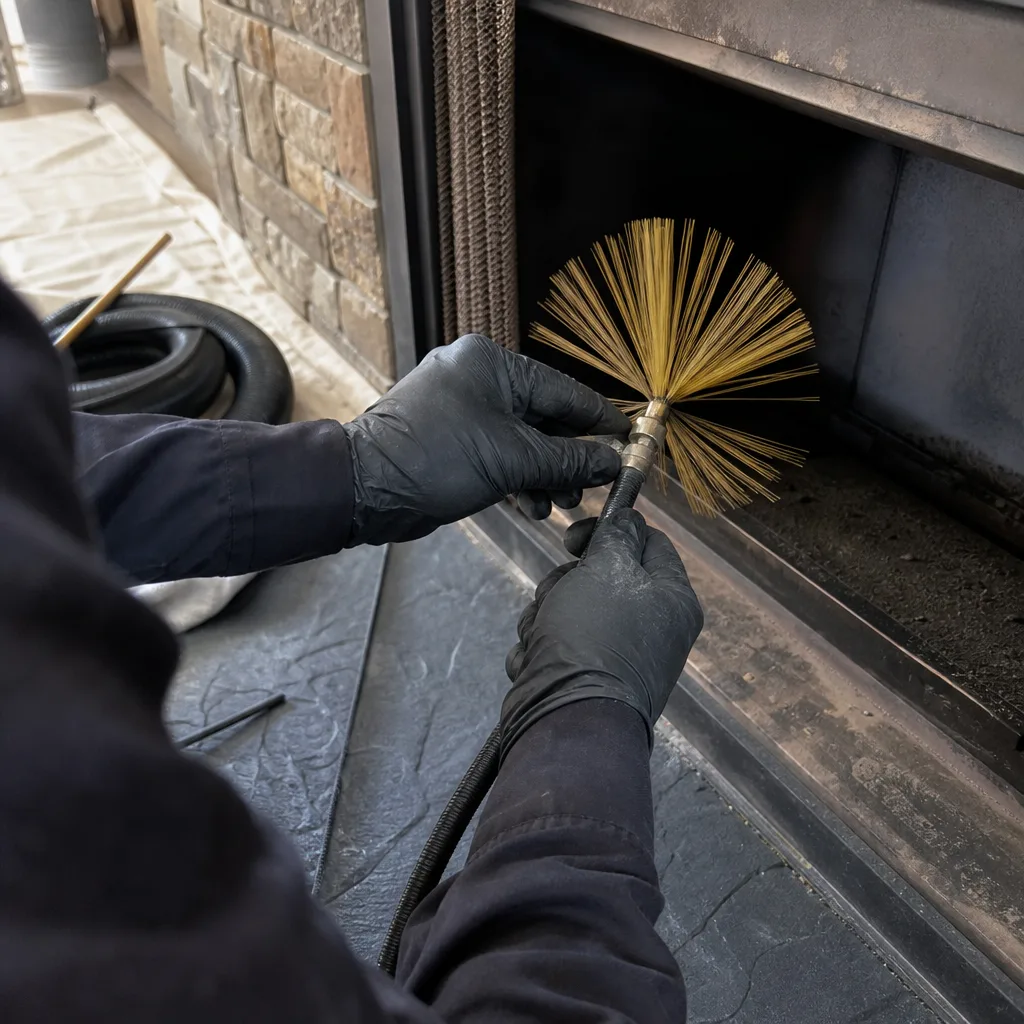
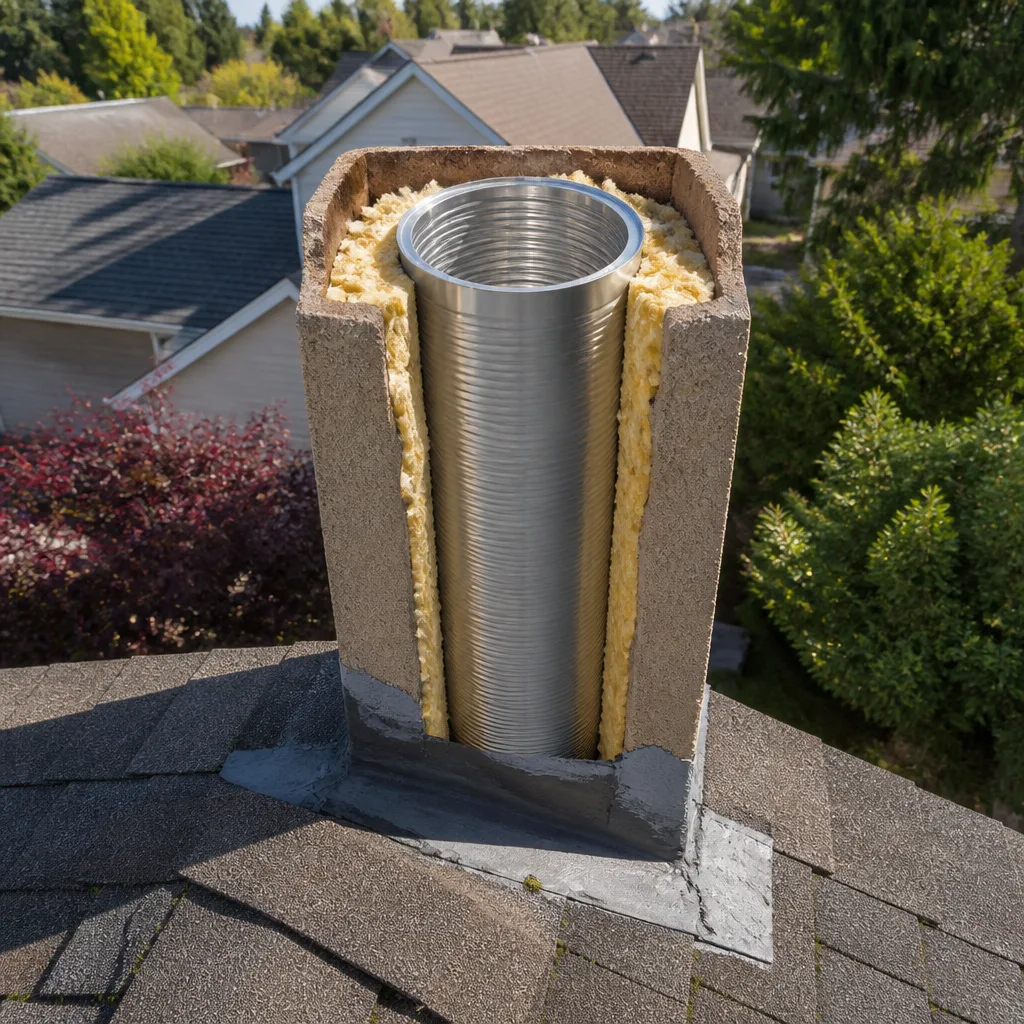
Gas Fireplace Flue Liner Installation and Sizing
Most Washington gas fireplaces are vented through liners that were originally clay tiles sized for coal. They’re too large for a gas insert, which means weak draft, condensation, and flue gas that lingers instead of exiting. That’s when you smell that metallic odor in your living room. We install correctly sized liners using DuraFlex and HeatShield systems, specified for the BTU output of your specific fireplace, not a generic guess. Ruben’s crews have installed hundreds of these in DC rowhouse stacks, and we size every liner to the appliance, not the existing hole.
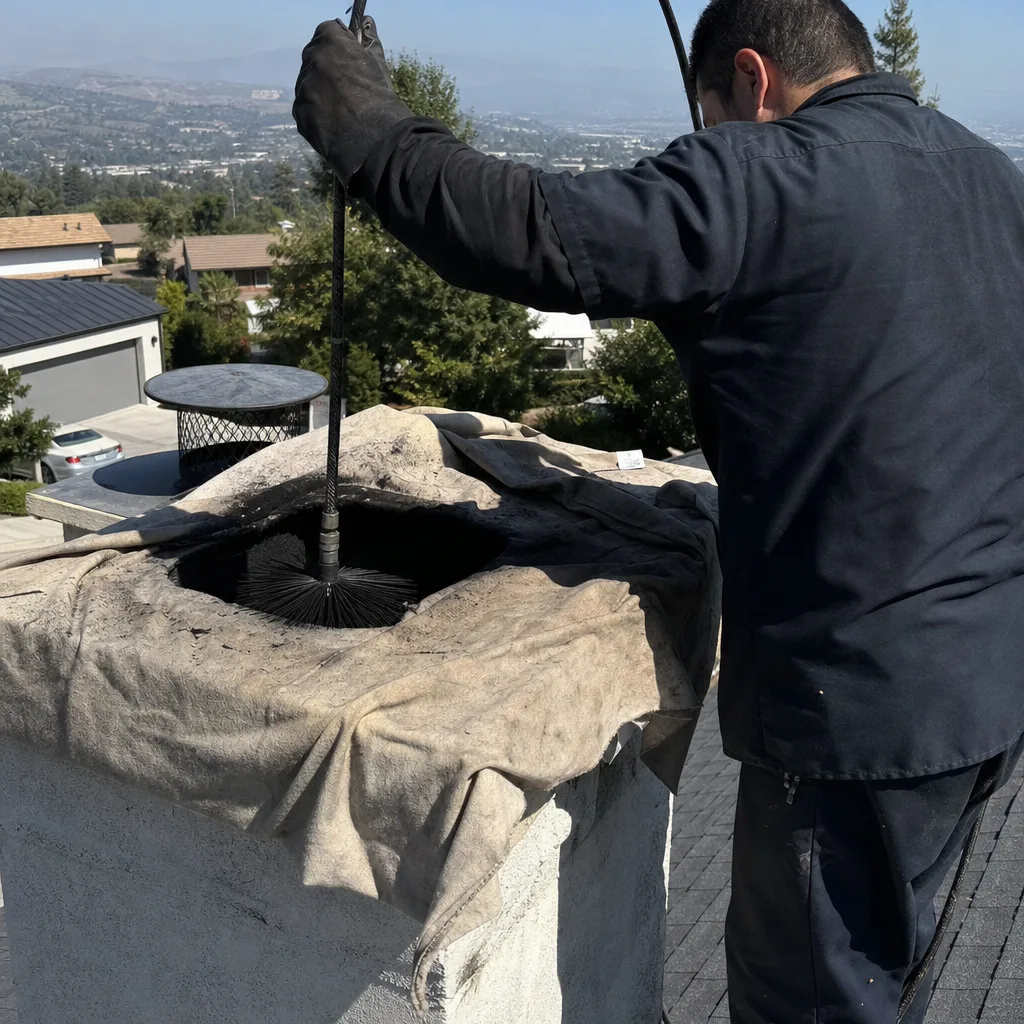
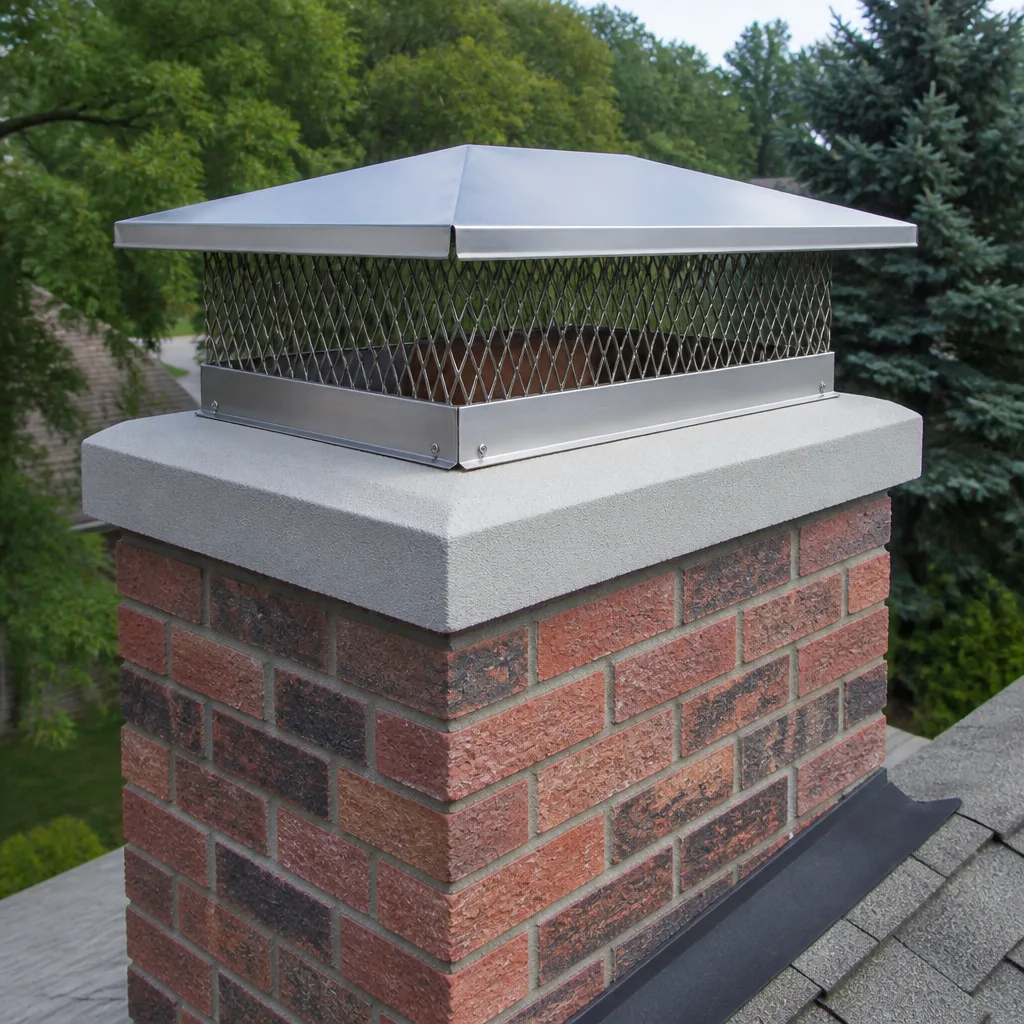
Chimney Cap and Crown Repair for Rowhouse Stacks
Washington’s freeze-thaw cycles, dozens each winter as temperatures swing around 32°F, are brutal on century-old single-wythe brick crowns. Once the crown cracks, water enters the flue, accelerates spalling, and corrupts the combustion air your gas fireplace depends on. We rebuild crowns, install proper caps, and seal the stack using professional-grade materials. It’s not the flashy part of gas fireplace repair. It’s the part that keeps the whole system working through a DC winter.
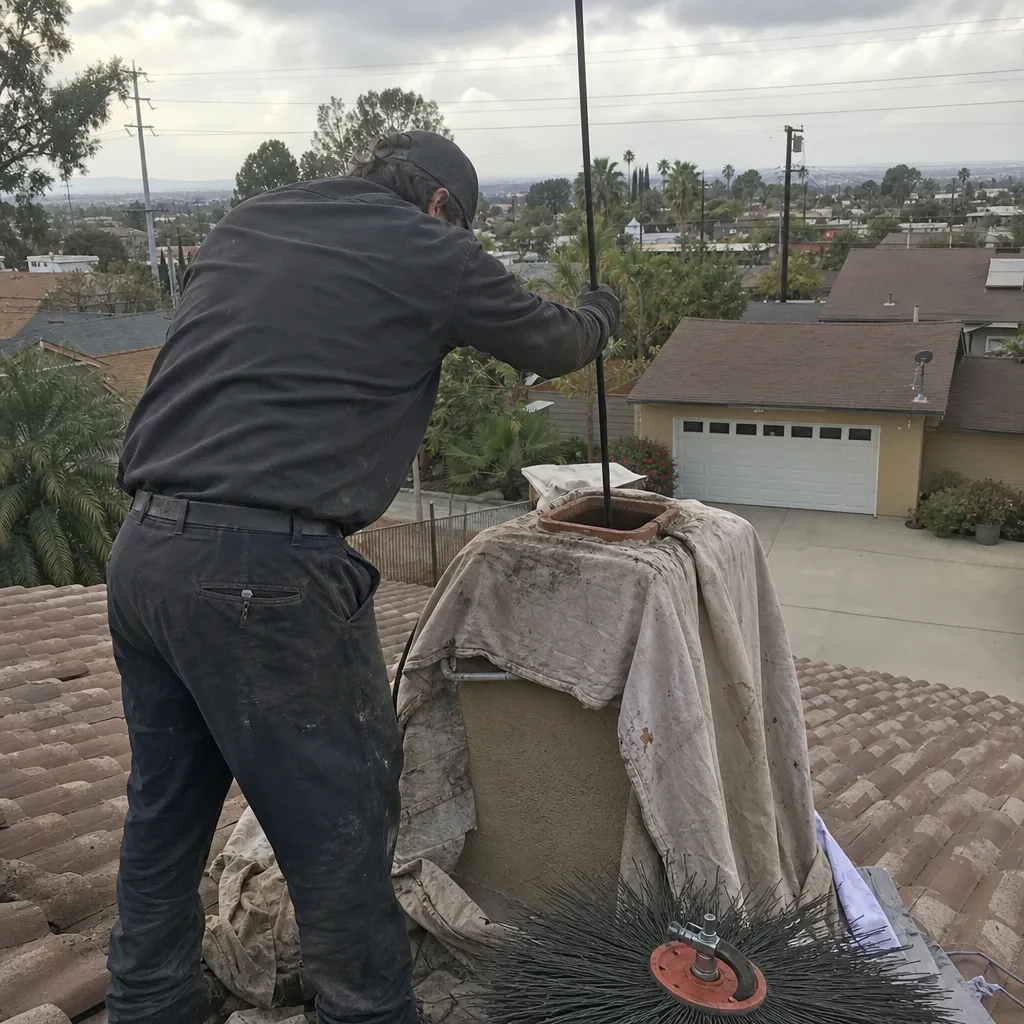
Gas Fireplace Component Diagnostics and Replacement
Thermopiles, gas valves, pilots, sensors. These parts fail, and when they do, your fireplace shuts down or won’t ignite. But before we replace a part, we verify the venting is actually moving exhaust out of your home. In Washington’s old rowhouses, a “bad thermopile” is often a perfectly fine thermopile working inside a flue that can’t draft. We fix the component and the reason it failed. Written price first. Then the work.
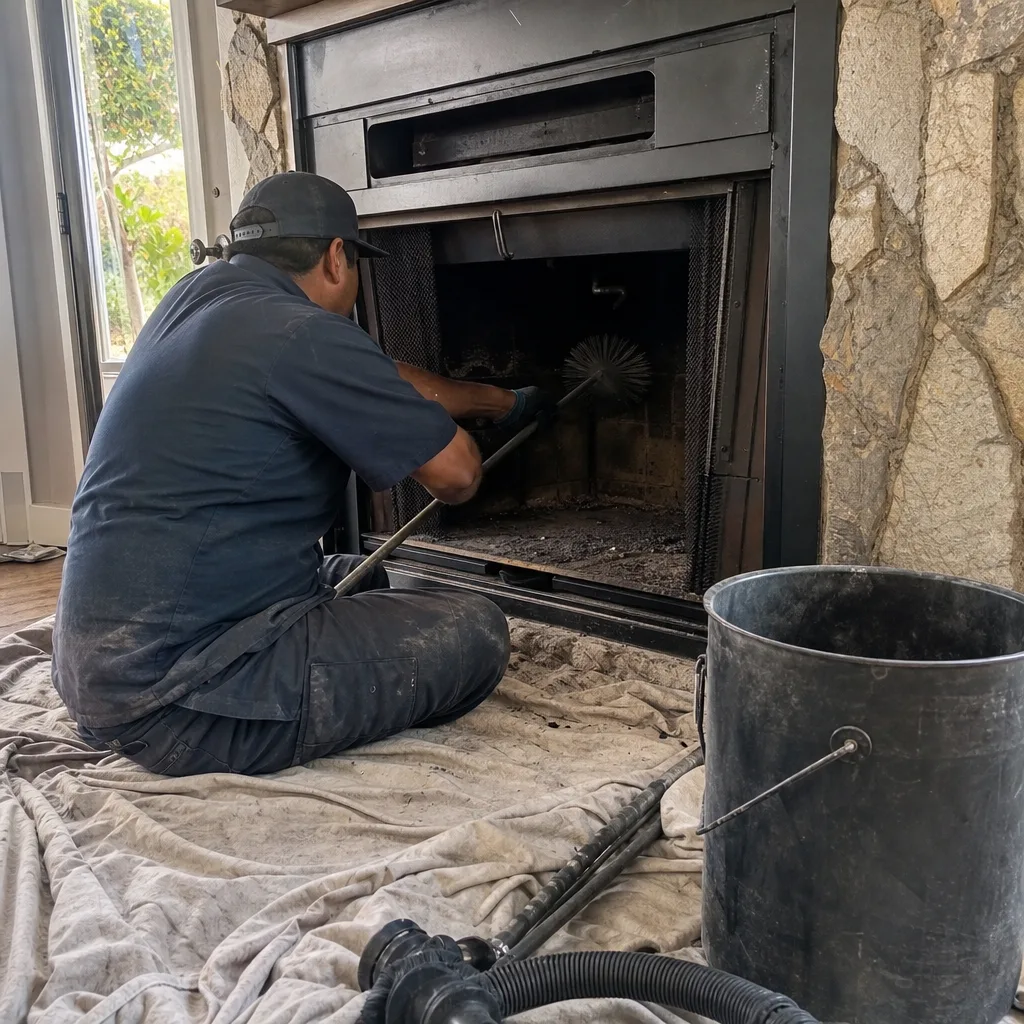
What happens when you call
- 1
A real person answersNo phone trees - you reach a local pro.
- 2
You get an upfront price rangeHonest numbers before anyone is dispatched.
- 3
A background-checked tech heads outLicensed & insured, dispatched right away.
- 4
You approve before work beginsNothing starts until you say go.
Trusted Brands We Service in Washington
We work with the materials professionals specify: DuraFlex liner systems, HeatShield resurfacing products, Famco venting components, and Copperfield caps and terminations. You won’t find box-store substitutes in our trucks, and you won’t pay pro prices for improvised parts. Because our Washington office is local, we keep the most common components for DC’s housing stock ready to go, which means faster turnaround when your fireplace is down in January and the house is cold.
Common Gas Fireplace Repair Problems We See in Washington Homes
- The gas insert is connected to a coal-era flue. That flue was sized and drafted for a coal furnace, not a gas fireplace. The liner is oversized, the draft is weak, and the fireplace shuts down or spills exhaust back into the room on cold mornings. We re-line to match the appliance.
- Freeze-thaw damage to the chimney crown. DC’s winter temperature swings crack the brick crown on rowhouse stacks, letting water into the flue. Once tiles spall, the gas fireplace’s combustion air path is compromised. We rebuild the crown and stop the cycle.
- An abandoned coal flue is still open in the same stack. In Capitol Hill and LeDroit Park, it’s common to find an uncapped coal-furnace flue sitting right next to the active gas flue. Rain, animals, and debris collect there, then cross-contaminate the gas vent. We cap and seal it.
- Metal odor and yellow flame tips. That smell is usually incomplete combustion, often from a venting restriction or a liner that’s sharing flue space with decades of creosote from previous wood burning. A brush alone won’t fix it. Camera inspection tells us what will.
Pricing for Gas Fireplace Repair in Washington, DC
A straightforward gas fireplace fix in Washington, like a faulty thermopile or thermocouple replacement, typically runs $180 – $340 including parts and labor. Pilot assembly rebuilds usually land between $300 – $500. If the problem is in the flue, a correctly sized liner installation runs $1,200 – $2,800 for a single-story rowhouse stack and $2,500 – $3,800 for taller party-wall columns requiring scaffolding or roof access. Chimney crown rebuilding and capping adds $700 – $1,600 depending on condition. What you’ll never see: a surprise charge at the end of the job or a repair we can’t show you the evidence for. Call (336) 863-3889 for a free estimate. The price we quote before work starts is the price you pay.
One more thing about cost in Washington specifically: this is a city where some companies push full liner replacements on every call simply because the house is old. We don’t. If your liner is sound, we’ll tell you, show you the camera footage, and recommend only what’s actually needed. Some of our Washington customers end up paying $300 for a component fix and nothing more, because that’s all the job required.
We Also Serve Cities Near Washington
Our crews work throughout the metro area. You can learn more about our broader service footprint on our Gas Fireplace Repair page, or if you’re in a neighboring community, see how we handle Gas Fireplace Repair in Washington and the surrounding neighborhoods from Arlington to Takoma Park.
Serving Washington, DC - Our Local Coverage Area
We’re based in the Washington area and know this community well. Use the map below to see our service coverage - if you’re nearby, we can almost certainly help.
FAQs – Gas Fireplace Repair in Washington
A proper repair checks the entire flue path, not just the insert. In a coal-era rowhouse stack, the flue was sized for coal combustion, which runs hotter and drafts differently than gas. We camera-scope the full flue to check for offset clay tiles, missing caps, unlined sections, and cross-contamination from abandoned flues in the same stack. The gas valve, thermopile, and pilot are tested, but only after we’ve confirmed the venting actually moves exhaust out of your home. If a company wants to replace parts without looking at the flue, get a second opinion. Call (336) 863-3889 and Ruben’s team will give you an honest one.
It depends on the scope. Large swaths of Capitol Hill, Georgetown, LeDroit Park, and Petworth fall under DC Historic Preservation Office jurisdiction. Interior flue liner installations generally do not require HPO review. Exterior masonry work, like chimney crown rebuilding, repointing, or any modification visible from the street, often does. We’ve handled HPO-coordinated chimney repairs throughout the district and can tell you during the estimate whether your job triggers review, what the process looks like, and roughly how it affects the timeline. We won’t start exterior work that should have been filed first.
That shutdown-and-smell pattern is usually a draft failure. On cold mornings, the air pressure difference between indoors and outdoors spikes. If your flue is oversized (coal-era), partially blocked, or missing a liner, the fireplace can’t overcome that pressure and exhaust spills back into the room. The metallic smell is incomplete combustion byproduct finding its way into your living space. A thermopile replacement won’t fix this because the thermopile isn’t the problem. We diagnose it with a camera inspection and flue draft test, then fix the venting so the fireplace stays lit and the exhaust goes outside. Call (336) 863-3889 to schedule a diagnostic visit.
Yes, and it’s one of the most common issues we find in Washington rowhouses. An uncapped coal flue in the same party-wall stack collects rain, animal nests, and debris. That material corrodes the shared masonry walls between flues and can block the gas flue’s air intake or exhaust path. It also creates a negative pressure zone that steals draft from your active fireplace. We cap abandoned flues and repair the shared masonry, and we’ve seen it resolve a gas fireplace’s shutdown problem without touching a single component on the insert itself.
At least once a year, even if the fireplace works fine. Washington’s humidity, freeze-thaw cycles, and century-old stacks degrade faster than newer construction, and gas fireplaces don’t produce the visible creosote that warns you something’s wrong. A blockage in a gas flue can build silently until carbon monoxide starts accumulating. Annual Level 1 inspections catch crown cracks, missing caps, and liner offsets before they turn into safety issues. If you’ve never had your rowhouse stack camera-scoped, start there. Call (336) 863-3889 for an inspection. The estimate is free, and the camera footage is yours to keep.
What Makes Gas Fireplace Repair Different in a Washington Rowhouse
Here’s the thing about Washington’s rowhouses that you won’t find on a generic fireplace repair website. In Capitol Hill, a single chimney stack can serve three different purposes: one flue for the original coal furnace, now abandoned and uncapped. One flue for a gas appliance, vented through a liner that was never properly installed. And one flue the current owner believes is ready for a wood fire, when it hasn’t been touched since the coal era. Three hazards in one brick column.
We walked into a 10th Street SE rowhouse a few years back after the homeowner’s gas fireplace kept extinguishing itself and left a metallic smell every time. We ran a Level 2 inspection and camera-scoped all three flues in the shared party-wall stack. The original coal-furnace flue was uncapped and full of debris. The gas appliance flue was vented with no liner at all. The fireplace flue had offset clay tiles and spalling at the roofline. We capped and sealed the abandoned flue, installed a correctly sized DuraFlex liner for the gas fireplace, rebuilt the crown, and the draft stabilized on the first test fire. The homeowner still had the original thermopile. It was never the problem. This is Washington gas fireplace repair, and it’s a different job than swapping parts.
If your fireplace is acting up and someone wants to sell you a new insert before looking at the flue behind it, call us instead. We’ll show you the footage. You’ll see exactly what we see. Then you’ll get a written price for only what needs doing. That’s how Ruben Castellano has run Washington chimney service since 2002, and it’s how we’ll handle your home.
Written by Ruben Castellano, Owner at Alcott Chimney Sweep, serving Washington since 2002.