
Last updated October 9, 2026
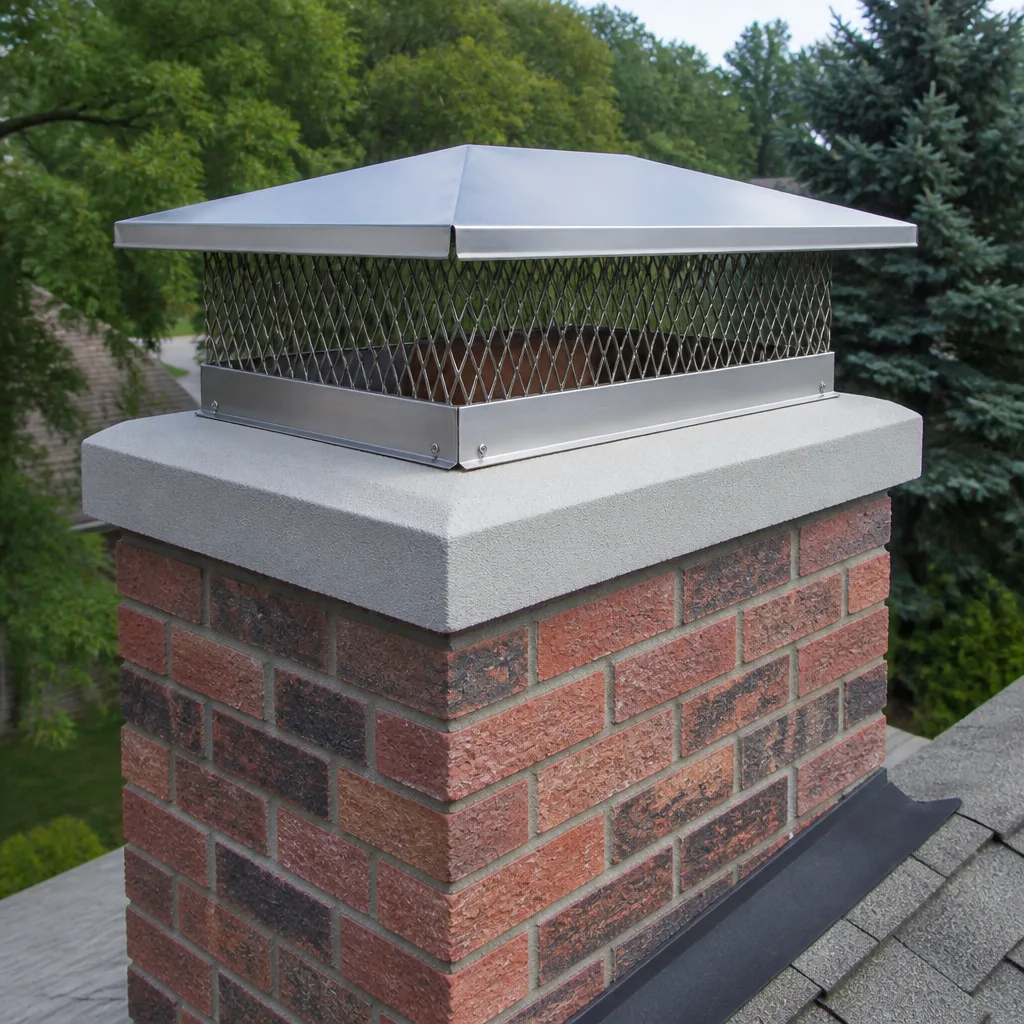
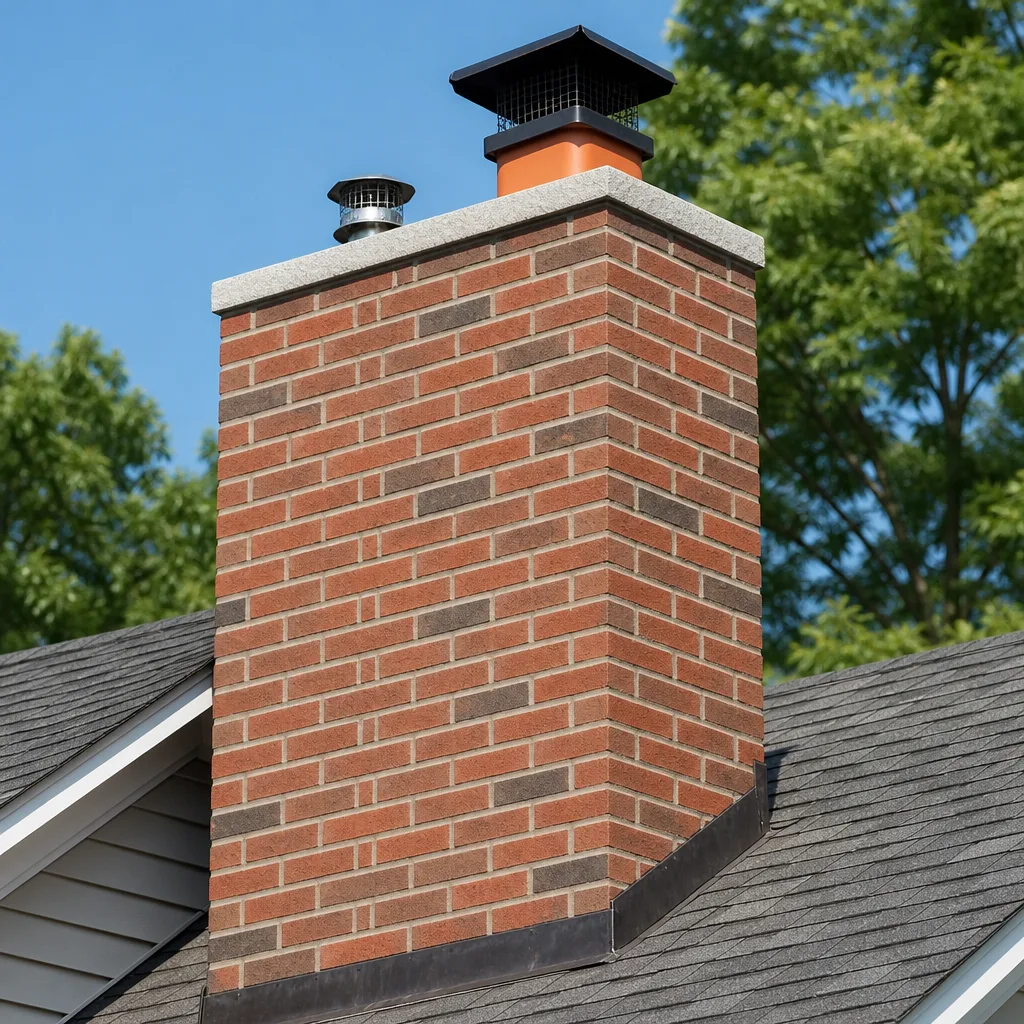
Level 1 sweep and inspection to the NFPA 211 annual standard - flue, crown, cap, and flashing checked and photographed
Chimney sweep logs do not sweep chimneys. They loosen some creosote - which then falls where a brush and vacuum still have to collect it.
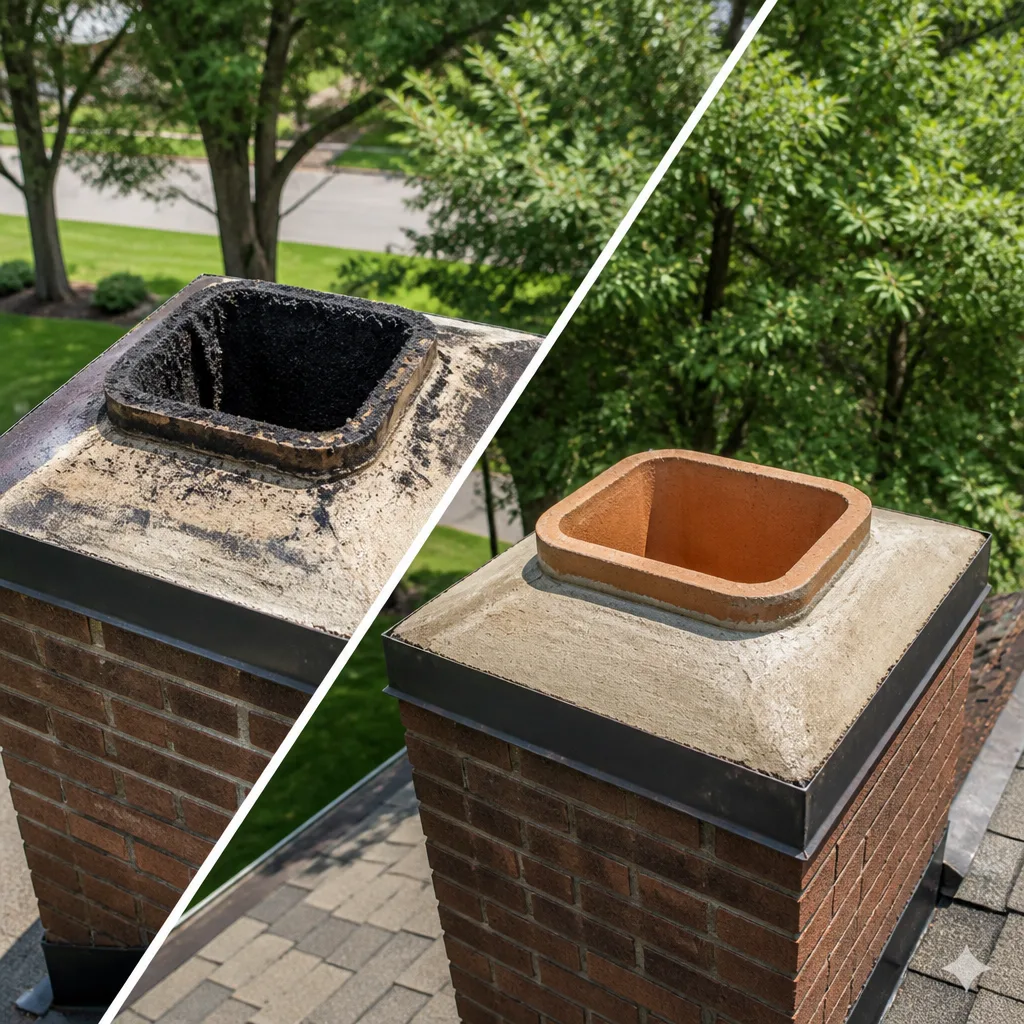
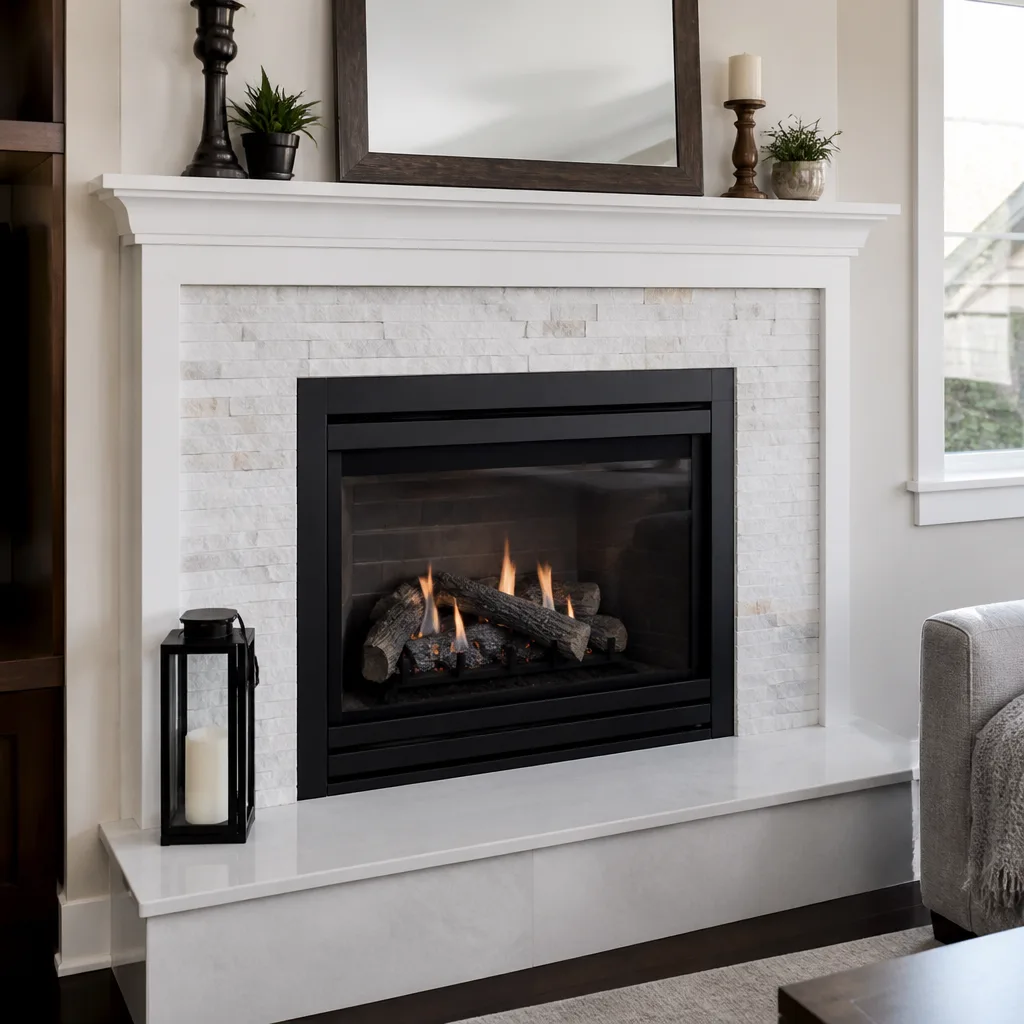
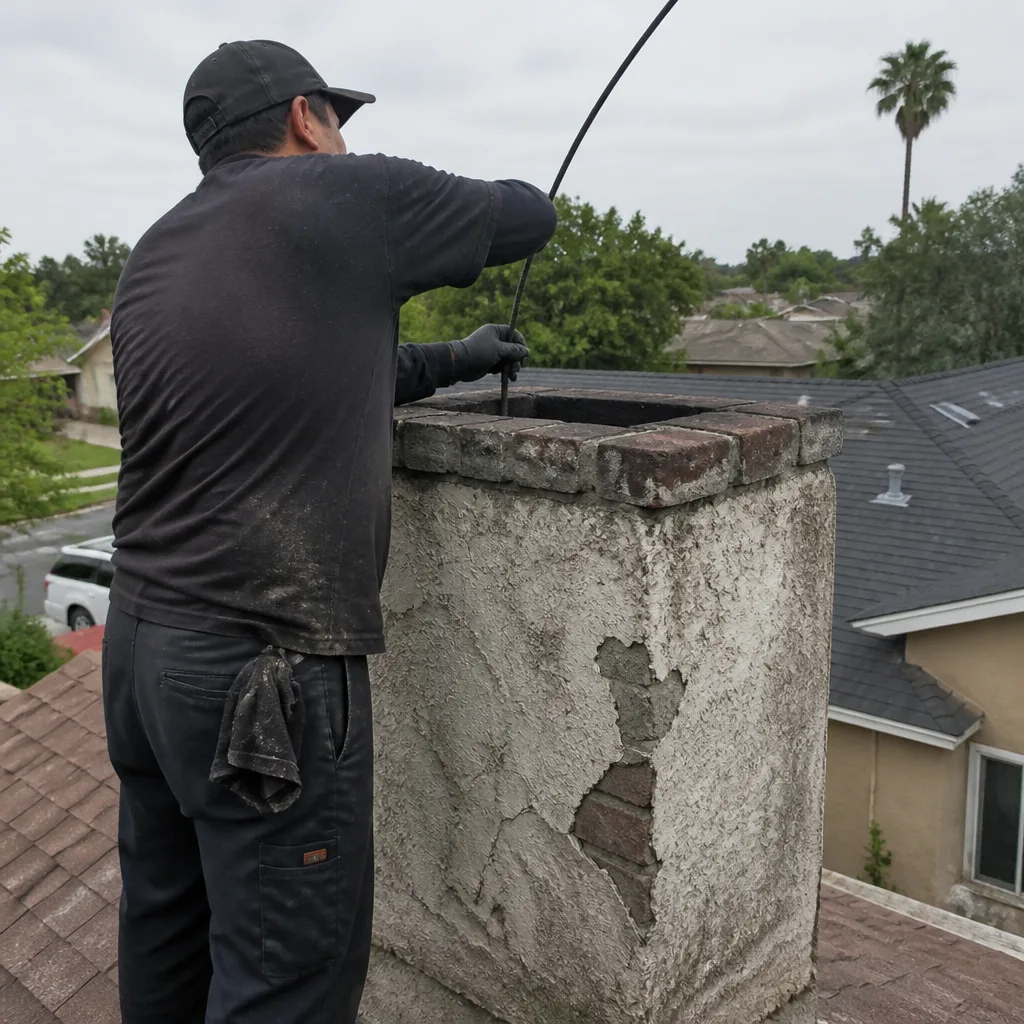 Before
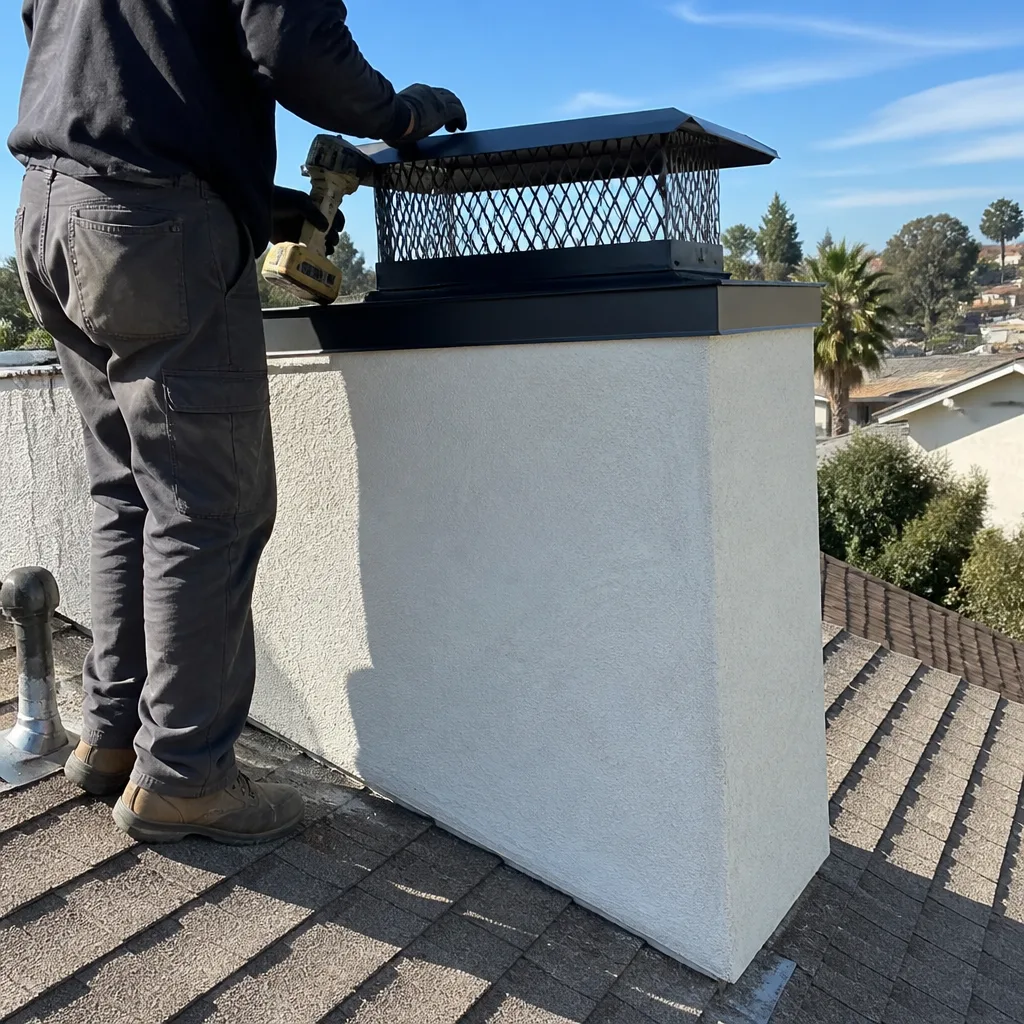 After
After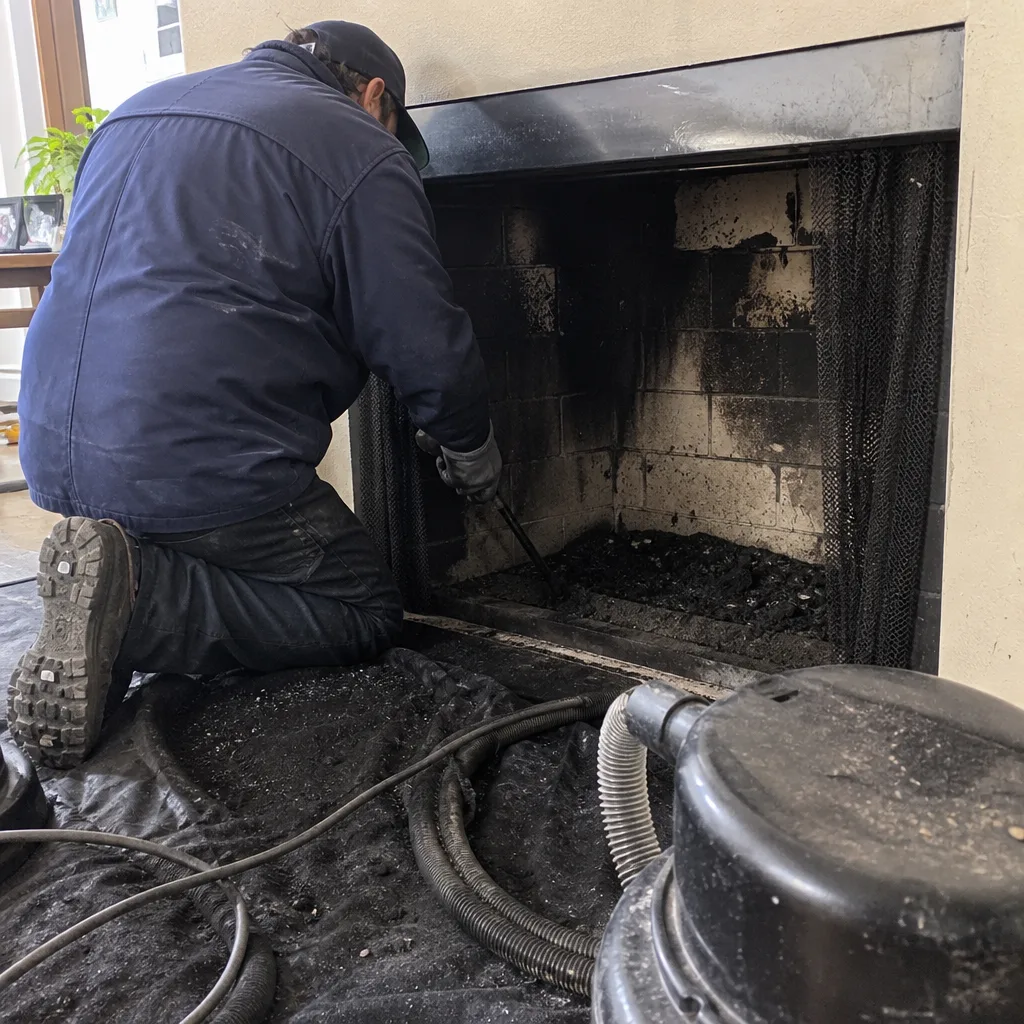 Before
 After
After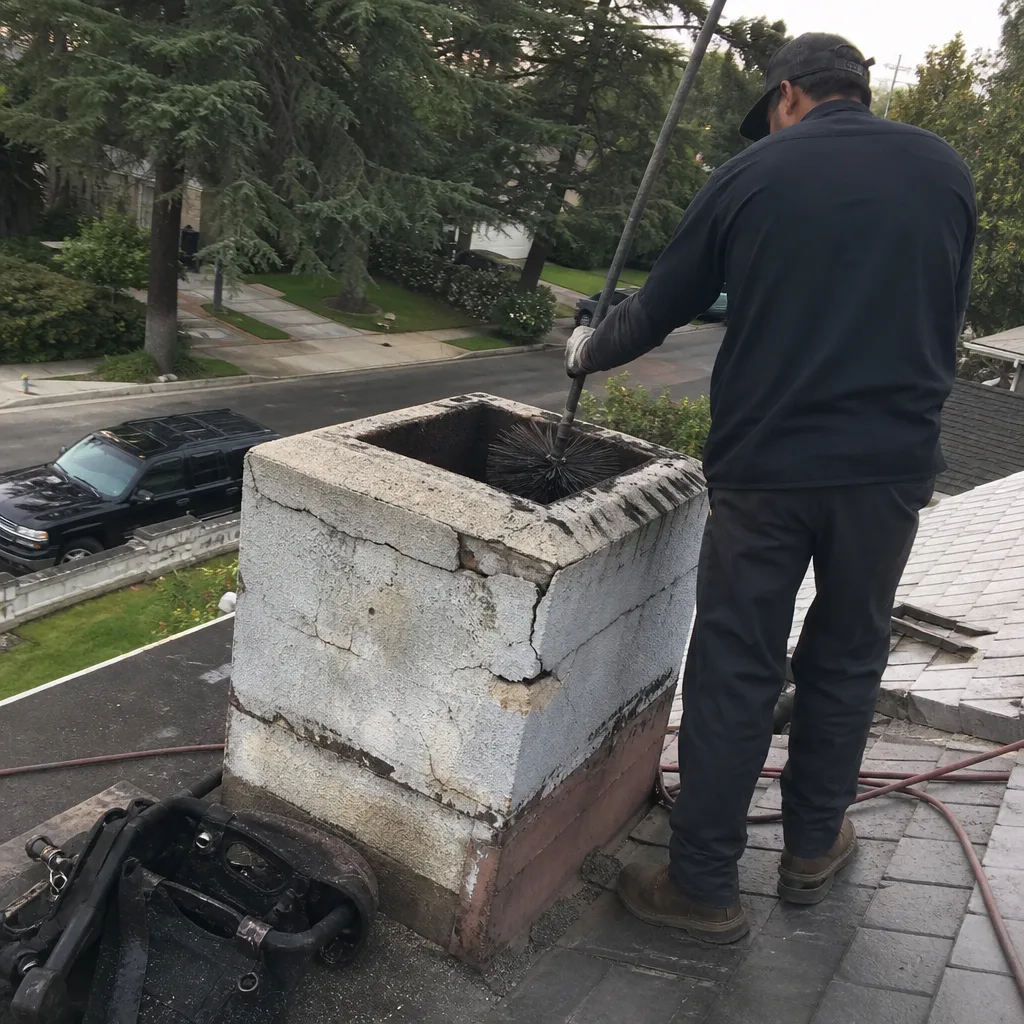 Before
 After
AfterHow Long Does Chimney Sweep Take? Timelines and What to Expect
Most Chimney Sweep services appointment guides describe an ideal scenario – but in LA homes, job time is driven by factors that most homeowners don’t know to ask about upfront, and a 45-minute quote that becomes a 3-hour job is the industry’s most common trust-destroyer. A chimney sweep that takes “about an hour” assumes a clean-access flue with no nesting material, no Level 2 inspection, and no surprises – in Los Angeles, that describes fewer than half of all jobs. This guide gives you a realistic time estimate before the technician rings your bell, so you can plan your day and spot when something’s being rushed.
Quick Answer
A standard chimney sweep with Level 1 inspection in Los Angeles typically takes 60 to 90 minutes from arrival to departure. Add 30 to 60 minutes for a Level 2 camera inspection, 45 to 90 minutes for animal debris or heavy creosote removal, and 15 to 30 minutes for two-story or steep-roof access setups. Most appointments fall between one and two and a half hours total.
Table of Contents
- Time Breakdown by Job Type
- Three LA-Specific Time Multipliers
- What Happens in Each Phase of the Appointment
- How to Structure Your Schedule
- The Red Flag: Sweeps Under 30 Minutes
- Common Mistakes to Avoid
- When to Call a Professional
- Frequently Asked Questions
Time Breakdown by Job Type
The single biggest variable in appointment length is what’s actually being done. “Chimney sweep” can mean four very different jobs, and Los Angeles homeowners often book one expecting another. Here’s how the time breaks down in our experience serving homes from Silver Lake to Pacific Palisades since 2002, and for how to hire a chimney cleaning contractor in Los Angeles, start with understanding these differences.
Standard Sweep Only (45 – 60 Minutes)
This is brush-and-vacuum cleaning of a single flue with straightforward access. The technician runs a rotary or poly brush the full length of the flue, collects the debris with a high-powered vacuum, and does a visual check of the firebox and damper from below. No roof work, no camera, no documentation beyond a basic receipt. We rarely recommend this standalone service – it’s legal, but it leaves you without a verified condition record.
Sweep Plus Level 1 Inspection (60 – 90 Minutes)
This is what most Los Angeles homeowners actually need annually. The Level 1 inspection, defined by the National Fire Protection Association (NFPA) Standard 211, covers readily accessible portions of the chimney exterior, interior, and connecting appliances. The technician examines the firebox, damper, smoke chamber, and flue lining from the bottom, plus the chimney crown, cap, and visible exterior masonry from ground level or a ladder. In flat-roof neighborhoods like Mid-Wilshire or bungalow-heavy Highland Park, this exterior check adds maybe 10 minutes. In the Hollywood Hills or Bel Air, where two-story rooflines and steep pitches are common, that exterior phase can stretch to 25 – 30 minutes with proper ladder setup and safety protocols.
Sweep Plus Level 2 Camera Inspection (90 – 150 Minutes)
Level 2 is required by California real estate transaction law when a home changes hands, and it’s what we recommend for any Los Angeles chimney that hasn’t been professionally inspected in two or more years. The technician feeds a high-resolution camera up the full flue length, recording video of every square inch of flue lining. You’re watching live on a monitor, and you receive the recording. This finds cracks, gaps, and deterioration that a visual check simply cannot – critical in earthquake country, where micro-shifts stress masonry over time. The camera work itself takes 30 – 45 minutes; the additional time comes from pausing to document findings, discussing them with you, and writing the report.
Sweep With Animal Debris or Heavy Creosote Removal (120 – 180 Minutes)
Los Angeles chimneys are prime real estate for birds, squirrels, and raccoons – especially in canyon-adjacent neighborhoods like Laurel Canyon, Topanga, and the slopes above Pasadena where mature trees overhang rooflines. A nest removal requires careful extraction (often in pieces, by hand and specialized tool), sanitization of the flue, installation of a proper chimney cap if one’s missing, and documentation of any liner damage from claws or acidic waste. Heavy stage-three creosote, the hardened, tar-like buildup that causes chimney fires, may require chemical treatment and multiple mechanical passes. We’ve pulled 40-pound nest conglomerates from flues in Los Feliz. That doesn’t happen in an hour.
| Job Type | Typical Duration | Best For |
|---|---|---|
| Standard sweep only | 45 – 60 min | Recent maintenance, no concerns |
| Sweep + Level 1 inspection | 60 – 90 min | Annual maintenance, known-good condition |
| Sweep + Level 2 camera inspection | 90 – 150 min | Real estate sale, 2+ years since inspection, any performance issue |
| Sweep + animal/heavy creosote removal | 120 – 180 min | Known obstruction, burning smell, visible debris, 5+ years unswept |
Three LA-Specific Time Multipliers
Los Angeles architecture and climate create three conditions that regularly extend appointment times beyond national averages. We factor these into every estimate we give by phone.
Two-Story Roofline Access
Many Los Angeles homes built between 1920 and 1960 have steep pitched roofs with limited flat areas for ladder placement. Spanish tile, in particular, cracks under point pressure and requires padded ladder boots or roof jacks. In the hills above Sunset Boulevard or the canyons between the Valley and the Basin, we sometimes need 40-foot ladders and a two-person safety team. Setup and takedown alone can add 20 – 30 minutes. We won’t rush this – a fall from a second-story eave is a hospital trip, and our technicians are Threshold Verified with background checks and identity confirmation before they ever reach your property.
Zero-Clearance Prefab Units With Tight Chase Access
Thousands of Los Angeles homes from the 1970s and 1980s have factory-built fireplaces with metal chimneys enclosed in wooden chase structures. These units, common in tract developments from the San Fernando Valley to Orange County’s older suburbs, have narrow chase openings – sometimes 18 inches square – that limit tool maneuverability and vacuum hose diameter. The metal flue pipe itself may have twist-lock sections that need partial disassembly for proper cleaning. We’ve found chase covers rusted through in Marina del Rey salt air, and water-damaged framing in Pasadena where roof leaks went undetected. Addressing these issues adds 30 – 60 minutes and often requires follow-up with proper chase cover replacement using Famco or Olympia Chimney components sized to the unit.
Chimneys Not Swept in 5+ Years
Los Angeles homeowners burn less frequently than their Northeast counterparts, which creates a false sense of security. Infrequent use actually worsens certain problems: moisture from occasional rains (and occasional roof leaks) mixes with even light soot deposits to form acidic compounds that deteriorate flue liners. Animal intrusion goes unnoticed for seasons. When we do encounter a chimney that’s sat unswept since the previous homeowner’s tenure, we budget extra time for:
- Pre-cleaning camera run to assess liner condition before mechanical brushing
- Multiple brush passes with progressively stiffer bristles
- Debris volume that overwhelms standard vacuum capacity
- Discovery of needed repairs that change the scope mid-appointment
In our experience, a 10-year-neglected chimney in Los Angeles takes roughly double the time of a annually maintained equivalent.
What Happens in Each Phase of the Appointment
Knowing the phases lets you track whether your technician is thorough or cutting corners. Here’s what should happen, and how long each phase takes.
- Arrival and verification (5 – 10 minutes). The technician arrives in a marked vehicle, shows photo ID badge matching the name and photo you received by text or email, and confirms the scope of work before entering. At Alcott Chimney Sweep, this Threshold Standard verification is non-negotiable. You should never open your door to an unannounced stranger claiming to be from your chimney company.
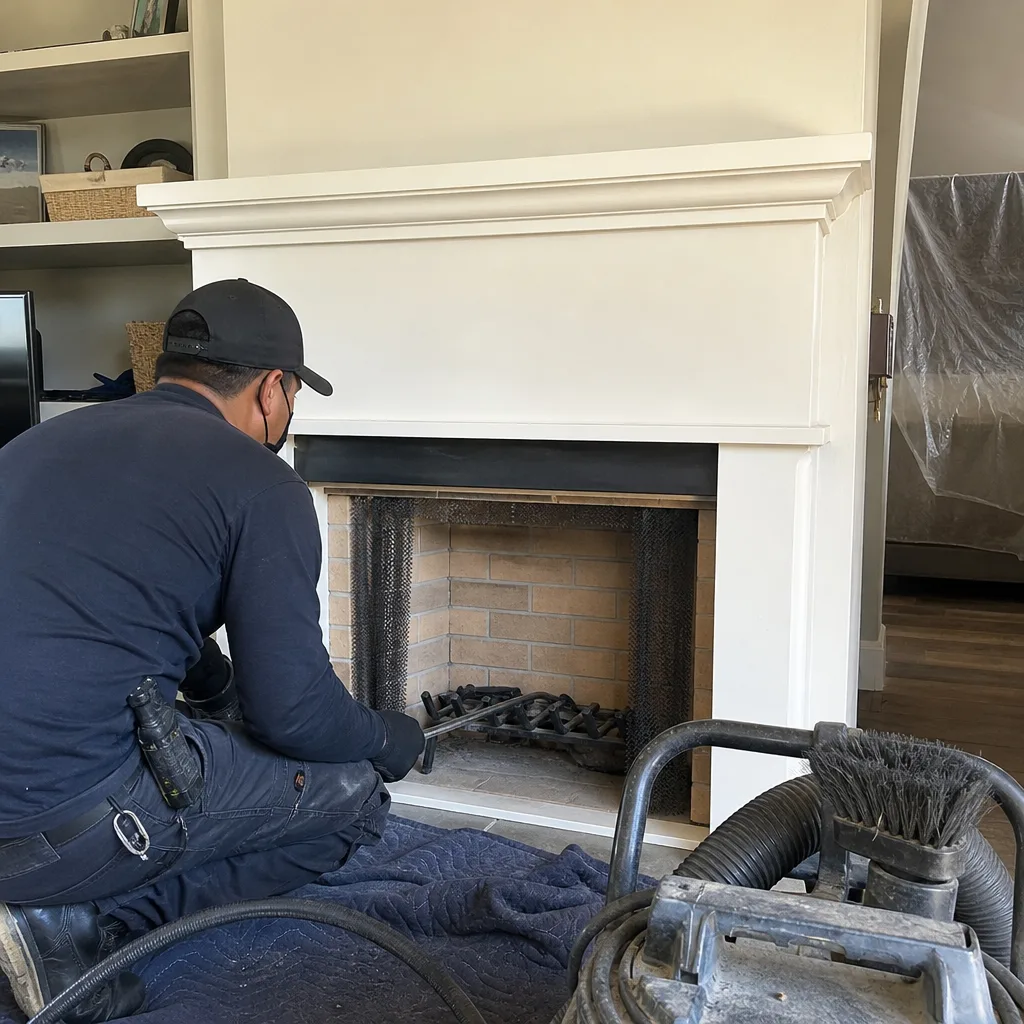
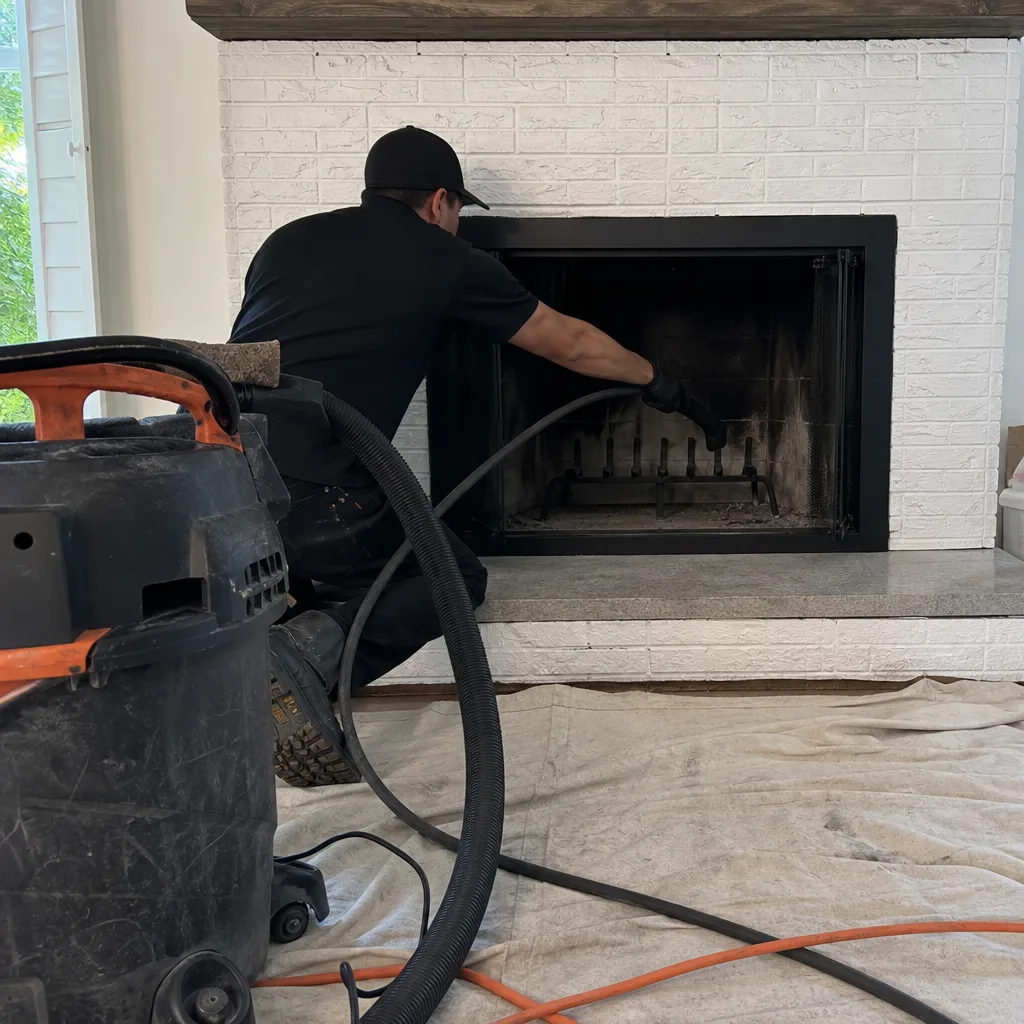
- Area protection and setup (10 – 20 minutes). Drop cloths go down from the fireplace across the room. HEPA vacuums are positioned. Ladders are extended and stabilized if roof access is needed. In homes with hardwood floors or white carpets – common in renovated Los Angeles bungalows – this phase includes extra corner guards and runner placement.
- The sweep itself (30 – 60 minutes). Brushes are run the full flue length, usually from the top down (more effective debris control) or bottom up in tight-access situations. The firebox, smoke shelf, and damper are hand-cleaned. Debris is vacuumed continuously. For heavy buildup, chemical pretreatment may be applied and allowed to work before mechanical removal.
- Inspection and documentation (20 – 45 minutes). Level 1: visual examination with flashlight, mirror, and basic tools. Level 2: camera insertion with live video review, screenshot capture, and recorded video file. The technician should explain findings in plain language – “This gap between flue tiles is called a missing mortar joint, and it lets heat reach combustible framing” – not dump jargon on you.
- Cleanup and report delivery (10 – 15 minutes). Drop cloths are removed, furniture is returned, and the work area is vacuumed. You receive a written summary of findings, any recommended repairs with prices, and the video file if Level 2 was performed. At Alcott, this is also when you receive your written price for any additional work, with no obligation to book immediately.
If your appointment skips phase 4 or compresses phases 3 and 4 into a single hurried pass, you’ve received a sweep without a proper inspection. That’s the difference between a $150 cleaning and a $150 gamble on your safety.
How to Structure Your Schedule
Here’s how to prepare so the technician can work efficiently and you can get on with your day.
Clear the Work Zone
Move furniture and breakables at least 6 feet from the fireplace hearth. Remove wall hangings above the mantel – vibration from rotary brushing can dislodge them. In compact Los Angeles living rooms, this sometimes means temporarily relocating a sofa or dining table to the kitchen.
Which Rooms Need Access
The technician needs access to the fireplace room, any adjacent room that provides a straight ladder path to the roof (for exterior examination), and sometimes the attic if chase damage is suspected. If you have a locked gate, pool enclosure, or tenant-occupied accessory dwelling unit that blocks roof access, arrange entry in advance.
Do You Need to Be Home the Entire Time?
Yes, for the initial verification and the inspection review. Once the sweep is underway and you’ve confirmed the technician’s identity, you can work in another room. We do need you present for the camera inspection findings – seeing the footage yourself is the whole point – and for any repair discussion. Plan to be available for the full estimated window, not just the first 15 minutes.
Parking and Building Access
In Los Angeles neighborhoods with restricted street parking or multi-unit buildings with controlled access, confirm where the technician can park and how they’ll reach your unit. Our dispatch team calls ahead to coordinate, but a heads-up about your building’s specific quirks saves everyone time.
The Red Flag: Sweeps Under 30 Minutes
A chimney sweep that takes less than 30 minutes almost certainly skipped the inspection component. Here’s why that matters for your safety record.
The NFPA 211 standard, which California fire codes reference, requires inspection with every sweep. Not “inspection if there’s time” or “inspection if the technician feels like it” – inspection as a bundled requirement. The inspection is what catches the cracked flue liner that could let carbon monoxide seep into your bedroom. It’s what finds the deteriorated mortar joint that could ignite framing in a wall you can’t see. It’s what identifies the improper chimney cap that’s been letting rain destroy your firebox for three winters.
A 20-minute “sweep” is usually a brush run and a vacuum, with a glance at the firebox and a verbal “looks fine.” No documentation. No camera. No written record that your insurance company or home inspector can reference. If a chimney fire occurs six months later, you have no proof that a qualified professional examined the system – and no recourse if the sweep company disputes your claim.
In Los Angeles, where many homes have unlined chimneys from the 1920s-1940s or damaged terra cotta liners from earthquake stress, skipping inspection isn’t corner-cutting. It’s negligence. We’ve rebuilt fire-damaged homes in the Hollywood Hills where a proper Level 2 inspection would have identified a $400 repair that instead became a $40,000 restoration.
The threshold for concern isn’t rigid – a straightforward sweep on a well-maintained system with a cooperative flue might legitimately run 45 minutes. But under 30 minutes, with no camera, no written report, and no discussion of findings? That’s not a professional service. That’s a brush rental with a truck.
Common Mistakes to Avoid
- Booking based on the lowest time estimate. A company that promises “in and out in 30 minutes” is either skipping inspection or sending inexperienced technicians. In Los Angeles, where two-story access and prefab chases are common, speed promises are a warning sign, not a selling point.
- Assuming all sweeps include camera inspection. They don’t. Level 2 camera work is a distinct service with distinct pricing – typically $150 – $300 above a sweep-plus-Level-1 in the Los Angeles market. Ask explicitly what’s included, and get it in writing.
- Neglecting the chimney cap. A missing or damaged cap is the entry point for animals and water, the two biggest causes of extended appointment times. Copperfield and Gelco caps properly sized to your flue prevent the 90-minute nest extraction that could have been a 10-minute cap installation.
- Waiting for “burning season” to book. Los Angeles has no real burning season – temperatures drop enough for fireplace use from November through March, and many homeowners light up for ambiance year-round. The October – December rush means longer wait times and rushed appointments. Book in late summer or early fall for scheduling flexibility and unhurried service.
- Failing to disclose known issues. If you know there’s a bird nest, a falling brick, or a leak stain on the ceiling near the chimney, say so when booking. Surprises discovered mid-appointment extend time, change pricing, and frustrate everyone. Advance notice lets us allocate the right technician and time block.
- Accepting verbal estimates only. Every Alcott Chimney Sweep customer receives a written price before work begins. Verbal quotes that shift “once we see it” are a classic bait-and-switch pattern. Get the scope and price in writing, with signatures, before the technician starts.
- Treating gas fireplaces as maintenance-free. Gas units need annual inspection too – for venting integrity, burner condition, and carbon monoxide risk. Our Gas Fireplace Repair in Los Angeles service addresses these specifically, and appointments typically run 45 – 75 minutes depending on vent configuration.
When to Call a Professional
Call a certified chimney professional if you notice any of these: smoke backing up into the room, a strong tar or creosote odor (especially in warm weather, when deposits off-gas), visible cracks in interior firebox brick, pieces of flue tile in the fireplace, water stains on walls or ceiling near the chimney, or animal sounds from the flue. These symptoms indicate conditions that self-cleaning or DIY inspection cannot safely resolve.
For homeowners in Los Angeles who want certainty about who’s arriving, what they’ll do, and what it will cost, Alcott Chimney Sweep offers free estimates with written pricing before any work begins. Every repair carries our 365-Day Done Right Promise – if it fails, the second visit is free. Our technicians are Threshold Verified: background-checked, identity-confirmed, and sent to you by name and photo before they arrive. Call (336) 863-3889 to schedule, or visit our Alcott Chimney Sweep home page to learn more about our services.
Frequently Asked Questions
A standard chimney sweep with Level 1 inspection in Los Angeles typically runs $200 – $350, while a sweep with Level 2 camera inspection ranges from $350 – $550. Prefab units with chase access complications, two-story roofline requirements, or heavy debris removal may fall at the higher end. We provide a written price before any work begins – call (336) 863-3889 for an exact quote; estimates are free. For how long gas fireplace repair takes and what to expect, see our detailed timeline guide.
The NFPA recommends annual inspection for all chimneys, with sweeping as needed based on use and fuel type. In Los Angeles, where many homeowners burn occasionally with seasoned hardwood or use gas inserts, an annual Level 1 inspection with sweep every 1 – 2 years is typical for wood-burning units. Gas fireplaces should be inspected annually for venting integrity and burner condition. If you burn more than three times weekly during cooler months, annual sweeping is prudent regardless of fuel.
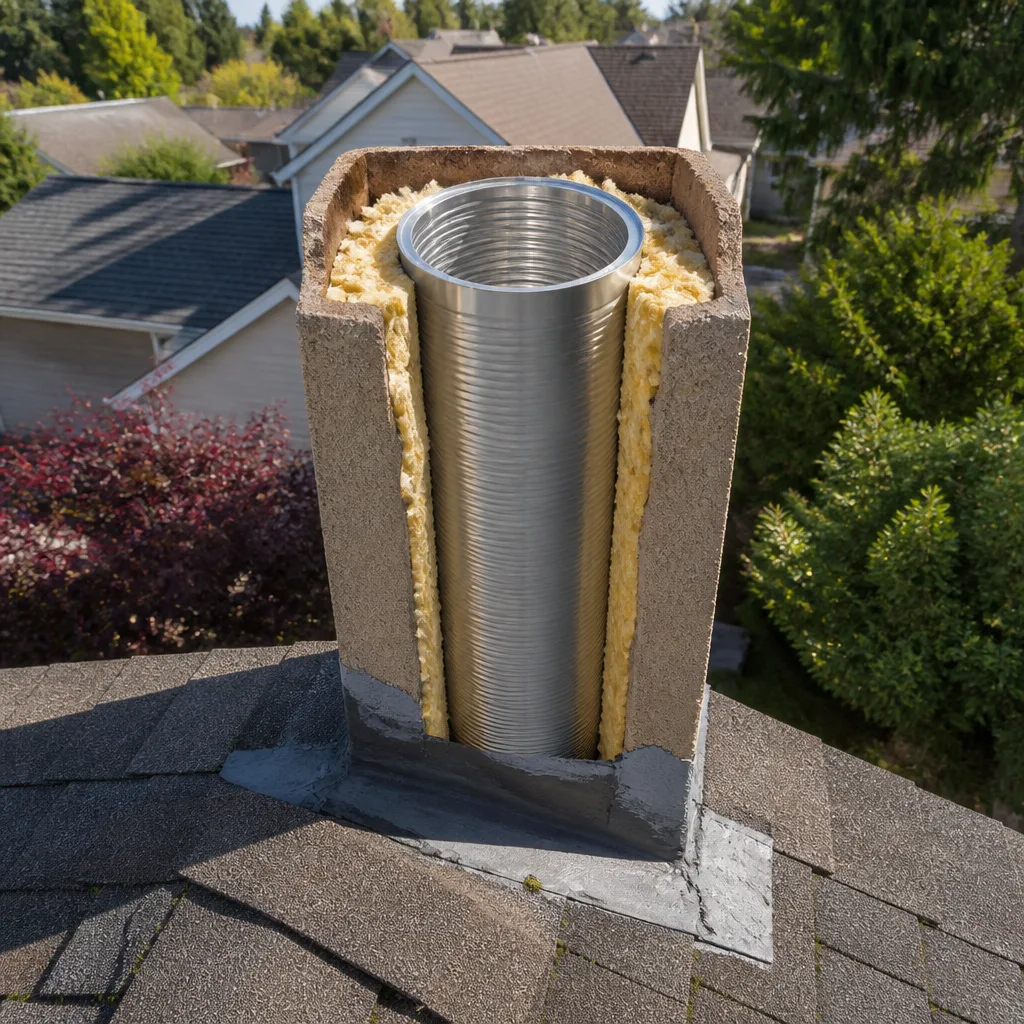
You need a new liner when the existing one is damaged, improperly sized, or absent – and only when camera inspection or visual examination confirms this. In Los Angeles, unlined chimneys from pre-1940s construction and cracked terra cotta liners from seismic stress are the most common scenarios. We install DuraFlex stainless steel liner systems when replacement is genuinely needed, and we show you the camera footage that justifies the recommendation. If a company proposes liner replacement without documentation you can see yourself, get a second opinion.
Skipped maintenance leads to creosote accumulation (increasing chimney fire risk), undetected liner damage (allowing carbon monoxide or heat transfer to combustible framing), animal nesting (blocking proper draft and creating fire hazards), and water intrusion (destroying masonry, rusting metal components, and damaging adjacent interior finishes). In Los Angeles, where many chimneys serve decorative fireplaces used infrequently, the slow deterioration often goes unnoticed until a home inspection, insurance claim, or actual fire event forces attention. Annual inspection catches these conditions early, when repairs are minor and inexpensive.
Yes, and you should – to verify the technician’s identity against the name and photo you received, and to review inspection findings. The work itself generates some dust and noise, but HEPA vacuums and proper containment minimize intrusion. We recommend staying out of the immediate work area during active brushing, then returning for the inspection review and report delivery.
A thorough job includes: verified identity on arrival, protected work area, full flue brushing with appropriate brush size and stiffness, hand-cleaning of firebox and smoke chamber, documented inspection (written report for Level 1, video for Level 2), explanation of findings in plain language, written price for any recommended repairs, and complete cleanup before departure. In Los Angeles, where two-story access is common, thorough exterior examination of the crown, cap, and visible masonry is also standard. If your technician skipped any of these, or finished in under 30 minutes, the job was incomplete.
The Bottom Line
Chimney sweep timing in Los Angeles isn’t a fixed number – it’s a range determined by job type, home architecture, and chimney condition. Expect 60 – 90 minutes for standard service, 90 – 150 minutes with camera inspection, and up to 3 hours for complex removals or neglected systems. The technician should verify their identity, protect your space, explain findings, and deliver written documentation. Anything less is a shortcut on your safety. Book with a company that gives realistic time estimates upfront, shows you proof of their work, and stands behind repairs with a guarantee you can read. Explore our more guides & resources on chimney care and home safety.
Written by Ruben Castellano, Owner at Alcott Chimney Sweep, serving Los Angeles since 2002.