
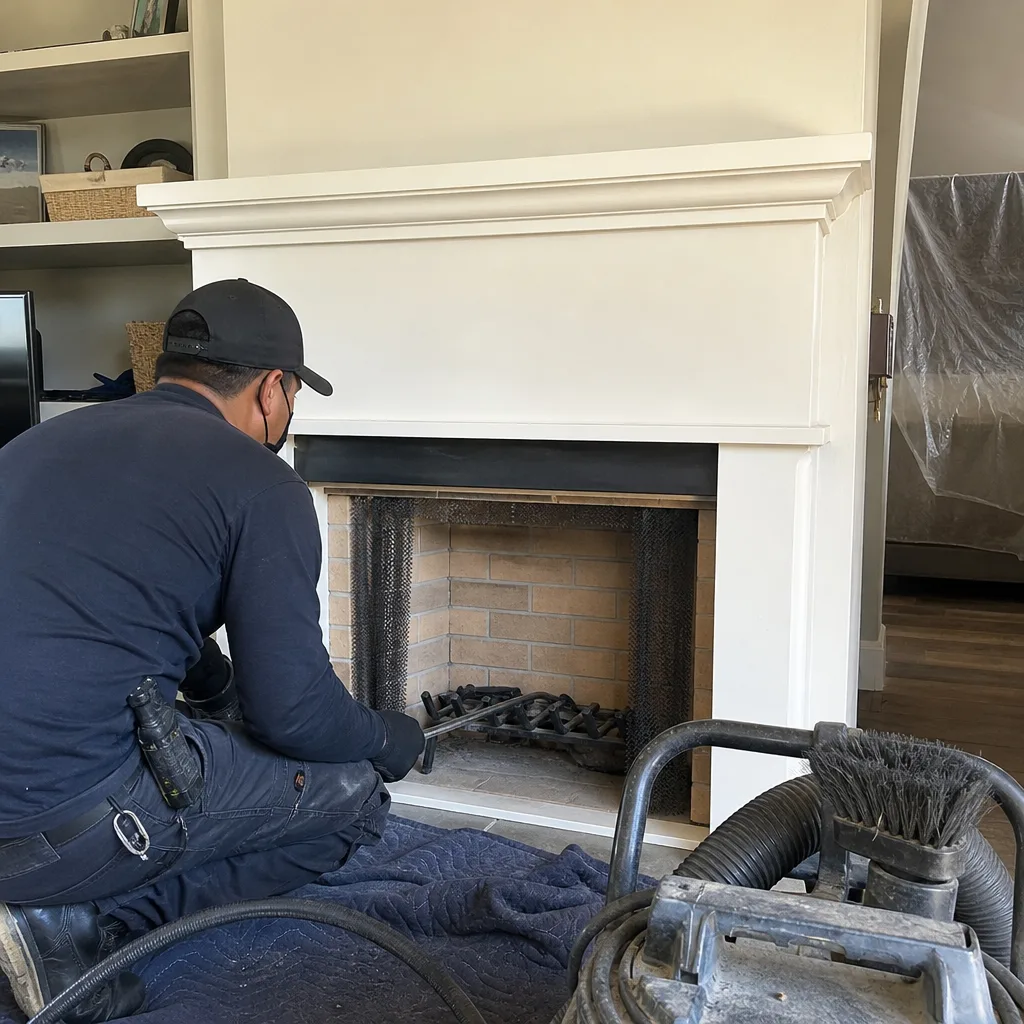
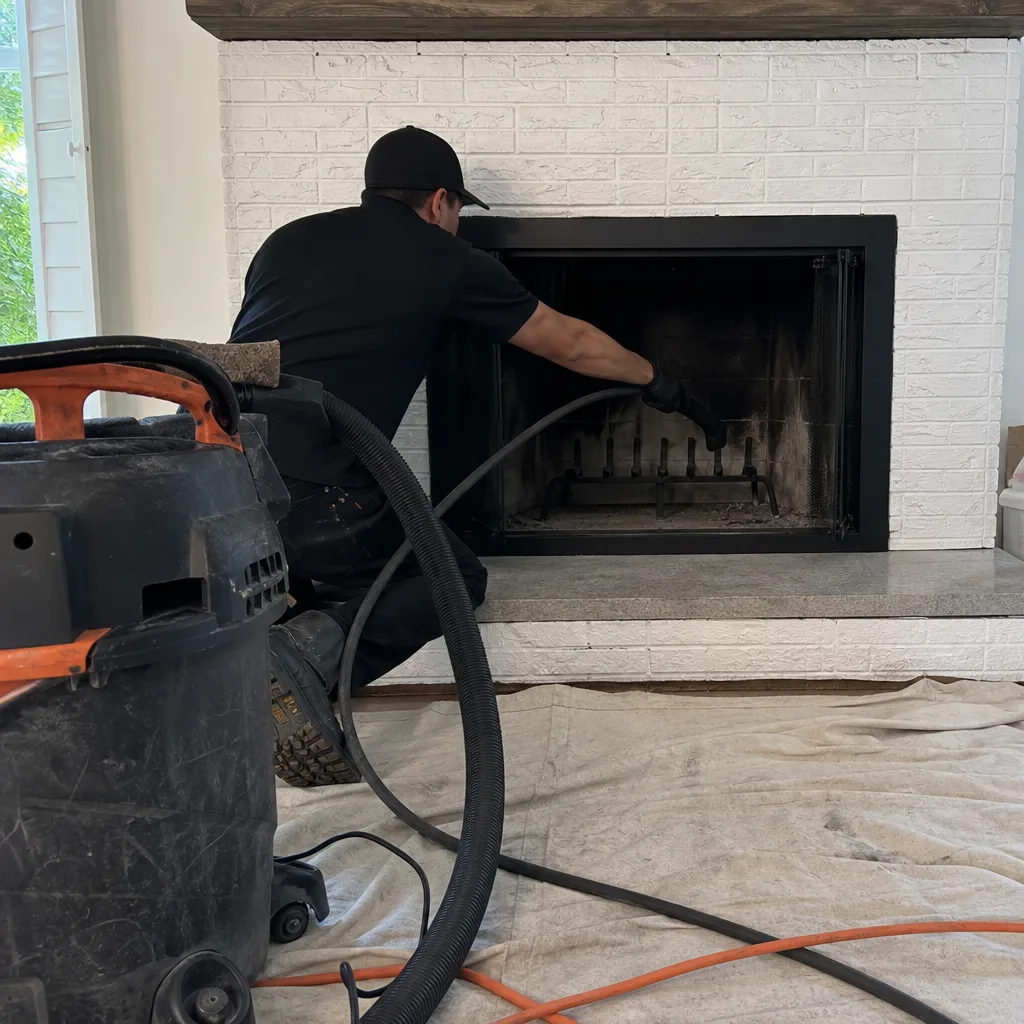
Level 1 sweep and inspection to the NFPA 211 annual standard - flue, crown, cap, and flashing checked and photographed
Chimney sweep logs do not sweep chimneys. They loosen some creosote - which then falls where a brush and vacuum still have to collect it.
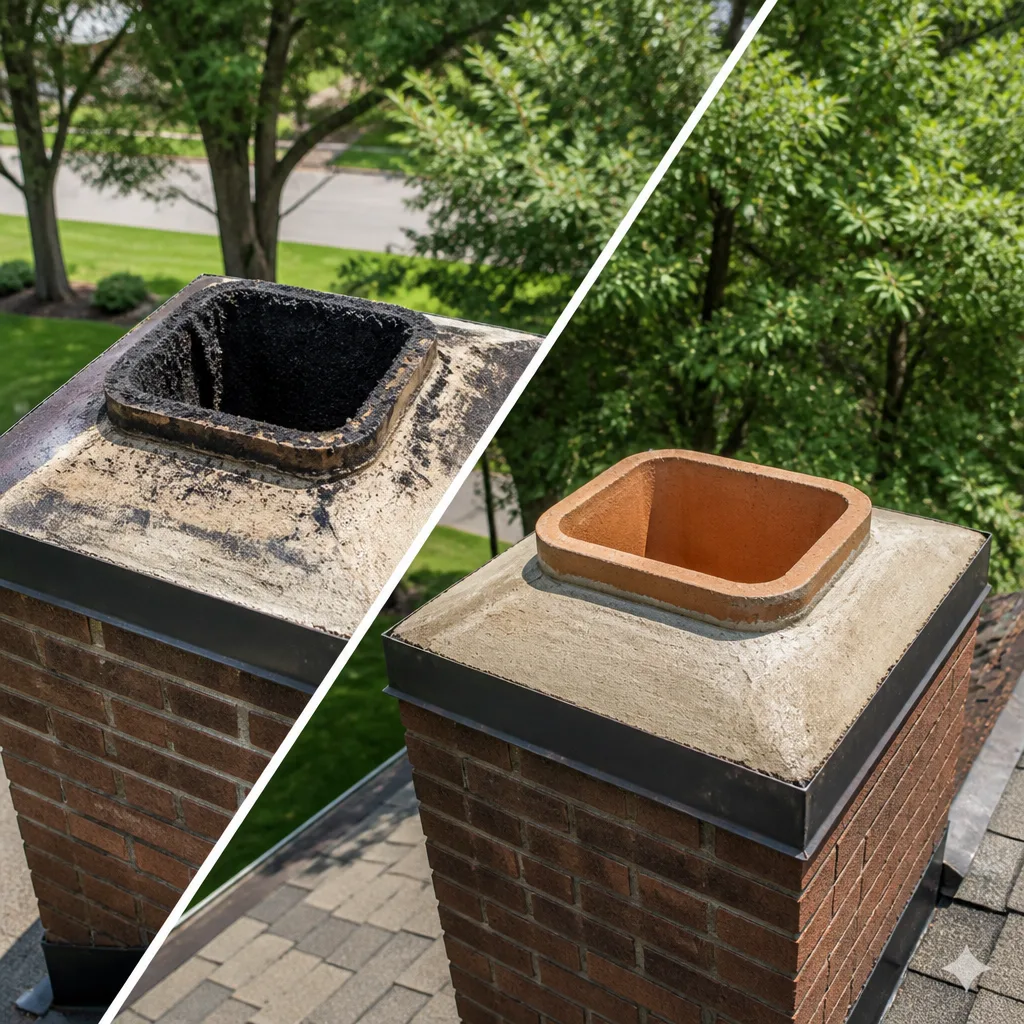
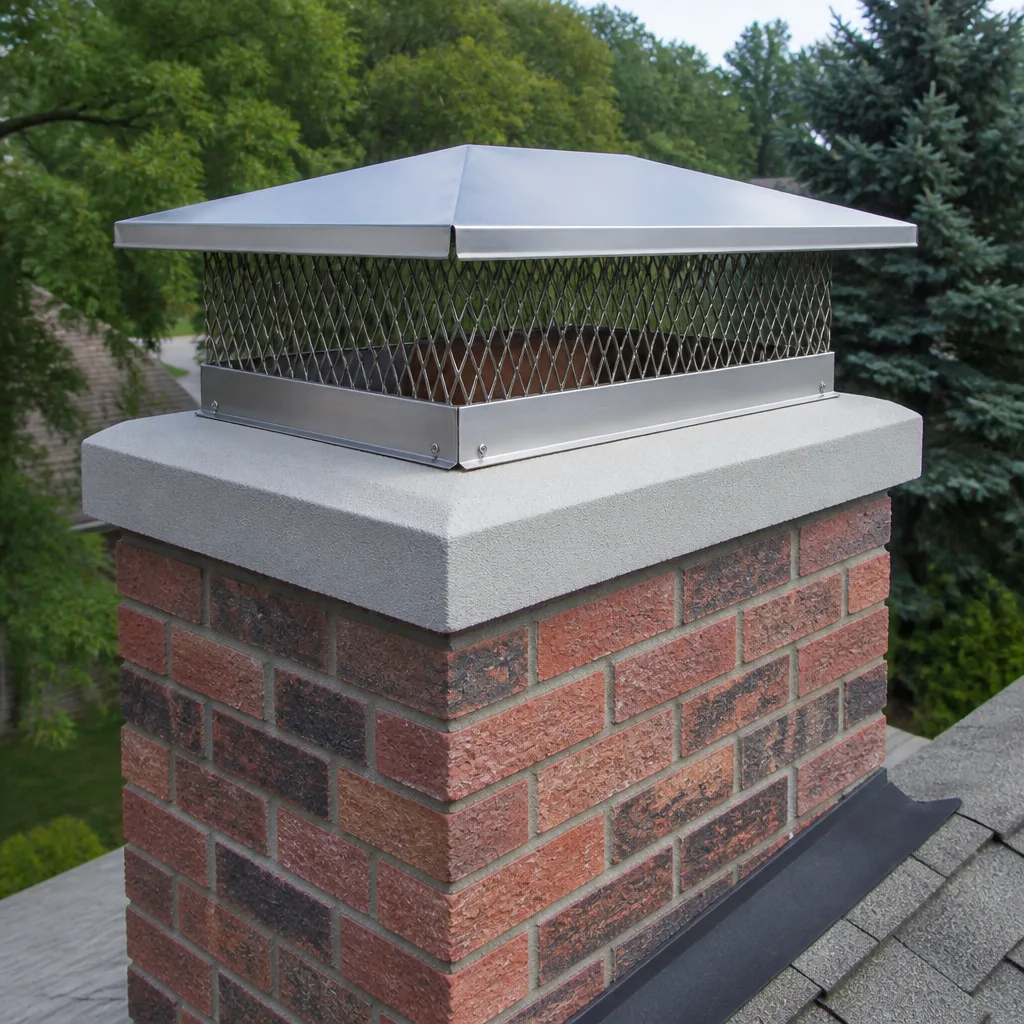
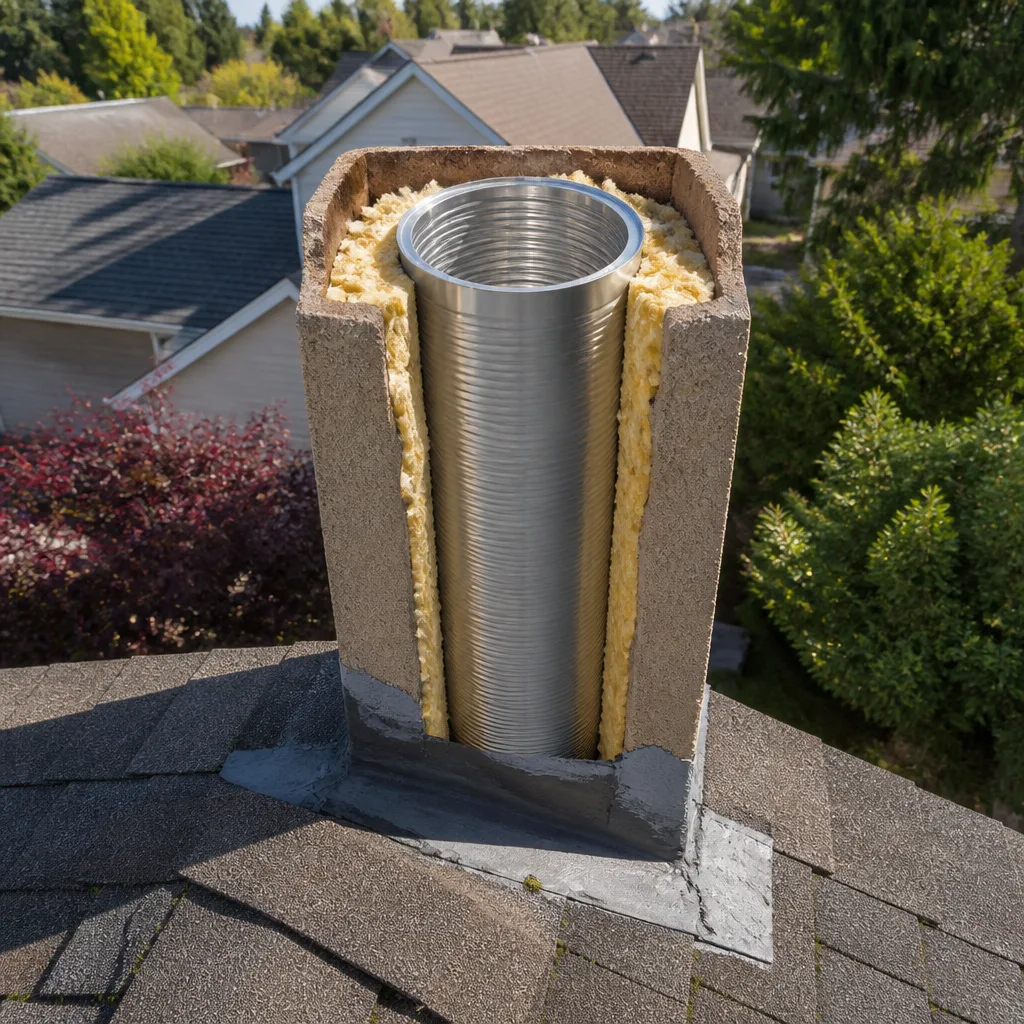
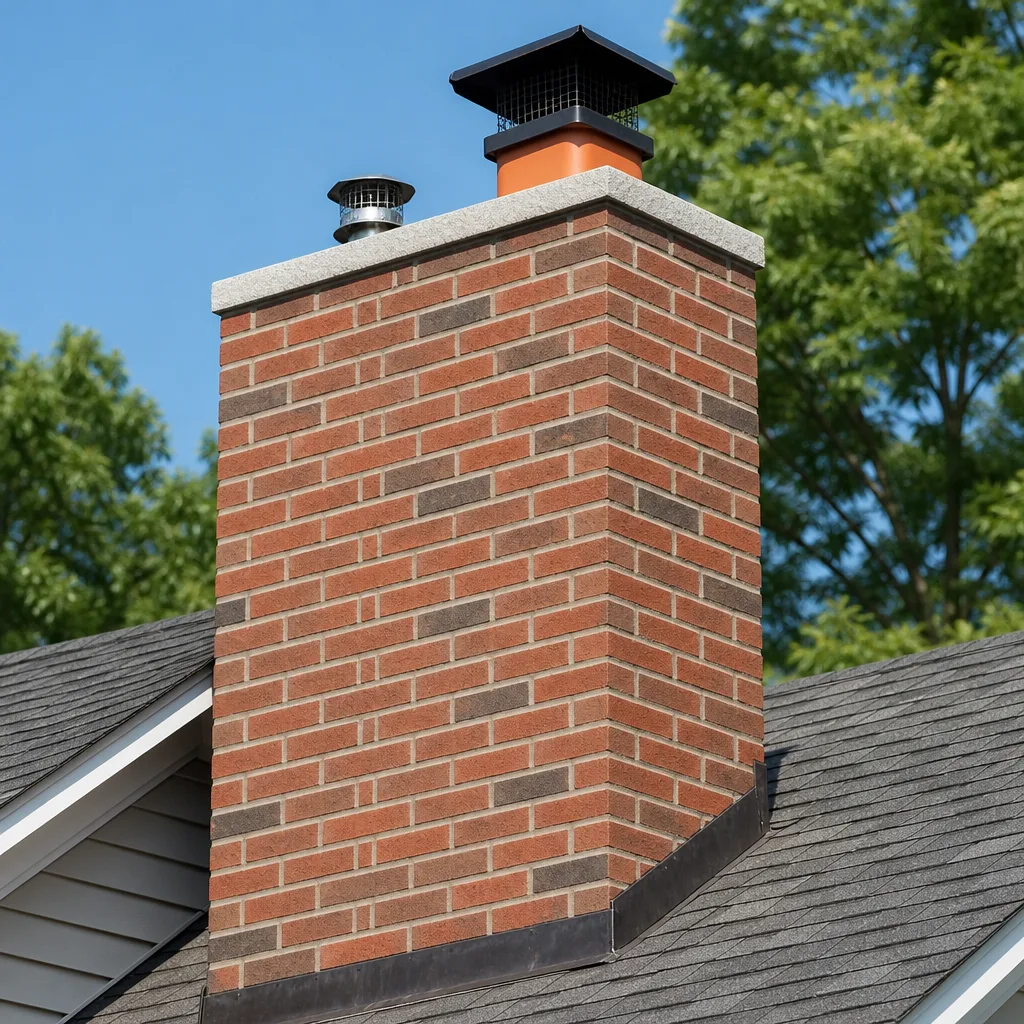
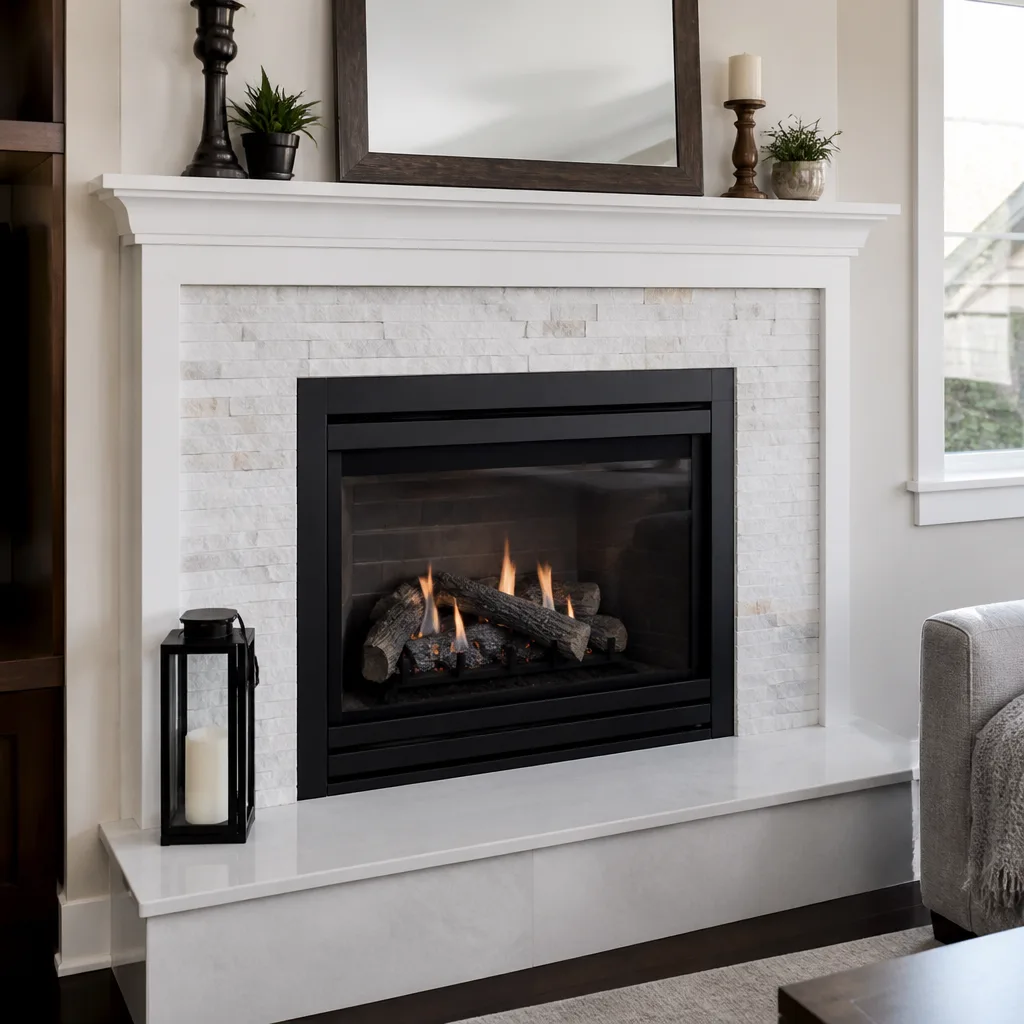
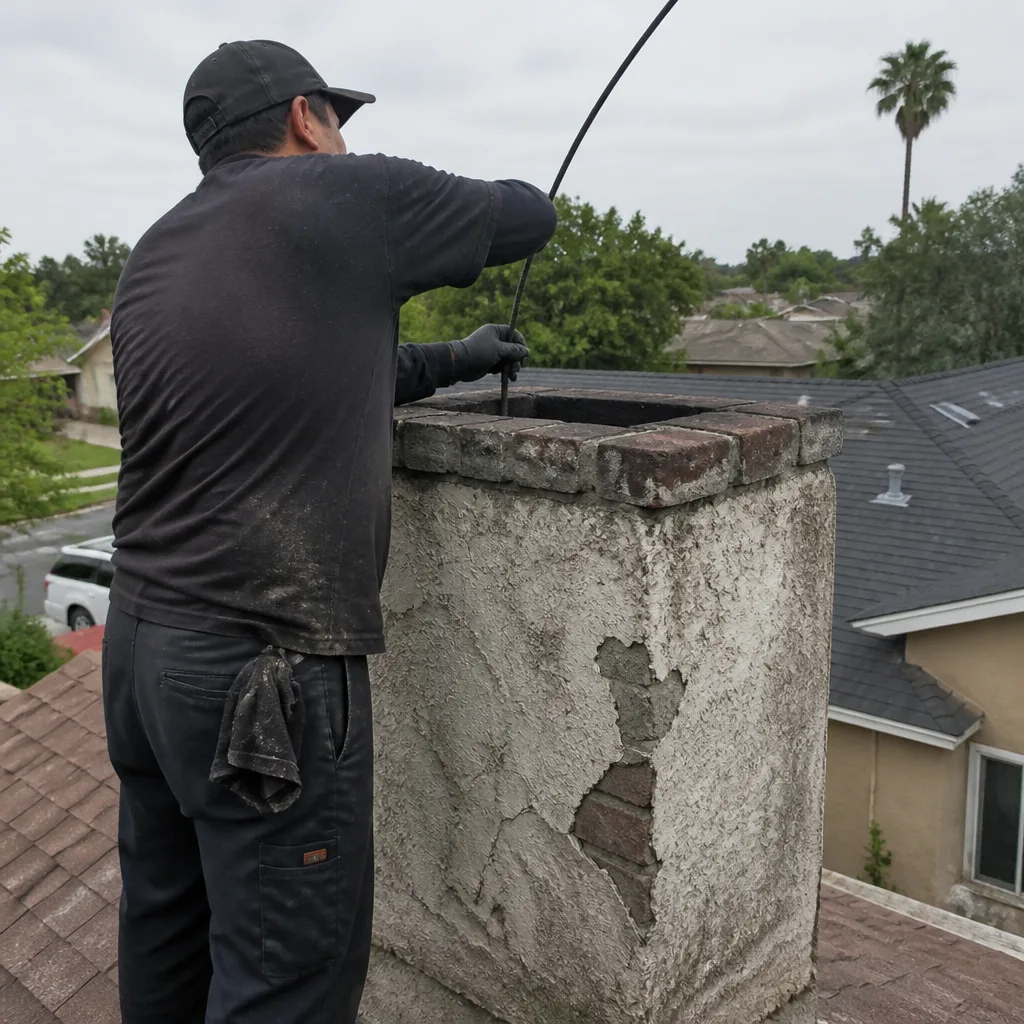 Before
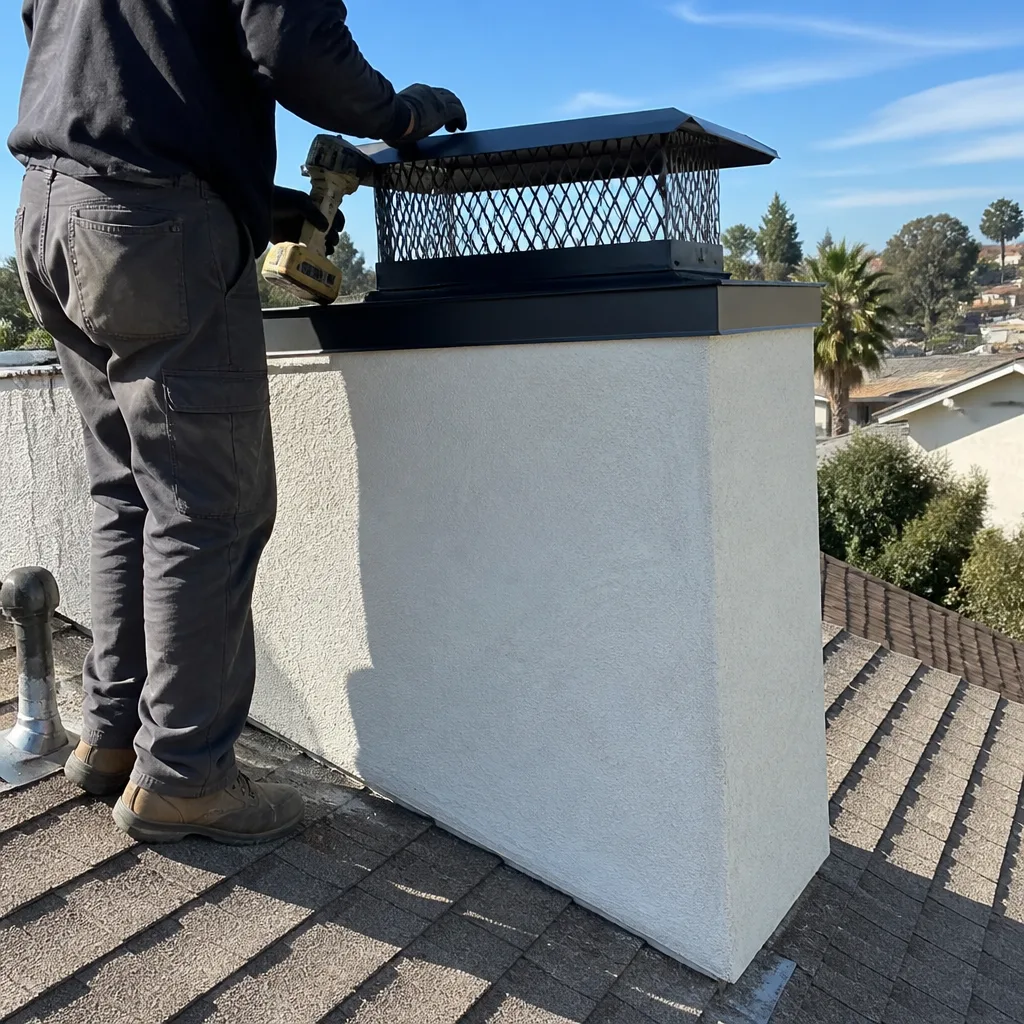 After
After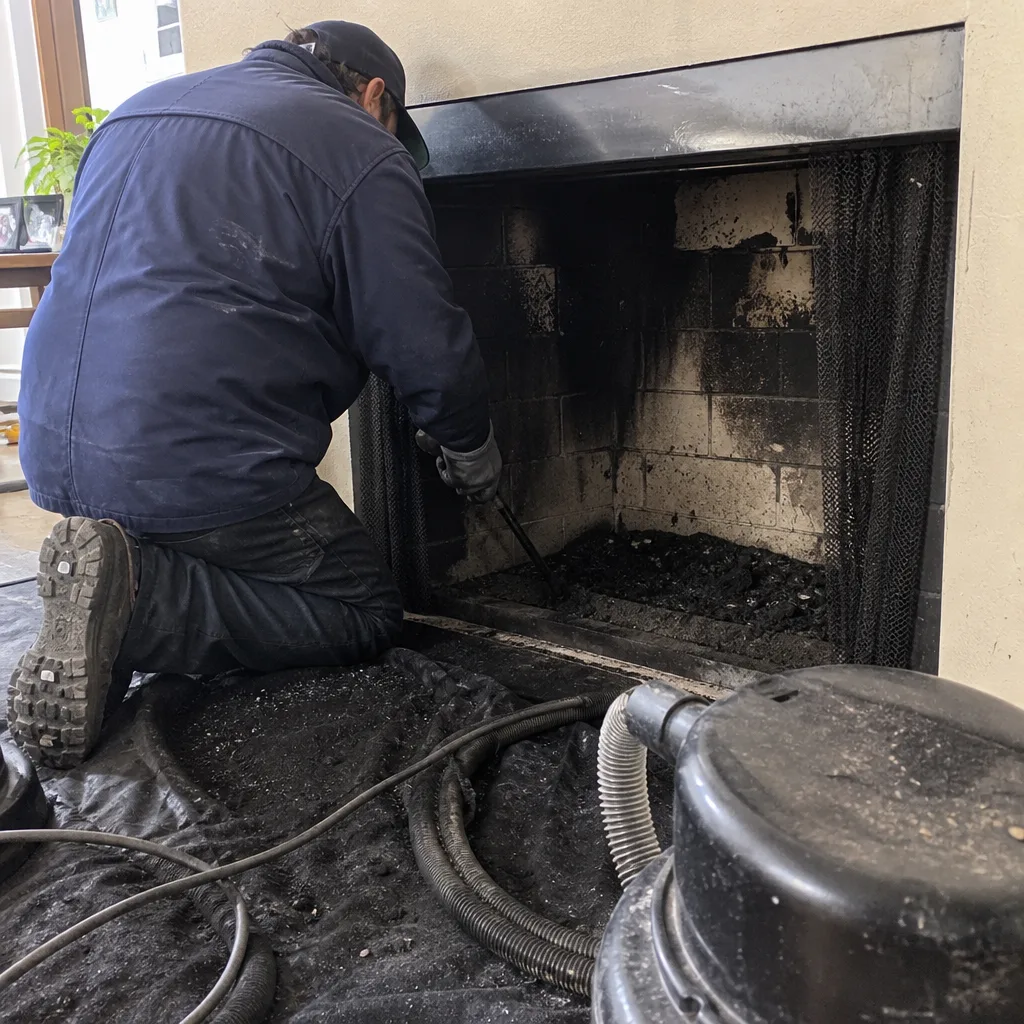 Before
 After
After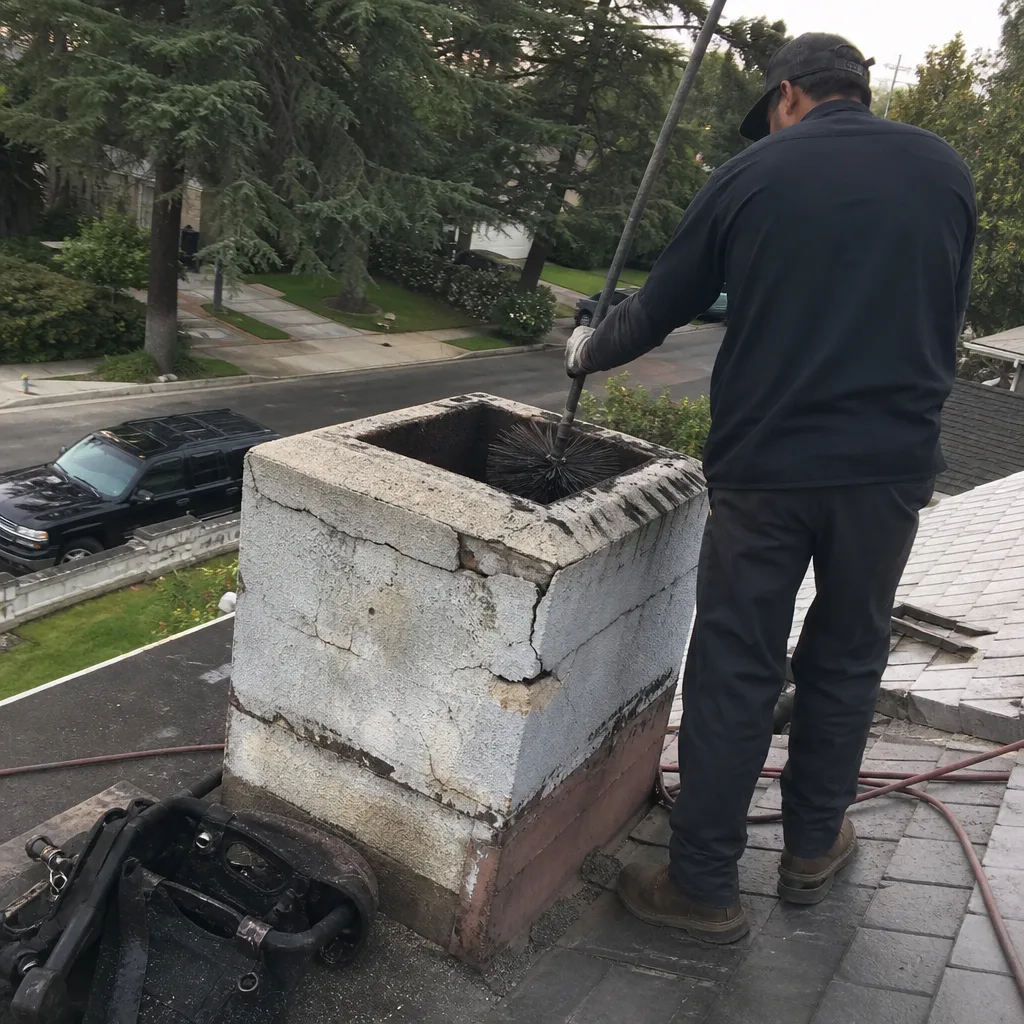 Before
 After
AfterWhy Los Angeles Homeowners Choose HeatShield Chimney Cleaning
Alcott Chimney Sweep provides Heatshield repair in Los Angeles, including independent HeatShield chimney cleaning and restoration service from Hancock Park to the Valley. We work on HeatShield Cerfractory Flue Sealant systems every week, which means we know exactly how the material ages in LA’s seismic and marine-layer climate. We are not affiliated with or authorized by HeatShield. We’re an independent service provider with more hands-on HeatShield restoration experience than most chimney companies in Los Angeles, and you can reach us at (336) 863-3889.
Since 2002, our technicians have removed failed HeatShield coatings, applied new Cerfractory material, and documented every finding with camera inspection so you see exactly what we see. Ruben Castellano grew up in Boyle Heights and has spent the better part of two decades working chimneys across Los Angeles and into Heatshield service in Long Beach, from Craftsman bungalows in Silver Lake to older ranch homes out in the Valley. He understands the difference between a HeatShield coating that’s sound and one that’s hiding a problem behind the surface. That distinction matters more in Los Angeles than almost anywhere else, because our houses move, our air is damp at night, and our fireplaces sit dormant for six months at a stretch.
Why Trust Alcott Chimney Sweep for Your HeatShield Chimney Cleaning?
HeatShield restoration is not a product you can casually service. The Cerfractory material bonds to masonry flue tiles through a specific chemical process, and cleaning it incorrectly with aggressive rotary tools or wire brushes can gouge the surface and create the exact delamination points we get called out to repair. Our technicians know how to sweep a HeatShield-lined flue without damaging the coating, and we inspect the entire surface during every visit, not just the section you can see from the firebox.
We use genuine HeatShield Cerfractory material for any spot patching or re-coating, so the repair matches the existing system instead of introducing a mismatched product that expands and contracts differently. When we encounter a HeatShield liner that has debonded from the flue wall, we determine whether the original application failed to cure properly or the flue was never cleaned sufficiently before coating. That diagnosis changes the repair approach. We tell you what we found, what it means, and what it will cost before any work starts. In writing. Ruben Castellano’s background in HVAC and building trades, combined with nearly two decades of chimney work, means we understand the ventilation physics behind a HeatShield restoration, not just the application technique.
Common HeatShield Chimney Cleaning Problems We Fix in Los Angeles
- Debonding and delamination of the HeatShield surface. This is the most common HeatShield failure we see in Los Angeles. The coating separates from the underlying flue tile, often because the original installer didn’t remove all existing creosote before application, or the material didn’t fully cure. The separation creates a gap where moisture and creosote collect. You won’t see this from the fireplace opening. It requires a camera inspection to confirm, and we include that with every HeatShield service visit.
- Surface cracking after seismic movement or thermal cycling. Los Angeles homes experience repeated small earthquakes and daily temperature swings that cause flue tiles to shift imperceptibly over decades. HeatShield Cerfractory is designed to flex, but repeated movement combined with hot fires followed by damp marine air can produce hairline cracks in the coating. Those cracks allow creosote to seep behind the resurfaced layer, which accelerates the failure. We see this pattern regularly in pre-war homes in Los Feliz and Highland Park where the original masonry has settled unevenly.
- Flaking and spalling at the flue throat or crown transition. The section of flue just below the chimney cap takes the brunt of moisture intrusion, especially in Los Angeles where stucco exteriors and clay-tile rooflines often shed water directly onto the chimney crown. When the crown develops cracks, water runs down the outside of the flue tile and gets between the HeatShield coating and the masonry. The coating flakes and spalls, and the underlying tile begins absorbing water. The fix requires addressing the crown, not just patching the HeatShield.
- Reduced draft caused by excess HeatShield material. An over-applied coating can bridge the offsets between flue tiles or narrow the flue’s interior cross-section enough to cause draft reversal. Your fireplace starts smoking back into the room, and the HeatShield material itself becomes the obstruction. We’ve corrected this in Los Angeles homes where the original application was too thick at the smoke shelf. The solution is careful removal of the excess material, not a full relining, but it requires a technician who understands flue geometry.
- Creosote buildup behind partially failed HeatShield layers. This is the one we lose sleep over. When a HeatShield coating cracks or debonds, creosote accumulates in the void behind the coating surface where a standard sweep can’t reach it. The homeowner sees a coating that looks mostly intact. The reality is a layer of combustible material hidden behind the surface. Our Level 2 camera inspection identifies this condition, and we remove the glazed creosote before applying new Cerfractory to the sound tiles.
HeatShield Parts & Our Repair-vs-Replace Approach
HeatShield manufactures its Cerfractory Flue Sealant to specific material standards. When we spot-patch a failed section, we use genuine HeatShield product, not a generic refractory cement that might be cheaper but won’t bond correctly to the existing coating. The chemical formulation matters. Using the wrong patch material creates a weak seam that fails again within a season or two.
We stock genuine HeatShield Cerfractory locally for common repair scenarios, which means most HeatShield spot repairs in Los Angeles and San Diego Heatshield service can be completed without waiting on a special-order shipment. But we’re honest about the limit of patching. If the HeatShield layer has failed across multiple flue tiles, or if the camera inspection shows structural cracks in the masonry behind the coating, we recommend a full stainless liner replacement rather than chasing a cosmetic patch that will fail again. A DuraFlex stainless liner, properly sized and insulated, will outlast any coating system in a Los Angeles chimney that sees repeated seismic movement. Call (336) 863-3889 and we’ll walk you through what your inspection actually showed.
Our HeatShield Service Process – Step by Step
- 1
Diagnosis with camera inspection. Every HeatShield service starts with a Level 2 camera inspection of the full flue, from firebox to crown. We look for delamination, cracking, spalling, and creosote accumulation behind the coating. You see the footage. You get a written report with photos documenting exactly what we found.
- 2
Written price before any work begins. After the inspection, we give you a written price for the repair or cleaning, itemized so you know what’s HeatShield material cost, what’s labor, and what’s the crown repair or waterproofing that needs to happen alongside the resurfacing. There is no separate quote phone call. You approve the number before we touch anything.
- 3
HeatShield repair or cleaning. If the coating is sound, we sweep it using methods that don’t abrade the HeatShield surface. If sections need patching, we remove loose material, clean the exposed masonry, and apply genuine HeatShield Cerfractory to the sound tiles. If the camera showed moisture intrusion, we address the crown or flashing during the same visit, because recoating without fixing the water source is wasted money.
- 4
Post-work verification and warranty. We reinspect the repaired flue with the camera so you see the finished surface. Every HeatShield repair comes with a written guarantee. If the repair fails during the coverage period, the second visit is free. That’s our 365-Day Done Right Promise, and it’s in writing on every job.
HeatShield Products We Service & Install in Los Angeles
We service the full current HeatShield product line: the HeatShield Cerfractory Flue Sealant resurfacing system, the HeatShield Resurfacing System for masonry flues, and joint repair and liner restoration applications. We also encounter older HeatShield installations from the pre-Cerfractory original formula generations, which have different failure characteristics than the current material. Those older coatings tend to crack and spall more readily because the original formula was less flexible, and we’ve developed specific repair approaches for transitioning those older surfaces to the current Cerfractory system. We stock genuine HeatShield material for spot patching and re-coating, and we carry compatible crown sealants and flashings that address the moisture problems that typically initiate HeatShield failures in Los Angeles homes.
We Also Service These Brands
HeatShield is one brand we work with daily, but our crews also install and service DuraFlex stainless liner systems and Gelco chimney products. Some chimneys need a HeatShield restoration. Others need a full stainless reline. We recommend based on what the camera shows, not on which product we happen to prefer. A 1926 Spanish-style home in Hancock Park might need HeatShield spot repair and crown work. A 1950s ranch in the Valley with a severely deteriorated flue might need a DuraFlex liner. We carry both.
FAQs – HeatShield Chimney Cleaning Service in Los Angeles
You’ll typically notice one of three things: visible flaking or crumbling material in the firebox, a change in draft (smoke backing into the room when you burn), or a persistent musty odor from the fireplace even when it’s not in use. None of these confirms a HeatShield failure on its own, which is why we include camera inspection with every visit. The coating can look fine from below while delaminating at the top of the flue. If you’re seeing any of these signs, call (336) 863-3889 and tell us what you’re seeing and we’ll tell you what it actually means.
Yes, if the coating is intact and was properly applied and cured. We use cleaning methods that remove creosote without abrading the HeatShield surface, and we inspect the coating during the sweep to confirm no new damage. The risk is when a chimney sweep uses aggressive rotary tools or wire brushes on a HeatShield surface. That can gouge the coating and create failure points. Our technicians are trained specifically on HeatShield-safe cleaning protocols, because a proper HeatShield cleaning preserves the coating while removing the combustible buildup. If the coating has already failed in sections, we address that separately from the cleaning.
HeatShield can restore the interior surface of a masonry flue and seal minor cracks, but it is not a structural repair. If the camera inspection shows significant offset in the flue tiles or structural cracking from seismic movement, the HeatShield coating will eventually fail again because the underlying masonry is still moving. In an older Los Angeles or Fresno Heatshield service home with known earthquake damage, we’ll give you an honest assessment of whether HeatShield restoration is appropriate or whether a stainless liner, which flexes independently of the masonry, is the better long-term solution. Tell me what you’re seeing and I’ll tell you what it actually means.
A standard chimney sweep removes creosote, soot, and debris from the flue. A HeatShield restoration resurfaces the flue’s interior with Cerfractory sealant, repairing cracks, gaps, and minor deterioration in the masonry. The two services are complementary. You sweep a chimney regularly to remove combustibles. You restore it when the flue itself is compromised. In Los Angeles, where chimneys sit dormant for six months and animal intrusion is a bigger issue than creosote volume, we often combine a sweep with a HeatShield assessment, because the camera footage from the sweep reveals whether the liner coating is holding up.
In many cases, yes. If the HeatShield coating has failed in one localized area, typically at the flue throat or crown transition where moisture intrusion started the delamination, we remove the loose material, clean the exposed tile, and apply new HeatShield Cerfractory to that section. The repair bonds with the existing sound coating. But we only recommend a localized repair when the camera inspection confirms the rest of the HeatShield surface is intact and properly bonded. If the coating has failed across multiple tiles or is hiding structural cracks, we’ll tell you plainly that a full stainless liner replacement is the right call, not a patch that buys you one more season.
A HeatShield chimney cleaning in Los Angeles typically runs $180 to $340 before any repairs, depending on flue height, accessibility, and the condition of the existing coating. Spot patching a failed HeatShield section adds material and labor cost, which we quote in writing after the camera inspection shows what needs to be done. A full HeatShield re-coating or a stainless liner replacement runs significantly higher, and we’ll give you the exact number before any work starts. Call (336) 863-3889 for a free estimate based on your chimney’s actual condition.
Book Your HeatShield Service in Los Angeles, CA
If you have a HeatShield chimney liner and you’re not sure whether it’s still doing its job, call us. A live person answers at (336) 863-3889, day or night, and we’ll schedule a camera inspection so you can see exactly what’s happening inside your flue before you spend a dollar on repairs. Every job comes with a written price and a written guarantee. That’s how we’ve done it since 2002, and that’s how Ruben Castellano runs every job across Los Angeles.
Written by Ruben Castellano, Owner at Alcott Chimney Sweep, serving Los Angeles since 2002.