
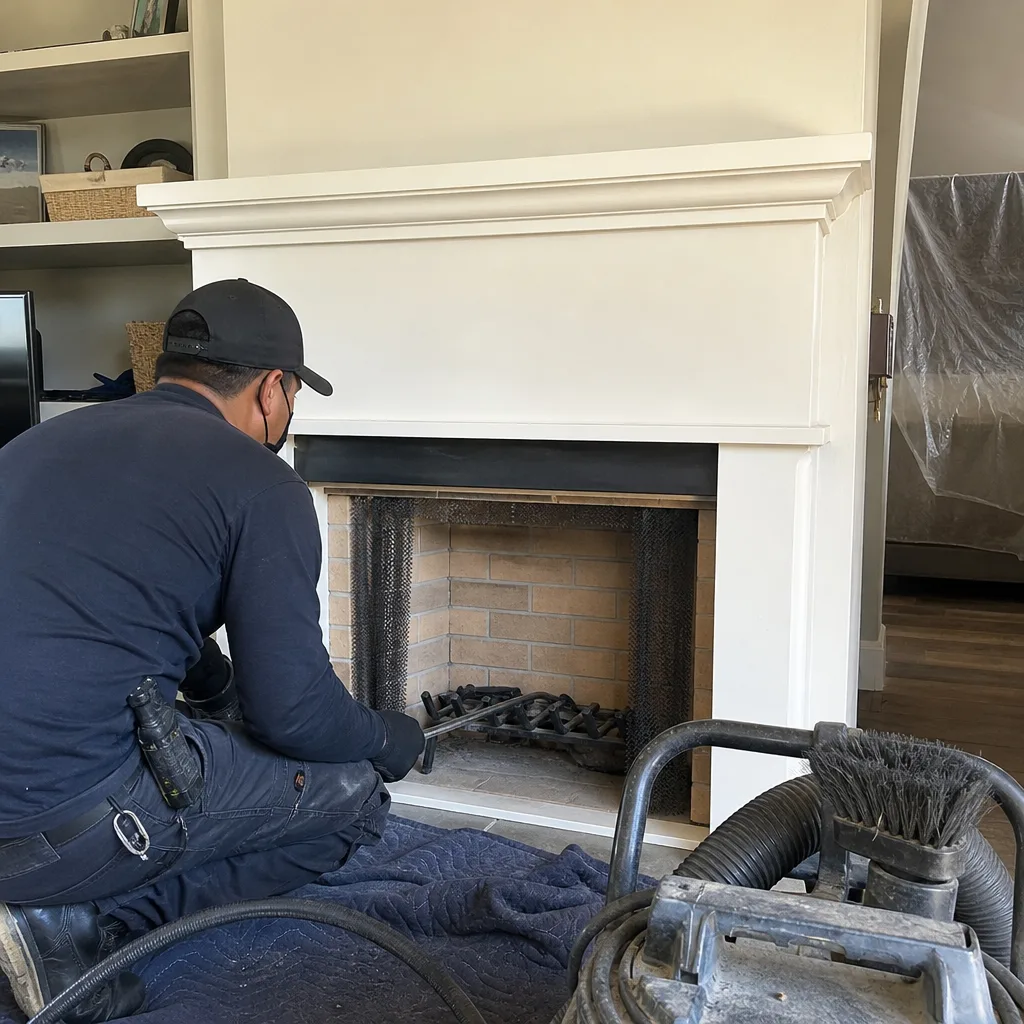
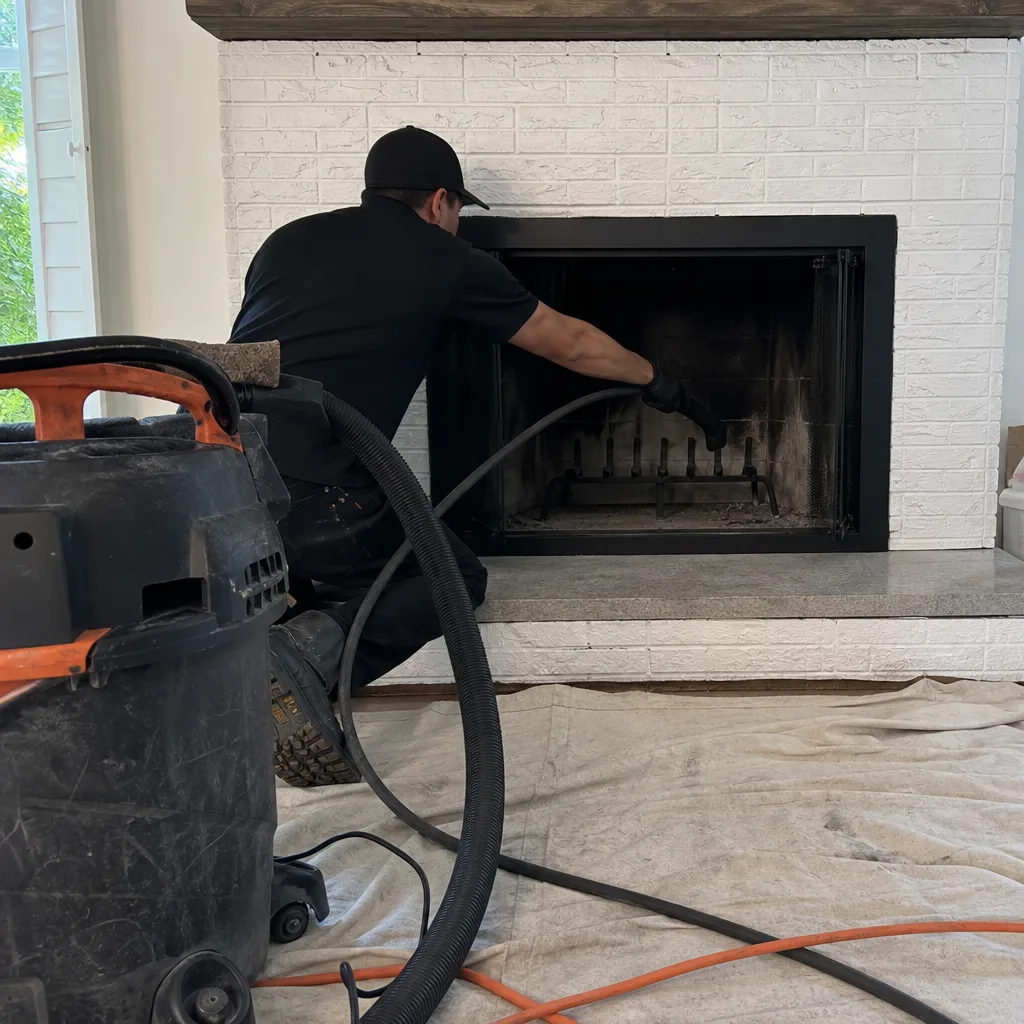
Level 1 sweep and inspection to the NFPA 211 annual standard - flue, crown, cap, and flashing checked and photographed
Chimney sweep logs do not sweep chimneys. They loosen some creosote - which then falls where a brush and vacuum still have to collect it.
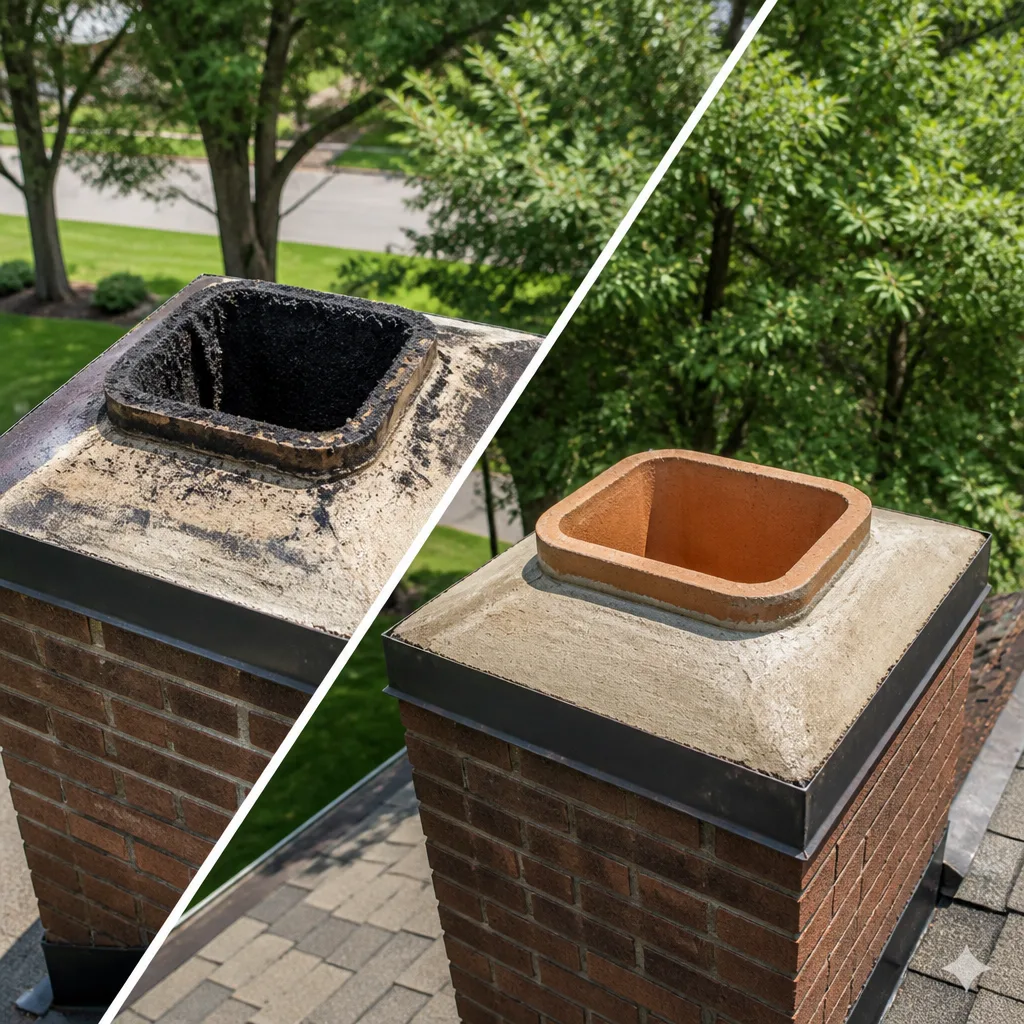
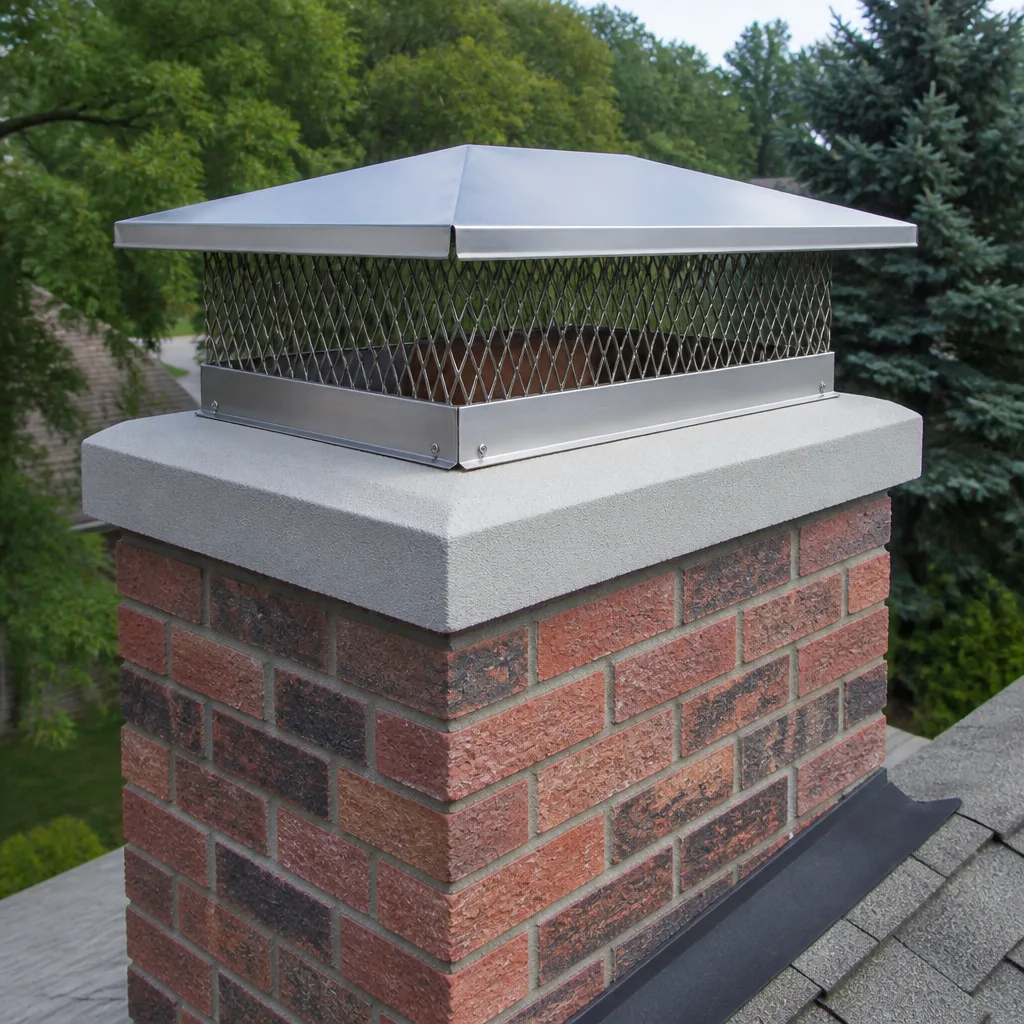
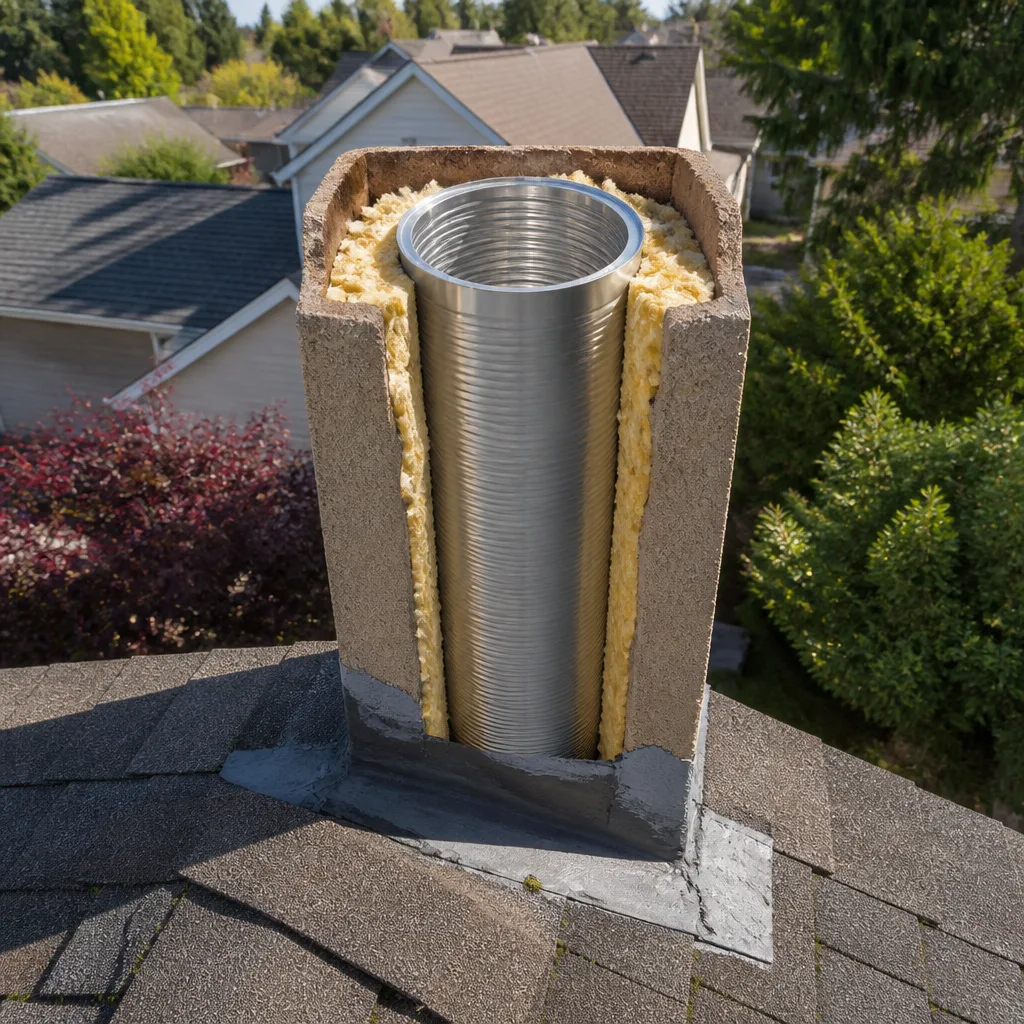
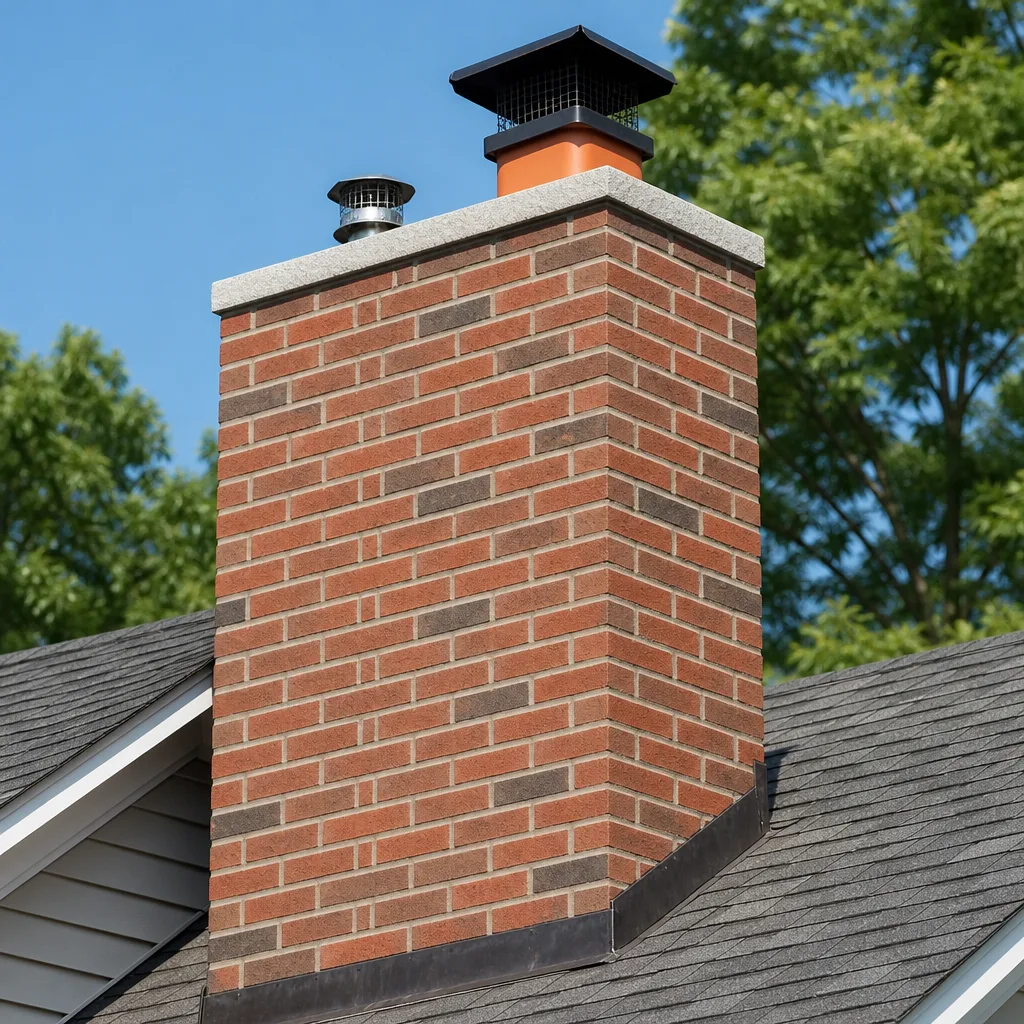
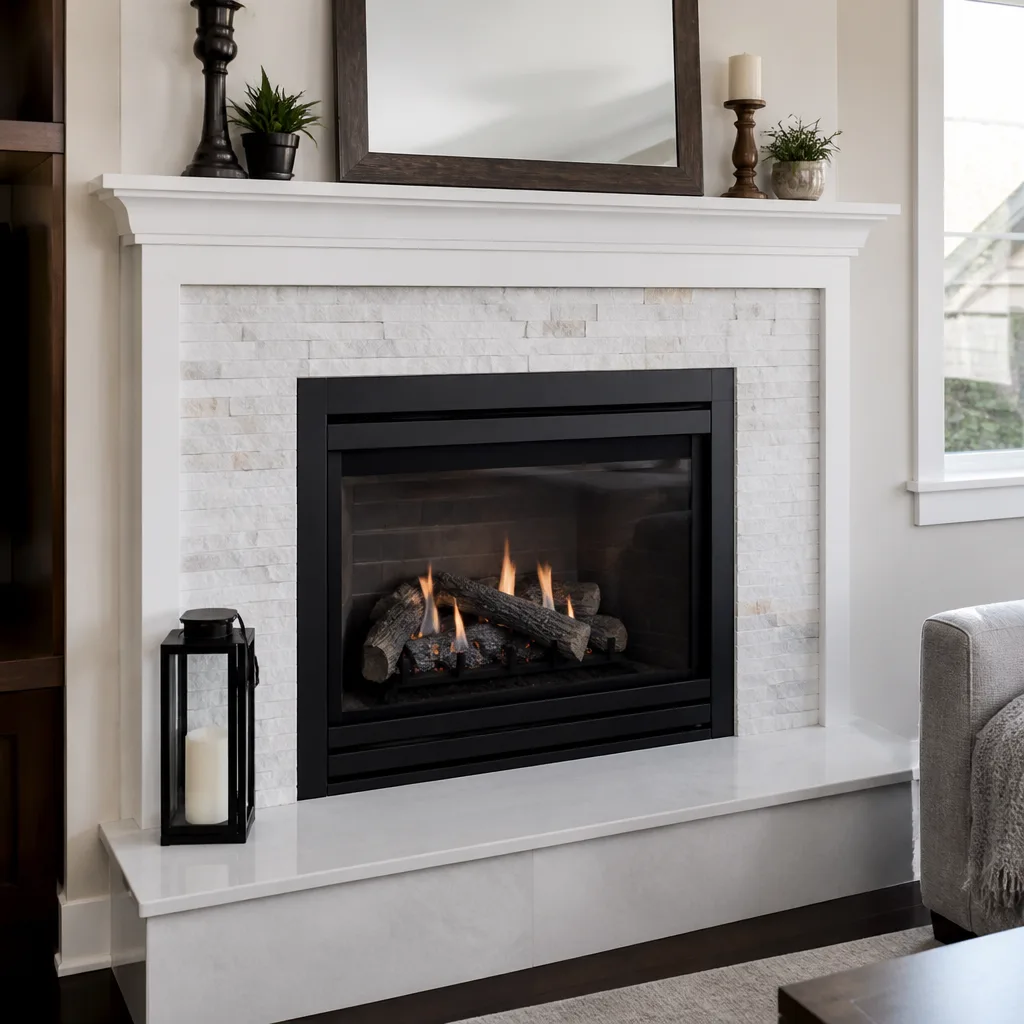
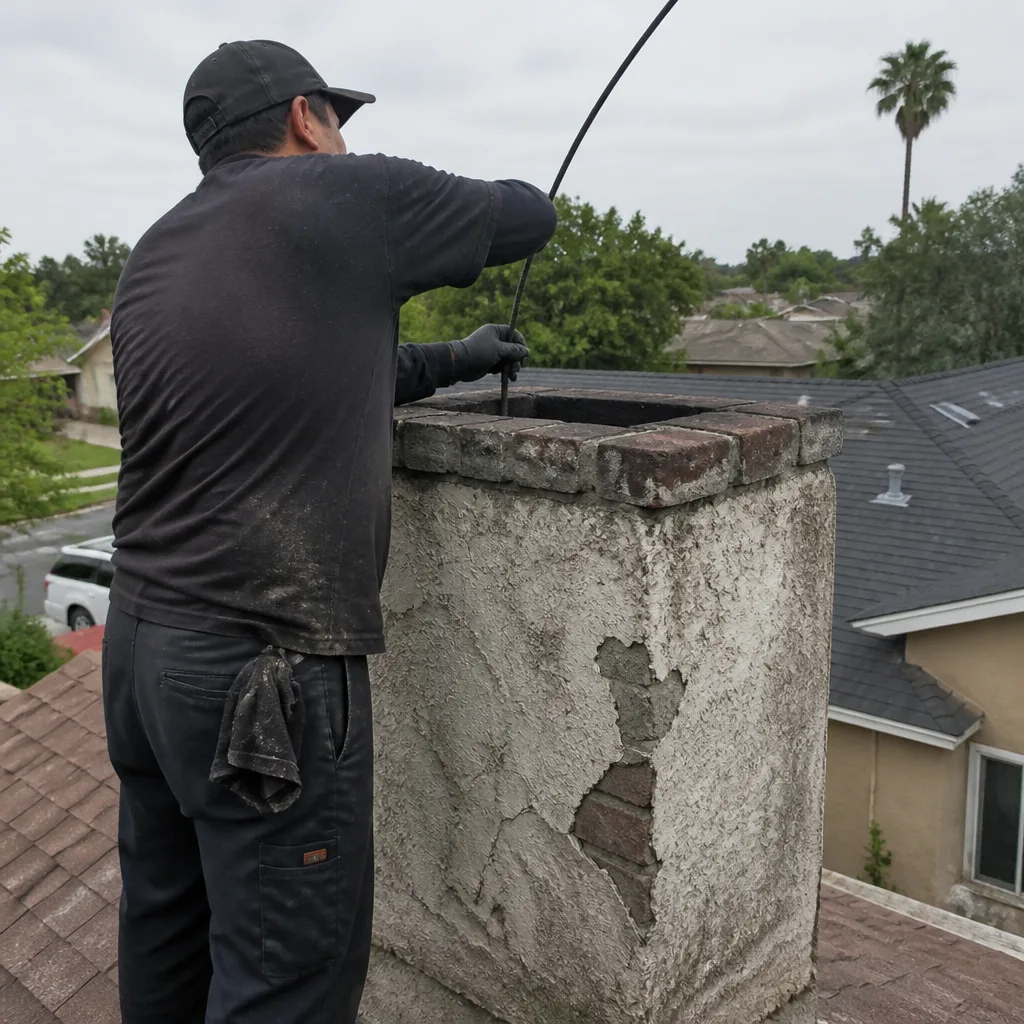 Before
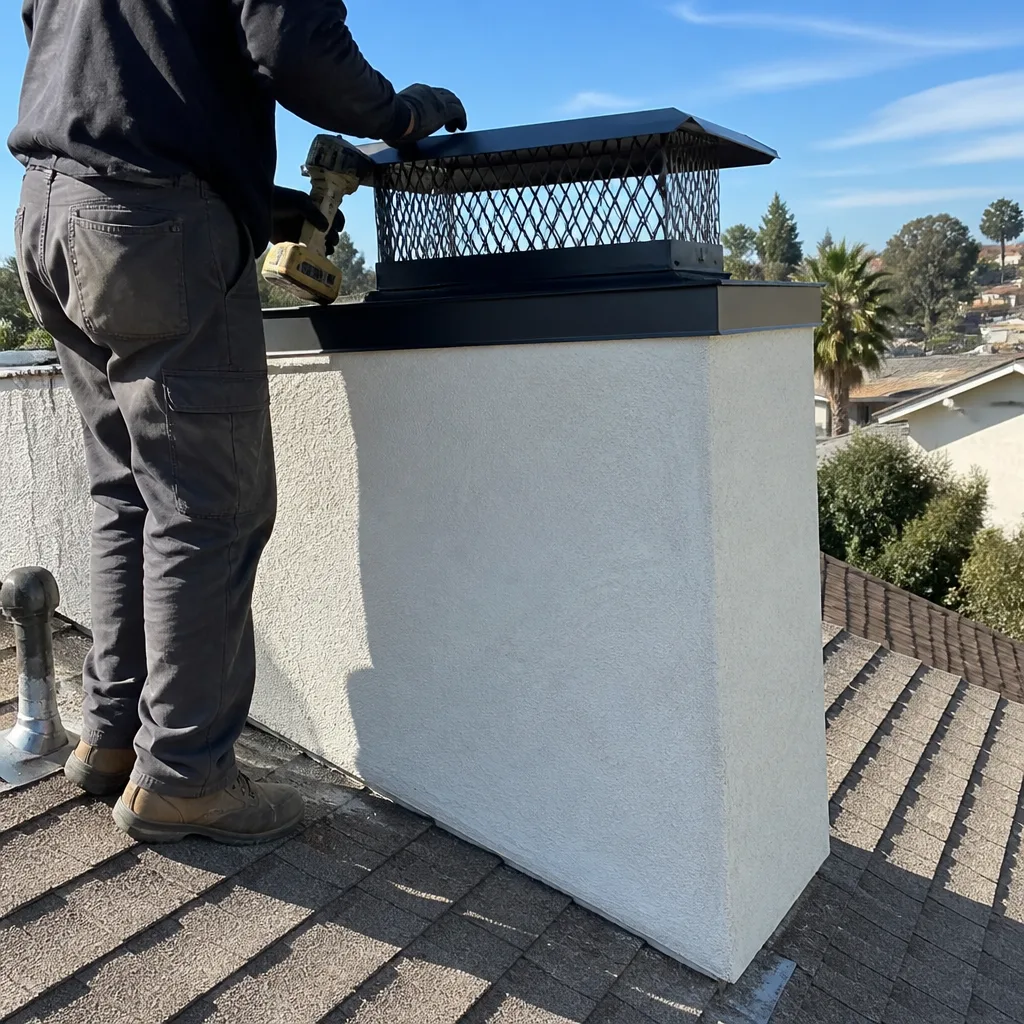 After
After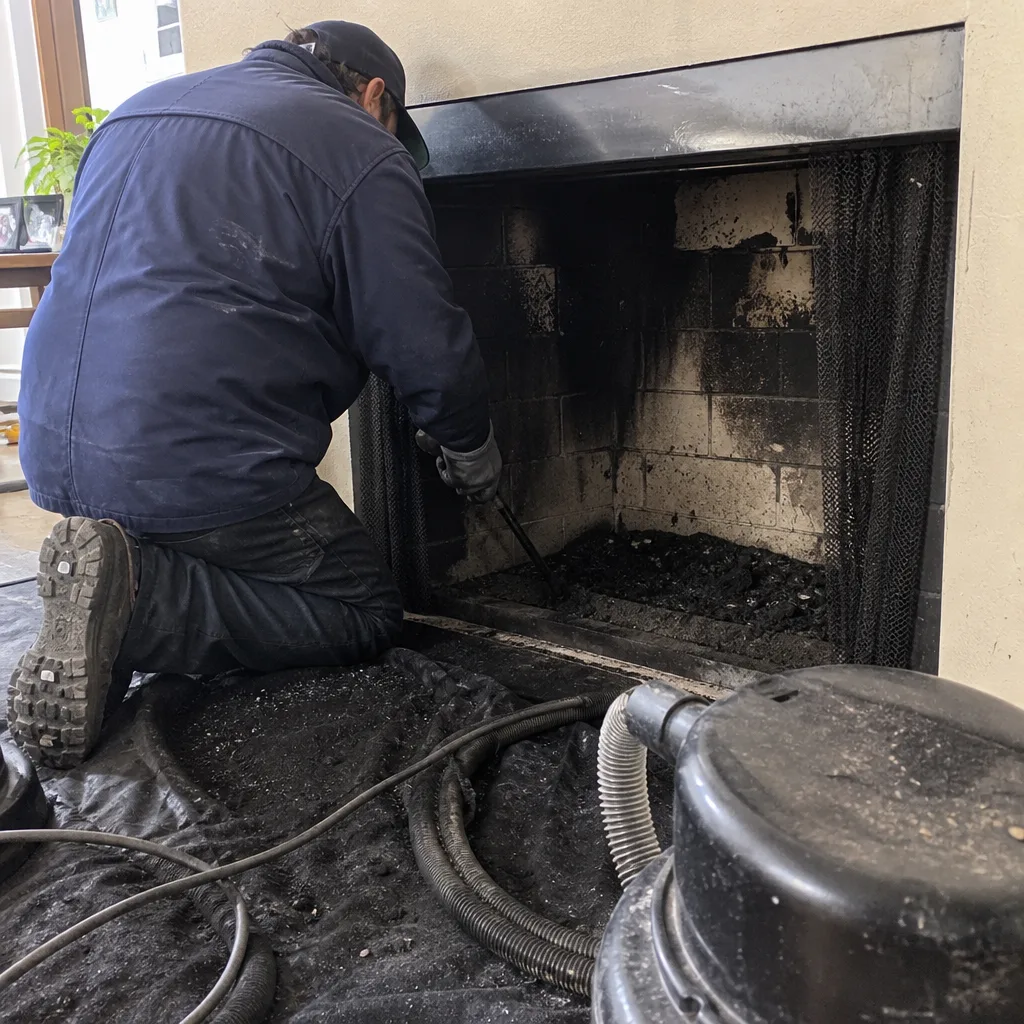 Before
 After
After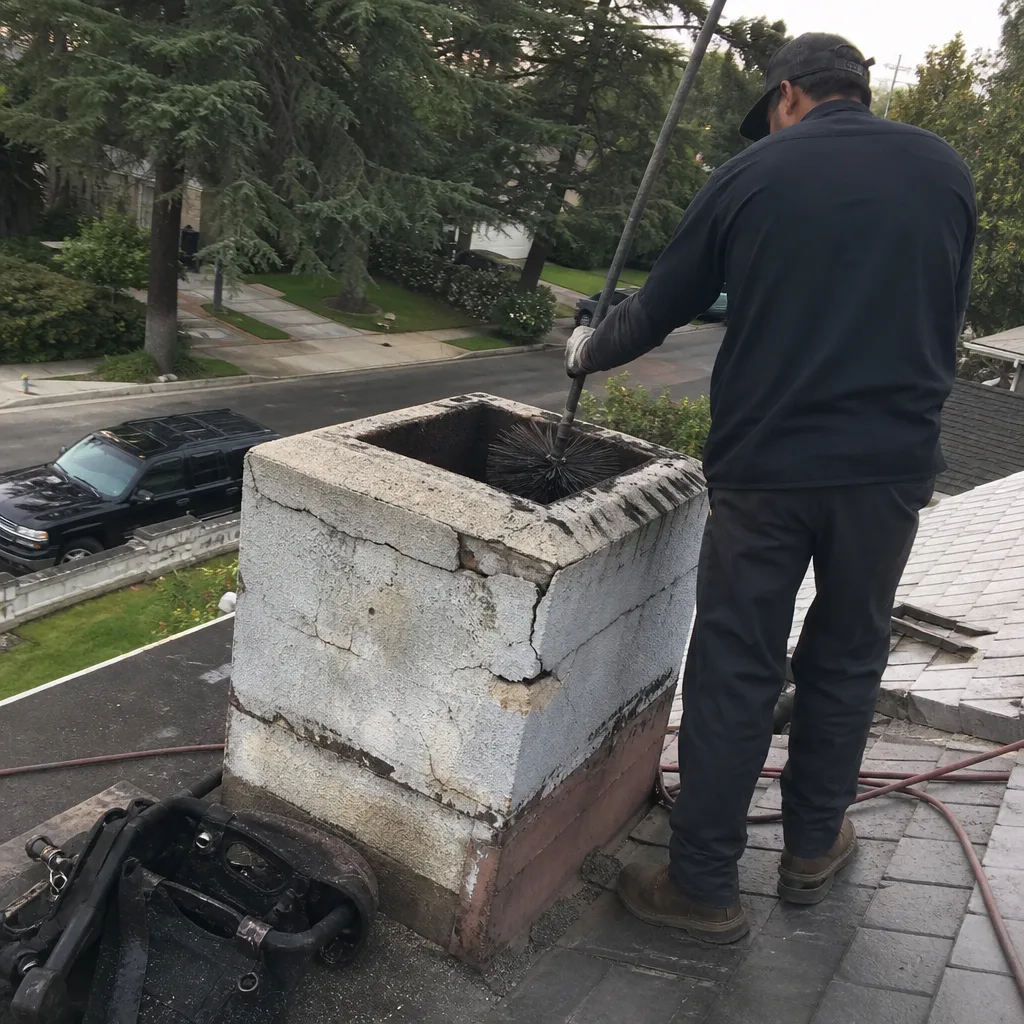 Before
 After
AfterHeatShield Chimney Cap Installation: The Los Angeles Owner’s Guide
We stock and install replacement chimney caps for HeatShield systems across Los Angeles, with most cap installations running $285 – $520 fully installed depending on the flue size and roof access. You don’t need to wait weeks for parts: we keep common HeatShield-compatible caps on the truck and can typically complete the swap on the same visit once we’ve confirmed your flue dimensions. The way most Los Angeles homeowners find us is the same story every time: they’re up on the roof clearing leaves before rainy season, or they had a roofer out for a separate repair, and someone points at the cap and says “you know that’s rusted through, right?” The cap looks like a minor detail until water starts running down the flue and staining the firebox below.
Which HeatShield Models This Applies To
HeatShield’s resurfacing system gets applied inside the flue, but the cap that sits on top is what keeps rain, birds, and embers from finding their way in. If you have a HeatShield liner installed, you’re almost certainly dealing with a multi-flue cap or a single-flue cap sized to your specific clay tile or stainless liner. The common installs we see across Los Angeles include caps over 13″ x 13″ clay tile flues, 8″ and 9″ round stainless liners run through old masonry chimneys, and the occasional double-flue setup on larger homes in the Valley. Here’s the compatibility point most owners don’t realize: the cap itself is rarely HeatShield-branded. HeatShield is a resurfacing product, not a cap manufacturer. The cap you need is sized to the flue opening and the liner type, not to the HeatShield coating. We’ll confirm the outside dimensions of your flue tile or the inner diameter of your stainless liner before recommending anything.
Signs Your HeatShield Chimney Cap Installation Is Failing
- Rust staining on the flue tile or chase top. This means water is pooling around the base of the cap and sitting against the masonry. In Los Angeles, we see this most often on homes within a few miles of the coast where salt air accelerates corrosion on galvanized caps that would last twice as long inland.
- Water in the firebox after rain. If you’re finding dampness or dark water marks in the firebox floor after a storm, the cap’s hood or the seal around the base has failed. The HeatShield lining can handle water, but the damper assembly and firebox floor underneath cannot.
- Debris or nesting material visible at the top of the flue. Once a cap’s screen gets torn or rusted open, birds will find their way in within a season. We’ve pulled nests out of flues in Silver Lake and Echo Park that filled the entire top two feet of the chimney.
- Sparks or embers escaping the top at night. A cap with an intact spark arrestor screen keeps burning embers inside the flue. If you’re seeing sparks clear the top of the chimney, the screen has holes or the mesh is the wrong gauge for wood burning.
- The cap wobbles or has visible gaps at the base. High winds through the canyons and passes around Los Angeles work cap brackets loose over time. A cap that lifts at the corner is letting water run straight down the outside of the flue tile and into the chimney chase.
Replacement Cost & What’s Included
In Los Angeles, expect to pay $285 – $520 for a complete HeatShield-compatible chimney cap installation. The range comes down to three things: the material (stainless steel runs about 40% more than galvanized, and here’s the honest truth; they’re worth it in coastal and canyon locations), the flue configuration (single-flue caps are cheaper than multi-flue, and round liners are simpler than oversized rectangular clay), and roof access (single-story homes with a moderate pitch are the easy end of the range; two-story homes or steep roofs push toward the top). Every quote from us includes the cap, mounting hardware, any caulking or waterproofing at the flue base, and time at the top making sure the crown or chase top around the cap isn’t also failing. We don’t install parts without first writing down the exact price, and we don’t leave a job without a written guarantee on the work.
DIY or Call Us?
Here’s where we draw the line. You can safely do the initial inspection from the ground or from a ladder placed well below the roofline. Look for the rust, the leaning cap, the missing screen. You can take a photo and text it to us. What you shouldn’t do is walk a Los Angeles roof with a drill and a replacement cap under your arm. Most chimney caps sit near the ridgeline or on a steep transition, and working off a ladder at the roofline while torquing brackets is how we see homeowners end up hurt. The cap swap itself is quick for someone with the right tiedowns and roof anchors; it is genuinely dangerous without them. If you’ve spotted a problem from the ground, call (336) 863-3889 and describe what you see. We’ll confirm the correct size, bring the part, and handle the roof work properly.
FAQs
A stainless steel cap over a HeatShield-lined flue in Los Angeles typically lasts 12 – 20 years depending on proximity to salt air and how often the chimney is used. Galvanized caps run noticeably shorter in coastal neighborhoods like Playa del Rey or San Pedro, often failing within 8 – 12 years, while the same cap in Pasadena or Glendale may last another decade.
In most cases, no. Once the screen has rusted through or the hood brackets have corroded, patching buys you a season at best. The labor cost to remove, patch, and remount a failed cap nearly always exceeds the cost of installing a new stainless cap that won’t need attention for years. We’ll tell you plainly if yours can wait.
Most cap installations take 45 – 90 minutes from the time we set up at the roof to the time we’re back at the truck. Add a few minutes if the flue crown or chase top needs minor resealing around the base of the new cap. You’ll see the technician at the door before they ever set foot on the roof, and they’re required to be background-checked, identity-verified, and announced by name and photo before the visit.
We stock common single-flue and multi-flue caps in galvanized and stainless steel on our trucks, including sizes that fit most HeatShield installations in Los Angeles. For unusual flue dimensions or custom chase covers, the part ships quickly and installation gets scheduled once it’s in hand. Call (336) 863-3889 and tell us your flue dimensions if you know them; we’ll confirm whether it’s on the truck today.
No, Alcott Chimney Sweep is an independent chimney service in Los Angeles. We install HeatShield resurfacing and HeatShield-compatible system components, along with trade materials from DuraFlex and Gelco, but we are not a HeatShield corporate entity or franchise. That means we answer for our own work directly, with our own written guarantee on every installation.
Yes. The HeatShield coating protects the flue walls from heat and creosote damage, but it does not keep rain, birds, or debris out. Without a functioning cap, water runs straight down the liner and into the firebox, and nesting material creates a fire hazard that has nothing to do with the liner’s condition. If your cap is compromised, it’s worth fixing before the rainy season starts. Call (336) 863-3889 for a free estimate.
Written by Ruben Castellano, Owner, Alcott Chimney Sweep at Alcott Chimney Sweep, serving Los Angeles and nearby areas.