
Level 1 sweep and inspection to the NFPA 211 annual standard - flue, crown, cap, and flashing checked and photographed
Chimney sweep logs do not sweep chimneys. They loosen some creosote - which then falls where a brush and vacuum still have to collect it.
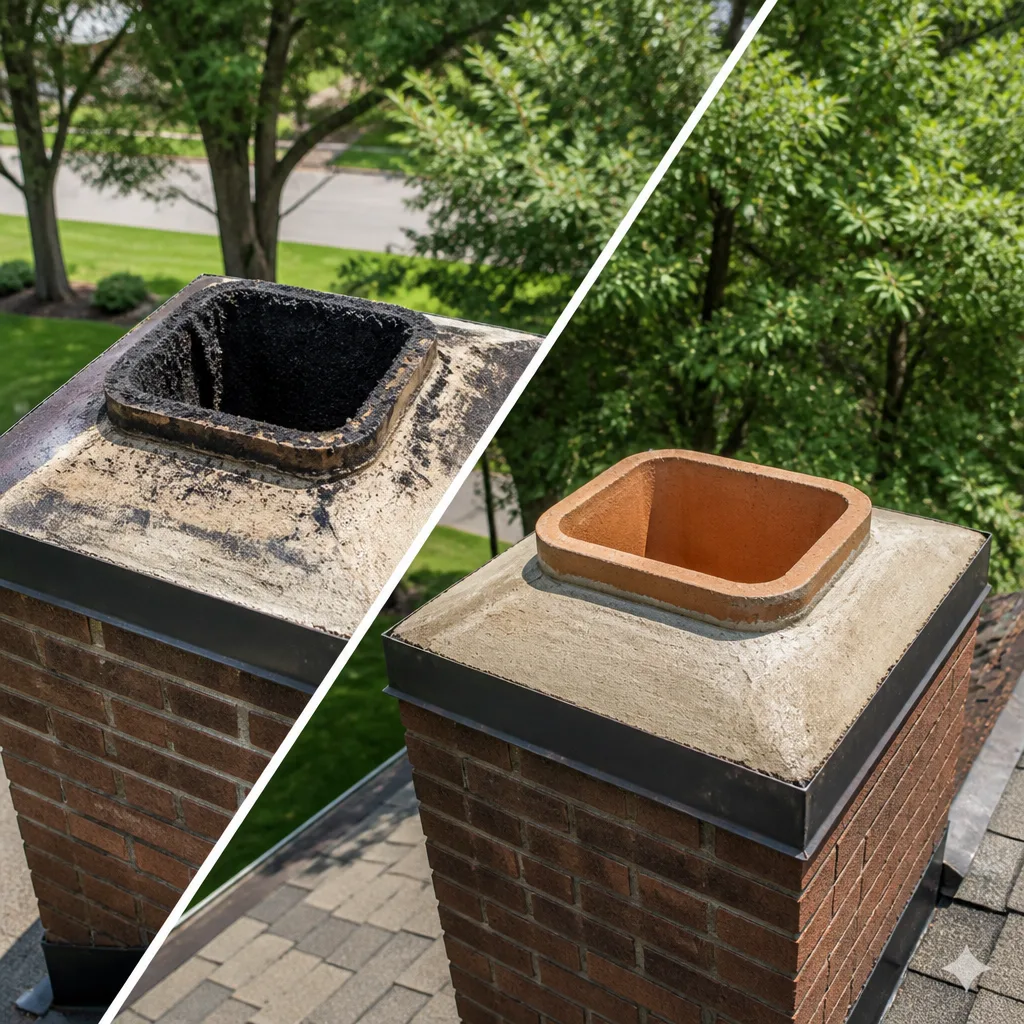
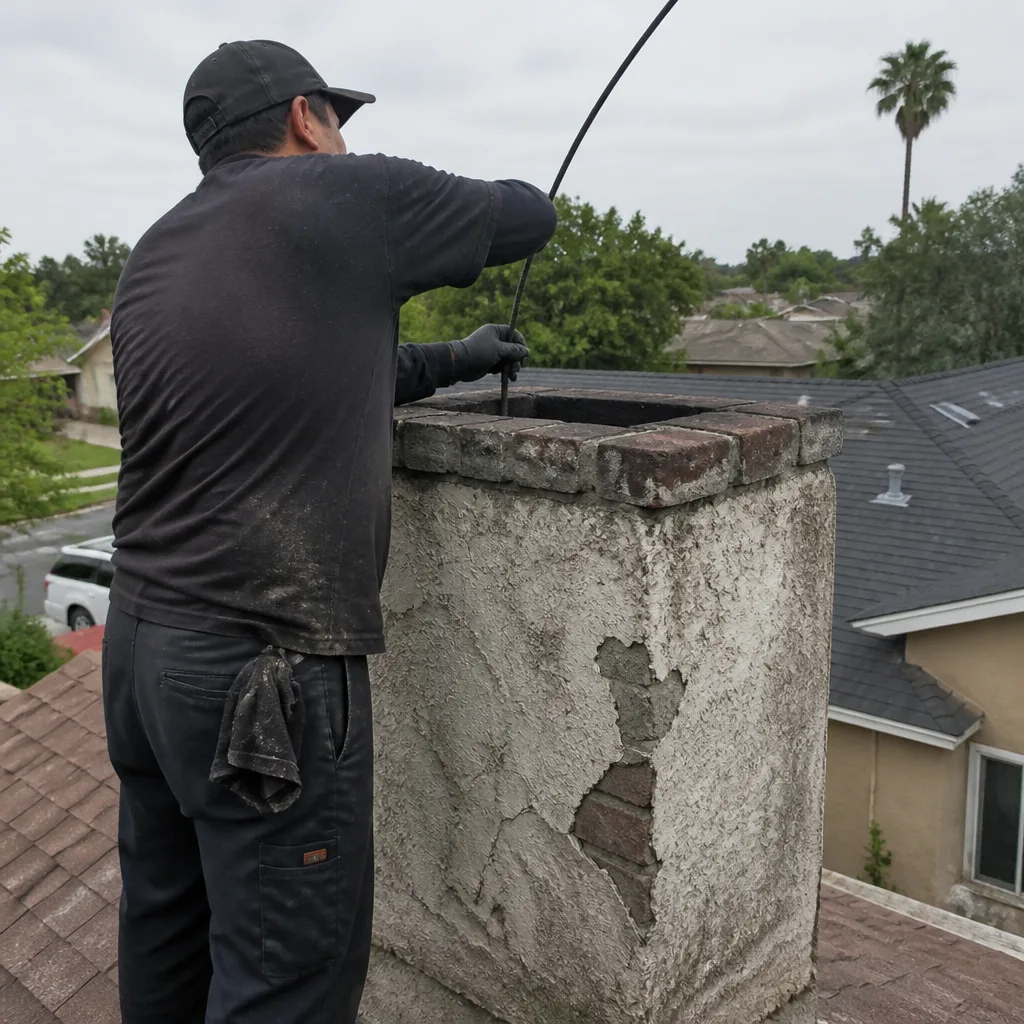 Before
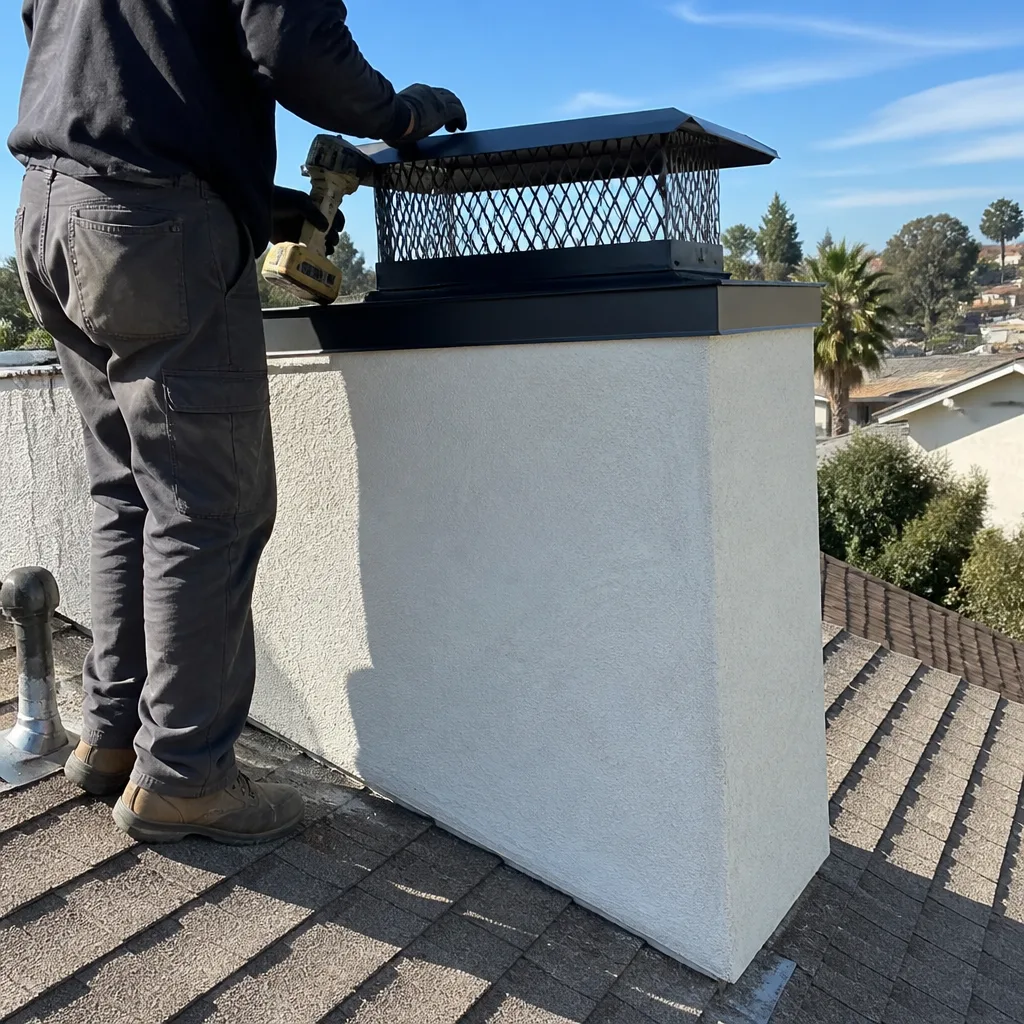 After
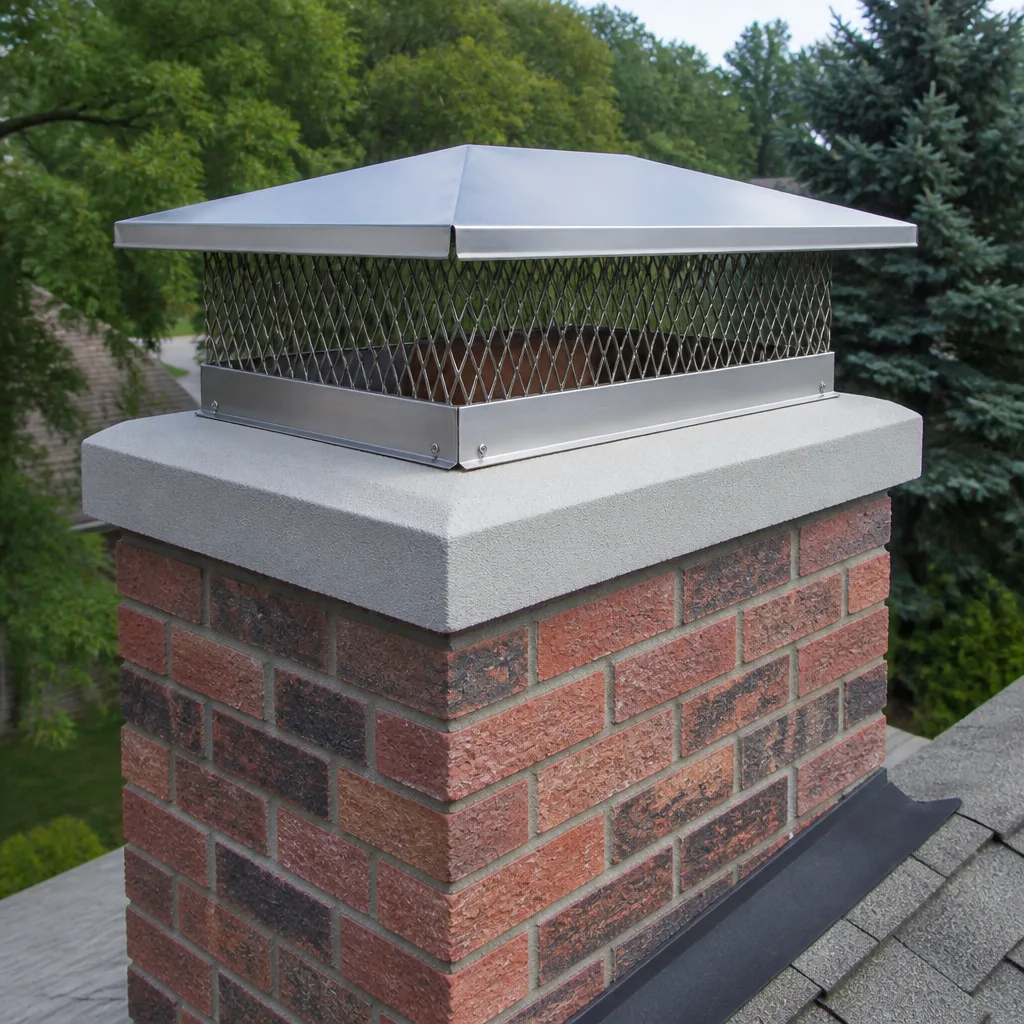
After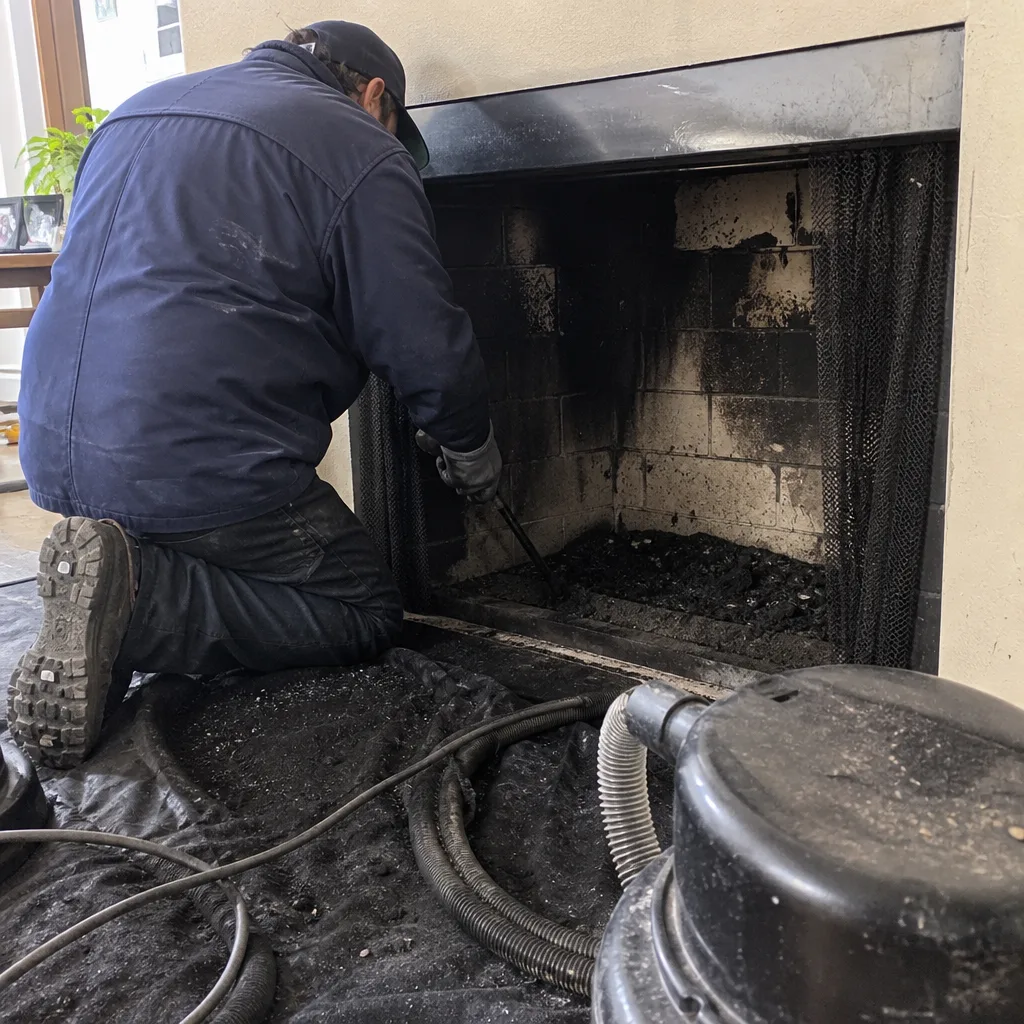 Before
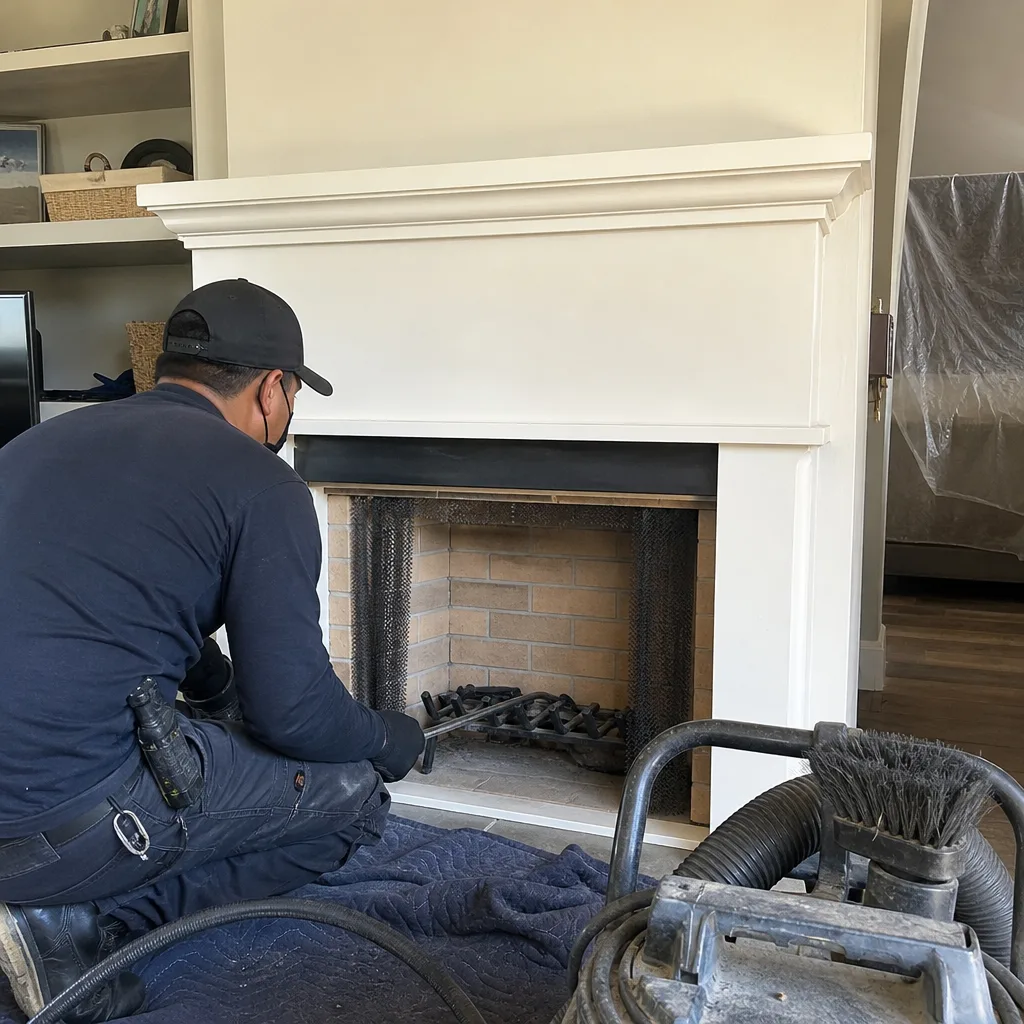 After
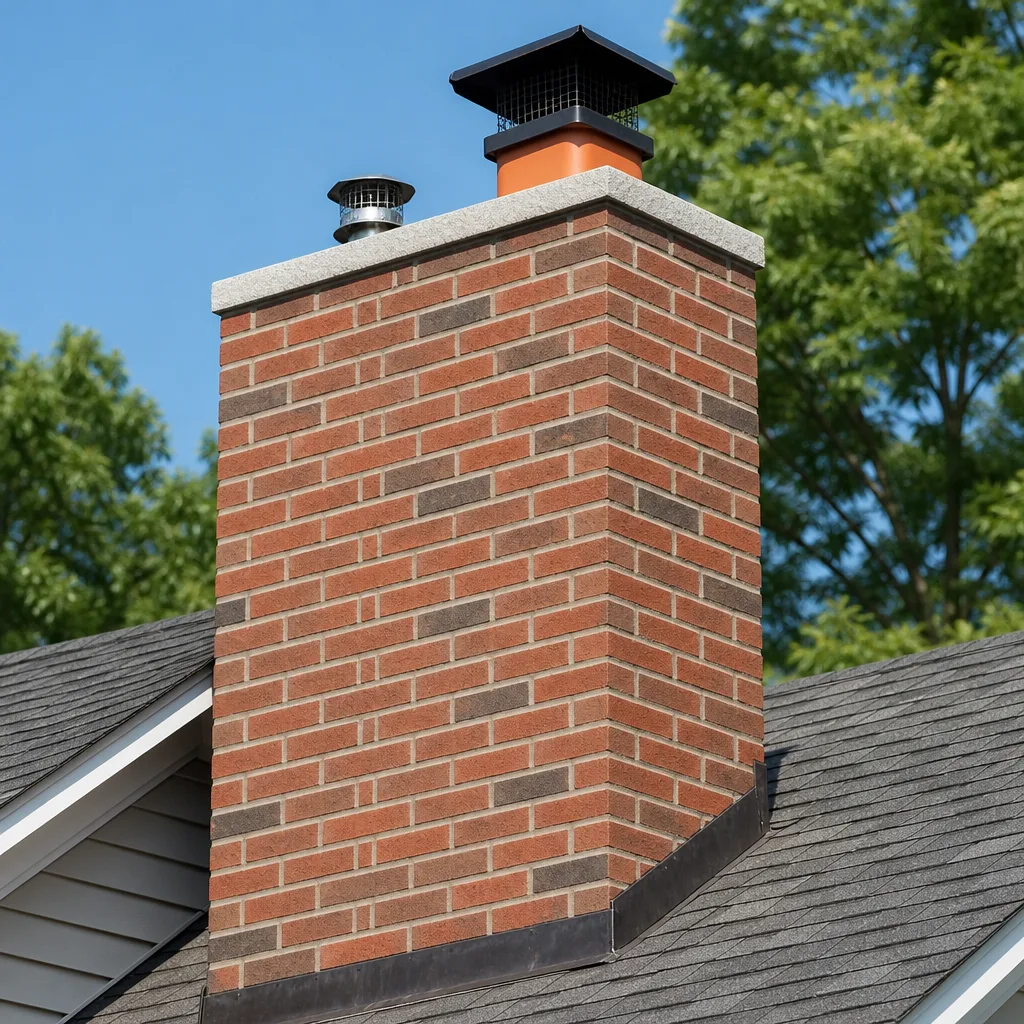
After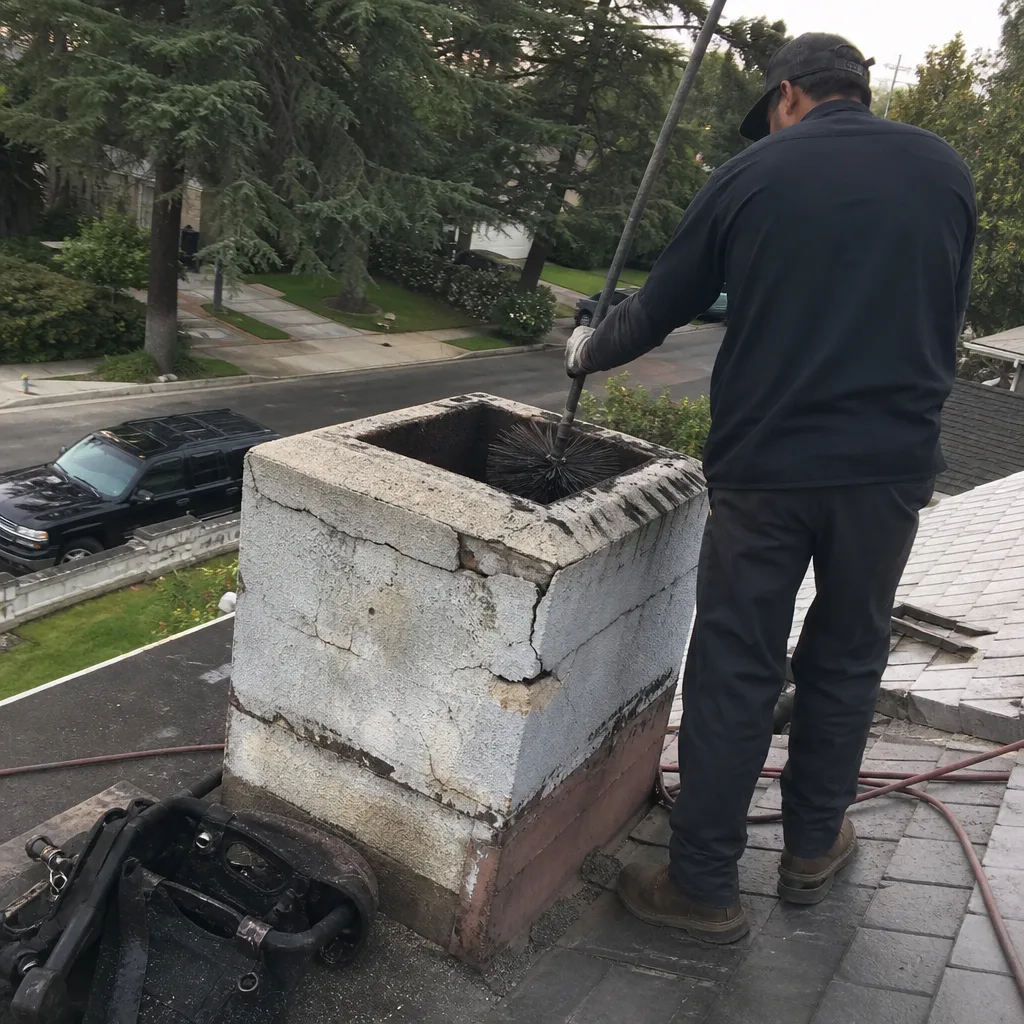 Before
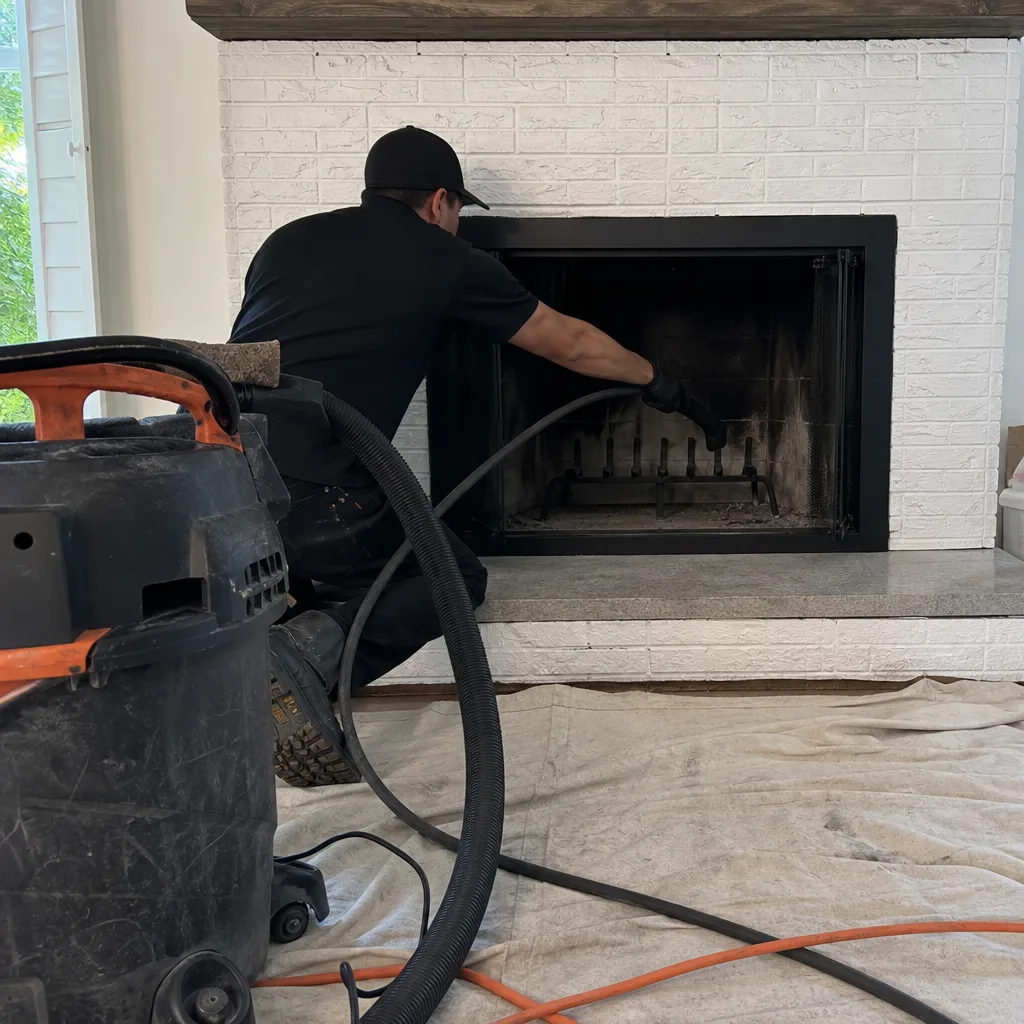 After
AfterFamco Flue Liner Replacement: The Los Angeles Owner’s Guide
We stock and install Famco flue liner replacement parts across Los Angeles, with most installed jobs running between $850 and $2,400 depending on liner diameter, flue height, and whether the old liner comes out clean or fights us on the way. We keep common Famco liner sizes on the truck, so a single-story home with a standard flue can often be done in one visit. Most Los Angeles homeowners discover they need this the hard way: a Level 2 chimney inspection during escrow, a sweep that turned up a cracked liner section, or water stains bleeding through the chimney breast after the first real rain of winter.
Before we get into the details, one thing worth saying plainly: Alcott Chimney Sweep is an independent chimney service in Los Angeles, not a Famco dealer or affiliate. We work with Famco liner systems because they’re well-made and we’ve installed enough of them to know their quirks. That also means we can tell you honestly when a Famco replacement is the right call and when another brand, like DuraFlex or HeatShield, would serve you better for the same money.
Which Famco Models This Applies To
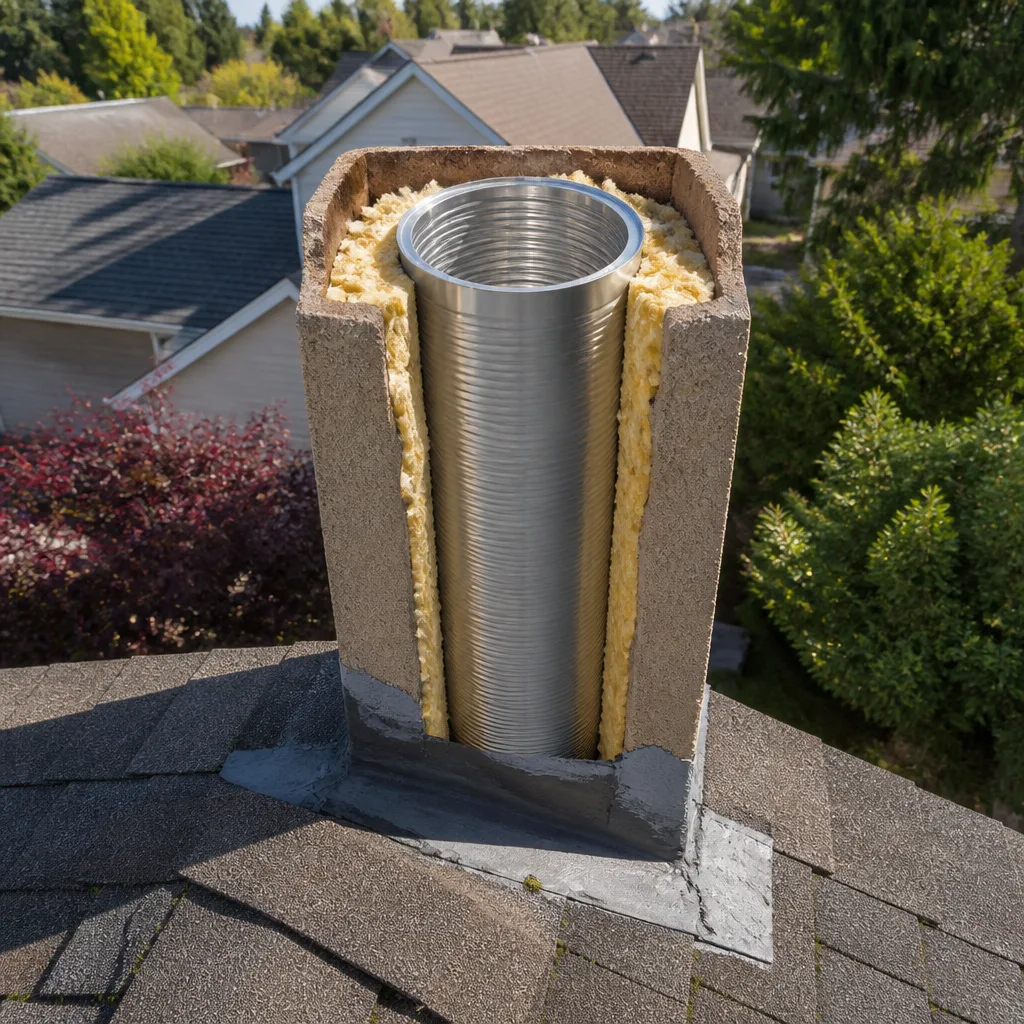
Famco’s flue liner replacement parts cover most of the rigid and flexible stainless steel liner systems they’ve sold for residential chimneys over the past two decades. The main compatibility question is diameter: Famco liners run in 4-inch, 5-inch, 6-inch, 7-inch, and 8-inch interior diameters, with 6-inch being far and away the most common fit for a standard fireplace flue or a gas furnace vent in Los Angeles homes. If you’re not sure what you have, check the metal tag on the liner cap or the first section visible from the top of the chimney. No tag? Measure the inside diameter of the flue opening at the top. That number, rounded to the nearest whole inch, is usually your liner size.
The one compatibility gotcha we see regularly in Los Angeles is this: an older Famco liner installed before roughly 2010 may have used a different locking collar style than current stock. The liner body parts are interchangeable, but the connector hardware sometimes isn’t. That’s a $20 to $60 difference in parts, but if you order the wrong collar online, you’ll discover it doesn’t seat and you’re stuck. We bring both collar styles to every Famco job so the work doesn’t stall on a mislabeled listing.
On the OEM versus aftermarket question: Famco’s own replacement sections are consistently good stainless, usually 316L or 304 grade. Some aftermarket equivalents in the same diameters are perfectly fine, others are thinner gauge stainless that pancakes when you pull it. For a liner that has to survive Los Angeles’s cycle of hot dry summers and damp winter mornings, we recommend sticking with OEM Famco or a liner of equal grade and thickness, typically 0.005 to 0.006 inches for a rigid liner, and we’ll show you the gauge on the old section so you know what you’re comparing against.
Signs Your Famco Flue Liner Replacement Is Failing
- Water stains on the chimney breast or ceiling near the flue. A cracked or separated liner section lets condensation and rain into the masonry instead of carrying it up and out. In Los Angeles, this often shows up after the first heavy rain, not during the dry season.
- Flakes of stainless steel in the firebox or on the smoke shelf. That’s the liner delaminating from the inside. It’s not a cosmetic issue, it means the liner wall is thinning and the next step is a hole.
- A sulfur or exhaust smell in the house when the furnace runs. A compromised liner on a gas appliance vent means combustion gases are leaking into the void between liner and masonry instead of venting outside. This is the one you should act on same day.
- The liner sounds “rustly” or rattles when the wind gusts. A secure liner doesn’t move. If you hear it, a section has separated or the support at the top has failed, and the liner is shifting inside the flue.
- Visible rust streaks on the liner cap or top section. Even stainless has a lifespan, and coastal Los Angeles air accelerates it. Rust at the top tells you the exposed sections have been taking salt and moisture for years, and the corrosion is working downward.
Replacement Cost & What’s Included
A Famco flue liner replacement in Los Angeles typically runs $850 to $1,700 for a single-story home with a straight flue and good access. Two-story chimneys, steep roofs, or liners that come out in pieces push the range up toward $1,800 to $2,400. What drives the price is mostly labor and roof access: removing the old liner without damaging the flue tiles takes time, and a two-story Spanish-style roof in Los Feliz is a different job than a single-story ranch in the Valley.
Every price we quote is written down and handed to you before any work starts. That number includes the Famco liner section, connector hardware, removal of the old section, installation, and a quick visual check of the surrounding flue to make sure the replacement isn’t going into a chimney with bigger problems. Every repair carries our written guarantee, and if something we installed fails within the coverage period, we come back and fix it at no charge. That’s not a negotiation point. That’s just how we work.
DIY or Call Us?
What you can safely do yourself: identify your liner size using the cap tag or a tape measure at the top opening, take photos of any visible damage from the roof or firebox, and clear anything obviously blocking the flue opening. What you should not do yourself is pull the old liner. Once a liner section is separated, the section below it can drop, and a falling section of stainless steel inside a flue can crack the clay tiles it’s supposed to protect. Then a $900 liner replacement becomes a $4,000 flue rebuild.
The other honest reason to call us: matching the liner is only half the job. If your Famco liner failed early, something caused it, and unless we figure that out first, the new liner inherits the same problem. Ruben Castellano’s rule on this page is simple. Tell me what you’re seeing and I’ll tell you what it actually means. Call (336) 863-3889 and we’ll walk through it with you before anyone gets on a ladder.
FAQs
A properly installed Famco stainless liner in Los Angeles typically lasts 15 to 25 years, though coastal homes in areas like Playa del Rey or San Pedro often see shortened lifespans because salt air corrodes stainless faster than inland air. If yours failed before 10 years, something besides age was at work, and we’ll want to look at the installation before we just swap in another one. Call (336) 863-3889 if you want a second opinion on a liner that failed early.
In most cases, no. A liner that has cracked or separated is a structural failure, and patching it leaves a weak point that will fail again, often worse. There is one exception: if the damage is confined to the top few inches where the cap clamps on, a short replacement section can sometimes solve it. We’ll tell you plainly if repair is an option, and if it isn’t, we’ll show you the photos so you can see why. Call (336) 863-3889 for an honest read on your specific liner.
A straightforward Famco liner replacement on a single-story Los Angeles home usually takes half a day, including roof setup, removal, installation, and cleanup. Two-story homes or chimneys with difficult roof access can run a full day. We’ll give you a time window in writing before we start, and we don’t leave until we’ve shown you the installed liner from the top and the bottom. Call (336) 863-3889 to get a time estimate for your roofline.
We stock common Famco liner sizes and connector hardware on our trucks, including 6-inch and 7-inch sections that cover most Los Angeles homes, along with both older and newer collar styles. If you need a less common size, we can usually have it within a few days. No, you never need to order the part yourself, and honestly, we’d rather you didn’t because we see too many homeowners buy the wrong collar style online. Call (336) 863-3889 and we’ll bring the right part the first time.
Written by Ruben Castellano, Owner, Alcott Chimney Sweep at Alcott Chimney Sweep, serving Los Angeles and nearby areas.