
5 Mistakes to Avoid With Chimney Inspection
Most chimney inspection mistakes aren’t about skipping the inspection altogether. They’re about paying for the wrong level of inspection, misreading what the report actually says, and acting on recommendations you don’t fully understand. In Los Angeles, where chimney use is seasonal and masonry takes a beating from earthquake shifts and coastal moisture, a misread inspection can cost you hundreds of dollars on repairs you didn’t need, or worse, leave a real fire hazard unaddressed because the report buried it in trade jargon. Here are the five mistakes we see most often, and how to avoid every one of them.
Mistake 1: Paying for a Level 2 Inspection When a Level 1 Is All You Need
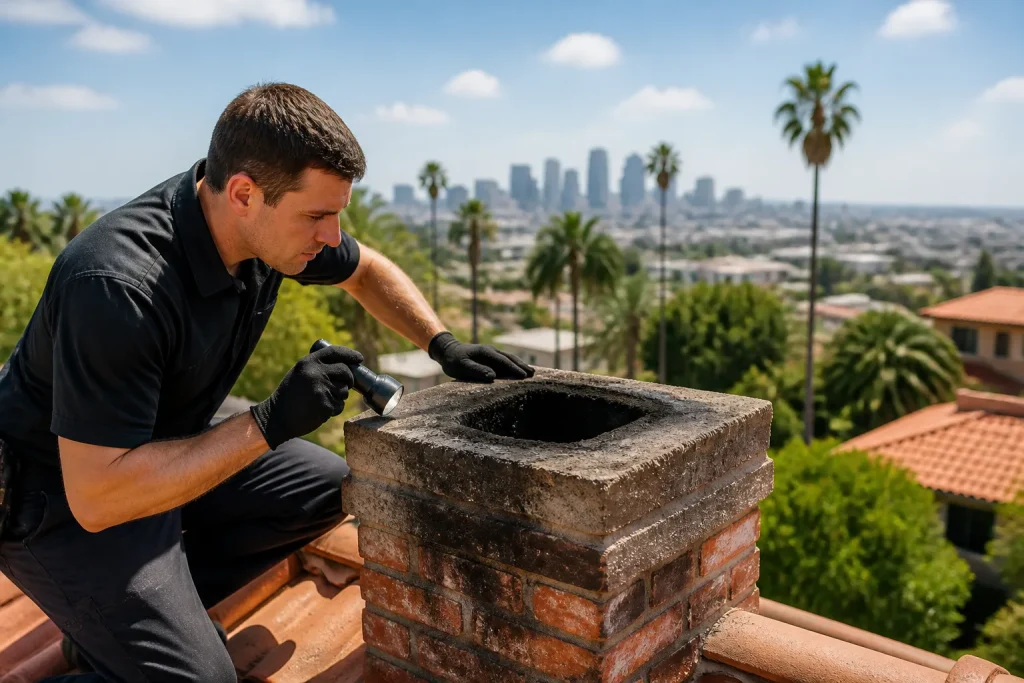
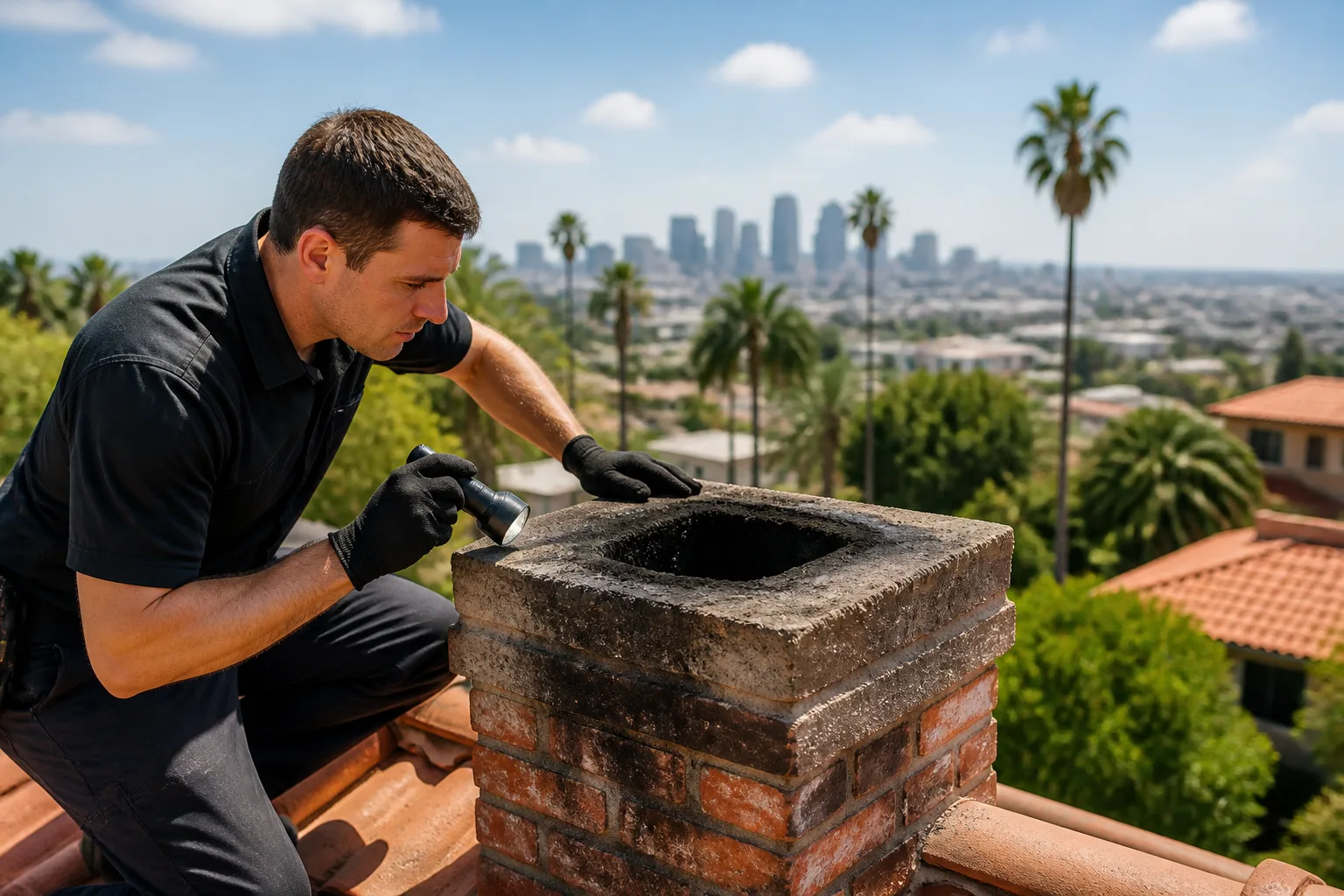
The National Fire Protection Association (NFPA) 211 standard defines three levels of chimney inspection, and they exist for different situations. A Level 1 inspection is a visual check of the readily accessible parts of the chimney: the firebox, the damper, the flue interior from the top and bottom, and the exterior structure. It’s what you need for an annual sweep when nothing has changed about your chimney or how you use it. A Level 2 inspection adds video scanning of the flue interior and access to attics, crawlspaces, and other concealed areas. It’s required when you’re buying or selling a home, after a chimney fire, after an earthquake or seismic event, or when you’ve changed the appliance venting into the flue.
Here’s the mistake we see routinely in Los Angeles: homeowners call for an annual cleaning, and the company quotes a Level 2 inspection as if it’s the standard of care. It isn’t. Unless something changed, you need a Level 1. In our market, a Level 2 inspection can run $200 to $400 more than a Level 1 because it requires camera equipment, additional time, and a more detailed written report. That’s real money. Before you book, ask which level they’re recommending and why. If the answer is “that’s just what we do,” get a second opinion. A legitimate chimney company should explain the NFPA 211 trigger events and let you decide based on facts, not upsell pressure. A Level 3 inspection, by the way, is rare. It involves removing portions of the chimney structure to access concealed areas. If someone recommends a Level 3 for a routine visit, that’s a red flag.
Mistake 2: Accepting a Verbal Summary Instead of a Written Photo Report
There’s a surprising amount of “inspection” happening in Los Angeles that ends with a technician saying, “Looks fine, you’re good,” and then driving off. That’s not an inspection. That’s a glance. A proper chimney inspection produces a written report with photos showing exactly what the technician saw, where they saw it, and what it means for the condition of your flue.
Why does this matter? Because “looks fine” doesn’t help you six months later when you smell smoke backing into the living room and you’re trying to remember what the technician actually looked at. It doesn’t help you compare quotes if one company says you need a new liner and another says you don’t. And it doesn’t create any accountability. At Alcott Chimney Sweep, every inspection includes a written report with photographs. If a technician tells you something needs repair, the photo is proof you can see with your own eyes. You shouldn’t have to take anyone’s word on a repair that could cost thousands of dollars. Demand the same from any company you hire. If they won’t provide a written photo report, find someone who will.
This ties directly into how we approach every job: you get a written price before any work begins, and a written report after every inspection. Nothing verbal, nothing vague. Ruben Castellano built this company on the belief that homeowners deserve to see the evidence before they spend a dollar, and a photo report is the foundation of that.
Mistake 3: Acting on Inspection Findings Without a Second-Opinion Estimate
This is the most expensive mistake on the list, and it happens more often in Los Angeles than anyone wants to admit. A homeowner gets an inspection that flags a cracked flue tile or a deteriorated mortar joint. The inspector’s company offers to fix it on the spot, or quotes a repair number that feels large but comes with an urgent tone. The homeowner, worried about safety and already standing there with the checkbook out, says yes.
The problem is that inspection and repair are two different jobs, and the company doing the inspection has a financial incentive to find something to repair. That’s not inherently dishonest. It’s just the reality of the business model. The mistake is not asking: how urgent is this, what happens if I wait, and what would someone else charge?
We recommend treating any inspection finding that costs more than a few hundred dollars as a reason to get a second-opinion estimate. Specifically, ask for a line-item breakdown of the repair, the materials being specified, and how long the repair is expected to last. A company that does quality work will welcome this. A company that gets defensive about it is telling you something. When we install a repair, we specify the brands we use, like DuraFlex for liner systems or HeatShield for flue resurfacing, because those names mean something to professionals and to homeowners who do their homework. If a quote doesn’t tell you what material is going into your chimney, that’s a problem.
Mistake 4: Confusing “Recommended” with “Required” on the Report
Inspection reports often use language that blends safety items with cosmetic suggestions, and homeowners end up paying for the wrong things first. A cracked crown that allows water penetration is a priority. A cosmetic hairline crack in the exterior stucco that doesn’t affect function is not. A spalling brick face on the interior that could fall into the flue is a priority. Discoloration from years of use is not.
Here’s how to read your report: anything related to fire safety, structural integrity, or water penetration should be addressed promptly. This includes cracked flue tiles, deteriorated mortar joints in the flue, damaged rain caps, failing dampers, and compromised crowns. Anything described as “cosmetic,” “aesthetic,” “surface level,” or “monitor over time” can typically wait, and in some cases may never need to be done at all on an older Los Angeles home.
If the report isn’t clear about which category an item falls into, ask. A good inspection report, the kind you deserve to receive, will prioritize findings. It will tell you what needs attention now, what needs attention before the next burning season, and what’s simply worth noting for future reference. We’ve walked into more than a few Los Angeles homes where a previous company had convinced the homeowner to replace things that didn’t need replacing and skipped the thing that actually did. That’s why we write reports the way we do: plain English, clear priorities, no scare tactics.
Mistake 5: Timing the Inspection Wrong for Los Angeles Weather
Los Angeles has a Mediterranean climate with a distinct wet season that runs roughly from November through March. If you book a chimney inspection during or immediately after heavy rain, you may get moisture readings that are misleading. Rain can saturate the masonry, the crown, and the surrounding structure. A moisture meter reading taken while everything is still damp will suggest water intrusion problems that may not reflect the true condition of the chimney once it dries out.
We see this every winter. A homeowner in Sherman Oaks or Pasadena calls after a week of rain, worried about water stains near the fireplace. The inspection finds elevated moisture levels, and suddenly there’s talk of sealing, waterproofing, and crown repairs. Some of that may be warranted. But some of it is just a wet chimney being read too soon. The same chimney inspected two weeks later, after drying, might show perfectly normal moisture levels.
The practical advice: if you’re scheduling a routine inspection, do it in the late spring or summer, before the burning season begins and when the masonry has had time to dry. If you have an active water intrusion concern during the rainy season, by all means, get it checked. But understand that the findings may include rain-related moisture, and ask the technician to differentiate between active water penetration and surface dampness from recent weather. A skilled inspector can do that. An unskilled one will just hand you a number and a repair quote. Want the inspection done right? That’s exactly what our Chimney Inspection in Los Angeles service is built for.
What a Good Inspection Should Actually Include
Now that we’ve covered the mistakes, let’s talk about what you should expect when the job is done correctly. A proper chimney inspection in Los Angeles covers the firebox, damper, smoke chamber, flue liner, chimney crown, rain cap, flashing, and exterior masonry. The technician should be looking for creosote buildup, which is the tar-like residue that causes chimney fires, along with cracks, gaps, moisture damage, and obstructions like bird nests or debris. In Los Angeles, we also check for earthquake damage, which is a legitimate concern in an area with as much seismic activity as ours, and for rust or corrosion from coastal air if you’re near the water.
Our technicians are background-checked and identity-verified before they ever step onto a customer’s property. That’s the Threshold Standard, and it means you’ll know the technician’s name and see their photo before we arrive. We send that information ahead of time, and our technician will show a photo ID badge at the door. No surprises, no wondering who’s pulling into your driveway. If you’d rather not wait for an inspection and you know your chimney needs a cleaning first, our Chimney Sweep in Los Angeles service pairs a full cleaning with a Level 1 inspection that meets NFPA 211 standards for routine annual maintenance.
The Bottom Line
The five mistakes to avoid are straightforward: don’t pay for a Level 2 inspection when a Level 1 is appropriate, don’t accept a verbal summary instead of a written photo report, don’t act on expensive findings without a second-opinion estimate, don’t let “recommended” items crowd out “required” safety items, and don’t inspect during wet Los Angeles weather if you can avoid it. Get the right level of inspection, get it in writing with photos, and get a clear explanation of what matters now versus what can wait.
If you’re in Los Angeles and need a chimney inspection, Alcott Chimney Sweep offers free estimates. Call (336) 863-3889 and we’ll walk you through exactly what level of inspection applies to your situation, what it costs, and what you’ll receive in the report. No vague summaries, no scare tactics, no surprise charges. Just the information you need, in plain English, backed by photos you can see for yourself. And if your fireplace isn’t the only thing that needs attention, we also handle Gas Fireplace Repair in Los Angeles for gas units that aren’t burning cleanly or won’t stay lit. You can also learn more about everything we do at the Alcott Chimney Sweep home page.
Frequently Asked Questions
A Level 1 inspection is a visual check of the accessible parts of your chimney and is sufficient for routine annual maintenance when nothing about your chimney or venting system has changed. A Level 2 inspection adds video scanning of the flue interior and is required when you’re buying or selling a home, after a chimney fire, after an earthquake, or after changing the appliance that vents into the flue. The NFPA 211 standard defines these levels, and in Los Angeles a Level 2 typically costs several hundred dollars more than a Level 1. Call (336) 863-3889 if you’re not sure which level applies to your situation, and we’ll help you figure it out before you spend a dollar.
A Level 1 chimney inspection in Los Angeles typically runs $150 to $300, while a Level 2 inspection with video scanning typically ranges from $350 to $600 depending on the chimney’s height, accessibility, and condition. Level 3 inspections are rare and cost more because they require dismantling portions of the chimney structure. Any company you hire should tell you upfront which level they’re recommending and why. We provide a written price before any work begins, always. Call (336) 863-3889 for an exact quote based on your chimney and your situation.
Even if you never use your fireplace, the chimney is still part of your home’s exterior envelope and can develop issues that affect the structure, like a cracked crown that lets water in or a damaged rain cap that invites birds and debris. If you’re selling the home, a Level 2 inspection is legally required as part of most real estate transactions. If you’re staying and the fireplace is sealed off, an inspection every few years is a reasonable hedge against structural problems that become more expensive down the road. Call (336) 863-3889 and tell us your situation, and we’ll tell you honestly whether an inspection is worth your money right now.
No, an inspection and a sweep are separate services, though they’re often done together. An inspection evaluates the condition of your chimney and identifies issues. A sweep removes the creosote and soot that builds up inside the flue and can cause chimney fires. Most homeowners in Los Angeles who burn wood regularly need an annual sweep paired with a Level 1 inspection. We can do both in a single visit, and you’ll receive a written report with photos and a written price before any work begins. Call (336) 863-3889 to schedule.
Written by Ruben Castellano, Owner at Alcott Chimney Sweep, serving Los Angeles since 2002.
Need Chimney Cleaning Help?
Call Alcott Chimney Sweep - licensed & insured, here with fast after-hours help in Los Angeles.
(336) 863-3889