
Last updated October 9, 2026
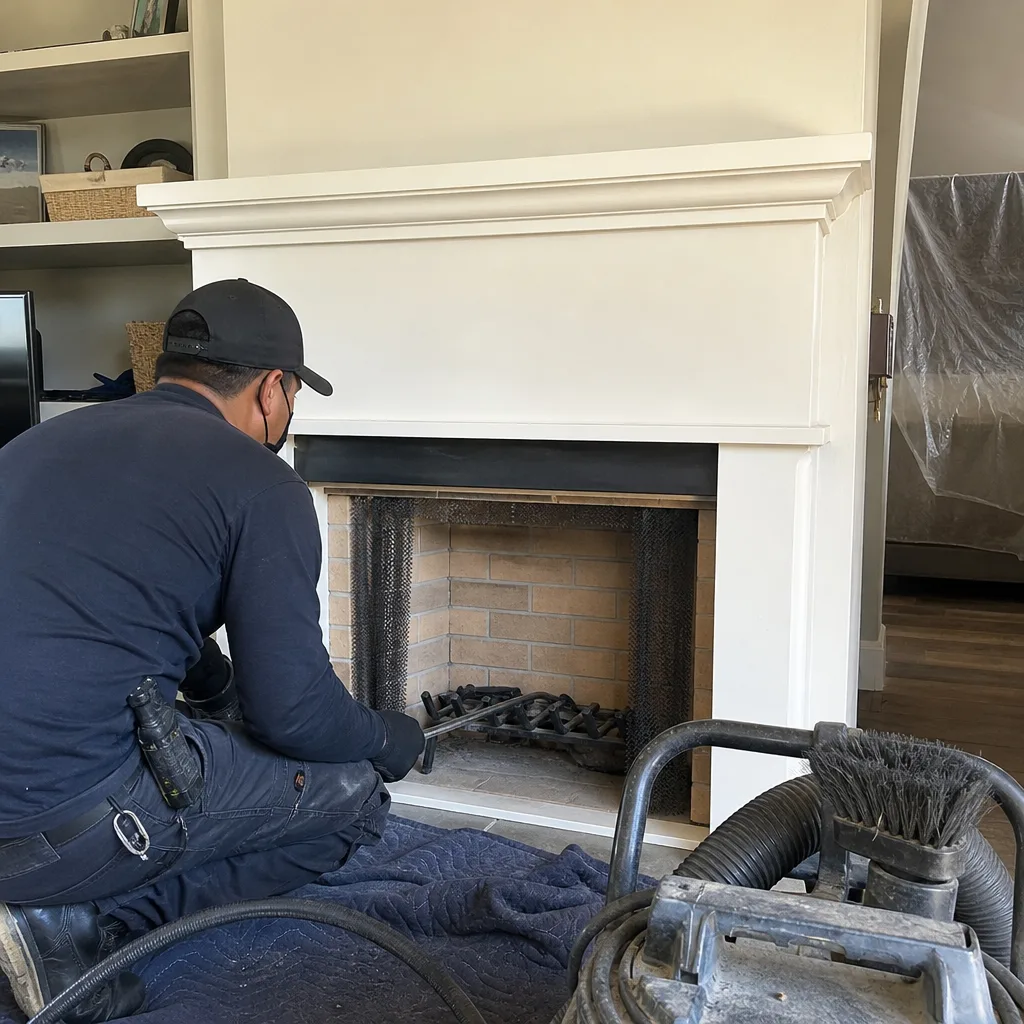
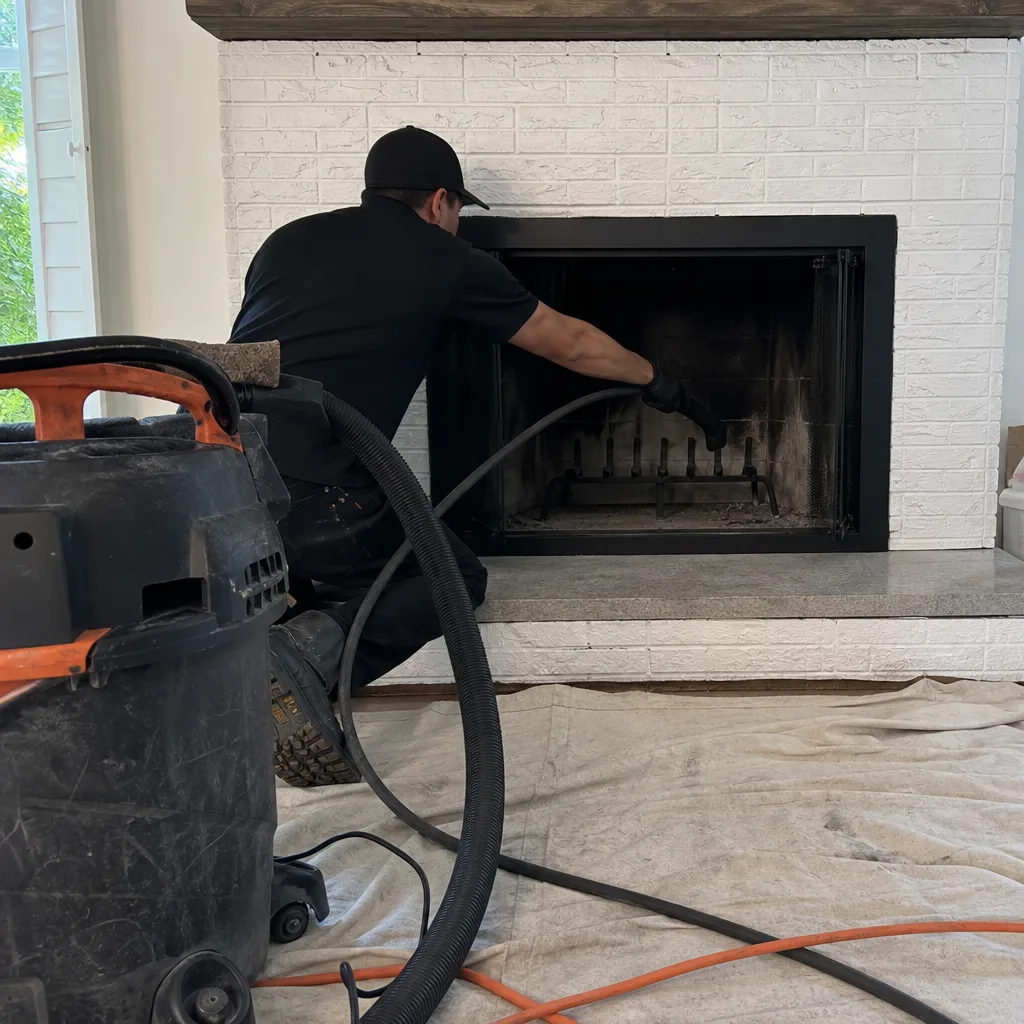
Level 1 sweep and inspection to the NFPA 211 annual standard - flue, crown, cap, and flashing checked and photographed
Chimney sweep logs do not sweep chimneys. They loosen some creosote - which then falls where a brush and vacuum still have to collect it.
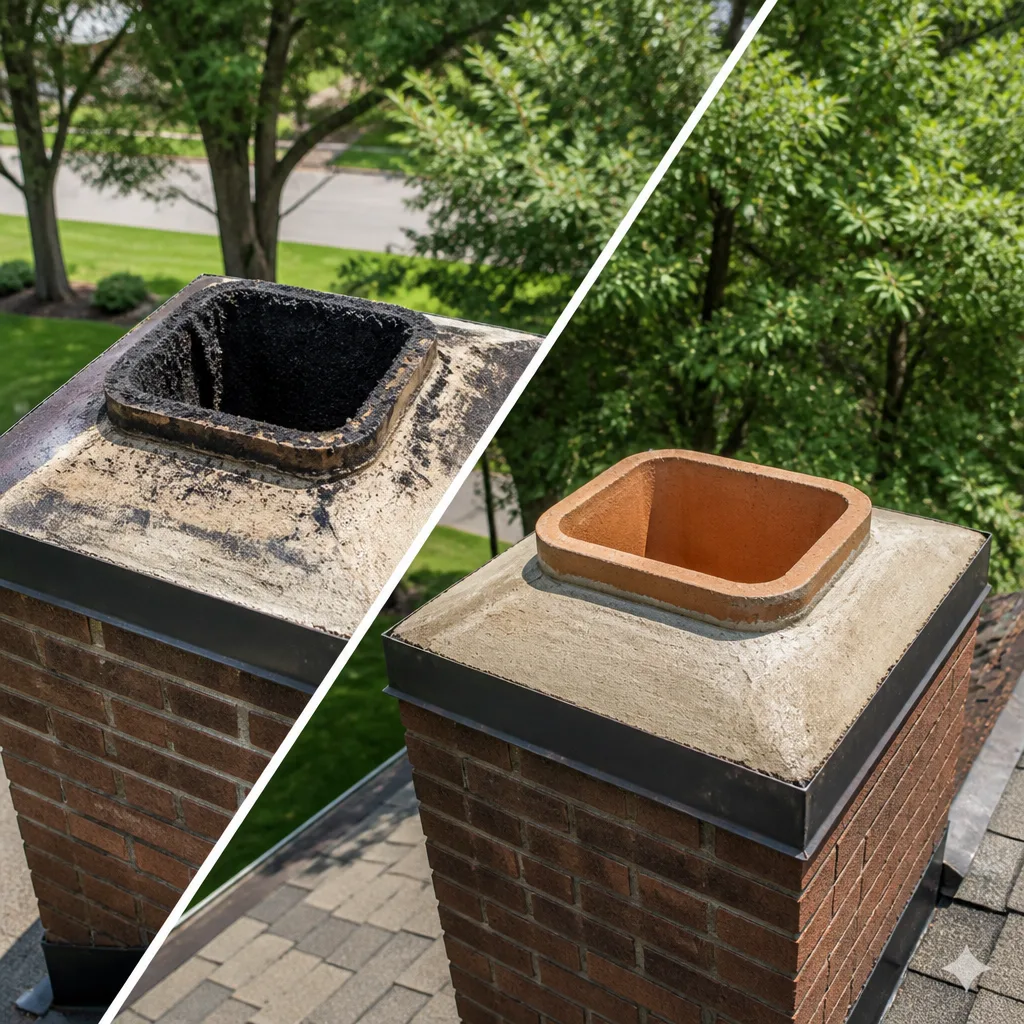
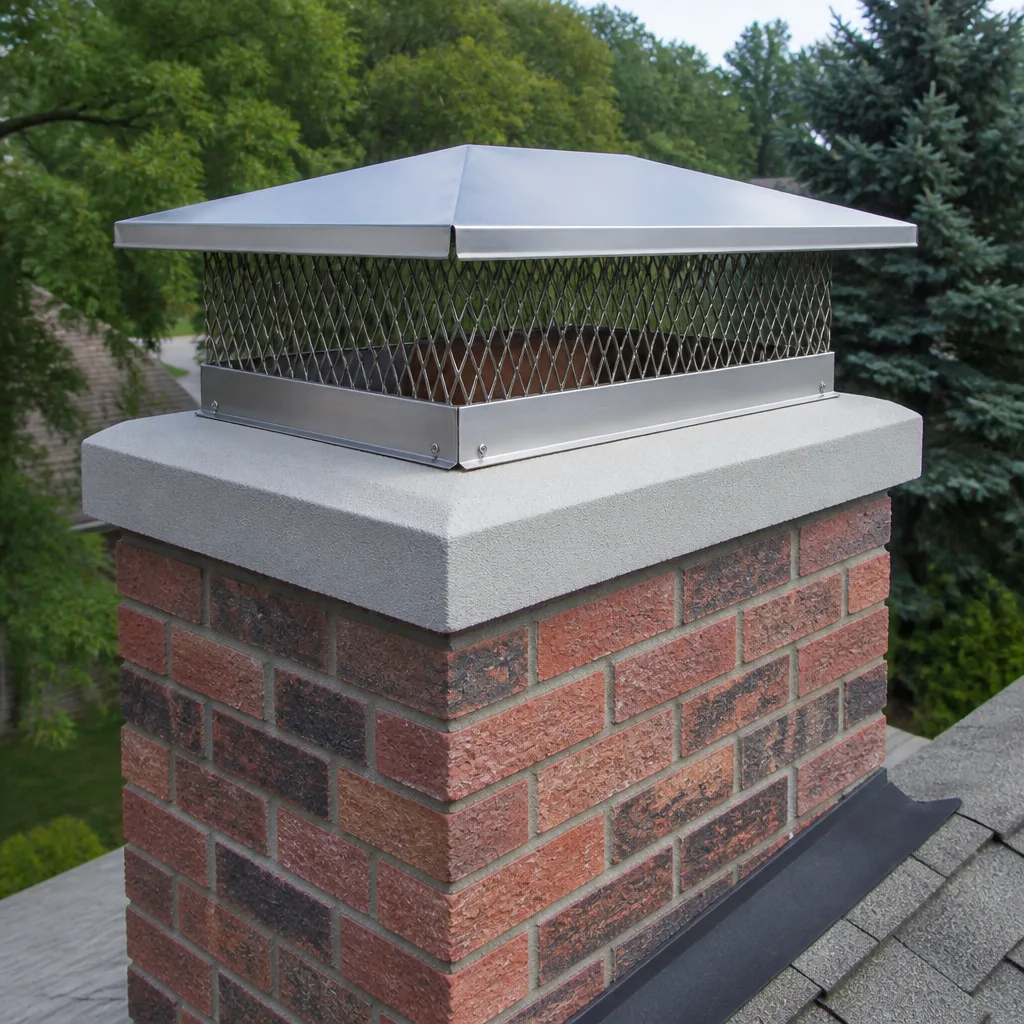
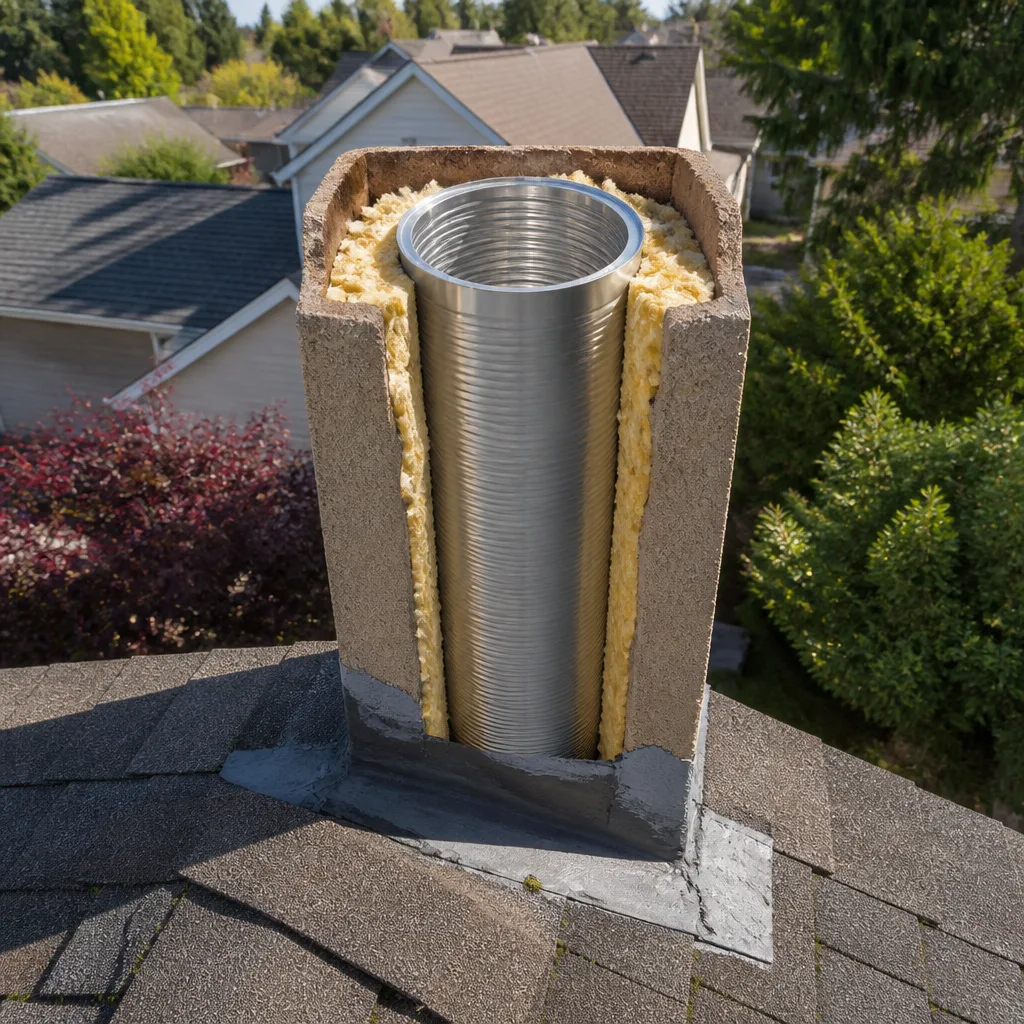
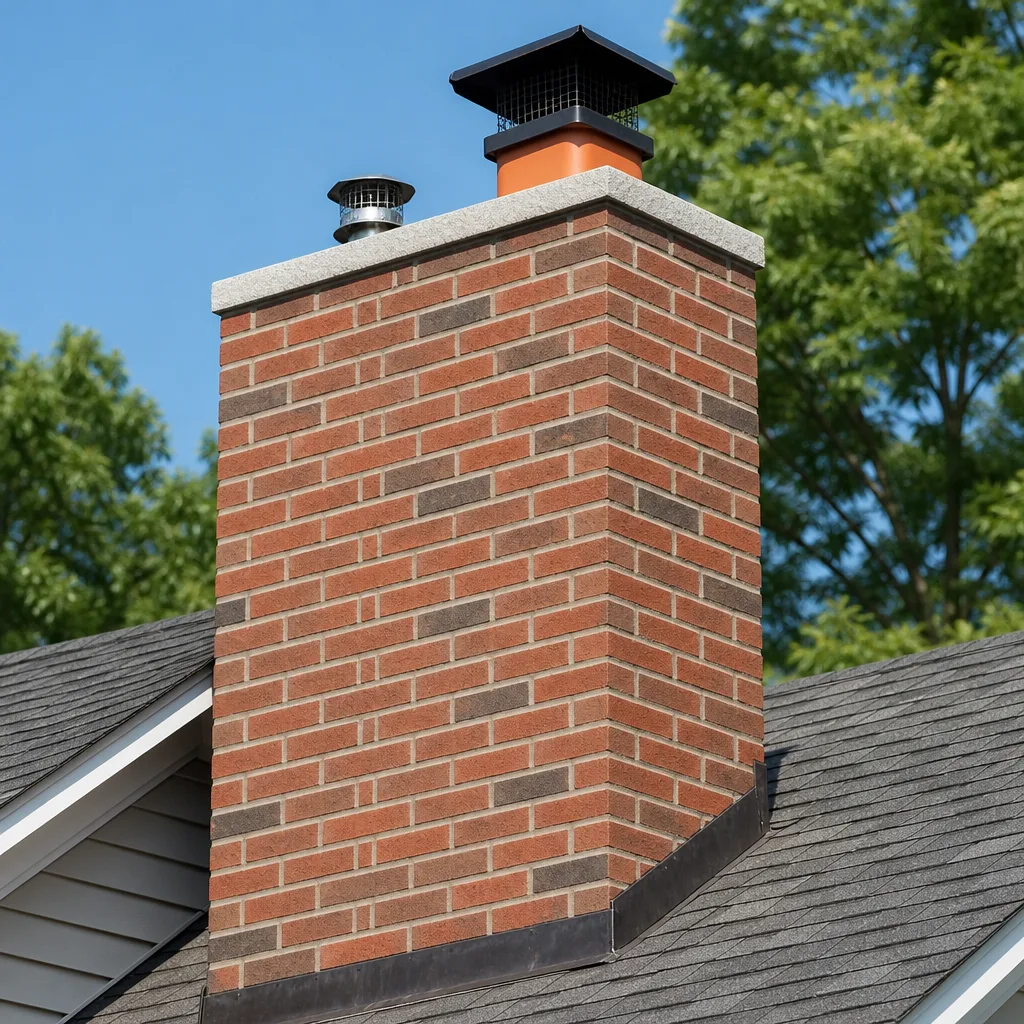
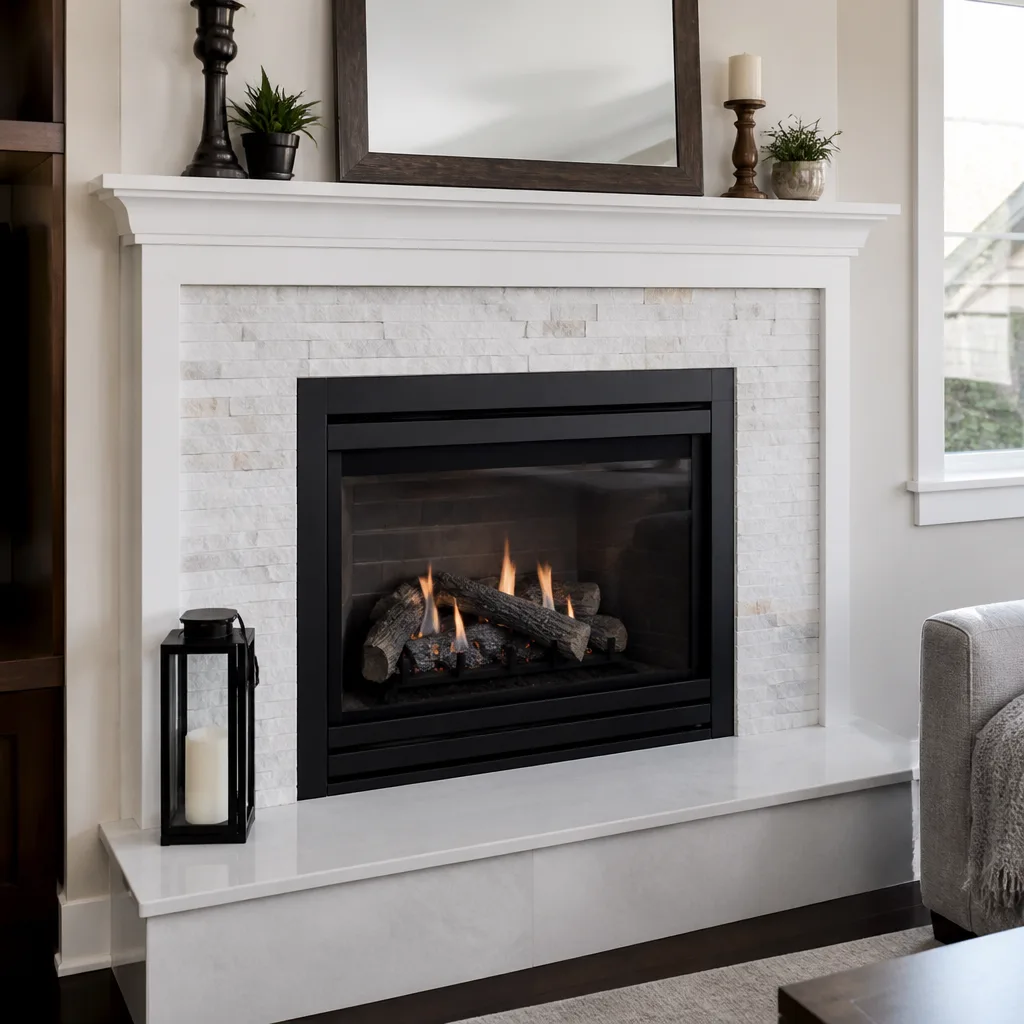
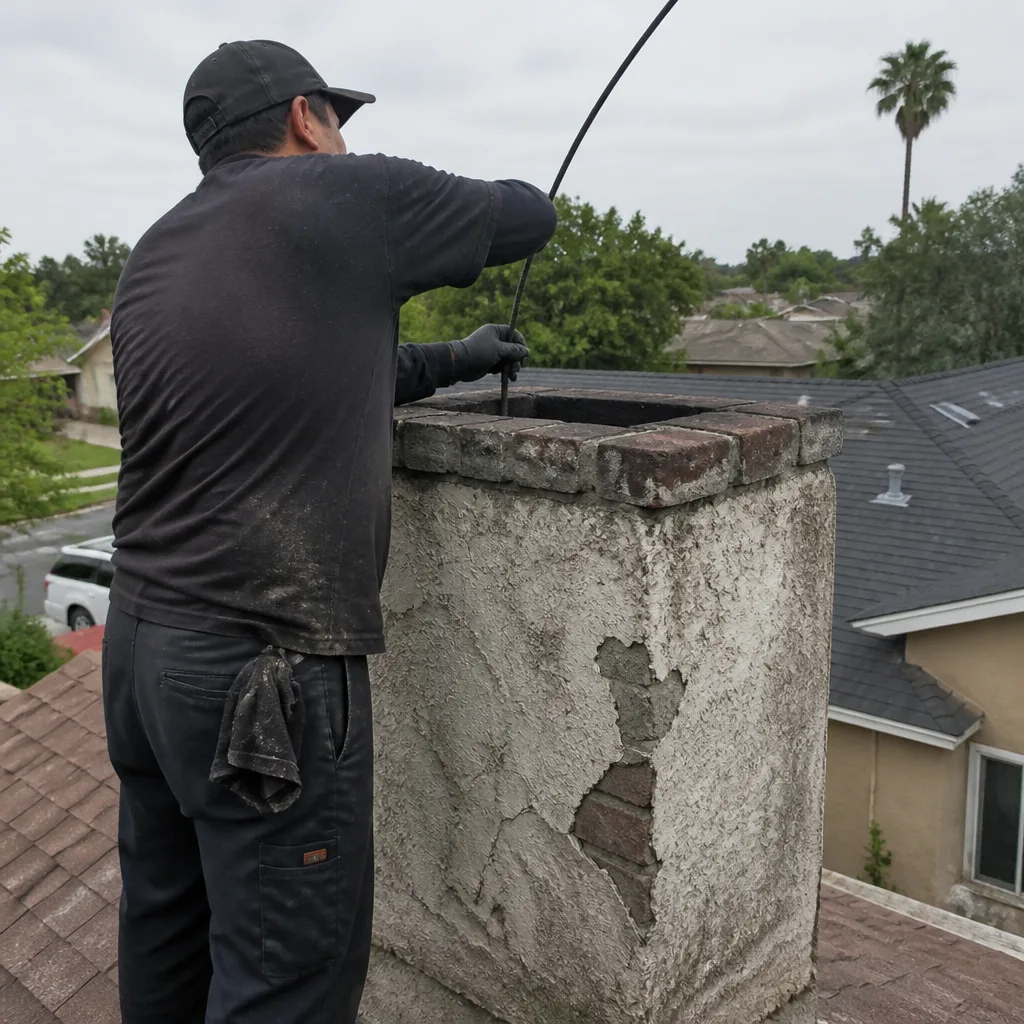 Before
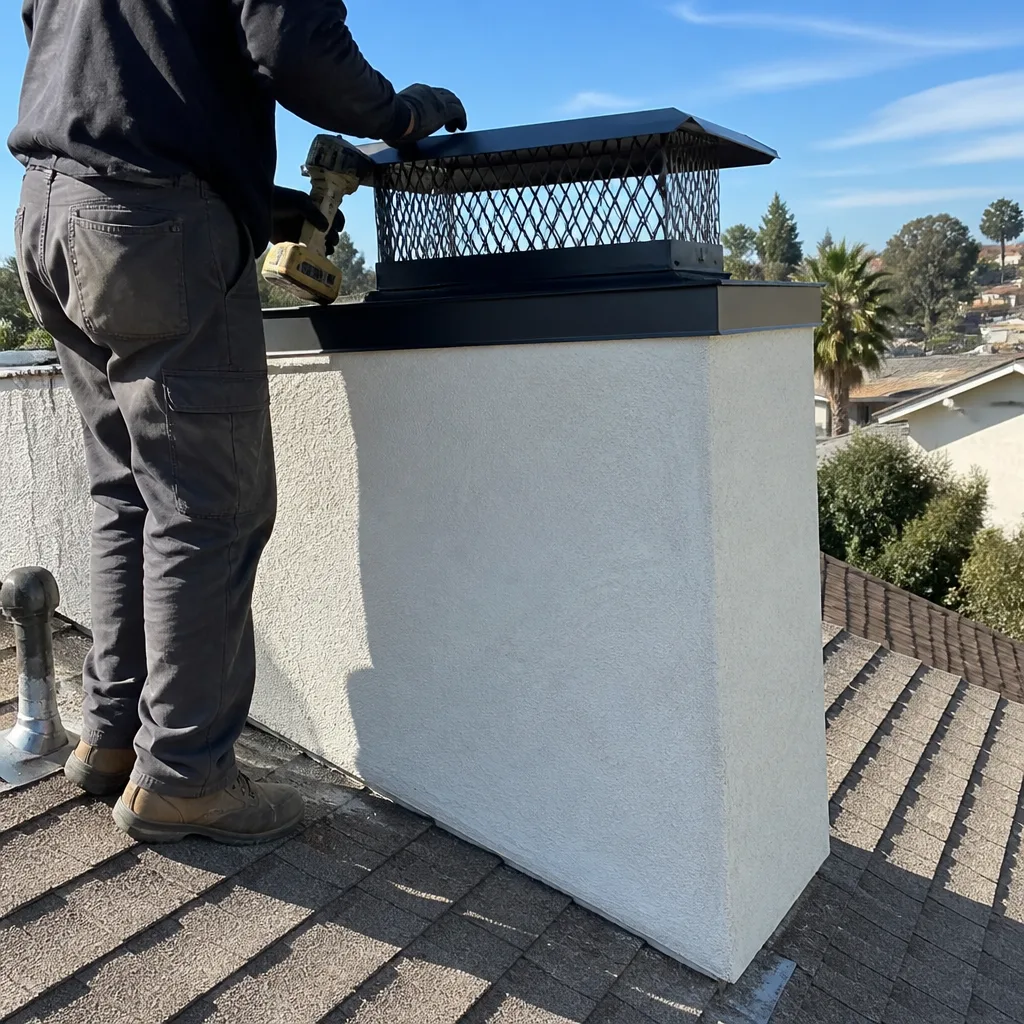 After
After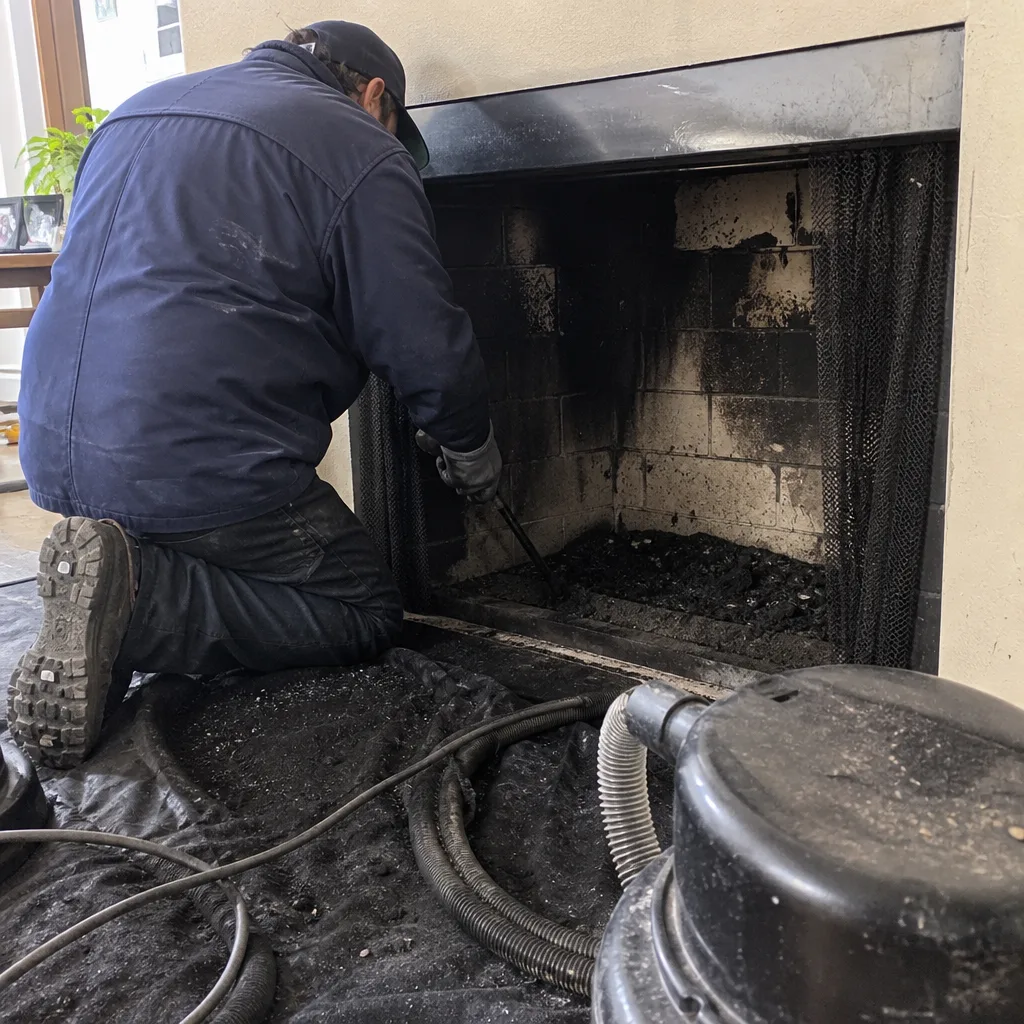 Before
 After
After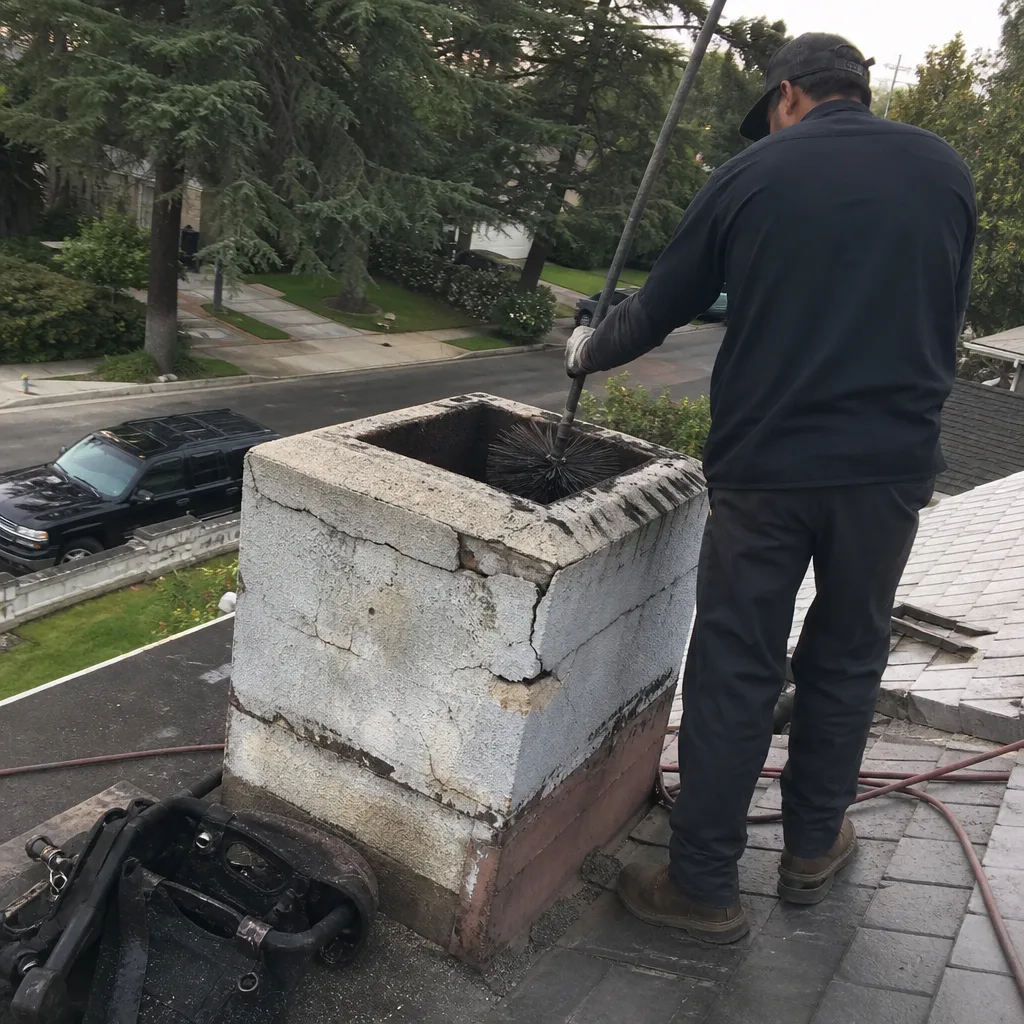 Before
 After
AfterChimney Inspection Warning Signs Every Homeowner Should Know
After a 4.0 or stronger earthquake – and Los Angeles typically sees several each year – your chimney can develop hairline cracks that look harmless from the ground but fail catastrophically under the first real fire of winter. We’ve inspected chimneys in Silver Lake and Pasadena where homeowners walked past visible damage for two seasons, never realizing that spalled flue tiles and degraded mortar joints were one hot burn away from a liner collapse or house fire. This guide will teach you to distinguish cosmetic wear from genuine danger, spot seismic damage patterns unique to Southern California, and know exactly when a warning sign demands immediate action versus routine monitoring.
Quick Answer
The most critical Chimney Inspection warning signs are: white efflorescence or rust stains on exterior brick (indicating moisture intrusion and liner failure), smoke that enters rooms instead of exiting the flue (draft collapse or blockage), a persistent campfire or asphalt odor when the fireplace isn’t in use (creosote saturation), and any new gap or tilt visible after seismic activity. In Los Angeles, where clay soil expansion and earthquake micro-tremors stress masonry year-round, these signs progress faster than in stable climates and warrant professional evaluation within days, not weeks.
Table of Contents
- Exterior Warning Signs You Can Spot From the Ground
- Interior and In-Home Warning Signs
- Seismic Damage Patterns Unique to Los Angeles
- A 5-Minute Self-Check Routine Before Calling a Pro
- What Each Warning Sign Costs to Fix in Los Angeles
- Triage Guide: Emergency, Urgent, or Routine
- Common Mistakes to Avoid
- When to Call a Professional
- Frequently Asked Questions
Exterior Warning Signs You Can Spot From the Ground
Most dangerous chimney conditions announce themselves on the outside first, if you know what to look past the obvious. A cracked chimney crown or missing cap is easy to spot; the real threats hide in subtler signals.
Efflorescence – the white powder on brick faces. This isn’t cosmetic. It’s mineral salts left behind when water moves through masonry and evaporates. In Los Angeles, where Santa Ana winds drive rapid wet-dry cycles after winter rains, efflorescence accelerates mortar degradation. We’ve seen it on 1920s Spanish Revival chimneys in Los Feliz and 1970s tract homes in the Valley alike. The water source is almost always a compromised flue liner, and the fix runs $1,800 – $3,500 for a stainless steel DuraFlex liner installation.
Spalling – brick faces that flake, pop, or crumble. Spalling occurs when moisture trapped inside brick freezes and expands. Los Angeles rarely freezes hard, but our intense summer heat does similar damage: moisture turns to vapor, pressure builds, and the brick face shears off. Spalled brick near the top third of the chimney strongly suggests a failed crown or missing cap letting water directly into the flue system.
Rust stains on masonry or the roof below. Rust means metal is corroding inside the chimney structure – typically the damper, firebox frame, or a galvanized chase cover on prefab units. Rust stains appearing after March rains in Los Angeles indicate water has been accumulating for months. The metal component is often already structurally compromised.
Cracked or missing chimney crown. The crown is the concrete slab topping a masonry chimney, sloped to shed water. A proper crown overhangs the brick by at least two inches. When it’s cracked flat or flush with the brick, water runs directly into the masonry core. In earthquake country, a cracked crown also indicates the chimney structure has shifted independently from the flue liner – a condition called liner settlement that creates dangerous gaps.
Tilted chimney or visible separation from the house. Any lean, even slight, is an emergency. It indicates foundation settlement, corroded anchor straps, or seismic damage to the chimney’s structural connection. Los Angeles building codes now require specific seismic strapping for this reason, but most chimneys built before 1997 lack adequate reinforcement.
Damaged or missing flashing. The metal where chimney meets roof should lie flat and sealed. Lifted, corroded, or caulked-over flashing (we see this constantly in Los Angeles where handymen “fix” it with roof cement) channels water directly into wall cavities and ceiling spaces.
Interior and In-Home Warning Signs
Some of the most serious chimney conditions reveal themselves through changes in your home’s air, not its brickwork. These signs often develop gradually enough that homeowners normalize them.
Persistent campfire or asphalt odor, especially in warm weather. Creosote – the tar-like byproduct of wood burning – has a distinct sharp smell when it warms above ambient temperature. If you smell it in July, your flue contains significant buildup, often in the upper reaches where summer heat concentrates. This is not normal. In Los Angeles, where many homeowners use fireplaces only occasionally, creosote can accumulate for years without the frequent hot fires that partially self-clean a flue.
Smoke that spills into the room on startup, even with an open damper. A healthy chimney establishes draft within seconds of lighting. Smoke rollback indicates: flue blockage (bird nests are common in Los Angeles, where non-migratory species nest year-round), a flue too small for the fireplace opening, negative pressure from modern HVAC systems, or structural damage altering flue geometry. Each cause demands different correction.
Cold drafts from the fireplace when not in use. Some draft is normal in winter. A constant cold airflow, or one that reverses direction with weather changes, suggests a missing or damaged damper, or a chimney top that lacks proper sealing against wind. Los Angeles hillside homes in neighborhoods like Mount Washington or Laurel Canyon experience amplified wind effects that worsen this condition.
Water stains on ceiling or walls adjacent to the chimney chase. These often appear months after the actual leak began, as insulation and framing saturate. By the time drywall discolors, you may have rotted structural members. The source is usually failed flashing, but can also be a cracked chimney crown or, in prefab units, a rusted chase cover with no overhang.
White residue on firebox walls. This is flue gas condensate, indicating that exhaust is cooling too rapidly before exiting – typically because the flue liner is damaged or oversized, or because exterior chimney exposure in Los Angeles canyon winds creates excessive heat loss.
Difficulty opening or closing the damper. A damper that sticks, grinds, or won’t fully seal has often warped from heat exposure or corroded from moisture. Either condition compromises both safety and efficiency.
Seismic Damage Patterns Unique to Los Angeles
Generic chimney guides ignore earthquake risk because most of the country doesn’t face it. Los Angeles homeowners must evaluate chimneys through a different lens.
Our seismic environment creates damage patterns distinct from freeze-thaw or simple aging:
- Flue liner settlement cracks. The masonry chimney and the clay flue tiles inside it expand, contract, and shake at different rates. After significant seismic events, the flue can settle independently, creating a gap at the top where exhaust leaks into the chimney walls instead of exiting. This gap is invisible from below and often hidden from above. A Level 2 inspection with a chimney camera is the only reliable detection method.
- Mortar joint shear at the smoke chamber. The smoke chamber – the area above the firebox that funnels smoke into the flue – is the most structurally stressed part of any chimney. In Los Angeles, shallow earthquakes transmit lateral force directly through this angled masonry. We’ve found separated smoke chamber walls in homes that “felt fine” after quakes, with gaps large enough to leak combustion gases into framing cavities.
- Foundation separation at chimney bases. Los Angeles sits on varied soil types, from expansive clays in the Basin to sandy loams on the Westside. Clay soils swell when wet and shrink when dry, creating cyclical foundation movement. Chimneys, being rigid and often poorly tied to the main structure, crack at their base first. A hairline crack at the chimney-house junction can widen to structural failure over several seasons.
- Prefabricated chimney chase displacement. Factory-built metal chimneys common in post-1970s Los Angeles construction rely on precise clearance to combustibles. Seismic movement can shift the chase relative to its framed enclosure, reducing or eliminating required air gaps. This creates immediate fire risk with no visible exterior change.
The 1994 Northridge earthquake damaged an estimated 60,000 chimneys in Los Angeles County. Many were repaired cosmetically – brick repointed, crowns patched – without internal inspection. Those chimneys remain in service today, their flue liners potentially cracked, their smoke chambers potentially separated. If your home was built before 1995 and has never had a camera inspection, the statistical probability of hidden seismic damage is significant.
A 5-Minute Self-Check Routine Before Calling a Pro
You cannot replace professional inspection, but you can identify whether one is warranted. Perform this check in daylight, after rain if possible, when damage signs are most visible.
- Ground-level 360. Walk around your home and sight the chimney against the sky. Look for any lean, twist, or change from vertical. Binoculars help but aren’t required. Note any new gaps between chimney and siding or roofline.
- Brick and mortar survey. From the ground, scan for spalled faces, missing mortar (joints recessed more than half an inch), or efflorescence. Focus on the top third where water and wind concentrate damage. In Los Angeles, south and west exposures degrade fastest.
- Crown and cap check. If visible, the crown should slope away from the flue opening and overhang the brick. The cap should cover the flue with mesh sides intact. Missing mesh means open entry for birds and rodents.
- Roofline and flashing. From a safe position on the ground or a ladder at gutter height only, examine where chimney meets roof. Look for lifted metal, dried caulk, or water staining on shingles below.
- Interior sniff and sight. Open the damper fully. Smell for creosote or damp ash odor. Shine a flashlight up the flue – you should see relatively clean masonry or metal, not heavy black buildup, visible cracks, or daylight where the flue should continue.
Any positive finding from steps 1 – 4 warrants professional evaluation within two weeks. A positive finding from step 5, especially odor or visible cracks, warrants evaluation within days. Document what you found with phone photos – they’ll help the technician focus the inspection and provide context if you need to explain symptoms.
What Each Warning Sign Costs to Fix in Los Angeles
Real dollar ranges help you triage urgency and budget realistically. These are 2024 – 2025 market rates for the Los Angeles area, including permit costs where required.
| Condition | Typical Repair | Los Angeles Price Range |
|---|---|---|
| Standard chimney sweep and Level 1 inspection | Mechanical cleaning, basic visual assessment | $175 – $275 |
| Level 2 inspection with camera | Video scan of flue interior, written report | $250 – $400 |
| Creosote removal (light to moderate) | Standard sweep, may require rotary tools | $200 – $350 |
| Glazed creosote removal (heavy buildup) | Chemical treatment plus mechanical removal | $400 – $700 |
| Chimney crown repair (minor cracks) | Crown sealant or partial rebuild | $350 – $800 |
| Chimney crown replacement | Full concrete crown with proper overhang | $1,200 – $2,500 |
| Stainless steel liner (DuraFlex or equivalent) | Insulated liner, proper sizing, connection | $1,800 – $3,500 |
| Smoke chamber parging (HeatShield) | Resurfacing with UL-listed refractory material | $1,500 – $2,800 |
| Tuckpointing (repointing mortar joints) | Grind and replace deteriorated mortar | $15 – $35 per square foot of wall |
| Chimney rebuild (partial) | Reconstruct above roofline | $3,500 – $7,000 |
| Chimney rebuild (full) | Complete reconstruction | $8,000 – $15,000+ |
| Prefab chase cover replacement | Custom-fabricated with proper drip edge | $400 – $900 |
| Gas fireplace repair (diagnostic) | Troubleshoot ignition, valve, or venting | $150 – $250 |
| Gas fireplace repair (component replacement) | Valve, pilot assembly, thermopile, etc. | $300 – $800 |
These ranges reflect Los Angeles labor costs and permit requirements. Every Alcott Chimney Sweep repair includes a written price before work begins – no surprise additions after inspection. Our Chimney Inspection in Los Angeles service provides the camera documentation that determines which of these repairs, if any, your chimney actually needs.
Triage Guide: Emergency, Urgent, or Routine
Not every warning sign demands immediate response. Use this framework to prioritize.
Emergency – do not use fireplace; call within 24 hours:
- Visible lean or separation of chimney from structure
- Smoke entering living spaces during normal operation
- Fallen bricks or masonry debris on roof or ground
- Strong gas odor (possible gas leak, not chimney-specific but critical)
- New crack wider than 1/4 inch after seismic event
Urgent – schedule inspection within 1 – 2 weeks:
- Efflorescence or rust stains on exterior
- Spalled brick in multiple locations
- Persistent creosote odor in warm weather
- Damper that won’t fully open or close
- Water stains on adjacent walls or ceiling
- Any positive finding from interior camera view (cracks, gaps, heavy buildup)
Routine – address at next scheduled maintenance:
- Minor crown cracking without water intrusion evidence
- Single spalled brick with no other symptoms
- Slight draft variation with weather changes
- Normal ash residue in firebox after burning season
The threshold between urgent and emergency often depends on use patterns. A chimney with significant creosote buildup becomes emergency-level if you plan to burn regularly, but might remain urgent if you use the fireplace twice yearly for ambiance. Be honest with yourself about frequency and intensity of use.
Common Mistakes to Avoid
- Assuming no fireplace use means no maintenance needed. Even dormant chimneys deteriorate from moisture, seismic stress, and pest intrusion. We’ve found bird nests blocking flues in Los Angeles homes where the fireplace hadn’t been lit in five years.
- Trusting a “clean” visual inspection from the bottom. The first six feet of flue are the easiest to see and often the cleanest. Damage concentrates at the top where temperature swings and moisture exposure are most extreme. Only a camera inspection reveals this.
- Accepting a handyman’s caulk-and-crown-seal fix for flashing leaks. Roof cement and silicone caulk on chimney flashing is a temporary disguise, not a repair. Proper flashing requires step flashing woven with shingles and counterflashing embedded in mortar joints – skilled masonry work, not sealant application.
- Ignoring earthquake history. Los Angeles homeowners often say “that quake wasn’t bad at my house” without realizing that 3.5 – 4.5 magnitude events transmit enough energy to crack flue tiles. The damage is hidden and cumulative.
- Delaying inspection until burning season begins. Chimney service demand spikes in October and November. Scheduling in spring or summer means faster appointment availability, more time to complete any needed repairs before cold weather, and often better pricing flexibility.
- Accepting verbal estimates without written confirmation. A legitimate chimney professional provides written scope and pricing before work begins. Vague promises of “we’ll see what we find” without a clear inspection protocol invite unnecessary upsells.
- Confusing a chimney sweep with a structural inspection. Sweeping removes combustible buildup. It does not evaluate liner condition, smoke chamber integrity, or seismic damage. Both services are necessary, but they are not interchangeable.
When to Call a Professional
Call a certified chimney professional when any emergency or urgent sign appears, when your chimney is over 10 years old and has never had a camera inspection, or when you’re purchasing a home with a fireplace in Los Angeles (where disclosure laws may not capture chimney-specific conditions). After any earthquake you felt, even briefly, a Level 2 inspection is prudent – the cost of detection is minor compared to the cost of a chimney fire or carbon monoxide incident.
Alcott Chimney Sweep offers free estimates in Los Angeles. We’ll provide your technician’s name and photo before arrival, a written price before any work begins, and a 365-Day Done Right Promise on every completed repair. Call (336) 863-3889 to schedule.
Frequently Asked Questions
A Level 1 visual inspection typically runs $100 – $200 when bundled with a sweep, or $150 – $250 standalone. A Level 2 inspection with interior camera scan runs $250 – $400 in the Los Angeles market. The camera inspection is essential for detecting hidden flue damage, seismic cracks, and creosote buildup in upper reaches that visual inspection cannot reach. Call (336) 863-3889 for an exact quote – estimates are free.
You should never accept a liner recommendation without seeing camera evidence. A legitimate technician shows you the video or still images of cracks, gaps, or deterioration, explains the safety implications, and provides a written scope with brand specifications. At Alcott Chimney Sweep, we install DuraFlex stainless steel liners and document pre-existing conditions with photo and video evidence you can review yourself. If a company cannot or will not show you the damage, get a second opinion.
The National Fire Protection Association recommends annual inspection for all chimneys, and sweeping when creosote buildup exceeds 1/8 inch; see our Chimney Sweep Maintenance Schedule: What to Do and When for a detailed timeline. For Los Angeles homeowners who burn wood regularly (more than twice weekly in season), annual sweeping is typically necessary. Occasional users may extend to every two years if annual inspection shows minimal buildup. Gas fireplaces need annual inspection of valves, burners, and venting, though they don’t produce creosote.
Skipped maintenance leads to three predictable outcomes: creosote accumulation increases chimney fire risk (Los Angeles Fire Department responds to dozens of chimney fires annually); moisture intrusion degrades masonry and metal components, accelerating repair costs; and hidden damage from seismic activity or normal aging progresses undetected until it requires major reconstruction rather than minor repair. The cost of routine maintenance is typically 5 – 10% of the cost of rebuilding a neglected chimney.
Ground-level visual checks are safe and worthwhile. Do not climb on your roof to inspect chimney tops – falls from roof height are a leading cause of serious injury among homeowners. Do not attempt to disassemble damper assemblies or enter the flue. For anything beyond the 5-minute self-check routine described above, hire a professional with proper equipment and training. The inspection cost is minor compared to emergency room bills or worse.
A chimney sweep cleans the flue of combustible deposits. A chimney inspector evaluates the entire system – structure, liner, smoke chamber, damper, flashing, crown, and clearances – for safety and code compliance. In Los Angeles, where seismic codes and air quality regulations create additional compliance layers, these distinctions matter. Alcott Chimney Sweep provides both services, clearly scoped, with written documentation of findings and recommendations. Our Chimney Sweep in Los Angeles page details our full service offerings.
The Bottom Line
The chimney problems that destroy Los Angeles homes rarely announce themselves dramatically. They develop quietly – a hairline flue crack after a March tremor, creosote glazing from two mild winters of occasional fires, mortar degradation from Santa Ana wind-driven moisture cycling. The homeowners who avoid catastrophe are those who learn to read subtle warning signs, perform routine ground-level checks, and schedule professional camera inspection before damage becomes dangerous. Your chimney is a structural element exposed to earthquake, fire, and weather simultaneously. It deserves the same attentive maintenance you’d give your roof, your foundation, or your electrical panel. For homeowners who want certainty about what they’re facing and what it will cost to fix, professional inspection with documented evidence is the only path forward. Explore our more guides & resources to stay informed about chimney safety.
Written by Ruben Castellano, Owner at Alcott Chimney Sweep, serving Los Angeles since 2002.