
Last updated October 9, 2026
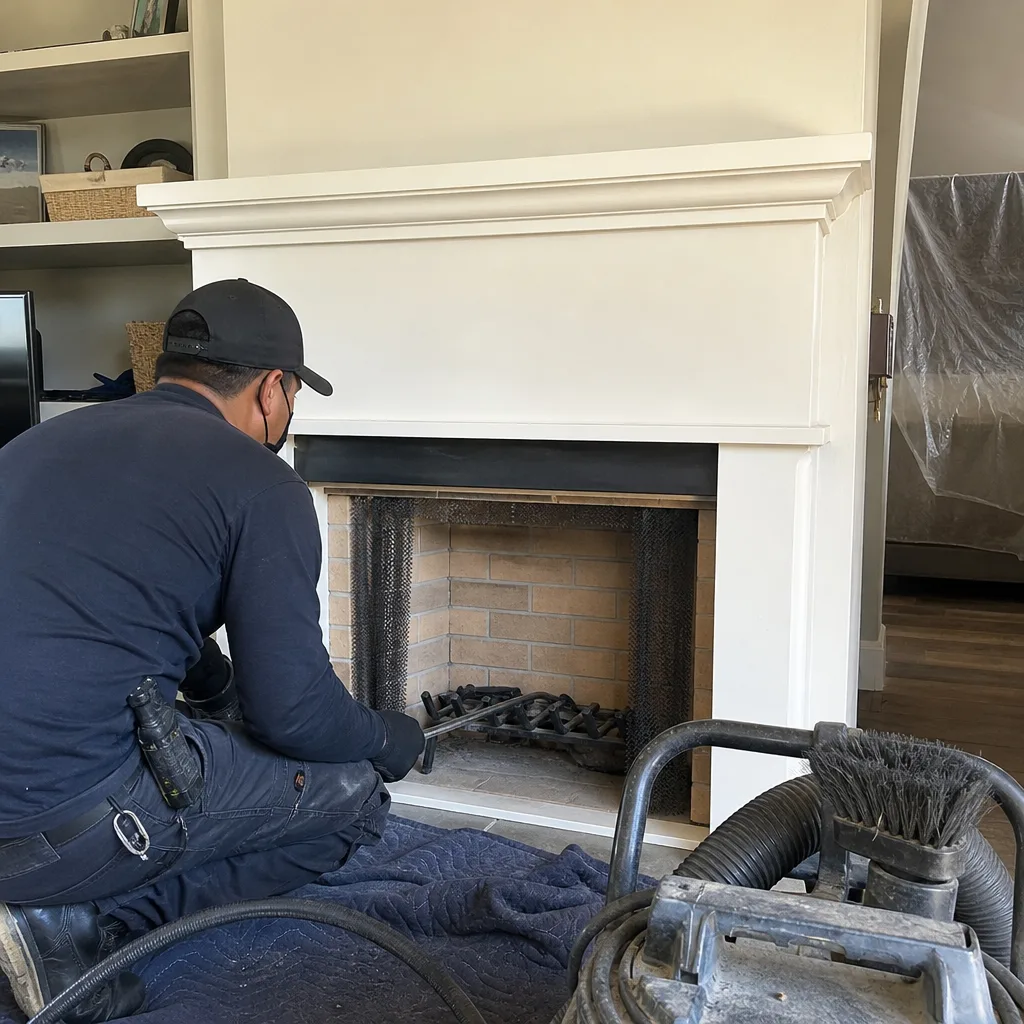
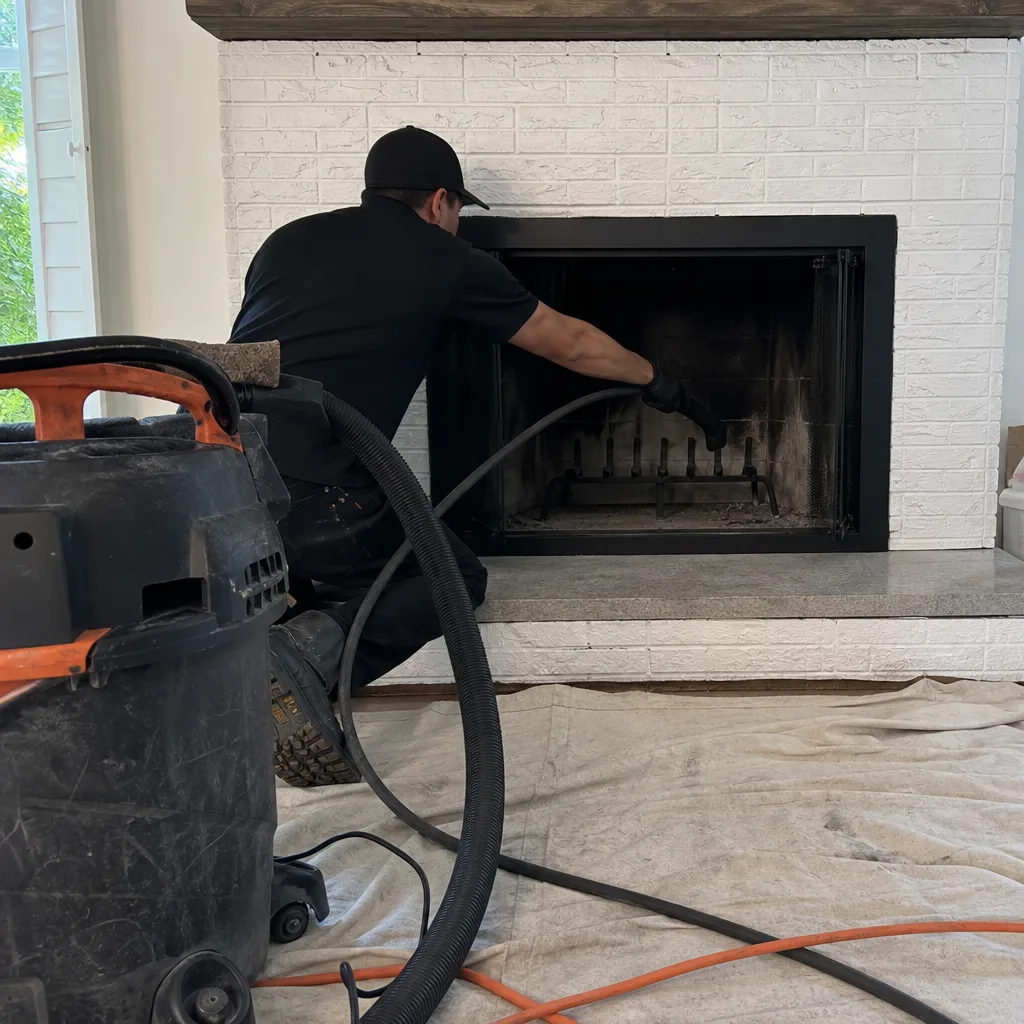
Level 1 sweep and inspection to the NFPA 211 annual standard - flue, crown, cap, and flashing checked and photographed
Chimney sweep logs do not sweep chimneys. They loosen some creosote - which then falls where a brush and vacuum still have to collect it.
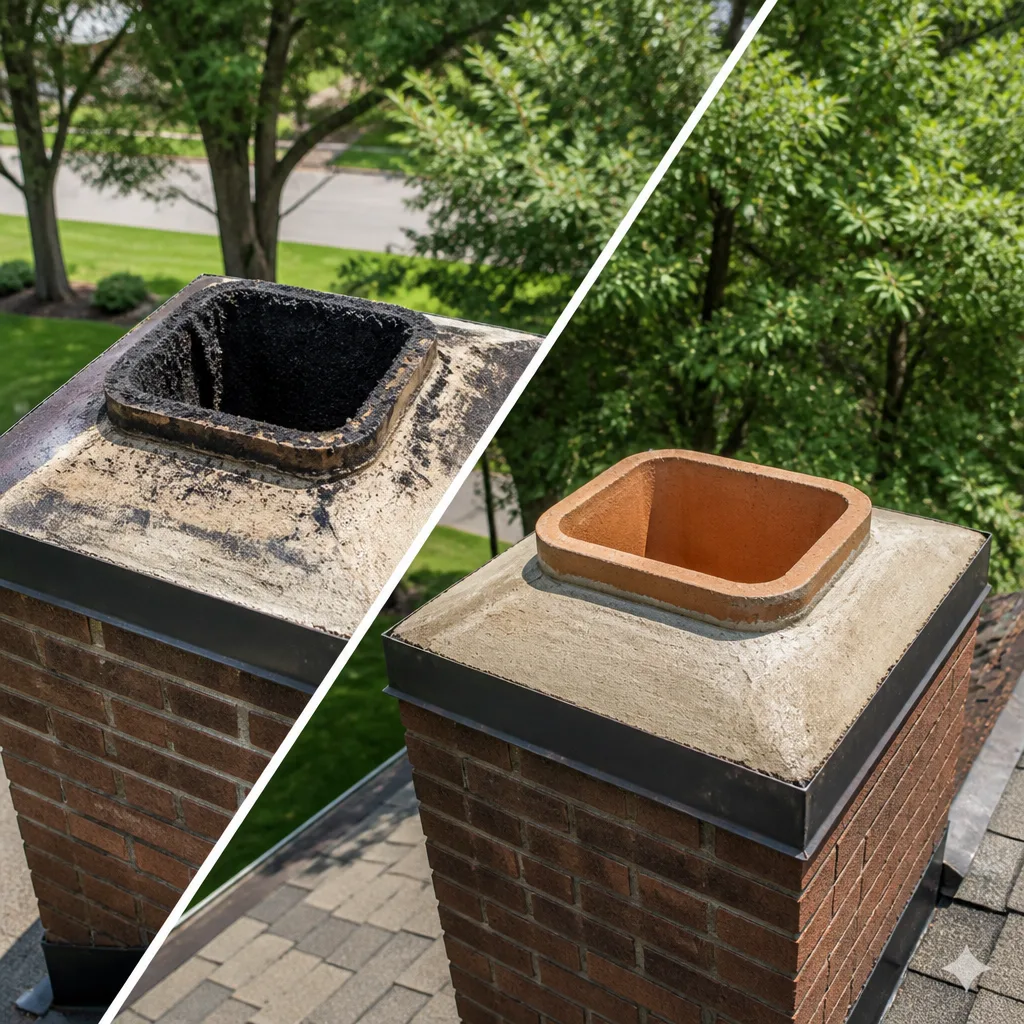
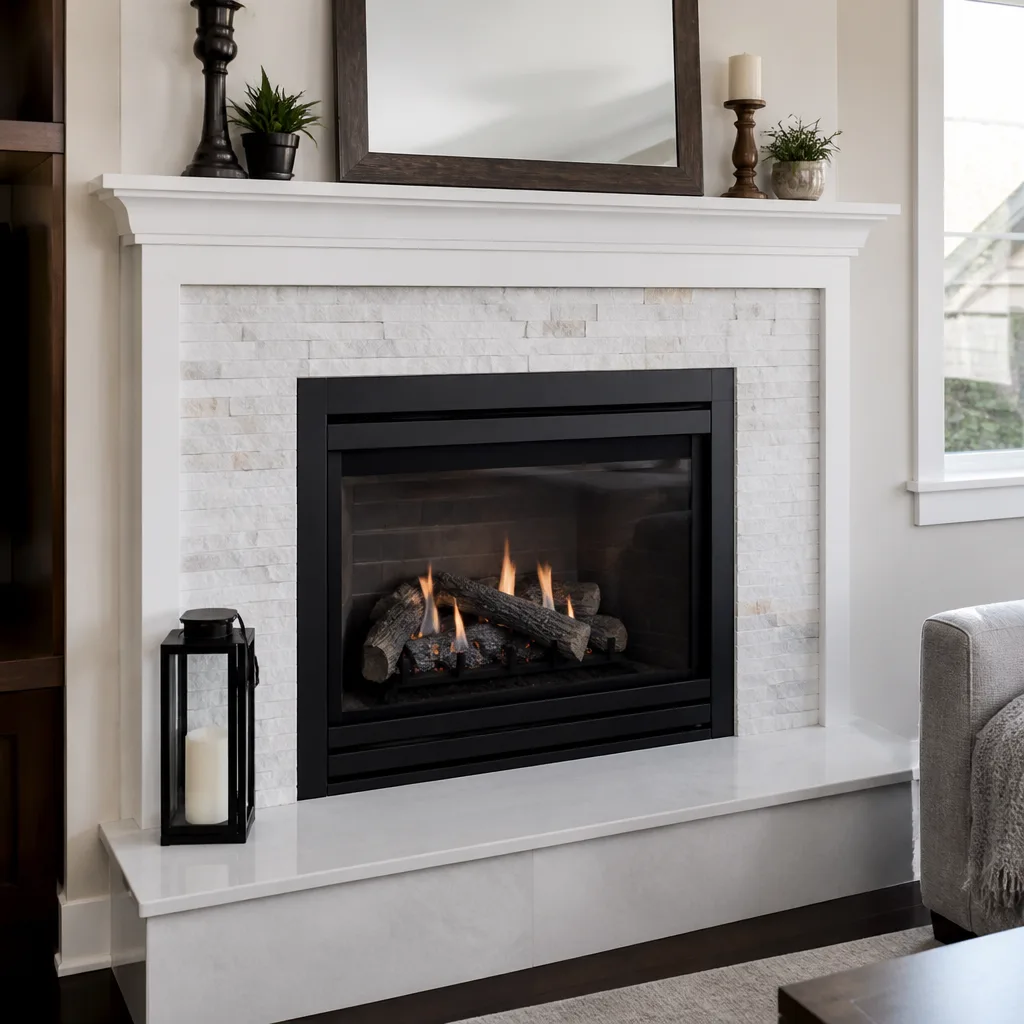
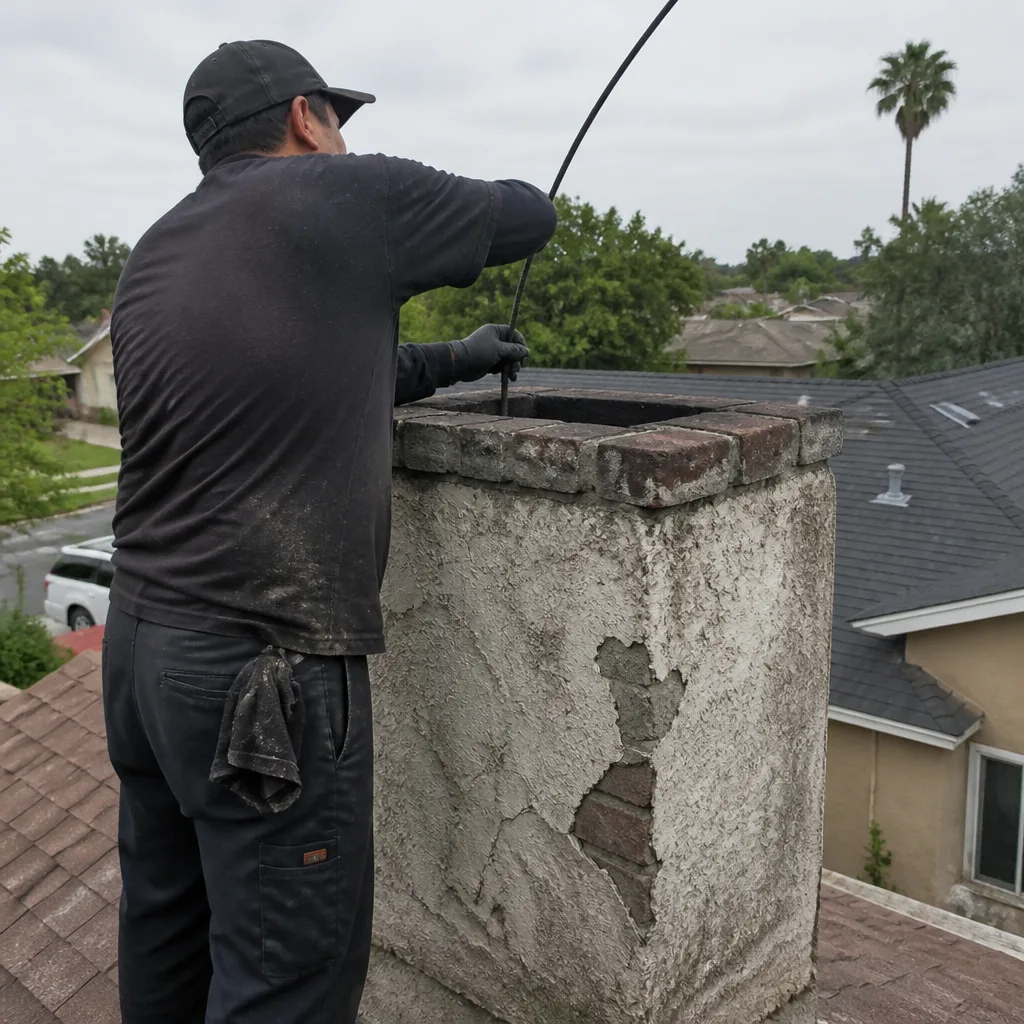 Before
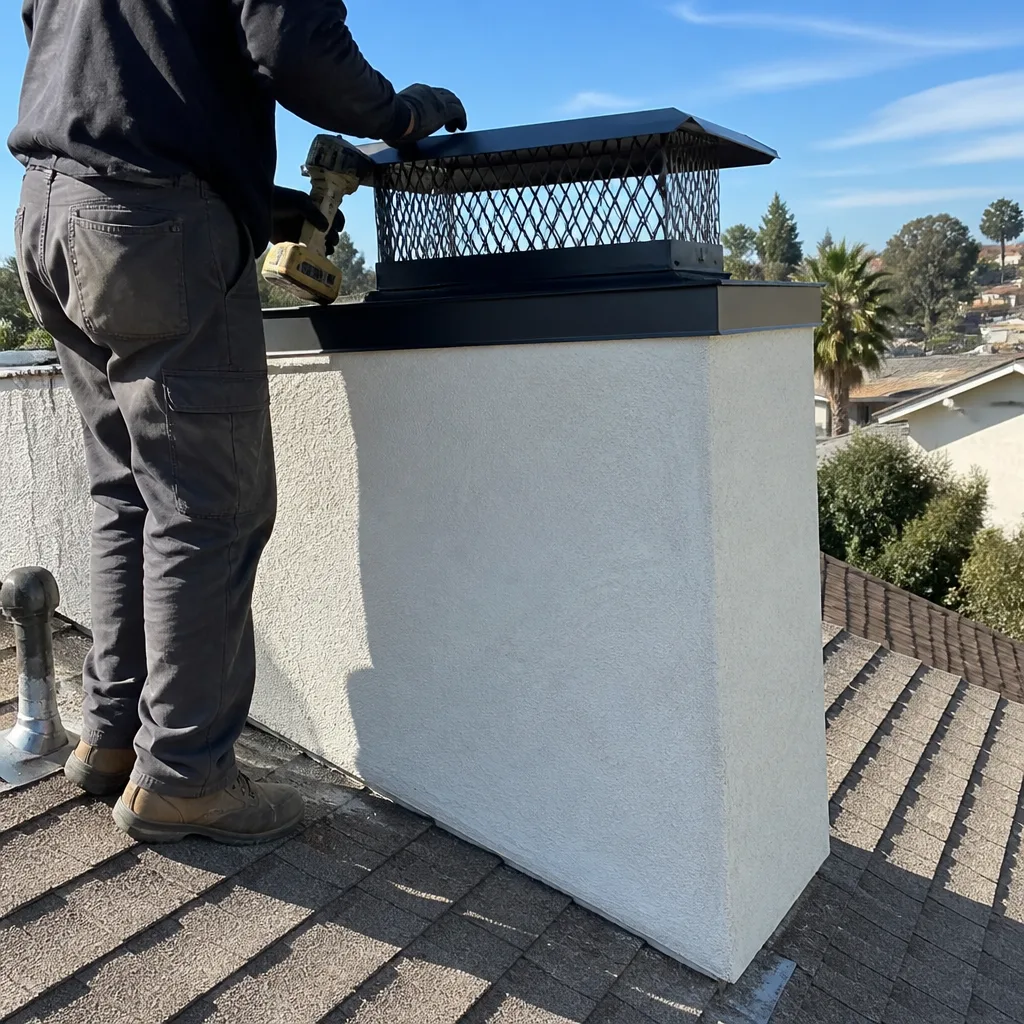 After
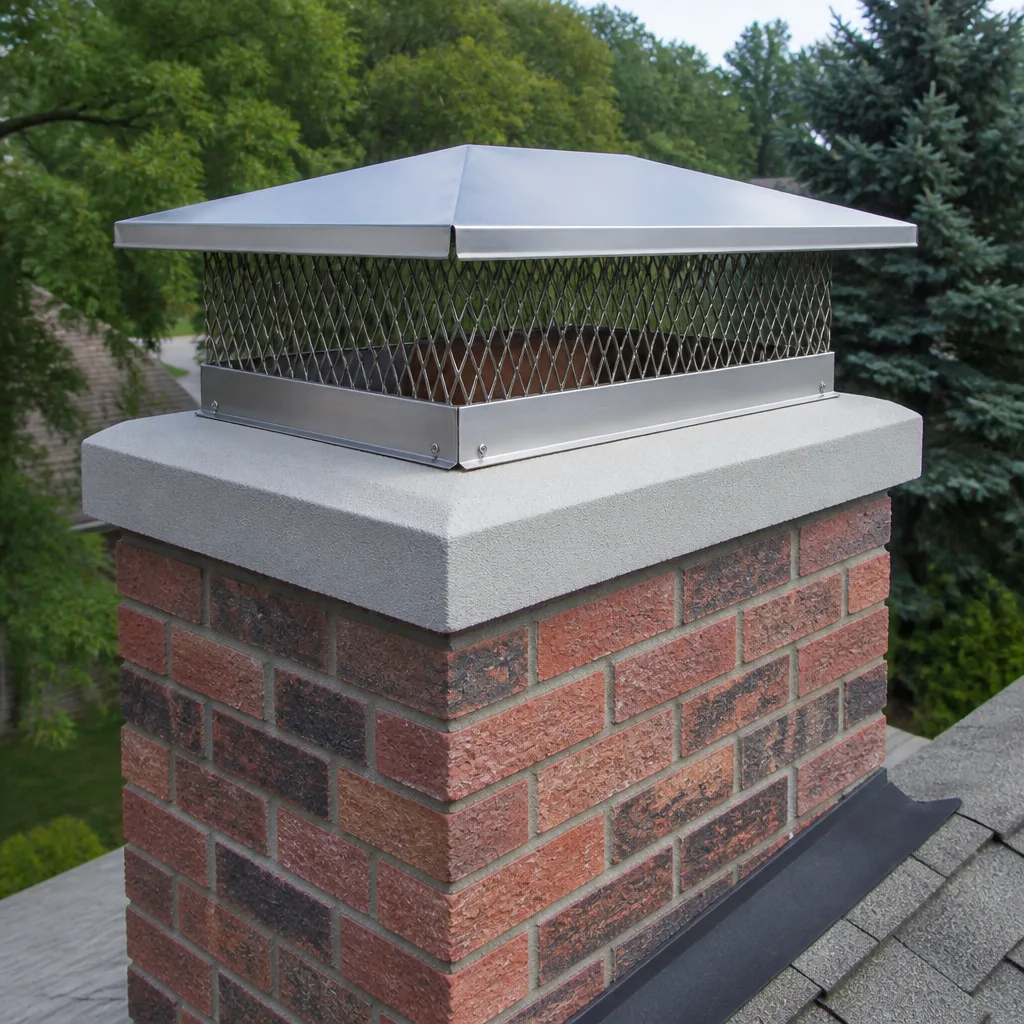
After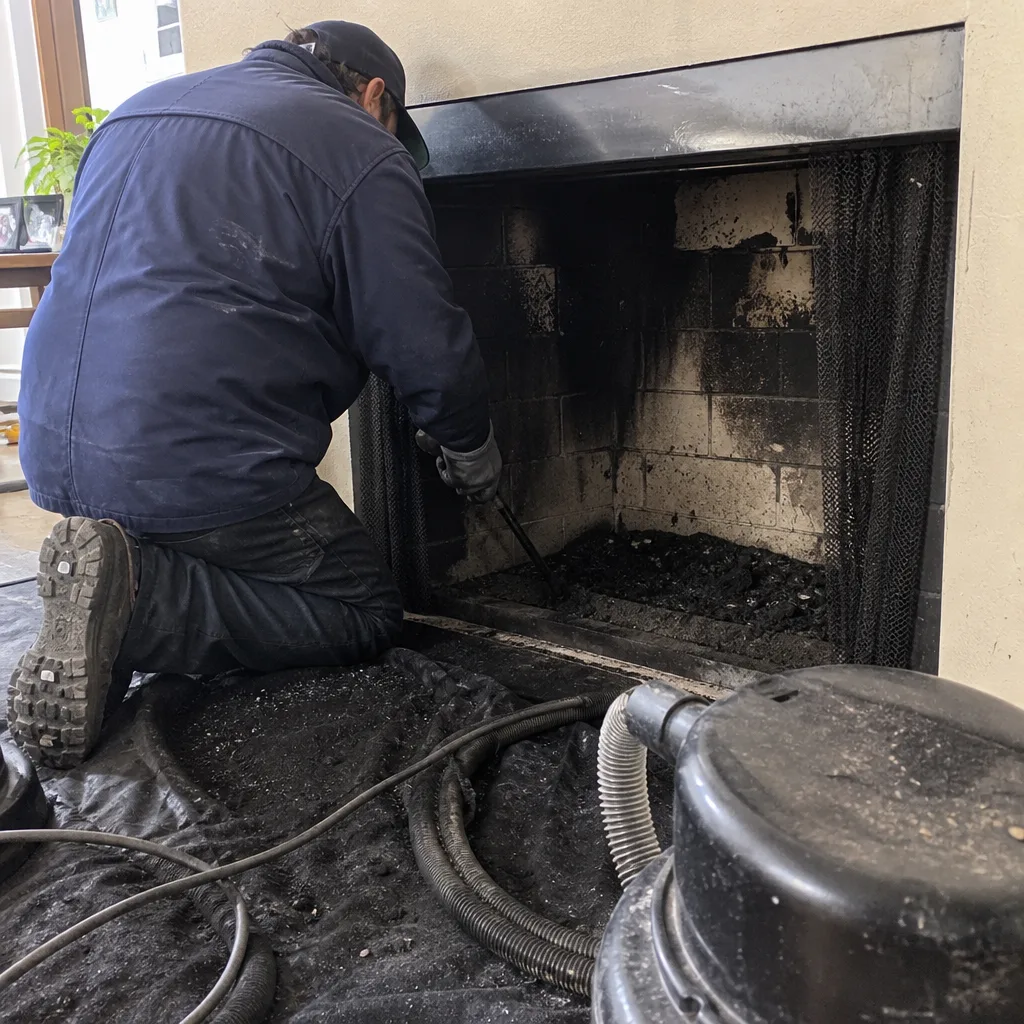 Before
 After
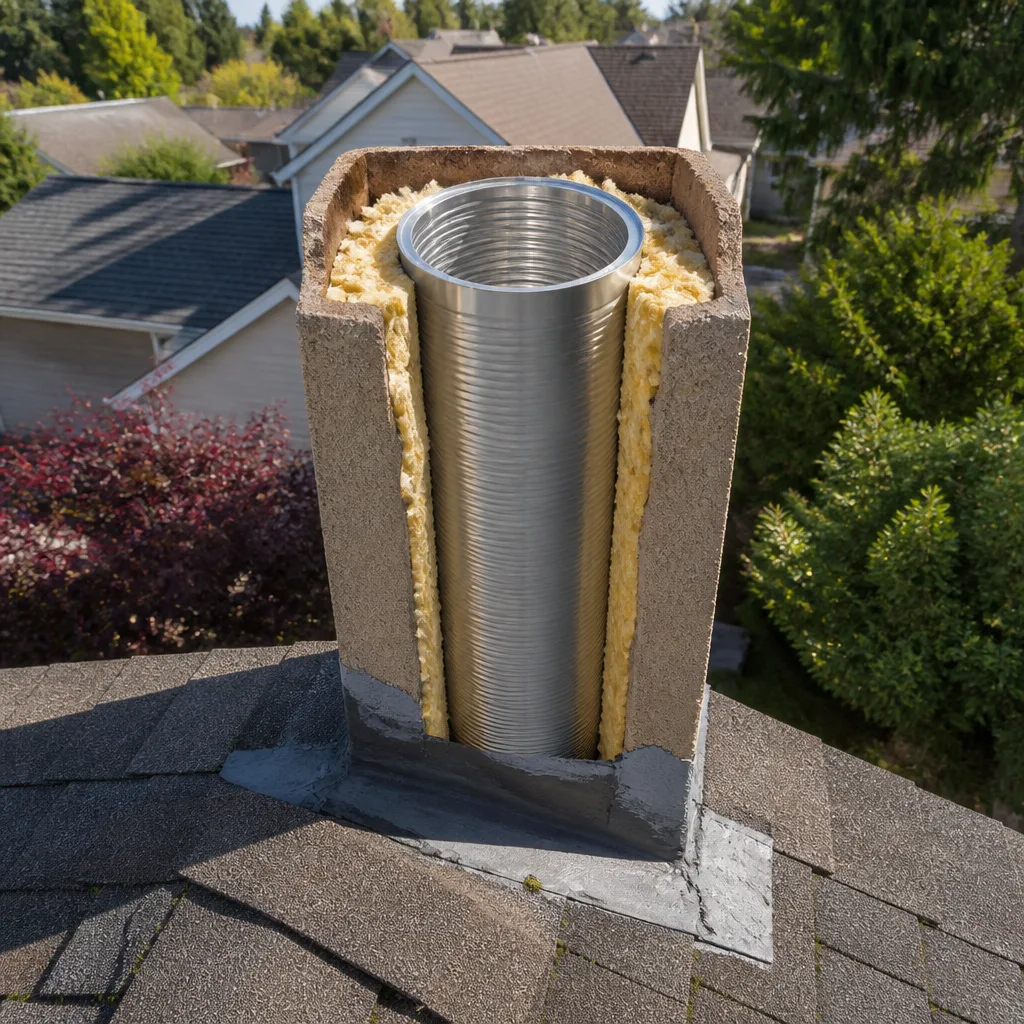
After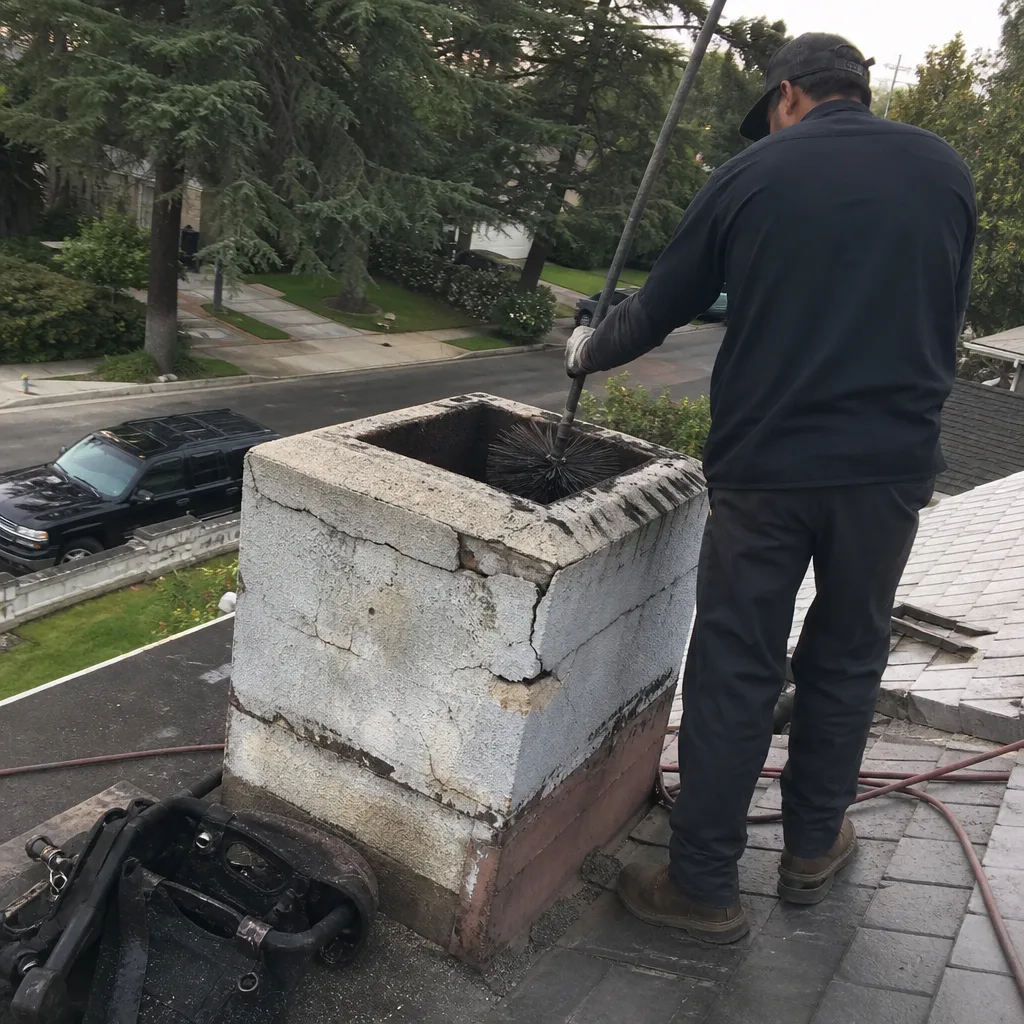 Before
 After
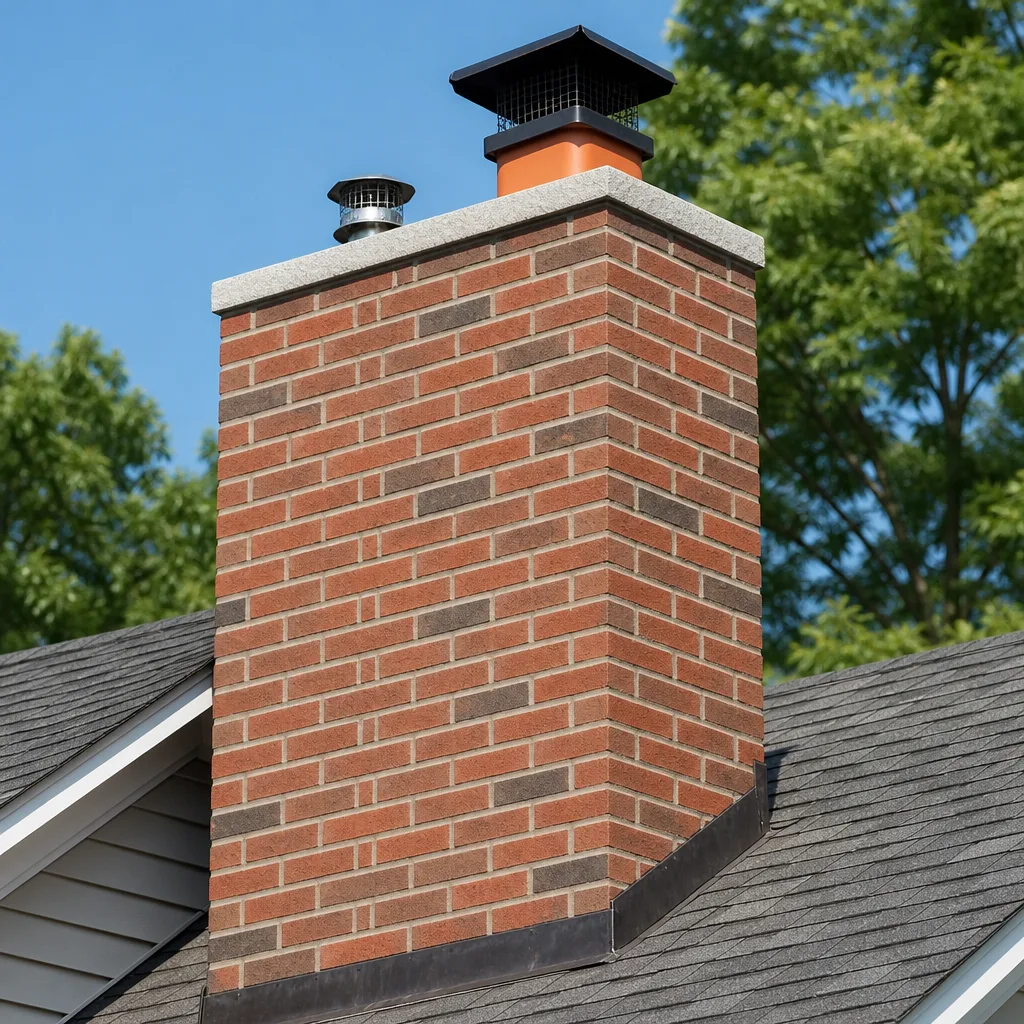
AfterThe Complete Gas Fireplace Repair Guide for Los Angeles Homeowners
Here’s something most Los Angeles homeowners don’t realize until it’s too late: if your gas fireplace won’t relight after a small earthquake, the problem is almost never the fireplace itself. It’s the seismic gas shut-off valve that tripped at your meter, and resetting it incorrectly can void your homeowner’s insurance. In this guide, we’ll walk you through the real landscape of Gas Fireplace Repair services in Los Angeles – from SoCalGas permit requirements and seismic valve interactions to the specific pilot assembly designs that dominated tract-home builds across the San Fernando Valley and South Bay during the 1980s and 1990s. You’ll learn what repairs actually cost in this market, how to verify a technician’s California license, and when a “simple” fix is anything but.
Quick Answer
Gas fireplace repair in Los Angeles typically costs $150 – $650 depending on the component failed, with most service calls landing in the $200 – $400 range for common issues like thermocouple replacement, pilot assembly cleaning, or valve troubleshooting. Repairs requiring city permits or SoCalGas sign-off, such as gas line modifications or seismic valve replacements, add permit fees of $75 – $250 and may extend the timeline by 3 – 10 business days. A qualified technician should carry a California C-36 Plumbing license or C-61/D-40 specialty contractor license for gas fireplace work, not just a generic “certification.”
Table of Contents
- Why Gas Fireplace Repair in Los Angeles Is Different
- Seismic Gas Shut-Off Valves: The Hidden Culprit
- Common Gas Fireplace Problems by LA Housing Era
- What Gas Fireplace Repair Costs in Los Angeles
- Permits, Codes, and SoCalGas Requirements
- How to Verify a Technician Is Actually Licensed in California
- Brands and Materials That Hold Up in LA Conditions
- Maintenance and Prevention: What Works in Our Climate
Why Gas Fireplace Repair in Los Angeles Is Different
Los Angeles presents a unique stack of variables that national gas fireplace guides simply don’t address. Our seismic activity means most homes built after 1991 have seismic gas shut-off valves installed at the meter – devices that interact with your fireplace’s gas supply in ways that create confusing symptoms. Our housing stock clusters into distinct eras with predictable equipment: the 1970s masonry conversions in the Hollywood Hills, the 1980s tract-home prefab inserts across Van Nuys and Northridge, the 1990s direct-vent units in Redondo Beach and Torrance, and the 2000s+ high-efficiency systems in newer infill developments.
Each era carries its own failure patterns. We’ve serviced enough units in Burbank and Glendale to recognize that 1980s Robertshaw and White-Rodgers pilot assemblies develop thermopile degradation at roughly 15 – 20 years - a topic covered in depth in DIY vs Professional Chimney Cleaning: The Los Angeles Homeowner’s Decision Guide – right when many of these homes are hitting their second or third owner who has no maintenance history. Meanwhile, the 1990s Heat-N-Glo and Majestic inserts common in Santa Clarita and Simi Valley frequently suffer from failed blower motors and cracked refractory panels, problems that look like “gas” issues but are actually mechanical.
Our climate matters too. Los Angeles’s dry, warm conditions mean rust from humidity is less of a factor than in coastal Northern California, but dust accumulation is severe. The Santa Ana winds drive fine particulate into venting systems, and the lack of regular heating-season use means spiders and insects colonize pilot orifices during the eight months most units sit idle. When that first cold December evening arrives, the failure rate spikes across the entire metro area.
The regulatory environment adds another layer. Los Angeles operates under the Los Angeles City Mechanical Code (based on the Uniform Mechanical Code with local amendments), but SoCalGas maintains separate authority over gas service connections and meter work. This split jurisdiction confuses homeowners and some contractors alike. A repair that seems straightforward – replacing a gas valve near the fireplace – may actually require coordination between city permitting and utility sign-off if it affects pressure regulation or earthquake safety equipment.
Seismic Gas Shut-Off Valves: The Hidden Culprit
After any seismic event of 5.0 magnitude or greater, or sometimes after significant roadwork vibration, your seismic gas shut-off valve may trigger. This is a small mechanical device installed on your gas line at the meter, designed to cut gas flow during earthquakes to prevent fires and explosions. The problem: it doesn’t distinguish between a 5.2 quake in Encino and a truck hitting a pothole on your street.
When the valve trips, gas stops flowing to your entire home. Your water heater, furnace, stove, and fireplace all go dead simultaneously. Many homeowners correctly suspect the earthquake but incorrectly assume the fireplace itself is damaged. They call for fireplace repair when the issue is at the meter, or worse, they attempt to reset the seismic valve themselves without understanding the proper procedure.
How to Check If Your Seismic Valve Tripped
- Locate your gas meter, usually on the side of your home or in a utility box near the street.
- Look for a small valve assembly with a visible indicator – typically a colored tab or lever that shows “open” or “closed” position.
- Check other gas appliances. If your water heater pilot is also out, the problem is upstream of any single appliance.
- Do not attempt to force the valve open if the indicator shows it has triggered. The reset procedure requires specific steps to avoid damaging the mechanism.
Here’s where insurance enters the picture. Most homeowner policies that offer premium discounts for seismic valve installation require that the device be reset by a qualified professional after activation. DIY reset attempts, even successful ones, can void that discount or complicate claims if a subsequent gas incident occurs. SoCalGas will not reset seismic valves as part of standard service calls – they treat it as customer-side equipment.
A licensed technician with gas line authority can reset the valve, test pressure at the fireplace manifold, verify proper operation of all pilot safety systems, and document the service for your insurance file. At Alcott Chimney Sweep, we include this documentation as standard practice when we handle seismic valve resets during gas fireplace repair in Los Angeles.
Common Gas Fireplace Problems by LA Housing Era
After two decades of service calls from Pacific Palisades to Pasadena, we’ve developed a clear map of what fails when, tied to construction era and original equipment.
1970s – Early 1980s: Masonry Conversions and Early Prefab Units
Homes in the Hollywood Hills, Los Feliz, and older Pasadena neighborhoods often have original masonry fireplaces converted to gas with cast-iron log sets or early B-vent gas inserts. Common issues:
- Deteriorated millivolt thermopiles that can’t generate enough current to hold the gas valve open
- Corroded pilot tubing from decades of thermal cycling
- Original gas cocks (manual shutoff valves) that seize in position or leak at the stem
- Chimney drafting problems exacerbated by our temperature inversions, causing spillage and sooting
These systems often lack modern oxygen-depletion sensors, making professional evaluation critical for safety.
Mid-1980s – 1990s: Tract-Home Prefab Inserts
The San Fernando Valley explosion – Van Nuys, Northridge, Reseda, Chatsworth – produced thousands of homes with identical Heat-N-Glo, Majestic, or Superior prefab fireplaces. The pilot assemblies in these units, typically Robertshaw or White-Rodgers components, now show predictable age-related failure:
- Thermocouple failure: the safety device that confirms pilot flame presence degrades after 15 – 20 years
- Pilot orifice clogging from dust and spider webs during our long idle seasons
- Main control valve diaphragm hardening, causing intermittent operation or failure to modulate
- Blower motor bearing failure from dust infiltration
We’ve replaced hundreds of these thermocouples across the Valley. The part costs $15 – $40 wholesale, but the diagnostic skill to verify it’s actually the thermocouple and not a failing gas valve – that’s what you’re paying for.
2000s – Present: Direct-Vent and High-Efficiency Units
Newer Los Angeles construction, particularly in Marina del Rey, Playa Vista, and infill developments from Silver Lake to Highland Park, uses direct-vent technology with sealed combustion. These units fail differently:
- Pressure switch failure from vent blockages or wind-induced pressure fluctuations
- Electronic ignition module failure, often showing error codes on LED diagnostics
- Failed fans or blocked intake vents from landscaping debris
- Condensate drainage issues in high-efficiency models, rare in our dry climate but present
What Gas Fireplace Repair Costs in Los Angeles
Los Angeles labor rates run 15 – 25% above national averages for skilled trades, and gas fireplace repair is no exception. Below are real 2024 – 2025 price ranges we’ve observed and charged in the LA market, including our own pricing at Alcott Chimney Sweep.
| Repair Type | Typical Range in Los Angeles | What’s Included |
|---|---|---|
| Service call / diagnostic | $125 – $195 | Travel, inspection, written diagnosis, price quote |
| Thermocouple replacement | $185 – $285 | Part, labor, testing, safety verification |
| Pilot assembly cleaning / rebuild | $165 – $295 | Disassembly, cleaning, orifice service, reassembly, test |
| Gas valve replacement | $350 – $650 | Part, labor, pressure testing, leak check, permit if required |
| Blower motor replacement | $275 – $450 | Motor, labor, speed control testing |
| Seismic valve reset + testing | $150 – $225 | Reset, pressure test, documentation, appliance verification |
| Control module / ignition board | $300 – $550 | Diagnostic, part, programming, test burn |
| Venting repair / modification | $400 – $1,200+ | Materials, labor, city permit, final inspection |
Permit fees add $75 – $250 depending on jurisdiction. Los Angeles city proper charges $157 for a standard mechanical permit for gas appliance repair; Burbank and Glendale run slightly lower; unincorporated County of Los Angeles areas vary by district.
At Alcott Chimney Sweep, we provide a written price before any work begins – always included, never negotiable. That means the price you approve is the price you pay, even if the repair takes longer than estimated. Our Alcott Chimney Sweep home page details how this works for every service category.
Permits, Codes, and SoCalGas Requirements
This is where Los Angeles diverges sharply from national norms. Three overlapping authorities govern gas fireplace work here: the city or county building department, SoCalGas, and the California Division of Occupational Safety and Health (Cal/OSHA) through its influence on contractor licensing.
When You Need a City Permit
Any modification to gas piping – moving a fireplace location, extending gas lines, replacing buried yard lines – requires a plumbing permit from your local building department. Simple component replacement on existing gas piping (thermocouple, pilot assembly, gas valve at the appliance) typically does not require permitting if the work is performed by a licensed contractor.
However, Los Angeles City has a specific requirement: replacement of gas-fired appliances in existing buildings requires a mechanical permit if the unit is being changed out entirely. Repair of existing components does not. This distinction matters when a technician recommends “replacement” versus “repair” – the permit requirement and timeline differ significantly.
When SoCalGas Gets Involved
SoCalGas maintains authority over anything from the gas meter to the utility main. Specifically:
- Seismic valve replacement or relocation requires SoCalGas notification and often inspection
- Gas meter upgrades or pressure modifications require direct SoCalGas work
- Any service line repair (the buried line from meter to house) is SoCalGas jurisdiction
- Emergency gas leaks detected by the utility’s equipment trigger SoCalGas lockout until their inspector releases it
We’ve encountered situations in Sherman Oaks and Studio City where homeowners hired unlicensed handymen for “simple” gas valve work, only to have SoCalGas red-tag the system during a routine meter survey. Red tags require full inspection, correction, and re-inspection before gas service is restored – a process that takes 3 – 10 business days minimum.
The Real Cost of Skipping Permits
Unpermitted gas work in Los Angeles creates three problems: it voids most homeowner insurance for gas-related incidents, it complicates property sales (disclosure requirements are strict in California), and it exposes the homeowner to liability if unpermitted work injures a subsequent occupant. The savings from skipping a $157 permit evaporate if a $50,000 insurance claim is denied.
How to Verify a Technician Is Actually Licensed in California
California does not recognize generic “certified” status for gas line work. The relevant licenses are:
- C-36 Plumbing Contractor: authorized to install, repair, and maintain all gas piping and gas-fired appliances
- C-61/D-40 (Limited Specialty: Warm-Air Heating, Ventilating, and Air-Conditioning): authorized for gas-fired heating appliances including fireplaces
- C-20 Warm-Air Heating, Ventilating, and Air-Conditioning Contractor: broader HVAC license that includes gas fireplace service
Here’s how to verify, step by step:
- Ask for the contractor’s license number. A legitimate contractor provides it without hesitation.
- Visit csbls.com (California State License Board) and use the “Check a License” tool.
- Verify the license status is “Active,” the classification matches the work proposed, and the license bond is current.
- Confirm the name on the license matches the person presenting it. Some companies send employees under a supervisor’s license – legal, but you want to know who carries actual liability.
- Ask for proof of workers’ compensation insurance if the technician is an employee, or certificate of insurance naming you as additional insured if they’re a subcontractor.
The Threshold Standard that every Alcott Chimney Sweep technician meets includes background checks and identity verification before any customer contact. You’ll know the technician’s name and see their photo before we arrive, and they’re required to show a photo ID badge at your door. This isn’t an optional upgrade – it’s how we operate on every chimney sweep in Los Angeles and every gas fireplace service call.
Brands and Materials That Hold Up in LA Conditions
Our dry, dusty climate and intermittent use patterns punish inferior materials. We’ve learned which products survive and which fail prematurely.
For gas fireplace components, we specify and install professional trade materials rather than box-store substitutes. In venting and liner applications related to gas fireplace conversions or repairs, we use DuraFlex liner systems for their corrosion resistance in our coastal-influenced atmosphere. For masonry restoration adjacent to gas insert installations, HeatShield resurfacing provides a code-compliant, durable seal without full liner replacement. For caps, dampers, and termination hardware, Gelco and Copperfield products withstand our UV exposure and temperature swings better than generic alternatives.
For the gas components themselves – valves, pilots, controls – we source OEM or equivalent-grade replacements. A Robertshaw 7000-series valve rebuilt with aftermarket internals may cost $40 less wholesale but fail in 18 months. We don’t install those. The written guarantee on every repair at Alcott Chimney Sweep means we absorb that failure cost, so we have every incentive to specify components that last.
Maintenance and Prevention: What Works in Our Climate
Los Angeles homeowners use their gas fireplaces intermittently – heavy use in December through February, then nothing for months. This pattern creates specific maintenance needs, which we detail in The Complete Guide to Chimney Cleaning in Los Angeles.
Annual inspection before the heating season catches pilot orifice buildup, thermocouple degradation, and vent blockages before the first cold night demand reveals them. In our experience across Los Angeles, units inspected annually have 60 – 70% fewer emergency service calls than those left idle until failure.
Between professional visits, three actions help:
- Run the fireplace for 10 – 15 minutes monthly during off-season, even in July. This keeps pilot components exercised and discourages spider colonization of the orifice.
- Keep the glass front clean – not for appearance alone, but because heavy sooting indicates incomplete combustion that demands professional attention.
- Verify your seismic shut-off valve indicator monthly. A partially triggered valve can restrict gas flow without fully cutting it, causing weak flames and sooting.
For comprehensive fireplace and chimney evaluation, our chimney inspection in Los Angeles service includes gas fireplace components as part of a Level 1 or Level 2 inspection.
Common Mistakes to Avoid
- Calling a general handyman for gas work. California law restricts gas line work to licensed contractors. Unlicensed repair voids your insurance and creates liability exposure.
- Resetting a seismic valve without documentation. Insurance discounts for seismic valves require professional reset records. DIY resets save $150 now and cost thousands in denied claims later.
- Ignoring sooting as “normal.” Black buildup on gas fireplace glass always indicates incomplete combustion – a carbon monoxide risk, not a cosmetic issue.
- Buying parts online and self-installing. Gas valves and controls must be matched to your specific manifold pressure and orifice rating. Wrong parts create fire and explosion hazards.
- Skipping annual inspection because “it worked fine last year.” Our dry climate accelerates dust infiltration, and thermocouples degrade whether the unit runs or not.
- Assuming all “certified” technicians are equal. Verify the actual California license classification. A fireplace dealer’s “factory training” is valuable but does not substitute for C-36 or C-61/D-40 licensure.
When to Call a Professional
Call a licensed gas fireplace technician immediately if you smell gas, hear hissing from any gas component, or see flames that are consistently yellow or orange rather than blue. These indicate leaks or incomplete combustion with real fire and carbon monoxide risk. Call promptly if your pilot won’t stay lit after two attempts, if the fireplace shuts off unexpectedly during operation, or if you notice new sooting on glass or surrounding surfaces. Any work involving the seismic shut-off valve, gas meter, or buried service line requires professional handling by definition – these are not homeowner-serviceable components.
Alcott Chimney Sweep offers free estimates for gas fireplace repair in Los Angeles – call (336) 863-3889. Every technician is background-checked, identity-verified, and announced to you by name and photo before arrival. You’ll receive a written price before any work begins, and every repair carries our 365-Day Done Right Promise: if the work isn’t right, we make it right, and if the repair fails, the second visit is free.
Frequently Asked Questions
Most common repairs in the Los Angeles market run $200 – $400, including thermocouple replacement, pilot assembly service, and basic valve troubleshooting. More complex work like gas valve replacement or control module replacement ranges $350 – $650. Permits add $75 – $250 when required. Call (336) 863-3889 for a free estimate with exact pricing for your specific unit and issue.
Component replacement on existing gas piping typically does not require a permit when performed by a licensed contractor. Full appliance replacement, gas line modification, or seismic valve work does require permitting through your city building department and/or SoCalGas notification. We handle permit identification and filing as part of our service when applicable.
The seismic gas shut-off valve at your meter has almost certainly triggered. Check if other gas appliances are also affected. Do not force the valve – incorrect reset can damage the mechanism and void insurance requirements. A licensed technician can reset, test, and document the service properly.
Annual inspection and cleaning before heating season is optimal for our climate. Our long idle periods allow dust and spider infiltration of pilot orifices, and thermocouples degrade with age regardless of use. Annual service reduces emergency calls by 60 – 70% based on our field experience.
1980s – 1990s tract homes typically have Heat-N-Glo, Majestic, or Superior prefab units. 1970s conversions often use Robertshaw or White-Rodgers control systems. Newer construction features direct-vent units from Heat & Glo, Napoleon, or Mendota. We stock and source components for all major brands installed in the LA market.
Persistent gas odor, yellow or orange flames (should be blue), sooting on glass, or headaches or nausea when the fireplace operates are all warning signs of incomplete combustion or leakage. Shut off the gas at the appliance shutoff valve and call a licensed technician. Carbon monoxide is odorless and lethal – functional CO detectors near sleeping areas are essential.
The Bottom Line
Gas fireplace repair in Los Angeles demands more than technical skill with burners and valves. It requires navigating SoCalGas requirements, city permitting, seismic safety equipment, and the specific failure patterns of equipment installed across decades of distinct construction eras. The homeowners who fare best are those who verify actual California licensure, demand written pricing before work starts, maintain annual service schedules, and understand that their seismic shut-off valve is part of the system – not an afterthought. Get the diagnosis right, get the documentation right, and the repair becomes straightforward. Get it wrong, and a $200 thermocouple call becomes a $2,000 red-tag nightmare.
Written by Ruben Castellano, Owner at Alcott Chimney Sweep, serving Los Angeles since 2002. Explore more guides & resources on our blog.