
Last updated October 9, 2026
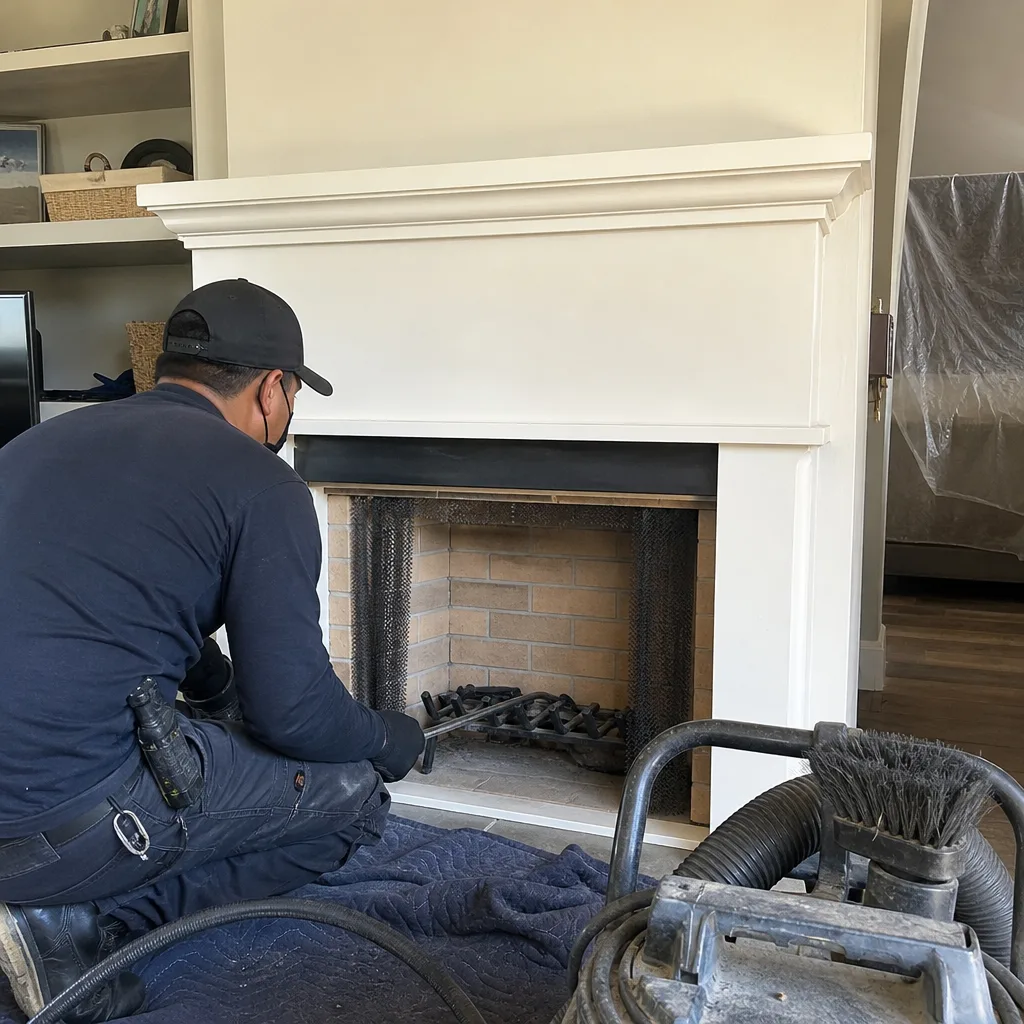
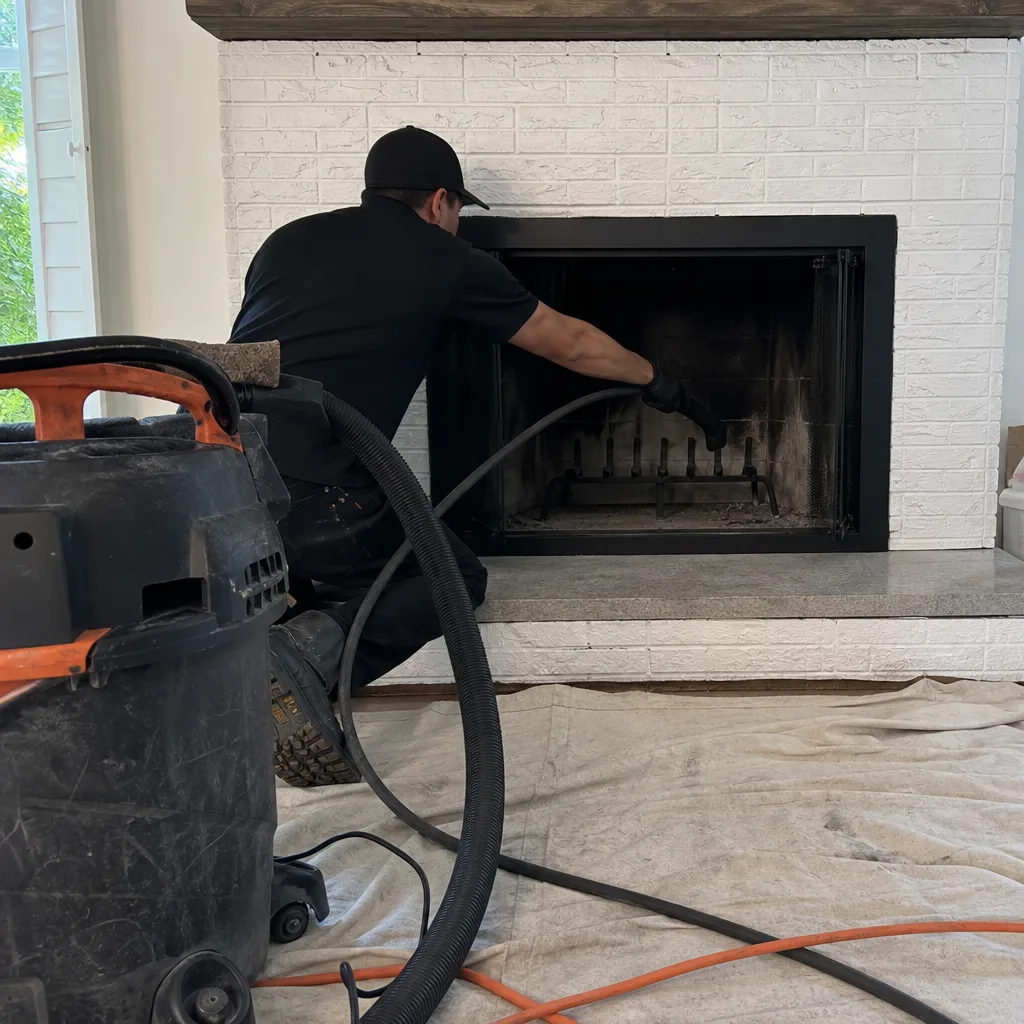
Level 1 sweep and inspection to the NFPA 211 annual standard - flue, crown, cap, and flashing checked and photographed
Chimney sweep logs do not sweep chimneys. They loosen some creosote - which then falls where a brush and vacuum still have to collect it.
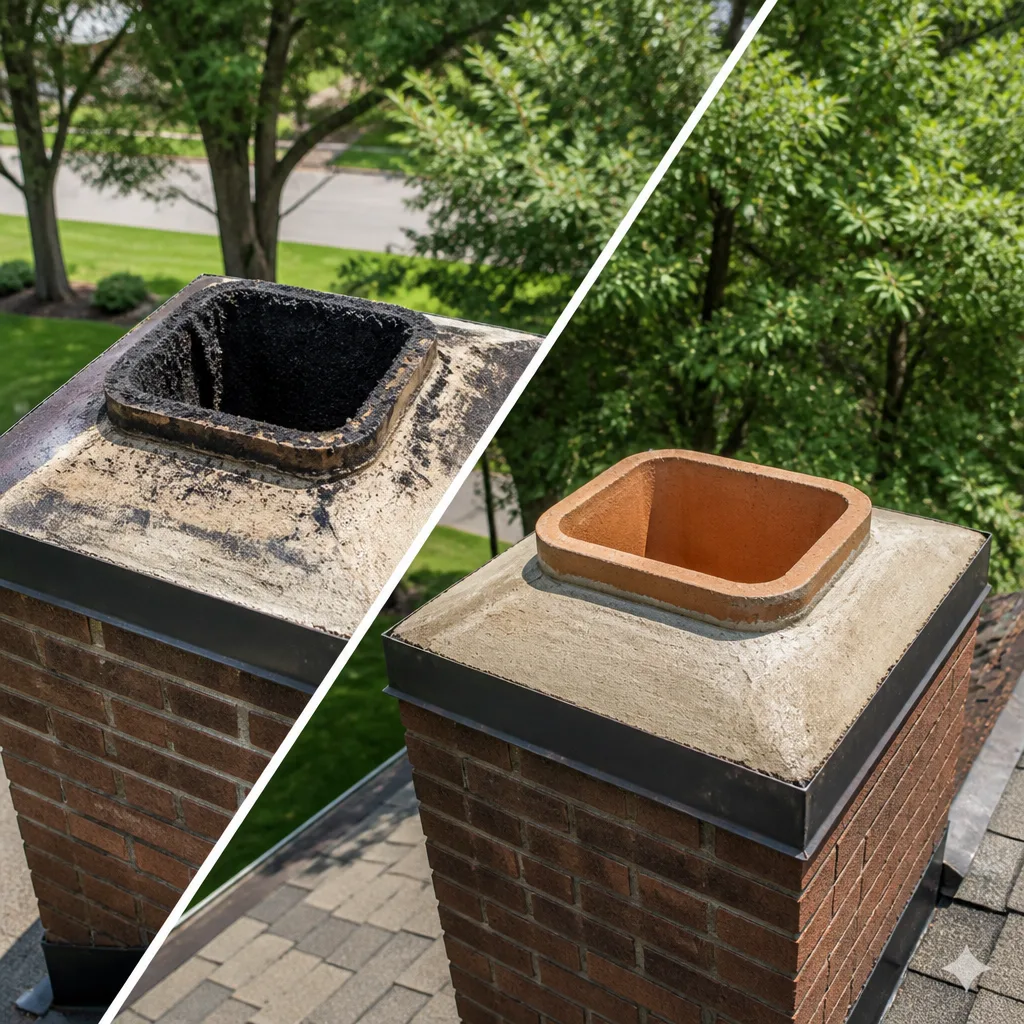
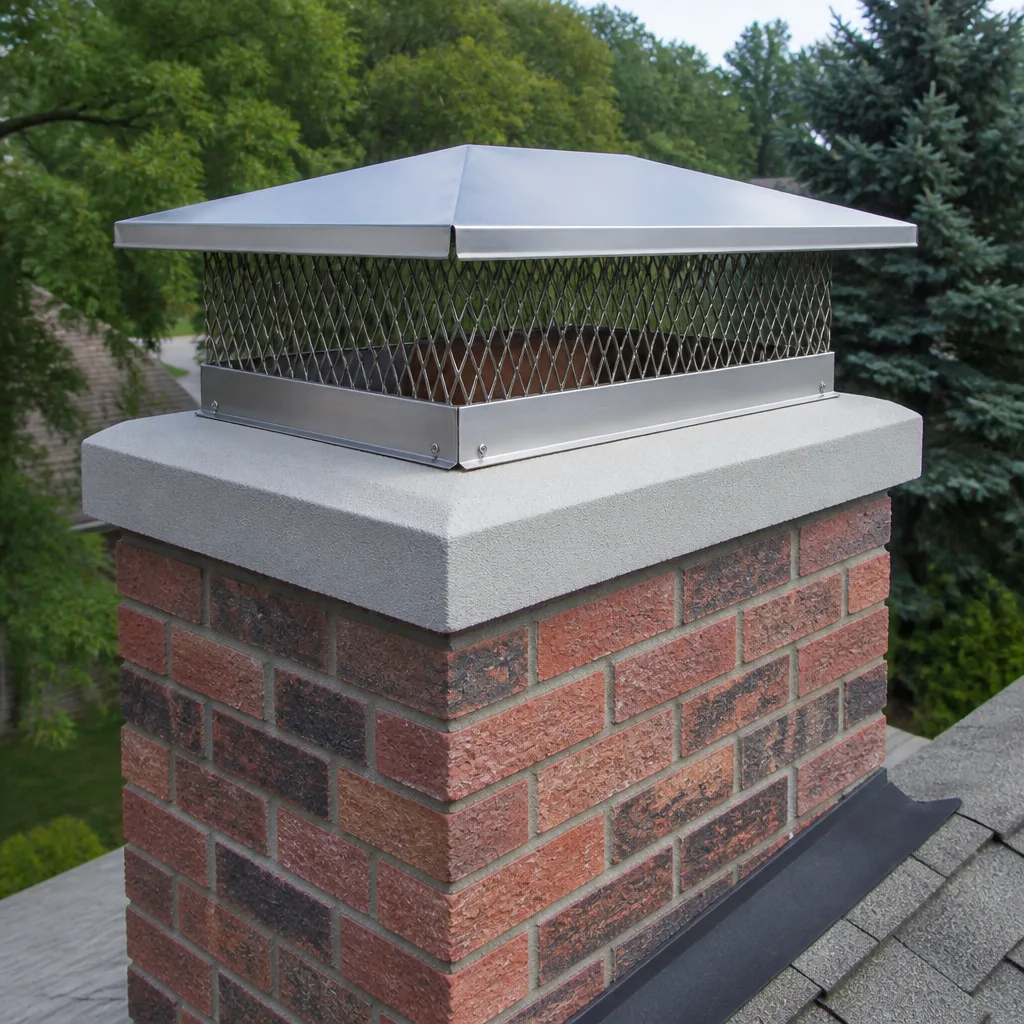
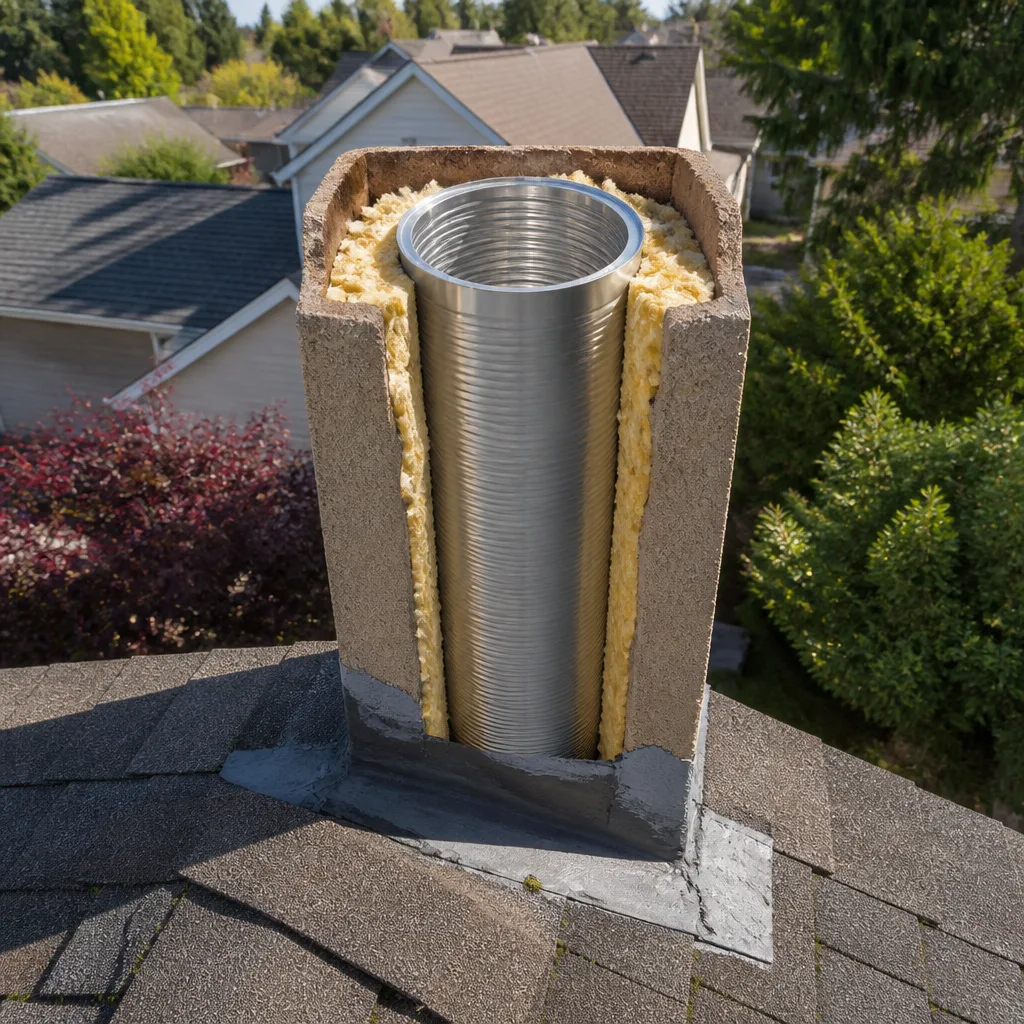
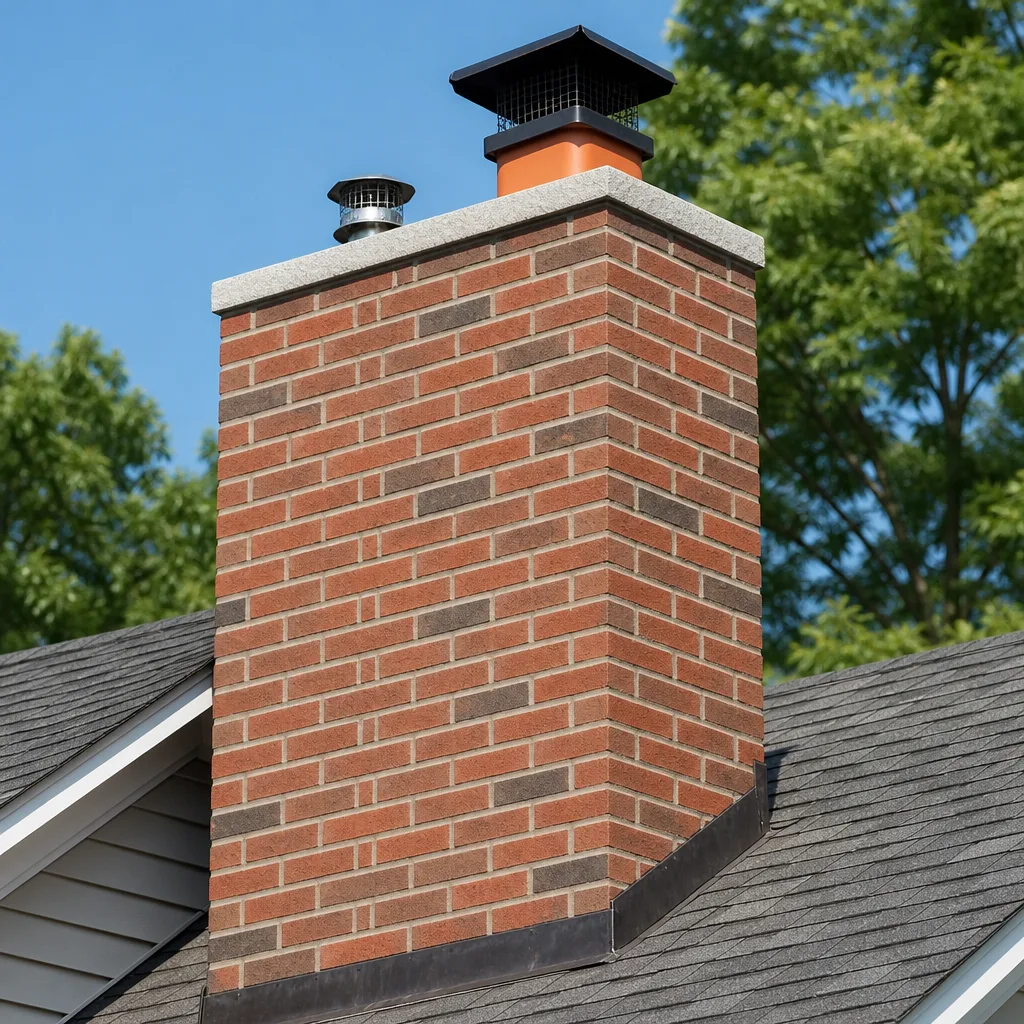
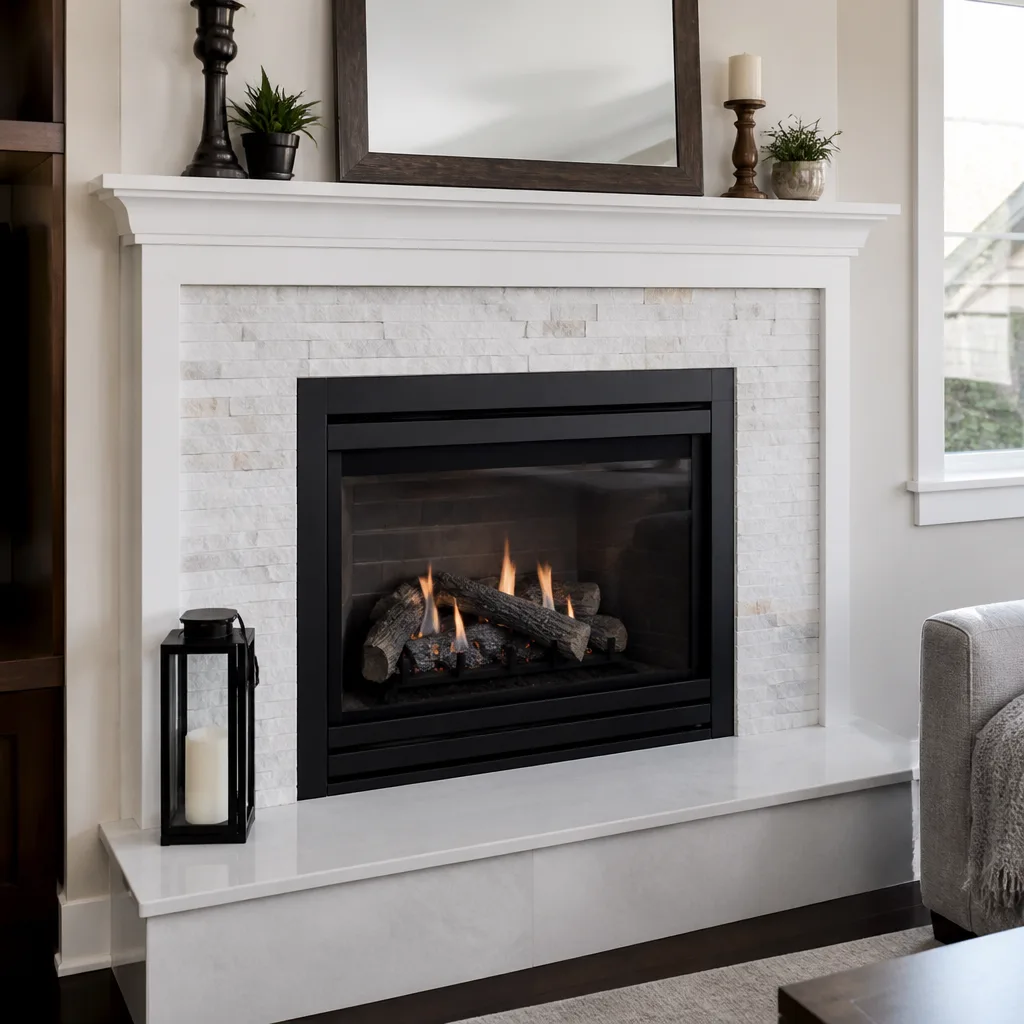
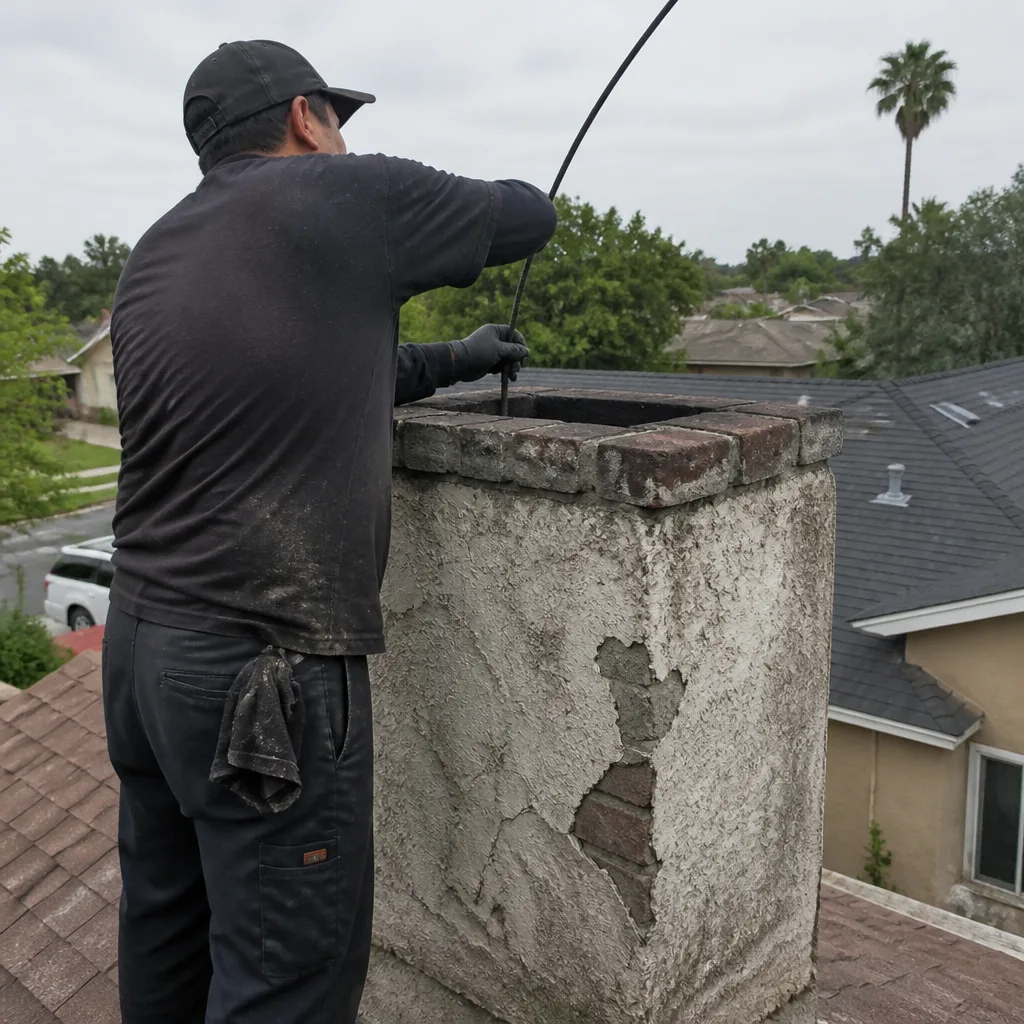 Before
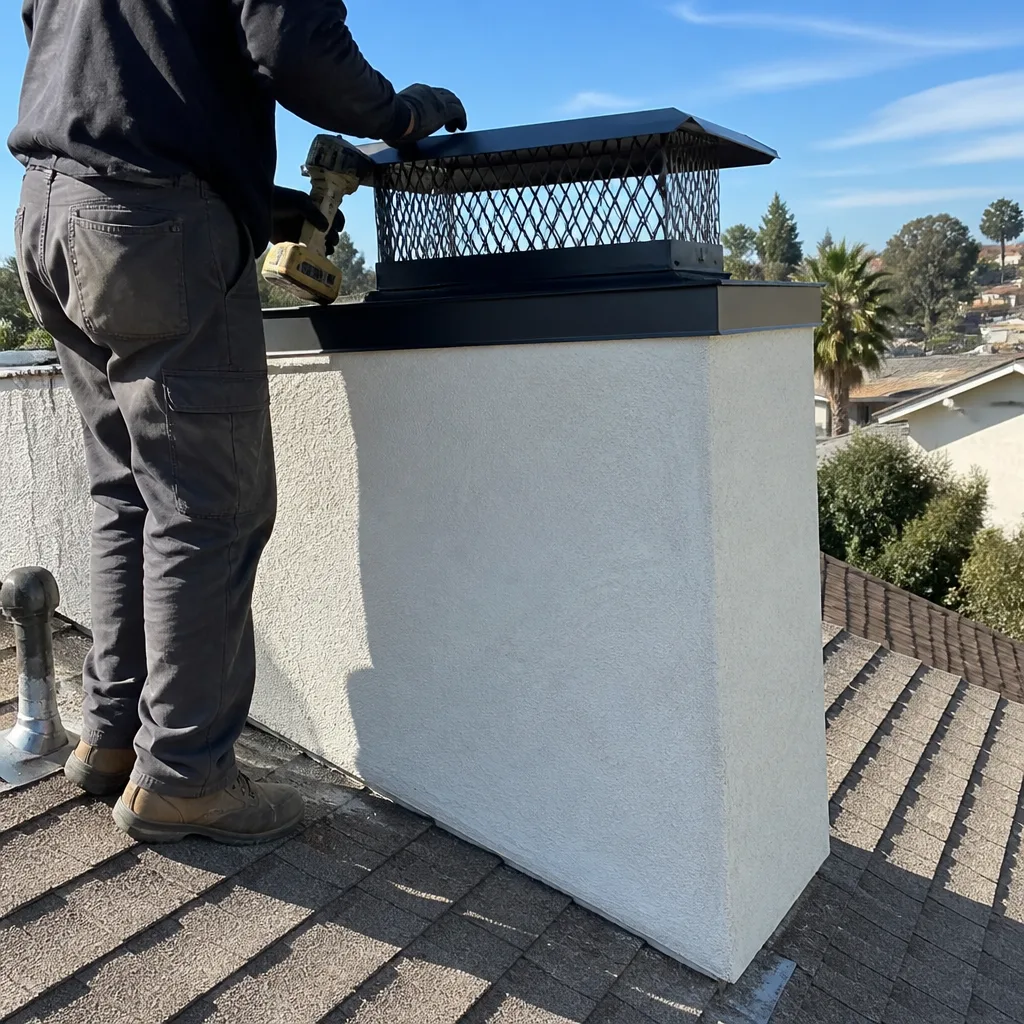 After
After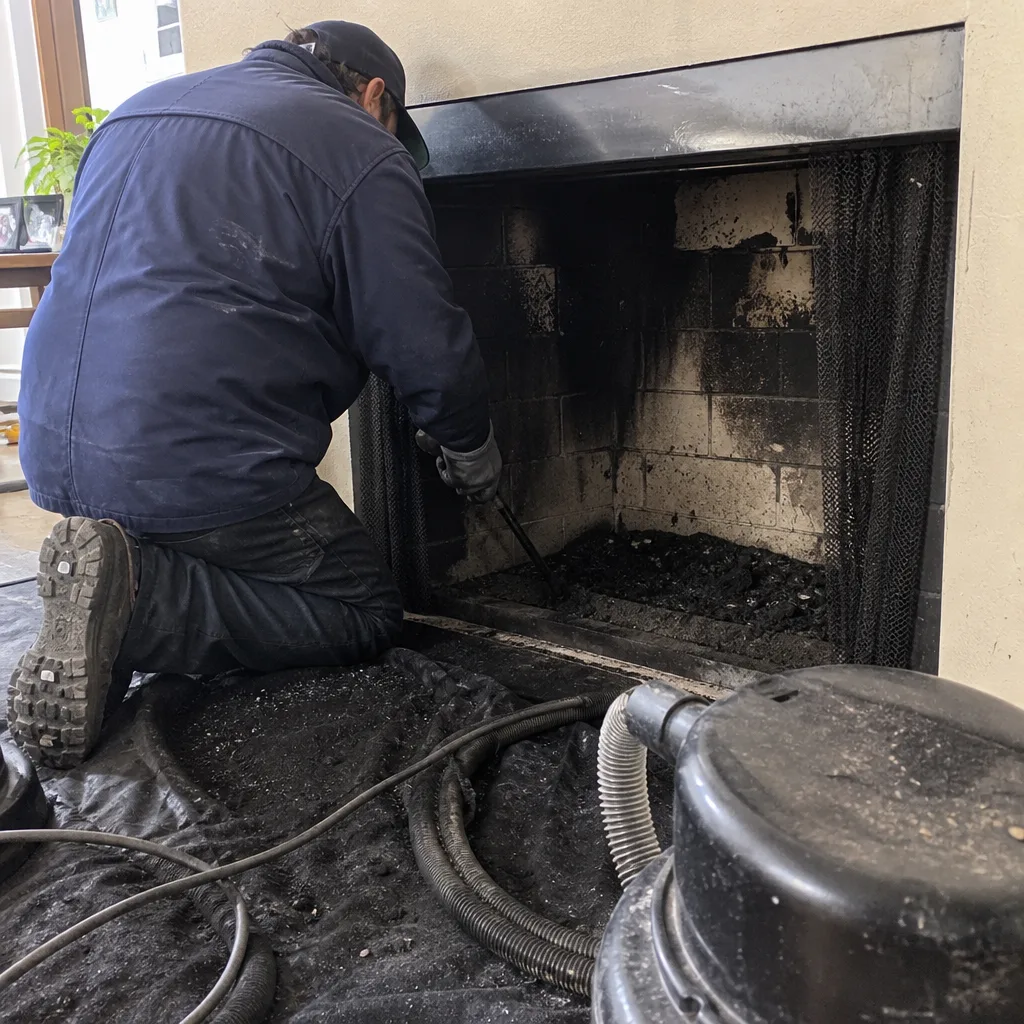 Before
 After
After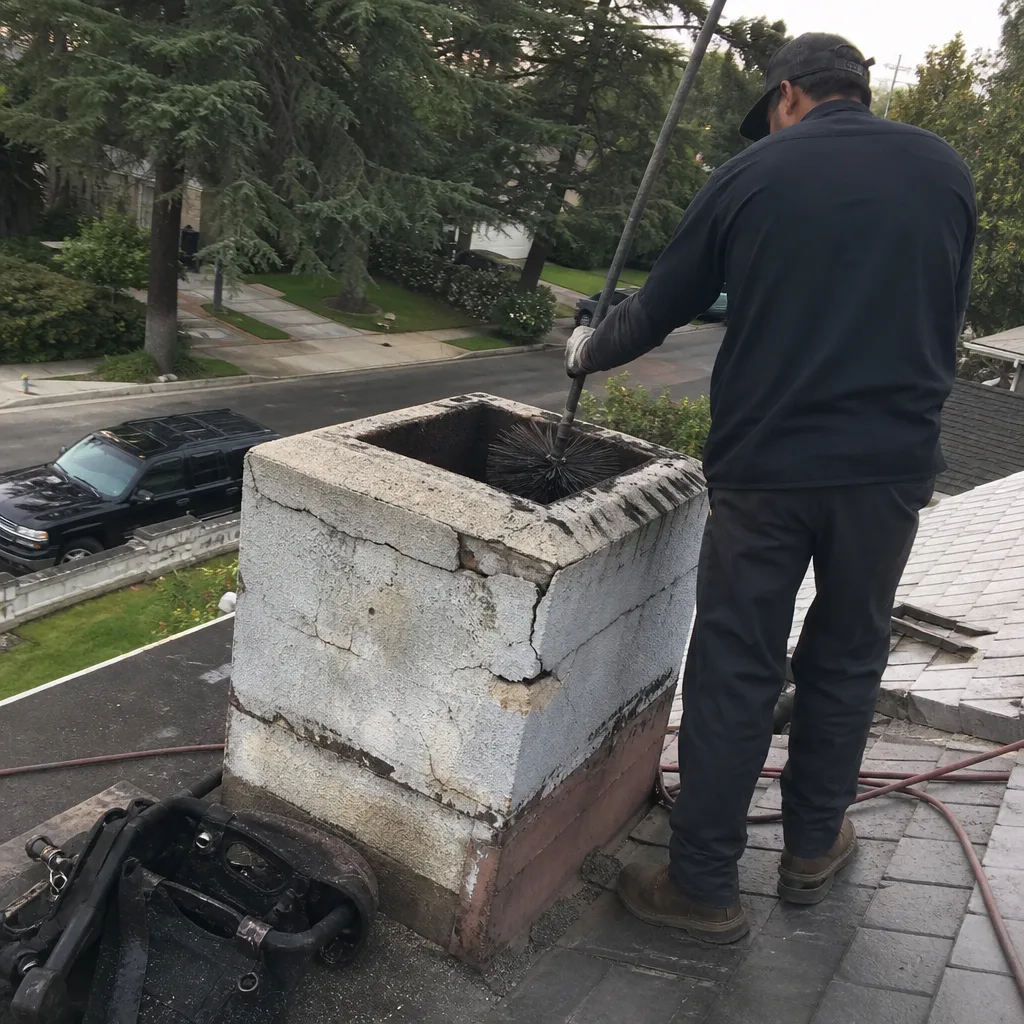 Before
 After
AfterHow Long Does Chimney Inspection Take? Timelines and What to Expect
Most Los Angeles homeowners block off a vague “hour or two” on their calendar for a chimney inspection. Here’s the counterintuitive part: the actual clock time is less important than knowing which of three distinct phases – access, camera scan, and written report – a technician is in at any moment. A legitimate Level 2 inspection with full video documentation takes 45 – 90 minutes. If someone wraps up in 20, they’ve almost certainly skipped the camera work that makes the inspection worth paying for. In this guide, we’ll break down minute-by-minute timelines for each Chimney Inspection services level, show you how to follow along and verify nothing gets skipped, and explain why LA’s mix of 1920s brick chimneys and newer prefab units creates real differences in how long your specific inspection should take.
Quick Answer
A Level 1 chimney inspection takes 20 – 30 minutes and involves a visual check of accessible areas. A Level 2 inspection – the standard for home sales, post-storm evaluations, and any change in appliance – takes 45 – 90 minutes and requires an internal camera scan of the flue plus a written report. Level 3 inspections, reserved for suspected structural damage or fire hazards, can take 2 – 4 hours and may involve removing portions of the chimney or surrounding structure.
Table of Contents
- How Inspection Level Determines Your Timeline
- The Three Phases: Where the Time Actually Goes
- How Los Angeles Housing Stock Affects Inspection Time
- Minute-by-Minute: What Happens During a Level 2 Inspection
- Red Flags: Shortcuts That Steal Time and Value
- The Written Report: What You Should Receive and When
- Inspection Costs in Los Angeles
- Scheduling and Access: Setting Yourself Up for Efficiency
How Inspection Level Determines Your Timeline
The National Fire Protection Association (NFPA) defines three inspection levels in Standard 211, and each carries a dramatically different time commitment. Understanding which level you actually need prevents both overpayment and dangerous under-inspection.
Level 1 – 20 to 30 minutes. This is a visual examination of readily accessible portions of the chimney exterior, interior, and connecting appliance. No tools are used to open or remove anything. We perform Level 1 inspections during routine annual maintenance when no changes have been made to the system. For a standard wood-burning fireplace in a newer Los Angeles home with a factory-built metal chimney, this is often sufficient.
Level 2 – 45 to 90 minutes. Required for real estate transactions, after chimney fires or seismic events, upon installation of a new appliance, or whenever the system has been modified. This level includes everything in Level 1 plus an internal camera inspection of the flue liner, inspection of accessible attics and crawl spaces, and a written report with findings and recommendations. In Los Angeles, where the housing market moves fast and disclosure requirements are strict, this is the inspection most homeowners encounter.
Level 3 – 2 to 4+ hours. Reserved for situations where serious hazards are suspected but concealed. This level may require removal of drywall, chimney crowns, or exterior masonry to investigate hidden damage. We’ve performed Level 3 inspections in older Los Angeles homes after earthquakes revealed structural shifting, or when long-neglected systems showed signs of pyrolysis in adjacent framing.
The key point: time correlates directly with thoroughness. A Level 2 inspection cannot be done properly in 20 minutes. The camera work alone requires 15 – 25 minutes of careful, slow movement to document every foot of flue surface. See our detailed breakdown of How Long Does Chimney Sweep Take? Timelines and What to Expect for related service timelines.
The Three Phases: Where the Time Actually Goes
Every legitimate inspection divides into three phases. Knowing them helps you track progress and spot when a technician is rushing.
Phase 1: Access and Exterior Assessment (10 – 20 minutes)
The technician arrives, confirms identity with photo badge (at Alcott, you’ll have seen their name and photo before they knocked), lays protective coverings, and begins exterior evaluation. This includes checking the chimney crown, cap, flashing, and visible masonry for spalling, cracking, or water intrusion. In Los Angeles, we pay particular attention to earthquake-related shifting in mortar joints and to UV degradation of sealants – the intense sun here breaks down materials faster than in cooler climates.
For homes with steep rooflines or two-story chimneys, this phase takes longer. Safety setup with proper ladders and harnesses adds 5 – 10 minutes that cannot be skipped.
Phase 2: Interior Camera Scan and Appliance Check (20 – 40 minutes)
This is where the real diagnostic work happens. The technician runs a high-resolution camera up the full length of the flue, documenting liner condition, creosote buildup, cracks, gaps, and obstructions. A proper scan moves slowly – roughly one foot per 10 – 15 seconds – with the technician stopping to capture images of any anomalies.
Simultaneously, the appliance itself is evaluated: firebox condition, damper operation, smoke chamber integrity, and proper clearances to combustibles. For gas fireplaces, this includes checking burner operation, thermocouple function, and venting configuration.
Phase 3: Documentation and Consultation (15 – 30 minutes)
The technician reviews findings with you, explains what the camera revealed, and provides a written report with photographs. At Alcott, this includes a written price for any recommended repairs before any work begins. No surprises, no pressure.
How Los Angeles Housing Stock Affects Inspection Time
Los Angeles contains one of the most varied housing stocks in the country, and chimney type dramatically changes inspection duration.
1920s – 1960s Brick Chimneys – Add 15 – 30 minutes. These systems, common in neighborhoods like Los Feliz, Silver Lake, and Pasadena-adjacent areas, often feature unlined clay flue tiles or early parging that has deteriorated over decades. Multiple flues serving original fireplaces and later-added heating appliances create complex internal geometry. We regularly find earthquake damage to crowns and shoulders that isn’t visible from the ground. The camera work takes longer because these flues are rarely straight, and the technician must document each offset carefully.
Mid-Century Masonry with Added Metal Liners – Standard timing. Many 1950s – 1970s Los Angeles homes received stainless steel liner retrofits when gas conversion occurred. These systems inspect relatively quickly if the liner was properly sized and installed. We verify proper connection to the appliance and check for liner displacement – common if original installation cut corners.
Factory-Built Metal Chimneys (1980s – present) – Often faster, 10 – 15 minutes saved. Found in newer construction and extensive remodels throughout the San Fernando Valley and Westside, these systems have straight, uniform flue passages that camera quickly. However, we still find installation errors: improper clearances to framing, missing firestops, or DIY cap installations that trap moisture.
Decorative Gas Fireplace Inserts – Variable. Modern inserts in original masonry openings require evaluation of both the insert’s venting system and the surrounding chimney structure. In Los Angeles, where many homeowners have converted wood fireplaces to gas for air quality compliance, this dual evaluation adds complexity.
The marine layer influence matters too. Persistent morning moisture in coastal Los Angeles neighborhoods accelerates metal component corrosion and spalling of brick faces. We budget extra camera time in these areas to document early-stage deterioration that homeowners haven’t noticed.
Minute-by-Minute: What Happens During a Level 2 Inspection
Here’s exactly how a proper Level 2 inspection unfolds. Use this to verify your technician isn’t cutting corners.
- 0:00 – 0:05: Technician arrives, presents photo ID badge, confirms appointment details. Protective floor coverings placed. You’ll have received name and photo via text or email before arrival – this is the Threshold Standard.
- 0:05 – 0:15: Exterior evaluation. Crown, cap, flashing, visible masonry, spark arrestor condition documented with photographs.
- 0:15 – 0:20: Interior setup. Drop cloths positioned, lighting arranged, camera equipment prepared.
- 0:20 – 0:45: Camera scan of full flue length. Technician moves camera slowly, narrating findings. Images captured of cracks, gaps, creosote buildup, obstructions. In a typical 15-foot Los Angeles flue, this takes 20 – 25 minutes minimum.
- 0:45 – 0:55: Firebox, smoke chamber, and damper evaluation. Clearances to combustibles verified with measuring tools.
- 0:55 – 1:05: Appliance-specific checks. For wood-burning: grate, ash dump, door seal. For gas: burner pattern, thermocouple millivolt reading, vent configuration.
- 1:05 – 1:15: Attic and accessible crawl space inspection if applicable. Chimney chase condition, proper clearances, signs of past leaks.
- 1:15 – 1:30: Findings review with homeowner. Camera footage shown and explained. Written report prepared with photographs and recommendations.
Total: 75 – 90 minutes for a thorough Level 2 inspection of a typical Los Angeles masonry chimney. Rushing any segment risks missing critical defects.
Red Flags: Shortcuts That Steal Time and Value
Unfortunately, some operators have learned to simulate thoroughness while skipping essential steps. Here’s what to watch for.
- No camera footage shown. A Level 2 inspection without video documentation is technically a Level 1. If the technician claims they “looked with a mirror” or “could see well enough,” they’ve skipped the definitive diagnostic step. Demand to see the recording.
- Flue measurement omitted. Proper liner sizing requires precise measurement of flue dimensions and appliance outlet. This takes 5 – 10 minutes with specialized tools. Skipping it means any liner recommendation is guesswork.
- No written report provided on site or within 24 hours. Verbal summaries evaporate. You need dated documentation with photographs for insurance, real estate disclosure, or warranty claims.
- Exterior-only evaluation. Some “inspections” never enter the home. In Los Angeles, where many chimneys appear sound from the street while concealing internal liner collapse, this is dangerous.
- Pressure to decide immediately. A technician who won’t let you review the written report and pricing before committing to repairs is selling, not inspecting. At Alcott, every customer receives written price before any work starts – always included, never negotiable.
- No discussion of clearance violations. NFPA 211 specifies minimum clearances between chimney components and combustible materials. A thorough inspection measures and reports these. Silence on clearances often means they weren’t checked.
The Written Report: What You Should Receive and When
The inspection isn’t complete when the technician leaves. The written report transforms findings into actionable documentation.
What the report must include:
- Date, address, and inspector identification
- Inspection level performed and NFPA 211 compliance statement
- Photographs of all accessible components, with specific images of any defects
- Camera footage or representative stills from the internal flue scan
- Clear statement of findings: pass, monitor, or repair required
- Specific recommendations with written pricing for each
- Timeline for follow-up if monitoring is advised
Delivery timing: Digital reports should arrive within 24 hours, often same-day. At Alcott, we provide the report before the technician departs when possible, or via secure email within hours. Paper copies available on request.
In Los Angeles real estate transactions, this report becomes part of disclosure packages. We’ve seen deals delayed when sellers can’t produce documentation from prior inspections. Keeping your report accessible protects your transaction timeline.
Inspection Costs in Los Angeles
Pricing varies by inspection level and property-specific factors. Here’s what Los Angeles homeowners can expect.
| Service | Typical Range | What Affects Price |
|---|---|---|
| Level 1 Inspection | $85 – $150 | Accessibility, number of appliances, roof height |
| Level 2 Inspection | $200 – $350 | Flue length, number of flues, attic/crawl access, camera documentation quality |
| Level 3 Inspection | $500 – $1,500+ | Extent of destructive investigation needed, scaffolding, masonry removal |
| Camera Inspection Only (no full Level 2) | $150 – $250 | Flue length, accessibility, whether recording is provided |
Be wary of inspection pricing that seems too low to support proper time investment. A $99 “Level 2” inspection cannot fund 75 minutes of skilled labor plus equipment costs. Something is being skipped, usually the camera work or the written report.
At Chimney Inspection in Los Angeles, Alcott provides written price before any work begins, with no surprise charges. Estimates are free.
Scheduling and Access: Setting Yourself Up for Efficiency
Smart preparation keeps your inspection on schedule and prevents return visits.
Clear the area. Remove furniture, decorations, and fireplace tools from the hearth area. The technician needs 6 – 8 feet of working space. In compact Los Angeles living rooms, this may require temporary rearrangement.
Ensure roof access. Unlock gates, secure dogs, and clear driveway space for ladder placement. Townhouse and condo dwellers should confirm HOA roof access procedures in advance – we’ve lost 20 minutes in Los Angeles complexes waiting for property manager approval.
Have prior reports available. Previous inspection documentation helps technicians track deterioration rates and avoid redundant evaluation. If you’ve had work done, know what materials were used – DuraFlex, HeatShield, or other trade brands have specific warranty and inspection requirements.
Plan for the full window. Even efficient inspections run long when defects require explanation. Don’t schedule your next commitment immediately after.
For Chimney Sweep in Los Angeles services bundled with inspection, add 30 – 45 minutes for the sweeping process.
Common Mistakes to Avoid
- Accepting a verbal-only report. Without written documentation with photographs, you have no recourse if problems develop later. In Los Angeles real estate, this can derail sales.
- Assuming all inspections are equal. A $99 special and a proper Level 2 inspection are different services entirely. The NFPA defines specific requirements for each level – verify which you’re receiving.
- Neglecting earthquake damage checks. Los Angeles chimneys suffer mortar joint deterioration and crown cracking from seismic activity that isn’t visible from the ground. Insist on thorough exterior evaluation.
- Skipping inspection before appliance changes. Converting wood to gas or installing a new insert without Level 2 inspection risks improper venting and carbon monoxide hazards.
- Ignoring coastal corrosion. If you’re in Santa Monica, Venice, or other marine-influenced areas, request specific evaluation of metal component corrosion that accelerated exposure causes.
- Booking based on speed claims. “15-minute inspections” are marketing, not methodology. Proper evaluation takes the time it takes.
When to Call a Professional
Schedule a Level 2 inspection before buying or selling any Los Angeles home with a fireplace or heating appliance. Do the same after any chimney fire, earthquake, significant storm, or installation of new equipment. If you smell smoke where you shouldn’t, see visible cracking in masonry, or experience draft problems that don’t resolve with damper adjustment, don’t wait for annual maintenance.
Alcott Chimney Sweep offers free estimates in Los Angeles – call (336) 863-3889. Every technician is Threshold Verified: background-checked, identity-verified, and announced to you by name and photo before arrival. You’ll know exactly who is coming before you open the door.
Frequently Asked Questions
A Level 1 inspection takes 20 – 30 minutes, a Level 2 takes 45 – 90 minutes, and a Level 3 can run 2 – 4 hours or more. Los Angeles’s older masonry chimneys and earthquake history often push Level 2 inspections toward the longer end of that range. Call (336) 863-3889 for a free estimate on your specific property.
Only a Level 1 visual inspection can be completed properly in 20 minutes. If you’ve paid for or been promised a Level 2 inspection with camera documentation, 20 minutes means the camera work was skipped or rushed to uselessness. The internal scan alone requires 15 – 25 minutes of careful movement.
NFPA 211 recommends annual inspection for all chimney systems, regardless of use frequency. Browse our more guides & resources for year-round chimney maintenance advice. In Los Angeles, where earthquakes and marine air accelerate deterioration, annual inspection is particularly important for masonry systems over 40 years old. Even unused chimneys develop hazards from moisture intrusion and pest nesting.
Undetected creosote buildup causes chimney fires. Cracked liners allow carbon monoxide infiltration into living spaces. Blocked flues from bird nests or debris force toxic gases back into the home. In Los Angeles, where many homes have attached garages and compact floor plans, CO disperses quickly through shared walls. The risk isn’t theoretical – it’s the leading cause of preventable chimney-related injury.
A legitimate liner recommendation comes with camera footage showing cracks, gaps, or deterioration, plus written explanation of why repair isn’t sufficient. At Alcott, we show you the footage and explain the failure mode before recommending replacement. We also install DuraFlex and other professional-grade liners with written guarantee – if the repair fails, the second visit is free under our 365-Day Done Right Promise.
Digital reports with photographs should arrive within 24 hours, often same-day. At Alcott, we aim to provide documentation before the technician departs when possible. Delayed or missing reports are a red flag that documentation wasn’t properly completed during the inspection.
The Bottom Line
Chimney inspection time isn’t arbitrary – it reflects specific, verifiable work phases. A Level 2 inspection demands 45 – 90 minutes: exterior access, slow internal camera scan, and thorough documentation. In Los Angeles, factor in extra time for older masonry, earthquake damage evaluation, and coastal corrosion checks. The shortcuts that compress time – skipped camera work, missing measurements, absent written reports – cost you the very certainty the inspection is meant to provide. Track the phases, demand the documentation, and choose a provider who proves their work rather than promising speed.
For Gas Fireplace Repair in Los Angeles or complete chimney services, visit our Alcott Chimney Sweep home page to learn more about our 365-Day Done Right Promise and Threshold Verified technician program.
Written by Ruben Castellano, Owner at Alcott Chimney Sweep, serving Los Angeles since 2002.