
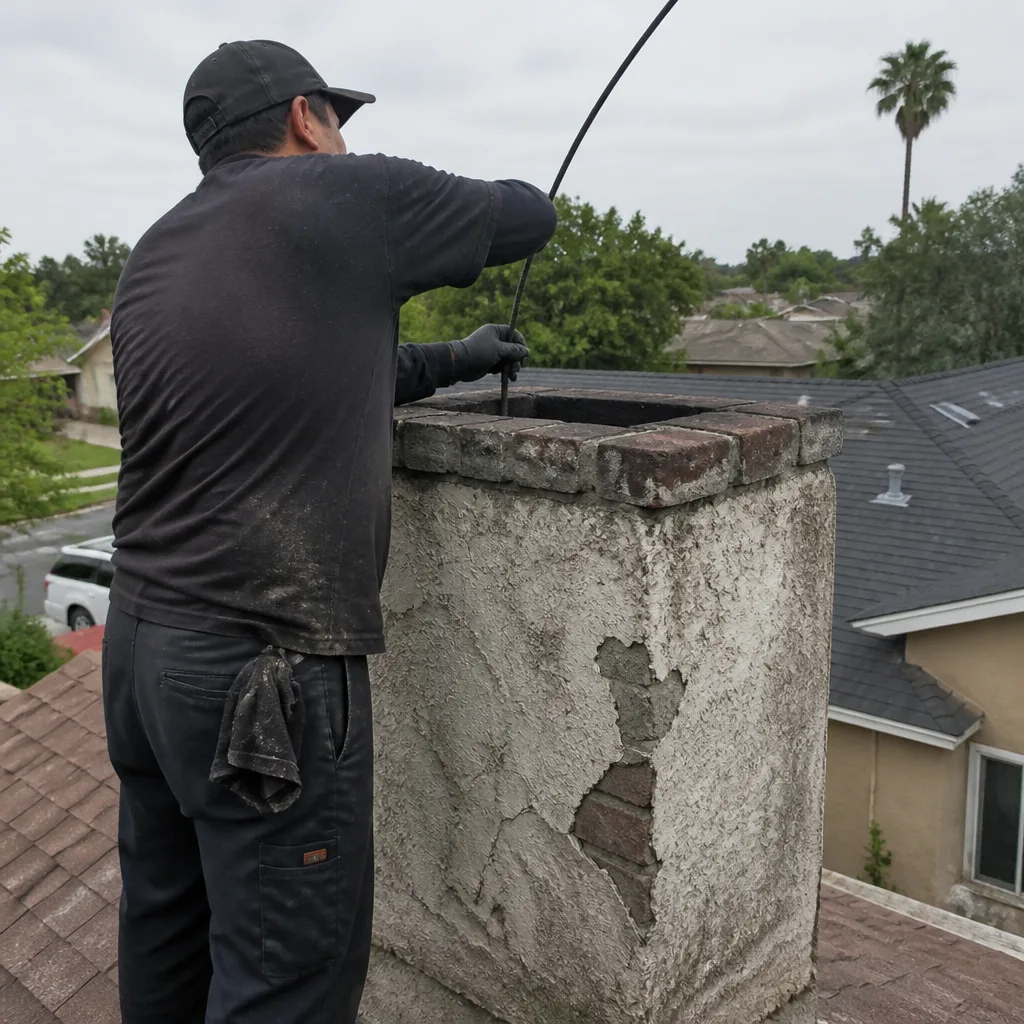
Level 1 sweep and inspection to the NFPA 211 annual standard - flue, crown, cap, and flashing checked and photographed
Chimney sweep logs do not sweep chimneys. They loosen some creosote - which then falls where a brush and vacuum still have to collect it.
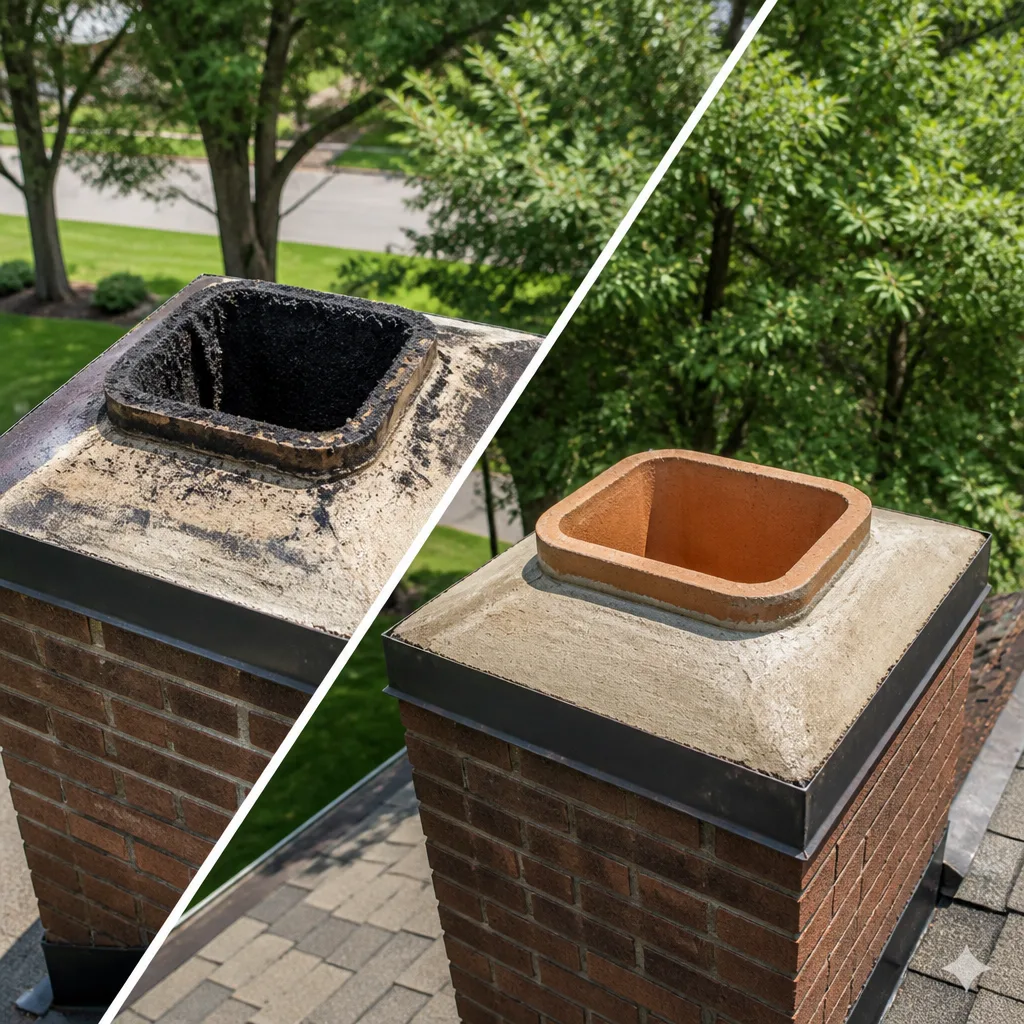
 Before
 After
After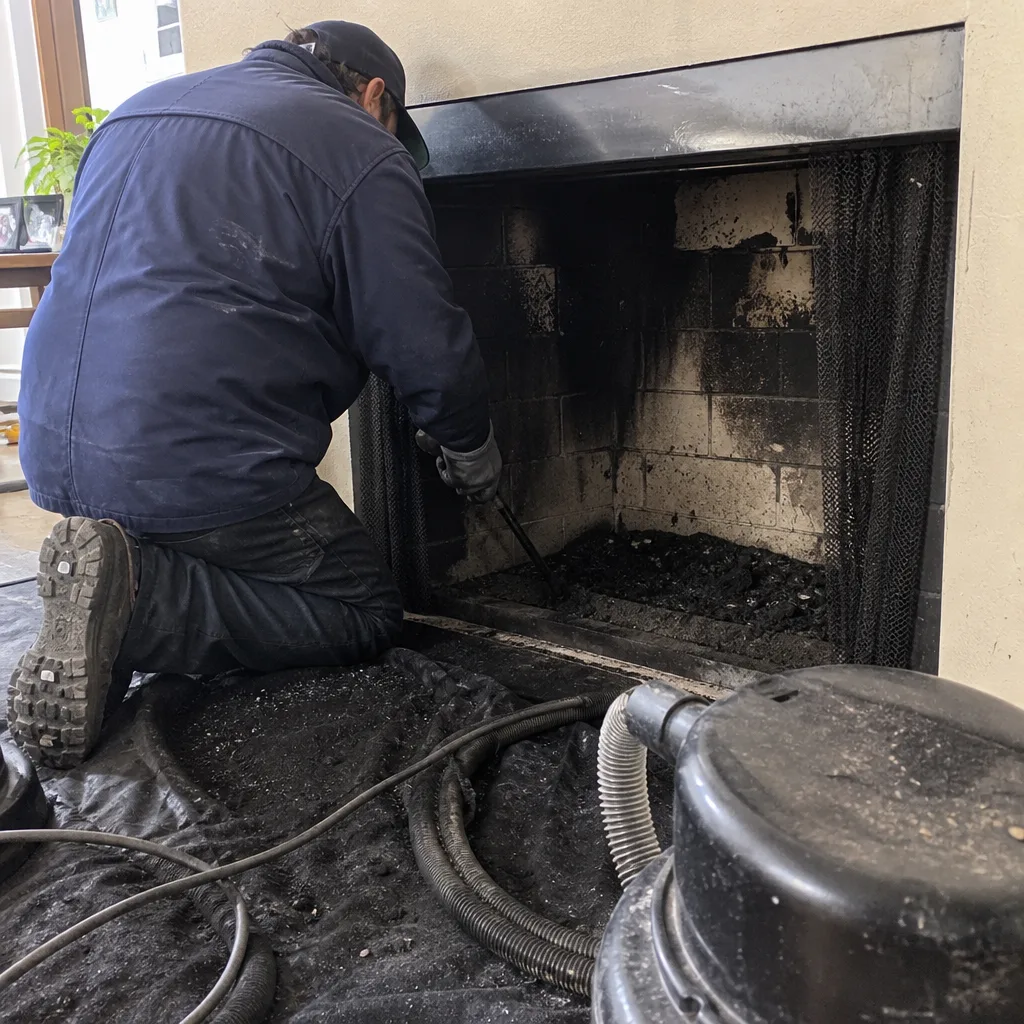 Before
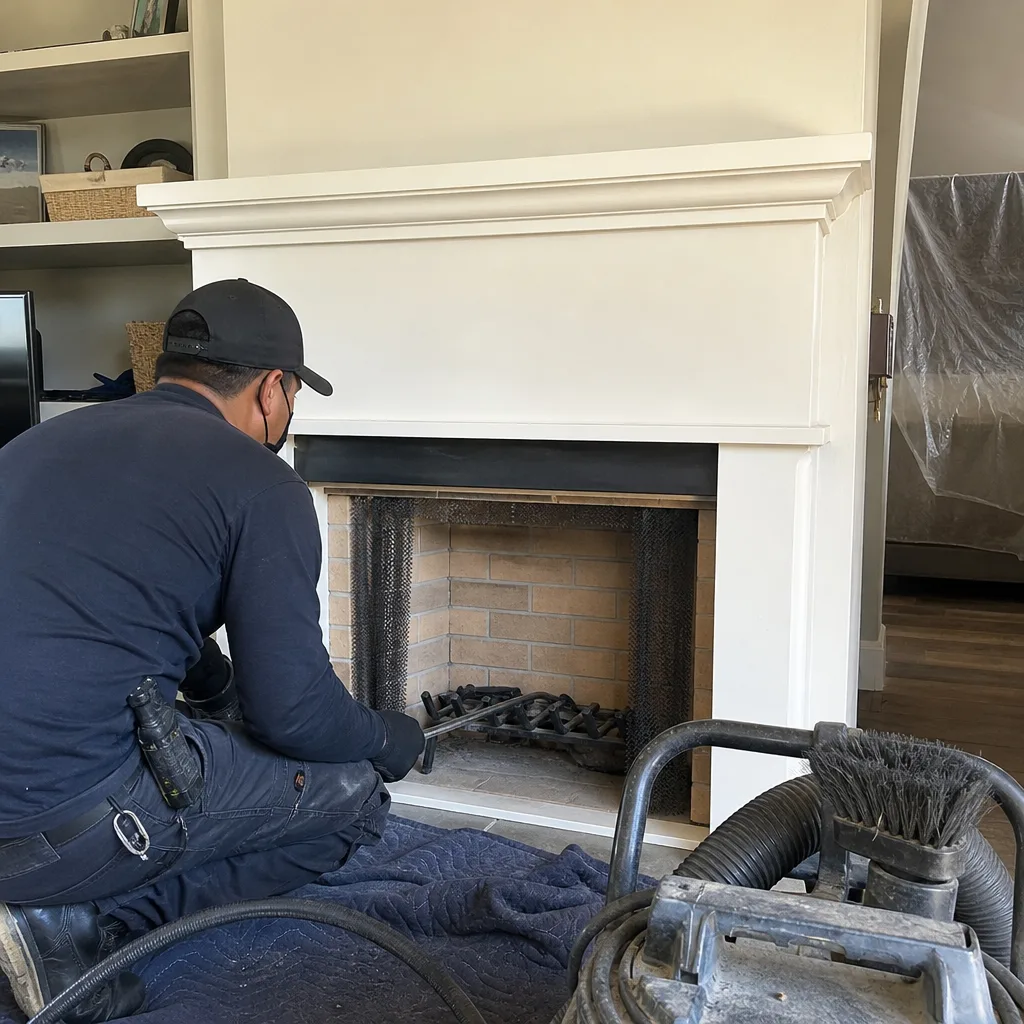 After
After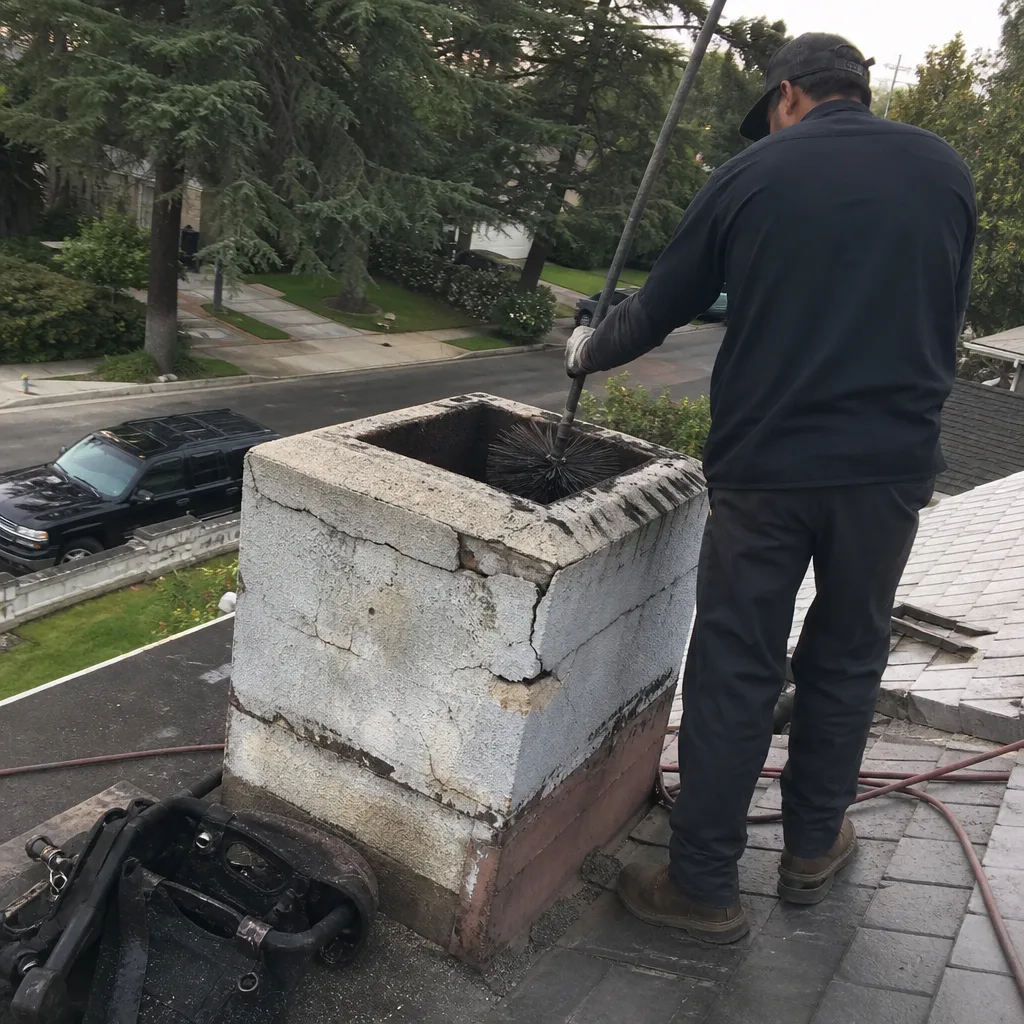 Before
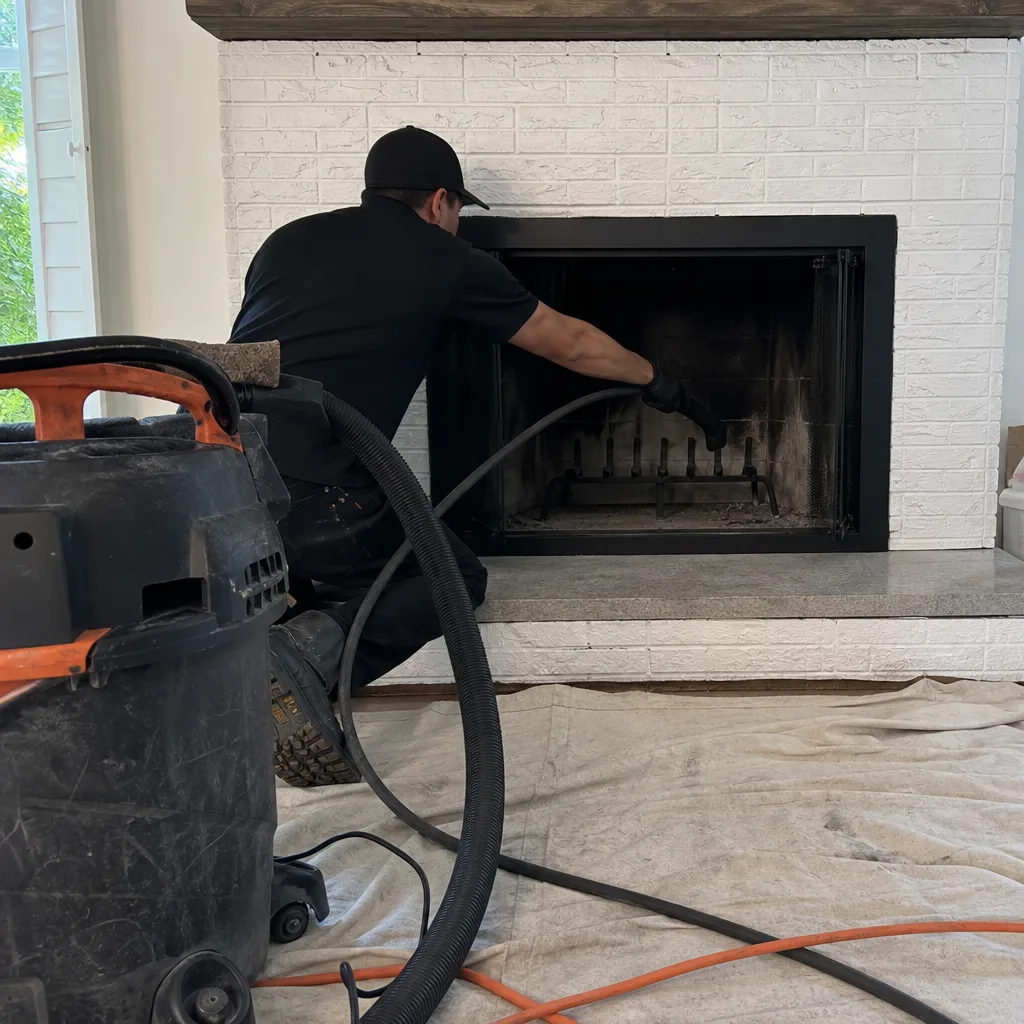 After
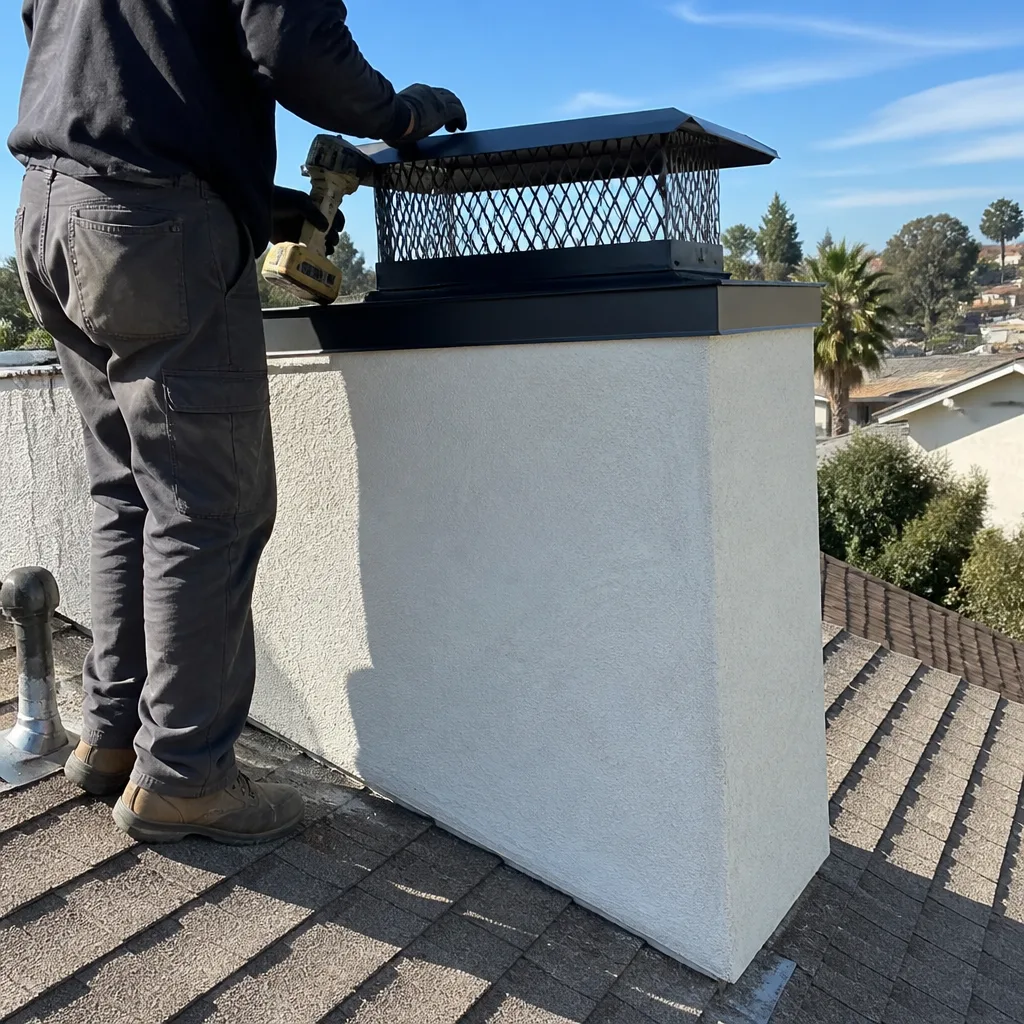
AfterGelco Chimney Cap Installation: The Los Angeles Owner’s Guide
A Gelco chimney cap installation in Los Angeles typically runs between $385 and $680 installed, depending on the cap model, flue size, and roof access. We stock Gelco-compatible caps and parts on our trucks, so most swaps are done in a single visit. Most owners discover the problem the same way: they notice water staining on the ceiling near the chimney, hear birds or rodents in the flue, or spot rust flakes collecting in the firebox after a Santa Ana windstorm.
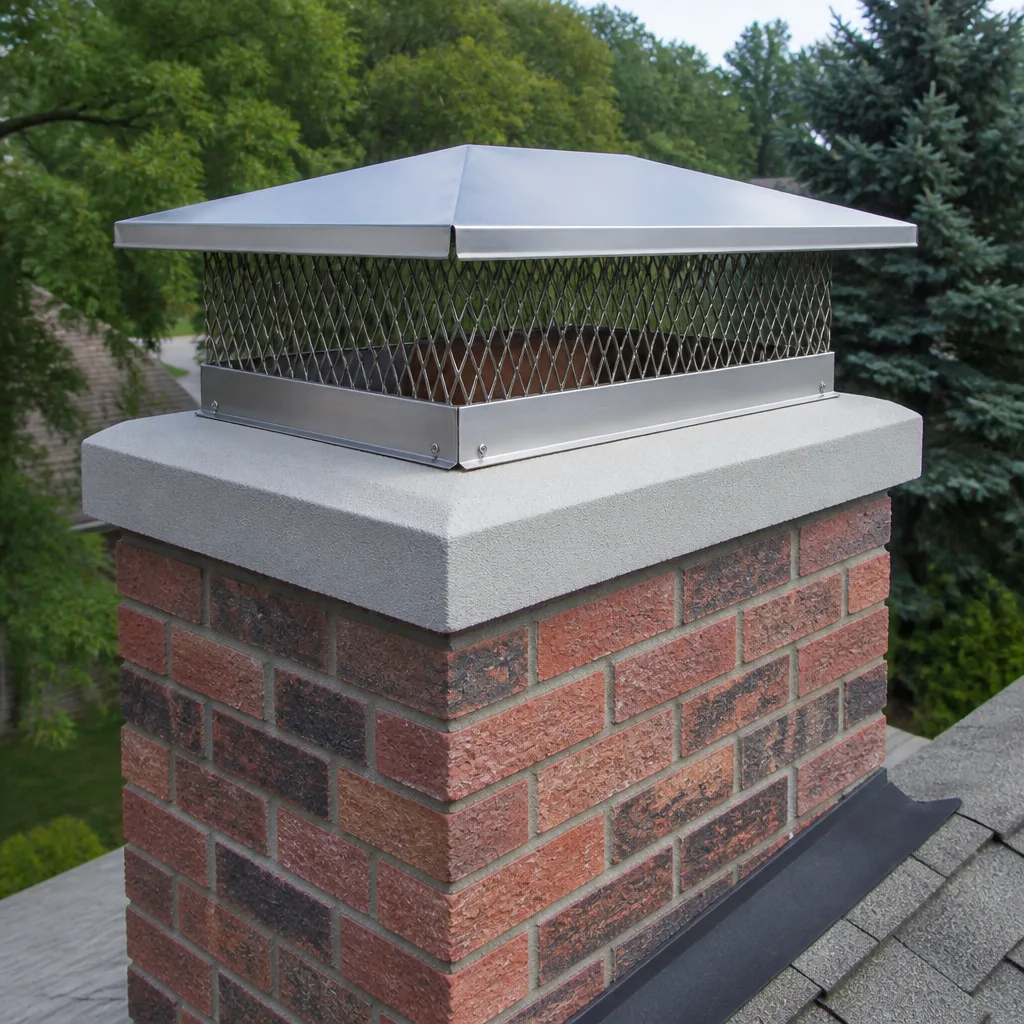
What usually happened is the cap’s mesh screen corroded through, or the mounting bracket loosened over years of thermal expansion and marine-layer moisture. Once that seal breaks, everything gets in: rain, embers, leaves from overhanging oak, and the occasional determined squirrel. The cap itself may still look fine from the ground. Up close, the damage is usually obvious.
Here’s the thing about Gelco caps: they’re built with stainless steel hoods and galvanized or copper mesh depending on the series, and they hold up better than most box-store brands. But no cap survives forever in Los Angeles weather. We get dry heat that bakes sealants, salt air near the coast that eats galvanized mesh, and enough wind-driven rain to test every seam. If your cap is over eight years old and you’re seeing any of the symptoms below, it’s time to look before the next rainy season.
Which Gelco Models This Applies To
Gelco makes several chimney cap lines, and the installation details differ enough that matching matters. The main series we work with in Los Angeles homes are the Gelco Draft King, the Gelco Top Shield, and the Gelco Universal Fit caps. Draft King models are the workhorse: heavy-gauge stainless hood, screen mesh sized to block sparks while keeping airflow moving. Top Shield adds a wind-resistant design that helps with downdraft problems in canyon neighborhoods like Laurel Canyon or Beachwood. Universal Fit caps use an adjustable base that grips the inside of the flue tile, which is useful on older masonry chimneys where’s no exposed tile lip to anchor to.
Identifying your exact model matters because Gelco sizing runs by outside flue tile dimensions. A cap sized for a standard 13″ x 13″ clay flue won’t seat properly on a 12″ x 12″, and vice versa. The model number is usually stamped on the underside of the hood or on the base bracket, but after years of soot and coastal corrosion, it’s often unreadable. We measure the flue on site, every time. Takes five minutes, removes all guesswork.
On the OEM-versus-aftermarket decision: Gelco caps are worth buying genuine. The aftermarket copies we see coming out of discount online stores use thinner steel, perforated rather than welded mesh, and cheap mounting hardware that rusts within a season or two. We’re an independent service provider, not affiliated with Gelco, but we stock their products because the fit and material quality are consistent. We also carry DuraFlex and HeatShield products for liner work, but for caps, Gelco is what we put on most Los Angeles rooftops.
Signs Your Gelco Chimney Cap Installation Is Failing
- Water stains on the ceiling or wall near the chimney. This is the most common call we get after the first heavy rain of the season. The cap’s hood may have shifted or the base seal has opened up, letting water run down the flue and soak into the surrounding framing.
- Animal sounds in the chimney. Birds, rodents, and one very determined raccoon we met in Sherman Oaks tend to get through torn or missing mesh. Once they’re in, they’ll nest, and no, they won’t leave on their own.
- Rust flakes in the firebox or on the damper. Moisture getting past the cap causes rust on the damper assembly and metal firebox components. In coastal neighborhoods like Playa del Rey, we see this accelerate because of the salt in the air.
- Smoke backing up on windy days. When a cap loses its proper fit or the mesh clogs with creosote and debris, drafts get blocked. A Gelco cap that used to draw perfectly will suddenly start spilling smoke into the room.
- You can see visible damage from the ground. A tilted hood, missing mesh sections, or a cap that has visibly shifted off-center. Los Angeles gets strong winter winds and if the cap isn’t secured to the flue tile with mechanical fasteners, it moves.
Replacement Cost & What’s Included
In Los Angeles, a complete Gelco chimney cap installation typically falls between $385 and $680 installed. At the lower end, you’re looking at a standard-sized Gelco cap on a single-story roof with clear access. The higher end covers larger flues, multi-story homes, steep roof pitches that require additional safety equipment, or a Universal Fit cap with added wind resistance.
Every quote we give includes the cap itself, the mounting hardware, removal and disposal of the old cap, and the full installation. We write the price down before any work starts, so there’s no surprise labor charge when the job’s done. And the work is covered by our written guarantee: if the cap fails or the installation doesn’t hold, we come back free of charge. That’s the 365-Day Done Right Promise. It isn’t a sales pitch. It’s a year of accountability.
Here’s a straight answer on what costs more: big flue, bad roof access, or a chimney that needs masonry repair before a new cap can seat properly. If the flue tile itself is cracked or spalling, we’ll show you photos from our inspection before we touch the cap. You’ll see exactly what we’re seeing.
DIY or Call Us?
Replacing a chimney cap means working at height, usually on a sloped surface, often with tooling in both hands. If the flue is cracked or the tile has shifted, there’s a fall risk and a structural risk you won’t know about until you’re up there. This is one job where we recommend a trained professional, not because it’s complicated, but because the consequences of a misstep are serious.
What you can safely check yourself: look up from the ground with binoculars. Check the grading around the flue, see if the cap sits level, look for missing mesh or gaps between the base and tile. Note what you see and call us at (336) 863-3889. We’ll send a background-checked, identity-verified technician to your door, and you’ll have their name and photo before we arrive. That’s the Threshold Standard, and it’s non-negotiable.
FAQs
A properly installed Gelco cap in Los Angeles typically lasts 8 to 12 years before mesh or mounting hardware begins to fail. Homes closer to the coast, especially west of the 405, are at the lower end of that range because salt air corrodes metal faster. Inland valleys with dry heat may get a few more years because thermal cracking is slower than salt-driven corrosion. If your cap is past eight years old and shows rust or gaps, don’t wait for water damage to confirm it. Call (336) 863-3889 and we’ll do an honest assessment, not a sales visit.
Usually no, and here’s why: the mesh and the mounting brackets are integrated into the cap’s base. You rarely get one failing without the other. You can patch a small tear in mesh with stainless steel wire, but that’s a temporary fix that doesn’t address the root problem. If the mounting hardware is loose or the base has shifted, the whole cap needs to come off and be reseated anyway. At that point, replacement is the better move. We’ll show you the damage before recommending anything.
Most Gelco chimney cap replacements take 45 minutes to an hour on site, including removing the old cap, cleaning the flue lip, sealing the new base in place, and a final inspection. Multi-story roofs or difficult access can stretch that, but the actual cap swap is quick. We do most installations in a single visit. Call (336) 863-3889 and we’ll give you a window before we arrive, not after.
We stock Gelco caps in the most common Los Angeles flue sizes on our trucks, so most installations happen same visit, no waiting for a delivery. If your flue is an uncommon size, we order and schedule a return visit, usually within a few days. Either way, the price is written down before any work starts. You won’t prepay for a part you haven’t seen and approved.
Written by Ruben Castellano, Owner, Alcott Chimney Sweep at Alcott Chimney Sweep, serving Los Angeles and nearby areas.