
Level 1 sweep and inspection to the NFPA 211 annual standard - flue, crown, cap, and flashing checked and photographed
Chimney sweep logs do not sweep chimneys. They loosen some creosote - which then falls where a brush and vacuum still have to collect it.
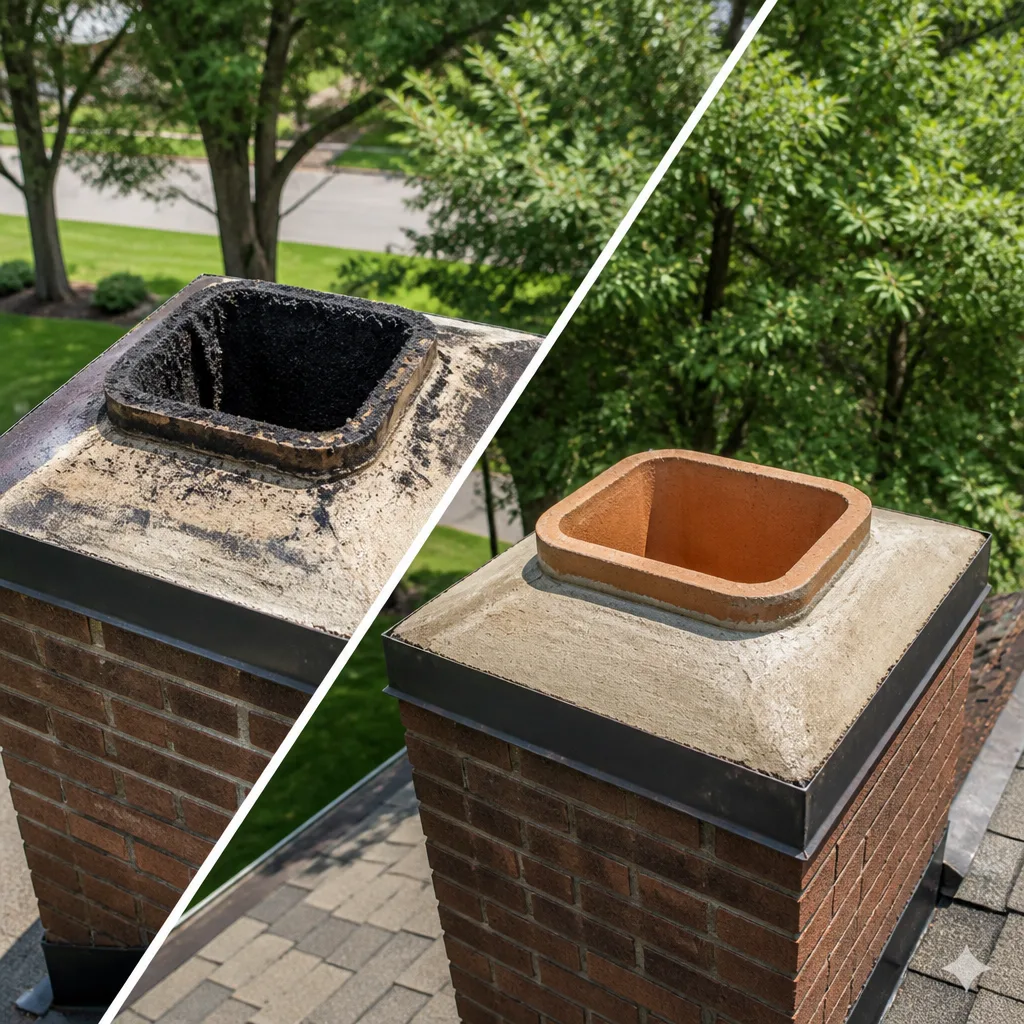
 Before
 After
After Before
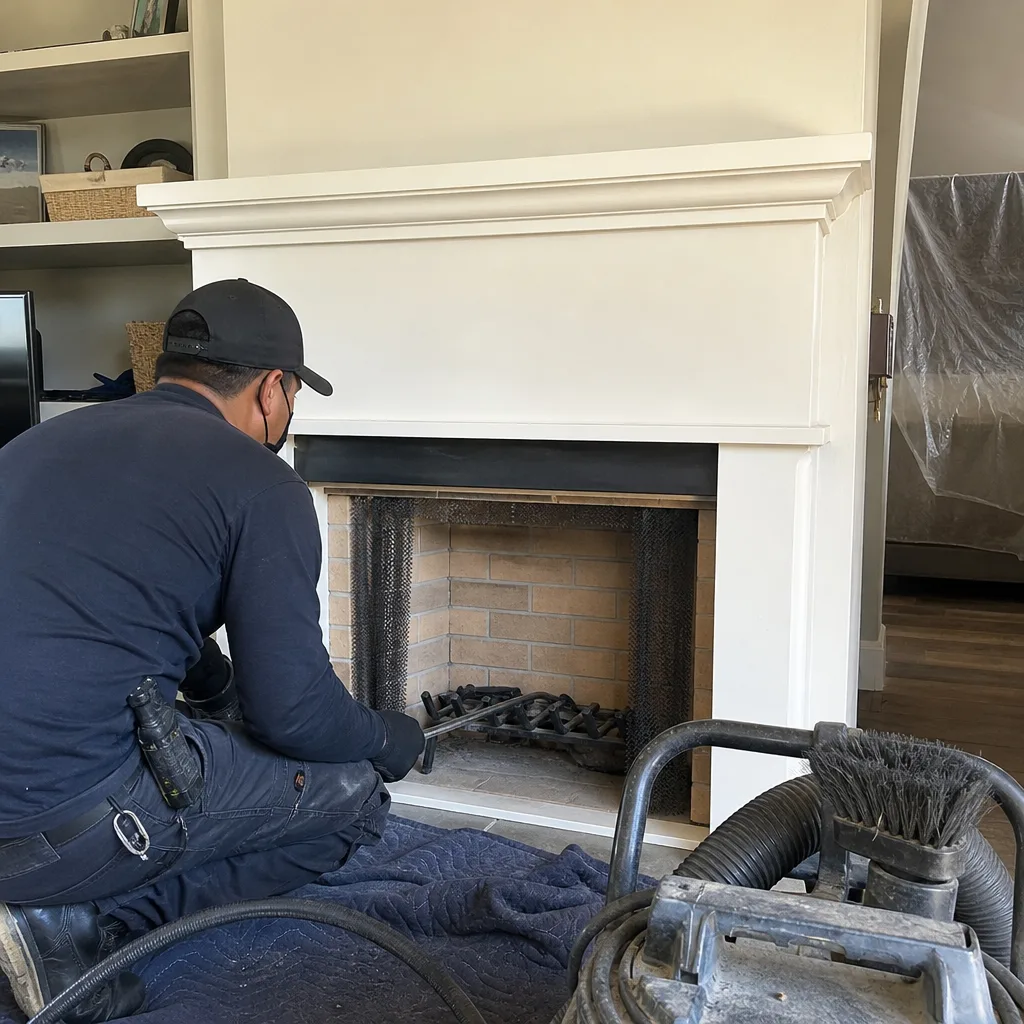 After
After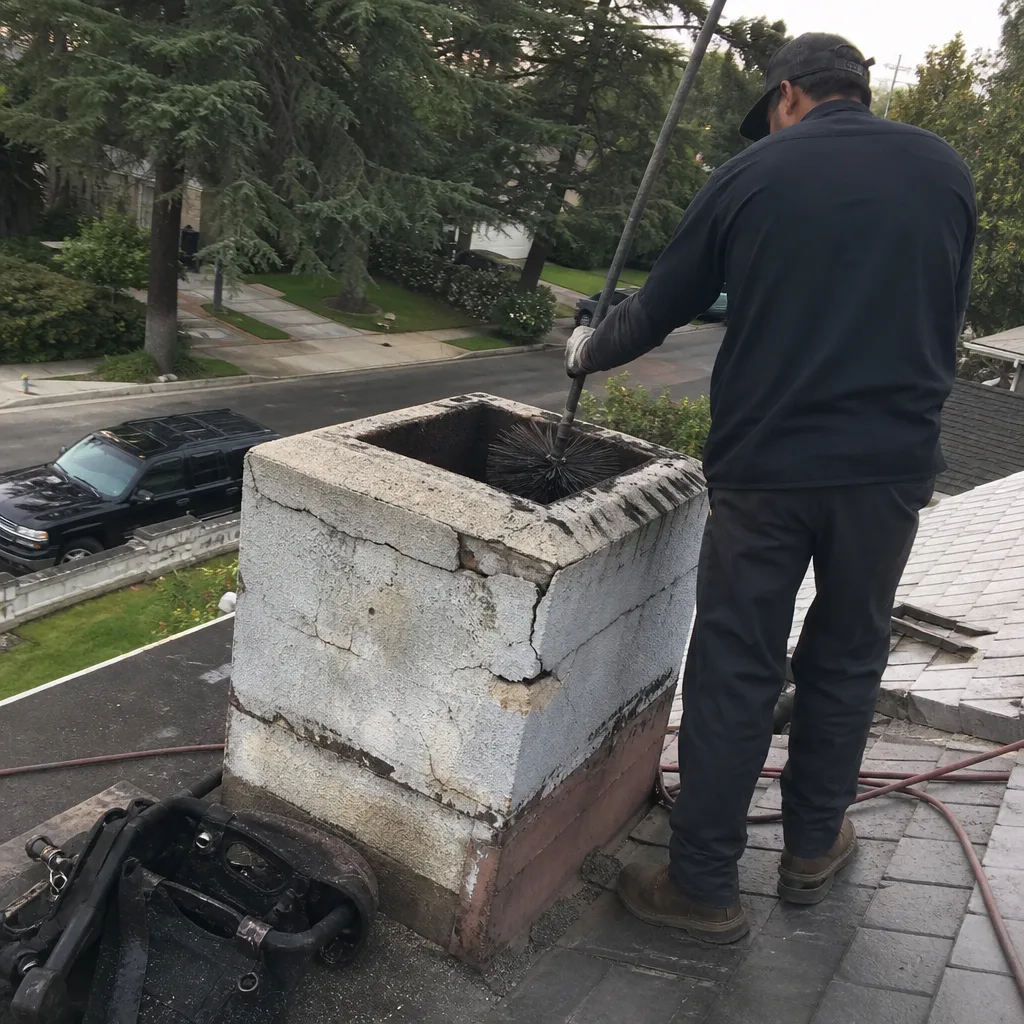 Before
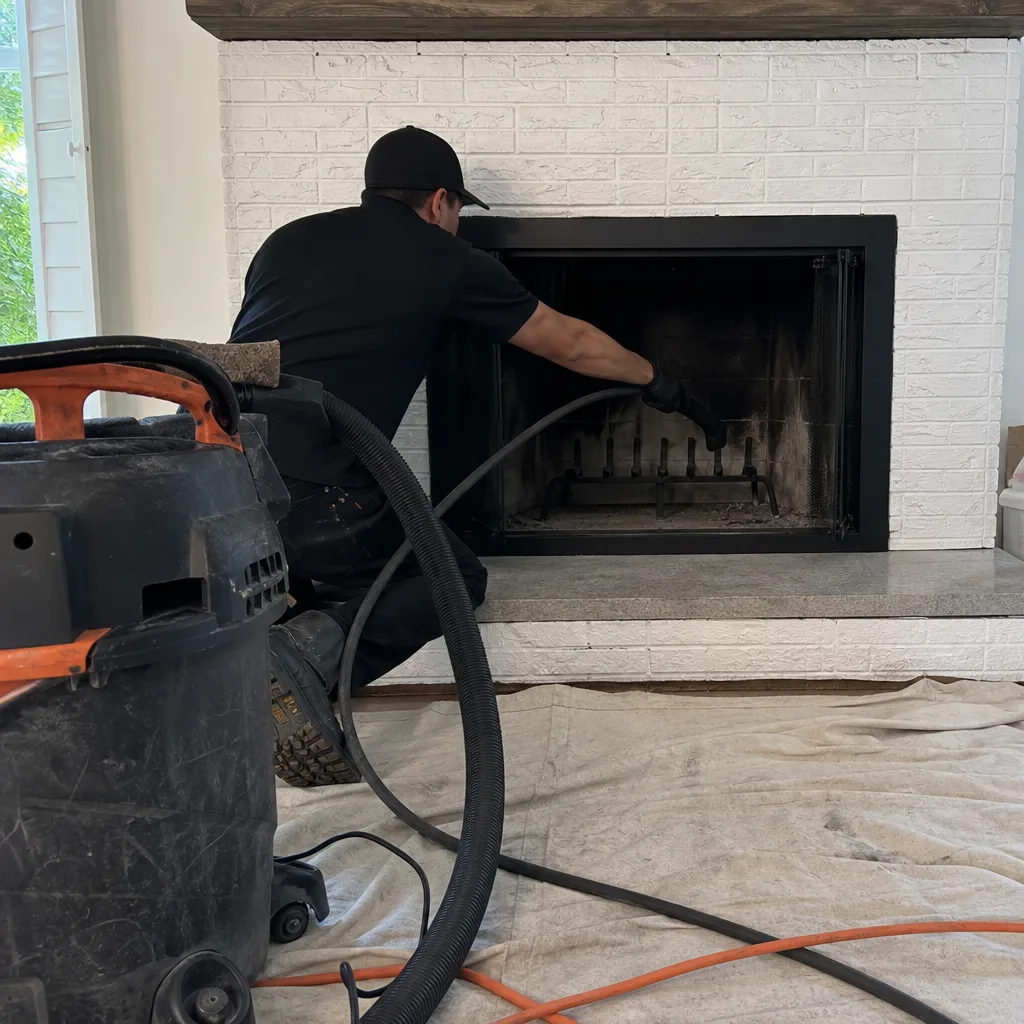 After
AfterGelco Flue Liner Replacement: The Los Angeles Owner’s Guide
A Gelco flue liner replacement in Los Angeles typically runs between $1,800 and $3,400 installed, depending on the liner diameter, flue height, and access to your chimney. We stock Gelco-compatible liner systems on our trucks and can usually complete the swap in a single visit once we’ve measured your existing flue.
Most Los Angeles homeowners discover they need this job done the hard way: a Level 2 inspection after buying a home, a chimney sweep who shines a light up past the damper and finds a crack, or worse, rust flakes and liner fragments collecting in the firebox. Gelco liners are solid products, but nothing lasts forever in a chimney. Heat cycling, condensation, and the marine air that drifts through Venice and the South Bay all take their toll faster than most people expect.
Key takeaways:
- We install Gelco-compatible stainless steel liner systems, not box-store substitutes
- Every replacement includes a written price before work starts and a 365-day guarantee
- You’ll get a camera inspection report showing exactly what failed, before we recommend anything
- Call (336) 863-3889 and a live person answers, day or night
Which Gelco Models This Applies To
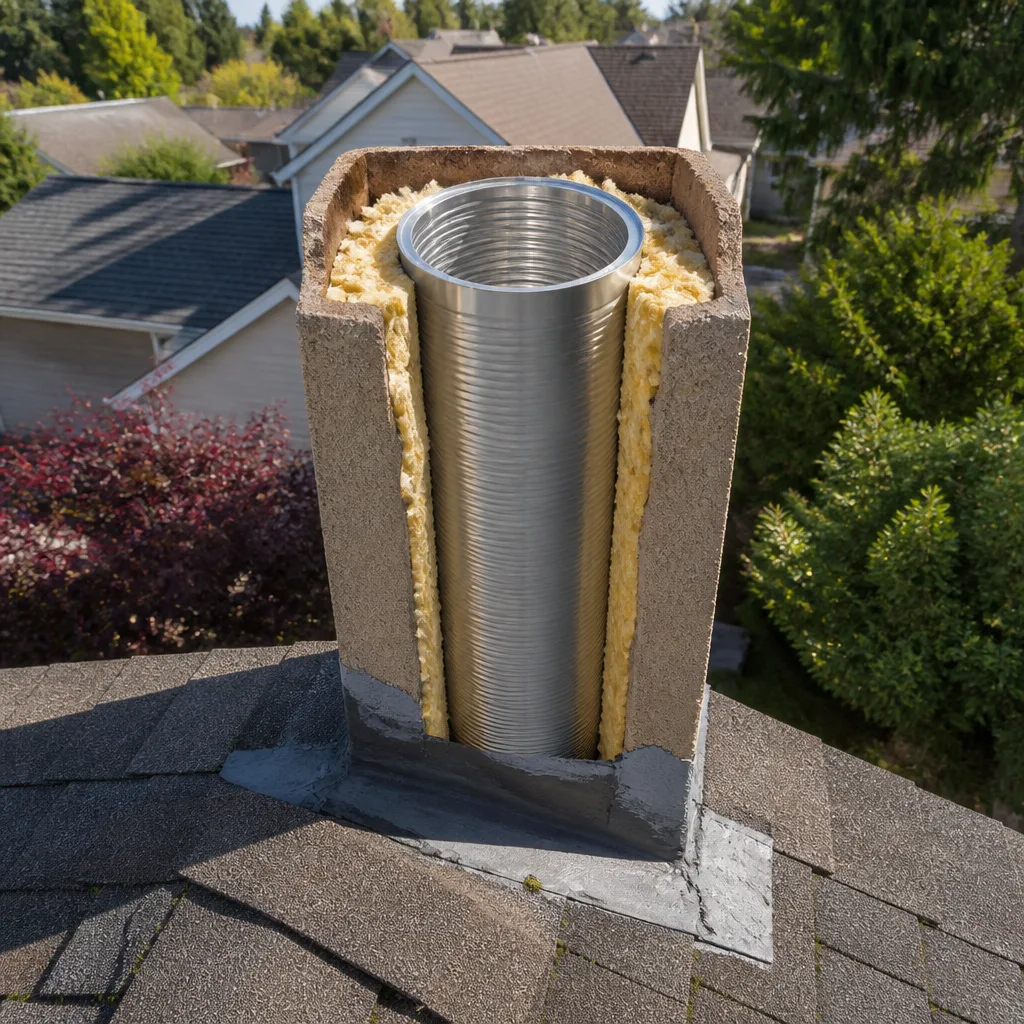
Gelco makes two liner families that we regularly replace in Los Angeles homes: their rigid stainless systems (often found in newer construction and post-earthquake retrofits) and their flexible 316L alloy liners, which are the more common retrofit choice for older masonry chimneys. The flexible liners come in diameters from 4 to 12 inches, and getting the diameter right matters more than most people realize.
Here’s the compatibility gotcha: a Gelco liner that’s even a half-inch undersized for your appliance will cool flue gases too quickly, which means more creosote condensation and a higher chimney fire risk. Oversized is just as bad in the other direction. We measure the appliance outlet AND the existing flue before recommending a size, because the correct answer isn’t always the one that matches the old liner. Homeowners often inherit a liner that was wrong from the start.
On the OEM versus aftermarket question: Gelco doesn’t require OEM-only replacement. What matters is that the liner meets UL 1777 for relining masonry chimneys and is installed with the right insulation, termination cap, and connector hardware. We carry Gelco and also work with DuraFlex and HeatShield systems when a different product is genuinely the better fit. Our recommendation is based on your chimney’s actual condition, not what’s easiest for us to stock.
A quick note on our relationship: Alcott Chimney Sweep is an independent service provider. We install and service Gelco products, but we’re not affiliated with the brand itself. We just know their parts well enough to be honest about them.
Signs Your Gelco Flue Liner Replacement Is Failing
- Rust flakes or metallic fragments in the firebox. When a stainless liner’s inner wall starts pitting from condensation and acidic creosote, small pieces break off and land where you can see them. This is the most common early warning sign, and it’s easy to spot before lighting a fire.
- A sulfur or “rotten egg” smell when the fireplace is in use. This usually means combustion gases are leaking through a deteriorated liner section and finding their way into the living space. It’s not just unpleasant; it means carbon monoxide can follow the same path.
- Visible gaps, separation, or sagging at the liner joints. Gelco liners are joined with connector bands that can loosen over years of heating and cooling cycles. We see this often in older Los Angeles ranch homes where the fireplace gets heavy winter use and sits idle all summer.
- Water staining on walls adjacent to the chimney or moisture in the firebox after rain. A compromised liner can let water penetrate through the masonry and into adjacent wall cavities. In Mid-City bungalows and older Craftsman homes especially, this shows up as paint bubbling near the chimney chase.
- Flue gases backing up into the room when the fire first starts. If your smoke test shows lazy drafting or visible smoke spilling from the fireplace opening, the liner may have collapsed internally or a section has separated. This is an immediate “don’t use the fireplace until it’s inspected” situation.
Replacement Cost & What’s Included
Here’s what we charge in Los Angeles, and unlike a lot of chimney companies, we put it in writing before any work begins:
- Flexible Gelco-compatible liner (4-6 inch, single-story flue): $1,800 – $2,400 installed
- Flexible Gelco-compatible liner (7-8 inch, taller or multi-story flue): $2,400 – $3,000 installed
- Rigid Gelco-compatible liner system: $2,800 – $3,400 installed, depending on flue height and access
- Add insulation wrap (recommended for exterior chimneys): $350 – $600
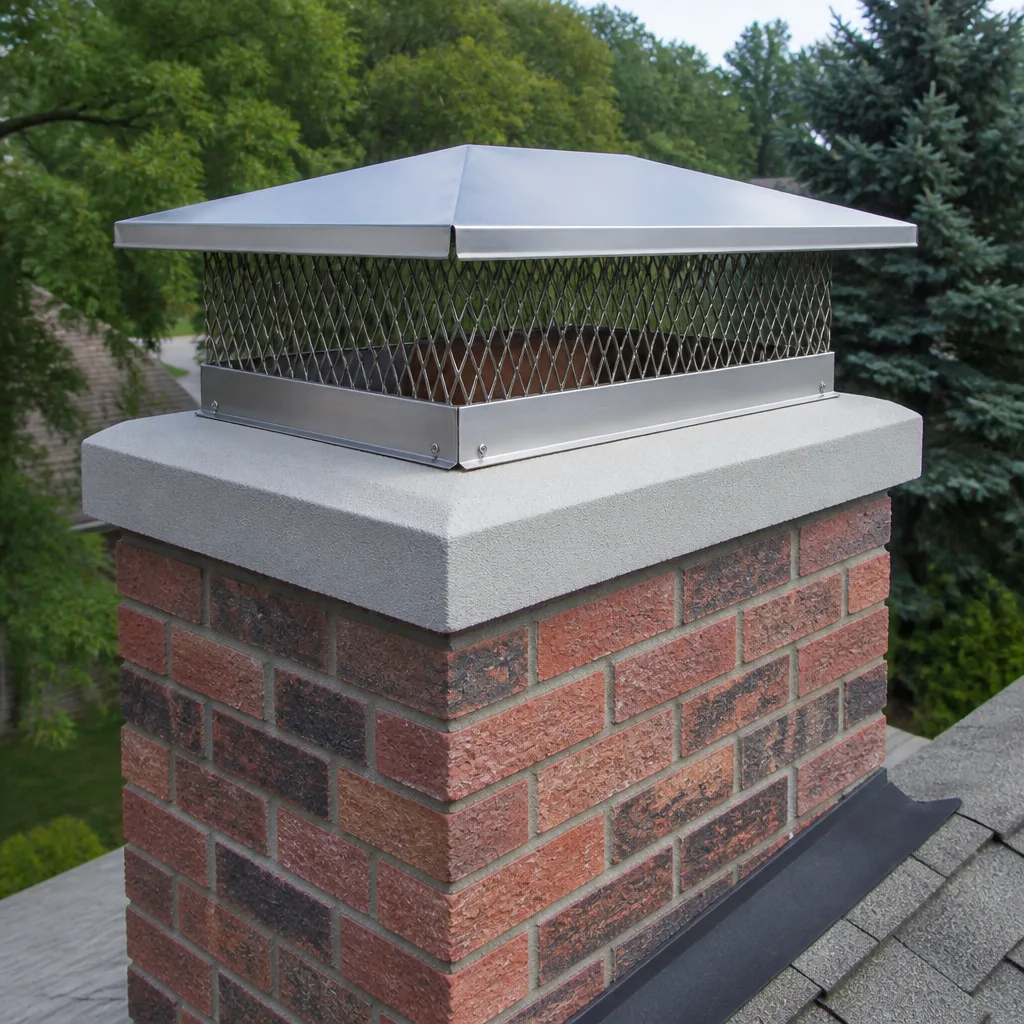
- New termination cap and rain collar: $275 – $450 included in most jobs, priced separately if yours is salvageable
The range comes down to three things: liner diameter, how many running feet you need, and whether your chimney is interior or exterior. Exterior chimneys in Los Angeles need the insulation wrap; skip it and you’ll get condensation, faster corrosion, and a shorter liner life. Interior chimneys can sometimes go without, though we typically recommend it either way because it also improves draft.
Every replacement includes the liner, connector hardware, a new top plate, a camera inspection of the completed install, and a written guarantee. If the repair fails within 365 days, the second visit is free. That’s the Done Right Promise, and it’s in writing on every job we do.
DIY or Call Us?
This is not a job we’ll sugarcoat: flue liner replacement involves working at height, handling stainless steel that arrives in an unrolled coil with significant spring tension, and making connections that have to be gas-tight and correct the first time. The liner sections are heavy, the roof access is dangerous without proper fall protection, and a liner that’s not properly supported can shift after installation and separate at a joint.
What you can safely do yourself: shine a flashlight up past the damper and look for rust streaks, visible cracks, or liner pieces that look out of round. Take photos with your phone. Tell me what you’re seeing and I’ll tell you what it actually means. If the photos suggest a failed liner, we’ll come out with a camera and show you the damage on a screen before anyone touches a tool.
Where DIY goes wrong: homeowners who try to install a flexible liner without the right pull cone, without insulation, or without properly sealing the top plate almost always end up calling us anyway. The liner kinks, the connections leak, and the whole thing has to come back out. If you’re considering it, call us first at (336) 863-3889. We’ll tell you straight if your specific chimney is one of the rare ones where a careful homeowner with the right equipment could manage it. In our experience across Los Angeles, that’s about one in twenty, and usually a single-story interior flue with easy roof access.
FAQs
A properly installed Gelco-compatible 316L stainless liner typically lasts 15 to 25 years in the Los Angeles climate, though coastal moisture, heavy seasonal use, and wood-burning with higher creosote output can shorten that to 12 to 15 years. We see earlier failures most often on exterior chimneys that were never insulated, where condensation from cool ocean air accelerates internal corrosion. Call (336) 863-3889 and we’ll inspect yours and give you a realistic remaining lifespan based on what the camera shows.
Sometimes, if the damage is localized to a single joint or a short section near the top, a repair is possible using a connector band or a short replacement section. But if the corrosion is widespread or the liner has separated in multiple places, patching just buys you a year or two before another section fails. We’ll show you the camera footage and let you make the call; our job is to tell you what the liner actually needs, not to sell you the biggest job we can justify.
Most Gelco liner replacements in Los Angeles homes are completed in a single day, typically 4 to 6 hours from setup to cleanup. Taller flues, rigid liner systems, or chimneys with difficult roof access can push it to a second day, but we’ll tell you the timeline before we start and it’s part of the written price.
We stock common Gelco-compatible liner diameters, connector bands, top plates, and termination caps on our trucks, and we carry both Gelco and DuraFlex systems so we can match your existing liner configuration. If your flue is an unusual size, we’ll order the specific liner and schedule the install for the following week. Either way, you’ll know what to expect before the truck pulls up.
Written by Ruben Castellano, Owner, Alcott Chimney Sweep at Alcott Chimney Sweep, serving Los Angeles and nearby areas.