
Level 1 sweep and inspection to the NFPA 211 annual standard - flue, crown, cap, and flashing checked and photographed
Chimney sweep logs do not sweep chimneys. They loosen some creosote - which then falls where a brush and vacuum still have to collect it.
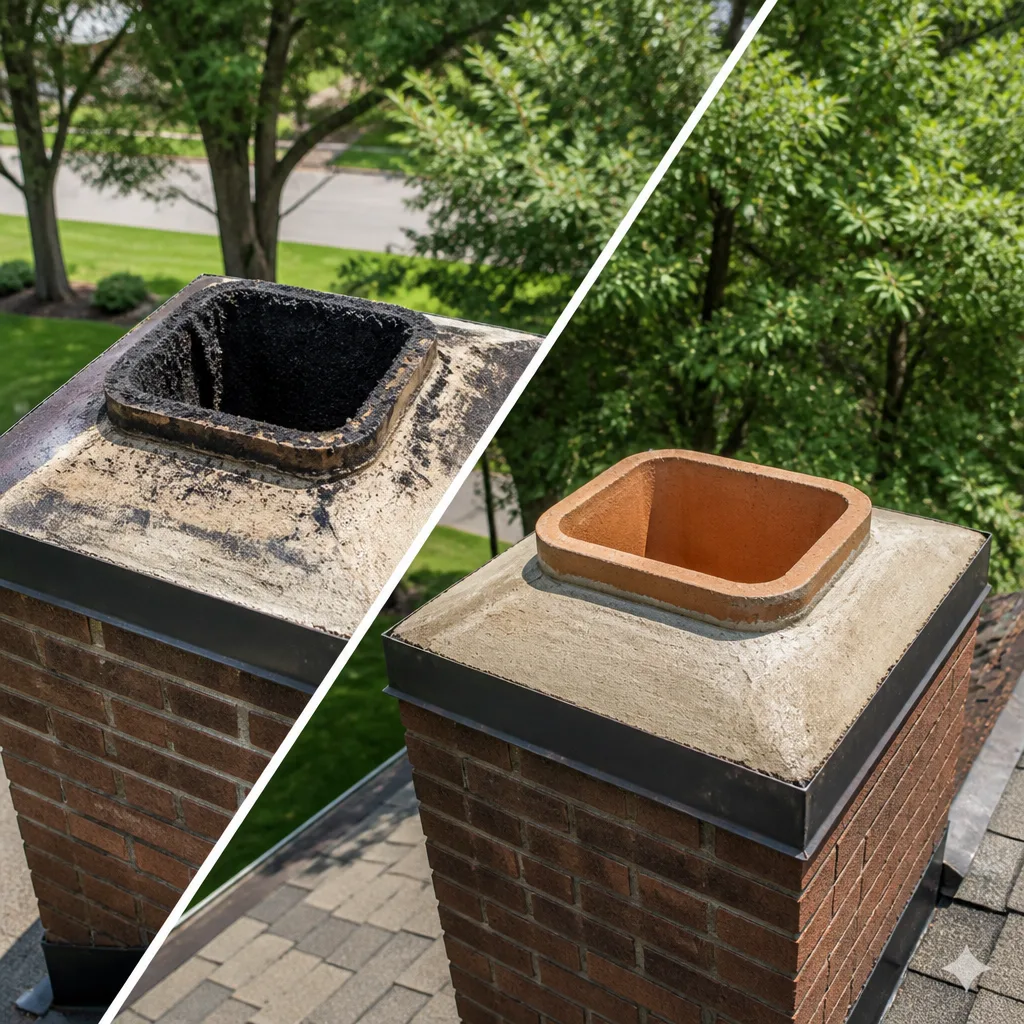
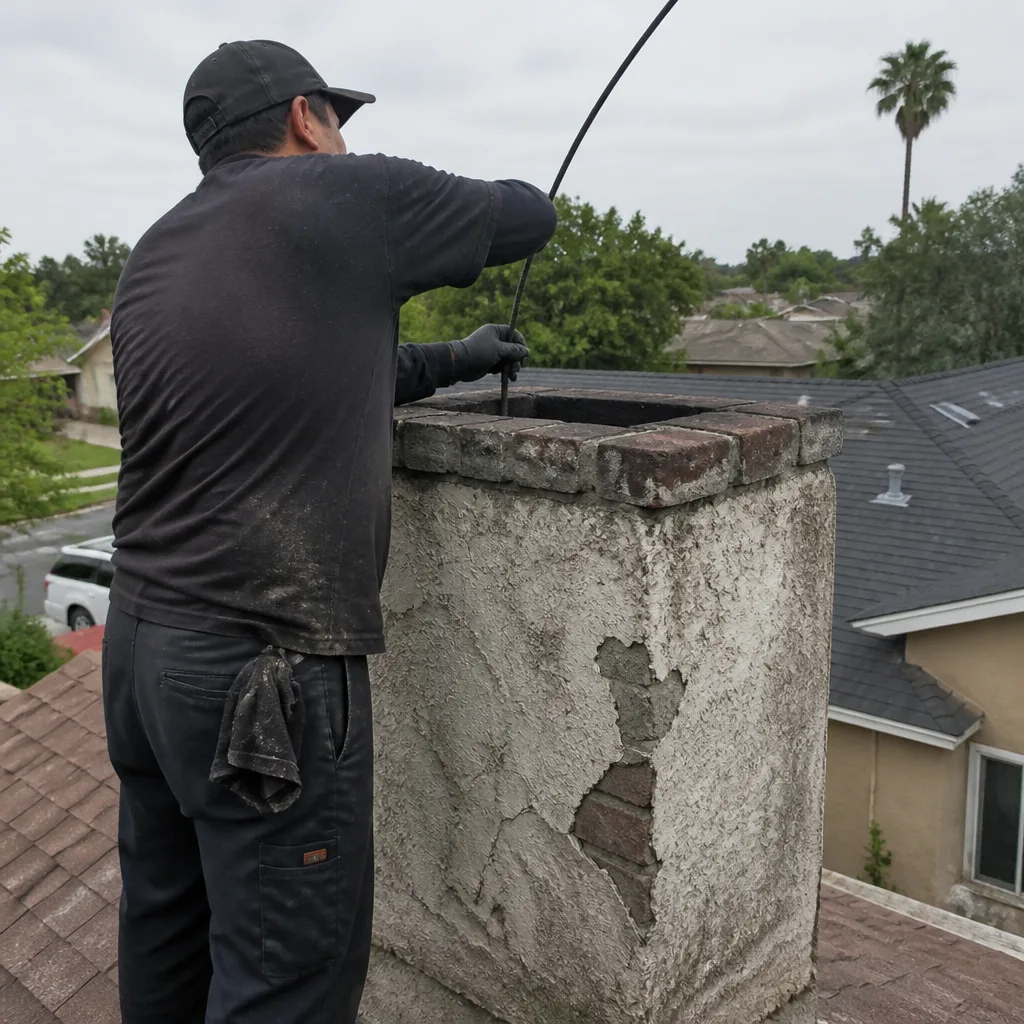 Before
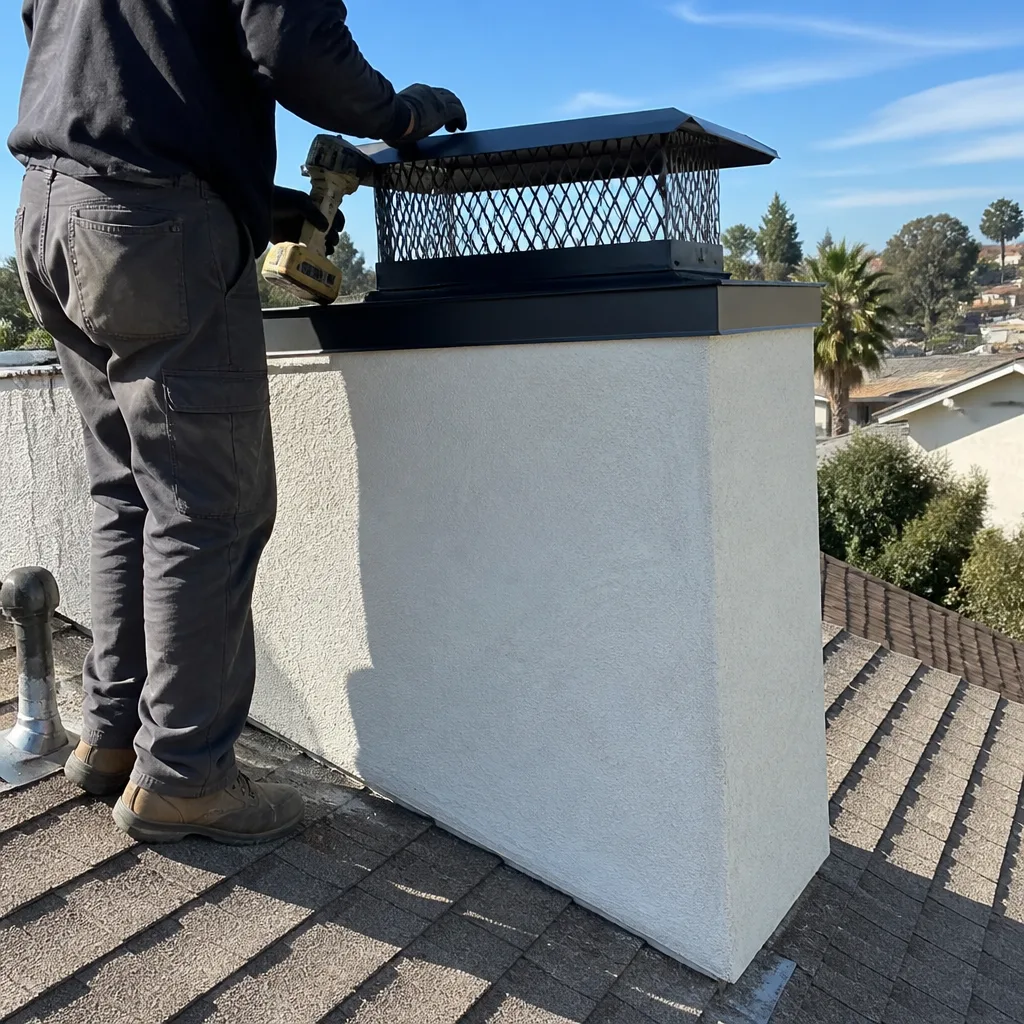 After
After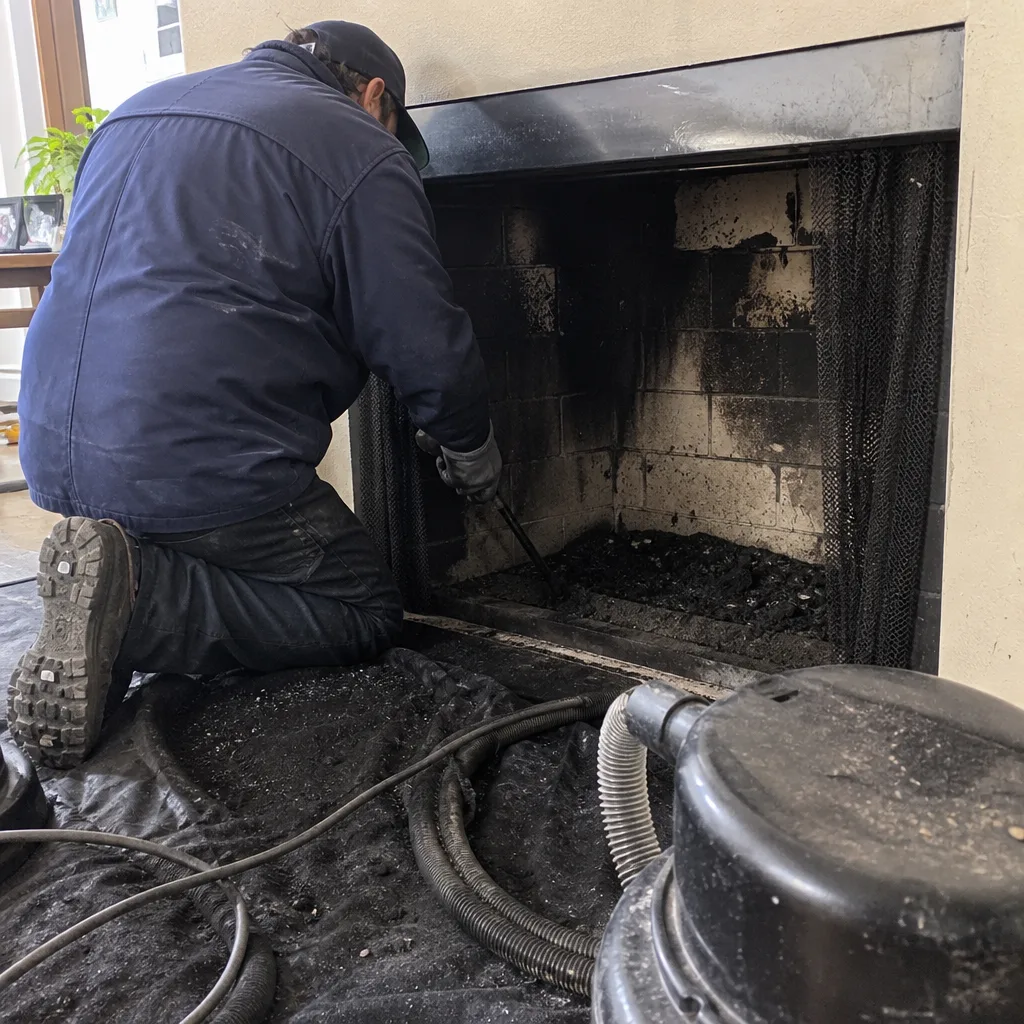 Before
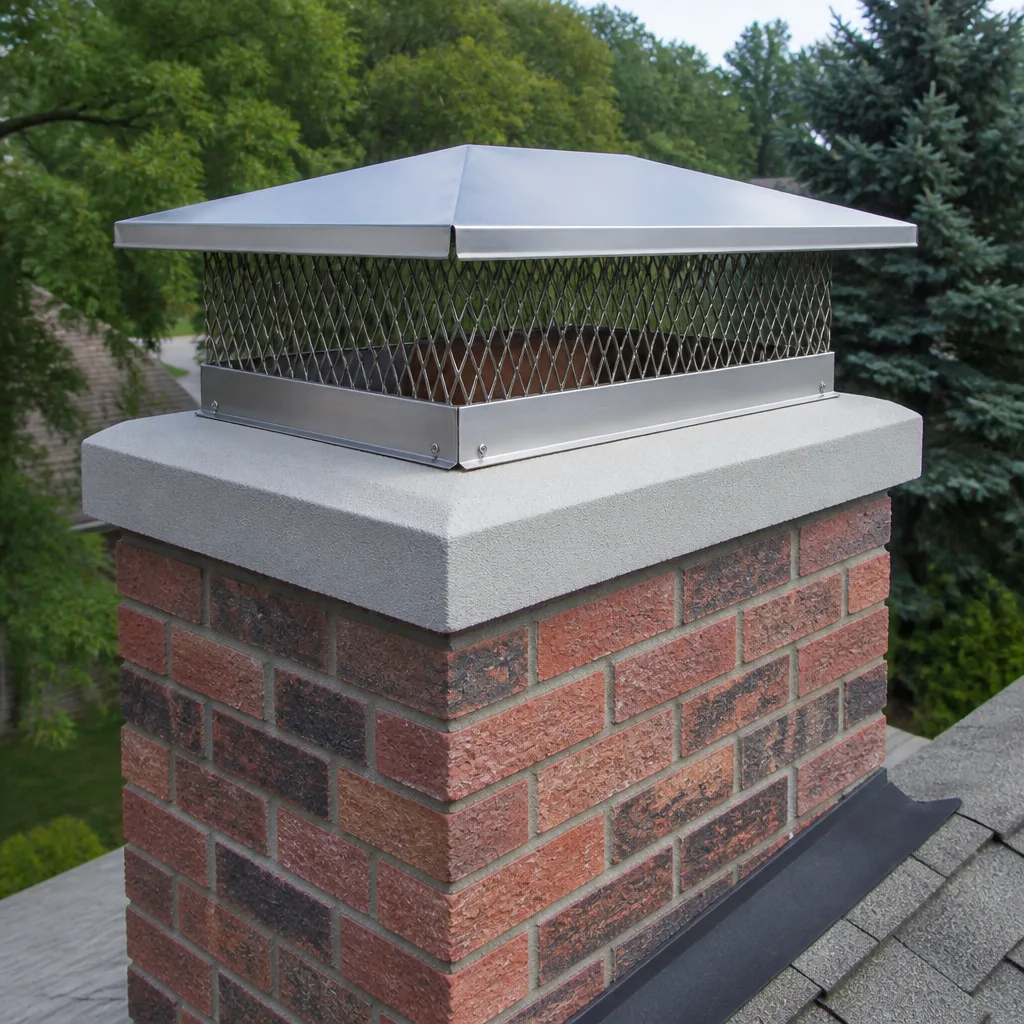
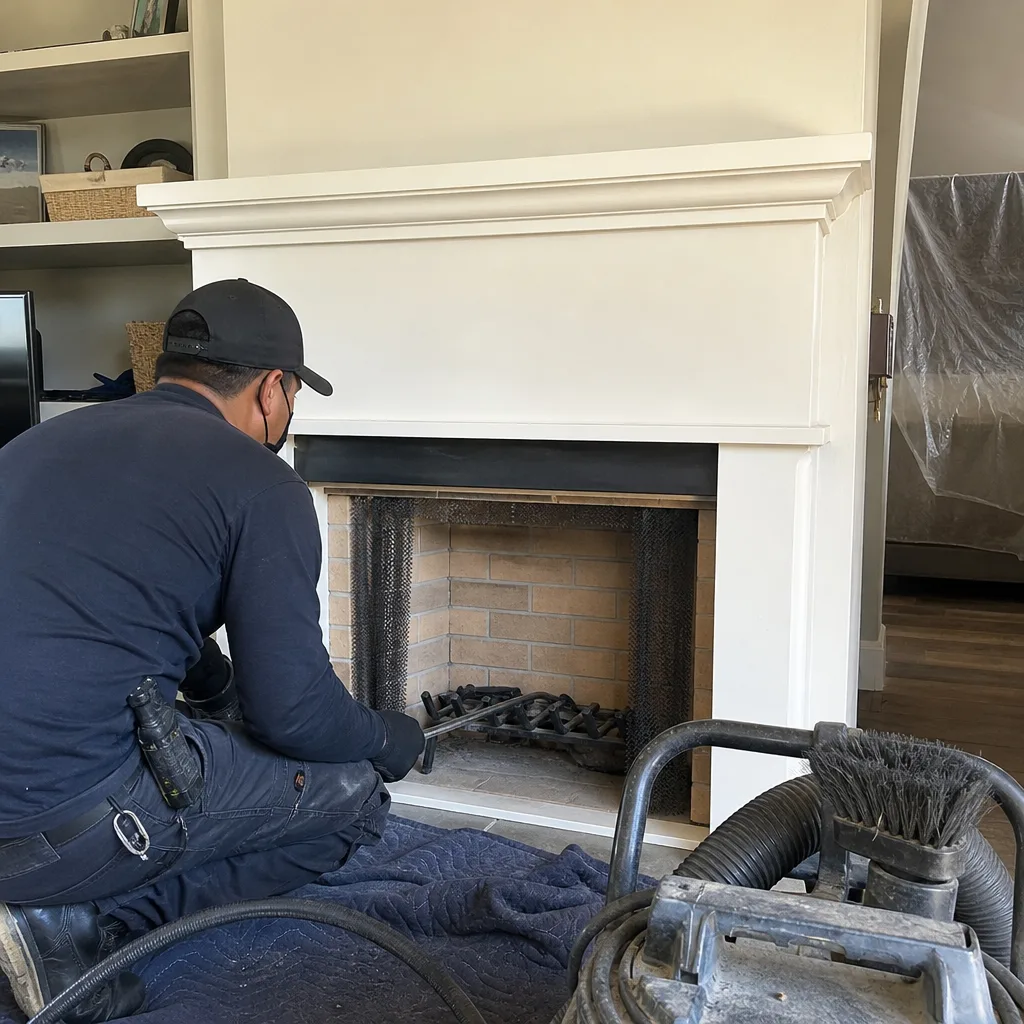 After
After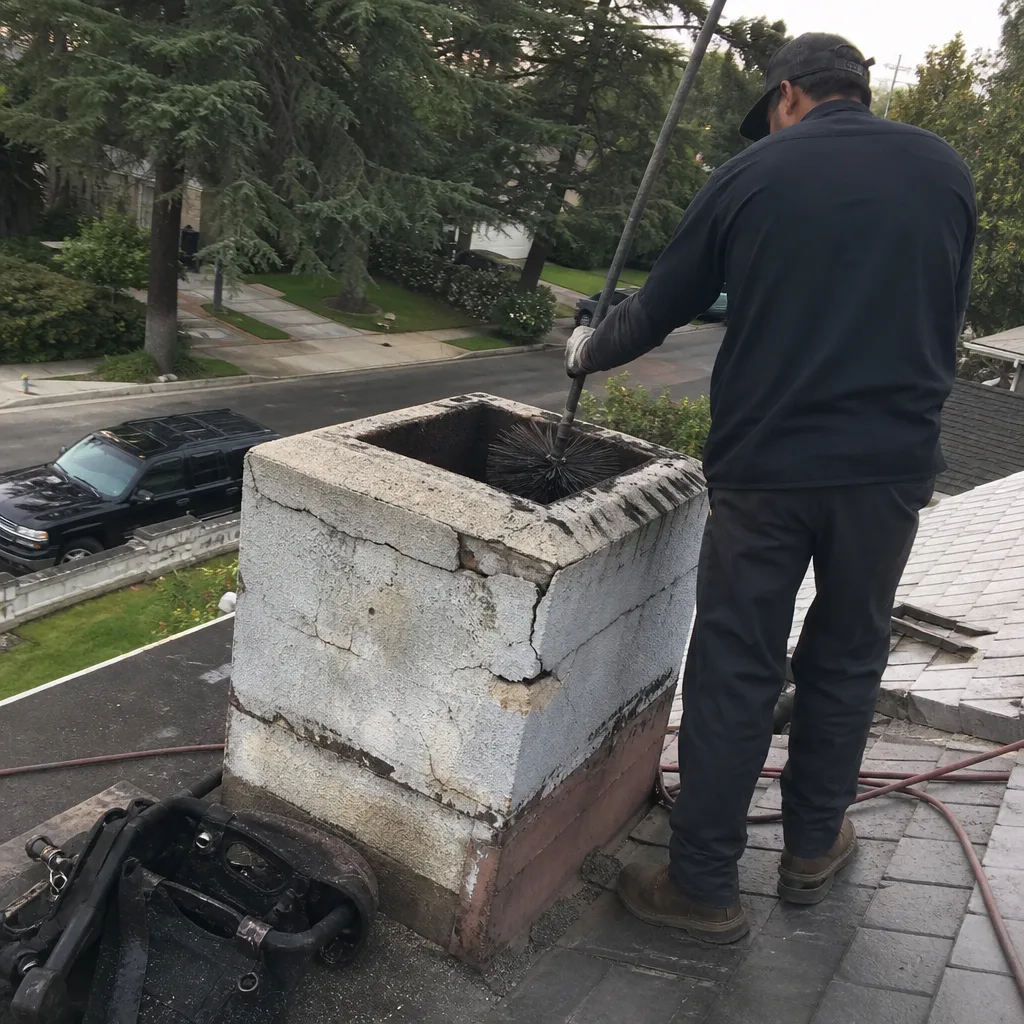 Before
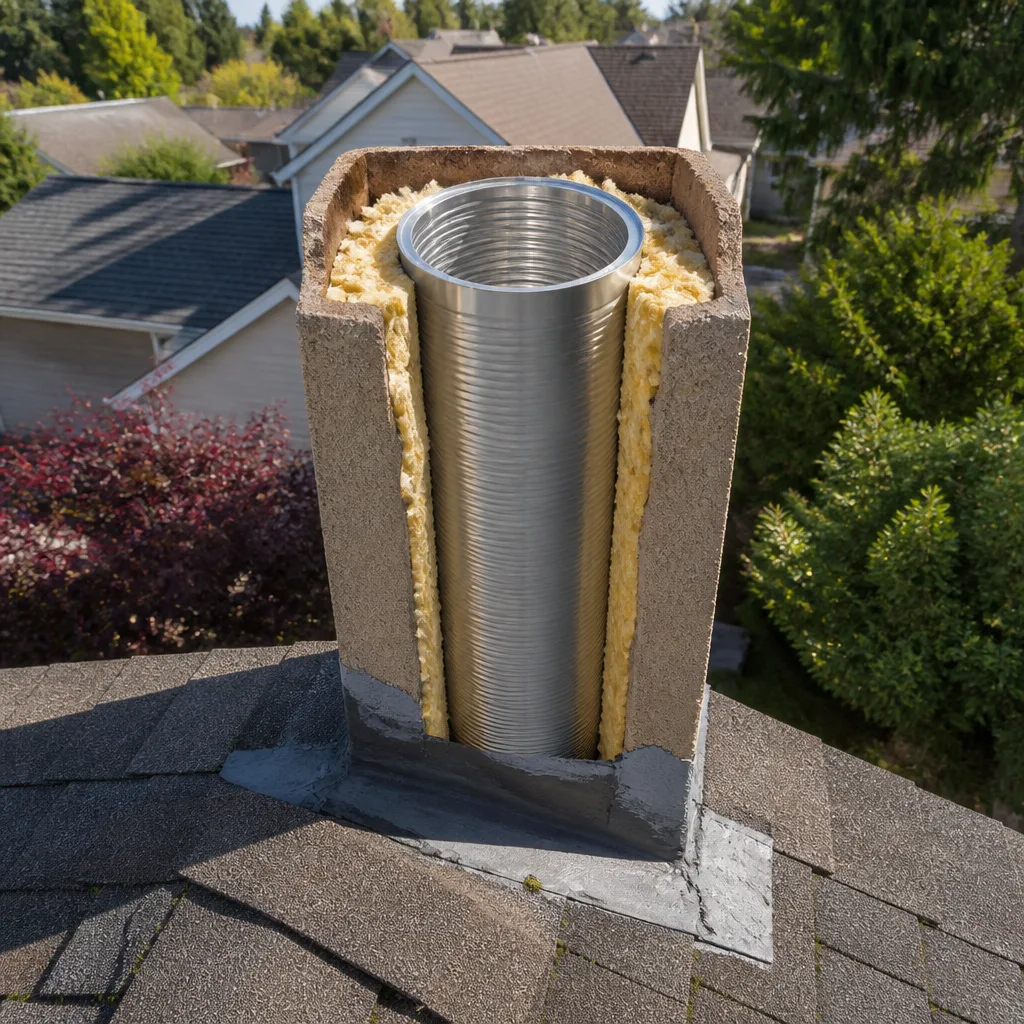
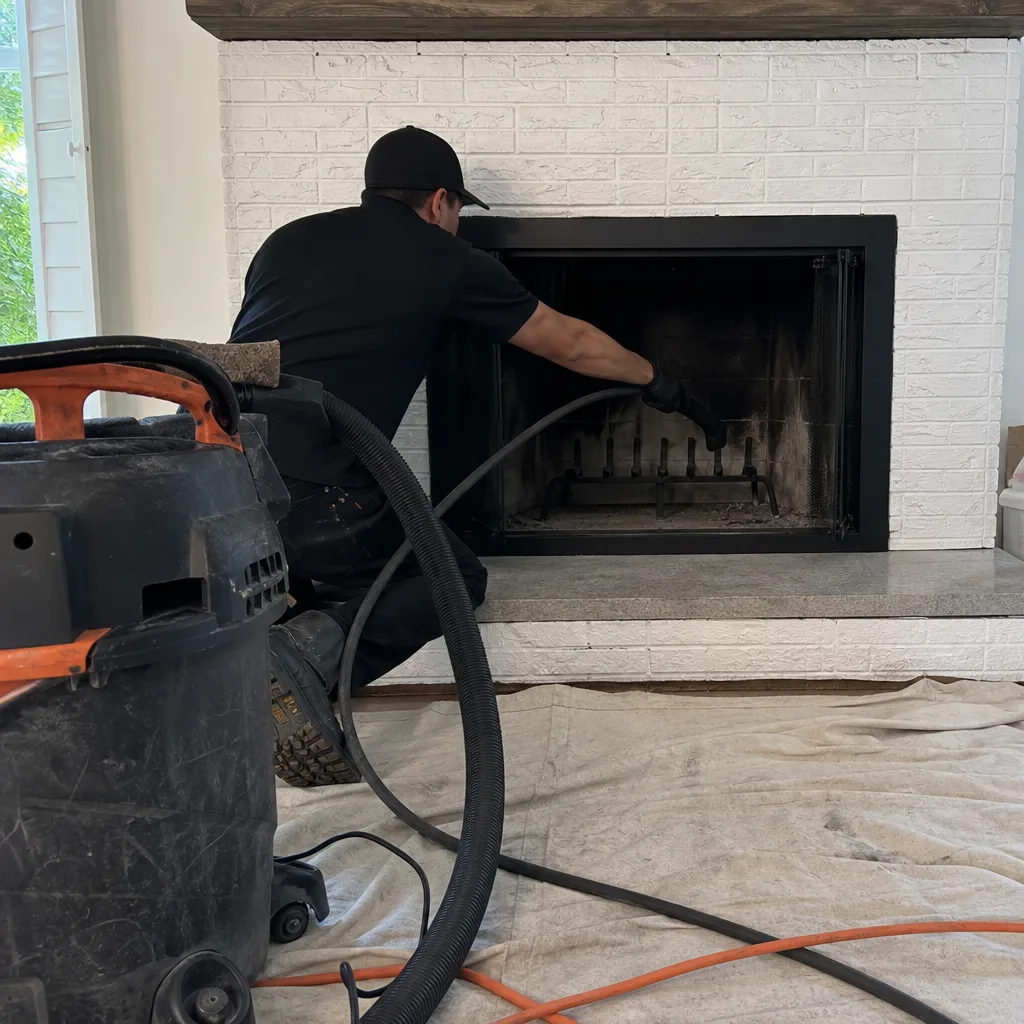 After
AfterHeatShield Chimney Inspection in Los Angeles: What to Know First
HeatShield chimney inspection in Los Angeles typically costs between $189 and $349 depending on whether you need a standard Level 2 camera inspection or a more involved Level 3 evaluation, and most appointments are completed within 90 minutes. Alcott Chimney Sweep is an independent HeatShield service provider, meaning we inspect and repair the product but we’re not a factory-authorized dealer, so you get straight answers about what’s actually wrong and what can wait. If you own a HeatShield liner system, this page is for you. Call (336) 863-3889 and we’ll walk you through what to expect before you book anything.
How HeatShield Products Fail – and How We Fix Them
HeatShield is a cerfractory flue sealant system, a ceramic-based coating that’s applied to the inside of an existing flue to restore its structural integrity and close off gaps. In Los Angeles we see it installed across thousands of older homes, but it’s not a permanent fix. Here’s what actually goes wrong, based on what we pull out of flues across the city every week:
- HeatShield CeCure and HeatShield JointCure systems develop adhesion failures at the original masonry joints. This is the most common HeatShield failure we find in Los Angeles. The coating looks fine from the top of the chimney, but the camera shows hairline separation where the ceramic meets the original clay tile joint. Moisture gets behind the coating, and that moisture carries creosote acids into the gap. The fix is a spot reapplication of the HeatShield JointCure compound at the failed joint, followed by a camera verification pass.
- HeatShield’s Cerfractory Flue Sealant is sometimes applied over pre-existing third-stage creosote without proper mechanical removal first. We see this in flues where a previous contractor sealed over glaze creosote instead of removing it. The coating bonds to the creosote, not the tile, and within two to three years the creosote thermal-cycles the coating right off. On a HeatShield inspection, we’re specifically looking for glaze creosote shadowing underneath the sealant. If we find it, the fix is a full mechanical cleaning before any reapplication.
- HeatShield’s FlueSeal system shows vertical cracking in chimneys that run through uninsulated exterior walls. Los Angeles has a 40-degree temperature swing between midday sun and overnight marine layer conditions in the fall. That daily expansion and contraction stresses exterior-wall chimneys more than interior ones. FlueSeal is a thinner, brushable product compared to CeCure, and we find vertical stress cracks in it more often in exposed chimneys in Canoga Park, Woodland Hills, and other Valley neighborhoods where the daytime sun hits the chase directly. The fix is a reapplication of FlueSeal or, if the cracking is widespread, a conversation about whether a DuraFlex stainless liner makes more long-term sense.
- HeatShield JointCure fails around the smoke chamber transition where the flue narrows. This is a geometry problem, not a product defect. The smoke chamber is the transition between the firebox and the flue, and it flexes differently than the vertical flue above it. JointCure is designed for mortar joints, but when it’s used at the smoke chamber transition, it’s being asked to bridge two different expansion rates. In Los Angeles homes with post-1960 construction, we find this failure mode in roughly one out of every four HeatShield jobs we inspect. The fix is either a smoke chamber parging with a compatible refractory mortar or converting that section to a stainless transition plate.
- HeatShield’s CeCure system develops pinhole voids when the original clay tile had spalling that was not addressed before application. Spalling is when the clay tile itself has begun to flake away from the inside. If a contractor coats over spalled tile, the HeatShield surface looks good for about two years, then the pinholes start to show because there’s nothing structurally behind the coating in those spots. We look for this on every HeatShield inspection in Los Angeles because it’s the difference between a cosmetic touch-up and a full reline. When we find it, we talk straight with you: the HeatShield may be salvageable, but if the underlying tile has spalled beyond a certain point, a DuraFlex stainless liner is the honest answer.
Our HeatShield Chimney Inspection Process
Here’s how a HeatShield inspection goes when you book with Alcott Chimney Sweep in Los Angeles:
- 1
You call, a live person answers. No voicemail, no callback queue. Tell us what you’re seeing, smoke backing up, a smell in the house, water staining near the chimney, or just “we bought the house and want to know what’s in there.” We’ll book a time that works for you.
- 2
You get a name and a photo before we arrive. Every Alcott technician is background-checked, identity-verified, and sent to you by name and photo before the truck leaves the shop. On arrival, they show you a photo ID badge. No exceptions.
- 3
We run a Level 2 camera inspection. This is the standard for any HeatShield evaluation. The camera goes up the full length of the flue and shows us every inch of the coating, the joints, and the transition points. We’re looking specifically for the failure modes listed above: joint separation, pinhole voids, adhesion loss, glaze creosote shadowing.
- 4
We show you what we see. You don’t have to take our word for it. The camera feed is visible to you in real time, and we walk you through every frame. “Tell me what you’re seeing and I’ll tell you what it actually means” is how Ruben Castellano explains it.
- 5
You get a written price before any work starts. If the inspection turns up a problem, you get a line-item written quote. OEM HeatShield materials where the manufacturer’s warranty matters, quality aftermarket where it doesn’t. You decide what gets done, and nothing happens until you approve it in writing.
- 6
We perform the work, test it, and give you a written guarantee. Every HeatShield repair we do is verified with a second camera pass before we leave. Then you get a written guarantee on the repair, backed by our 365-Day Done Right Promise. If the repair fails within the coverage period, the second visit is free.
What HeatShield Chimney Inspection Costs in Los Angeles
Here’s what you can expect to pay for HeatShield chimney inspection in Los Angeles, based on what we see across the city:
- Level 2 camera inspection (HeatShield evaluation): $189 – $249. This includes the full flue camera pass, a written report, and photos.
- Level 2 inspection plus HeatShield spot repair: $295 – $520. We found a failed joint or a small adhesion patch, and we’re fixing it the same day.
- Level 3 inspection (requires partial tear-out or access openings): $500 – $1,200. This is rare for HeatShield jobs, but if we need to open a wall or remove chimney sections to see what’s behind the coating, the cost reflects that access work.
- HeatShield spot reapplication vs. full reline: Spot repairs are usually $180 – $400 per failed joint or section. If we find widespread coating failure or spalling behind the HeatShield, we’ll quote you a DuraFlex stainless liner, which in Los Angeles typically runs $2,800 – $7,500 depending on chimney height, access, and whether we’re doing the crown and chase cover at the same time.
What moves the price: roof access difficulty, chimney height, the condition of the existing HeatShield, and whether we find glaze creosote that needs mechanical removal before any repair can hold. Every job gets a written price before we start, and the estimate is free. Call (336) 863-3889 to schedule.
Why Los Angeles Homeowners Call Alcott Chimney Sweep for HeatShield Work
We’ve been working chimneys in Los Angeles since 2002, and we’ve seen every way a HeatShield installation can go right and wrong. Ruben Castellano started this company as part of the Threshold Group family of home-service companies, and we’ve kept the same rule for over two decades: every technician who walks through your door is background-checked, identity-verified, uniformed, and announced to you by name and photo before arrival. That’s the Threshold Standard, and it’s not an optional upgrade. We also install and service the full range of chimney trade brands, DuraFlex liners, Gelco, Olympia, Famco, and Copperfield, so when a HeatShield repair isn’t the right long-term answer, we can tell you what is, and we can install it. Written price before any work begins. Written guarantee on every repair. Free return visit if the repair fails within the 365-day coverage period. One phone call gets you all of it.
FAQs
HeatShield systems carry a limited manufacturer’s warranty, but coverage depends on who installed it, when, and whether the chimney has been properly maintained since. In Los Angeles, most HeatShield installations we see are between 5 and 15 years old, and many have outlived their original warranty window. The honest answer is that we can’t tell you over the phone whether your specific installation is covered. What we can do is give you a documented camera inspection that shows exactly what’s failing and why, and if a warranty claim is plausible, we’ll give you the documentation you need to file it. Call (336) 863-3889 and we’ll talk you through what to look for before you spend money on an inspection.
Yes, in most cases. HeatShield spot repairs, joint sealing, and adhesion patches are same-day work. If we find a problem that requires full access, a Level 3 tear-out, or a complete reline with a DuraFlex stainless system, that’s scheduled for a follow-up visit with a written quote before any work begins. Same-day repair depends on what the camera shows, and that’s exactly why we do the inspection first.
It depends on what the camera shows. HeatShield is designed to be a repairable system, and spot failures at joints or isolated adhesion loss are usually repairable with HeatShield JointCure or a reapplication of the cerfractory compound. But if the underlying clay tile has spalled, if there’s widespread glaze creosote behind the coating, or if the coating has separated from the tile over more than about 30 percent of the flue’s surface, replacement is usually the honest recommendation. We’ll show you the video and explain which category you’re in before we quote anything.
Most chimney inspections in Los Angeles are booked within three to five business days, and if you call early in the week we can often get you in the same week. We don’t do same-day emergency chimney inspections, but we do answer the phone 24/7, and if something smells like smoke at 11 p.m., a live person will talk you through what’s happening and whether you need to stop using the fireplace until we arrive. Call (336) 863-3889.
A standard chimney sweep inspection confirms the flue is clean and looks for obvious damage. A HeatShield inspection is more specific: we’re evaluating the condition of the cerfractory coating itself, looking for the exact failure modes that are common to HeatShield systems, joint separation, pinhole voids, adhesion loss, glaze creosote shadowing, and stress cracking. The camera pass is the same, but the thing we’re looking for is different, and the report we give you reflects that. If a generalist sweep inspects a HeatShield flue, they might miss early-stage adhesion failure because they’re not specifically trained to look for it. We are.
Written by Ruben Castellano, Owner, Alcott Chimney Sweep at Alcott Chimney Sweep, serving Los Angeles and nearby areas.