
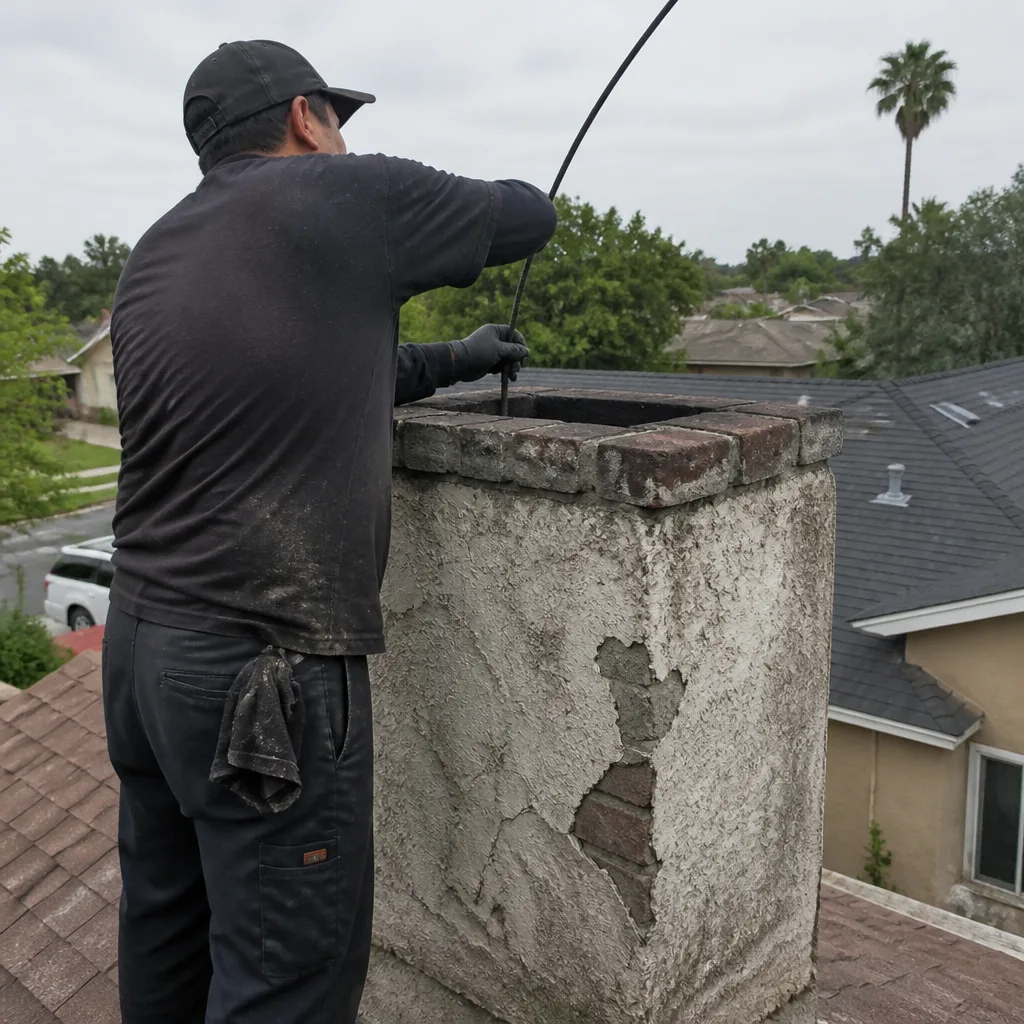
Level 1 sweep and inspection to the NFPA 211 annual standard - flue, crown, cap, and flashing checked and photographed
Chimney sweep logs do not sweep chimneys. They loosen some creosote - which then falls where a brush and vacuum still have to collect it.
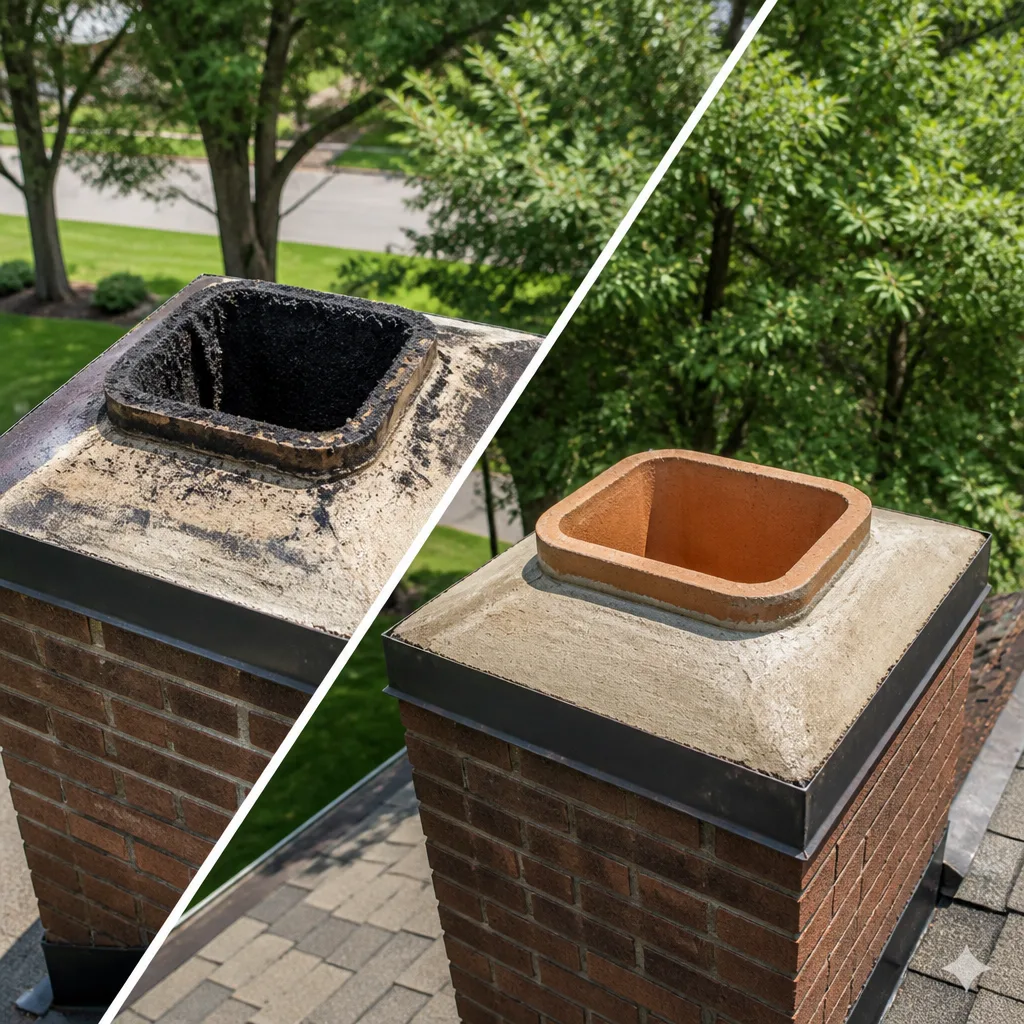
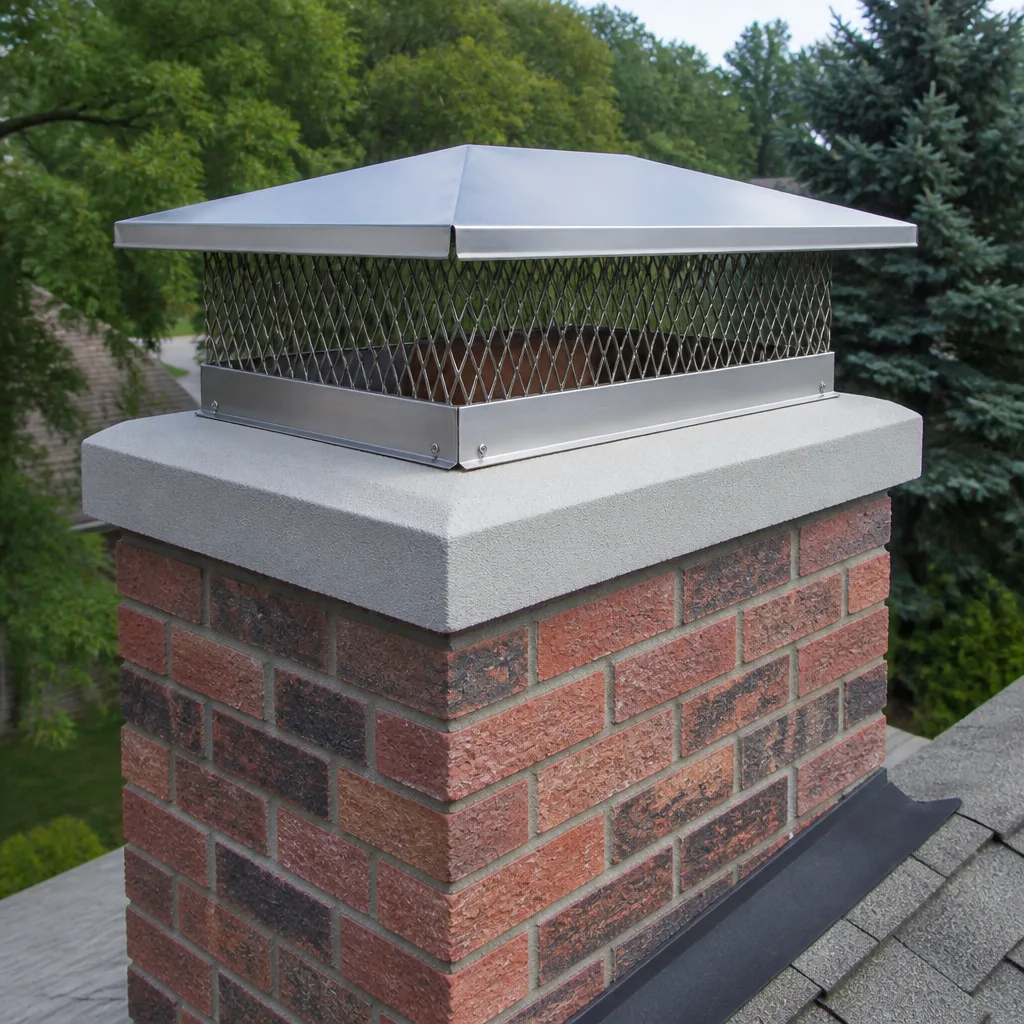
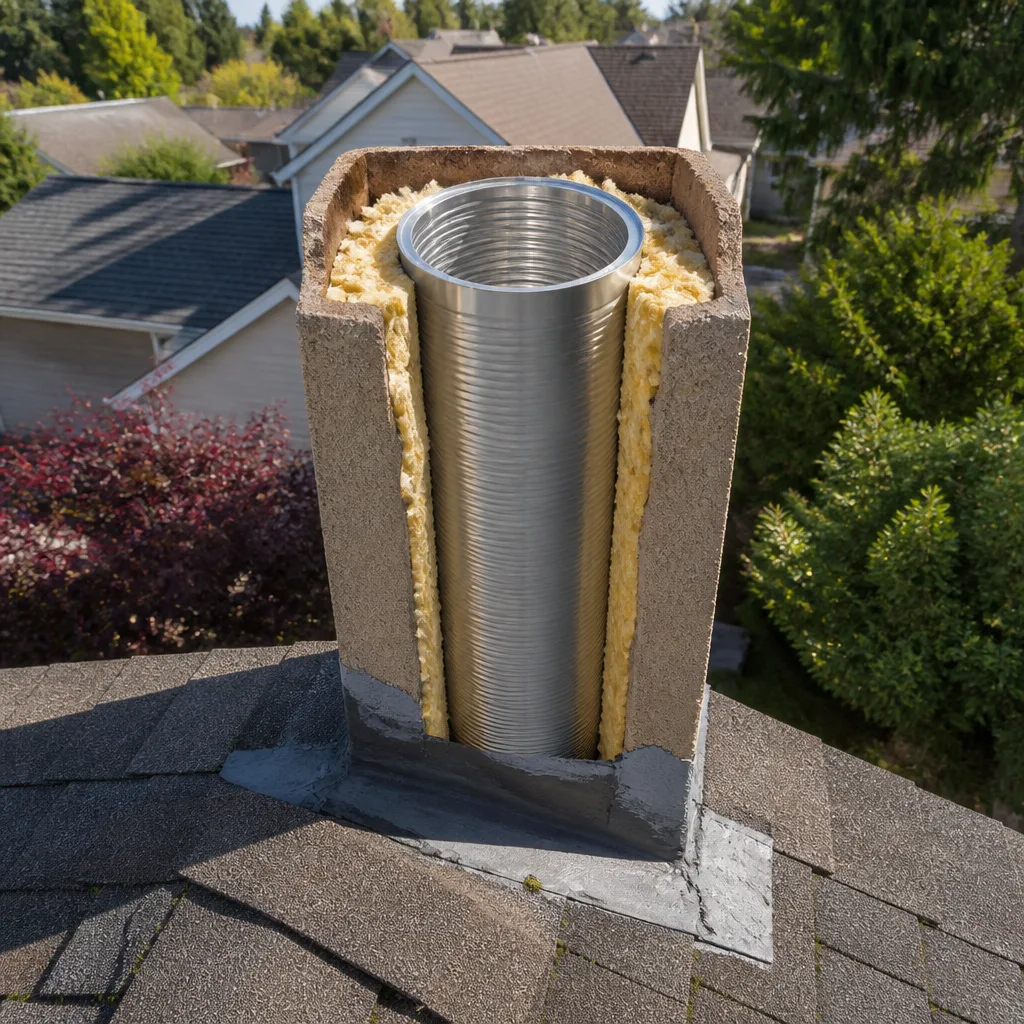
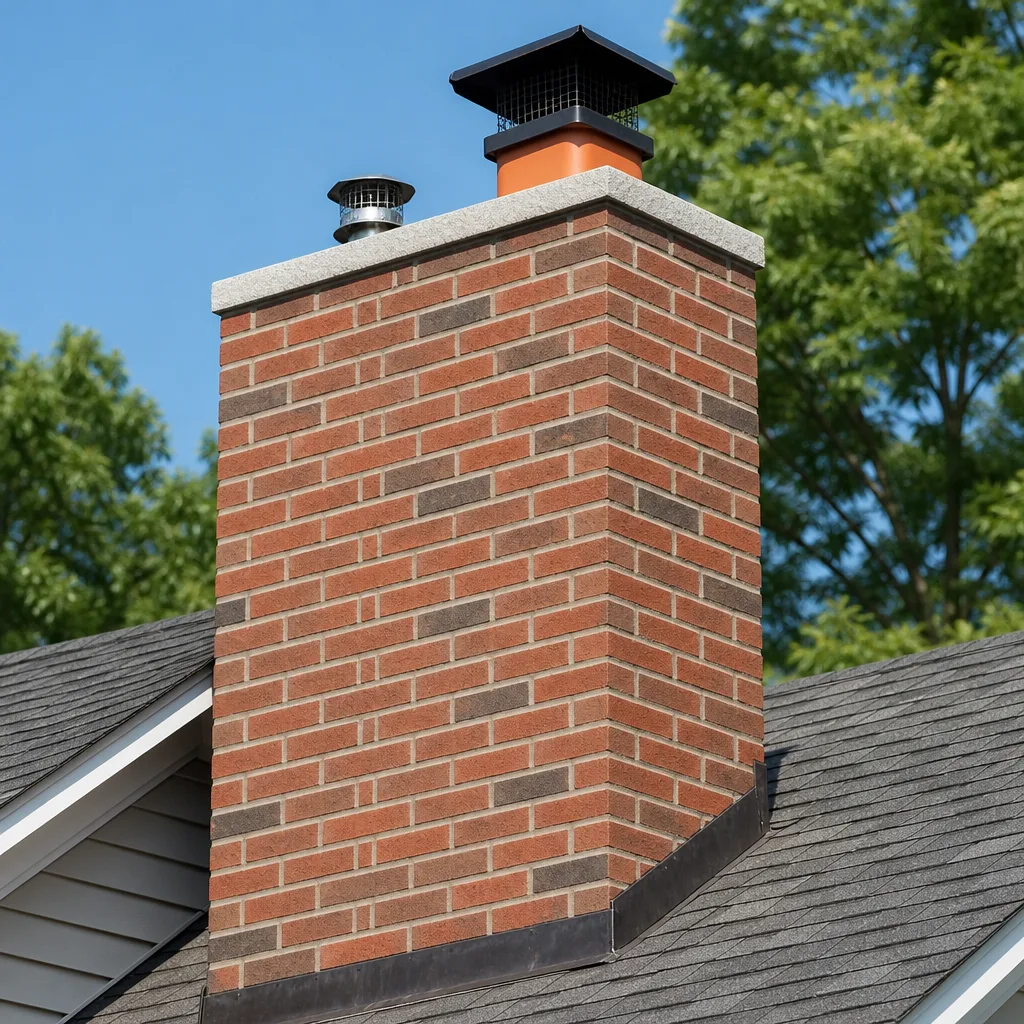
 Before
 After
After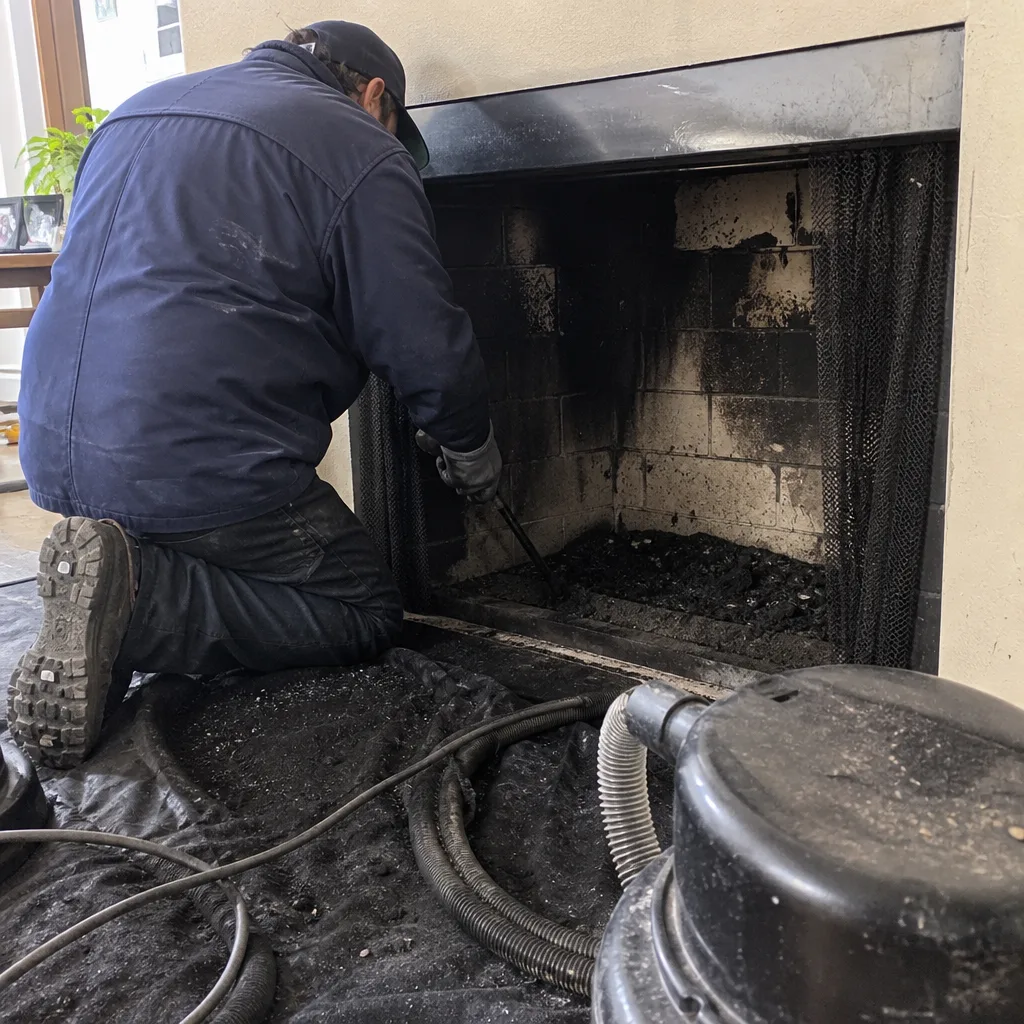 Before
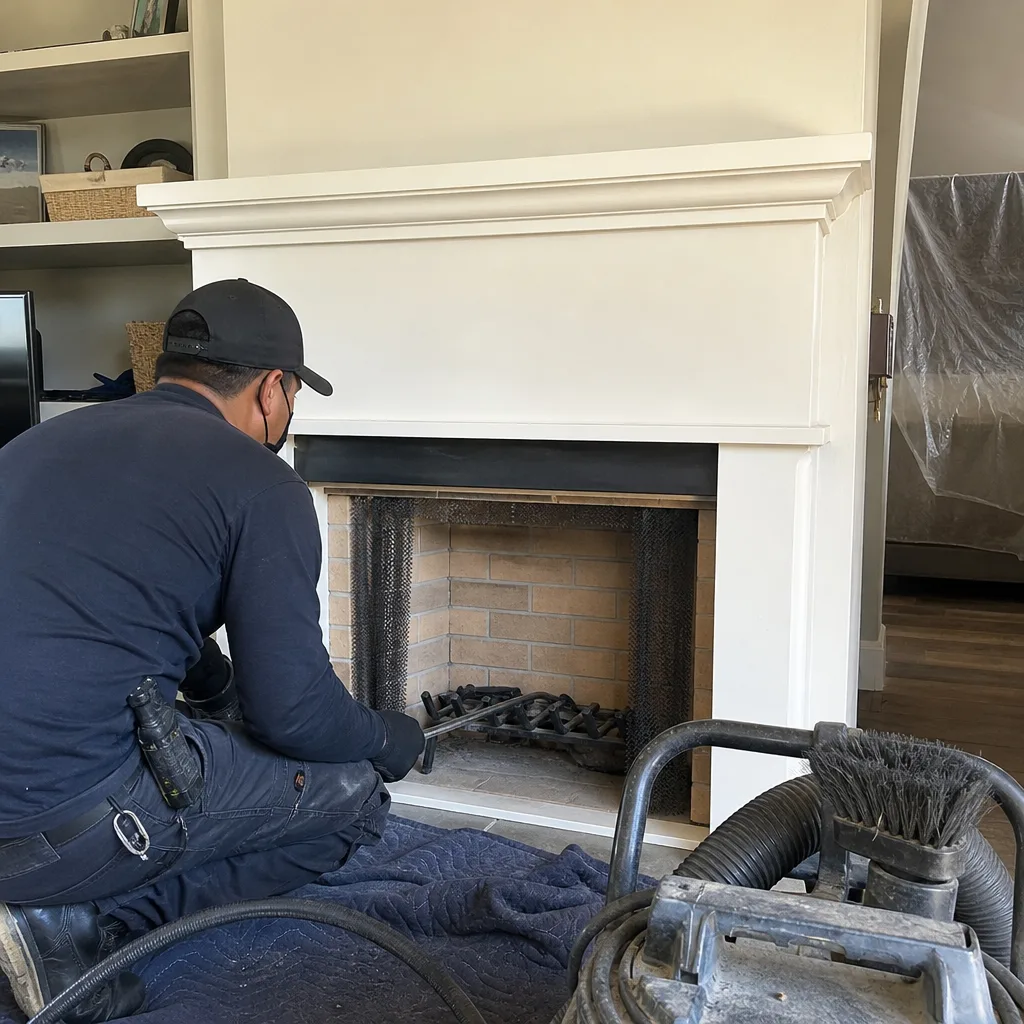 After
After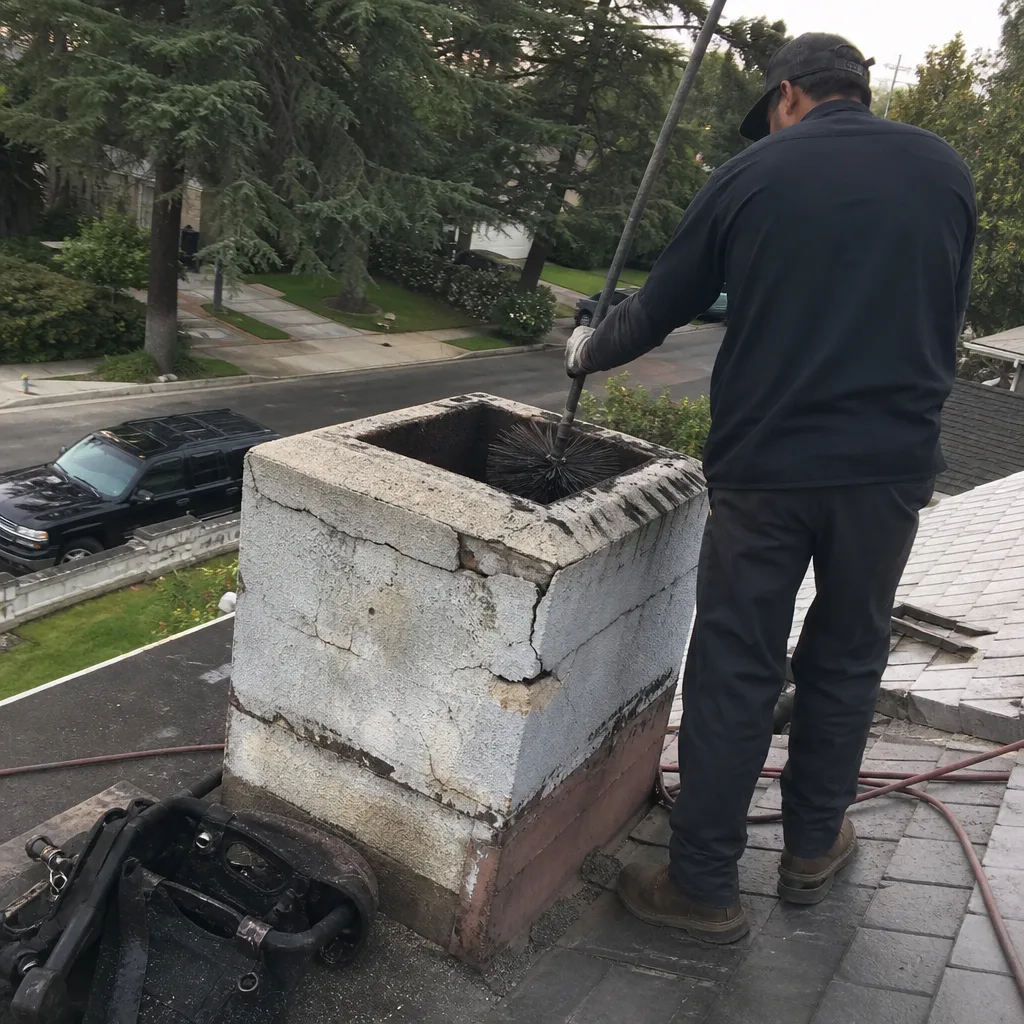 Before
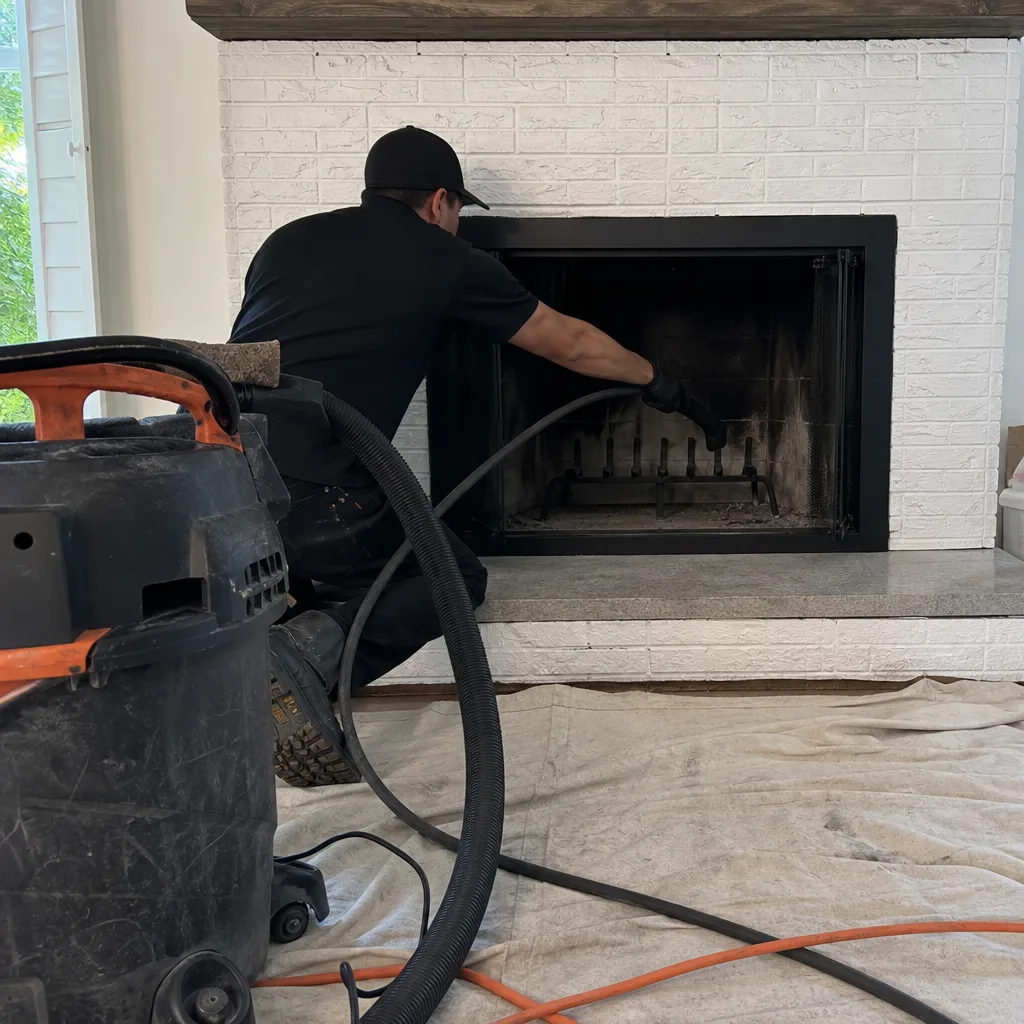 After
AfterHeatShield Flue Liner Replacement: The Los Angeles Owner’s Guide
If your HeatShield flue liner has cracked, delaminated, or failed an inspection, we stock HeatShield-compatible replacement components and install them throughout Los Angeles, typically for $1,800 to $3,400 depending on flue length and access. Most HeatShield liner replacements in LA take one full day, and we carry the common sizes on our trucks so we’re not sending you back and forth waiting on parts. Here’s the usual story: a homeowner books a sweep after noticing fine sandy grit falling into the firebox, or their annual inspection camera picks up a bulge or crack in the ceramic coating. Then the question becomes whether the HeatShield can be spot-repaired or the whole run needs replacing. We’ll show you the camera footage either way so you can see exactly what we’re seeing.
Which HeatShield Models This Applies To
HeatShield is a cerfractory flue sealant system, not a rigid metal liner, and that distinction matters when you’re replacing it. The product is applied as a pumped coating over a custom form that gets inflated inside your existing flue, creating a new insulated ceramic surface. HeatShield offers three system types: the standard Sealant for minor gaps and cracks, the Joint Repair system for failed mortar joints, and the CeCure system, which includes a ceramic wool insulation layer for flues with more significant deterioration. If you have an older HeatShield application from 2007 or earlier, there’s a good chance it’s the standard Sealant version, which has a shorter real-world lifespan than the newer CeCure system. The compatibility gotcha most Los Angeles homeowners run into is this: you can’t simply order a “HeatShield liner” off a shelf. It’s mixed on site to match your flue’s specific dimensions and your chimney’s material, whether that’s the older terra cotta tile common in 1920s bungalows or the brick flues you see in mid-century homes. HeatShield doesn’t sell direct to homeowners either, so anyone quoting you a boxed HeatShield product is either a licensed installer or they’re not actually selling HeatShield.
When we assess a failed HeatShield application, we check the original install paperwork if you have it, but more practically, we camera the flue and measure the remaining ceramic thickness in several spots. That tells us whether you need a full removal and re-coat or whether a section can be re-lined with a compatible patch. Alcott Chimney Sweep is an independent service provider and not affiliated with HeatShield as a manufacturer, but we’ve been specified by HeatShield-certified applicators and we know the system’s tolerances well enough to tell you honestly when a full replacement is the only responsible path.
Signs Your HeatShield Flue Liner Replacement Is Failing
- Grit or ceramic dust in the firebox. The cerfractory coating sheds small granules as it breaks down, and this is usually the first sign owners notice. In Los Angeles, the seasonal swings between damp marine air in winter and bone-dry Santa Ana heat in fall accelerate that breakdown more than most climates.
- Flaking or spalling visible at the top of the flue. If you can see the chimney cap area from your roof or a ladder, look for thin ceramic flakes peeling away from the flue opening. That spalling means moisture has gotten behind the coating and is pushing it off the substrate.
- Surface cracks or hairline fractures on the flue walls during a camera inspection. This is the finding that prompts most of our replacement calls. Small cracks aren’t necessarily a full failure, but if they run vertically along a mortar joint, they’re letting heat and gas reach the outer chimney structure.
- An acrid or chemical smell when the fireplace has not been used recently. When HeatShield begins to separate from the underlying flue, stale creosote behind it can off-gas back into the house through the gap. It’s not something to ignore. Creosote, the tar-like residue from wood combustion, is highly flammable.
- Water staining or dampness on interior walls near the chimney chase. A failed HeatShield liner can allow condensation from the flue gases to migrate into surrounding masonry. In older Los Angeles homes with uninsulated chases, you’ll sometimes see a brown stain appear on drywall near the roofline before you notice anything inside the fireplace itself.
Replacement Cost & What’s Included
For a single-story Los Angeles home with a straight flue run of 15 to 25 feet, a full HeatShield removal and replacement typically lands between $1,800 and $3,400. That includes scaffold or roof access, the removal of the old cerfractory material, surface preparation, re-forming, and the new HeatShield application. Here’s what drives the range in Los Angeles specifically:
- Chimney height and roof pitch. A steep roof on a hillside home in Echo Park or Mount Washington adds labor hours that a flat-roofed ranch in the Valley doesn’t.
- Flue size and shape. Most LA masonry chimneys have rectangular flues, but we see round and oval profiles too, and the form costs vary.
- Condition of the substrate. If the original terra cotta tile is crumbling behind the old HeatShield, that repair work adds to the job before the new coating goes in.
- Access to the chimney. Second-story chimneys or chases with tight clearance can require additional lift or staging equipment.
Every Alcott Chimney Sweep replacement quote includes parts, labor, disposal, and a written price before we start. There’s a written guarantee on the repair, and if the replacement fails within 365 days, we come back and make it right at no charge. That’s not a promotion, it’s our 365-Day Done Right Promise. Call (336) 863-3889 and we’ll walk you through the estimate for your specific setup. A standard chimney sweep in Los Angeles runs $180 to $260 before any repairs, and that sweep is usually how we identify whether your HeatShield needs replacing in the first place.
DIY or Call Us?
There’s an honest and limited set of things a Los Angeles homeowner can do on their own with this part, and then there’s everything else. You can shine a bright flashlight up from the firebox and look for obvious flaking or gaps at the bottom of the flue. You can check the roof area around the chimney for spalled ceramic pieces. You can note when the smell appears and whether it’s worse before or after rain. What you shouldn’t do is attempt any HeatShield removal, patching, or reapplication yourself. The original material bonds to the flue walls, and getting it off correctly requires rotary tooling and the right chemical profile to avoid damaging the underlying tile. The new application is a two-person pump job with specific curing windows that do not bend for Los Angeles afternoon heat. And working at chimney height on uneven roofing is genuinely dangerous, especially on the Spanish-tile roofs common in neighborhoods like Los Feliz. This is a part where a wrong DIY step turns a $2,000 re-line into a $6,000 masonry rebuild. If you’re unsure what you’re looking at, call us at (336) 863-3889 and describe it. We’ll tell you over the phone whether it sounds like a camera inspection is worth booking, and we won’t send a technician out unless we both agree it makes sense.
FAQs
In Los Angeles conditions, a properly applied HeatShield CeCure system typically lasts 20 to 25 years, while the standard Sealant system applied before 2010 often begins showing failure around the 12 to 15 year mark. The primary wear factors in LA are the seasonal moisture swings and the occasional salt-laden marine air near the coast, which accelerates surface degradation compared to dryer inland climates. Call (336) 863-3889 and we’ll camera your flue to tell you how much life your existing application has left.
Yes, in many cases HeatShield can be spot-repaired if the failure is isolated to a single section or joint, which typically costs $600 to $1,200 in Los Angeles depending on access. The decision comes down to whether the remaining cerfractory is still bonded to the substrate, which we confirm with a camera inspection before recommending anything. Call (336) 863-3889 for an honest assessment, and you’ll see the footage for yourself.
A standard HeatShield replacement on a single-story Los Angeles chimney takes one full day from setup through cleanup, including the 12 to 18 hour cure time before we recommend using the fireplace. Multi-story homes or flues with significant substrate damage may require two consecutive days. Call (336) 863-3889 and we’ll give you a timeline for your specific chimney.
We keep the common HeatShield CeCure component mixes on our service trucks, including the cerfractory blend for standard flue dimensions found in Los Angeles homes, but full replacement jobs often require a follow-up day for the specific form size. We also carry DurFlex and Gelco parts for rigid liner systems, which means we can usually start at least the assessment phase same week. Call (336) 863-3889 to confirm what we can bring on the first visit.
Written by Ruben Castellano, Owner, Alcott Chimney Sweep at Alcott Chimney Sweep, serving Los Angeles and nearby areas.