
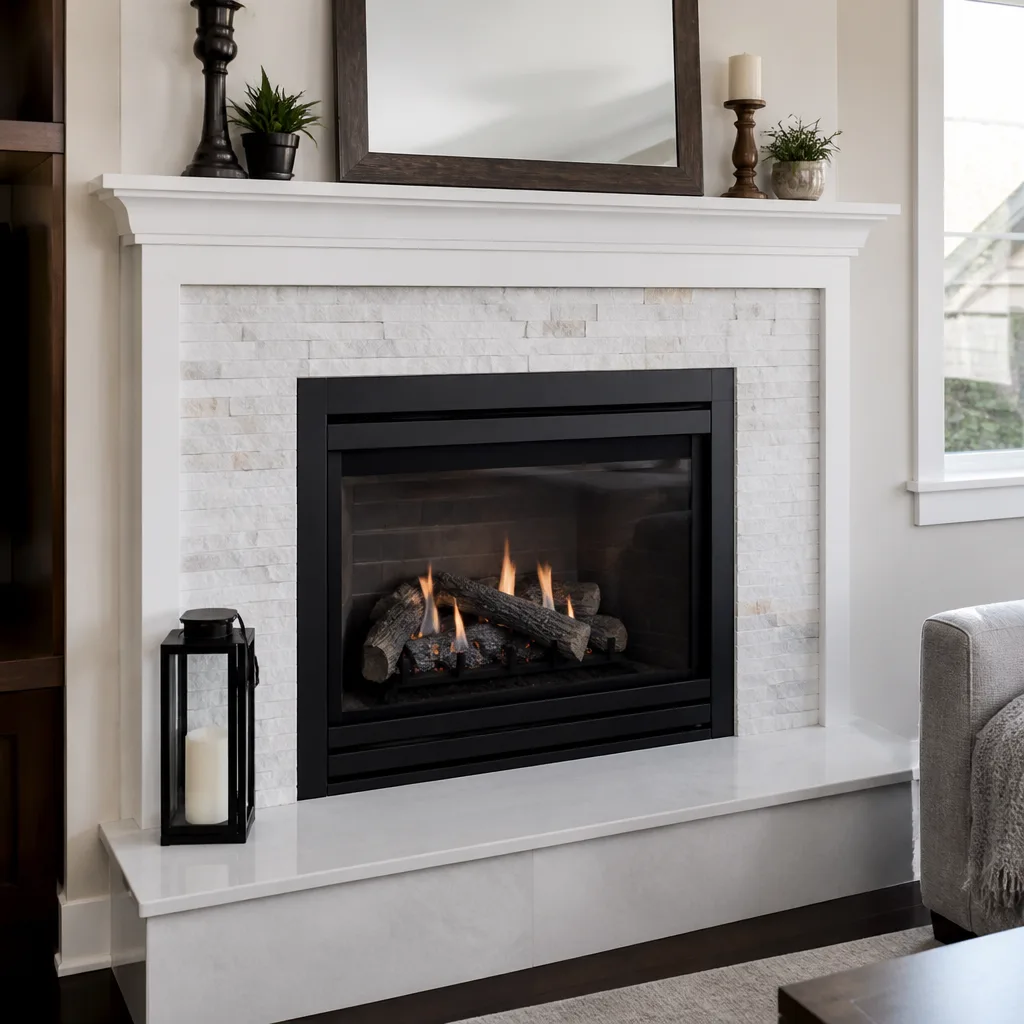
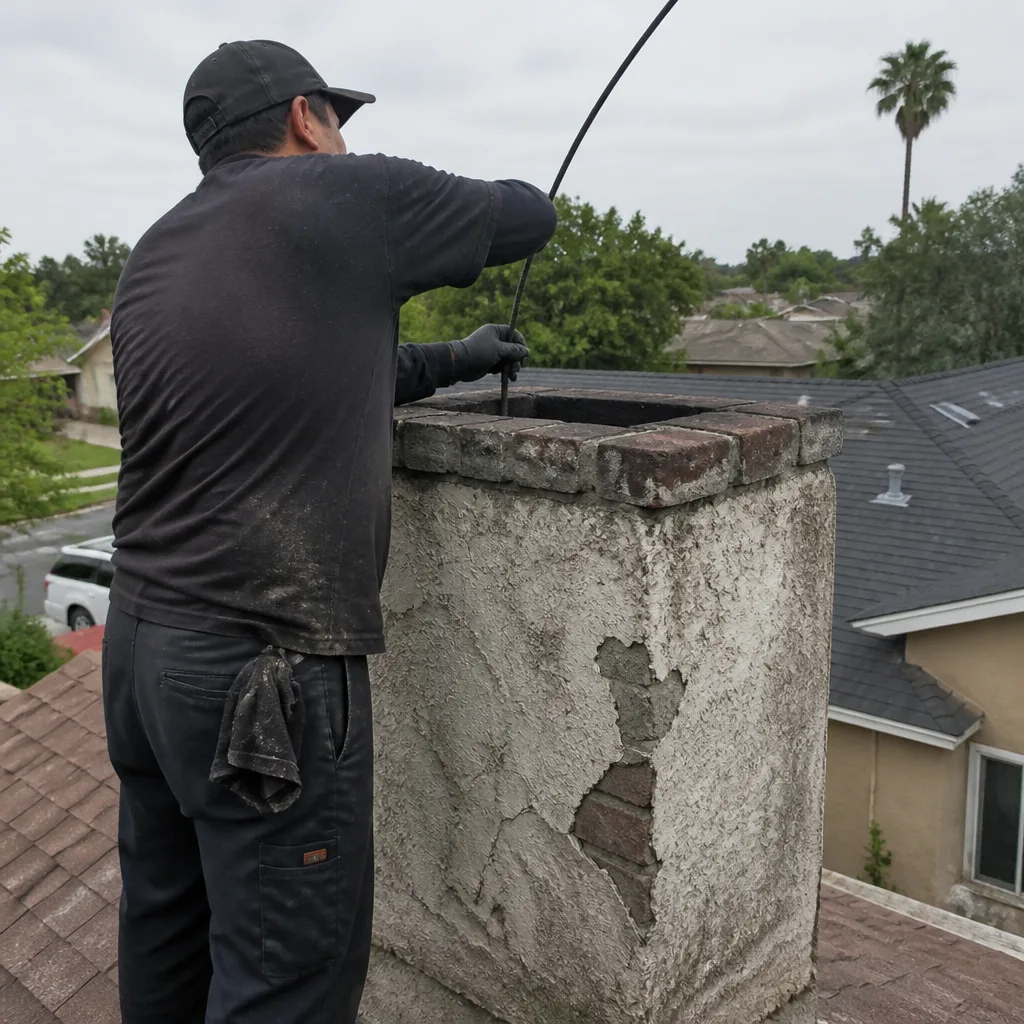
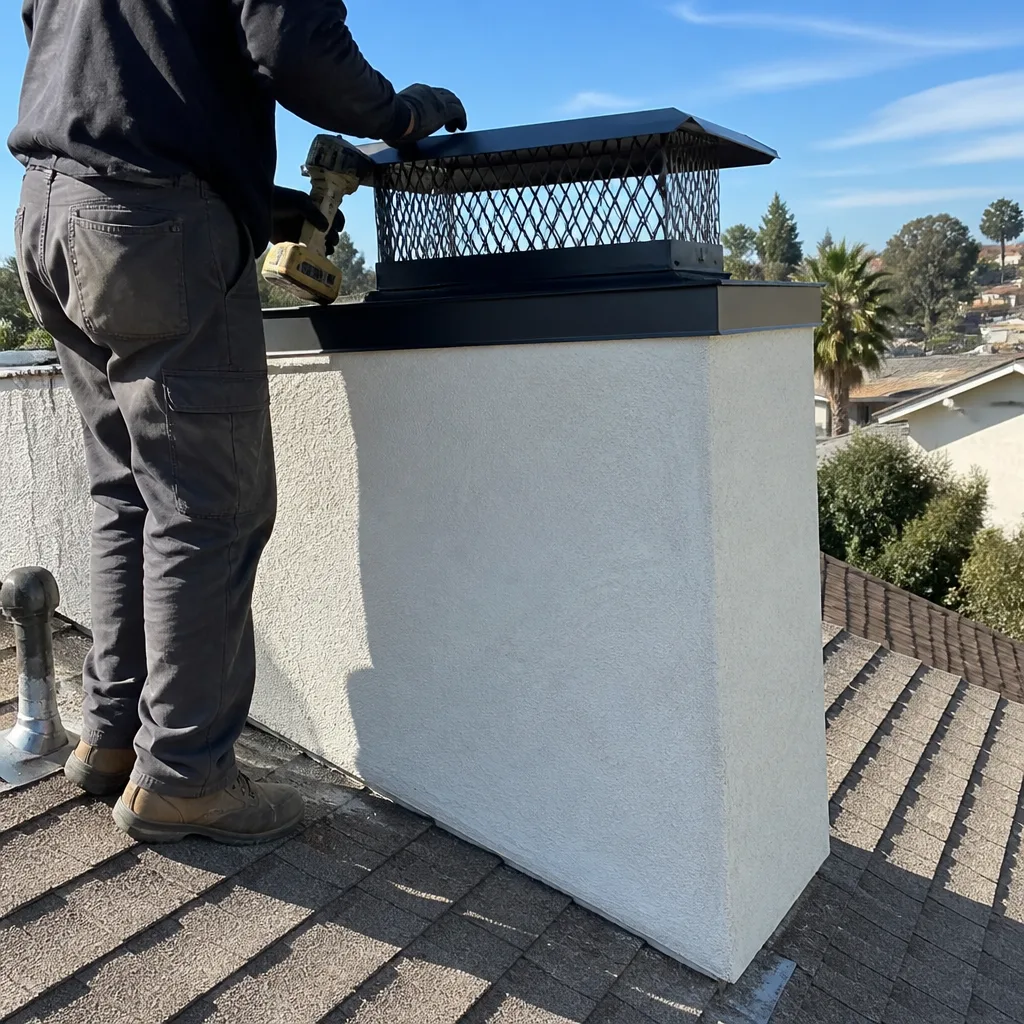
Level 1 sweep and inspection to the NFPA 211 annual standard - flue, crown, cap, and flashing checked and photographed
Chimney sweep logs do not sweep chimneys. They loosen some creosote - which then falls where a brush and vacuum still have to collect it.
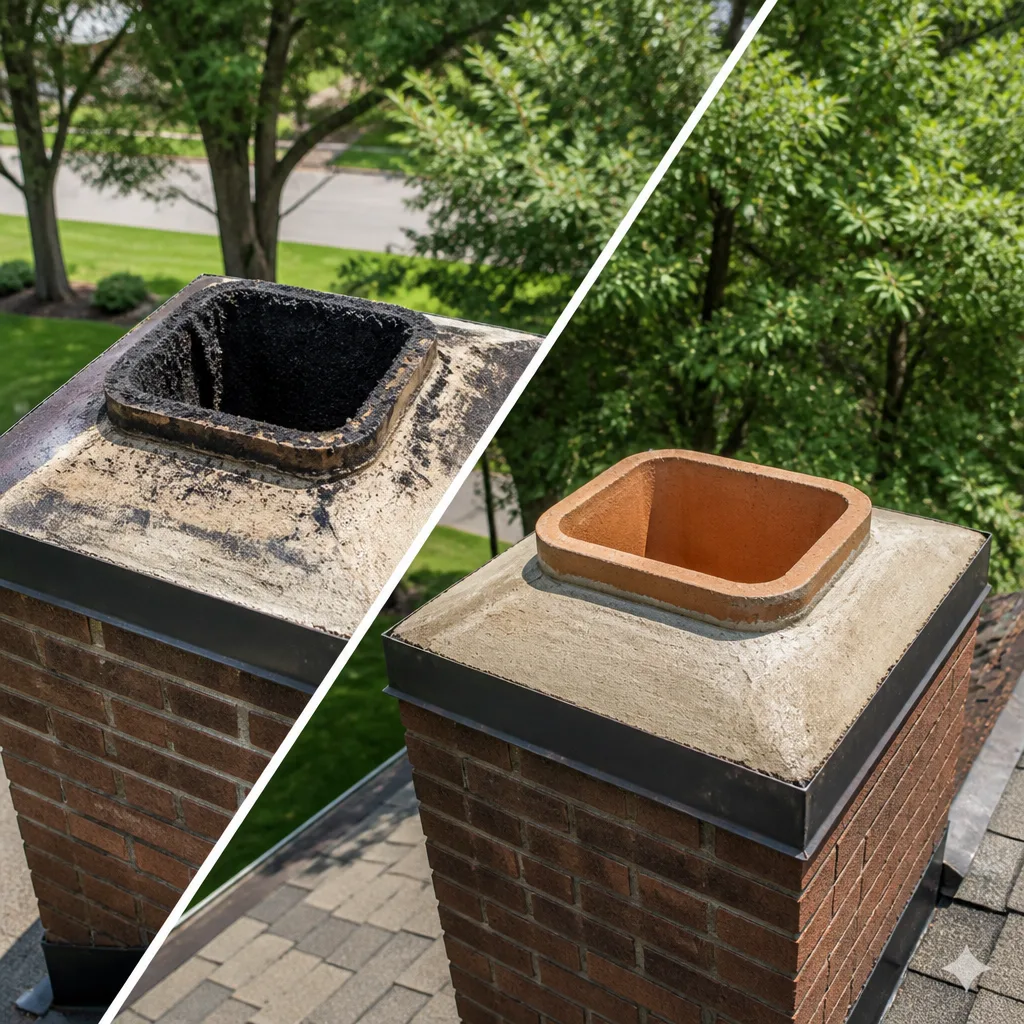
 Before
 After
After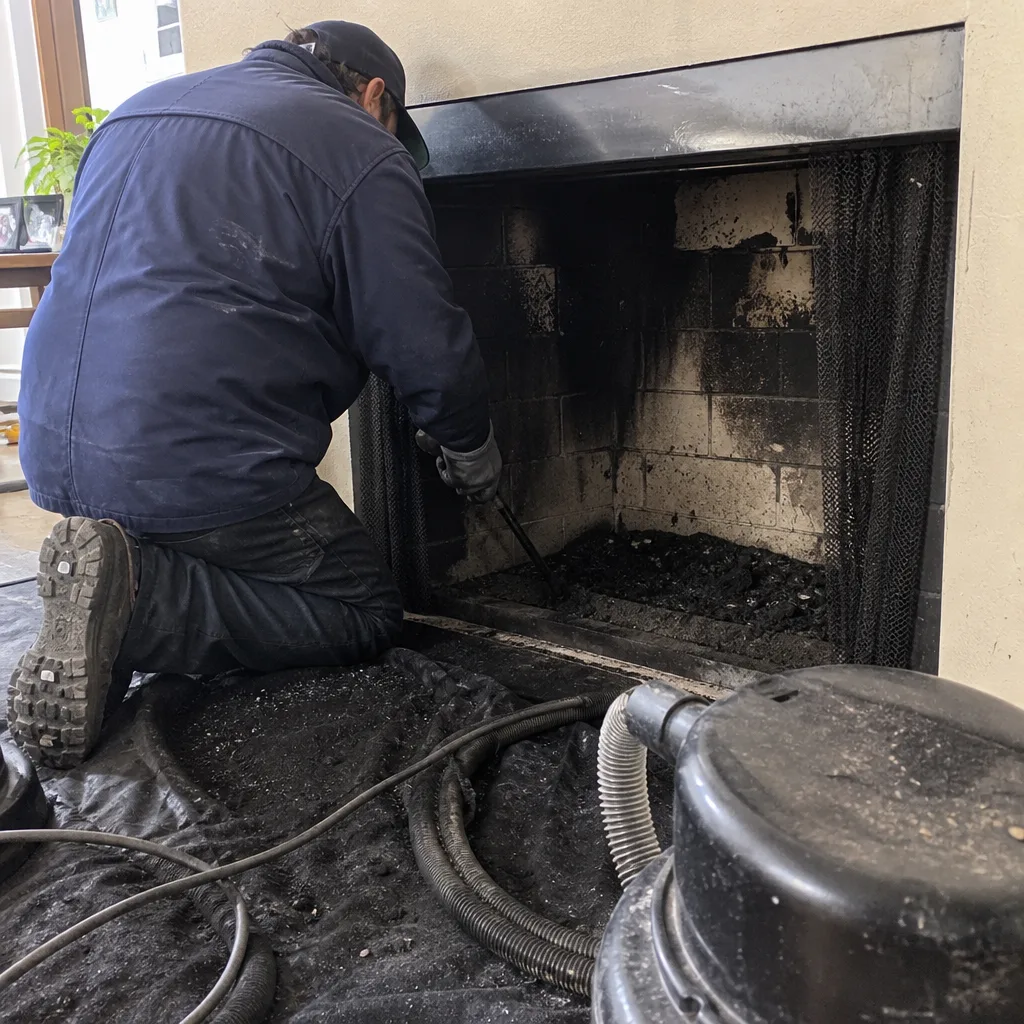 Before
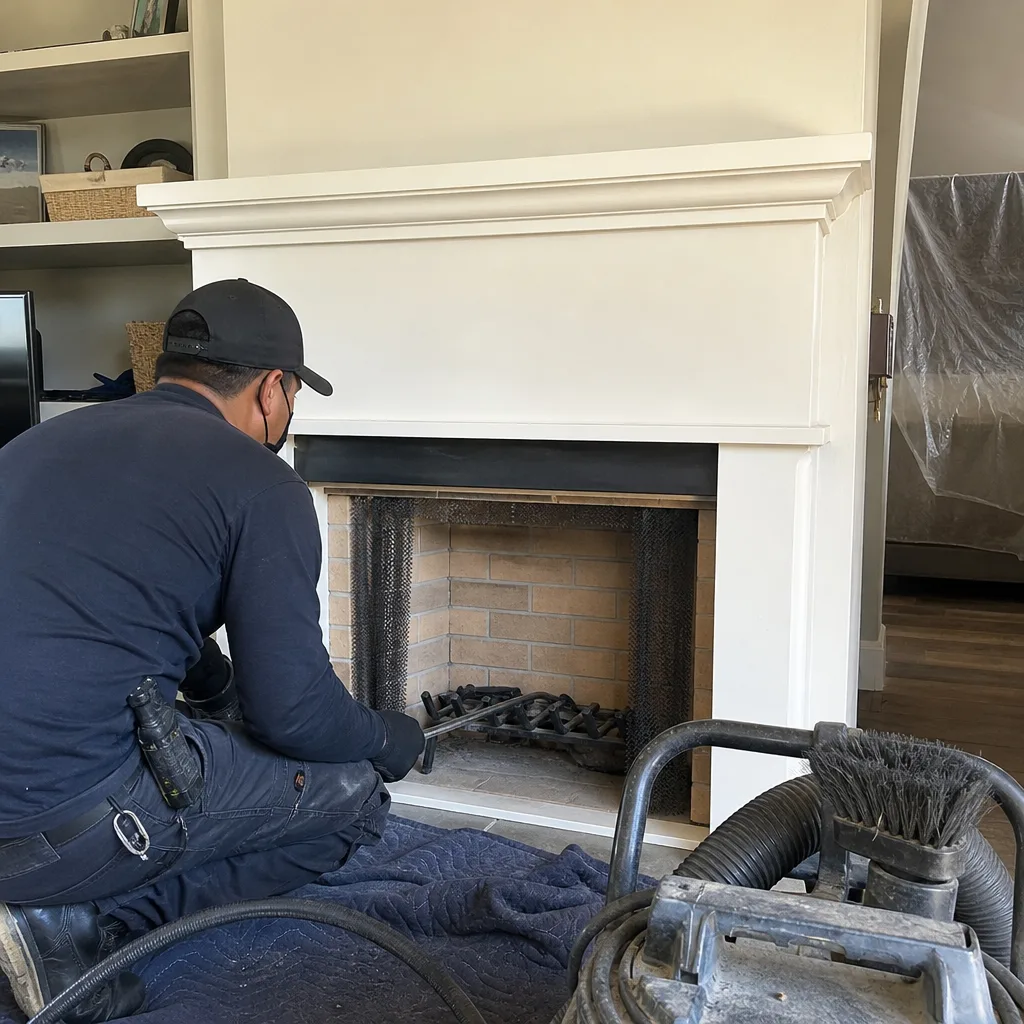 After
After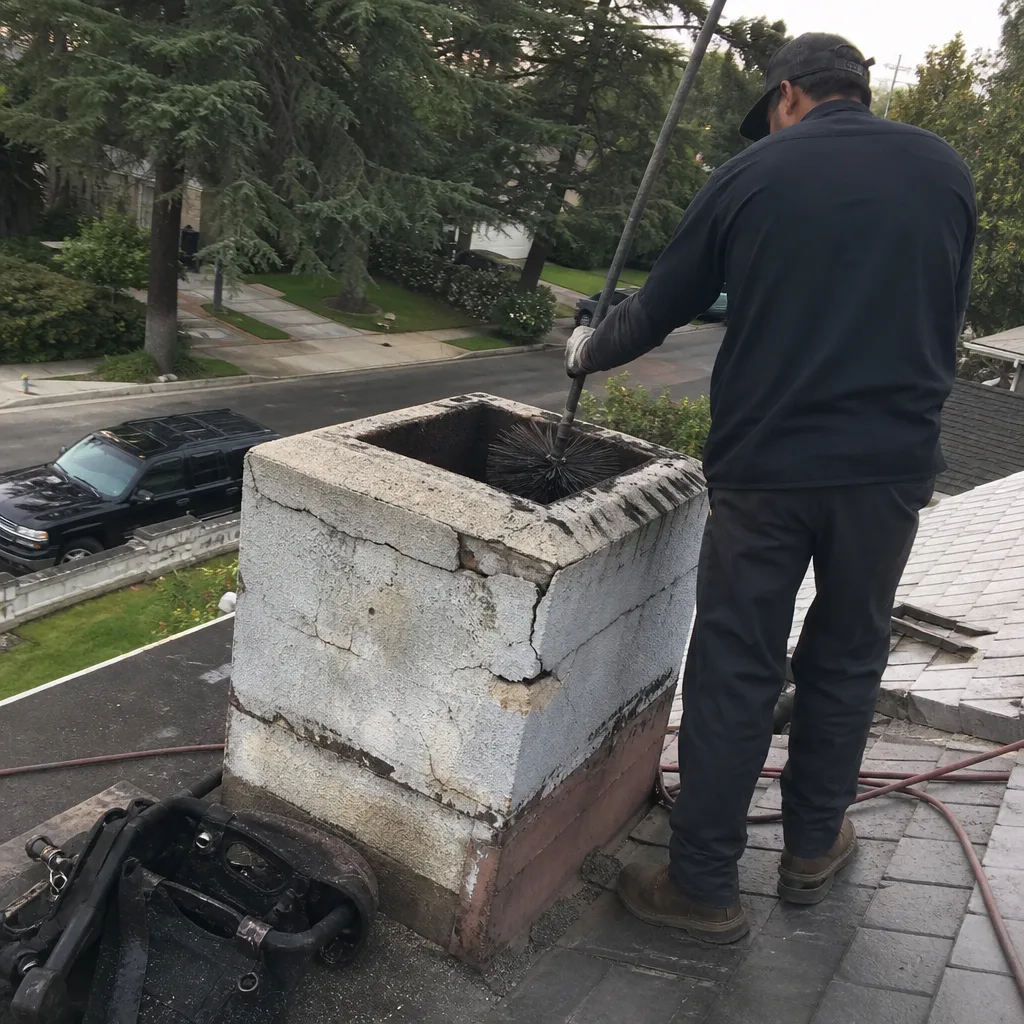 Before
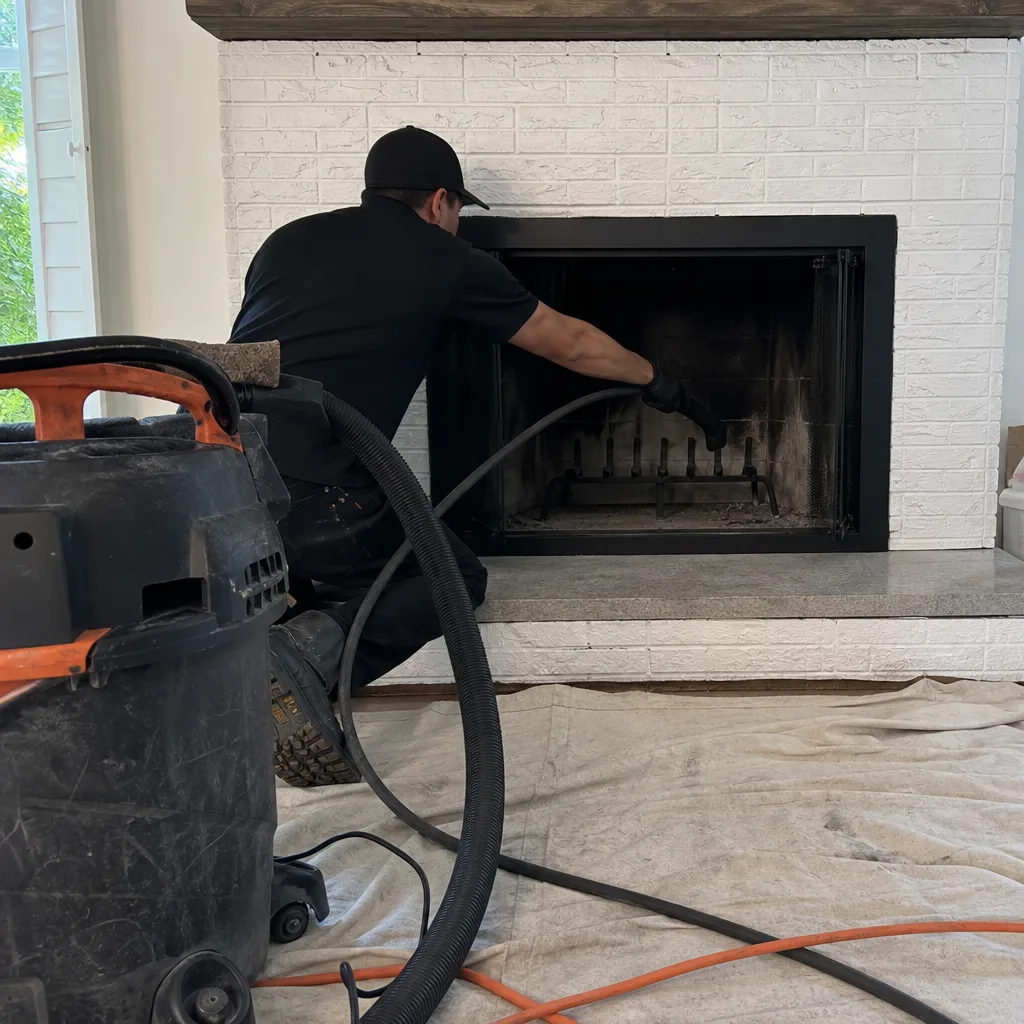 After
AfterOlympia Chimney Flue Liner Replacement: The Los Angeles Owner’s Guide
An Olympia Chimney flue liner replacement in Los Angeles typically runs $1,200 to $3,400 installed, depending on the liner length, diameter, and whether we’re also addressing crown damage or flue tile deterioration at the same time. We stock Olympia Chimney-compatible liners on our trucks and can usually complete the swap in a single visit, often within 4 to 6 hours. Most Los Angeles homeowners discover their liner has failed during a routine sweep or inspection, or after noticing flaky rust-colored debris collecting at the base of the firebox. It’s one of those things that quietly worsens for years before it announces itself.
Key takeaways
- Alcott Chimney Sweep installs and services Olympia Chimney liner systems across Los Angeles, from the Valley to the east side
- Installed replacement pricing starts around $1,200 and goes up based on liner grade, height of the flue, and access difficulty
- You get a written price before any work starts, and a written 365-day guarantee on the completed replacement
- Your technician’s name and photo are sent to you before the appointment, and they’ll show a photo ID badge at your door
- We’re an independent Los Angeles chimney service, not affiliated with Olympia Chimney, but we install their products and know their specs
Which Olympia Chimney Models This Applies To
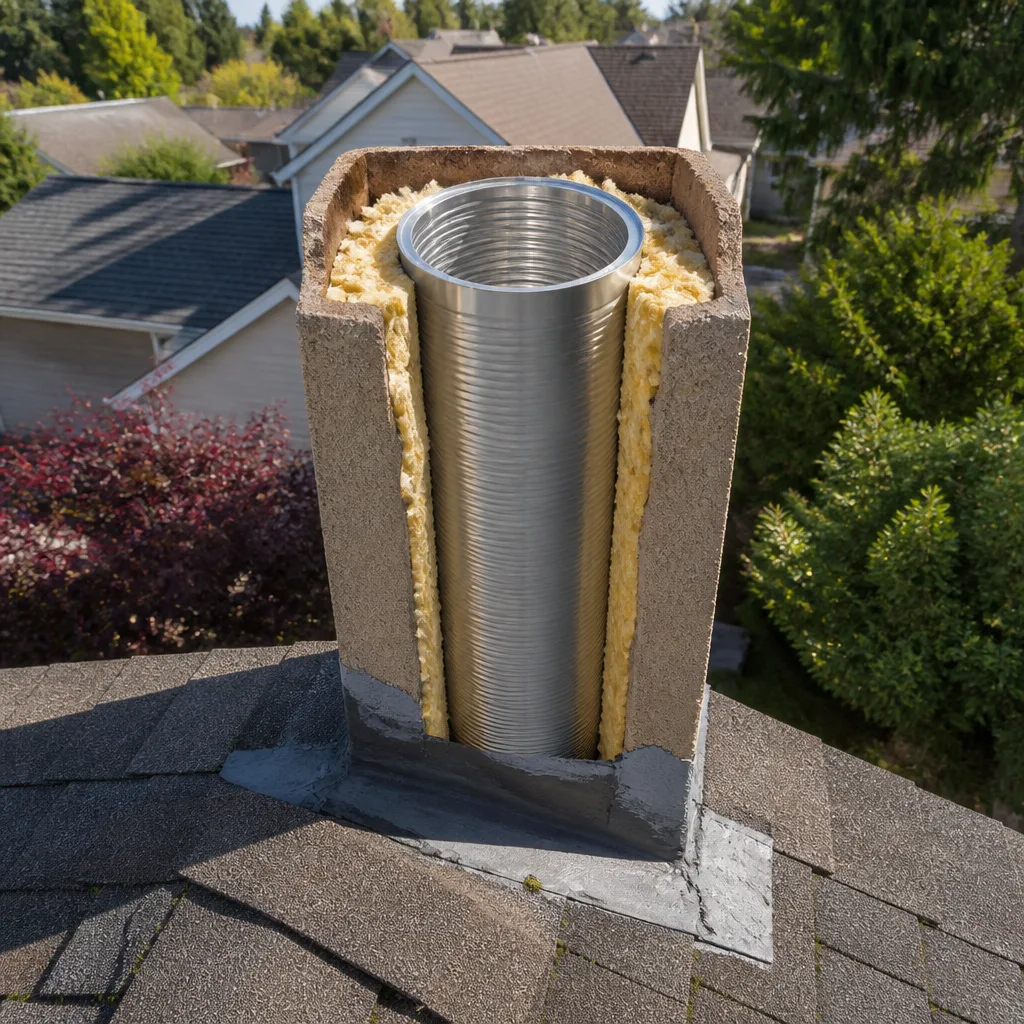
Olympia Chimney’s flue liners are used across their stainless steel chimney systems, and the compatibility question matters more than most Los Angeles homeowners expect. The liner that fits a 6-inch Olympia wood stove pipe isn’t the same as what goes into a 7-inch or 8-inch fireplace flue, and if the previous liner was an oval retrofit crammed into an older rectangular clay tile flue, the replacement has to match that profile too. We identify the right part three ways: the model tag on the appliance or chimney cap, the inside diameter measurement taken at both the top and bottom of the flue, and the physical condition of whatever liner was installed before.
For Olympia Chimney units specifically, we see a lot of older corrugated stainless liners that have thinned at the seam welds. Olympia’s newer smooth-wall and hybrid liner designs hold up better in Los Angeles’ mix of salt air near the coast and dry heat inland, but any liner that’s been through 15 or 20 seasons of creosote cycling and a few chimney fires in its history is on borrowed time. If your liner is an aftermarket brand and you’re swapping to an Olympia-compatible replacement, we’ll match the alloy and wall thickness to the application, not just the diameter. A wood-burning fireplace liner should be 316L stainless or better; a gas flue can often run a lighter 304 grade. We’ll tell you which one you actually need and why, in writing, before you commit.
Signs Your Olympia Chimney Flue Liner Replacement Is Failing
- Rust flakes or brown staining at the firebox floor or around the damper. This means water is getting into the flue and sitting against the liner wall. In Los Angeles, we see this most after a wet winter, especially on older chimneys where the crown is cracked and rainwater tracks down the liner from above.
- A metallic, acrid smell during or after a fire. What you’re smelling is usually the liner oxidizing under heat, or creosote behind a warped liner section burning off in a way it shouldn’t. Either one means the liner has lost its seal and combustion byproducts are finding gaps.
- Flue gases roll back into the room when you light a fire. A damaged liner can partially collapse or separate at a joint, which disrupts draft and can push carbon monoxide into the living space. If this is happening, we’d rather you called us at (336) 863-3889 before your next fire.
- Visible cracks or gaps when you shine a light up through the firebox. Some homeowners check this themselves, and that’s fine to do from the firebox floor. What you can’t see from there is liner damage higher up the flue, which is exactly what our camera inspection catches.
- A level 2 inspection flagged the liner, and that inspection is getting old. Los Angeles homes change with every quake, every heavy rain year, and every season of use. If a prior inspection noted liner thinning or warped seams and you’ve used the fireplace since, the condition has moved, not held still.
Replacement Cost & What’s Included
In Los Angeles, a straightforward Olympia Chimney flue liner swap in a single-story home with easy roof access and a standard 6-inch round flue typically lands between $1,200 and $1,800 installed. Two-story homes, steep roofs, or flues that need a tee connection or oval-to-round transition pull the price toward the $2,000 to $3,400 end. Material is a meaningful part of that: a quality 316L liner with a proper top plate and rain cap runs more than the thin-walled stuff sold as a budget fix, and we don’t install the budget stuff.
Every quote from Alcott Chimney Sweep includes the liner, all connectors and fasteners, any required crown sealing work, full cleanup, and a written price before we touch anything. We also include a camera inspection before and after the swap so you can see the failed liner with your own eyes and the clean finished result. The replacement is covered by our 365-Day Done Right Promise – if the repair fails within a year, the second visit is free, and the original written price is what you pay. No surprises at the end. Ruben Castellano started this company on that principle in 2002, and it still holds.
DIY or Call Us?
Replacing a flue liner is not a weekend project, and we’ll be straight with you about why. The liner has to be fed down through a steel or masonry chase, mechanically connected at the top and bottom, and sized to maintain proper draft for your specific appliance. If it’s installed with kinks, wrong clearances, or a mix of liner grades, you can end up with a worse draft than you started with and a false sense that the flue is safe. That’s exactly the kind of failure nobody notices until a chimney fire or a carbon monoxide alarm says otherwise.
What you can do from the ground is useful: check the firebox for rust flakes, look for water staining on the walls or ceiling around the chimney chase, and note any new smells or draft changes. If you see those things, call us at (336) 863-3889 and tell us what you’re seeing. Ruben’s rule from the start has been: “Tell me what you’re seeing and I’ll tell you what it actually means.” We’ll send a technician to your Los Angeles home, and before they arrive, you’ll know their name and see their photo. It’s how we’ve always done it, and it’s how you should expect any chimney company to operate.
FAQs
A properly installed 316L stainless steel flue liner in a Los Angeles chimney typically lasts 15 to 25 years, though liners in homes within a few miles of the coast often show corrosion earlier because of salt air.
Minor joint separation or small pinhole leaks can sometimes be addressed with a targeted stainless patch or resurfacing, but any liner with structural warping, collapsed sections, or corrosion through the wall needs replacement.
Most single-story Los Angeles homes with standard roof access take 4 to 6 hours from setup to cleanup, including the before and after camera inspection.
Yes, our technicians carry common Olympia Chimney-compatible liner sizes and connectors on the truck, along with DuraFlex, HeatShield, and Gelco components for other applications.
If you’re seeing any of the signs above, or if your last inspection flagged the liner and you’re ready to get it done right, call us at (336) 863-3889 for a free estimate. A live person answers around the clock, and we’ll give you a straight answer on cost before any work starts.
Written by Ruben Castellano, Owner, Alcott Chimney Sweep at Alcott Chimney Sweep, serving Los Angeles and nearby areas.