
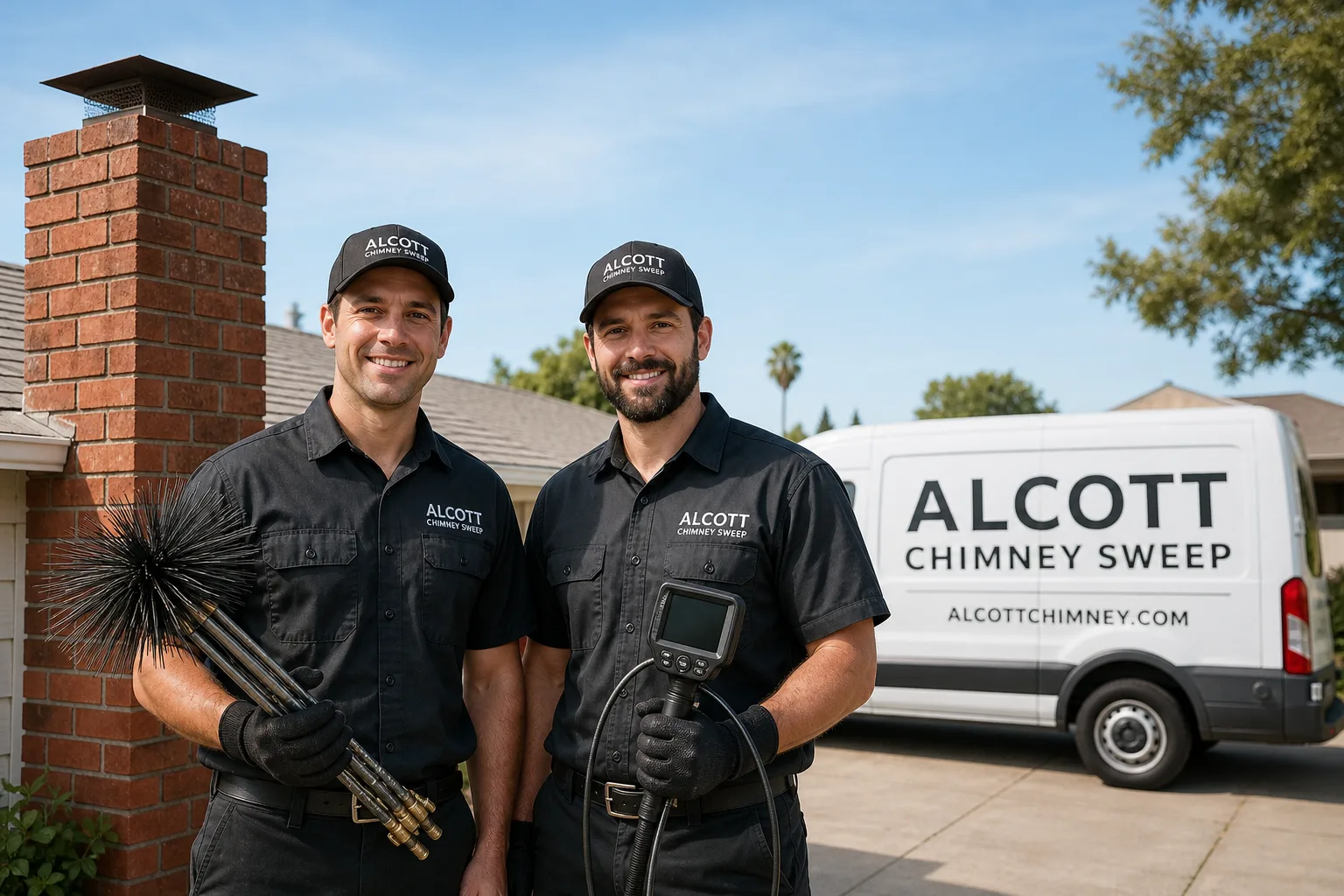
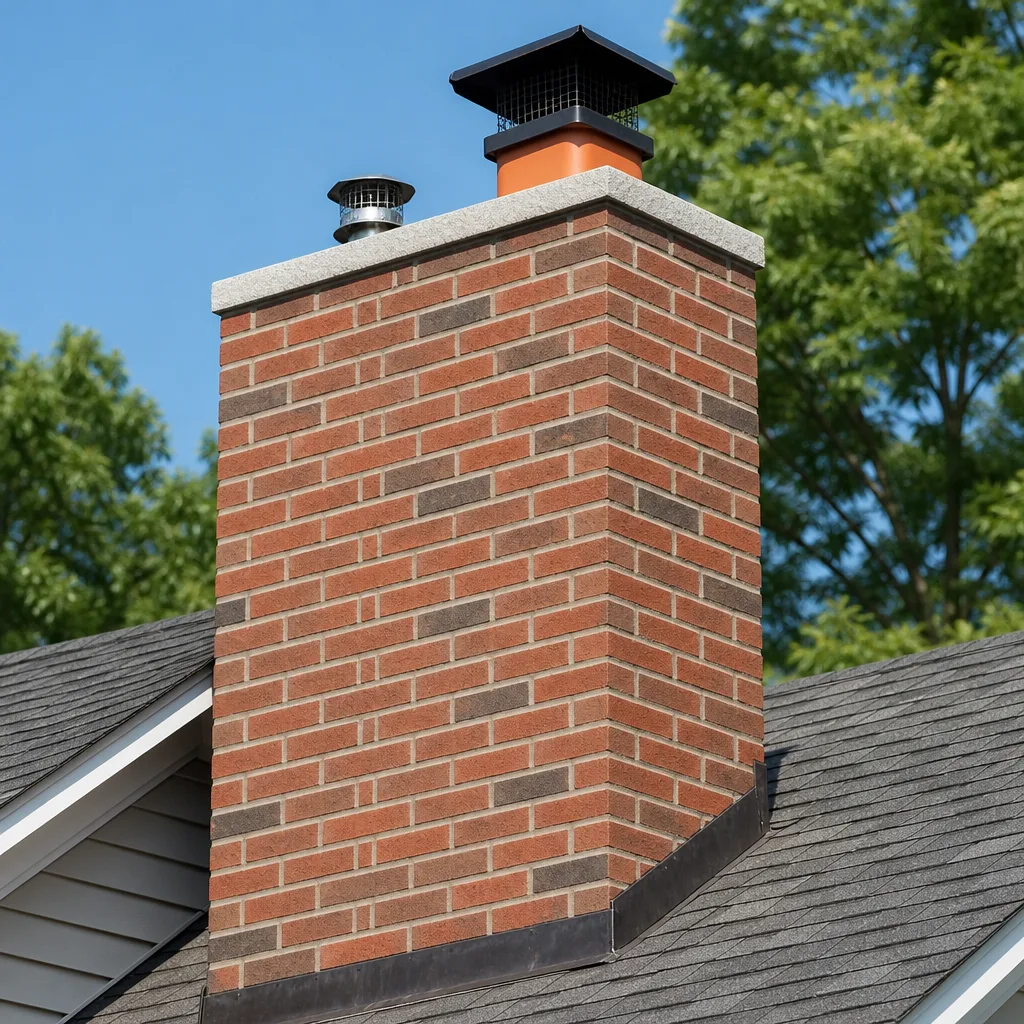
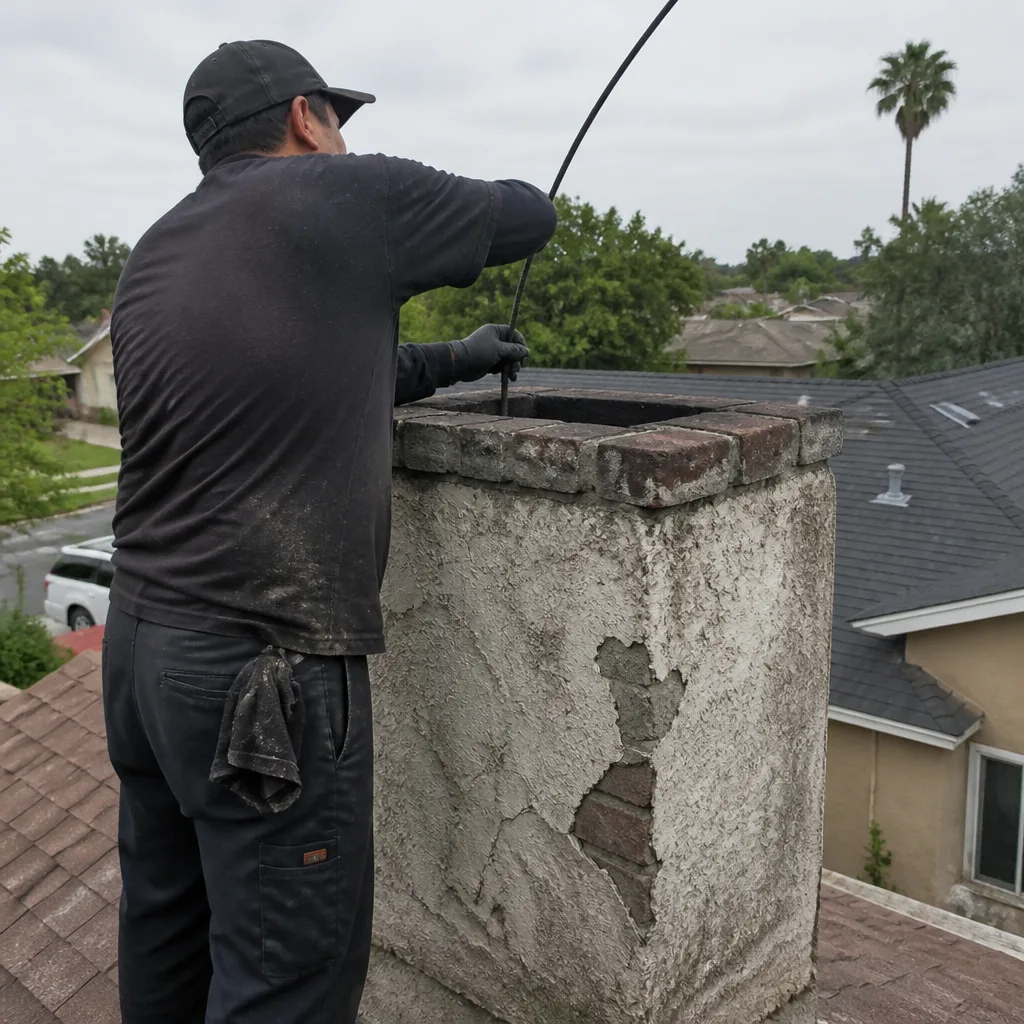
Level 1 sweep and inspection to the NFPA 211 annual standard - flue, crown, cap, and flashing checked and photographed
Chimney sweep logs do not sweep chimneys. They loosen some creosote - which then falls where a brush and vacuum still have to collect it.
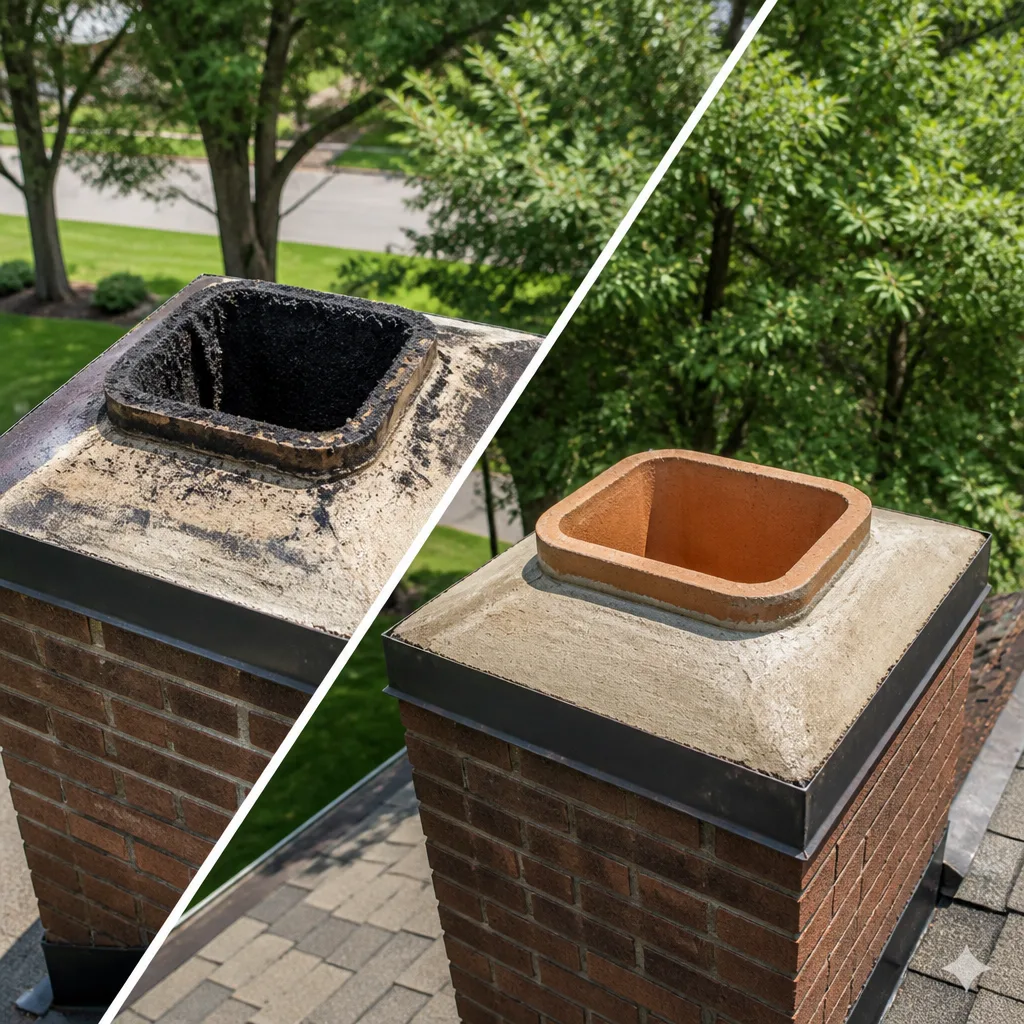
 Before
 After
After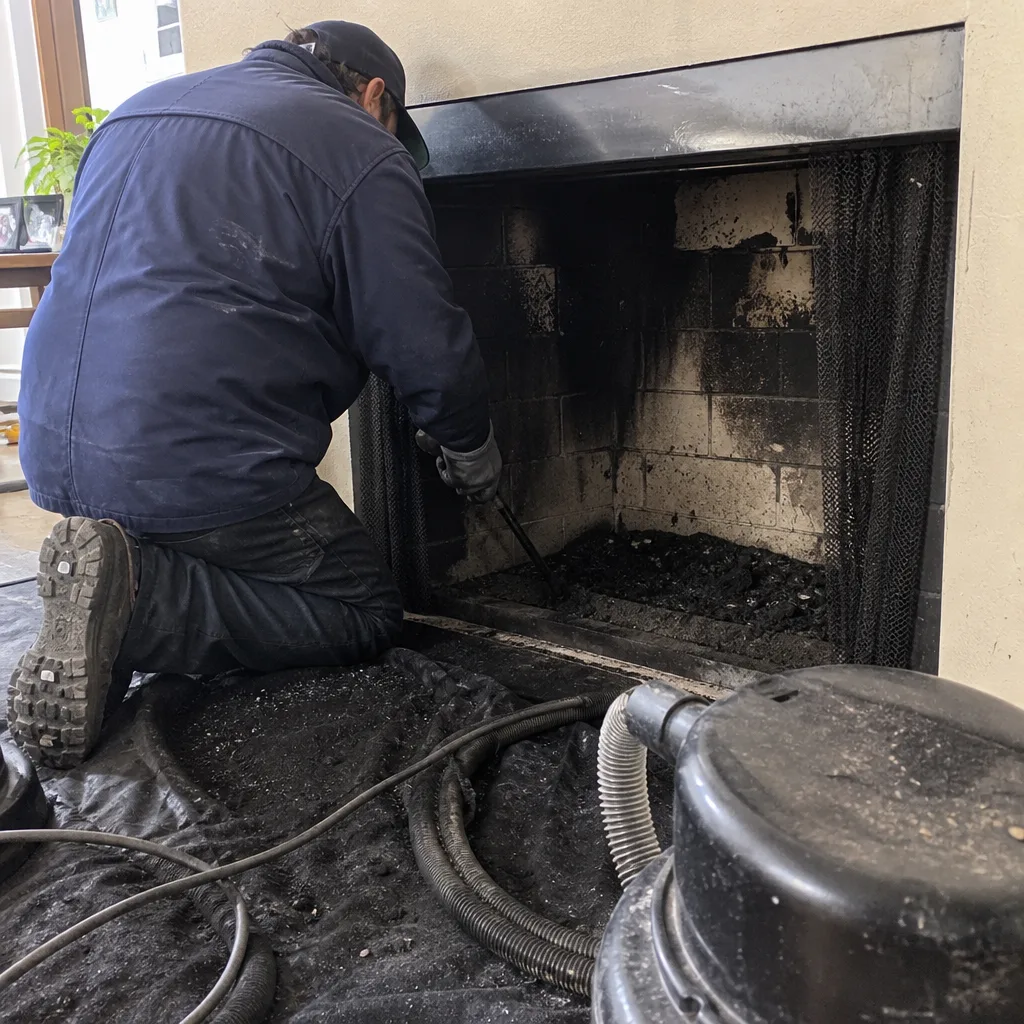 Before
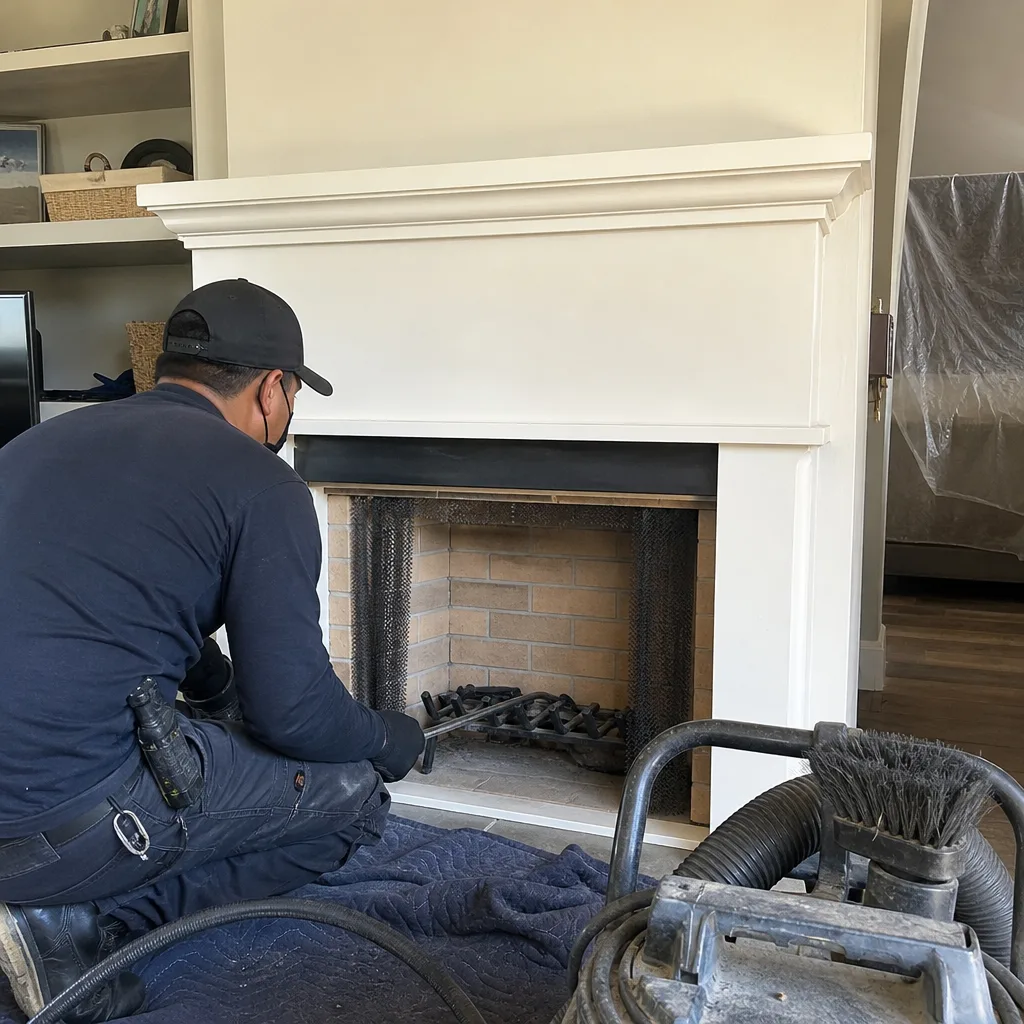 After
After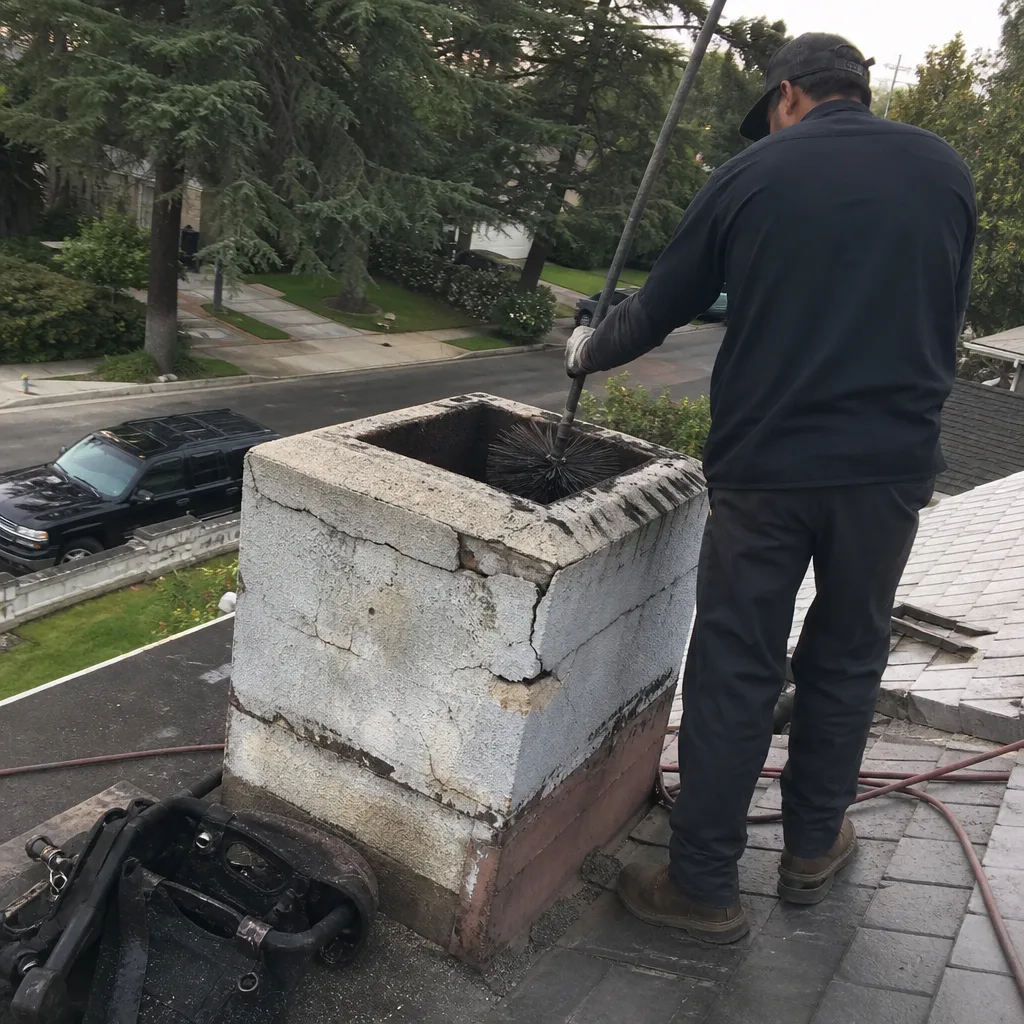 Before
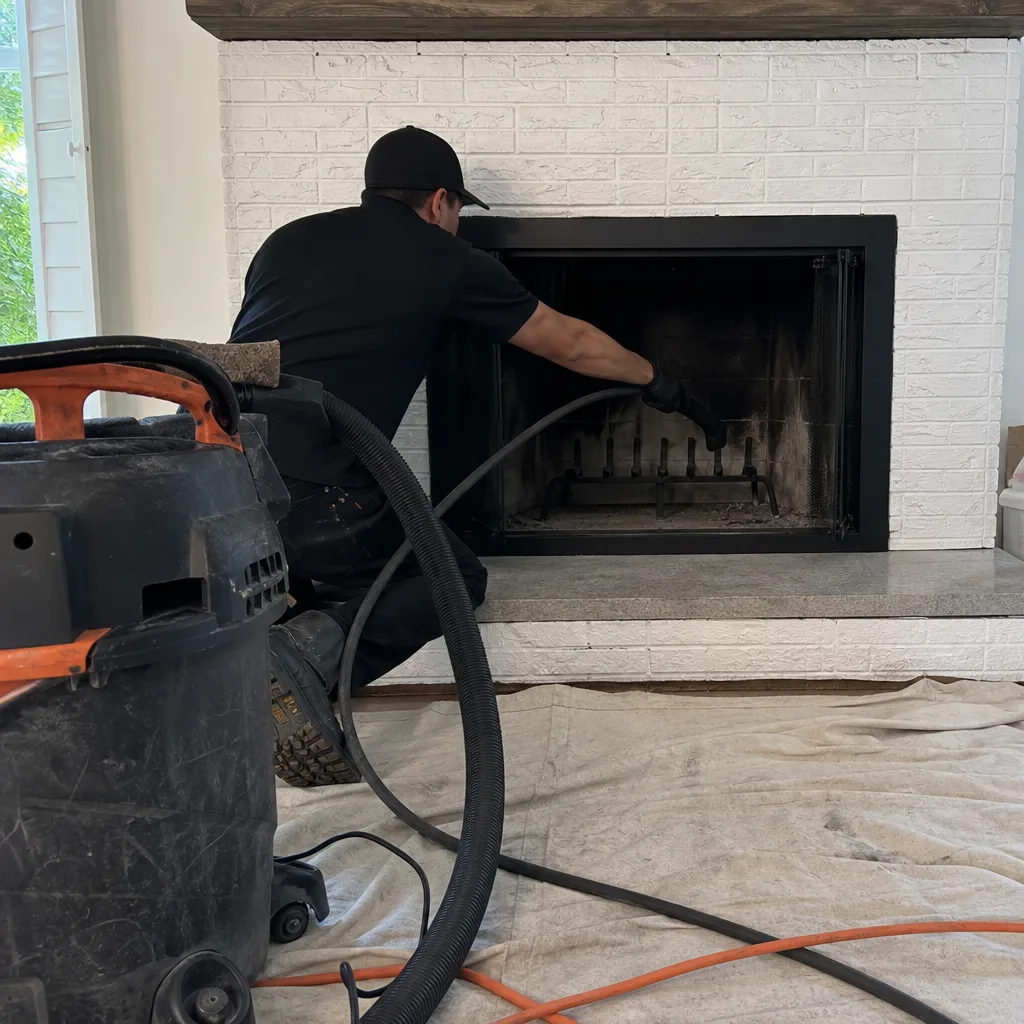 After
AfterHow Much Does Chimney Cleaning Cost in Staten Island?
A standard chimney cleaning in Staten Island typically costs $225 to $425 for a single flue, and most homes fall near the middle of that range. If your sweep finds creosote buildup, a cracked crown, or a failing liner, expect repair pricing to add $150 to $3,000 or more depending on what’s wrong. A basic annual sweep, done right and documented, usually comes in under $400.
Those numbers reflect what Staten Island homeowners actually pay in 2026, not national averages pulled from a cost aggregator. We’re Alcott Chimney Sweep, and we’ve been working on chimneys since 2002. Here’s the full breakdown, including the line items that push a bill up and the ones that shouldn’t.
Key Takeaways
- A standard single-flue sweep runs $225 – $425 in Staten Island.
- Chimney inspections add $150 – $500 depending on level and access.
- Creosote type and thickness drive most of the price difference between a routine sweep and a bigger job.
- Every Alcott customer gets a written price before work starts, plus a written guarantee on every repair.
- Free estimates: call (336) 863-3889 and a live person picks up, day or night.
Chimney Cleaning Cost Breakdown (2026)
Here’s what Staten Island homeowners should expect to see on a 2026 invoice. These ranges cover standard residential chimneys. Nothing here is padded with vague “starting at” language.
| Service | Typical Price Range | What It Covers |
|---|---|---|
| Standard chimney sweep (single flue) | $225 – $425 | Brush and vacuum of flue, firebox, smoke chamber, damper area |
| Second flue or appliance flue | $110 – $225 each | Same process on a separate flue in a multi-flue chimney |
| Level 1 inspection | $150 – $275 | Visual check of accessible chimney components, often bundled with a sweep |
| Level 2 inspection | $325 – $500 | Video scan of the flue plus attic, crawlspace, and roof access; required after a chimney fire or before a liner |
| Creosote removal (Stage 2) | $300 – $900 | Chemical treatment and re-sweep where buildup has hardened |
| Creosote removal (Stage 3, glazed) | $900 – $2,500+ | Rotary or chemical cleaning of rock-hard glaze; sometimes requires liner replacement |
| Animal nest or debris removal | $150 – $450 | Removal of nests, leaves, or dead animals, plus a cap check |
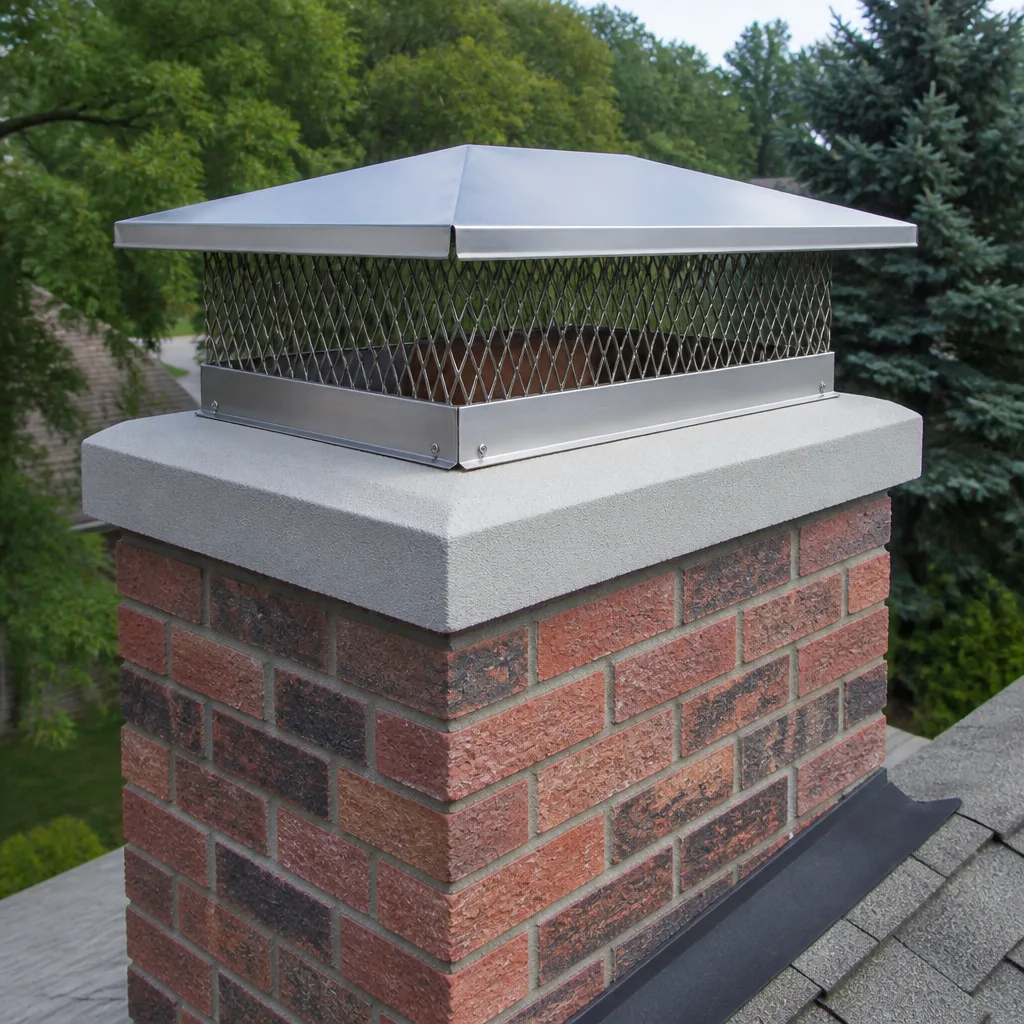
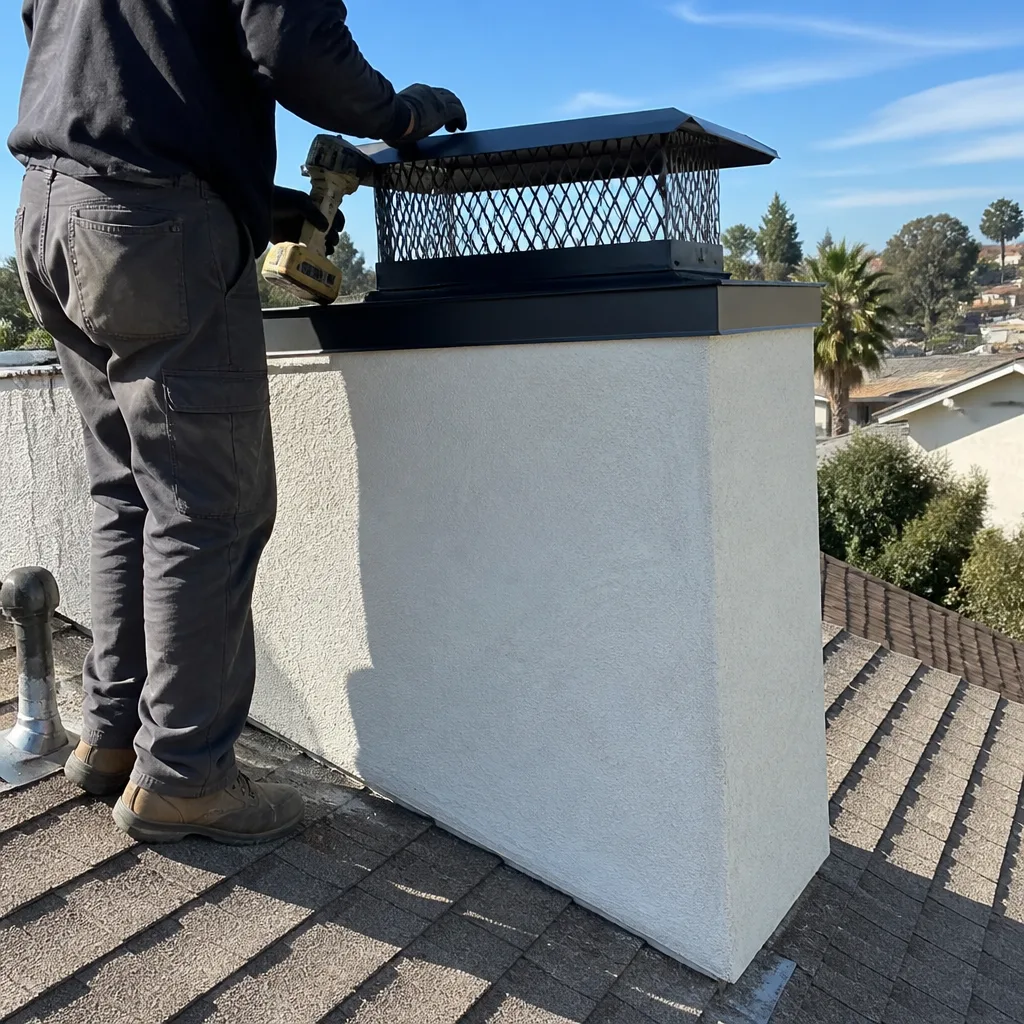
| Chimney cap install | $200 – $650 | Stainless or copper cap, sized and sealed |
| Crown repair | $300 – $1,200 | Crack sealing or full crown rebuild |
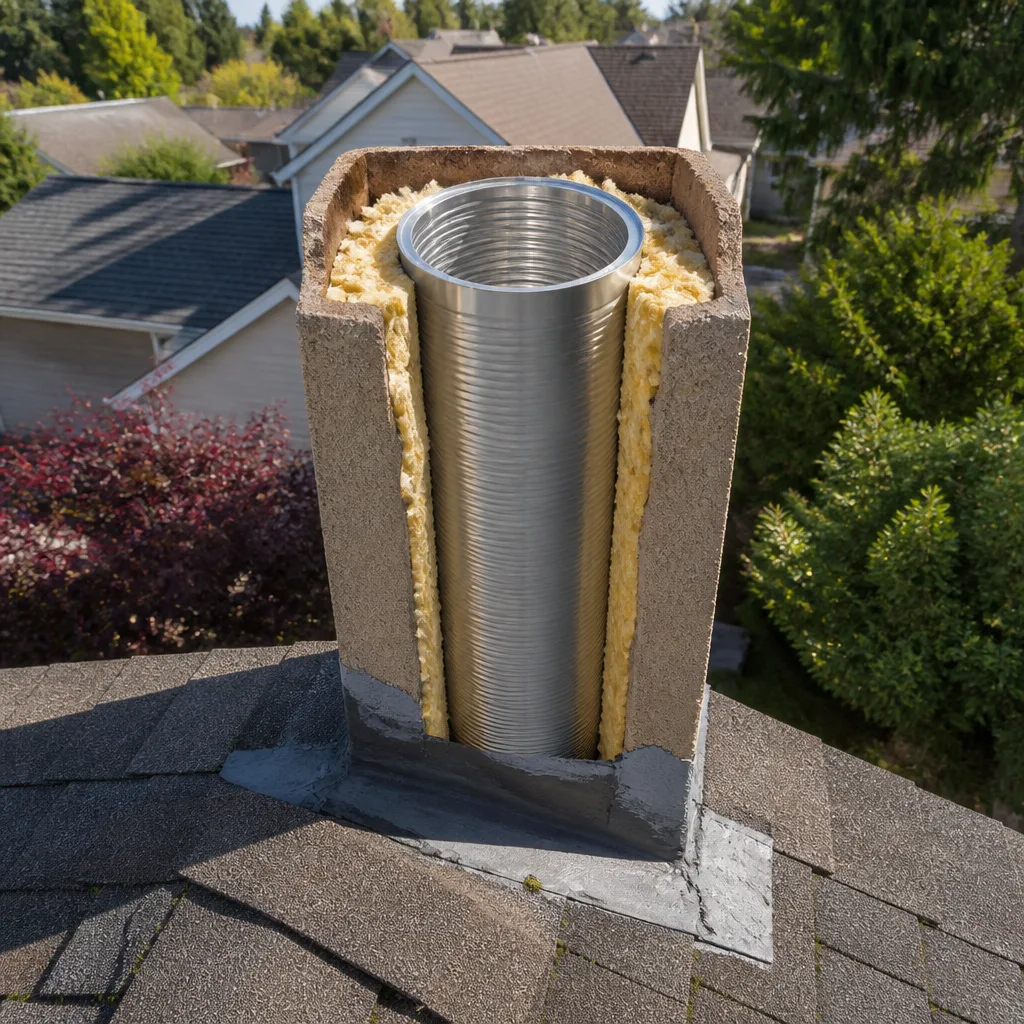
| Flue liner installation | $2,000 – $6,000 | Insulated stainless liner, sized to the appliance; includes insulation wrap |
| Gas fireplace repair | $175 – $650 | Diagnosis and repair of ignition, gas valve, thermocouple, or pilot issues |
Alcott installs and services DuraFlex liner systems, HeatShield resurfacing, and products from Gelco, Olympia Chimney, Famco, and Copperfield. Those are the brands chimney professionals specify – not box-store substitutes. When we quote a liner job, the price you see is for trade-grade material, sized to your appliance, not a one-size kit.
What drives the price up? Creosote that’s hardened past Stage 1, a chimney that hasn’t been touched in a decade, a wood-burning insert that requires removing a baffle, or access problems like a steep roof or a flue that runs through an interior chase. What keeps it down? Annual cleaning so buildup never gets past the easy-to-remove stage, a chimney cap that’s kept rain and animals out, and a straight, accessible flue.
What Affects Chimney Cleaning Pricing in Staten Island
Prices don’t move much by borough in New York City, but Staten Island has its own quirks. Here are the six factors that change what you pay.
- Creosote stage. Creosote – the tar-like buildup that causes chimney fires – comes in three stages. Stage 1 is soot and flaky residue that brushes off in minutes. Stage 2 is hard and crusty and needs chemical treatment. Stage 3 is glazed, rock-hard, and often means a rotary sweep or liner replacement. We see more Stage 3 buildup in Staten Island than you’d expect, because so many homes here still burn wood in older masonry fireplaces through the winter.
- Chimney type and age. Pre-war masonry chimneys on the North Shore – think West Brighton, Port Richmond, and Stapleton – often have offset flues, multiple appliance connections, and original mortar that’s spalling. That kind of access slows a sweep down. Newer construction in Pleasant Plains and Charleston usually has cleaner, straight runs and sweeps in less time.
- How long since the last cleaning. A chimney cleaned every year is a $225 – $300 job. One that hasn’t been touched in eight years can double or triple, because we’re removing accumulated buildup, not maintaining a clean flue.
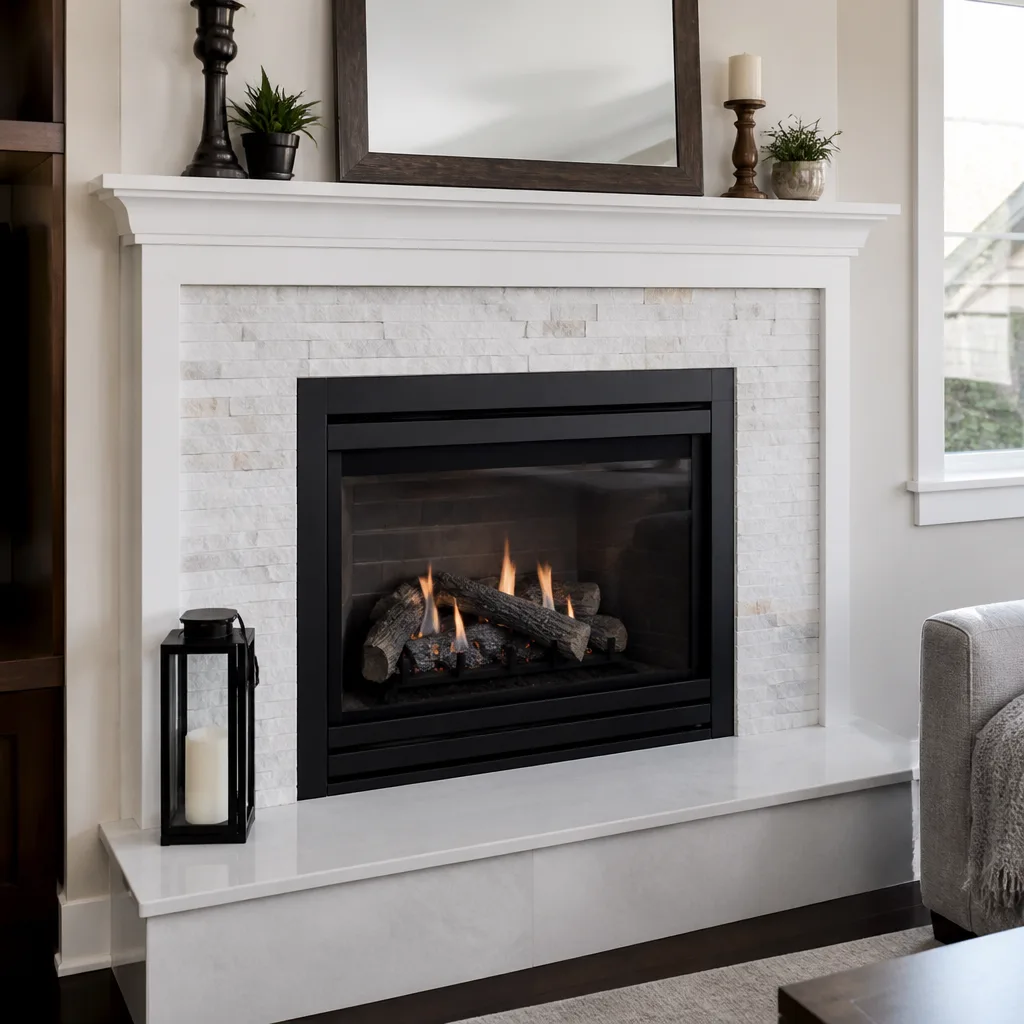
- Appliance type. A wood-burning fireplace is the simplest. Wood stoves and inserts require removing the baffle, blanket, and sometimes the stove pipe itself. Gas fireplaces need a different service altogether – sweeping isn’t the right call for a gas log set, and pricing reflects the diagnosis work involved.
- Access and safety. A chimney that can be reached from a flat roof or a roof with proper pitch is cheaper than one that requires rigging. Staten Island has plenty of both. Steep-roof work and chimney-top repairs are jobs for trained technicians with fall protection – we don’t quote DIY access here, and nobody should attempt it.
- Whether repairs are needed. The sweep itself is the cheap part. Cracked crowns, missing caps, deteriorated mortar joints, and failed liners are what turn a $300 visit into a $3,000 job. A Level 2 inspection with a camera is how we find them before they become a house fire.
One more local factor: salt air. Staten Island’s coastal neighborhoods – Great Kills, Eltingville, and the shoreline near Wolfe’s Pond – see faster corrosion on chimney caps, dampers, and stainless hardware than inland areas do. That means caps need replacement more often and dampers seize more readily. It’s a real variable, and it’s one reason we quote cap replacement with stainless or copper rather than painted steel.
What’s Included in a Professional Chimney Sweep?
A proper sweep isn’t a guy with a brush and a shop vac. Here’s what a $225 – $425 job should include, and if a company skips any of it, that’s a red flag:
- Drop cloths and floor protection before any equipment comes in
- A HEPA vacuum running the entire time so no soot enters your home
- Brushing of the full flue, top to bottom, sized to your flue’s diameter
- Cleaning of the firebox, smoke shelf, smoke chamber, and damper
- Removal and disposal of all debris
- A visual check of the firebox, damper, cap, crown, and flashing
- A written report on what we found and what, if anything, needs attention
The written report matters. It’s how you know what was cleaned, what was inspected, and what the condition of your chimney is on the day we were there. Every Alcott customer gets one. We also give you a written price before work starts – not after – so there are never surprise charges when the job ends.
How to Save on Chimney Cleaning in Staten Island
These aren’t coupon tricks. They’re the things that actually keep a chimney bill low over time.
- Clean annually, not every five years. A yearly sweep at $225 – $300 beats a $900 creosote removal job every time. It’s also the single best thing you can do to prevent a chimney fire.
- Burn seasoned wood only. Green or wet wood creates far more creosote. If your firewood was cut this year, it’s not ready. Seasoned hardwood, split and dried at least a year, burns hotter and cleaner.
- Get a chimney cap if you don’t have one. A $200 – $650 cap keeps rain, squirrels, and birds out and pays for itself the first time you avoid a nest removal. Caps also slow corrosion damage on the flue above the roofline.
- Ask for the Level 1 bundled with the sweep. Some companies charge separately for a visual inspection that’s really part of the sweep. Ask before you book. Alcott’s quote includes the inspection findings in your written report.
- Get a written price before work begins. This is the fastest way to avoid a $600 job turning into a $1,400 invoice. If a company won’t put the number on paper up front, that’s your answer.
- Watch for the free second visit. Our guarantee means if a repair fails within the coverage period, the return visit is free. That’s money you don’t spend twice on the same problem.
Free estimates are available for anything beyond a standard sweep – call (336) 863-3889 to get a real number before you book.
Repair vs. Replace: Which Makes Sense?
This is the question that decides whether you spend $400 or $4,000, and it depends entirely on the condition of the flue.
Repair usually wins when the damage is isolated: a cracked crown, a missing cap, a failed damper, spalling mortar on the exterior. Those jobs run $200 – $1,200 and address the actual problem. HeatShield resurfacing is often the right call for a flue with moderate interior deterioration – it restores the liner surface without tearing the chimney apart.
Replacement usually wins when the liner is cracked, missing, or the wrong size for the appliance. A failed clay tile liner is a chimney fire path, and no amount of cleaning fixes it. A properly sized insulated stainless liner, installed at $2,000 – $6,000, is the fix. For gas appliances, the liner has to be sized to the appliance’s exhaust volume, not just the flue’s physical dimensions – get that wrong and you create condensation problems that rot the chimney from the inside.
We won’t recommend a liner you don’t need. The camera footage from a Level 2 inspection shows you exactly what we’re seeing, and our written price covers the work before we start. Every repair carries a written guarantee, and if it fails within the coverage period, the second visit is free.
Why Staten Island Homeowners Choose Alcott
We’re an independently owned and operated location within the Threshold Group family, and we’ve been serving homeowners since 2002. Three services: chimney sweeping, chimney inspection, and gas fireplace repair.
Here’s what’s different. Every technician is background-checked and identity-verified before they ever step onto a customer’s property – that’s the Threshold Standard, not an optional upgrade. You’ll know the technician’s name and see their photo before we arrive. When they knock, they show a photo ID badge at the door. Every time, no exceptions. For homeowners who are often home alone, or who have young kids, or who just want to know who’s coming before the truck pulls in, that preview isn’t a nice extra – it’s the reason to choose one company over another.
The rest of what we do:
- Written price before any work starts. Always included, never negotiable.
- Written guarantee on every repair. If the repair fails, the second visit is free.
- 365-Day Done Right Promise. A full year of accountability on every completed job.
- Live person on every call, 24/7. No voicemail, no callback queue – including when something smells like smoke at 11 p.m.
- Trade-grade materials. DuraFlex, HeatShield, Gelco, Olympia Chimney, Famco, and Copperfield.
FAQs – Chimney Cleaning Cost in Staten Island
How much does a chimney sweep cost in Staten Island?
A standard chimney sweep in Staten Island costs $225 to $425 for a single flue, and most jobs land in the middle of that range. Multi-flue chimneys add $110 to $225 per additional flue. Call (336) 863-3889 for an exact quote on your chimney – estimates are free.
Is chimney cleaning worth the money?
Yes – a $225 – $425 sweep is the cheapest insurance against a chimney fire, which causes thousands of dollars in damage and, in the worst cases, loss of the home. Creosote buildup is the leading cause of chimney fires, and it’s the one thing a sweep removes. Skipping it doesn’t save money; it defers a much larger cost.
How often does a chimney need cleaning in Staten Island?
Once a year for wood-burning fireplaces and stoves, and once a year for a visual inspection even on gas appliances. Staten Island homes that burn wood regularly through the winter should have the flue checked annually – heavy use can push creosote past Stage 1 in a single season. Call (336) 863-3889 to book an annual sweep.
Is it cheaper to repair or replace a chimney liner?
Repair is cheaper when the damage is minor – crown sealing or resurfacing runs $300 to $1,200, versus $2,000 to $6,000 for a full liner replacement. But a cracked or missing liner can’t be repaired, only replaced. A Level 2 inspection with a camera tells you which situation you’re in. Call (336) 863-3889 for a free estimate.
Can you come today?
Often, yes – we handle urgent calls including chimney fires, smoke backup, and carbon monoxide concerns, and a live person answers the phone 24/7. Standard sweeps are typically scheduled within a few days. Call (336) 863-3889 and we’ll tell you honestly what’s available.
Do you charge extra for the inspection?
No. A visual inspection is part of every sweep, and the findings go in your written report. A Level 2 camera inspection, needed after a chimney fire or before a liner install, runs $325 to $500 and is quoted separately. Call (336) 863-3889 for a free estimate.
What’s the Next Step?
If your chimney hasn’t been cleaned this year, the number to act on is the one you already know: a standard sweep in Staten Island runs $225 to $425, and a written report on your flue comes with it. If there’s a repair attached, you’ll see the price in writing before anyone starts work, backed by a written guarantee on every repair and our 365-Day Done Right Promise. Call (336) 863-3889 for a free estimate, or call tonight if you smell smoke. A live person answers, around the clock.
Written by Ruben Castellano, Owner at Alcott Chimney Sweep, serving Staten Island since 2002.
Pricing reflects the Staten Island market as of 2026. Alcott Chimney Sweep offers free estimates – call (336) 863-3889.
What Our Customers Say
"Good chimney cleaning. They found a small gap in the mortar and quoted the repair, which was a bit more than I wanted to spend. Did the sweep and left the repair for later without any pressure."
- Stuart L."Left no soot anywhere. Even brought a vacuum with a sealed filter. I'd use them again every fall."
- Beth H."Gas fireplace pilot kept going out. Cleaned the burner, replaced the thermocouple, and explained what failed. Works first try now."
- Alicia R.