
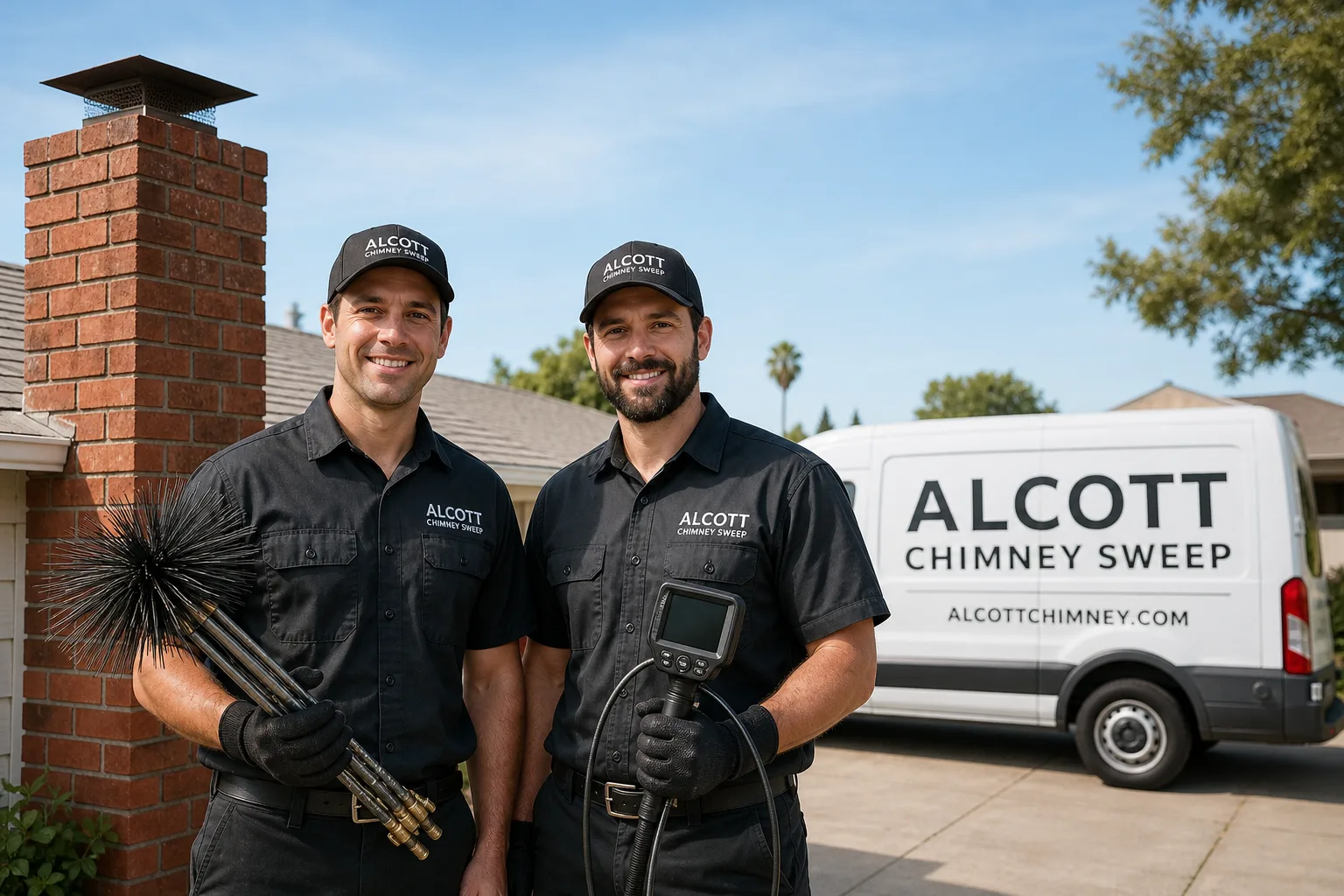
Level 1 sweep and inspection to the NFPA 211 annual standard - flue, crown, cap, and flashing checked and photographed
Chimney sweep logs do not sweep chimneys. They loosen some creosote - which then falls where a brush and vacuum still have to collect it.
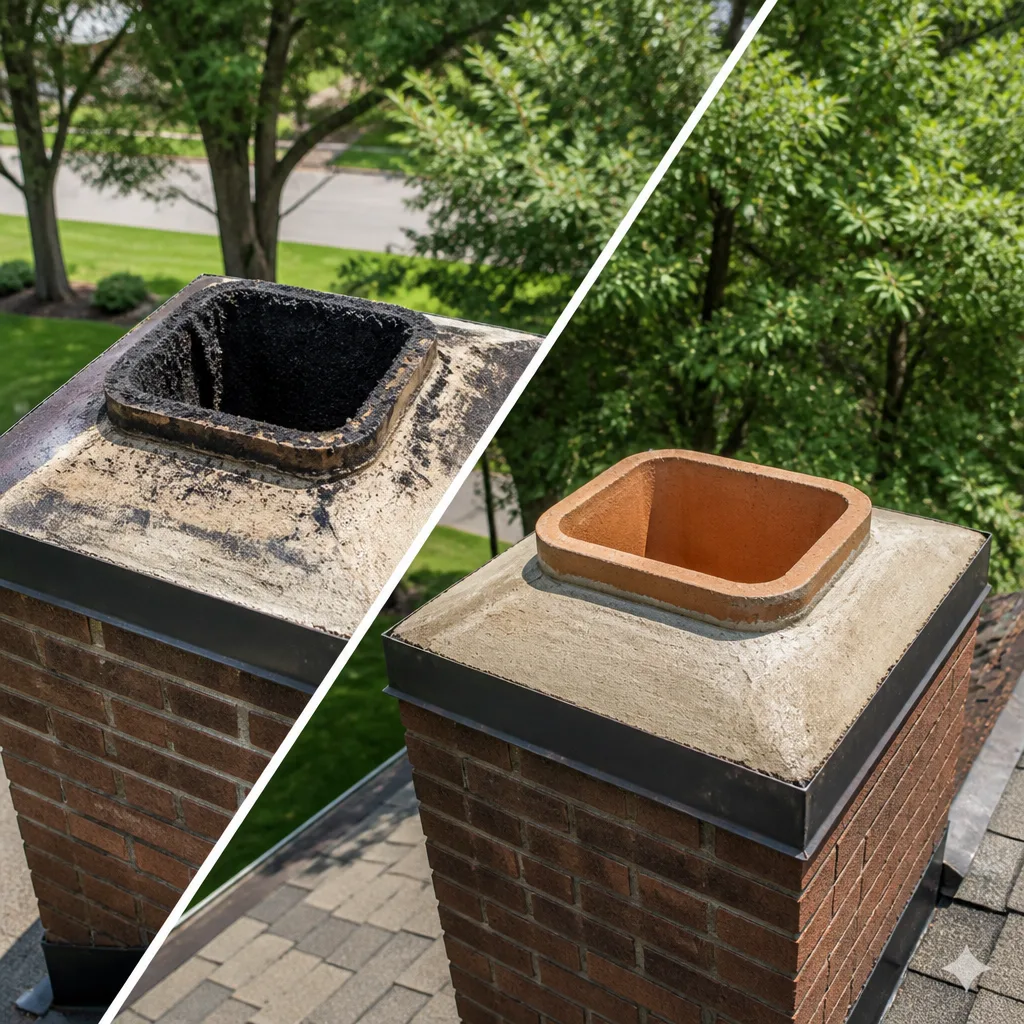
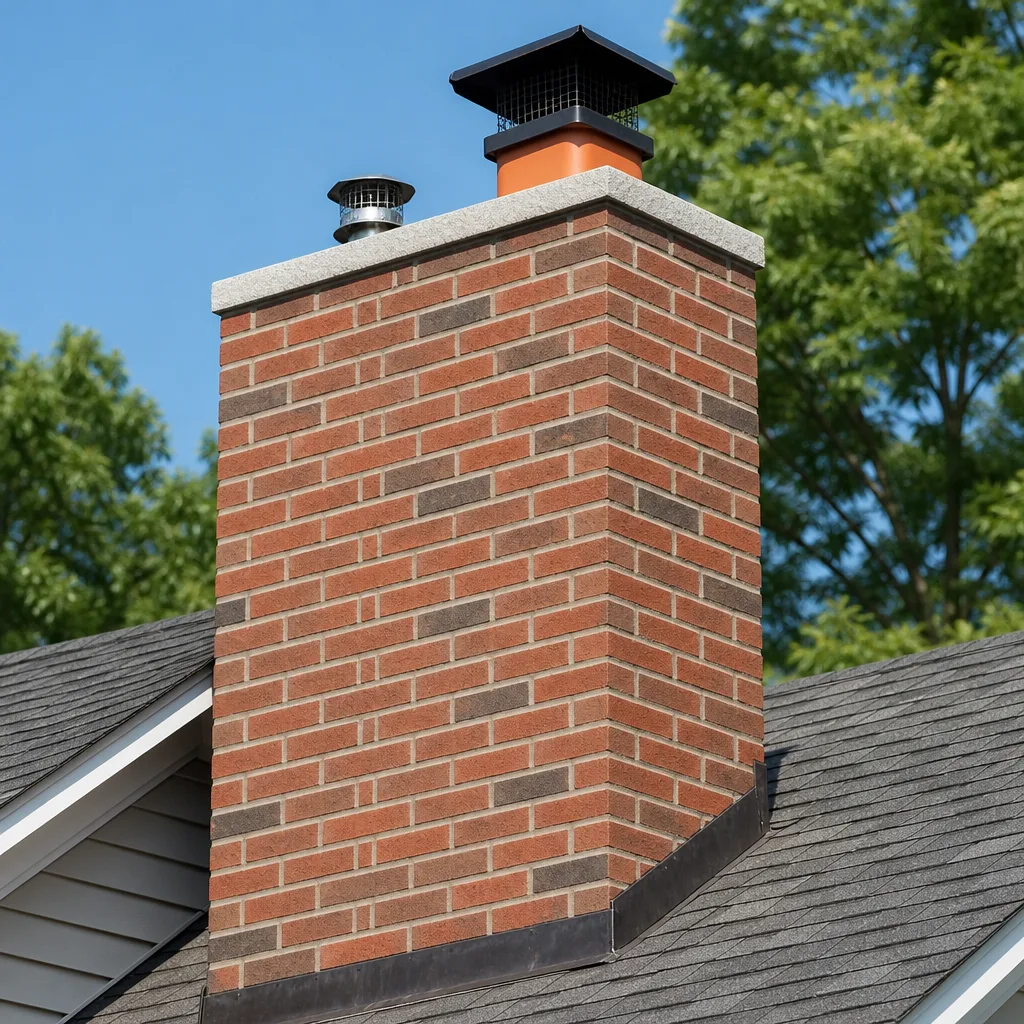
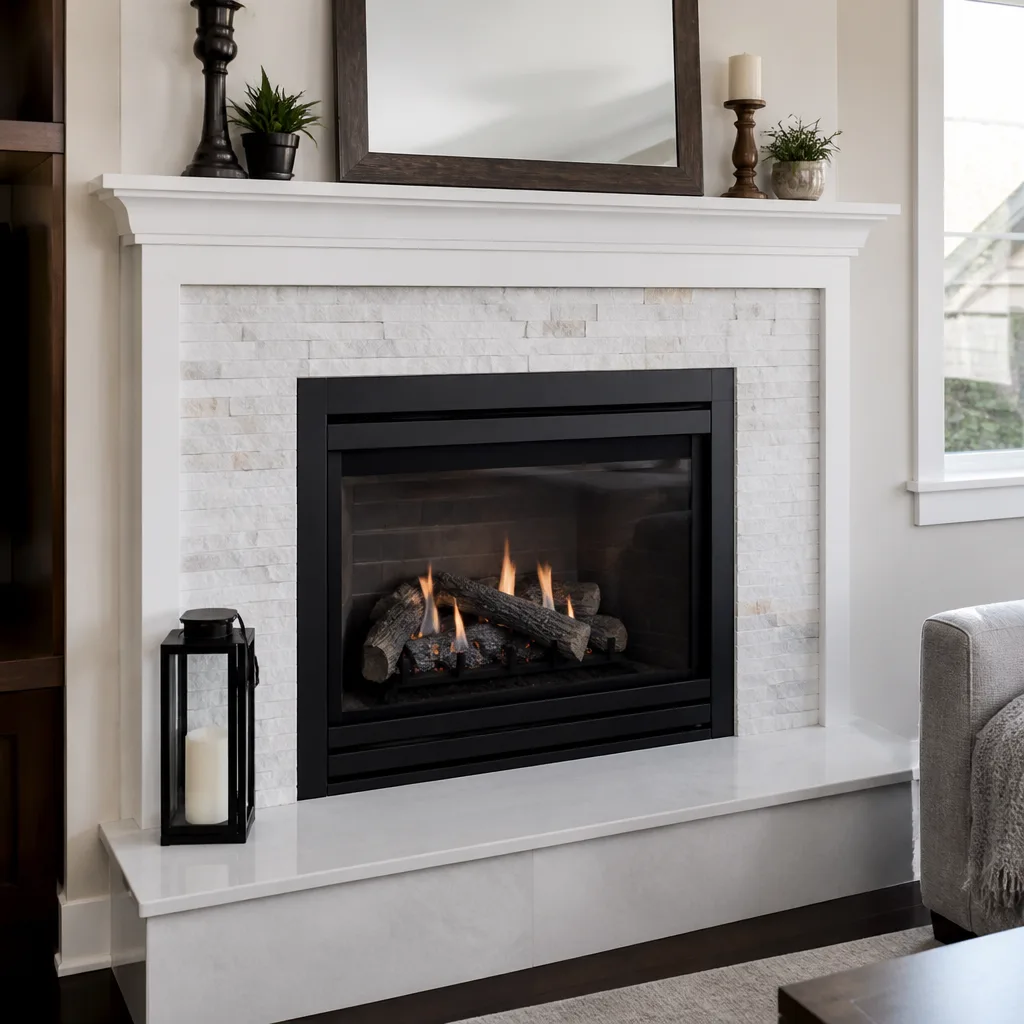
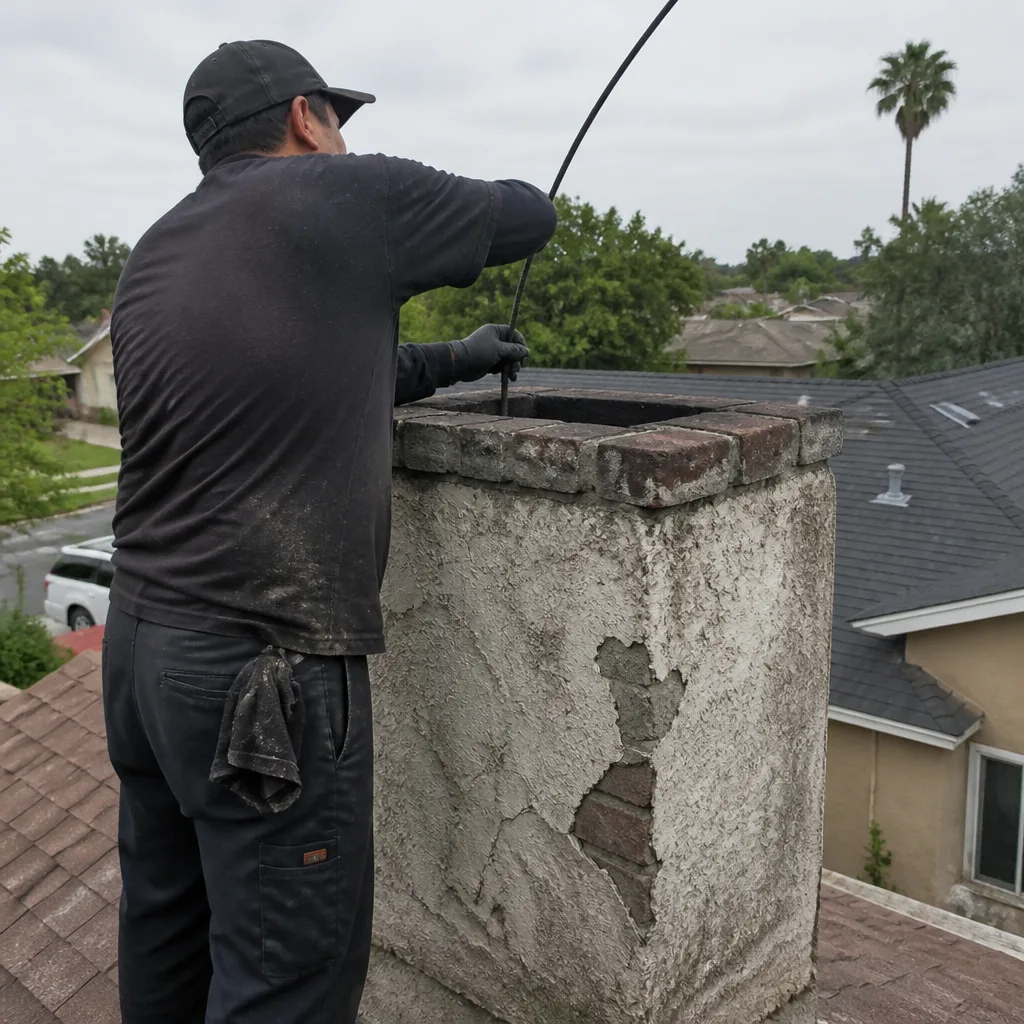 Before
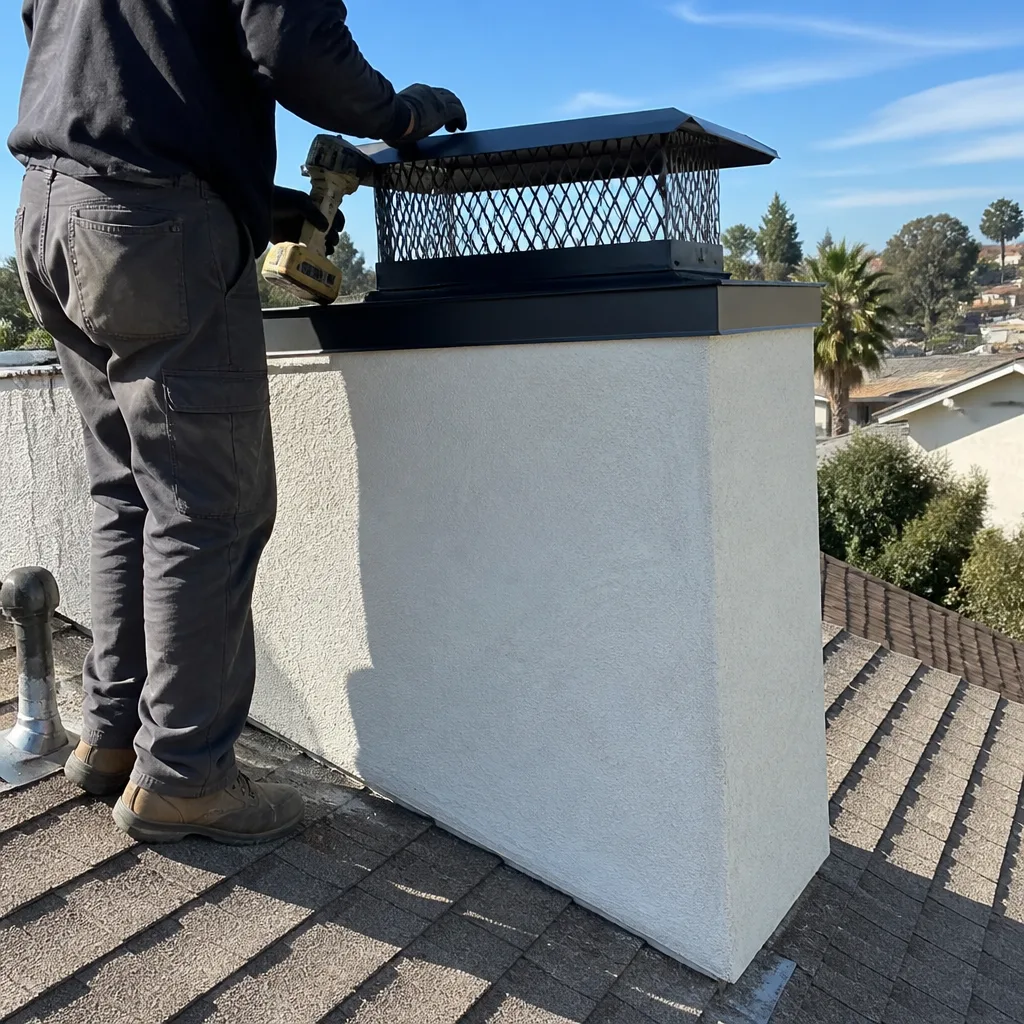 After
After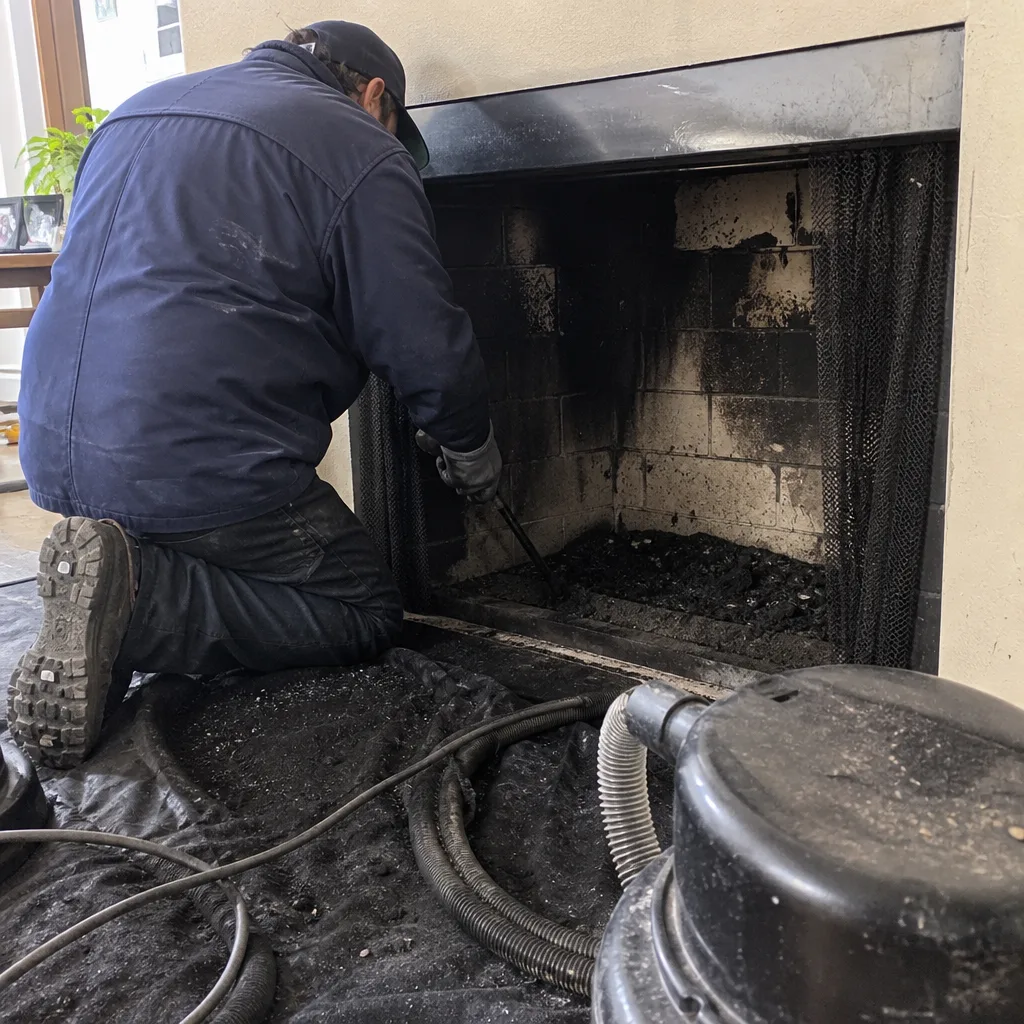 Before
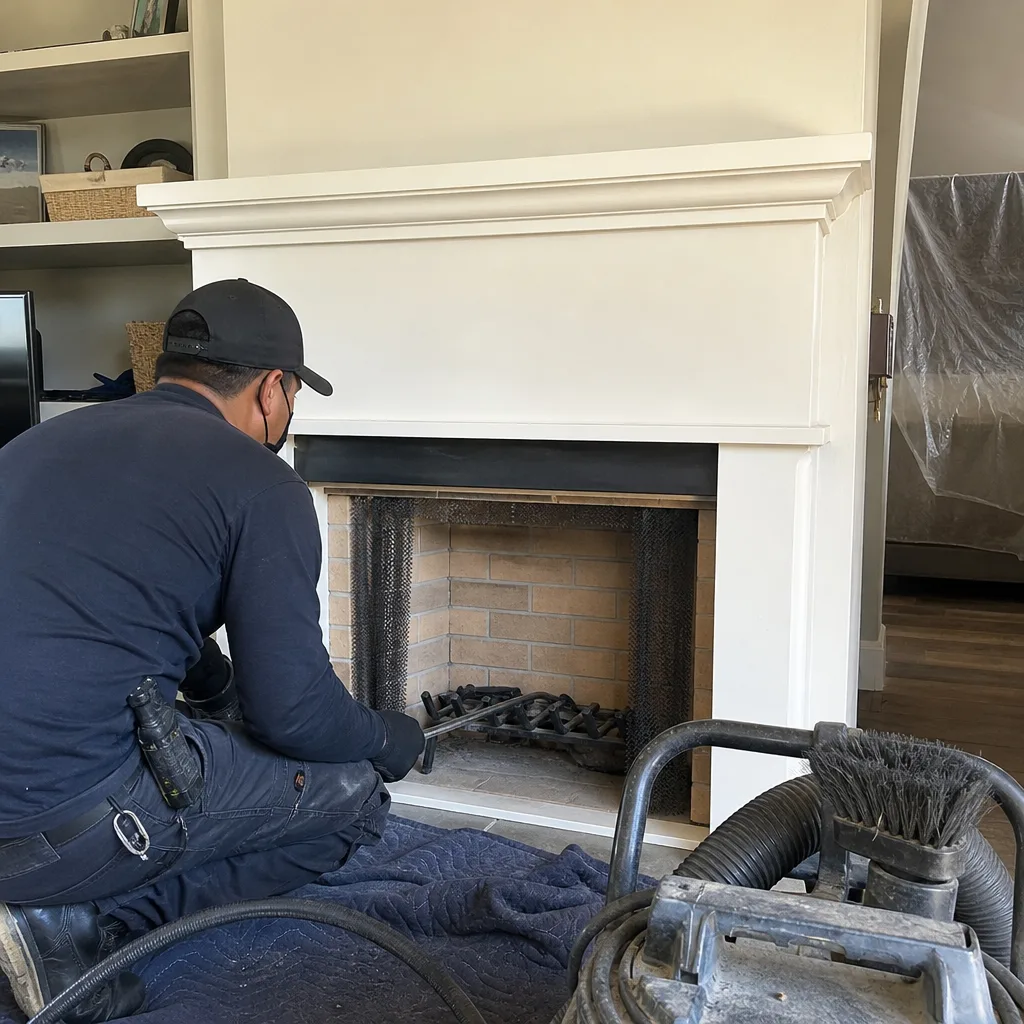 After
After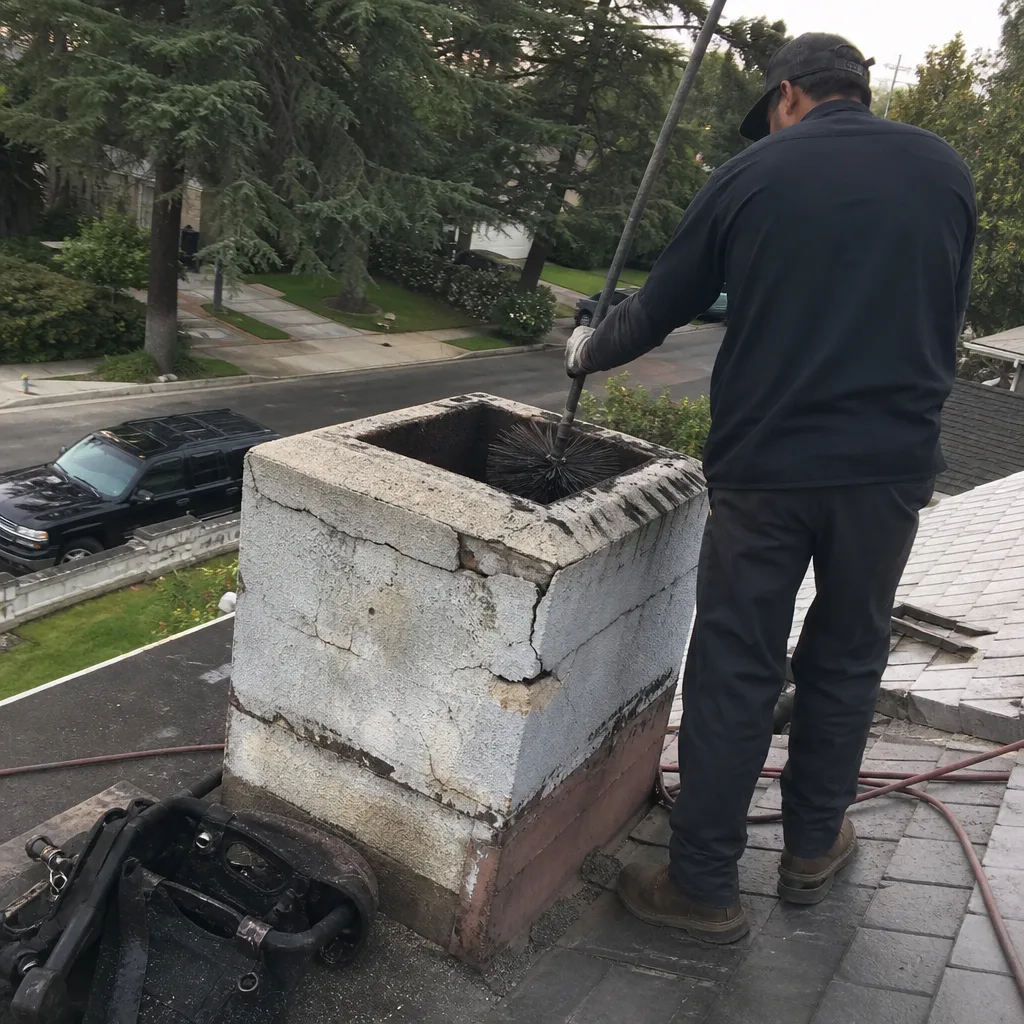 Before
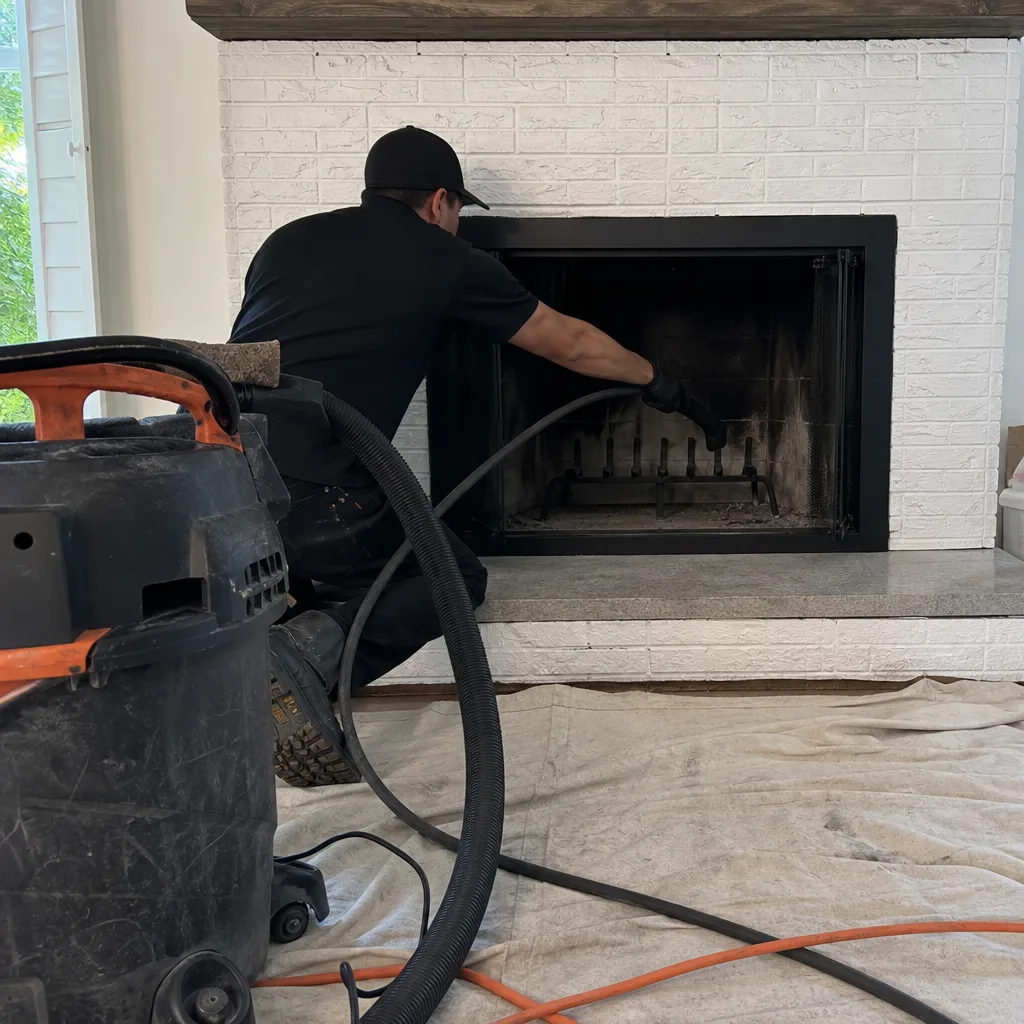 After
AfterFast, Reliable Chimney Inspection Across Austin
A chimney inspection in Austin typically costs between $129 and $349 depending on the level of inspection and whether a camera scope is included. Most inspections take under an hour. Our Chimney Inspection team serves every zip code in the Austin metro, from Hyde Park to Travis Heights to Northwest Hills. If you’re hearing something in your flue, seeing spalling brick, or just haven’t had a look in years, call (336) 863-3889 and we’ll get you on the calendar.
Why Alcott Chimney Sweep Is Austin’s Preferred Chimney Inspection Company
We built our inspection process around what Austin chimneys actually do, not what a generic chimney company thinks they should do. That means we know that a 1939 bungalow in Bouldin Creek is sitting on expansive clay that shifts foundation footings and cracks fireboxes in ways a quick visual once-over will miss. We know that a 1982 ranch house off South Lamar probably has a prefabricated zero-clearance metal fireplace, not masonry, and needs a different diagnostic approach entirely. And we know that the federally protected Chimney Swifts that chitter in flues around Allandale and Cherrywood from April through October mean an inspection in July has to account for federal law, not just soot.
Ruben Castellano runs this crew, and the standard he set in 2002 hasn’t moved: every technician sent to your door is background-checked, identity-verified, and sent to you by name and photo before they arrive. When the truck pulls up in Austin, you already know exactly who’s stepping out of it. That’s the Threshold Standard, and it isn’t an upgrade. It’s the baseline.
Every inspection includes a written price before work begins and a written report after. If a repair is covered by our 365-Day Done Right Promise, it’s covered for a full year. If it fails within that window, the second visit is free. No fine print. No phone tree. When you call at 11 p.m. because something smells like smoke, a live person picks up.
Chimney Flue Inspection in Austin
Chimney Flue Inspection in Austin means evaluating the full path smoke travels, from firebox to chimney cap, for damage that can turn a routine fire into a structure fire or carbon monoxide event. Austin’s brief winters mean most fireplaces sit dormant for nine or ten months a year, which is exactly the kind of long quiet period that lets small problems become big ones. Flue tile cracking, deteriorated mortar joints, animal nesting, and cap damage often go unnoticed until someone lights the first fire in November and smoke backs into the living room.
What changes the equation here is Austin’s clay soil. Homes in Hyde Park, Clarksville, and Travis Heights sit on highly expansive clays that swell when wet and shrink when dry. Over decades, that movement shifts foundation pads and cracks chimney structures from the bottom up. A flue inspection in Austin isn’t complete if it only looks at the vertical run; it has to account for what’s happening at the base too.
The Flue Inspection Process
We start with a visual assessment of the firebox, damper, smoke shelf, and exterior chimney structure. Then we run a camera up the flue to document what the eye can’t see: hidden creosote loading, cracked flue liners, missing mortar, or signs of animal entry. You get the footage. When we find something, we show it to you on screen and explain what it means in plain English before we talk about any repair.
When Austin Homeowners Need One
You need a flue inspection before the first fall fire after a long offseason, especially if you’ve heard scratching or chattering from the chimney, noticed a smell when the wind blows, or seen water staining on the ceiling near the fireplace. A flue inspection in Austin typically costs $129 to $229 for a standard Level 1, and $189 to $349 for a Level 2 with camera documentation.
Chimney Fire in Austin
Chimney Fire risk in Austin is deceptive: our short burn season means most homeowners think they’re safe because they barely use the fireplace. But first-degree creosote, the tar-like glaze that forms from low-temperature wood fires, builds up quickly in Austin conditions. Our mild winters produce a lot of low, smoldering fires rather than hot, clean burns, and those low fires lay down creosote faster than a roaring fire ever would. A chimney fire doesn’t need a lot of buildup, just the right conditions.
The other Austin-specific factor is the long offseason. From March through October, the flue sits cool and unused. Animals move in. Birds nest. Debris accumulates. When fall arrives, that material becomes kindling inside a structure that hasn’t been checked since last winter. We see it every year in neighborhoods like Northwest Hills, where prefab units get ignored because homeowners think they don’t need the same attention as masonry.
What an Inspection Catches Before It’s a Fire
An inspection identifies creosote loading by degree, so you know what’s actually in your flue. First-degree creosote looks like a fine dark dust or flake layer and can usually be removed with standard sweeping. Third-degree creosote is a hard, shiny glaze that often requires chemical treatment or mechanical removal. Between those, we check for cracked flue tiles, which expose combustible framing to heat, and for any gaps in the mortar joints that let sparks reach the house.
After a Chimney Fire
If you’ve already had a chimney fire or suspect one (loud popping, a roar like a freight train, dense smoke), the flue must be inspected before the fireplace is used again. Chimney fires can crack liners and compromise mortar bonds even when the exterior looks fine. We’ll scope the flue, document the damage, and tell you honestly whether it needs repair or is safe to burn. No scare-selling. Just what the camera shows.
Trusted Brands We Service in Austin
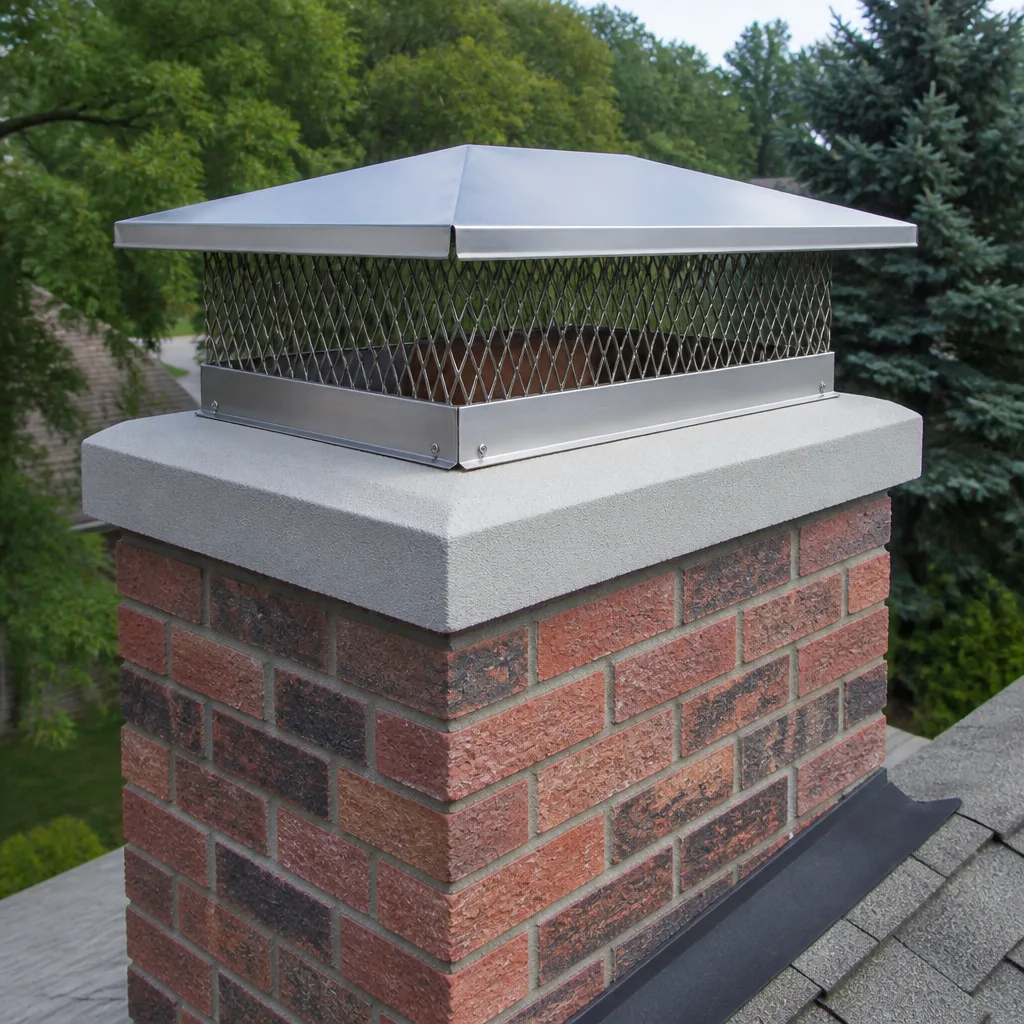
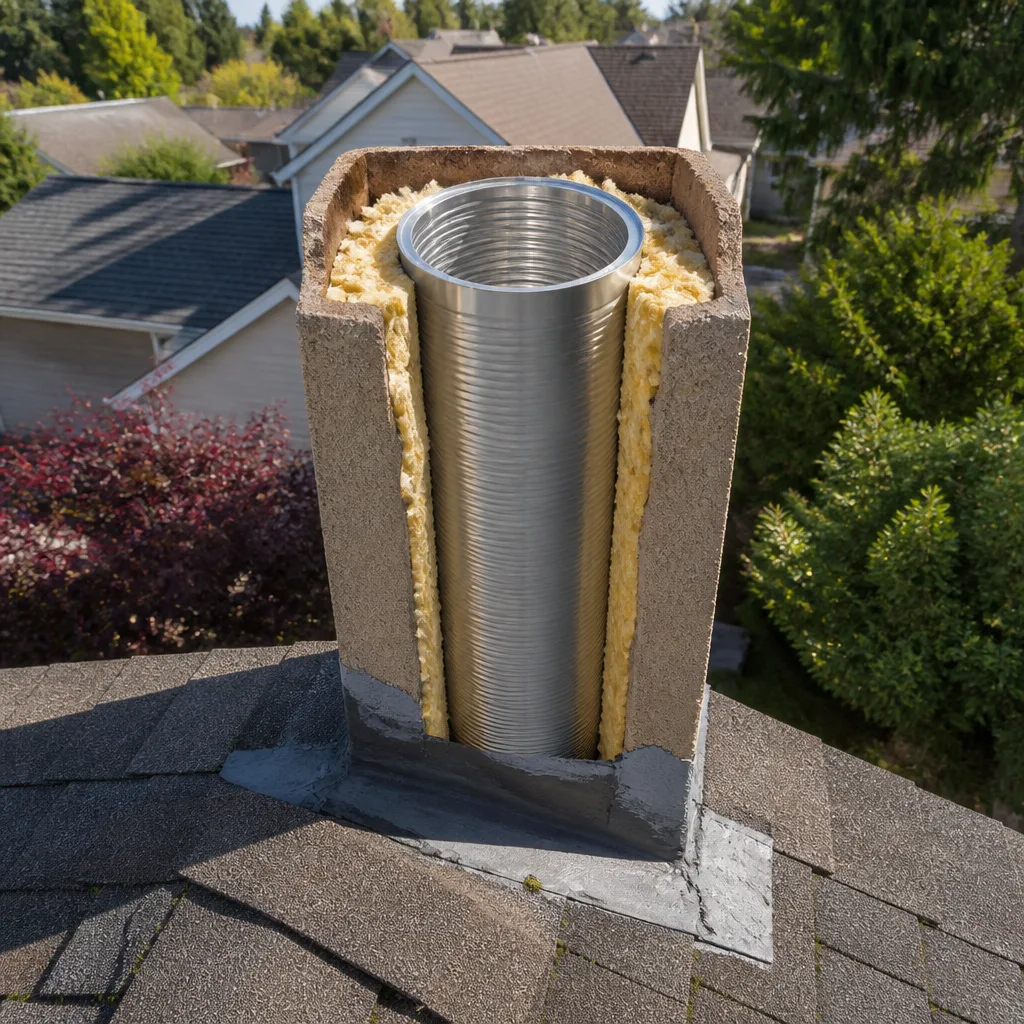
When a repair is needed, we install and service professional trade materials, not box-store substitutes. That means HeatShield resurfacing for damaged flue liners, Gelco refractory cement for firebox repair, and Olympia Chimney caps when a flue needs protection from Austin’s spring and summer wildlife. We keep common parts stocked locally so most Austin repairs don’t wait on a distributor. If a DuraFlex or Famco component is needed, we source it from the same suppliers chimney professionals use nationwide.
Common Chimney Inspection Problems We See in Austin Homes
- Protected bird nests in the flue. Chimney Swifts, federally protected under the Migratory Bird Treaty Act, nest in Austin masonry chimneys from roughly April through October. If we find an active nest, the law says we can’t disturb it until the birds fledge and leave. We’ll document what’s there and schedule the return for the legal window.
- Foundation-related cracking in pre-1960 bungalows. Homes in Hyde Park, Travis Heights, Clarksville, and Bouldin Creek sit on expansive clay that shifts with moisture cycles. The chimney, anchored to the house at roof and foundation, gets pulled in both directions. Firebox cracks and stair-step mortar separation are the result, and a visual-only inspection often misses them.
- Creosote buildup from low, smoldering fires in short burn seasons. Austin’s occasional blue northers and brief cold snaps produce exactly the kind of low-heat, oxygen-starved fires that deposit creosote fastest. A fireplace used only two or three weeks per year can still carry a dangerous glaze by year three or four.
- Misidentified prefab fireplaces. The 1970s and 1980s ranch buildout across Northwest Hills and South Lamar left Austin with thousands of zero-clearance metal fireplaces. They look like masonry from the outside but use entirely different components and tolerances. We identify the system type during inspection and inspect it according to its own standard, not a guess.
Pricing for Chimney Inspection in Austin, TX
A Level 1 visual inspection in Austin runs $129 to $179. A Level 2 inspection with full camera documentation, which we recommend for most Austin homes, runs $189 to $349 depending on roof access, chimney height, and system type. A Level 3 inspection, which involves opening walls or removing chimney components, starts around $500 and is quoted after the Level 2 findings are reviewed. Prefab zero-clearance units often fall in the middle of the Level 2 range. The price we quote is the price you pay, written down before we start. Call (336) 863-3889 for an exact quote for your chimney.
We Also Serve Cities Near Austin
Our Austin crews cover the full metro, including Pflugerville, Cedar Park, Manor, and Round Rock. The same fixed pricing, same written guarantee, and same name-and-photo technician preview apply everywhere we work. If you’re in a neighboring city and need a chimney inspection, call (336) 863-3889 and we’ll schedule you with the nearest crew.
Serving Austin, TX - Our Local Coverage Area
We’re based in the Austin area and know this community well. Use the map below to see our service coverage - if you’re nearby, we can almost certainly help.
FAQs About Chimney Inspection in Austin
Because that chattering is almost certainly a colony of Chimney Swifts, a federally protected migratory bird that nests in Austin chimneys from roughly April through October. The Migratory Bird Treaty Act makes it illegal to disturb an active nest, which means any capping or cleaning that disturbs the birds has to wait until they fledge and leave, usually by late October. We’ll document what we find, schedule the work for the legal window, and walk you through what to expect. Call (336) 863-3889 and we’ll scope it.
Yes, and often more than a heavy burner does. Short, low-temperature fires lay down first-degree creosote quickly, and then the chimney sits unused for nine months while animals, weather, and clay-soil movement do their work. A flue that’s been dormant since February can have active bird nests, raccoon debris, cracked mortar, or a damaged cap by the time you light that first November fire. A single inspection before each short burn season is the right cadence for most Austin homes.
Expansive clay under neighborhoods like Hyde Park, Travis Heights, Clarksville, and Bouldin Creek shrinks and swells with moisture changes, slowly shifting foundations. The chimney is tied to the foundation at the base and the house at the roof, so that movement translates into firebox cracks, stair-step mortar joints, and a tilting chimney stack. A competent Austin inspection reads those signs and separates normal settling from structural damage that needs repair.
Yes. We identify the system type by looking at the firebox construction, the termination cap, and the flue configuration, and we’ll tell you what you actually have during the inspection. The 1970s and 1980s prefab units in Northwest Hills and along South Lamar are frequently misidentified as masonry by homeowners, and cleaning or inspecting them as masonry can damage the system. The correct protocol depends entirely on the system type, and we confirm it on site.
First-degree creosote looks like a fine dark dust or flake layer on the flue walls, and at that stage it’s cheap and quick to remove with standard sweeping. Left alone, it compounds into second-degree, a thicker, crustier buildup, and eventually into third-degree, a hard glaze that’s much harder to remove and a serious fire hazard. An annual or pre-season inspection catches it at stage one, when the fix is a routine sweep instead of a significant remediation. Call (336) 863-3889 to schedule yours, and we’ll show you exactly what’s in your flue.
Last fall we inspected a 1948 craftsman bungalow in Travis Heights whose owner had heard scratching from the chimney all summer and assumed it was a squirrel. Our technician ran a Level 2 inspection with a camera and found a first-degree creosote flake layer over a flue liner with spalling mortar joints and a cracked firebox, all consistent with decades of clay-soil foundation movement under an aging chimney. We also documented evidence of an active Chimney Swift colony, which meant the cap had to wait until the birds departed. We repaired the firebox, installed an Olympia Chimney cap after the swifts fledged in late October, and confirmed draft was restored before the first cold front hit. That’s what a real Austin inspection looks like: the birds, the soil, the creosote, and the fix, all documented and explained.
Written by Ruben Castellano, Owner at Alcott Chimney Sweep, serving Austin since 2002.