
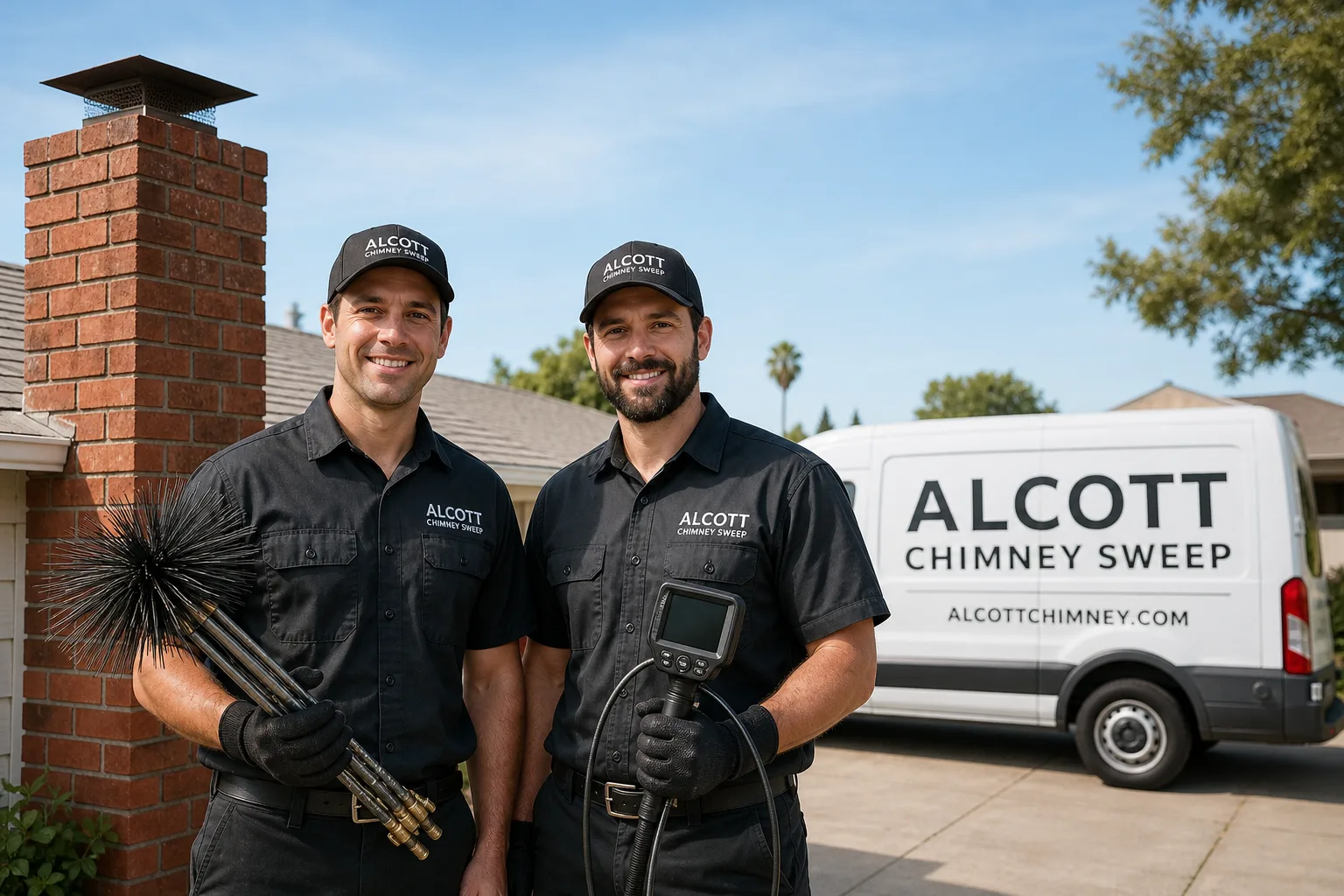
Level 1 sweep and inspection to the NFPA 211 annual standard - flue, crown, cap, and flashing checked and photographed
Chimney sweep logs do not sweep chimneys. They loosen some creosote - which then falls where a brush and vacuum still have to collect it.
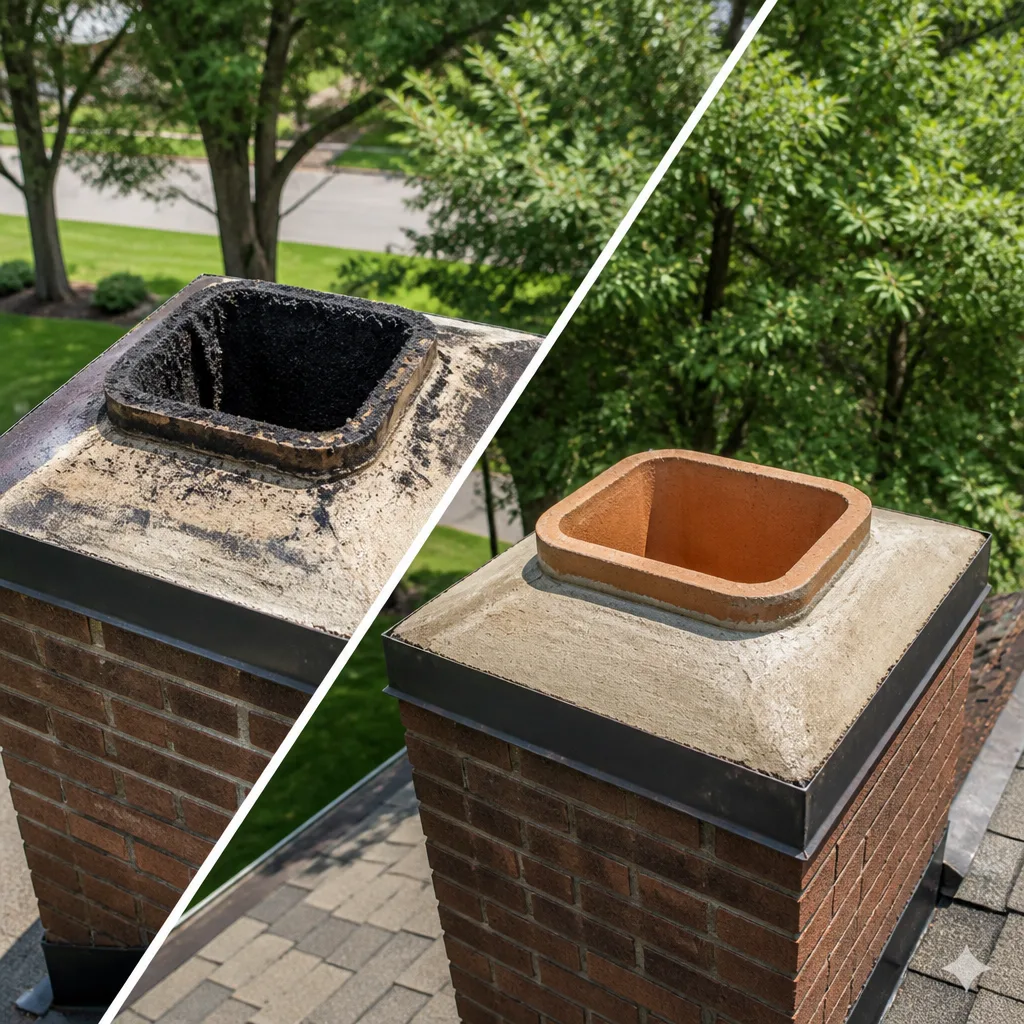
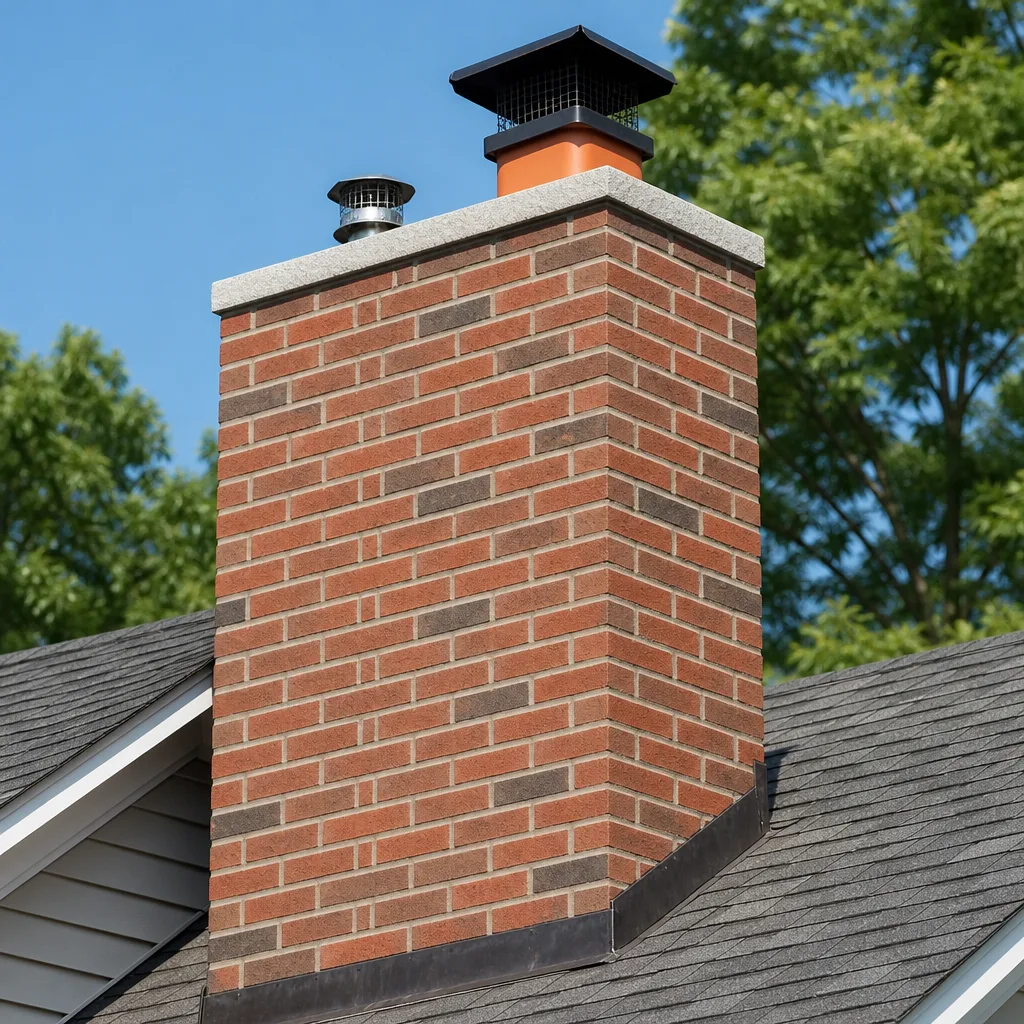
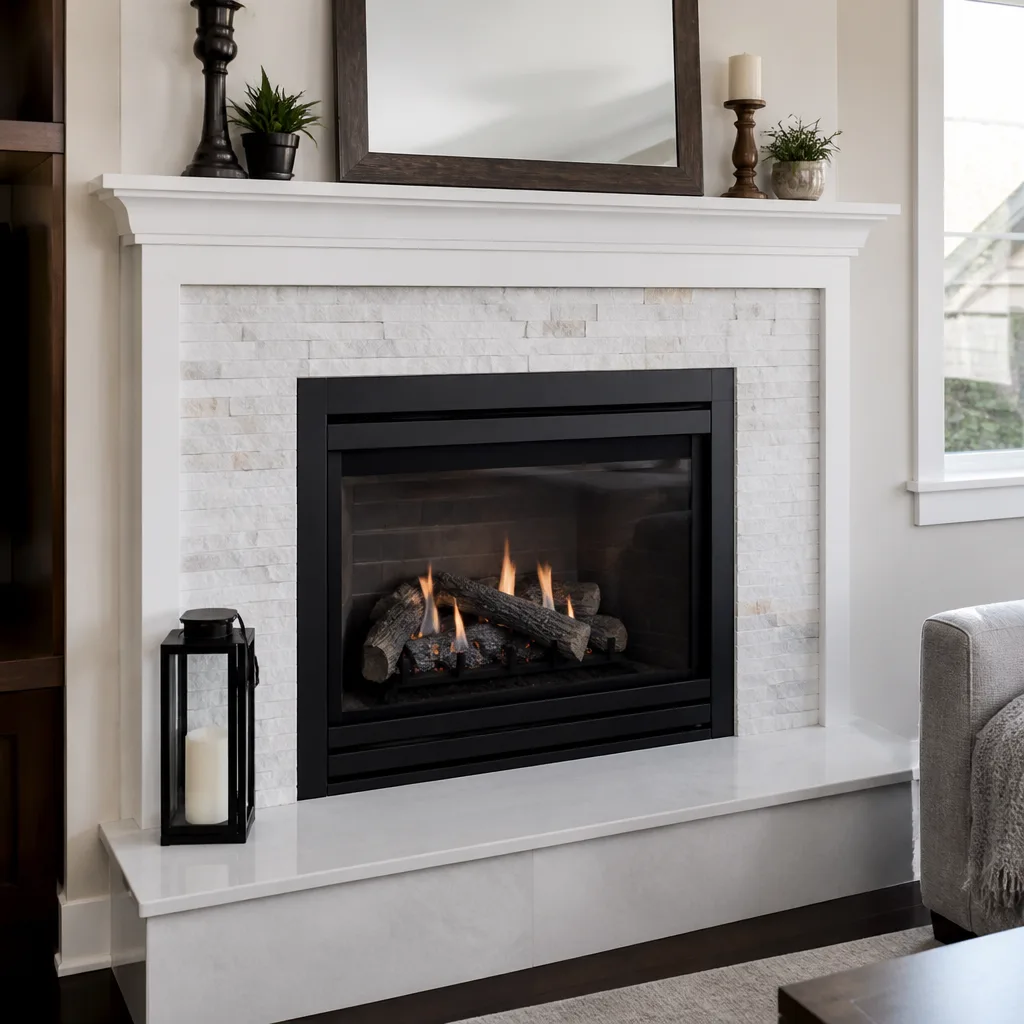
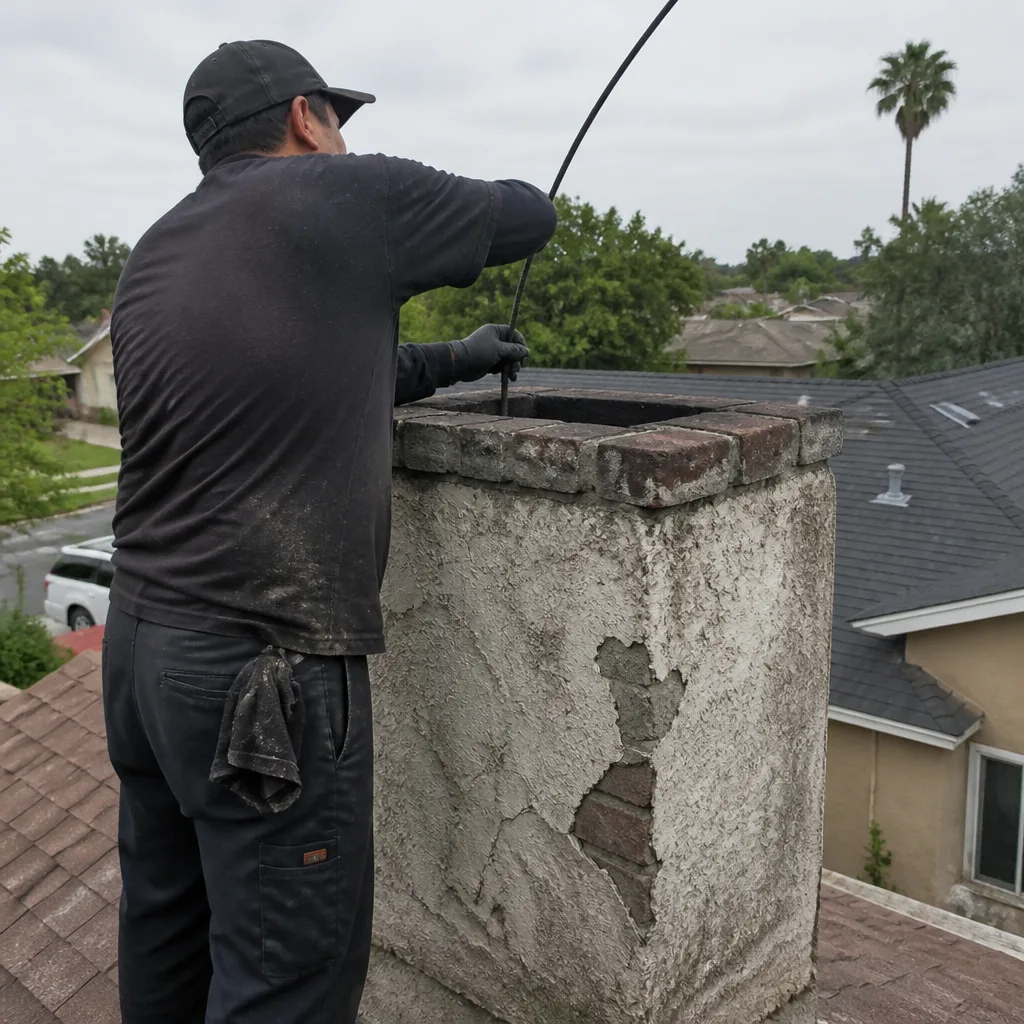 Before
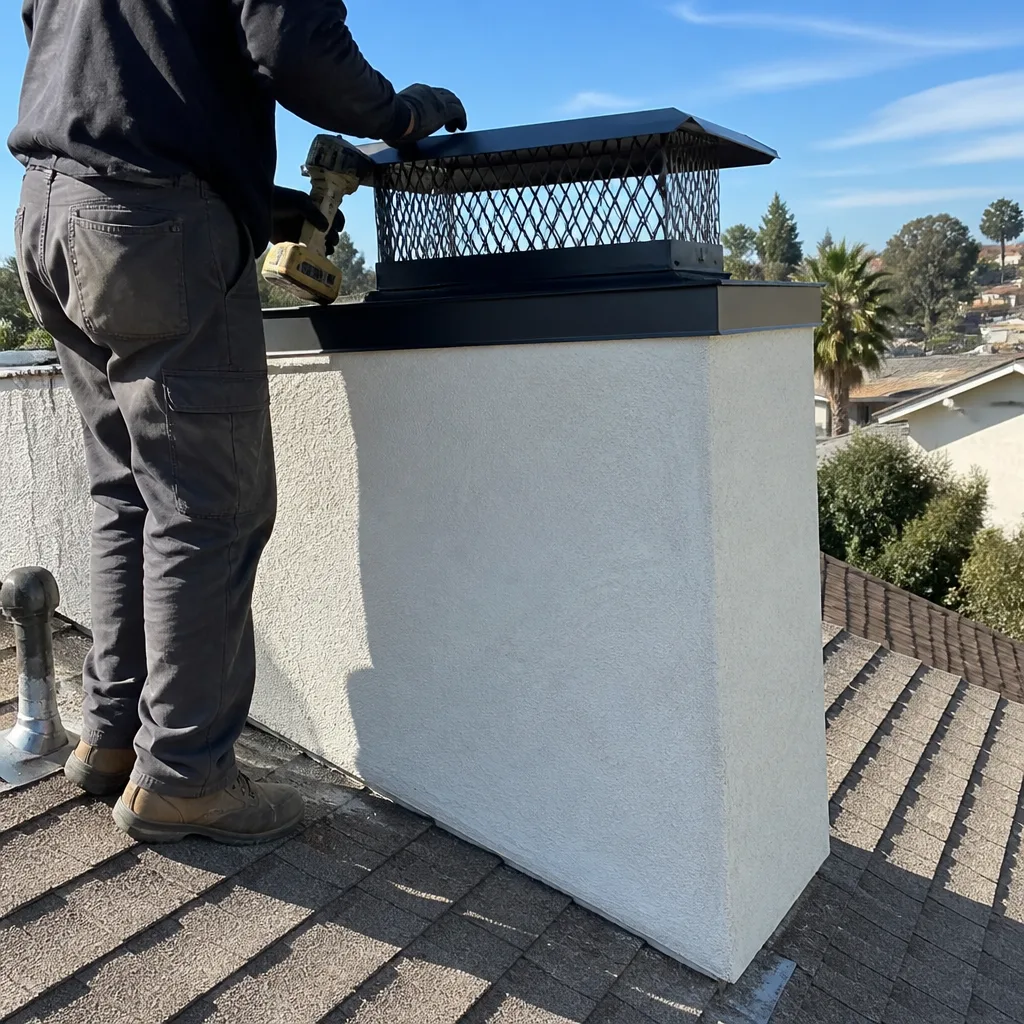 After
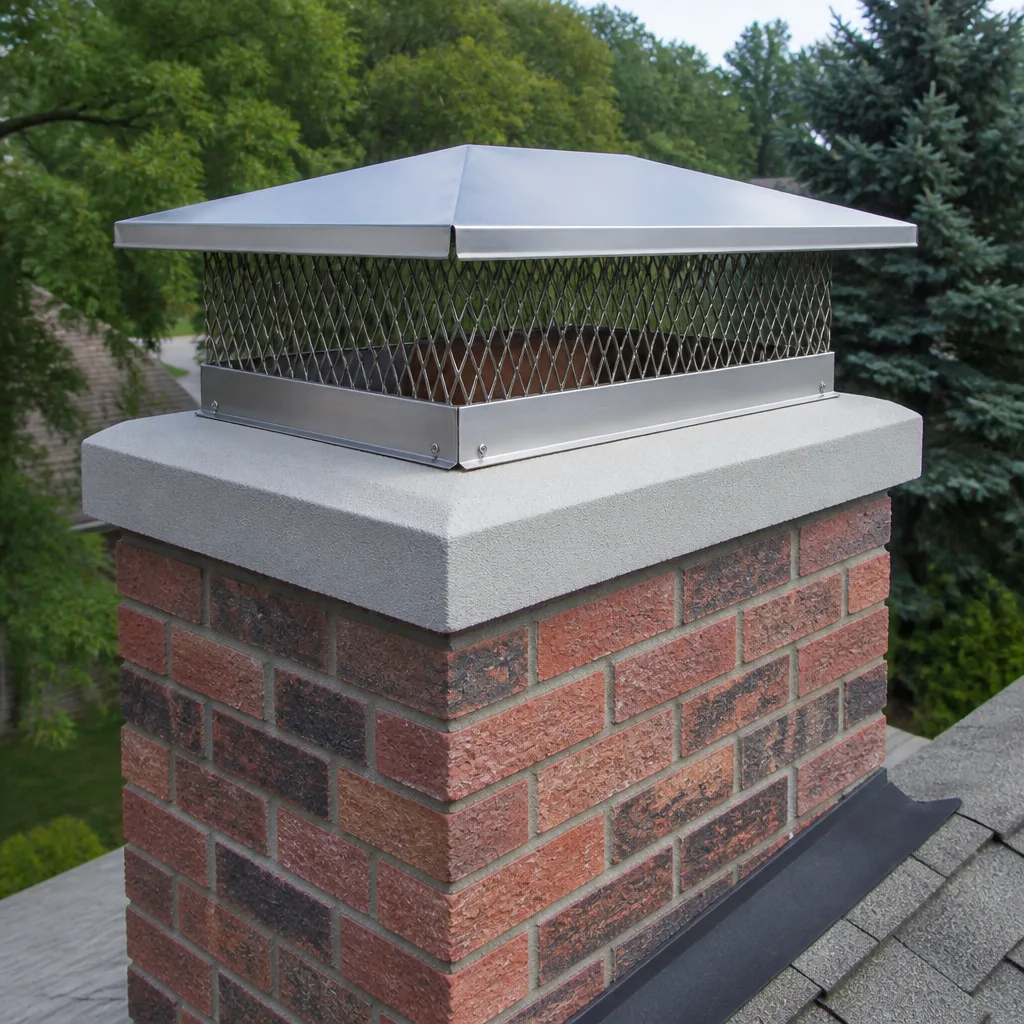
After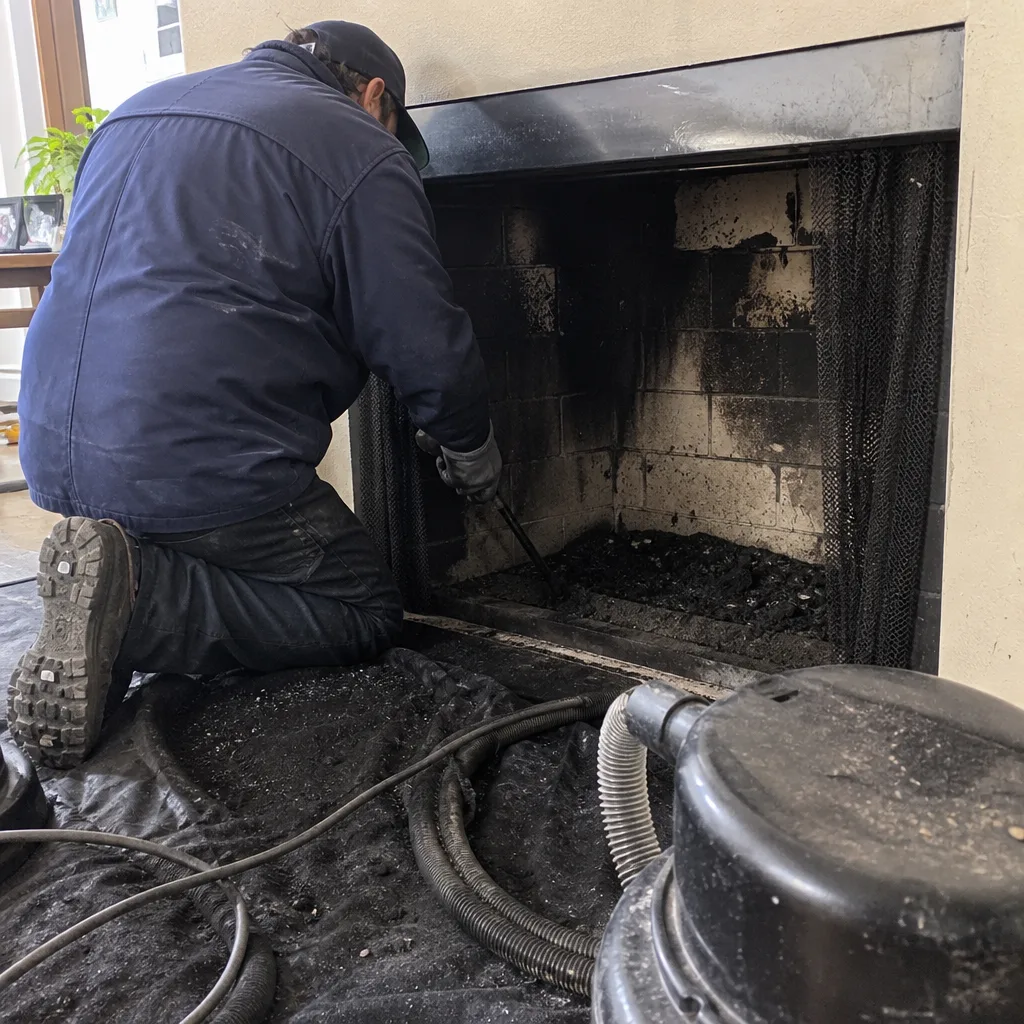 Before
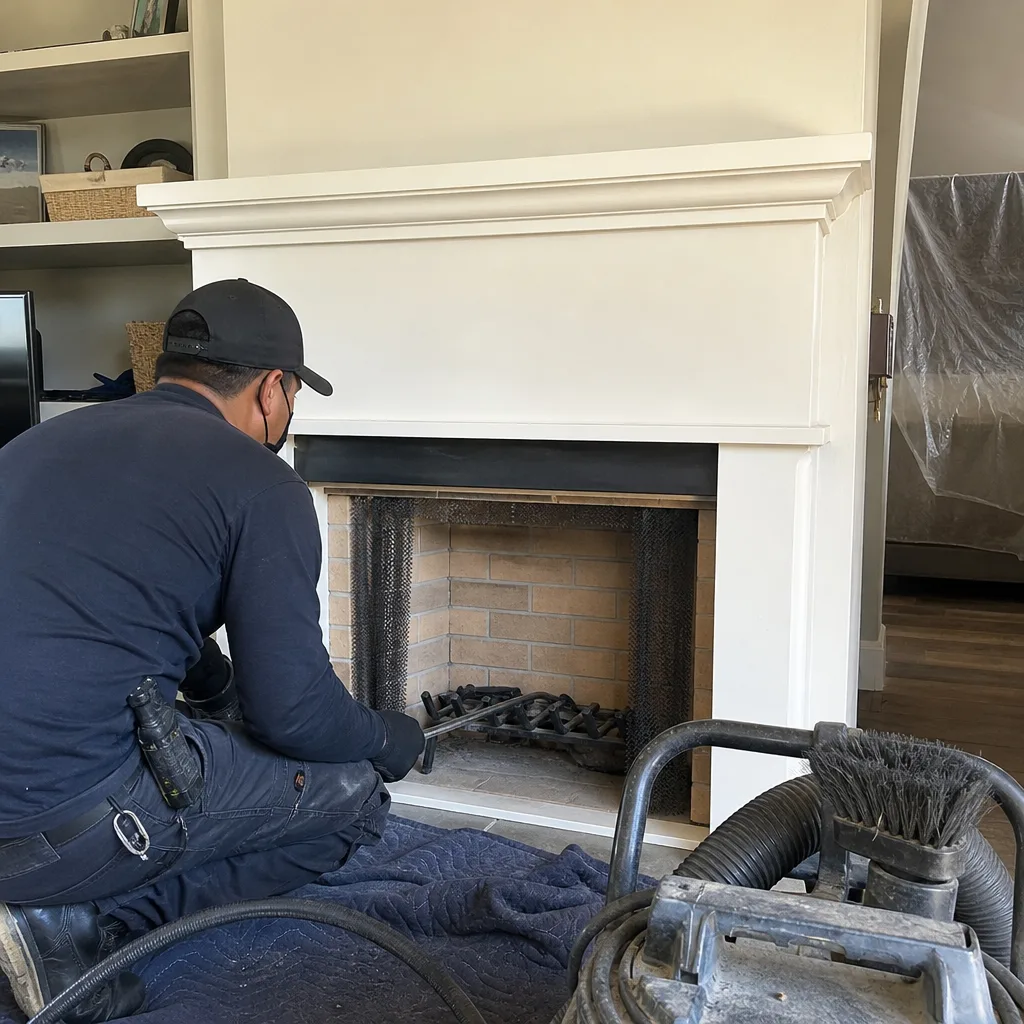 After
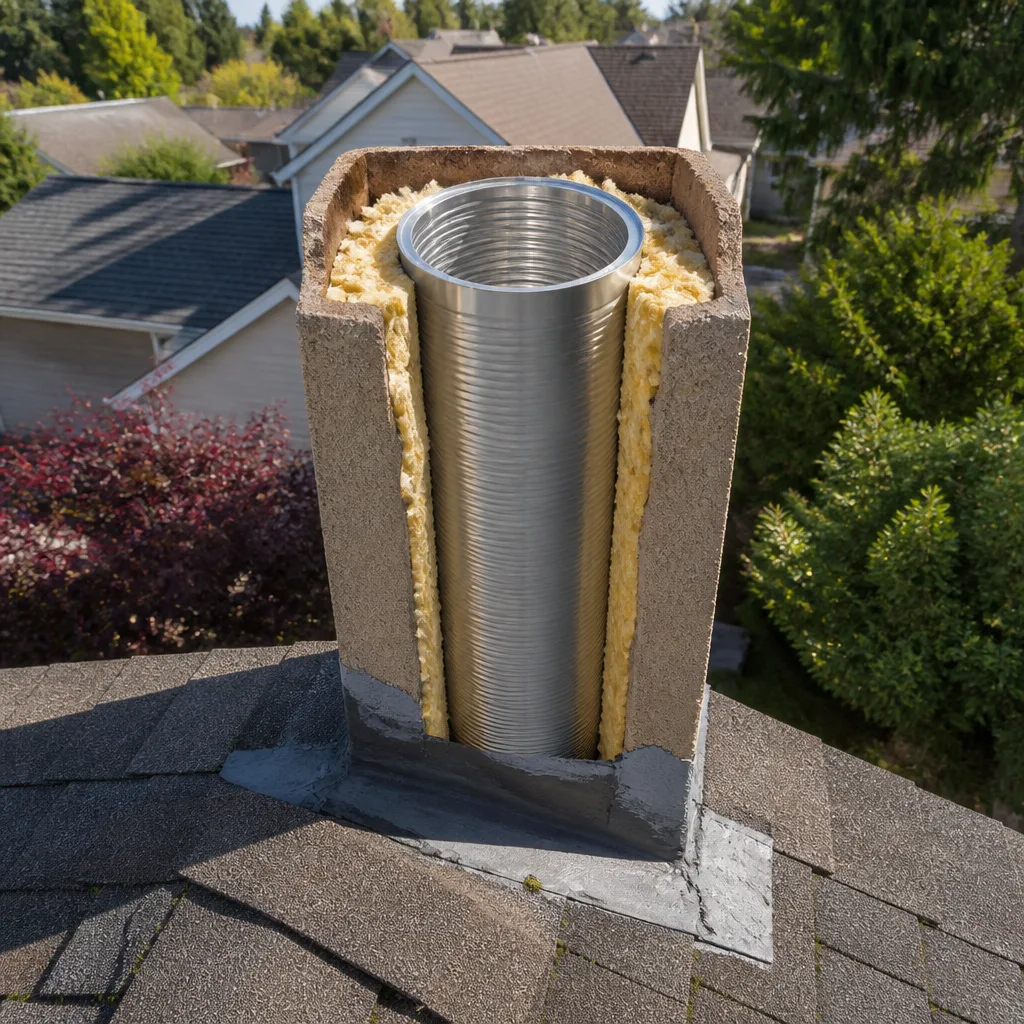
After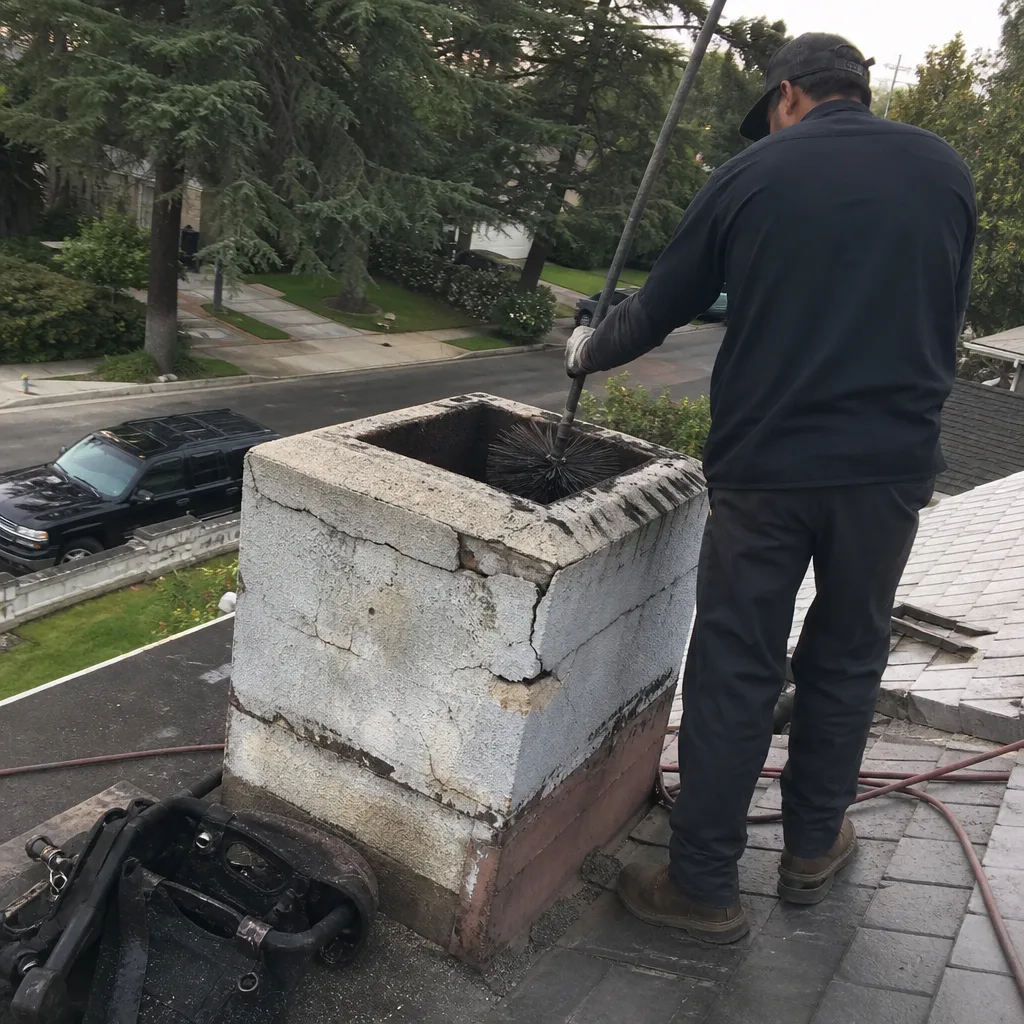 Before
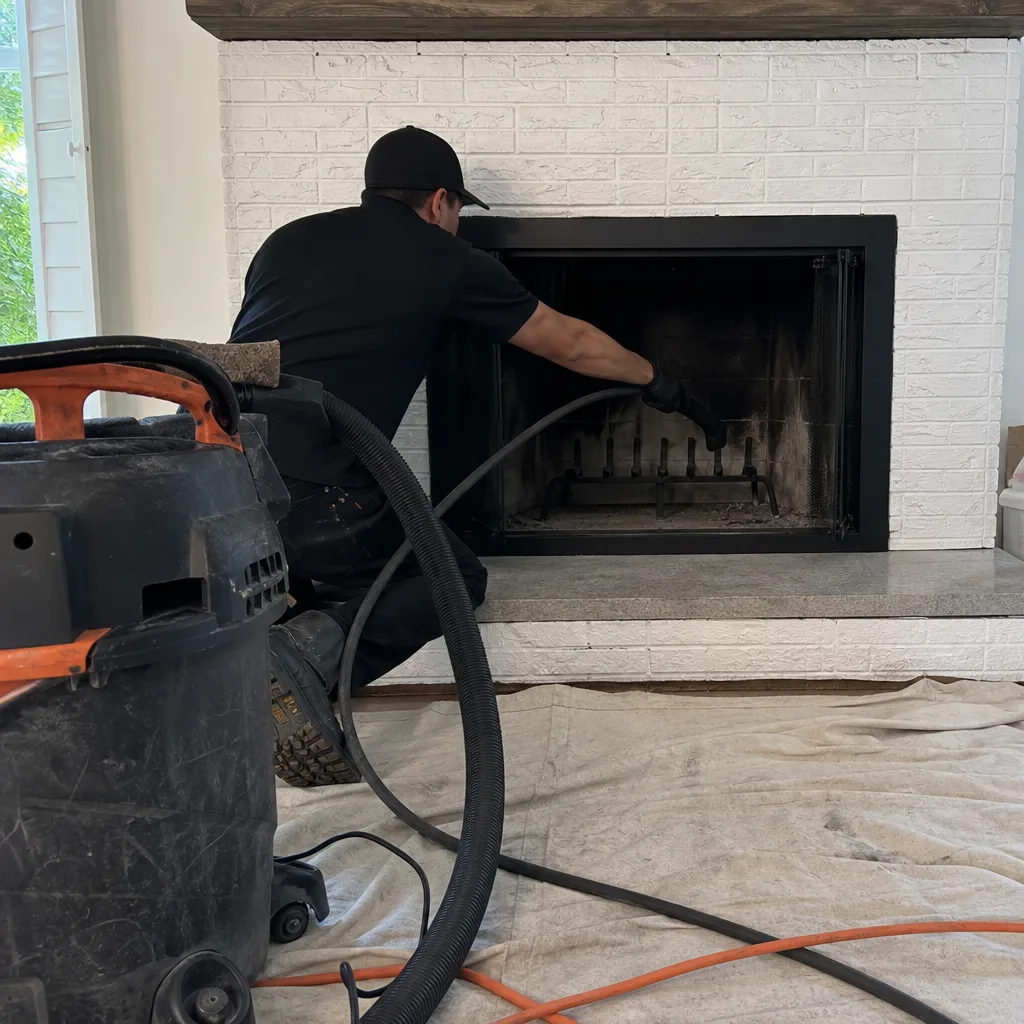 After
AfterFast, Reliable Chimney Inspection Across Bryn Mawr
A chimney inspection in Bryn Mawr typically runs $189 – $649 depending on the level of inspection and how many flues your home has. Most pre-war Bryn Mawr houses aren’t one-chimney jobs, and that changes both the price and the scope. If your stone Colonial or Tudor Revival has three or four original flues, you’re not looking at a quick visual check. You’re looking at a multi-flue inspection that maps every appliance, every liner, and every crown. We know these houses because we’ve been inside hundreds of them since 2002. Call (336) 863-3889 and we’ll give you a written price before anything gets scheduled.
Why Alcott Chimney Sweep Is Bryn Mawr’s Preferred Chimney Inspection Company
Most chimney companies in the Philadelphia metro are set up for postwar housing stock. One fireplace, one flue, one easy answer. Bryn Mawr is different. Between the 1885 – 1940 railroad estates off Montgomery Avenue, the stone Colonials around Morris Avenue, and the brick Tudors near Harriton, our techs regularly walk onto properties with two to four original masonry chimneys. That’s the house we know how to inspect. The tech who arrives at your door will already have been announced to you by name and photo. That’s the Threshold Standard. Background check, identity verification, photo ID badge at the door. Every time. No exceptions. Ruben Castellano built this company on the idea that you shouldn’t have to guess who’s walking up your driveway, and we’ve held that line for more than two decades.
Bryn Mawr homeowners tend to be thorough. They want documentation, not opinions. So our inspectors run camera work on every flue they can access and hand you the photos. If we flag a liner issue, you’ll see it. If we say the crown is cracked, there’s a picture of the crack. That’s how we’ve earned a strong local reputation across the Main Line, from Villanova to Ardmore to Wayne. The response time to Bryn Mawr is short, because our crews are dispatched from the Philadelphia office and work this corridor every week. Scheduling is coordinated quickly, and the phone is answered by a live person around the clock. Not a callback queue. Not a voicemail at 11 p.m. when you smell smoke.
Chimney Flue Inspection in Bryn Mawr
A Chimney Flue Inspection in Bryn Mawr homes means running a camera through every flue that vents an appliance or fireplace, not just the one you burn wood in. On a stone house off Morris Avenue with four original stacks, that’s a different job than anything you’d find in a 1990s subdivision. We’re looking for cracked clay tiles, missing mortar, separated flue sections, and the oversized-coal-flue condition that plagues so many pre-1945 houses here. That’s when the original flue was built for an anthracite coal furnace, then later converted to gas or oil. The flue is now far too large for the modern appliance, so exhaust cools before it exits. Condensation forms. The masonry soaks. Every heating season. A flue inspection catches this before the inside of your chimney quietly rots.
In Bryn Mawr, a flue inspection with camera documentation typically runs $249 – $499, depending on how many flues we’re scoping and how accessible the roof and attic runs are. If you’re buying or selling a stone estate in the Bryn Mawr Historic District, plan on a Level 2 inspection with full flue video. If you already know you have a draft problem but nobody can explain why, start with the camera. You’ll see the answer on screen.
Multi-Flue Camera Work
Most Bryn Mawr houses have more than one chimney, and each flue gets its own pass. We don’t inspect the fireplace you use and assume the others are fine. We run the camera down each flue individually, document what we find, and deliver a photo report you can keep.
When a Flue Needs Relining
On pre-1945 Bryn Mawr homes, oversized flues and deteriorated clay tile make relining a common recommendation. We use DuraFlex and HeatShield systems, and we’ll show you the camera footage that justifies the recommendation before you spend a dollar on repairs. If the flue can safely wait another season, we’ll say so plainly.
Chimney Fire in Bryn Mawr
A Chimney Fire in Bryn Mawr almost always starts the same way: creosote, the tar-like residue from wood smoke, building up in a flue until it ignites. In a four-flue stone Colonial, the fire can start in a flue nobody has looked at in years. First-degree creosote is flaky soot that brushes away. Second-degree is gritty, crystalline, and harder to remove. Third-degree is glazed and tar-like, a hardened fuel layer that can sustain a chimney fire at temperatures hot enough to crack flue tiles and spread to framing. The freeze-thaw cycles Bryn Mawr gets, 25 to 35 a year, already stress century-old mortar joints. A chimney fire finishes the job.
Bryn Mawr chimney fire prevention starts with a proper inspection, including the flues that aren’t in regular use. We look for glazed creosote, obstruction, and the failed damper seats that let air and embers move where they shouldn’t. If you’ve had a chimney fire, or you suspect you’ve had one, call for a Level 2 inspection before building the next fire. That’s not caution. That’s the difference between an inspection bill and a rebuild.
Reading Creosote Before It Ignites
Creosote announces itself in stages. First-degree looks like dull black dust. Second-degree looks like curled black flakes. Third-degree looks like shiny tar that has run and hardened on the flue wall. In Bryn Mawr’s damp, tree-shaded lots, north- and east-facing chimneys stay wetter longer, which makes creosote more likely to harden into the dangerous third stage between annual cleanings.
After a Chimney Fire
Any chimney fire, even a small one, means you need the flue evaluated before the next burn. Heat stress cracks tiles, damages mortar, and can compromise the flue liner. We document every flue with a camera after a fire event and give you a straight answer on what’s safe and what isn’t.
Trusted Brands We Service in Bryn Mawr
When a Bryn Mawr chimney needs relining or a component replaced, we install and service the brands chimney professionals actually specify. DuraFlex liner systems. HeatShield resurfacing. Famco and Copperfield components. These aren’t the box-store alternatives. They’re what gets spec’d on serious masonry restoration projects across the Main Line. We stock the parts we commonly need for Bryn Mawr work, so a liner replacement or crown repair doesn’t mean waiting on a supply order from somewhere else. Faster turnaround, fewer return trips.
Common Chimney Inspection Problems We See in Bryn Mawr Homes
- Oversized coal-era flues on converted appliances. When a 1920s flue built for anthracite coal now vents a gas insert or oil boiler, exhaust cools too fast. The result is chronic back-drafting, condensation, and moisture that soaks into the masonry every heating season. We flag relining on virtually every pre-1945 Bryn Mawr home with a converted appliance.
- Deteriorated or missing original clay tile liners. Many of these century-old stacks never had proper liners to begin with, or the original clay tile has cracked and spalled away. That lets creosote and moisture reach the surrounding brick and Wissahickon schist, where damage hides from a top-down visual check.
- Freeze-thaw cracking on crowns and flashing. Lower Merion Township averages 25 to 35 freeze-thaw cycles a winter. That aggressively spalls the soft lime mortar in century-old crowns. Cracks open, water runs down the stack, and north- or east-facing chimneys under heavy tree canopy never fully dry out.
- Multiple flues hiding multiple problems. One flue can carry third-degree glazed creosote or a blocked smoke chamber while another looks serviceable. Checking only the fireplace the family actually burns misses the rest. On a four-flue Bryn Mawr estate, that’s how problems age silently for decades.
Pricing for Chimney Inspection in Bryn Mawr, PA
A Level 1 visual inspection in Bryn Mawr runs $189 – $279 for a single-flue home. But most Bryn Mawr properties aren’t single-flue. A Level 2 inspection with full camera work runs $349 – $649, with the higher end covering multi-flue stone estates where we’re scoping three or four flues and documenting everything. Relining, if the inspection finds it’s needed, runs $3,500 – $8,500 depending on flue length, liner material, and access. Crown repair typically adds $800 – $2,200. Every price is written down and handed to you before work begins. No surprises at the end. Call (336) 863-3889 for an exact quote on your house.
We Also Serve Cities Near Bryn Mawr
If you live just outside Bryn Mawr, we regularly handle Chimney Inspection work in Villanova, Ardmore, Wayne, and Narberth too. Our dispatch office coordinates from Philadelphia, but the crews are on Main Line properties every week. Wherever you are in the Lower Merion corridor, the same name-and-photo threshold applies: you’ll know exactly who’s coming before they arrive.
Serving Bryn Mawr, PA - Our Local Coverage Area
We’re based in the Bryn Mawr area and know this community well. Use the map below to see our service coverage - if you’re nearby, we can almost certainly help.
FAQs About Chimney Inspection in Bryn Mawr
You need a Level 2. A Level 1 is a visual check of the readily accessible areas, which is fine for a one-flue house with no changes. But with three fireplaces and a converted gas boiler, you have four flues, and at least one of them is likely oversized for its current appliance. A Level 2 puts a camera in every flue and documents what’s actually happening inside. Call (336) 863-3889 and we’ll scope all four.
Your flue is probably oversized. The original coal-era flue was built for a much larger combustion volume, and a modern gas insert or oil boiler doesn’t produce enough exhaust heat to push gases up and out. The exhaust cools too quickly, stalls, and back-drafts into the house. We see this constantly on pre-1945 Bryn Mawr homes. The fix is relining, and the camera footage will show you exactly why.
First-degree is flaky black soot. Second-degree is harder, crystalline black flakes. Third-degree is glazed, shiny, tar-like buildup that hardens on the flue wall. Third-degree creosote is what fuels chimney fires. Here’s the Bryn Mawr angle: our damp, tree-shaded lots keep north- and east-facing chimneys wetter, which accelerates creosote hardening between cleanings. Inspect before it reaches the fuel stage.
Every year, and every flue should be inspected, not just the one you burn. Multiple flues means multiple failure points. A blocked smoke chamber in a rarely used flue is invisible until it’s dangerous. Annual inspection catches it early. On a four-flue stone house, that’s a few hundred dollars against a rebuild that runs into five figures.
Spalling affects both. Cracks in the crown let water into the stack, and spalling bricks are a structural warning. The inspection documents the full extent of the damage, including whether water has reached the flue liner, and the cleaning removes what’s safe to remove. We’ll show you pictures of everything. Call (336) 863-3889 to schedule an inspection and get a written price before work starts.
Written by Ruben Castellano, Owner at Alcott Chimney Sweep, serving Bryn Mawr and the Main Line since 2002.