
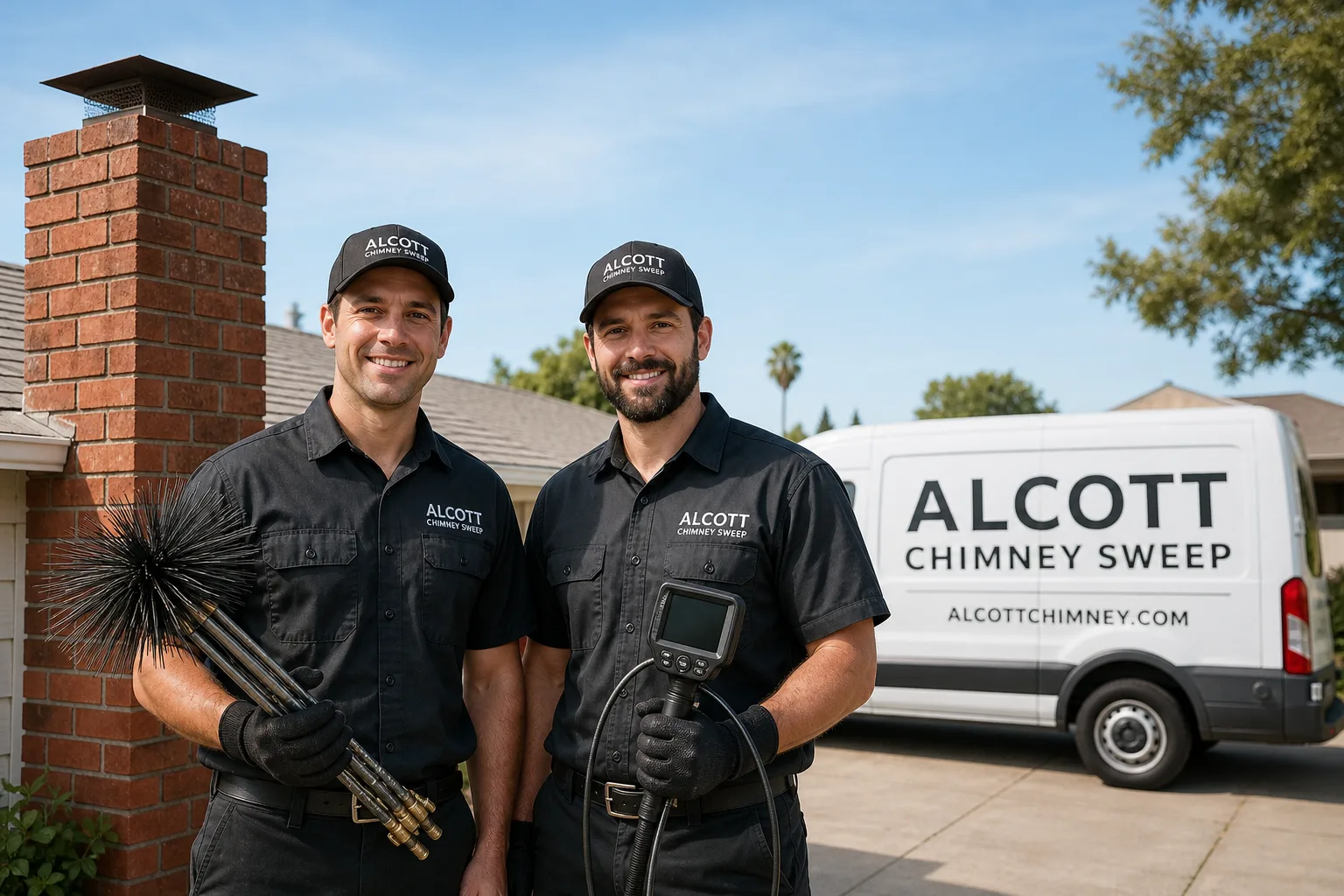
Level 1 sweep and inspection to the NFPA 211 annual standard - flue, crown, cap, and flashing checked and photographed
Chimney sweep logs do not sweep chimneys. They loosen some creosote - which then falls where a brush and vacuum still have to collect it.
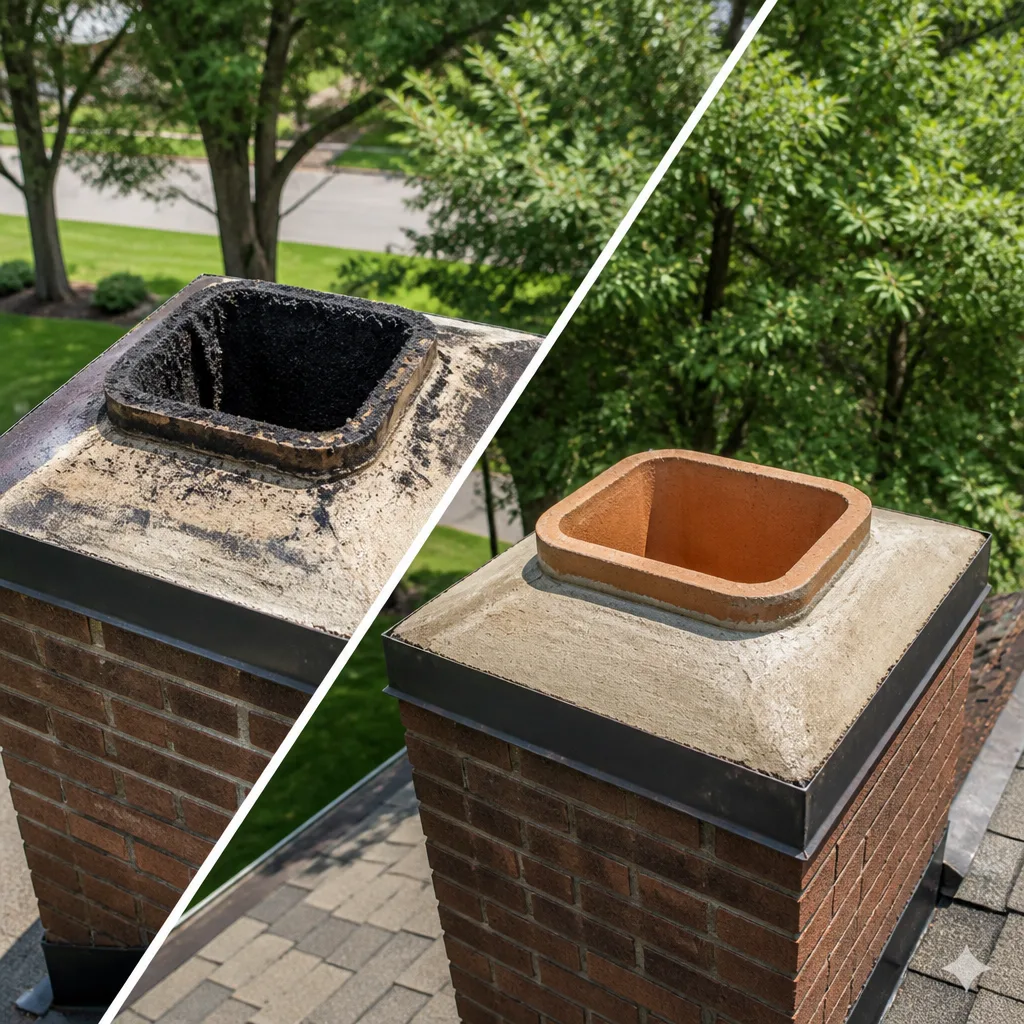
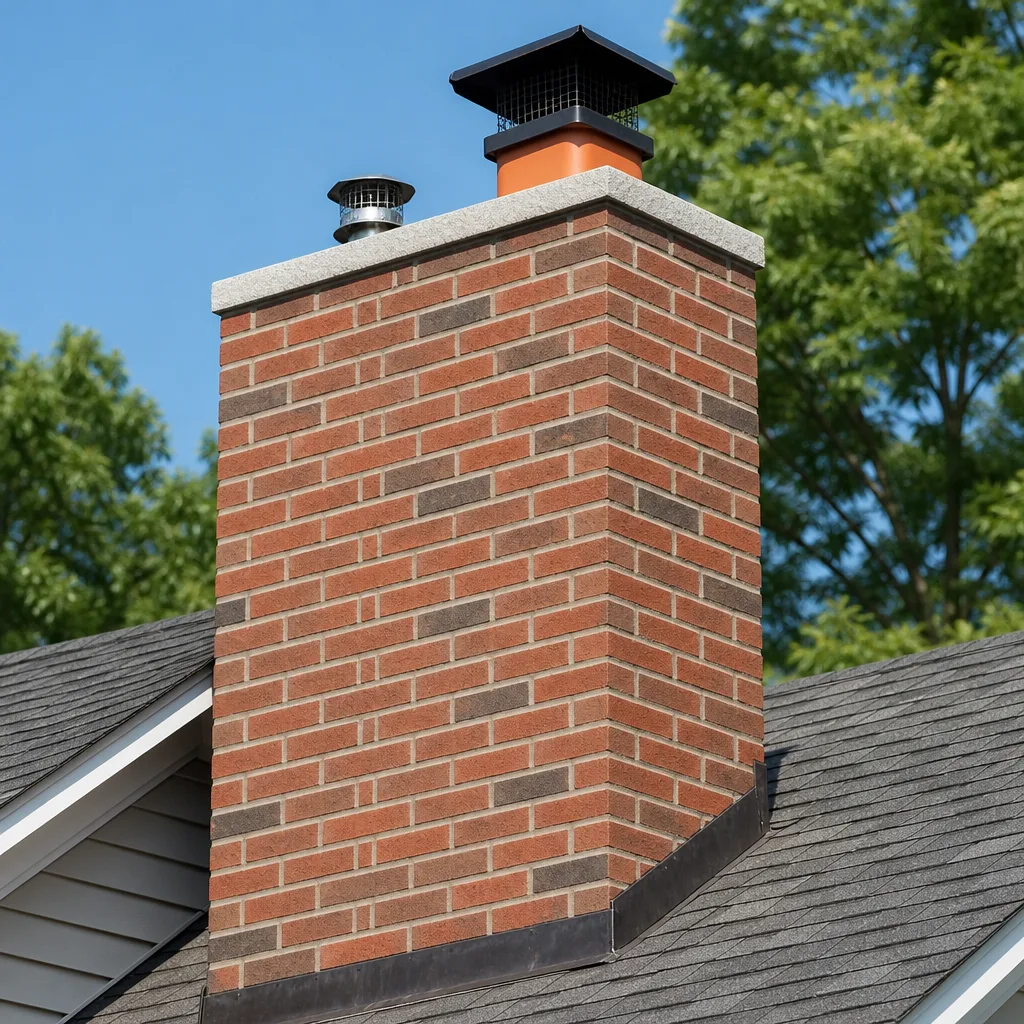
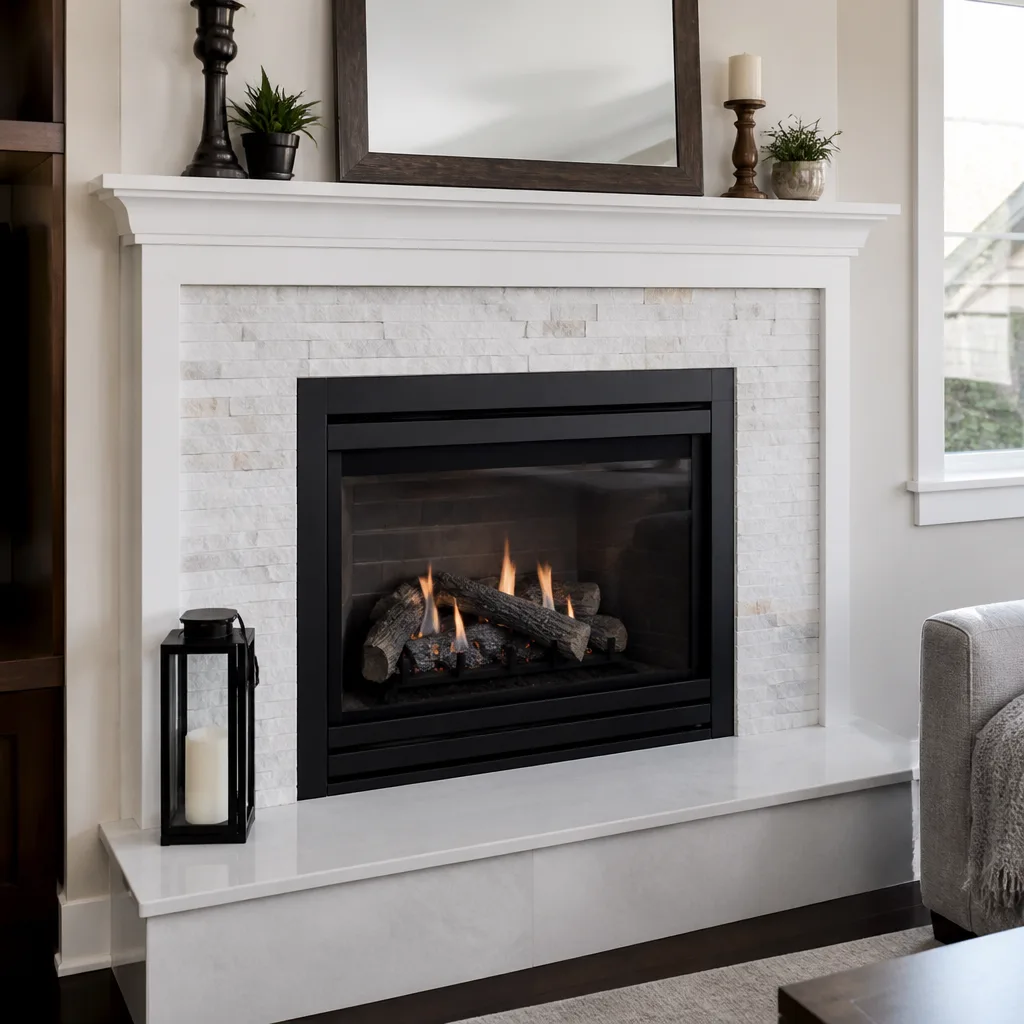
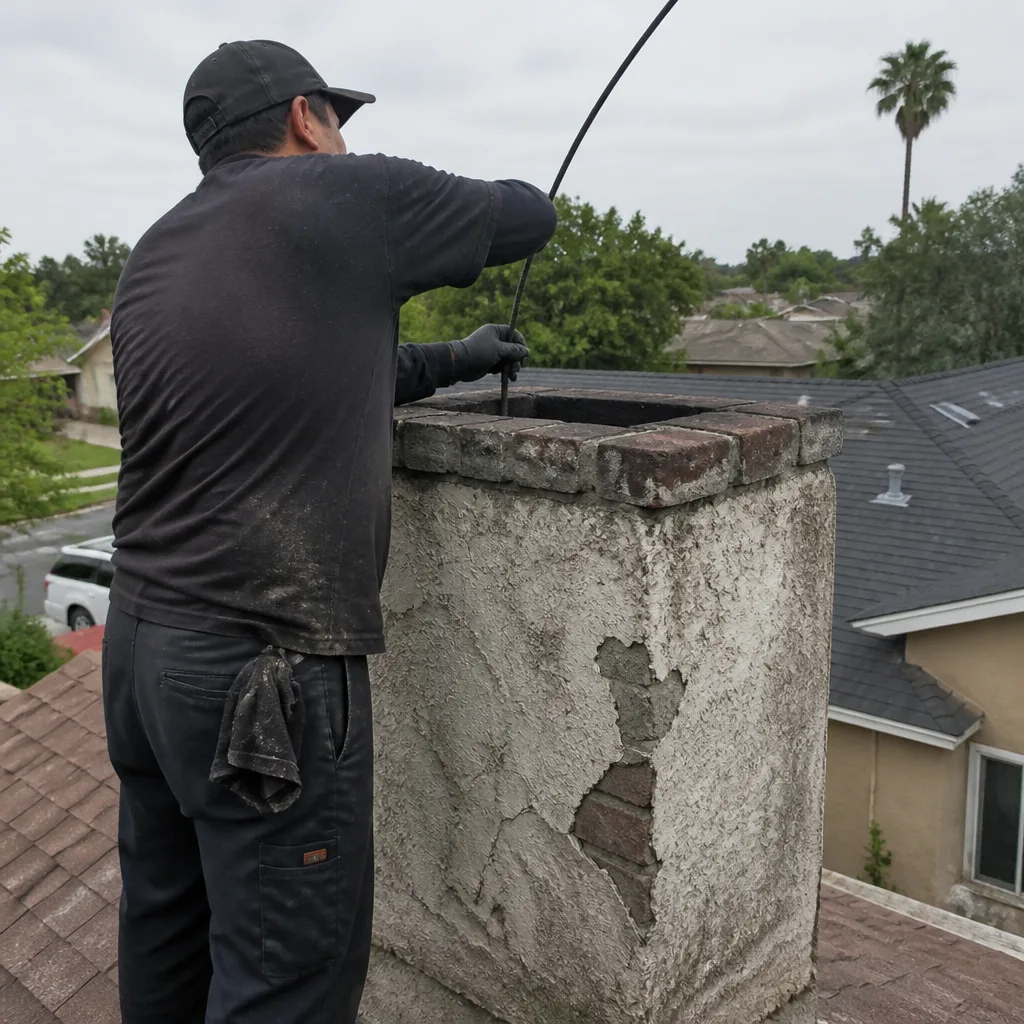 Before
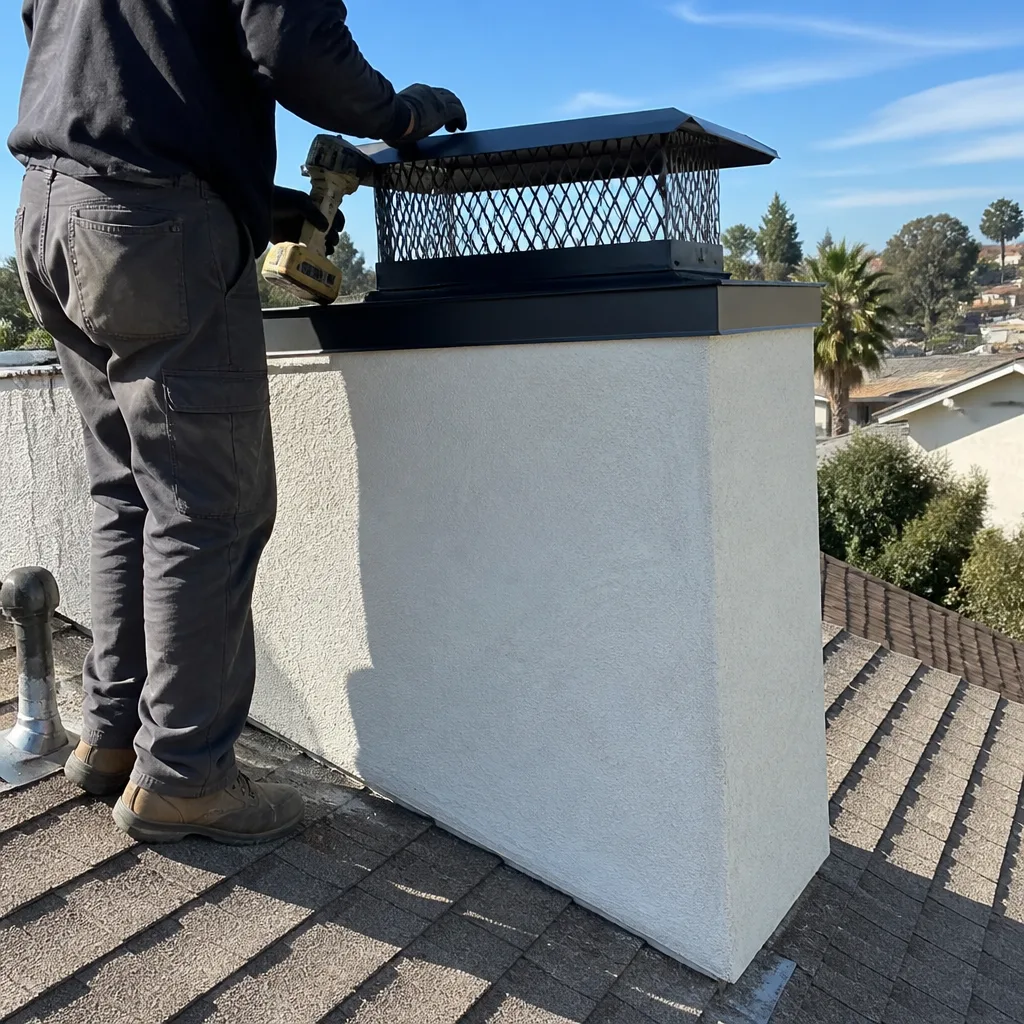 After
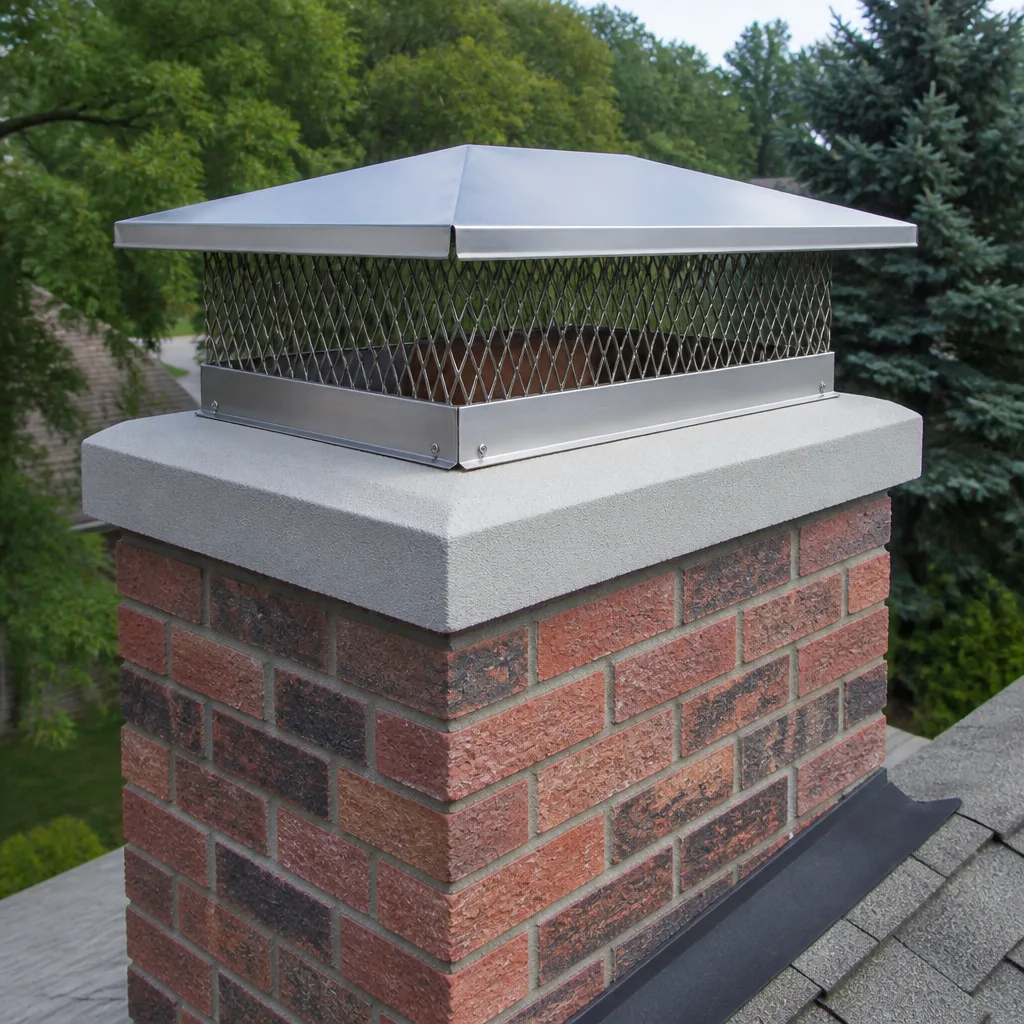
After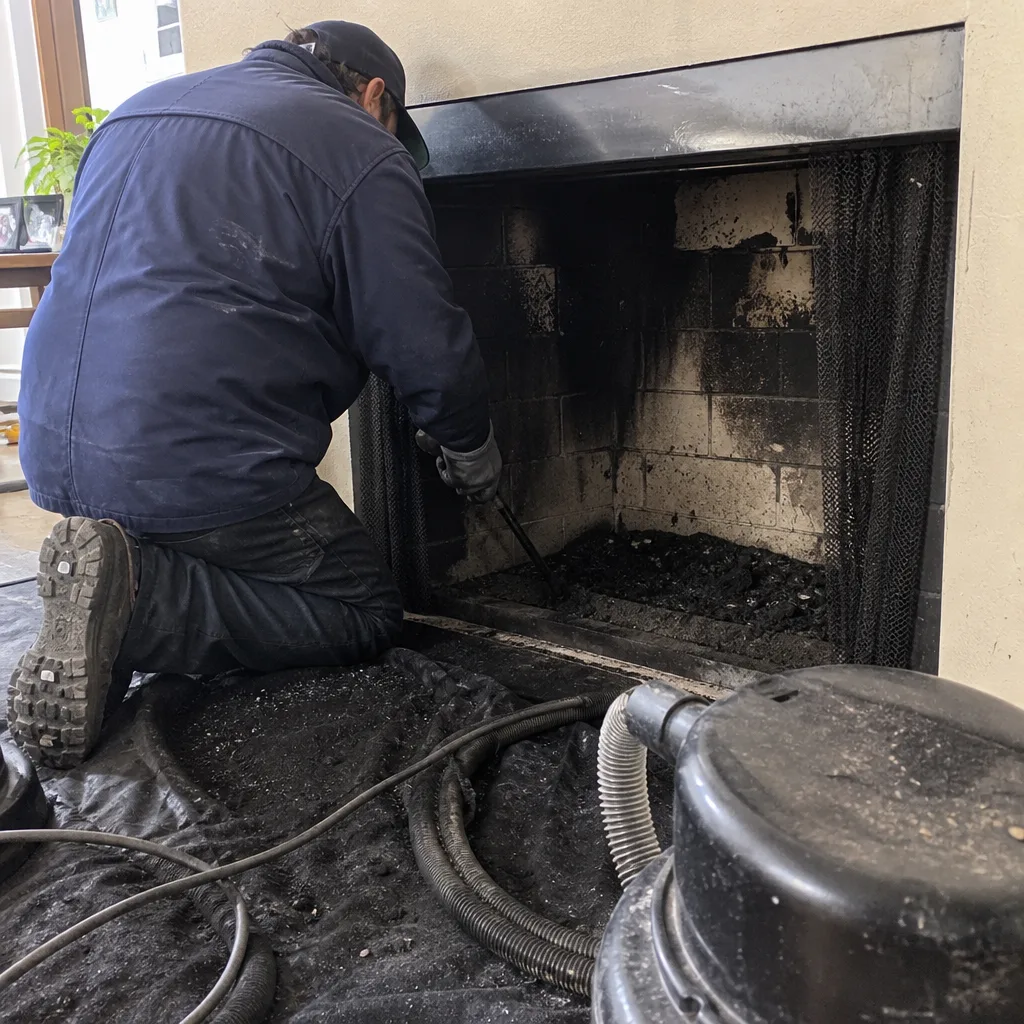 Before
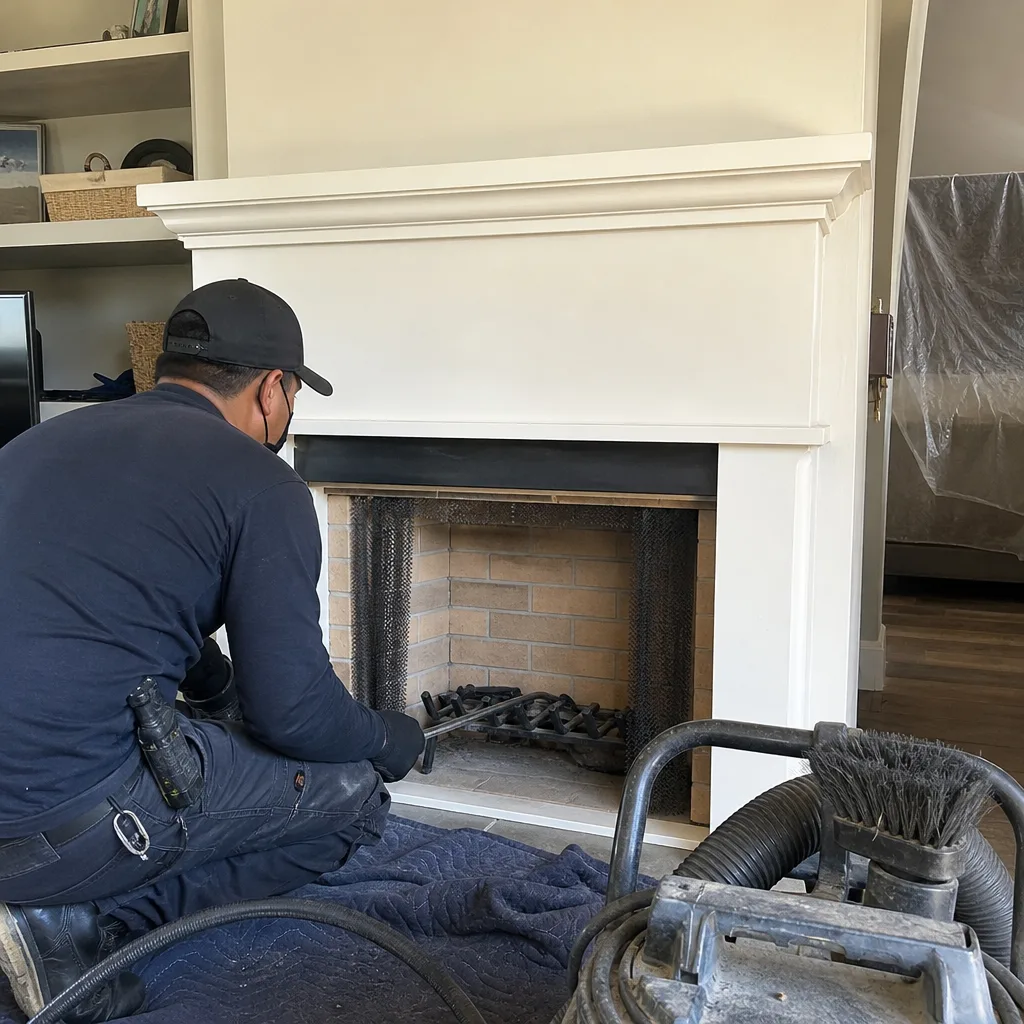 After
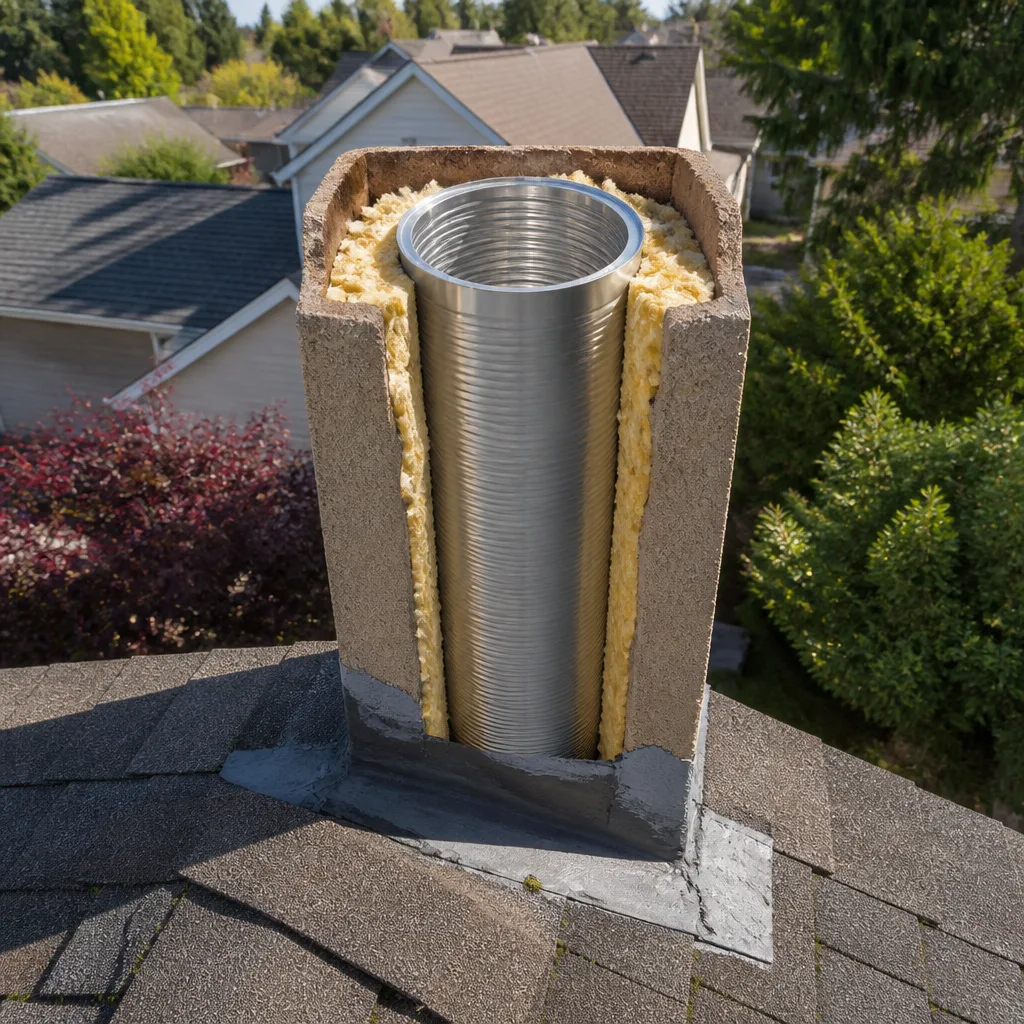
After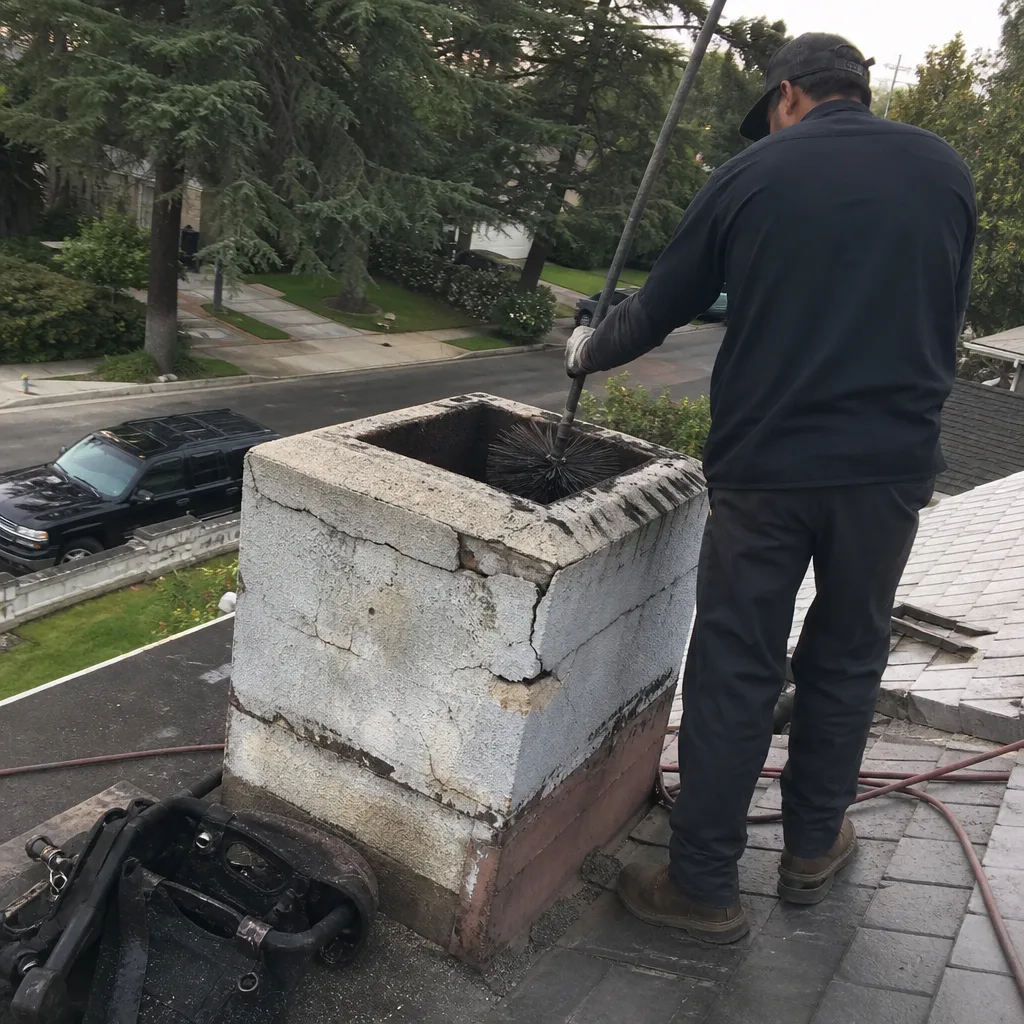 Before
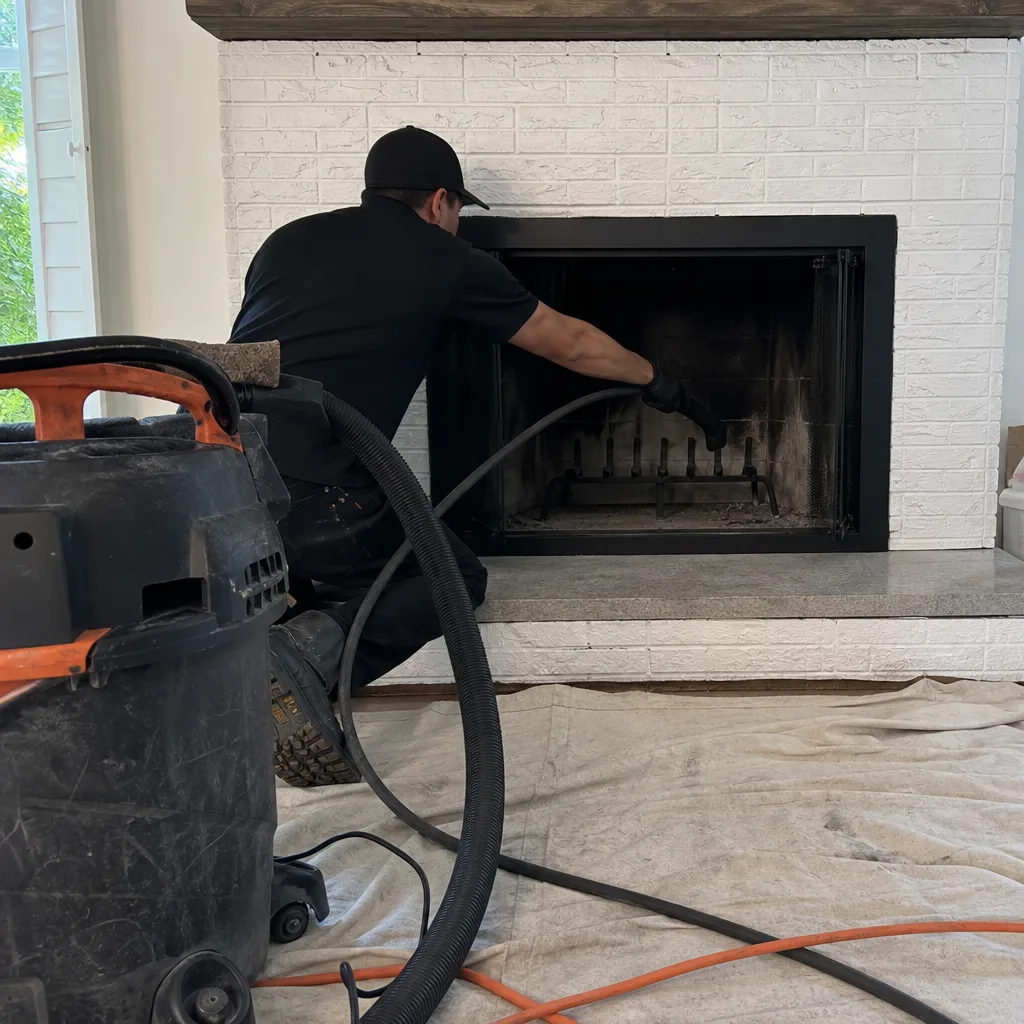 After
AfterFast, Reliable Chimney Inspection Across Colorado Springs
A chimney inspection in Colorado Springs typically costs between $99 and $249 for a Level 1 visual check, while a Level 2 camera inspection runs $225 to $450 depending on the flue length and access. Those are the real numbers we quote before any work starts. At 6,035 feet, where thinner air and ponderosa pine burns create a creosote problem most national guides don’t account for, an inspection here is doing different work than it does in Denver or Boulder. We know that, and our inspectors are trained for it. Call (336) 863-3889 and we’ll schedule a Colorado Springs inspection at a time that fits your heating season.
Why Alcott Chimney Sweep Is Colorado Springs’s Preferred Chimney Inspection Company
We’ve been inspecting chimneys and wood stoves since 2002, and the homes we see in Colorado Springs have a different profile than anywhere else on the Front Range. Homeowners here don’t need generic chimney advice. They need someone who understands what 50-degree Chinook swings in under 24 hours do to a clay flue liner, and why a Black Forest wood stove can show stage-3 glazed creosote inside a single burning season. That’s the expertise we bring to every inspection in Colorado Springs, and it’s why our customers in the Woodmen Road, Falcon, and Broadmoor areas keep calling us back.
Every technician we send to a Colorado Springs home is background-checked and identity-verified under the Threshold Standard. You’ll know the technician’s name and see their photo before we arrive, and they’ll show a photo ID badge at the door. No exceptions. That matters when you’re home alone, or when young kids are the ones who answer the doorbell. It matters to us, too. Ruben Castellano built this company on the idea that certainty shouldn’t be a luxury, and that starts with knowing exactly who’s standing on your porch.
Chimney Inspection Services in Colorado Springs
Chimney Inspection Services in Colorado Springs cover three levels of evaluation defined by the National Fire Protection Association, and the right level for your home depends on what you’re burning, how often, and what’s happened since your last inspection. A Level 1 is a visual check of the accessible portions of the flue and firebox, and it’s what we perform during routine sweeps. It’s enough for most post-WWII ranch homes in central Colorado Springs with intermittent fireplace use. A Level 2 adds a camera run through the full flue liner, and it’s what we recommend any time you’ve had a chimney fire, changed fuel type, bought or sold a home, or gone more than two years without an inspection. At altitude with pine-heavy burning, that interval shrinks.
Real Estate Inspections
When a Colorado Springs home changes hands, a Level 2 camera inspection is the standard for real estate transactions, and we document everything on a written report with photos. Home inspectors do a visual check; we run a camera through the liner and flag what the seller can’t see. Buyers in neighborhoods like Patty Jewett and Ivywild regularly use our reports to negotiate liner repairs before closing.
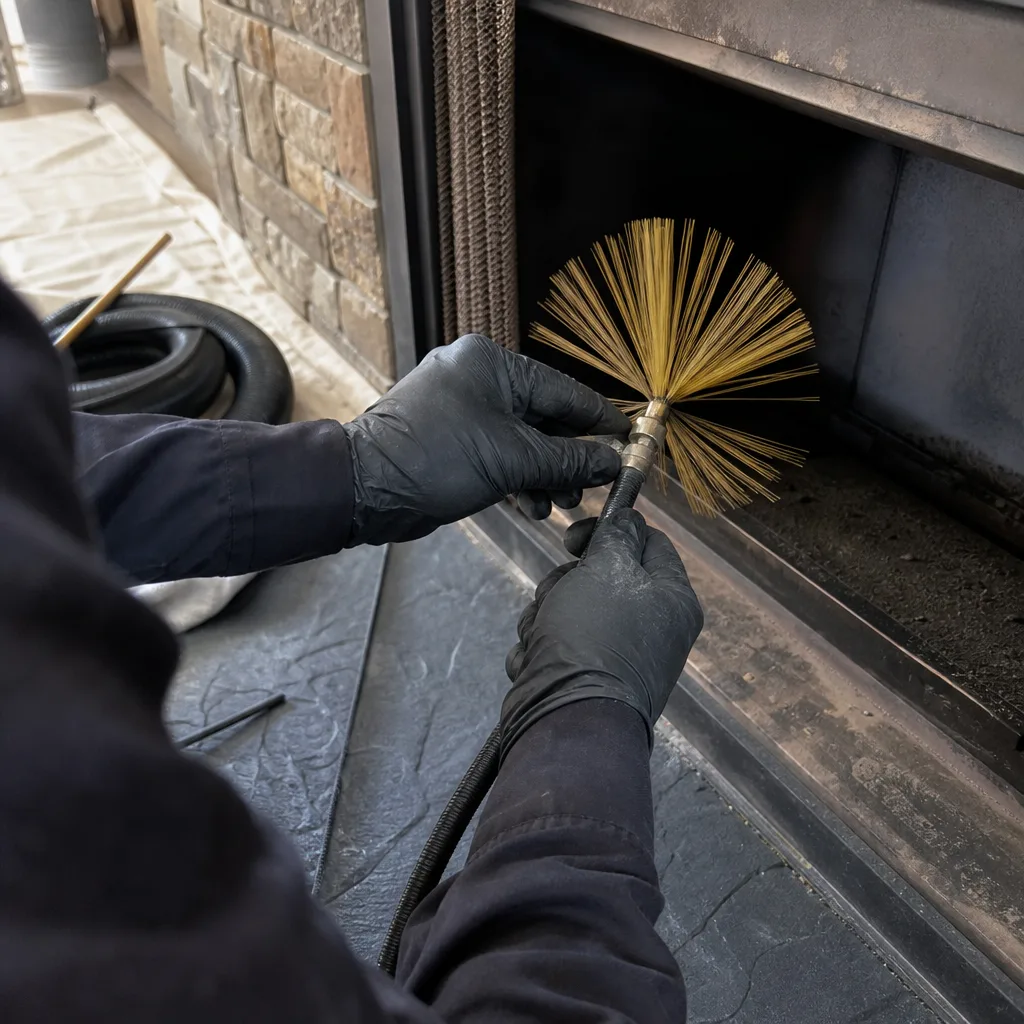
Camera-Scoped Flue Checks
Camera inspections show you what’s actually inside the flue: cracked clay liner segments, gaps at mortar joints, or glazed creosote coating the walls. We don’t ask you to take our word for it. You’ll see the images yourself, and we’ll explain exactly what they mean for your safety and your repair bill.
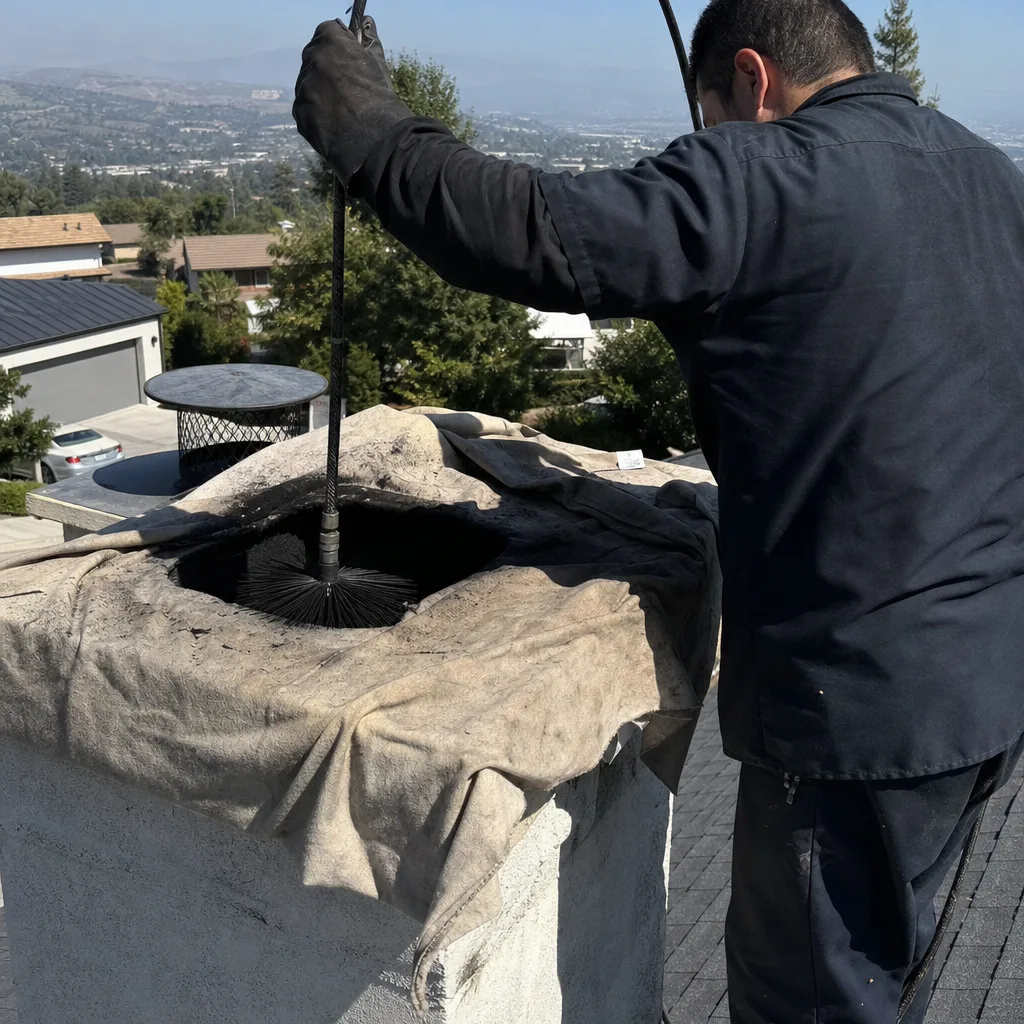
What happens when you call
- 1
A real person answersNo phone trees - you reach a local pro.
- 2
You get an upfront price rangeHonest numbers before anyone is dispatched.
- 3
A background-checked tech heads outLicensed & insured, dispatched right away.
- 4
You approve before work beginsNothing starts until you say go.
Chimney Flue Inspection in Colorado Springs
Chimney Flue Inspection in Colorado Springs is the single most important evaluation we perform, because the flue is where local conditions do their worst damage. Colorado Springs sits at 6,035 feet, more than 750 feet higher than Denver. Combustion at that altitude is less complete, which means more unburned carbon available to form creosote. Add the local practice of burning resinous ponderosa pine cut from foothills and Black Forest lots, and you get a creosote-loading rate that’s genuinely unusual. A flue inspection here is looking for buildup and liner damage that a brush-only sweep might miss entirely.
Level 2 Flue Inspections
A Level 2 chimney flue inspection puts a camera through the entire liner from firebox to crown, and it’s what we recommend as a baseline for any Colorado Springs home that’s been burning for more than two seasons without one. We’re checking for cracked clay liners, deteriorated mortar joints, and stage-2 or stage-3 creosote that’s glazed hard and won’t come off with a rotary brush. These are problems you can’t see from the top of the chimney or from the firebox opening, and they’re the ones that eventually cause chimney fires.
When the Liner Needs Attention
Flue inspections in Colorado Springs frequently find clay tile liners with spalling damage driven by Chinook freeze-thaw cycles. A 50-degree temperature swing in under 24 hours is not unusual here, and the freeze-thaw cycling it creates works on masonry joints the way a pry bar works on a crack. When we find that damage, we’ll show you the camera footage and explain what can wait and what can’t. Nobody in Colorado Springs should be sold a liner replacement they don’t need, and we don’t do that.
Trusted Brands We Service in Colorado Springs
When a Colorado Springs inspection turns up a liner that needs resurfacing or a damper that’s failed, we can move directly to repair using the same trade-grade materials professionals specify. We stock and install DuraFlex liner systems and HeatShield resurfacing systems, along with components from Copperfield and Famco. That means a customer in the Black Forest corridor or along Powers Boulevard doesn’t wait two weeks for parts. It also means the repair gets done with materials built for high-temperature, high-creosote conditions, not box-store substitutes that fail at altitude. Ruben Castellano’s standard: fix it with what the trade actually uses.
Common Chimney Inspection Problems We See in Colorado Springs Homes
- Stage-3 glazed creosote in wood stoves burning cut ponderosa pine. This is the defining problem for Black Forest and Falcon properties where stoves serve as primary heat sources. The resin in ponderosa pine produces a hard, tar-like creosote shell that a standard rotary brush won’t break down. It requires a chemical deglaze application and usually a return visit before the sweep can be completed.
- Clay flue liner spalling from Chinook-driven freeze-thaw cycling. Colorado Springs sees 50-degree temperature drops in under 24 hours, and those rapid cycles push moisture in masonry joints to expand and contract violently. Cracks open between annual cleanings, and only a Level 2 camera inspection catches them while they’re still repairable.
- Never-inspected liners in original post-WWII ranch homes and 1970s-80s tract houses. Much of central Colorado Springs housing stock has masonry fireplaces and clay liners that were installed in the Truman and Carter eras and have never been camera-scoped. A working fireplace isn’t evidence of a safe flue. Gaps and joint failure hide behind the firebox face until heat or creosote finds them.
- Wood stoves used as primary heat sources without shortened inspection intervals. The Woodmen Road corridor north of central Colorado Springs contains rural-residential properties where a freestanding wood stove runs daily from October through March. At 6,000 feet with pine fuel, that usage pattern reaches dangerous creosote levels well before the nationally recommended annual interval.
Pricing for Chimney Inspection in Colorado Springs, CO
A Level 1 chimney inspection in Colorado Springs typically runs $99 to $199. A Level 2 camera inspection runs $225 to $450, depending on flue length, roof access, and whether we’re documenting for a real estate transaction. A Level 3 inspection, which involves opening portions of the chimney structure to examine concealed areas, starts at $600 and is only recommended after a Level 2 reveals conditions requiring it. Every Colorado Springs estimate is written before work begins, and every repair carries a written guarantee. If a repair fails within the coverage period, the second visit is free. That’s the 365-Day Done Right Promise, and it’s included on every job we complete in Colorado Springs. Call (336) 863-3889 for an exact quote.
We Also Serve Cities Near Colorado Springs
Our crews serve Colorado Springs directly, with dispatch and scheduling coordinated from the brand’s Denver office. We regularly run inspections in Chimney Inspection calls across the Front Range, including Denver, Boulder, Greeley, and Fort Collins. If you’re outside those areas, call (336) 863-3889 and we’ll tell you whether we can get a crew to your door. In Colorado Springs itself, we cover the entire city, from Colorado Springs neighborhoods in the south to Black Forest and the Woodmen Road corridor in the north.
Serving Colorado Springs, CO - Our Local Coverage Area
We’re based in the Colorado Springs area and know this community well. Use the map below to see our service coverage - if you’re nearby, we can almost certainly help.
FAQs About Chimney Inspection in Colorado Springs
Yes, and often more than once a year if you’re burning ponderosa pine you cut and split yourself. At 6,035 feet, combustion is incomplete, which increases creosote formation. Ponderosa pine carries a heavier resin load than most hardwoods, and that resin deposits as creosote at a rate that can reach dangerous levels inside a single season of even part-time burning. In our experience across the Black Forest and Falcon areas, wood stoves fed local pine commonly show stage-2 creosote by mid-winter. An annual inspection catches it before it becomes stage-3 glazing that requires a chemical deglaze. Call (336) 863-3889 and we’ll put your stove on a schedule that matches how you actually burn.
A Level 1 inspection is a visual check of the accessible flue and firebox, typically performed during a routine sweep. A Level 2 inspection adds a camera run through the full liner and is required for real estate transactions, after a chimney fire, when you change fuel type, or after any structural event. A Level 3 inspection involves partial demolition to access concealed areas of the chimney and is only recommended when a Level 2 reveals serious hidden damage. For a Colorado Springs home that’s never been camera-inspected, particularly a post-WWII ranch or 1970s-80s tract house with its original clay liner, we recommend starting with a Level 2. It gives us the full picture in one visit. Call (336) 863-3889 and we’ll help you pick the right level for your home.
Usually not. Third-degree glazed creosote is a hard, tar-like coating that’s chemically bonded to the flue wall, and a rotary brush won’t break it down. We apply a chemical deglaze that softens the glaze, then schedule a return visit for the full sweep. Our techs regularly see this in Black Forest wood stoves that have been burning cut ponderosa pine year after year. Some Colorado Springs jobs require two visits, and we’ll tell you that upfront, not surprise you with a second charge. Call (336) 863-3889 and we’ll walk through what your stove is likely to need.
Yes, and the difference is significant. Ponderosa pine, which is abundant in the foothills and Black Forest area around Colorado Springs, contains a high concentration of resin. That resin vaporizes during combustion and condenses as creosote on the flue walls at lower temperatures than hardwood produces. Burn pine that isn’t fully seasoned, or burn it at the low air settings typical of an overnight burn, and you’re actively manufacturing creosote. It’s not a myth. It’s chemistry. The solution isn’t to stop burning pine, which many Colorado Springs homeowners have in free abundance. It’s to burn it hot, burn it dry, and inspect more often. Call (336) 863-3889 and we’ll inspect your flue and give you honest guidance on how your burning practice is affecting buildup.
Because the combination of altitude, pine resin, and Chinook freeze-thaw cycling damages liners in ways that sweeping doesn’t address. At 6,035 feet, thin air means incomplete combustion, which means more corrosive creosote byproducts flowing through the liner. Those byproducts eat at clay tile and mortar. Then the Chinook-driven 50-degree temperature swings in under 24 hours push moisture into whatever cracks have formed, and freeze-thaw cycling widens them. By the time we camera-inspect a liner in a Black Forest or Falcon stove that’s been through two or three winters of pine burning, we often find spalled clay and deteriorated joints that need a resurfacing like HeatShield, not another sweep. A sweep cleans the surface. A resurface restores the liner’s structural and thermal integrity. Call (336) 863-3889 and we’ll show you the camera footage so you can see exactly what your liner needs.
Written by Ruben Castellano, Owner at Alcott Chimney Sweep, serving Colorado Springs since 2002.