
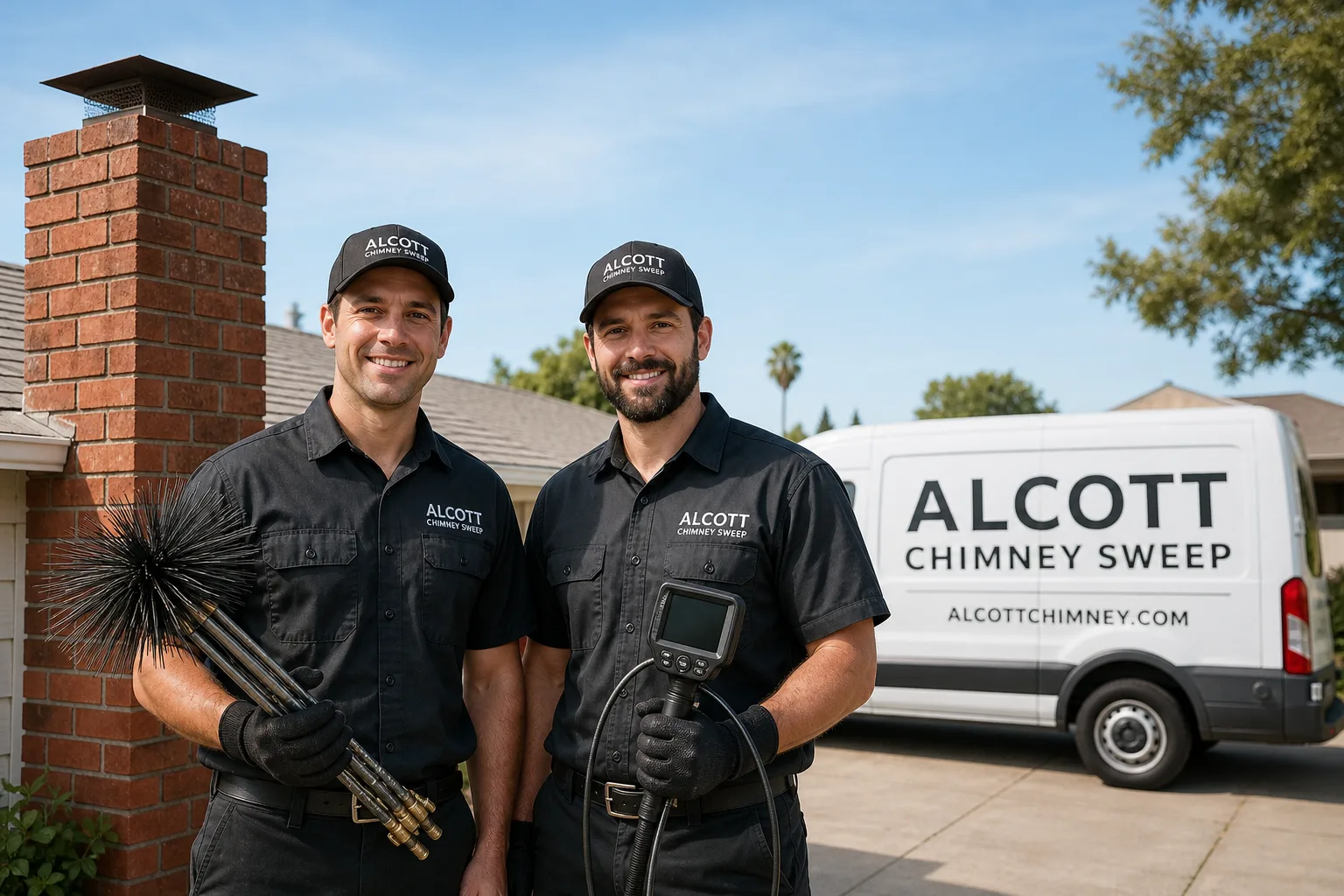
Level 1 sweep and inspection to the NFPA 211 annual standard - flue, crown, cap, and flashing checked and photographed
Chimney sweep logs do not sweep chimneys. They loosen some creosote - which then falls where a brush and vacuum still have to collect it.
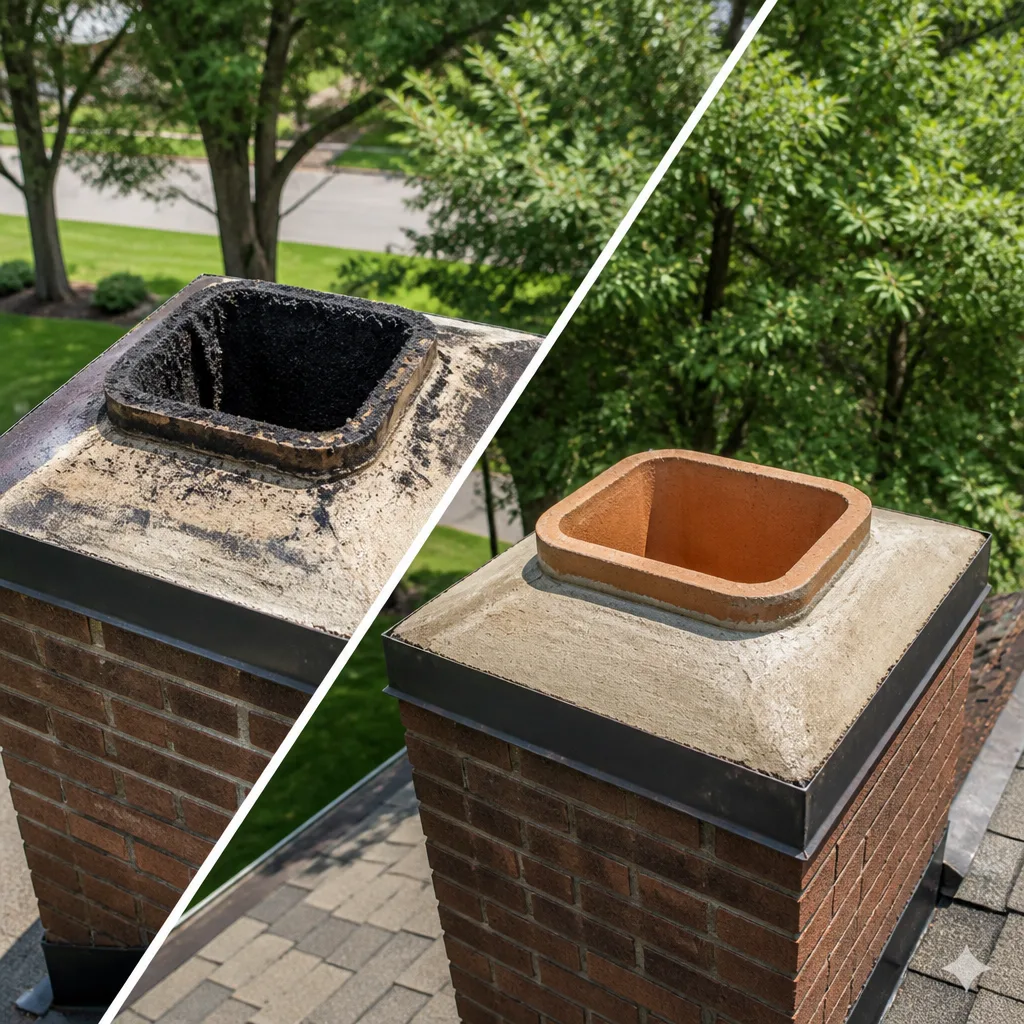
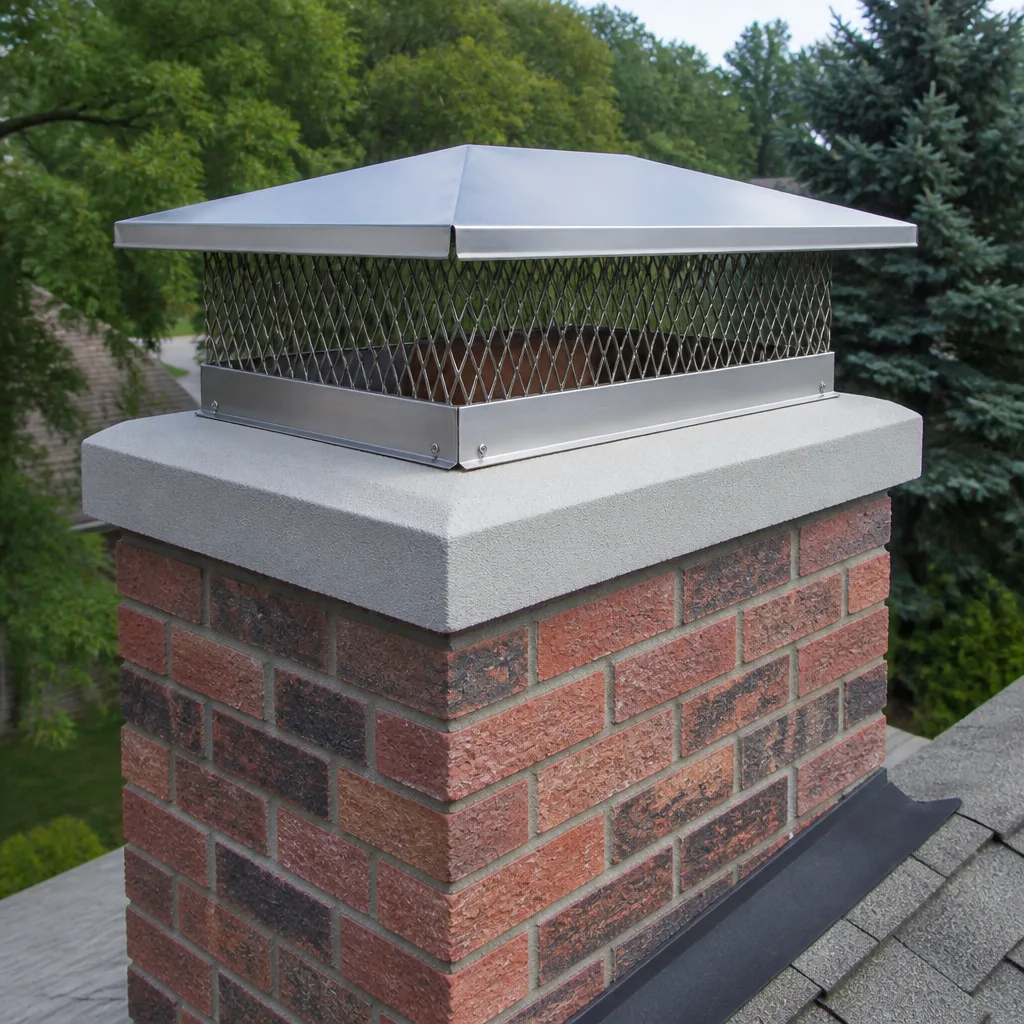
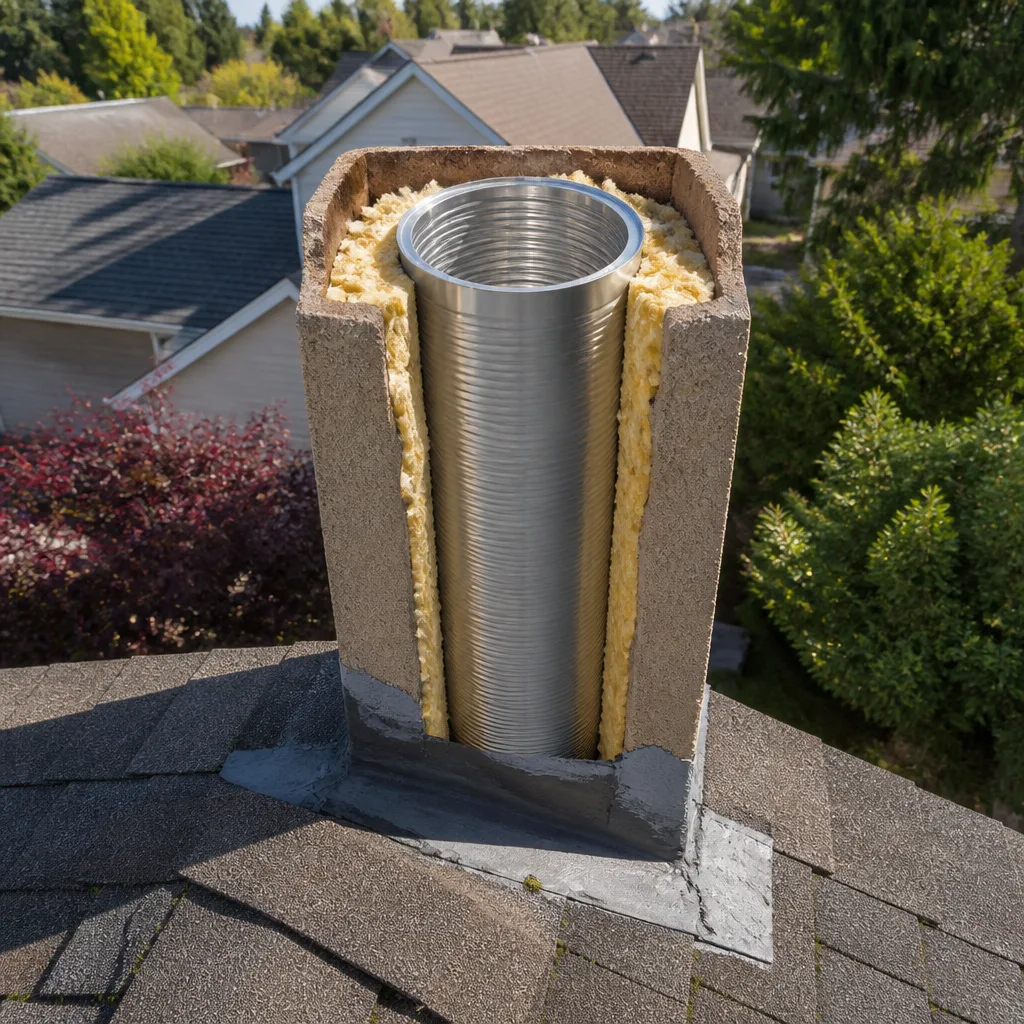
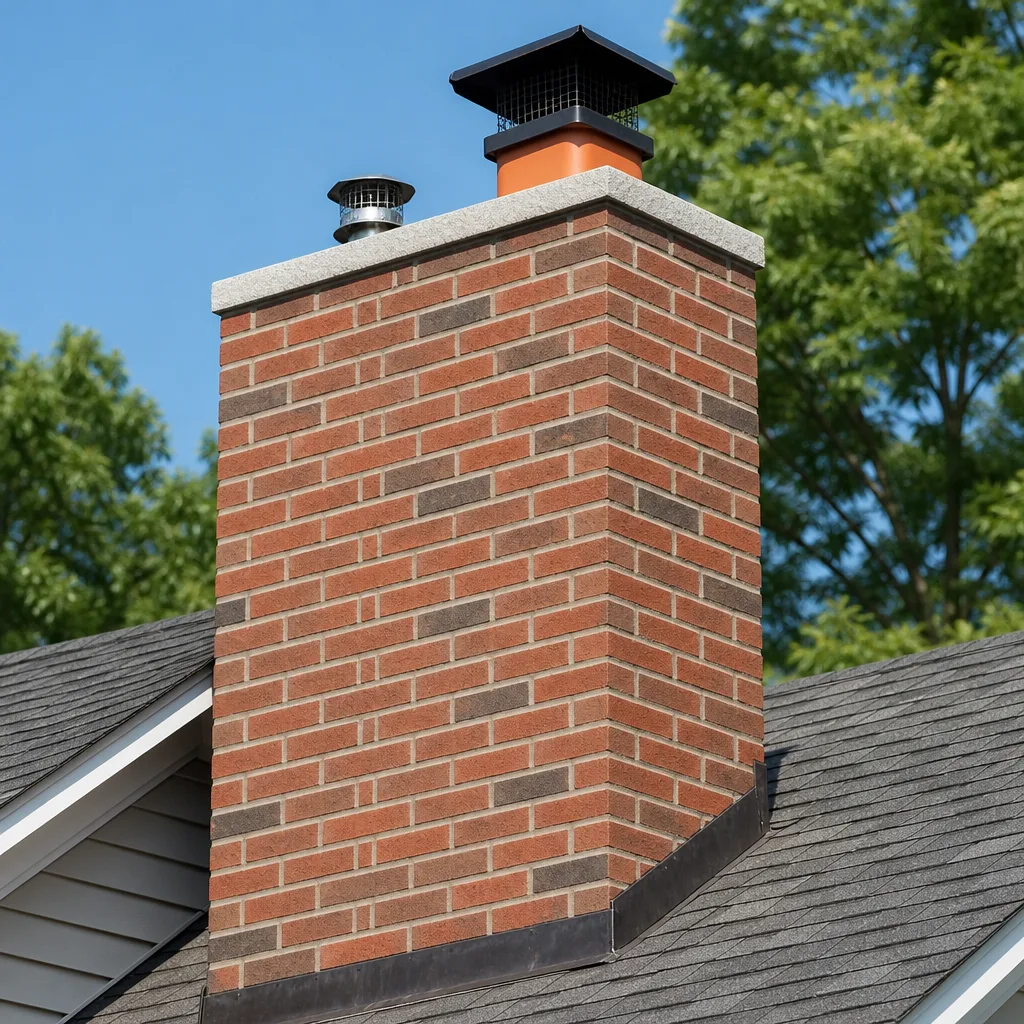
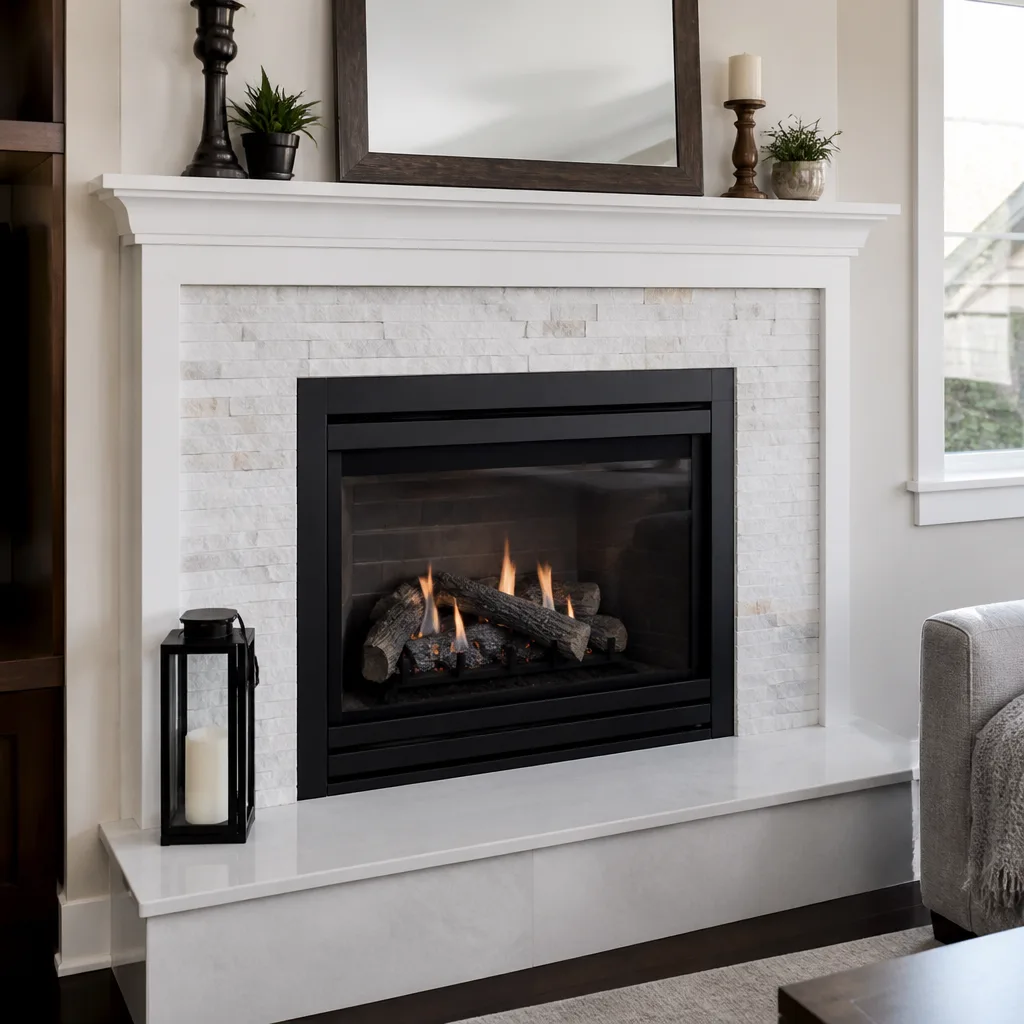
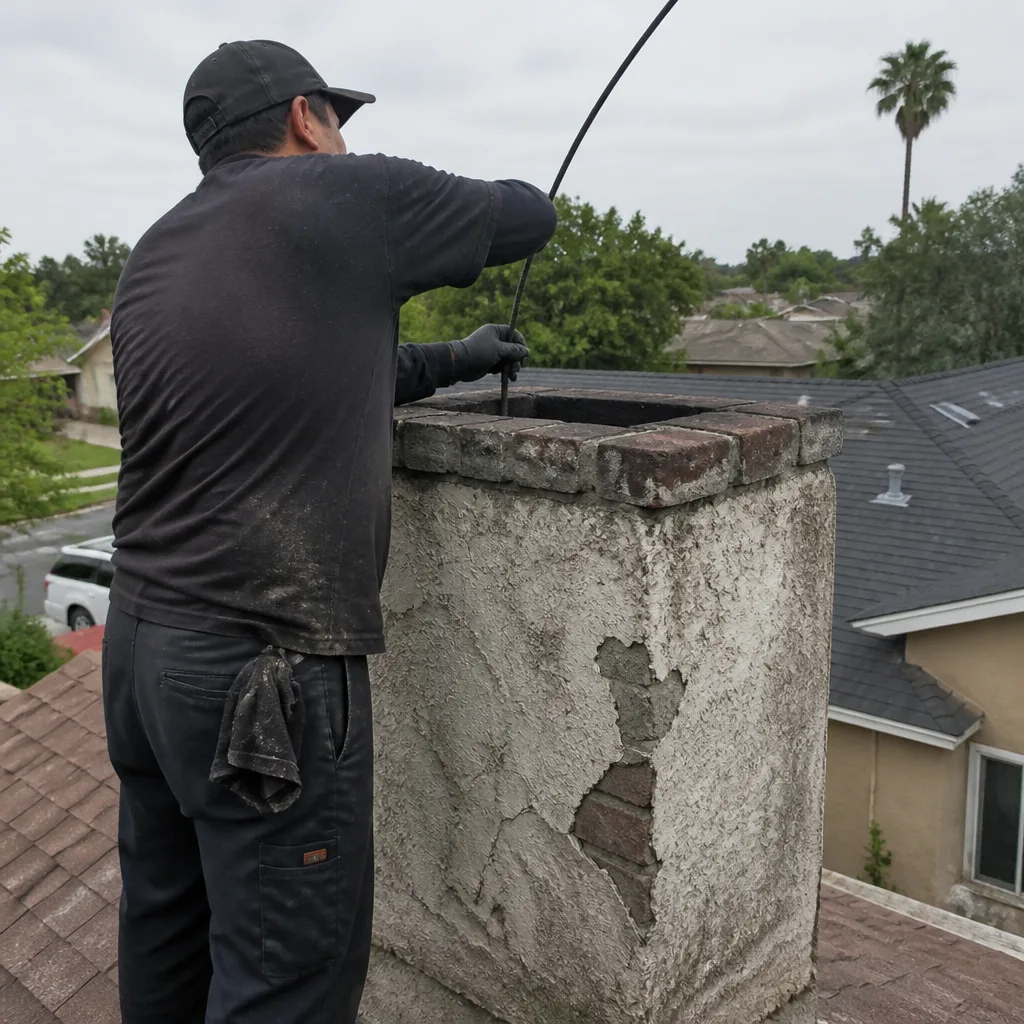 Before
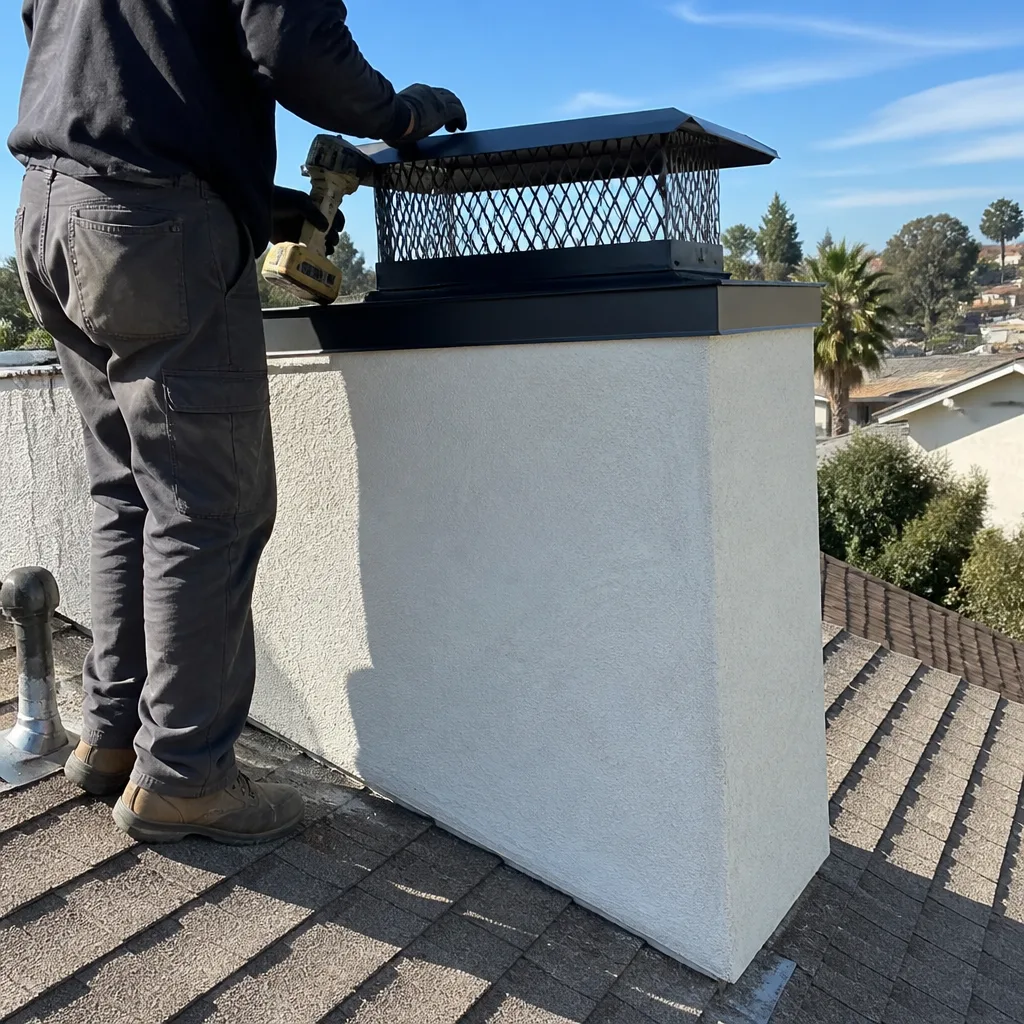 After
After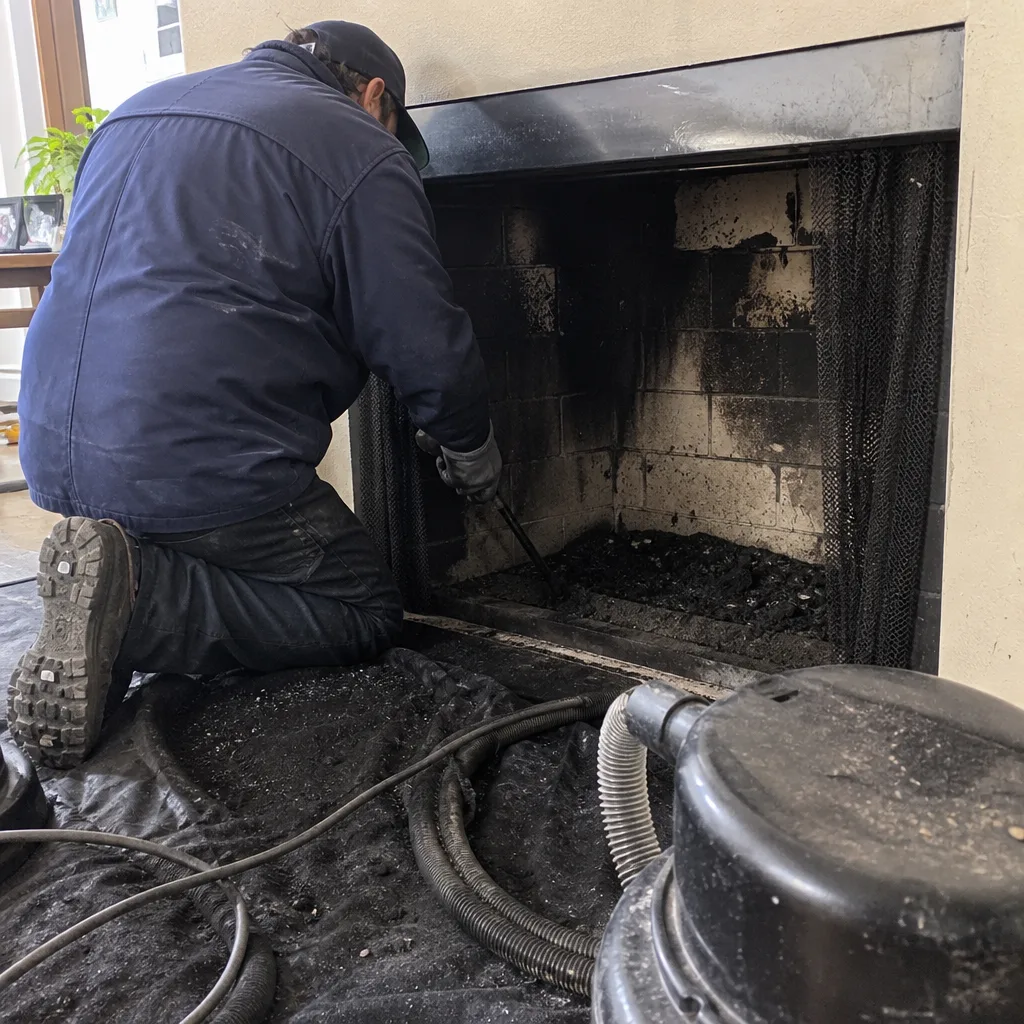 Before
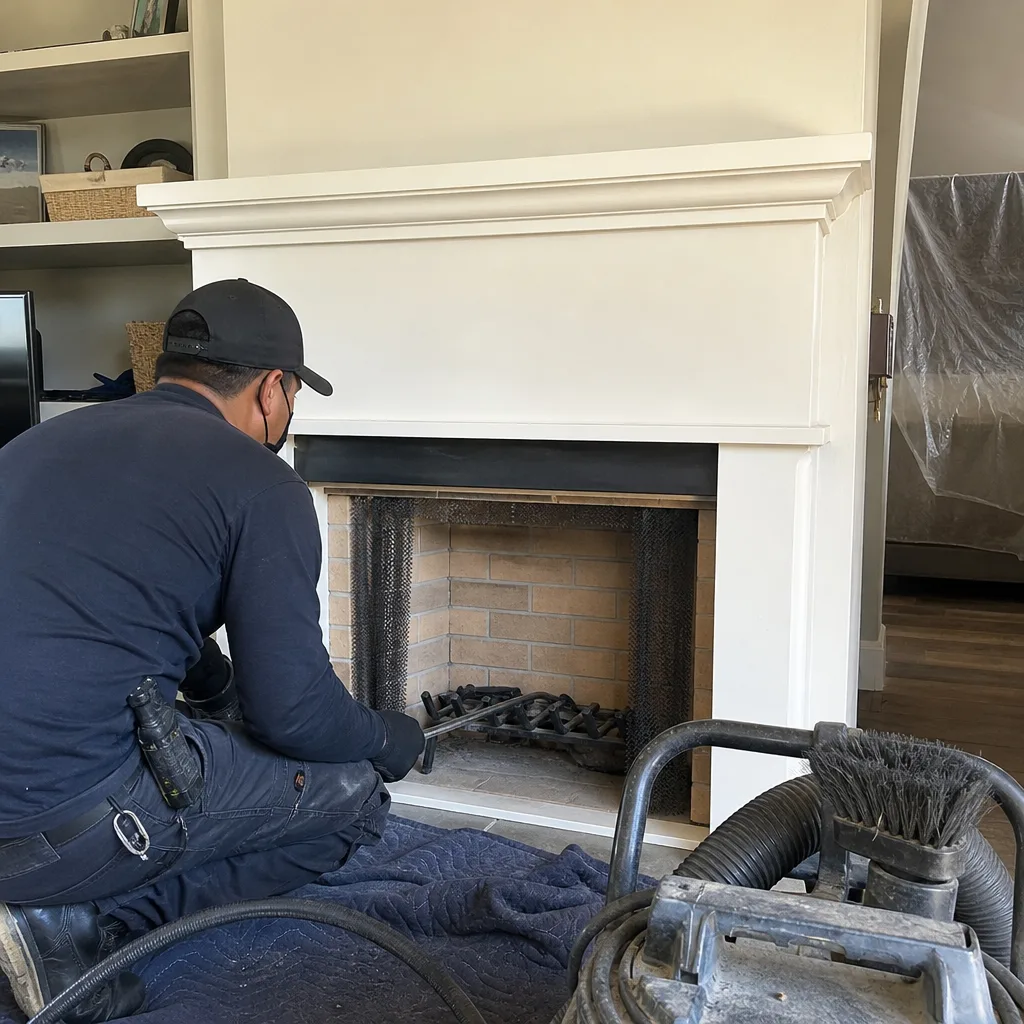 After
After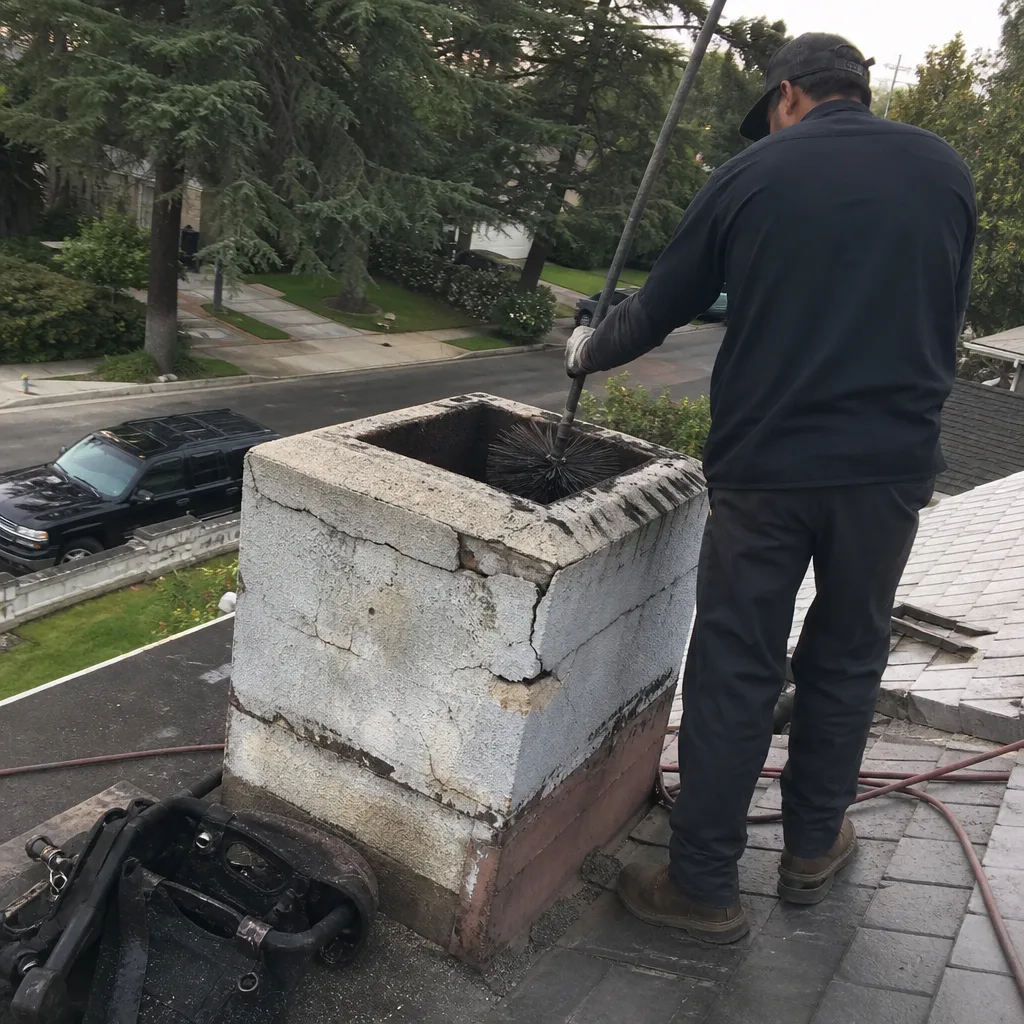 Before
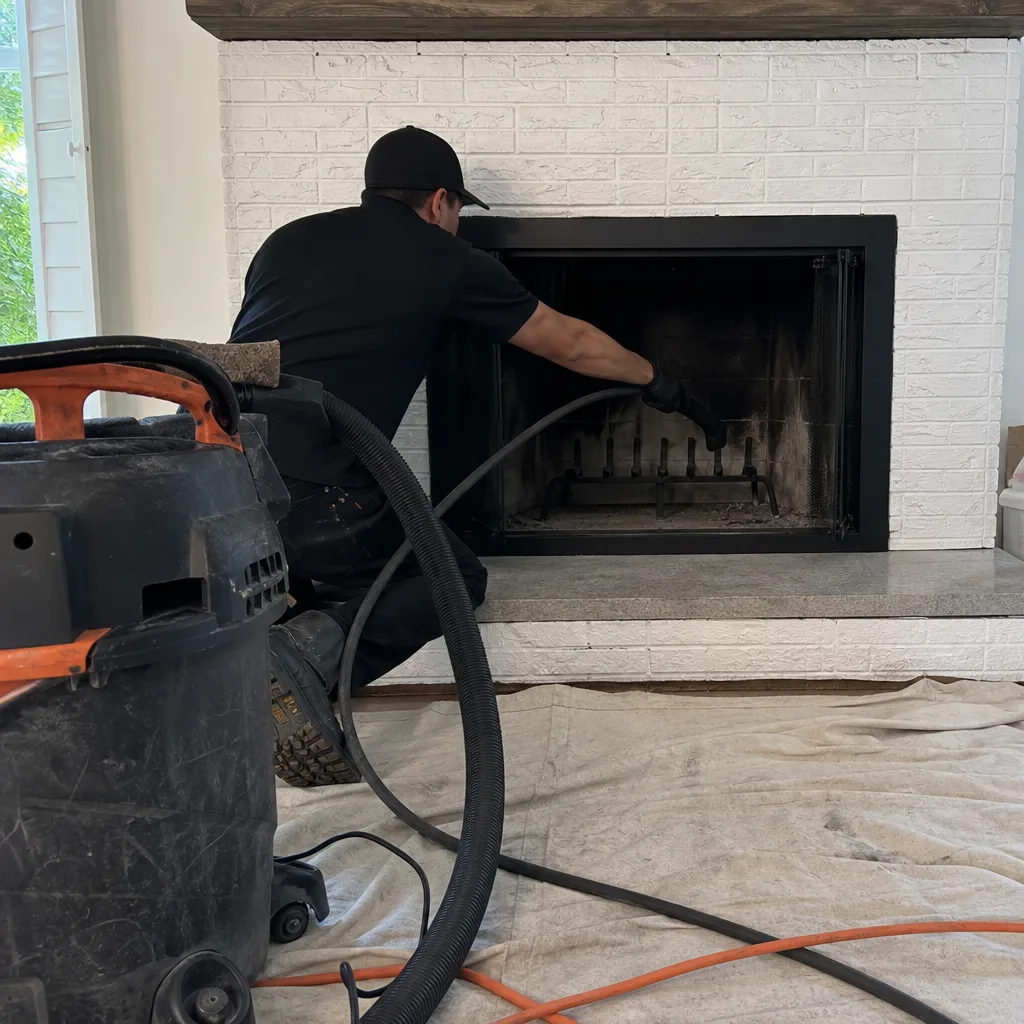 After
AfterFast, Reliable Chimney Inspection Across Crestline
Most Crestline Chimney Sweep inspections reveal something the homeowner didn’t expect to find. Our first question on any inspection call here is simple: has the cabin been sitting empty since last spring? Because at 4,700 feet, a closed-up mountain home does not stay empty. Steller’s jays and squirrels move in, pack the flue with pine debris and nesting material, and the first fire of the season sends smoke straight back into the living room. A chimney inspection in Crestline is less a formality and more a wildlife-and-debris extraction before any heat ever touches the stack. We’ve been doing this work in mountain communities since 2002, and we’re the service that tells you the technician’s name and shows you their photo before they ever pull into your driveway. Call (336) 863-3889 to schedule.
Why Alcott Chimney Sweep Is Crestline’s Preferred Chimney Inspection Company
We don’t send a stranger to your door. You get the technician’s name and a photo before the visit, and they’re required to show a photo ID badge when they arrive. Every technician is background-checked and identity-verified under the Threshold Standard, not as an add-on but as the way we operate. That matters a lot in Crestline, where many of our customers are home alone during the week, or have young kids, or are older homeowners who want certainty about who’s walking up the driveway.
Ruben Castellano runs Alcott Chimney Sweep with a simple rule: show the work. When our techs inspect a flue in Crestline, they run a camera down the stack and show you exactly what they see. No vague “you need a new liner” without footage you can watch yourself. We serve Crestline from our Inland Empire office with crews that know this terrain, and our written price lands before any work starts. Not after.
Chimney Flue Inspection in Crestline
A Chimney Inspection that focuses on the flue is the single most important safety check a Crestline homeowner can order before burning season. The flue is the vertical passage that carries smoke and gases out of your cabin, and at this elevation, freeze-thaw cycling works on clay-tile liners and mortar joints all winter long. A stack that looked fine last spring can have an open crack by the first snow. Our flue inspection runs a camera from the damper to the cap, documenting every joint, every spall, every gap. You see the footage. You get a written report. A typical chimney flue inspection in Crestline runs $149 – $279 depending on stack height and access.
Camera Inspection Included
We don’t do blind inspections. The camera feeds onto a screen you can watch with us. When we find a cracked mortar joint two feet above the damper, we pause the footage on that exact spot and explain what you’re seeing.
Written Report After Every Visit
You leave with documentation, not a memory. The report shows what we found, what it means, and what we recommend, in that order. If we recommend work, the report includes the footage timestamp so you can rewatch it yourself.
Chimney Fire in Crestline
A chimney fire in Crestline is the risk behind most inspection calls we get from Crestline homeowners. At 4,700 feet, wood-burning stoves and fireplaces are primary heat, not decoration, and they run hard from October through April. Creosote, the tar-like buildup that causes chimney fires, accumulates fast under sustained burning. The problem in Crestline is compounded by how many homes sit unoccupied for months, collecting nests and debris that feed a fire once the burning starts. Our inspection targets the exact conditions that lead to chimney fires: creosote glaze, blocked flues, and clearance violations from older inserts venting into stacks never designed for them.
What a Chimney Fire Inspection Looks For
We check the flue for third-degree creosote glaze, which a brush cannot remove and which ignites at high temperatures. We also check the clearance between your fireplace insert or stove and the surrounding combustible framing, especially in 1950s – 1970s cabins where clearance standards were looser than current code.
When a Crestline Homeowner Should Act
If you’ve had a chimney fire, even a small one you think you put out, the flue needs a camera inspection before another burn. Heat stress can crack liners invisibly, and the next fire escapes through those cracks.
Trusted Brands We Service in Crestline
We carry and install professional trade materials by name because we believe you should know exactly what’s going into your chimney. In Crestline cabins, we work with DuraFlex liner systems, Famco caps and dampers, and HeatShield resurfacing material. These are the brands chimney professionals specify, not box-store substitutes. If your older cabin has a Famco insert or a failing clay-tile flue, we stock the components to address it properly, with faster turnaround for mountain-scheduled work because we order from the same professional supply chain rather than improvising.
Common Chimney Inspection Problems We See in Crestline Homes
- Animal nests packed into the flue. Steller’s jays and squirrels build in vacant cabin chimneys from April through October. The first inspection of the season almost always turns into a debris extraction before any cleaning can start.
- Cracked mortar joints from freeze-thaw cycling. At ~4,700 feet, Crestline gets real snowpack that works its way into brick and mortar all winter. Joints that looked intact in March can have open gaps by November.
- Early prefab inserts venting into unlined masonry stacks. Many mid-century Crestline cabins had metal fireplace inserts installed under old clearance standards. We regularly find inserts venting into stacks that were never designed for the heat, with no liner and questionable clearance.
- Third-degree creosote glaze from heavy seasonal burning. Sustained burning from October through April produces a hard, shiny creosote that a standard brush cannot remove. This is a fire hazard and needs chemical or mechanical treatment, not just a sweep.
Pricing for Chimney Inspection in Crestline, CA
A standard Level 1 chimney inspection in Crestline runs $149 – $229. A Level 2 camera inspection, which we recommend for any cabin that sat vacant over the summer or hasn’t been inspected in two or more years, runs $229 – $349. If your inspection turns into a wildlife extraction or a liner evaluation, we’ll tell you the cost in writing before any work begins. Factors that affect price: stack height on steep Crestline lots, roof pitch, and whether we’re dealing with a nest removal on top of the inspection. Estimates are free, and you’ll never see a surprise charge at the end. Call (336) 863-3889 for your exact quote.
We Also Serve Cities Near Crestline
Alcott Chimney Sweep regularly works in Lake Arrowhead, Highland, San Bernardino, and Running Springs. If you have a cabin or home in one of these mountain or valley communities, Chimney Inspection in Crestline crews can reach you on the same route. Call us to schedule a visit in any of these nearby areas.
Serving Crestline, CA - Our Local Coverage Area
We’re based in the Crestline area and know this community well. Use the map below to see our service coverage - if you’re nearby, we can almost certainly help.
FAQs About Chimney Inspection in Crestline
Because your chimney probably hasn’t been empty since April. Steller’s jays and squirrels nest in vacant flues through spring and summer, and at 4,700 feet the first inspection of the season usually becomes a wildlife extraction. Even if no animals moved in, freeze-thaw cycling has had eight months to work on your mortar joints. Call (336) 863-3889 to schedule before you light the first fire.
It covers the full path from firebox to cap: the flue liner, mortar joints, damper, smoke chamber, crown, and cap. We run a camera down the stack and show you the footage. We also check clearance between your appliance and surrounding combustible material, which matters especially in older Crestline cabins with prefab inserts.
You watch the camera footage. If a technician recommends a new liner without showing you video of the damage, ask them to prove it. We pause the camera on the exact cracked joint or spalled tile and explain what you’re seeing in plain English. If third-degree creosote is the real problem, we tell you that and clean it properly with chemical treatment, not a liner upsell. Call (336) 863-3889 and we’ll show you the evidence.
Because Crestline sits at 4,700 feet with a long, cold burning season, and your fireplace is primary heat. You’re burning hard from October through April. In the valley, a fireplace is often decorative and sees lighter use. Elevation also means more snow and freeze-thaw stress on the stack. Twice-season cleaning is normal at this altitude with this burn pattern.
Yes. Old prefab inserts were often installed under looser clearance standards, and we frequently find them venting into masonry stacks that were never designed for that heat load. The inspection includes a clearance review against current code and a camera look at the path the insert vents into. If modifications are needed, we’ll show you exactly why on camera before any recommendation is made.
Call (336) 863-3889 for a free estimate on your Crestline chimney inspection. You’ll know who’s coming before we arrive, and you’ll see the footage before you decide on any work.
Written by Ruben Castellano, Owner at Alcott Chimney Sweep, serving Crestline since 2002.