
Level 1 sweep and inspection to the NFPA 211 annual standard - flue, crown, cap, and flashing checked and photographed
Chimney sweep logs do not sweep chimneys. They loosen some creosote - which then falls where a brush and vacuum still have to collect it.
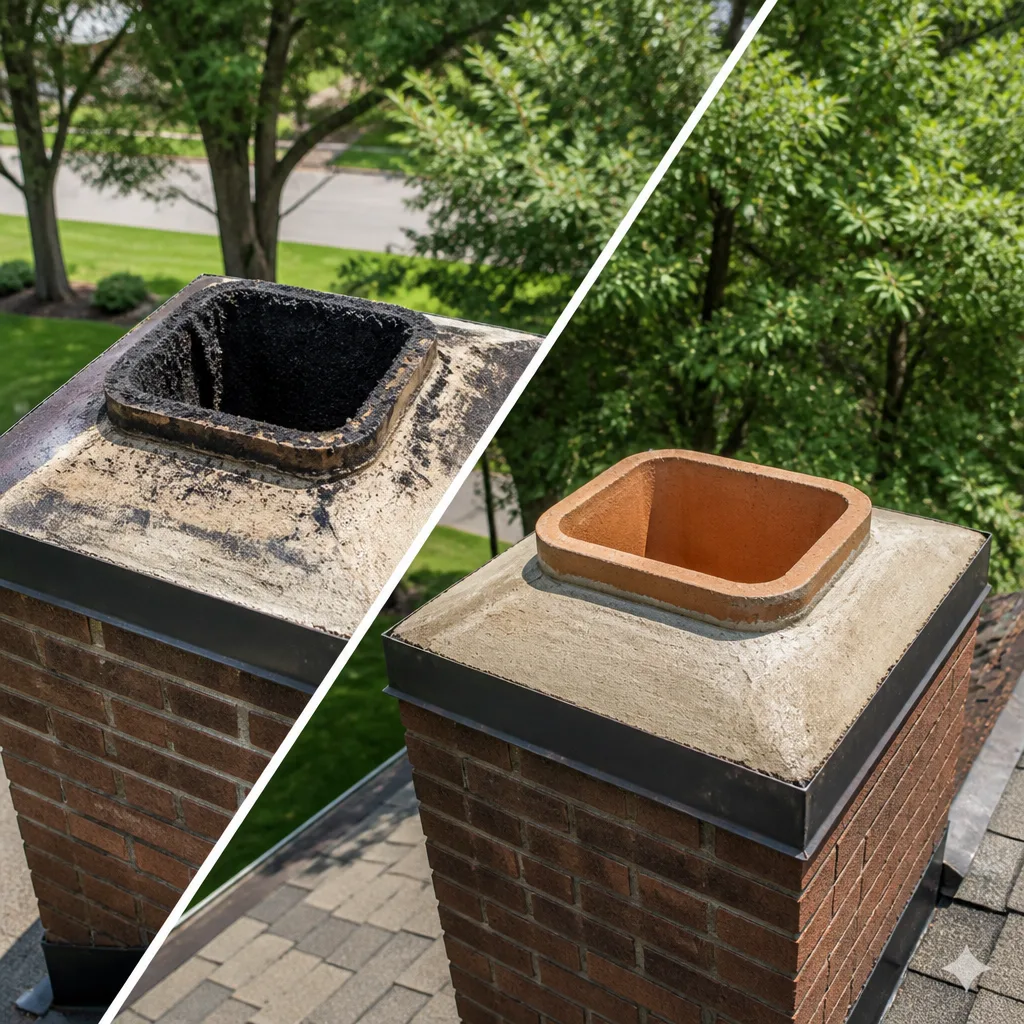
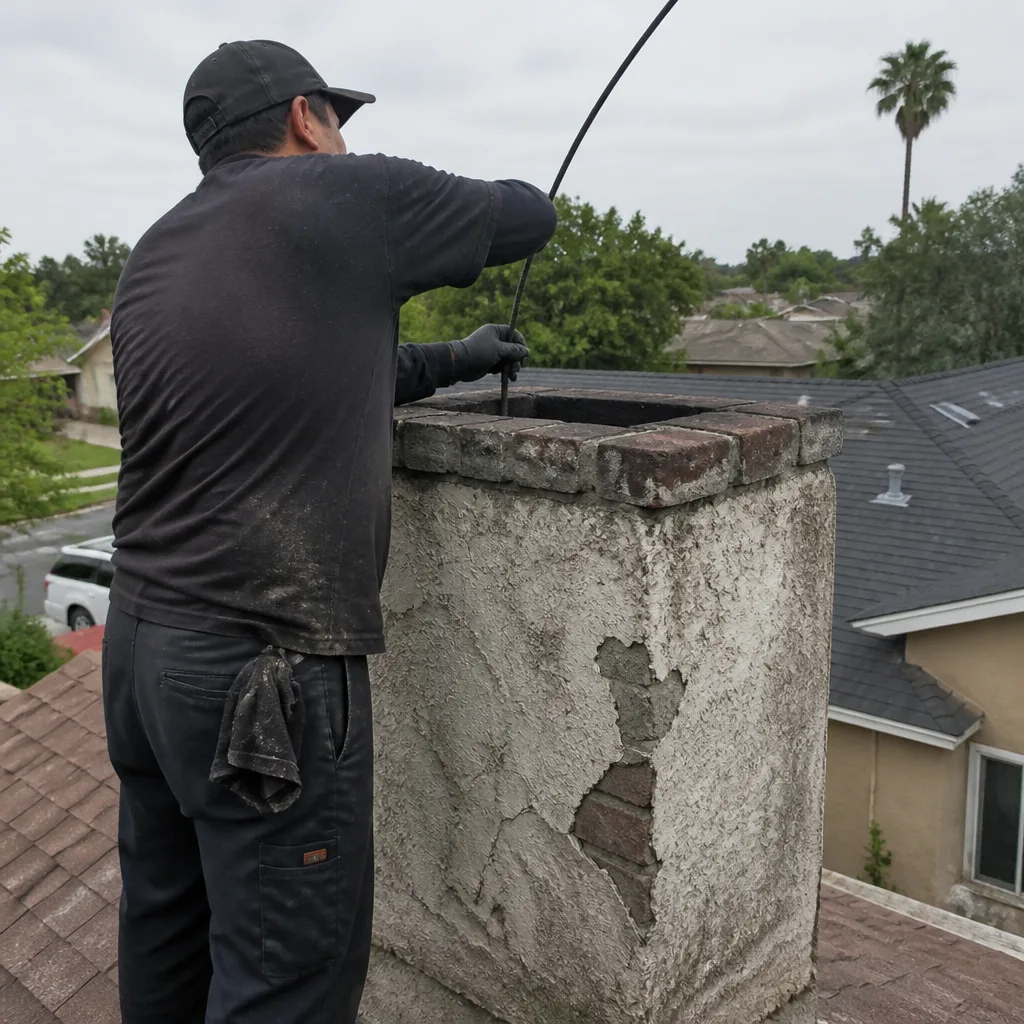 Before
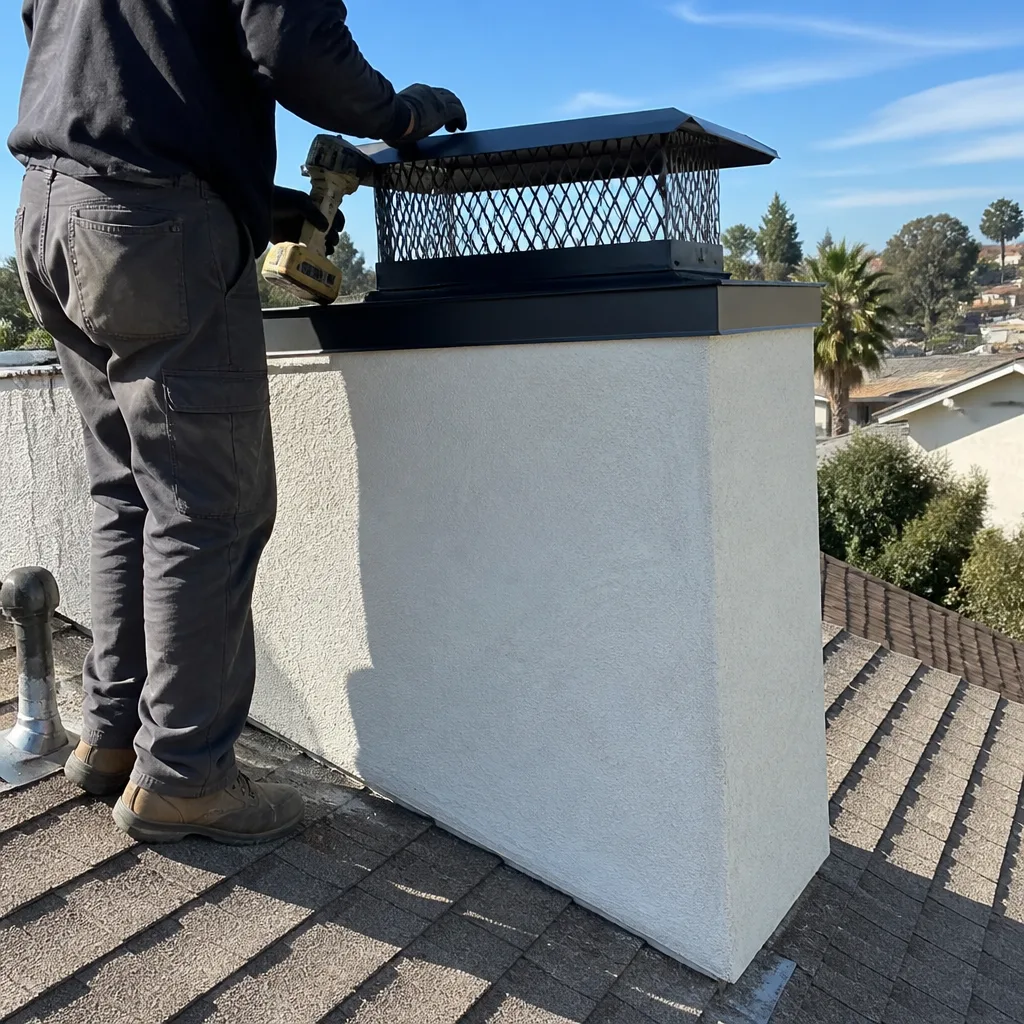 After
After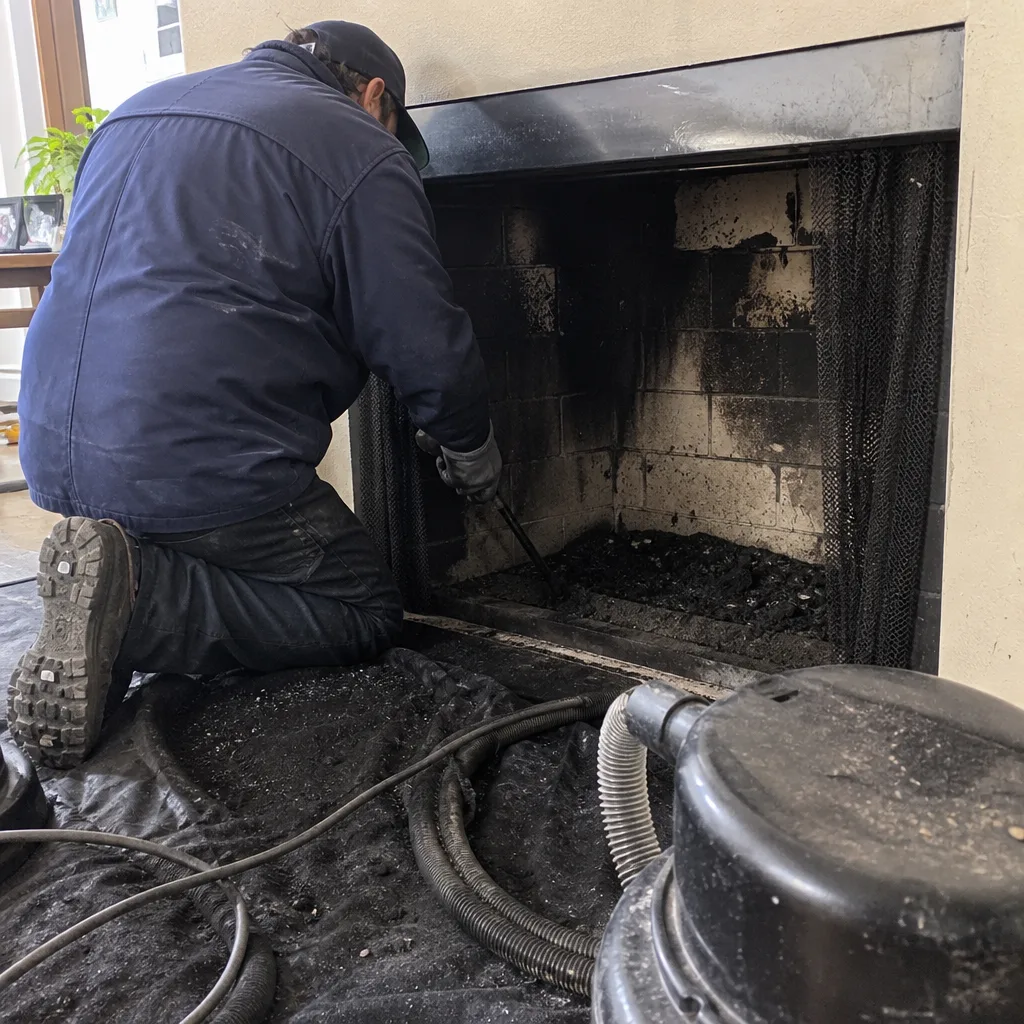 Before
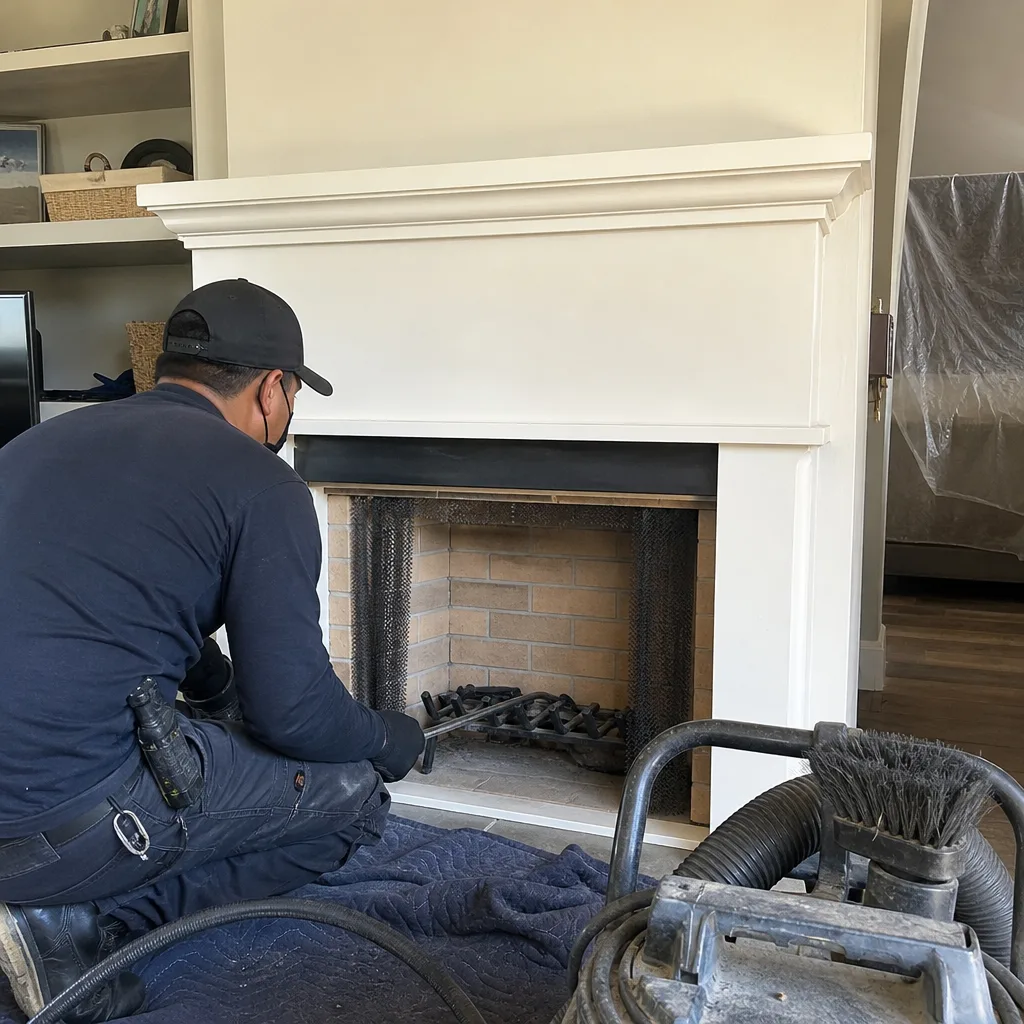 After
After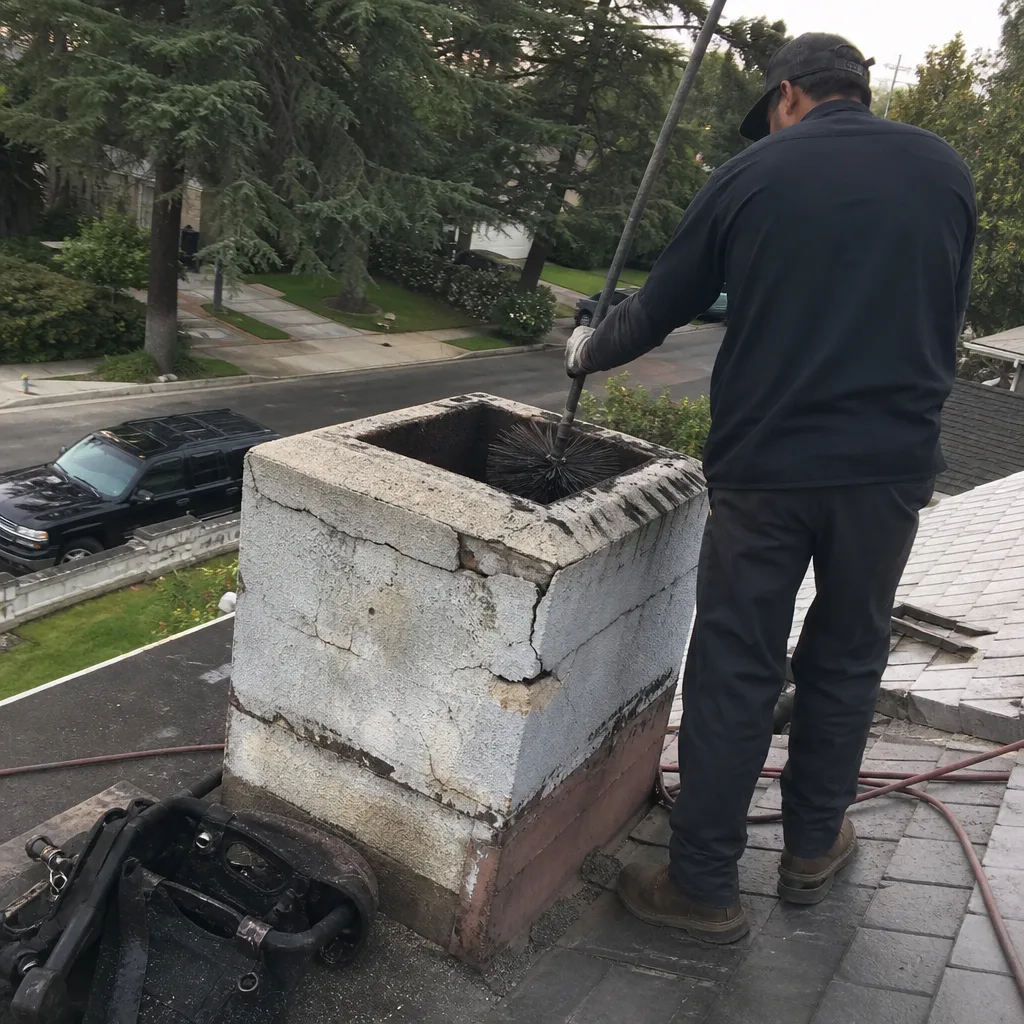 Before
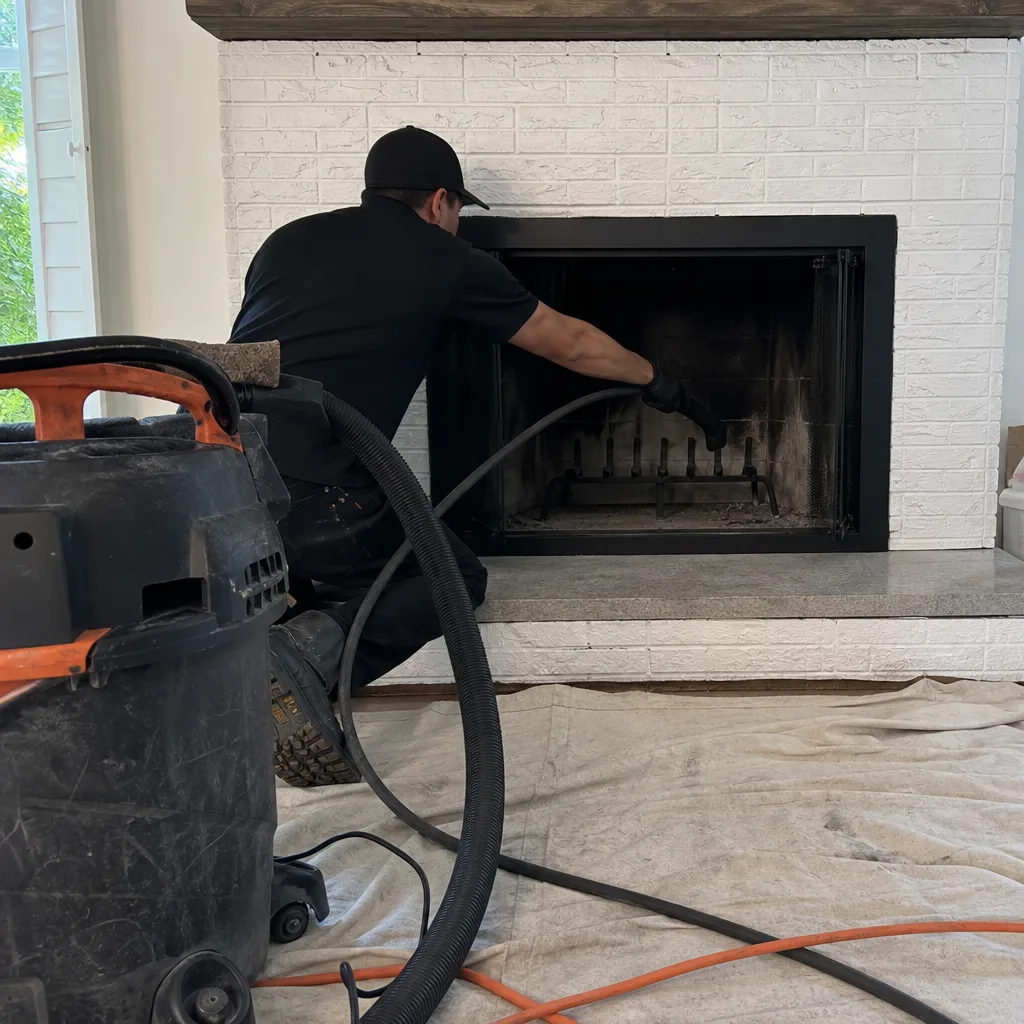 After
AfterFast, Reliable Chimney Inspection Across East Hartford
A chimney inspection in East Hartford typically runs $189 to $489 depending on the level, and most Level I inspections take under an hour. If you own one of the many 1920s-to-1950s two-family homes in this town, you’re likely dealing with a clay-tile flue that’s been absorbing Connecticut River Valley freeze-thaw cycles for decades. Our crew knows East Hartford’s housing stock, its rental corridors, and exactly what fails in these older chimneys. Call (336) 863-3889 to book an inspection with a technician whose name and photo you’ll see before we arrive.
Why Alcott Chimney Sweep Is East Hartford’s Preferred Chimney Inspection Company
East Hartford homeowners deal with a specific kind of chimney problem: older masonry stacks that were built for oil heat and never properly converted when the boiler switched to gas. We see it constantly along Silver Lane, Burnside Avenue, and the side streets off Main Street. Our technicians don’t guess at what’s inside your flue. We run a camera down every inspection and show you exactly what we’re looking at, on video, before we recommend anything.
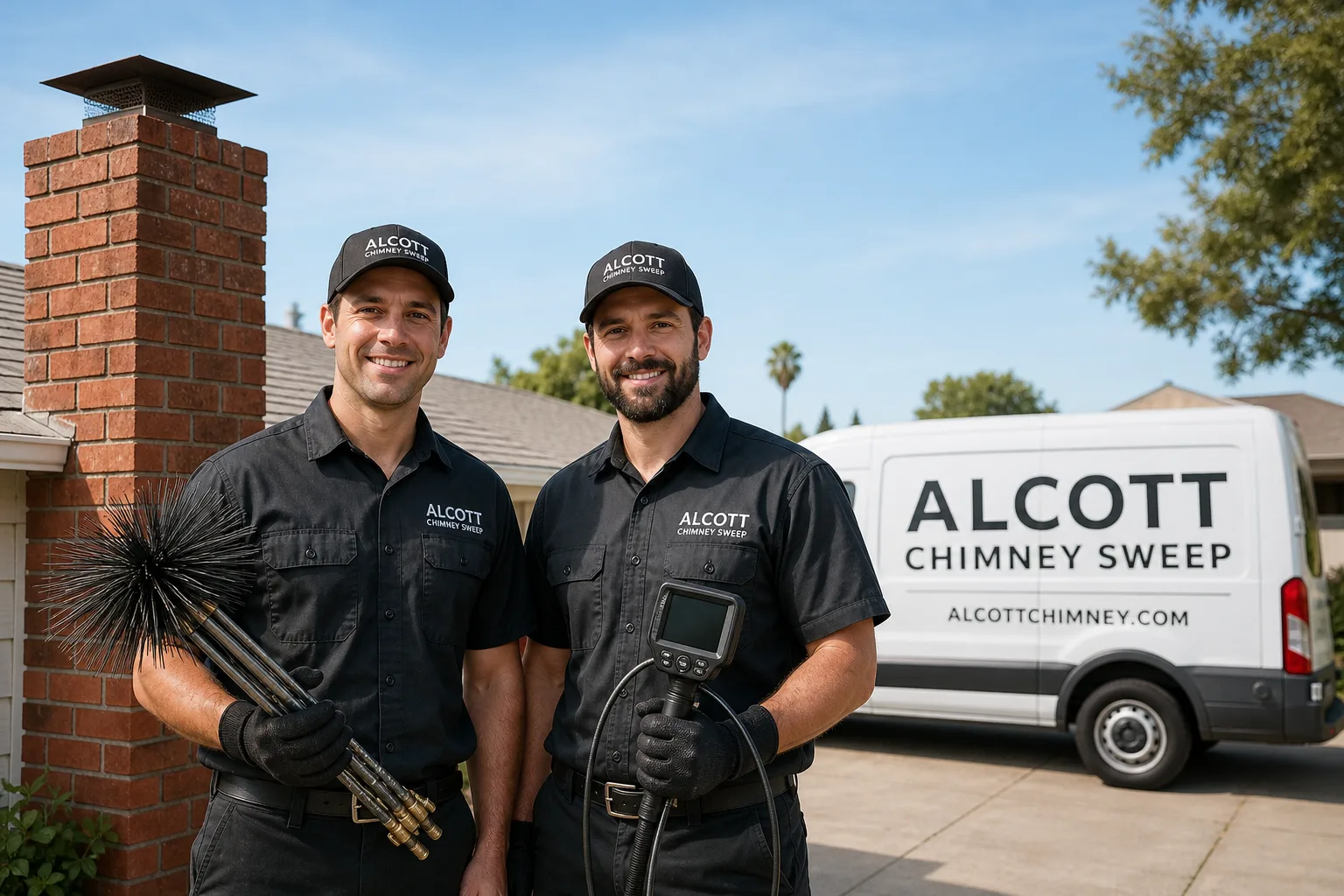
Every technician who steps onto an East Hartford property is background-checked and identity-verified under the Threshold Standard. That means you get a name and a photo before the visit, and the person at your door shows a photo ID badge. No exceptions. Ruben Castellano built this company in 2002 on a simple idea: a homeowner should never have to wonder who’s about to walk through the door, or whether the chimney repair they’re being quoted is actually necessary. The East Hartford homes we serve get the same written pricing before any work begins, and the same written guarantee on every repair.
Chimney Camera Inspection in East Hartford
Chimney Camera Inspection is the tool that separates honest diagnosis from guesswork in East Hartford, where oversized clay-tile flues and converted heating systems make visual-only inspection unreliable. We run a high-resolution camera through the full length of your flue, from the thimble or firebox up to the cap, recording everything. You’ll see the video with us and get a written summary of what we found. A camera inspection in East Hartford typically runs $129 to $189 as a standalone service, and it’s included as part of any Level II inspection.
What the Camera Shows in Older East Hartford Stacks
In the two-family Colonials and Cape Cods that dominate East Hartford’s housing stock, the camera most often reveals eroded mortar joints between clay tiles, spalled brick, or the sulfurous yellow staining that signals acidic condensate damage. These homes almost always share one masonry chimney between a heating flue and a fireplace flue. That means a crack in the crown or a deteriorated mortar joint doesn’t create one problem; it creates two simultaneous code and safety issues.
When an East Hartford Homeowner Should Request It
If you’ve recently bought a home in East Hartford, converted from oil to gas, or noticed a musty odor, drafting problems, or visible staining near the thimble, a camera inspection is the right call. Landlords preparing a rental property for sale or a new tenant should also get one, especially in the rental corridors along Silver Lane and Burnside Avenue where chimney neglect compounds for years.
Fireplace Inspection in East Hartford
Fireplace Inspection in East Hartford is different from a heating flue inspection because we’re checking two things at once: the firebox and damper you can see, and the flue liner you can’t. Many East Hartford homes built before the 1950s have shallow, unlined fireplace smoke chambers or original clay tiles that have cracked under decades of freeze-thaw stress. A fireplace inspection in East Hartford typically runs $189 to $249, depending on whether the chimney is a single-flue or shared-stack configuration.
The Shared-Stack Problem
Most pre-1950s East Hartford homes were built with one chimney serving both the furnace and the fireplace. That single shared stack means a deteriorated liner on the heating side is a code violation that also affects the fireplace side. We inspect both flues on the same visit and document each one separately, so you know exactly what’s safe to use and what needs attention before the first fire of fall.
What Gets Checked
The inspection covers the chimney crown, the exterior masonry and mortar joints, the damper operation, the firebox refractory condition, and a full camera run through the flue. We check for creosote–the tar-like buildup that causes chimney fires–and for the white powdery efflorescence that tells us water is moving through the masonry. After the inspection, you’ll have a written report with photos and, if repairs are needed, a written price before anything else happens.
Trusted Brands We Service in East Hartford
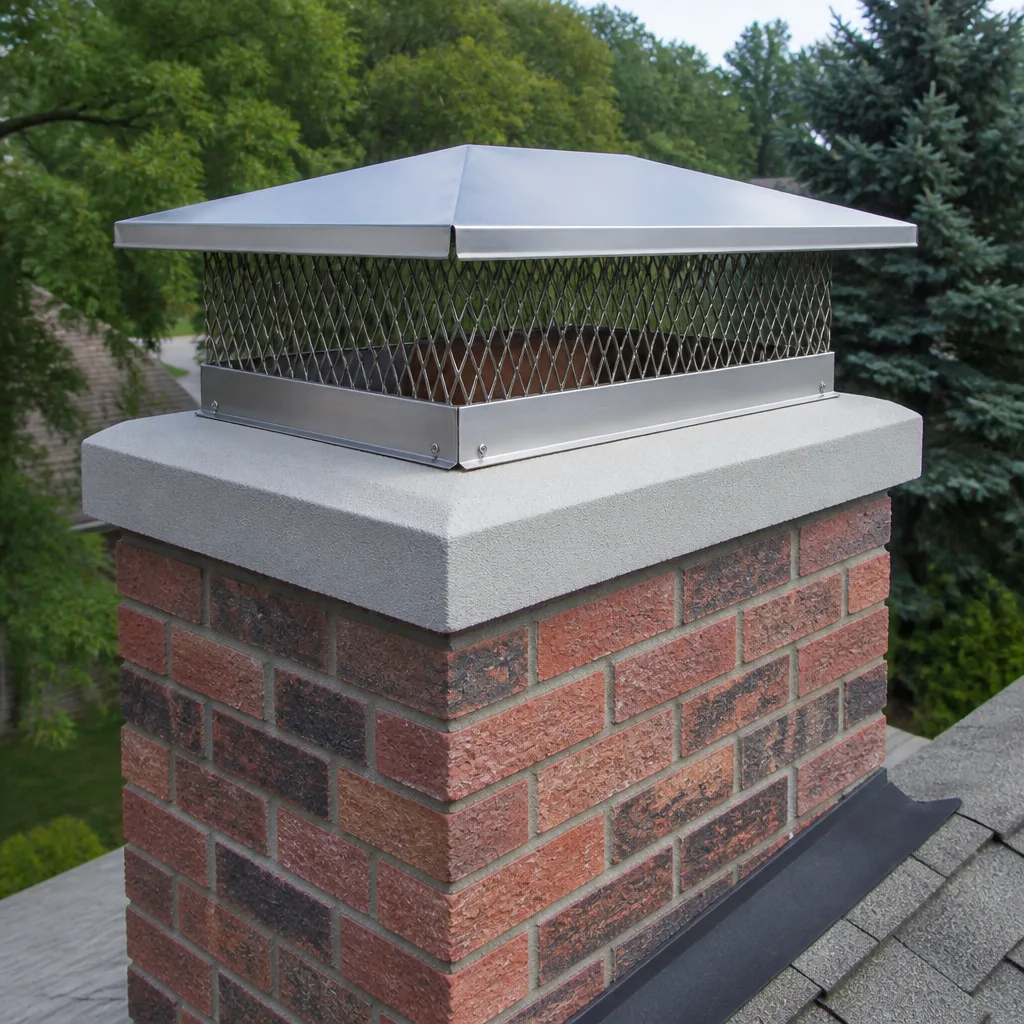
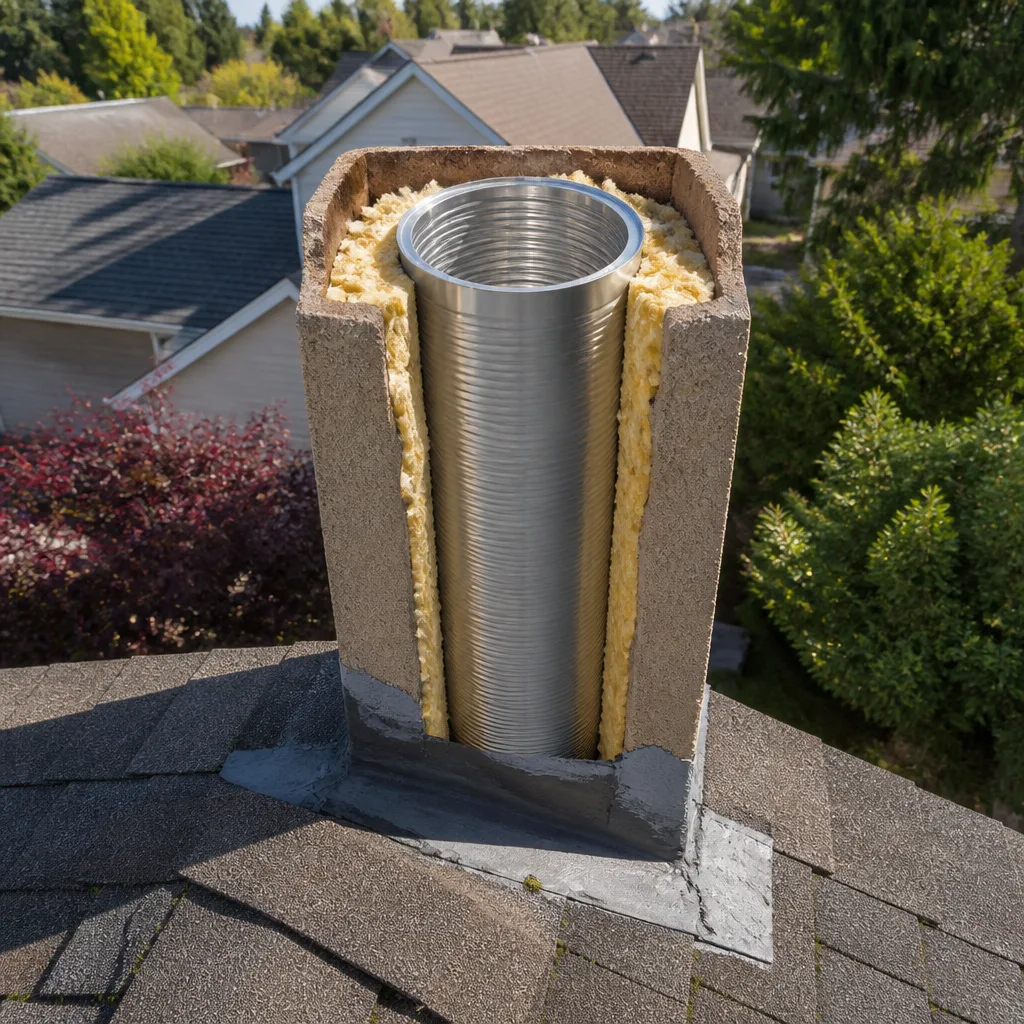
When an East Hartford chimney needs a repair, we install and service the professional trade brands chimney technicians actually specify. That includes HeatShield resurfacing for clay-tile flues that are deteriorating but still structurally sound, Gelco and Olympia Chimney components, and Famco caps and termination systems. We keep these materials stocked for East Hartford jobs, which means faster turnaround on repairs after an inspection. No box-store substitutes, ever.
Common Chimney Inspection Problems We See in East Hartford Homes
- Oversized clay-tile flues sized for long-gone oil boilers. Gas exhaust runs cooler and wetter than oil exhaust, so these oversized liners never draft warm enough to stay dry. The acidic condensate that forms eats mortar joints and liner sections from the inside while the chimney looks fine from the roof.
- Sulfurous yellow staining inside converted flues. We were called to a two-family Colonial off Burnside Avenue where the landlord had converted from oil to gas in the mid-2000s but never touched the flue. Our camera showed the original clay tiles stained with yellow sulfurous condensate and mortar joints eroded enough to catch a screwdriver tip. We documented everything on video for the owner, recommended a HeatShield resurfacing rather than a full reline, and left the fireplace flue alone because it tested clean.
- Cracked crowns and spalled mortar from valley freeze-thaw cycles. East Hartford sits in the Connecticut River Valley, where winter temperature inversions and above-average humidity combine with hard freezes and thaws. Chimneys that went through a wet summer and a sudden November cold snap commonly show fresh mortar loss and cracked clay tiles each spring inspection season.
- Double code problems from shared masonry stacks. A single deteriorated chimney stack serving both the heating appliance flue and the fireplace flue creates two simultaneous violations. Landlords who skip the spring inspection often discover the damage when a Level II inspection fails at resale or a tenant reports draft problems.
Pricing for Chimney Inspection in East Hartford, CT
We Also Serve Cities Near East Hartford
Our East Hartford crews also cover the surrounding communities, including Hartford, Manchester, Wethersfield, and West Hartford. If you own property in any of these nearby towns, the same camera-first Chimney Inspection process applies. Call and we’ll schedule you for the next available slot.
Serving East Hartford, CT - Our Local Coverage Area
We’re based in the East Hartford area and know this community well. Use the map below to see our service coverage - if you’re nearby, we can almost certainly help.
FAQs About Chimney Inspection in East Hartford
Do East Hartford landlords need a Level 2 inspection if they only converted the boiler from oil to gas?
Yes. A conversion from oil to gas changes the flue gas temperature and moisture content, and the oversized clay-tile flue that served the old oil boiler is almost certainly not sized correctly for gas. A Level II inspection with a camera scan is the only way to determine whether the liner is holding up or actively deteriorating. Call (336) 863-3889 for an exact quote; estimates are free.
What does yellow staining inside an East Hartford chimney flue actually mean?
Yellow or sulfurous staining on clay tiles indicates acidic condensation has been sitting on the liner surface, which happens when gas exhaust cools too quickly in an oversized flue. It means the liner is deteriorating from the inside, even if the exterior brick looks fine. This condition will fail a Level II inspection and should be documented on camera before any repair recommendation.
Why does East Hartford’s freeze-thaw cycle matter for chimney inspection timing?
East Hartford’s Connecticut River Valley location means hard freezes followed by sudden thaws, and those cycles force moisture deep into brick crowns and mortar joints. A chimney that survived the summer can show fresh cracks by spring. Scheduling an inspection each spring, before the next heating season, catches damage before it becomes a fire or carbon monoxide risk.
Can you inspect both flues in a shared East Hartford chimney at once?
Yes, and we do it as a standard part of any inspection on East Hartford homes with the common single-stack, dual-flue configuration. Each flue gets its own camera run and its own written documentation. You’ll get separate findings for the heating flue and the fireplace flue, and a single written price if either needs work.
How do we know you won’t upsell us on a reline we don’t need?
Our rule is simple: no repair recommendation without camera evidence, and you see that video before we quote anything. If the flue liner is intact and the mortar joints are sound, we’ll say so and document it. If a repair is genuinely needed, we’ll show you exactly where and why. Every repair comes with a written guarantee, and if it fails within the coverage period, the second visit is free.
Written by Ruben Castellano, Owner at Alcott Chimney Sweep. Serving East Hartford with verified technicians and camera-first inspections since 2002.