
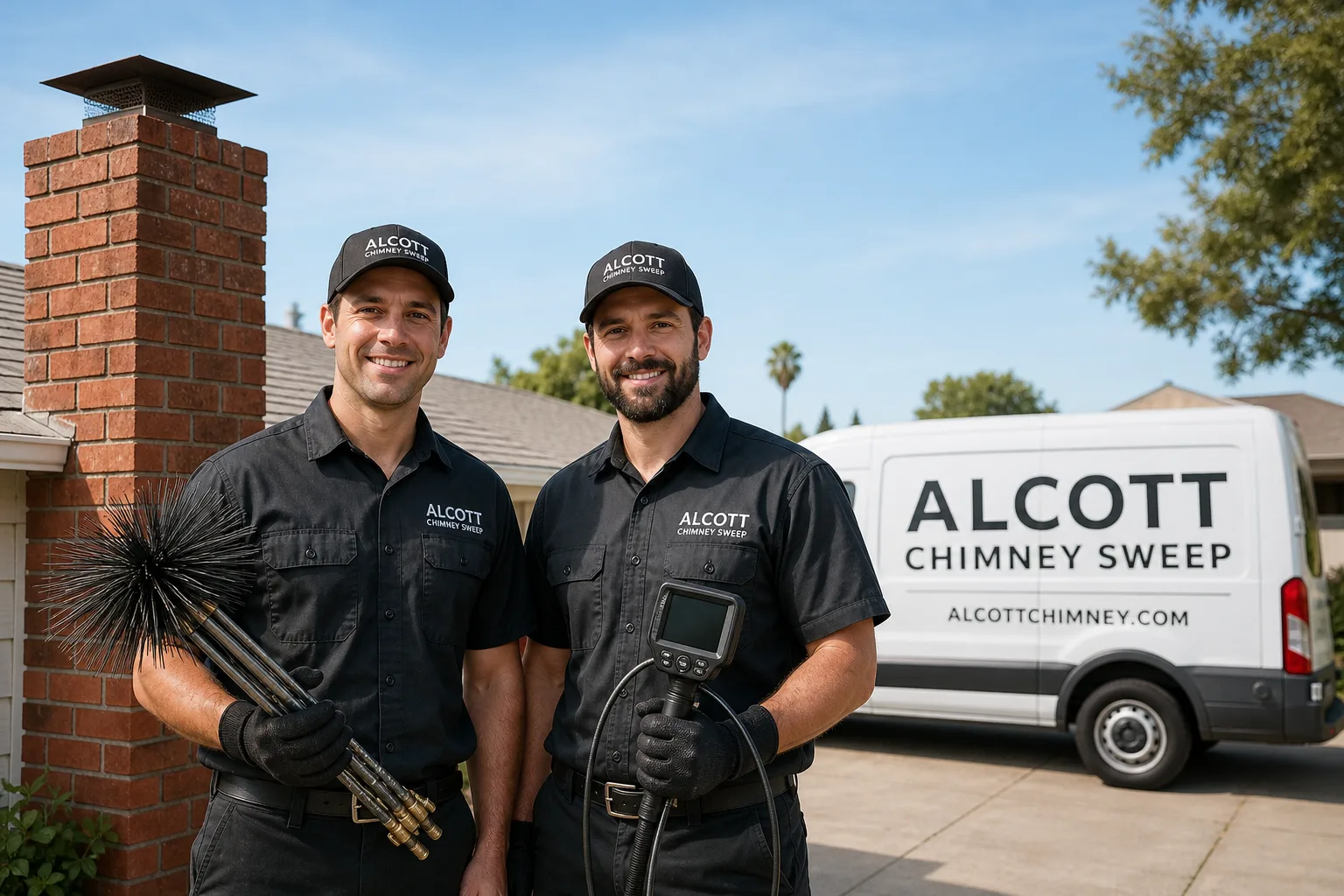
Level 1 sweep and inspection to the NFPA 211 annual standard - flue, crown, cap, and flashing checked and photographed
Chimney sweep logs do not sweep chimneys. They loosen some creosote - which then falls where a brush and vacuum still have to collect it.
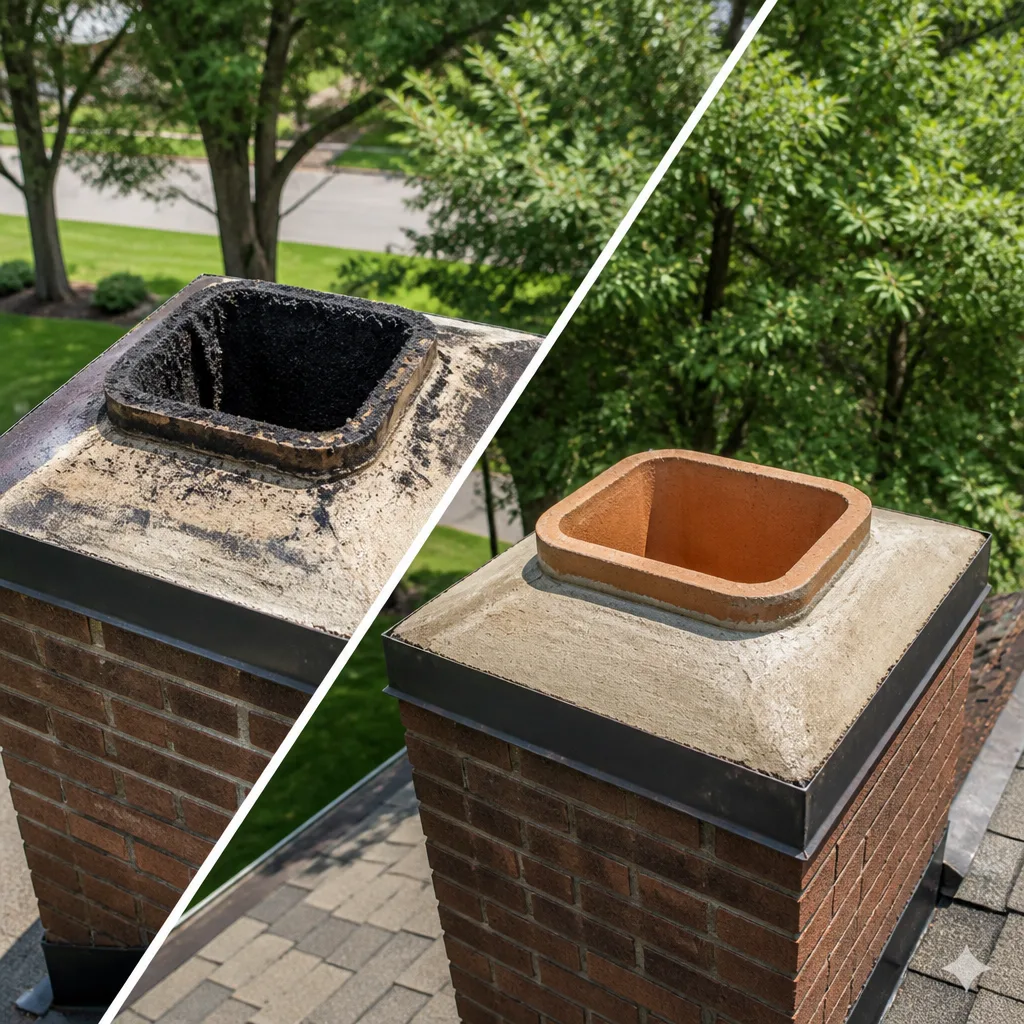
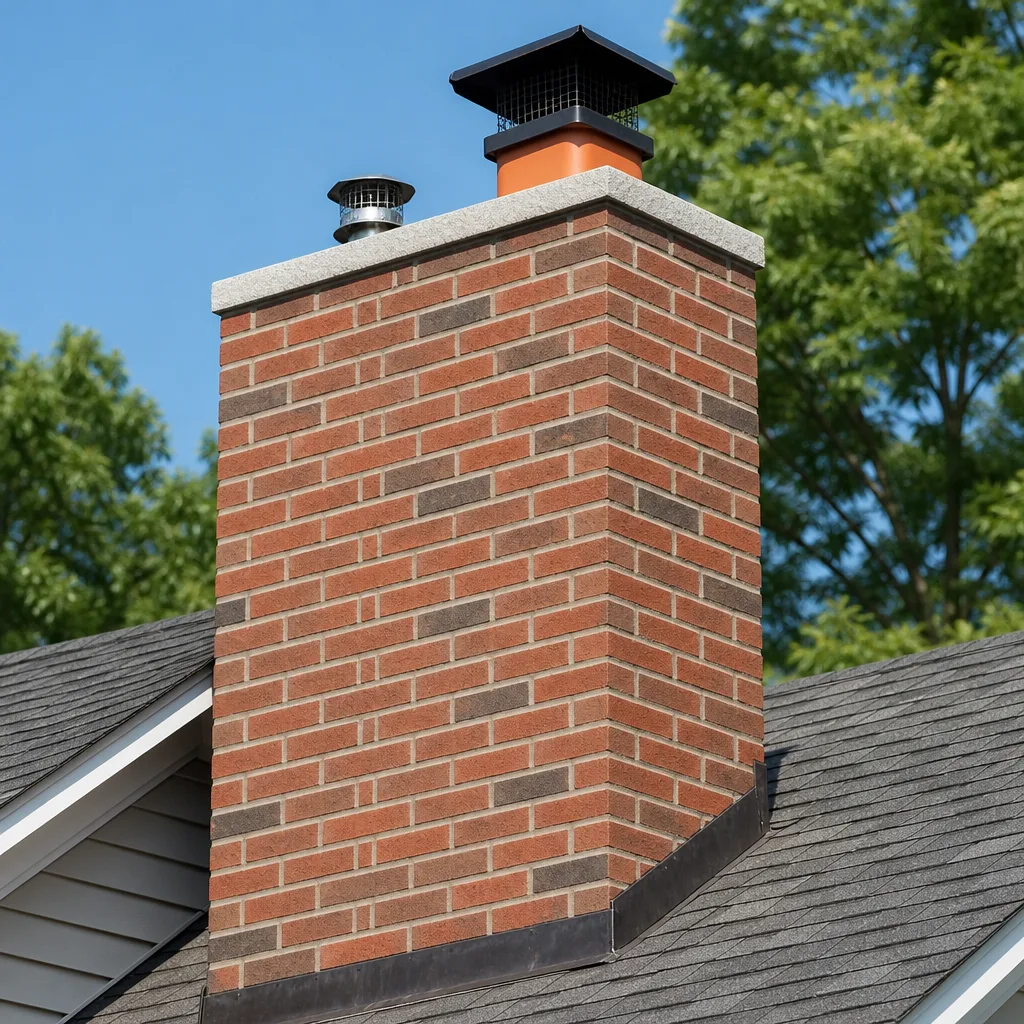
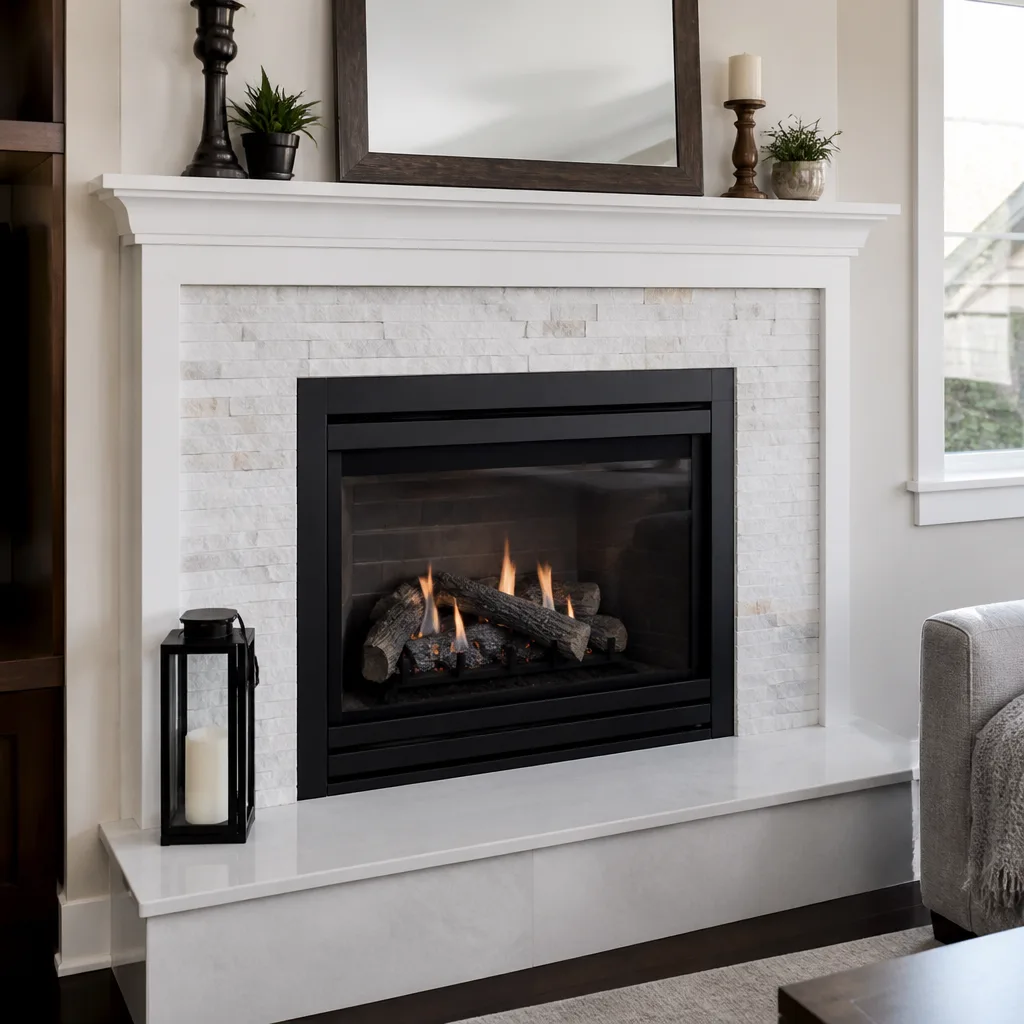
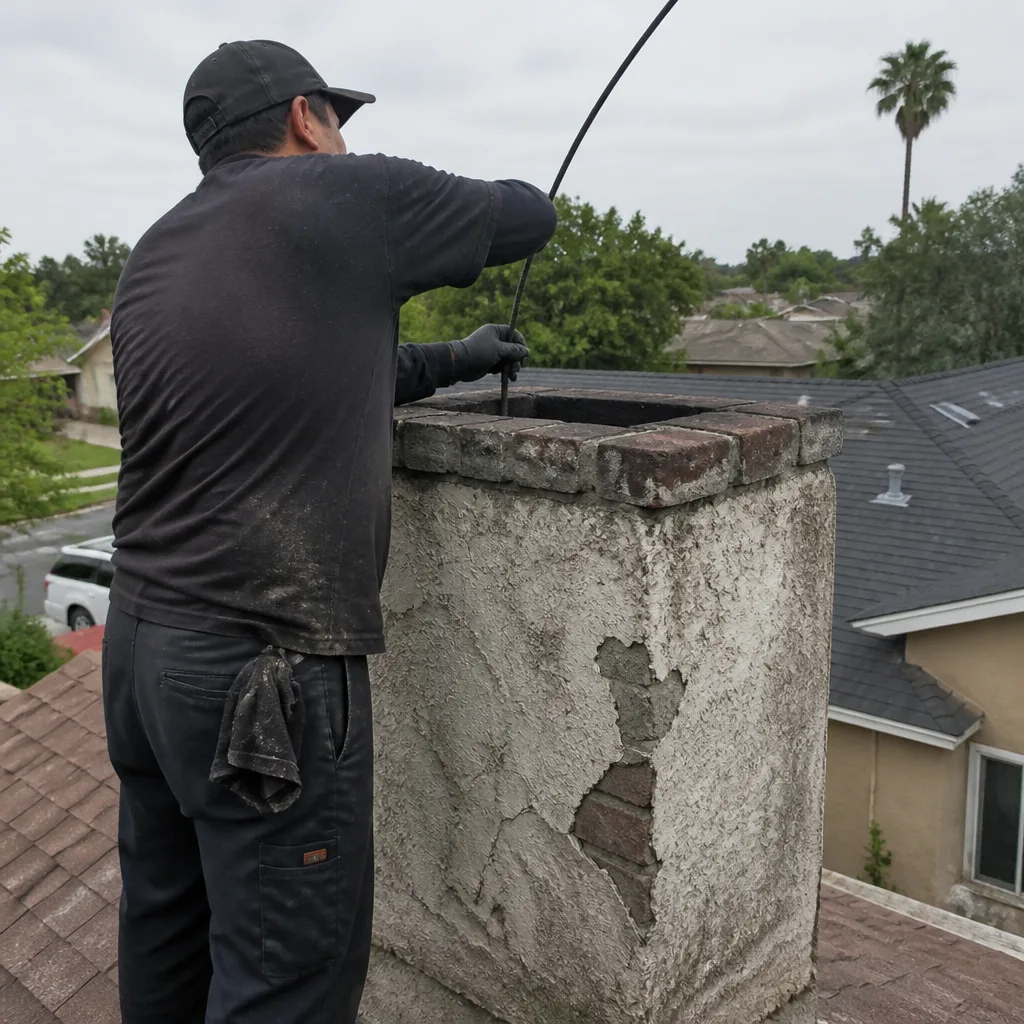 Before
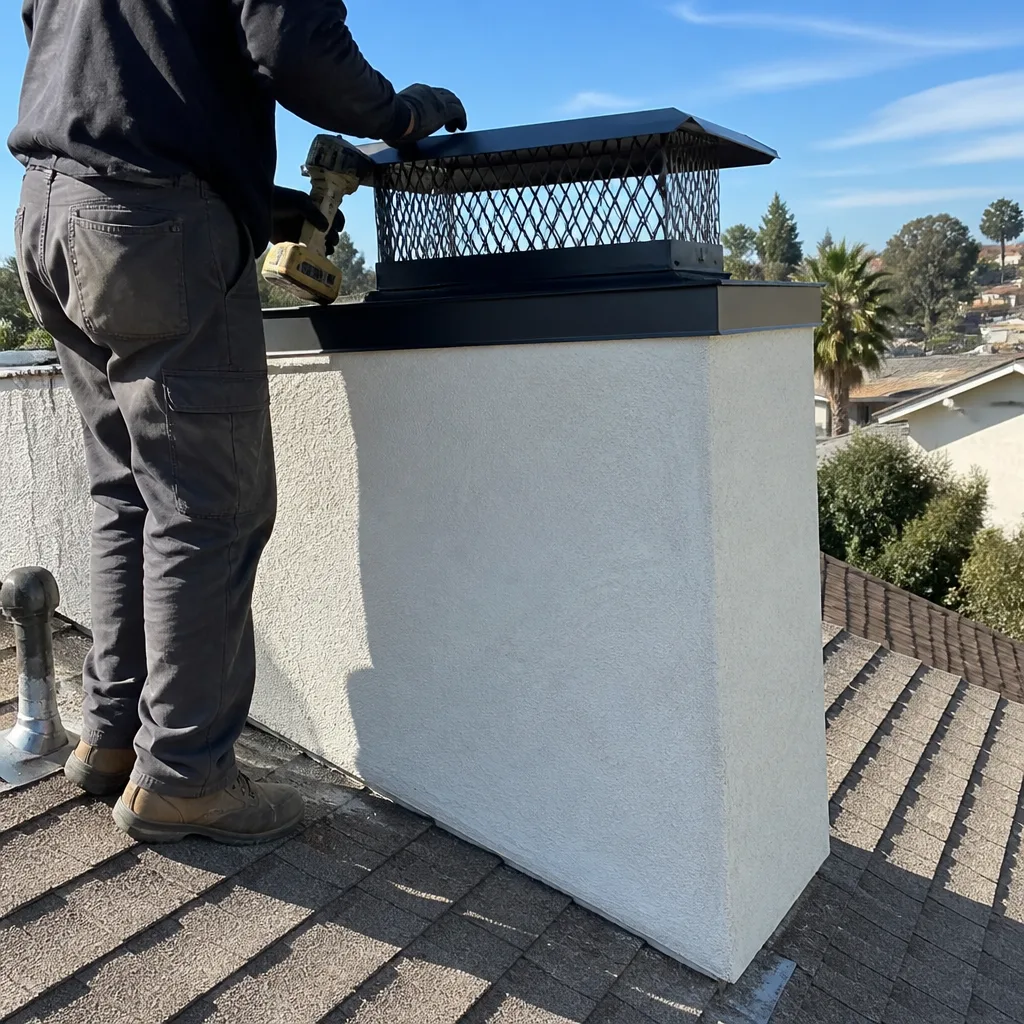 After
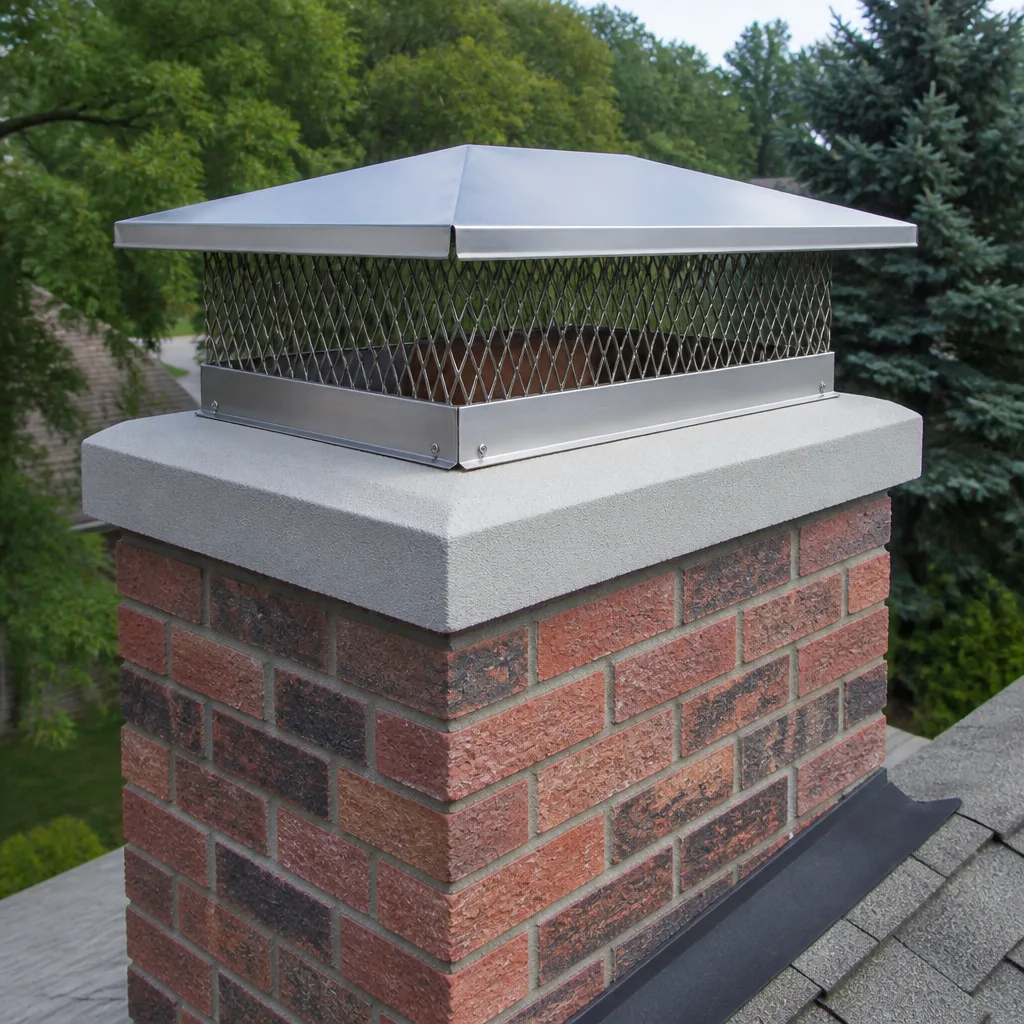
After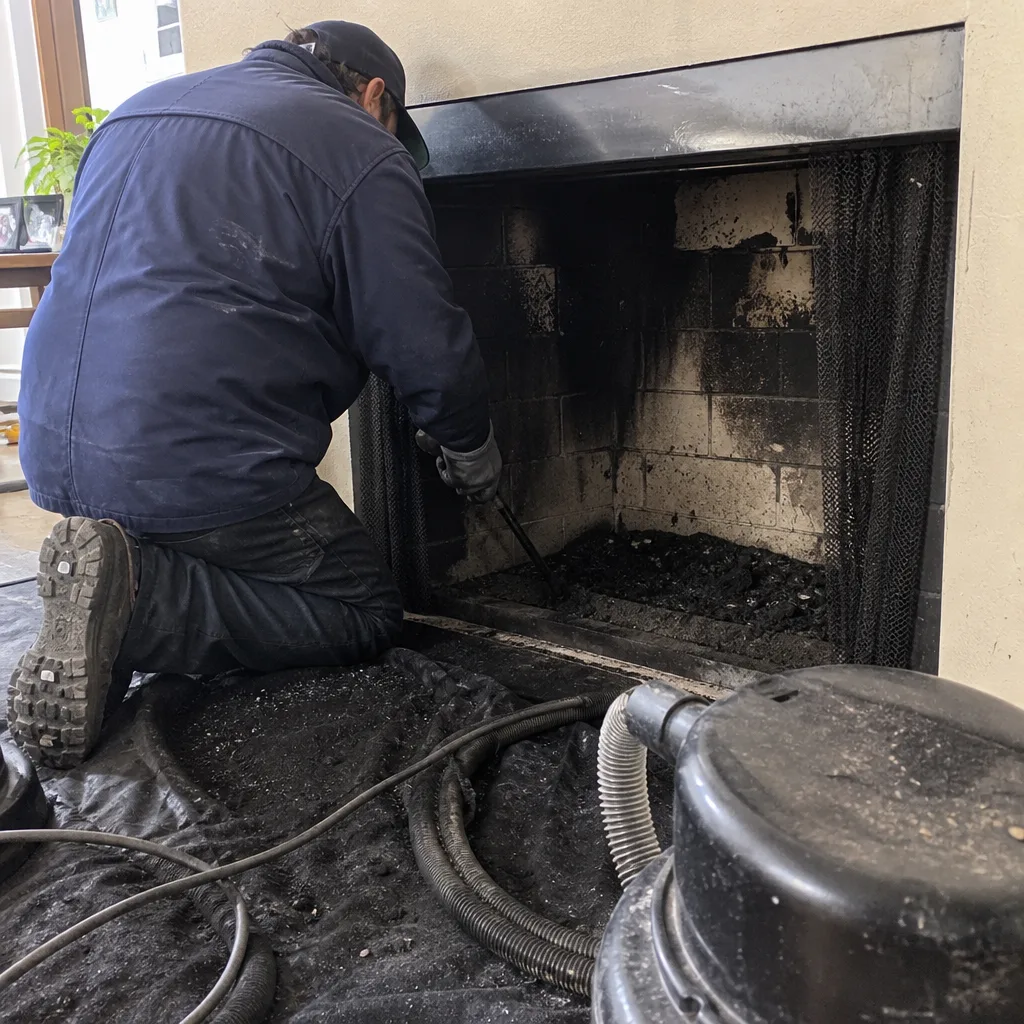 Before
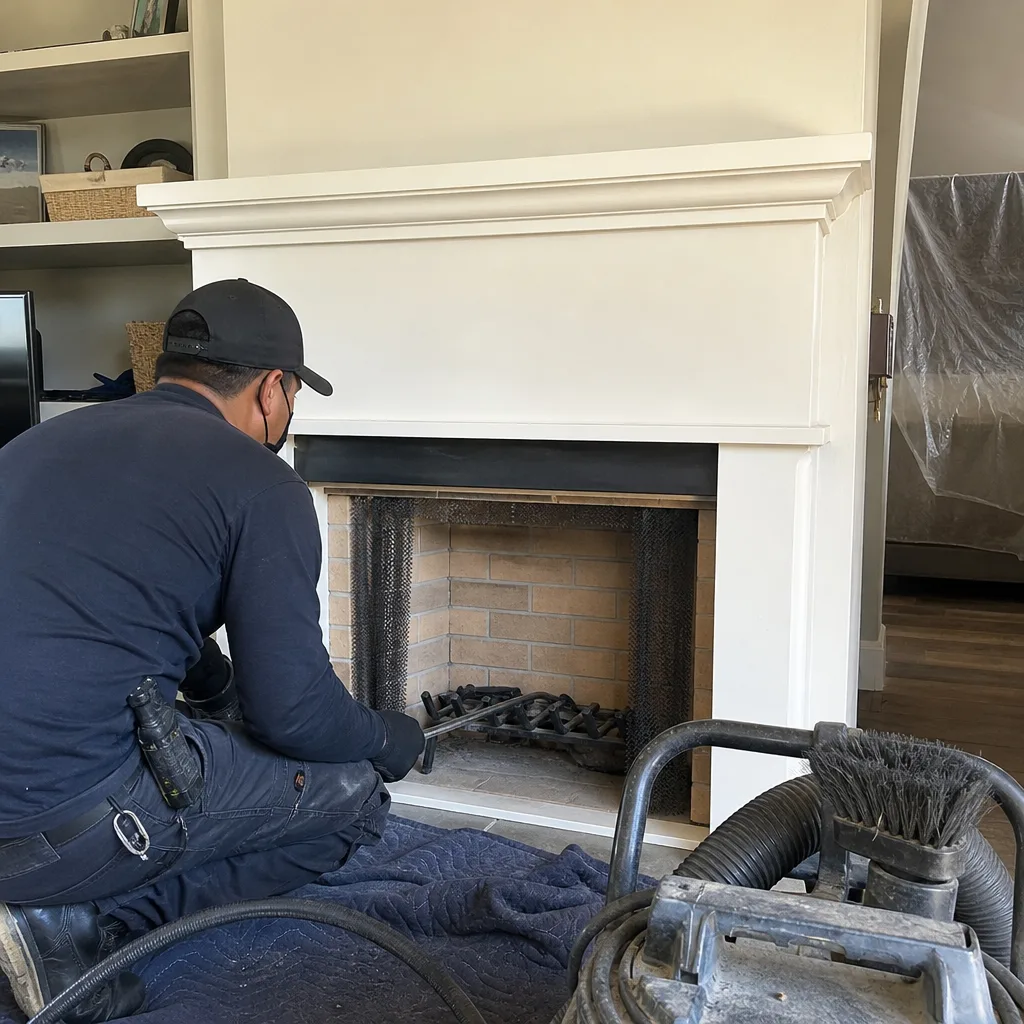 After
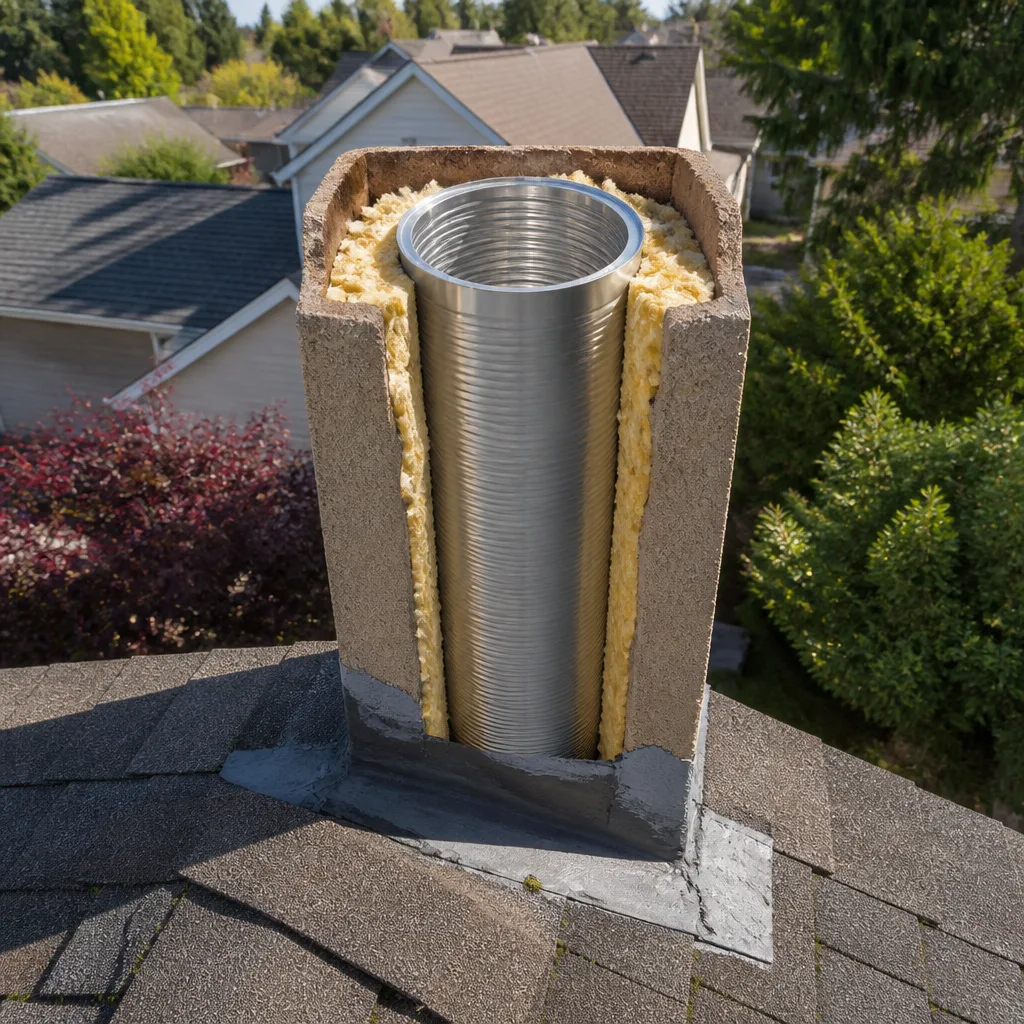
After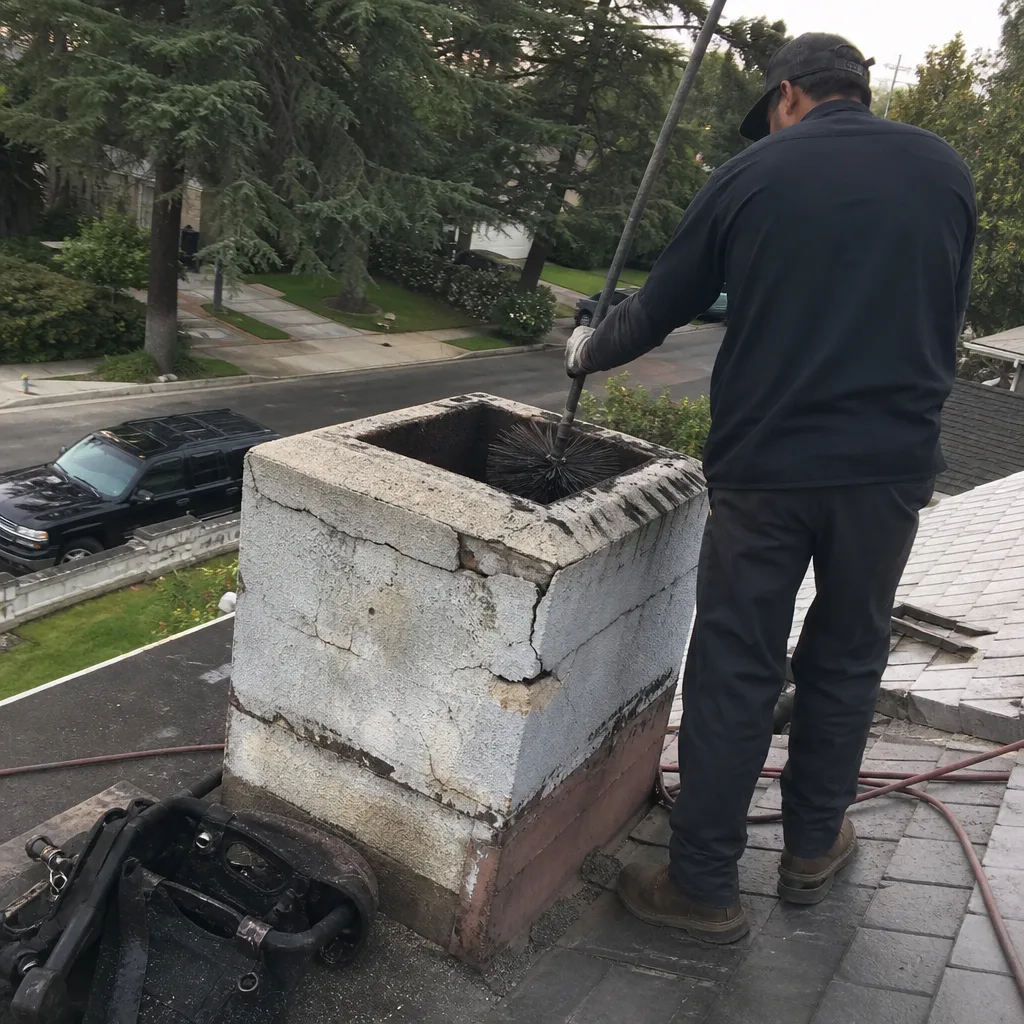 Before
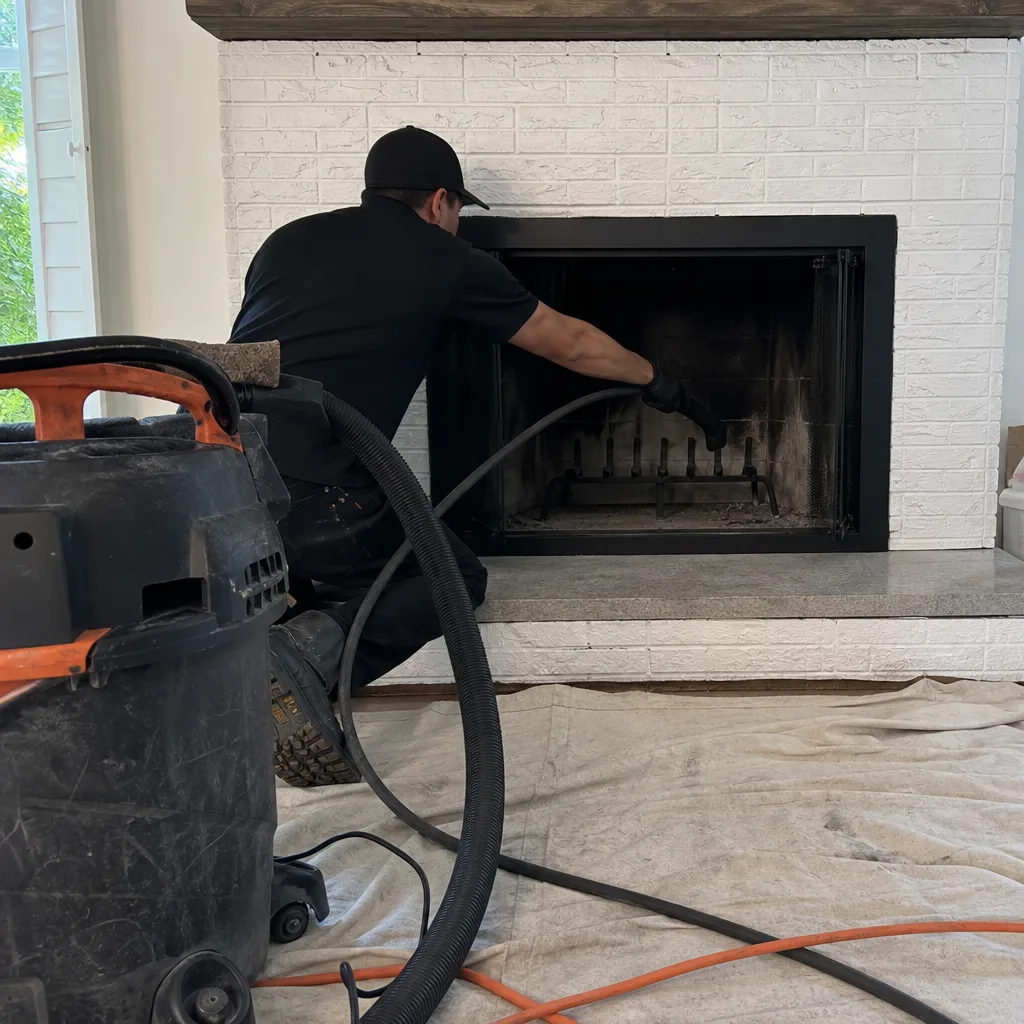 After
AfterFast, Reliable Chimney Inspection Across Enterprise
In Enterprise, a chimney inspection usually costs between $169 and $329, and the most common call we take is a first-time Level 2 inspection on a factory-built gas fireplace that has never been looked at since the day the house closed. These are not masonry chimneys in most cases. They’re prefabricated metal flue systems inside stucco chases, and they fail in ways unique to this part of the Mojave Desert. Our Chimney Inspection team knows exactly what to look for in homes off the 215, from Silverado Ranch Boulevard up through the newer tracts near Southern Highlands. If your fireplace has never been inspected, call us at (336) 863-3889. We’ll tell you what you have, what it needs, and what it costs before any work starts.
Why Alcott Chimney Sweep Is Enterprise’s Preferred Chimney Inspection Company
Ruben Castellano has built Alcott Chimney Sweep around one idea since 2002: homeowners should never have to guess who’s coming to their door or what the work will cost. Every technician who serves Enterprise is background-checked and identity-verified under the Threshold Standard. You get the technician’s name and photo before we arrive, and they wear a photo ID badge when they ring the bell. No exceptions. Enterprise homeowners tell us that’s the reason they called us instead of someone else. When you’re home with young kids or you’re older and cautious about strangers, knowing exactly who’s walking up your driveway matters.
We answer our phones with a live person around the clock. If you smell something odd near the fireplace at 11 p.m., you talk to a human, not a voicemail queue. For Enterprise specifically, our crews know the tract layouts, the builder patterns, and the failure modes that show up in homes built between 2003 and 2022 throughout Enterprise. That local familiarity means we find problems faster and explain them in plain terms.
Chimney Leak in Enterprise
A Chimney Leak in Enterprise is almost never water coming down the brick, because most homes here don’t have brick. It’s water entering the framed stucco chase that surrounds a factory-built metal flue. The water typically gets in through a rusted or buckled chase cover, failed flashing where the chase meets the roof, or a cracked stucco crown that was never properly sealed at the time of construction. Homeowners usually notice it as a water stain on the ceiling near the fireplace, peeling paint on the chase, or a musty smell inside the firebox after a monsoon storm. A chimney leak investigation in Enterprise typically runs $149 to $249, depending on whether we’re pulling just the cap or running a full Chimney Inspection with a camera.
The Mojave heat is brutal on metal. Galvanized chase covers that builders installed in the mid-2000s are now buckling, rusting through, and letting monsoon rain and dust straight down into the flue. Ruben’s crews see this on homes that are barely 15 years old. The homeowner assumes the house is “basically new” and can’t figure out where the water is coming from.
What a Leak Search Actually Involves
We start at the roof line. The chase cover comes off, the flashing gets checked, and we inspect the stucco for hairline cracks along the top edges. From there, we drop a camera down the flue to see what got in and what’s been damaged. The photo report you get shows the actual conditions, not a sketch. If the liner is intact and only the cap failed, that’s what we tell you. If the chase cover needs replacing, we quote a written price before we touch it. Every repair carries a written guarantee, and if it fails within the coverage period, the second visit is free.
Sealing and Flashing Repairs
Most Enterprise leak problems come down to the chase top. We install replacement caps made for the specific zero-clearance unit in your home, using brands like Gelco and Olympia Chimney that are made for this climate. The flashing detail where the stucco meets the roof is another frequent culprit, especially on two-story tract homes where builder-grade sealant gave out years ago. We reseal, reflash, and verify the fix with a water test before we leave.
Chimney Camera Inspection in Enterprise
A Chimney Camera Inspection in Enterprise is the most useful service we offer for a home where the fireplace has barely been used and nothing looks broken. In this climate, that’s the exact scenario where hidden damage lives. The camera shows us the inside of a factory-built metal flue that a visual inspection from the top or bottom simply can’t reach. On zero-clearance gas systems, we’re looking for rust on the inner pipe walls, separated flue sections, bird or rodent debris, and heat-damaged panels that never would have been caught from the firebox alone. A camera inspection in Enterprise runs $129 to $229 as part of a Level 2 inspection, and we prefer to do one whenever a chase cover has been compromised.
What the Camera Finds in Enterprise Homes
Up in the Enterprise master-planned tracts off the 215 corridor, our technician opened a stucco chase on a 2007 build to find the original builder-grade galvanized chase cover buckled and rusted through from the summer heat load. A family of birds had dropped debris down the metal flue past a fully closed damper, so we pulled the cap, ran a chimney camera inspection, and confirmed the DuraFlex liner and firebox were intact without any third-degree creosote since the fireplace had only ever burned gas. That’s a $900-plus repair the homeowner would have needed later if the corrosion had spread. The camera told us it hadn’t.
When Enterprise Homeowners Should Request One
If your home is more than eight years old and you’ve never had the flue inspected, book a camera inspection as part of the first visit. If you’ve seen water stains near the chase, heard birds inside it, or smelled a stale odor from the firebox in summer, the camera is the fastest way to know what’s actually wrong. We do this for real estate transactions too, including seller inspections and buyer-side verification in the ZIP codes around Enterprise.
Trusted Brands We Service in Enterprise
Most Enterprise fireplaces are factory-built units from a handful of manufacturers, and getting parts right matters more than most homeowners realize. We service and install DuraFlex liner systems, HeatShield resurfacing, Gelco caps and terminations, Olympia Chimney components, and Famco chase covers. These are the same trade brands chimney professionals specify, not generic substitutes from a hardware aisle. If your chase cover or cap needs replacing, we match the part to the specific fireplace model in your home, and we stock common Enterprise replacements to avoid multi-week waits when the monsoon season exposes a leak.
Common Chimney Inspection Problems We See in Enterprise Homes
- Rusted-through galvanized chase covers. Original builder covers routinely fail within 10 to 15 years under the 115°F-plus surface heat of a Mojave summer. Once they rust through, desert dust, monsoon rain, and birds get straight into the flue.
- Untouched first-generation zero-clearance fireplaces. Because winter use is only 60 to 90 days a year, many Enterprise homes built after 2004 have never had any inspection at all. The first service call usually happens when a visible failure appears, and by then the repair is more expensive.
- Cracked stucco crowns and failed flashing. The chase is a framed wood structure, not masonry. When the stucco crown cracks and flashing separates, water enters the wooden chase and leaks to interior ceilings before anyone notices a fireplace problem.
- Debris and nesting inside the flue. Open or collapsed chase covers invite birds and rodents into the metal flue. Debris sitting on top of a closed damper is not just a fire risk when the gas unit lights; it also traps moisture and accelerates rust from the inside out.
Pricing for Chimney Inspection in Enterprise, NV
A standard Level 1 inspection in Enterprise runs $169 to $229 for homes with a single factory-built fireplace and an accessible chase. A Level 2 inspection, which includes the camera run through the flue and a detailed visual of the chase interior, typically lands between $279 and $329. If the inspection turns into a repair, we hand you a written price before any work begins. Nothing gets done without your approval. Estimates are free, and the quote includes everything: parts, labor, and the 365-day Done Right Promise that says if the repair fails, the second visit is free. Call (336) 863-3889 and we’ll give you an exact number for your specific setup.
We Also Serve Cities Near Enterprise
Alcott Chimney Sweep handles inspections across the Las Vegas Valley. If you’re in Las Vegas, Henderson, North Las Vegas, or Spring Valley, the same team serves those communities. Enterprise homeowners often ask if we cover nearby cities too, and the answer is yes. For chimney work anywhere in the valley, our Chimney Inspection in Enterprise page has the full local detail, and our crews dispatch throughout the metro.
Serving Enterprise, NV - Our Local Coverage Area
We’re based in the Enterprise area and know this community well. Use the map below to see our service coverage - if you’re nearby, we can almost certainly help.
FAQs About Chimney Inspection in Enterprise
Yes, and it’s precisely because you barely use it that you should get one. Factory-built gas fireplaces in Enterprise sit in stucco chases that are exposed to extreme UV and summer heat every single day, whether or not the fireplace ever lights. Chase covers and caps corrode from the outside, not from use. If it’s never been inspected, you likely have original flashing and a builder-grade cap that are already aging. A Level 1 inspection costs under $230 and tells you what’s actually there. Call (336) 863-3889 to book yours.
A Level 2 inspection covers everything a Level 1 does plus the interior of the flue, usually with a camera. On a zero-clearance gas unit in an Enterprise tract home, that means removing the chase cover or inner panels to inspect the flue interior, checking all clearances to combustibles, verifying the termination cap, and looking at the firebox, damper, and gas line connections. It runs $279 to $329 here. The standard for real estate transactions and any home that has had a cover failure, water intrusion, or animal nesting.
Because the outside of a chimney can look perfect while the inside is failing. A 2012 build in Enterprise may have a mint stucco chase and a firebox that still sparkles, but the galvanized flue inside that chase has been baking in Mojave heat for over a decade. Only a camera shows you rust, separated pipe sections, or debris behind the damper. For a $129 to $229 add-on, you avoid finding out about a bad flue after water is already coming through the ceiling.
Look at the top of the chase from the street or driveway. Rust streaks, visible buckling, gaps between the chase and the metal cover, or peeling brown residue running down the stucco are all signs. You may also hear birds, smell stale air from the firebox, or see water stains near the fireplace in late summer after monsoon storms. If any of that sounds familiar, we’ll inspect the cover during a standard chimney inspection and tell you honestly if it can wait or if it needs replacement.
Yes. We work with DuraFlex liners, HeatShield resurfacing, Gelco terminations, Olympia Chimney caps, and Famco chase covers, which covers the vast majority of zero-clearance factory fireplaces installed in Enterprise tract homes since the early 2000s. Bring us the model number from the panel inside the firebox, or we can identify it on site. Parts are matched to the manufacturer specification, and every repair is backed by the 365-day Done Right Promise: if it fails within the coverage period, the second visit is free. Call (336) 863-3889 for an exact quote.
Written by Ruben Castellano, Owner at Alcott Chimney Sweep, serving Enterprise and the Las Vegas Valley since 2002.