
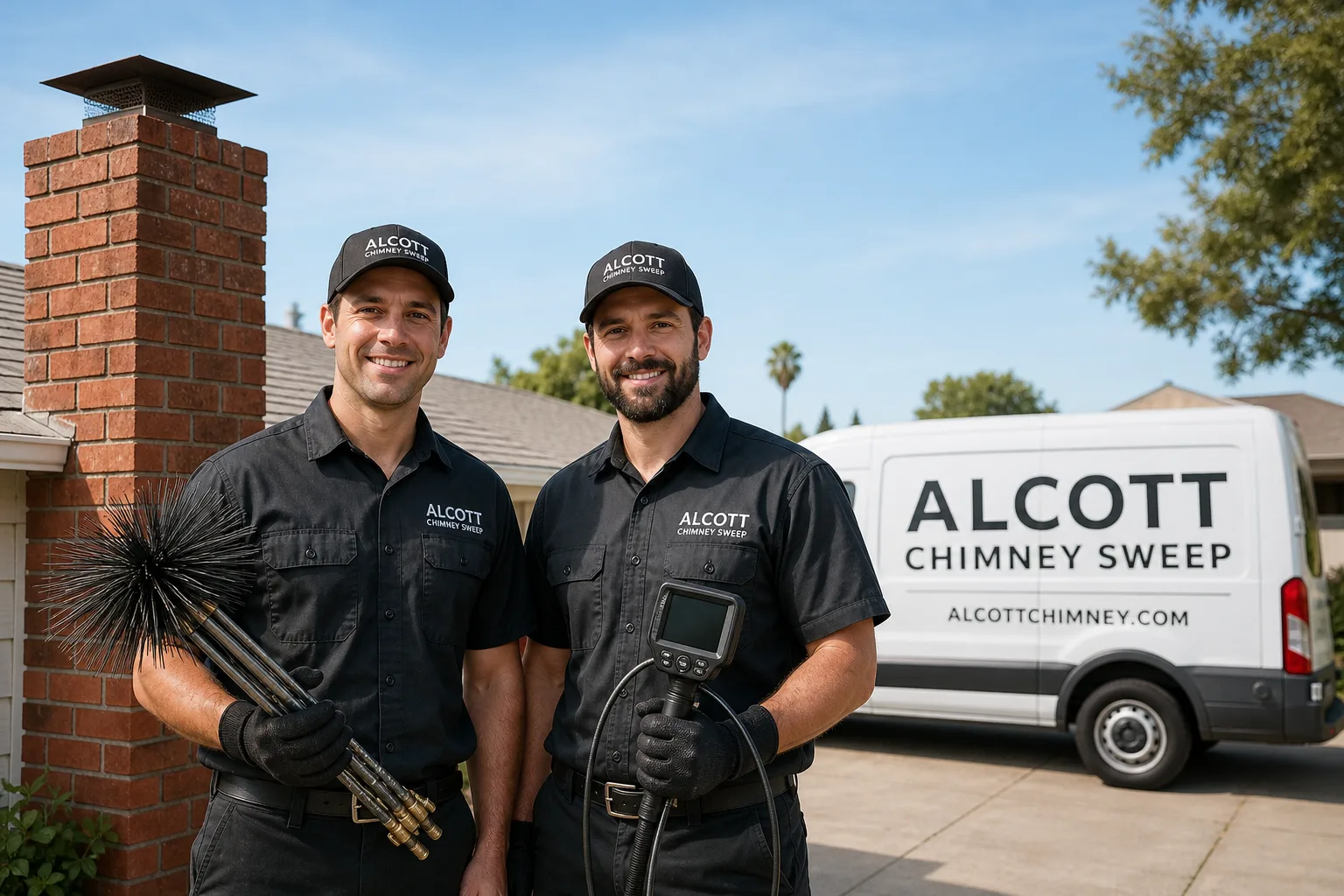
Level 1 sweep and inspection to the NFPA 211 annual standard - flue, crown, cap, and flashing checked and photographed
Chimney sweep logs do not sweep chimneys. They loosen some creosote - which then falls where a brush and vacuum still have to collect it.
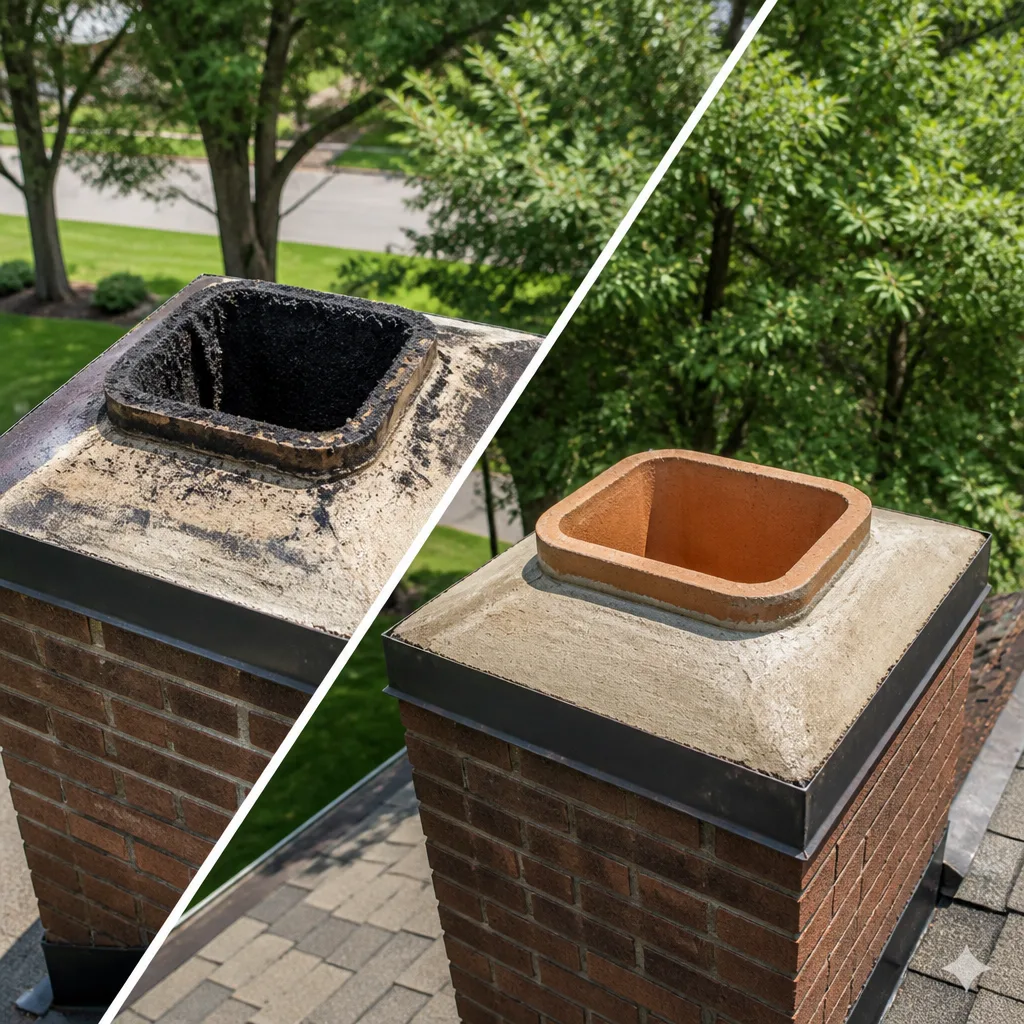
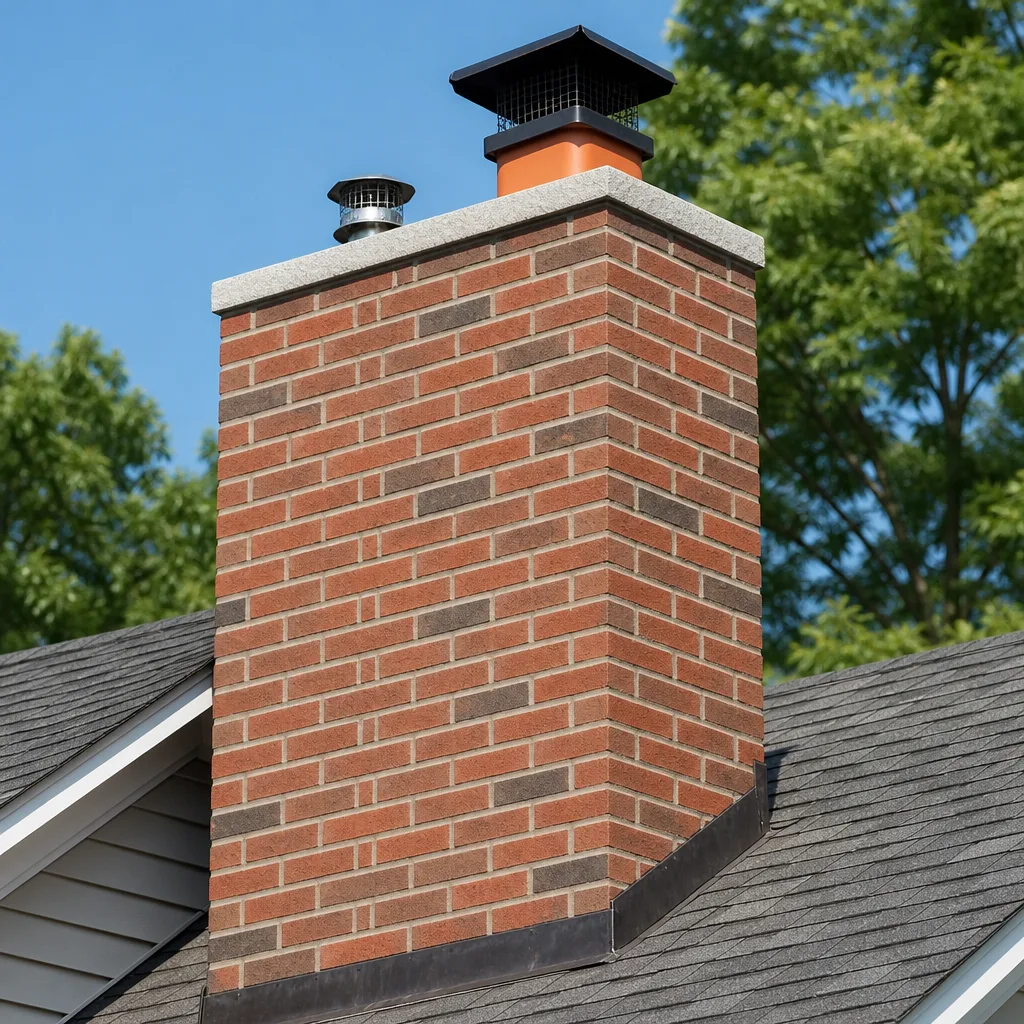
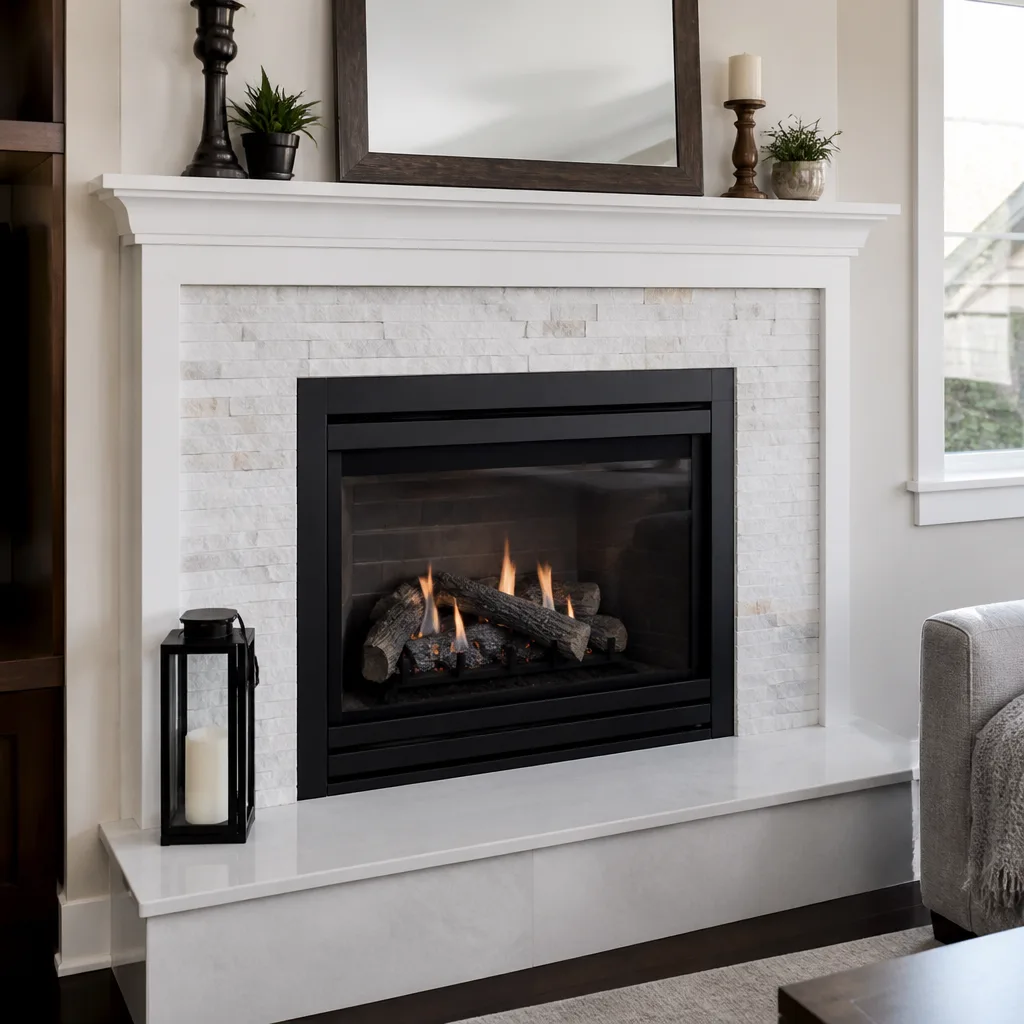
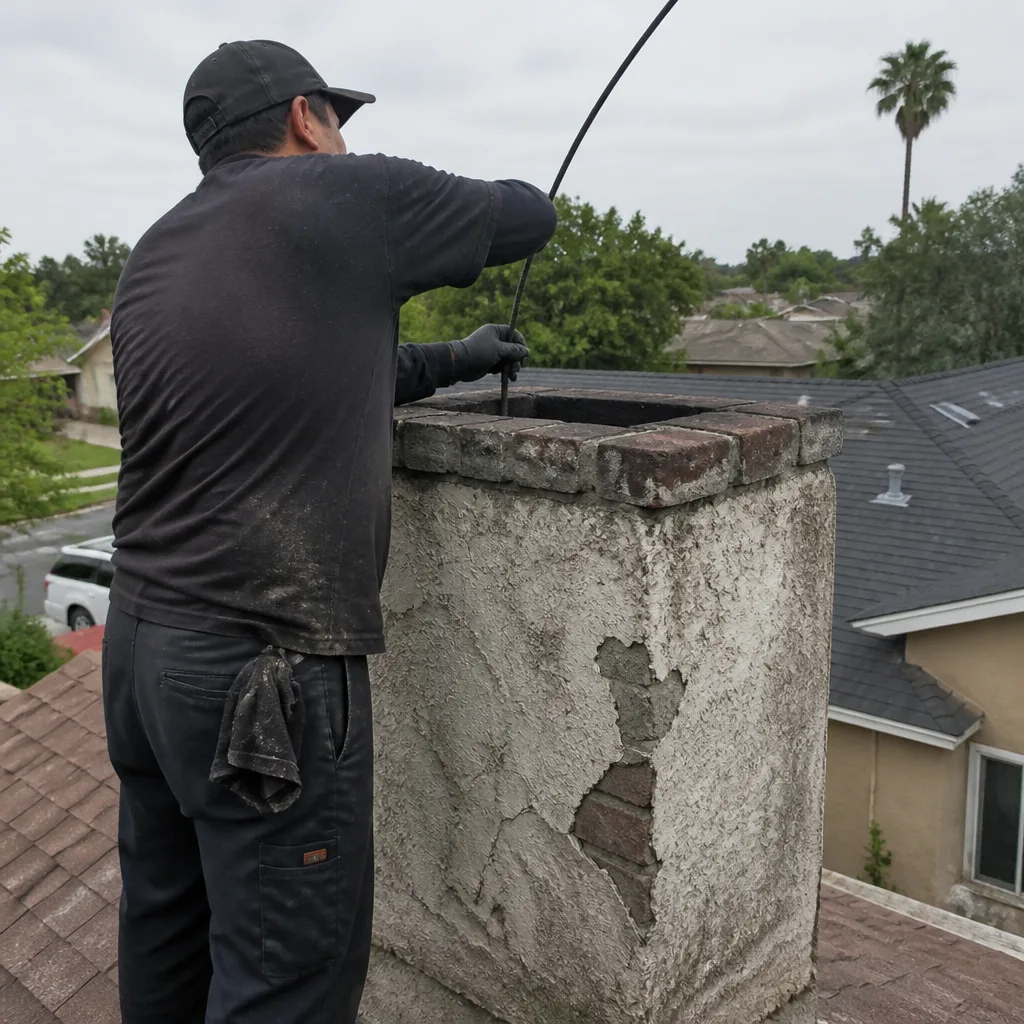 Before
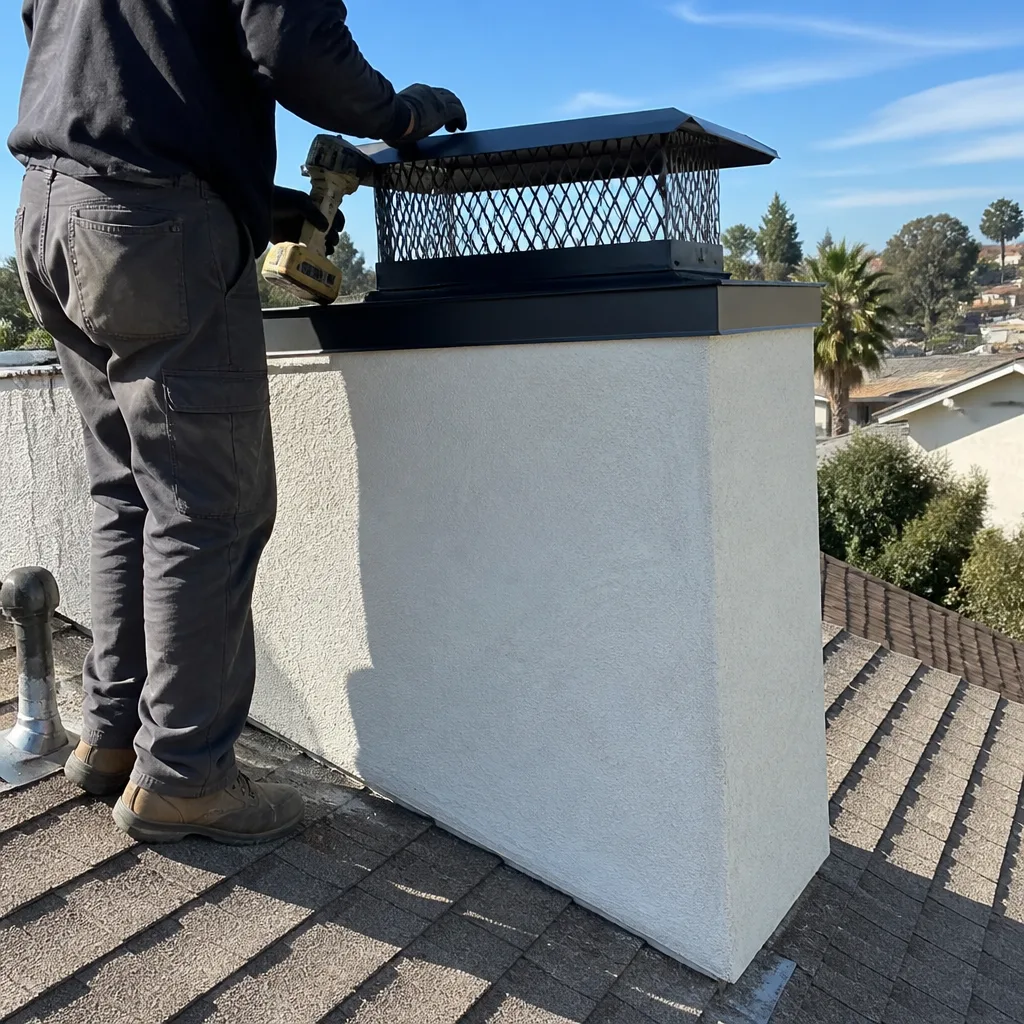 After
After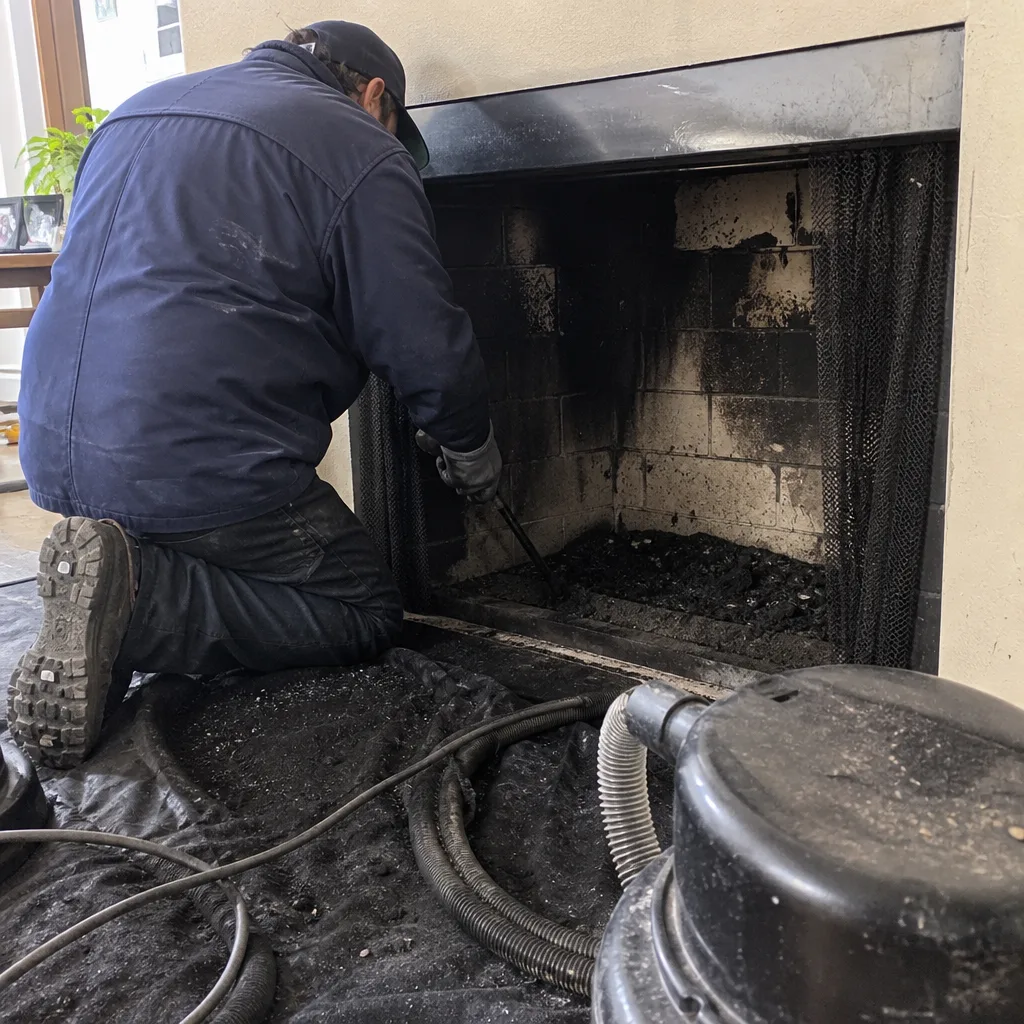 Before
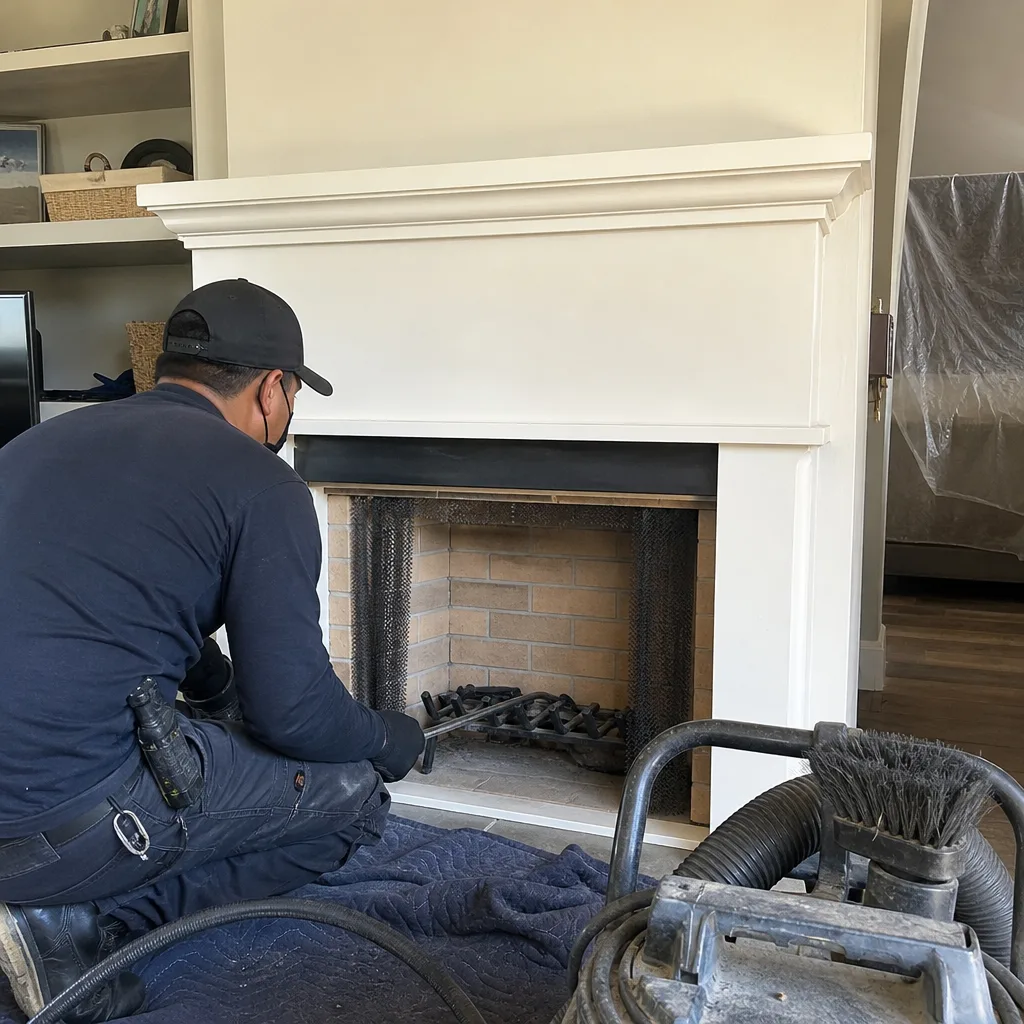 After
After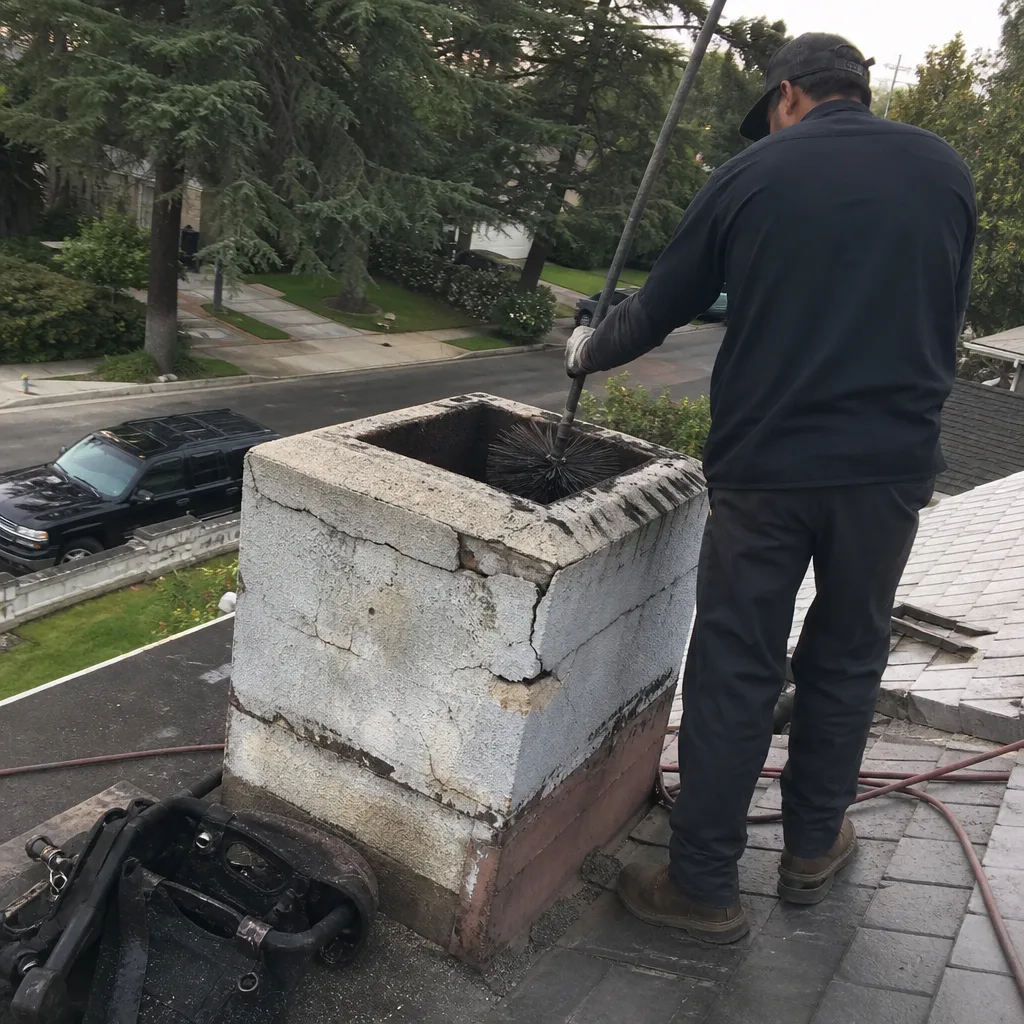 Before
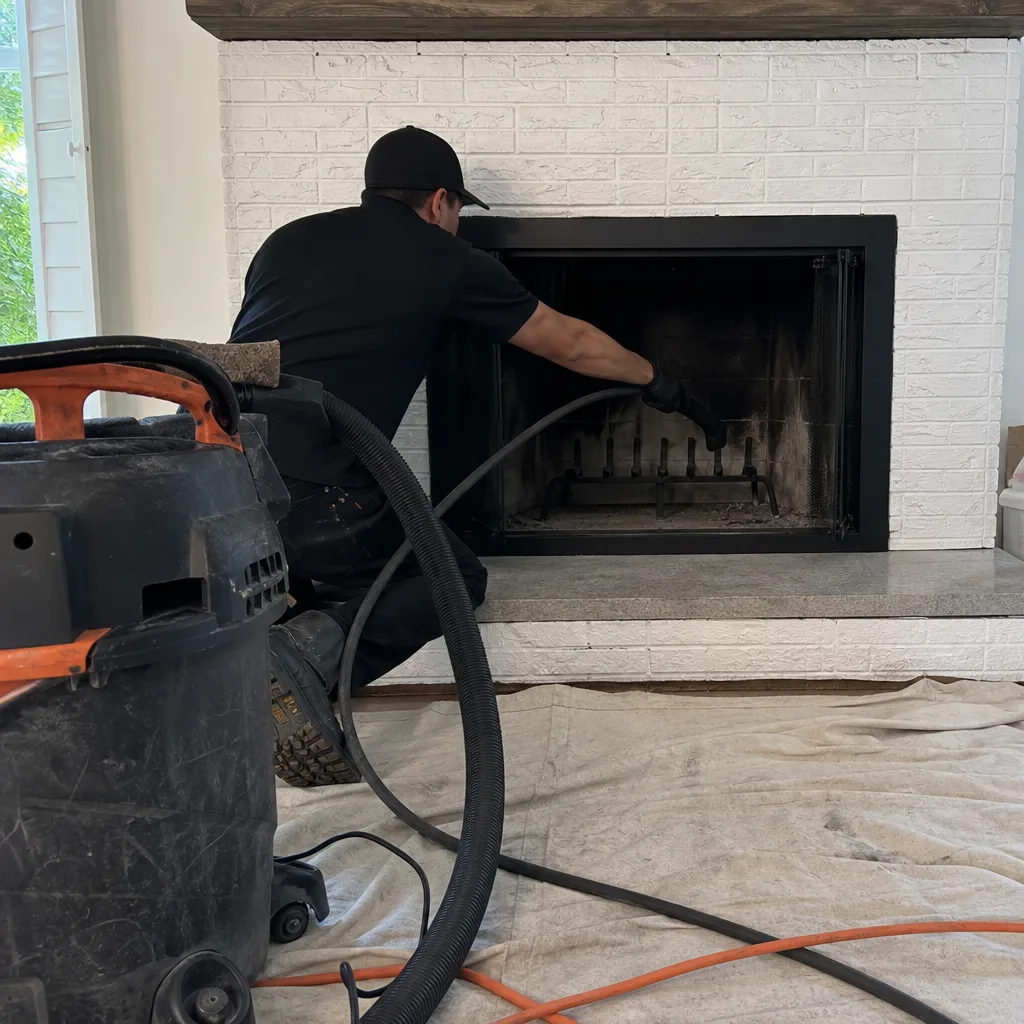 After
AfterFast, Reliable Chimney Inspection Across Glenside
A Level 2 chimney inspection in Glenside typically runs $249 – $449, depending on the size of the flue and whether we’re running a camera the full length of the stack. Most inspections take 60 – 90 minutes on site, and you get a written report with photos before we leave the driveway. If you own one of Glenside’s pre-WWII brick or fieldstone homes, the inspection is not a formality – it’s how you find out whether a coal-era flue is still safe to use. Call (336) 863-3889 to book an inspection, and you’ll know the technician’s name and see their photo before we arrive.
Why Alcott Chimney Sweep Is Glenside’s Preferred Chimney Inspection Company
We’ve spent years working the streets of Glenside, from the twin-and-row blocks off Easton Road to the larger Victorian and Colonial Revival homes near Keswick. The local housing stock has a specific set of problems, and our Chimney Inspection team knows them by sight: oversized coal-era flues running too cool, shared stacks in attached homes, and clay tile liners cracked by Montgomery County freeze-thaw cycles. Ruben Castellano built Alcott on a simple rule – show the homeowner exactly what the camera sees, explain it in plain English, and put a written price in their hand before any repair work begins. That’s the standard on every inspection we do in Glenside, no exceptions.
Every technician who knocks on a Glenside door is background-checked and identity-verified under the Threshold Standard. You get their name and photo sent to you before the visit, and they carry a photo ID badge at the door. It’s not a request – it’s how we work, every time. And when something feels off at 11 p.m., a live person answers the phone. Not a callback queue.
Level 2 Chimney Inspection in Glenside
A Level 2 Chimney Inspection in Glenside is what we recommend for most of this town’s homes, because the houses simply aren’t new. Built mostly between 1895 and 1935, Glenside’s brick and fieldstone homes carry tall multi-flue stacks that were sized for coal, not the gas and oil appliances hooked to them today. A Level 2 inspection includes everything in a Level 1, plus a camera run through every accessible flue, an examination of the attic and crawlspace where the chimney passes through, and a close look at the crown, cap, and masonry from the roof. In Glenside, it’s the inspection that actually finds the problems that matter. Expect to pay $249 – $449, with the final number tied to flue length and stack height.
When a Glenside Homeowner Needs a Level 2
If you’ve just bought the home, you need one before your first fire. The same applies if the property sat vacant for a season, if you’ve switched fuels – say, from oil heat to gas – or if you’ve had a chimney fire, a lightning strike, or significant water intrusion. Real estate transactions in Glenside almost always warrant a Level 2 because the inspector’s standard visual walkthrough rarely catches a cracked third flue hiding behind a thick fieldstone wall.
What the Camera Finds in Glenside’s Older Stacks
In attached and semi-attached homes across Glenside, multiple flues share a single stack. The camera shows us which flue is cracked, which one is packed with debris, and whether a neighbor’s abandoned appliance flue sits within inches of your active gas boiler flue. That adjacency is a carbon monoxide risk, and you cannot spot it from the ground.
Chimney Leak in Glenside
A Chimney Leak in Glenside usually costs $189 – $520 to diagnose and fix, depending on whether the crown needs rebuilding, flashing needs replacing, or water has slipped behind the brick face. The hard freeze-thaw cycles Montgomery County delivers every winter pull apart the lime-mortar joints and brick crowns on these early 20th-century stacks, and each cycle lets more water in. By the time a homeowner sees a stain on the ceiling, the damage inside the flue is often already underway. We find the actual entry point, show it to you on camera, and write the repair price before any work starts.
Where Glenside Chimney Leaks Actually Start
Nine times out of ten, the problem is a deteriorated crown or missing cap – not cracked brick. On Glenside’s older stacks the original crown was often formed from the same lime mortar as the chimney itself, which is far too soft for a horizontal surface. Once the crown erodes, water follows the flue liners down and freezes, splitting clay tiles along the way.
Why the Chase Matters on Attached Homes
In row and twin homes along the blocks off Easton Road, water entering a shared chase doesn’t respect property lines. What looks like your neighbor’s leak can travel through the common stack and surface on your side of the wall. A camera inspection of the chase tells us whose flue is carrying the moisture and what it’s doing to the liners around it.
Trusted Brands We Service in Glenside
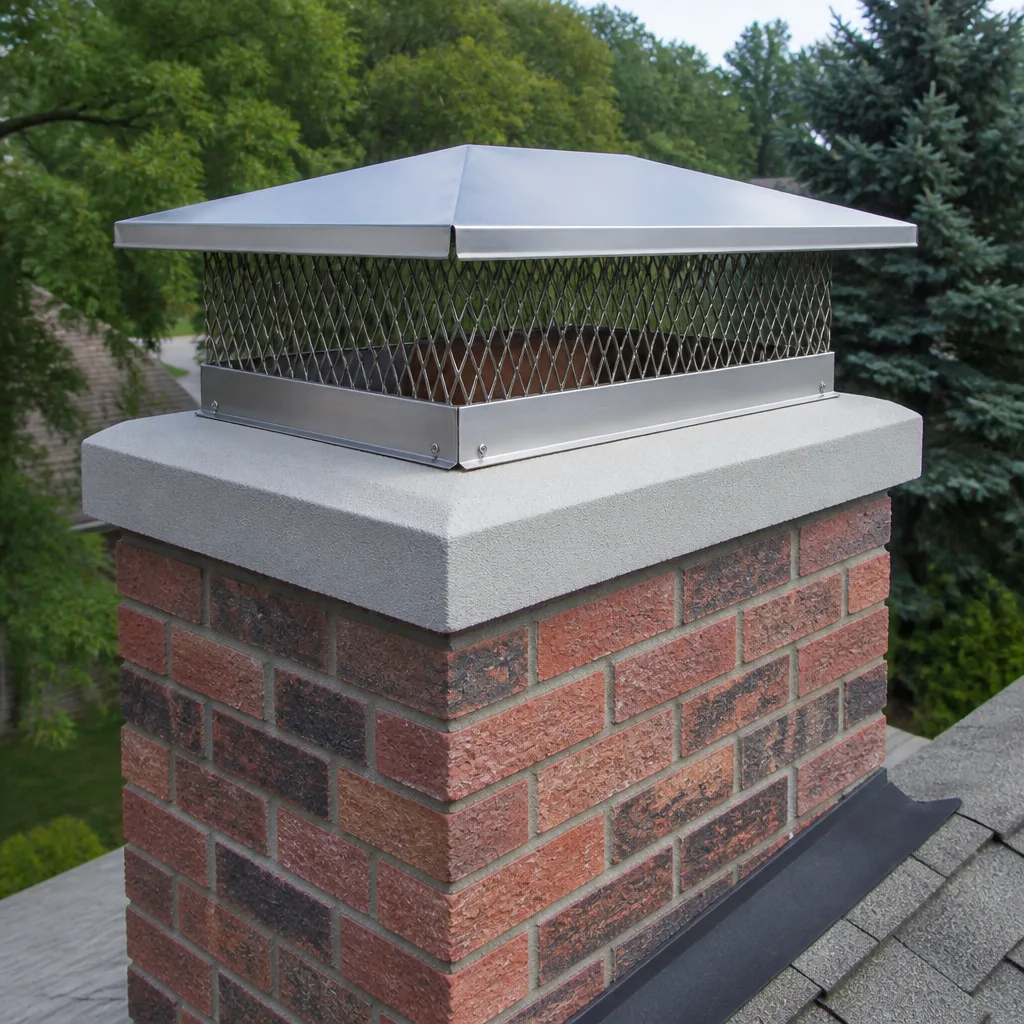
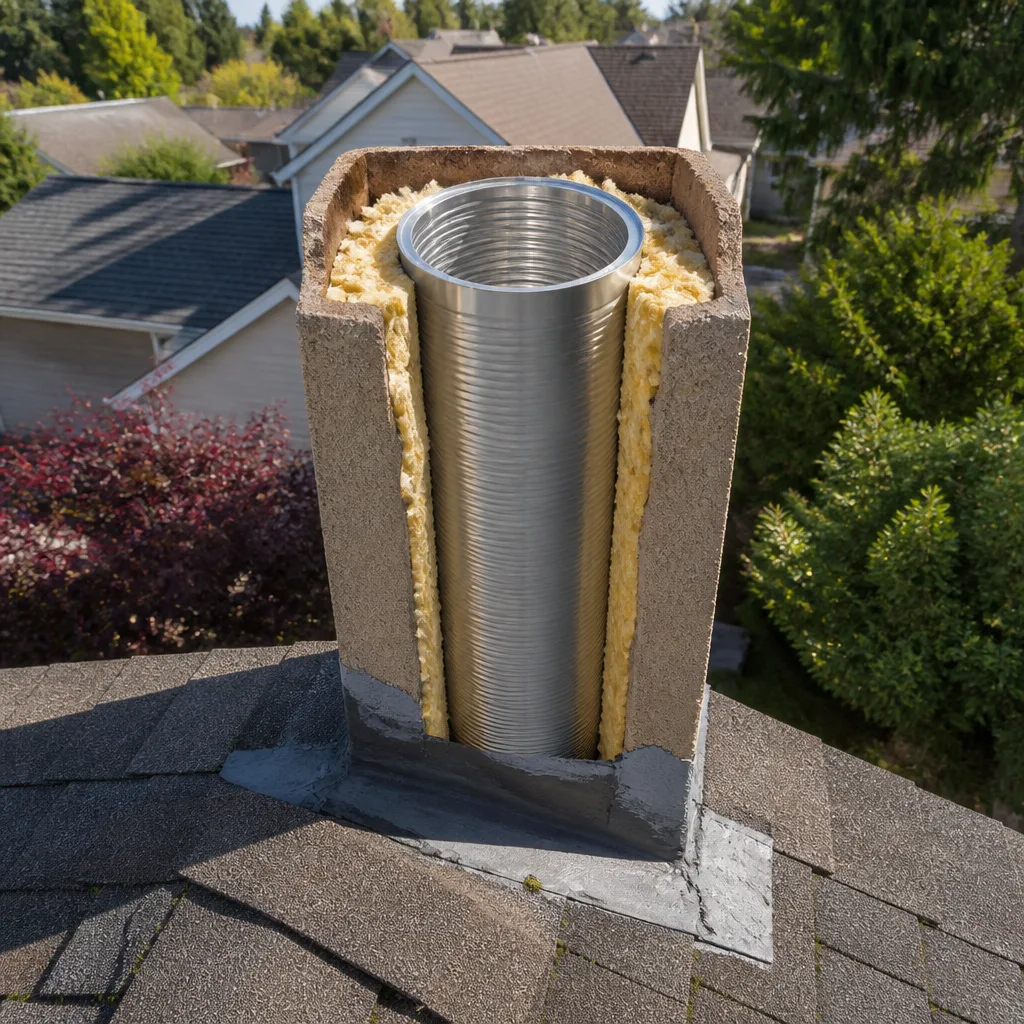
We carry and install the professional trade materials these older Glenside chimneys need, including HeatShield liner repair systems, Gelco chimney caps, and Olympia Chimney products. We don’t substitute box-store components. When a Glenside homeowner needs a flue liner resurfaced or a crown rebuilt, our truck is stocked with the same materials a chimney professional specifies, and we can often complete the repair the same day we do the inspection. If a part has to be ordered, we tell you the lead time before we leave.
Common Chimney Inspection Problems We See in Glenside Homes
- Oversized coal-era flues running too cool. Built to draft coal heat, these flues now handle gas or oil exhaust at lower temperatures, producing chronic condensation. That moisture eats clay tile liners from the inside out, often within a decade of fuel conversion.
- Abandoned third flues sitting inches from active gas flues. The coal kitchen range is long gone, but its flue is still in the stack, often packed with mortar rubble and creosote. A cracked, shared wythe between that dead flue and your live boiler flue is a hidden carbon monoxide pathway.
- Freeze-thaw stress on original lime-mortar joints and crowns. Montgomery County’s repeated freezes and thaws are brutal on century-old lime mortar. Each cycle opens the joints a little more, and the harder modern mortars used in past patch jobs can trap moisture against the soft brick and accelerate spalling.
- Fieldstone stacks masking interior liner damage. Glenside’s thick Pennsylvania fieldstone walls hold their shape even when the clay tile liners behind them have sheared apart. A homeowner sees a solid-looking chimney, but the camera shows gaps you could stick a finger through. That’s exactly why a Level 2 inspection matters here.
Pricing for Chimney Inspection in Glenside, PA
A Level 1 visual chimney inspection in Glenside runs $129 – $179, and it’s the right starting point if your chimney has been regularly used and recently swept. A Level 2 camera inspection, which we recommend for every home built before 1935 in this area, runs $249 – $449. Level 3 inspections, which involve opening a portion of the chimney structure and are only done when a Level 2 reveals significant damage, start at $449 and are priced after we show you the camera findings. Every inspection includes a written report with photos. Call (336) 863-3889 for a free estimate – we’ll give you a firm inspection price before the appointment, not after.
We Also Serve Cities Near Glenside
Our Chimney Inspection in Glenside team covers the surrounding Montgomery County communities too, including Oreland, Jenkintown, Elkins Park, and Flourtown. If you’re just outside Glenside and wondering whether we cover your block, call us – if you’re within a short drive of Keswick, the answer is almost certainly yes, and the dispatch and scheduling are handled from our Philadelphia office.
Serving Glenside, PA - Our Local Coverage Area
We’re based in the Glenside area and know this community well. Use the map below to see our service coverage - if you’re nearby, we can almost certainly help.
FAQs About Chimney Inspection in Glenside
A 1920s Glenside chimney has flues that were designed for coal, and unless you’ve had them inspected with a camera, you don’t know what condition they’re in. Your neighbor may have already had a Level 2 done, may have replaced their liners, or may simply be overdue. Between 1895 and 1935, builders ran multiple flues through a single stack, and those flues have had a century of thermal cycling, moisture, and sometimes abandonment. If you haven’t had a camera in the flue since buying the home, you’re overdue. Call (336) 863-3889 and we’ll schedule a Level 2 with a written report before we leave.
It can be, yes. In Glenside’s attached and semi-attached homes, shared stacks mean your active gas boiler flue may sit within inches of a neighbor’s abandoned or deteriorating flue. If the partition between those flues has cracked – and after 90 years of freeze-thaw, many have – their exhaust can cross into your flue and into your living space. The only way to know is a camera inspection of your side of the stack. If there’s any doubt, call (336) 863-3889 and get a Level 2 scheduled.
The leak itself is probably not the brick – it’s the crown and the mortar joints. Glenside’s older chimneys were built with soft lime mortar and crowned with the same material, which erodes under decades of Montgomery County freeze-thaw cycles. Water gets into the crown, freezes and expands inside the flue, then thaws and drips further down. We find the entry point with a camera, rebuild the crown with a proper Portland-based mix, and seal the joints. Most winter leak repairs in Glenside run $189 – $520. Call (336) 863-3889 for an exact quote – the estimate is free.
First-degree creosote is dry, flaky soot – a normal byproduct of burning wood, and it brushes out easily. Second-degree is crunchy, tar-like flakes that form when the flue runs cooler, which happens a lot in Glenside’s oversized coal-era flues. Third-degree creosote is a hard, glossy, tar-like glaze that bonds to the flue wall. It’s extremely difficult to remove by brushing and it’s the leading fuel for chimney fires. If the camera shows third-degree creosote, we don’t just sweep – we talk about resurfacing options like HeatShield. Call (336) 863-3889 and we’ll tell you exactly what’s in your flue.
Yes, and here’s why: that abandoned flue was probably built for a coal kitchen range, and it may sit within inches of your active gas boiler flue. If it’s packed with debris and mortar rubble – which we frequently find in Glenside homes – it can trap moisture, corrode the surrounding brick, and create a pathway for carbon monoxide to cross into your living space. We inspected a brick-and-fieldstone block off Easton Road in the Keswick area where a homeowner had no idea the third flue existed until our camera found it packed with spalling mortar and sitting adjacent to a live boiler flue. We cleared it, resurfaced the boiler flue liner with HeatShield, and capped the stack. The inspection cost less than the potential hazard. Call (336) 863-3889 and we’ll find yours.
Written by Ruben Castellano, Owner at Alcott Chimney Sweep, serving Glenside since 2002.