
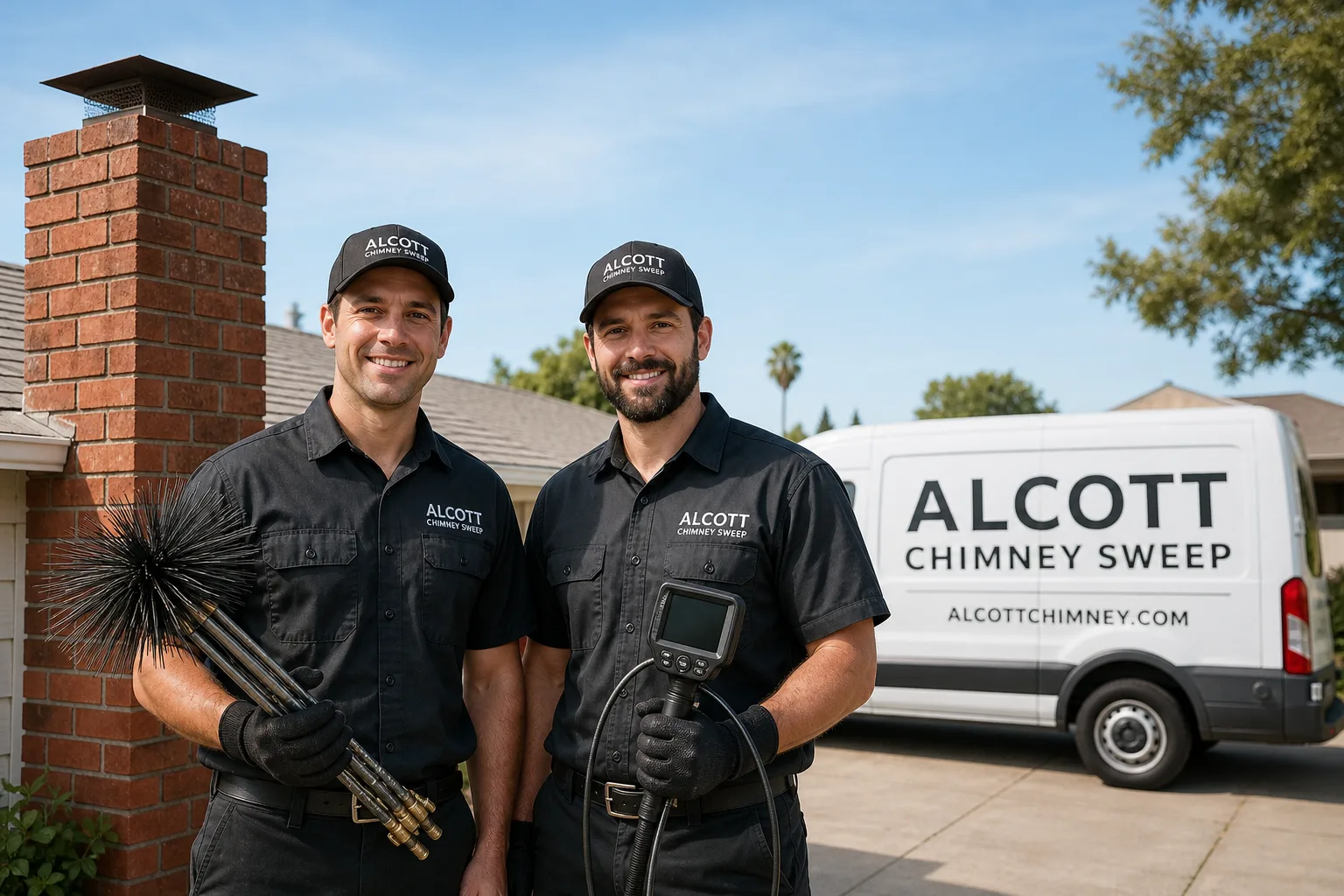
Level 1 sweep and inspection to the NFPA 211 annual standard - flue, crown, cap, and flashing checked and photographed
Chimney sweep logs do not sweep chimneys. They loosen some creosote - which then falls where a brush and vacuum still have to collect it.
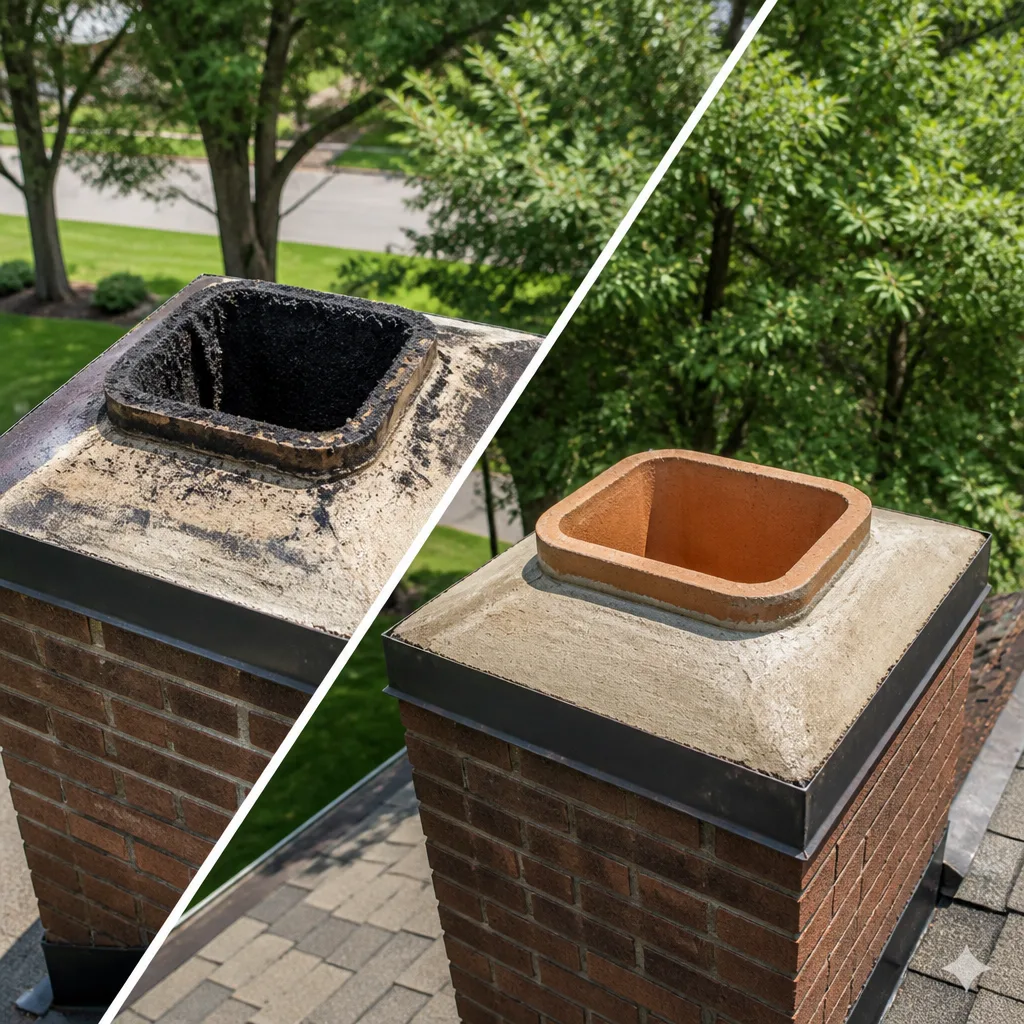
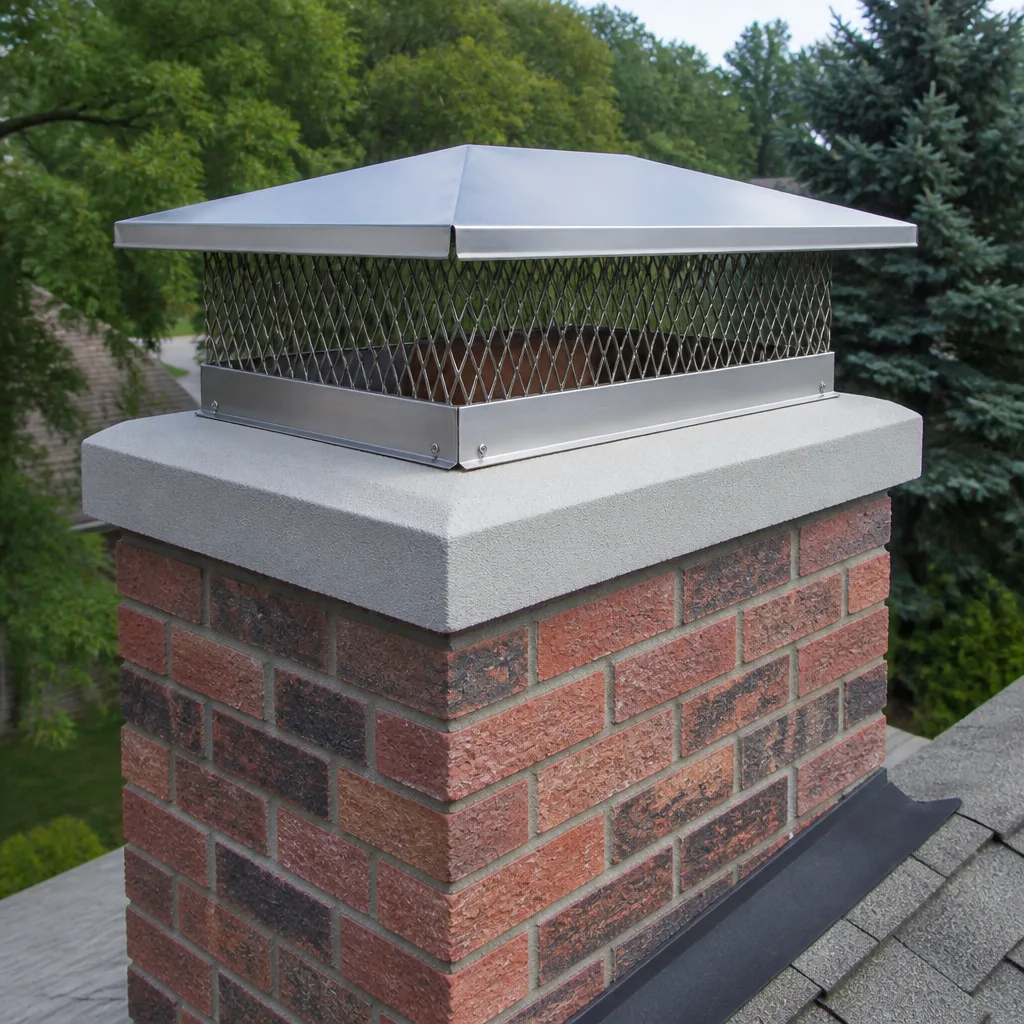
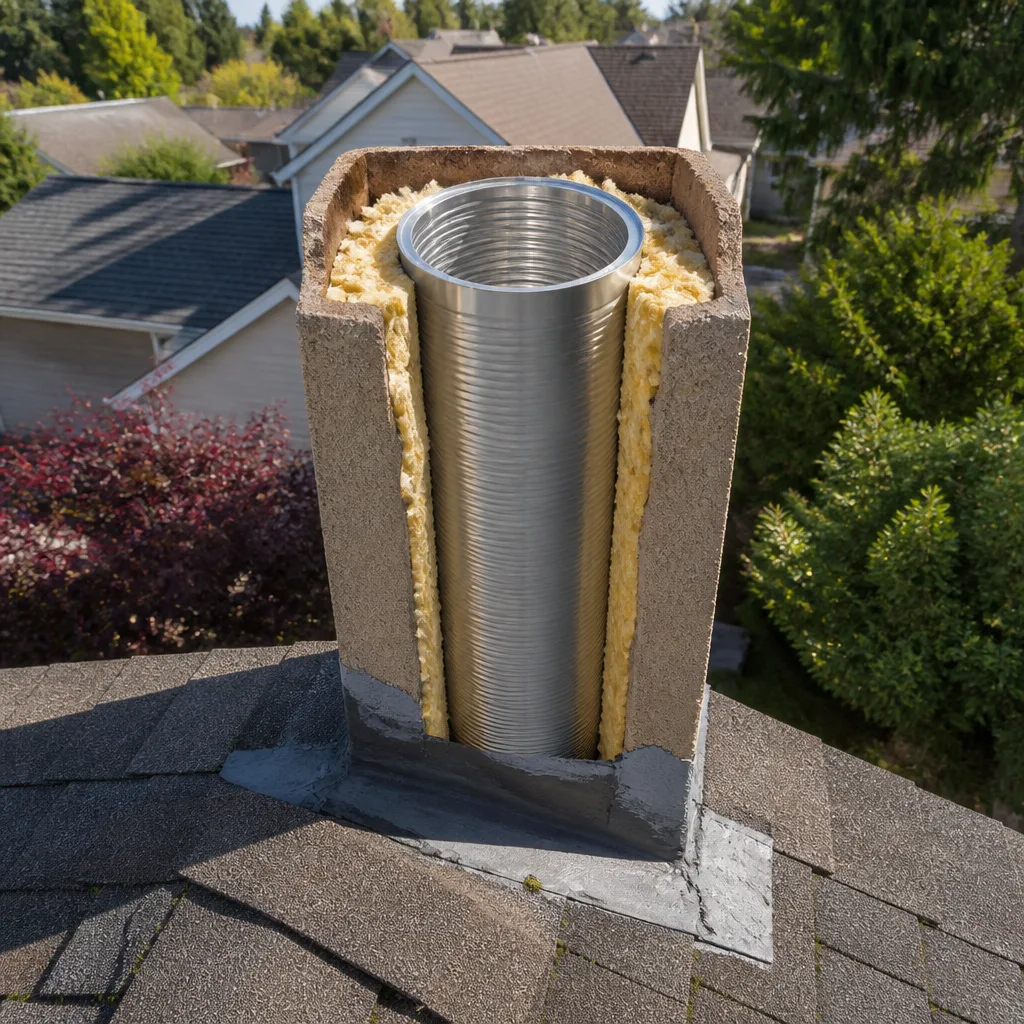
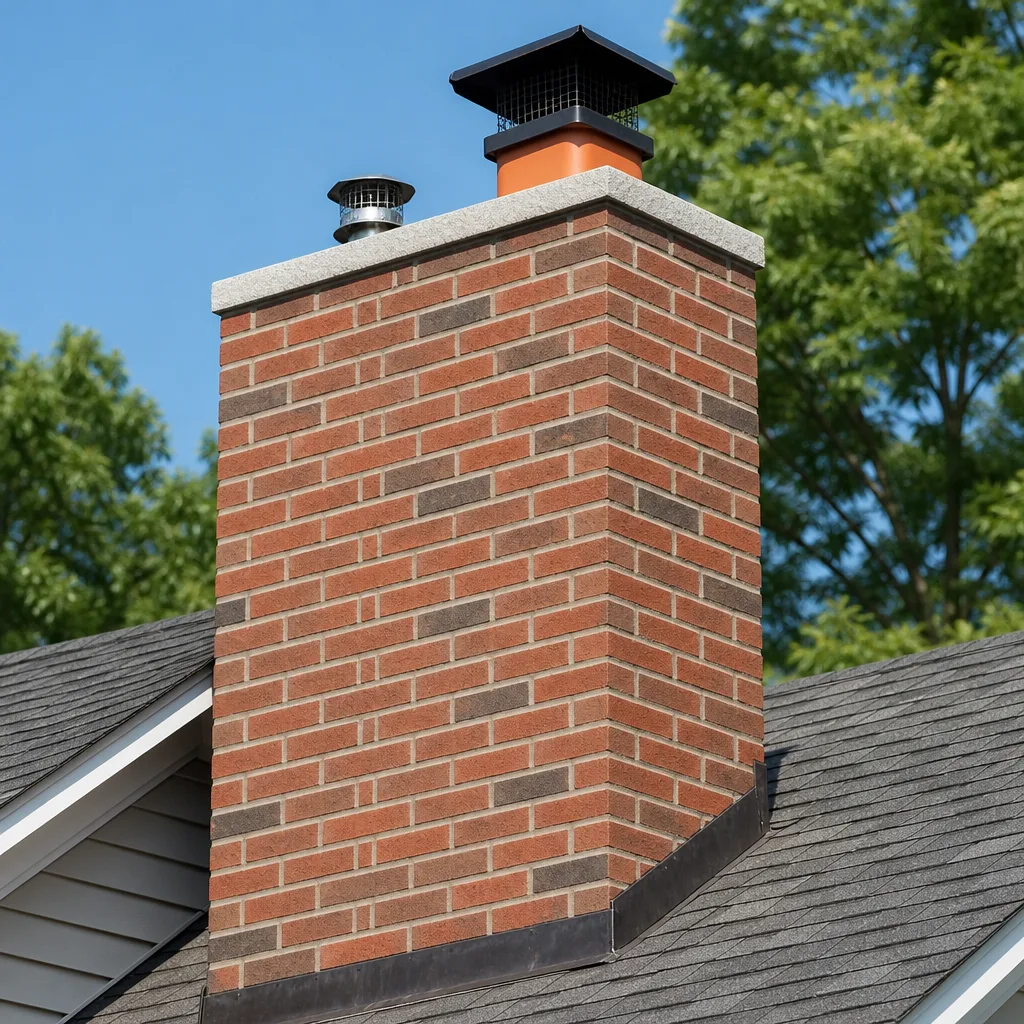
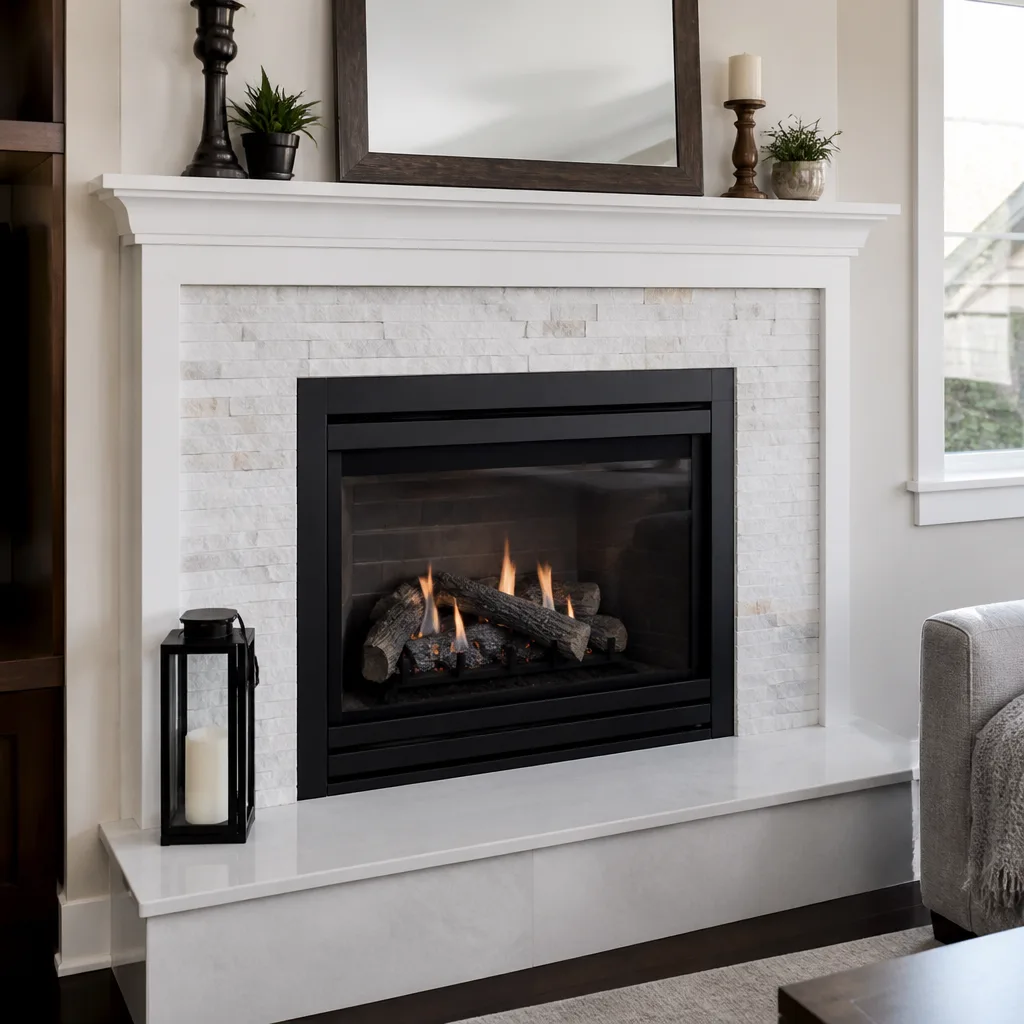
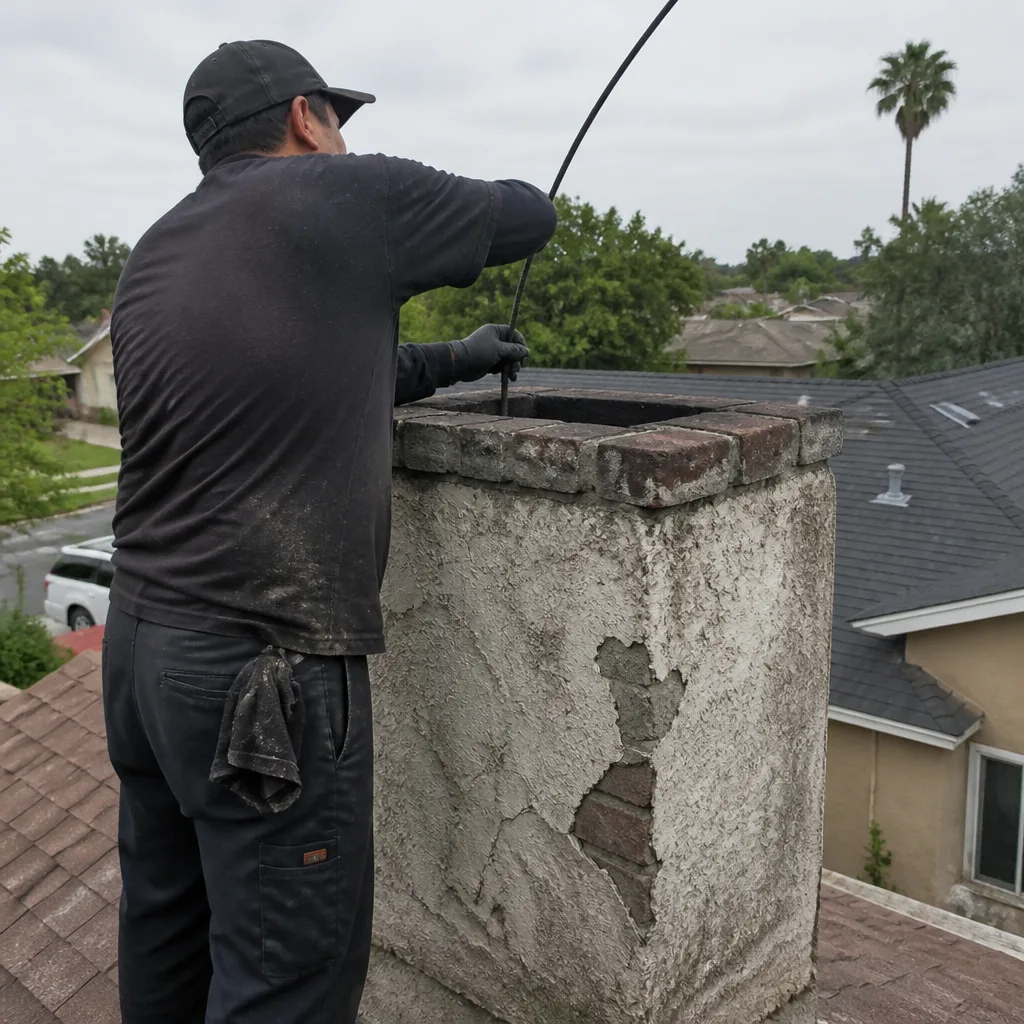 Before
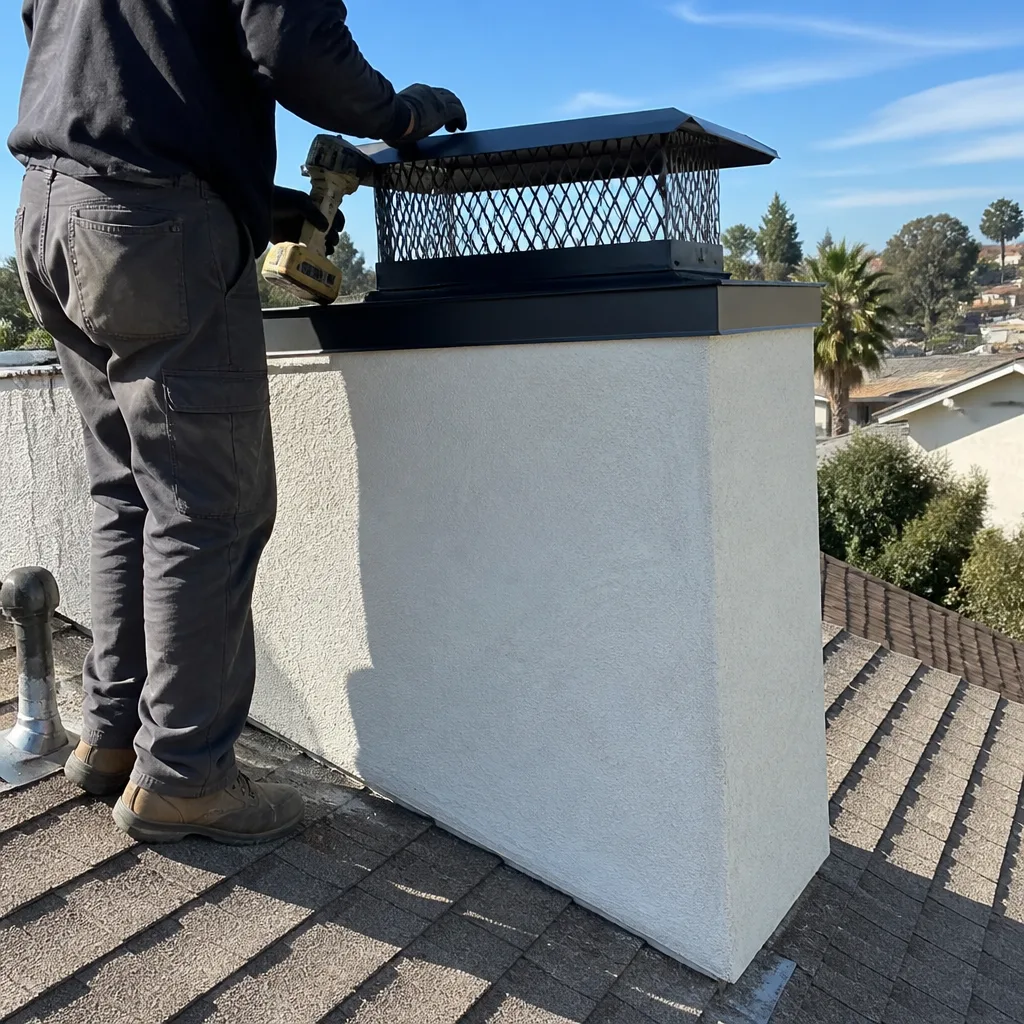 After
After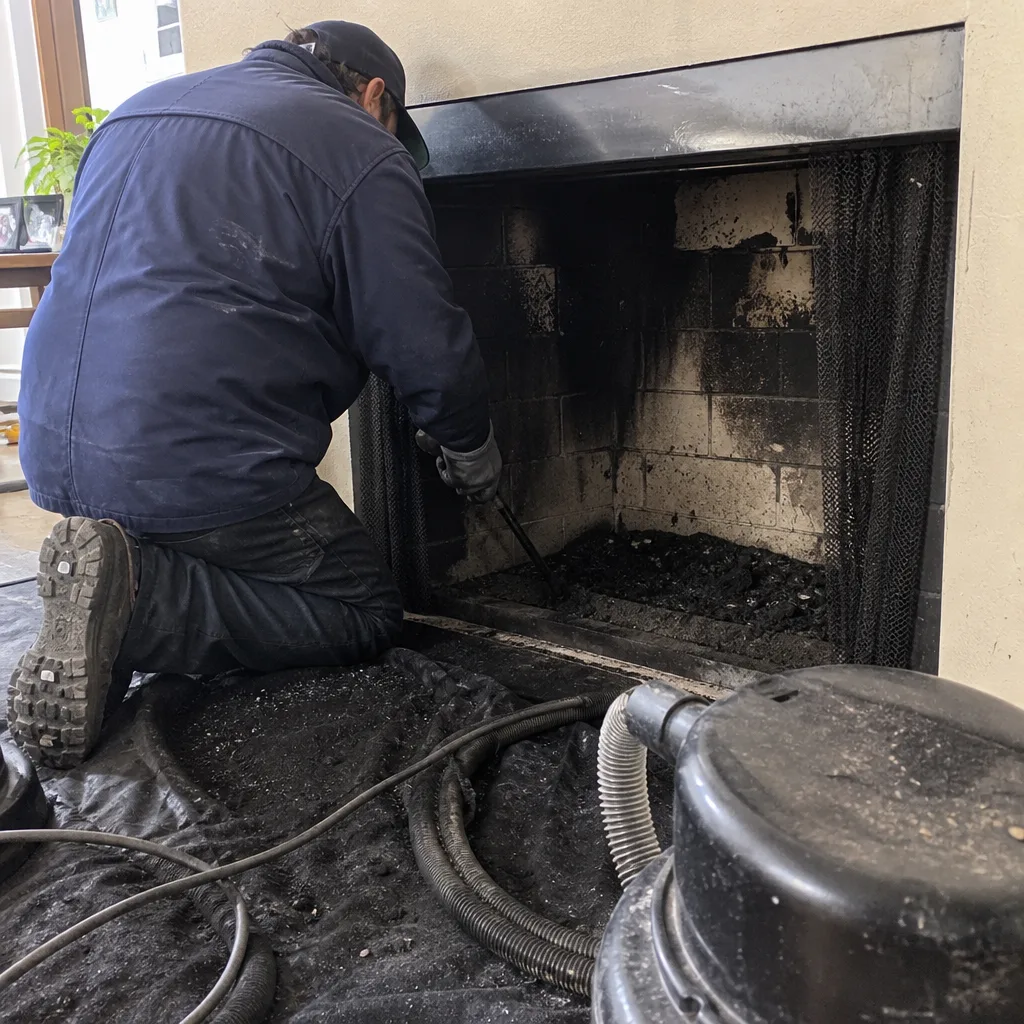 Before
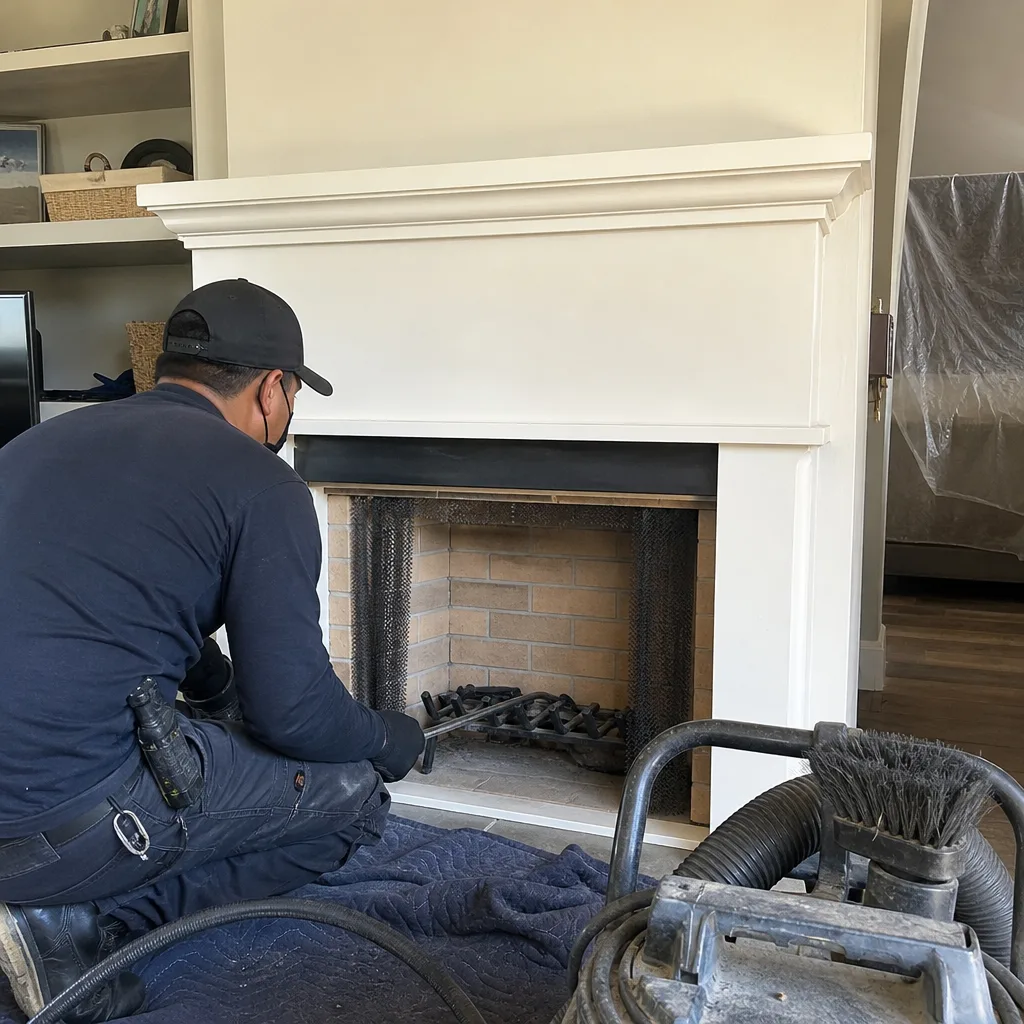 After
After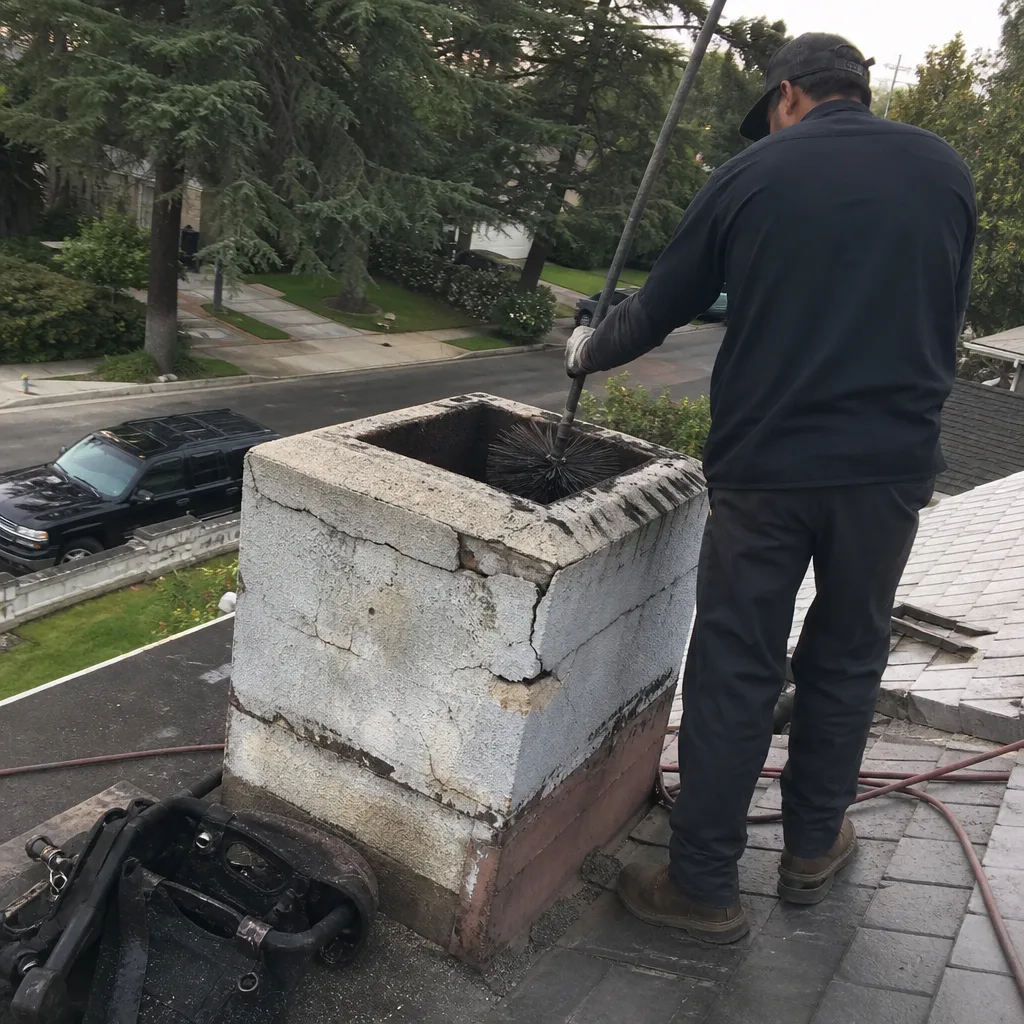 Before
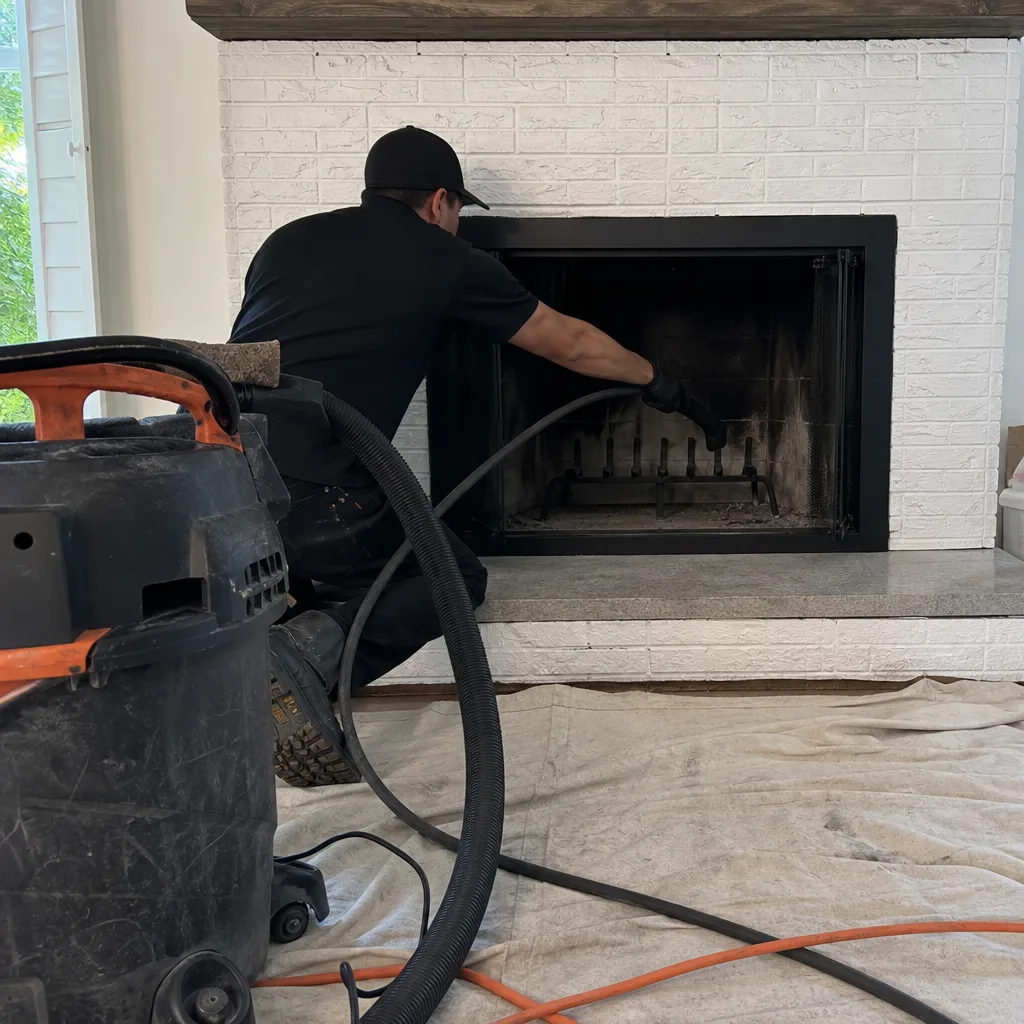 After
AfterFast, Reliable Chimney Inspection Across Grand Prairie
If you own a home in Grand Prairie, your chimney sits on some of the most active soil in North Texas. The clay beneath this city literally gave Grand Prairie its name, and it doesn’t stay still. A chimney inspection here isn’t a formality. It’s the only way to know whether your flue is still safe after years of soil movement, freeze-thaw cycles, and deferred maintenance. We perform thorough Chimney Inspection work throughout Grand Prairie, including older east-side and south-side subdivisions where wood-burning fireplaces still carry decades of wear. Call (336) 863-3889 and we’ll schedule a visit with a technician you’ll know by name and photo before we arrive.
Why Alcott Chimney Sweep Is Grand Prairie’s Preferred Chimney Inspection Company
Grand Prairie homeowners call us because we tell them the truth about what we find, then hand them a written price before any repair starts. Ruben Castellano built this company on a simple rule: every customer gets camera evidence of whatever we recommend. You won’t take our word for a cracked flue tile or a deteriorated smoke chamber. You’ll see it on screen. That matters in a city where clay movement regularly causes damage that a visual-only check can miss. Our technicians are background-checked, identity-verified, and announced to you by name and photo before the truck leaves our DFW dispatch office for your neighborhood. When the doorbell rings, you already know who’s on the other side.
We carry professional trade brands like HeatShield and Olympia Chimney, and we stock common replacement parts for Grand Prairie’s dominant chimney types. Every inspection includes a written report. Every repair carries our 365-Day Done Right Promise. If a repair we make fails within a year, the second visit is free. That’s not a promotion. It’s the standard.
Chimney Flue Inspection in Grand Prairie
Chimney Flue Inspection in Grand Prairie typically runs $129 – $249 for a Level 1 inspection, while a Level 2 inspection with camera documentation runs $249 – $449 depending on flue height and access. You need a flue inspection when you’ve just bought a home, when you’re switching fuel types, after any chimney fire, or when you’ve noticed water staining near the firebox. In Grand Prairie specifically, we recommend a flue inspection any time a visible crack in your crown or brickwork matches stress lines in your driveway or garage slab. That’s a strong signal the Blackland clay below your foundation has already shifted something inside the flue.
Level 1 vs. Level 2 Inspection
A Level 1 inspection covers what’s visible from the firebox and roofline. It’s appropriate for chimneys that have been swept regularly and show no signs of damage. A Level 2 inspection adds camera scanning of the full flue interior, including hidden sections. Given the soil conditions in Grand Prairie, we often recommend Level 2 for any masonry chimney built before 1995 that hasn’t been camera-inspected before.
When a Flue Inspection Becomes Urgent
If you burn wood as a primary heat source on a rural Grand Prairie property, your creosote builds faster than the standard annual interval allows. Heavy use shortens your safe sweeping window. A flue inspection with a camera is the only way to know whether your burning habits have left a dangerous stage-2 or stage-3 creosote layer. Don’t guess. Look.
Chimney Fire in Grand Prairie
Chimney Fire in Grand Prairie is the scenario we work hardest to prevent, and it starts with creosote. In a flue that’s been cold for months, creosote hardens into a tar-like glaze that burns at over 2,000°F once it ignites. On Grand Prairie’s rural properties where wood stoves run all winter, we see heavier creosote loading than in city neighborhoods where fireplaces are lit a few times a season. The risk isn’t theoretical. A chimney fire can crack a flue liner, spread to the roof structure, and compromise the entire system in under an hour. If you’ve had a chimney fire, the chimney must be inspected before it’s used again. That’s not our opinion. It’s basic fire safety.
After a Chimney Fire: What We Check
After any chimney fire, we run a full Level 2 inspection with camera documentation. We look for puffed or cracked flue tiles, melted mortar, warped metal components, and damage to the crown and chase. If we find damage, we’ll show it to you on screen and give you a written repair price before any work begins. No recommendations without evidence.
Creosote Stages: Why It Matters
Stage-1 creosote is a flaky dust that a standard brush removes. Stage-2 is a shiny, tar-like buildup that often requires rotary cleaning with a specialized whip. Stage-3 is a hardened glaze. In Grand Prairie, a wood stove used as primary heat can produce stage-2 creosote in a single season. If your previous sweep was more than a year ago and you burn daily, call us before you light another fire.
Trusted Brands We Service in Grand Prairie
We install and service HeatShield resurfacing systems, Gelco flue products, and Olympia Chimney components across Grand Prairie. These are the brands chimney professionals specify, not box-store substitutes. For older prefabricated fireplaces near Highway 360, we stock common replacement parts locally, which means faster turnaround when your inspection reveals a failed joint or a warped liner. You’ll always know which brand goes into your repair, and the written guarantee covers it.
Common Chimney Inspection Problems We See in Grand Prairie Homes
- Blackland clay crown cracks. Grand Prairie’s shrink-swell clay moves foundations just enough to crack chimney crowns along diagonal stress lines. A crown crack lets water into the flue system, and freeze-thaw cycles widen it every winter.
- Shifted flue tile sections. In 1970s and 1980s masonry chimneys, clay movement can separate flue tiles inside the stack. A visual inspection from the top can’t always see this. A camera can.
- Heavy creosote from wood stove use. Rural properties around Grand Prairie that burn wood as a primary heat source need a shorter sweep interval than suburban homes. Ignoring that interval leads to stage-2 and stage-3 buildup, which is fire fuel.
- Failed zero-clearance prefab fireplaces. Many homes built from 1970 to 1995 have metal prefabricated fireplaces now past their 25 – 30-year design life. Joints fail, liners warp, and draft problems appear. A superficial inspection misses these. We don’t do superficial.
Pricing for Chimney Inspection in Grand Prairie, TX
A Level 1 chimney inspection in Grand Prairie typically runs $129 – $249. A Level 2 inspection with camera documentation runs $249 – $449. Real estate inspections for home sales run $199 – $399 depending on chimney type and access. What changes the price? Flue height, roof pitch, and whether the fireplace is masonry or prefabricated. What doesn’t change the price? Our honesty. You’ll get a written quote before any work starts. Call (336) 863-3889 for a free estimate and we’ll give you exact numbers for your home.
We Also Serve Cities Near Grand Prairie
Beyond Grand Prairie, our crews regularly inspect chimneys in Euless, Duncanville, Bedford, and Hurst. If you live in one of those communities, you’ll get the same name-and-photo technician announcement and the same written guarantee. For a full overview of our service area, see Chimney Inspection in Grand Prairie and the surrounding metro.
Serving Grand Prairie, TX - Our Local Coverage Area
We’re based in the Grand Prairie area and know this community well. Use the map below to see our service coverage - if you’re nearby, we can almost certainly help.
FAQs About Chimney Inspection in Grand Prairie
A standard cleaning removes what’s inside the flue. An inspection evaluates whether the structure can safely contain a fire. In Grand Prairie, we inspect for clay-movement damage, liner gaps, and moisture intrusion that a sweep alone can’t detect. If the crown is cracked along a stress line that matches your driveway, we document it and show you. Call (336) 863-3889 to book an inspection that goes beyond the brush.
Every 6 to 12 months, depending on how many cords you burn. If the stove runs daily from November through March, shorter is safer. The standard annual interval works for occasional fireplace use, not primary heat. In Grand Prairie’s rural areas, we regularly see flues that need cleaning twice per season. Our technicians can assess your burn rate and recommend a schedule specific to your home.
It usually means your foundation has moved on Blackland Prairie clay, and the same movement has stressed your chimney structure. The crown cracks first because it’s the most exposed masonry surface. When the crown cracks, water gets in, and when water freezes, the crack widens. We’ve seen this on numerous Grand Prairie properties, including older subdivisions off Great Southwest Parkway. A Level 2 inspection tells you how far the damage extends. Call (336) 863-3889 and we’ll show you.
We can inspect it, but a unit from the 1980s is past its 25 – 30-year design life. Joints fail, liners warp, and clearances can become compromised. Whether it’s safe to use depends on what the inspection finds. We’ll camera-scan what’s accessible, check the chase and termination cap, and tell you plainly whether the fireplace needs repair, replacement, or is still serviceable. No scare-selling. Just evidence.
Yes. First-degree creosote is a flaky dark dust that brushes off easily. Second-degree is shiny and tar-like, and it often requires rotary cleaning. Third-degree is a hardened, glazed layer that must be chemically treated or removed with specialized equipment. We’ll document what stage you have, show you the footage, and quote you a written price for removal. Call (336) 863-3889 to schedule an inspection and find out exactly what’s in your flue.
Written by Ruben Castellano, Owner at Alcott Chimney Sweep, providing verified chimney inspection services to Grand Prairie homeowners with written pricing and a 365-day guarantee on every repair.