
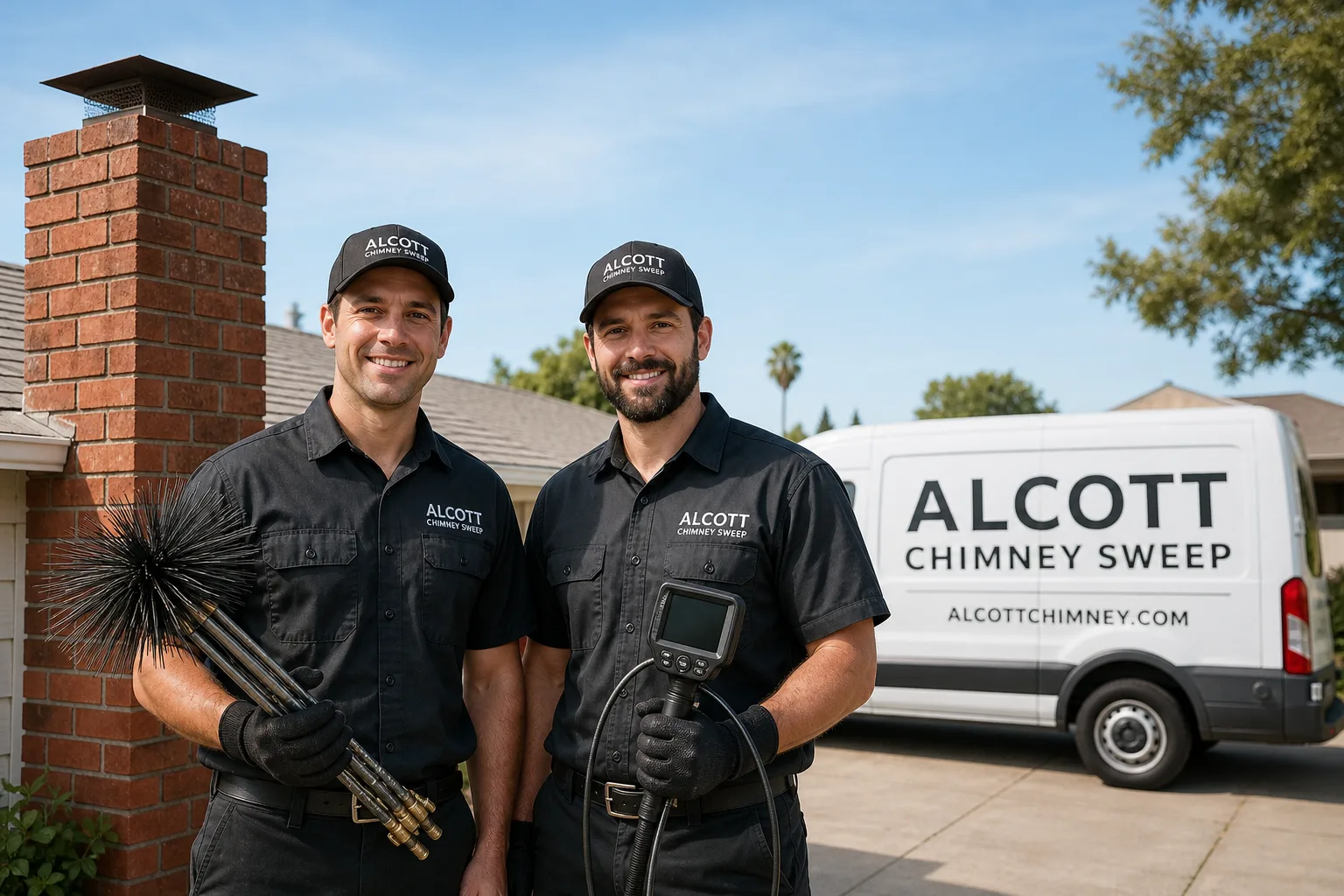
Level 1 sweep and inspection to the NFPA 211 annual standard - flue, crown, cap, and flashing checked and photographed
Chimney sweep logs do not sweep chimneys. They loosen some creosote - which then falls where a brush and vacuum still have to collect it.
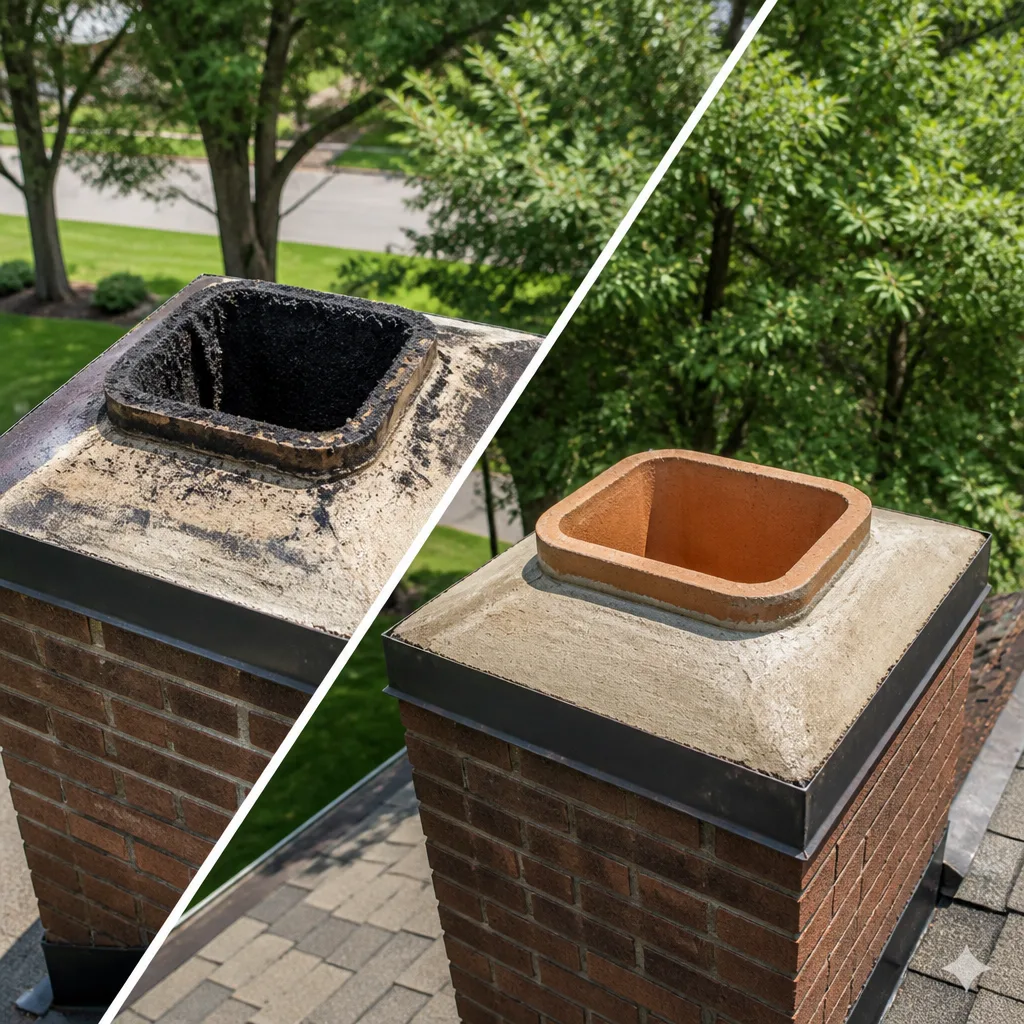
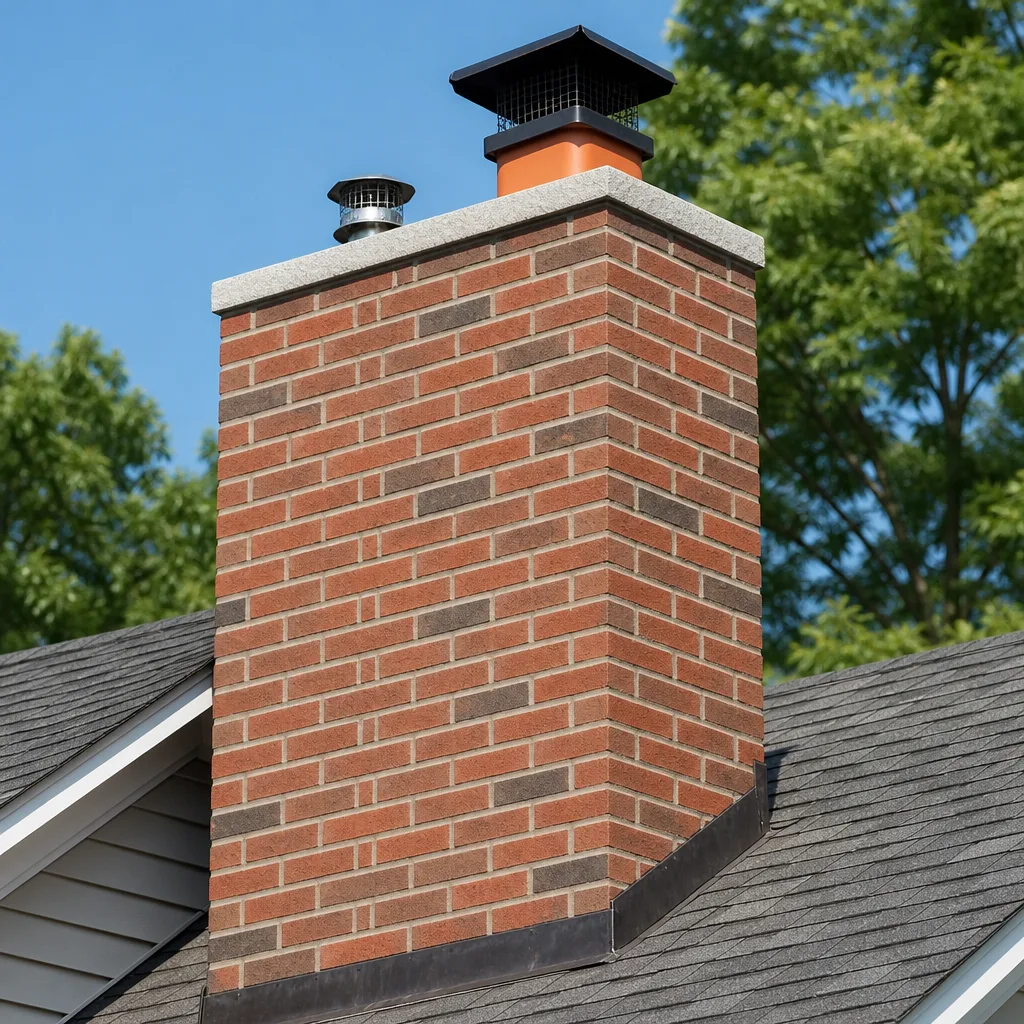
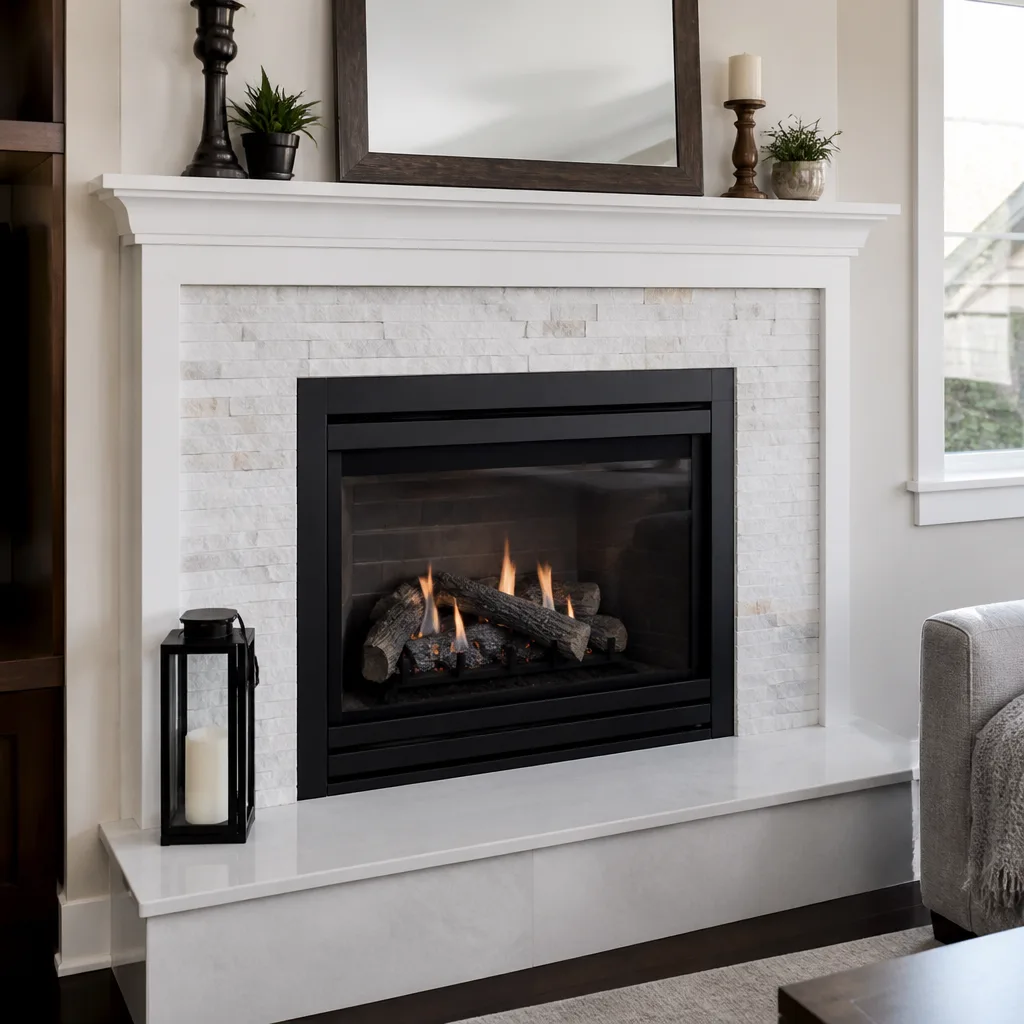
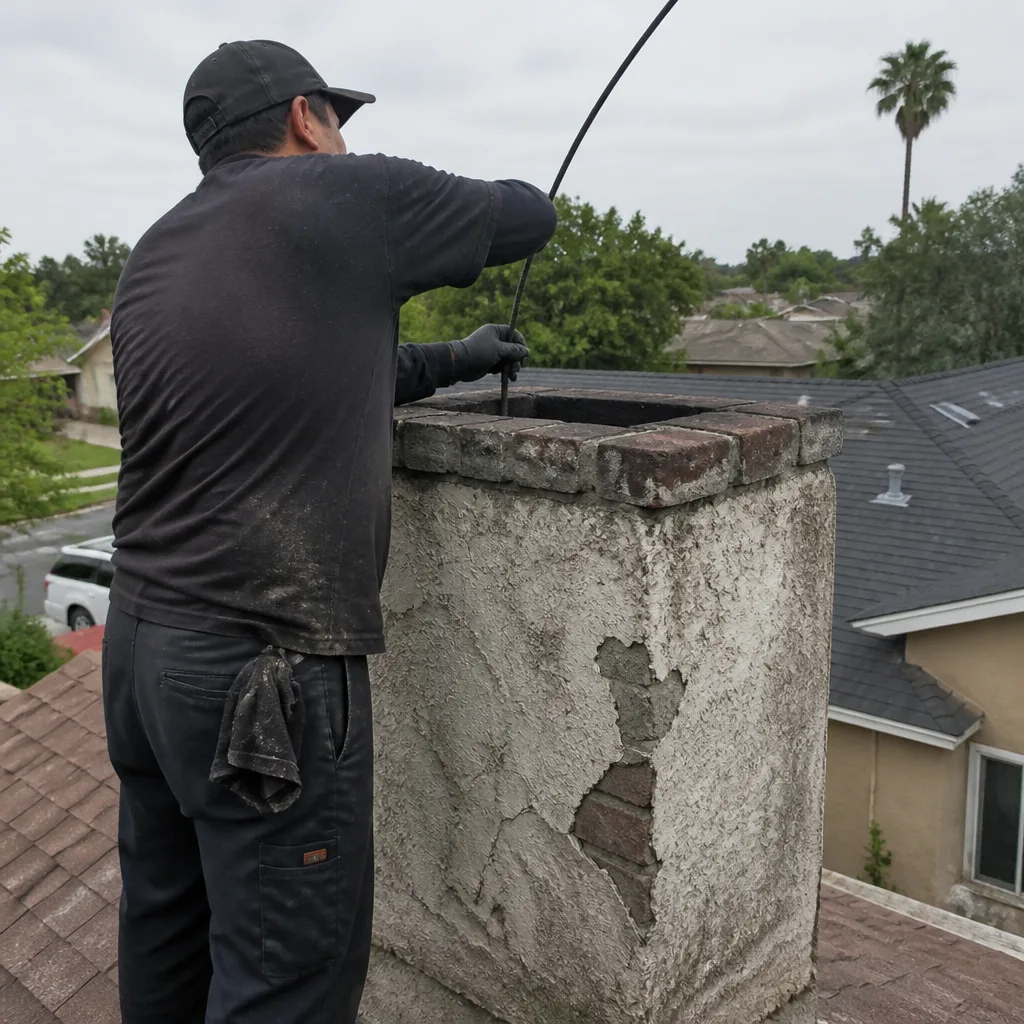 Before
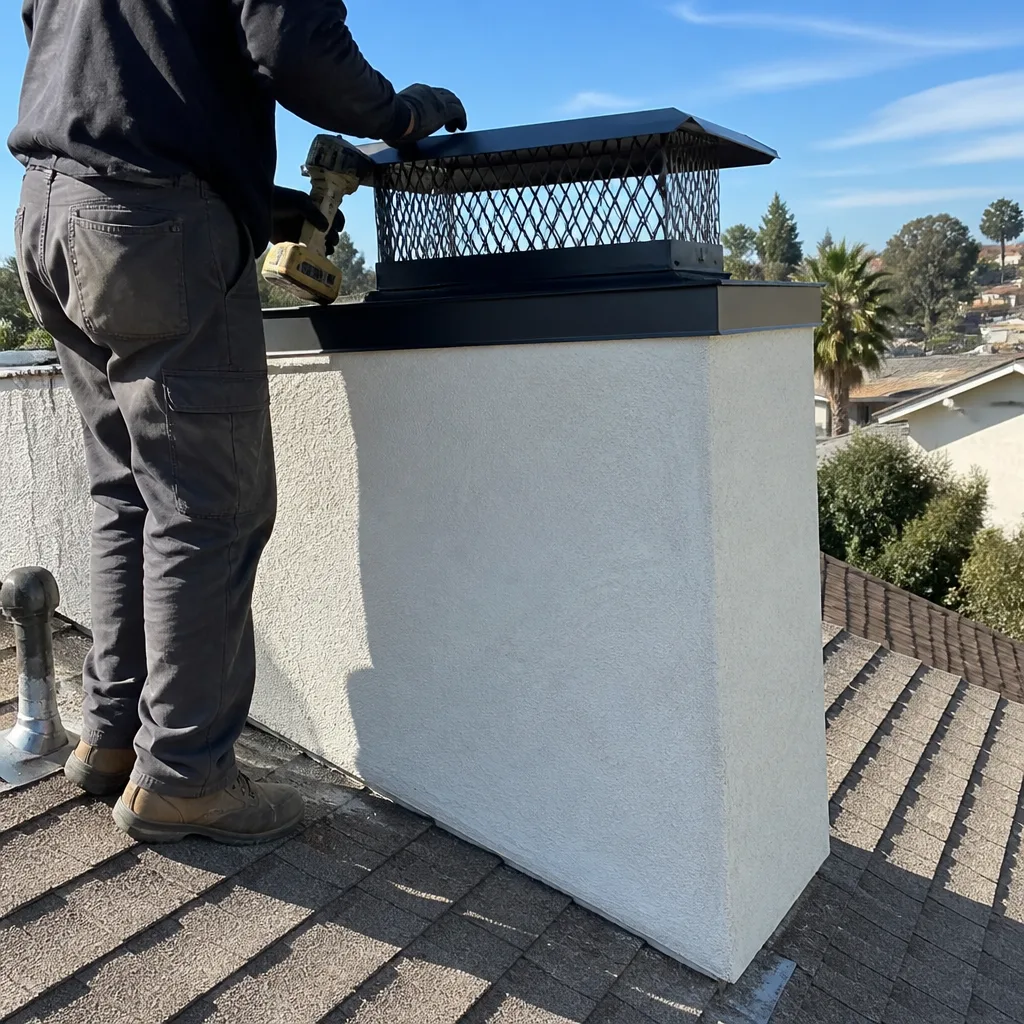 After
After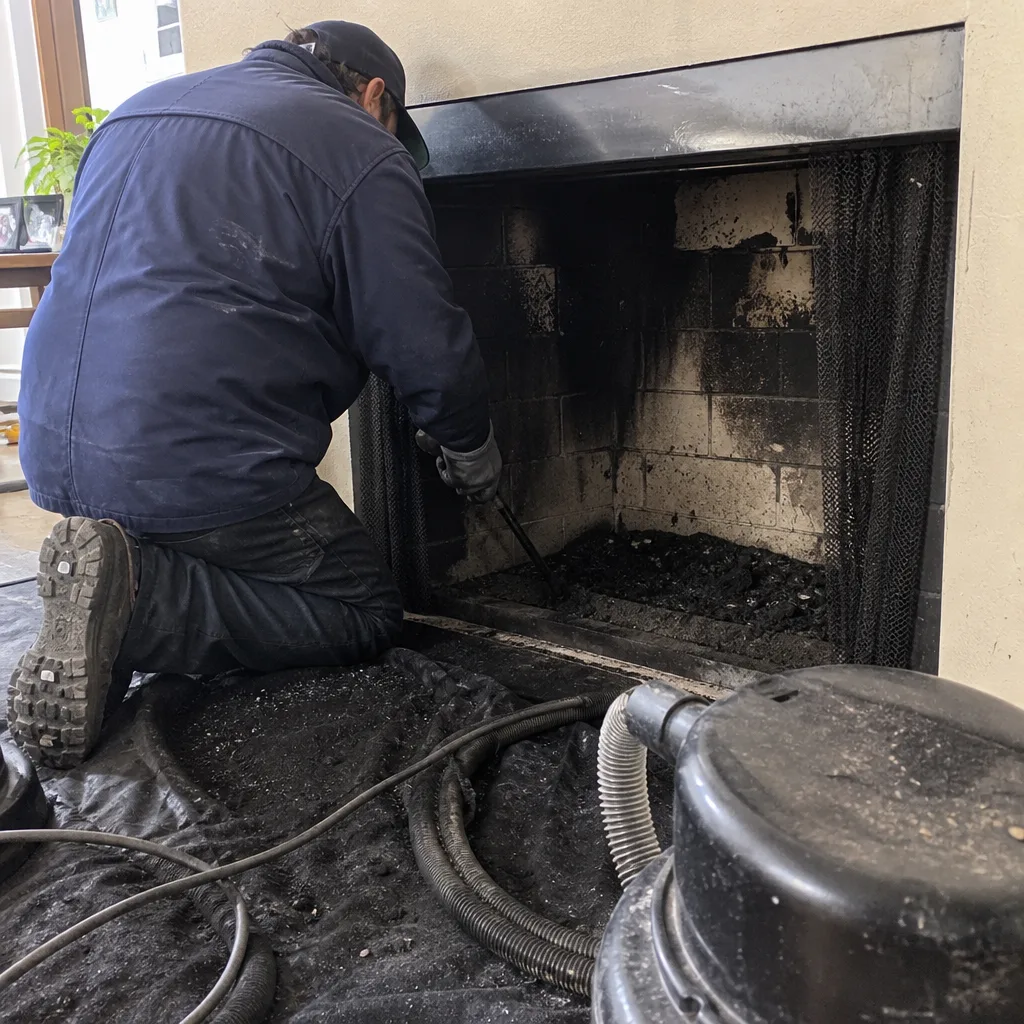 Before
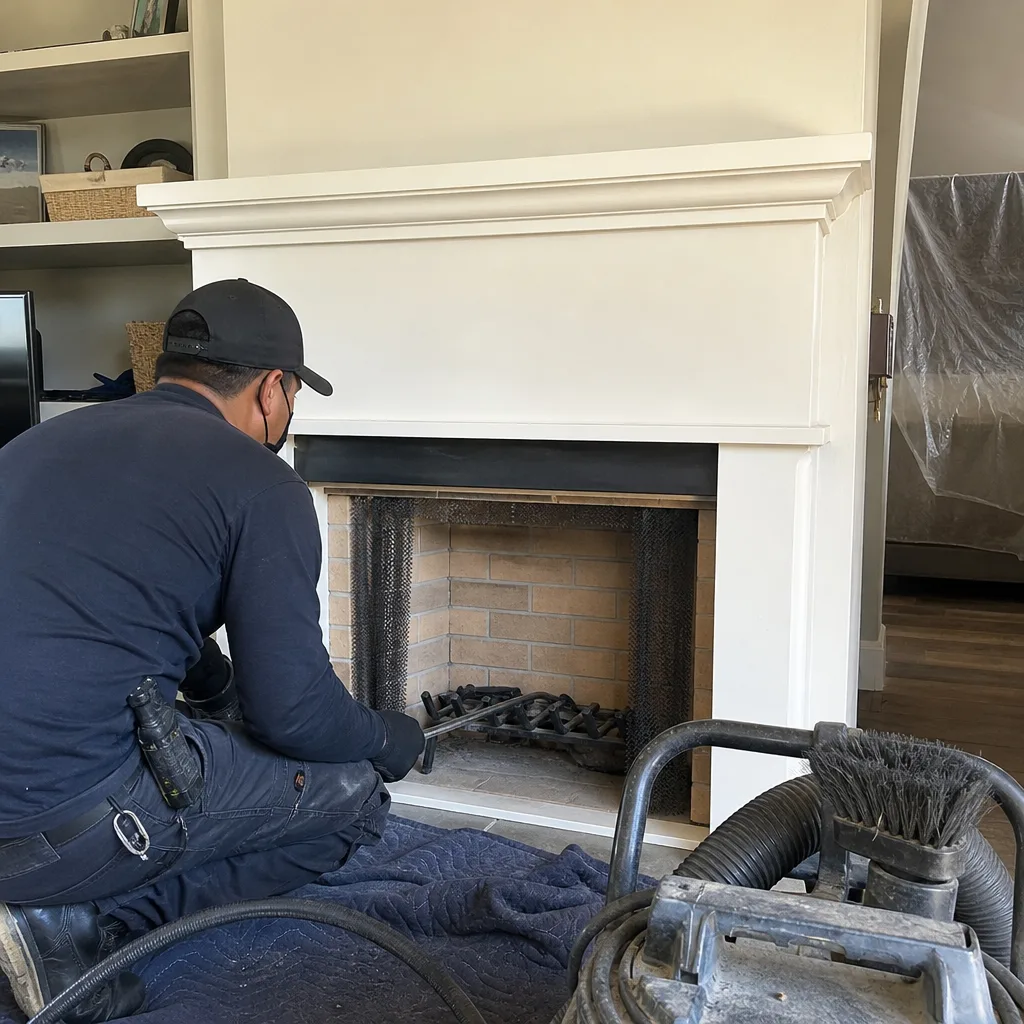 After
After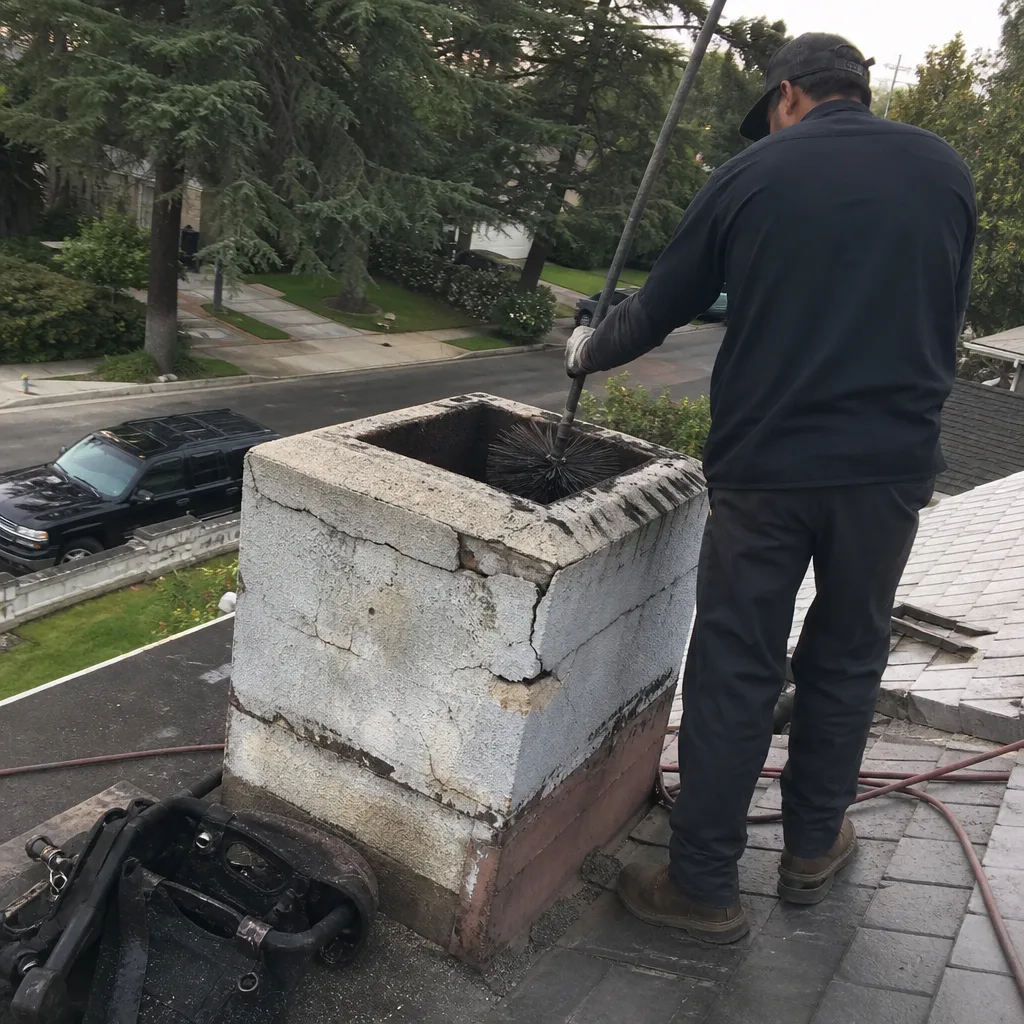 Before
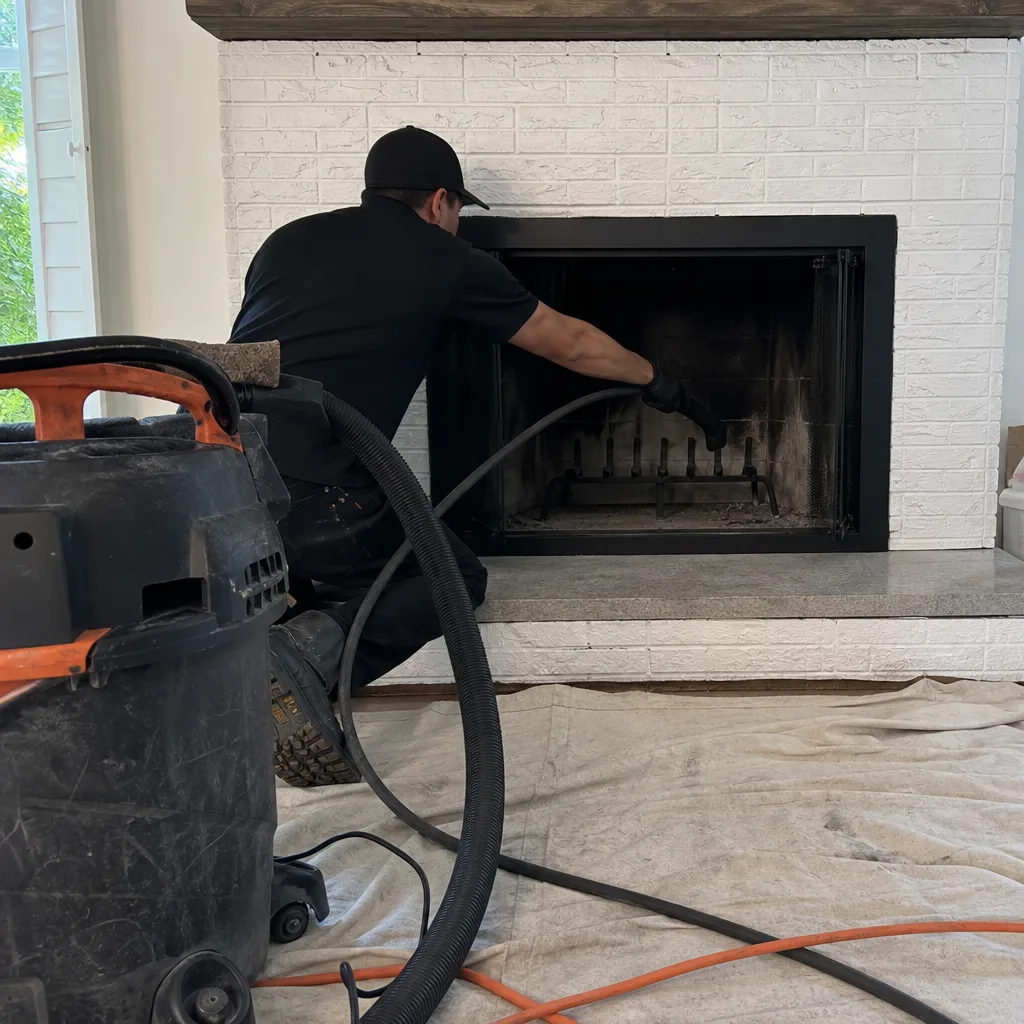 After
AfterFast, Reliable Chimney Inspection Across Plymouth
A chimney inspection in Plymouth typically costs between $99 and $350, depending on the level of inspection your flue needs. Most homeowners in Plymouth book a Level 2 Chimney Inspection, which runs $199 to $350 and includes a camera scan of the entire flue interior. If you’re seeing crumbling mortar, a rusted damper, or smoke backing into the room in Manomet or along Route 3A, call Alcott Chimney Sweep at (336) 863-3889. We’ll send a technician you know by name and photo, with a written price before any work begins.
Plymouth’s coastal air works on chimneys from the outside, while the pine-barrens firewood works from the inside. We’ve been inspecting chimneys here long enough to know exactly what that combination does across the old colonial center, the Cedarville side of town, and the Route 3 corridor developments. Our Chimney Inspection team covers all of Plymouth, from Water Street to the Pinehills and everywhere between.
Why Alcott Chimney Sweep Is Plymouth’s Preferred Chimney Inspection Company
Ruben Castellano runs Alcott Chimney Sweep with a rule that applies to every service call in Plymouth: prove who you are before you step off the truck. Every technician goes through the Threshold Standard: a background check, identity verification, and a name-and-photo preview sent to you before arrival. Our techs wear a photo ID badge and introduce themselves by name at the door, every time, no exceptions. In a town like Plymouth where second homes and seasonal rentals are everywhere, homeowners deserve to know exactly who’s walking up the driveway.
We’ve served homeowners since 2002 as part of the Threshold Group family of home service companies, and we work throughout Plymouth, including the coastal stretch along Clark Road, the historic homes near Burial Hill, and the newer builds off Long Pond Road. Plymouth homeowners call us for straight answers on creosote, masonry wear, and prefab fireplace issues. Every inspection comes with a written report, photo documentation where it matters, and a written guarantee on any repair we do. If a repair fails within the coverage period, the second visit is free. That’s the 365-Day Done Right Promise, and it’s part of every job.
When something smells like smoke at 11 p.m. in Manomet, a live person answers our phone around the clock. No voicemail tree, no call-back queue.
Level 2 Chimney Inspection in Plymouth
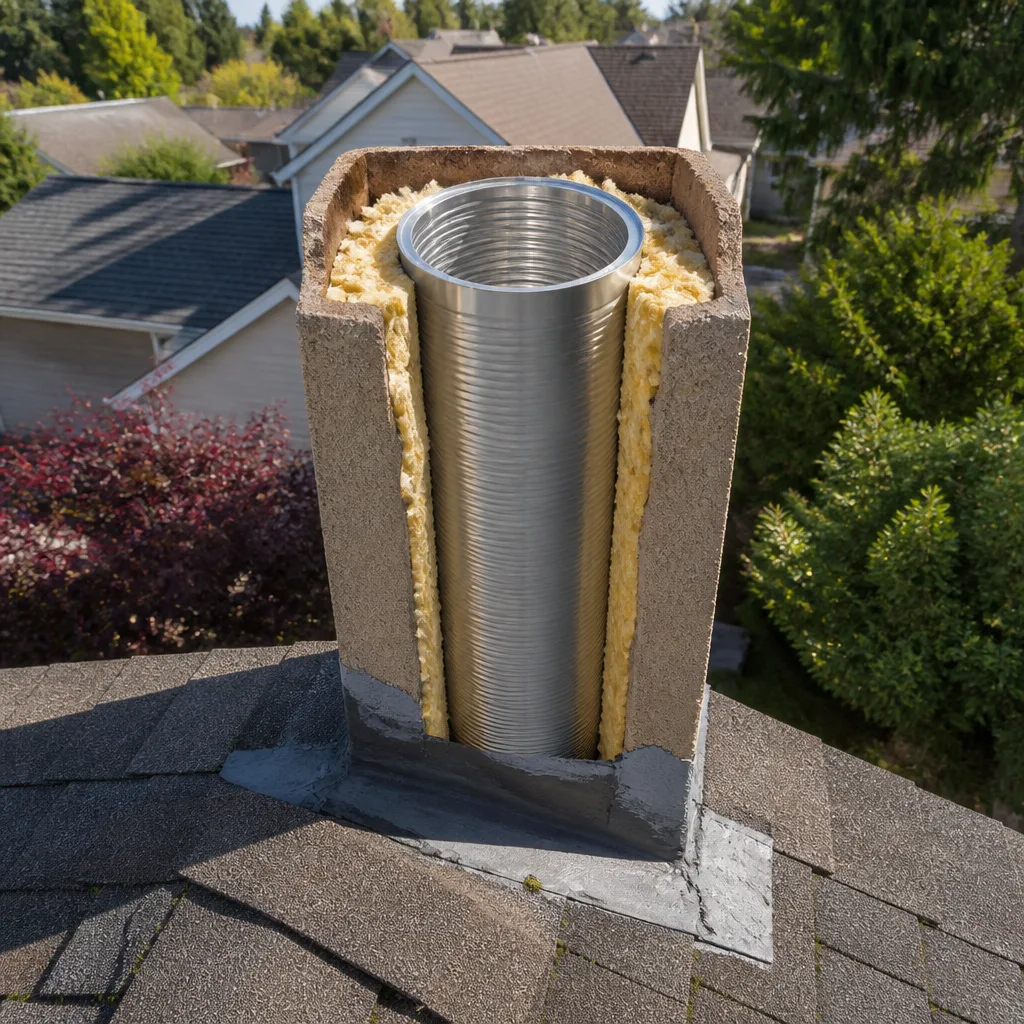
A Level 2 Chimney Inspection is the inspection we recommend for most Plymouth homes, because it covers what a visual Level 1 cannot: the full length of the flue interior, including the hidden sections inside the chase. In Plymouth, this matters more than most places. Salt-laden air off Plymouth Bay corrodes metal dampers and chimney caps from the outside, while the pitch pine burned in the Pine Barrens creates dense glazed creosote inside the flue. A Level 2 inspection catches both, using a camera to scan every inch of the flue, the liner connections, the damper assembly, and the chimney crown. A Level 2 Chimney Inspection in Plymouth runs $199 to $350, depending on flue height, access, and the number of flues served by one chimney.
Camera Scan of the Full Flue Lining
We run a video camera from the firebox to the flue cap. This shows cracks in clay tile liners, separations at liner joints, punctures in stainless liners, and third-degree glazed creosote that a brush alone can’t remove. For Plymouth homeowners near the coast, we’re also checking for corrosion migration from the cap down the flue wall, which salt air accelerates.
When Plymouth Homeowners Need the Level 2
You need the Level 2 when a chimney has been dormant for a few seasons, when a home changes ownership (real estate inspectors often require it), or when you’ve burned local pitch pine for a winter and want to know what actually sits on your flue walls. After a chimney fire, a Level 2 is non-negotiable: it confirms whether the liner survived.
Chimney Leak in Plymouth
A Chimney Leak in Plymouth most often starts at the crown, the mortar cap and flashing, not the flue itself. That’s the pattern our techs see on the Bay side of town. Salt air erodes the mortar crown’s expansion joint, water gets behind the flashing, and it travels down the outside of the chimney into the attic or ceiling. The flue can be perfectly clean while the chimney leaks. A leak investigation in Plymouth runs $99 to $199 for the diagnostic, with repairs quoted separately in writing before any work occurs. We never touch a hammer until you’ve seen the price on paper.
What Salt Air Does to Plymouth Chimneys
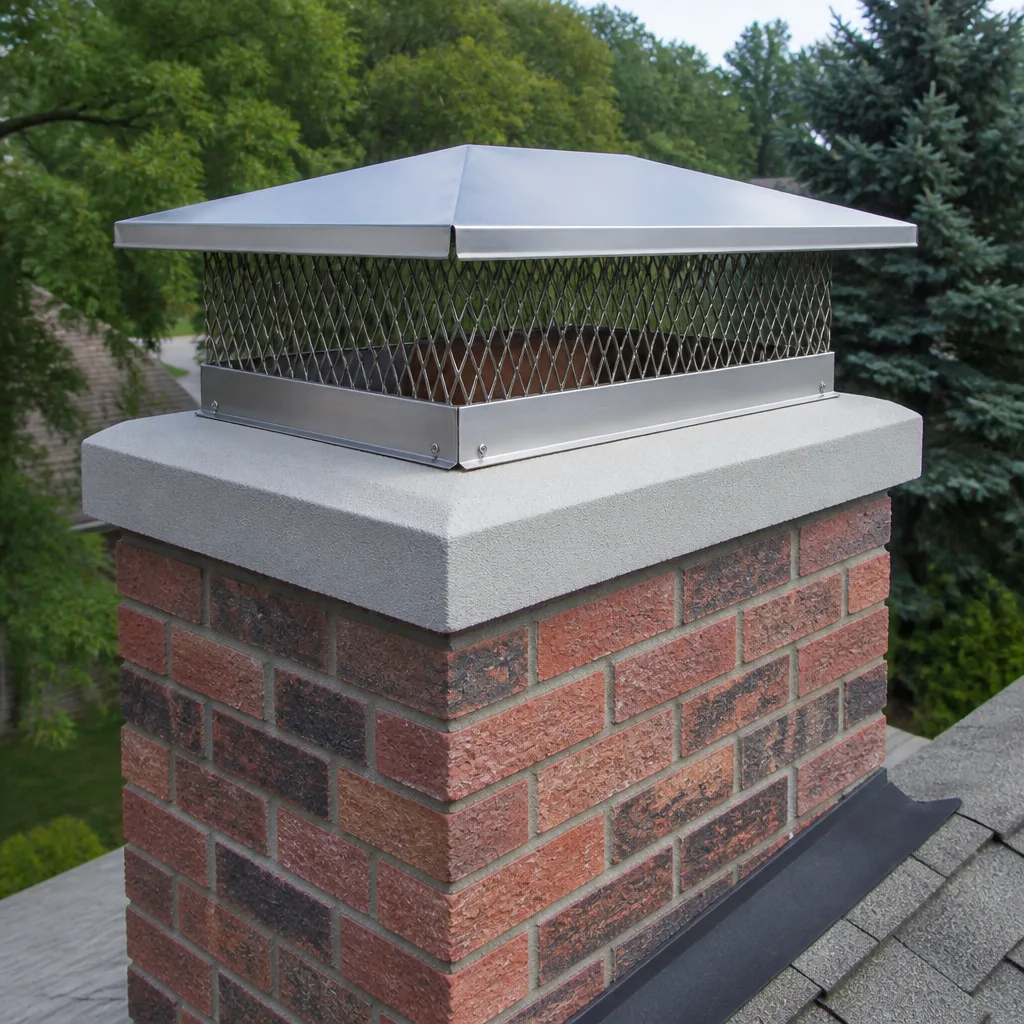
Plymouth’s position directly on Plymouth Bay exposes chimneys to persistent salt spray that inland Massachusetts towns don’t get. We see mortar joints in Clark Road and Priscilla Beach homes that have been eaten back a quarter-inch in under a decade. Galvanized chimney caps, in particular, corrode through at the seams within three to five years. A stainless replacement ends that cycle; galvanized will fail again.
Fixing the Crown and Flashing
We repair Plymouth chimney leaks with WaterShield crowns, replaced step flashing, and stainless caps. If the leak has damaged the liner, we’ll show you the camera footage before discussing a liner. Nothing gets recommended without visual evidence you can watch yourself.
Trusted Brands We Service in Plymouth
We install and service HeatShield resurfacing systems, Olympia Chimney caps and dampers, and Famco stainless components across Plymouth, drawing on stock available for fast turnaround in Kingston and nearby South Shore towns. If your capped-off firebox needs a new top-mount damper or a crown resurface with HeatShield, we don’t order from a big-box catalog and improvise. We carry the same professional trade materials chimney pros specify, and for Plymouth’s salt air, that usually means stainless fasteners and caps rather than galvanized ones.
Common Chimney Inspection Problems We See in Plymouth Homes
- Accelerated glazed creosote from pine-barrens pine. Plymouth sits in the Plymouth Pine Barrens, and pitch pine is chemically resinous even after a full season of seasoning. The result is Stage 2 and Stage 3 glazed creosote forms a tar-like glaze that a basic brush sweep can’t remove. Homeowners who burn local wood often need rotary cleaning every single year.
- Corroded dampers and caps from Plymouth Bay salt air. The combination of moist coastal air and winter freeze-thaw cycles rusts galvanized components faster than inland towns experience. A damper that’s rusted open quietly wastes heat; a corroded cap lets rain and birds into the flue.
- Cracked, spalling mortar crowns. Salt air attacks mortar joints and the crown surface from the outside in, producing spalling and pockets that hold water. This is often the actual source of a “chimney leak” even when the roof flashing is fine.
- Hidden flue damage in Route 3 corridor prefabs. Tract homes built during the 1990s-2000s Route 3 expansions commonly have zero-clearance fireplaces and metal-lined chase systems. Cracks and creosote accumulate inside the chase where a visual Level 1 inspection can’t see them. A camera scan finds these every season.
Pricing for Chimney Inspection in Plymouth, MA
We Also Serve Cities Near Plymouth
Our Chimney Inspection in Plymouth team runs routes that cover Kingston, Marshfield, Scituate, and Abington too. If you live just over the town line and your chimney faces the same salt air and pine-resin buildup, the same crew and the same written guarantee apply.
Serving Plymouth, MA - Our Local Coverage Area
We’re based in the Plymouth area and know this community well - learn more about our Chimney Sweep in Plymouth. Use the map below to see our service coverage - if you’re nearby, we can almost certainly help.
FAQs About Chimney Inspection in Plymouth
How often should I have my chimney inspected in Plymouth, MA?
Once a year, every year, before you light your first fire. The National Fire Protection Association recommends annual inspection regardless of how often you burn. For Plymouth homeowners we say the same, but with more urgency: the salt air and pitch-pine creosote combination means a skipped year can produce third-degree glazed creosote even in a chimney that was clean 12 months earlier. If you burn local wood gathered from the pine barrens, annual inspection is not a general recommendation. It’s the safety floor. Call (336) 863-3889 to schedule before the burning season.
Why does my Plymouth chimney have glazed, tar-like creosote when I only burned seasoned wood?
Because pitch pine from the Plymouth Pine Barrens is chemically resinous regardless of how it looks or feels. Even split, stacked, and dried for two full summers, pitch pine still carries resin compounds that other firewoods in Massachusetts simply don’t have. That resin vaporizes during combustion and condenses as it cools on the flue wall, producing the tar-like, third-degree glazed creosote you’re seeing. It cannot be brushed away; it requires rotary cleaning with chains and specialty tooling. This is one of the most common findings for Plymouth chimneys, and it’s why we recommend a Level 2 camera scan every year.
What does a Level 2 Chimney Inspection include that a Level 1 doesn’t?
A Level 1 is visual-only, from the firebox, the roof, and the accessible portions of the flue. A Level 2 includes everything in a Level 1 plus a full-motion video camera scan of the entire flue interior, including the hidden sections in prefabricated chases and multi-flue colonial chimneys. In Plymouth, where colonial-era center chimneys can serve two or three hearths from a single structure, that hidden inspection matters. Also, a Level 2 is what most real estate transactions and post-fire assessments require. If you’re buying or selling a home in Plymouth, plan for a Level 2.
Why do Plymouth chimneys near the coast fail differently than inland ones?
Because they fail from the outside in. Salt-laden air from Plymouth Bay makes direct contact with the mortar crowns, mortar joints, and exposed metal components, including the damper and cap. The salt accelerates moisture absorption, and two winters of freeze-thaw cycles can crack a crown badly enough to leak. Inland chimneys usually fail from the inside: creosote buildup or liner deterioration. Plymouth chimneys get both at once, and that’s why our inspections here always include a masonry integrity check along with the flue scan.
Should I replace a galvanized chimney cap with a stainless one in Plymouth?
Yes. In Plymouth’s salt air, galvanized caps often fail within three to five years: the seams corrode first, then the corners, and eventually water gets into the flue. A stainless cap, such as the Olympia Chimney models we carry, ends that cycle. It’s not a cosmetic upgrade. It’s the difference between a component that will be there in ten years and one that won’t. We’ll show you the condition of your current cap during the inspection and quote a stainless replacement in writing.
Get Your Plymouth Chimney Inspected
Plymouth gives its chimneys two problems at once, from the salt air and the pine barrens. Neither one is preventable, but both are findable before they become a fire or a leak. We’ll set a date, send you the technician’s name and photo before we arrive, inspect every inch of the flue with the camera, explain what we found in plain English, and hand you a written price before any repair work happens. Call Alcott Chimney Sweep at (336) 863-3889 for a free estimate.
Written by Ruben Castellano, Owner at Alcott Chimney Sweep, serving Plymouth homeowners since 2002.