
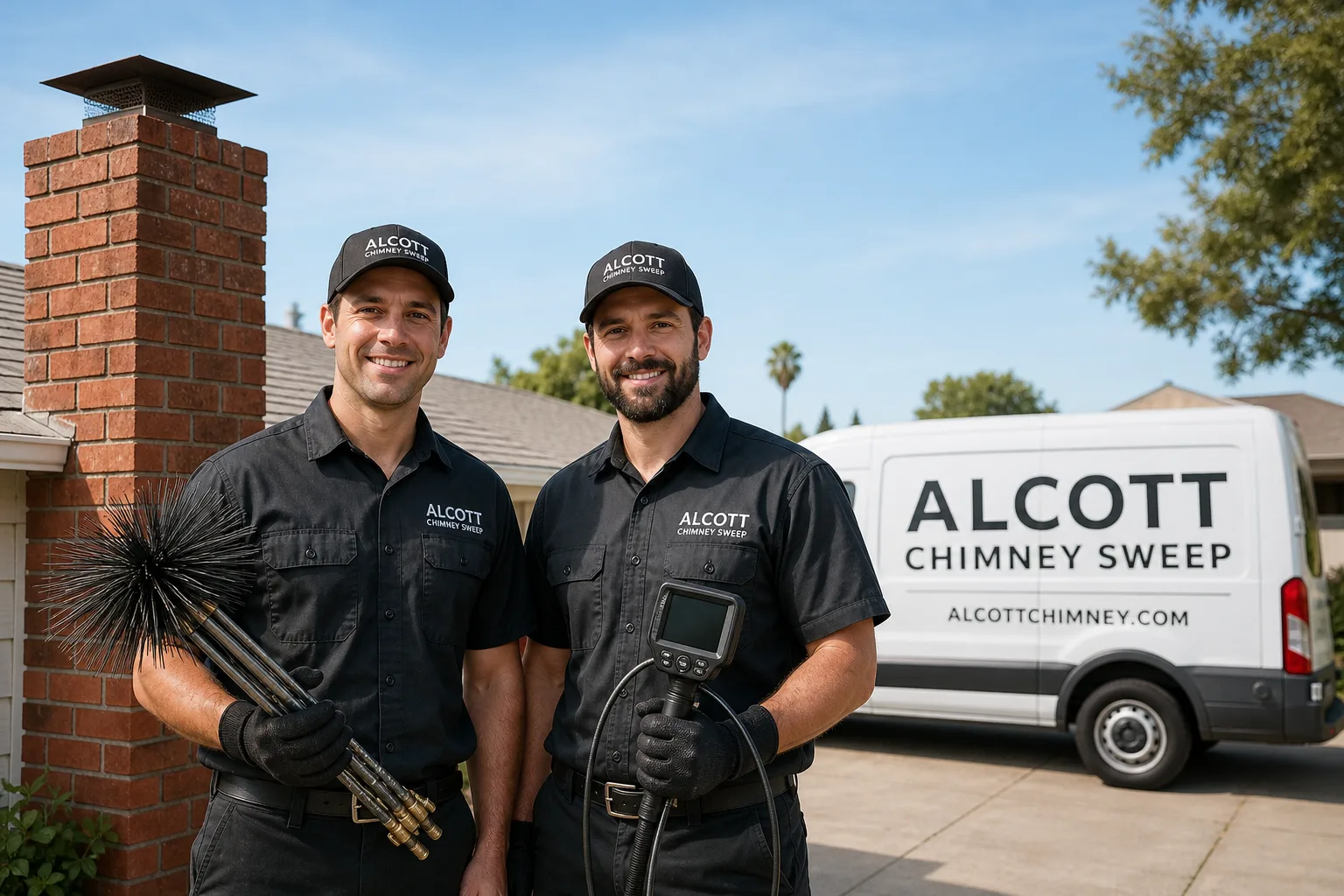
Level 1 sweep and inspection to the NFPA 211 annual standard - flue, crown, cap, and flashing checked and photographed
Chimney sweep logs do not sweep chimneys. They loosen some creosote - which then falls where a brush and vacuum still have to collect it.
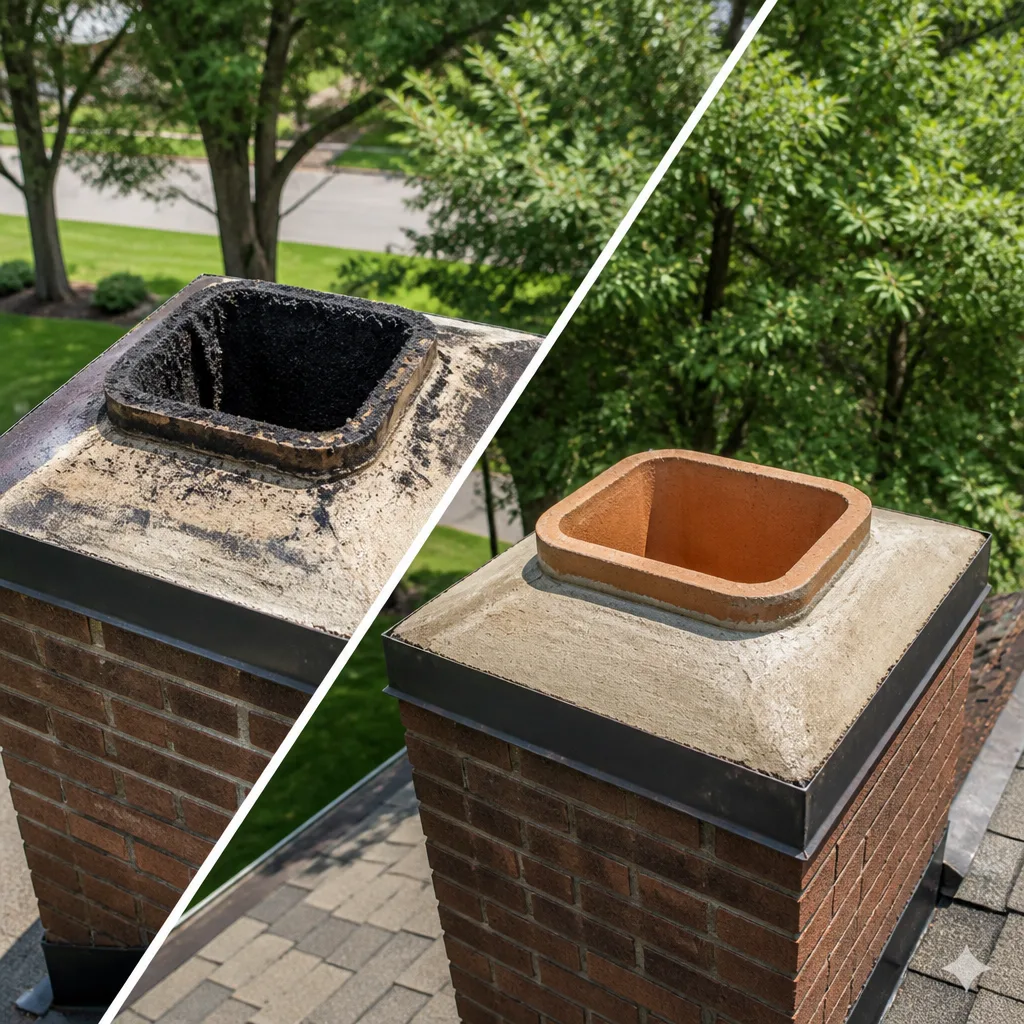
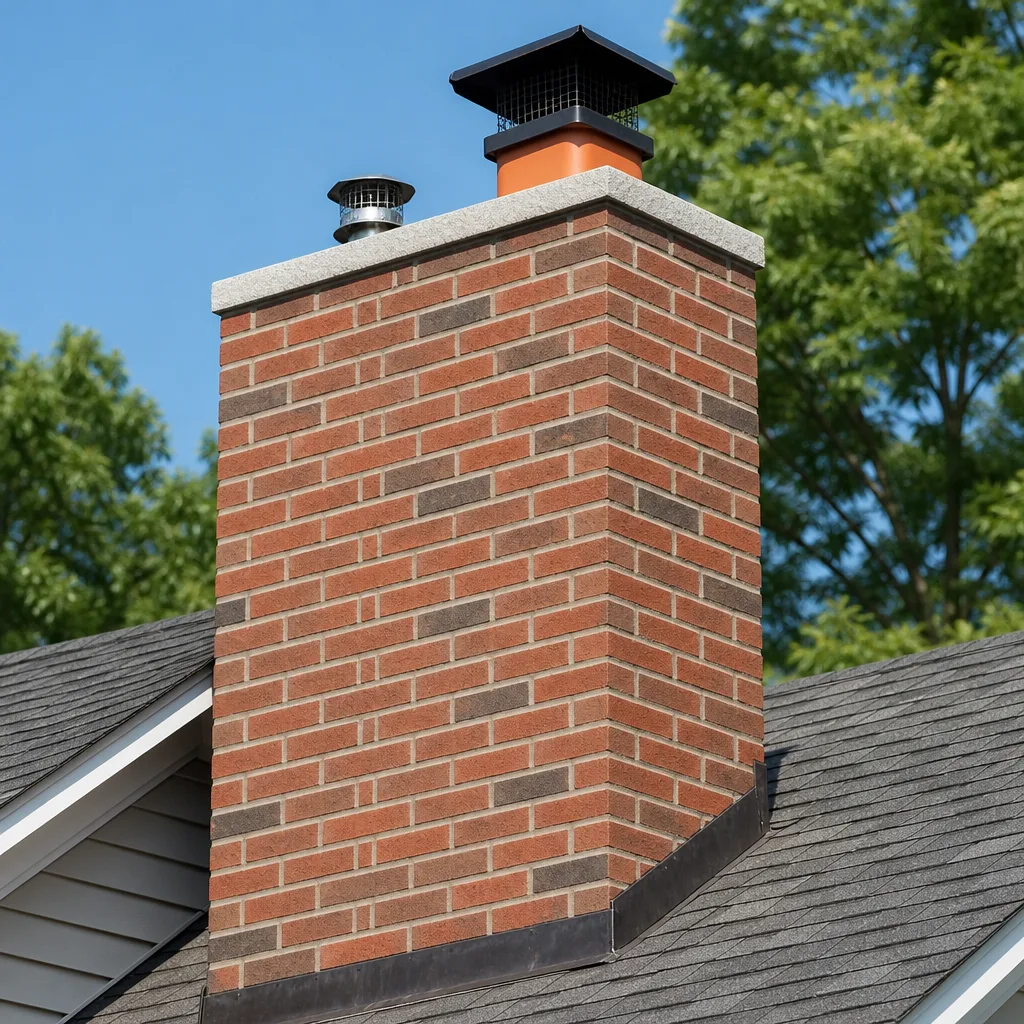
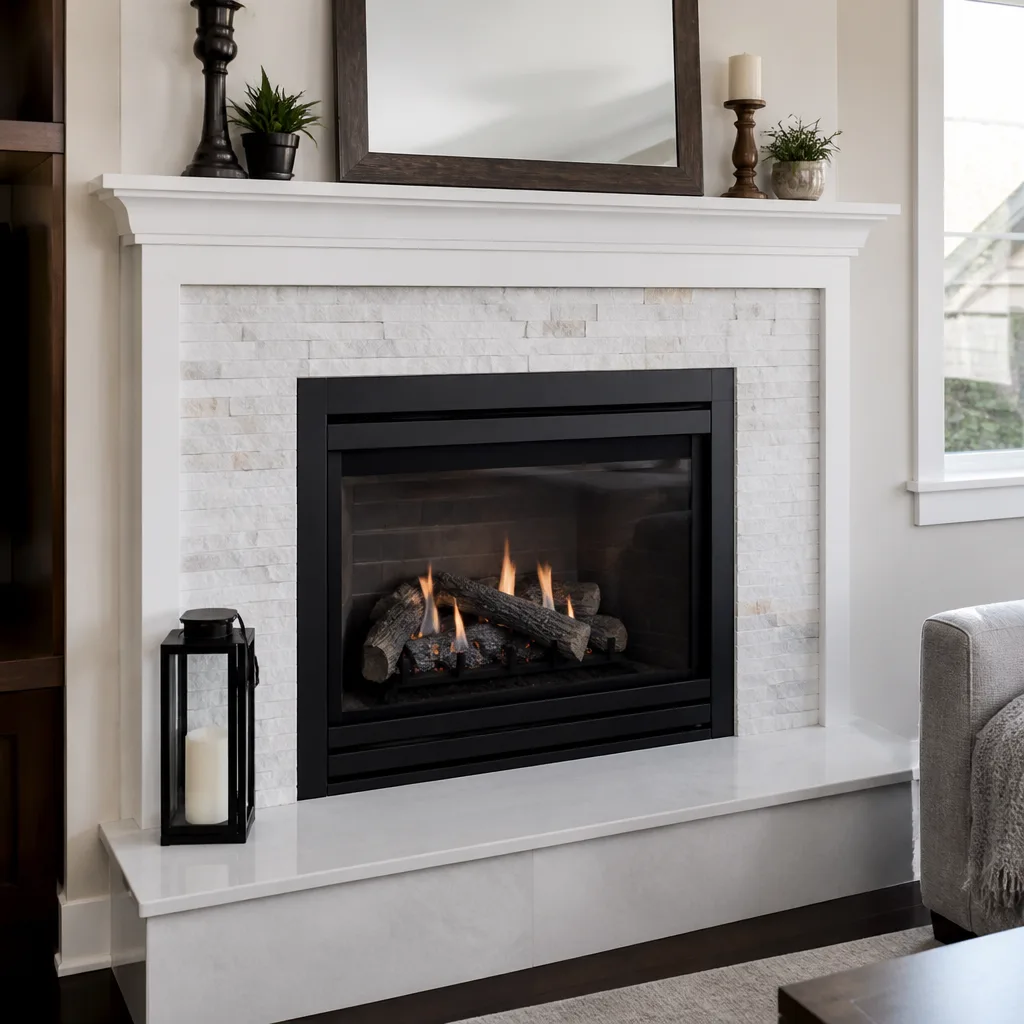
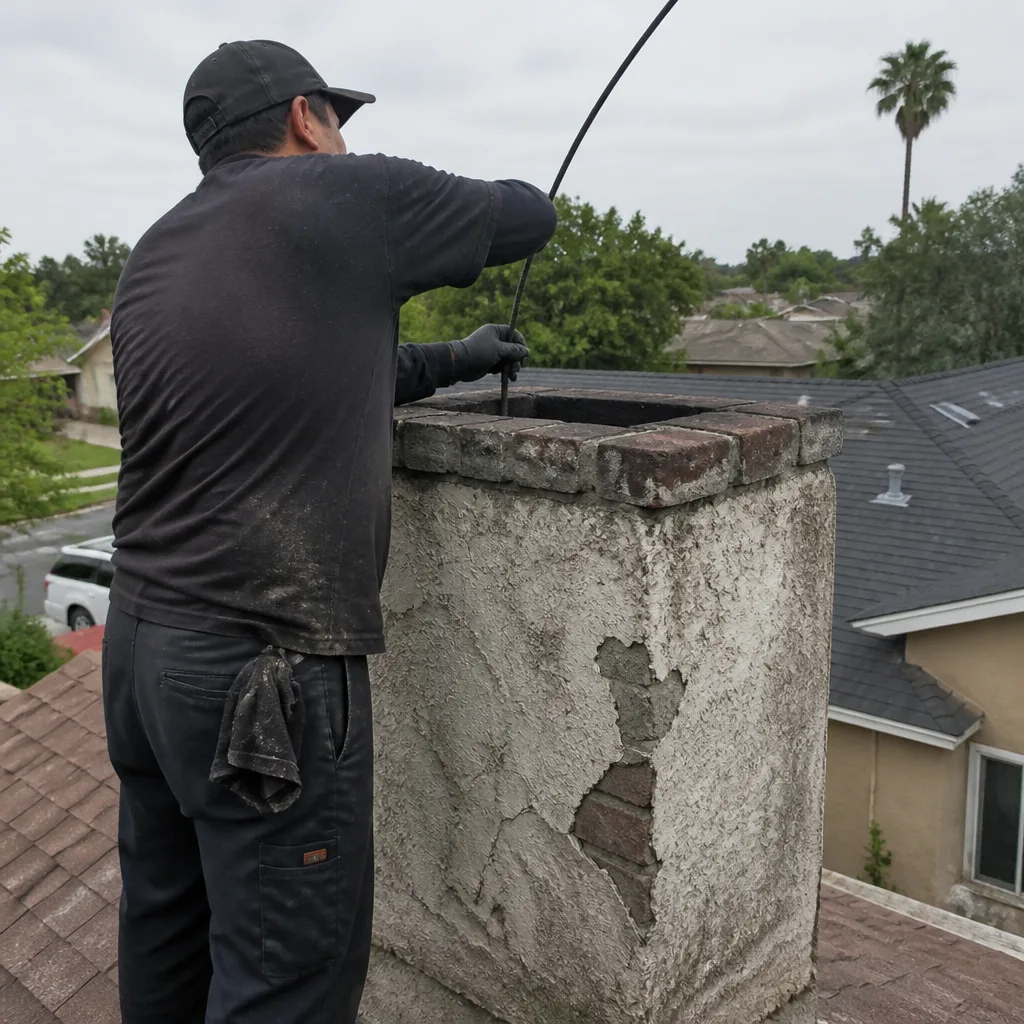 Before
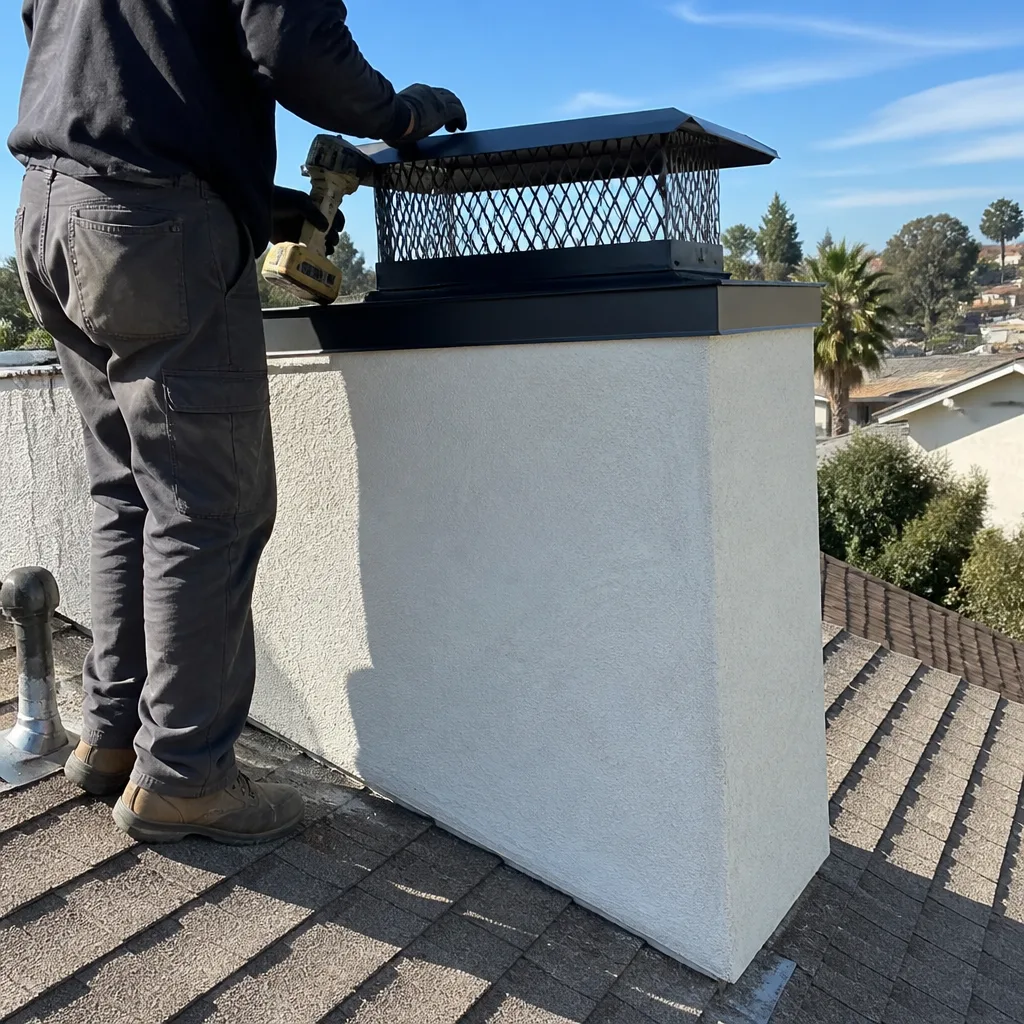 After
After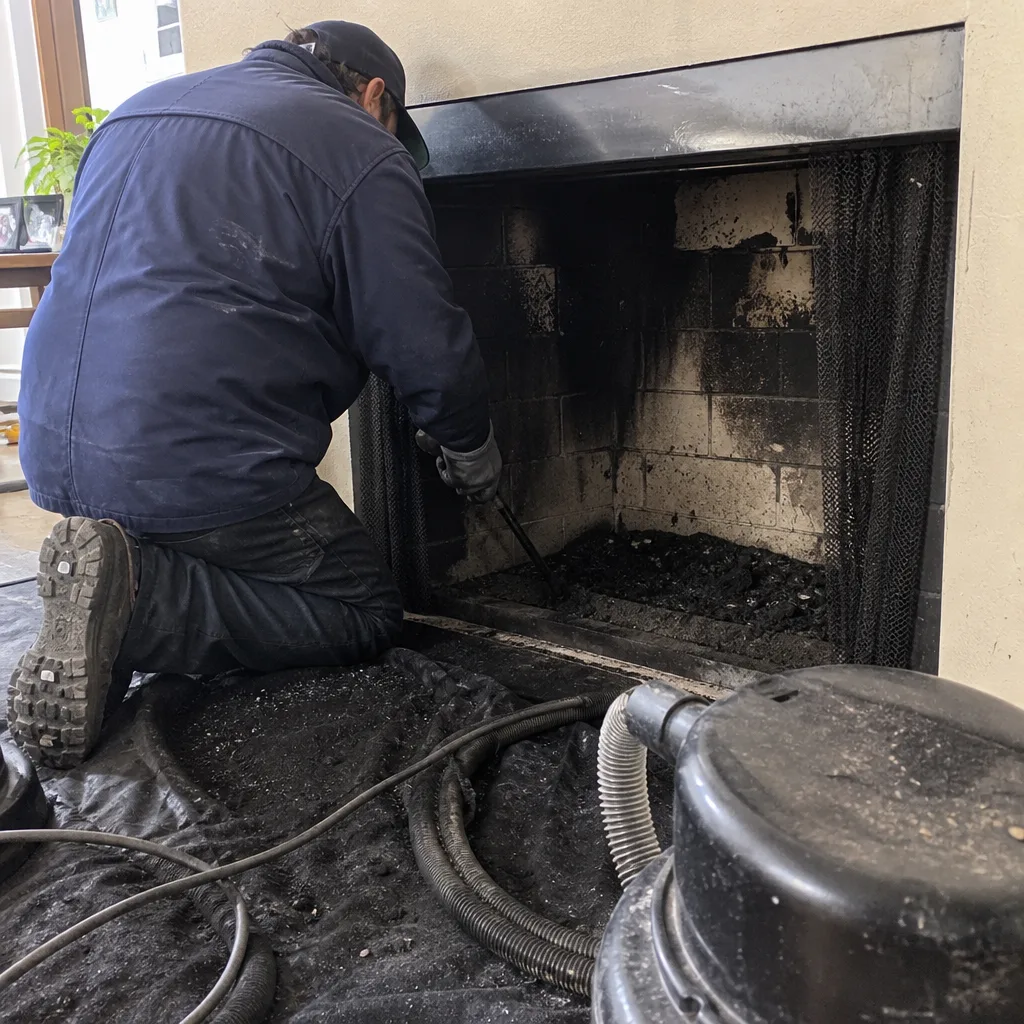 Before
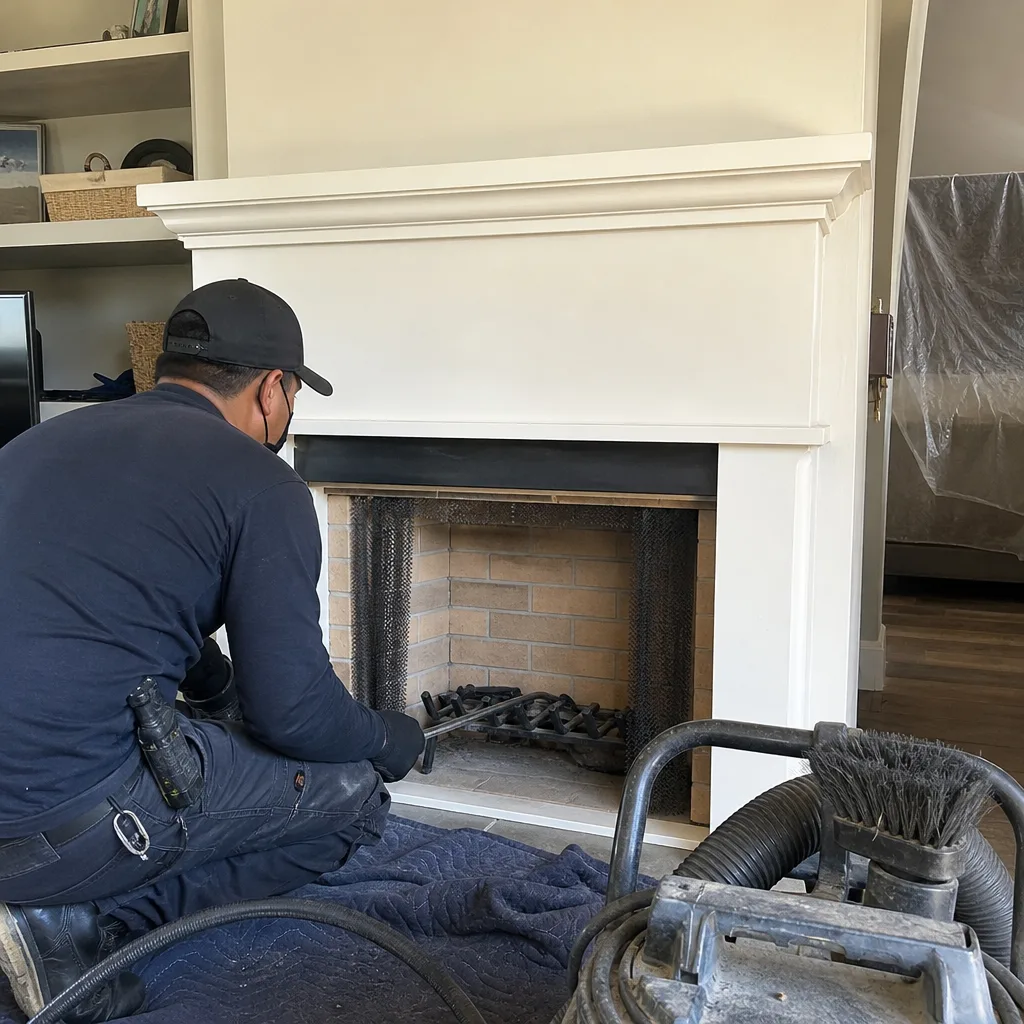 After
After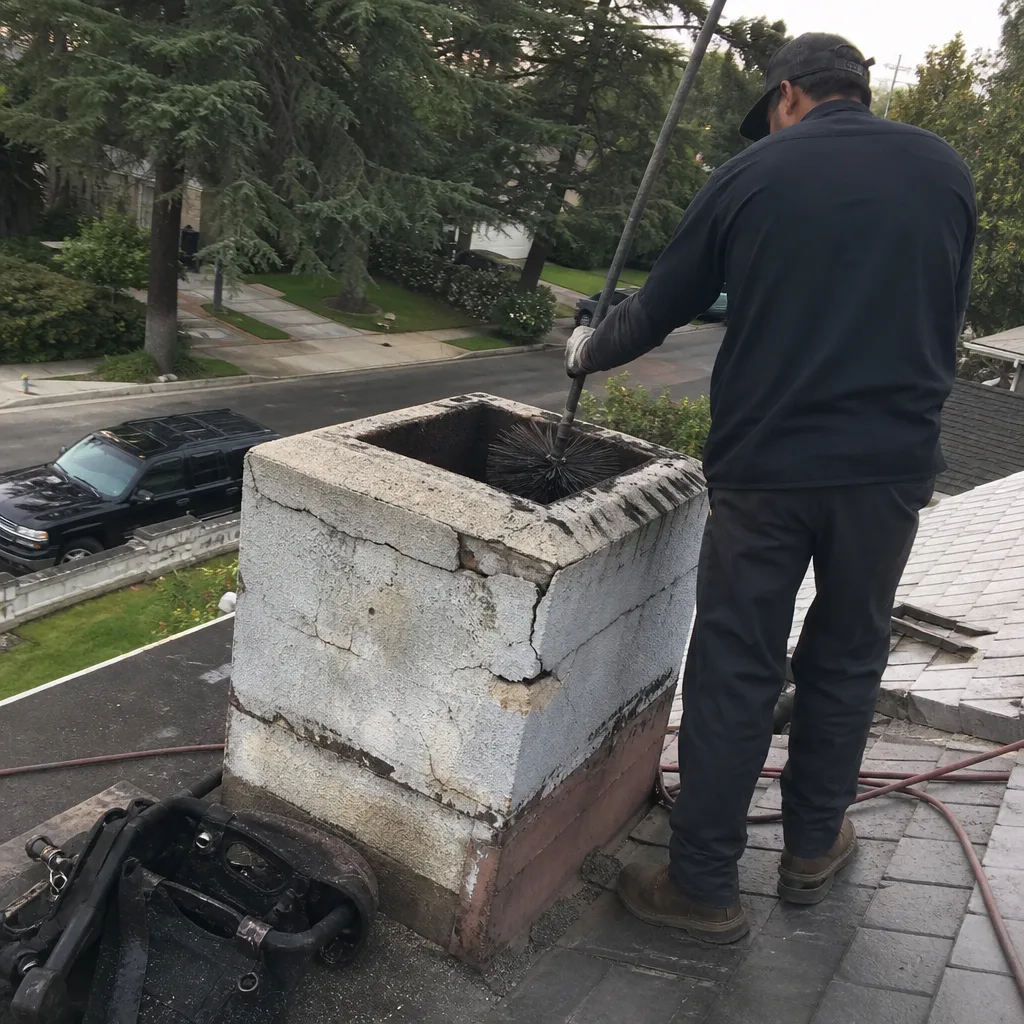 Before
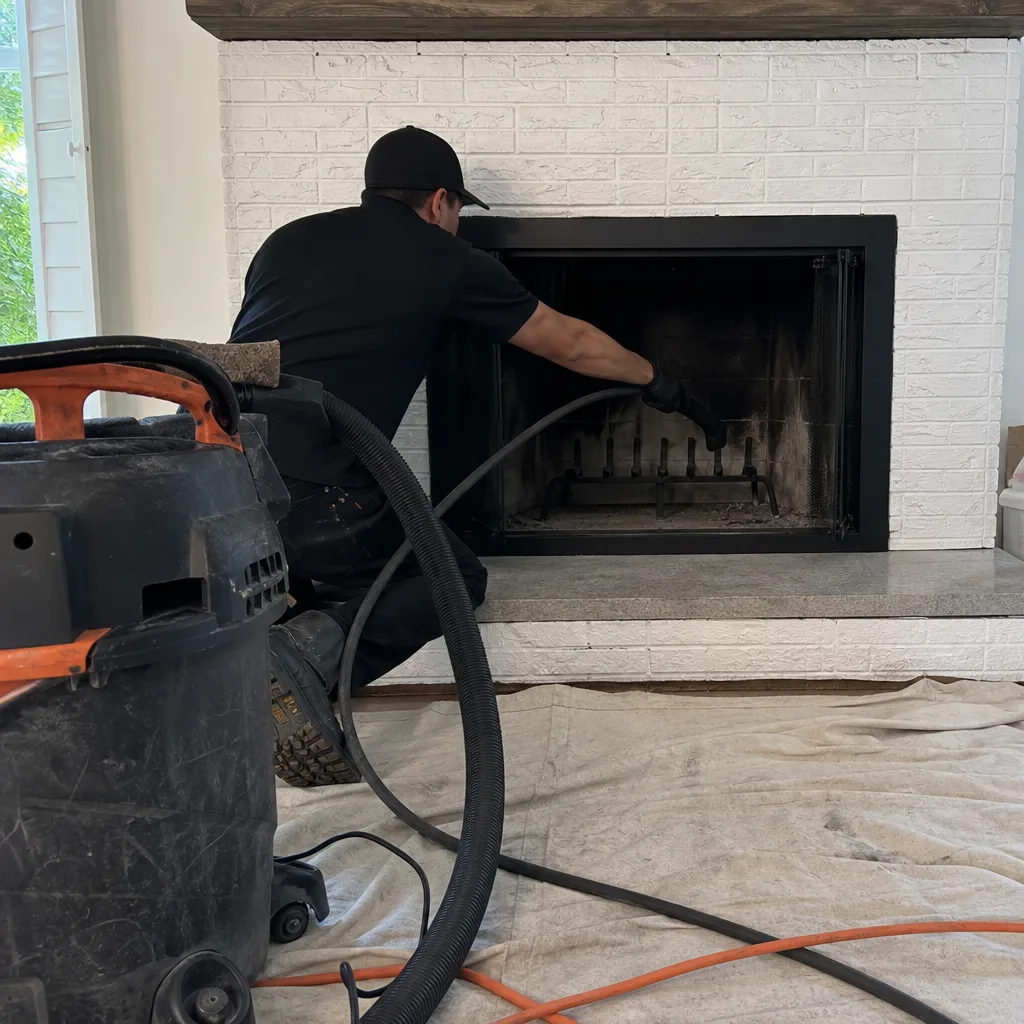 After
AfterFast, Reliable Chimney Inspection Across Seven Hills
Chimney inspection in Seven Hills typically runs $189 – $389 depending on the level, and most appointments are booked within a week. If you live in Seven Hills, you’re dealing with a specific problem most Cleveland suburbs don’t face: your home sits on an exposed ridgeline where Lake Erie wind drives rain and ice straight into your chimney crown. We know these streets, these brick ranches, these split-levels. Call (336) 863-3889 and we’ll send a background-checked, identity-verified technician whose name and photo you’ll see before we arrive.
Why Alcott Chimney Sweep Is Seven Hills’s Preferred Chimney Inspection Company
We’ve worked on enough Seven Hills homes to know what we’re going to find before we climb the ladder. The housing stock here is almost entirely 1950s – 70s brick ranch, split-level, and colonial construction. Those original clay tile flues are now 50 – 70 years old, and the freeze-thaw cycling that comes with Cuyahoga County’s lake-effect snow belt has been working against them the whole time. Our technicians live in the trade, not a script, and they understand how Seven Hills’ topography accelerates crown spalling in a way that flat-terrain communities like Parma simply don’t experience.
Ruben Castellano runs Alcott Chimney Sweep with a simple rule: show your work. Every inspection includes photo documentation. Every repair gets a written price before we touch anything. Every recommendation is backed by camera evidence you can see for yourself. We’re part of the Threshold Group family of home-service companies, which means every technician passes a background check and identity verification before they ever step on your property. That’s the Threshold Standard, not an optional upgrade.
Level 2 Chimney Inspection in Seven Hills
A Level 2 Chimney Inspection in Seven Hills runs $289 – $489 and is the inspection level we recommend for most homes here, especially any property built before 1980 or any home that’s converted heating fuels. It includes everything in a Level 1 visual check plus camera scanning of the full flue interior, attic and crawlspace access points, and the exterior chimney structure above the roofline. Given Seven Hills’ ridgeline wind exposure and decades of freeze-thaw stress on original masonry, this is the inspection that actually shows you what’s failing inside your flue, not just what’s visible from the hearth.
When Seven Hills Homes Need a Level 2
You need this level after a home purchase, after any chimney fire, after a major weather event like the ice storms we get off Lake Erie, or when you convert from oil to gas heat. The oil-to-gas conversion failure is a pattern we see constantly across Seven Hills: original flues sized for high-output oil boilers become oversized and cold once a high-efficiency gas furnace goes in, which produces chronic condensation and spalls clay tiles from the inside out. A camera inspection catches that before your flue becomes a liability.
What You’ll Get from Our Camera Inspection
We run a waterproof camera up the full length of the flue and record the condition of every tile joint, every mortar seam, every offset. You’ll see the footage with your own eyes. If we find cracked tiles, a damaged smoke chamber, or a compromised crown, we’ll show you the stills and explain plainly whether it can wait or needs attention now. No vague warnings. No pressure.
Chimney Leak in Seven Hills
A Chimney Leak in Seven Hills usually traces back to a cracked crown or failed flashing, not the brick itself, and diagnosing it properly starts with a $189 Level 1 inspection before any repair quote is written. The wind-driven rain that funnels across Seven Hills’ ridgelines hits your crown at an angle that flat-terrain homes never experience. Once water gets into a crown gap during a hard freeze, it expands, splits the crack wider, and repeats the cycle all winter. By spring, you’ve got water staining at the roofline, damp drywall near the hearth, and a chimney that’s deteriorating from the top down.
Where Seven Hills Leaks Actually Start
Most leaks we find on Seven Hills homes involve crown spalling or flashing separation at the roofline. The crown is the concrete cap on top of the chimney, and on 50 – 70-year-old brick homes it’s often cracked in a pattern that looks like a spiderweb from above. Flashing fails when the original metal pulls away from the brick, which wind-driven rain exploits relentlessly. Neither is a quick fix, but both are fixable, and both get a written price before we start.
The Right Repair Order
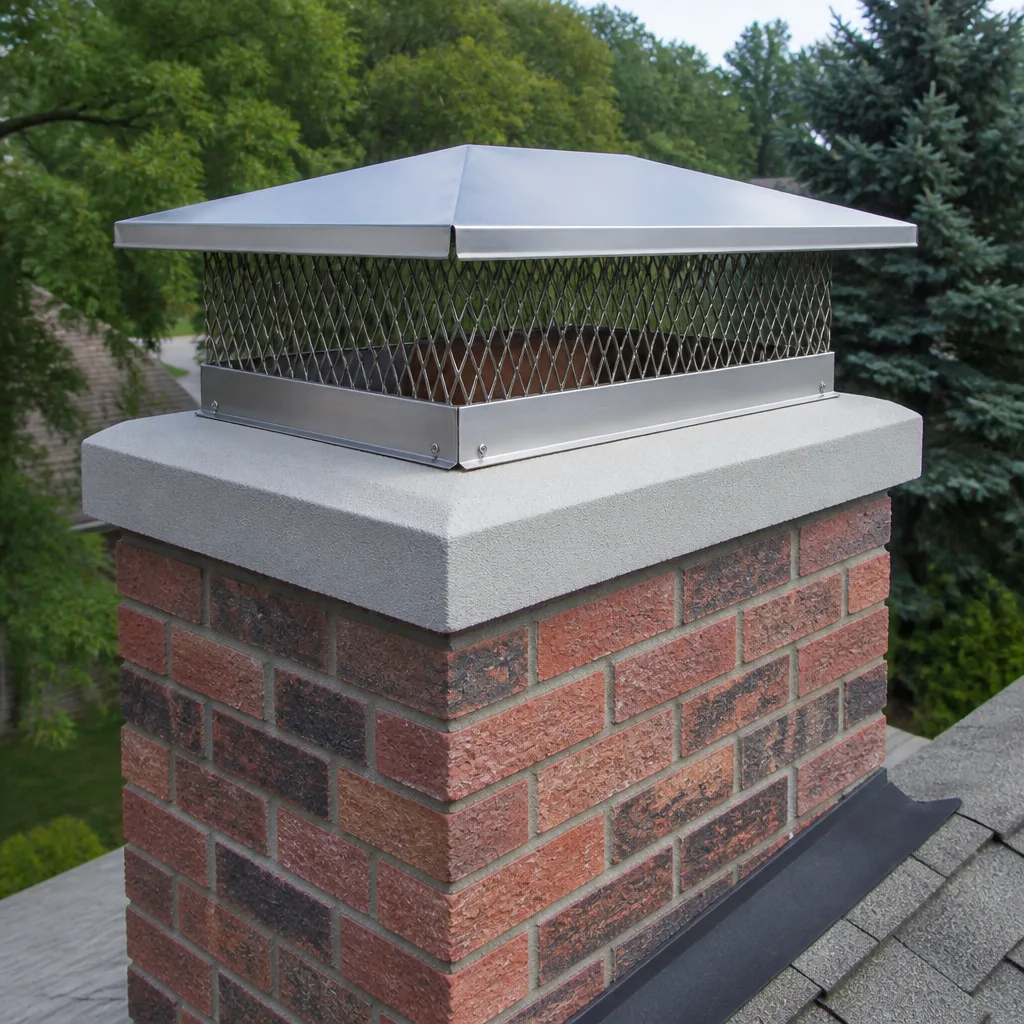
We don’t patch a leak; we find it, document it, and fix the cause. If the crown is gone, we replace it with a Gelco crown system. If the flashing is compromised, we re-flash and seal properly. If water has worked its way down into the flue, we’ll likely recommend a Level 2 camera inspection to see the damage before quoting repair work. Everything we install carries a written guarantee.
Trusted Brands We Service in Seven Hills
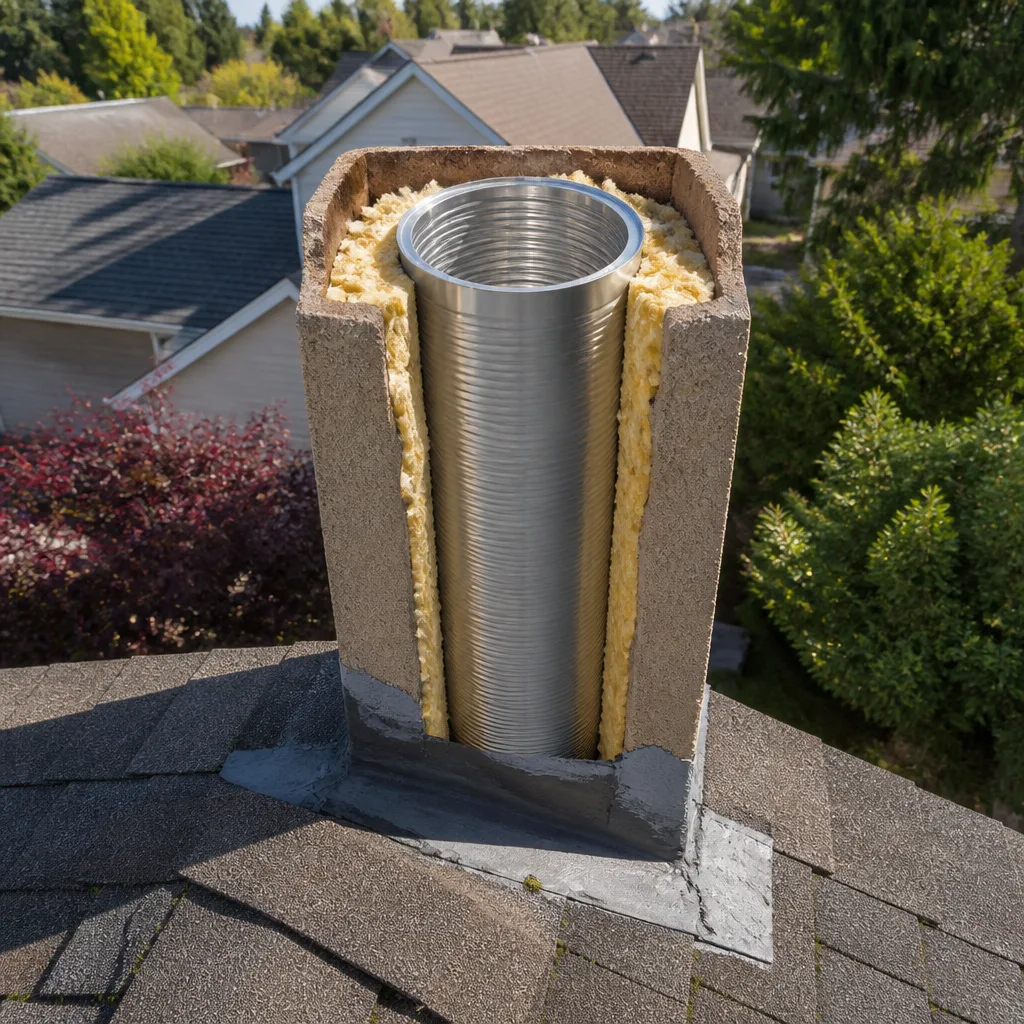
We carry and install the materials the trade actually specifies, not whatever the box store has on the shelf. For Seven Hills homes converting from oil to gas or relining after years of condensation damage, we work with HeatShield systems, Gelco crown products, and Olympia Chimney stainless liners. Having these materials in our local stock means we can often quote a reline or repair in Seven Hills without waiting on special-order parts. You get the same system a commercial masonry contractor would specify, priced honestly, with a written guarantee that covers the work for a full 365 days.
Common Chimney Inspection Problems We See in Seven Hills Homes
- Wind-scoured crown spalling: Your crown is the concrete cap, and on exposed ridgelines it catches every gust coming off Lake Erie. Repeated freeze-thaw opens cracks that would take decades to develop on flat-terrain streets, and those cracks funnel water straight into your mortar joints.
- Third-degree creosote glazing from wood stoves: Homes on the rural edges of Seven Hills often run wood stoves as real heat, not ambience. When a flue goes two seasons without sweeping, the creosote glazes into a tar-like layer that a standard brush can’t remove and that carries a serious chimney fire risk.
- Oversized flues after oil-to-gas conversion: That 1950s flue was sized for an oil burner running at 600+ degrees. A high-efficiency gas furnace runs cooler, leaves the flue too cold and too large, and produces condensation that spalls clay tiles from the inside. You can’t brush this away; it requires relining.
- Failed flashing at the roofline: Seven Hills’ elevation means wind-driven rain hits the chimney-roof intersection at an angle that peels flashing away from the brick over time. Water follows the gap and works down into the framing, which is why a leak you notice in the attic may actually be a chimney leak at the crown.
Pricing for Chimney Inspection in Seven Hills, OH
A Level 1 inspection in Seven Hills runs $189 – $259. A Level 2 with full camera scan and attic/crawlspace access runs $289 – $489. A Level 3 inspection, reserved for cases where we suspect hidden damage inside the chimney structure and may need to remove portions of masonry or interior wall material, starts at $189 and is quoted in detail after the initial findings. Relining work on a 50-year-old Seven Hills flue typically runs $2,800 – $6,500 depending on height, diameter, and access. Crown replacement with a Gelco system runs $750 – $1,600. Every estimate includes a written price before work begins, and every repair carries a written guarantee for one year. Call (336) 863-3889 for exact numbers on your chimney.
We Also Serve Cities Near Seven Hills
Our Chimney Inspection team covers the full Cuyahoga County area, including Seven Hills and neighboring communities like Columbus, Cleveland, Parma, and Lorain. If you’re in one of those communities and need an honest inspection with photo documentation and upfront pricing, the same Threshold-Verified crew that serves Seven Hills is available to you.
Serving Seven Hills, OH - Our Local Coverage Area
We’re based in the Seven Hills area and know this community well. Use the map below to see our service coverage - if you’re nearby, we can almost certainly help.
FAQs About Chimney Inspection in Seven Hills
Twice a year if you’re burning wood daily in Seven Hills, or at minimum once before burning season starts and again mid-season if you notice heavy smoke or reduced draft. Wood stoves here load creosote far faster than occasional fireplaces, and our technicians see third-degree glazing in rural Seven Hills properties that went even two seasons without sweeping. The safe interval is shorter here because the burn load is heavier. If you’re not sure whether your build-up is glazed, call (336) 863-3889 and we’ll camera-check it before recommending anything.
Because your home sits on exposed ridgeline terrain where Lake Erie winds drive rain and ice into the crown at an angle, while Parma sits on flatter ground and sees far less wind-driven water hitting the top of the stack. Repeated hard freezes expand those cracks wider every winter. Seven Hills’ namesake hills aren’t just a scenic feature; they change how masonry weathers. A cracked crown is fixable, but it won’t wait politely until spring. Call us for a Level 1 inspection and we’ll show you exactly what’s happening up there.
Those deposits are condensation byproducts, not creosote from wood. Your original flue was sized for a hot oil burner, and the smaller, cooler exhaust from a high-efficiency gas furnace leaves the flue too cold to draft properly. The moisture condenses, mixes with combustion residue, and creates a tar-like deposit that eats away at clay tile from the inside. Brushing alone won’t solve it; you need a properly sized liner. We install HeatShield and Olympia Chimney systems for exactly this situation in Seven Hills homes.
A Level 2 includes the visual check of a Level 1 plus a full camera scan of the flue interior and access points in the attic or crawlspace. In Seven Hills, where original 1950s – 70s flues have been through decades of freeze-thaw and many have been converted from oil to gas, a camera is the only way to see cracked tiles, failed mortar joints, or a compromised smoke chamber before it becomes a chimney fire or a carbon monoxide issue. We recommend a Level 2 for every home purchase, fuel conversion, or chimney over 30 years old.
Not with a standard brush, no. Third-degree creosote is glazed, tar-like, and hardened onto the flue walls, and attacking it with a wire brush can score and crack old clay tiles. The correct approach is a chemical treatment that breaks down the glaze, followed by careful removal, and in many cases a liner evaluation afterward because the conditions that created the glaze have usually damaged the flue. We see this constantly on Seven Hills wood-stove homes that run hot all winter. If you suspect glazed creosote, don’t burn until it’s been looked at; call (336) 863-3889 and we’ll camera-check the flue first.
If you live in Seven Hills and want an honest chimney inspection with photo documentation, a written price before any work, and a technician whose name and face you know before the doorbell rings, call Alcott Chimney Sweep at (336) 863-3889. We’ll give you a real answer, not a sales pitch.
Written by Ruben Castellano, Owner at Alcott Chimney Sweep, serving Seven Hills homeowners with honest inspection, photo-documented findings, and written pricing since 2002.