
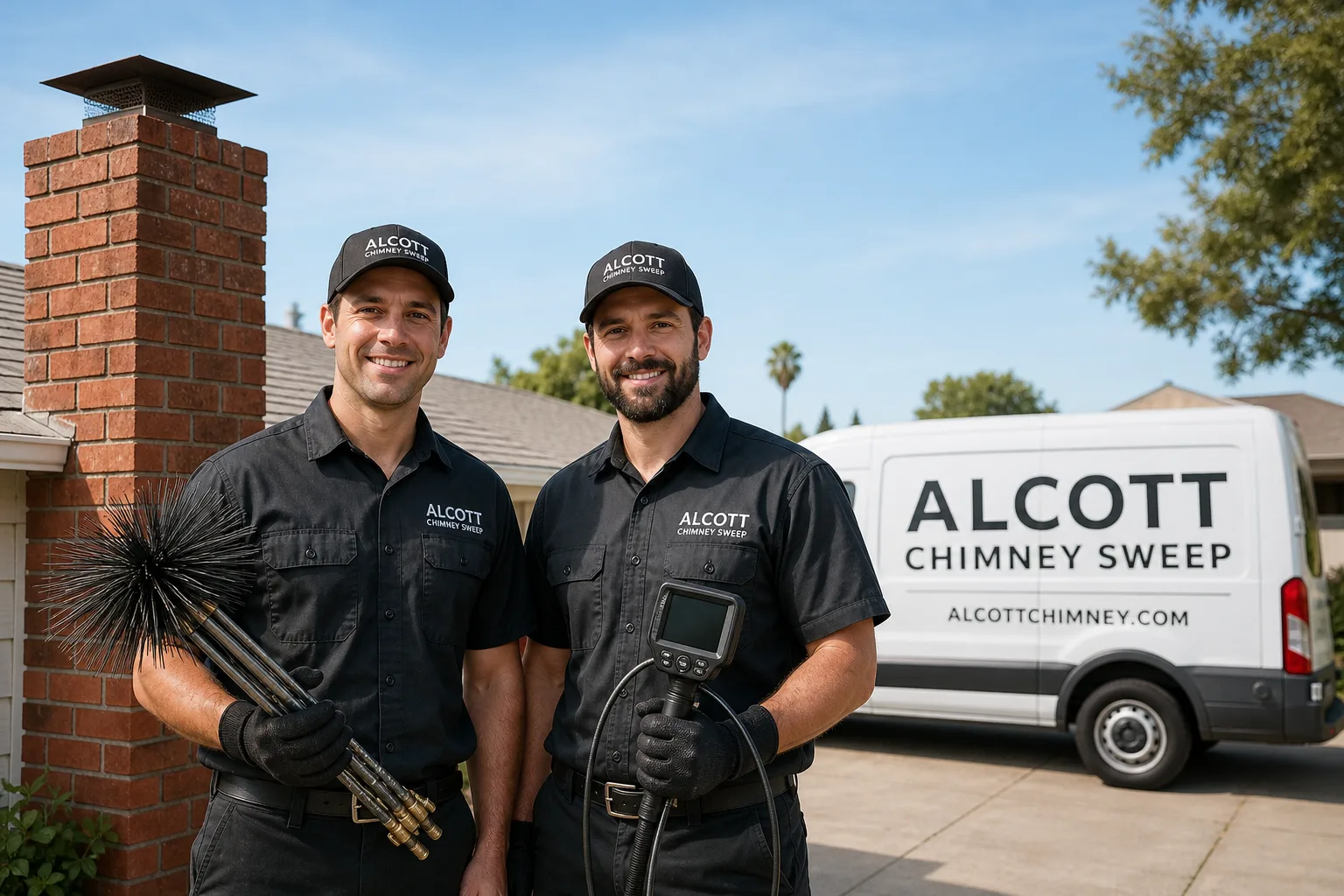
Level 1 sweep and inspection to the NFPA 211 annual standard - flue, crown, cap, and flashing checked and photographed
Chimney sweep logs do not sweep chimneys. They loosen some creosote - which then falls where a brush and vacuum still have to collect it.
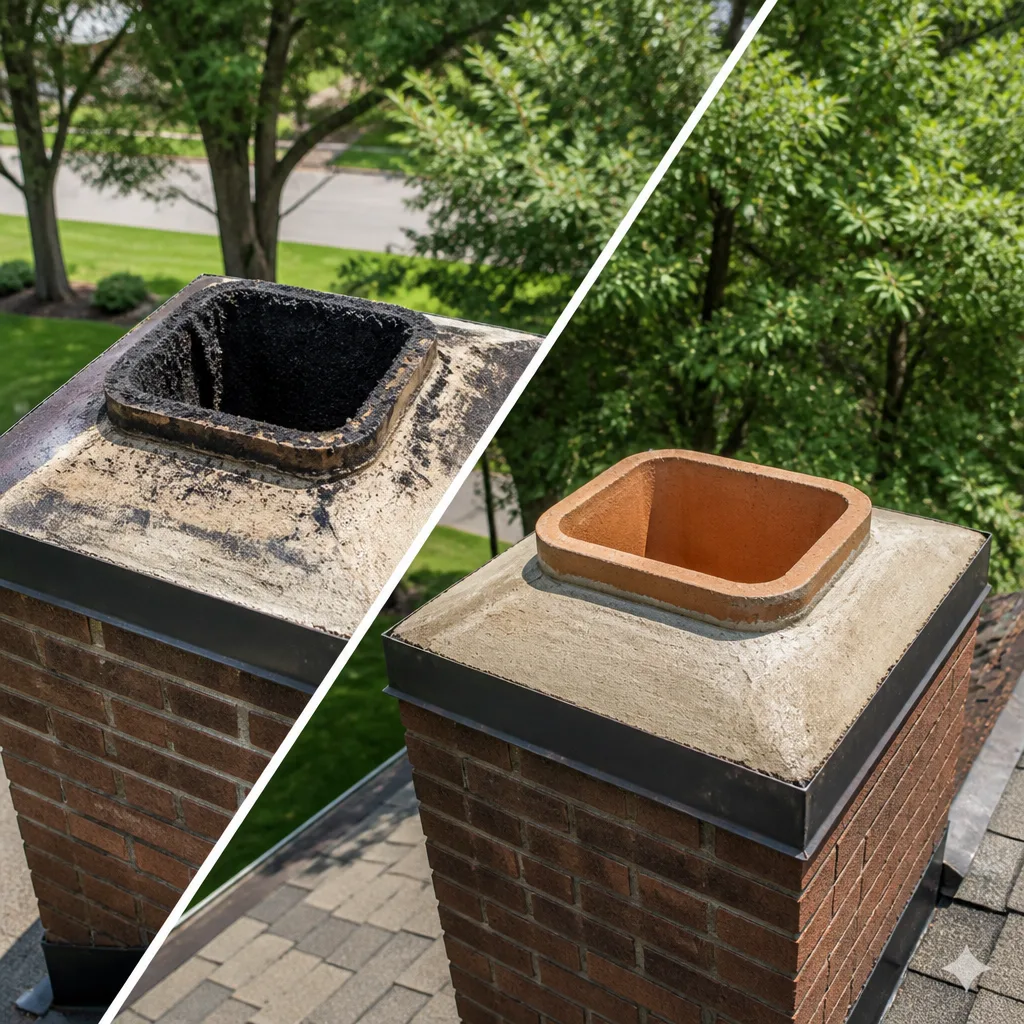
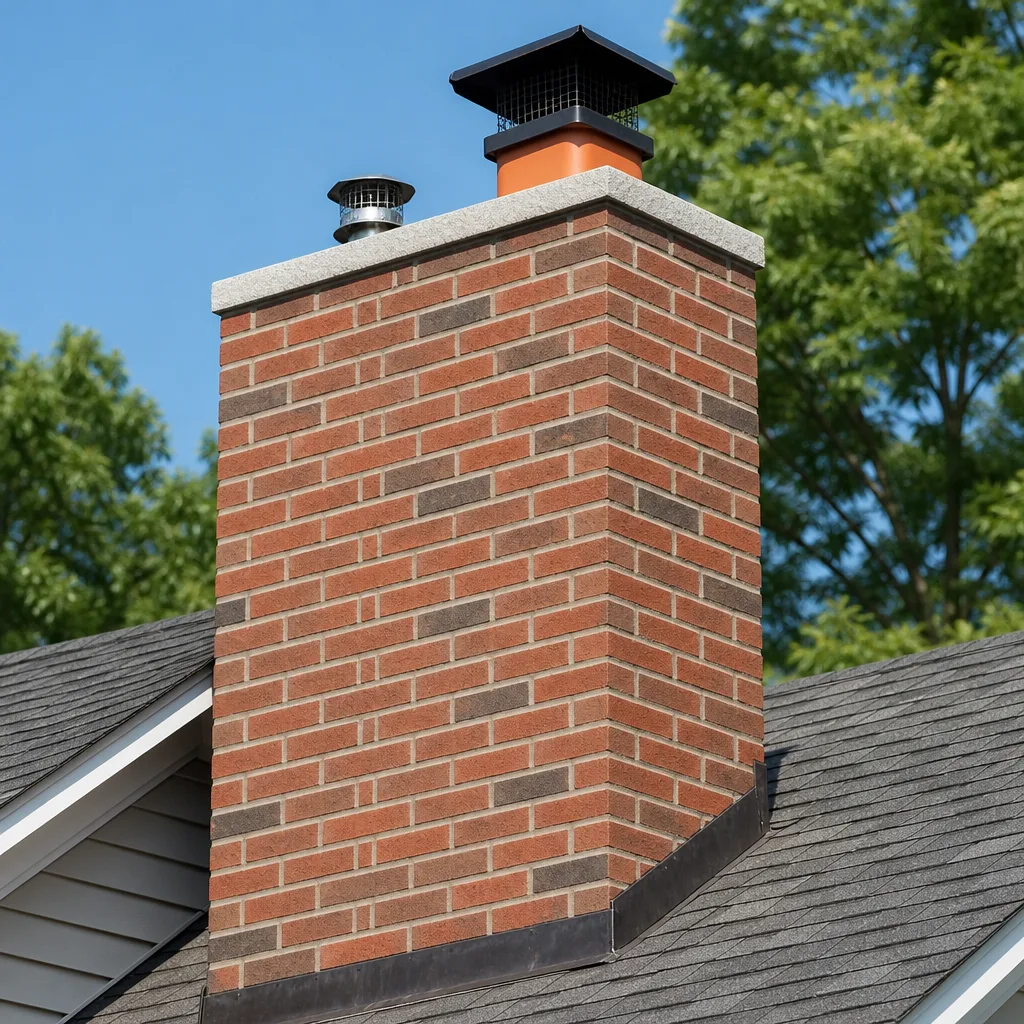
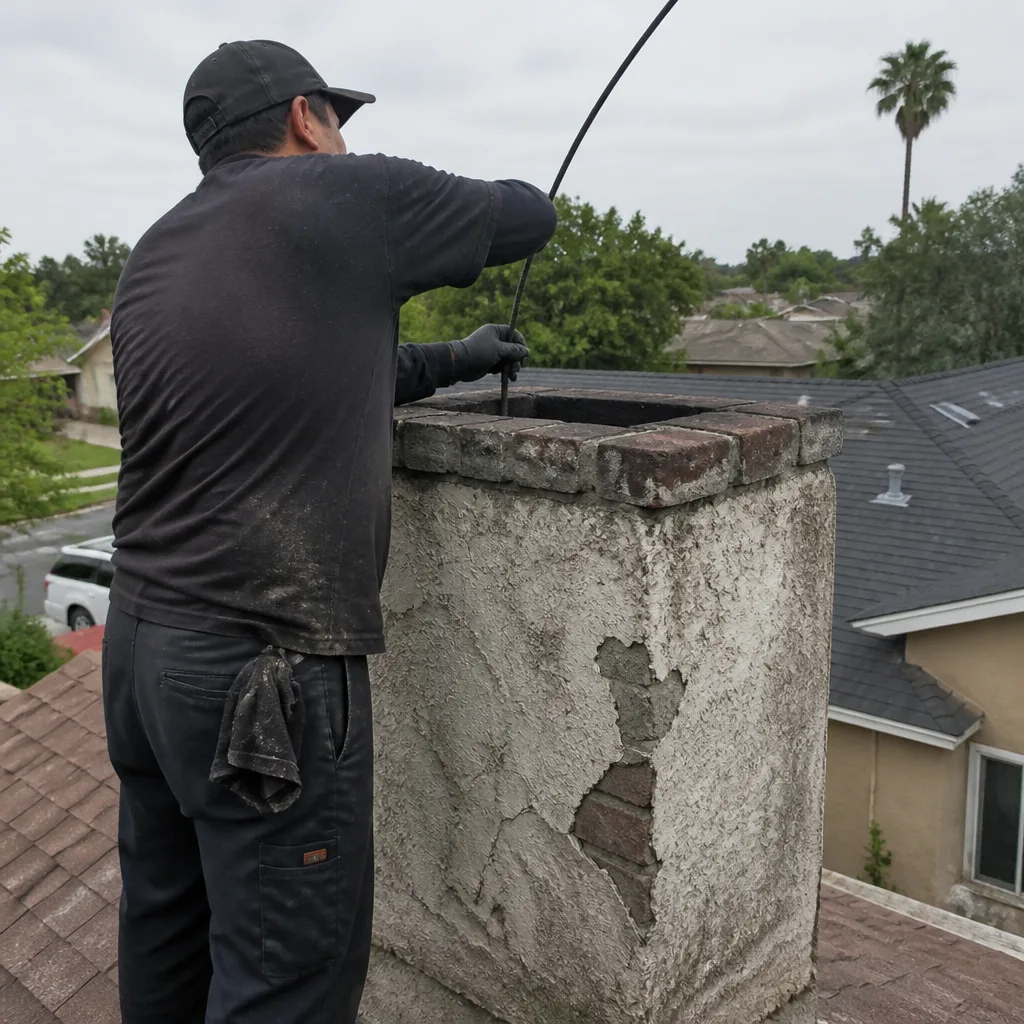 Before
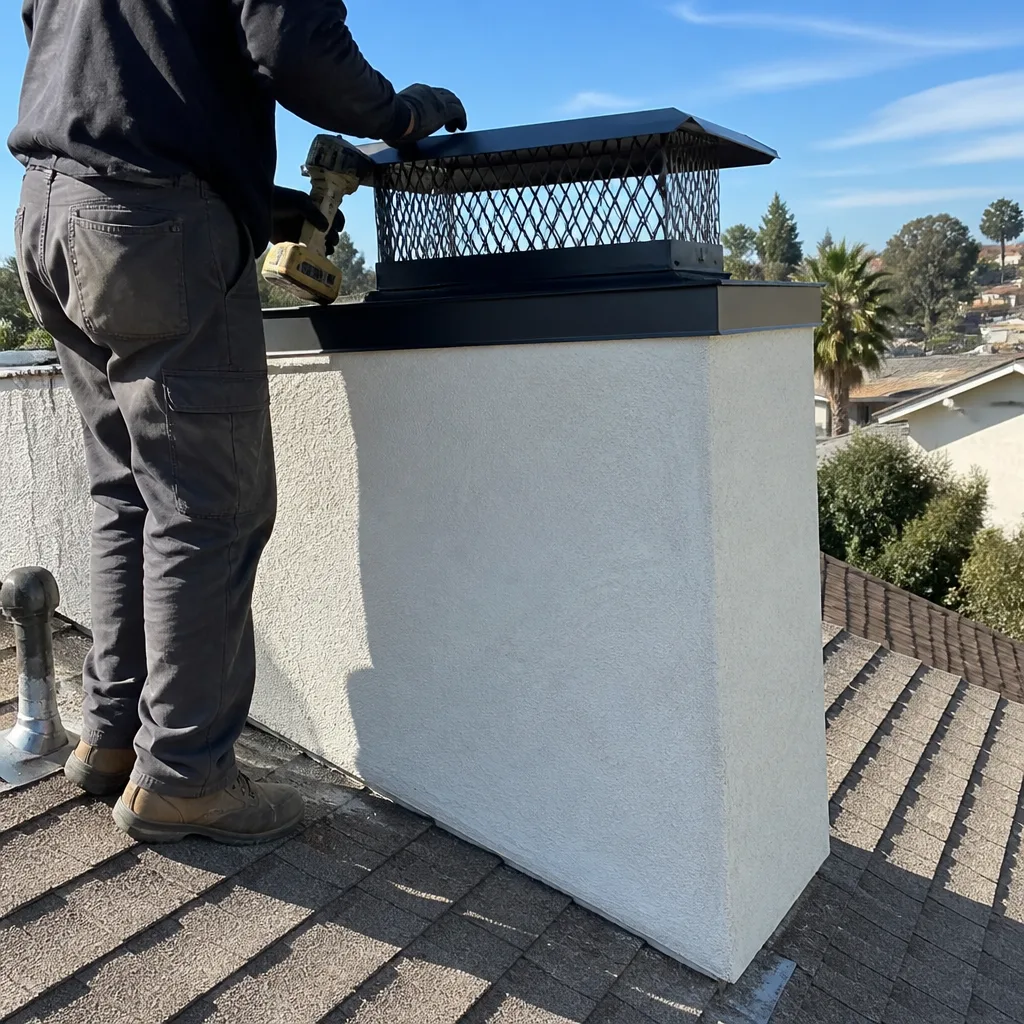 After
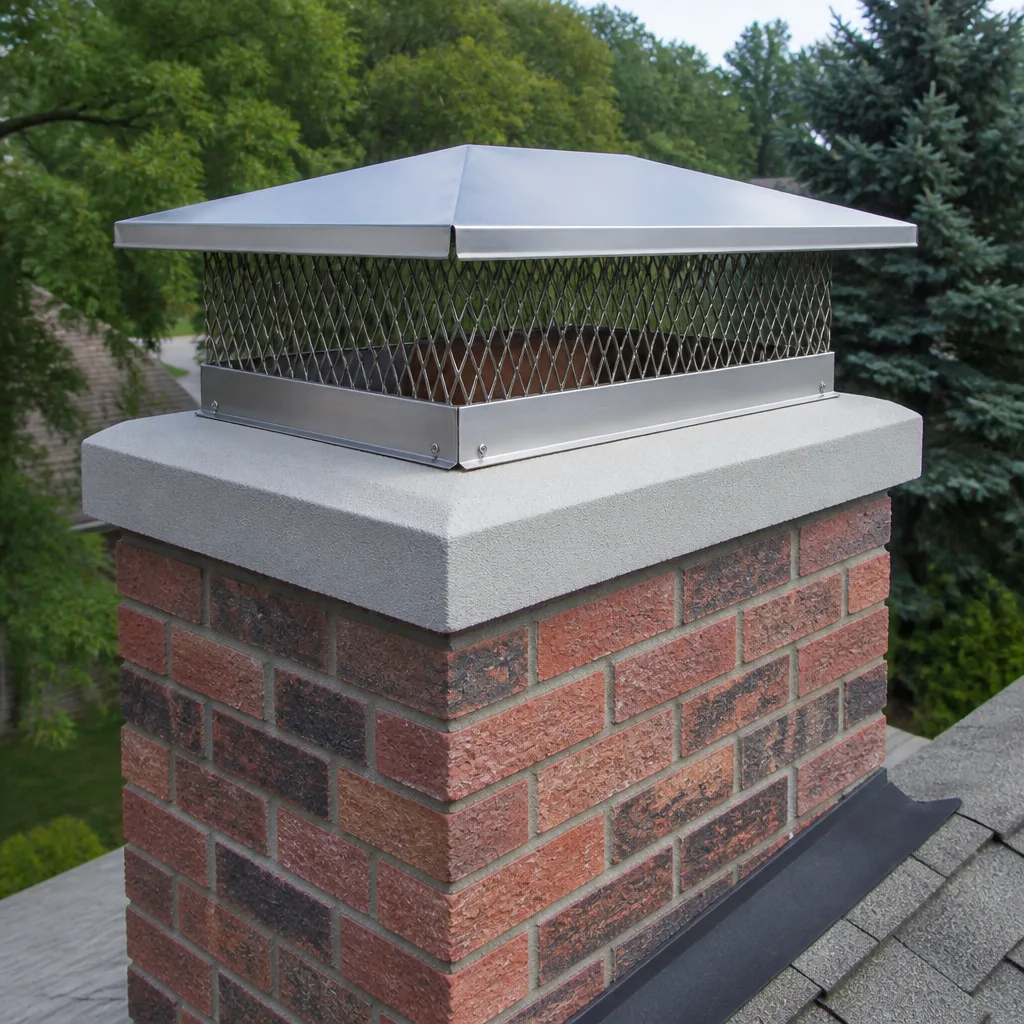
After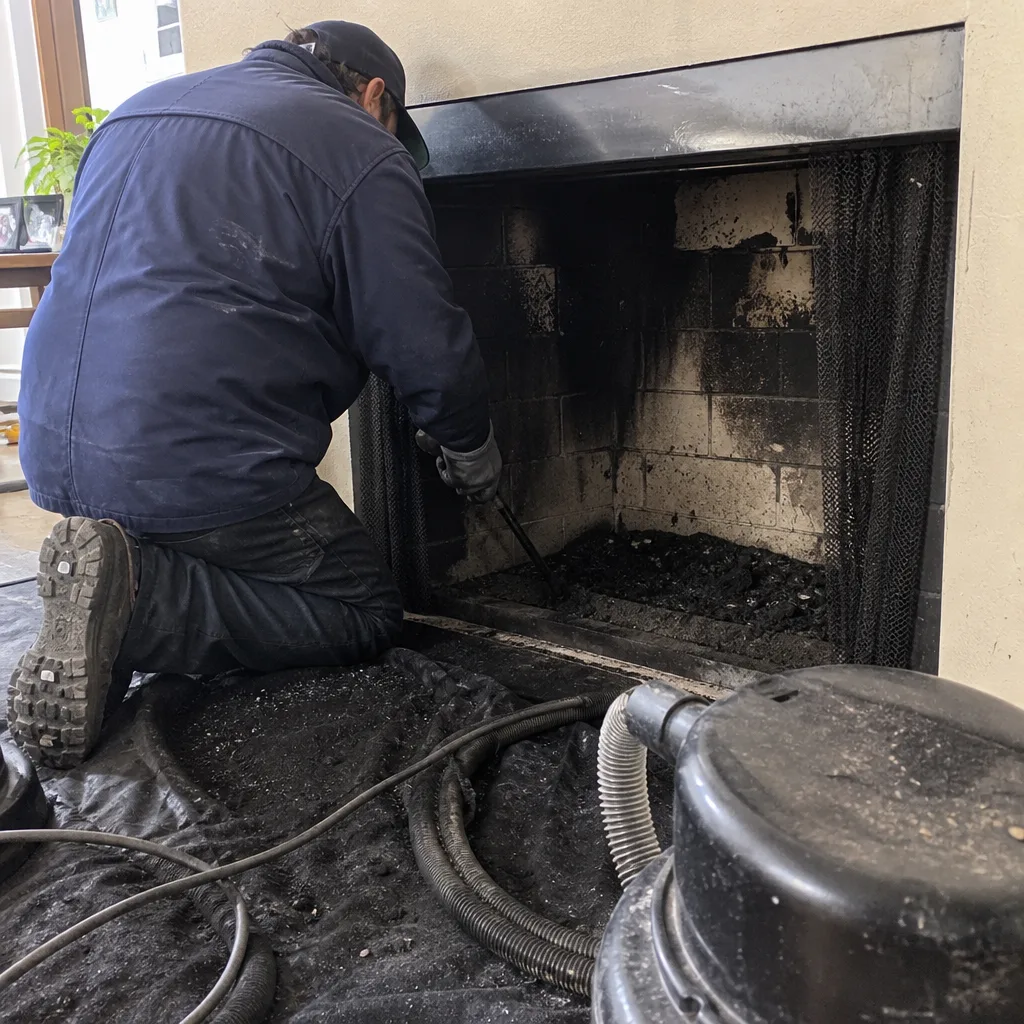 Before
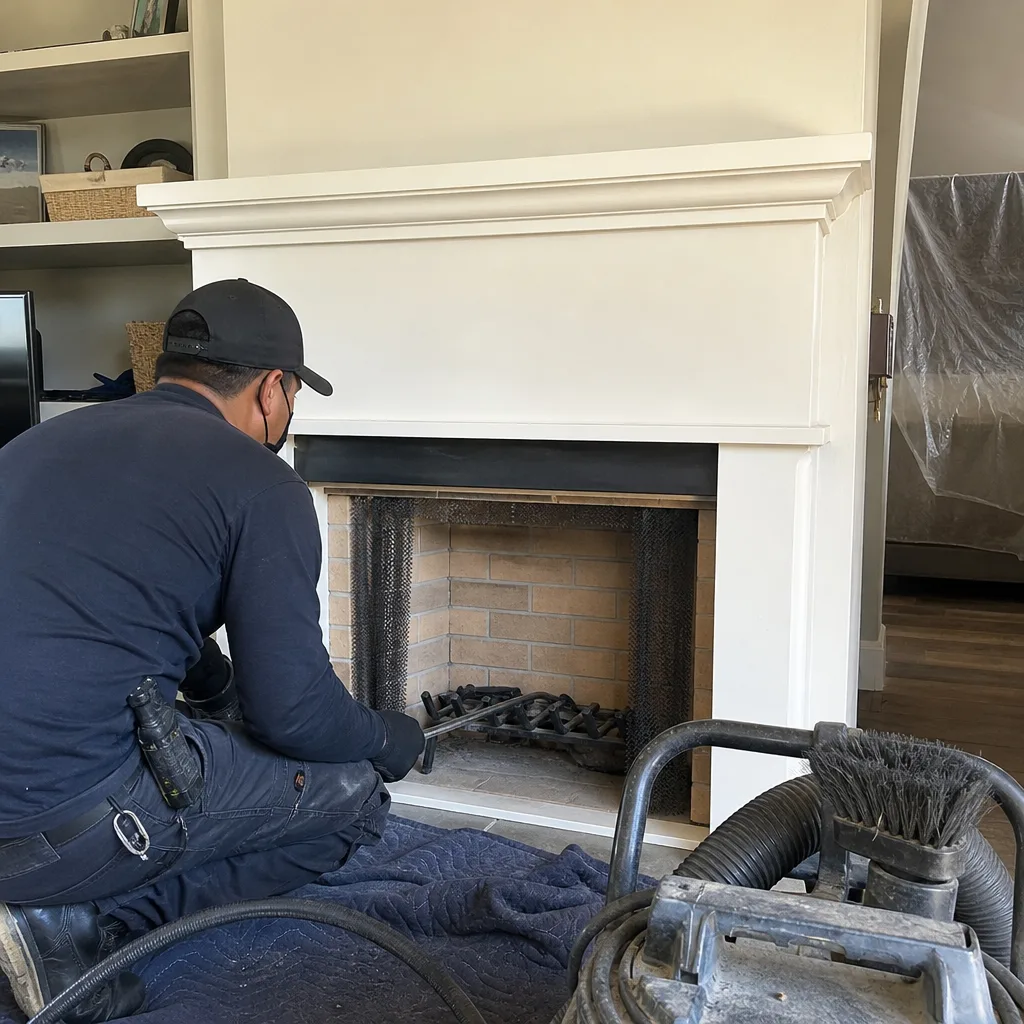 After
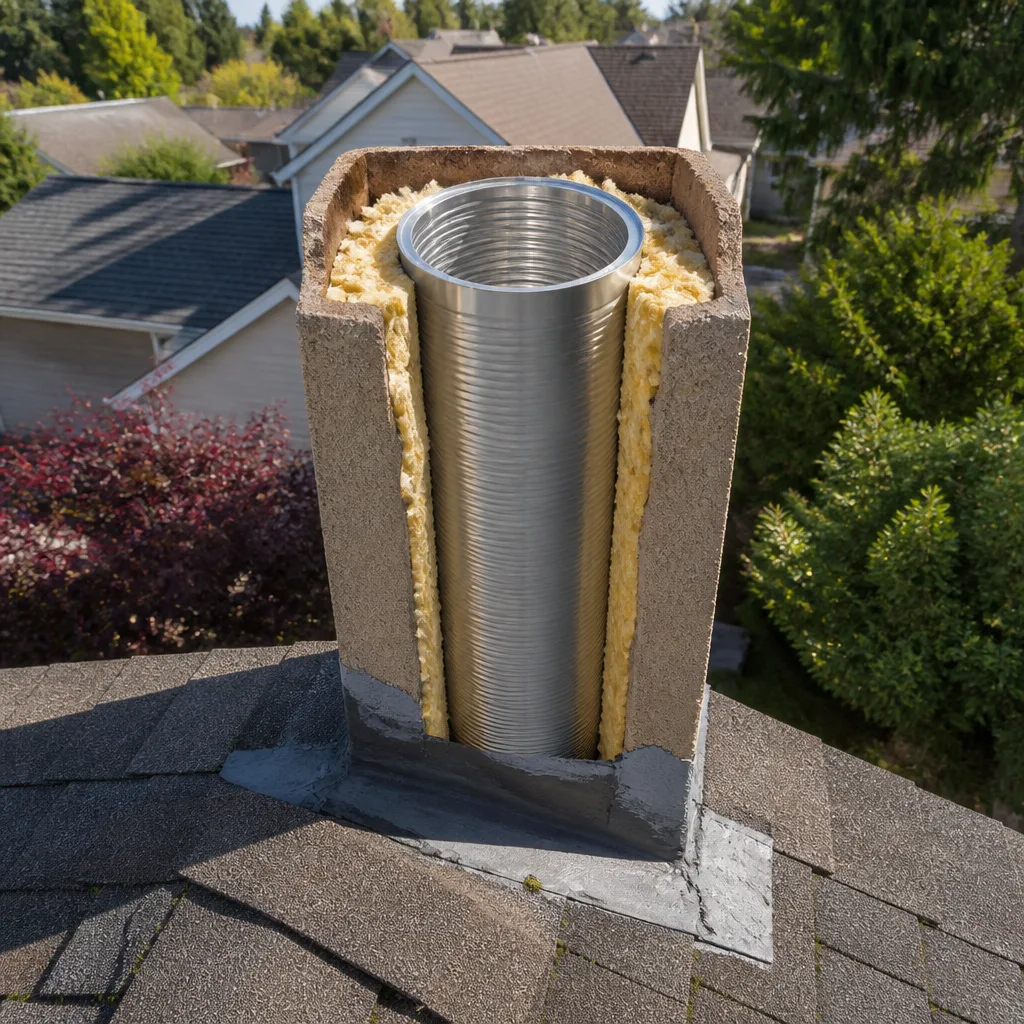
After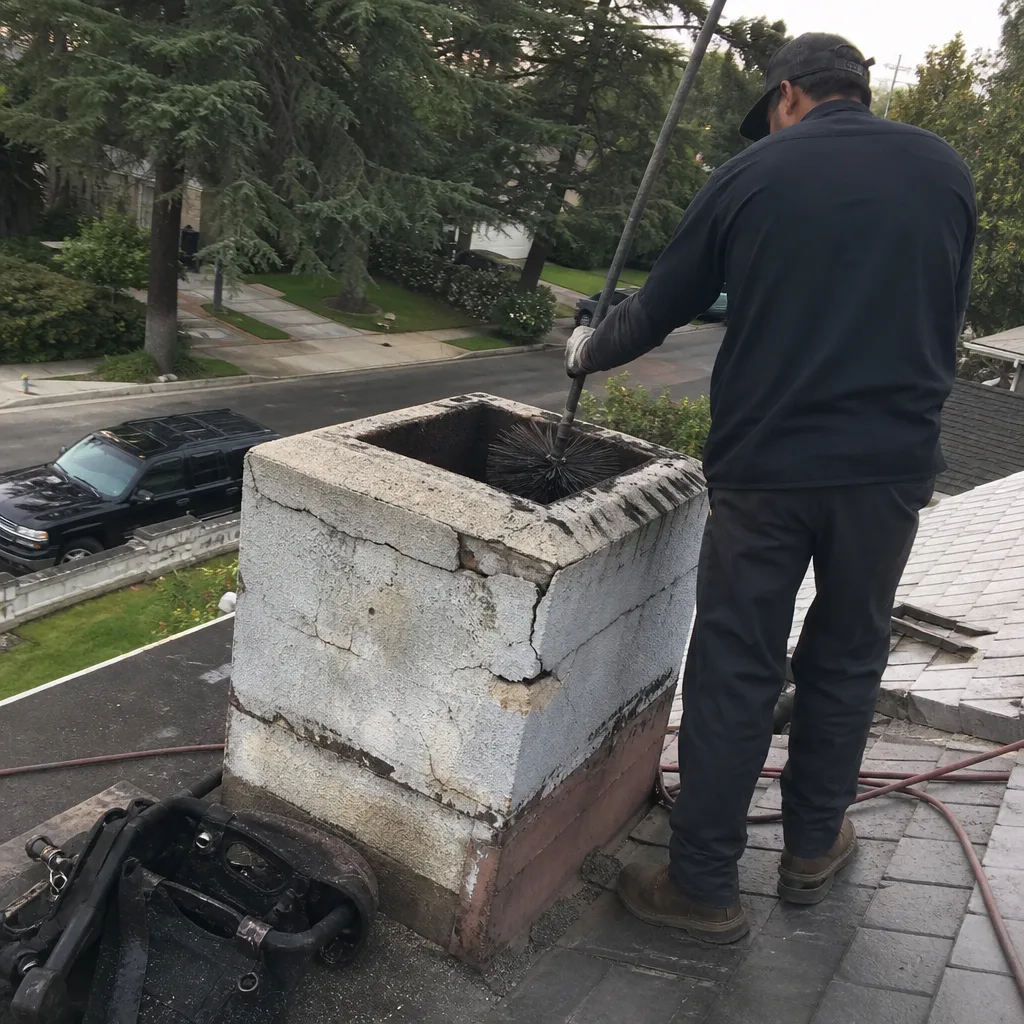 Before
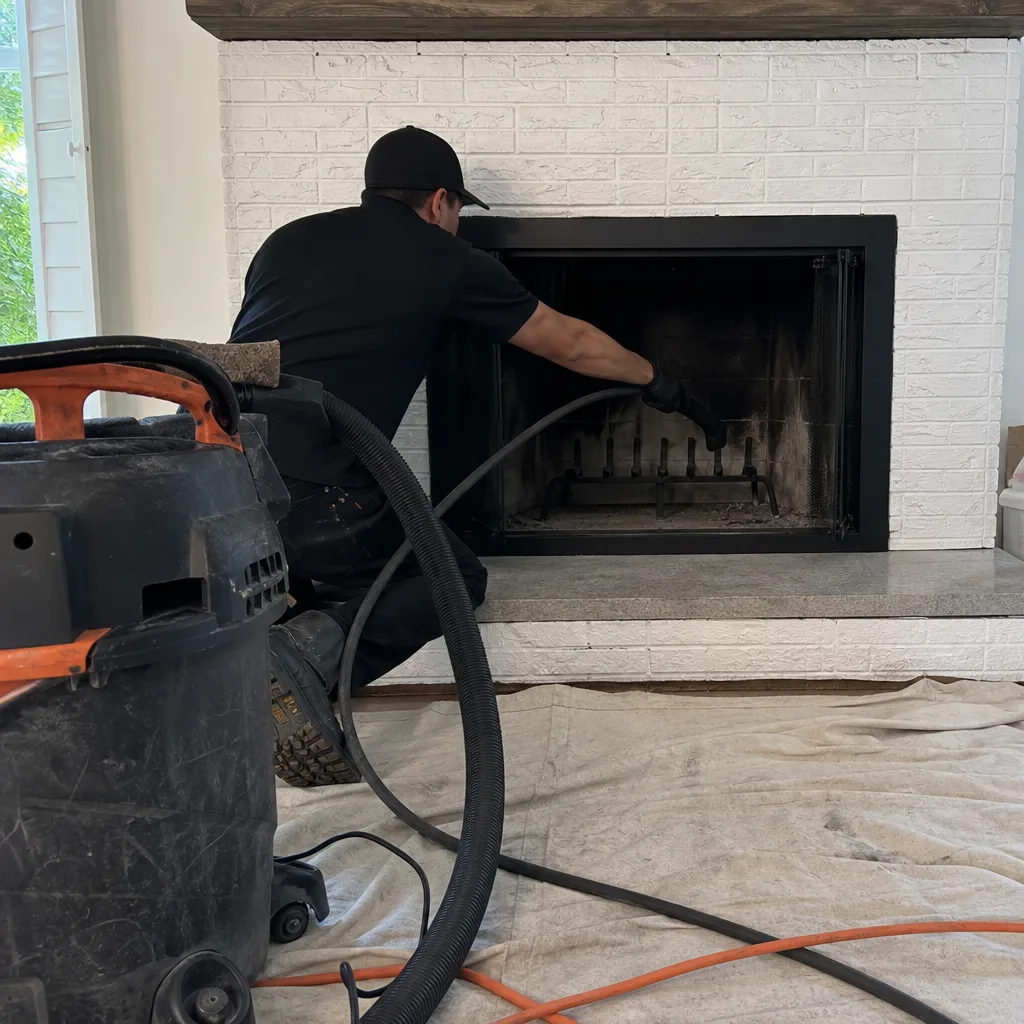 After
AfterFast, Reliable Chimney Sweep Across Buffalo
You need a Chimney Sweep who understands that Buffalo homes aren’t like houses anywhere else. The city’s pre-1940 brick doubles, punishing lake-effect winters, and shared chimney stacks create problems most companies never see. Our technicians live in this market. They know what a Riverside two-family stack looks like from the roof, and they know what happens when three flues share one brick column through six months of freeze-thaw cycles. We answer every call with a live person, day or night. For a free estimate on any chimney work in Buffalo, call (336) 863-3889.
Why Alcott Chimney Sweep Is Buffalo’s Preferred Chimney Sweep Company
Buffalo homeowners keep calling us for one reason: we show our work. When we recommend a repair, we put a camera in the flue and show you the video. You see the cracked tile liner, the creosote glazing, the spalled brick. Nothing gets recommended without evidence you can watch on our screen. That’s not standard practice in this industry, but it should be. Ruben Castellano built this company in 2002 around a simple premise: treat every homeowner like someone who deserves to see the proof. Our Buffalo customers tell us that’s exactly what they get.
Every technician who arrives at a Buffalo address is background-checked, identity-verified, and announced to you by name and photo before we knock on the door. That’s the Threshold Standard, and it’s not an upgrade. You’ll know our tech’s name, see their face, and verify their photo ID badge at the threshold. For older homeowners, parents alone with kids, or anyone uneasy about strangers entering their home, that name-and-photo preview matters more than any slogan. You’ll know who’s coming before the truck turns onto your street.
Our written guarantee covers every repair. If the repair fails within the coverage period, the second visit is free. That’s the 365-Day Done Right Promise, and it’s in writing on every job. No verbal assurances. No fine-print exclusions. Just a full year of accountability on work that’s already been verified on camera.
Chimney Sweep Certified in Buffalo
Chimney Sweep Certified in Buffalo means something specific here: a full removal of creosote and soot from every flue in the stack, not just the one you called about. In a city where one brick column often carries three or four flues, sweeping only the fireplace flue while ignoring adjacent furnace and water-heater liners leaves the household next door exposed. We sweep them all. The job involves brushing the flue interior, vacuuming the firebox and smoke shelf, checking the damper, and documenting the result with photos.
When does a Buffalo homeowner need a certified sweep? At minimum once a year, before the burning season. If you burn more than a cord of wood, or if your flue is an oversized coal-era liner that’s been converted to gas, twice a year often makes more sense. A standard chimney sweep in Buffalo typically runs $190 – $310 for a single flue, with shared-stack sweeps of three or four flues landing between $420 and $680. We hand you a written price before any brush touches the chimney.
Creosote Removal in Coal-Era Flues
Creosote is the tar-like residue that condenses when smoke hits a cold flue wall. Buffalo’s oversized pre-1940 chimneys run cold by design, because they were sized for coal and now vent smaller gas or oil exhaust. That cold surface pulls creosote and soot out of the exhaust stream fast. When we sweep a converted coal flue in a North Buffalo craftsman, we expect to find first- and second-degree creosote even after one moderate burning season. That’s not homeowner negligence. It’s a lining that was never sized for the appliance now using it.
Annual Sweeps for Shared Stacks
If you own one half of a Buffalo double, your annual sweep should be a full-stack sweep. Anything less means someone’s flue went uncleaned. We don’t charge a premium for the honesty, but we do charge for the extra flues, because each one gets the same brush-and-vacuum treatment and the same camera pass. Homeowners who’ve switched to gas sometimes think they can skip the sweep. They can’t. Soot buildup in a gas flue is slower, but the moisture problems in an unlined brick flue get worse every year it’s ignored.
Gas Fireplace Cleaning in Buffalo
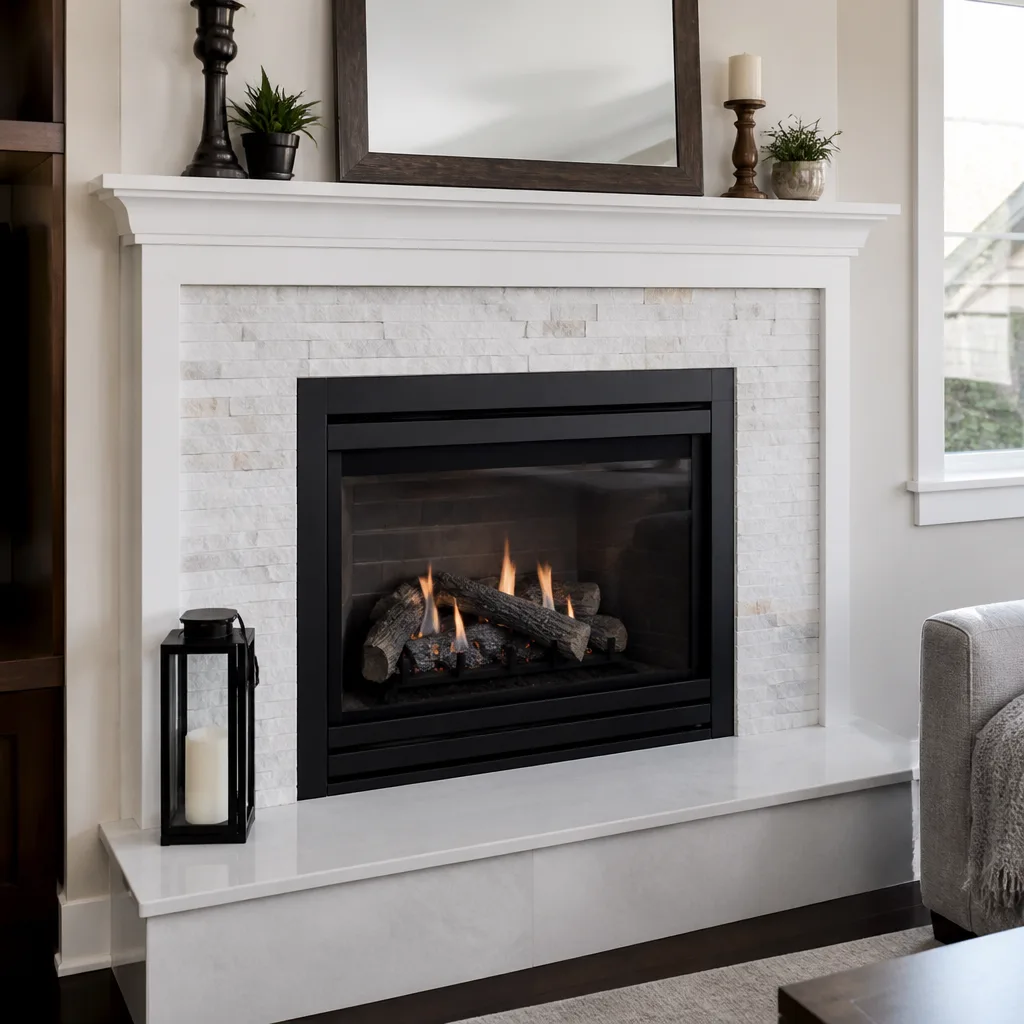
Gas Fireplace Cleaning in Buffalo addresses a specific local issue: the glass-fronted gas units installed in so many converted Buffalo doubles and Victorian singles go cloudy and sooty far faster than manufacturers predict. That’s not a defect. It’s our hard water, our fluctuating gas pressure, and our long heating season combining to deposit a fine film on the interior glass and ceramic logs. The job involves pulling the glass, cleaning the ceramic logs and burner assembly, vacuuming the interior, checking the venting, and verifying proper flame color and carbon monoxide readings.
A gas fireplace cleaning and safety inspection in Buffalo typically runs $160 – $240. If the unit needs a new thermocouple, thermopile, or remote receiver, those parts add $90 – $180 each, quoted upfront. Most gas fireplace visits take 60 to 90 minutes, and we carry Famco and Copperfield gas components on the truck so common repairs finish in one visit.
Log and Burner Service
Ceramic fiber logs crack after years of heat cycling, and when they do, they release airborne fibers into your living room. We check every log for spider-cracking during a standard cleaning. If replacement is needed, we quote the exact log set before ordering. We don’t guess and we don’t install whatever’s on sale at the box store.
Venting and Carbon Monoxide Checks
A gas fireplace that vents into a shared Buffalo chimney stack is part of a network you can’t see. Our cleaning includes a carbon monoxide check at the unit and a visual inspection of the vent connection. In dense South Buffalo blocks, we’ve found disconnected vent pipes that were never properly joined after a previous homeowner’s DIY effort. That’s not a cleaning issue. It’s a life-safety issue, and we flag it on the spot.
Trusted Brands We Service in Buffalo
We install and service professional trade materials because Buffalo chimney conditions demand them. DuraFlex liner systems hold up to condensation better than thin-walled substitutes. HeatShield resurfacing restores failed flues without a full teardown, which matters when the stack is six courses of brick shared between two households. We also work with Famco and Copperfield for caps, dampers, and gas venting. These are the brands chimney professionals specify, not box-store substitutes. We keep common components in local stock so a Buffalo repair doesn’t wait on a slow distributor.
Common Chimney Sweep Problems We See in Buffalo Homes
- Shared-stack cross-contamination: In a Buffalo double, one masonry stack carries multiple flues side by side. A cracked clay tile liner in one flue can channel combustion gases into an adjacent flue and into the neighbor’s living space. We camera-inspect every flue in the stack, not just the one that prompted the call.
- Freeze-thaw spalling: Buffalo’s winter cycles water in and out of brick faces dozens of times. Mortar joints open, crowns crack, and brick faces pop. Post-winter inspection here isn’t routine maintenance. It’s repair avoidance.
- Oversized coal-era flues: Your flue was built for coal. It now vents gas or oil. That oversized liner runs cold, condenses moisture, and builds creosote faster than a properly sized liner. The appliance changed. The chimney didn’t. That mismatch is the root of most Buffalo draft complaints.
- Damper failures in old fireplaces: Original cast-iron dampers in 1920s Buffalo fireplaces rust through, warp, and stop seating. A damper that won’t close dumps heat out of the house all winter. A damper that won’t open sends smoke into the living room. Both are common, and both are fixable.
Pricing for Chimney Sweep in Buffalo, NY
A standard single-flue chimney sweep in Buffalo runs $190 – $310. A full-stack sweep of a Buffalo double with two or three flues typically lands between $420 and $680. A gas fireplace cleaning and safety inspection runs $160 – $240. A Level 1 inspection is often included with a cleaning; a Level 2 inspection, which adds full camera documentation of every flue in the stack, runs $210 – $340 on its own. If we find damage requiring a HeatShield resurfacing or DuraFlex reline, you’ll see the camera footage before you see a quote. Nothing is recommended without evidence. Call (336) 863-3889 for a written estimate, free of charge.
We Also Serve Cities Near Buffalo
Our Buffalo crews regularly cross into Tonawanda, Depew, North Tonawanda, and Lancaster. If you’re on the edge of the city and wondering whether we cover your street, call us. If you’re anywhere within a reasonable drive of Buffalo, we’ll get a tech to you.
Serving Buffalo, NY - Our Local Coverage Area
We’re based in the Buffalo area and know this community well. Use the map below to see our service coverage - if you’re nearby, we can almost certainly help.
FAQs About Chimney Sweep in Buffalo
Yes. In a shared stack, your neighbor’s flue is physically adjacent to yours, separated only by a few inches of brick and clay tile. If their liner fails, combustion gases can travel laterally into your flue. A full-stack camera inspection is the only way to know the condition of every flue in the column. Call (336) 863-3889 to schedule one.
Because Buffalo’s freeze-thaw cycles damage masonry whether you burn or not. Water seeps into mortar joints, freezes, expands, and cracks the structure. An unlined brick flue also deteriorates from simple exposure to condensation from your furnace and water heater, which run all winter regardless of fireplace use. Annual inspection catches this before a repair turns into a rebuild.
Almost certainly. Your flue was sized for coal, which burned hotter and dirtier than the gas or oil now venting through it. That oversized flue runs cold and under-drafted, which means condensation and creosote buildup happen faster than they would in a correctly sized liner. The fix is often a DuraFlex reline or HeatShield resurfacing, which brings the flue down to the right dimensions for your current appliance.
A regular sweep cleans the flues. A Level 2 inspection adds camera documentation of every flue’s interior condition, including liners, mortar joints, and any hidden damage or blockages. On a shared Buffalo stack, the Level 2 is where we find cross-contamination risks, collapsed clay tiles, and lateral gas paths that a sweep alone would miss. Every Buffalo double we touch gets a Level 2 recommendation if we see anything questionable on the camera.
Creosote becomes a problem when it reaches second or third degree: a hardened, tar-like glaze that won’t brush out and can ignite at normal flue temperatures. First-degree creosote is a dusty soot that’s removed easily during a sweep. Third-degree glazed creosote requires chemical treatment or mechanical removal, and it’s a genuine chimney fire hazard. We’ll show you on camera which grade you have, and why it got that way. Call (336) 863-3889 for an exact assessment.
Written by Ruben Castellano, Owner at Alcott Chimney Sweep, serving Buffalo since 2002.