

Level 1 sweep and inspection to the NFPA 211 annual standard - flue, crown, cap, and flashing checked and photographed
Chimney sweep logs do not sweep chimneys. They loosen some creosote - which then falls where a brush and vacuum still have to collect it.
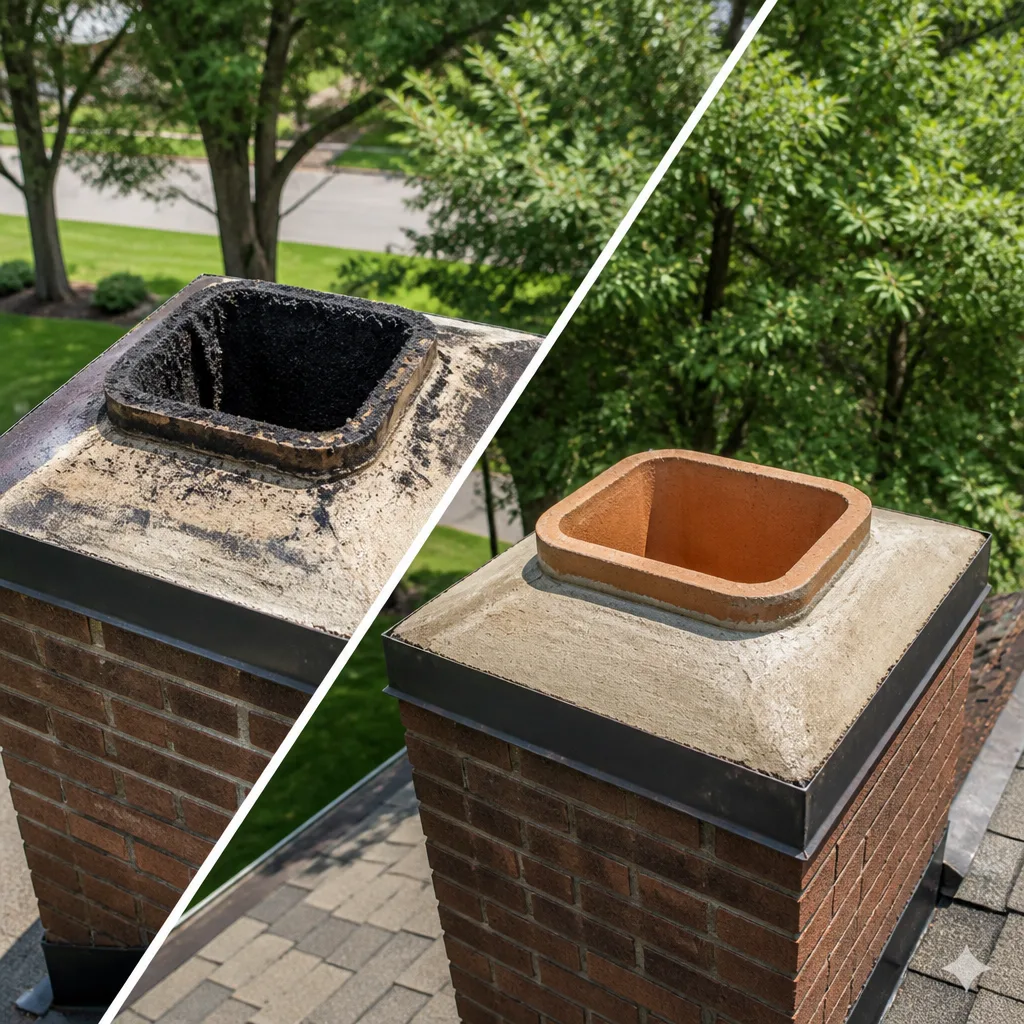
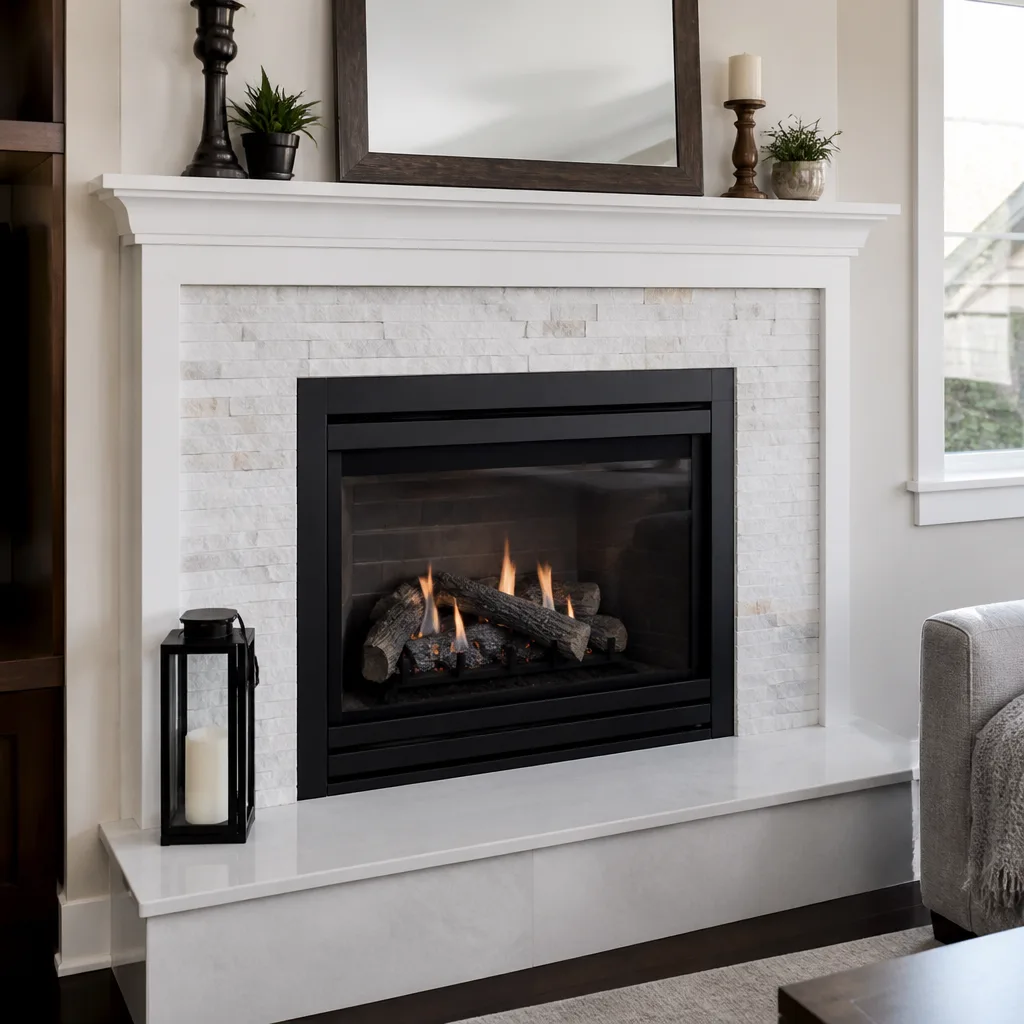
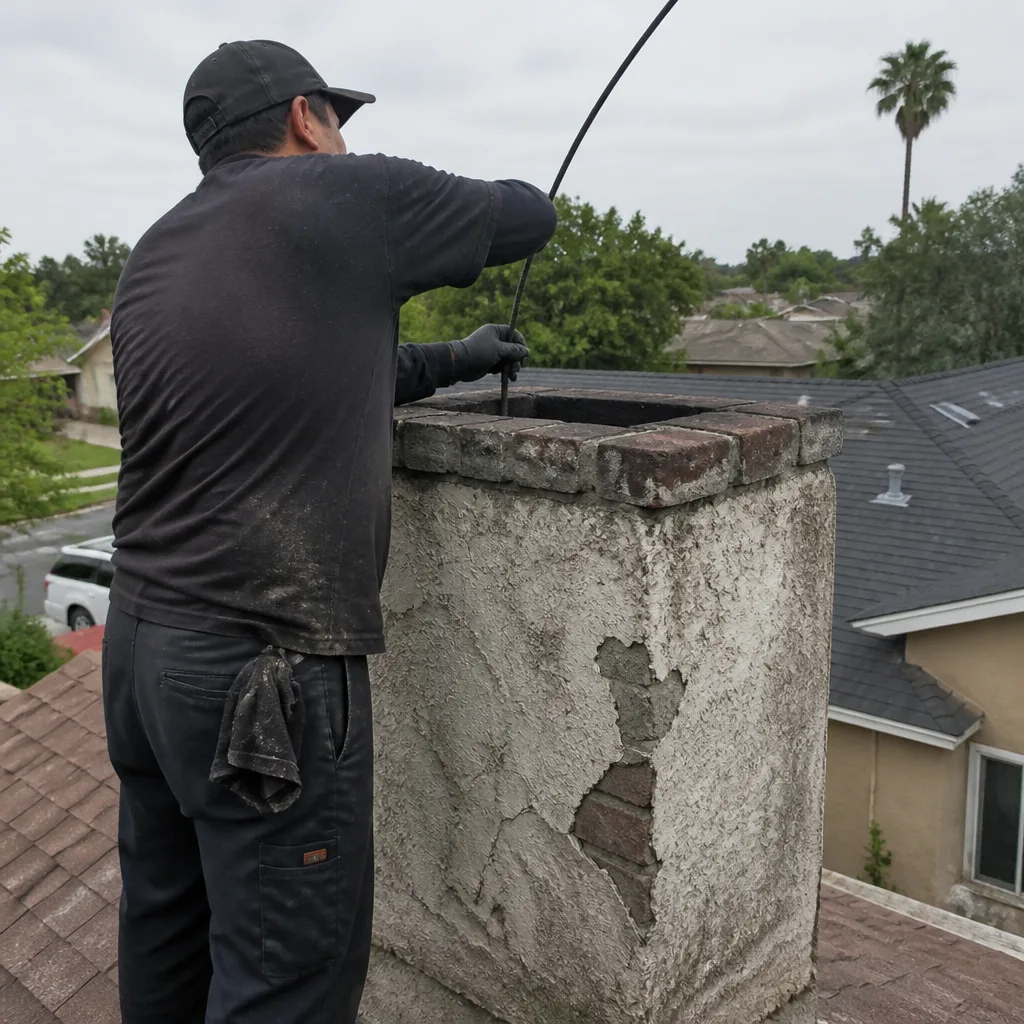 Before
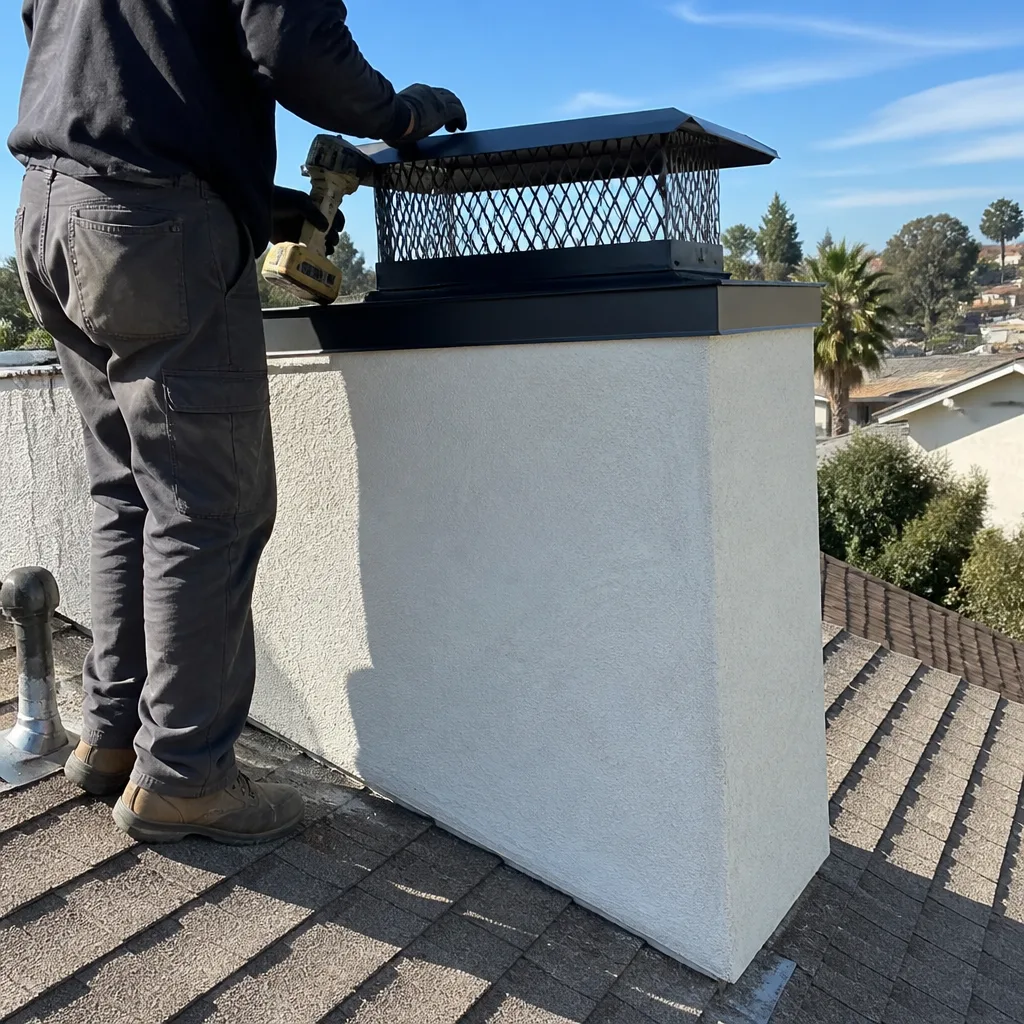 After
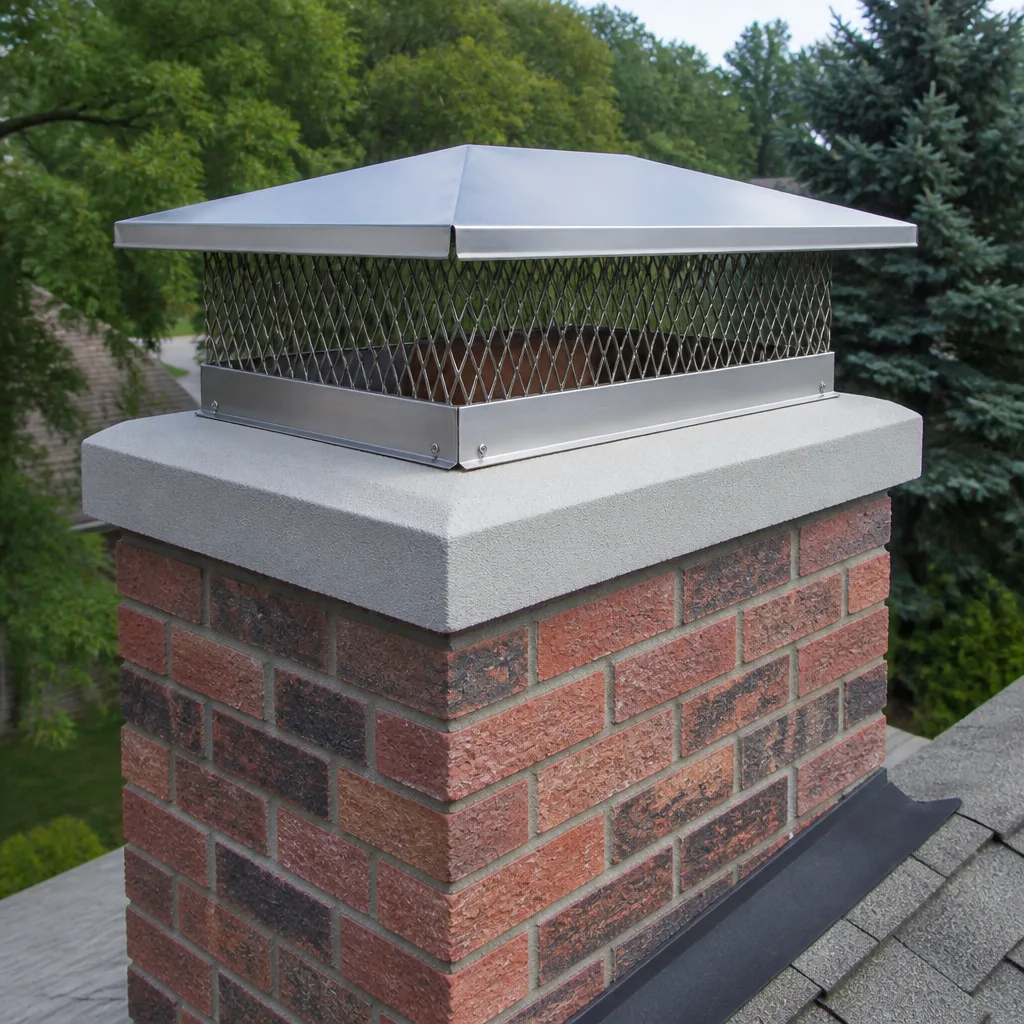
After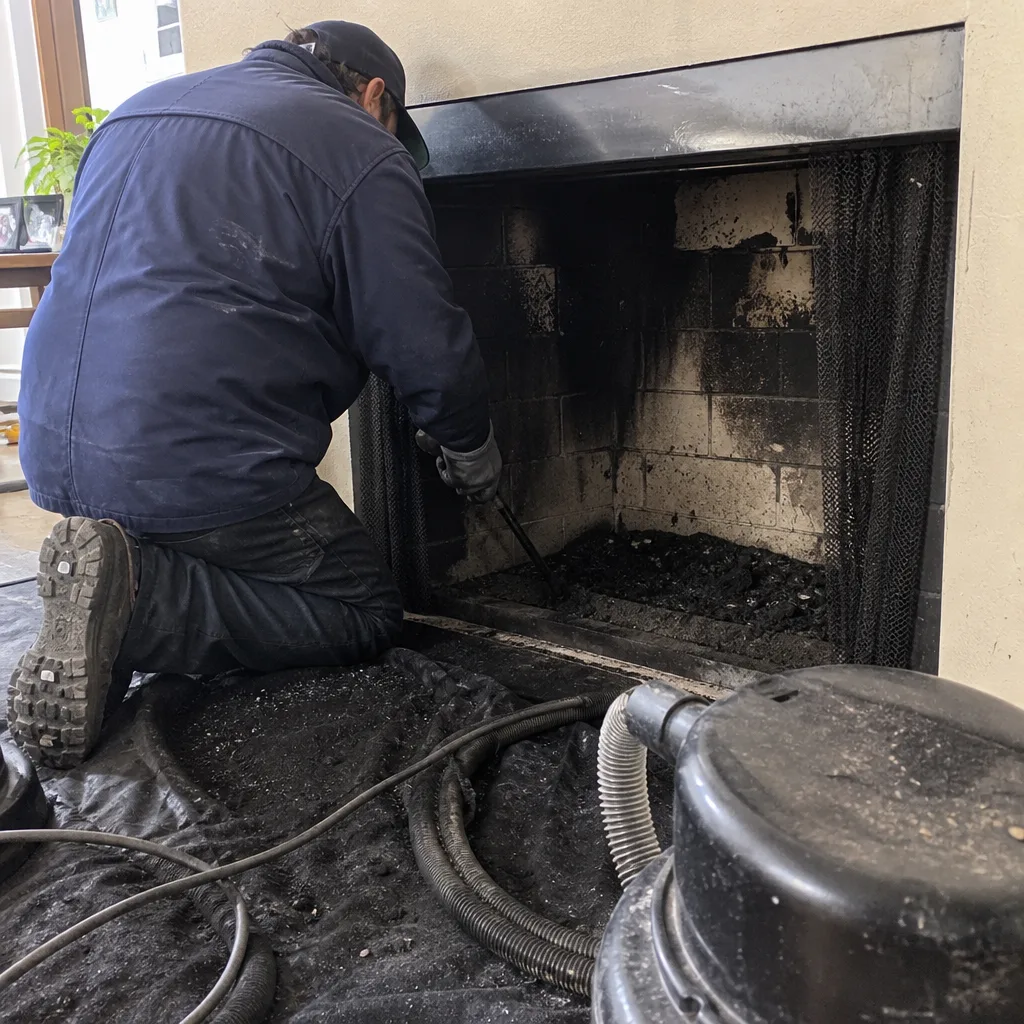 Before
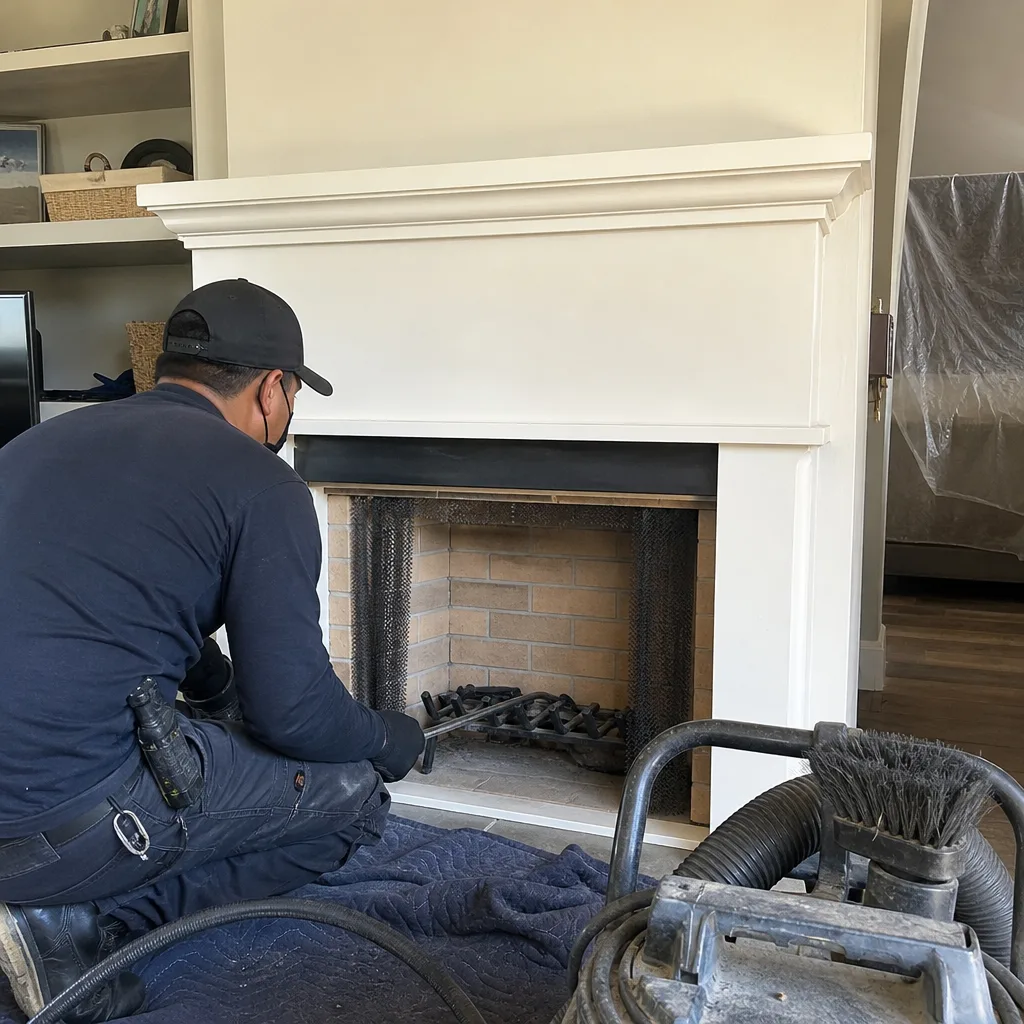 After
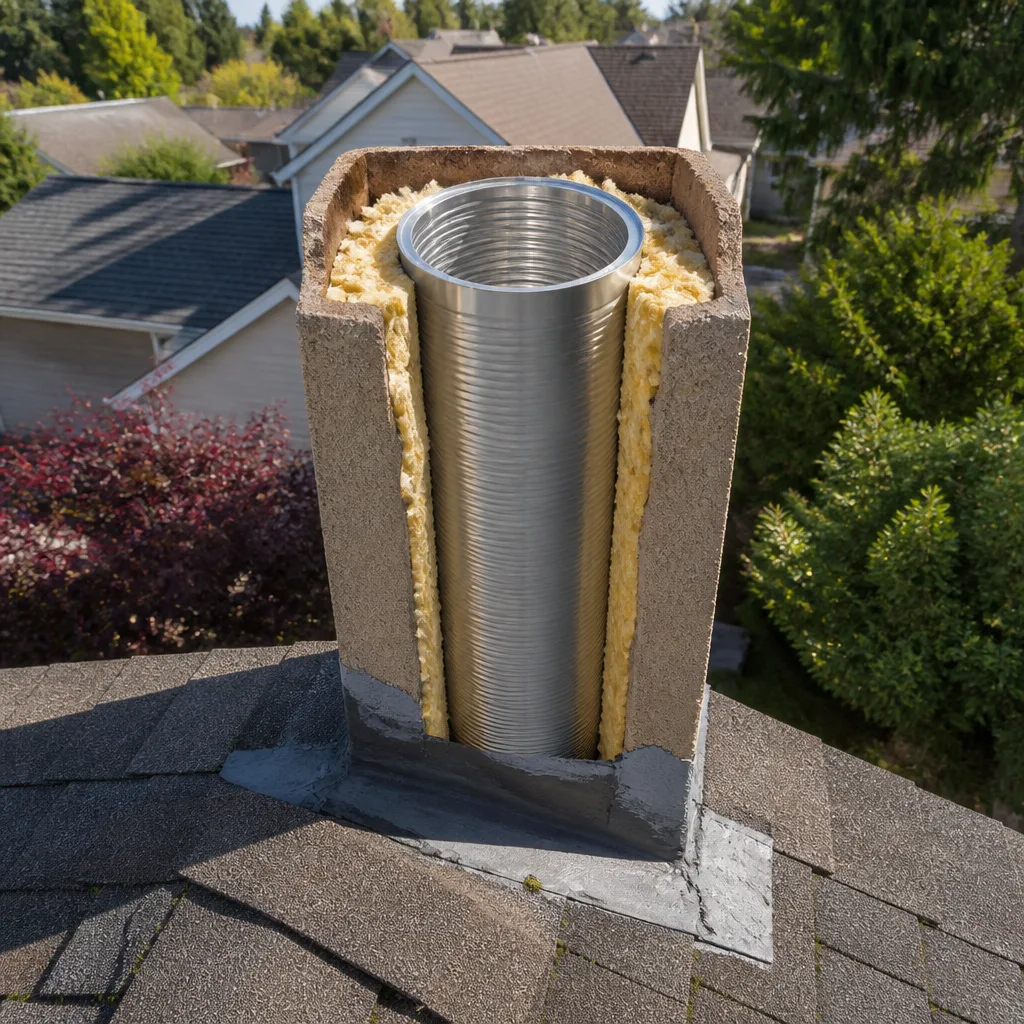
After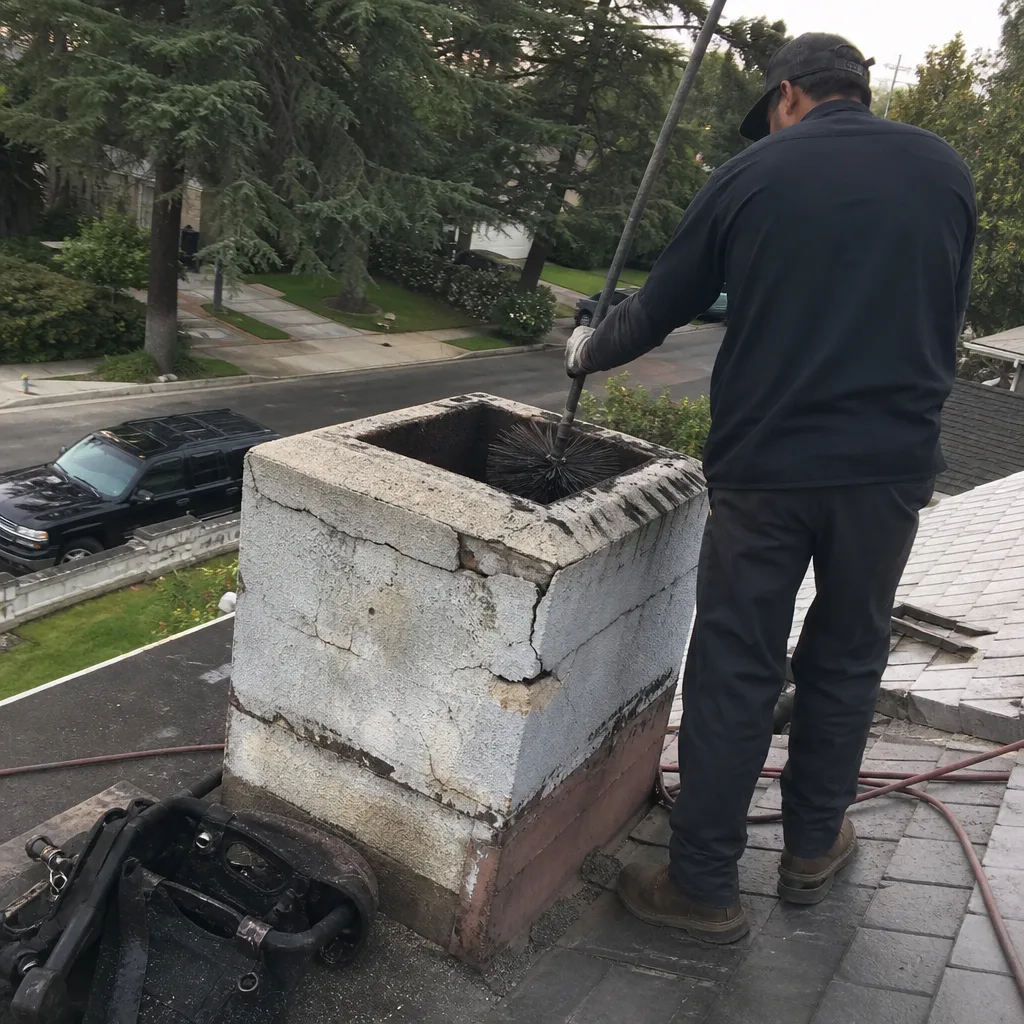 Before
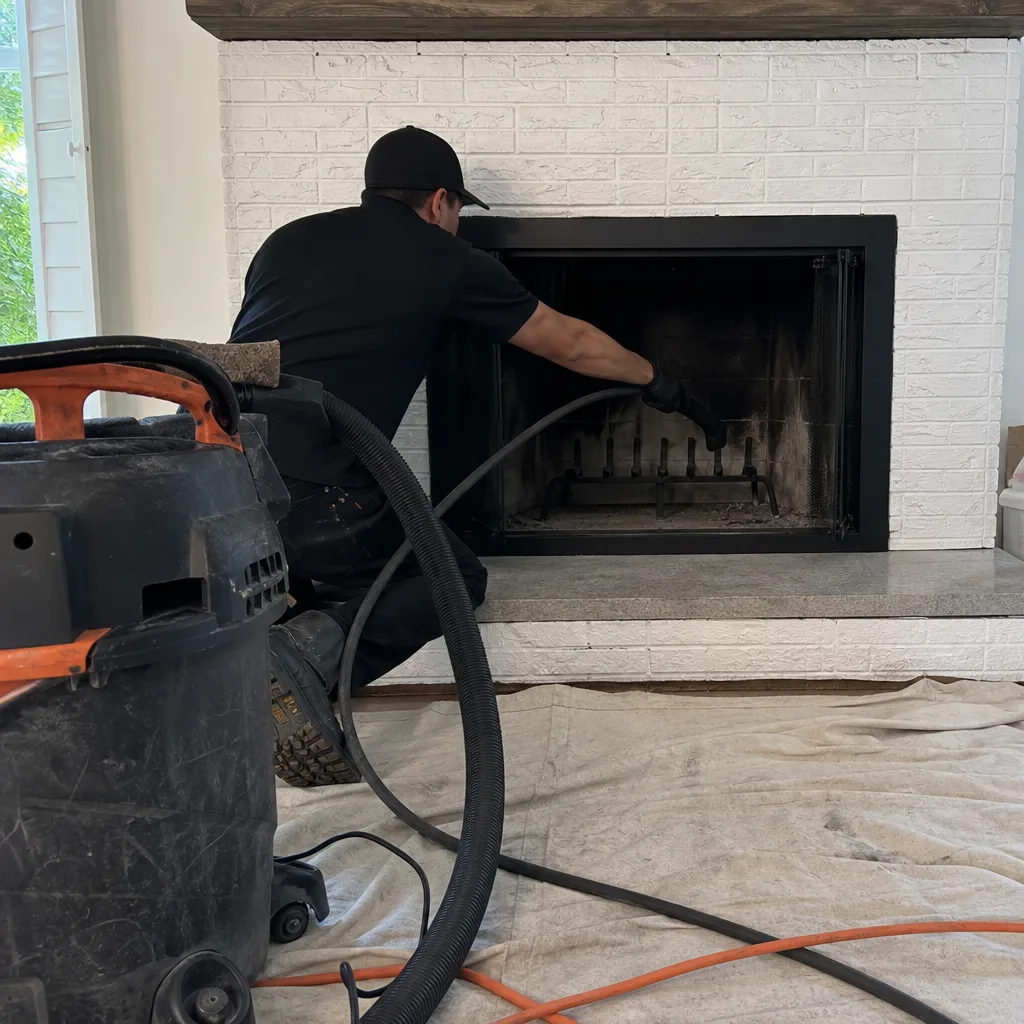 After
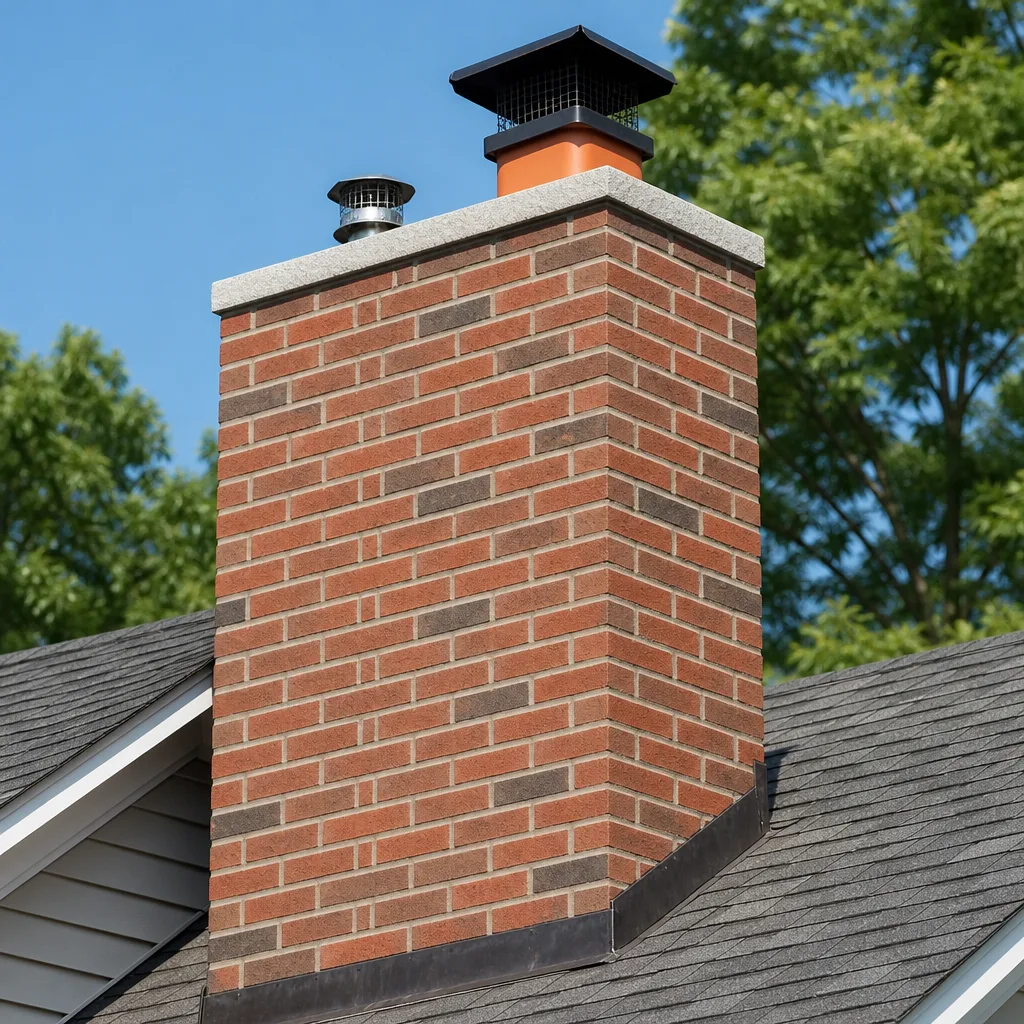
AfterFast, Reliable Chimney Sweep Across Lakeway
A standard chimney sweep in Lakeway runs $189 – $279 for a single flue, and most multi-fireplace homes in the area fall between $350 and $550 when every flue gets counted and cleaned properly. We schedule Lakeway sweeps within 3 to 7 days, though owners burning cedar cleared from their own lots often call us the week after a hard freeze and we do our best to get there sooner. If you’re off Flint Rock Road, near the Rough Hollow marina, or up in the hills above the lake, call (336) 863-3889 and a live person answers, day or night. Alcott Chimney Sweep has served Hill Country homeowners since 2002, and Ruben Castellano’s team knows Lakeway’s prefab fireplaces and cedar-glazed flues better than anyone who has to cross the river to get here.
Why Alcott Chimney Sweep Is Lakeway’s Preferred Chimney Sweep Company
Lakeway homeowners keep our number because we show up the way we said we would: a named, photo-ID’d technician at the door, a written price before the first brush goes up the flue, and a service record that matches what actually happened. Ruben Castellano built this company on the Threshold Standard, which means every tech sent to a Lakeway home is background-checked, identity-verified, and announced to you by name and photo before the truck leaves the Austin office. You will know exactly who is walking through your door, every time, no exceptions.
We work on the housing stock Lakeway actually has. That means 1990s and 2000s upscale builds on Flint Rock Road, Lakeway Boulevard, and the hillside streets around the Hills Country Club. Prefab zero-clearance fireplaces with metal fireboxes. Multi-flue homes where the master suite fireplace never gets the same attention as the living room unit. We treat every flue and appliance as its own inspection point, which is what a house with two or three fireplaces actually needs.
Chimney Cleaning in Lakeway
Chimney cleaning in Lakeway means removing creosote, the tar-like residue that condenses from wood smoke and builds up on flue walls, plus soot and any debris that has fallen in from a damaged chase cover or wildlife. A single-flue sweep in Lakeway typically runs $189 – $279, and a full-service job that includes the firebox, damper, and smoke chamber stays within that range unless we find glaze or structural issues. Most Lakeway homes with one fireplace should have this done once a year, and homes burning cedar cleared from the lot should plan on twice.
Creosote Removal in Prefab Fireplaces
Lakeway’s dominant fireplace type is the factory-built, zero-clearance unit, and these metal flues glaze over with third-degree creosote faster than masonry chimneys. Standard brushing handles first and second-degree buildup. Glazed, tar-like third-degree creosote requires rotary tools or chemical treatments, and that step is included in our Lakeway service when the flue shows that condition. We never hide it as an obscure add-on.
Soot Removal from Fireboxes and Smoke Shelves
Soot removal is separate from creosote removal, and in Lakeway’s entertaining fireplaces, soot builds up on the firebox walls, glass doors, smoke shelf, and damper even when the flue itself looks clean. We vacuum and hand-clean every surface, not just the vertical flue. If your fireplace glass is permanently fogged with a gray film, that soot is also a sign the fire burns too cool and damp, which is common in mild Hill Country winters.
Fireplace Cleaning in Lakeway
Fireplace cleaning in Lakeway covers the parts of the system you can see: the firebox, the refractory panels, the grate, the glass, and the area around the damper. A fireplace clean runs $139 – $219 when it is combined with a full chimney sweep, and it includes removing ash, debris, and all visible soot. Many Lakeway owners call us only for the flue and skip the firebox, but the firebox is where a failing prefab panel shows itself first, and it is the one thing a camera inspection will catch.
Annual Sweep for Lightly Used Fireplaces
A dozen fires a year is exactly the pattern that builds dangerous glaze in a Lakeway flue. Low, smoldering fires in a factory-built unit do not burn hot enough to push creosote out as vapor. Instead, that vapor condenses on the cooler metal liner walls, day after day, until it hardens into a shiny black coating. An annual sweep is the only way to know whether your twelve fires left first-degree fluff or third-degree glaze.
Multi-Fireplace Homes and the Flue You Forgot
Larger Lakeway homes frequently have a second fireplace in the master suite or a gas insert tied to a separate liner. That second flue almost never gets counted during a one-flue quote. We count every flue and appliance during the estimate, and we inspect each one individually, because a clean living-room flue does not mean the master suite chimney is safe to use.
Trusted Brands We Service in Lakeway
We work with the trade brands Lakeway homeowners already have in their homes, including Olympia Chimney, DuraFlex, and Famco components, and we keep local stock for common Lakeway replacements like chase covers, refractory panels, and damper assemblies. If a 1998 zero-clearance unit off Lakeway Boulevard needs a new firebox panel, we do not wait on a backorder from a warehouse in another state. We also service gas fireplaces and inserts, which means one call covers every fireplace in the house, not just the wood-burning one.
Common Chimney Sweep Problems We See in Lakeway Homes
- Cedar-burn glaze in the flue liner. A single season of burning resinous Ashe juniper cleared from a Lakeway lot can lay down more third-degree creosote than three years of seasoned oak. Standard brushing will not remove it, and the homeowner will not see it from the firebox.
- Rusted chase covers on lake-facing chimneys. Lake Travis moisture accelerates rust on prefab chase covers and metal flue components, especially on homes facing the water. A standard sweep will not flag a chase cover that is about to leak, but our Level 2 inspection will.
- Ignored second and third flues. The master suite fireplace or a gas insert on its own liner gets skipped when a Lakewy homeowner books a single-flue sweep. Half the house then goes years without any inspection at all.
- Forty-year-old factory-built fireboxes still in service. Lakeway’s 1990s and 2000s prefab units are now at or past typical service life for firebox panels and chase siding. Failing panels and spalled metal look like dirty masonry to an untrained eye, and the right fix is replacement, not a deeper cleaning.
Pricing for Chimney Sweep in Lakeway, TX
A single-flue chimney sweep in Lakeway runs $189 – $279. A fireplace cleaning added to the sweep costs $139 – $219. Homes with two or three flues typically land between $350 and $550 for a complete cleaning and inspection of every appliance. What changes the final number is the flue count, the degree of creosote buildup, and whether we find glaze that requires rotary removal or a chemical treatment. We hand you a written price before any work starts, and nothing gets added at the end. Call (336) 863-3889 for a free estimate, and a live person will line up the exact scope for your house.
We Also Serve Cities Near Lakeway
Our Chimney Sweep team dispatches to Lakeway throughout the week, and we also cover homeowners in Houston, San Antonio, Dallas, and Fort Worth. If your home sits outside Lakeway proper or you are managing a property from another Texas metro, call (336) 863-3889 and we will confirm the next available route.
Serving Lakeway, TX - Our Local Coverage Area
We’re based in the Lakeway area and know this community well. Use the map below to see our service coverage - if you’re nearby, we can almost certainly help.
FAQs About Chimney Sweep in Lakeway
Every flue in a multi-fireplace Lakeway home needs its own annual inspection, even if one fireplace only gets used a few times each winter. Creosote forms at different rates in different flues depending on fuel, moisture, and how the fireplace burns. A clean living-room flue tells you nothing about the master suite chimney or a gas insert on a separate liner. We count and inspect every appliance on every visit.
You can, but you should know exactly what that cedar is doing to your flue. Ashe juniper is resinous and burns cool and smoky unless the fire is very hot, and that combination glazes factory-built flue liners fast. If you have burned cedar all winter, schedule a sweep in early spring and ask us to check for third-degree creosote specifically. Call (336) 863-3889 and we will inspect before the next burn season.
Yes, and in some ways factory-built units need attention more than masonry chimneys do. The metal liners in prefab fireplaces glaze over faster because they cool quickly, and the firebox panels, chase covers, and siding are now 20 to 30 years old in many Lakeway homes. A full sweep that includes the firebox and a Level 1 inspection catches panel wear and rust before the next fire.
Lake Travis puts moisture into the air all year, and that humidity accelerates rust on chase covers, metal flue components, and firebox panels on homes facing the water. Lake-facing chimneys in Lakeway show measurably faster corrosion than identical units on inland streets. We check chase covers and exposed metal during every sweep, and a Level 2 inspection is worth scheduling if your home faces the lake. Call (336) 863-3889 to book one.
First-degree creosote is a soft, flaky soot that brushes off easily. Third-degree creosote is a hard, glossy, tar-like glaze that forms when fires burn cool and smoky, which is exactly what cedar fires in a lightly used Lakeway fireplace do. Third-degree glaze does not come off with a standard brush; it requires rotary cleaning or chemical treatment, and it is the type most likely to ignite as a chimney fire.
Written by Ruben Castellano, Owner at Alcott Chimney Sweep, serving Lakeway homeowners since 2002.