
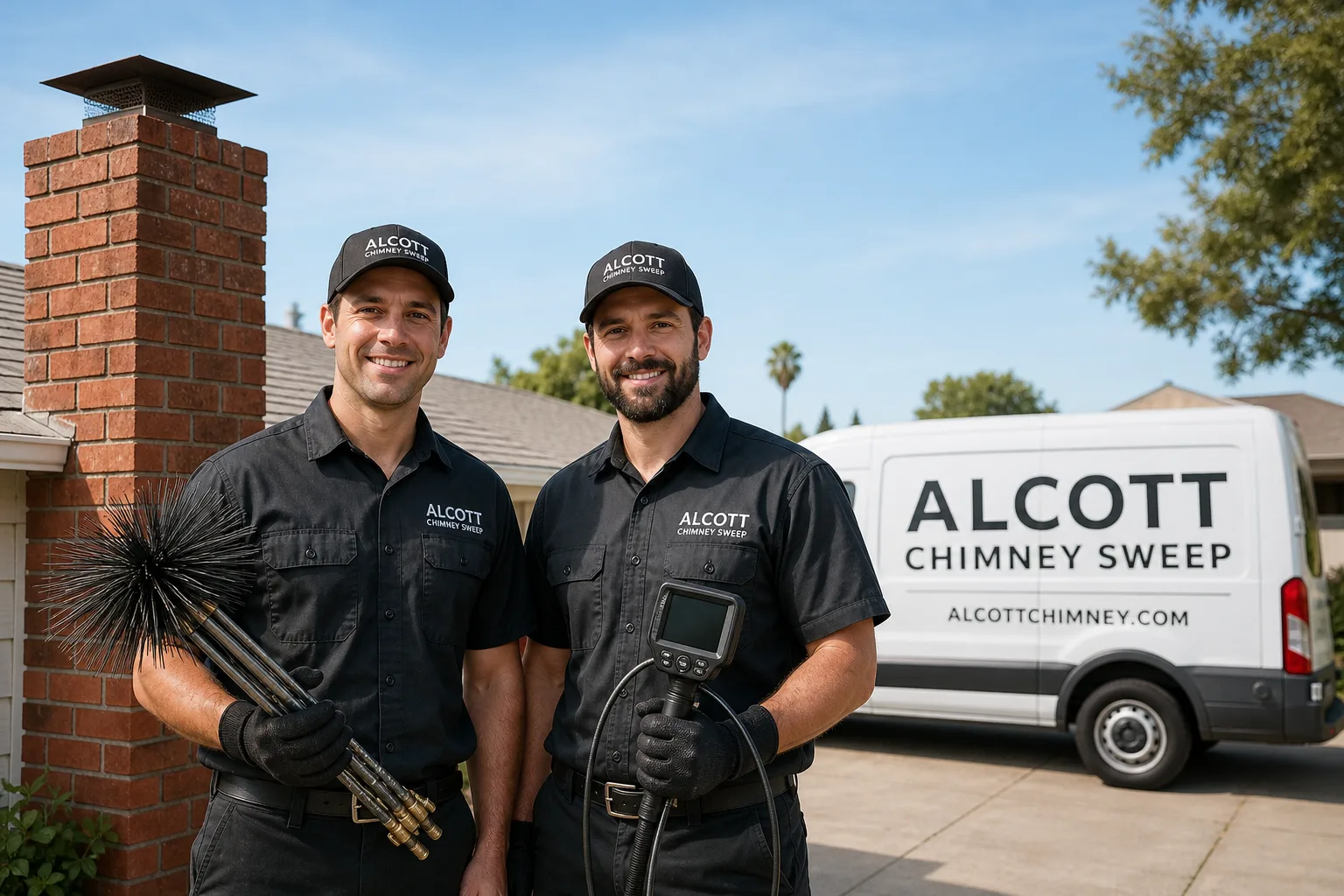
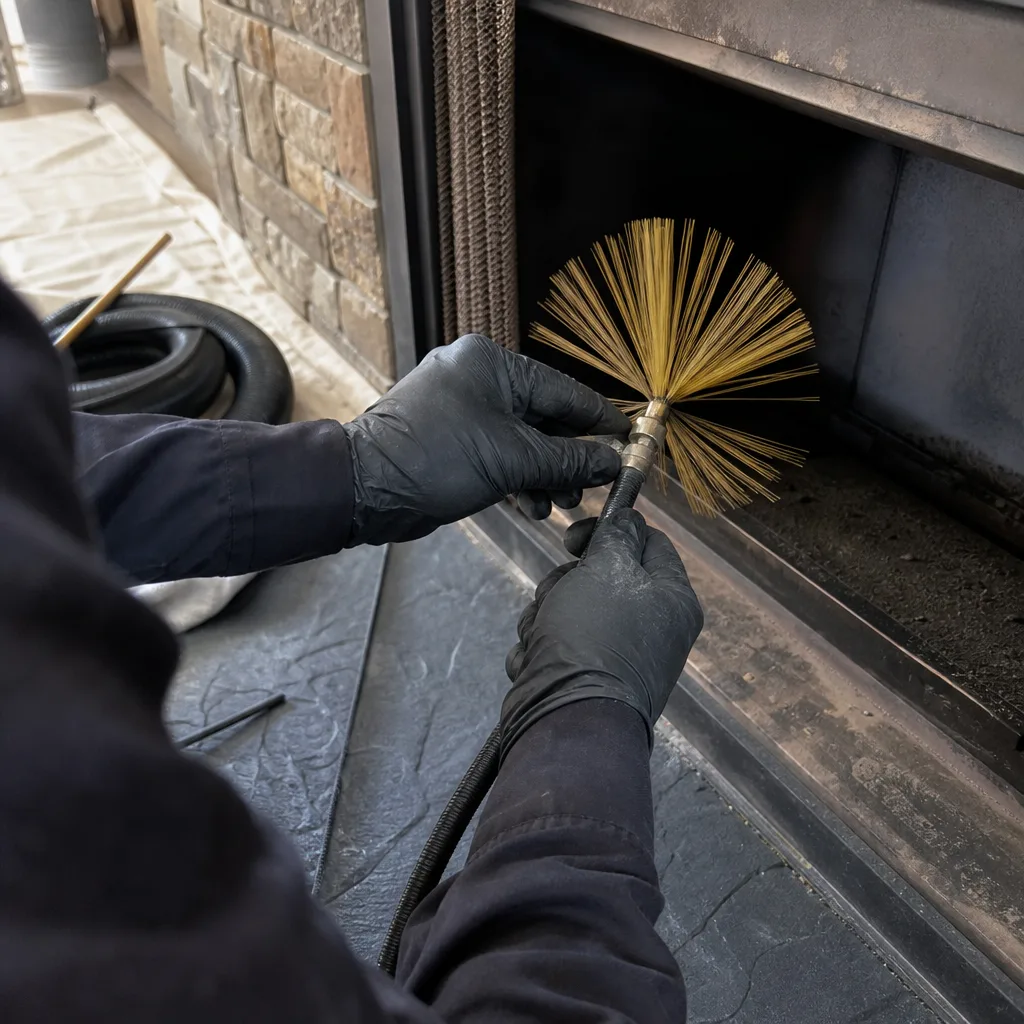
Level 1 sweep and inspection to the NFPA 211 annual standard - flue, crown, cap, and flashing checked and photographed
Chimney sweep logs do not sweep chimneys. They loosen some creosote - which then falls where a brush and vacuum still have to collect it.
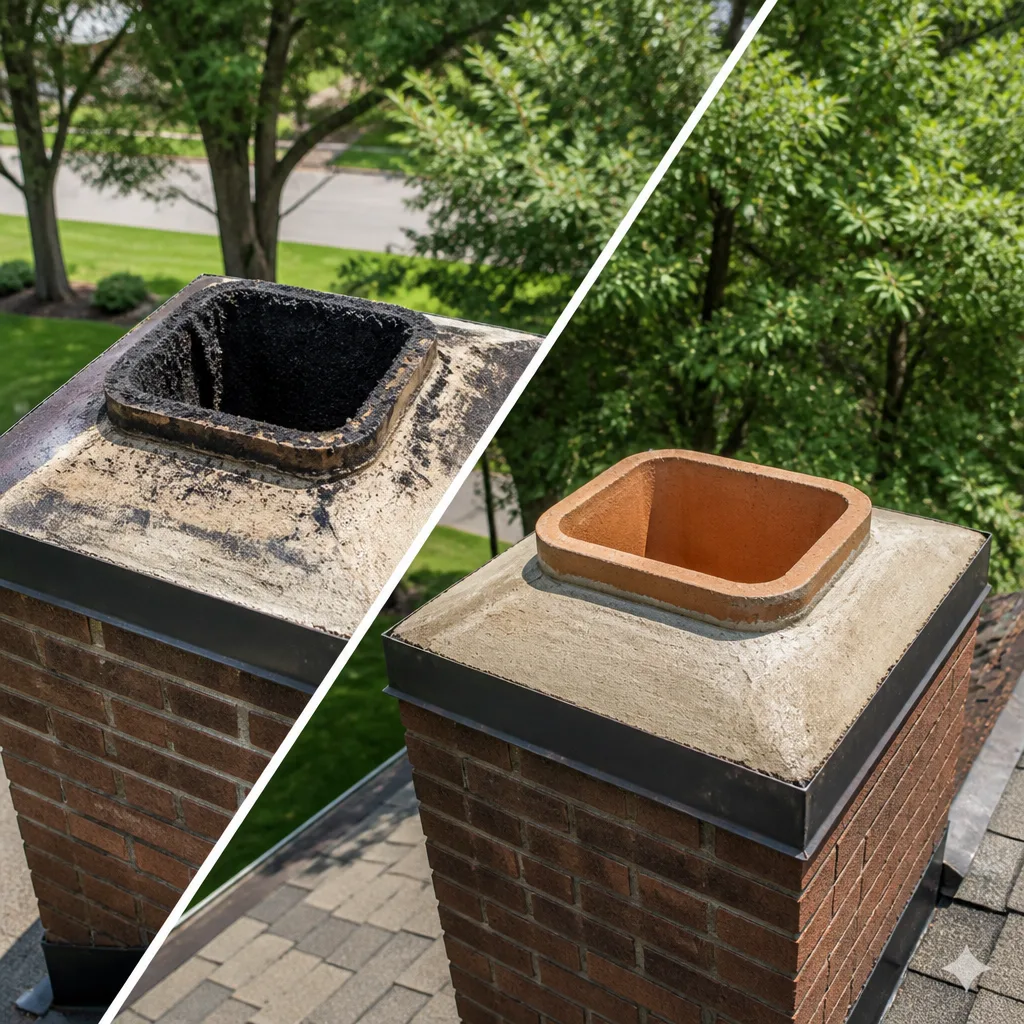
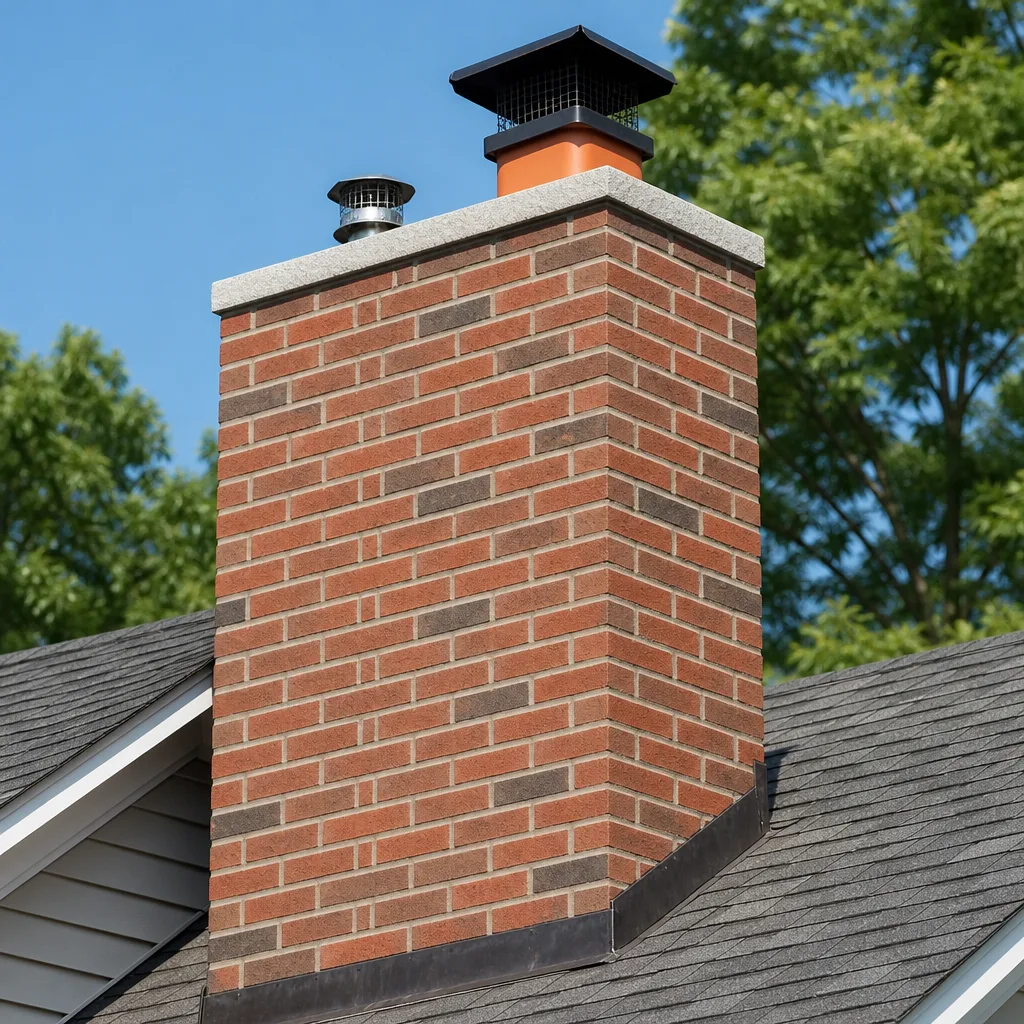
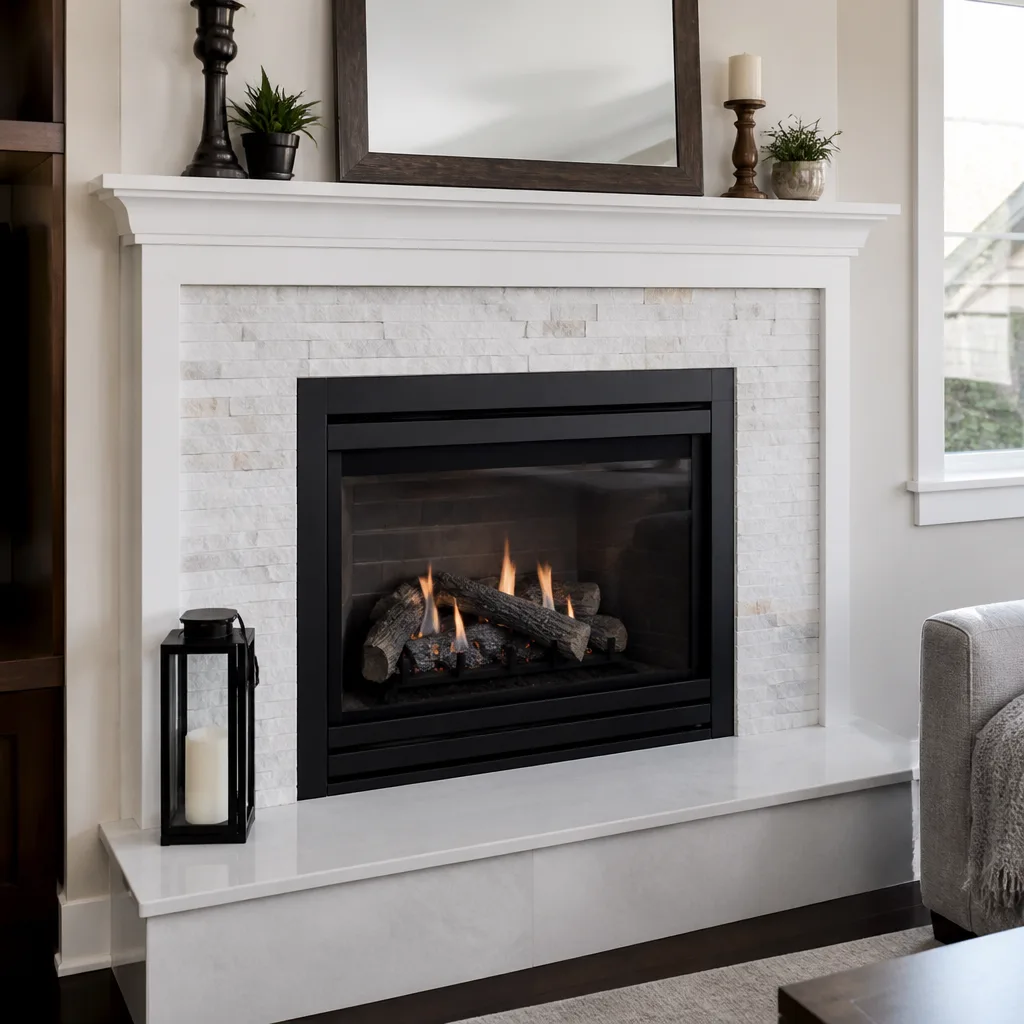
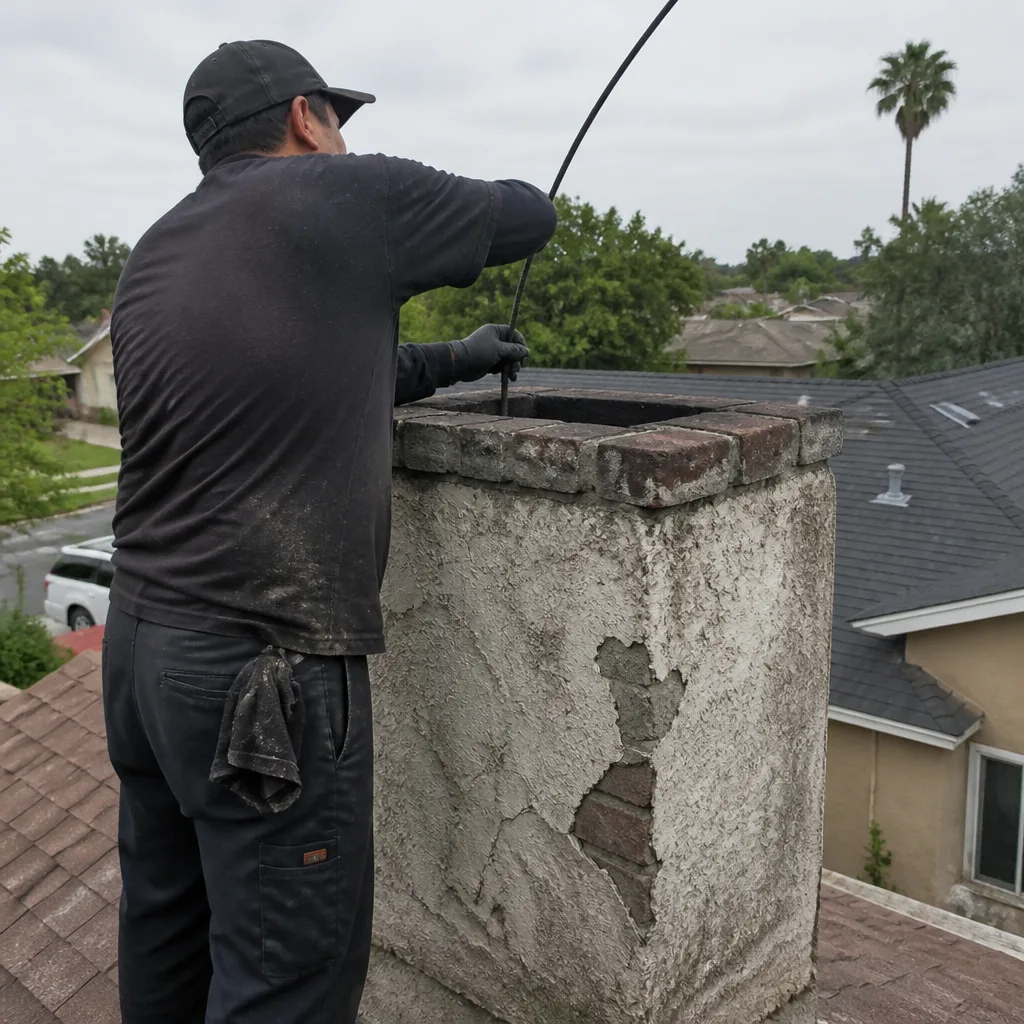 Before
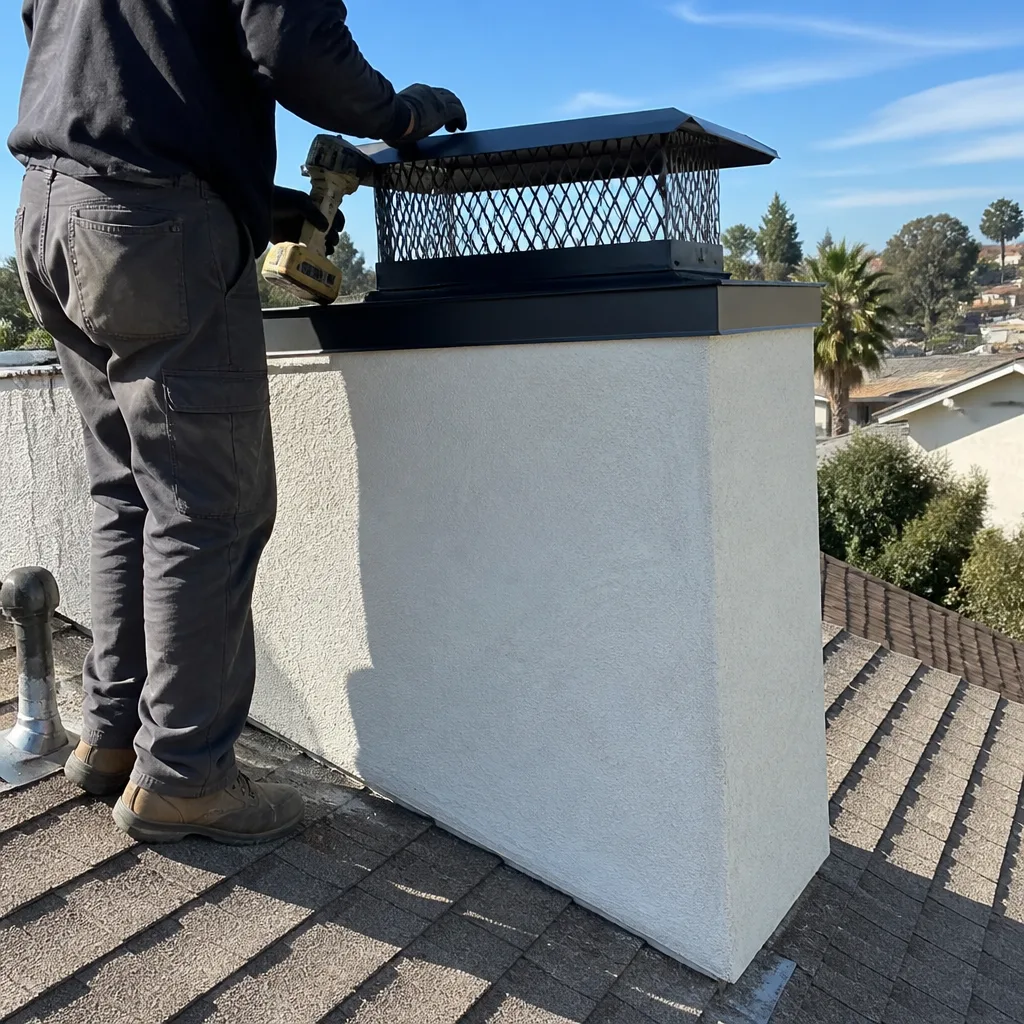 After
After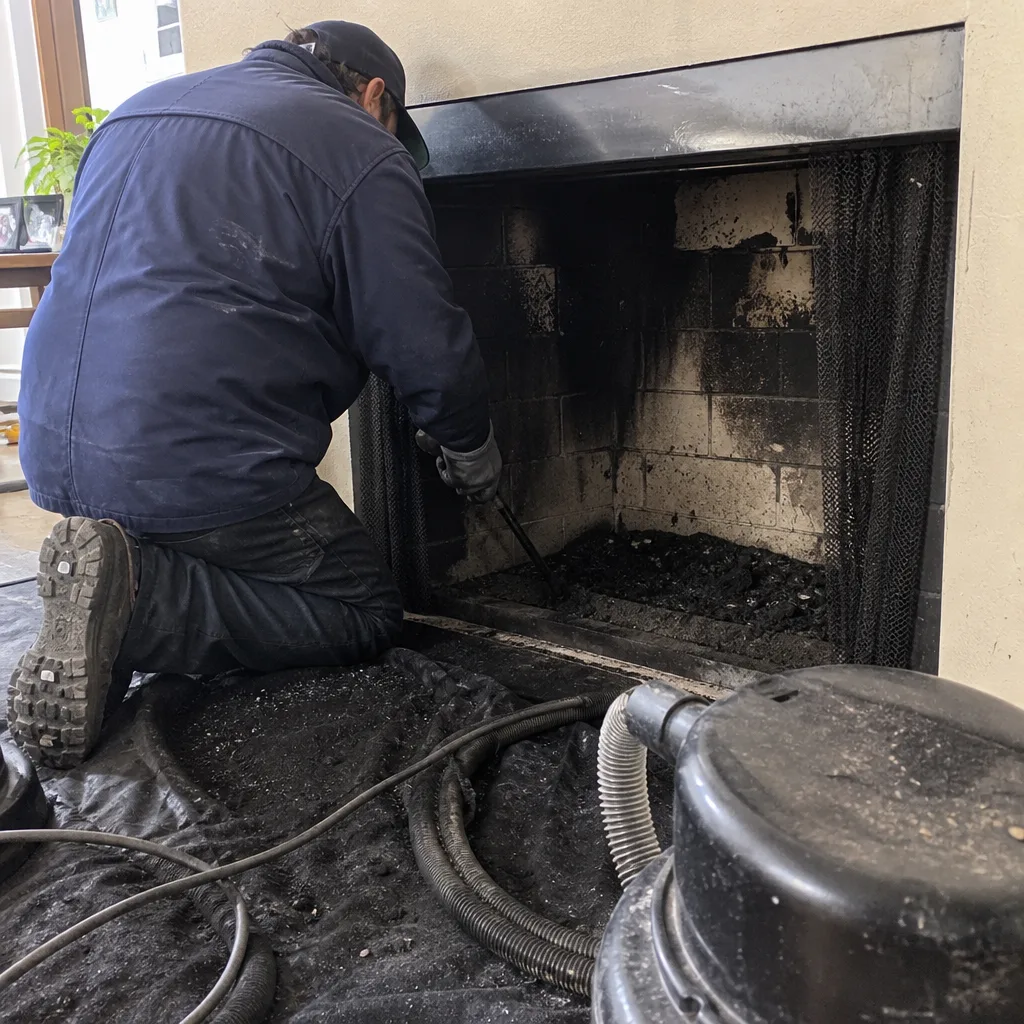 Before
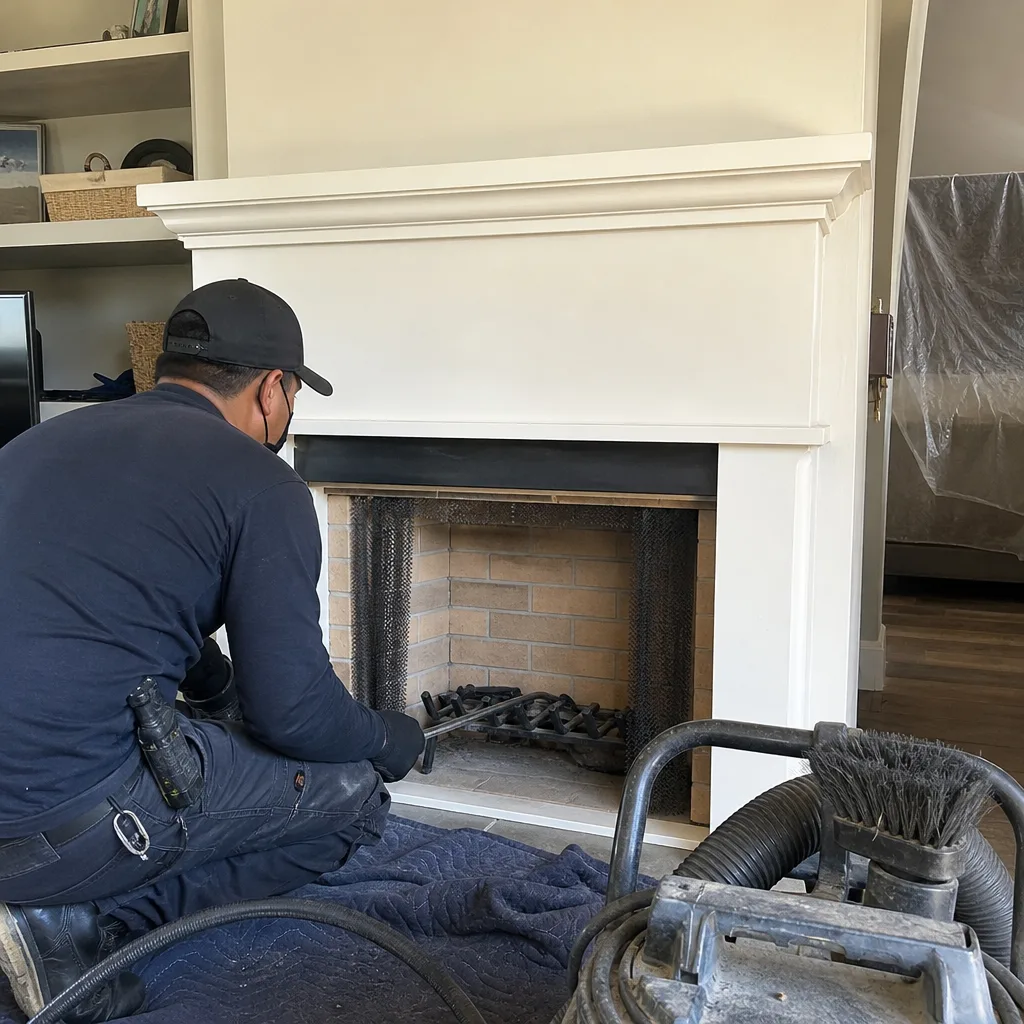 After
After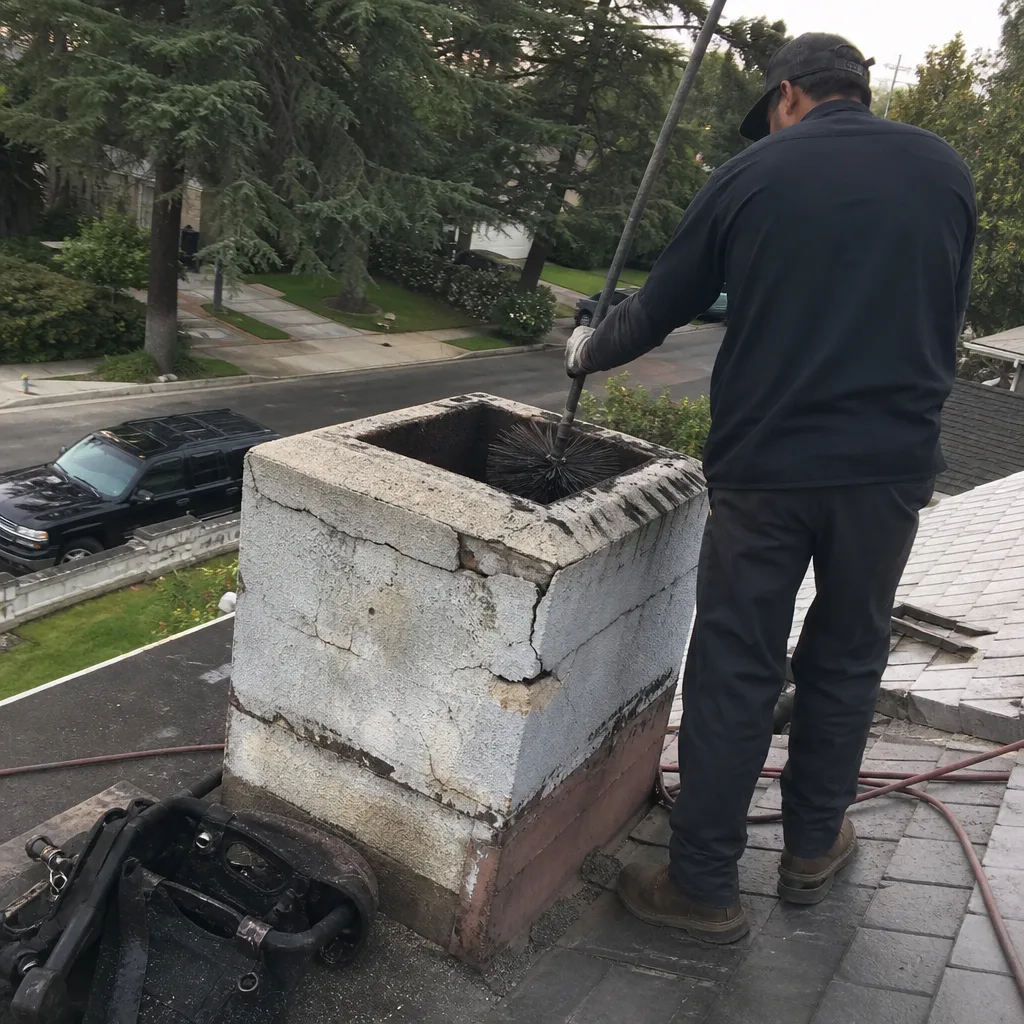 Before
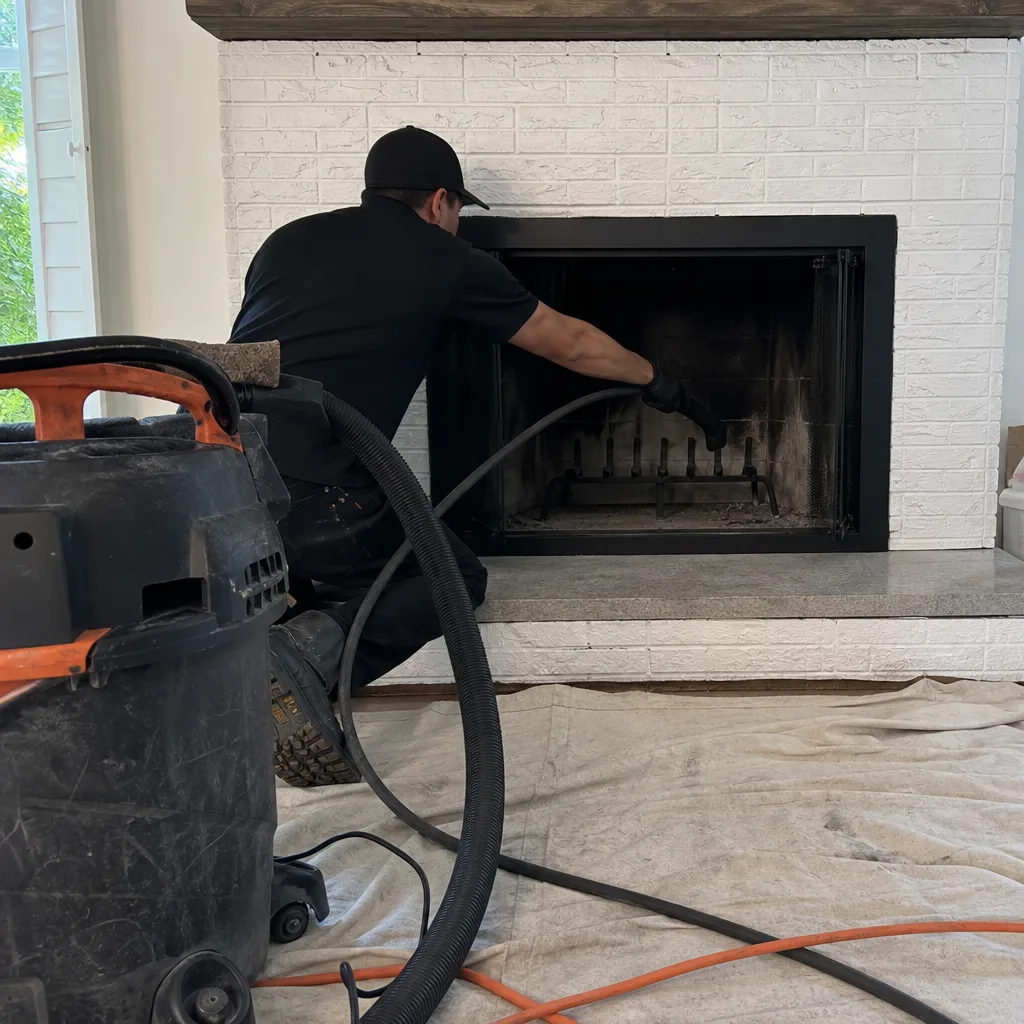 After
AfterFast, Reliable Gas Fireplace Repair Across Bristol
Most gas fireplace problems in Bristol come down to one of three things: a blocked or deteriorating flue, a failed thermopile or thermocouple, or a draft issue that only shows up on certain days. A typical diagnostic visit in Bristol runs $129 – $189, and most repairs fall between $180 and $480 once we’ve identified the cause. We know the housing stock here, we know how the Pequabuck River valley affects chimney draft, and we’ll explain the problem in plain English before any work starts. Call (336) 863-3889 and you’ll talk to a live person who can schedule a visit.
Key Takeaways:
- Most Bristol gas fireplace repairs cost between $180 and $480 after a $129 – $189 diagnostic.
- In Forestville and Federal Hill duplexes, the fireplace flue often shares a stack with a neighboring unit’s furnace – we scope both before touching anything.
- You’ll get a written price before work begins, and every repair carries a written 365-day guarantee.
- Your technician’s name and photo are sent to you before the visit. They show a photo ID at the door. No exceptions.
Why Alcott Chimney Sweep Is Bristol’s Preferred Gas Fireplace Repair Company
Alcott Chimney Sweep has been serving Connecticut homeowners since 2002, and Ruben Castellano built this company around a simple idea: you should know exactly who’s coming to your house and exactly what the job will cost before the truck arrives. Every technician passes a background check and identity verification, and we send you the technician’s name and photo before the visit. When they knock, they’ll show you a photo ID badge. That’s not an option. It’s the way we work.
We’re an independently owned and operated location within the Threshold Group family, which means every technician operates under the Threshold Standard: background-checked, identity-verified, uniformed, and announced. Bristol homeowners tell us this matters, especially in two- and three-family homes where tenants may not know who’s been hired to work on the chimney. You’ll know. And if a repair fails, the second visit is free – that’s the 365-Day Done Right Promise, and it’s written into every job we do.
Our techs are in Bristol regularly, and dispatch is coordinated from our Hartford office so we can route a crew to your neighborhood without a long wait. We work on gas fireplaces in Federal Hill, Forestville, Edgewood, and the older mill corridors along the Pequabuck, and we know what those chimneys look like inside because we’ve seen hundreds of them. That local familiarity means faster diagnosis and a repair that actually holds.
Our Gas Fireplace Repair Services in Bristol
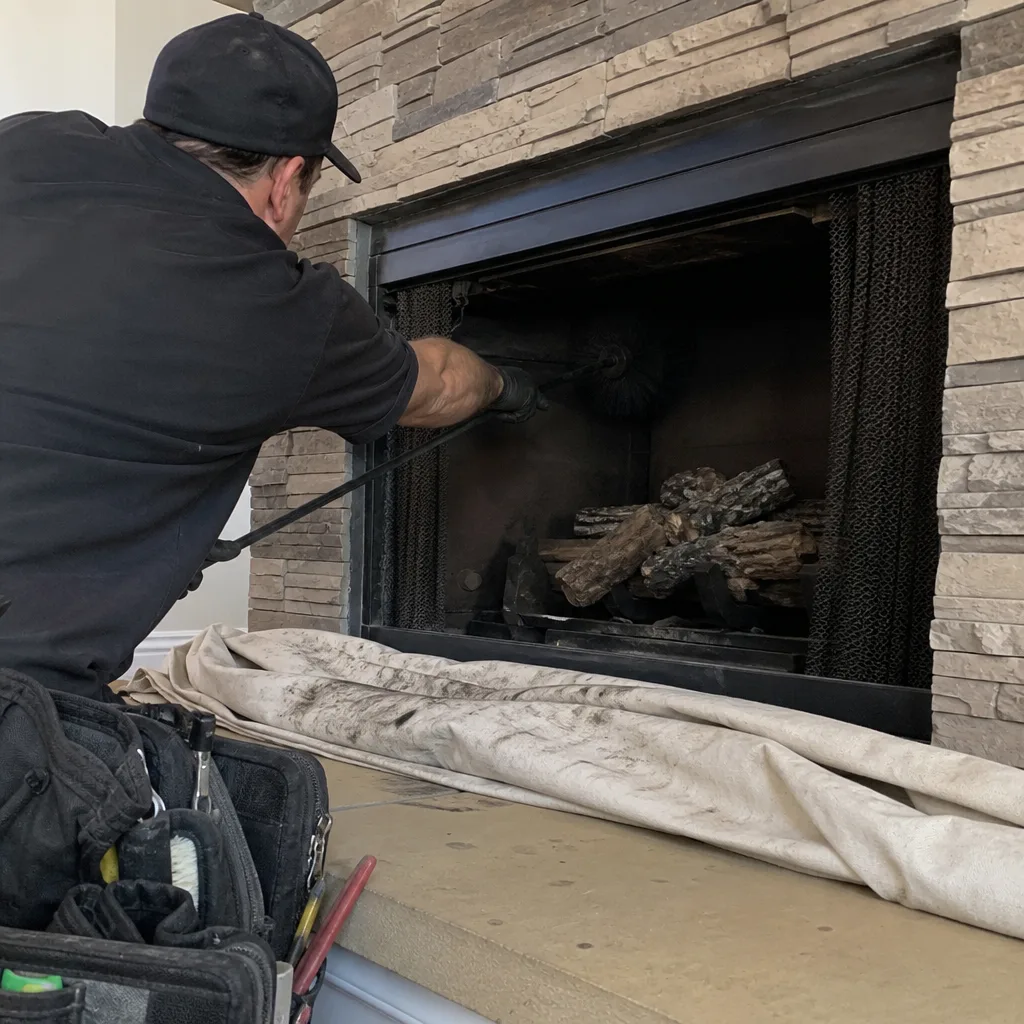
Gas Fireplace Flue Inspection and Liner Verification
In a Bristol home built before World War II, the fireplace flue almost certainly started life carrying coal smoke. What’s inside that flue today may not match what the gas fireplace needs. We run a camera through every flue we work on and show you the footage. If the clay tile liner has spalled from decades of freeze-thaw cycling – and in Bristol, with 45-plus inches of annual snowfall, it often has – we’ll say so plainly and show you why. You won’t be asked to approve a liner replacement without seeing the evidence yourself.
Cross-Contamination Testing in Shared Multi-Unit Chimney Stacks
This is the service that matters most in Bristol’s older neighborhoods. In a two-family on Federal Hill or Forestville, a fireplace flue and the upstairs unit’s furnace may share the same original chimney stack. If the tile liner separating them has deteriorated, combustion gases can cross over. We test for this on every gas fireplace repair in a multi-unit building. It’s routine for us, and it’s the reason we won’t quote a fireplace repair without understanding what else is venting through that stack.
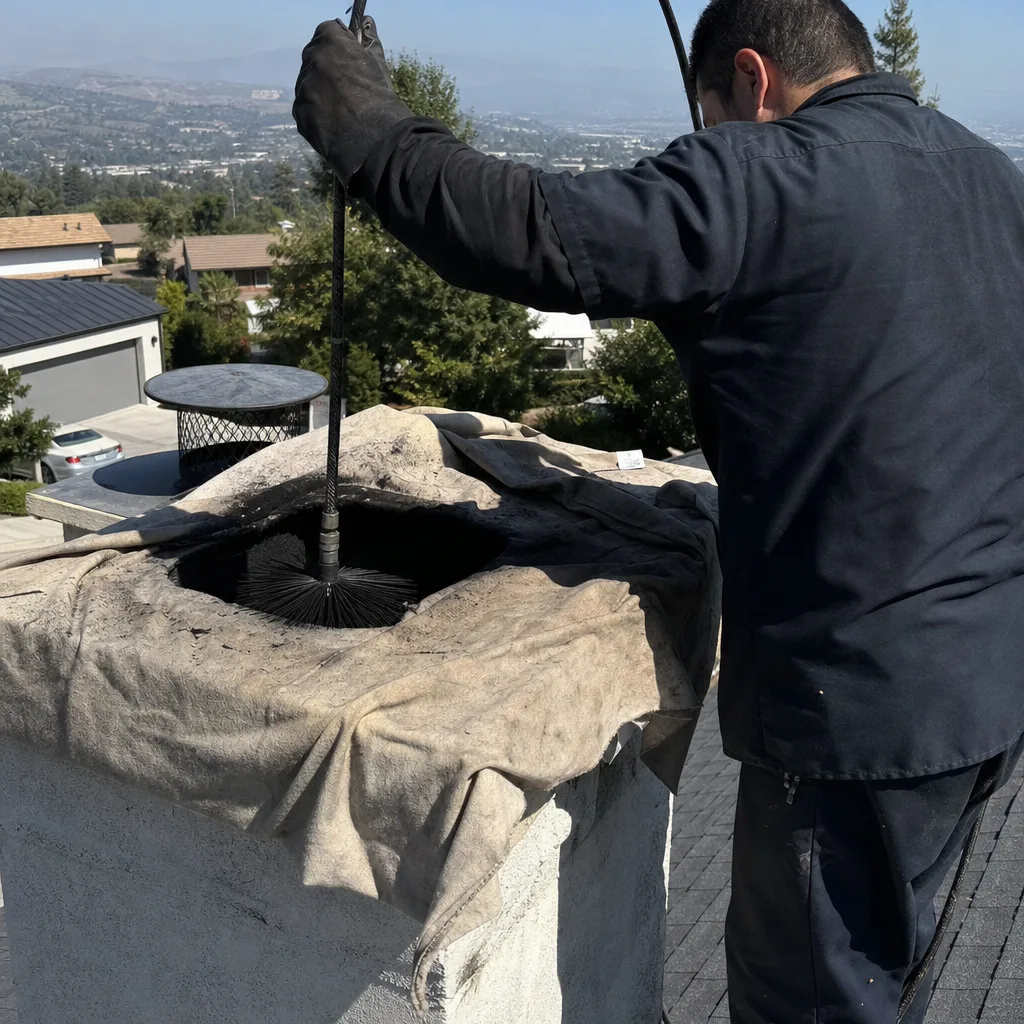
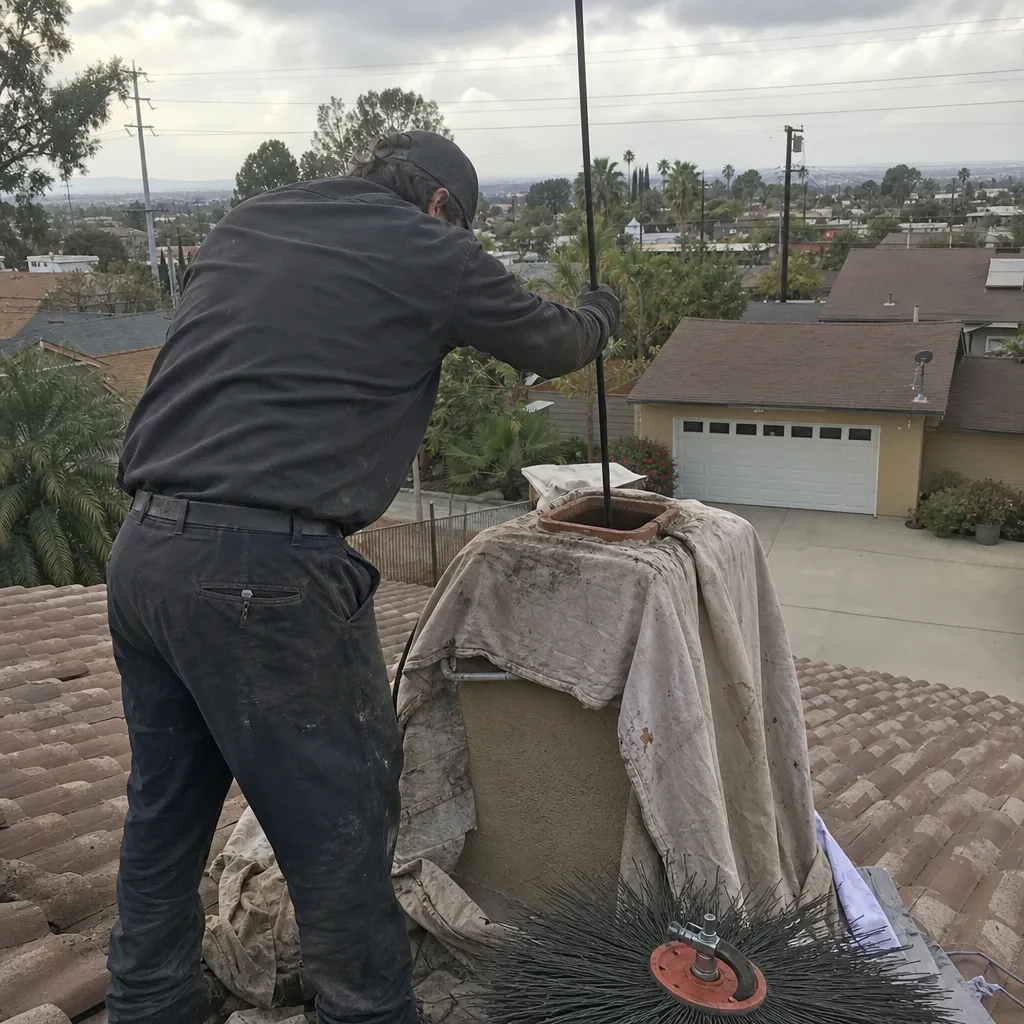
Chimney Cap and Crown Service to Correct Downdraft and Water Intrusion
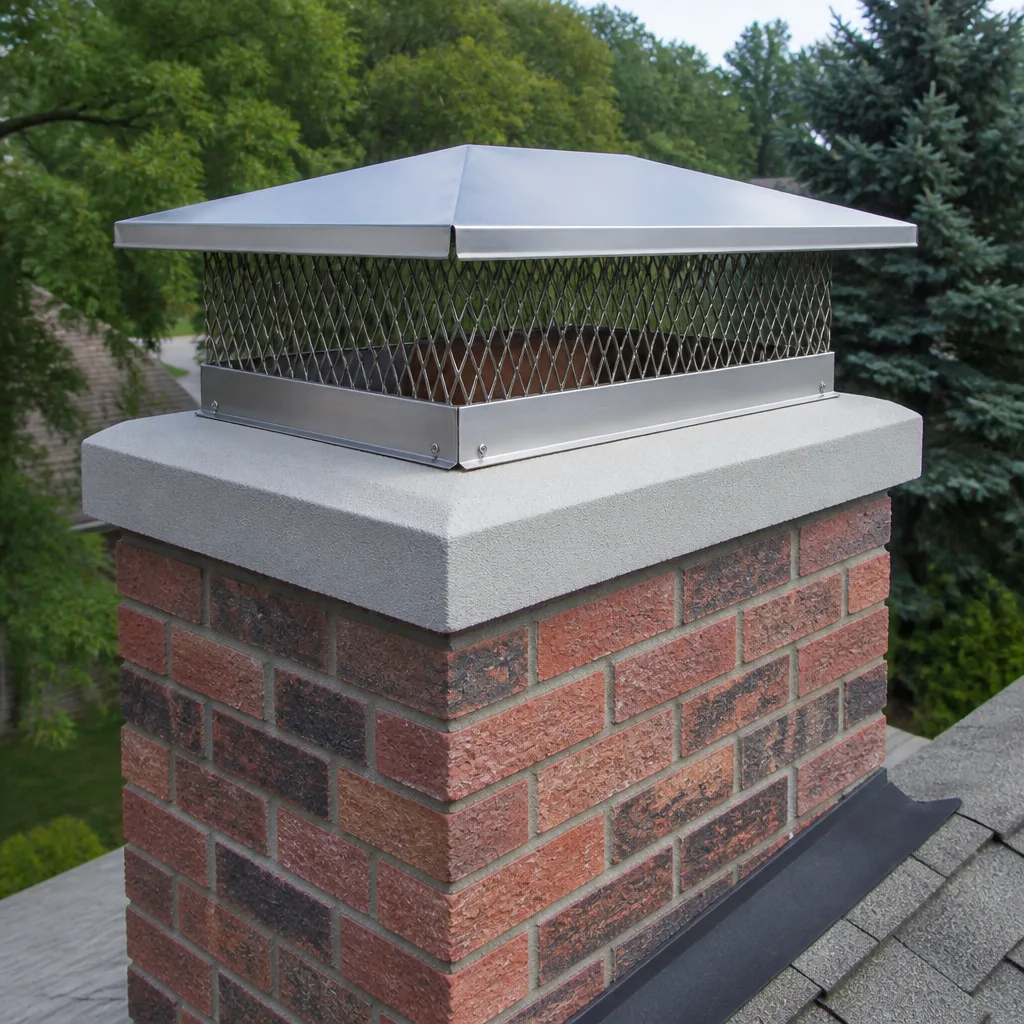
Bristol sits in the valley of the Pequabuck River, with higher terrain on either side. Homes on the leeward side of those ridges get localized downdraft – wind patterns that push exhaust back down the chimney. A correctly sized gas fireplace can still spill at the damper on those days. We fix that with crown height adjustments, a properly sized cap, or both. We install caps from Olympia Chimney and Copperfield, brands specified by chimney professionals because they hold up to New England weather.
Gas Fireplace Diagnostic Repair
When your fireplace won’t light, lights but won’t stay lit, or produces a lazy yellow flame instead of a clean blue one, the cause is usually the thermopile, thermocouple, or gas valve. We diagnose these quickly and explain what failed and why before we replace anything. If the issue is draft-related rather than component-related – and in Bristol’s valley, draft is often the culprit – we’ll show you the difference so you’re not paying for a part you didn’t need.
What happens when you call
- 1
A real person answersNo phone trees - you reach a local pro.
- 2
You get an upfront price rangeHonest numbers before anyone is dispatched.
- 3
A background-checked tech heads outLicensed & insured, dispatched right away.
- 4
You approve before work beginsNothing starts until you say go.
Common Gas Fireplace Repair Problems We See in Bristol Homes
- Neighbor cross-contamination in shared stacks. In Bristol’s pre-WWII two- and three-family tenements, a neighbor’s furnace or water heater may vent into the same multi-flue stack as your fireplace. A deteriorated clay tile liner lets combustion gases cross into your fireplace flue. We see this in Forestville and Federal Hill regularly; it’s rare in newer single-family builds.
- Spalled clay tile liners from freeze-thaw cycling. Central Connecticut’s average snowfall exceeds 45 inches annually, and January freeze-thaw cycles push moisture into old clay tiles. The tiles crack and flake, flue gases cool and condense, and you get odor complaints at the firebox even when the furnace runs fine.
- Valley downdraft on leeward-side chimneys. Homes on the leeward side of the ridges flanking the Pequabuck experience a site-specific draft problem: even a correctly installed gas fireplace can back-draft at the damper when wind hits the house from certain directions. The fix is usually crown height or cap adjustment, not a new fireplace.
- Thermopile and thermocouple failure. These pilot-sensing components degrade over time, especially in fireplaces that run frequently during Bristol’s cold winters. A failing thermopile typically shows up as a pilot that lights but won’t hold, or a burner that shuts off mid-cycle.
Pricing for Gas Fireplace Repair in Bristol, CT
A diagnostic visit for gas fireplace repair in Bristol runs $129 – $189, and that fee is credited toward any repair we perform. Thermopile or thermocouple replacement typically lands between $180 and $340. A new millivolt gas valve runs $250 – $450 installed. Flue liner verification with camera inspection costs $150 – $250 when performed as a standalone service.
- Diagnostic visit (credited toward repair): $129 – $189
- Thermopile/thermocouple replacement: $180 – $340
- Gas valve replacement: $250 – $450
- Camera flue inspection: $150 – $250
- Chimney cap or crown adjustment for downdraft: $220 – $600 depending on cap type and crown work
What affects cost in Bristol specifically is the age of the chimney. In a pre-WWII home, a fireplace repair often becomes a flue repair once we see what’s inside the stack. We give you a written price before any work begins, and we never recommend a liner or cap replacement without camera footage you can see for yourself. Call (336) 863-3889 for a free estimate.
Trusted Brands We Service in Bristol
We carry and install professional trade materials, not box-store substitutes. For gas fireplace repairs and flue work in Bristol, that means Famco gas venting components, Copperfield caps and dampers, DuraFlex liner systems, and HeatShield resurfacing when a full liner replacement isn’t necessary. Because we stock these components and work with them daily, we don’t have to order parts from a warehouse and make you wait a week for a return visit. A flue or cap repair on a Bristol fireplace can usually be completed the same day we diagnose it.
For full detail on our repair capabilities, see our Gas Fireplace Repair service page.
Why Bristol’s Coal-Era Housing Changes How We Repair Your Fireplace
Bristol’s identity as a 19th-century clock-manufacturing hub left behind a dense stock of two- and three-family worker tenements built fast, for factory shifts. Those buildings were designed for coal heat. A single masonry chimney stack, often with multiple clay tile flues, carried smoke from coal stoves and fireplaces on every floor. Over decades, those same flues were converted to oil, then to gas, and some are now carrying exhaust from wood-burning inserts installed to offset fuel costs. That’s three fuel-type conversions in one flue system that was never sized for any of them.
In Bristol’s Forestville and Federal Hill worker tenements, a gas fireplace repair call frequently uncovers a fireplace sharing its original coal-era flue stack with a neighboring unit’s furnace or water heater. We scope both the fireplace flue and the adjacent appliance flue before touching the firebox. This cross-contamination setup is rare in the newer single-family construction of Southington and Plainville, where each appliance typically gets its own dedicated flue. If you live in an older Bristol multi-family, this is a real concern you should know about. It’s also exactly the kind of thing a general “fireplace repair” flyer won’t check.
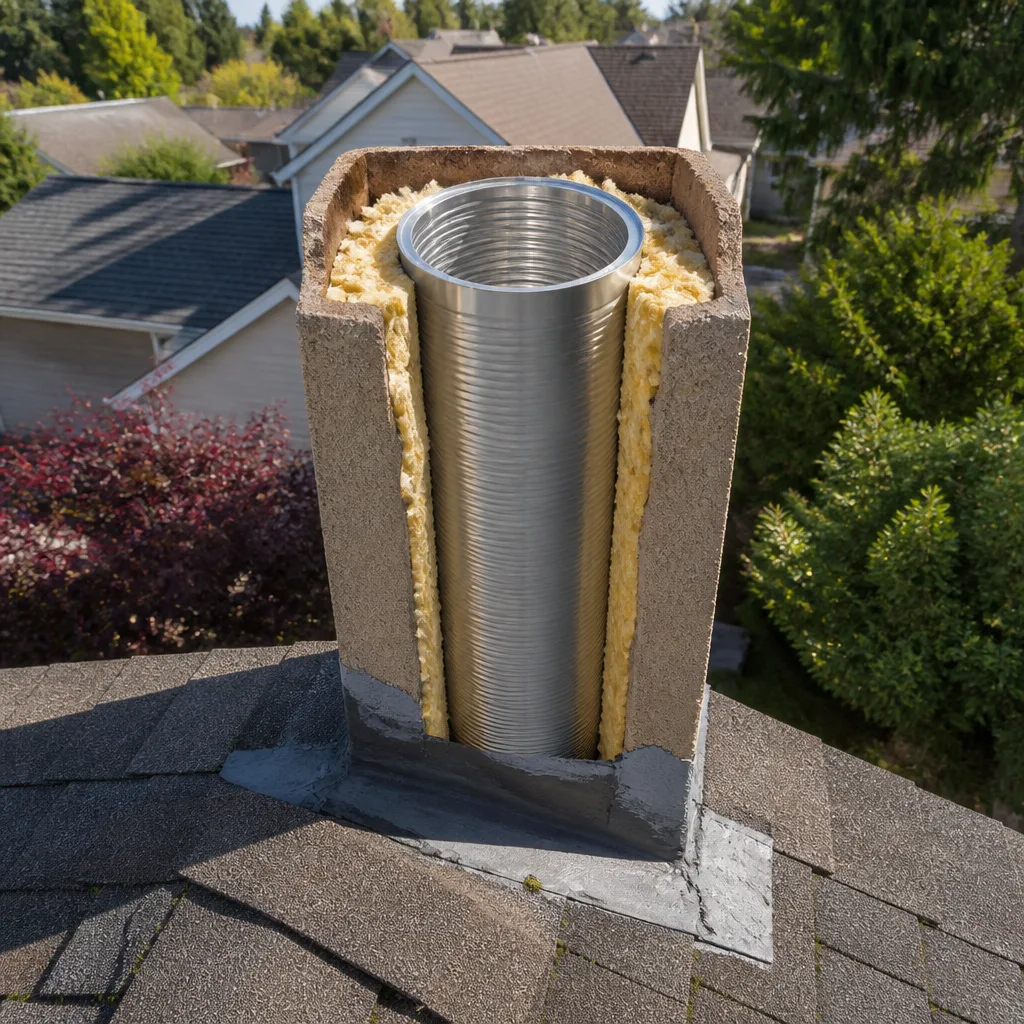
On a recent gas fireplace repair in a two-family on Federal Hill, we traced a persistent sulfur smell and sooting on the glass to a shared flue stack: the upstairs unit’s gas furnace was back-drafting into the downstairs fireplace’s flue because the original coal-era clay tile liner had spalled and lost its separation. We installed a HeatShield liner in the fireplace flue and a new Olympia Chimney cap to restore dedicated venting, then documented the condition and notified both the landlord and upstairs tenant as required. That’s the kind of repair that can’t be diagnosed from the firebox alone.
We Also Serve Cities Near Bristol
Beyond Bristol, our crews regularly serve New Britain, Newington, West Hartford, and Waterbury. If you’re in a surrounding town and dealing with a gas fireplace issue, the same written pricing, background-checked technicians, and 365-day guarantee apply. Call and we’ll route the nearest crew to you.
Serving Bristol, CT - Our Local Coverage Area
We’re based in the Bristol area and know this community well. Use the map below to see our service coverage - if you’re nearby, we can almost certainly help.
FAQs – Gas Fireplace Repair in Bristol
You’re likely experiencing cross-contamination from a shared flue stack. In Bristol’s older two- and three-family homes, your fireplace flue and a neighboring unit’s furnace may vent through the same original chimney. If the tile liner separating them has cracked or spalled, the furnace exhaust backs into your fireplace flue instead of going up and out. This needs immediate attention – combustion gases in your living space are dangerous. Call (336) 863-3889 and we’ll scope the stack and identify the source.
Homes on the leeward side of the ridges flanking the Pequabuck River valley – common in Bristol’s hillier neighborhoods – get localized downdraft when wind hits the chimney from certain angles. The fix is usually crown height adjustment or a properly sized cap, not a new fireplace. We diagnose this by testing draft under actual wind conditions and adjusting from there.
Yes. NFPA 211 requires annual inspection of all chimneys, fireplaces, and vents, including gas fireplaces, regardless of how often you use them. The reason matters in Bristol specifically: an unused fireplace flue is still connected to your home’s structure, and in a shared stack, it may still be receiving exhaust from a neighboring unit’s appliance even if you never turn your fireplace on.
Often, yes. Original coal-era multi-flue stacks were built around clay tile separations that deteriorate over time. When the separation fails, both units’ appliances are venting into a compromised system. NFPA 211 and the Connecticut fire code both require that each appliance have a dedicated, properly sized flue. If yours doesn’t, we’ll document it, show you the camera footage, and explain what needs to happen – and what can safely wait.
First-degree creosote is a light, dusty soot that brushes off easily. Third-stage creosote – what chimney professionals call “tar glaze” – is a dense, shiny, tar-like buildup that forms when flue gases condense against a cold, deteriorated liner. In Bristol’s pre-WWII chimneys, with spalled clay tiles and New England’s cold winters, third-stage creosote is far more common than in newer builds. It’s a fire hazard and typically requires mechanical removal or a liner repair, not just a routine brushing.
Call Alcott Chimney Sweep for Gas Fireplace Repair in Bristol
When your gas fireplace isn’t working right, you want someone who understands Bristol’s housing stock, shows up with a name you already know, and gives you a written price before touching anything. That’s how we work. Call (336) 863-3889 for a free estimate, and we’ll send a background-checked, identity-verified technician to your Bristol home with the answers you need.
Written by Ruben Castellano, Owner at Alcott Chimney Sweep, serving Connecticut homeowners since 2002.