
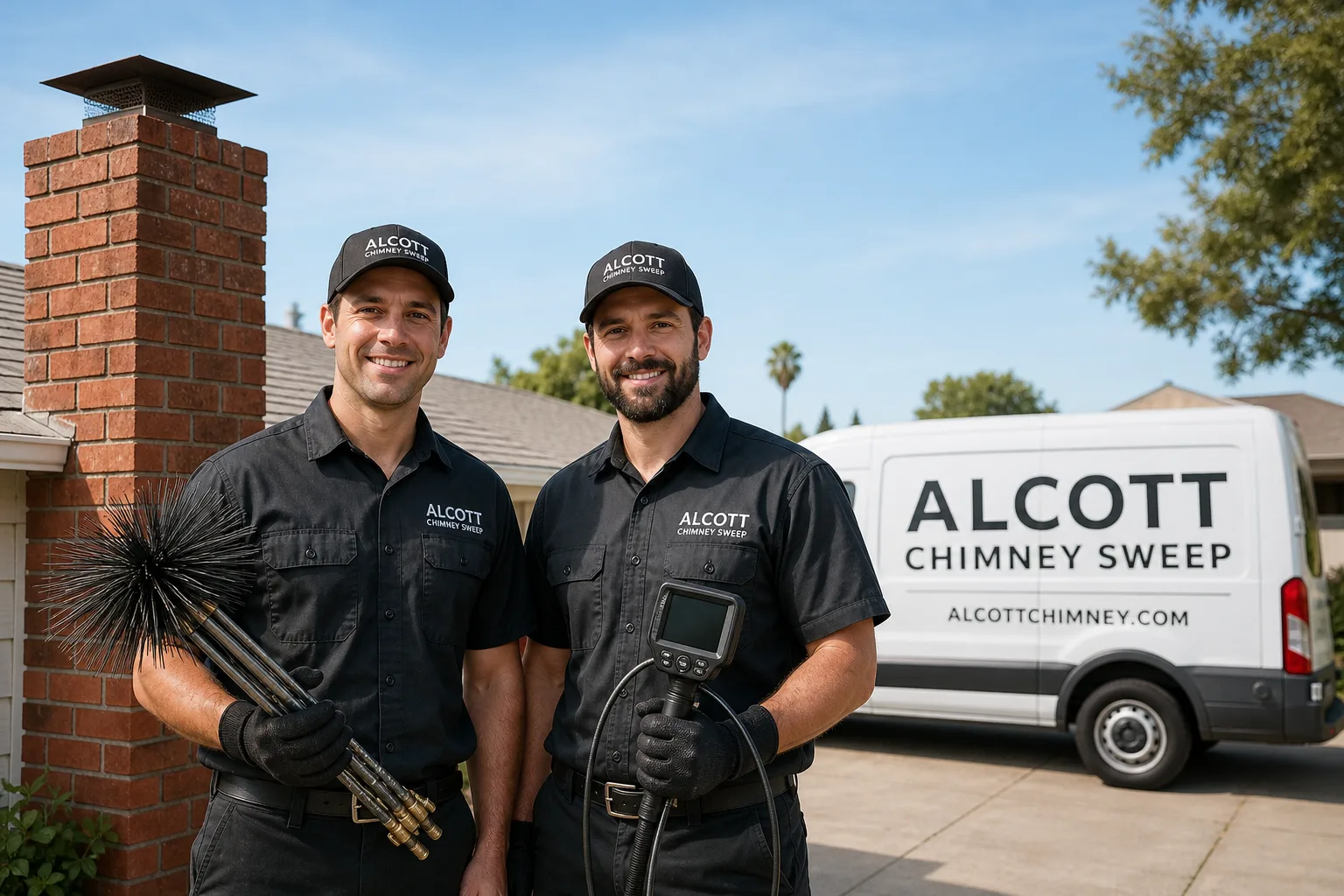
Level 1 sweep and inspection to the NFPA 211 annual standard - flue, crown, cap, and flashing checked and photographed
Chimney sweep logs do not sweep chimneys. They loosen some creosote - which then falls where a brush and vacuum still have to collect it.
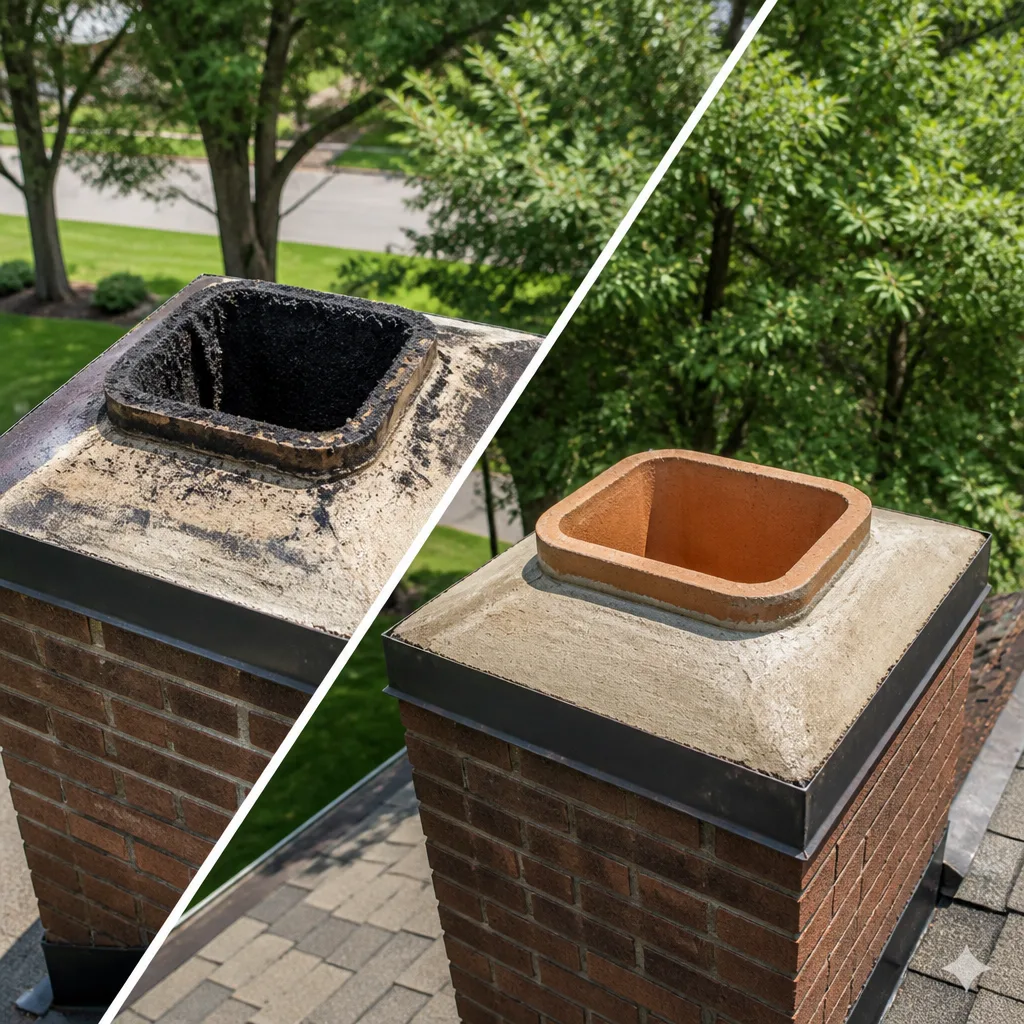
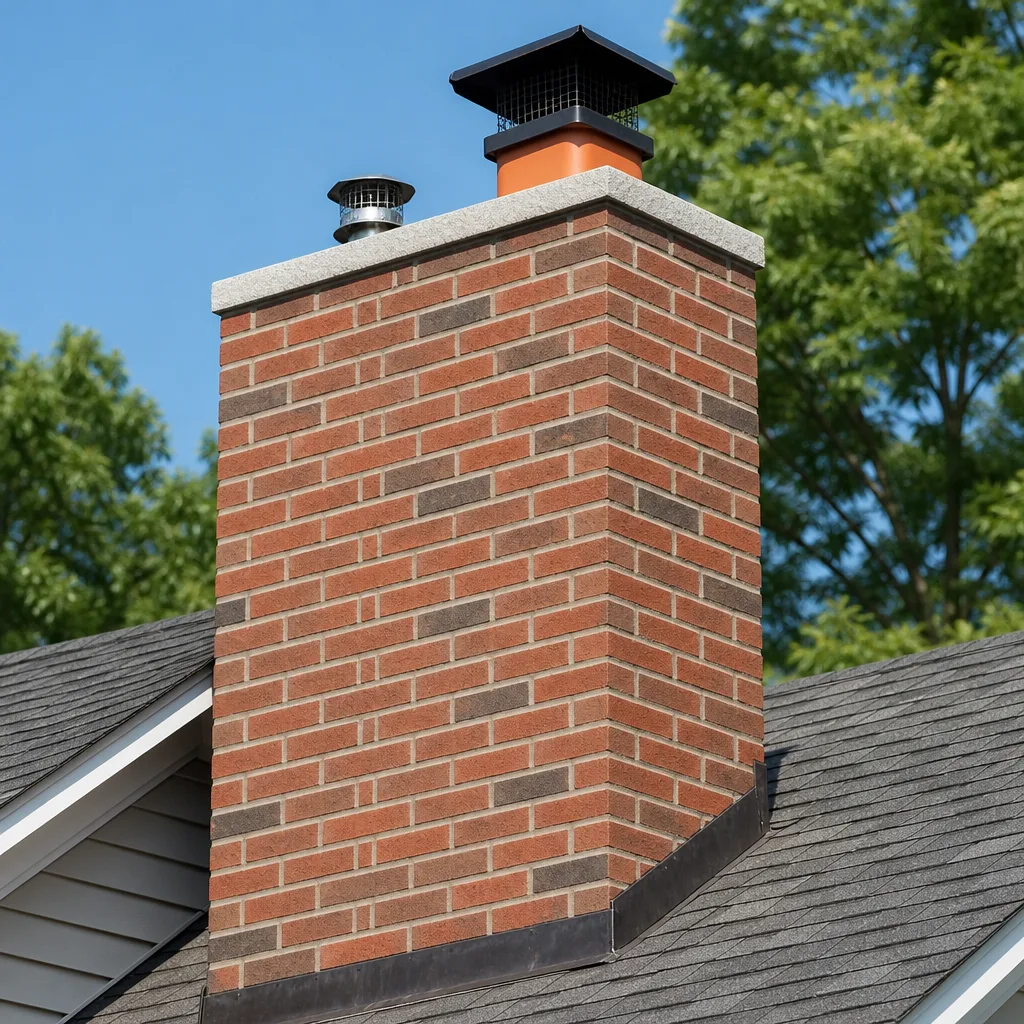
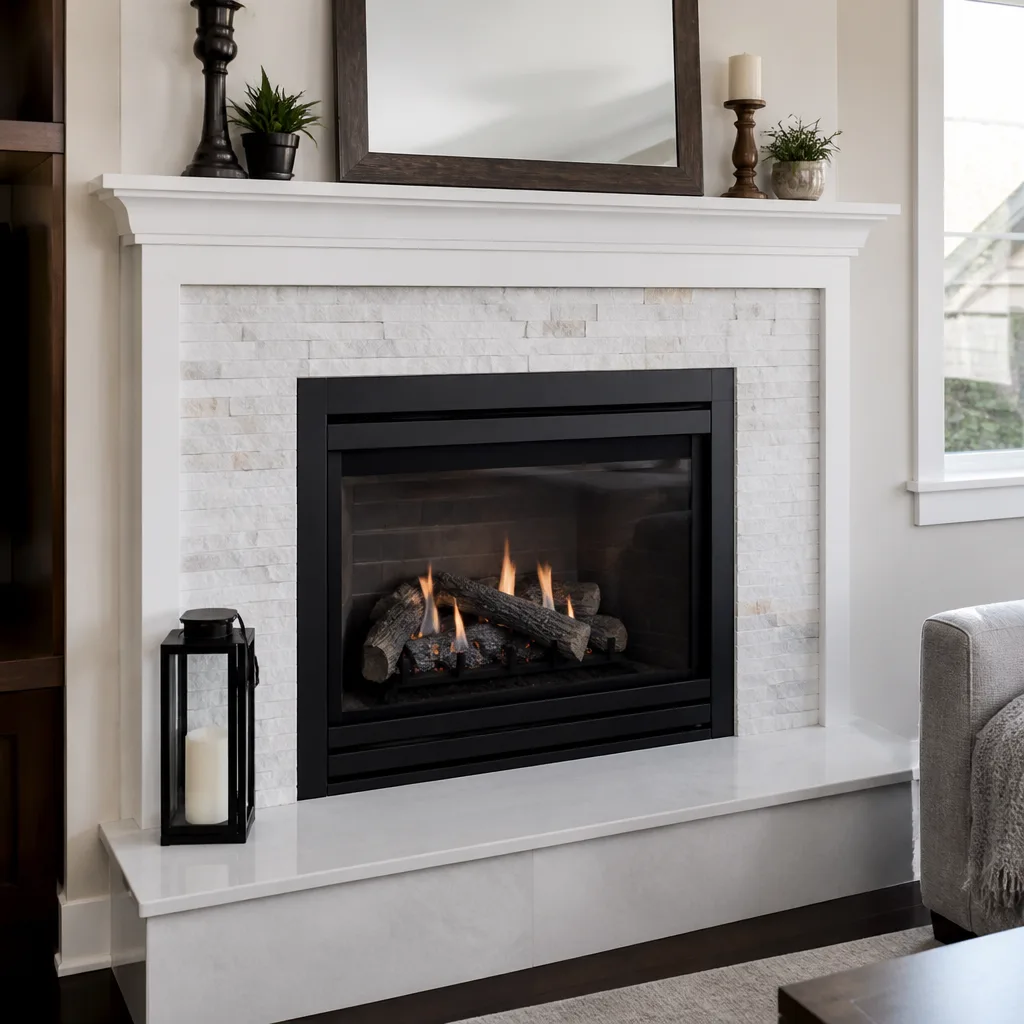
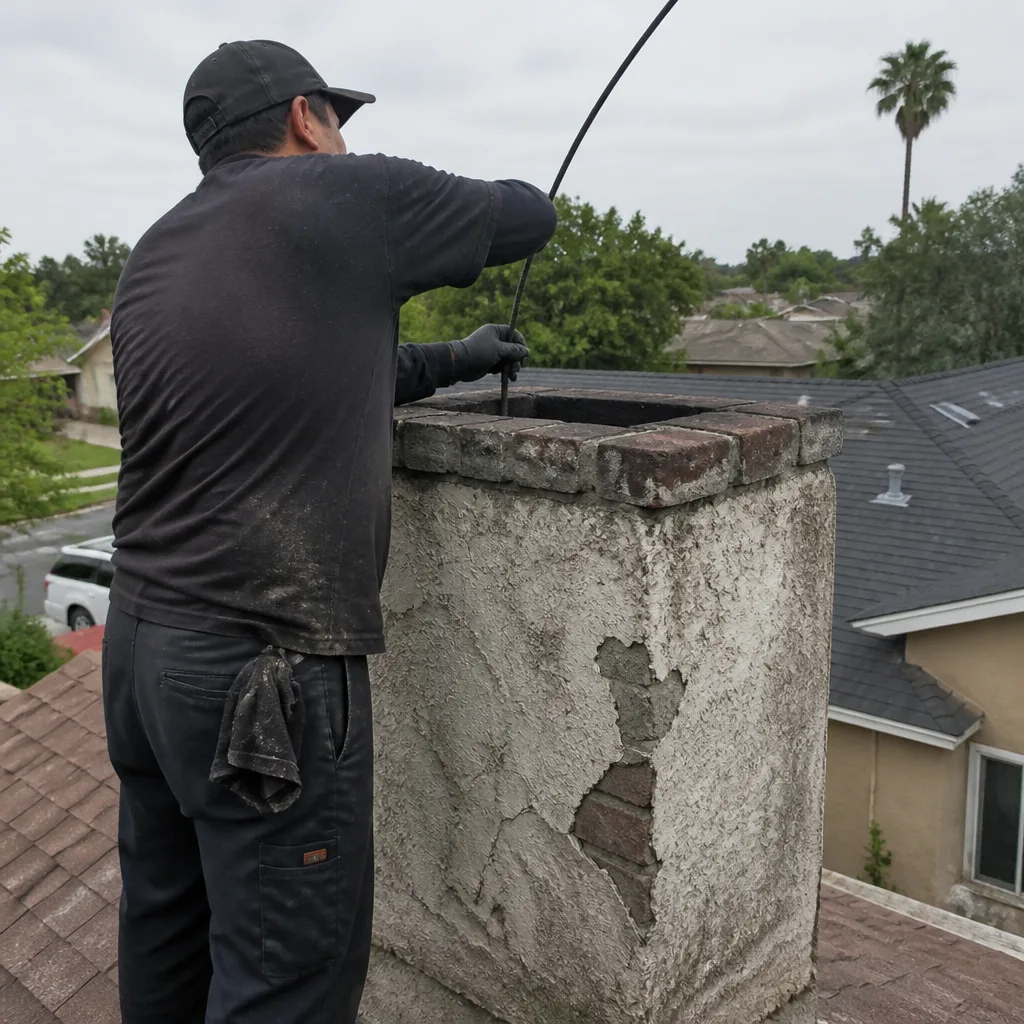 Before
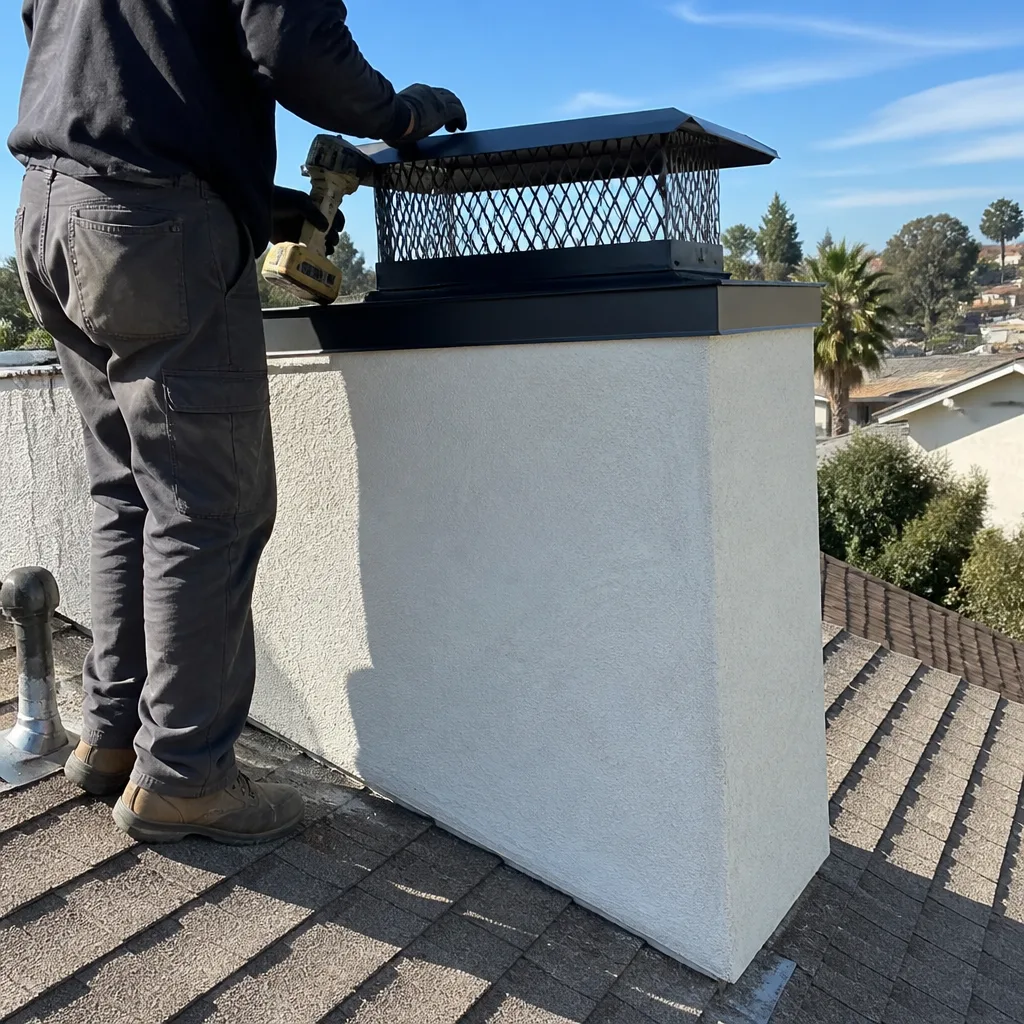 After
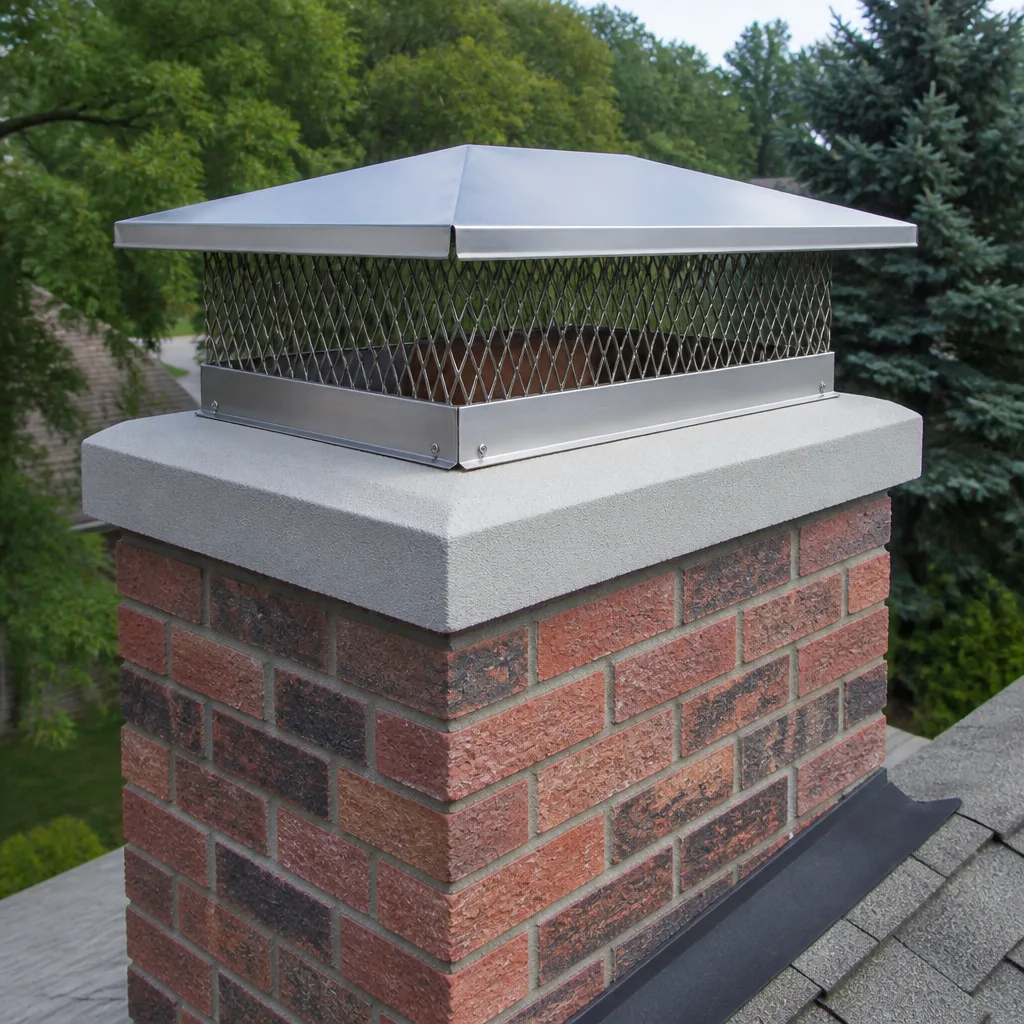
After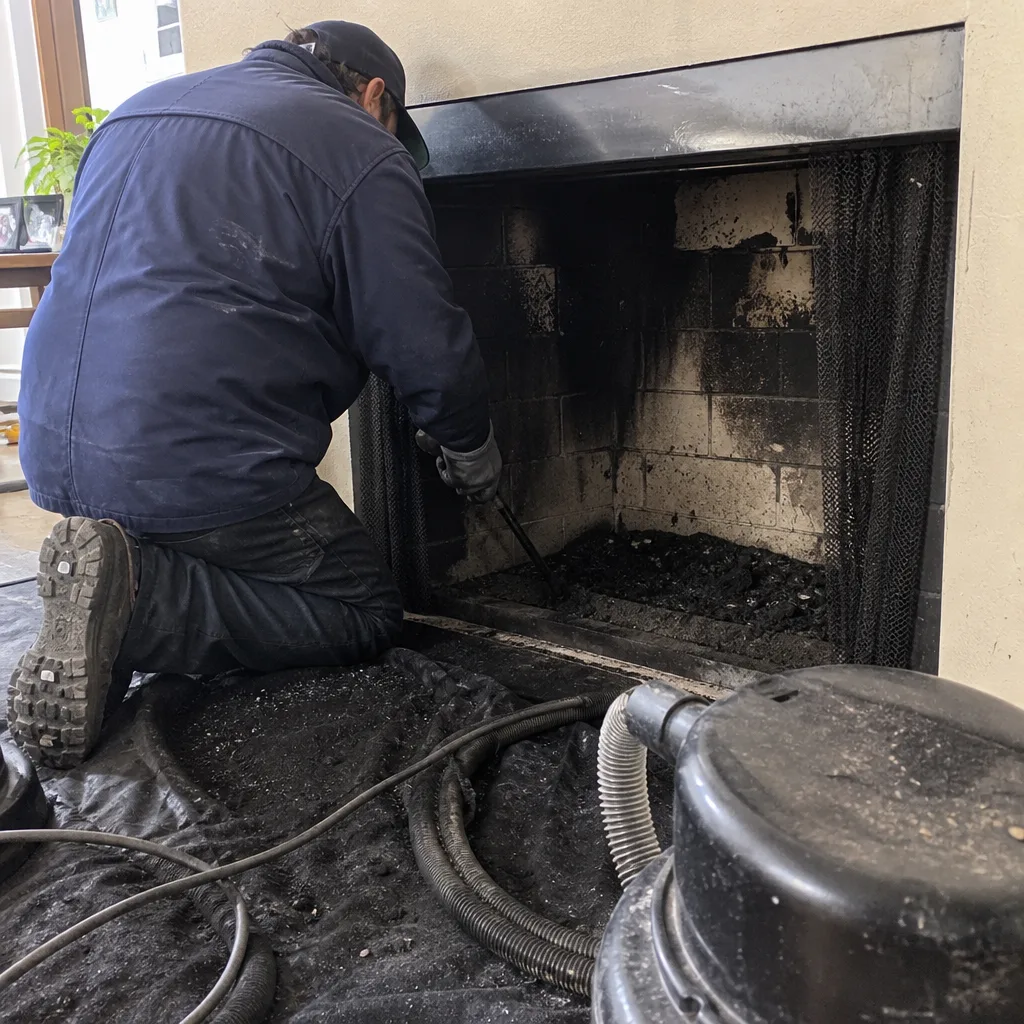 Before
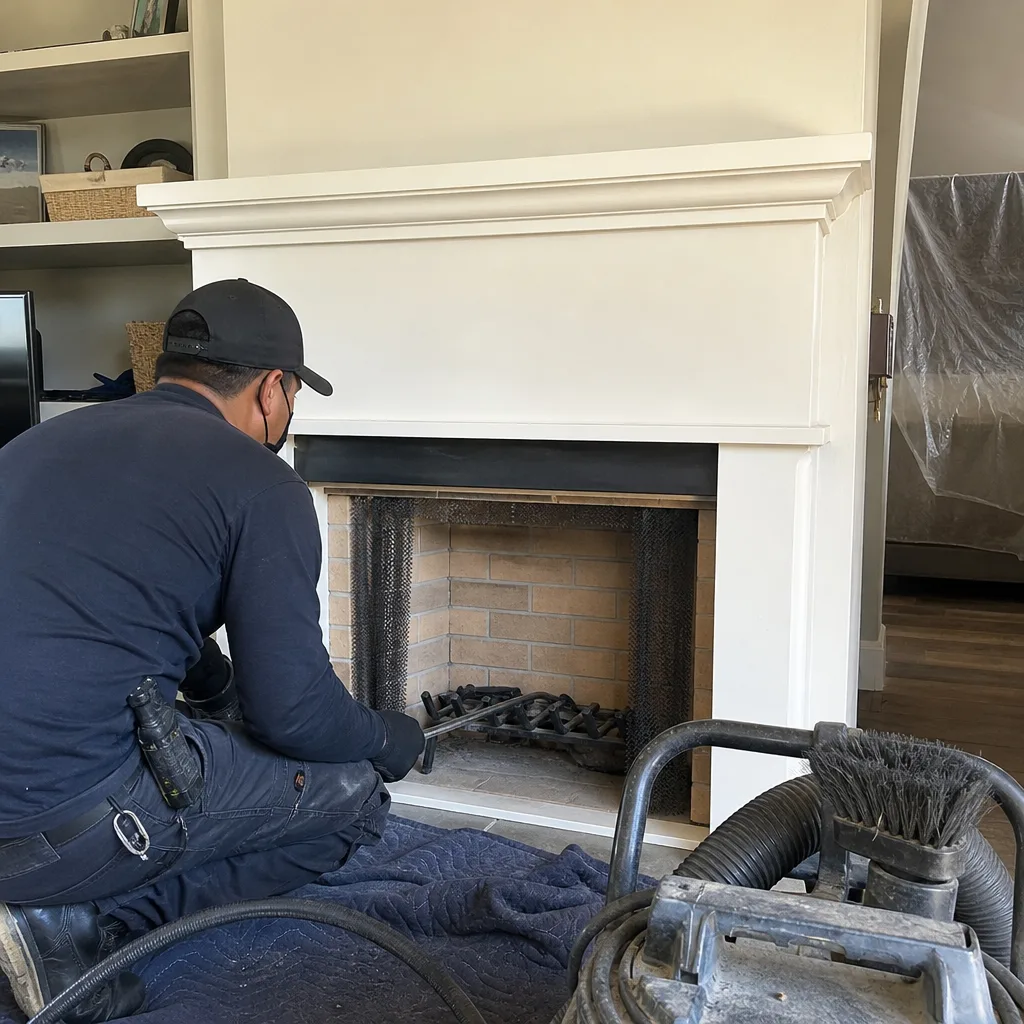 After
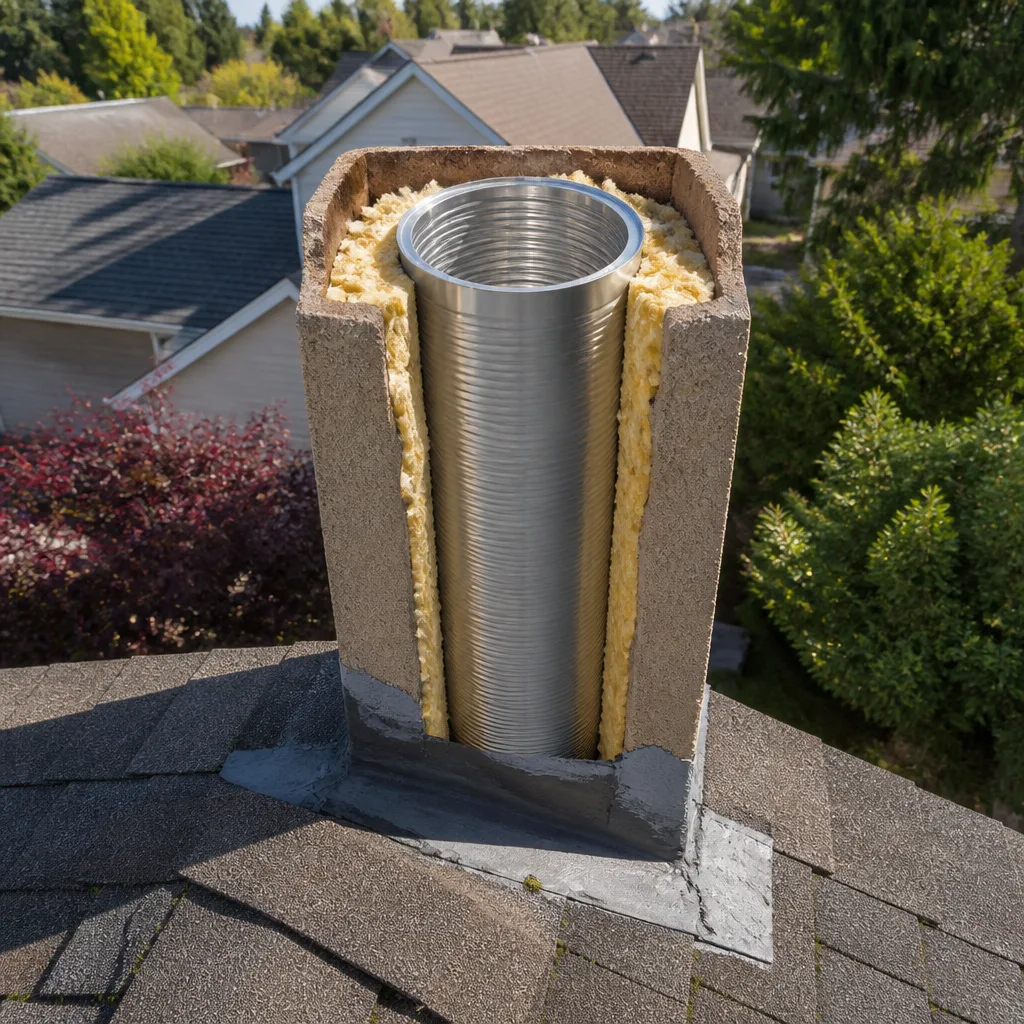
After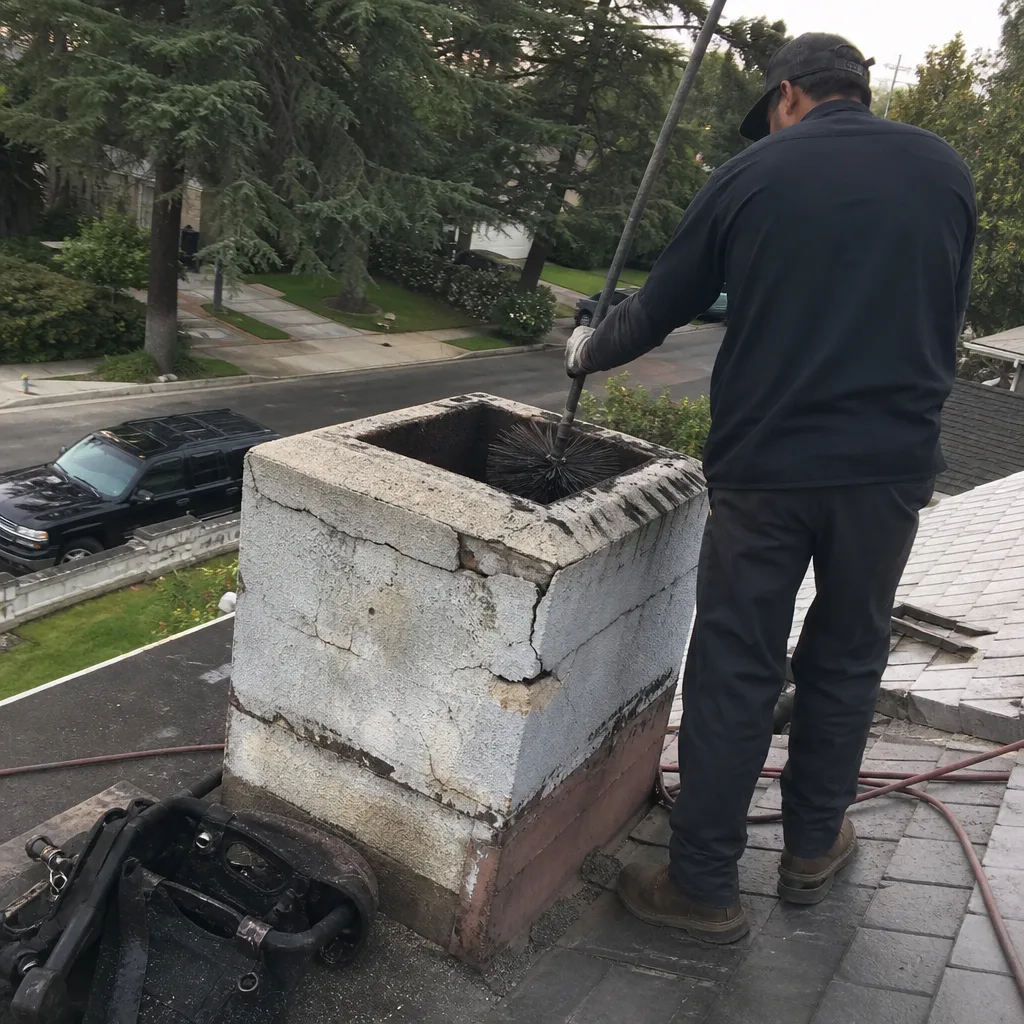 Before
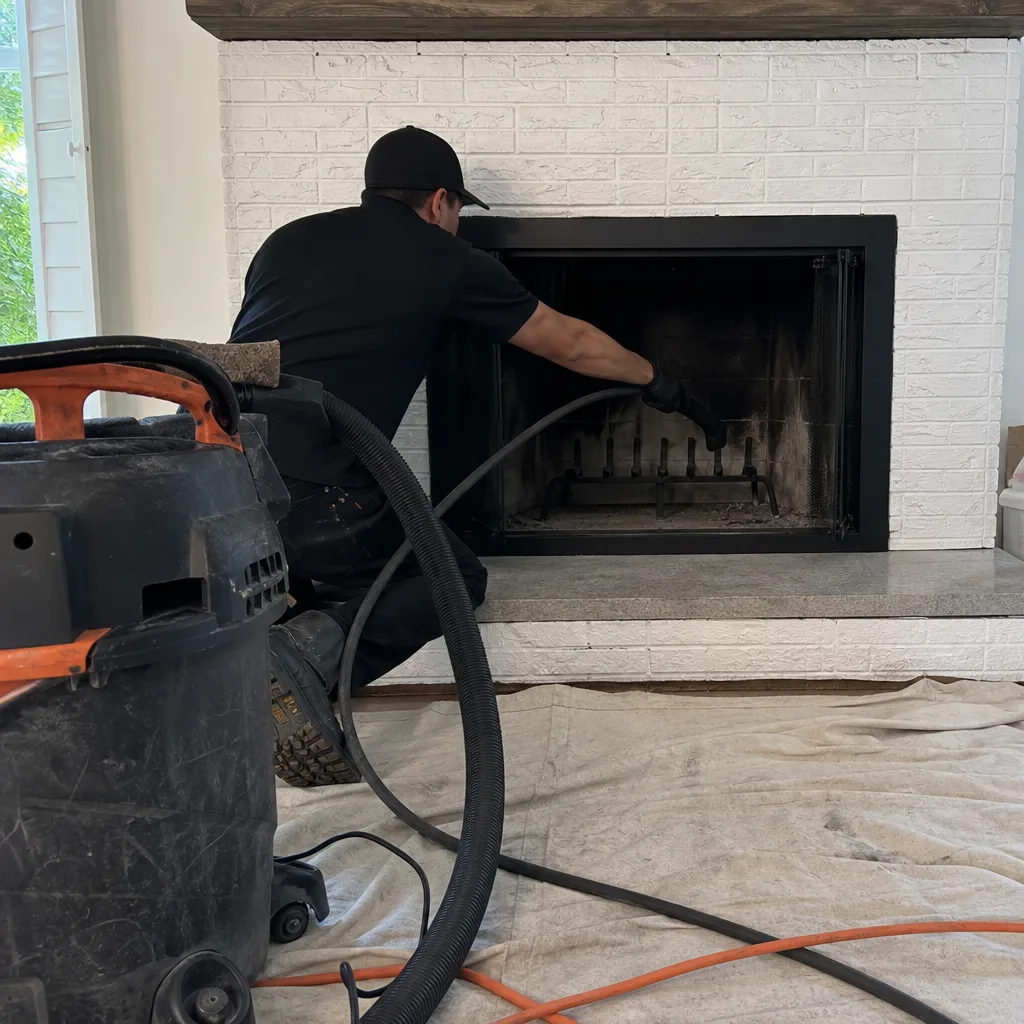 After
AfterFast, Reliable Gas Fireplace Repair Across Glastonbury Center
Gas fireplace repair in Glastonbury Center typically runs $165 – $420 for most service calls, with dedicated liner installations starting around $1,200 and full center-chimney liner work running $2,800 – $5,500 depending on stack height and access. We serve the colonial homes, Capes, and ranches throughout the Center with same-week scheduling and a written price before any work begins. If your gas logs won’t stay lit, the mantel smells like exhaust, or the pilot keeps dropping, call (336) 863-3889 and a live person answers, day or night.
What sets Glastonbury Center apart from surrounding towns isn’t the weather. It’s the chimneys. Many homes along Main Street and the side streets off Hebron Avenue still carry their original 18th- and 19th-century center stacks, built to serve three to five hearths across multiple floors. When a gas appliance gets vented into that kind of stack without someone actually looking inside, the results can be dangerous and invisible at the same time. That’s the work we do most often here.
Why Alcott Chimney Sweep Is Glastonbury Center’s Preferred Gas Fireplace Repair Company
We’ve worked on enough Glastonbury Center chimneys to know what hides inside them. The Center’s housing stock is unusually old for Connecticut, and that changes how gas fireplaces must be inspected and serviced. A Federal-period home off Main Street is not the same job as a 1990s build in a newer subdivision. Our techs understand the difference because they’ve seen it hundreds of times.
Every Alcott technician is background-checked and identity-verified under the Threshold Standard before they ever set foot on your property. You’ll know the technician’s name and see their photo before we arrive. At the door, they show a photo ID badge. That’s not an optional upgrade. It’s how we’ve operated since 2002, and it matters in Glastonbury Center, where homeowners often open the door to someone they’ve never met.
Ruben Castellano has built Alcott Chimney Sweep around one idea: you deserve to know exactly who is coming into your home and exactly what the repair will cost before it starts. No vague estimates. No surprise line items. No pressure to replace something that doesn’t need replacing. That’s why Glastonbury Center homeowners keep calling us back, and it’s why our Gas Fireplace Repair team handles everything from pilot assemblies on modern gas inserts to full liner replacements on 1790s center chimneys.
Our Gas Fireplace Repair Services in Glastonbury Center
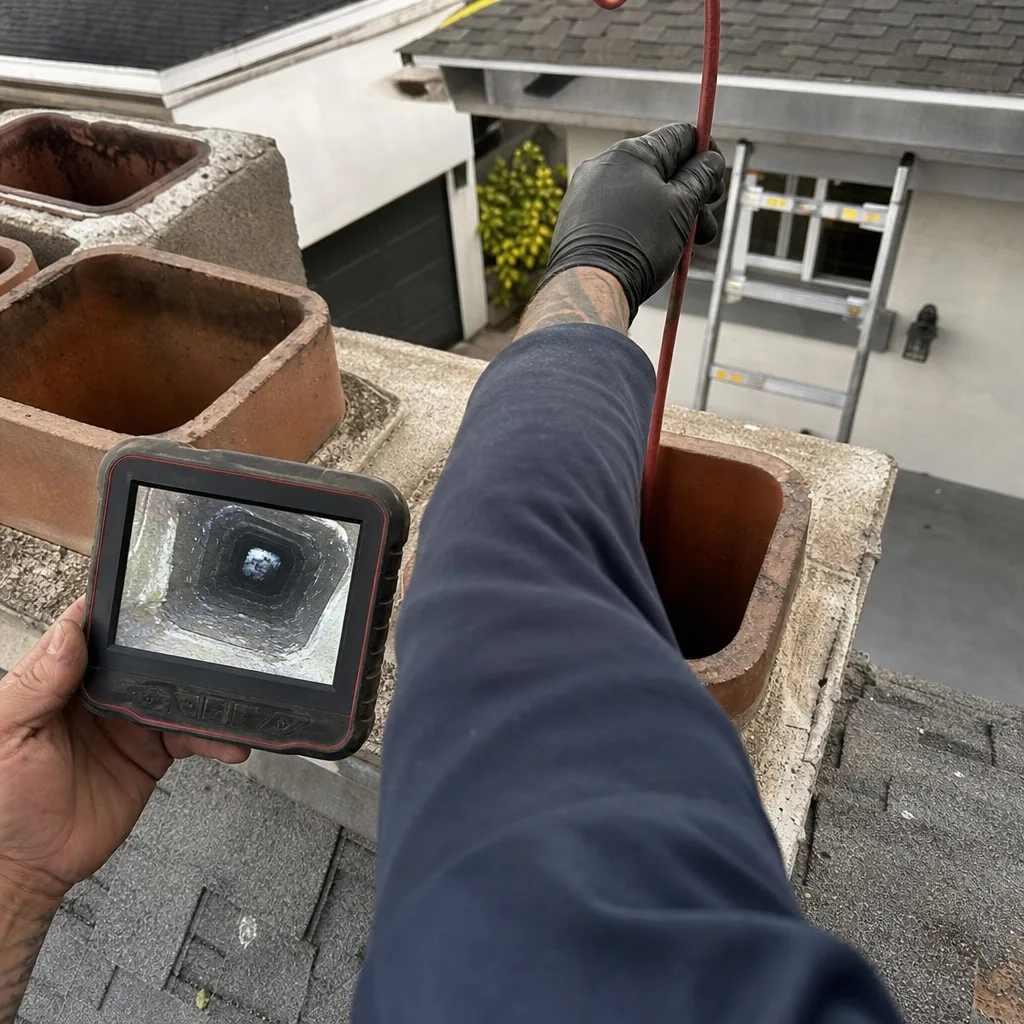
Gas Fireplace and Appliance Flue Inspection with Camera Evidence
Most gas fireplace problems in Glastonbury Center are not visible from the living room. The issue sits inside the flue. We run a camera down every flue we inspect and show you the footage on the spot. If we recommend a liner or masonry work, you’ll see the reason with your own eyes before you spend a dollar. In older Center homes where a gas appliance was retrofitted into a wood-burning flue, this camera pass is the only way to catch what a visual-only check misses.
Gas Log and Burner Service with Dedicated Flue Liner Installation
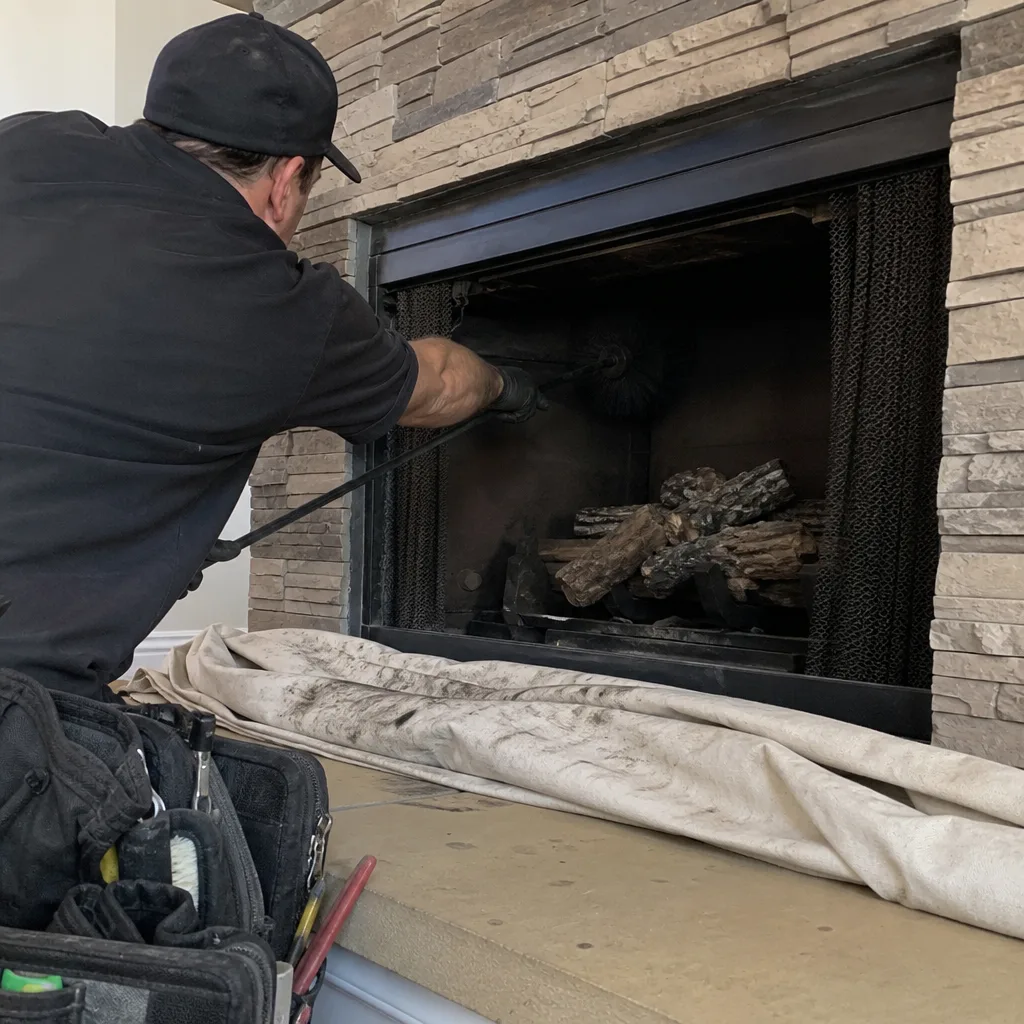
Gas logs in a brick fireplace look right, but they vent differently than wood. They need a correctly sized liner to maintain draft and carry exhaust out. We install and service DuraFlex and Copperfield liner systems in Glastonbury Center homes every week. When a gas appliance vents into an oversized or cracked clay-tile flue, the exhaust cools too fast, draft stalls, and combustion gases spill back into the room. A dedicated liner fixes that permanently.
Level 2 Inspection on Center-Chimney Colonials with Abandoned Upper-Floor Flue Passages
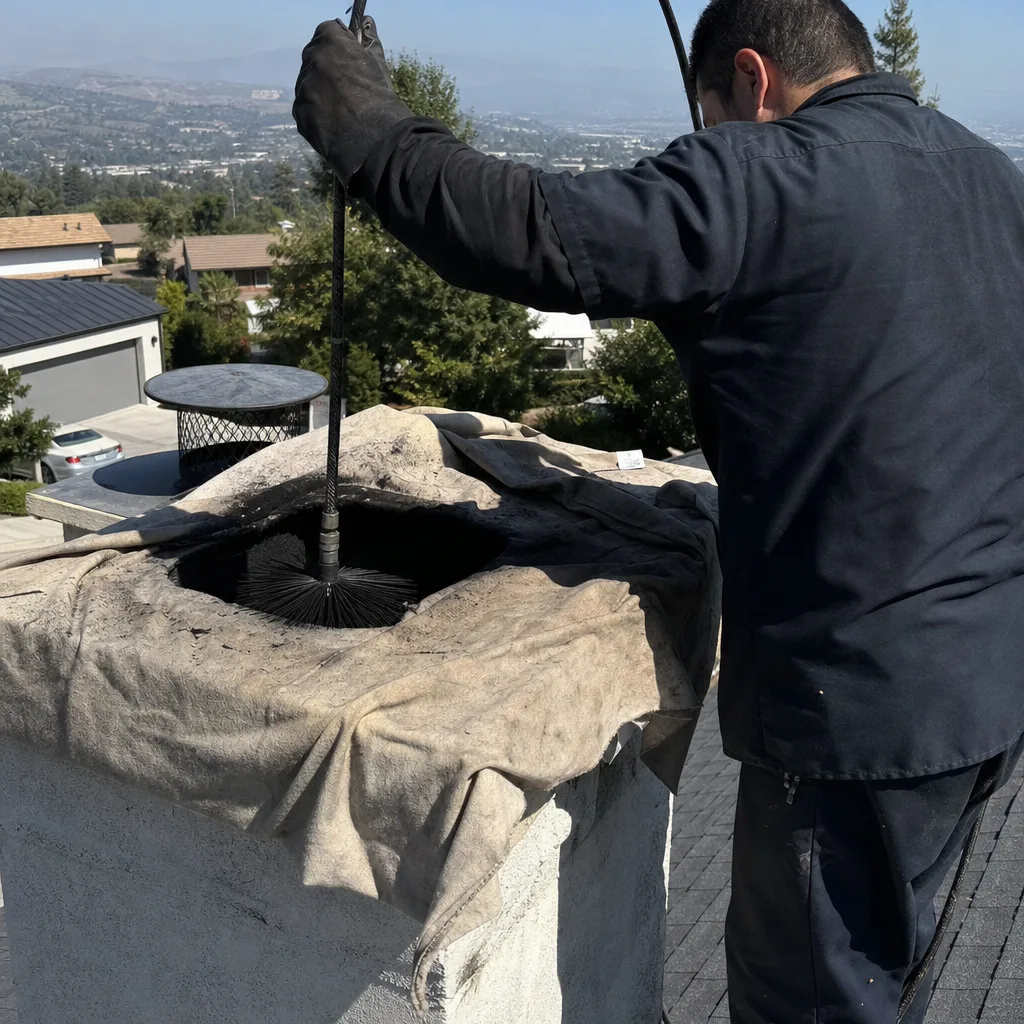
This is the service most specific to Glastonbury Center. In a center-chimney colonial, upper-floor fireplace openings were often bricked over decades ago, but the flue passages behind them were never capped internally. Those dead-air passages trap moisture and can allow gas exhaust to migrate to rooms the homeowner believes are sealed. A standard single-flue sweep will never find this. Our Level 2 inspection probes each abandoned passage from the top and at every former hearth opening, and we photograph what we find.
Gas Fireplace Pilot, Thermopile, and Valve Diagnostics
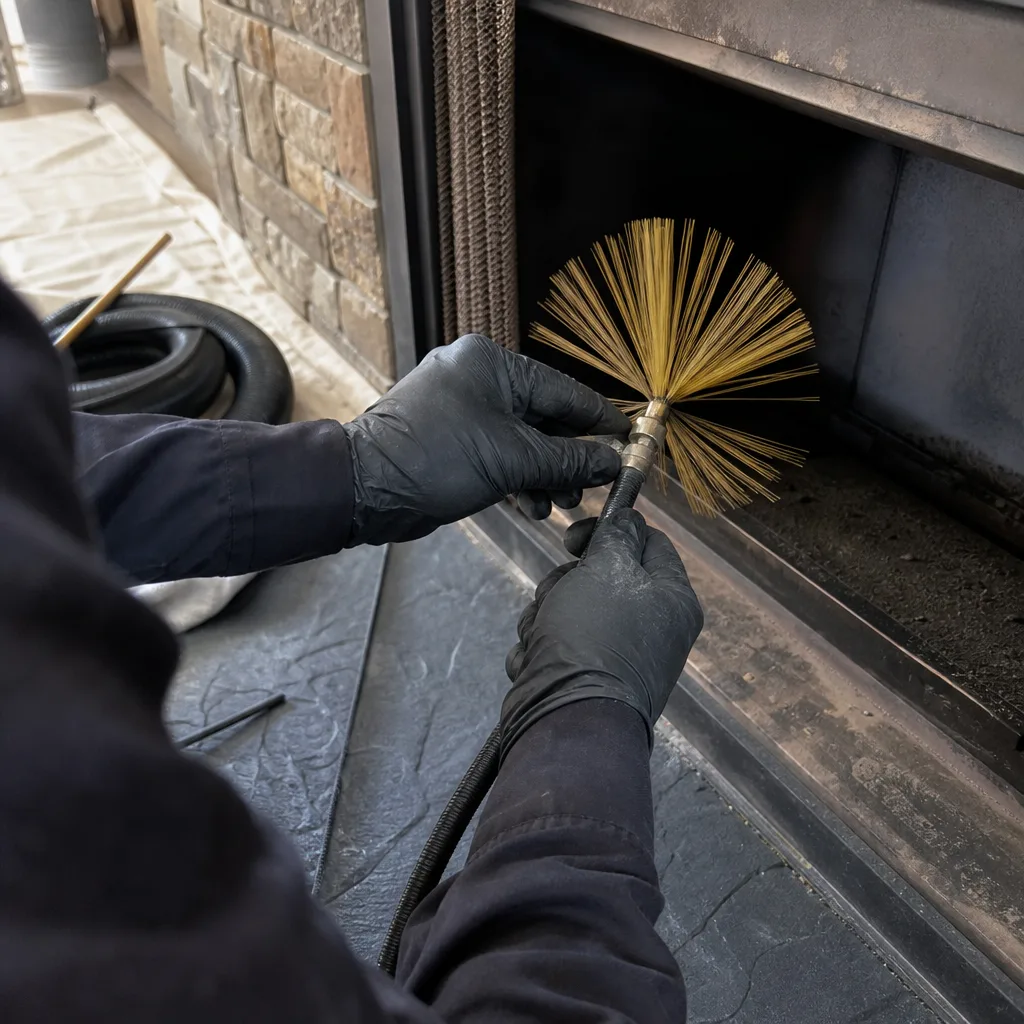
If your gas fireplace won’t light, won’t stay lit, or keeps shutting off after a few minutes, the cause is usually in the pilot assembly, thermopile, thermocouple, or control valve. We diagnose these components in homes throughout Glastonbury Center and carry replacement parts for the major brands. Before we replace anything, you’ll know what failed, what the part costs, and what the labor will be. No exceptions.
What happens when you call
- 1
A real person answersNo phone trees - you reach a local pro.
- 2
You get an upfront price rangeHonest numbers before anyone is dispatched.
- 3
A background-checked tech heads outLicensed & insured, dispatched right away.
- 4
You approve before work beginsNothing starts until you say go.
Trusted Brands We Service in Glastonbury Center
We carry and install HeatShield resurfacing systems, Gelco chimney products, and Olympia Chimney components, along with Famco and Copperfield venting materials. These are the trade-grade brands chimney professionals specify, not box-store substitutes. For Glastonbury Center homeowners, that means faster turnaround on liner work and resurfacing because we’re not waiting on a generic part that doesn’t fit your stack. When your gas fireplace needs a part, we either have it or can get it quickly, and we’ll tell you which before the work is scheduled.
Common Gas Fireplace Repair Problems We See in Glastonbury Center Homes
- Gas logs going out within minutes and a faint exhaust smell near the mantel. This usually means draft failure, often because the appliance is venting into a flue sized for a wood fire. The oversized flue runs too cool, exhaust stalls, and gases back up into the room. It’s common in Cape Cods and ranches near Main Street where a gas insert replaced an open-hearth fire.
- Abandoned upper-floor flue passages trapping moisture and exhaust. Because upper-fireplace openings in Glastonbury Center’s center-chimney homes were often bricked off without capping the internal flue passages, gas appliance exhaust can drift into those dead-air pockets and migrate to rooms the homeowner thinks are sealed off. That migration is invisible on a standard single-flue sweep and can only be found by camera-probing each abandoned flue from the top and at each former opening.
- Cracked clay-tile flues in 1700s and early-1800s center chimneys. Glastonbury’s long freeze-thaw season, amplified by cold air pooling in the Connecticut River valley, stresses the original lime-mortar joints. When tiles crack and mortar crumbles, gas exhaust seeps through the masonry into dead-air pockets and adjacent rooms instead of exiting the chimney crown. This is a Level 2 finding, not something you see from the hearth.
- Moisture damage and efflorescence from river-valley humidity. Spring moisture rising off the Connecticut River promotes spalling in unlined masonry chimneys. If your gas fireplace is venting through the original brick stack, that moisture accelerates deterioration and can compromise the flue’s integrity faster than in towns away from the valley floor. A post-winter inspection catches it before it becomes structural.
We were called to a Federal-period home off Hebron Avenue where the gas logs in the original firebox kept extinguishing within minutes of lighting and the mantel smelled faintly of exhaust. Our tech ran a camera down the center stack and found the appliance flue had no dedicated liner. It was venting into a soot-clogged passage that had once served an upper-floor hearth bricked off decades earlier and never capped. We installed a DuraFlex liner in the correct flue, sleeved the abandoned passage, and the fireplace has held draft and no smell since.
Pricing for Gas Fireplace Repair in Glastonbury Center, CT
Here’s what Glastonbury Center homeowners can expect to pay. A standard gas fireplace service call, including diagnostics and basic cleaning, runs $165 – $290. Pilot, thermopile, or thermocouple replacement typically lands between $220 – $350 with the part included. Gas log set repair or replacement runs $380 – $650 depending on the set. A dedicated flue liner installation for a gas appliance starts around $1,200 for a single-story ranch and rises to $2,800 – $5,500 for tall center-chimney colonials where multiple flues or abandoned passages need work. If masonry resurfacing with HeatShield is required, that adds $900 – $2,200 depending on the repair area.
Any quote we give you is written, itemized, and delivered before work starts. If we find something additional during the job, we stop and show you. You decide. There is never a charge you didn’t approve in writing first. Call (336) 863-3889 for a free estimate and we’ll put the numbers in front of you.
We Also Serve Cities Near Glastonbury Center
Our Glastonbury Center service area includes the historic district streets and surrounding neighborhoods, but our technicians also run calls to Bridgeport, Stamford, New Haven, and Hartford. If your gas fireplace is acting up and you’re just outside the Center, call anyway. We’ll tell you over the phone when we can be there and exactly what the trip will cost. No surprises.
Serving Glastonbury Center, CT - Our Local Coverage Area
We’re based in the Glastonbury Center area and know this community well. Use the map below to see our service coverage - if you’re nearby, we can almost certainly help.
FAQs – Gas Fireplace Repair in Glastonbury Center
That combination almost always points to draft failure, not a gas leak. The most likely cause in a Glastonbury Center colonial is that your gas logs are venting into a flue originally built for wood – too big, too cold, or partially blocked. Exhaust stalls and spills back into the room. In older center-chimney homes, the exhaust can also drift into abandoned upper-floor flue passages that were bricked off but never capped. We’ll run a camera down the stack and show you exactly where the draft is failing before recommending any repair. Call (336) 863-3889 to schedule.
Because you don’t need creosote to have a blocked, cracked, or leaking flue. Gas exhaust contains carbon monoxide and moisture, both of which damage flue tiles and mortar just like wood smoke does, only slower and less visibly. In Glastonbury Center’s older homes, the bigger concern is structural: clay tiles cracked by freeze-thaw cycles, abandoned flue passages trapping exhaust, and combustion gases seeping into rooms you thought were sealed. A camera inspection finds what a creosote check never would.
Yes, and they matter more in Glastonbury Center than almost anywhere else. Unused flue passages in center chimneys were often bricked over at the firebox opening but never capped inside. Those dead-air pockets trap moisture, accelerate spalling at lime-mortar joints, and can allow gas exhaust from the active flue to migrate into them. From your living room, everything looks intact. A camera probe shows what’s actually happening. We will not tell you to line or seal an abandoned passage without showing you the footage first.
No. Nothing is recommended without camera evidence you can see for yourself. That’s a rule we don’t bend. If a liner is compromised, cracked, or missing, the camera footage will show it. If the flue is in good shape and only needs cleaning, we’ll tell you that too and you’ll save the money. We’ve talked more than a few Glastonbury Center homeowners out of liner replacements they didn’t need after another company scared them into a quote. That’s not how we work.
The valley’s cold air pooling drives one of the longest heating seasons in the state. Your gas fireplace supplements oil heat heavily from October through April, and that consistent use exposes draft problems quicker than occasional use would. Spring moisture rising off the river also promotes efflorescence and spalling in unlined masonry stacks, which is why we recommend a post-winter inspection every year for Glastonbury Center homes with original chimneys. It’s the difference between a $250 service call and a $4,000 liner job caught late.
Written by Ruben Castellano, Owner at Alcott Chimney Sweep, serving Glastonbury Center since 2002.