
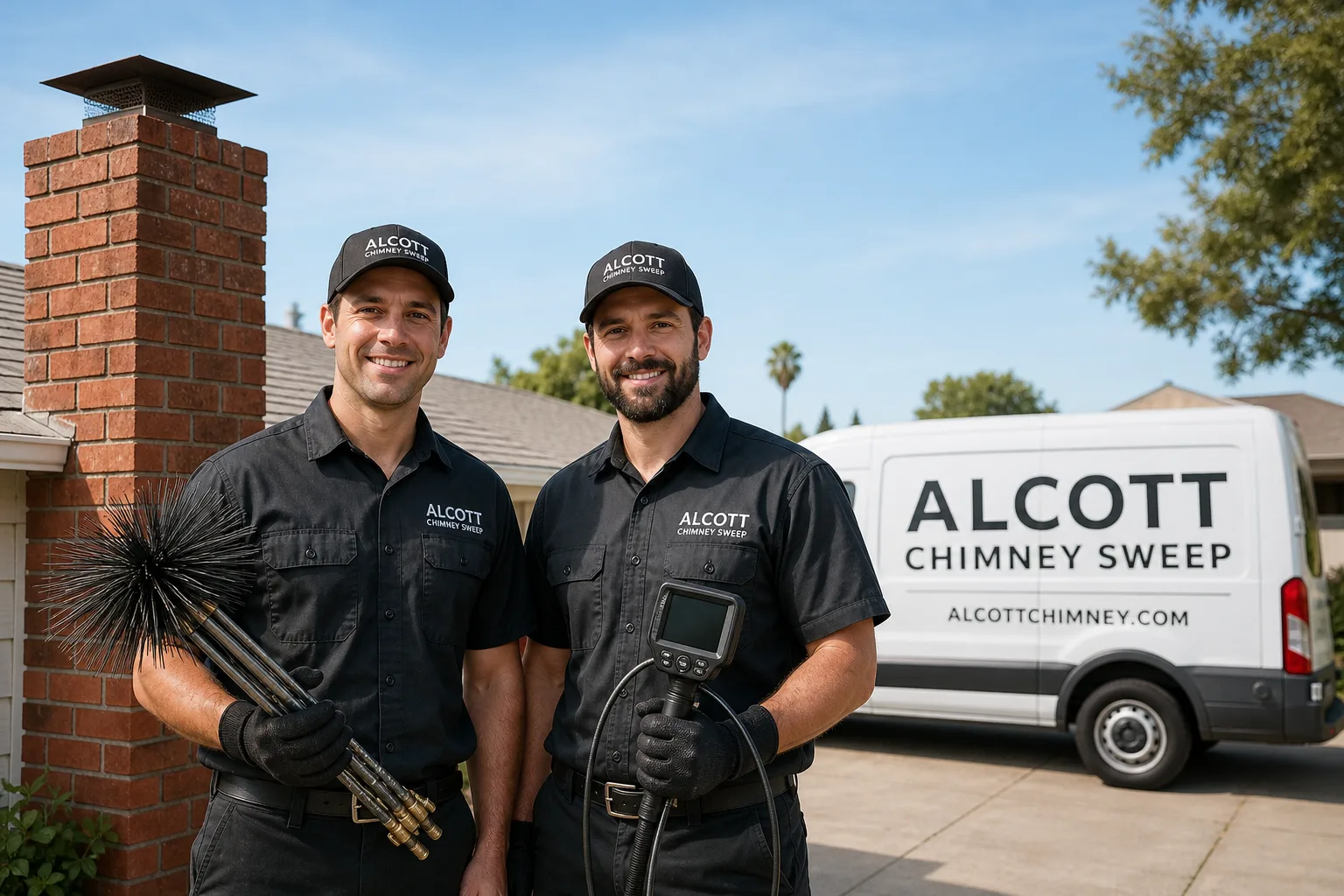
Level 1 sweep and inspection to the NFPA 211 annual standard - flue, crown, cap, and flashing checked and photographed
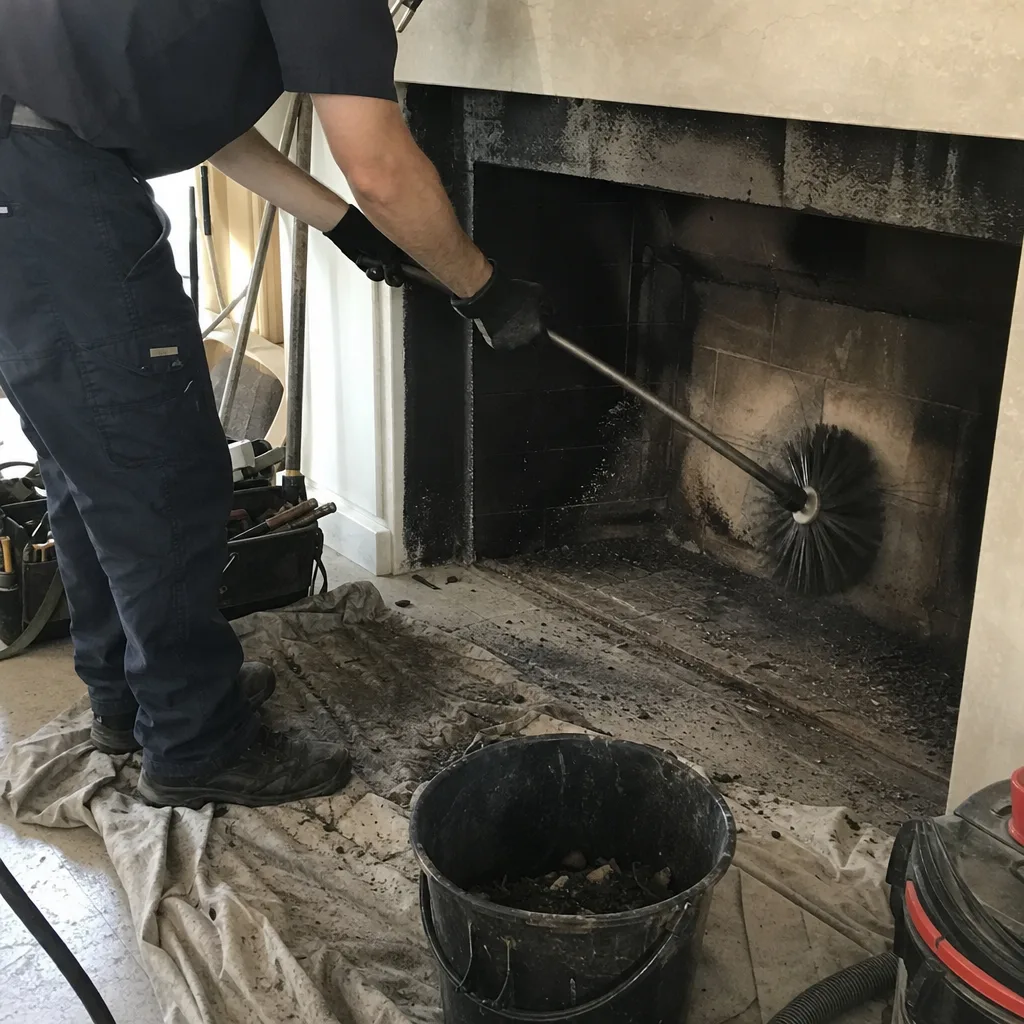
Chimney sweep logs do not sweep chimneys. They loosen some creosote - which then falls where a brush and vacuum still have to collect it.
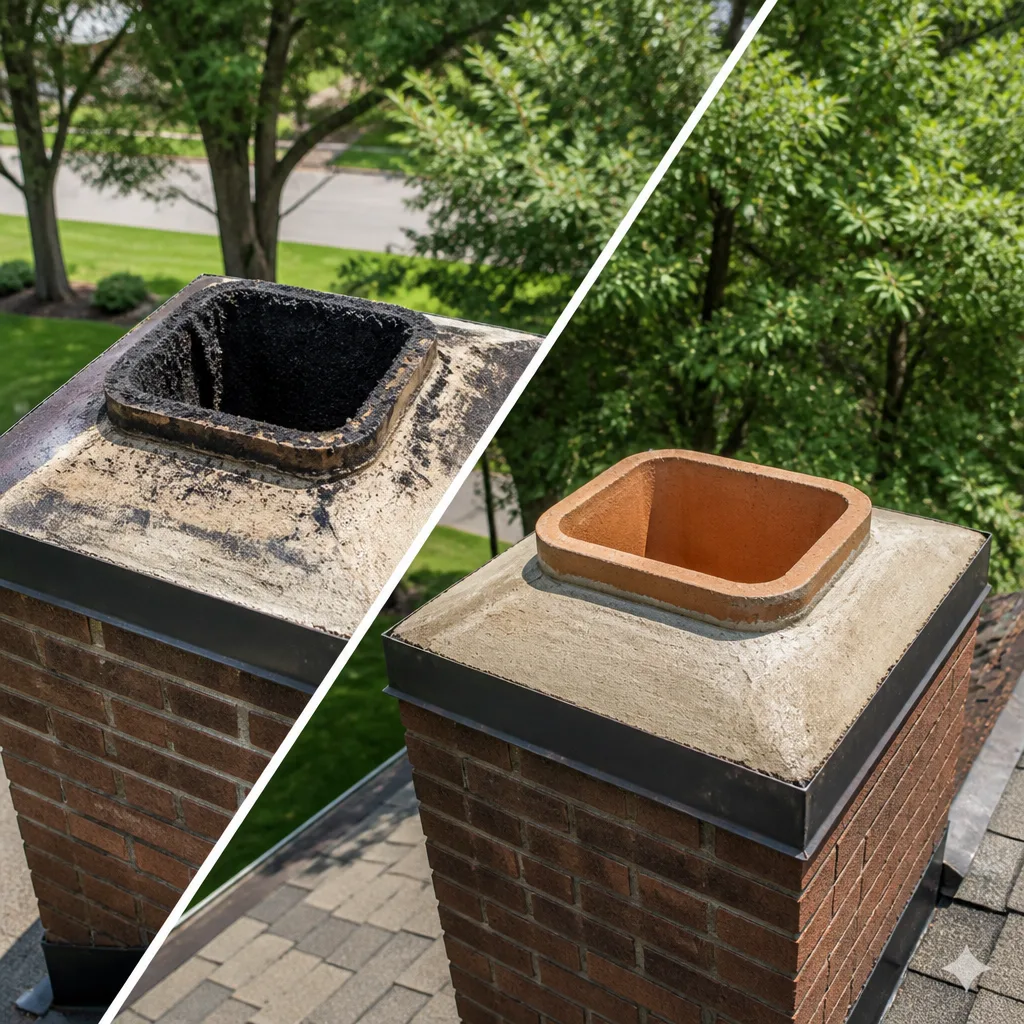
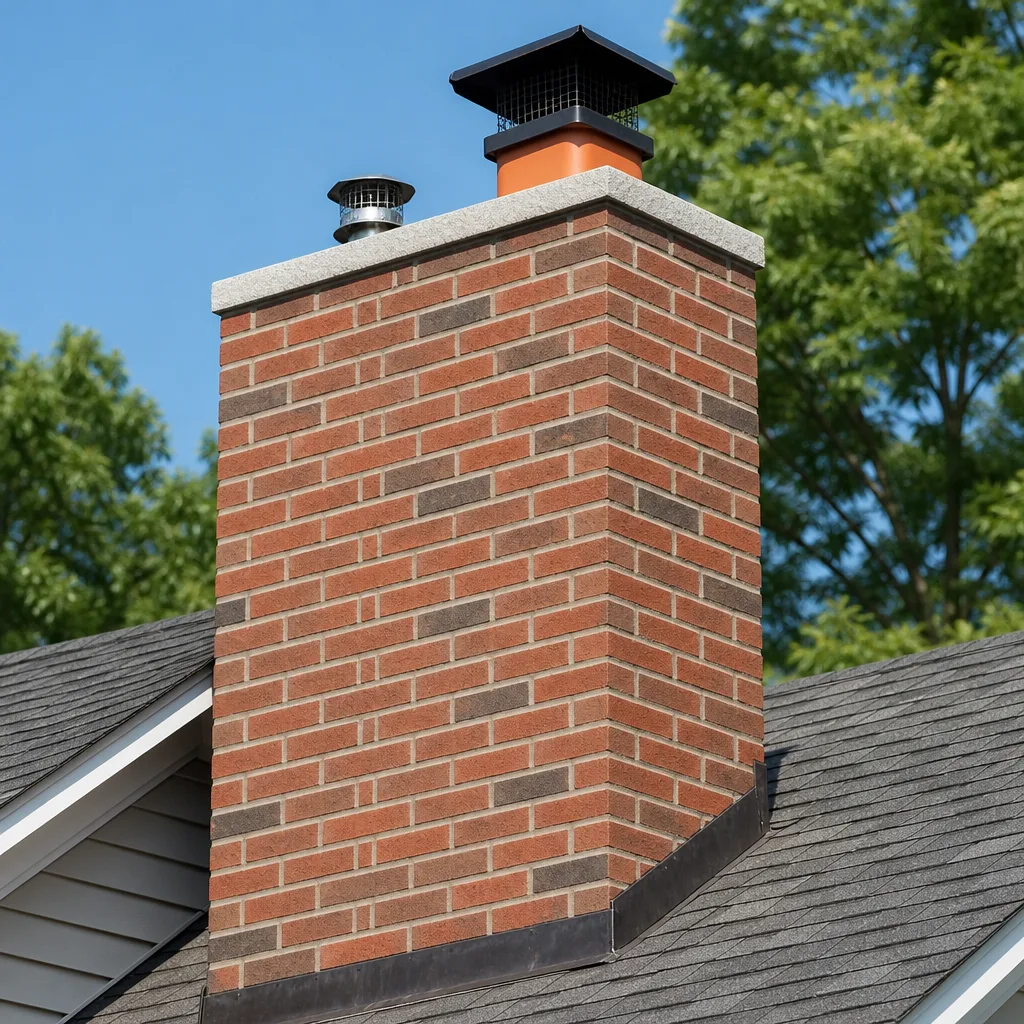
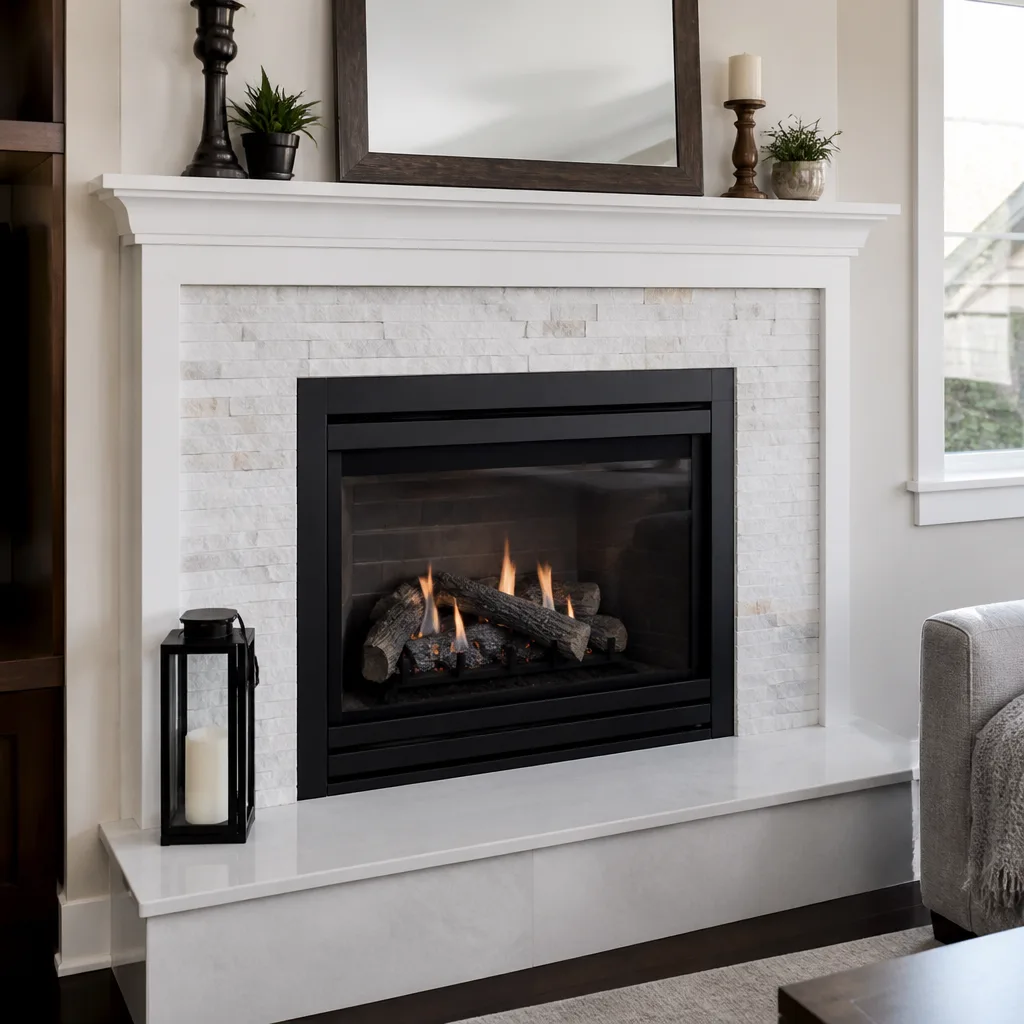
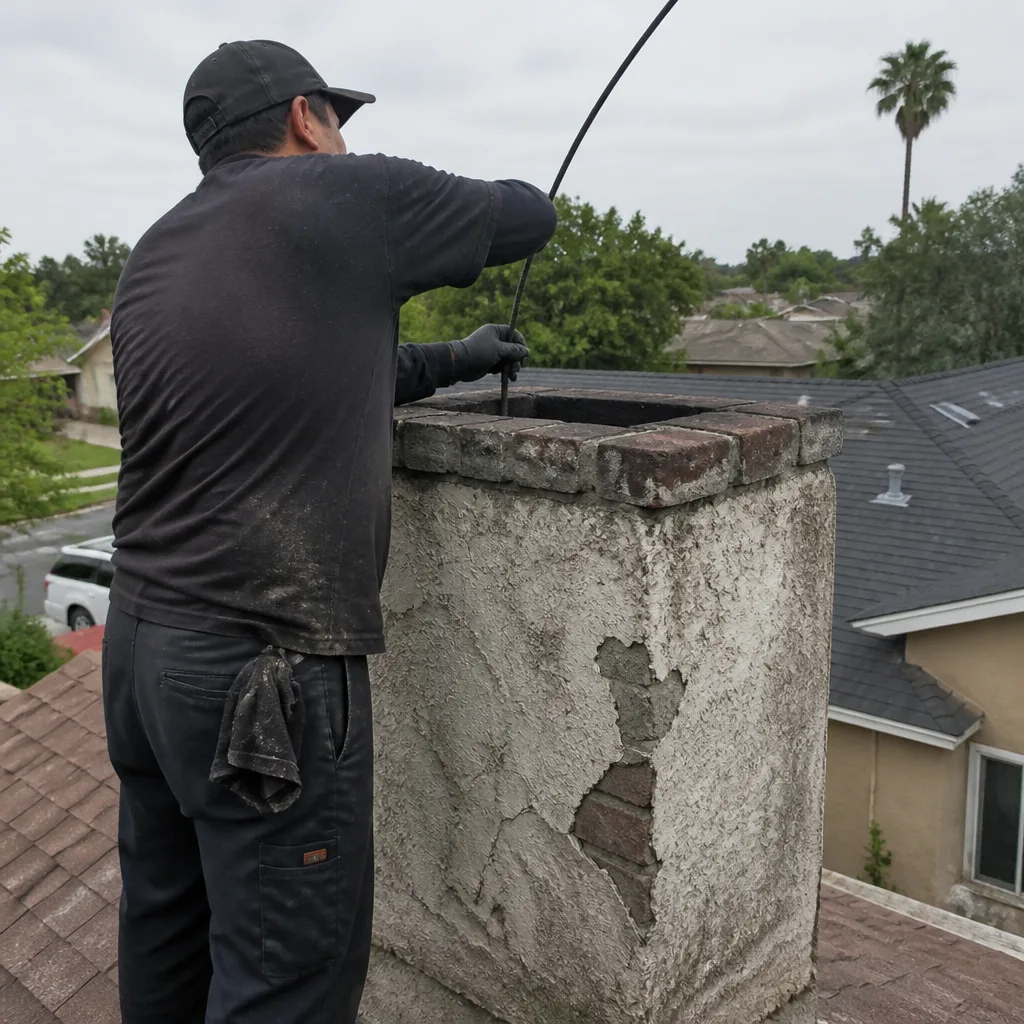 Before
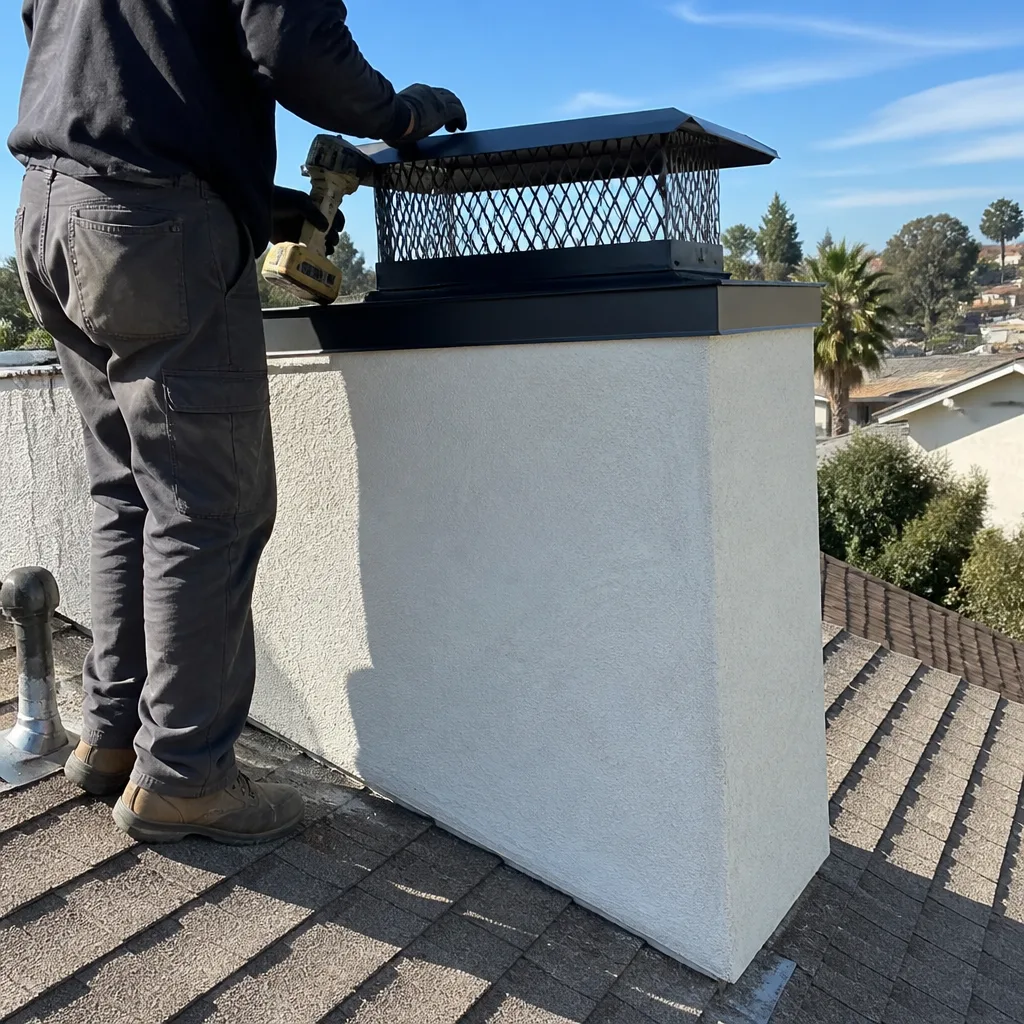 After
After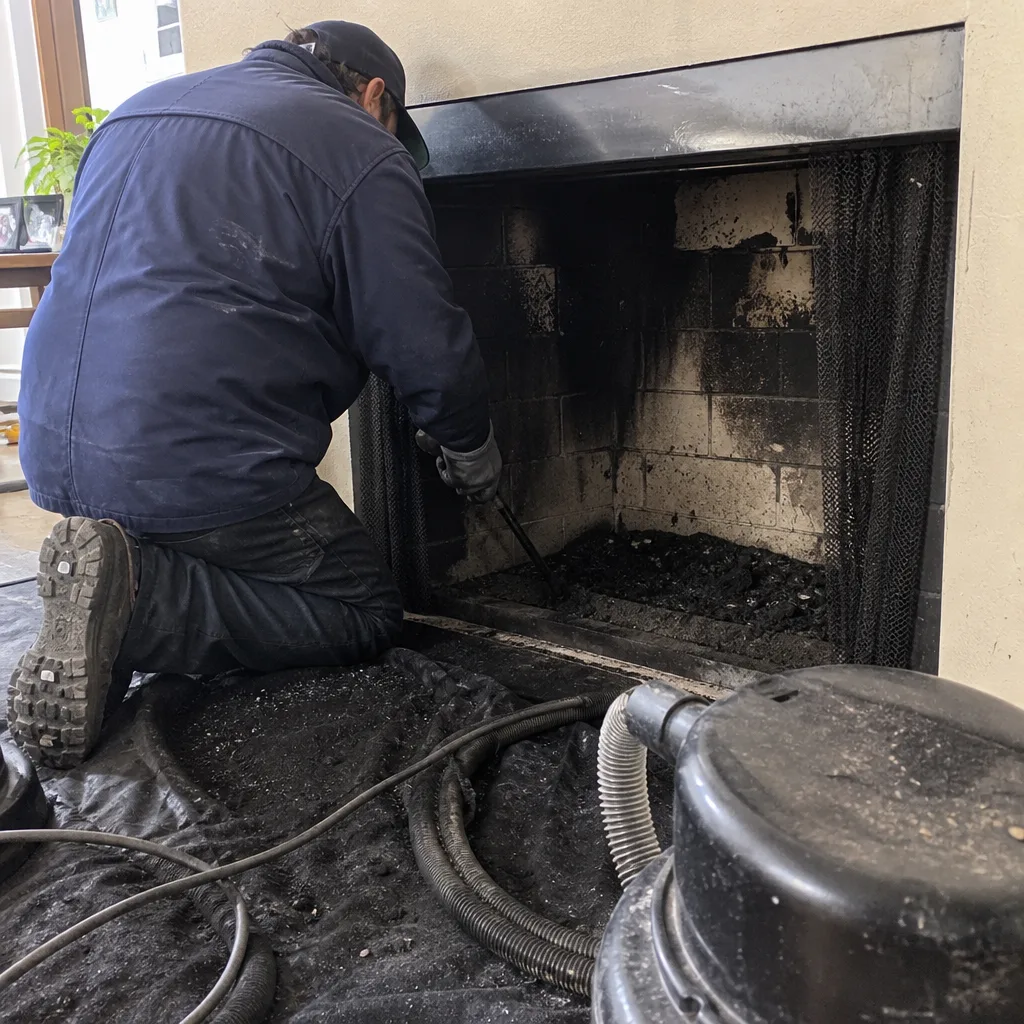 Before
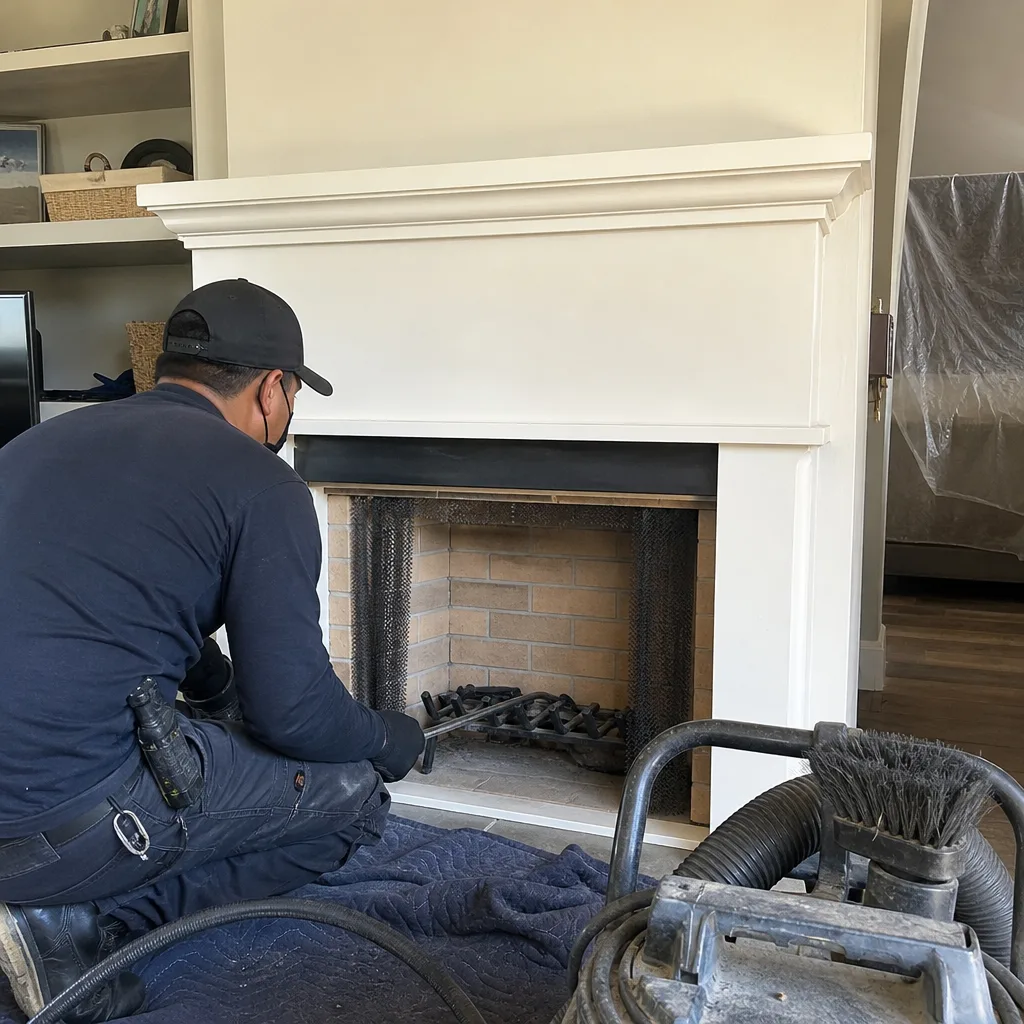 After
After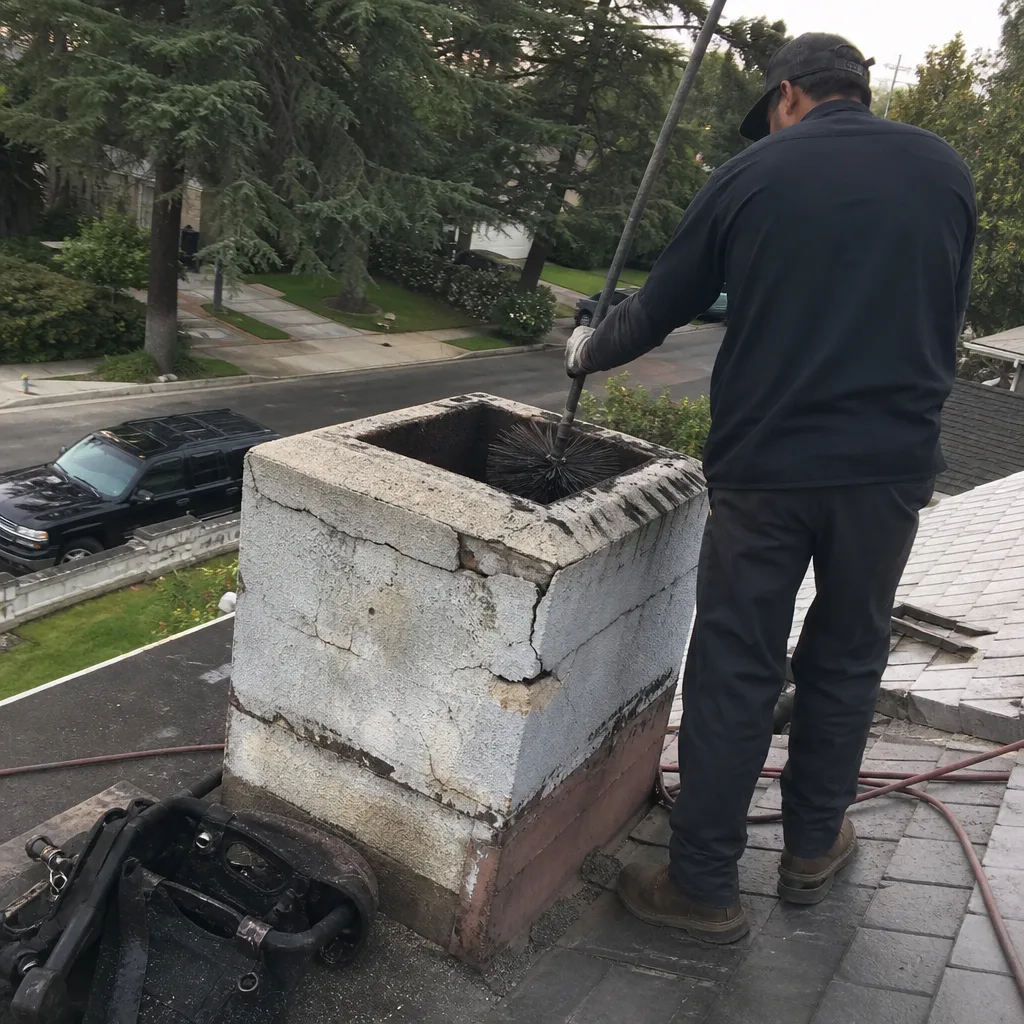 Before
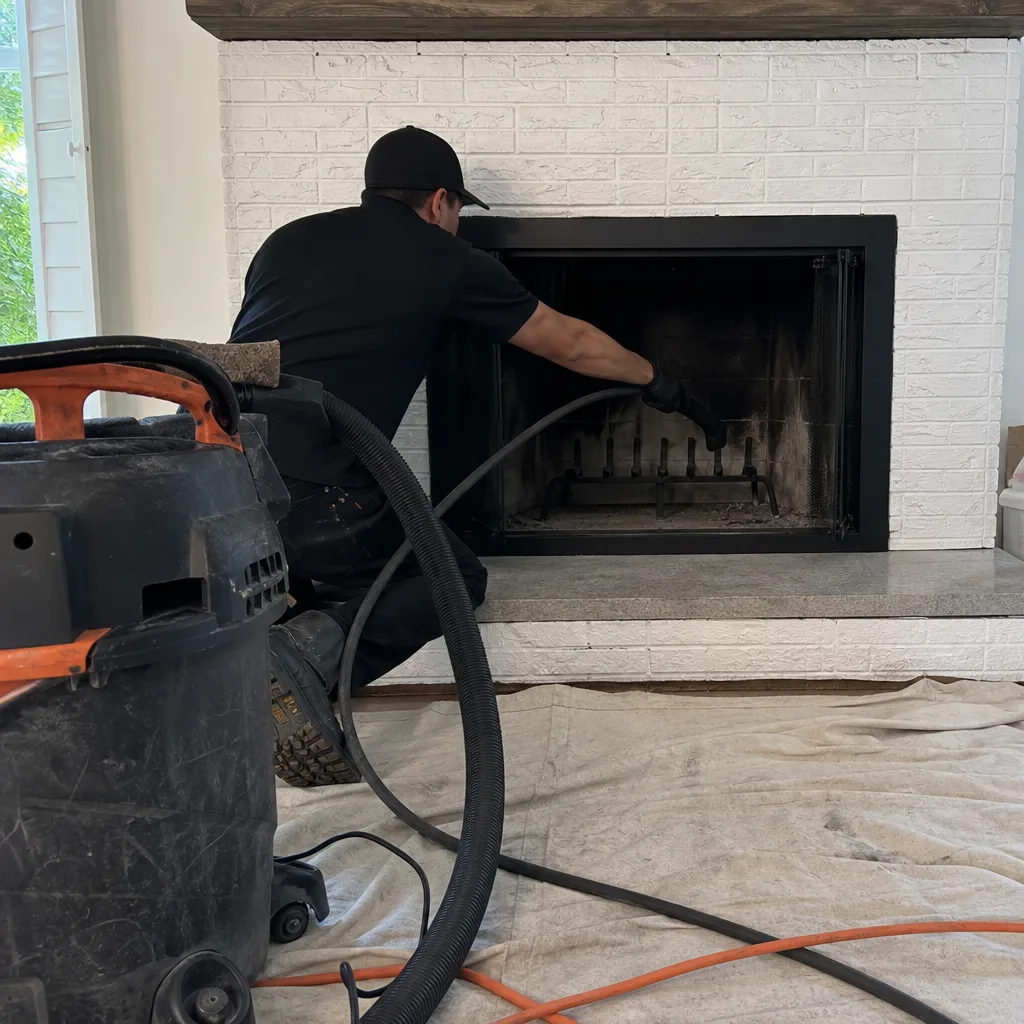 After
AfterFast, Reliable Gas Fireplace Repair Across Halls
Gas fireplace repair in Halls, TN typically runs $165 – $390 for most service calls, with vent and liner work landing between $450 and $1,200 depending on what the camera shows. Most of what we find in Halls fireplaces isn’t the gas valve or the burner at all. It’s moisture. The flat Mississippi River bottomland keeps ambient humidity high year-round, so gas fireplace flues here are as likely to show rusted vent sections and spalled masonry from moisture as they are to have burner problems. That’s a damp-driven failure pattern dry-climate markets rarely see, and it’s exactly why you want a technician who knows Halls before they ring the doorbell. Call (336) 863-3889 and we’ll send someone who does.
Alcott Chimney Sweep handles Gas Fireplace Repair for homes across Halls, from the older brick ranches near Church Street to the mid-century frame houses along Highway 51. We’re not guessing at your chimney’s age. We’ve opened enough of them in Lauderdale County to know what 70 years of river-bottom humidity does to a clay tile liner. When you book with us, you get a written price before any work begins, a live person answers the phone around the clock, and the technician’s name and photo arrive before the truck does.
Why Alcott Chimney Sweep Is Halls’s Preferred Gas Fireplace Repair Company
Ruben Castellano has been running Alcott Chimney Sweep since 2002, and the way we do business in Halls hasn’t changed: show up when we say we will, show the customer exactly what’s wrong with photos they can see for themselves, and quote a price in writing before touching a single brick. Every technician is background-checked, identity-verified, uniformed, and announced by name and photo before arrival. That’s the Threshold Standard, and it’s not an optional upgrade. It applies to every visit, every time. You’ll know the technician’s name and see their photo before we arrive. When they show up, they’re required to display a photo ID badge at the door.
For Halls homeowners, that matters in a specific way. This is a small, self-reliant community where a lot of families have been in the same house for four decades and the same chimney has never once been professionally inspected. Opening the door to a stranger to fix a gas fireplace you don’t fully understand is a real hesitation. We answer it by making the stranger not a stranger. You know who’s coming. You know what they’ll do. You know what it costs. And every repair carries a written guarantee: 365 days, free return visit if it fails.
Our Gas Fireplace Repair Services in Halls
Gas Fireplace Vent and Liner Inspection
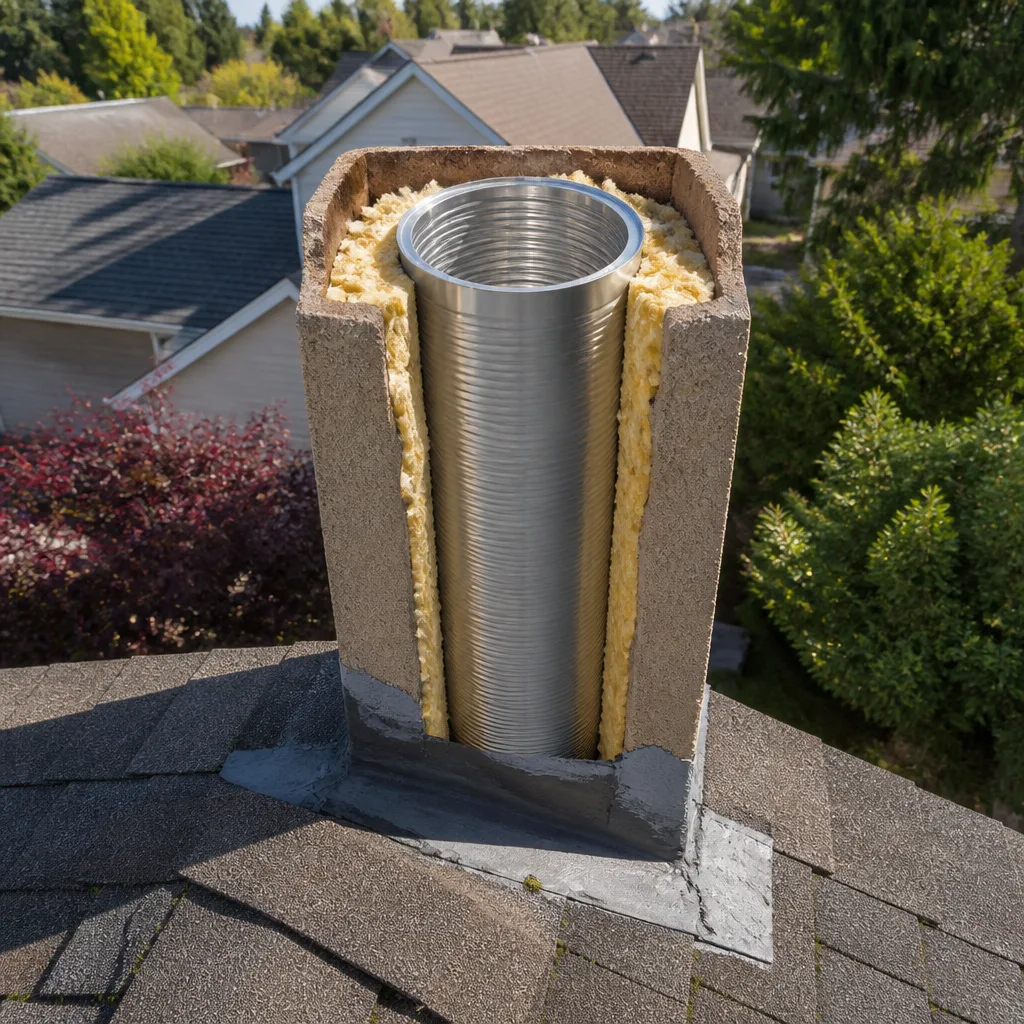
We run a camera through the flue on every gas fireplace call in Halls, because the problem is rarely where the homeowner thinks it is. On a gas fireplace, the vent liner is the whole ballgame. A rusted or clogged liner chokes draft, rolls the flame yellow, and can push combustion gases back into the room. In Halls, where ice-storm winds and bottomland humidity work on the cap and liner from both directions, we see vent failures the moment the venting is no longer able to carry exhaust up and out. We inspect the full run, photograph everything, and show you the images before we recommend a single dollar of work. If the vent is sound, we tell you that plainly.
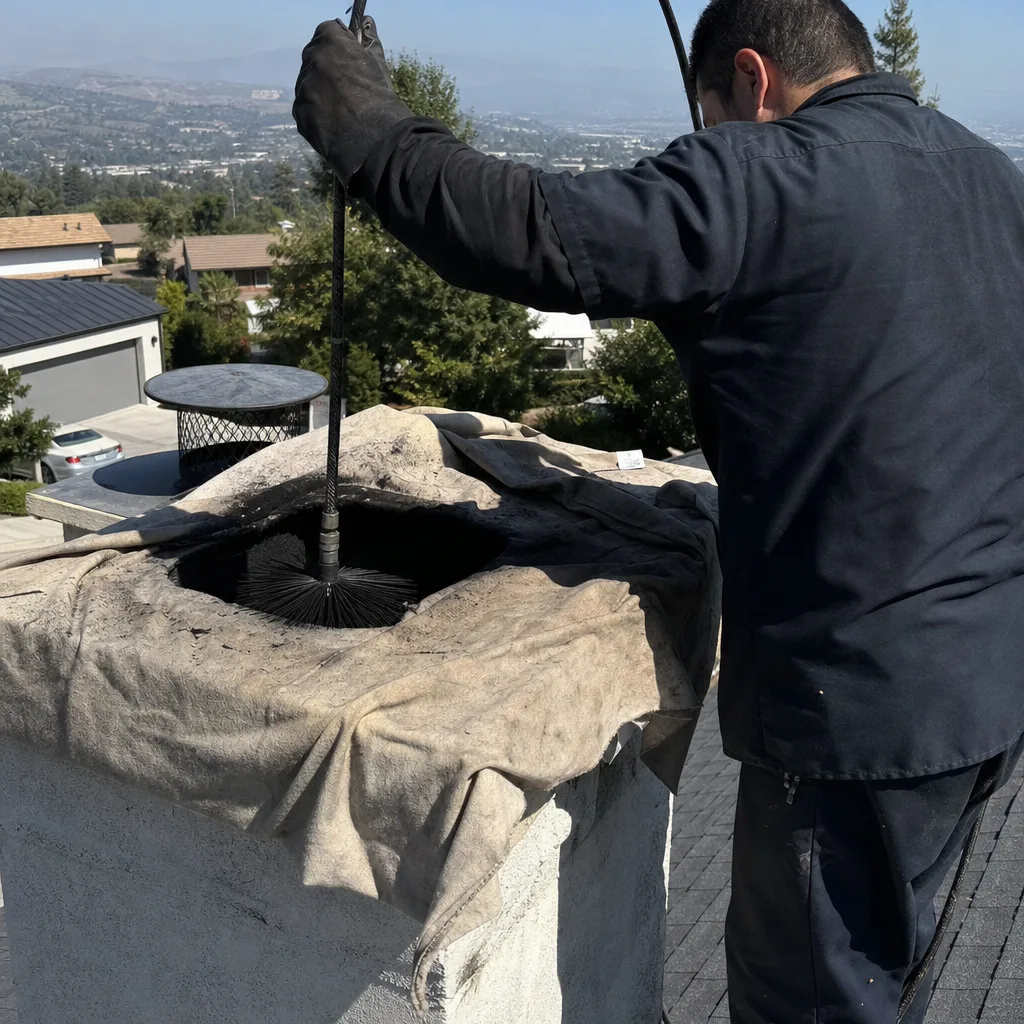
Chimney Cap and Crown Replacement After Storm Damage
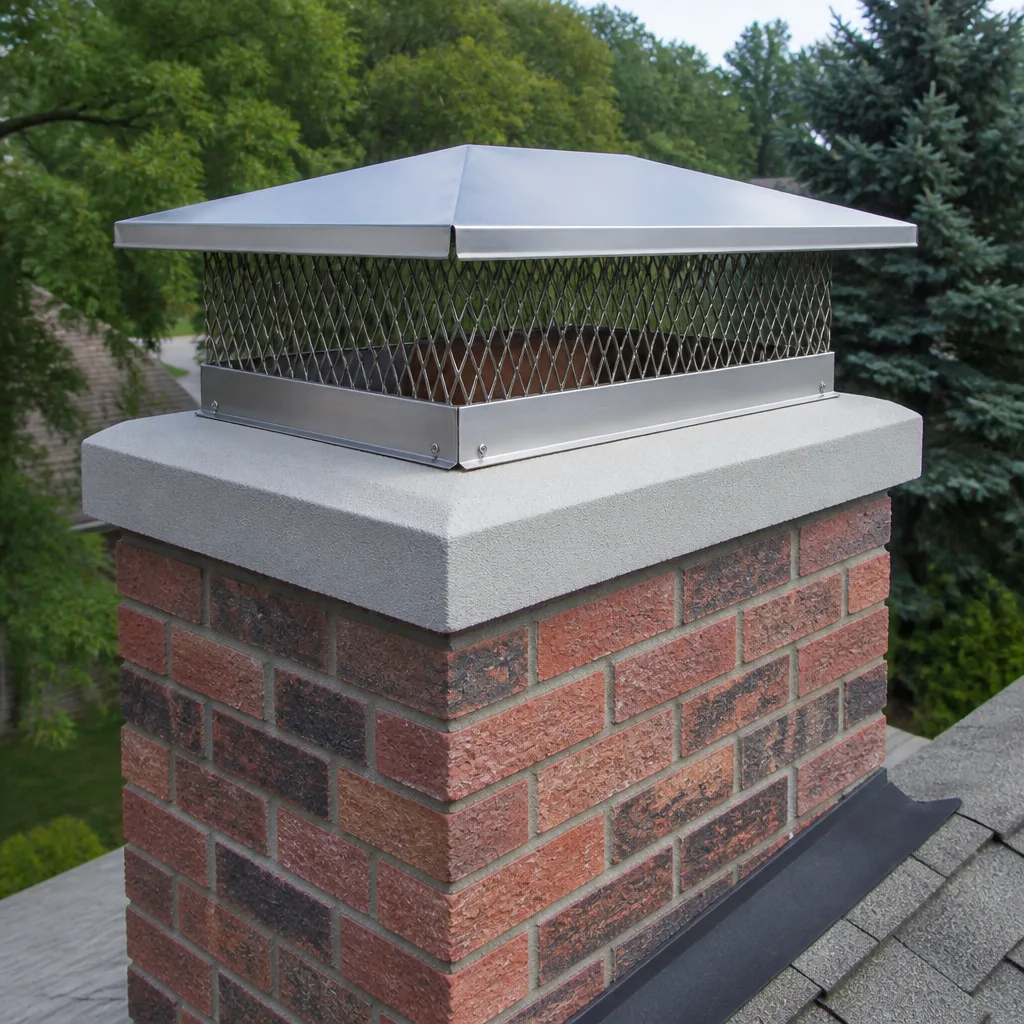
This is the single most common gas fireplace repair call we get in Halls after a hard winter. Ice-storm wind gusts tear off or bend the chimney cap, and once that cap’s gone, bottomland rain pours straight down the flue. That water rusts the gas vent liner until draft drops and the flame rolls lazy and yellow. We replace displaced caps, install storm-rated caps where appropriate, and repair cracked crowns before they let freeze-thaw cycling chew the brick apart. For Halls homeowners who burned through the region’s cold snaps, this is not a cosmetic fix. It’s the difference between a clean-burning gas fireplace and a flue that’s quietly rusting through.
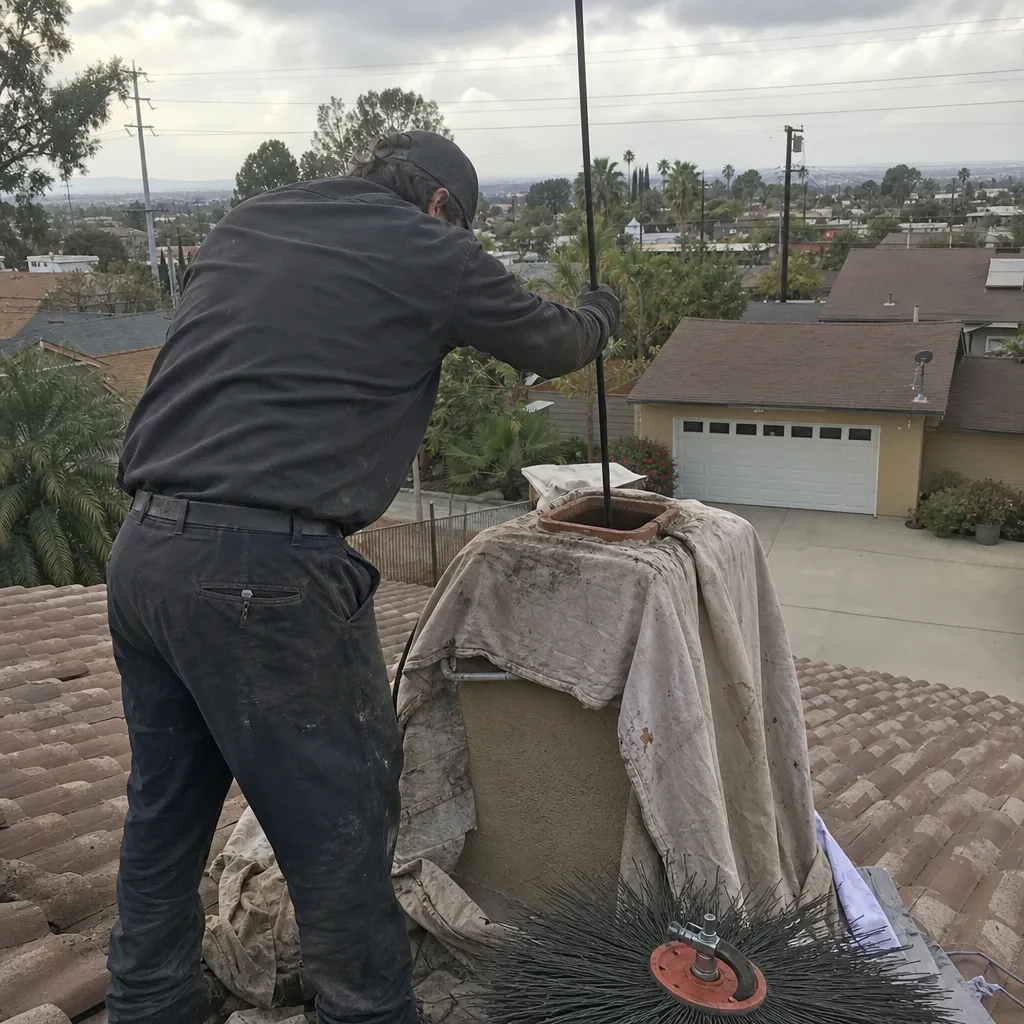
Flashing Repair and Water-Intrusion Mitigation
Roof flashing failures are common after a hard storm, and they show up weeks before the gas fireplace starts misbehaving. Water tracks down the masonry joint at the roofline, follows the outside of the chimney, and eventually reaches the smoke chamber or the vent connection. In Halls, where homes built in the 1940s through 1960s still carry their original single-wythe brick chimneys, a flashing leak can stain a ceiling and rot a vent liner at the same time. We repair and replace flashing with proper counter-flashing and sealant, then verify the repair with a hose test before we leave. If you’ve seen a ceiling stain near the chimney, don’t wait for the fireplace to confirm it.
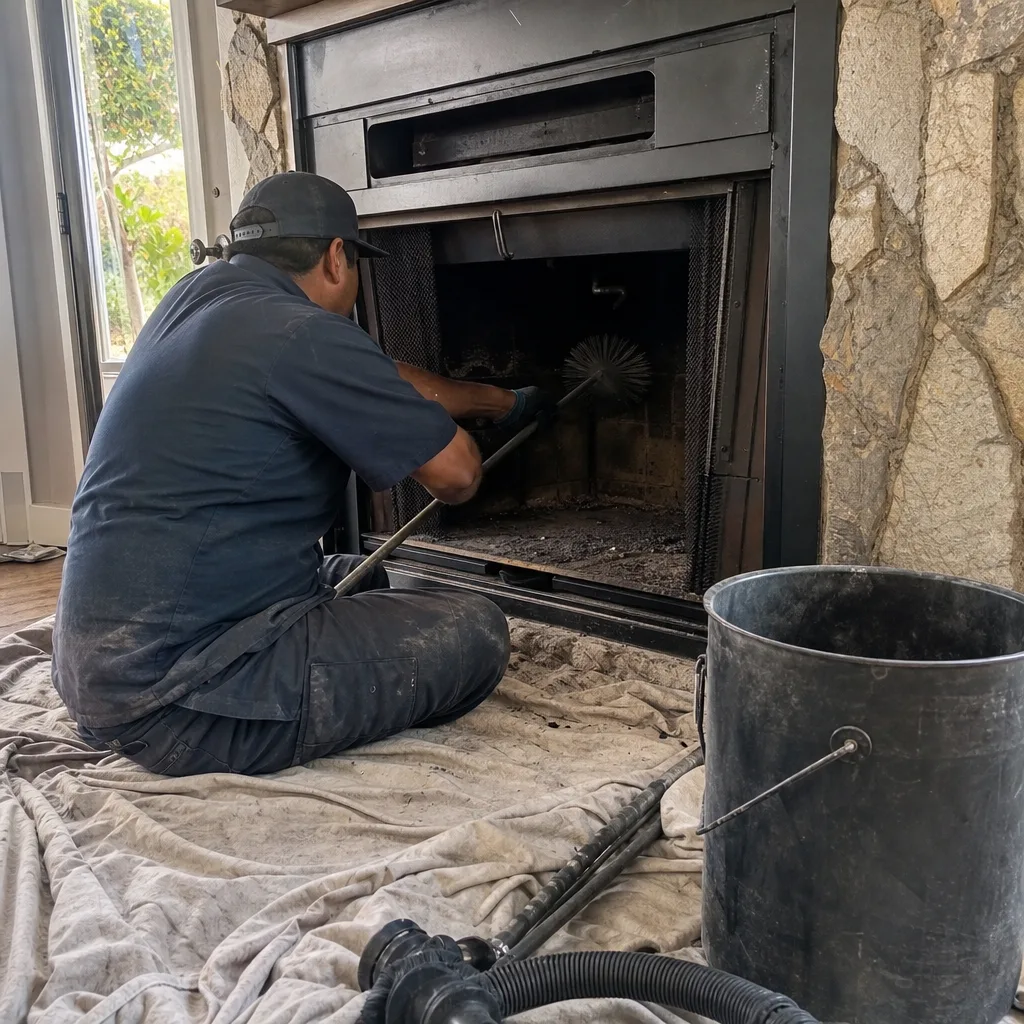
Gas Log and Burner Service
Sometimes the problem really is the gas appliance. Lazy flame, sooting on the logs, a burner that won’t stay lit. We service gas log sets, burner assemblies, thermocouples, and pilot assemblies on the brands local homeowners actually run. We carry and install professional trade materials like HeatShield, Gelco, and Olympia Chimney components, not box-store substitutes. When a gas fireplace in Halls hasn’t been serviced in years, we often find the burner ports clogged with dust and the air shutter set wrong for the humidity level, which leans out the burn and produces carbon monoxide. We inspect, adjust, clean, and verify combustion before we call it done.
What happens when you call
- 1
A real person answersNo phone trees - you reach a local pro.
- 2
You get an upfront price rangeHonest numbers before anyone is dispatched.
- 3
A background-checked tech heads outLicensed & insured, dispatched right away.
- 4
You approve before work beginsNothing starts until you say go.
Trusted Brands We Service in Halls
We work with professional-grade trade materials on every gas fireplace repair in Halls, because down here the cheap stuff fails in two seasons. When a liner’s been rusted through by years of river-bottom humidity, we replace it with DuraFlex. When a crown’s cracked from ice-storm freeze-thaw, we rebuild it with materials specified by chimney professionals. We service and install HeatShield resurfacing, Gelco chimney products, Famco venting components, and Olympia Chimney caps and crowns. For Halls customers, that means a fast turnaround on the right part, not a three-week wait for a box-store substitute that won’t hold up to a Lauderdale County winter.
Common Gas Fireplace Repair Problems We See in Halls Homes
- Rusted vent liners from displaced caps. Halls sits directly in the path of ice-storm wind gusts that tear off or bend chimney caps. Once the cap is gone, bottomland rain pours straight down the flue and rusts the gas vent liner until the draft chokes and the flame rolls yellow. We find this on roughly half the storm-damage calls in Halls.
- Freeze-thaw cracking in single-wythe brick chimneys. Most Halls homes date to the cotton-farming boom of the 1940s through 1960s, and their original brick chimneys are now 60 to 80 years old. Winter freeze-thaw cycling cracks the crown and mortar joints, opening a path for chronically humid river-bottom air to reach the smoke chamber and erode the liner from the outside in.
- Flashing failures after hard storms. A flashing leak at the roof line lets water track down the masonry and show up as a ceiling stain weeks before the gas fireplace starts acting up. In Halls, where the roofline meets an aging chimney, this is the most over-looked repair on the house.
- Creosote flaking from old wood-burning flues converted to gas. Decades of wood-burning creosote in a flue later converted to a gas appliance can flake loose and clog the vent, creating an obstruction the homeowner blames on the gas logs. We see this constantly in Halls, where homeowners burned wood for supplemental heat for decades before switching to gas logs. The creosote doesn’t disappear. It waits.
Pricing for Gas Fireplace Repair in Halls, TN
A typical gas fireplace service call in Halls runs $165 – $250, which covers the diagnostic, combustion check, and minor adjustments like air shutter or pilot cleaning. Vent and liner repair in Halls runs $450 – $1,200, depending on how much of the run has to be replaced and whether a DuraFlex liner is required. Chimney cap and crown replacement after storm damage runs $325 – $800, with flashing repair typically landing between $400 and $900 depending on roof access and how much flashing has to be rebuilt. Every estimate in Halls includes a written price before work begins, and no work starts until you approve it. Call (336) 863-3889 and we’ll give you an exact quote with photos, free.
We Also Serve Cities Near Halls
Our Gas Fireplace Repair techs cover Halls and the surrounding communities of Fairview, Spring Hill, Franklin, and Brentwood. If you’re in one of those areas and your gas fireplace has a lazy yellow flame or a musty smell when it runs, call (336) 863-3889 and we’ll get you scheduled. Same written pricing, same 365-day guarantee, same name-and-photo before we arrive.
Serving Halls, TN - Our Local Coverage Area
We’re based in the Halls area and know this community well. Use the map below to see our service coverage - if you’re nearby, we can almost certainly help.
FAQs – Gas Fireplace Repair in Halls
In Halls, a musty smell from a gas fireplace almost always means moisture is pooling somewhere in the flue or firebox. The town sits in the low-lying Mississippi River bottomland, where ambient humidity stays high year-round. Water gets in through a cracked crown, a displaced cap, or a flashing leak, then sits in the masonry and the venting. When the fire heats up, that trapped moisture turns to steam and carries a damp, musty smell into the room. It’s not a gas leak, but it does mean water is getting where it shouldn’t. Call (336) 863-3889 and we’ll camera the flue and find the entry point.
Very likely. A lazy yellow flame on gas logs means the draft is weak, and the most common cause in Halls after an ice storm is a displaced or bent chimney cap. When the cap goes, bottomland rain pours down the flue, rusts the vent liner, and chokes the flow until the flame rolls yellow instead of burning blue and steady. A homeowner on Church Street called us with exactly this problem and a faint rotten-egg smell. Our tech found the vent cap displaced by an ice-storm gust and water had rusted through a section of the flue liner. We replaced the damaged section with a DuraFlex liner, reset the cap, and the flame burned blue on the first test light. Call (336) 863-3889 and we’ll check yours the same way.
Yes, and in Halls it matters more than in most places. Gas fireplaces vent through the same flue a wood fire would use, and that flue in a 60- to 80-year-old mid-century Halls home has been absorbing humidity for decades. Freeze-thaw cycling cracks the crown and mortar joints, and the chronically humid river-bottom air reaches the smoke chamber and erodes the liner from the outside in. Gas combustion also produces moisture of its own. If the liner’s compromised, you’re venting combustion gases into the house instead of up and out. An annual inspection catches this before it becomes a ceiling stain or a carbon monoxide problem. Call (336) 863-3889 and we’ll camera the whole run and show you what we see.
Watch for falling flakes and odd smells. Decades of wood-burning creosote in a Halls flue doesn’t vanish when you convert to gas. It sits in the liner, and as the flue heats and cools with each gas burn, that glazed, tar-like buildup can flake loose and clog the vent. The result is the same as storm damage: a lazy yellow flame, a musty smell, or a firebox that gets hotter on the outside than it should. We see this constantly in Halls, where homeowners burned wood for supplemental heat for decades before making the switch. Before you run the gas logs for a full season, have us sweep the old creosote out and camera the liner. Call (336) 863-3889 and mention the conversion.
Look at the cap first. If it’s bent, missing, or lying in the yard, the flue has been taking on water and you should not light the fireplace. Second, look for new cracks in the crown or visible gaps in the mortar joints along the chimney’s top section. Third, check the ceiling around the chimney chase for any new staining. This is how flashing failures announce themselves in Halls, and they often arrive weeks before the fireplace gives you a reason to worry. If any of these are present, call (336) 863-3889 before the first fire. A written estimate and camera inspection are free, and we’ll tell you plainly if the fireplace can safely wait or needs attention now.
Written by Ruben Castellano, Owner at Alcott Chimney Sweep, serving Halls, TN through the Threshold Group family of home-service companies.