
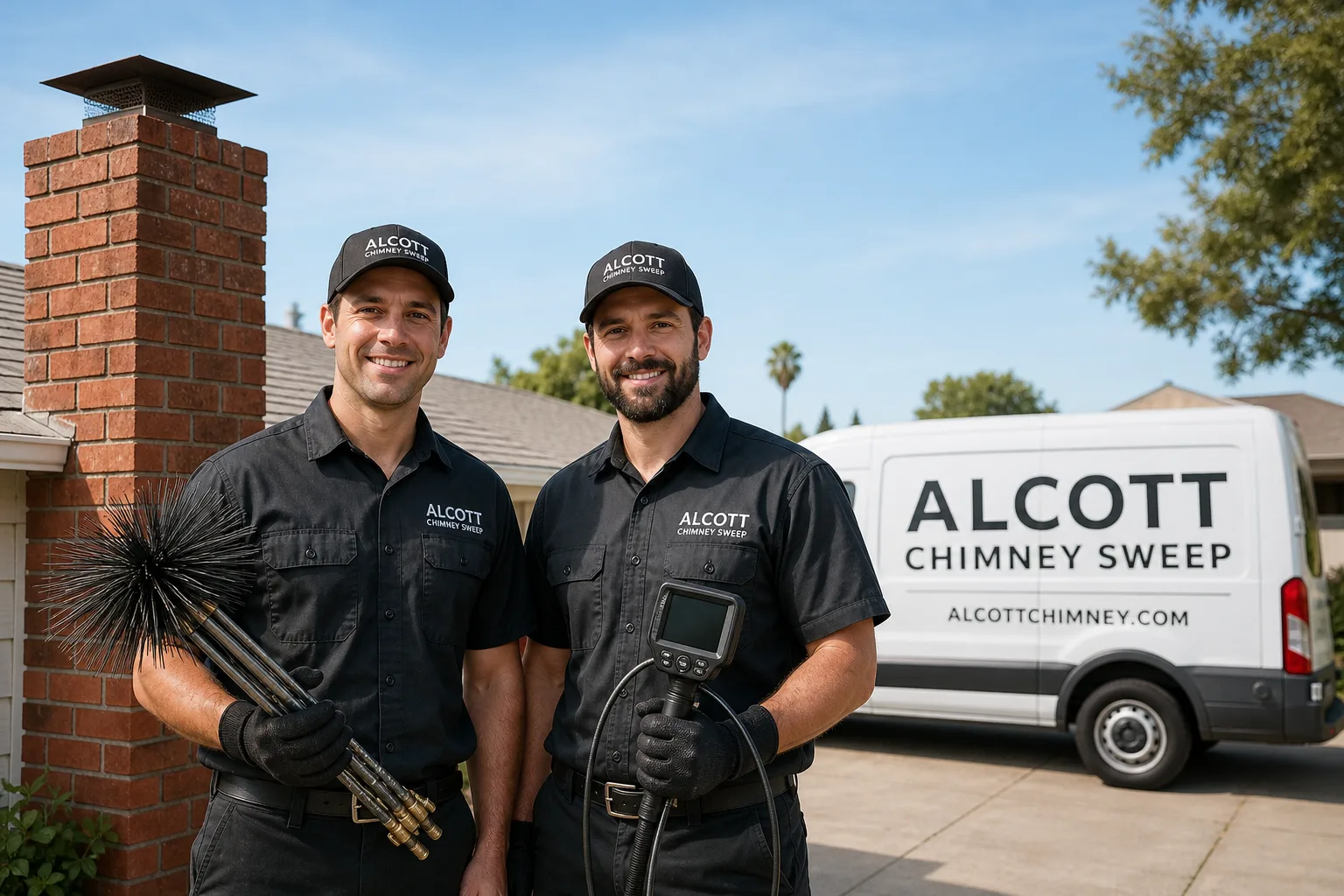
Level 1 sweep and inspection to the NFPA 211 annual standard - flue, crown, cap, and flashing checked and photographed
Chimney sweep logs do not sweep chimneys. They loosen some creosote - which then falls where a brush and vacuum still have to collect it.
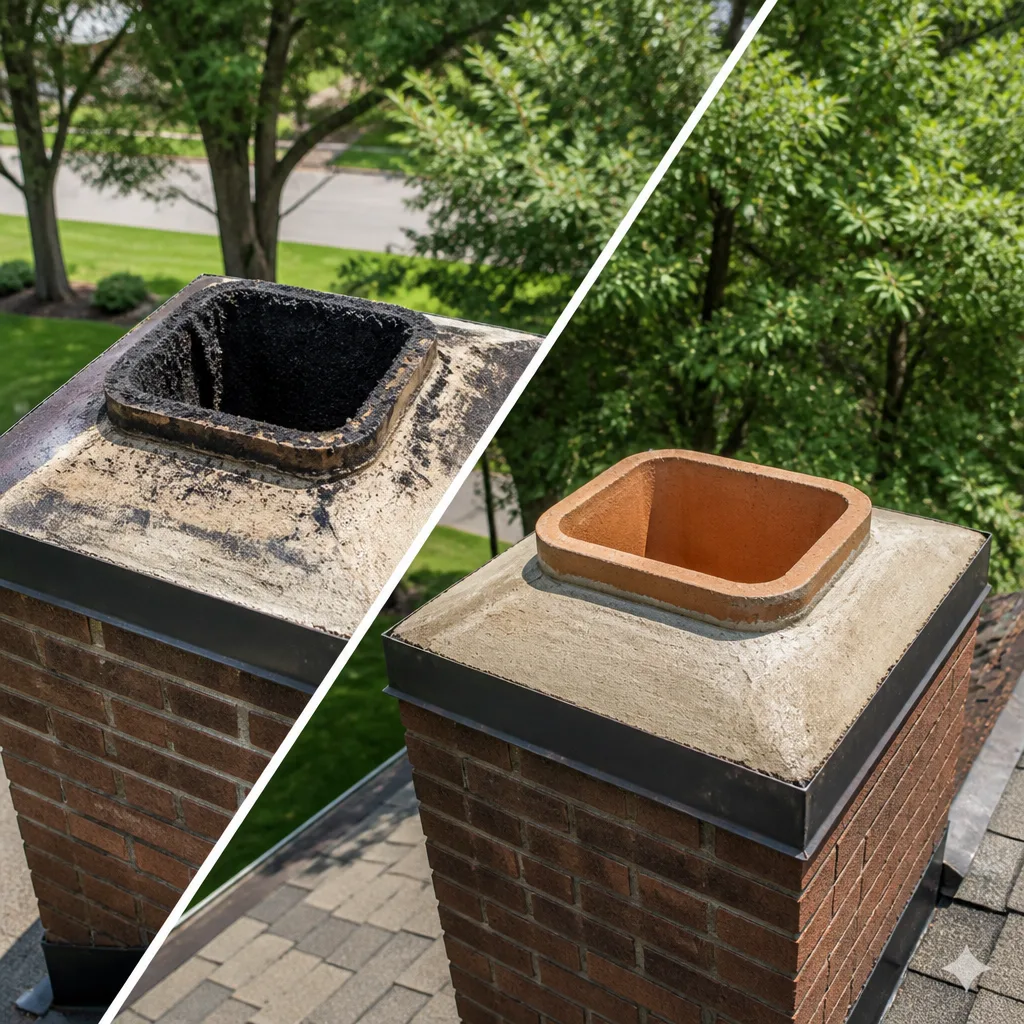
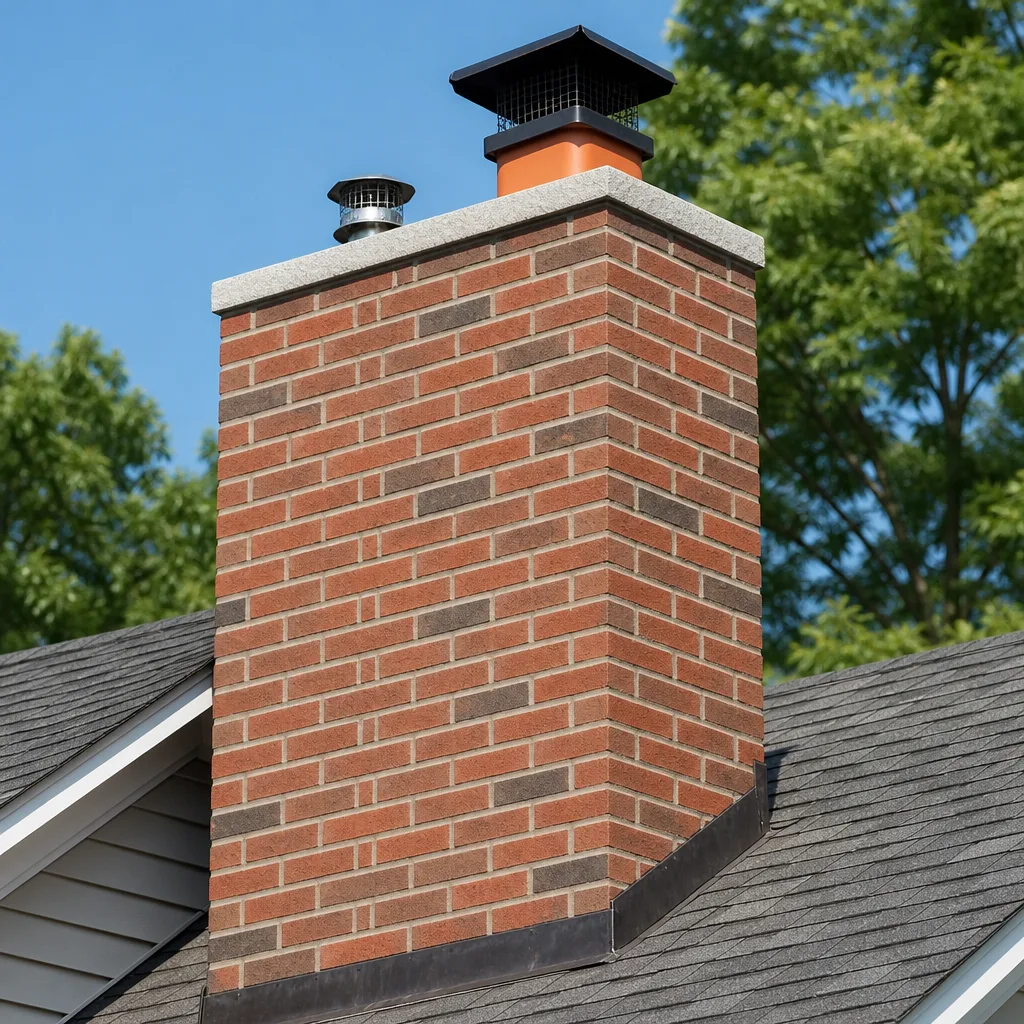
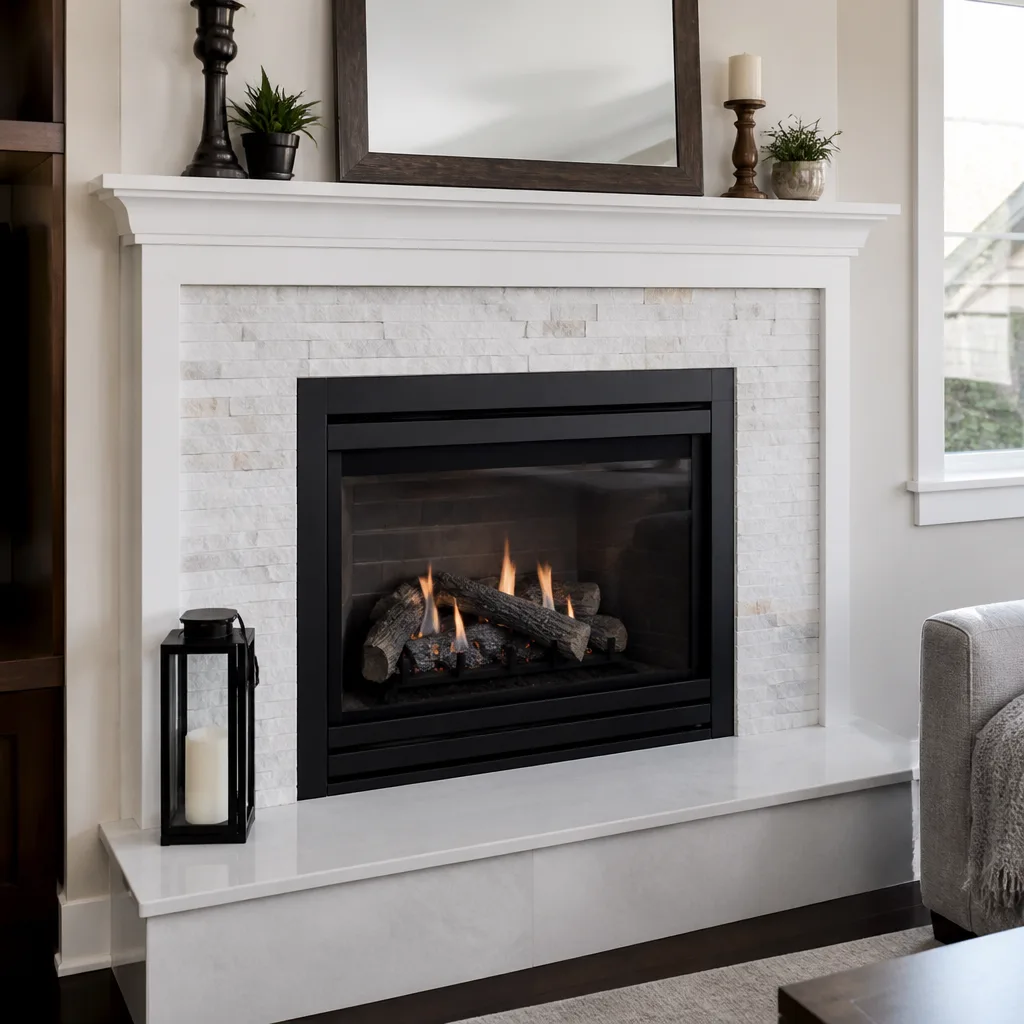
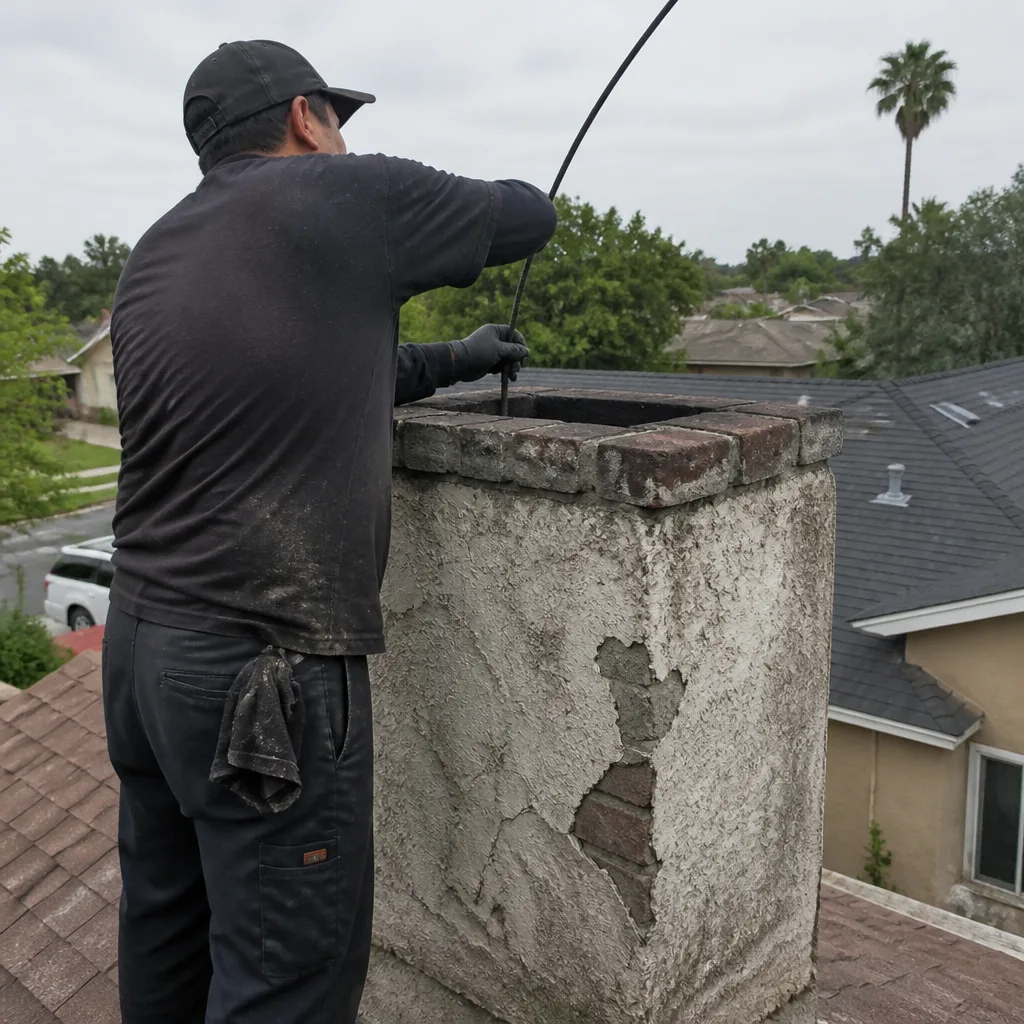 Before
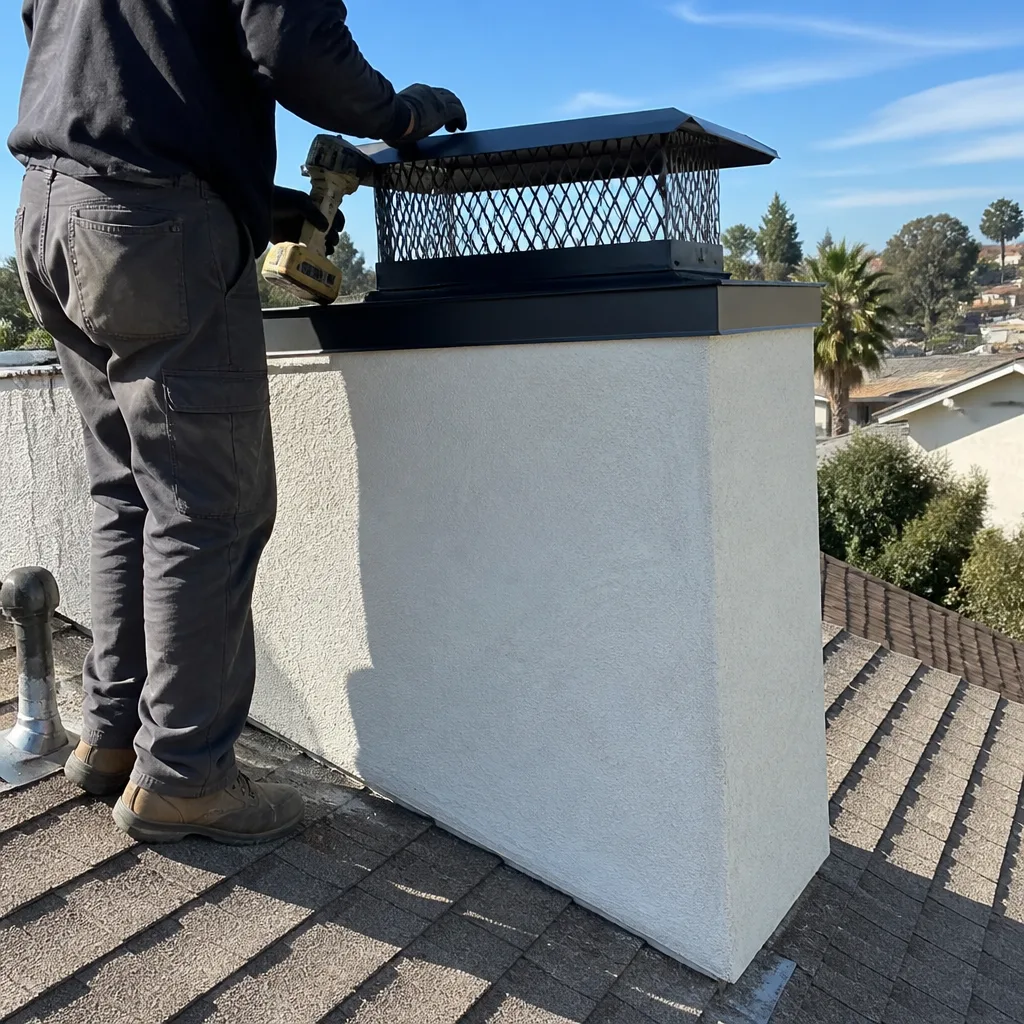 After
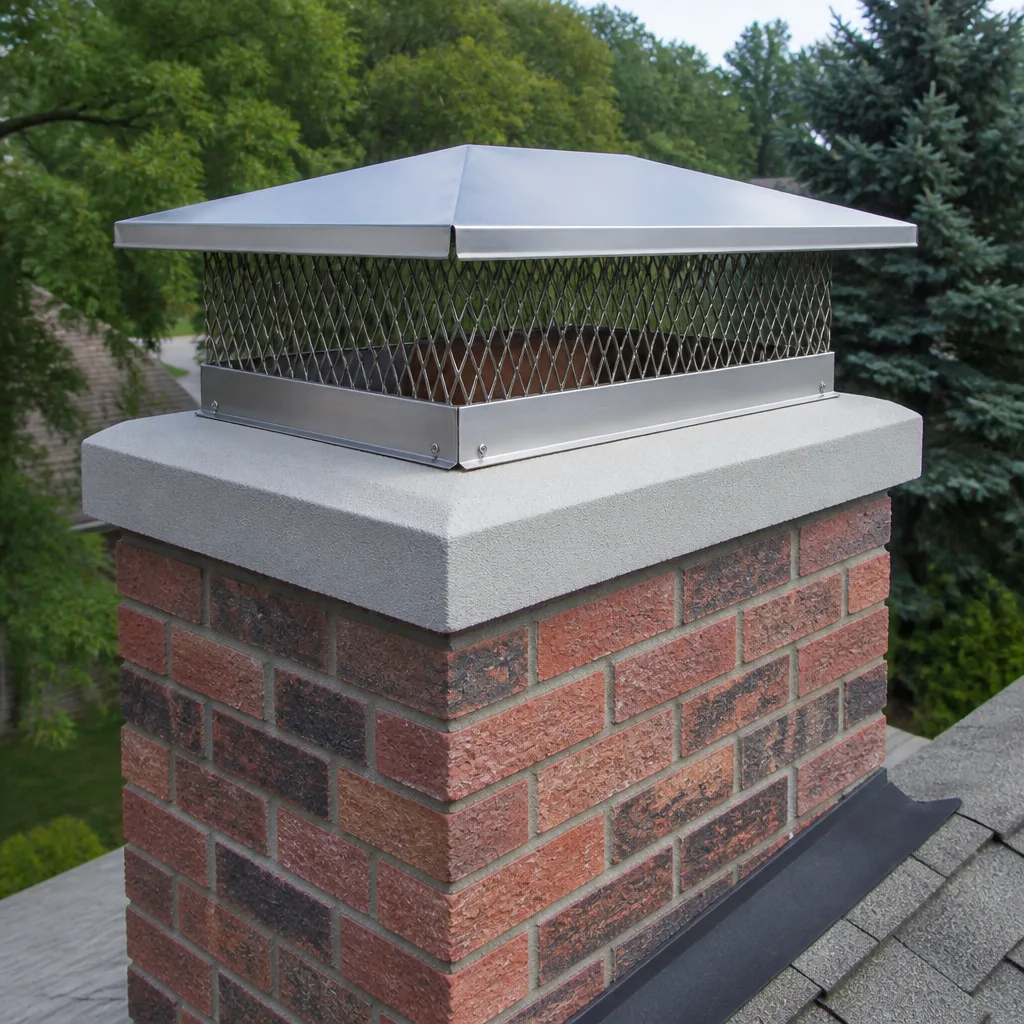
After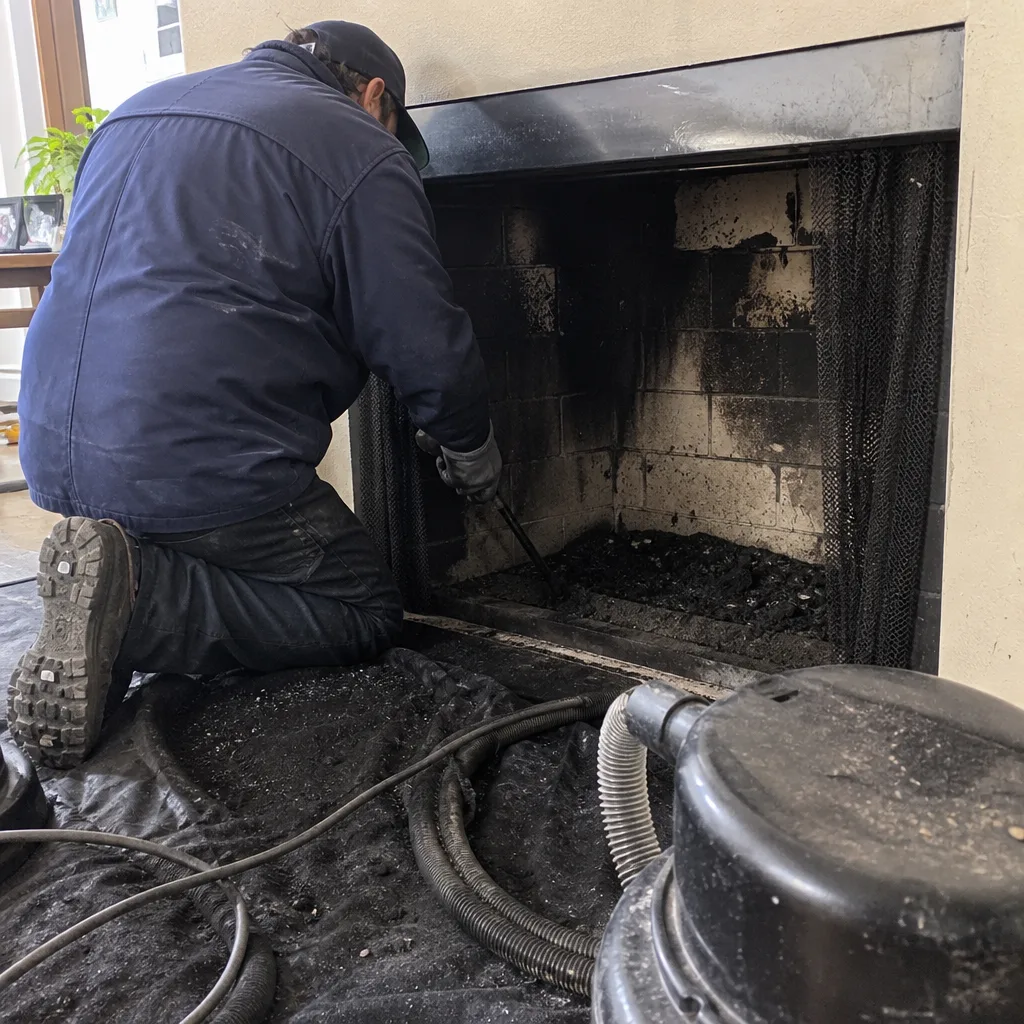 Before
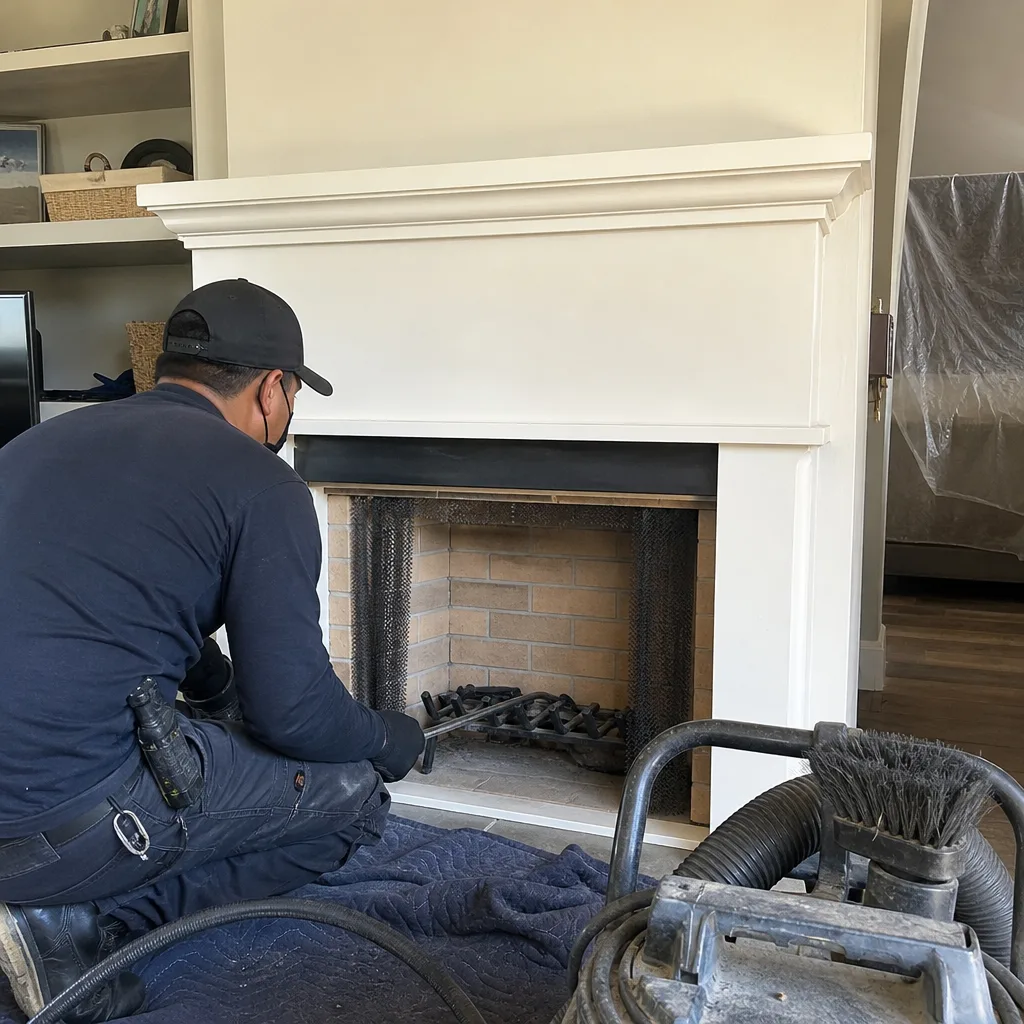 After
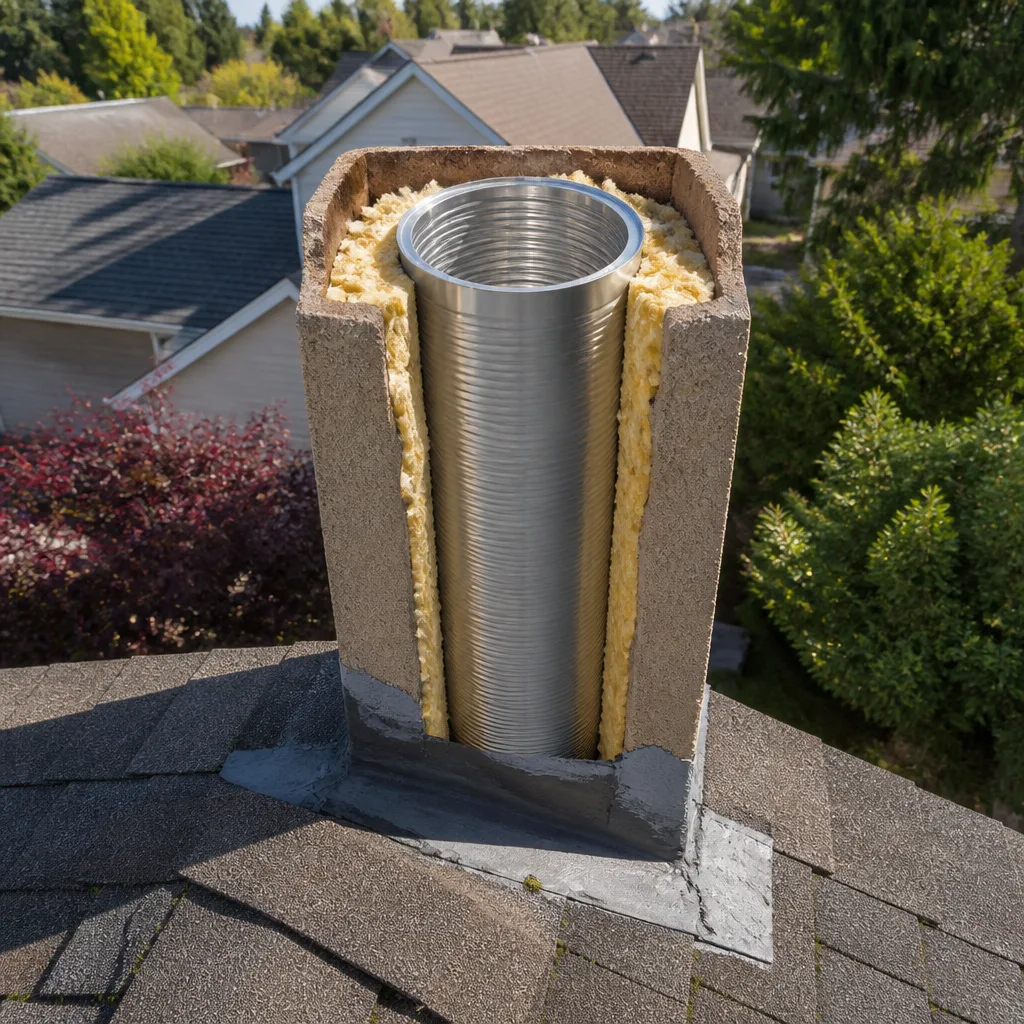
After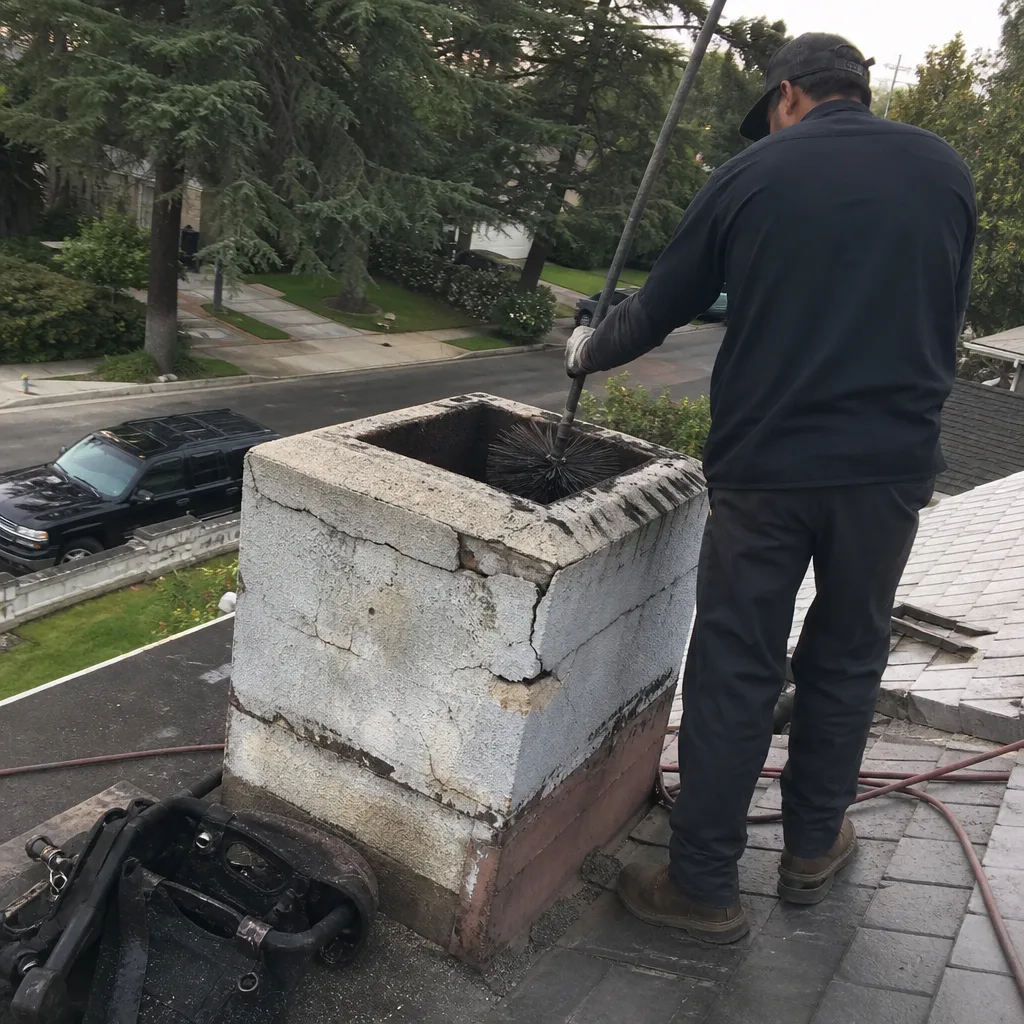 Before
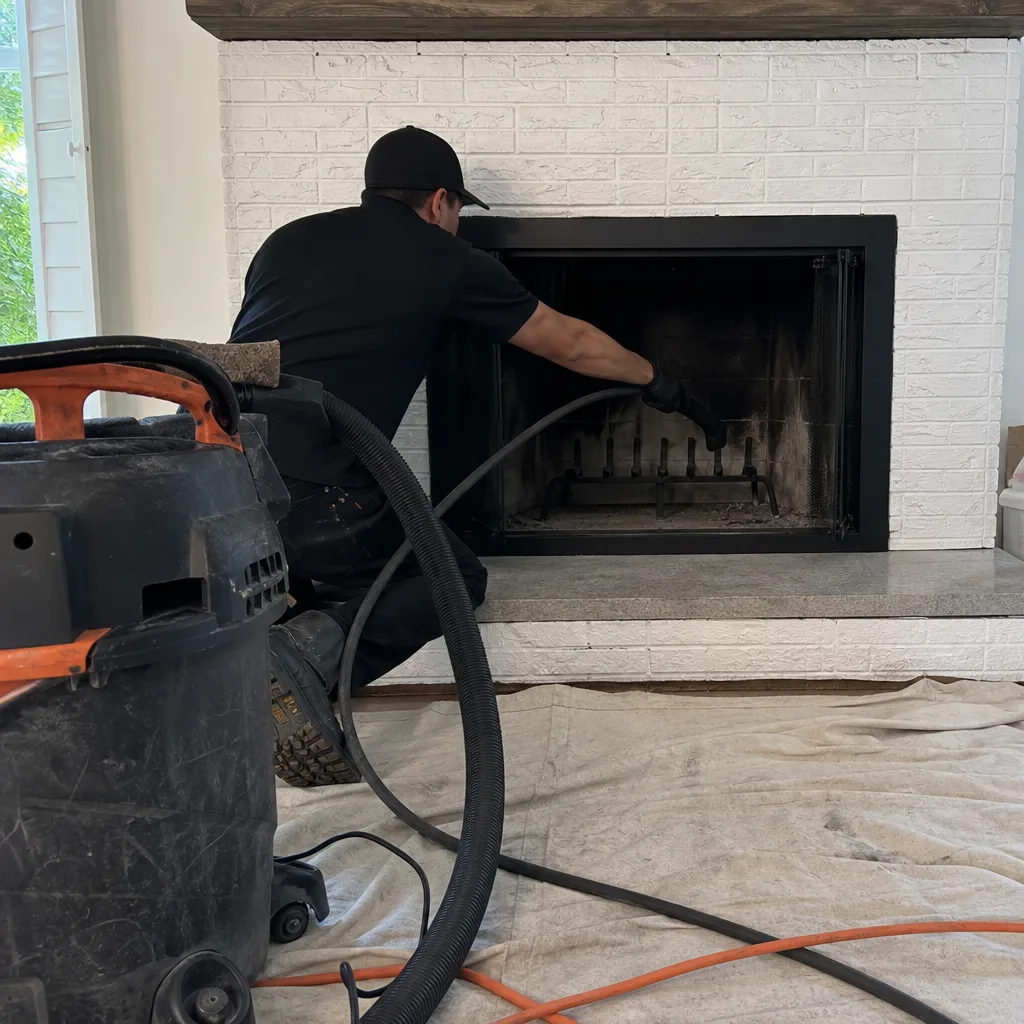 After
AfterFast, Reliable Gas Fireplace Repair Across Honeygo
Gas fireplace repair in Honeygo usually runs $185 – $425 for common fixes like thermopile replacement, pilot assembly work, or burner cleaning, and most jobs are done in a single visit. Homes here present a specific challenge: nearly every Honeygo fireplace is a factory-built prefab unit inside a wood-framed chase, not a masonry chimney, so diagnosing problems correctly means knowing prefab venting and 30-year-old galvanized chase covers inside and out. We answer the phone live around the clock at (336) 863-3889, and we serve every subdivision in Honeygo: Honeygo Village, Perry Hall Farms, the Vineyard, and the communities off Honeygo Boulevard and Silver Spring Road.
Why Alcott Chimney Sweep Is Honeygo’s Preferred Gas Fireplace Repair Company
We’ve been repairing gas fireplaces in Honeygo since 2002, and Ruben Castellano has built this company around a simple rule: you never approve a repair you haven’t seen with your own eyes. Every Honeygo job starts the same way. A background-checked, identity-verified technician arrives at your door, shows a photo ID badge before stepping inside, and runs a camera down the flue or into the firebox before quoting anything. Not a flashlight glance. Not a “it feels like you need a liner.” Real footage you watch in real time.
That matters in Honeygo because this housing stock was built in a narrow window, roughly 1985 to 2005, and those factory-built fireplaces are now aging out at the same rate across the entire ZIP code. We know what a rusted 1991 chase cap looks like in the Vineyard, and we know the venting issues that show up in the townhome clusters off Ebenezer Road. That repetition means faster diagnoses and fewer wrong guesses. It also means we can tell you honestly when a repair can wait, because we’ve seen the inside of hundreds of Honeygo flues that look exactly like yours.
Every Honeygo visit includes a written price before any work begins. Every repair carries our 365-Day Done Right Promise: a full year of written coverage, and if the repair fails, we return and fix it at no charge. That’s not an add-on. It’s the way we work, and it’s been the way we work since 2002 as part of the Threshold Group family of home-service companies. Our Gas Fireplace Repair team is dispatched from our metro Washington, DC office, and crews serve Honeygo locally.
Our Gas Fireplace Repair Services in Honeygo
Gas Fireplace and Insert Diagnostics
When a Honeygo homeowner calls about a fireplace that won’t light, flickers, or smells odd, our first move is a camera inspection. We need to see the condition of the firebox, the flue, and the termination cap before we touch anything. On Honeygo’s prefab units, the problem is often not the gas valve at all. It’s a corroded cap, a partially blocked flue, or a vent stack that was never right for the appliance. We find it, show you the footage, and quote the fix. We don’t recommend work you haven’t seen evidence for.
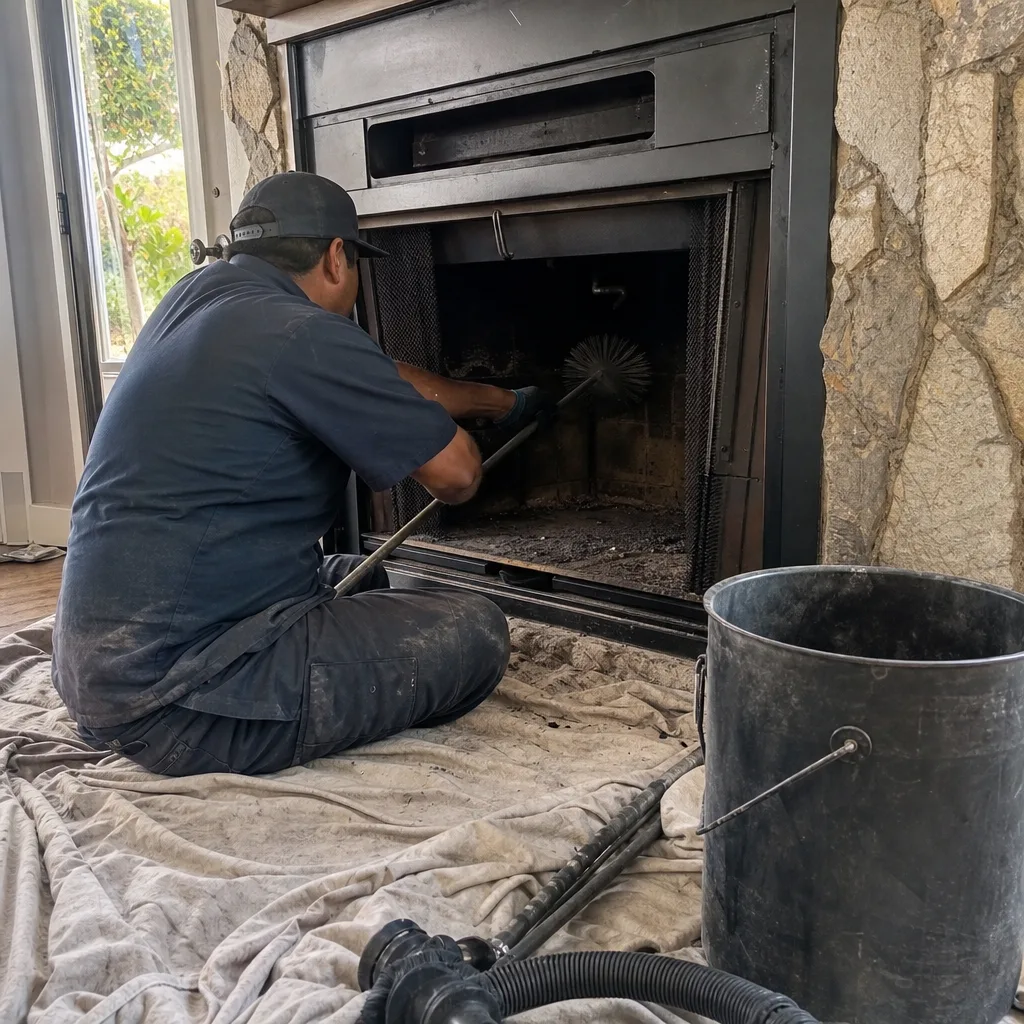
Level 2 Inspection for Gas Appliance Venting
A gas log set or insert that’s been added to an original 1980s or 1990s prefab stack is a frequent Honeygo problem. Past owners and flippers often shoved gas units into fireplaces that were rated for wood only, or vented them into flues sized for a different appliance entirely. If you’ve added a gas fireplace, or you bought a Honeygo home that already had one, a Level 2 inspection is the only way to confirm the stack is actually safe for what’s burning in it. We run camera equipment through the full system and walk you through what we find before making any recommendation.
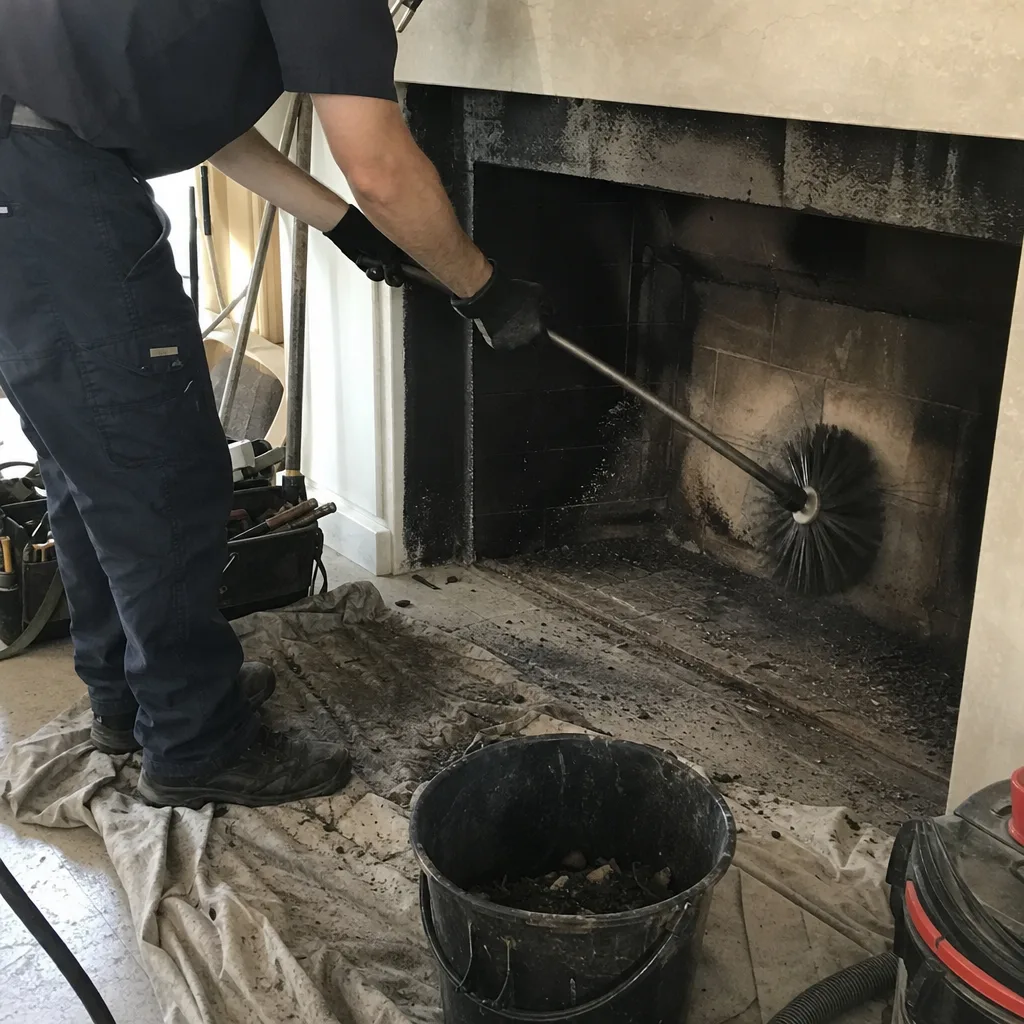
Chase Cap, Flashing, and Water Intrusion Assessment
The galvanized chase covers on Honeygo’s late-1980s and 1990s prefab fireplaces are hitting 30 to 40 years old. Galvanized steel has a real service life, and in humid mid-Atlantic winters, that life gets shorter. When a chase cap rusts through, water wicks down into the wood framing around the firebox. You won’t see it from your living room. You’ll only see it when a technician pulls the cap and looks down. That’s a standard part of every Honeygo gas fireplace inspection we do, and when we find rust-through, we show you photos of it before quoting a replacement.
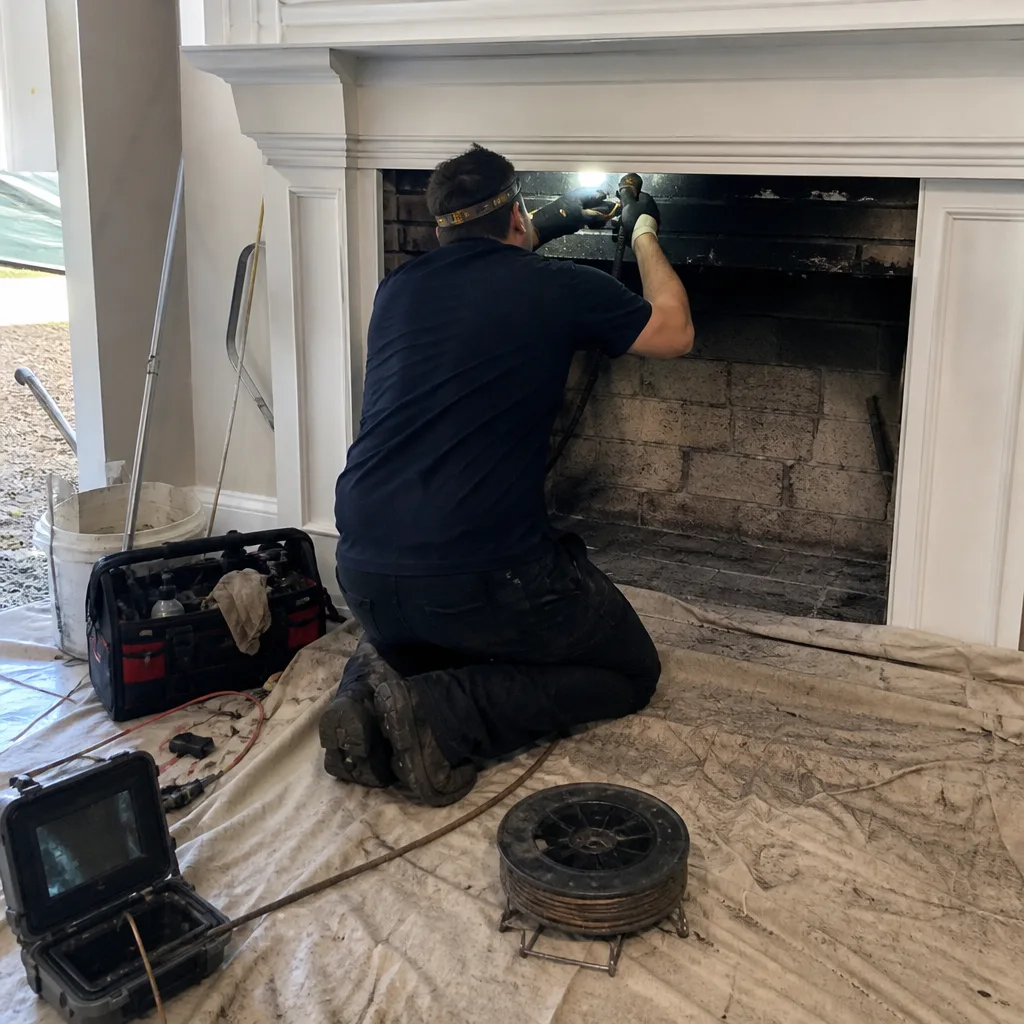
Gas Valve, Pilot, and Thermopile Repair
The mechanical side of gas fireplace work is straightforward for us: thermopiles, thermocouples, pilot assemblies, gas valves, and burner cleaning. What’s not straightforward is when a homeowner has already burned through two thermopiles in three years and nobody’s asked why. In Honeygo, repeated pilot failure often points back to a draft problem or moisture entering the chase from a failed cap. We fix the immediate issue and check for what caused it, because replacing a thermopile every season isn’t a repair. It’s a leak in the system.
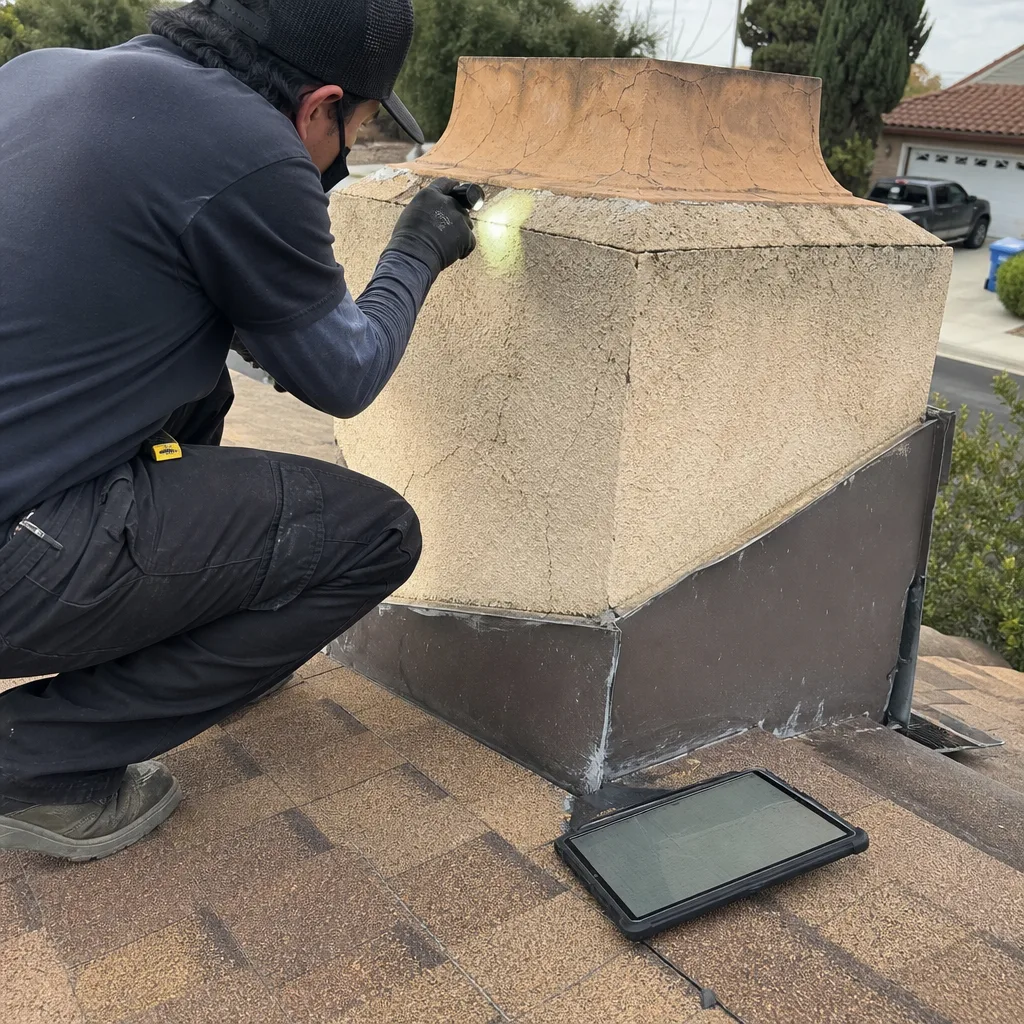
What happens when you call
- 1
A real person answersNo phone trees - you reach a local pro.
- 2
You get an upfront price rangeHonest numbers before anyone is dispatched.
- 3
A background-checked tech heads outLicensed & insured, dispatched right away.
- 4
You approve before work beginsNothing starts until you say go.
Trusted Brands We Service in Honeygo
We install and service the brands chimney professionals actually specify: DuraFlex liner systems, Olympia Chimney components, Famco caps and terminations, and Copperfield accessories. These aren’t box-store substitutes. They’re the materials that hold up to Baltimore County’s freeze-thaw cycles and keep a Honeygo prefab chase dry. Because we stock common parts for these systems, we can often complete a chase cap or termination replacement in a single visit rather than ordering a part and coming back. For Honeygo homeowners, that means less time with a fireplace out of service during the months you actually need it.
Common Gas Fireplace Repair Problems We See in Honeygo Homes
- Rusted-through galvanized chase caps. The original caps installed on Honeygo’s 1980s and 1990s prefabs are now decades past their intended lifespan. Water wicks down into the wood-framed chase enclosure and rots the structural framing around the firebox. The damage stays invisible until the cap comes off, which is why we pull and inspect it on every visit.
- Gas log sets vented into stacks never designed for them. Honeygo’s factory-built fireplaces were rated for specific appliances, but years of resales and DIY swaps mean a lot of gas units are venting into flues that can’t handle them. That leads to spalling clay-tile liners, blocked draft, and carbon monoxide risk. A camera tells us immediately whether your stack is safe for what’s burning in it.
- Freeze-thaw damage to caulked chase seams. Honeygo winters cycle between freezing nights and thawing days, and that repeated expansion and contraction opens the caulked seams on sheet-metal chase enclosures. Water gets in, accelerates corrosion, and drives the kind of internal damage that a visual check from the driveway will never catch.
- Creosote climbing to third-degree glaze. Homes in Honeygo burn wood seriously from November through March, and creosote, the tar-like byproduct that causes chimney fires, builds up faster in humid mid-Atlantic conditions. If a flue goes multiple seasons without cleaning, first-degree creosote hardens into a glaze that can’t be brushed out. That changes the visit from a routine cleaning to a removal job, and we’ll tell you plainly if we find it.
Pricing for Gas Fireplace Repair in Honeygo, MD
A standard gas fireplace repair in Honeygo typically runs $185 – $425. That covers the most common fixes: thermopile or thermocouple replacement, pilot assembly work, burner cleaning, or gas valve adjustment. Chase cap replacement on a Honeygo prefab usually lands between $350 and $650, depending on the size of the chase and whether the cap is a standard galvanized unit or a custom-fabricated piece. If a camera inspection reveals flue damage that requires a DuraFlex liner or HeatShield resurfacing, that’s a different scale of work, and we’ll show you the footage before we quote it. Every Honeygo customer receives a written price before any work starts, and every repair is covered by our written guarantee. Call (336) 863-3889 for a free estimate, and we’ll give you an exact number before you commit to anything.
We Also Serve Cities Near Honeygo
Our Gas Fireplace Repair in Honeygo crews cover the surrounding Baltimore County and Howard County communities as well. If you’re in Baltimore, Columbia, Ellicott City, or Glen Burnie, the same camera-first inspections, written guarantees, and background-checked technicians are available to you. Call us at (336) 863-3889 and we’ll schedule your visit.
Serving Honeygo, MD - Our Local Coverage Area
We’re based in the Honeygo area and know this community well. Use the map below to see our service coverage - if you’re nearby, we can almost certainly help.
FAQs – Gas Fireplace Repair in Honeygo
Yes. We run a camera down the flue and inspect the firebox, the vent stack, and the termination cap. On a Honeygo prefab, that gives us a complete picture without opening walls. The camera shows us whether the flue is sized correctly for the gas appliance, whether the liner is intact, and whether moisture has been entering through a rusted cap or failed seams. We’ll show you the footage on screen and explain exactly what we see. If we quote work, it’s based on that evidence, not a hunch. Call (336) 863-3889 to schedule an inspection.
Almost never. A rusted cap is a cap problem, not a chimney-structure problem. Honeygo’s prefab stacks are sheet-metal systems inside wood-framed chases, so the cap can rust through even when the flue and firebox are in serviceable shape. We’ll pull the cap, inspect the chase interior for water damage, and if the flue itself is sound, we’ll replace the cap with a professional-grade unit from Famco or Olympia Chimney. That’s typically a $350 – $650 repair, not a full system replacement. We’ll show you photos of the interior before recommending anything. Call (336) 863-3889 for an exact quote.
In Honeygo’s humid winters, the most common cause is moisture inside the chase or flue interacting with built-up creosote and dust. A rusted chase cap or failed caulk seam lets water in, and that dampness picks up the odor of years of old creosote, carrying it into your living space. A blocked or improperly vented flue can also push exhaust gas back into the home. We’ll run a camera through the system, identify the water entry point or venting blockage, and fix it. The first step is a diagnostic visit at (336) 863-3889.
Yes. Even a gas fireplace that’s never lit sits at the top of a 30-year-old prefab chase in Honeygo. The chase cap rusts whether or not there’s a fire in the box. Water intrusion, wood rot, and blocked flues all progress while the system sits idle. NFPA 211 recommends a yearly inspection regardless of usage, and in Honeygo’s climate, that’s a recommendation we strongly repeat. A yearly checks costs far less than a rotted chase rebuild. Call (336) 863-3889 to schedule your inspection.
No. Third-degree creosote is a hard, tar-like glaze that standard brushing won’t remove. Trying to brush it out just polishes the surface. It requires chemical treatment or mechanical removal with specialized equipment, and in a Honeygo prefab flue, force can damage the thin metal liner. We’ll show you the extent of the buildup on camera, explain what’s required, and give you a written price before proceeding. The visit won’t turn into a surprise upcharge. We’ll tell you plainly what needs to happen and what it costs. Call (336) 863-3889 and we’ll take a look.
Written by Ruben Castellano, Owner at Alcott Chimney Sweep, serving Honeygo since 2002.