
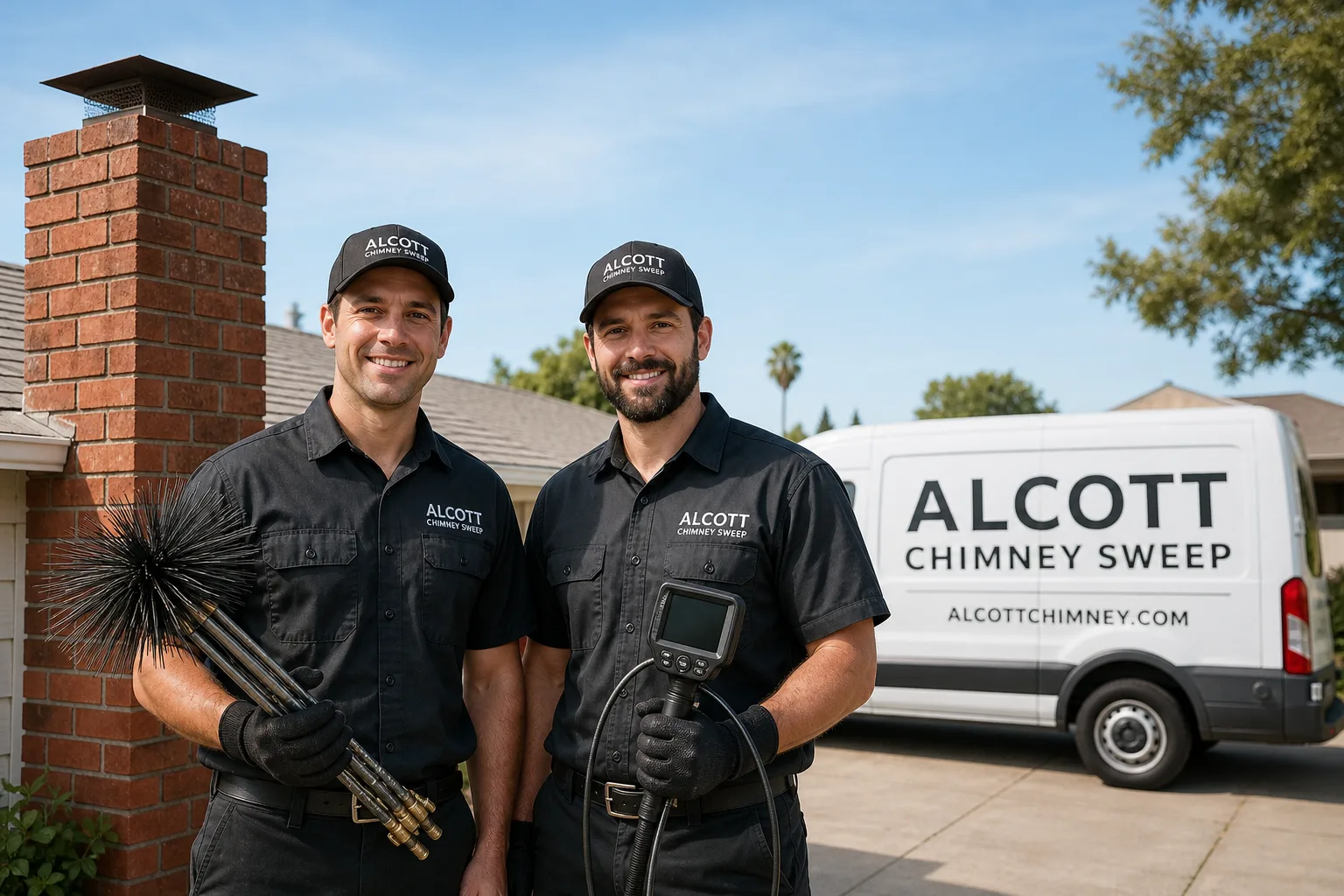
Level 1 sweep and inspection to the NFPA 211 annual standard - flue, crown, cap, and flashing checked and photographed
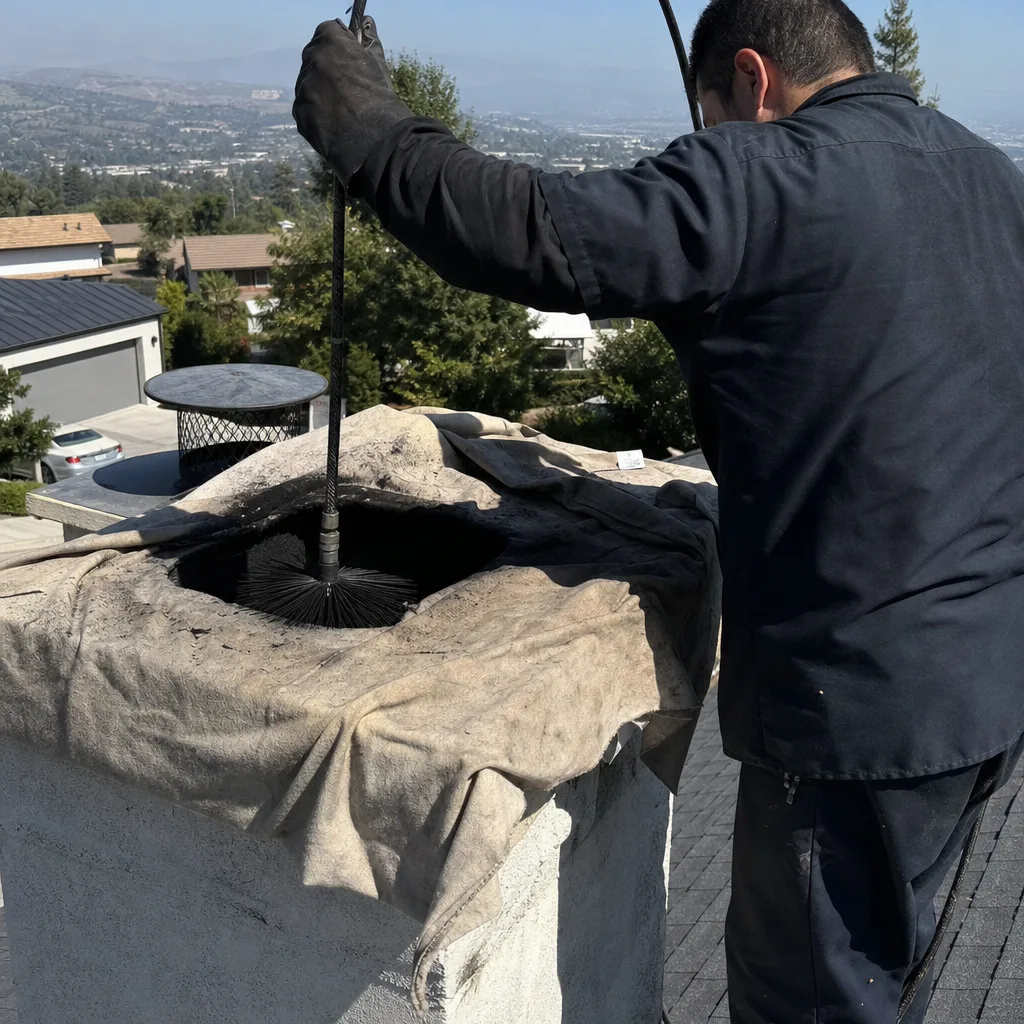
Chimney sweep logs do not sweep chimneys. They loosen some creosote - which then falls where a brush and vacuum still have to collect it.
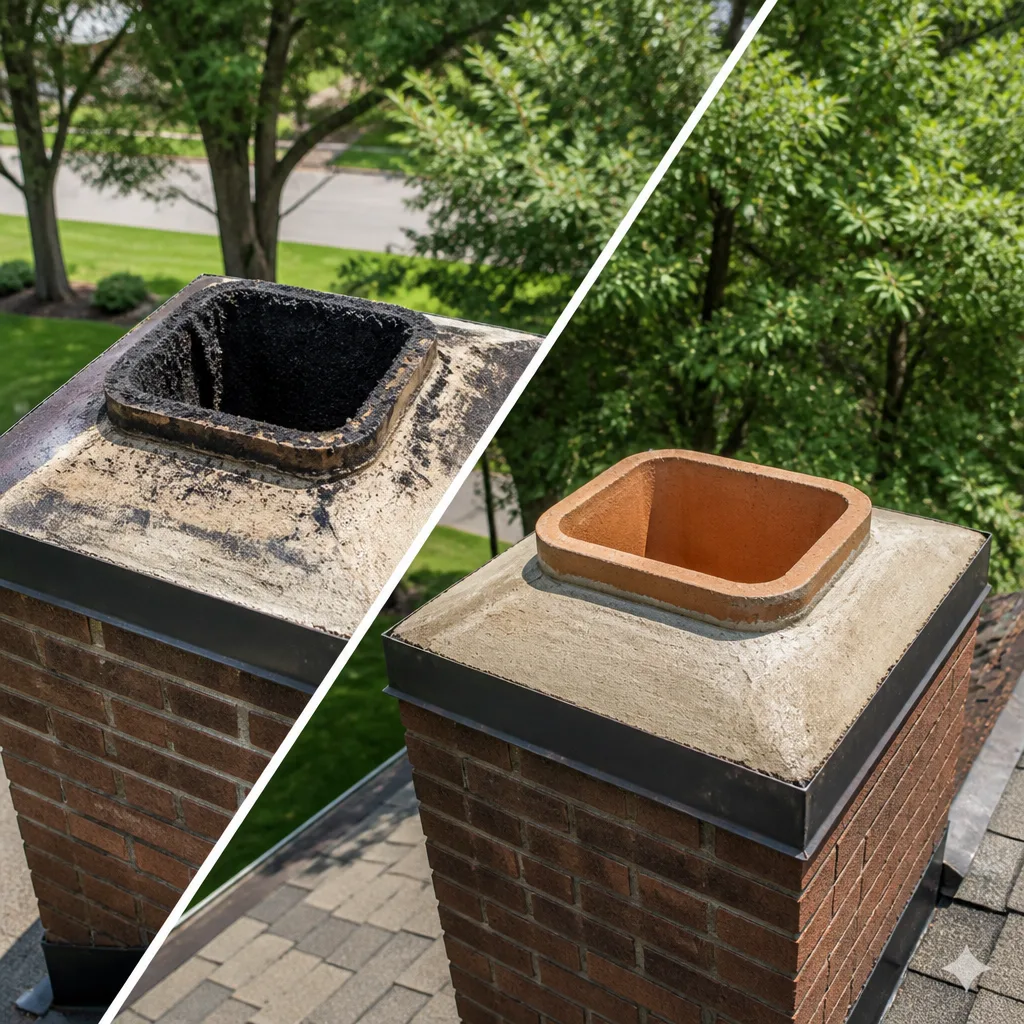
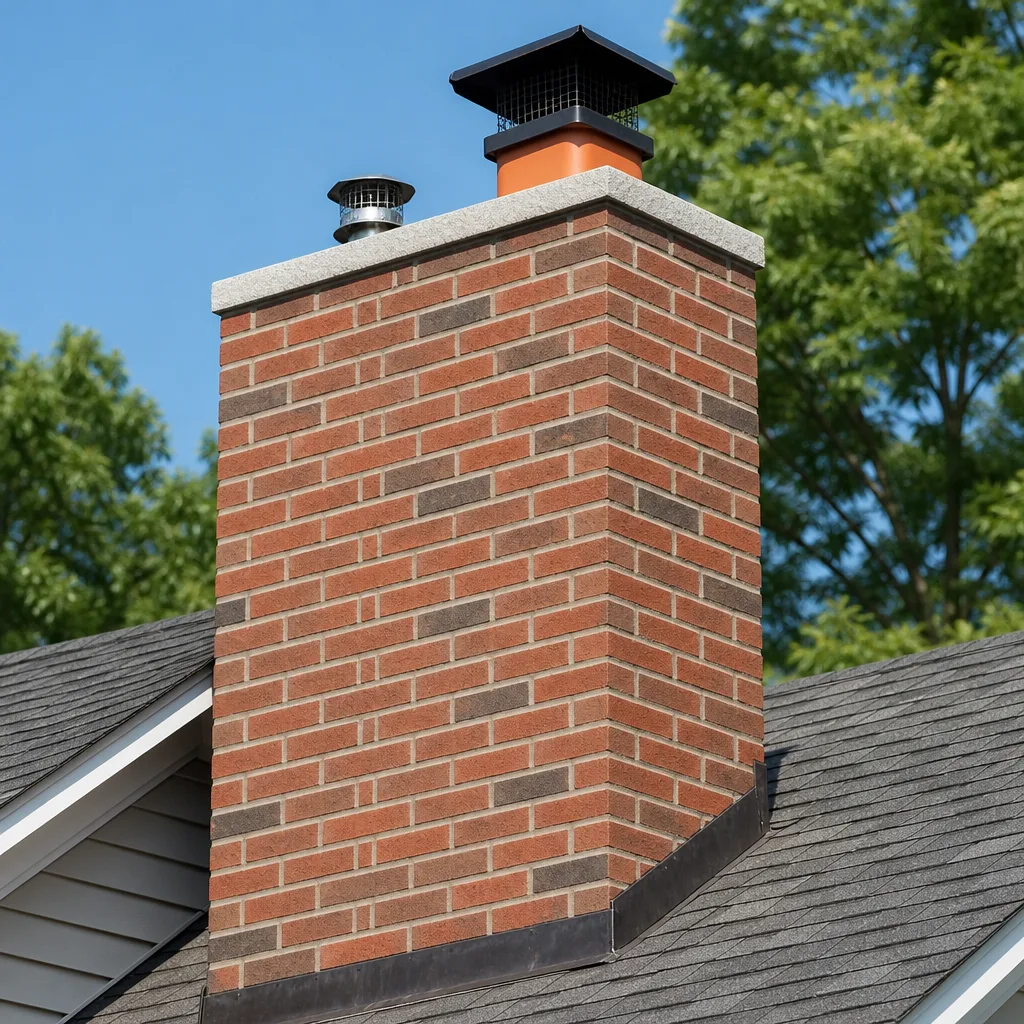
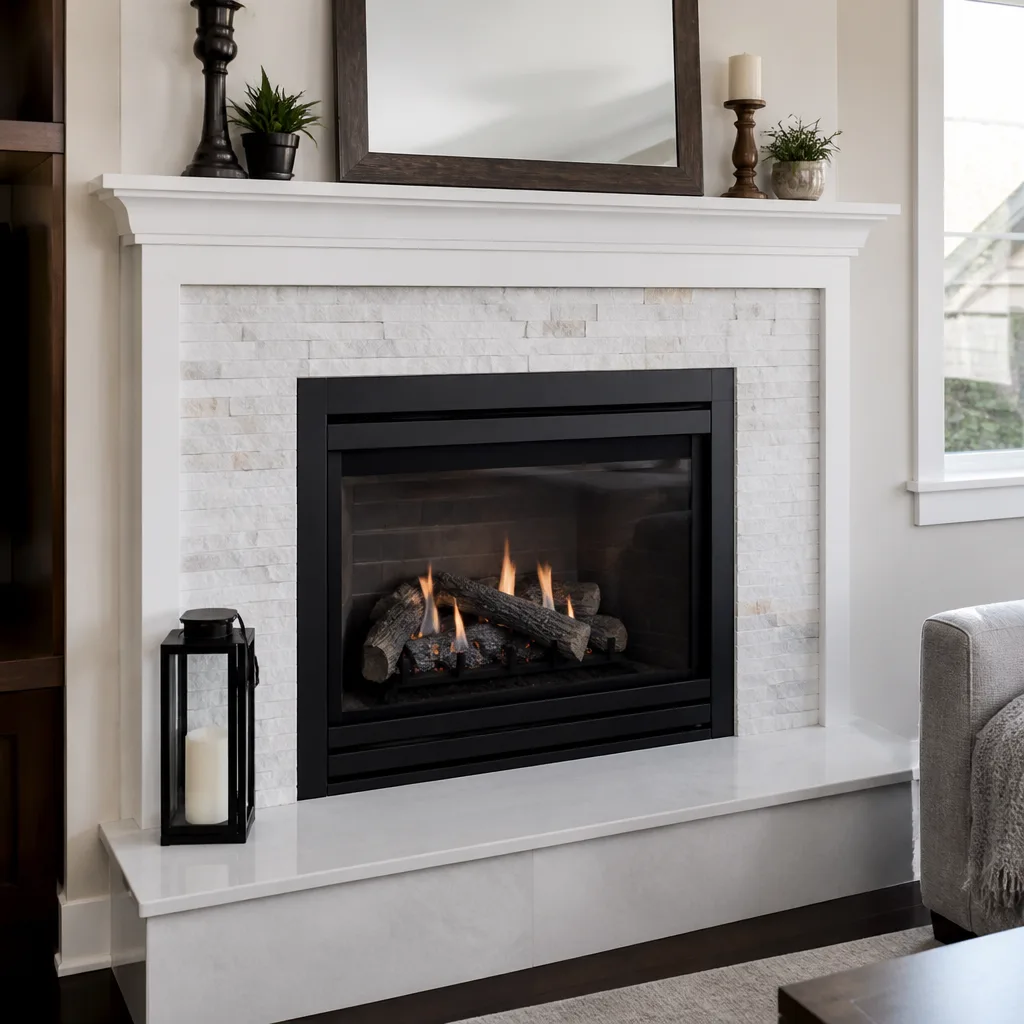
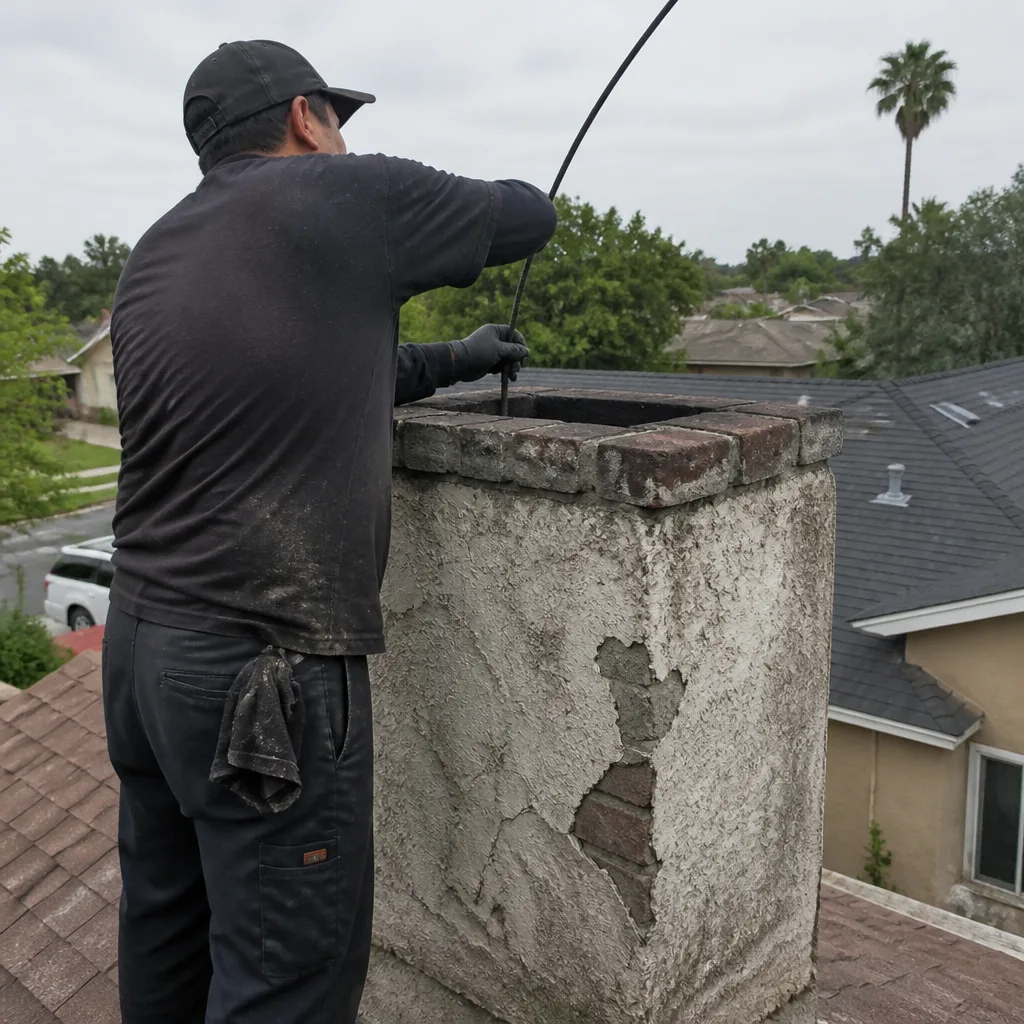 Before
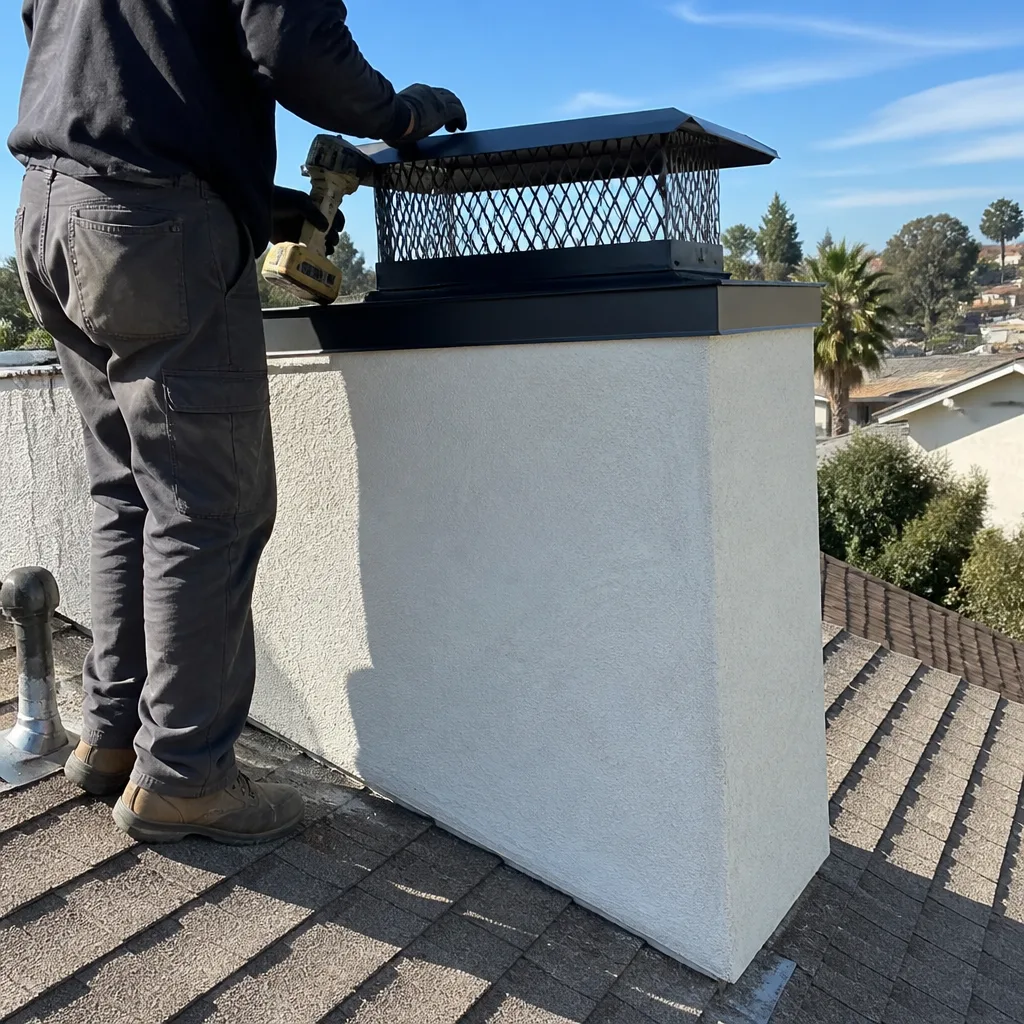 After
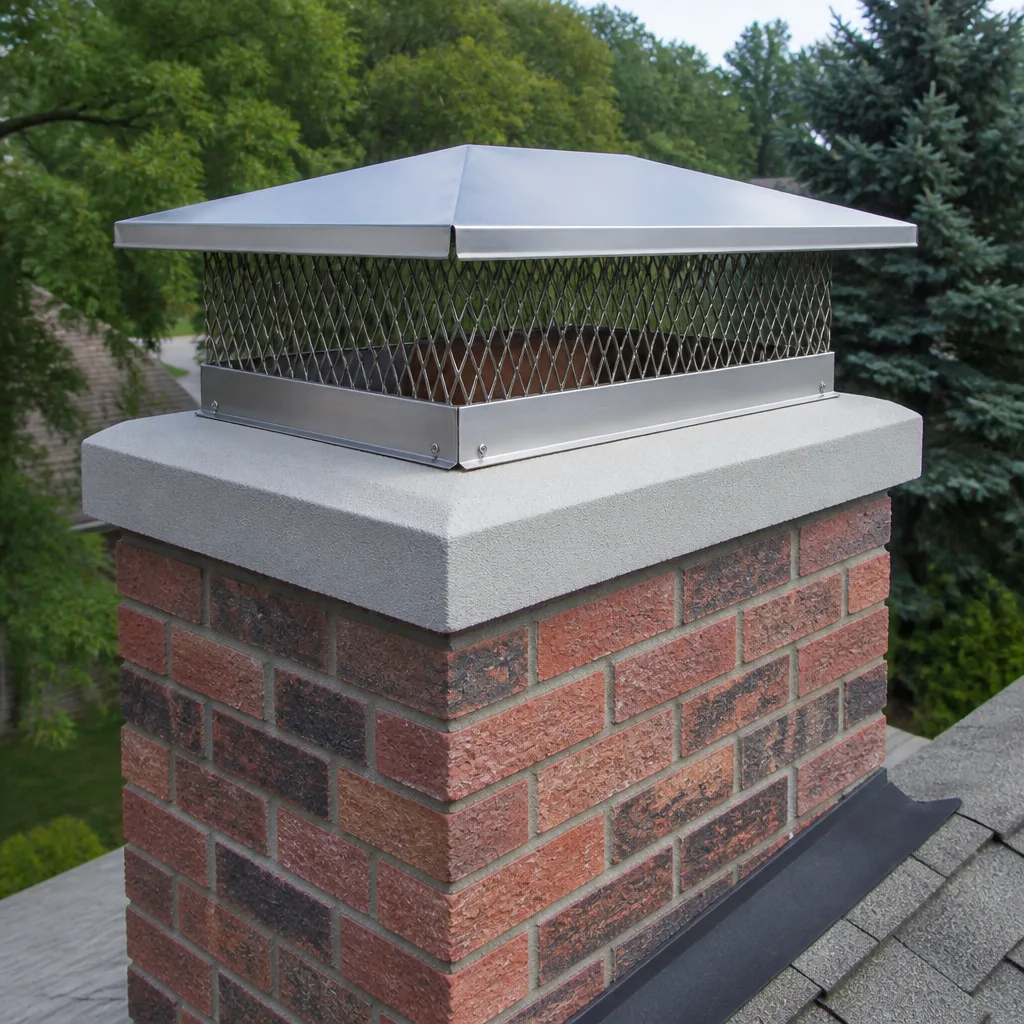
After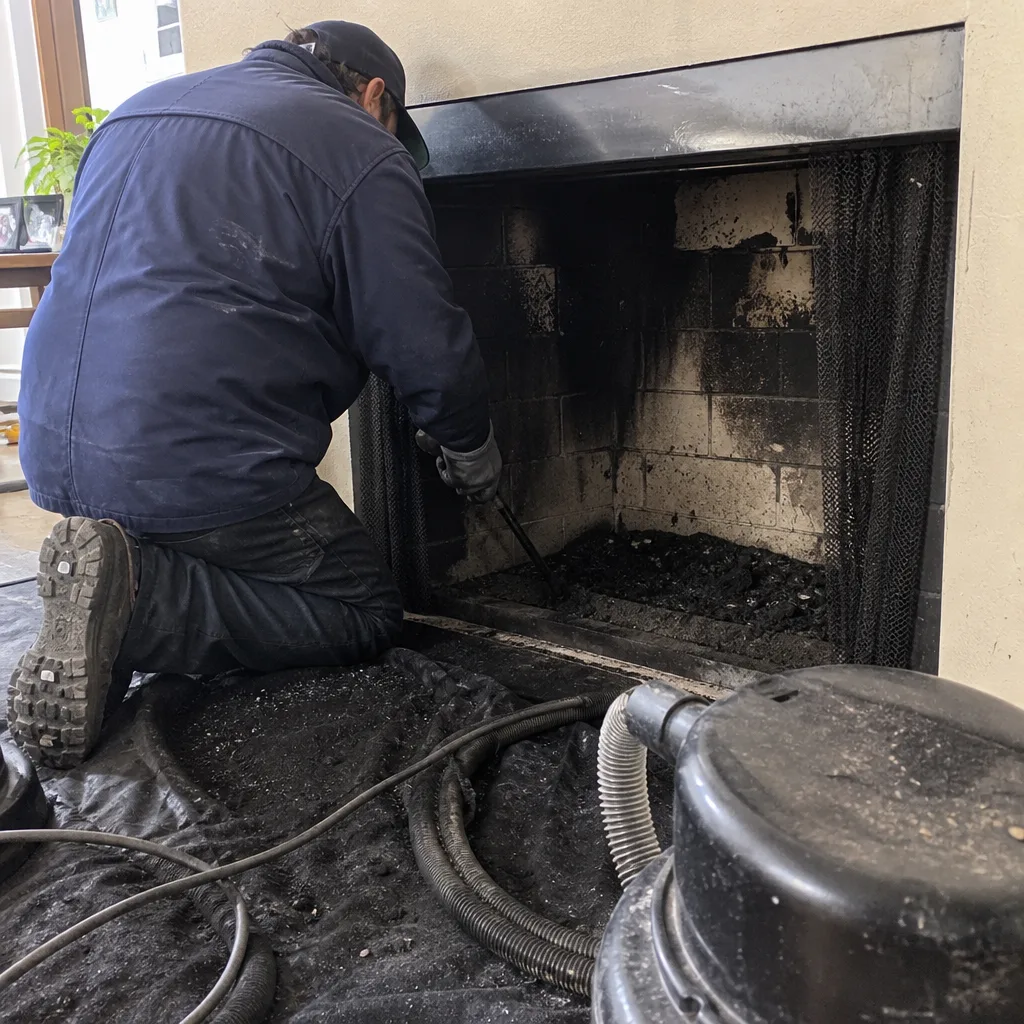 Before
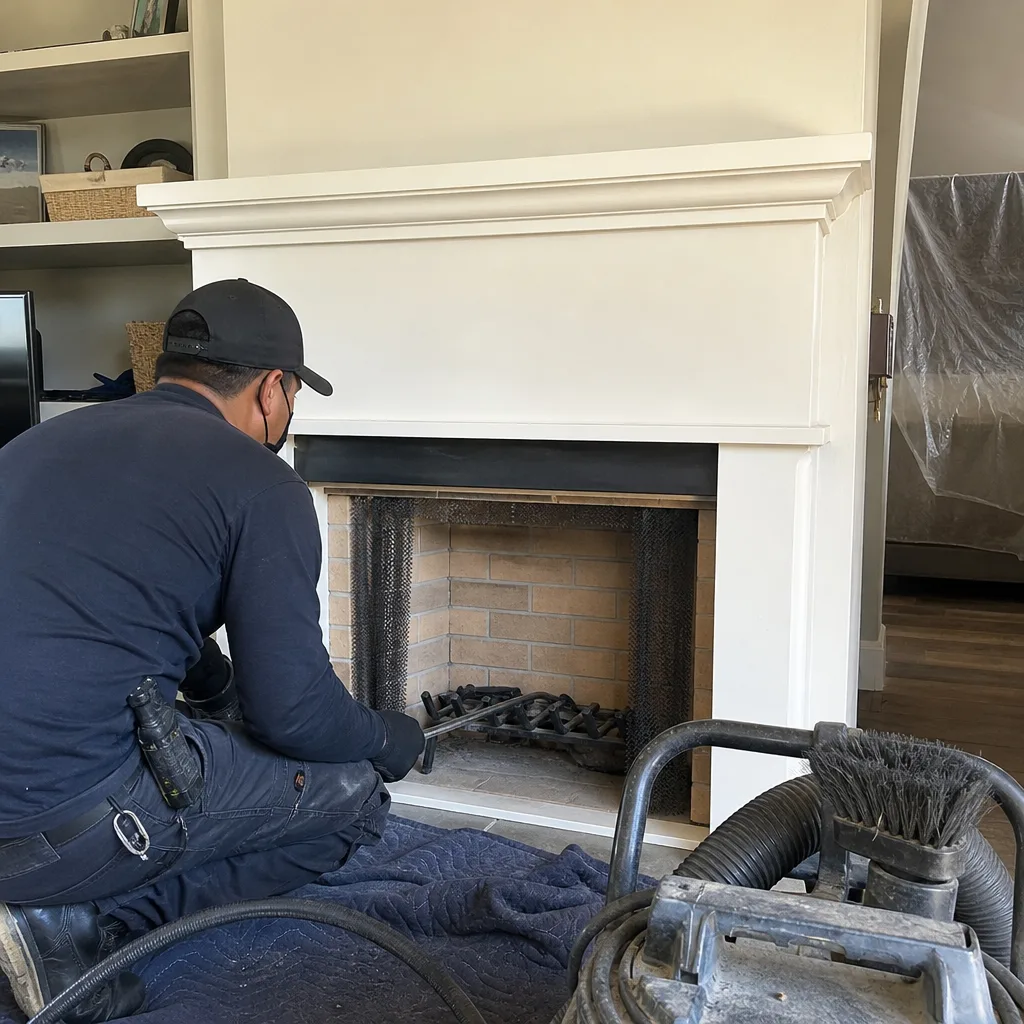 After
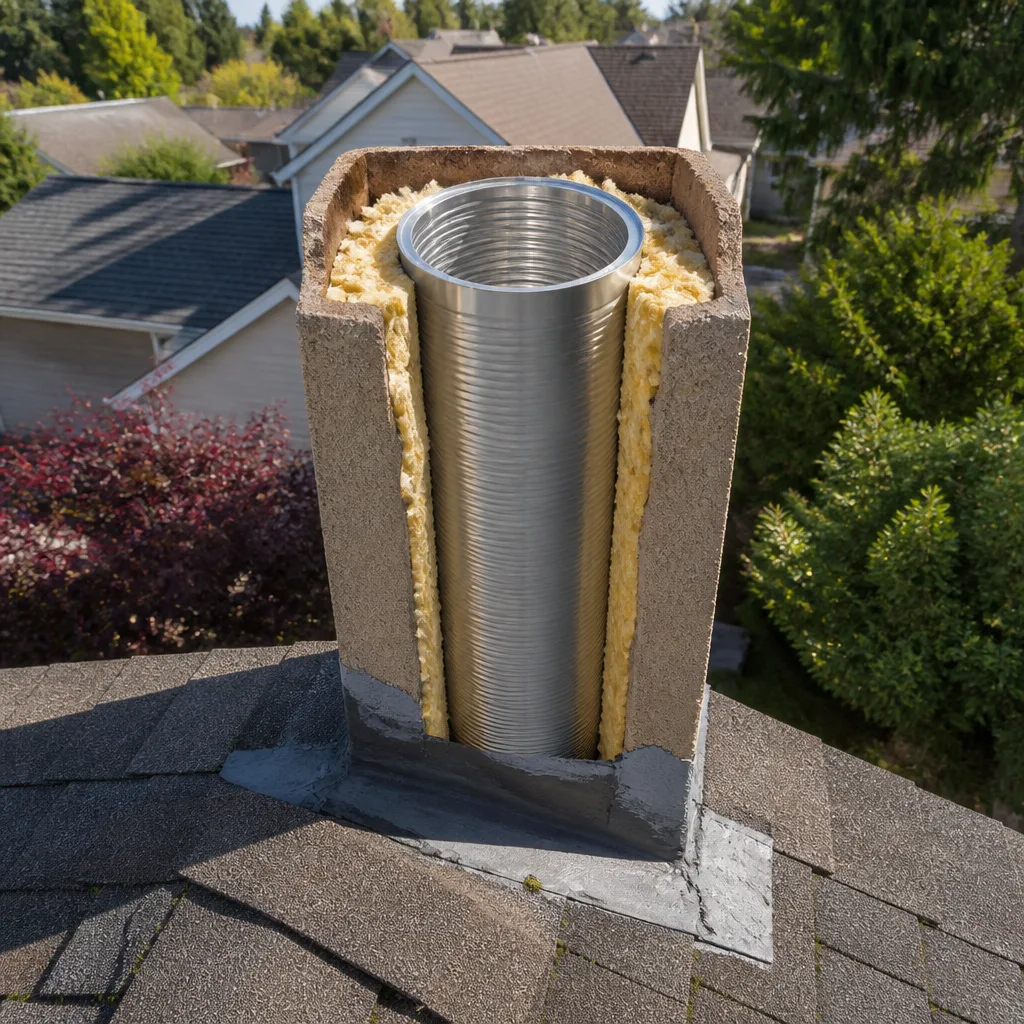
After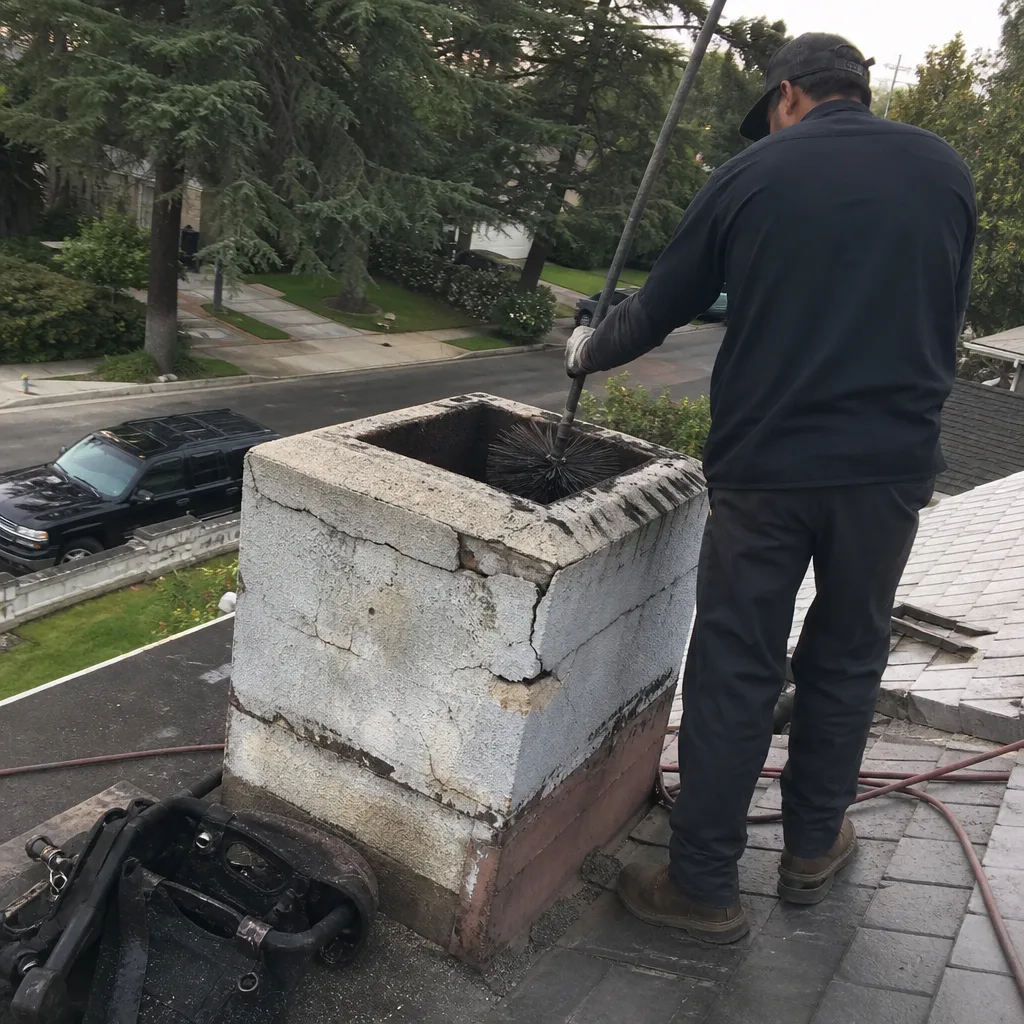 Before
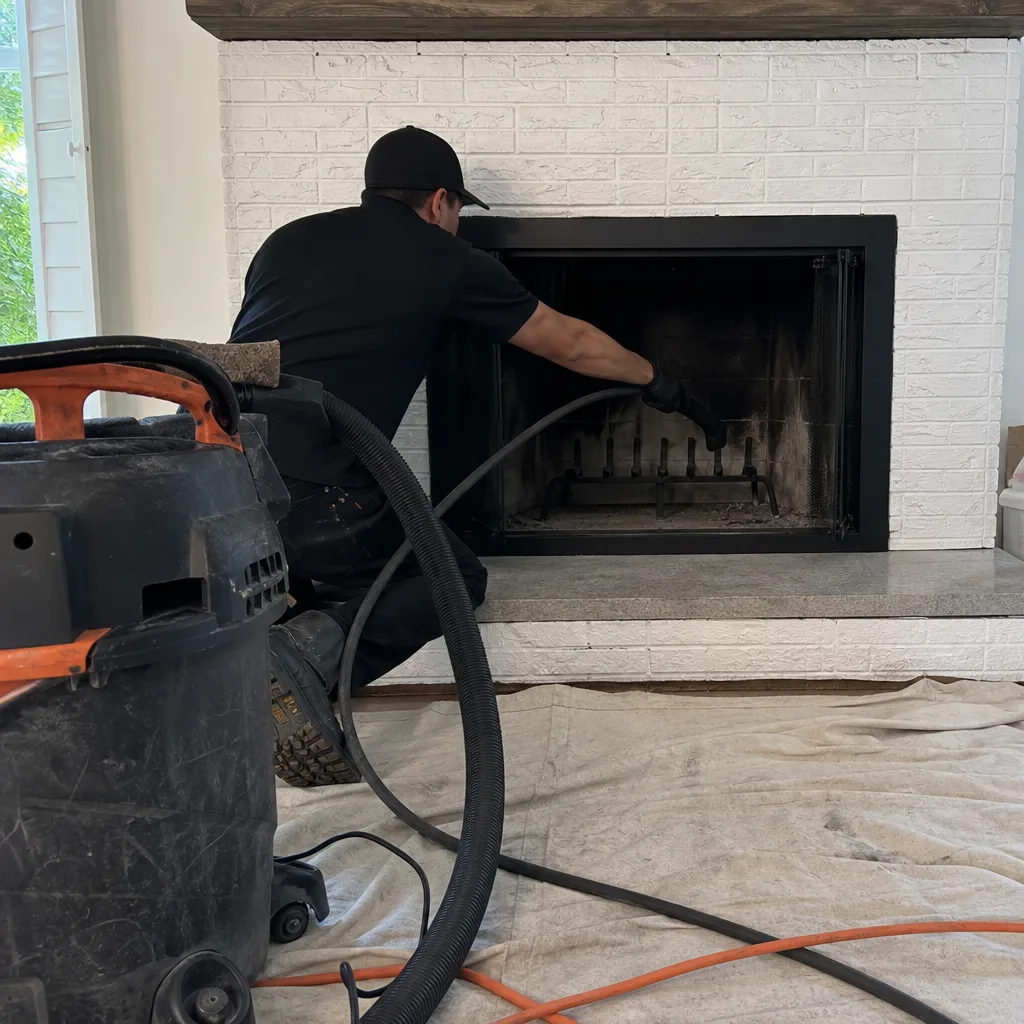 After
AfterFast, Reliable Gas Fireplace Repair Across Peabody
Gas fireplace repair in Peabody typically runs $180 – $450 for most service calls, with full liner replacement on converted oil-to-gas chimneys landing between $2,800 and $5,500 depending on flue height and access. Most repairs are completed same-day or next-day, and we schedule by appointment with a technician’s name and photo sent to you before the truck rolls. If your fireplace smells like sulfur, won’t hold a flame, or the pilot keeps dropping out, call (336) 863-3889 and we’ll get eyes on it quickly.
We know Peabody’s housing stock because we work in it every week: the dense central Leather City colonials near Lowell Street, the mid-century ranches throughout West Peabody, the attached homes along Main Street where shared chimney stacks cross property lines. Gas fireplace repair here isn’t the same job it is in a newer subdivision in Lynnfield or Beverly. The flues are older, the conversions are messier, and the chemistry inside the chimney is different. Our technicians are trained to spot the difference between creosote and the acidic deposits that form when a 60,000-BTU gas insert vents into a flue sized for a 150,000-BTU oil boiler.
Every call starts with a written price before work begins. No surprises, no “while we were in there” additions. And if the repair fails inside the coverage period, the second visit is free. That’s the 365-Day Done Right Promise, and it applies to every gas fireplace repair we do in Peabody.
How Much Does Gas Fireplace Repair Cost in Peabody, MA?
Here are the numbers we quote most often in Peabody, based on repairs completed throughout 2024 and 2025 across West Peabody, South Peabody, and the central downtown neighborhoods:
| Repair Type | Typical Range in Peabody |
|---|---|
| Diagnostic service call | $89 – $149 (credited toward repair if you proceed) |
| Pilot assembly or thermocouple replacement | $150 – $275 |
| Gas valve replacement | $250 – $450 |
| Burner cleaning and air shutter adjustment | $120 – $220 |
| Flue liner assessment with camera | $175 – $325 (included in Level 2 inspection) |
| HeatShield resurfacing of deteriorated flue | $2,200 – $4,000 depending on flue height |
| Correctly sized DuraFlex liner installation for gas insert | $2,800 – $5,500 with full removal and reinstall |
What moves the number? Flue length, roof pitch, and whether the original clay tile needs drill-out before the new liner goes in. A split-level in West Peabody with a steep roof and a 28-foot flue simply costs more than a one-story ranch with a 16-foot flue. You’ll get the exact number in writing before we touch anything. Call (336) 863-3889 for a free estimate on Gas Fireplace Repair.
Why Alcott Chimney Sweep Is Peabody’s Preferred Gas Fireplace Repair Company
Ruben Castellano founded Alcott Chimney Sweep in 2002, and the company has been part of the Threshold Group family of home-service companies since its earliest days. That matters for one specific reason: every technician who enters your Peabody home has passed a background check and identity verification under what we call the Threshold Standard. It’s not an add-on, it’s not optional, and it’s not something you have to request. Before we arrive, you’ll know the technician’s name and see their photo. When they knock, they’ll present a photo ID badge. Every time. No exceptions.
We built our reputation in Peabody on two things: we show up when we say we will, and we never charge a dollar beyond the written price you approved. Gas fireplace repair involves gas lines, venting, and combustion. You should know exactly who’s working on that system, and exactly what it will cost. We make both of those things certain.
Calls go to a live person around the clock. If your fireplace smells like sulfur at 11 p.m. on a Tuesday in January, you don’t get voicemail. You get a human who can talk through whether it’s safe to stay in the house and schedule a technician for the next morning.
Our Gas Fireplace Repair Services in Peabody
Flue Liner Assessment and Relining for Converted Gas Fireplaces
The single most important part of any gas fireplace repair in Peabody’s mid-century conversion belt is knowing what’s inside the flue before you touch the appliance. Homes in West Peabody, particularly in the Proctor Street area, Russell Street corridor, and the subdivisions off Winona Street, were built with oversized masonry flues sized for oil-burning systems. When those homes converted to gas, nobody relined the chimney. A 60,000-BTU gas fireplace insert pushing exhaust through a flue built for 150,000 BTUs doesn’t generate enough draft to carry moisture out. That moisture condenses on the clay tile, combines with sulfur compounds in the flue gas, and creates acidic deposits that eat the liner from the inside. We camera every fireplace flue before we recommend a liner, and we show you the footage. If resurfacing with HeatShield or a properly sized DuraFlex liner is the right call, you’ll see why with your own eyes. Nothing is recommended without camera evidence you can review yourself.
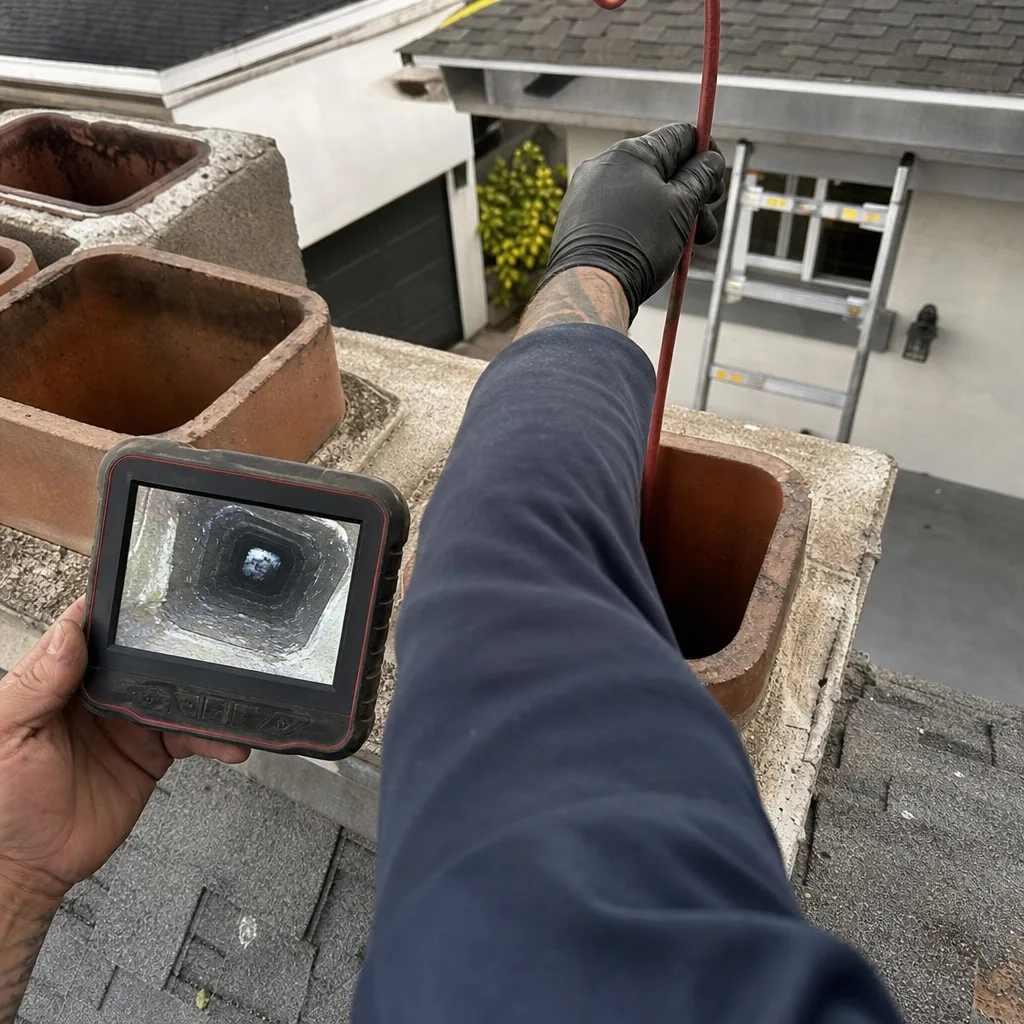
Level 2 Inspection for Shared and Adjacent Flues in Attached Peabody Properties
Peabody has a lot of attached housing stock: the triple-deckers and two-families around downtown and along Main Street, the attached single-family homes throughout the Leather City district and up toward the old A.C. Lawrence Leather Company grounds. These structures sometimes share a masonry chimney stack, with separate flues running side by side. When one owner converts to gas and the adjacent unit still runs wood or oil, the draft dynamics change for everyone. We perform Level 2 camera inspections specifically to map flue conditions in shared stacks, identifying where acidic flue gas from one side is migrating into the other, where shared clay tile has spalled, and whether a gas fireplace repair is actually a larger stack relining job. You get a written report, photo documentation, and a plain-English explanation before any work is authorized.
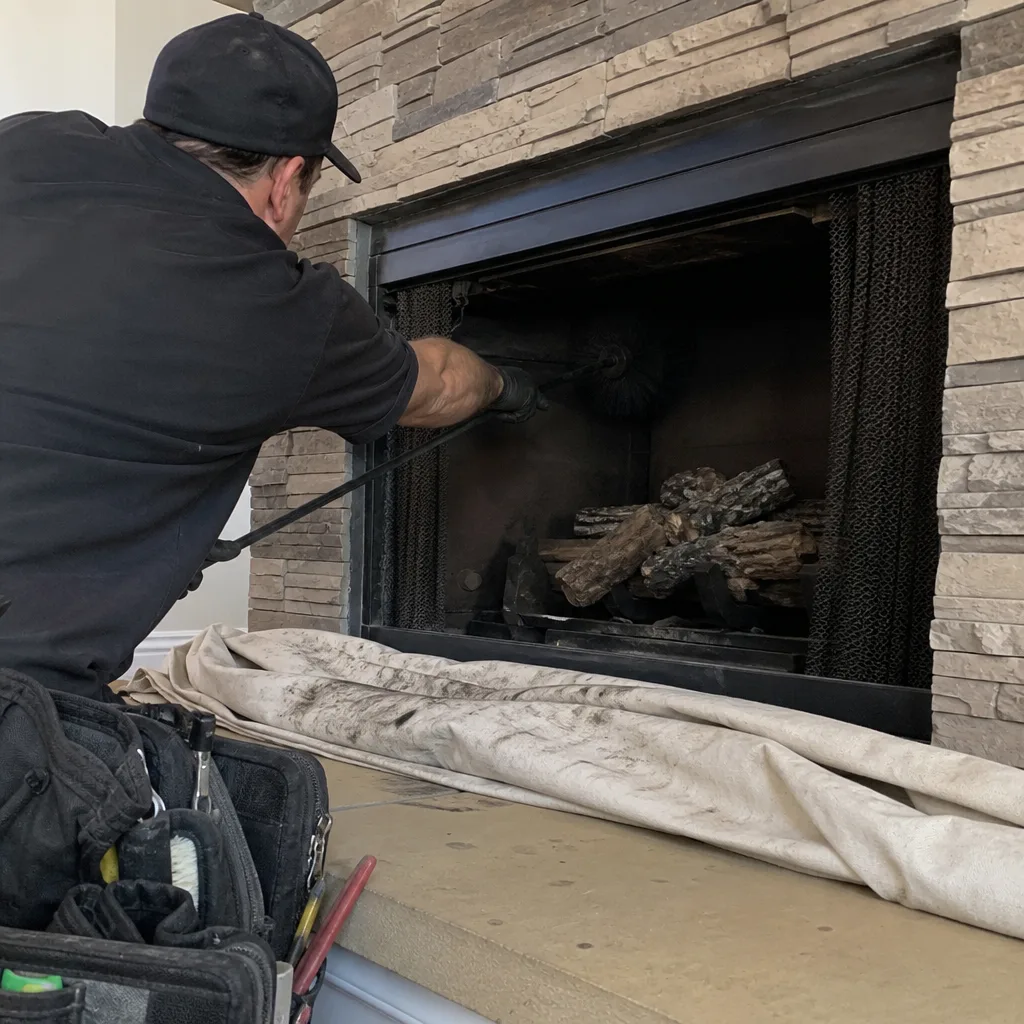
Damper and Firebox Repair for Gas Fireplace Inserts
Gas fireplace inserts put different stress on dampers than wood fires do. The damper has to be fully locked open when an insert is in place, and the firebox and surround take constant radiant heat right up against the masonry. In older Peabody homes with soft historic brick, we often find damper frames that have warped from years of heat, firebox seams that have opened up, and refractory panels that have cracked. We rebuild damper assemblies, seal firebox seams with professional materials, and replace damaged refractory panels so the insert sits correctly and drafts properly. It’s detail work, but ignoring it in an older home just means the flue loses draft and the condensate problem gets worse.
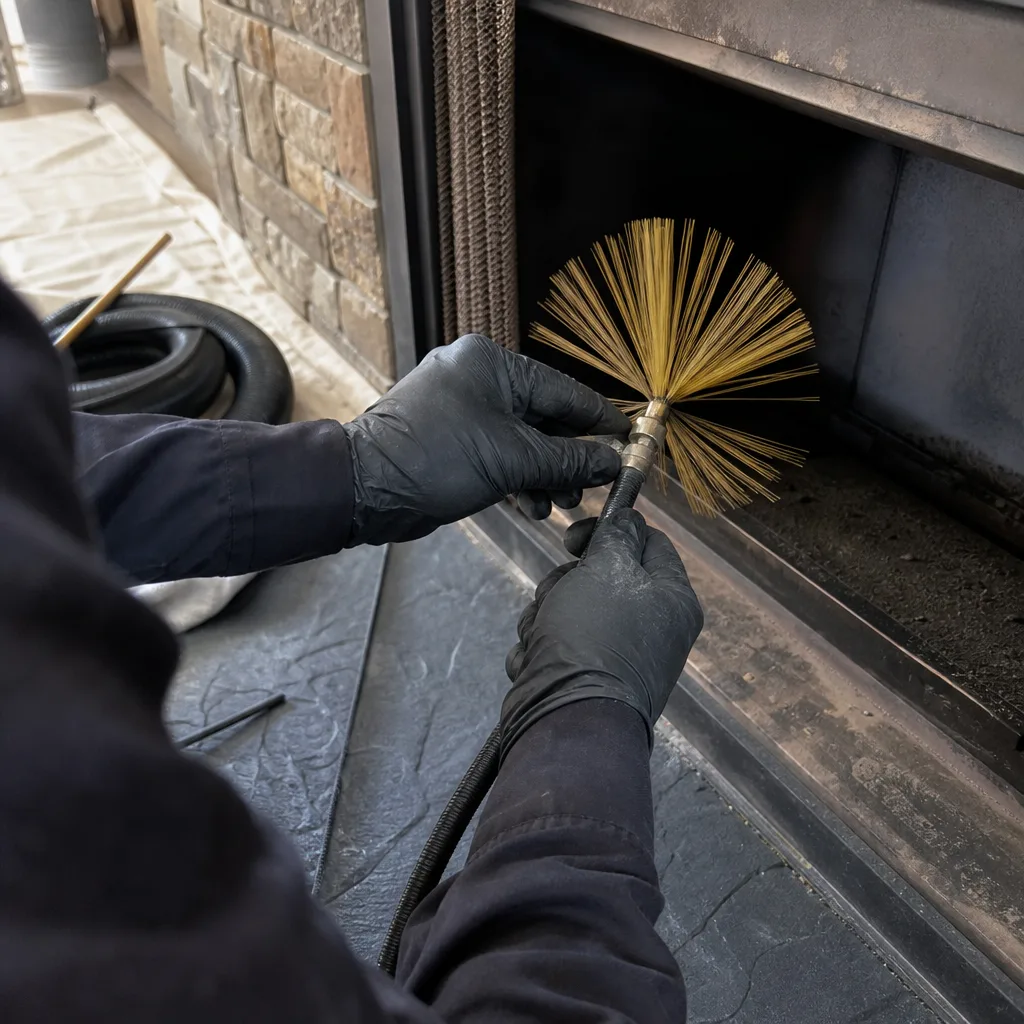
Gas Valve, Pilot Assembly, and Ignition Repair
Most no-heat or no-flame calls in Peabody homes come down to a failed thermocouple, a clogged pilot orifice, or a gas valve that’s stuck. These are repairable affordably when caught early, but you don’t want to keep resetting the pilot for weeks. A pilot that won’t stay lit can indicate a venting problem, not just a part failure. We diagnose the full system, not just the symptoms. If the issue is a blocked flue or a draft problem caused by the oversized-liner condensation we talked about earlier, we’ll tell you that, and we can see it on camera before recommending anything.
What happens when you call
- 1
A real person answersNo phone trees - you reach a local pro.
- 2
You get an upfront price rangeHonest numbers before anyone is dispatched.
- 3
A background-checked tech heads outLicensed & insured, dispatched right away.
- 4
You approve before work beginsNothing starts until you say go.
Trusted Brands We Service in Peabody
We service and install professional trade brands including Famco, Copperfield, DuraFlex, and HeatShield. These are the brands chimney professionals specify, not the box-store substitutes. When a Peabody gas fireplace needs a new damper assembly, we carry Famco replacement components. When a converted oil-to-gas flue needs resurfacing, we use HeatShield’s ceramic resurfacing system. When a properly sized liner is the right fix, we install DuraFlex aluminum liners sized exactly to the appliance’s BTU output. Because we stock these parts regionally and run routes through Peabody weekly, turnaround on common repairs is fast. You’re not waiting three weeks for a damper clamp to ship from a warehouse in Ohio.
Common Gas Fireplace Repair Problems We See in Peabody Homes
- Sulfurous, rotten-egg odor from a converted gas fireplace: In West Peabody homes that switched from oil to gas without relining, the oversized flue produces condensation that mixes with sulfur compounds, creating an acidic residue that smells unmistakably like sulfur. This isn’t a gas leak. It’s flue chemistry, and it means the liner is actively corroding.
- Cross-contamination from a shared chimney stack: Attached homes in central Peabody that share a masonry stack can experience flue gas from one unit migrating into the adjacent flue. If your neighbor converted to gas and your fireplace suddenly smells strange or drafts differently, the shared stack needs a Level 2 inspection.
- Moisture intrusion and spalling brick: Peabody catches full nor’easter snowloads without the moderating effect of Salem Harbor, and the freeze-thaw cycling through a typical Essex County winter is brutal on soft historic brick. Water seeps into the flue, mixes with gas combustion byproducts, and accelerates the breakdown of both the liner and the masonry.
- Pilot dropout caused by drafting problems, not just part failure: When a gas insert vents into a badly sized flue, the draft fluctuates and the pilot can drop out repeatedly. Replacing the thermocouple won’t fix a draft problem. You have to address the flue, and we can show you exactly what’s happening with a camera before any work is quoted.
Why Peabody’s Oil-to-Gas Conversions Create Problems a Generic Repair Page Won’t Tell You About
Here’s the thing about Peabody that makes gas fireplace repair different here than in, say, Beverly or Danvers. In West Peabody, the oversized masonry flues built to vent 150,000-BTU oil boilers are now frequently serving 60,000-BTU gas fireplace inserts. The reduced exhaust volume no longer carries moisture out of the stack. Instead, it creates chronic condensation and sulfurous acidic deposits that mimic creosote but eat the clay tile from the inside. This inverted flue-gas chemistry is specific to Peabody’s mid-century conversion belt, and it drives most of our gas fireplace repair calls.
On a call in the Proctor Street area of West Peabody, our tech pulled a gas fireplace insert and found the original clay-tile flue liner coated in brown, sulfur-smelling staining that looked like second-degree creosote but tested acidic. That’s the classic sign of an unlined oversized flue running a low-BTU gas appliance. After a Level 2 inspection and a HeatShield resurfacing of the flue, we reinstalled the insert with a correctly sized DuraFlex liner. The draft stabilized immediately, and the condensate issue disappeared. That’s the repair sequence we walk Peabody homeowners through every week: identify the real problem, show it on camera, and fix it correctly the first time.
Ruben Castellano and the team at Alcott Chimney Sweep have been doing this work since 2002. The physics of flue gas don’t change depending on what town you’re in, but the housing stock sure does. Peabody’s mid-century conversion belt is its own animal, and we’ve spent years learning exactly how these chimneys fail and how to repair them without recommending work you don’t need.
We Also Serve Cities Near Peabody
Our technicians serve Peabody and the surrounding communities, including Danvers, Salem, Lynnfield, and Beverly. Dispatch and scheduling are coordinated from the Boston office, but crews work these routes locally. If you’re in any of those towns, call (336) 863-3889 and we’ll get you on the schedule with the same name-and-photo technician preview we provide to every Peabody customer.
Serving Peabody, MA - Our Local Coverage Area
We’re based in the Peabody area and know this community well. Use the map below to see our service coverage - if you’re nearby, we can almost certainly help.
FAQs – Gas Fireplace Repair in Peabody
The sulfur smell usually means your flue is lined with clay tile sized for your old oil boiler, and now a lower-BTU gas fireplace is pushing less exhaust through it. Moisture condenses on the oversized tile, combines with sulfur compounds in the flue gas, and creates acidic deposits that smell rotten and corrode the liner from the inside. It’s not a gas leak, but it is a real problem, and it gets worse every season. We can camera the flue and show you exactly what’s happening. Call (336) 863-3889 for a free estimate on gas fireplace repair in Peabody.
Yes. Shared masonry stacks in attached Peabody properties can absolutely allow flue gas from one unit to migrate into an adjacent flue, especially when one side converts to gas and the other keeps burning wood or oil. That migration can create strange odors, draft problems, and cross-contamination that a gas fireplace repair alone won’t fix. The right move is a Level 2 camera inspection of the full stack. We map both flues, document what’s happening, and tell you honestly what’s required before quoting any work.
Most gas fireplace repairs that involve flue assessment do require roof access, and yes, we’ve worked on a lot of tight lots in central Peabody where neighboring homes sit close together. Our crews carry ladders sized for the roof pitches and street clearances we deal with here, and we’ll let you know in advance exactly how we’ll access your chimney. If it’s a low-pitch ranch in West Peabody, the process is straightforward. If it’s a steep-roofed colonial on a narrow street off Lowell Street, we plan for that before arrival.
For a gas fireplace that vents through a masonry flue, especially in a converted oil-to-gas home, we recommend a professional inspection every year. Gas fireplaces produce less visible soot than wood, so problems hide longer: condensate buildup, acidic deposits, spalling tile, deteriorating mortar. An annual inspection catches these before the repair bill gets big. If your fireplace is decorative and rarely used, every two years is reasonable. If it’s your primary heat source in a Peabody winter, once a year is the smart move. Call (336) 863-3889 and we’ll schedule it.
First-degree creosote is a light, dusty deposit that brushes off easily. Third-degree creosote is a hard, glossy, tar-like glaze that requires mechanical removal and builds up in wood-burning systems. But here’s what matters in Peabody: the brown, sulfur-smelling staining inside a converted gas fireplace flue often looks like creosote but tests acidic. It’s not creosote at all. It’s flue-gas condensation chemistry, and it requires a liner assessment, not a standard sweeping. If you’re pretty sure you’re seeing creosote in a gas-only fireplace, we’d want to camera that flue and confirm what we’re actually dealing with before recommending any cleaning or repair. Call (336) 863-3889 and we’ll look at it together.
Schedule Your Gas Fireplace Repair in Peabody Today
If your gas fireplace smells off, won’t stay lit, or hasn’t been inspected since you moved in, we’d like to help. You’ll get a name and a photo of your technician before we arrive, a written price before any work starts, and a written guarantee on every repair. If the repair fails inside the coverage period, the second visit is free. That’s the Alcott Chimney Sweep way, and it’s been the standard since 2002. Call (336) 863-3889 to schedule your free estimate.
Written by Ruben Castellano, Owner at Alcott Chimney Sweep, serving Peabody homeowners since 2002.