
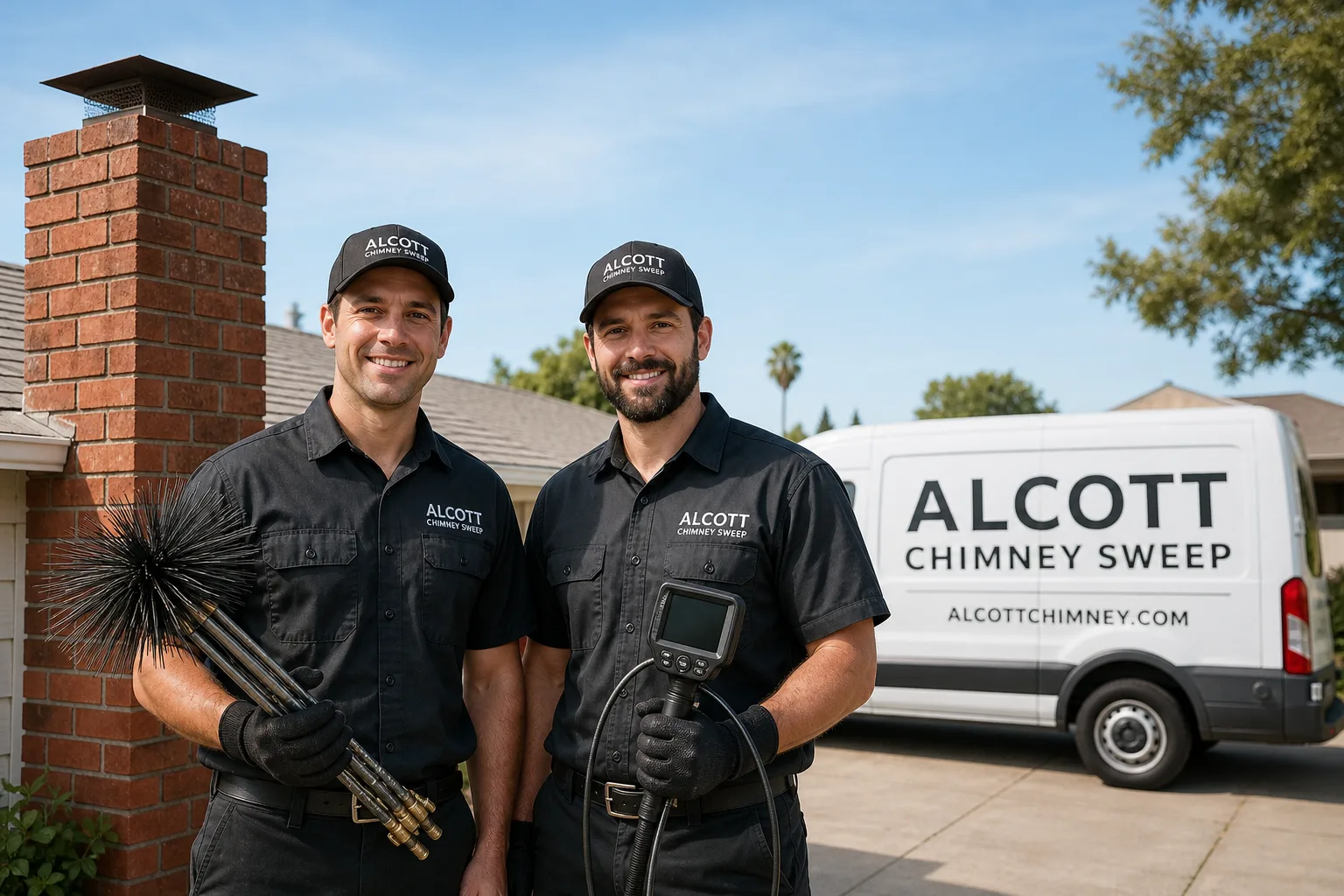
Level 1 sweep and inspection to the NFPA 211 annual standard - flue, crown, cap, and flashing checked and photographed
Chimney sweep logs do not sweep chimneys. They loosen some creosote - which then falls where a brush and vacuum still have to collect it.
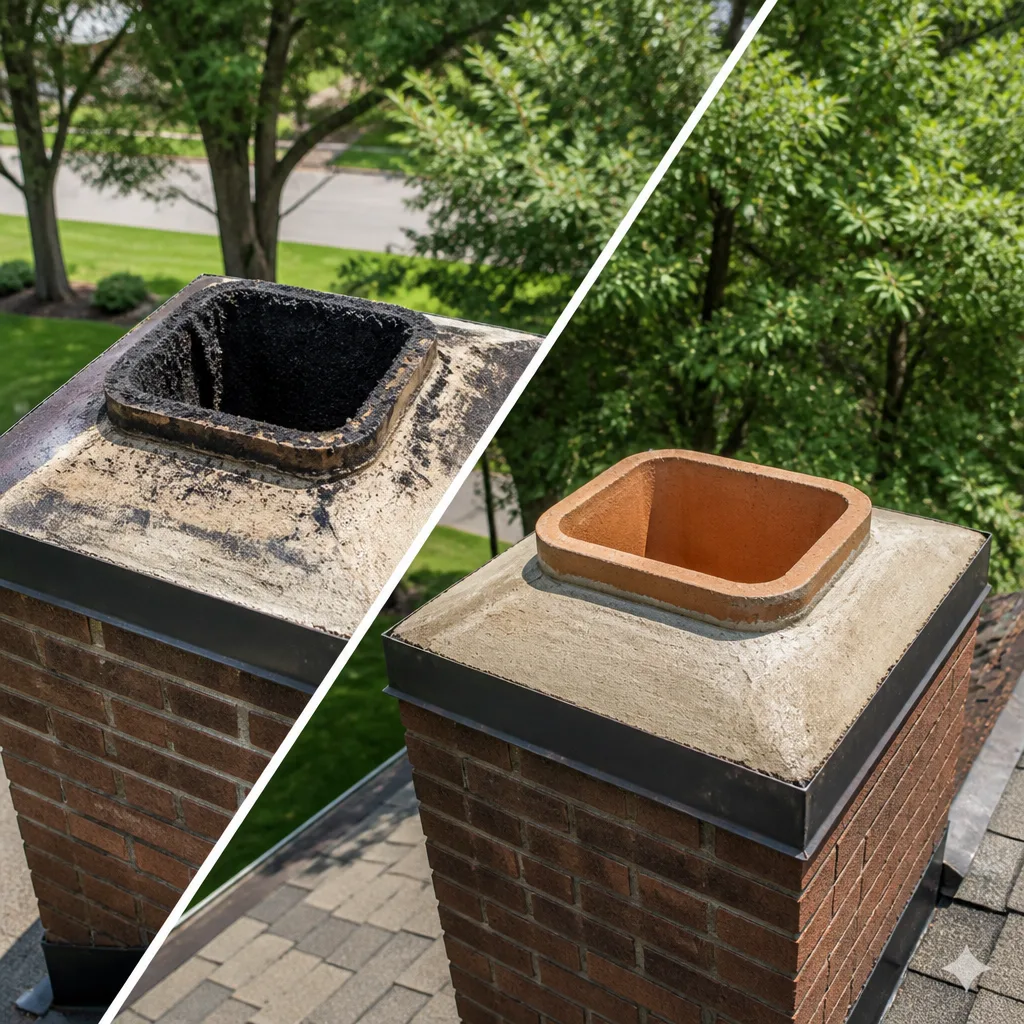
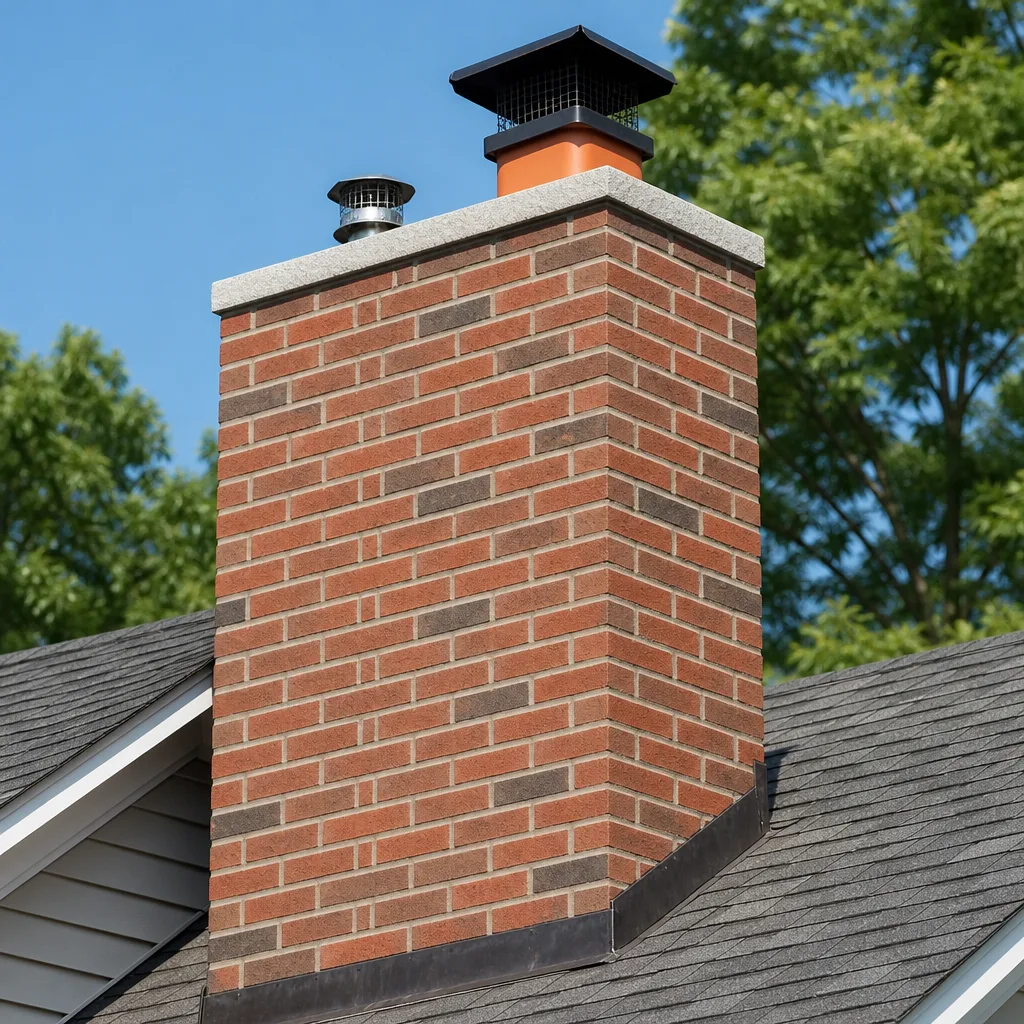
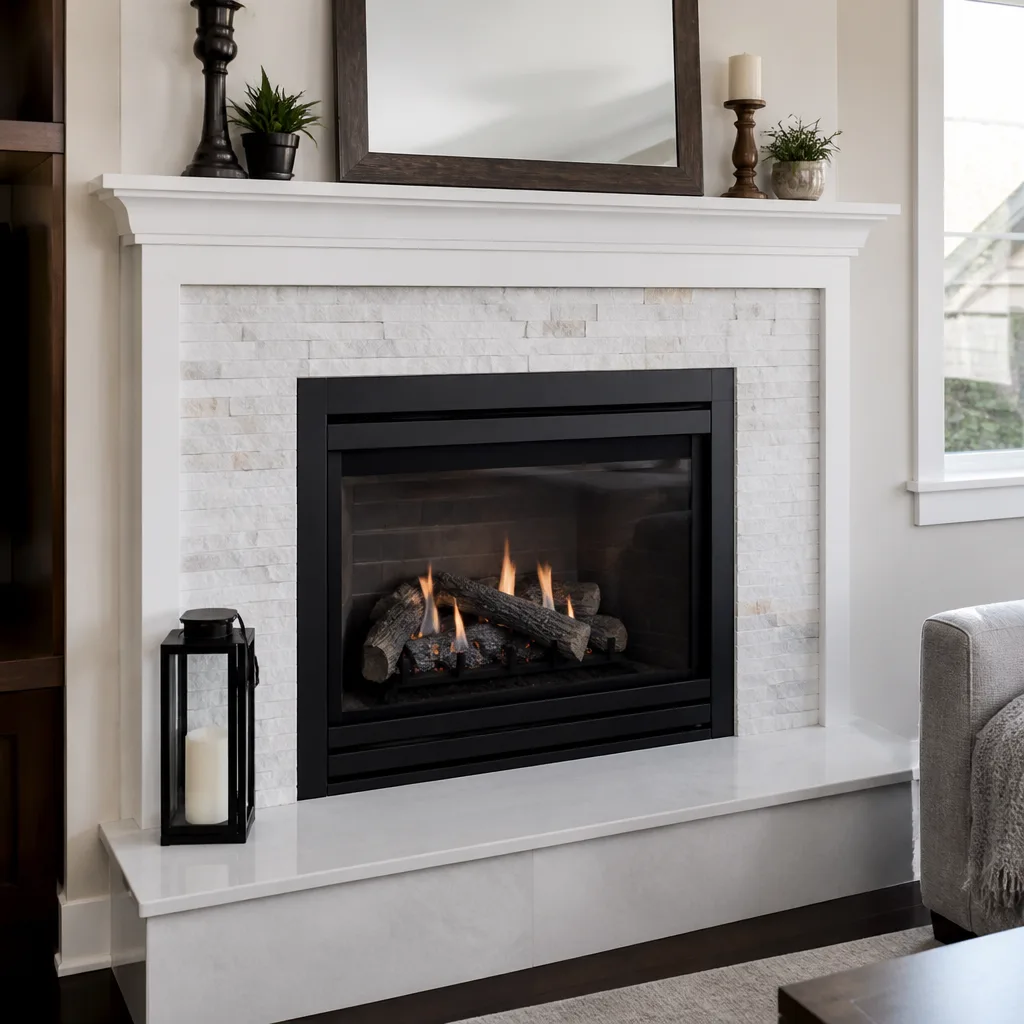
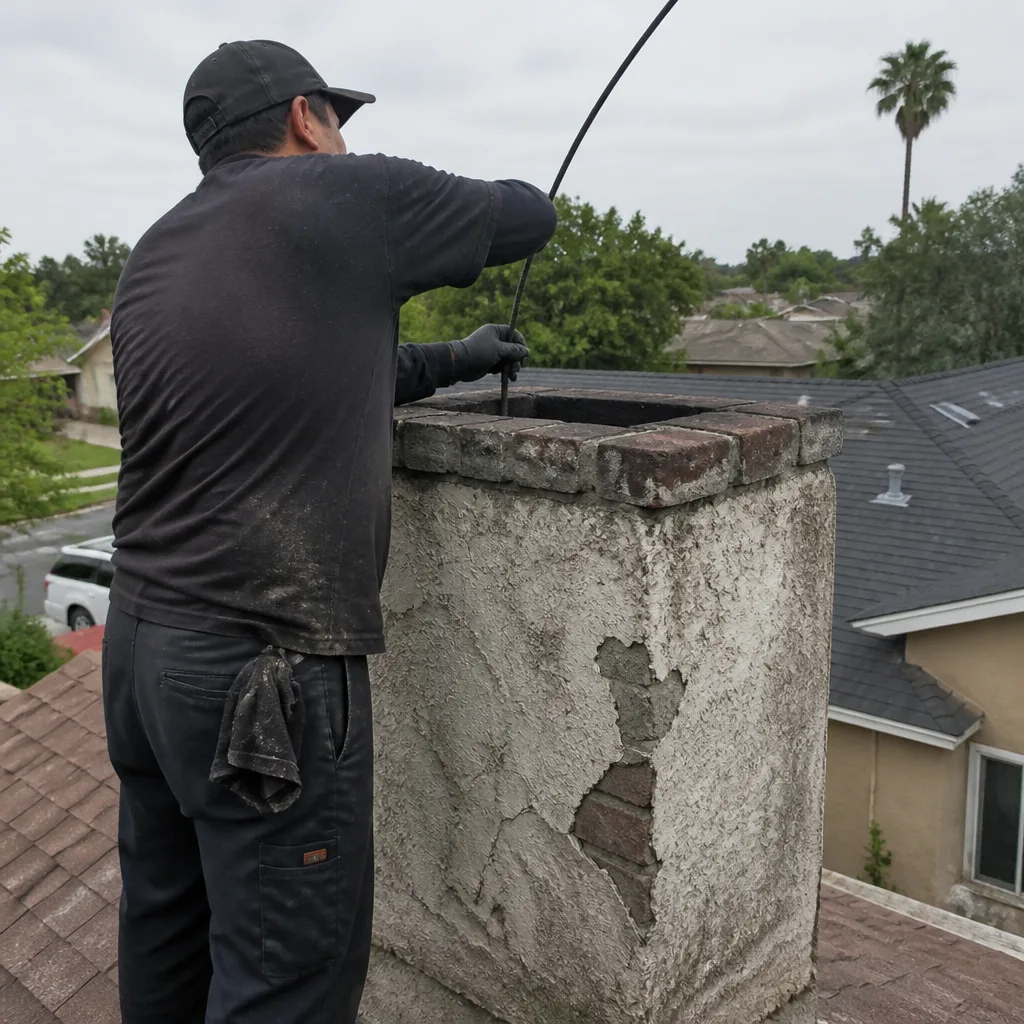 Before
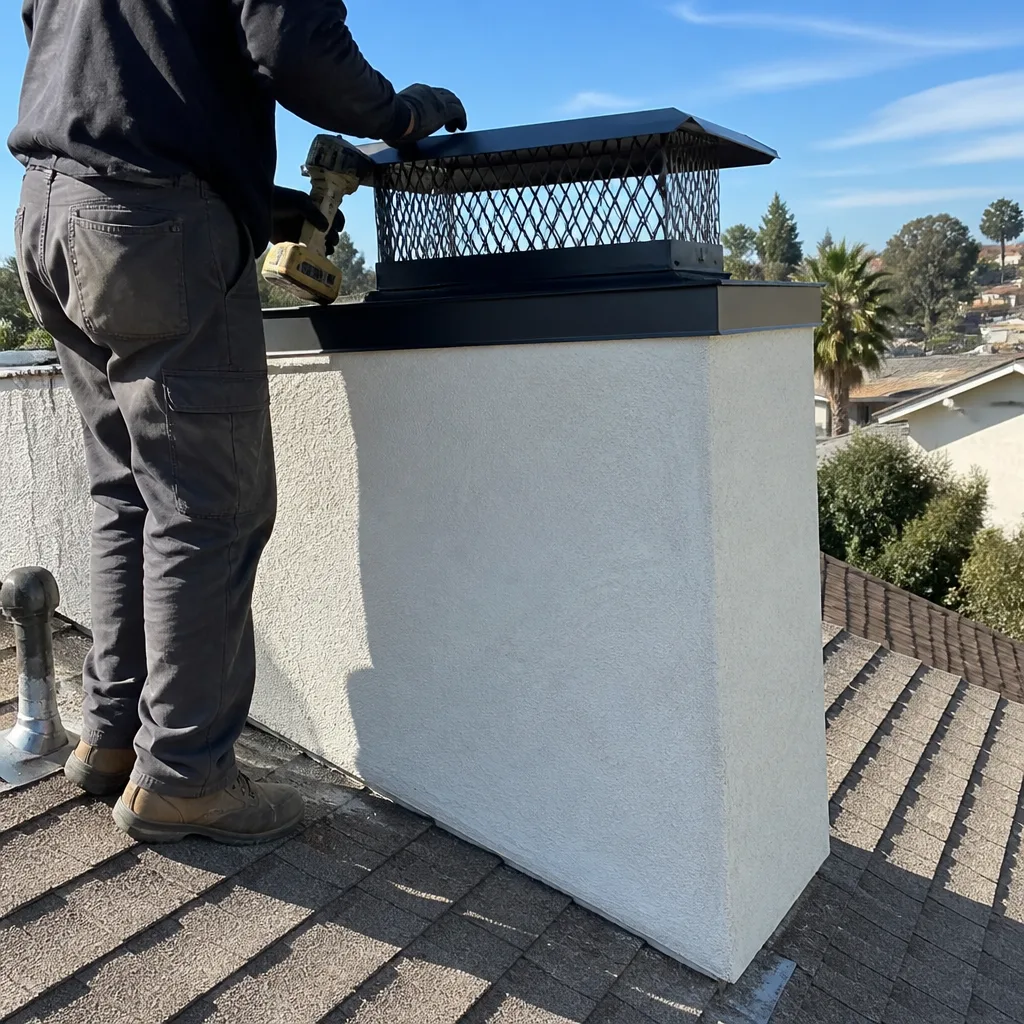 After
After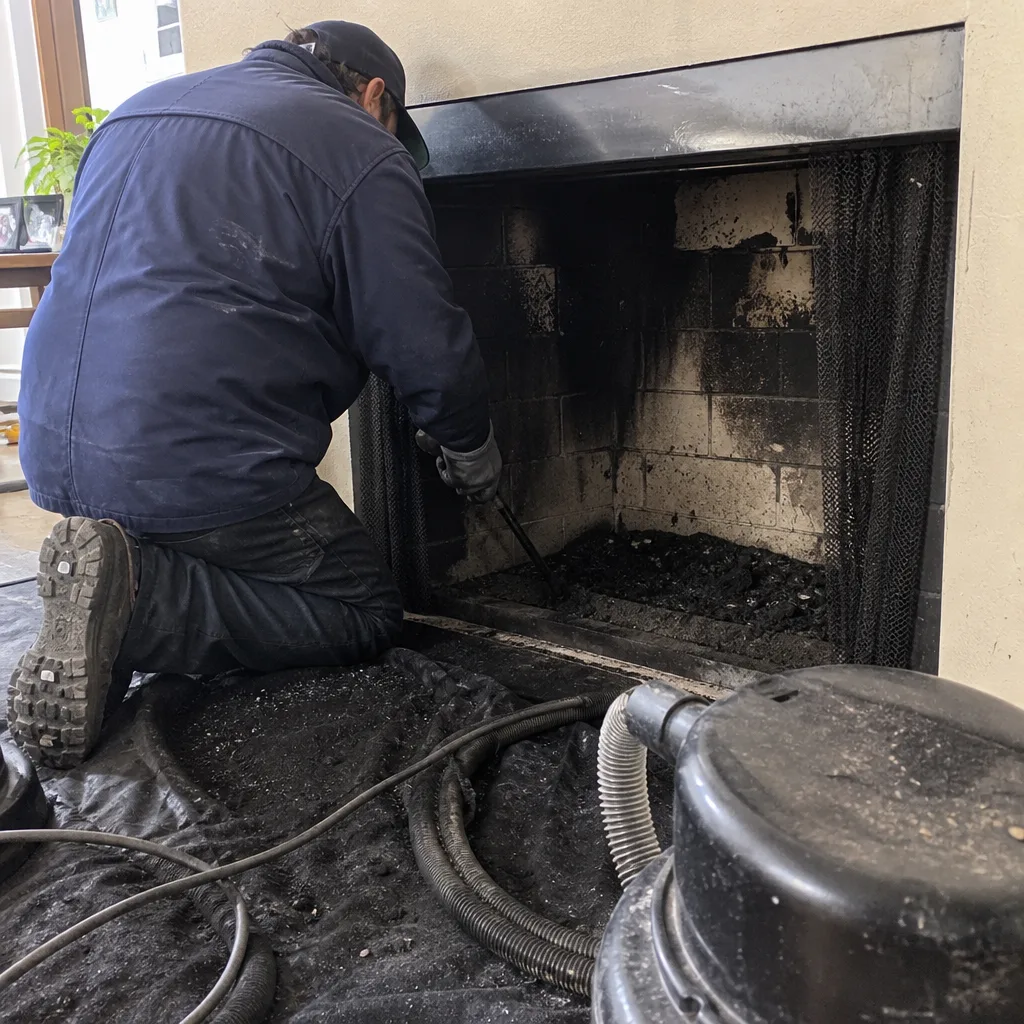 Before
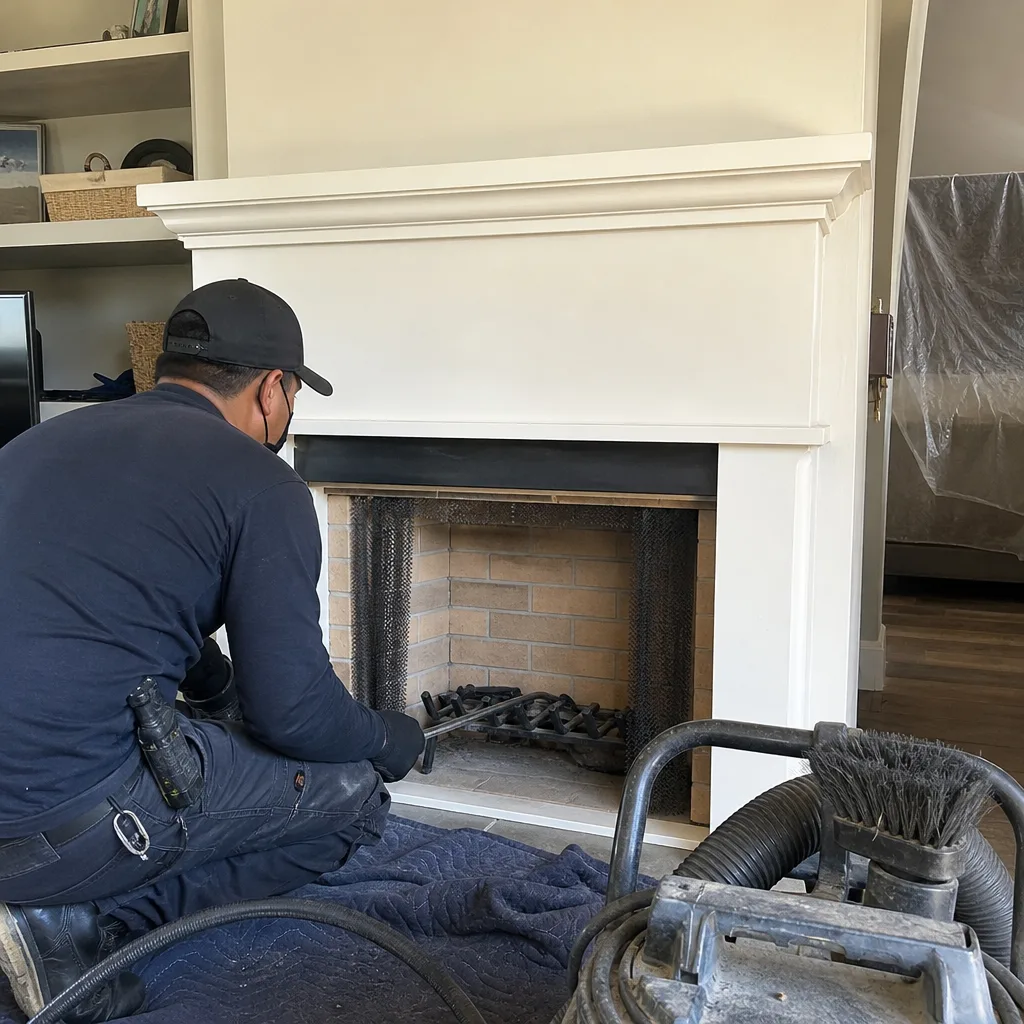 After
After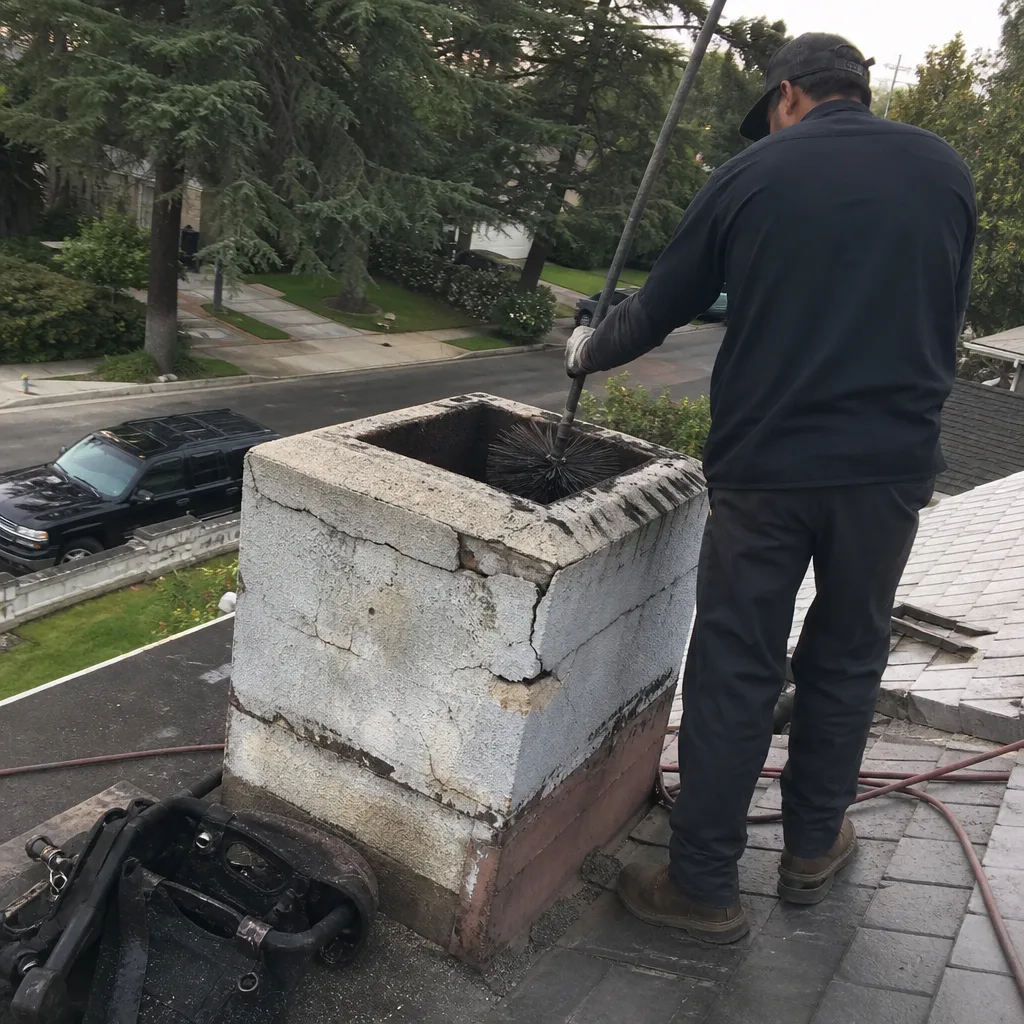 Before
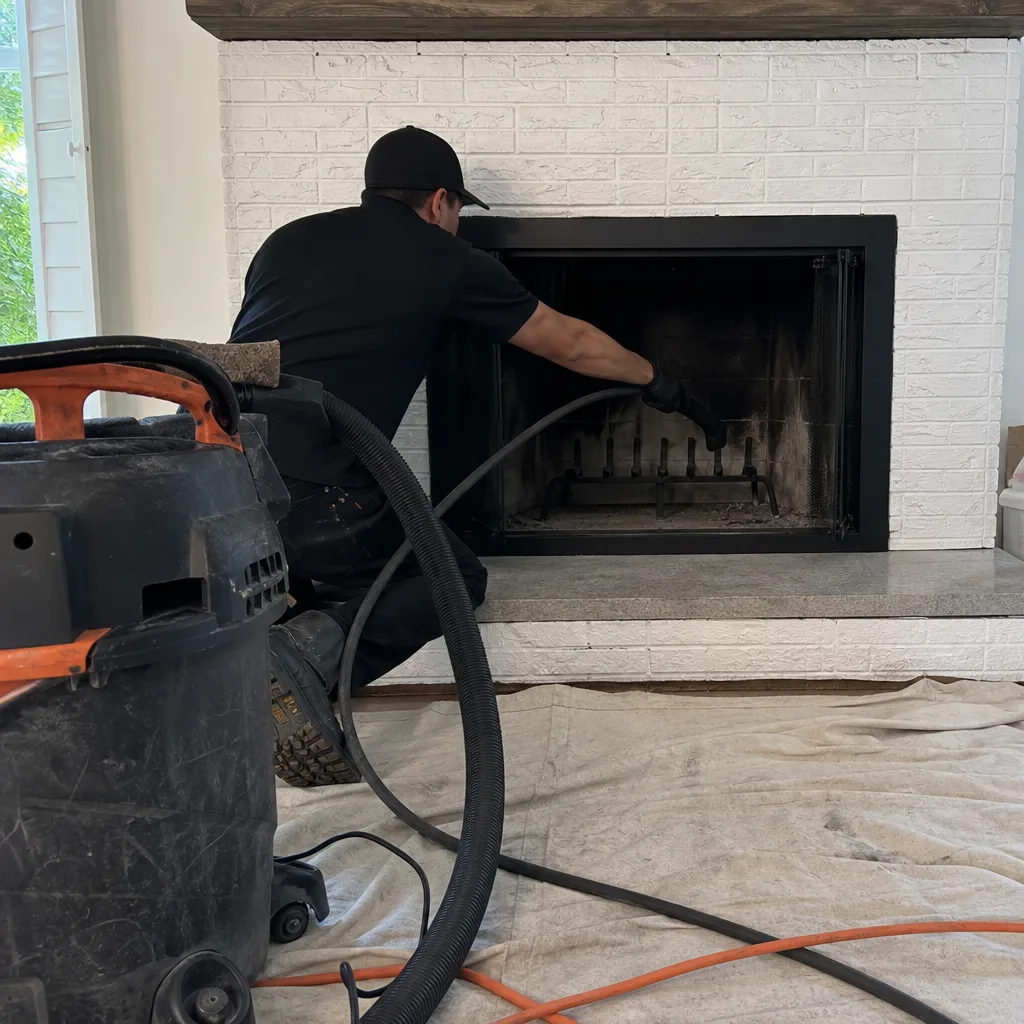 After
AfterFast, Reliable Gas Fireplace Repair Across Reading
Most gas fireplace problems in Reading trace back to one thing: the chimney behind the appliance. Here, that chimney is often 80 to 130 years old, built for a coal furnace, and now connected to a modern gas insert that drafts against a flue four times too large for it. The result is what homeowners describe as “smoking” or a sour smell that never quite goes away. We diagnose and repair those issues across Reading neighborhoods, from the dense center streets near the MBTA Commuter Rail station out to the Post-WWII Capes and Colonials on the town’s outer roads. Call (336) 863-3889 for a free estimate, and you’ll get a written price before any work starts.
Why Alcott Chimney Sweep Is Reading’s Preferred Gas Fireplace Repair Company
We’ve been serving homeowners since 2002 as part of the Threshold Group family, and the work we do in Reading has taught us that gas fireplace repair here is rarely about the gas valve or the burner. It’s about the flue the appliance is connected to. Reading’s older center properties, especially the Victorians and Colonial Revivals built between 1890 and 1940, routinely have original masonry chimneys with two or three flues serving a fireplace, a furnace, and a water heater simultaneously. When one of those appliances was converted to gas decades ago, the flue was usually left untouched and unlined. That mismatch is what we fix most often in Reading.
Every technician who arrives at your door in Reading is background-checked, identity-verified, uniformed, and announced to you by name and photo before the visit. That’s the Threshold Standard, and it isn’t optional. You’ll know who’s coming, see their face, and they’ll show a photo ID badge at the door. If you’re home alone or have young children, that matters. It matters to Ruben Castellano, who leads our team, and it’s why we built the entire service around it.
Our response time to Reading is coordinated through our Boston office, and we schedule repairs across the town’s neighborhoods consistently, typically within a few business days depending on the season. Fall and early winter are busy because that’s when people in Reading first fire up their gas fireplaces and notice the smell. Spring is busy because thaw reveals what the freeze-thaw cycle did to the exposed chimney stack above the roofline. We plan for both.
Our Gas Fireplace Repair Services in Reading
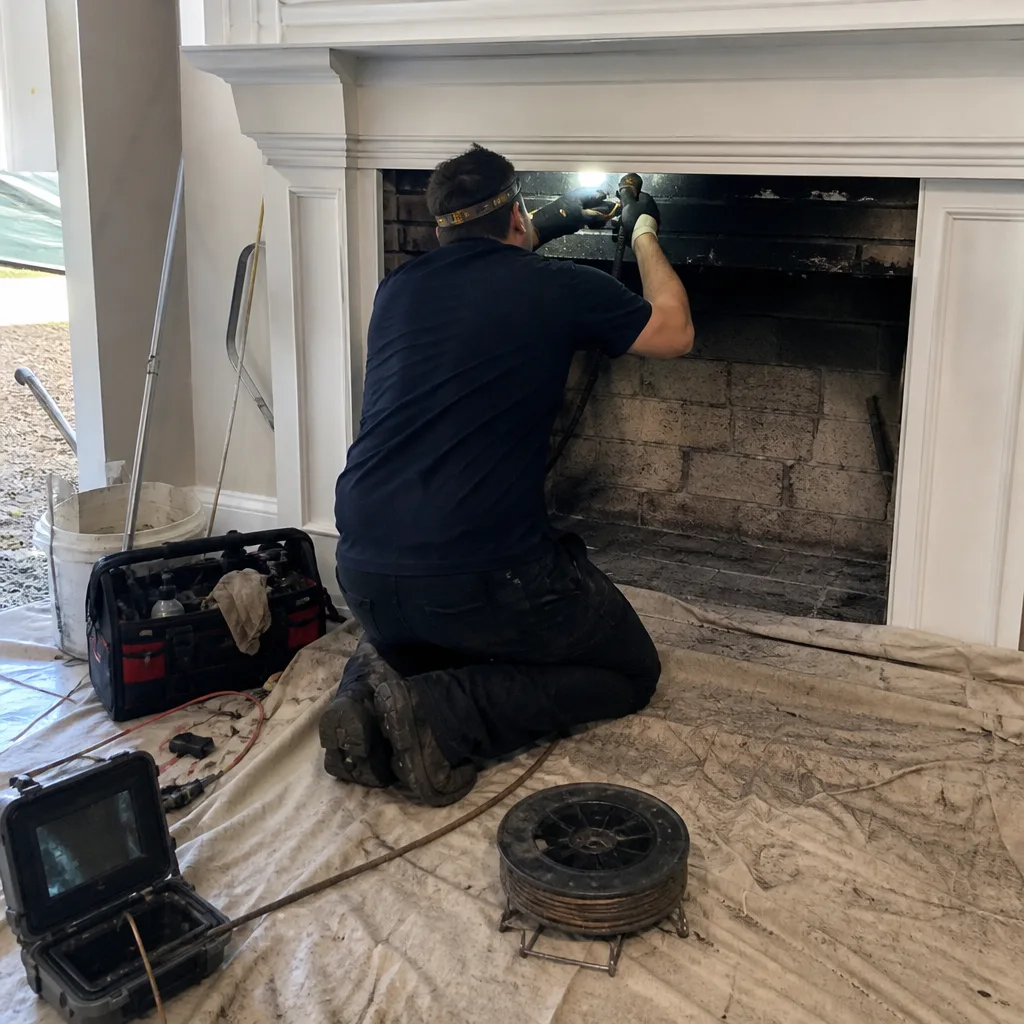
Level 2 Inspection for Gas Appliance Flue Sizing
This is the service most Reading homes actually need but rarely get. A Level 2 inspection is required, per NFPA 211, whenever a new appliance is installed or modifications are made to the venting system, including adding a gas insert to an existing fireplace. In Reading, where most center-street chimneys were built with 12 to 16 inch square flues sized for coal, we use the Level 2 inspection to measure the actual flue cross-section against what the gas appliance needs. The mismatch is almost always the root cause of odor and draft problems. We run a camera through the flue and you see the footage yourself.
Stainless Steel Relining for Converted Gas Fireplaces
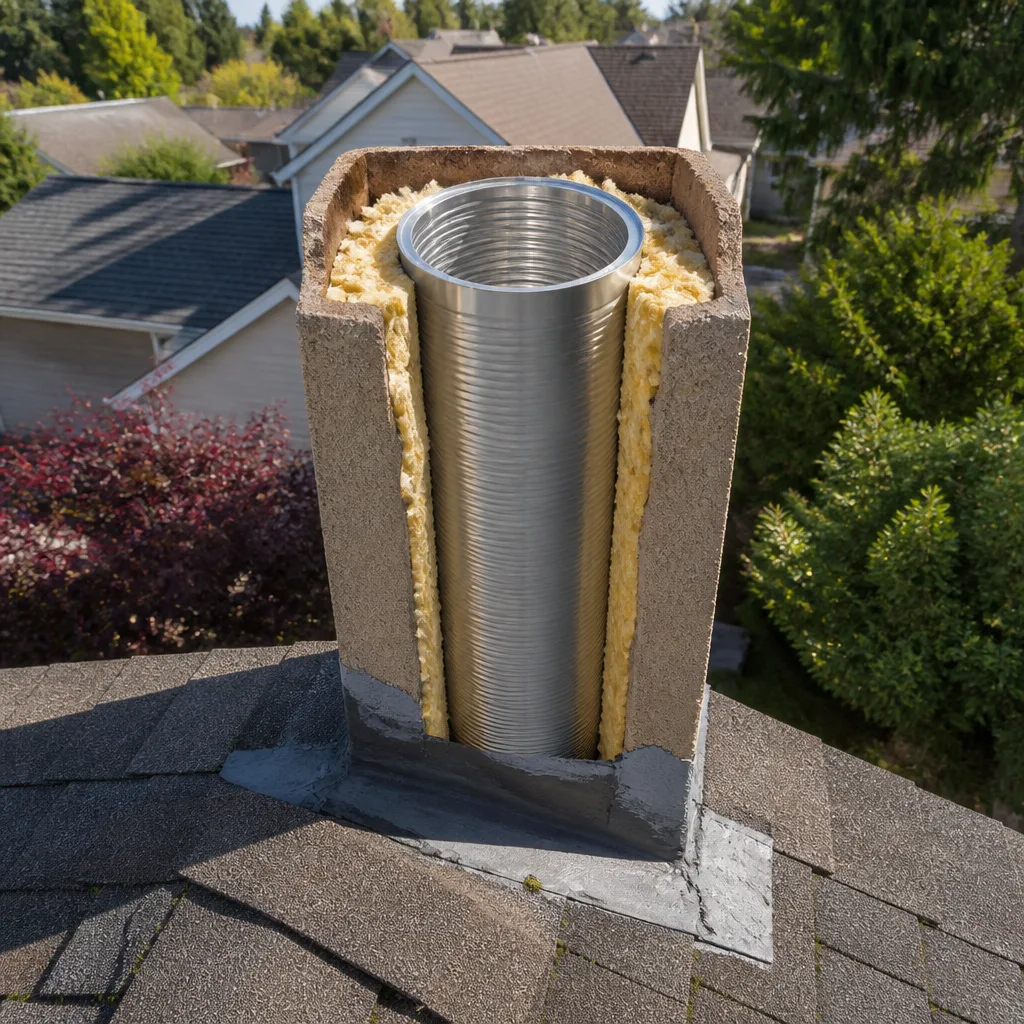
When we find an oversized, unlined clay flue behind a gas insert, the fix is a properly sized stainless steel liner. We use DuraFlex systems, which are the same materials chimney professionals specify, not box-store substitutes. In Reading, this is the defining repair for converted gas fireplaces in pre-1940 homes: the original flue cross-section is roughly four times larger than the appliance needs, which means the burner can never warm the stack, condensation runs back down the smoke chamber, and acidic moisture erodes the clay tile liner from the inside. A correctly sized liner solves the draft problem and protects the chimney at the same time.
Cross-Contamination and Shared-Flue Assessment
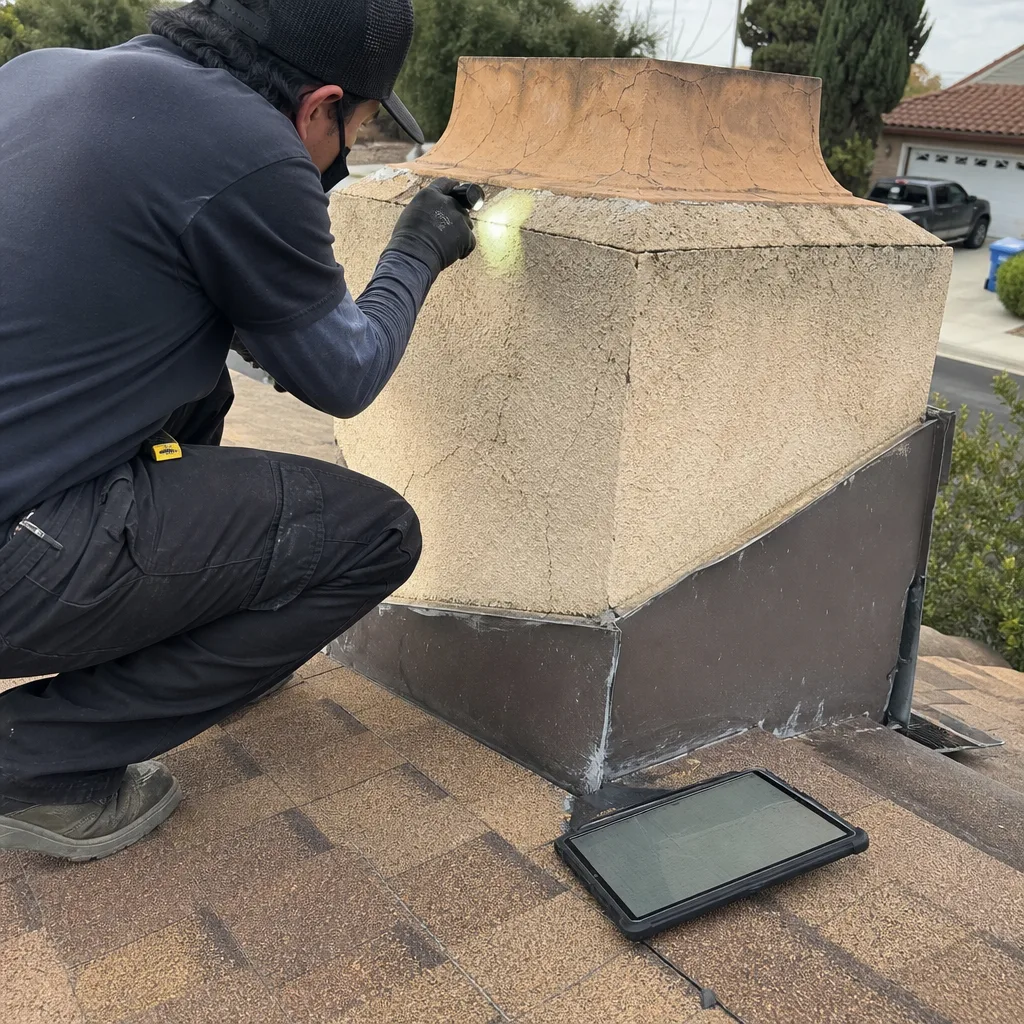
Reading’s older two- and three-family buildings often have adjacent flues in the same masonry stack. When a neighbor’s furnace vents into one flue and your gas fireplace vents into the one next to it, a small crack between clay tile sections can let exhaust migrate from one flue into the other. That’s a carbon monoxide concern. We inspect for it specifically in Reading’s attached housing, because the building stock here makes it a real and recurring risk, not a theoretical one.
Chimney Cap and Crown Repair for Water Intrusion
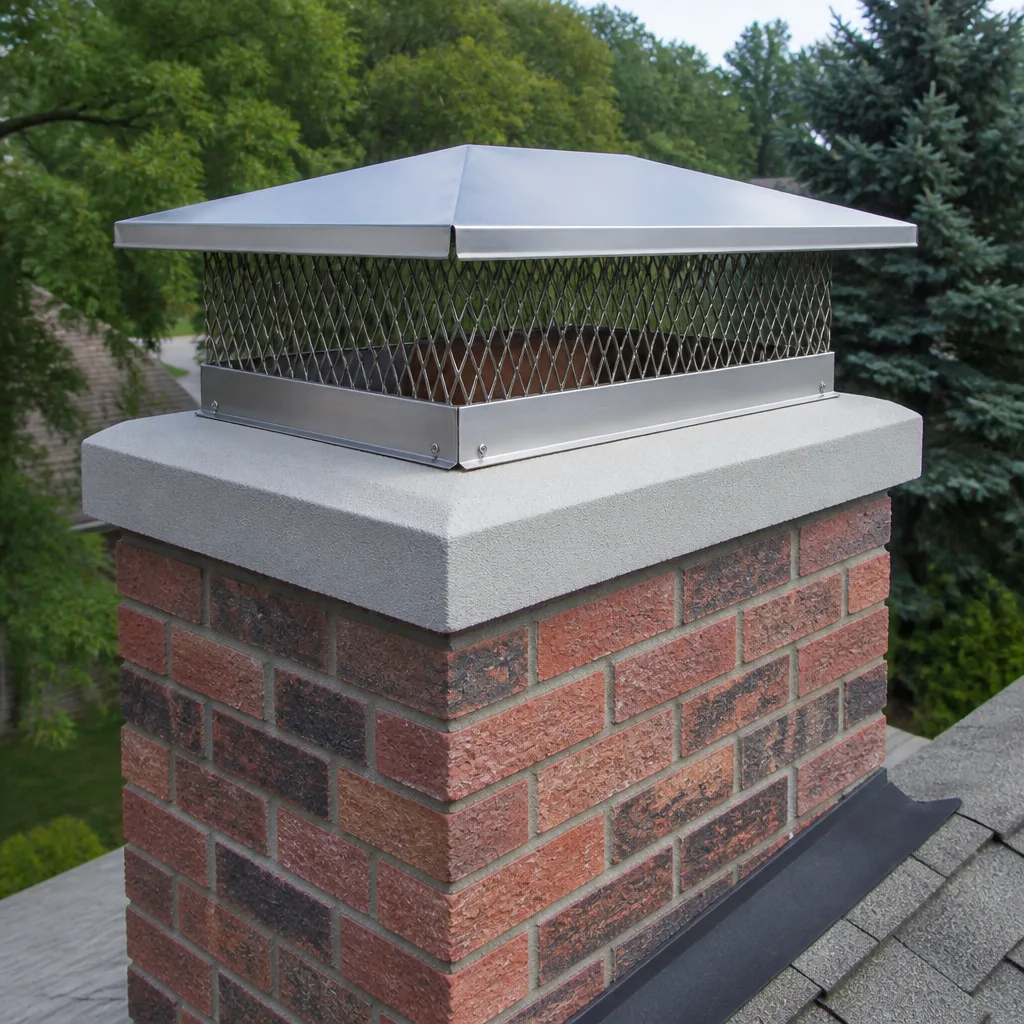
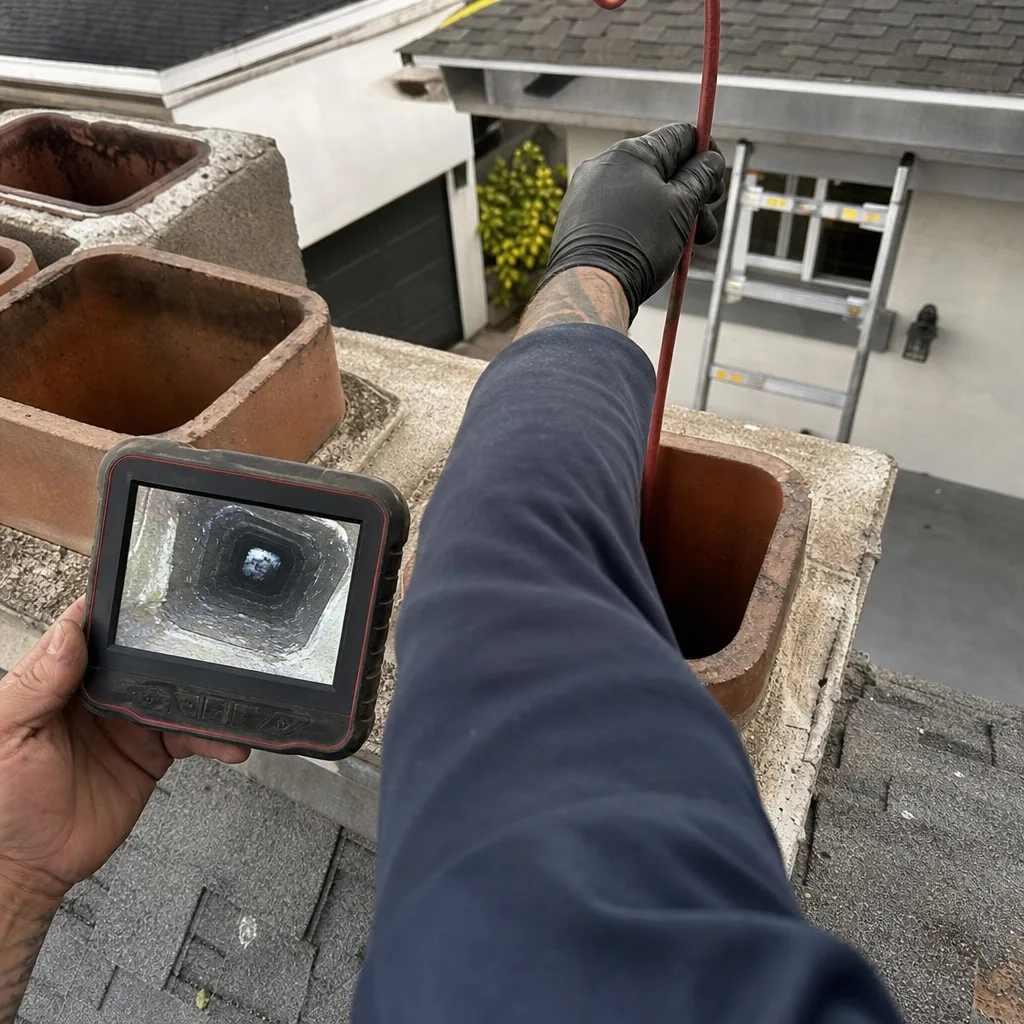
Reading sits in northeastern Massachusetts, where freeze-thaw cycles run from October through March. Water gets into the hairline cracks in a chimney crown, freezes, expands, and widens those cracks every single winter. Nor’easters drive wind-driven rain directly into the gaps. Once water reaches the flue liner, it accelerates erosion, and if it reaches the gas fireplace connection, you get rust, odor, and eventually a failed appliance. We repair crowns, install properly sized caps, and verify the repair with before-and-after photos.
What happens when you call
- 1
A real person answersNo phone trees - you reach a local pro.
- 2
You get an upfront price rangeHonest numbers before anyone is dispatched.
- 3
A background-checked tech heads outLicensed & insured, dispatched right away.
- 4
You approve before work beginsNothing starts until you say go.
Trusted Brands We Service in Reading
We install and service Gas Fireplace Repair products from the brands professionals specify: Olympia Chimney, Famco, Copperfield, and DuraFlex. These are trade-grade materials, not big-box substitutes. If you have a gas fireplace insert, gas log set, or direct-vent fireplace in Reading, there’s a strong chance the manufacturer’s venting requirements point to one of these brands, and we keep the common parts and liner systems on hand for faster turnaround. We don’t improvise with off-brand fittings that may not meet the appliance manufacturer’s venting specs.
Common Gas Fireplace Repair Problems We See in Reading Homes
- Oversized coal-era flue behind a gas insert. Your 1920 Colonial near the Commuter Rail depot was built with a 12 to 16 inch square flue designed for a coal furnace. A gas insert only needs about a quarter of that cross-section. The oversized flue never warms, condensation runs constantly, and the clay liner erodes from acidic moisture. You smell it as a sour, musty odor when the fireplace runs.
- Adjacent-unit exhaust migration in shared stacks. In Reading’s dense two- and three-family housing, side-by-side flues in one masonry stack are common. A cracked clay tile between flues lets a neighbor’s furnace exhaust drift into your gas fireplace flue. This shows up as a smell that only appears when someone else’s heat comes on.
- Freeze-thaw spalling above the roofline. Reading’s exposed chimney stacks take a beating from October through March. Spalled face brick and cracked crowns let nor’easter rain into the flue system, and that water finds its way down to the gas fireplace connection. Rust and odor follow.
- Damper misadjustment after insert installation. When a gas insert is installed in an older Reading fireplace, the original damper often gets left partially open or jammed. That lets cold air drop down the chimney and warm room air escape up it. We reset dampers as part of the repair, because a gas insert doesn’t need the same draft an open fireplace does.
Pricing for Gas Fireplace Repair in Reading, MA
A gas fireplace repair diagnostic and Level 2 inspection in Reading typically runs $249 to $399, depending on the size and height of the chimney and whether multiple flues need to be camera-inspected. Stainless steel flue relining with a gas-sized liner, which is the most common repair we perform in Reading’s older homes, generally runs $1,800 to $3,400 installed. Chimney cap and crown repair to stop water at the flue top typically runs $350 to $800. Here’s the line-item breakdown:
| Service | Typical Range in Reading |
|---|---|
| Gas fireplace repair diagnostic and Level 2 inspection | $249 – $399 |
| Stainless steel flue liner sized for gas appliance (installed) | $1,800 – $3,400 |
| Chimney cap / crown repair to stop water intrusion at the flue top | $350 – $800 |
Every job comes with a written price before work begins, a written guarantee on every repair, and a free return visit if the repair fails within the coverage period. That’s not an upsell. It’s how we work. Call (336) 863-3889 for an exact quote, and we’ll tell you over the phone whether you need an inspection, a repair, or just some honest advice.
We Also Serve Cities Near Reading
Our Reading-based customers often ask us to look at a family member’s chimney in a neighboring town, and we’re happy to. We regularly serve Wakefield, Stoneham, Wilmington, and Lynnfield, with the same technician vetting and written-price policy at every address. If you’re in Reading or any of those nearby communities, call (336) 863-3889 and you’ll speak to a live person, day or night.
Serving Reading, MA - Our Local Coverage Area
We’re based in the Reading area and know this community well. Use the map below to see our service coverage - if you’re nearby, we can almost certainly help.
FAQs – Gas Fireplace Repair in Reading
The flue wasn’t oversized, it was swept. A sweep removes soot and creosote, but your 110-year-old Reading chimney was built with a 12 to 16 inch square flue designed for a coal furnace. A gas insert only needs about a quarter of that cross-section. The oversized flue never warms, so condensation runs back down the smoke chamber and carries acidic moisture that creates the smell. We see this exact scenario constantly in Reading’s center streets. The fix is a properly sized stainless liner, and we’ll show you the camera footage proving the mismatch before we recommend anything. Call (336) 863-3889 to book a Level 2 inspection.
Yes, it can be a serious problem. In Reading’s older two- and three-family homes, adjacent flues inside one masonry stack are common. If the clay tile between those flues has cracked, a neighbor’s furnace exhaust can migrate into your gas fireplace flue. That’s a carbon monoxide concern, not just a nuisance. We inspect shared stacks specifically for this in Reading, and we’ll tell you plainly whether your flues are isolated or compromised. Call (336) 863-3889 for a shared-flue assessment.
Every year, per NFPA 211. Gas fireplaces seem low-maintenance because they don’t produce creosote like wood fires, but the chimney still faces freeze-thaw damage from Reading’s winters, and flue liner erosion from acidic condensation never stops. Annual inspection catches crown cracks and liner deterioration early, before a nor’easter turns a hairline into a full-width failure. Call (336) 863-3889 to schedule an annual inspection; it takes less than an hour.
Yes. White staining is efflorescence, which means water is moving through the masonry. Flaking is spalling, and it means freeze-thaw cycles in Reading’s winters are breaking the face brick from the inside out. Once water reaches the flue liner, it accelerates erosion, and once it reaches the gas fireplace connection, you get rust and odor. Crown repair and a proper cap stop the water at the top before it gets that far. Call (336) 863-3889 and we’ll assess the crown and cap without any obligation.
Almost always, yes. Most gas fireplace problems in Reading are flue problems, not chimney problems. A stainless steel liner, a crown repair, a cap, a damper reset – these address the root cause without rebuilding the chimney itself. In rare cases where the masonry is structurally compromised, we tell you that too, with photos. But the majority of our Reading repairs are completed in a single visit with the original chimney preserved. Call (336) 863-3889 for a free estimate, and we’ll give you a written price before any work starts.
Written by Ruben Castellano, Owner at Alcott Chimney Sweep, serving Reading since 2002.