
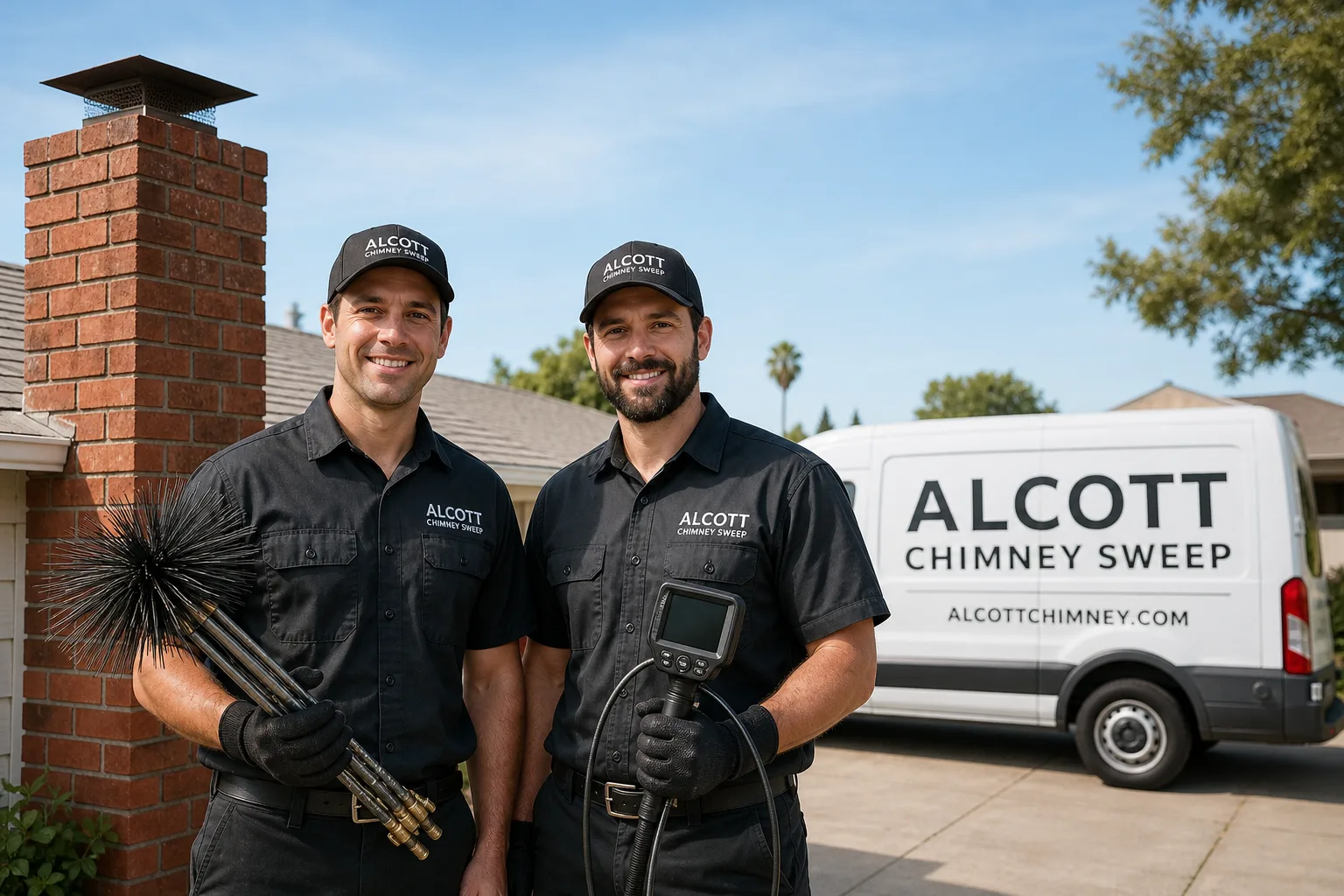
Level 1 sweep and inspection to the NFPA 211 annual standard - flue, crown, cap, and flashing checked and photographed
Chimney sweep logs do not sweep chimneys. They loosen some creosote - which then falls where a brush and vacuum still have to collect it.
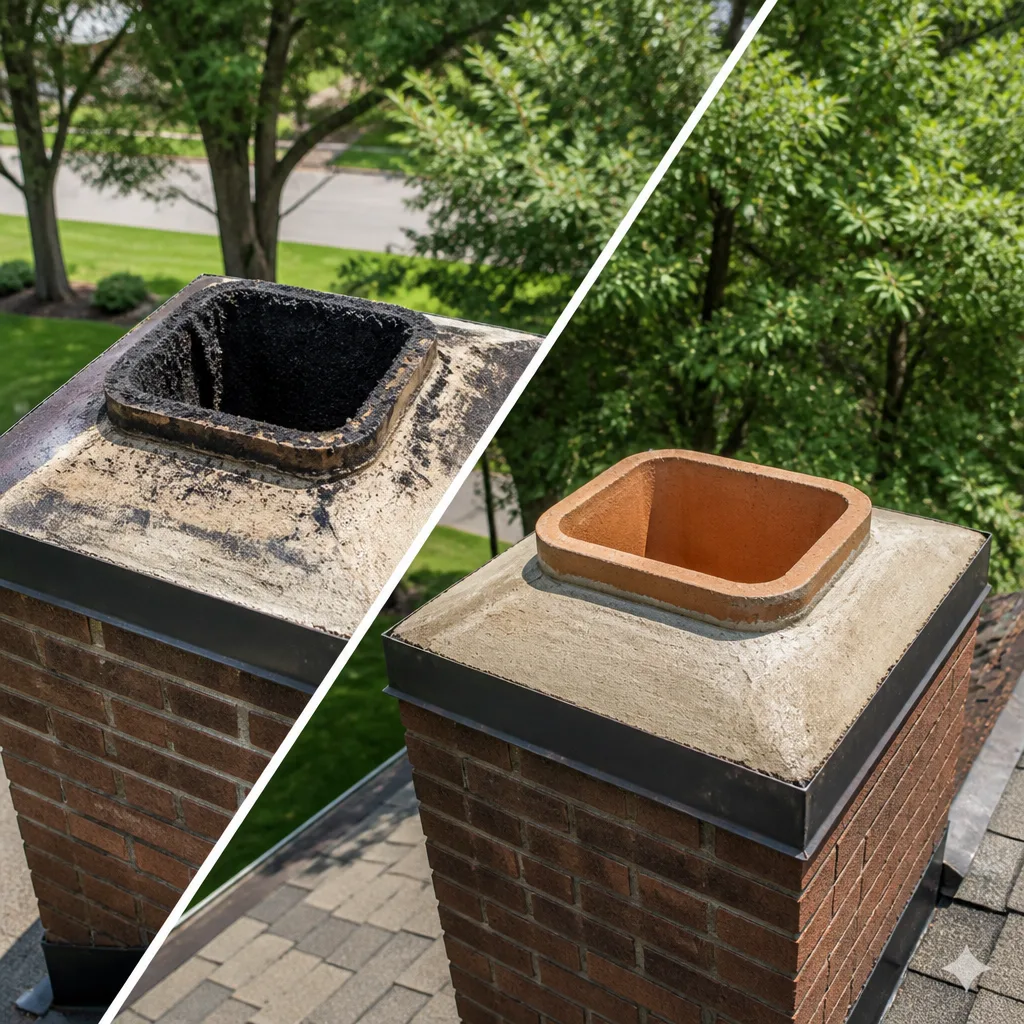
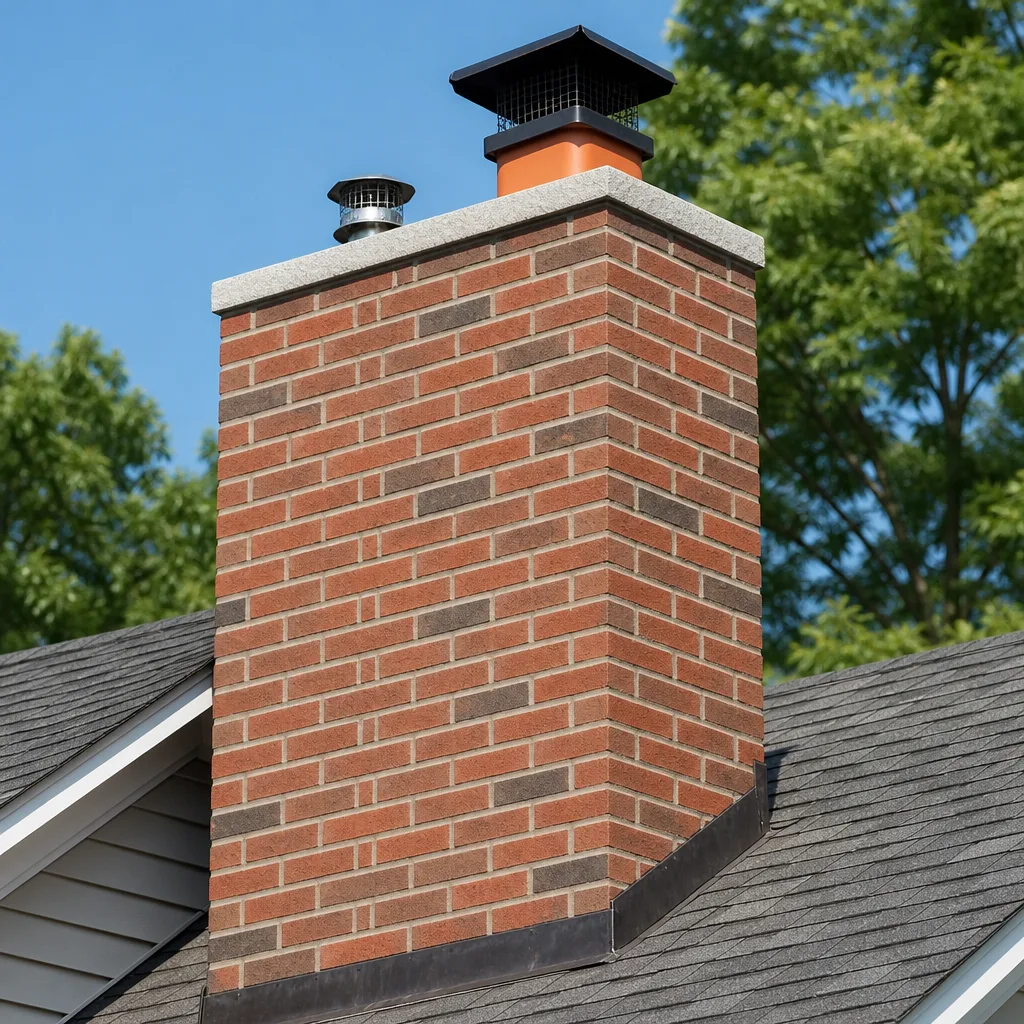
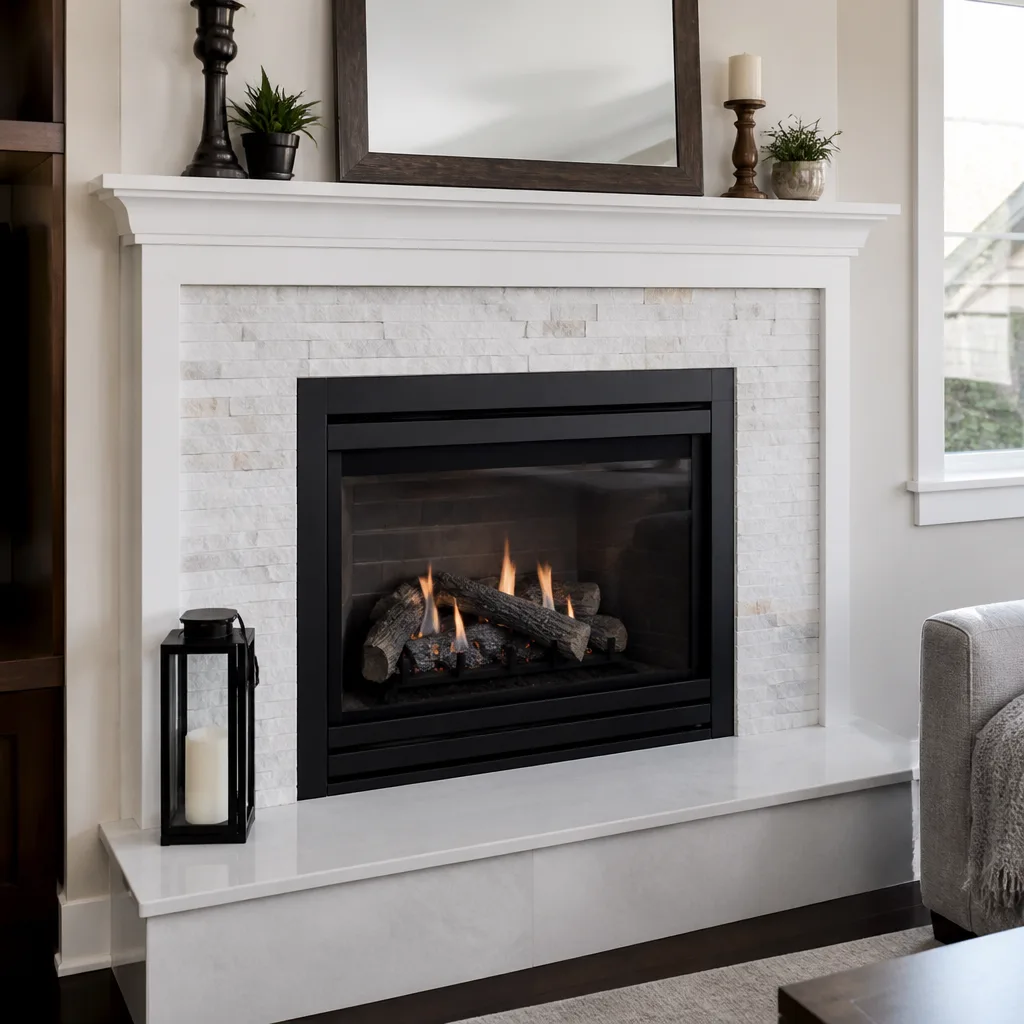
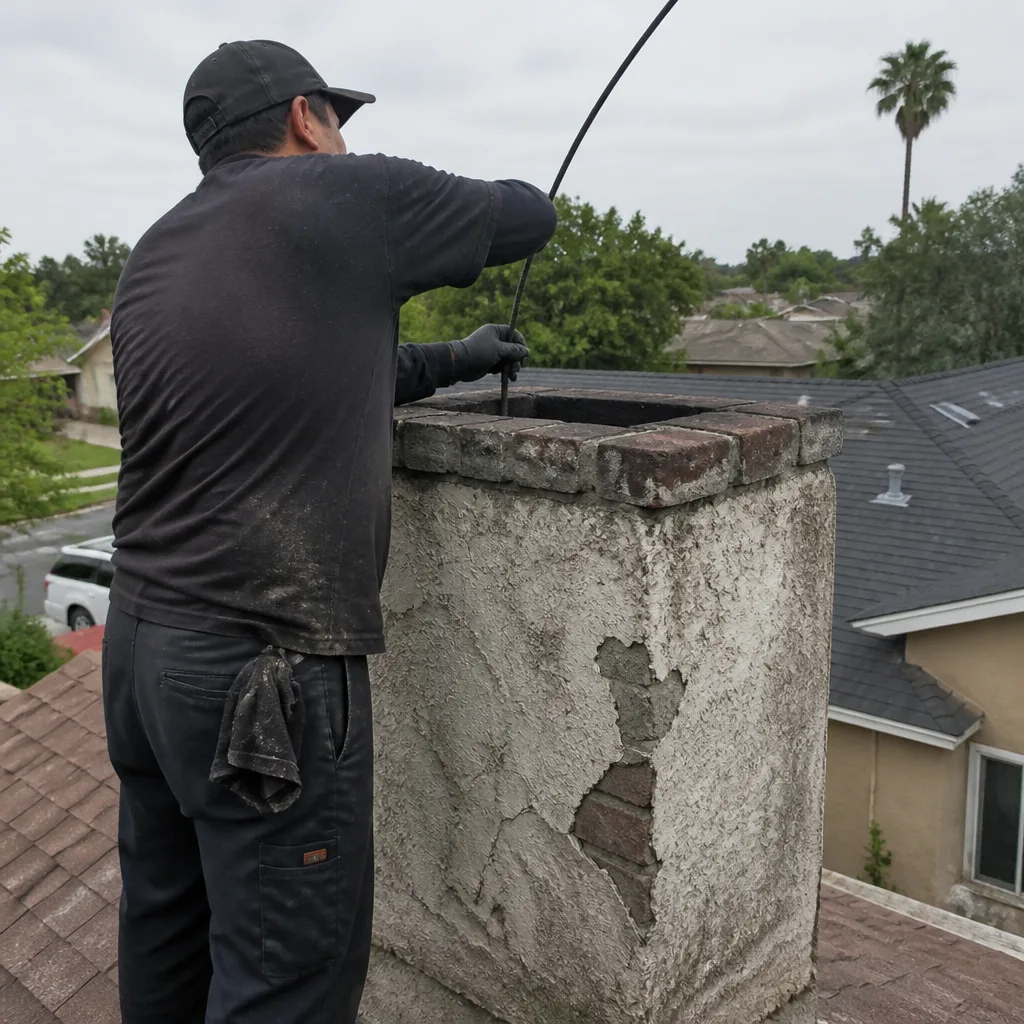 Before
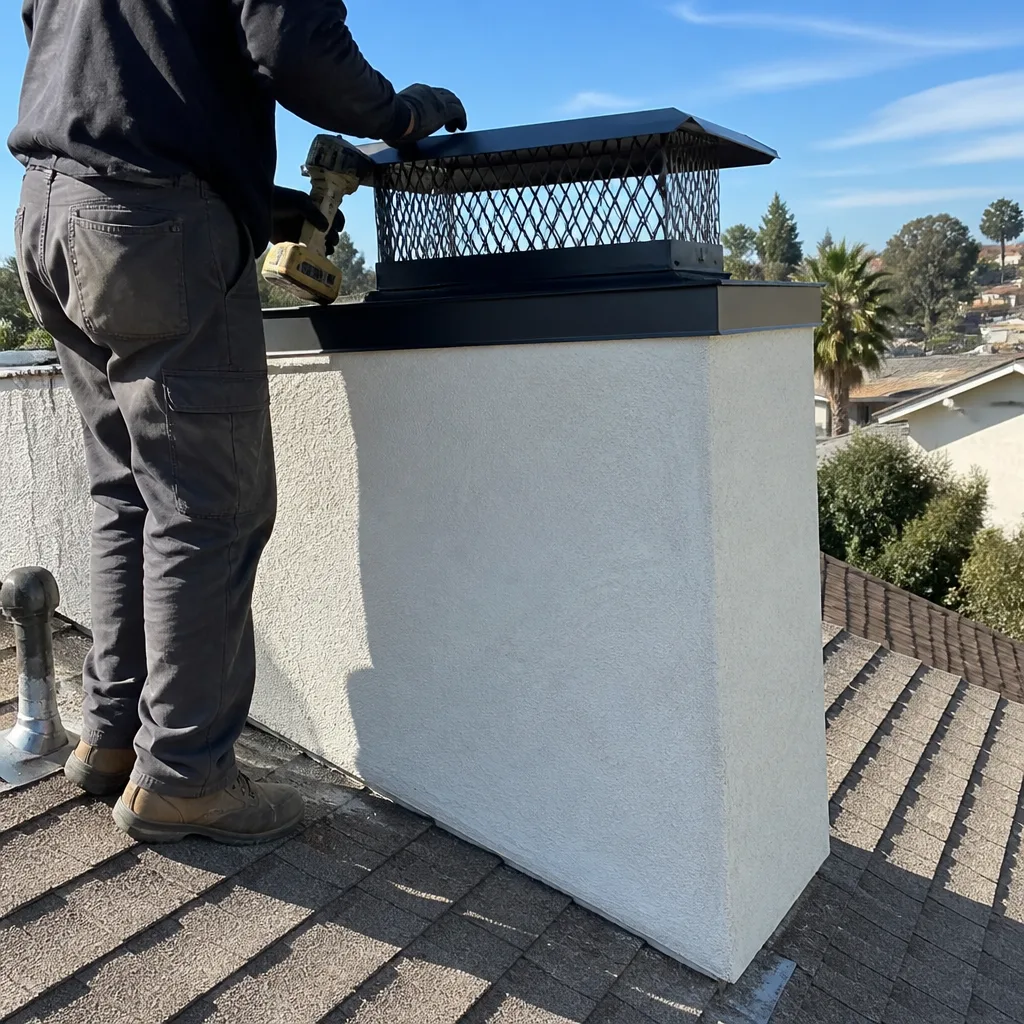 After
After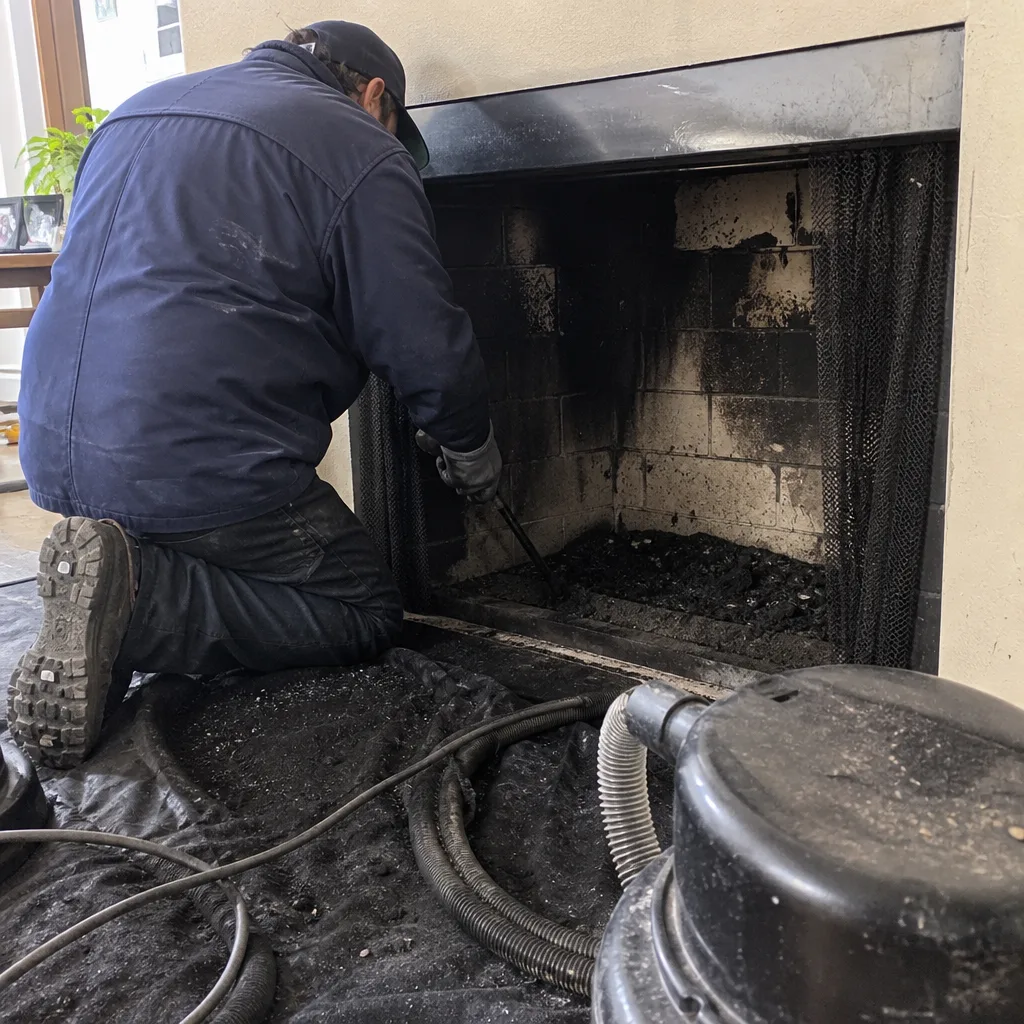 Before
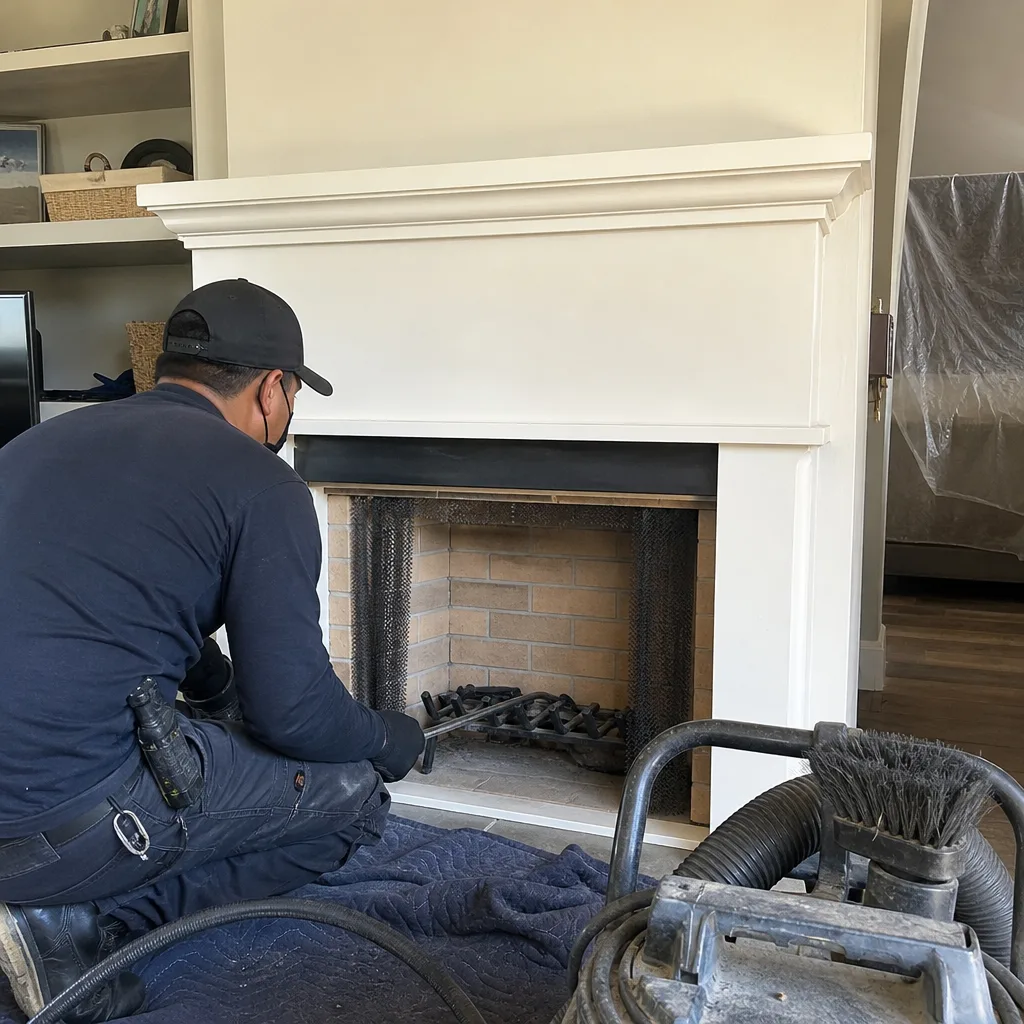 After
After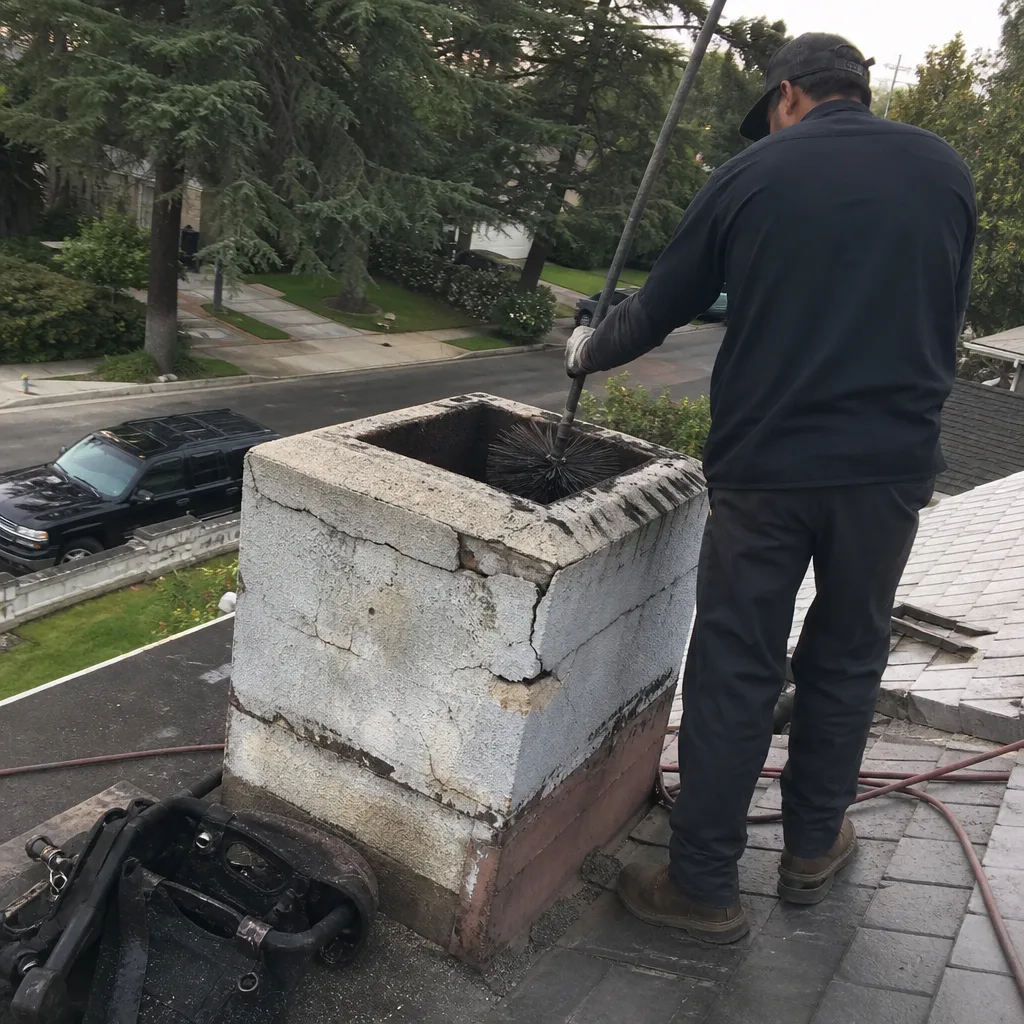 Before
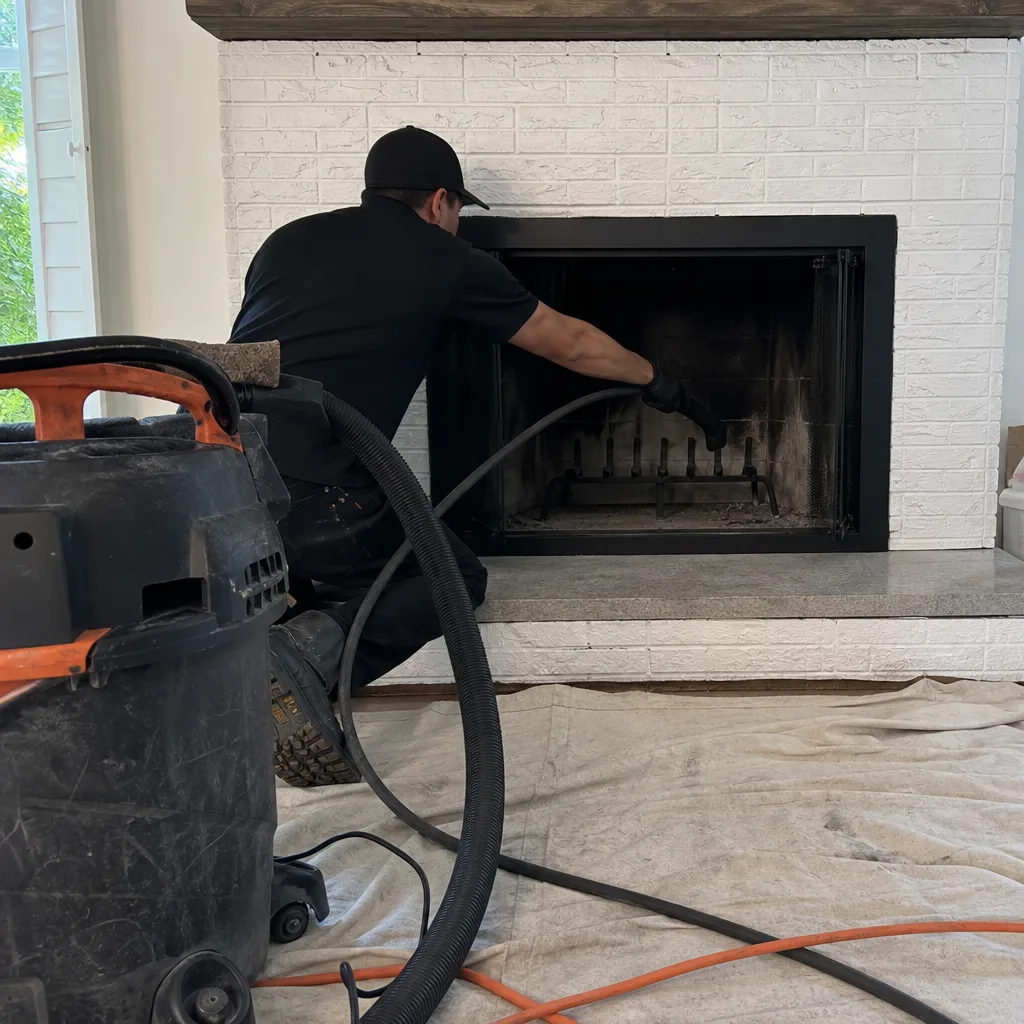 After
AfterFast, Reliable Gas Fireplace Repair Across Stanwood
Gas fireplace repair in Stanwood usually runs $95 – $220 for a diagnostic visit and basic fix, while more involved work like a damper replacement or crown seal typically lands between $280 – $650. If your fireplace won’t light, smells like gas when it’s off, or the glass is fogging up, call us at (336) 863-3889. We get a technician out to Stanwood fast because we know exactly what the Stillaguamish delta air does to these units.
Stanwood sits low on tidal flats where Puget Sound marine air pushes straight across the delta. That saturated salt air doesn’t just rust patio furniture here. It eats damper plates, seizes firebox assemblies, and corrodes stainless flue sections on a timeline that would surprise anyone who moved out from Arlington or Smokey Point. When you call Alcott Chimney Sweep, you’re talking to someone who has pulled corroded dampers out of gas fireplaces off Pioneer Highway and knows the difference between a Stanwood moisture problem and a simple worn-out thermopile.
Why Alcott Chimney Sweep Is Stanwood’s Preferred Gas Fireplace Repair Company
Ruben Castellano started Alcott Chimney Sweep in 2002 as part of the Threshold Group family of home-service companies. Every technician who steps onto a Stanwood property has passed a background check and identity verification before they ever see your address. You get the technician’s name and photo before the visit, and they show a photo ID badge at the door, every time, no exceptions. We don’t send anonymous dispatches.
Stanwood homeowners tell us the same thing again and again: they want to know who’s coming before the truck pulls up. That’s the Threshold Standard, and it isn’t optional. We also put a written price in your hand before any work starts. No one works on a gas fireplace in Stanwood without first knowing exactly what it costs. If you’re uncomfortable with a repair, you say no. The quote is free either way.
And if our repair doesn’t hold, the 365-Day Done Right Promise kicks in. Written guarantee on every repair. If it fails within the coverage period, the second visit is free. You get that in writing, not as a verbal promise. For gas fireplace repair in Stanwood, that matters because the marine environment here stresses components differently than inland Snohomish County.
Our Gas Fireplace Repair Services in Stanwood
Gas fireplaces in Stanwood don’t fail the same way they do in Everett or Marysville. The marine exposure here accelerates specific failure modes, so our repair work in Stanwood centers on three things: damper and firebox inspection, crown and cap replacement after storm damage, and flashing leak repair. Here’s what each one involves.
Gas Fireplace Damper and Firebox Inspection and Repair
The damper plate on a Stanwood gas fireplace is the first casualty of salt-laden air. We inspect it for corrosion, pitting, and seizure, then check the firebox refractory for cracks. A corroded damper can’t seal properly, which lets damp delta air pull down the flue every night. That’s why Stanwood gas fireplaces often smell musty or backdraft when lit. We repair or replace damper assemblies using stainless components from Famco and Copperfield, the same brands chimney pros specify, not box-store substitutes.
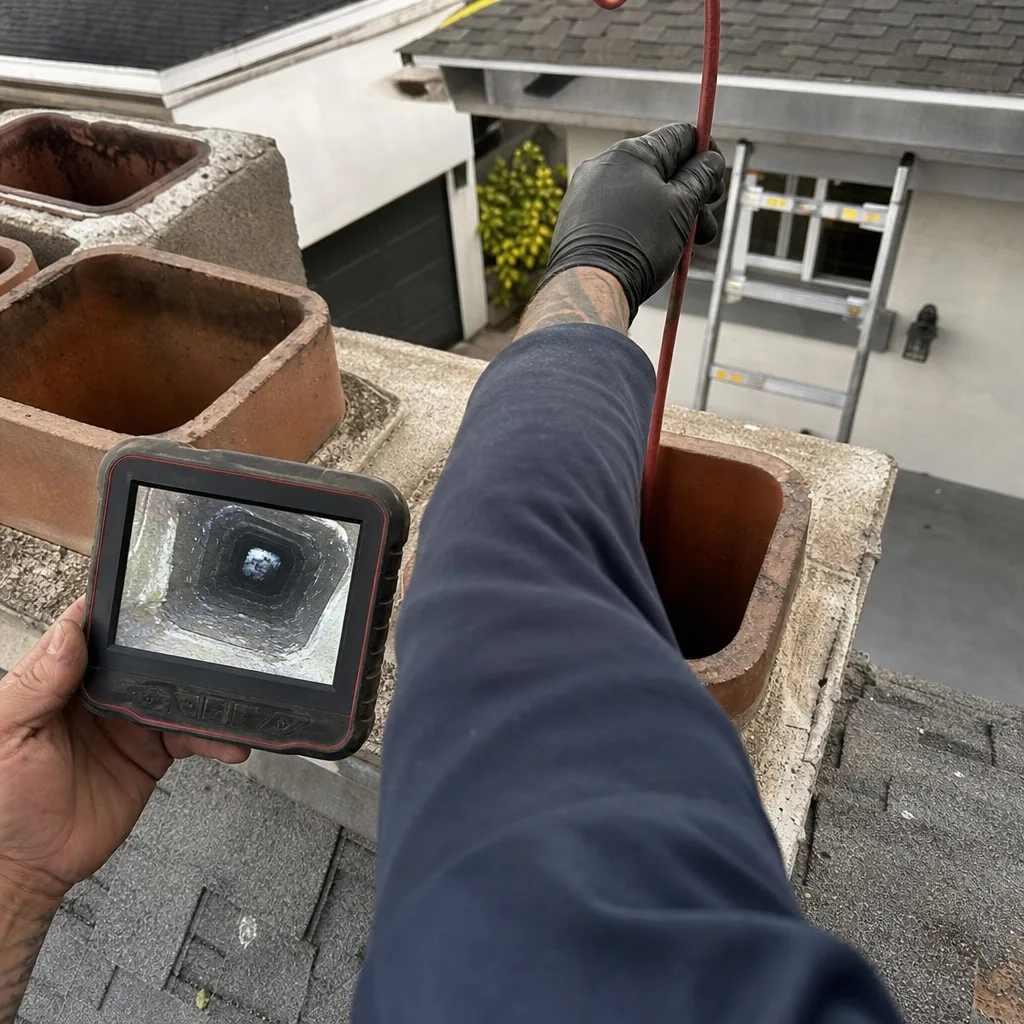
Chimney Crown and Cap Replacement After Storm Damage
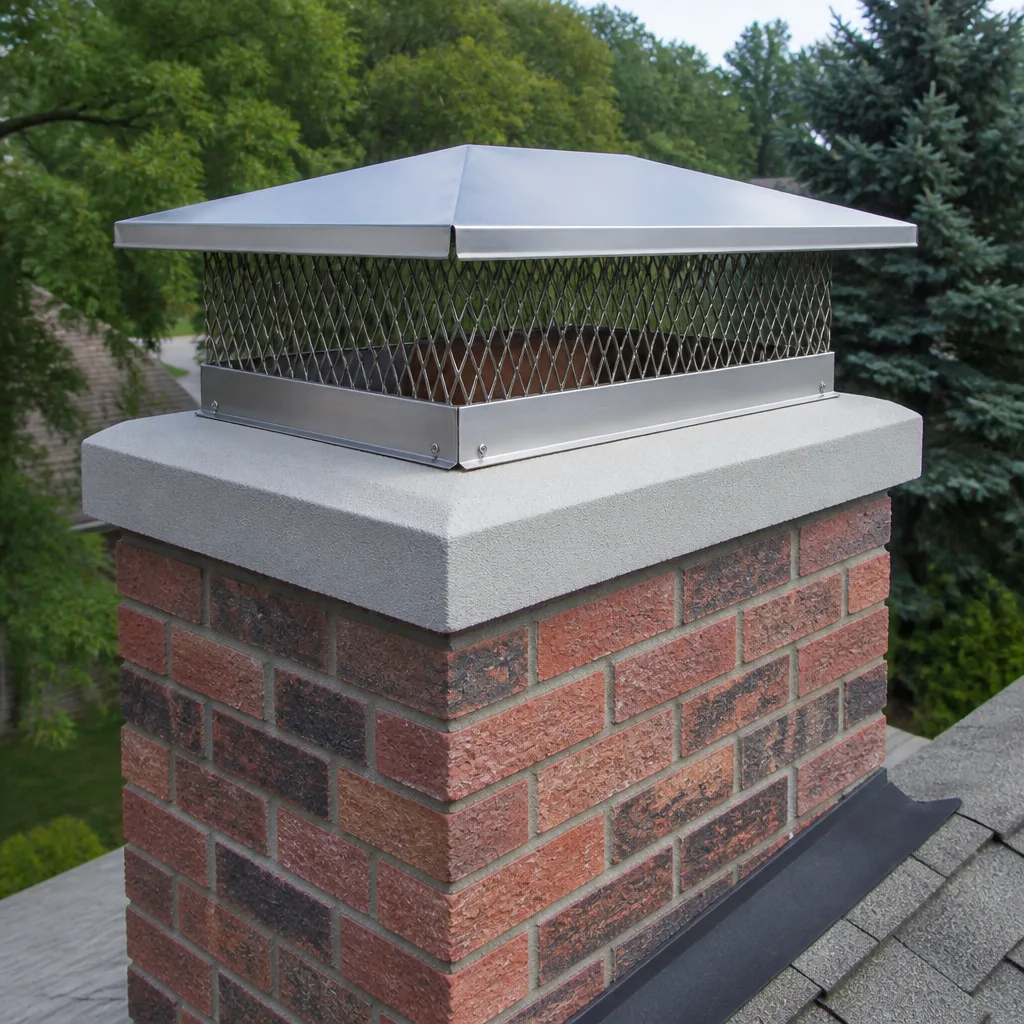
Storm season on the Sound pushes wind-driven rain straight into chimney crowns. Stanwood crowns crack from freeze-thaw cycles because the masonry never fully dries between storms. A cracked crown lets water wick into mortar joints, and that spalling shows up as crumbling brick on the exterior or a damp spot on the ceiling inside. We replace crowns with proper concrete crowns, then install a Olympia Chimney or Copperfield cap sized for Stanwood’s wind exposure, not a generic one-size-fits-all lid.
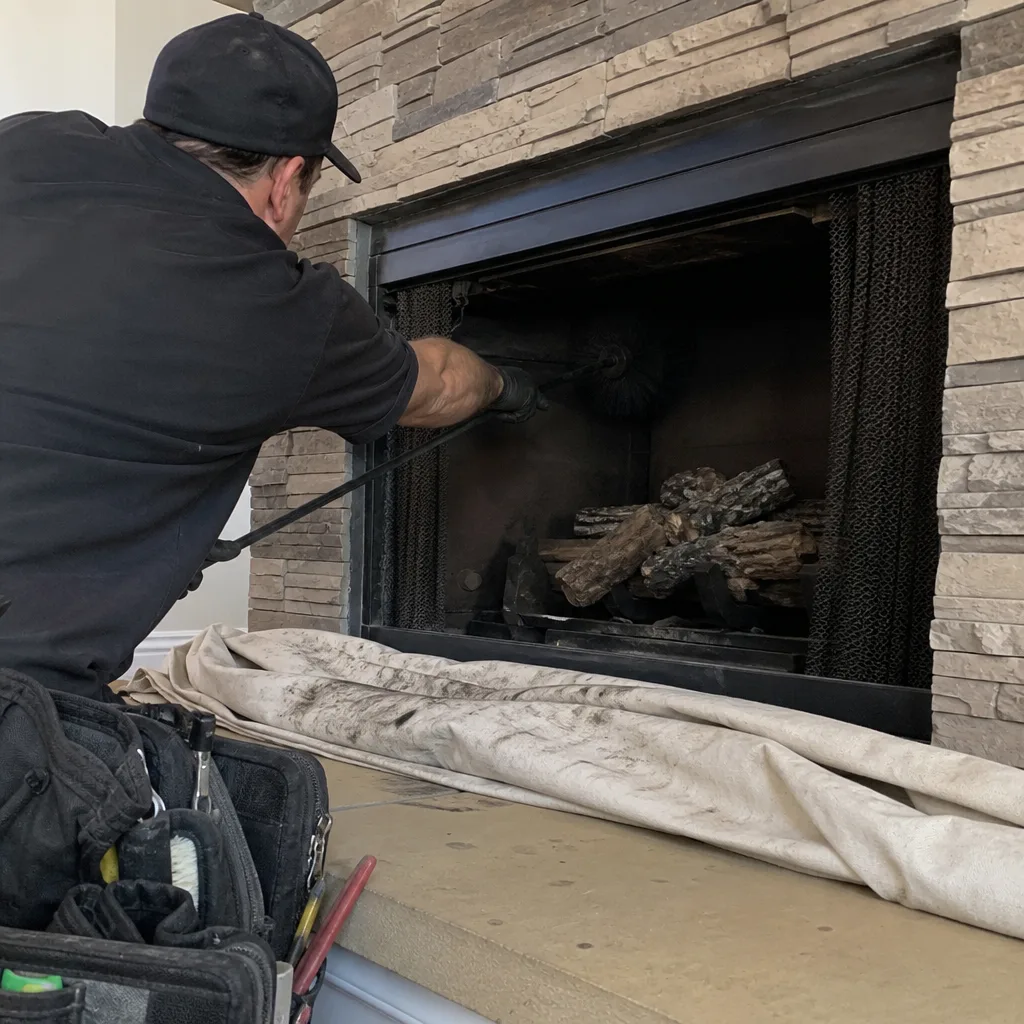
Flashing Leak Diagnosis and Repair
Failed flashing is the thing we see most often after a Stanwood winter storm. Marine air corrodes the metal where the chimney meets the roofline, and that first sign is typically a brownish ceiling stain in a bedroom or hallway near the fireplace. We diagnose the exact leak point, replace the flashing with materials rated for coastal salt exposure, and test the repair before we leave. If you’re seeing a stain, call (336) 863-3889 before the next storm cycle.
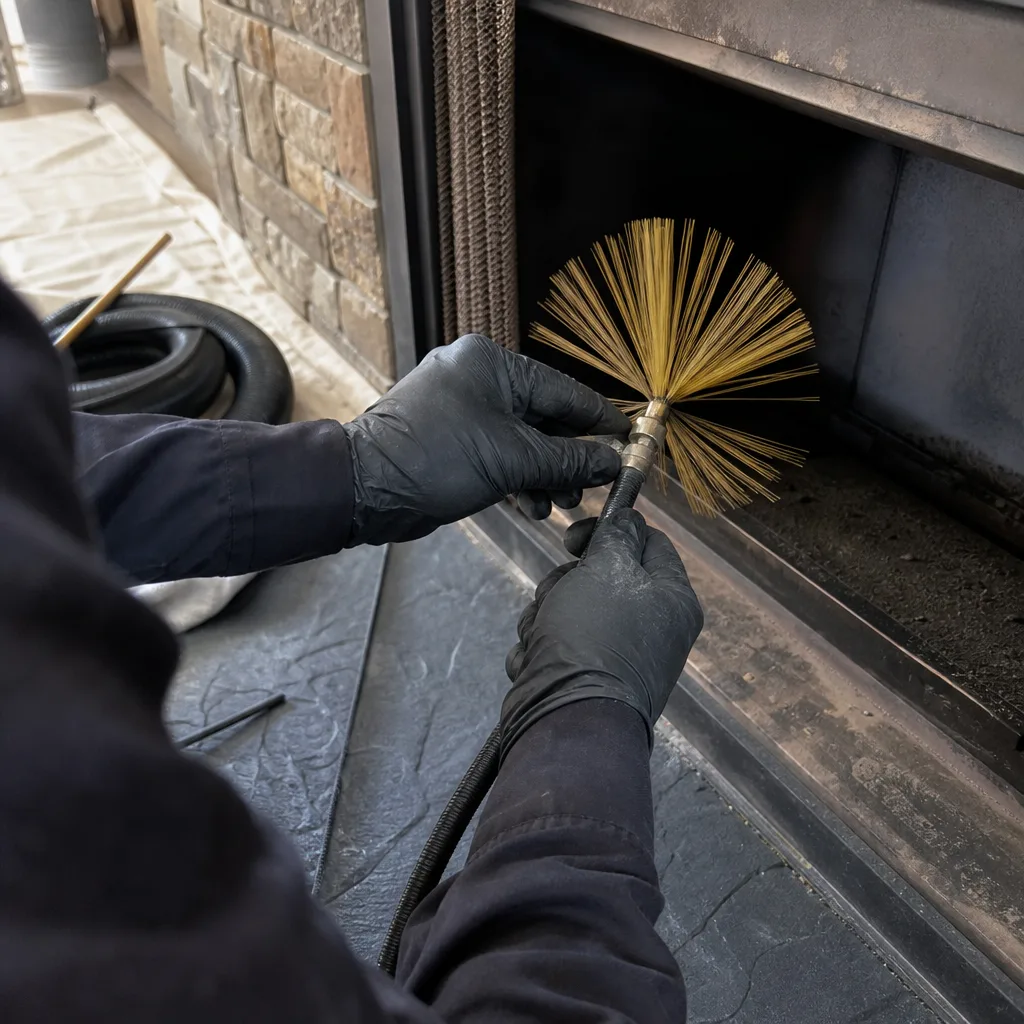
Full Gas Fireplace Repair Diagnostics
Sometimes the problem isn’t obvious. The unit ignites but won’t stay lit. The pilot light flickers and dies. The glass fogs from the inside. Our Stanwood technicians run full diagnostics on thermocouples, thermopiles, burner assemblies, and venting. We explain what’s failing in plain English, show you the evidence, and quote a repair before we touch anything. Every job starts with a written price and ends with a written guarantee.
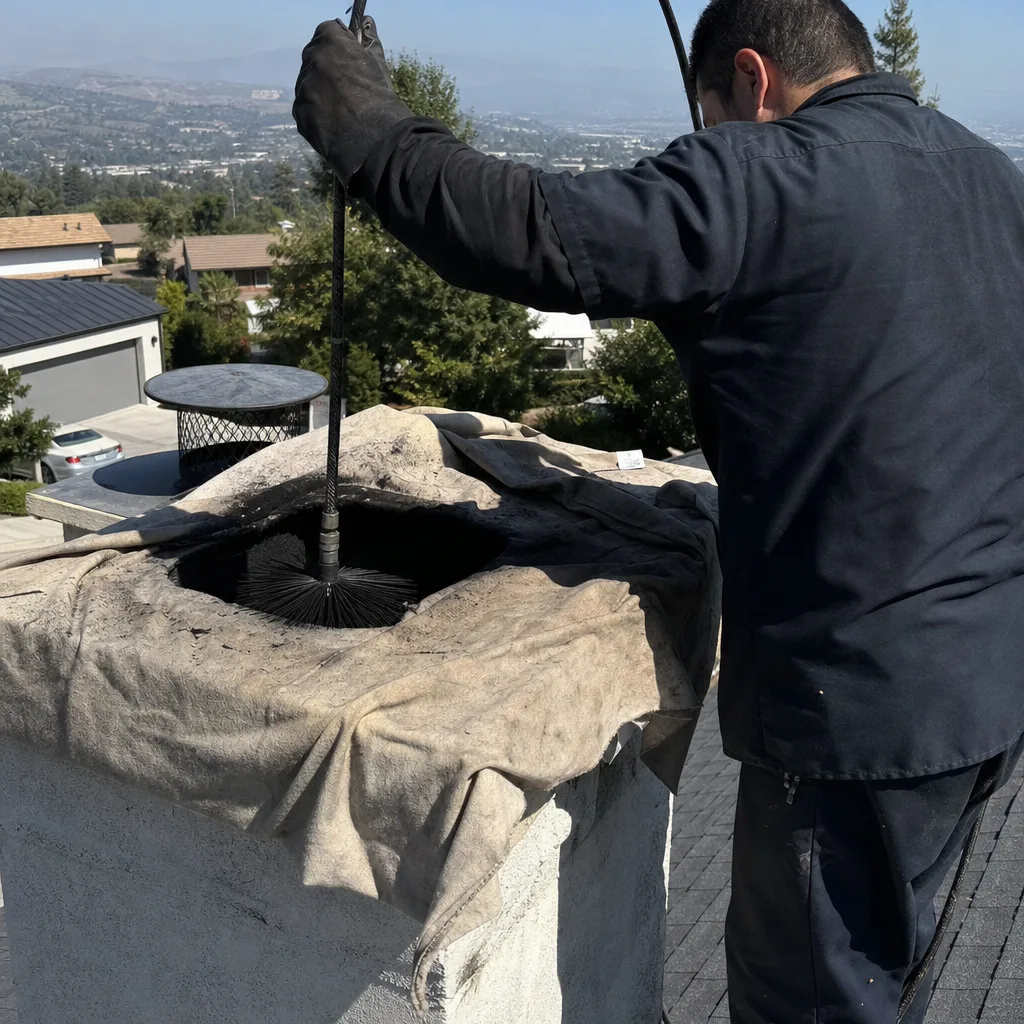
What happens when you call
- 1
A real person answersNo phone trees - you reach a local pro.
- 2
You get an upfront price rangeHonest numbers before anyone is dispatched.
- 3
A background-checked tech heads outLicensed & insured, dispatched right away.
- 4
You approve before work beginsNothing starts until you say go.
Trusted Brands We Service in Stanwood
We stock and install repair parts from professional trade brands: Famco, Copperfield, and Olympia Chimney. These aren’t bargain-bin components from a big-box hardware aisle. They’re the materials specified by chimney professionals for coastal applications, which matters in Stanwood where salt-air corrosion attacks dampers and liners year-round. Because we carry these brands on our trucks, we’re usually able to complete a Stanwood gas fireplace repair in a single visit rather than scheduling a second appointment for parts.
Common Gas Fireplace Repair Problems We See in Stanwood Homes
- Corroded damper plates and seized damper assemblies. Salt-laden Puget Sound air works on the metal almost immediately. On west-facing exposures near Camano Island and the delta, we’ve seen dampers corrode through in three to five years. That’s a failure timeline considered extreme just 12 miles inland in Arlington.
- Damp, sticky creosote accumulating even with light gas fireplace use. Delta humidity keeps flue residue wet and tacky. Second- and third-degree creosote stages form in gas flues that wouldn’t accumulate anything in a drier climate. The damp marine air prevents the residue from hardening and flaking off naturally.
- Cracked chimney crowns and displaced caps after wind-driven storms. Stanwood’s position on the Stillaguamish delta funnels marine air and storm winds straight across the flats. Crowns crack from repeated wet-dry and freeze-thaw cycles, and caps get shoved off center. The result is water entry and spalling masonry.
- Flashing failures that show up as ceiling stains. Corroded metal flashing near the roofline lets water into the attic and down interior walls. The first visible sign is often a yellowed or brownish stain on a ceiling somewhere near the fireplace chase. By the time you see the stain, the flashing has usually been failing for months.
Pricing for Gas Fireplace Repair in Stanwood, WA
Here’s what you can expect to pay in Stanwood specifically. A diagnostic visit and basic repair, things like cleaning a thermocouple or adjusting the pilot, runs $95 – $220. A damper replacement with a stainless Famco or Copperfield assembly typically lands between $320 – $580. Crown sealing or cap replacement after storm damage generally runs $280 – $650 depending on chimney height and crown condition. Flashing repair near the roofline lands around $350 – $700 when we’re replacing corroded metal and re-sealing properly.
Chimney access is a factor in Stanwood because some older farmhouses off Pioneer Highway have steep rooflines and multi-story chases that require more time and care. We quote every job in writing before starting, so the number you hear is the number on the invoice. Call (336) 863-3889 for a free estimate. No work happens without your approval on a written price.
We Also Serve Cities Near Stanwood
Our Stanwood service area also covers Arlington, Marysville, Everett, and Lake Stevens. Marine air doesn’t stop at the city line, and neither do we. If you live in one of those communities and your gas fireplace is acting up, the same background-checked, identity-verified technicians who work in Stanwood will handle your repair. Call the same number: (336) 863-3889.
Serving Stanwood, WA - Our Local Coverage Area
We’re based in the Stanwood area and know this community well. Use the map below to see our service coverage - if you’re nearby, we can almost certainly help.
FAQs – Gas Fireplace Repair in Stanwood
Stanwood’s position on the Stillaguamish River delta means Puget Sound marine air flows directly across the tidal flats and into your chimney. That salt-laden air is constantly working on metal damper components, and the persistent moisture from delta fog prevents them from drying. We regularly replace dampers on Stanwood gas fireplaces that have corroded through in three to five years, something almost unheard of 12 miles inland in Arlington or Smokey Point. If your damper lever feels stuck or the plate looks flaky and rusted, call (336) 863-3889 for an inspection.
Yes, in Stanwood you should. Marine fog and high humidity affect your chimney year-round, even with zero use. Damp air promotes corrosion inside the flue and keeps any residual creosote sticky and clingy. Storm winds and rain also shift caps and crack crowns whether you burned or not. A pre-season inspection catches these problems before that first fire turns a minor issue into a hazard. We inspect the full system: crown, cap, flashing, damper, firebox, and venting.
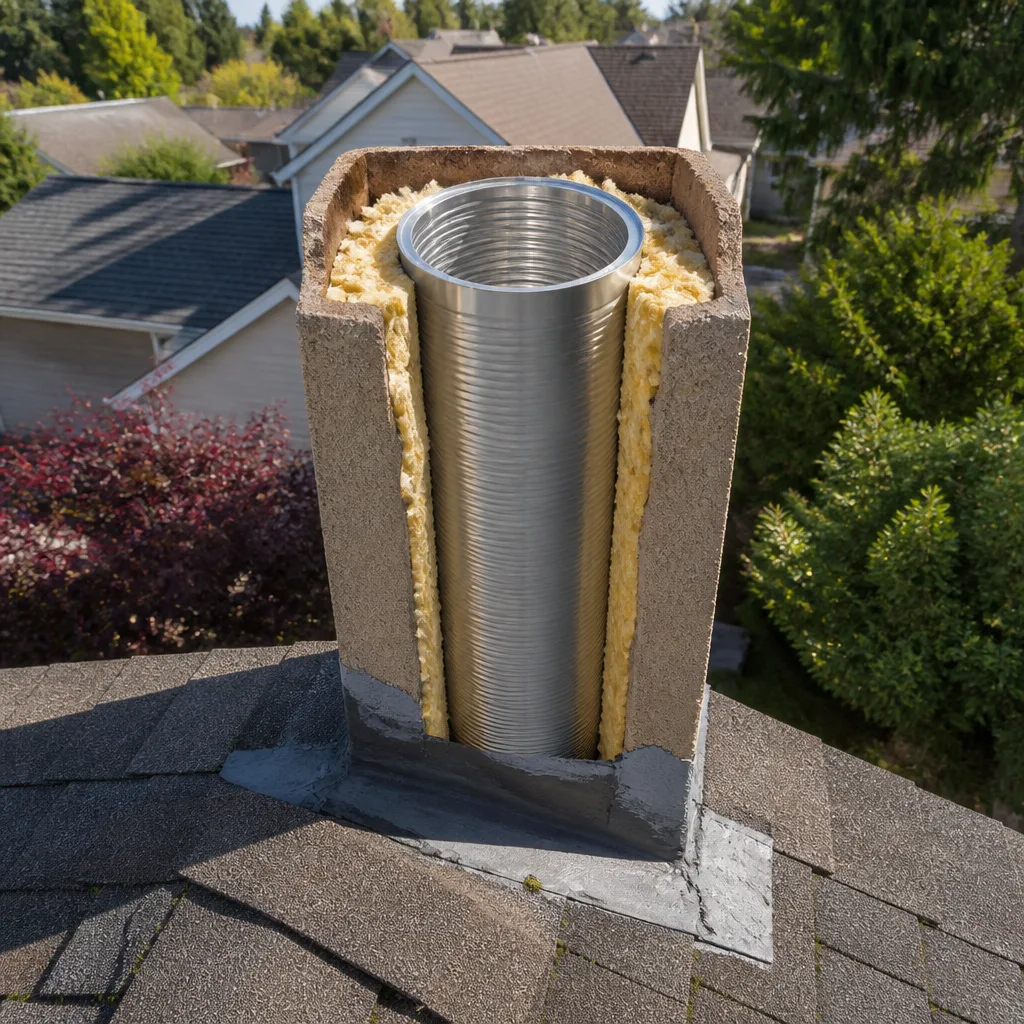
Salt air accelerates corrosion on stainless liner sections, especially on west-facing exposures near Camano Island and the lower delta. The salt crystals from marine spray sit on the metal and hold moisture against it, breaking down the protective passive layer that keeps stainless steel stainless. In practical terms, that means a liner that would last 20 years in Monroe might start showing pitting and rust-through in Stanwood within a shorter window. We inspect liners for exactly this kind of coastal damage.
The first sign is usually a ceiling stain near the fireplace or a damp, musty smell in the room after rain. Outside, look for pieces of crumbled mortar at the base of the chimney, a cap that sits off-center, or visible cracks running through the concrete crown. Stanwood’s wind-driven storms push rain into crowns at an angle, so cracks often form on the windward side. If you suspect damage, call us at (336) 863-3889. We do a full storm-damage assessment and quote repairs in writing.
Yes, though not as frequently as a wood-burning fireplace. Gas fireplaces produce a different kind of residue, but in Stanwood’s damp delta environment, that residue stays wet and sticky. The flue can accumulate a tenacious coating that clings to the walls instead of drying and flaking. More importantly, we regularly find obstructed dampers, corroded components, and storm-damaged crowns during what was supposed to be a simple cleaning. A sweep and inspection is the least expensive way to catch a repair before it becomes an emergency. Call (336) 863-3889 to book an appointment and get an exact quote.
What to Check Before the First Fire of the Season
Stanwood’s storms are the main driver of gas fireplace failure before burn season even starts. Wind-driven rain cracks crowns, dislodges caps, and works flashing loose. Marine salt air corrodes dampers into seized hunks of rust. Delta humidity keeps residue sticky and prevents proper airflow. All of those problems are established before you light the first fire.
Last fall we serviced a gas fireplace in a 1920s farmhouse off Pioneer Highway, where the original masonry chimney had no clay flue liner and the crown showed freeze-thaw spalling after a wind-driven rainstorm. Our tech found the damper plate corroded shut from years of salt-laden marine air and the firebox refractory cracked, letting draft pull damp air down the flue. We replaced the damper with a stainless Famco assembly, sealed the crown, and installed a Copperfield chimney cap. The homeowner said the fireplace finally lit without that smoky backdraft.
That’s the Stanwood story in a few sentences: wind and water working against your chimney all year, and the damage compounding quietly. The best time to check is before you need the fireplace, not after the first cold morning when it won’t ignite. Call (336) 863-3889 and we’ll send a background-checked, identity-verified technician whose name and photo you’ll have before we arrive.
Written by Ruben Castellano, Owner at Alcott Chimney Sweep, serving Stanwood and surrounding communities since 2002.